Pet Bad Breath Remedies: 5 Natural Ways to Stop Bad Breath in Dogs and Cats

How to Stop Bad Breath in Dogs and Cats
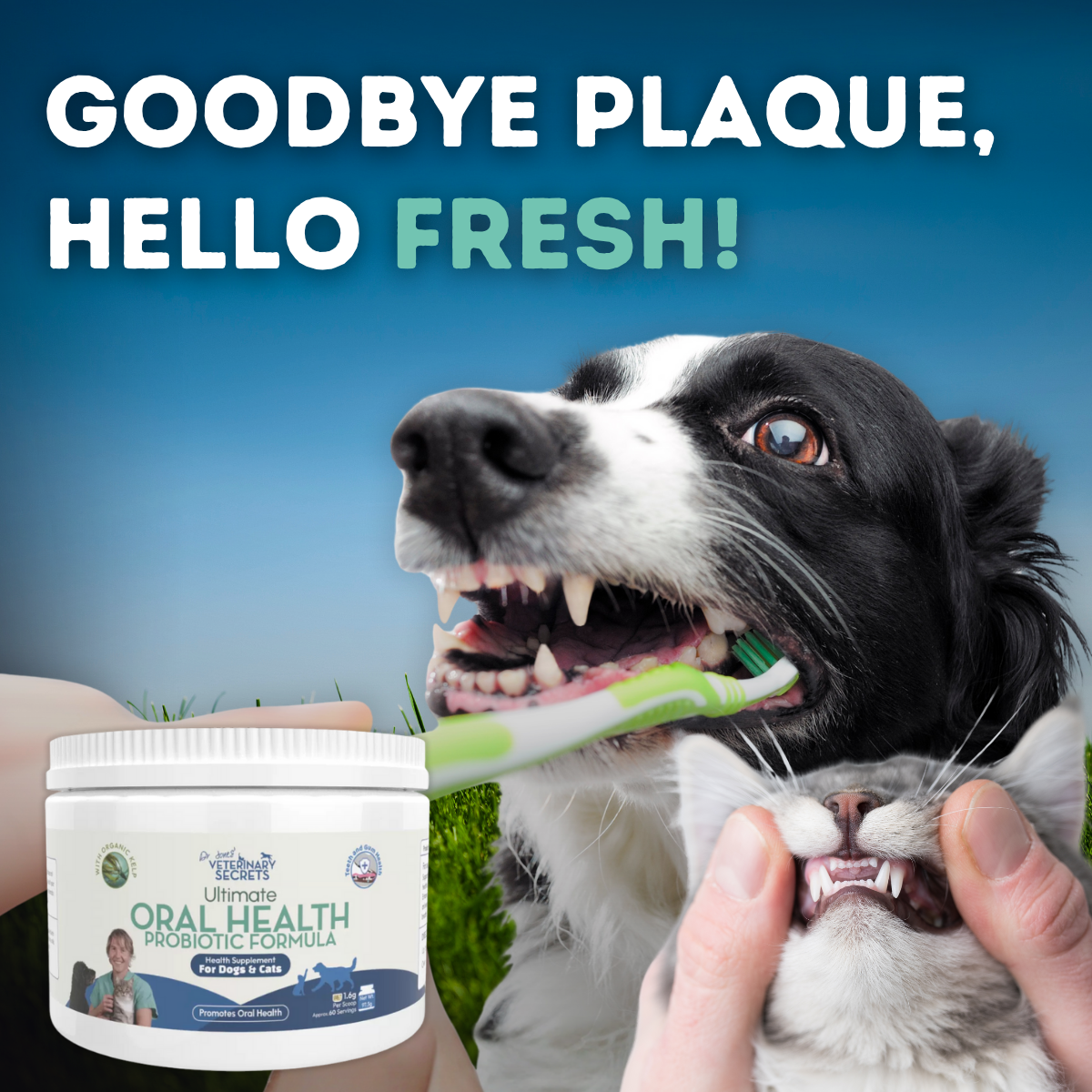
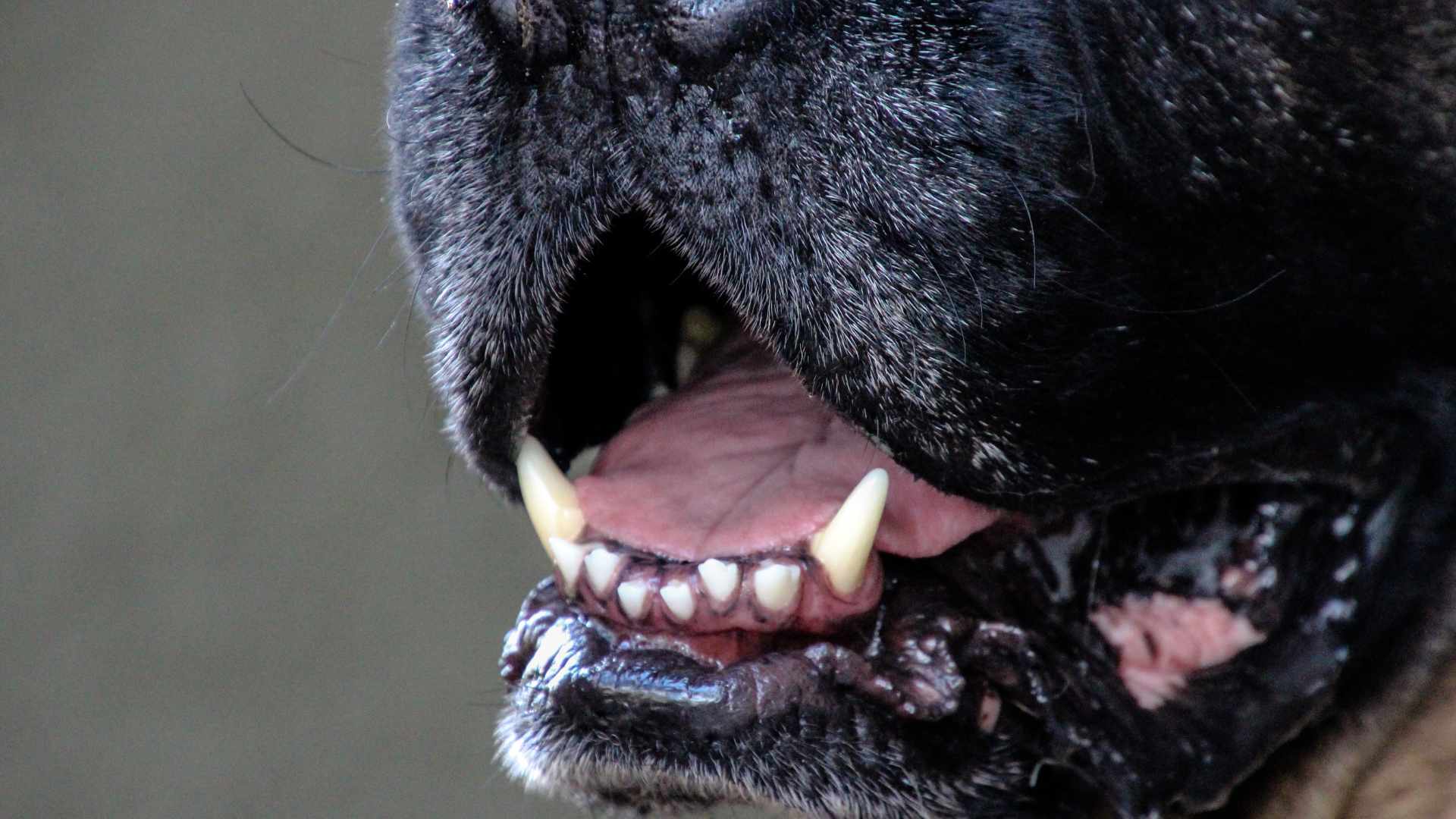
Does your dog or cat have bad breath?
Halitosis is common. I have dealt with it myself. My cat Cassian had noticeable bad breath, and I wanted to fix the root cause, not just mask the smell.
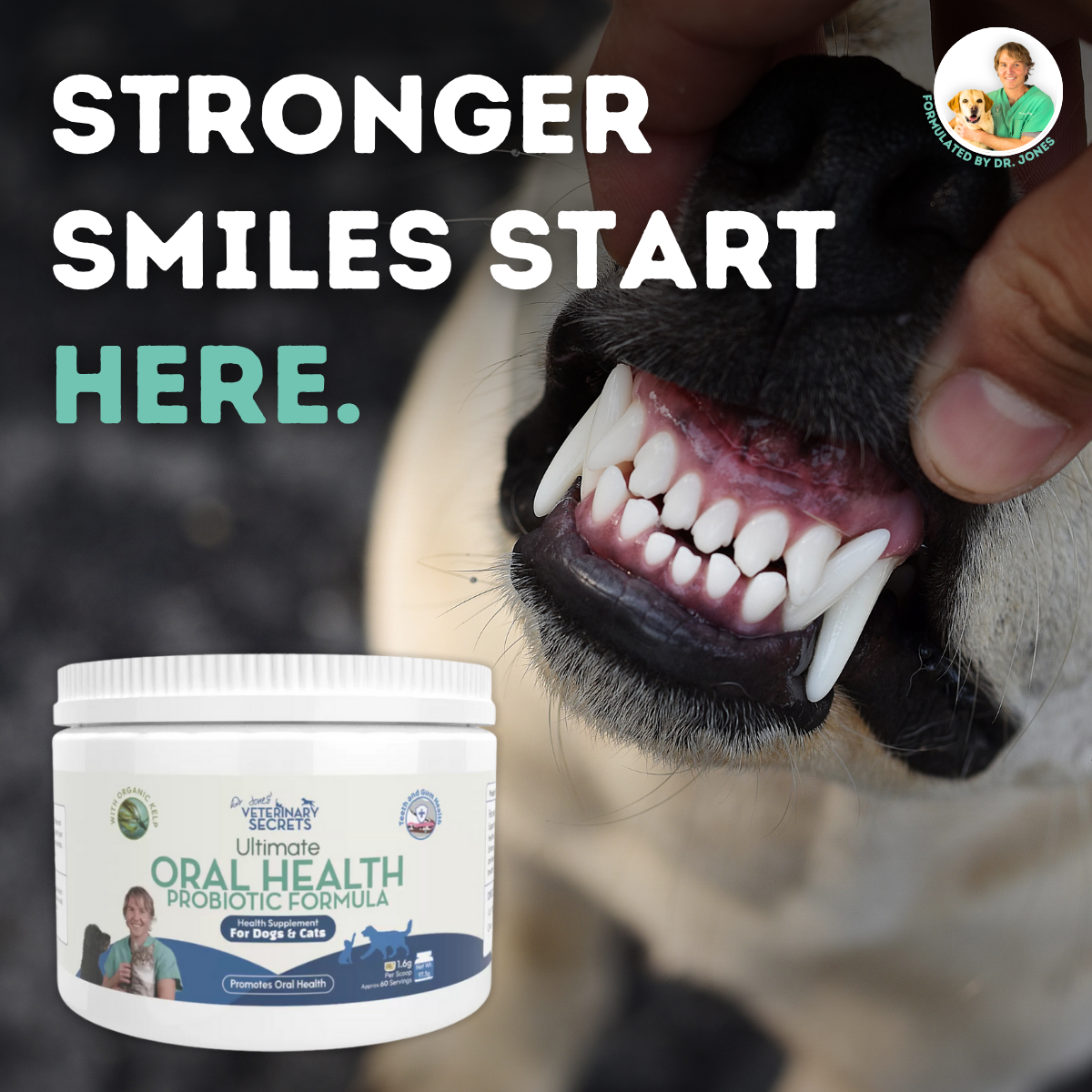
Bad breath usually comes from bacteria in the mouth. Plaque builds up. Tartar forms. Small pockets develop along the gum line. These bacteria produce sulfur compounds that create that strong, unpleasant odor.
If we reduce the bacteria and neutralize those sulfur compounds, breath improves.
Here are five natural remedies that can make a real difference.
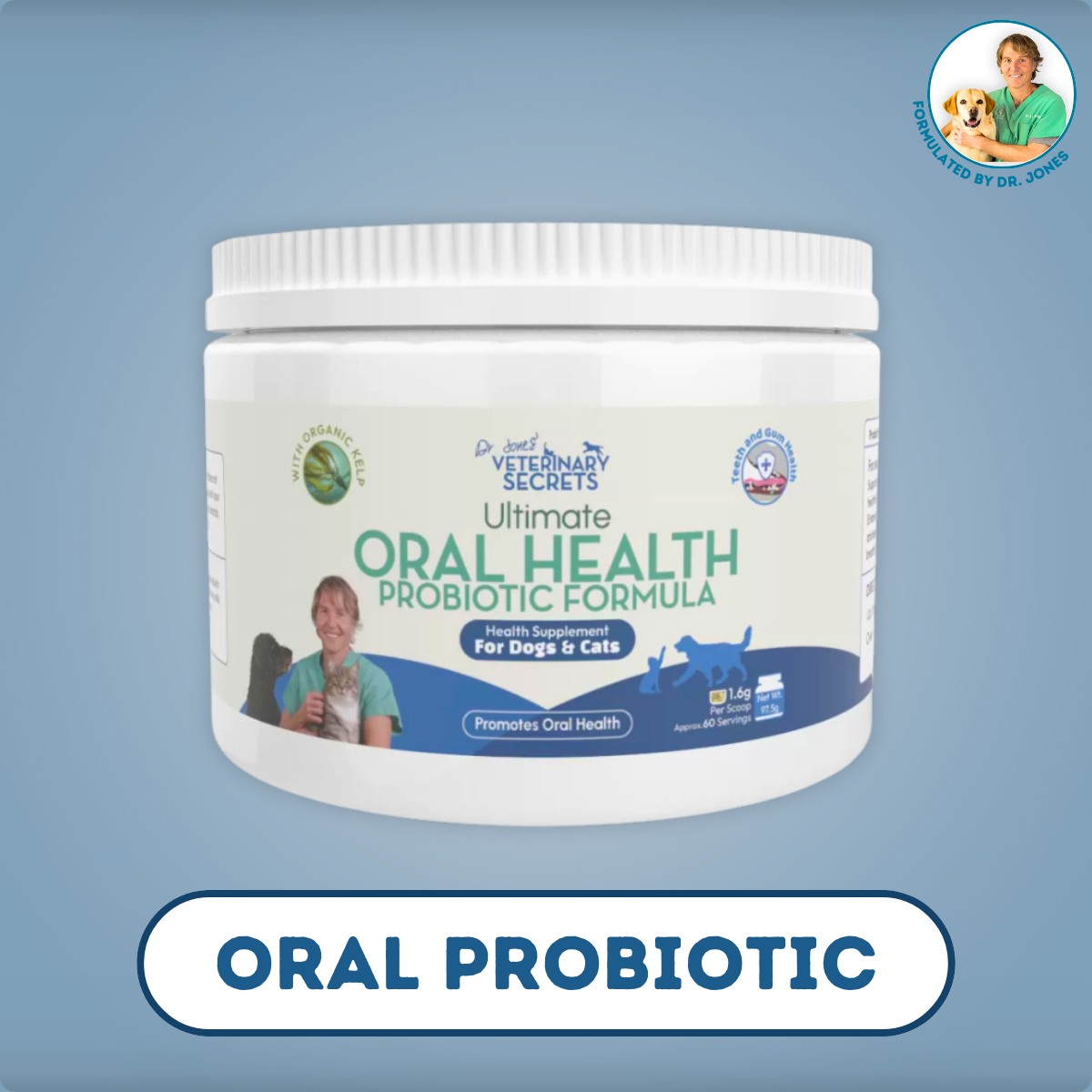
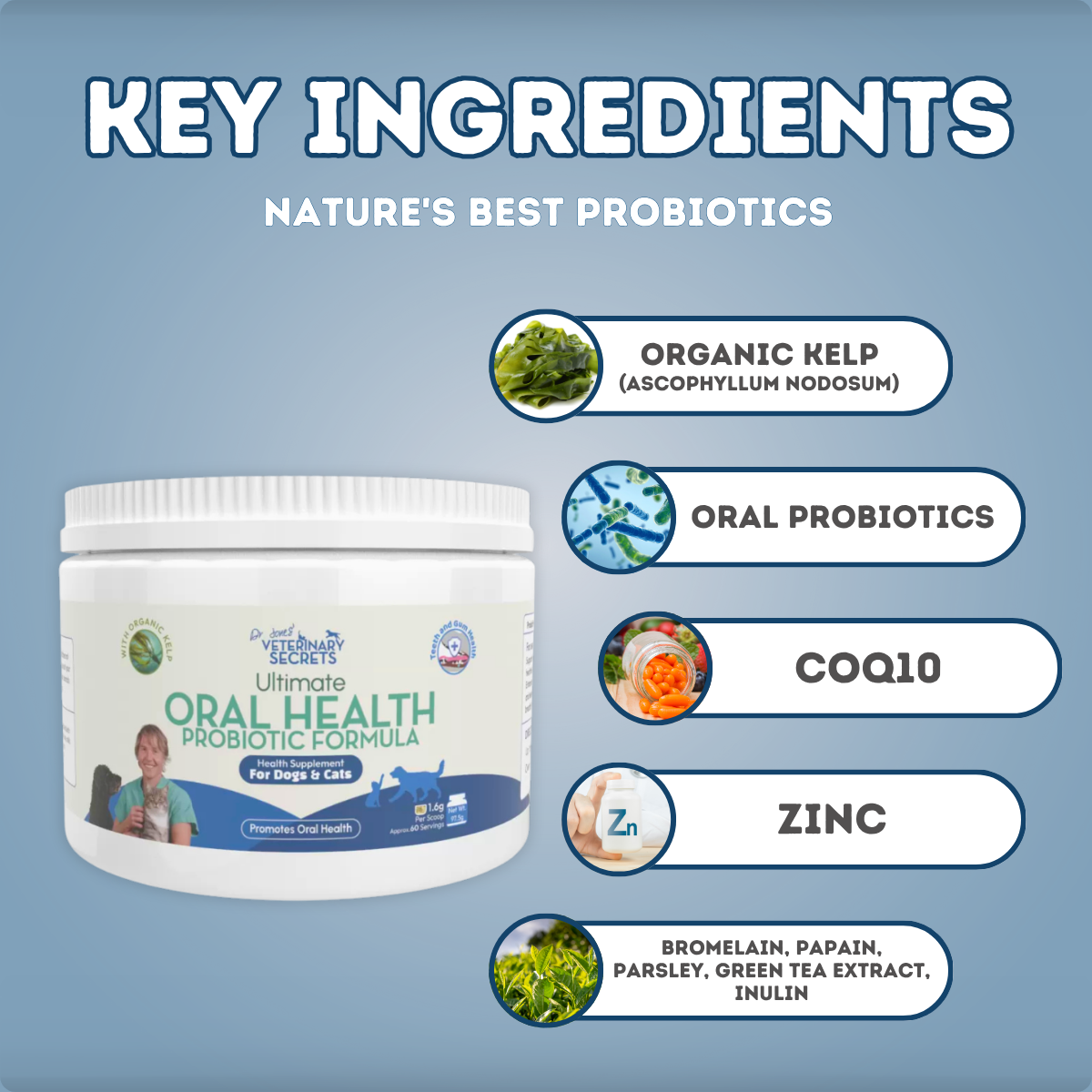
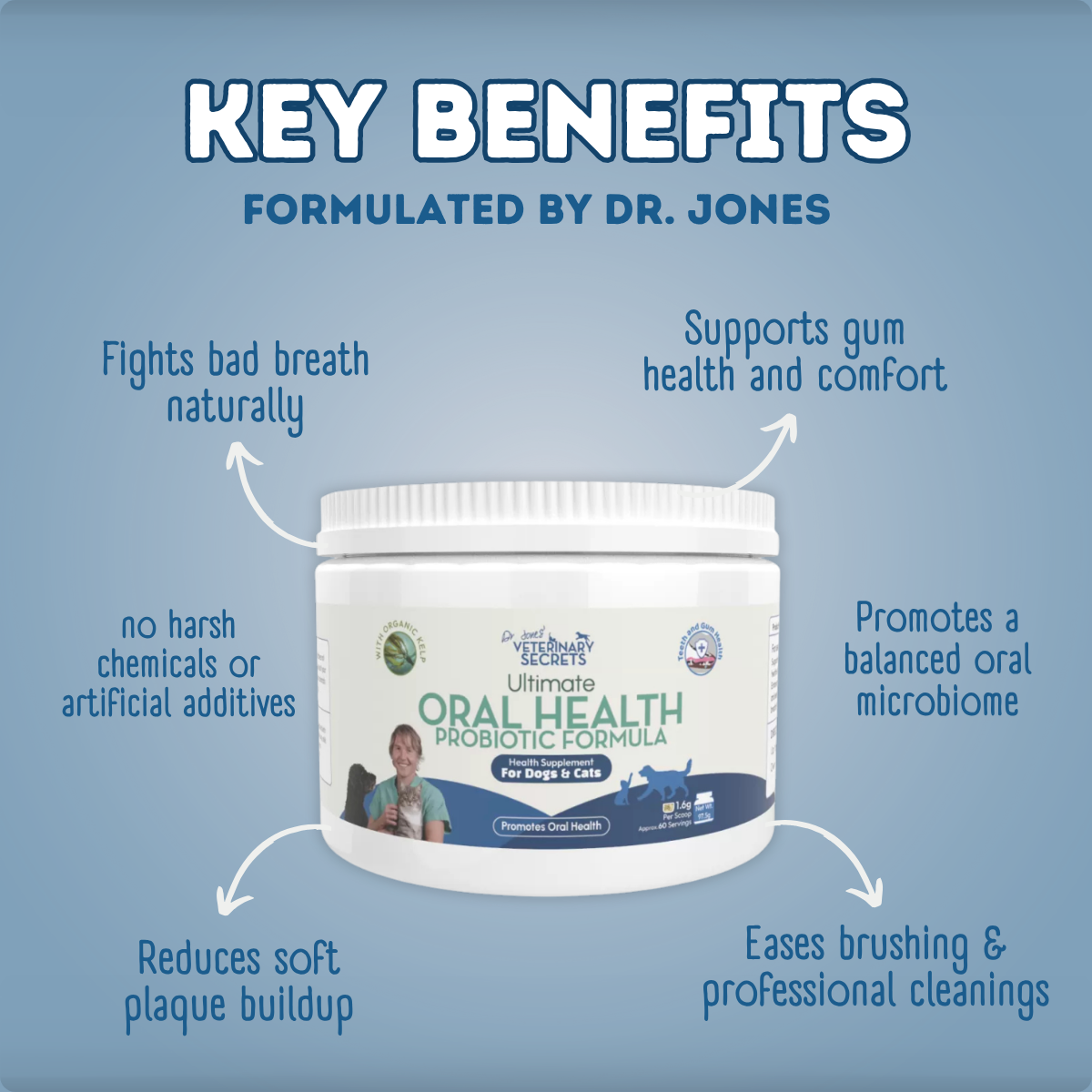
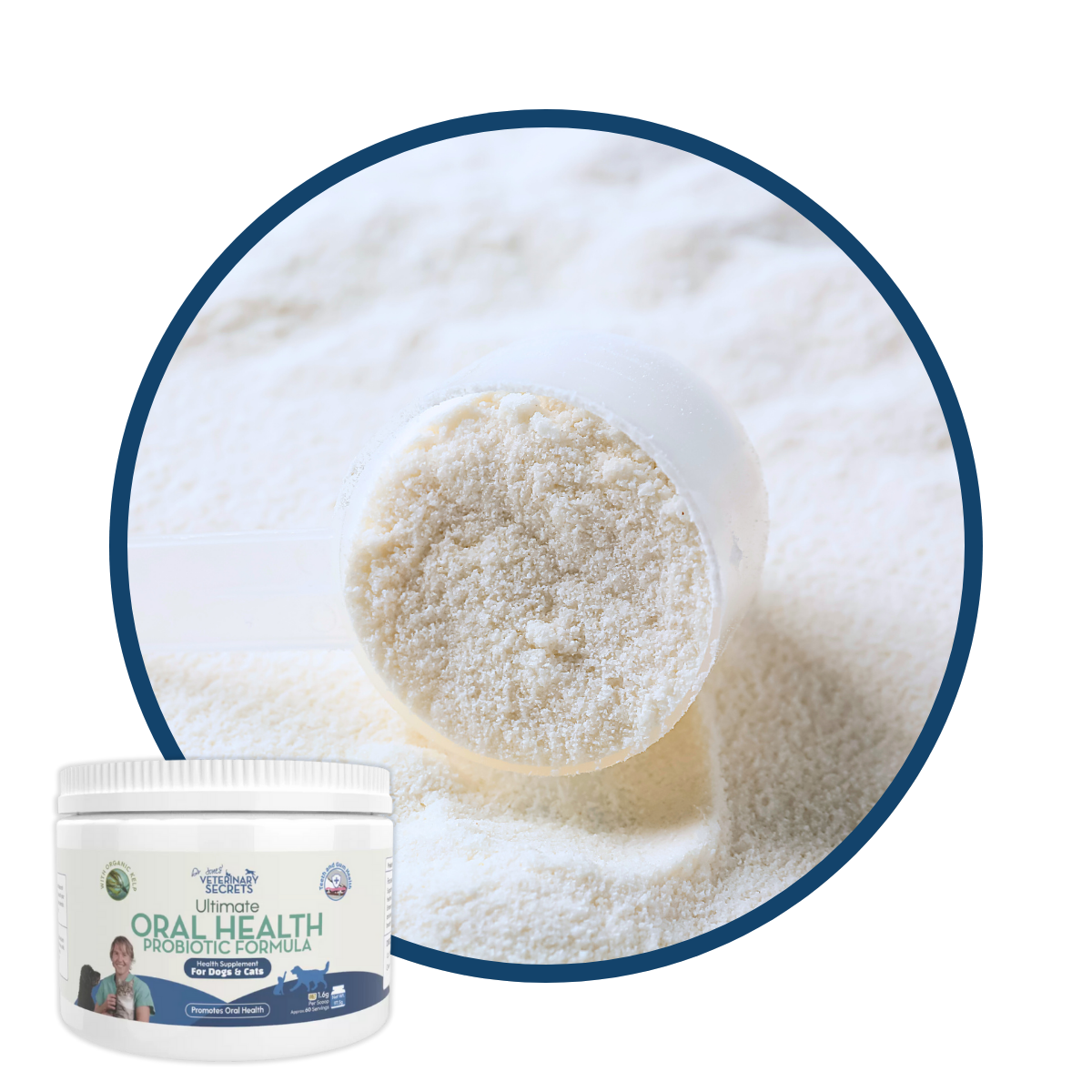
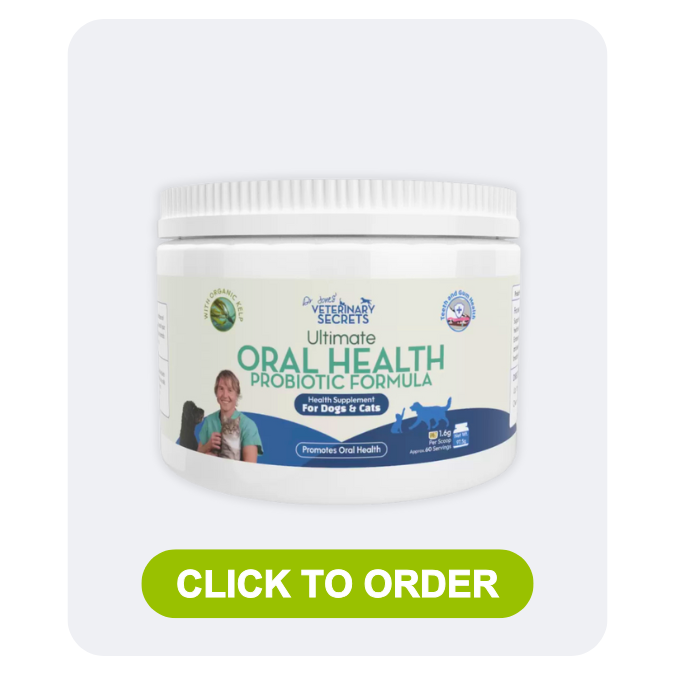
Dr. Jones’ Ultimate Oral Health Probiotic Formula
5 Natural Remedies That Actually Work
1. Hypochlorous Acid
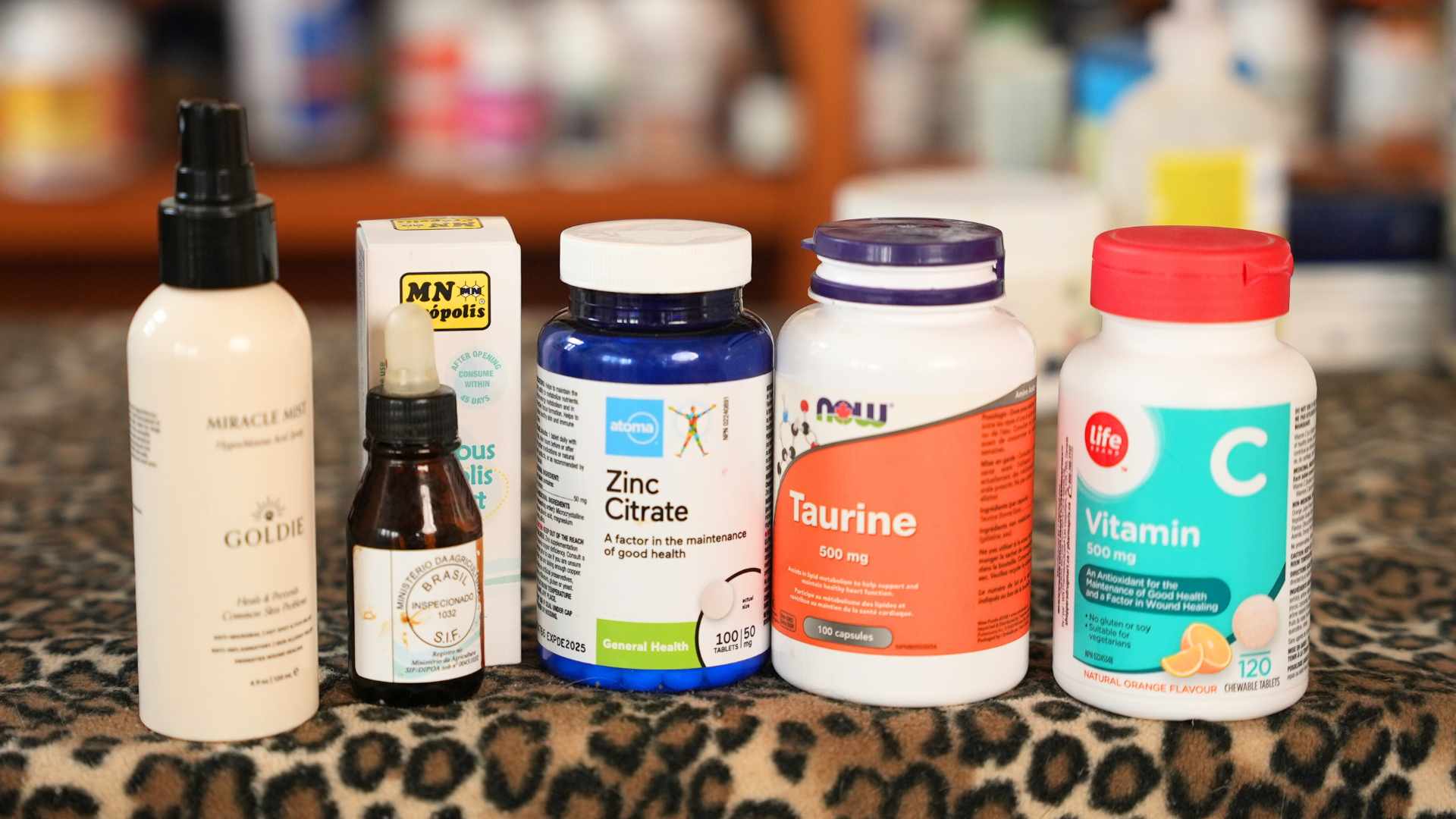
A Gentle Way to Break Down Bacteria
Hypochlorous acid is a substance naturally produced by white blood cells. It helps the body fight infection.
It can also be safely used in the mouth. It breaks down biofilm, the sticky bacterial layer on teeth and gums. It reduces odor causing bacteria without irritating tissue.
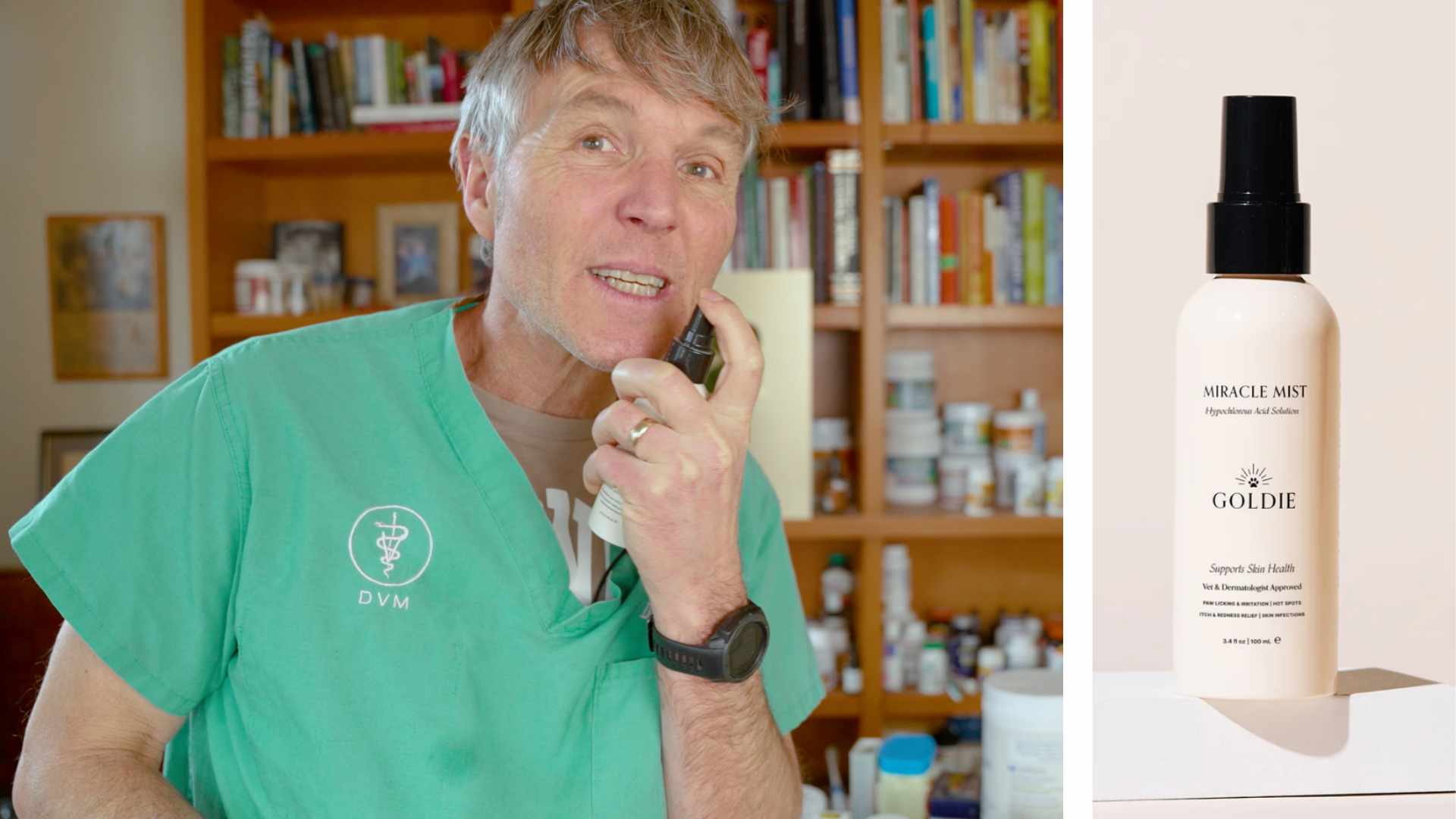
Unlike harsher rinses, it is pH balanced and non irritating. A simple daily oral rinse can help manage gingivitis and early dental disease.
Safe. Effective. Easy to use.
2. Brazilian Propolis
Natural Antibacterial and Anti Inflammatory Support
Propolis, often called bee glue, has powerful antibacterial properties. Brazilian propolis has been especially well studied.
Research shows it can reduce oral bacteria and inflammation. Some studies suggest it may be more effective than traditional antiseptic mouth rinses.
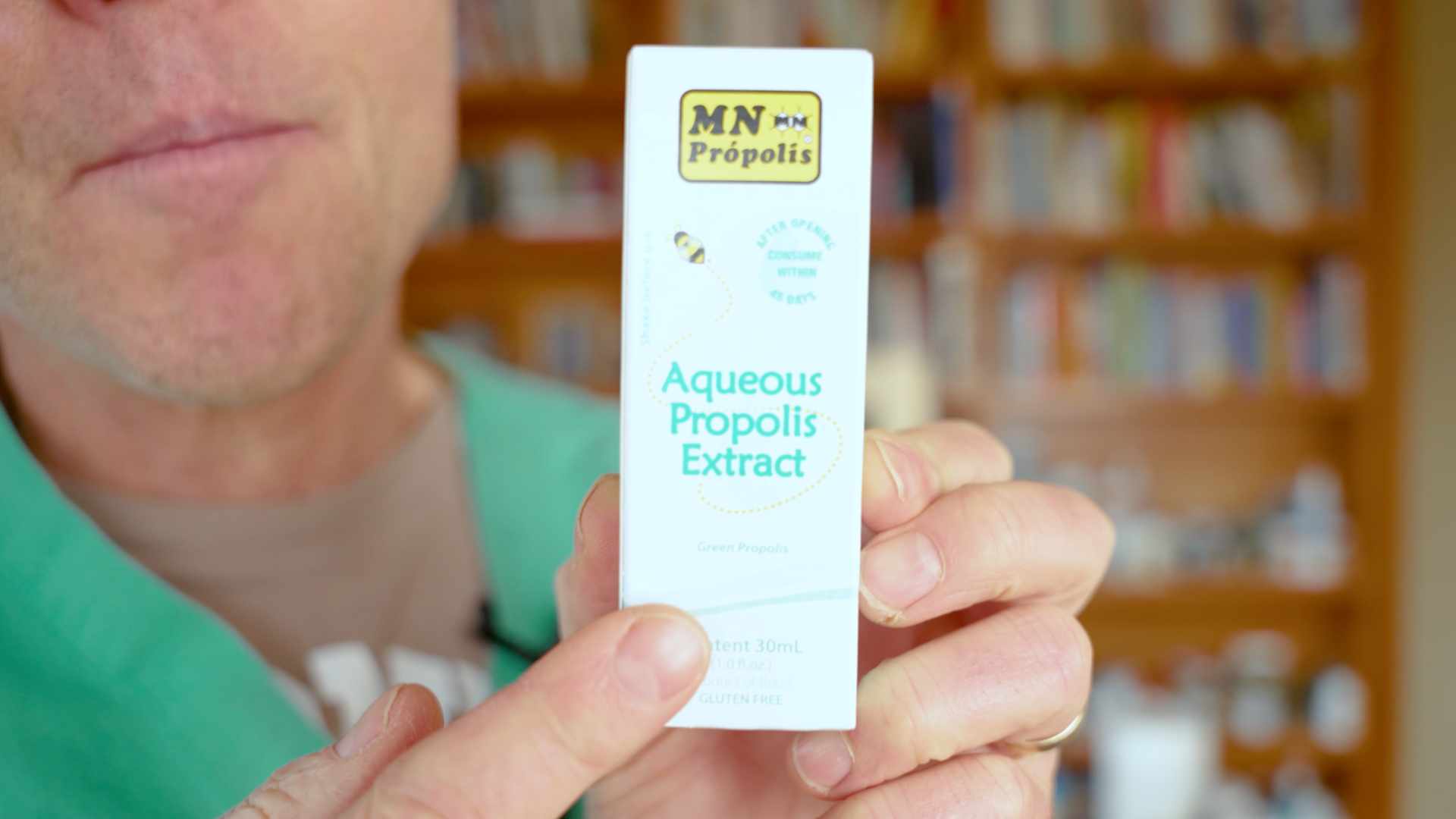
A small drop of propolis tincture rubbed gently on the gums once daily can help reduce odor and inflammation.
I have even used it myself during a dental flare up.
3. Zinc
Neutralizes Sulfur Compounds
Zinc does two important things.
First, it reduces bacteria.
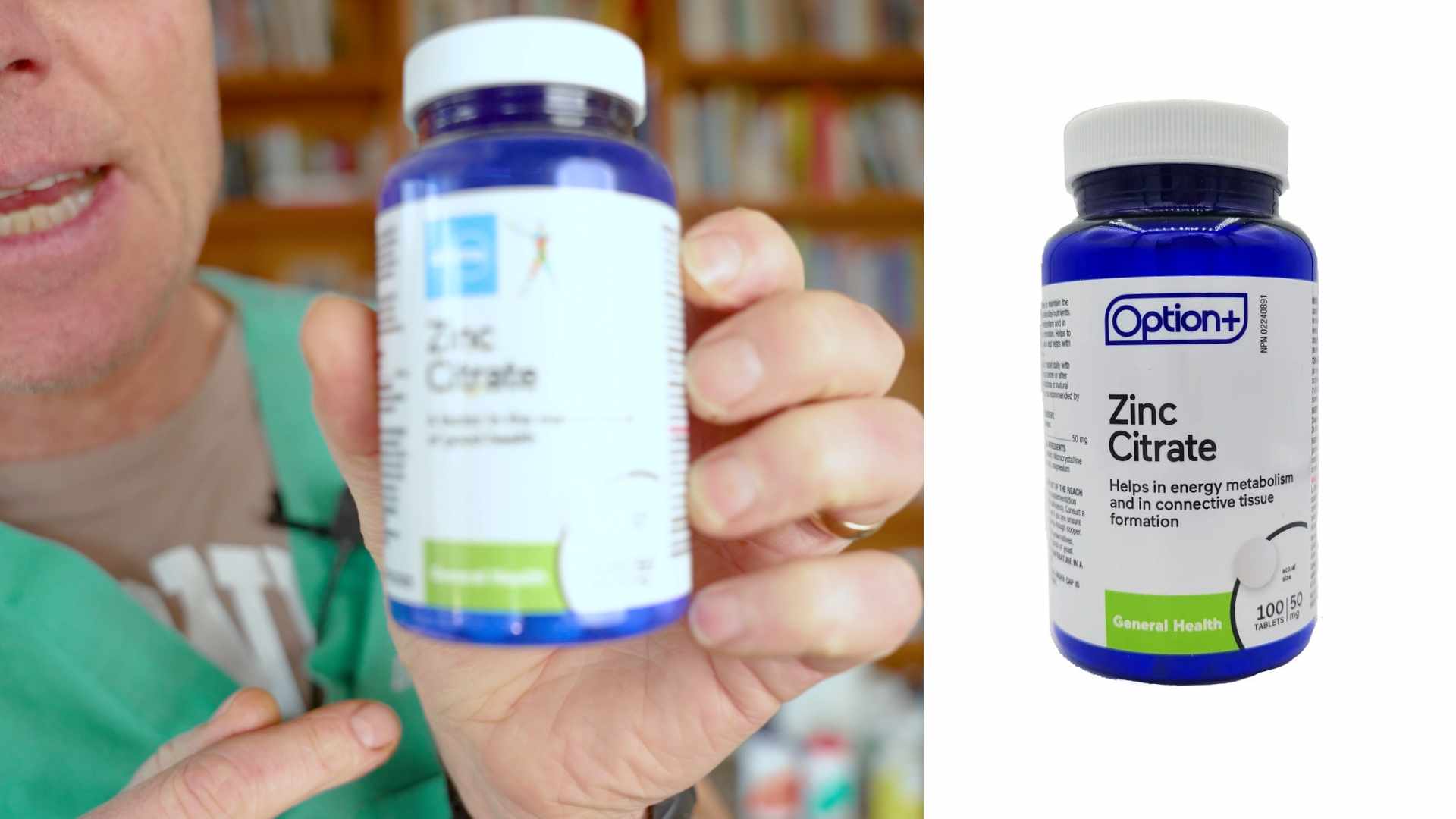
Second, it binds to hydrogen sulfide, one of the main compounds responsible for bad breath. When zinc binds to it, odor drops significantly.
A practical dose is about 2 to 3 mg per 10 pounds of body weight daily. Crush and mix into food to ensure it reaches the mouth.
Start low and monitor.
4. Taurine
Supports Oral and Overall Health
Taurine is essential for cats and very beneficial for dogs. It supports the heart, eyes, and nervous system.
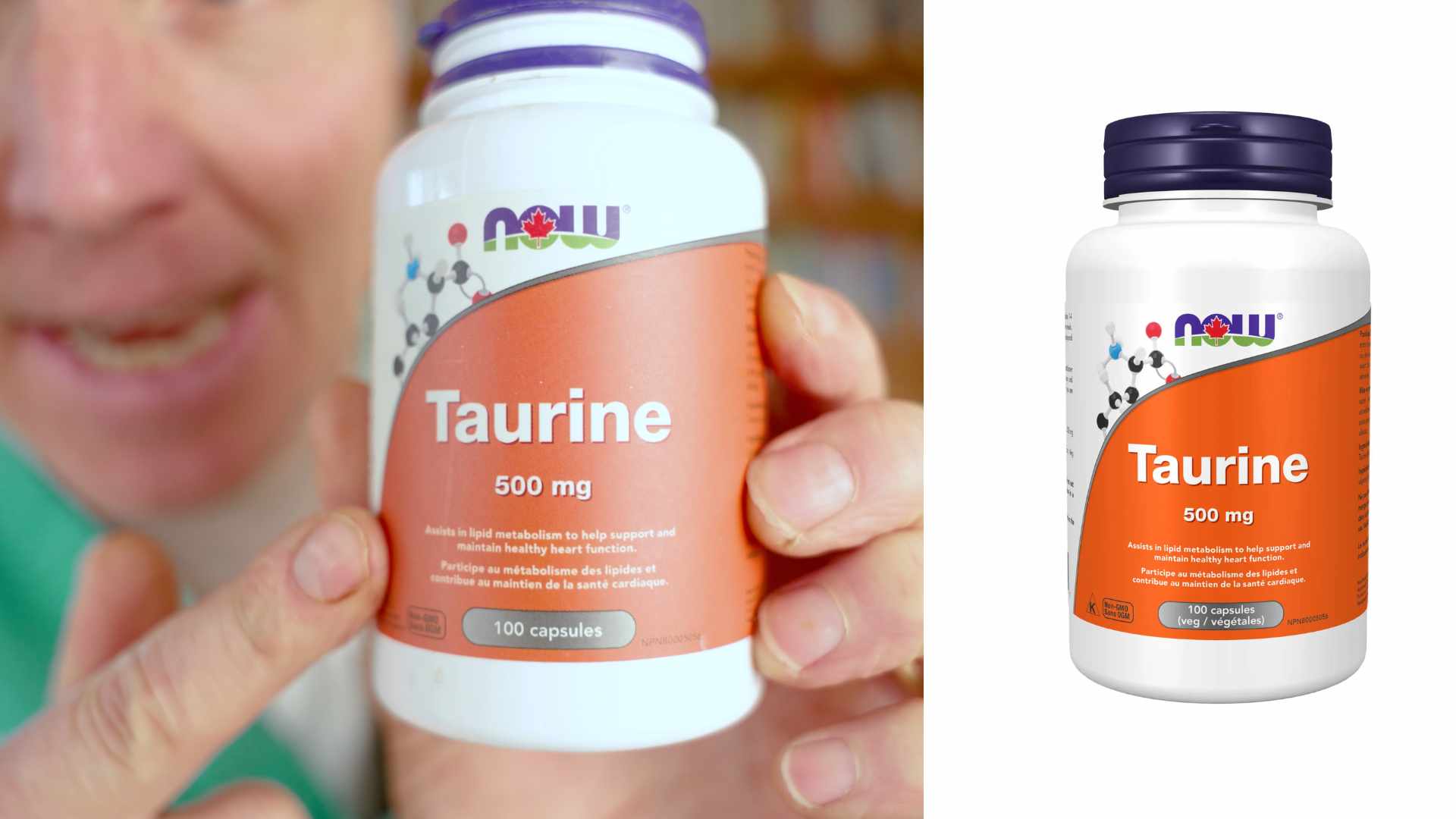
It also binds sulfur compounds in the mouth, helping reduce halitosis.
I typically suggest about 100 mg per 10 pounds of body weight daily, mixed into food.
It is safe, affordable, and often overlooked.
5. Vitamin C
Healthier Gums, Less Odor
Vitamin C supports gum tissue and immune function.
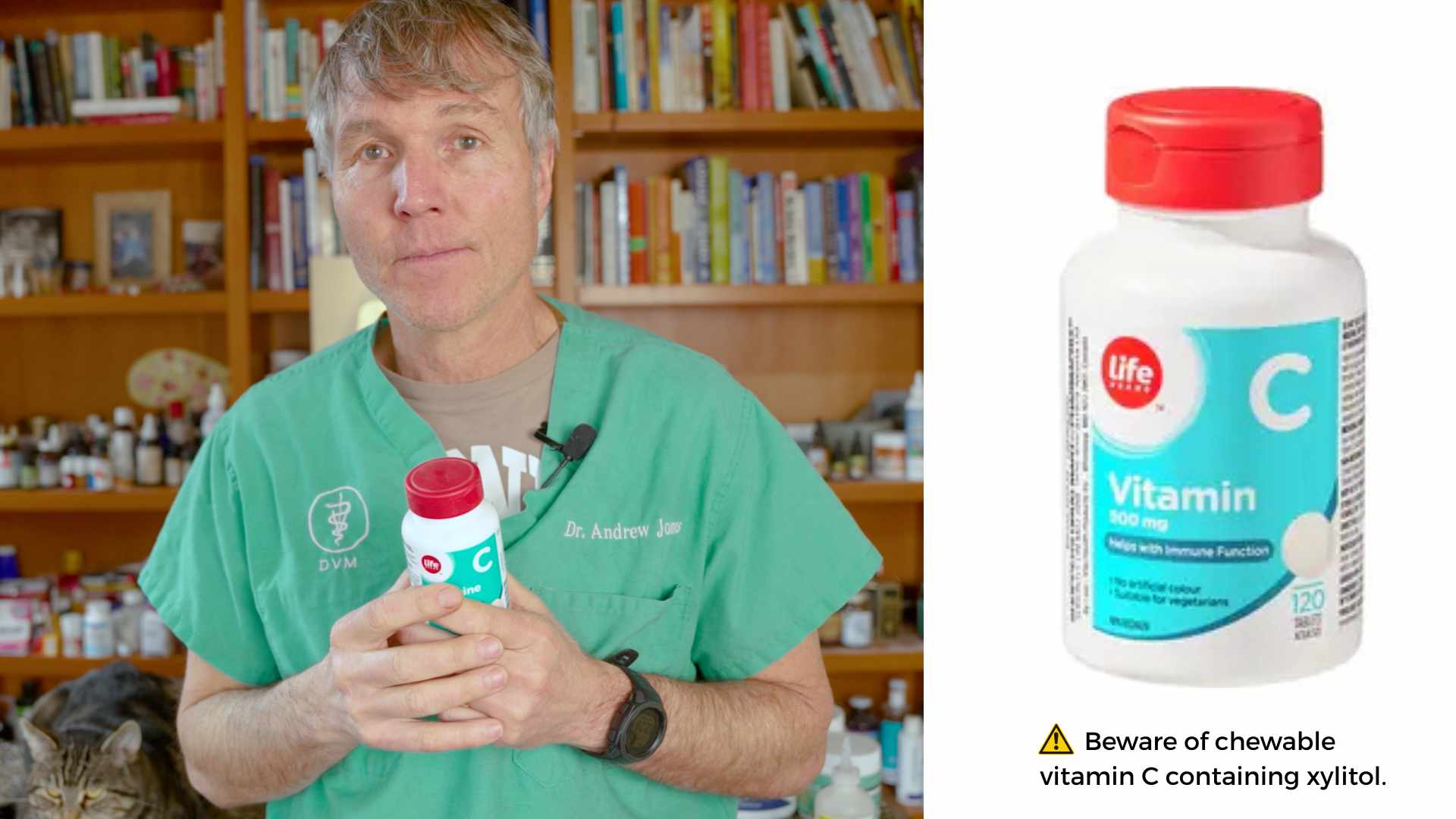
It may help reduce odor causing bacteria and improve periodontal health. It also increases saliva production, which naturally washes away debris.
A small dose of about 50 mg per 10 pounds of body weight daily can be mixed into food. Give it two to four weeks to assess results.
My Final Thoughts on Bad Breath in Pets
Most bad breath starts with bacteria and gum inflammation.
If you target the bacteria, support gum health, and neutralize sulfur compounds, you can often improve breath naturally.
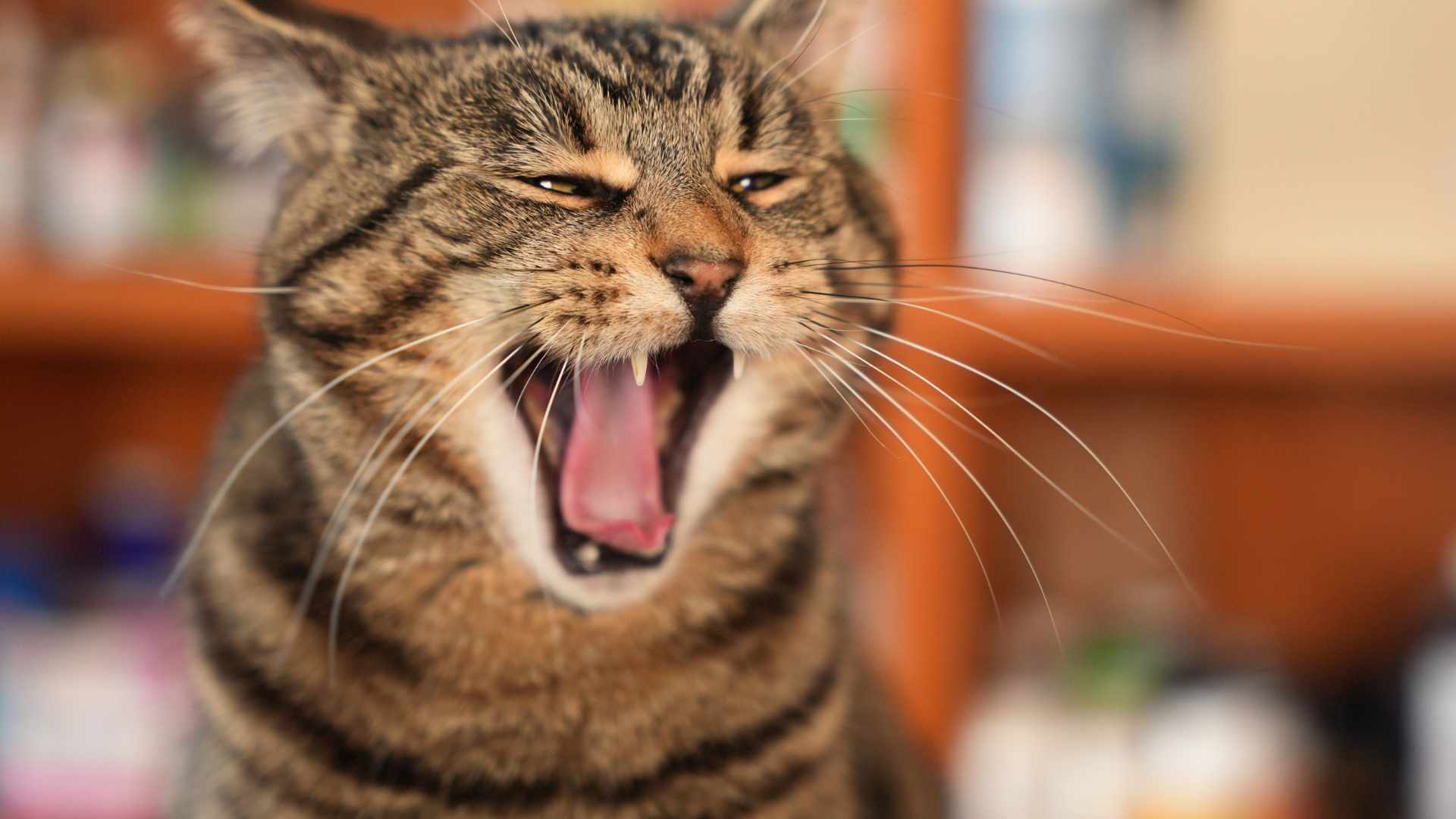
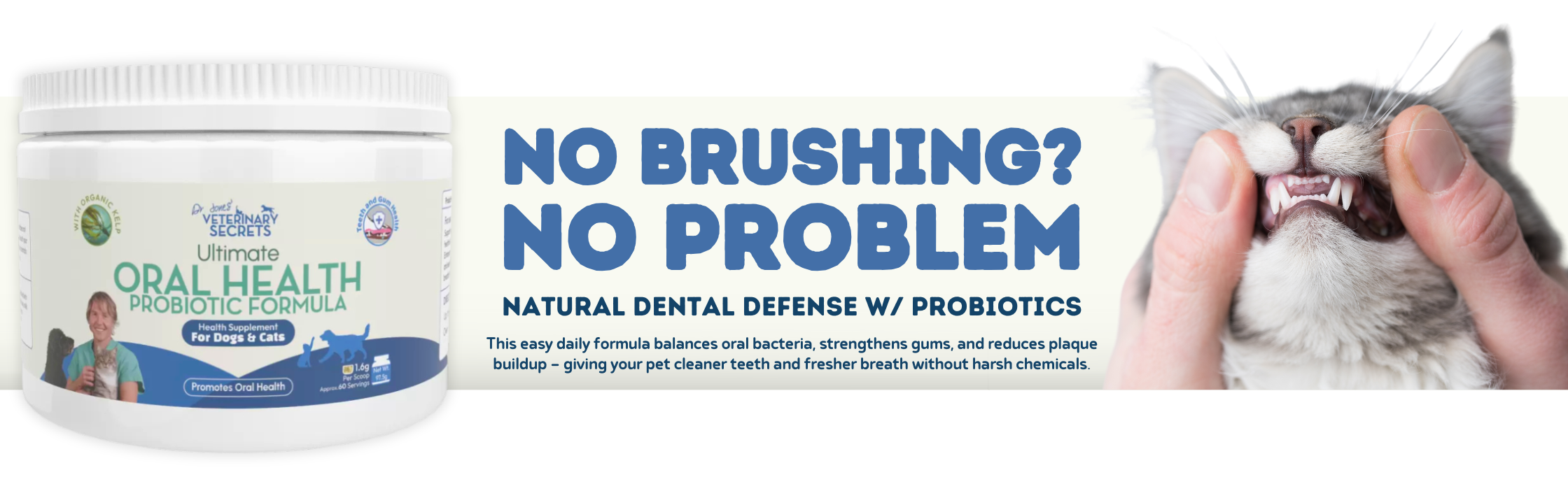
Cassian improved significantly after adding zinc and an oral health probiotic.
If your dog or cat has halitosis, try one or two of these options consistently. Small changes can make a big difference.
Healthy mouth. Healthier pet.
Click To Get A Free Copy of My E-Book!