New Peptides for Pets: Are BPC-157, TB-500, and KPV Safe for Dogs and Cats?

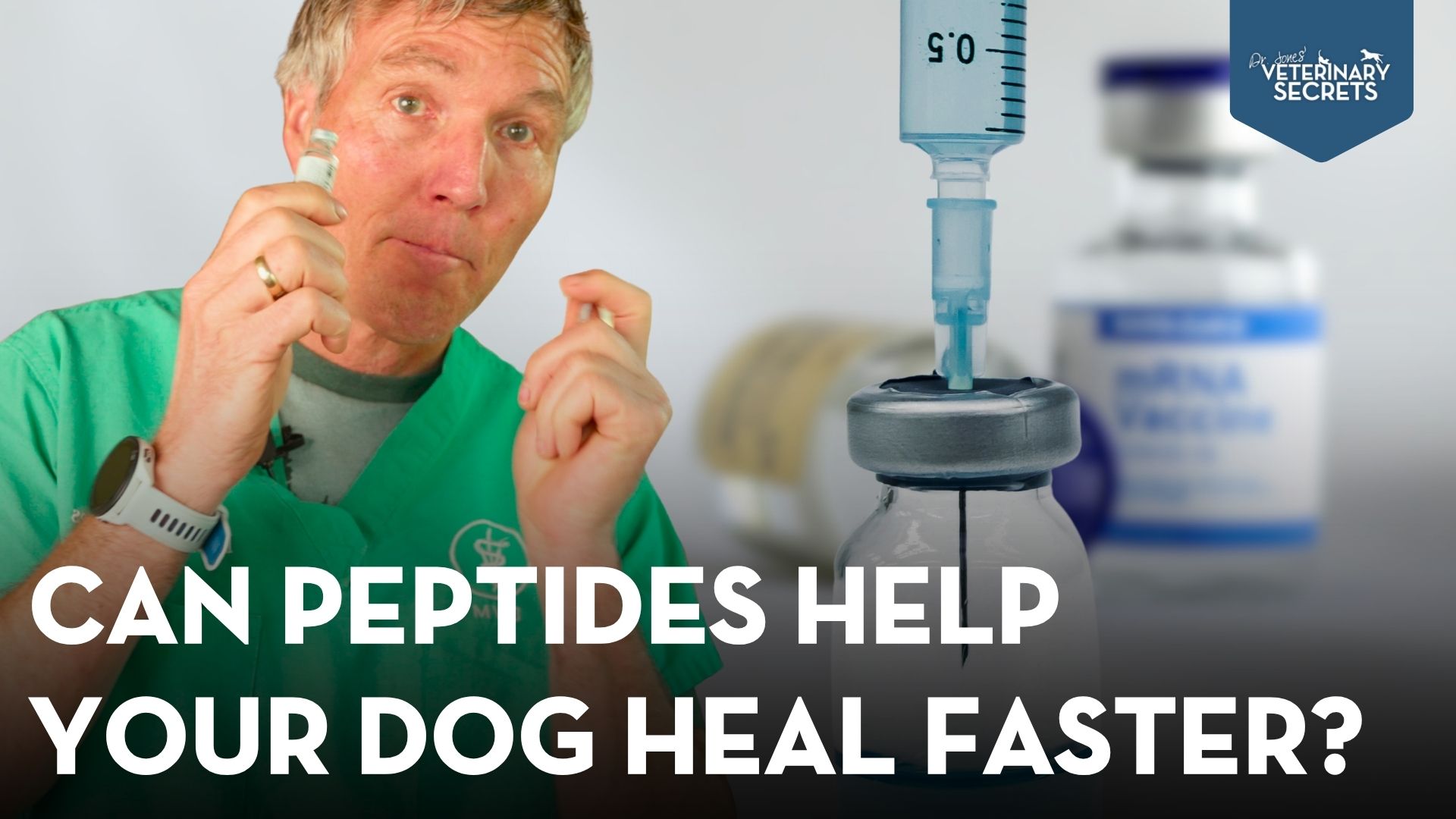
Can Peptides Help Your Dog or Cat Heal Faster?
Peptides may help support healing in dogs and cats, especially for gut inflammation, soft tissue injuries, tendon and ligament problems, wounds, skin allergies, and possibly immune-related inflammation.
But here is the honest answer:
This is still a new area for pets.
BPC-157, TB-500, and KPV are exciting, but they are not yet simple, fully approved, easy-to-prescribe veterinary treatments. Many of these peptides are synthetic versions of substances naturally found in the body, and much of the current support comes from animal studies, early research, and clinical interest.
So yes, I think peptides are worth paying attention to.
Dr. Jones’ Ultimate High Absorption 95% Curcumin for Dogs and Cats


What Are Peptides?
Peptides are small chains of amino acids.
Amino acids are the building blocks of protein. Proteins have larger chains of amino acids, while peptides are smaller.
Peptides also act as messenger molecules in the body.
They help tell the body what to do.
Some peptides may signal tissue repair. Some may help with tendon or ligament healing. Some may help decrease inflammation in the skin or gut.
Peptides are not new. Your body makes them. Your pet’s body makes them too.
Are Peptides Already Used in Medicine?
Yes.
A very familiar peptide is insulin.
Insulin is produced by the pancreas and tells the body to move blood sugar from the bloodstream into cells.
Another example is oxytocin, the birthing hormone. It is naturally produced in the body and is also widely used in veterinary medicine, such as when helping induce labor.
More recently, GLP-1 drugs have brought peptides into the news. These drugs were originally connected to research involving the saliva of a poisonous lizard, where scientists were studying how the animal could go long periods between feeding while maintaining stable blood glucose.
So peptides are not some mysterious new fairy dust.
They are messenger compounds with real biological effects.
Why Are Pet Parents Hearing About Peptides Now?
Peptides have been talked about a lot in the athletic community because of possible benefits for healing, recovery, inflammation, and tissue repair.
Now some synthetic peptides are being reviewed at a higher level, including by the FDA.
There are many so-called new peptides, likely close to 20 or 30.
A smaller number have been approved by a committee to be reviewed by the FDA.
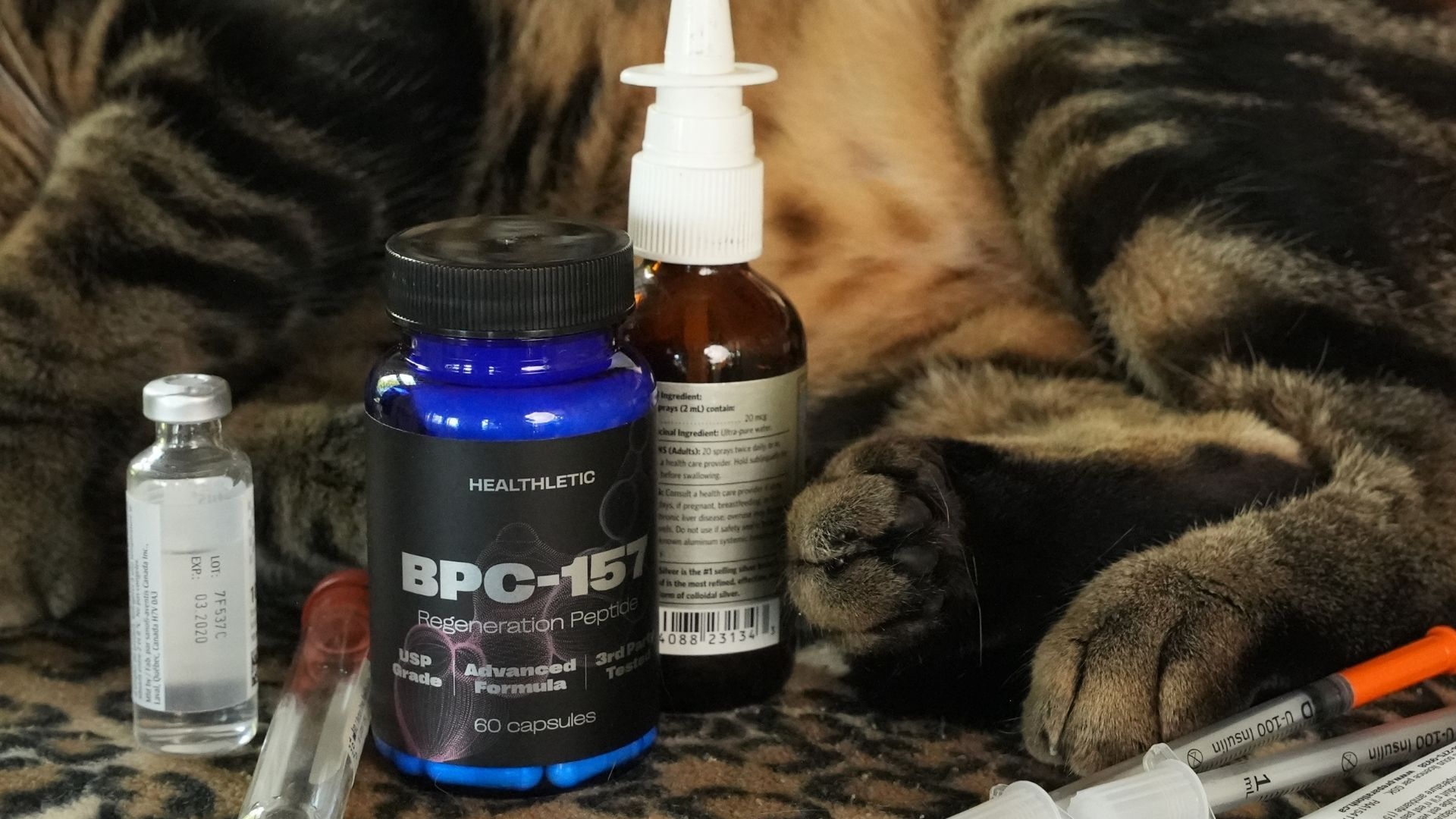
For pets, the three I think are most worth discussing are:
- BPC-157
- TB-500
- KPV
These three have some reasonable science behind them, especially animal studies, and they are being discussed by many people interested in holistic healing.
Are Peptides FDA Approved for Dogs and Cats?
Not in the simple way pet parents would hope.
Right now, your veterinarian cannot easily prescribe many of these synthetic peptides because they are not FDA approved for routine veterinary use.
There is not one clear legal source where your veterinarian can simply order an injectable peptide for your dog’s knee, or an oral peptide for your cat’s gut inflammation.
That is one of the big challenges.
Some peptides may be available through companies selling peptides for pets, and one veterinarian online, Dr. Kate Woodley, was mentioned as recommending a few different sites.
But this area still needs clearer approval, better regulation, and more controlled veterinary access.
That would be much better for everyone.
Especially the pets.
Quick Comparison: BPC-157 vs TB-500 vs KPV
| Peptide | Main Focus Mentioned | Possible Pet Uses Discussed | Frequency Mentioned |
|---|---|---|---|
| BPC-157 | Gut repair, tissue healing, tendon, ligament, bone, muscle, inflammation | IBD, leaky gut, colitis, acid reflux, ACL or ligament injury, tendon healing, bone healing, muscle repair | Daily |
| TB-500 | Systemic soft tissue and muscle regeneration | Wounds, soft tissue injury, tendon, ligament, muscle repair, multiple affected areas | About once weekly |
| KPV | Anti-inflammatory and immune effects | Allergic dermatitis, skin inflammation, gut inflammation, IBD, autoimmune-type inflammation | No exact pet schedule given |
What Is BPC-157?
BPC stands for Body Protection Compound.
BPC-157 is a synthetic peptide made of 15 amino acids.
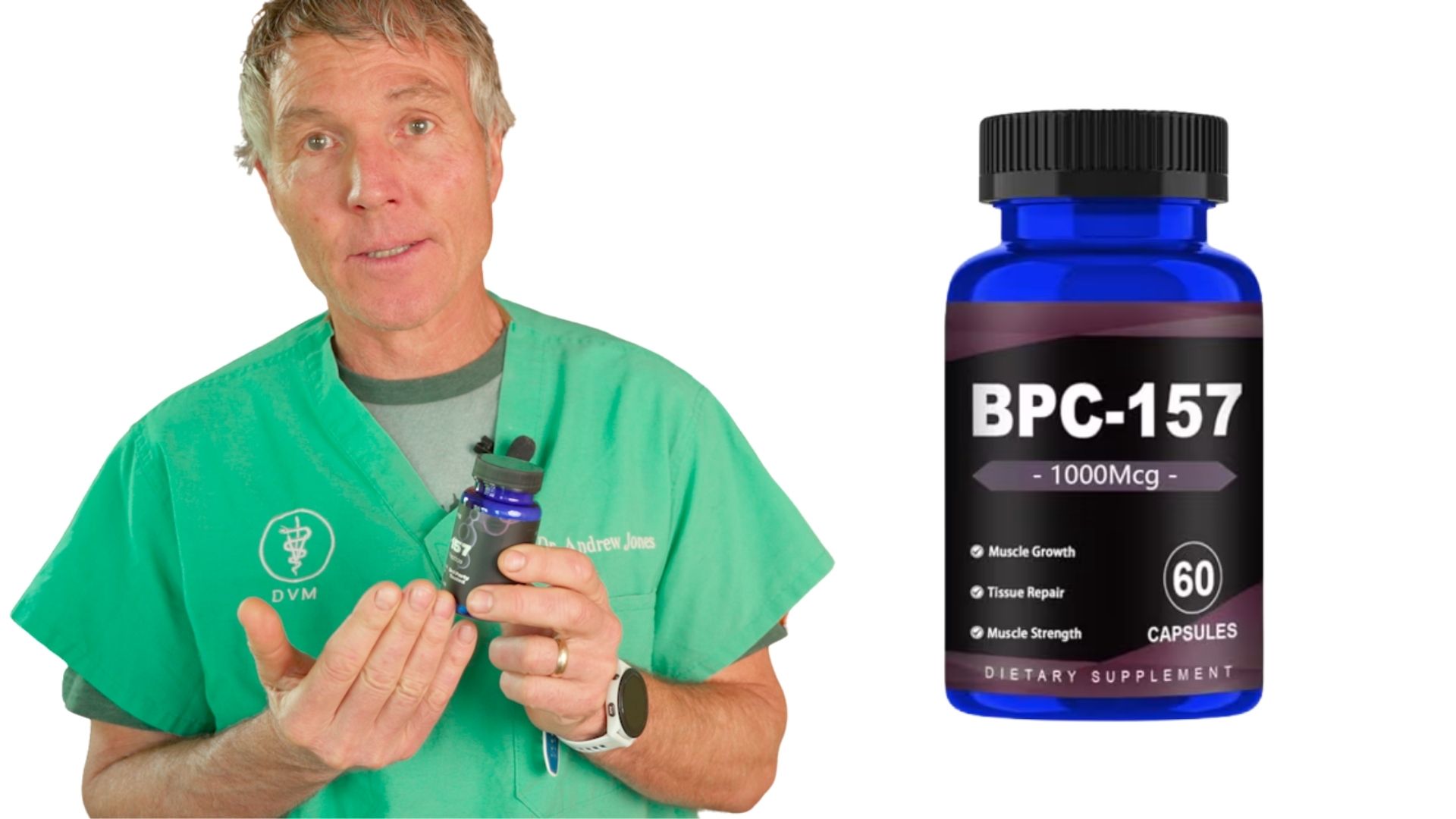
It is believed to have first been discovered in dog stomach contents, also called gastric juice.
This is interesting because BPC-157 is naturally found in the stomach contents of people and animals, including dogs and cats.
The body is already making it.
The synthetic version is being studied and used because it appears to enhance the body’s own healing processes.
How Does BPC-157 Work?
BPC-157 does not appear to work like a simple drug that targets one single pathway.
It seems to coordinate different body systems to help them work better.
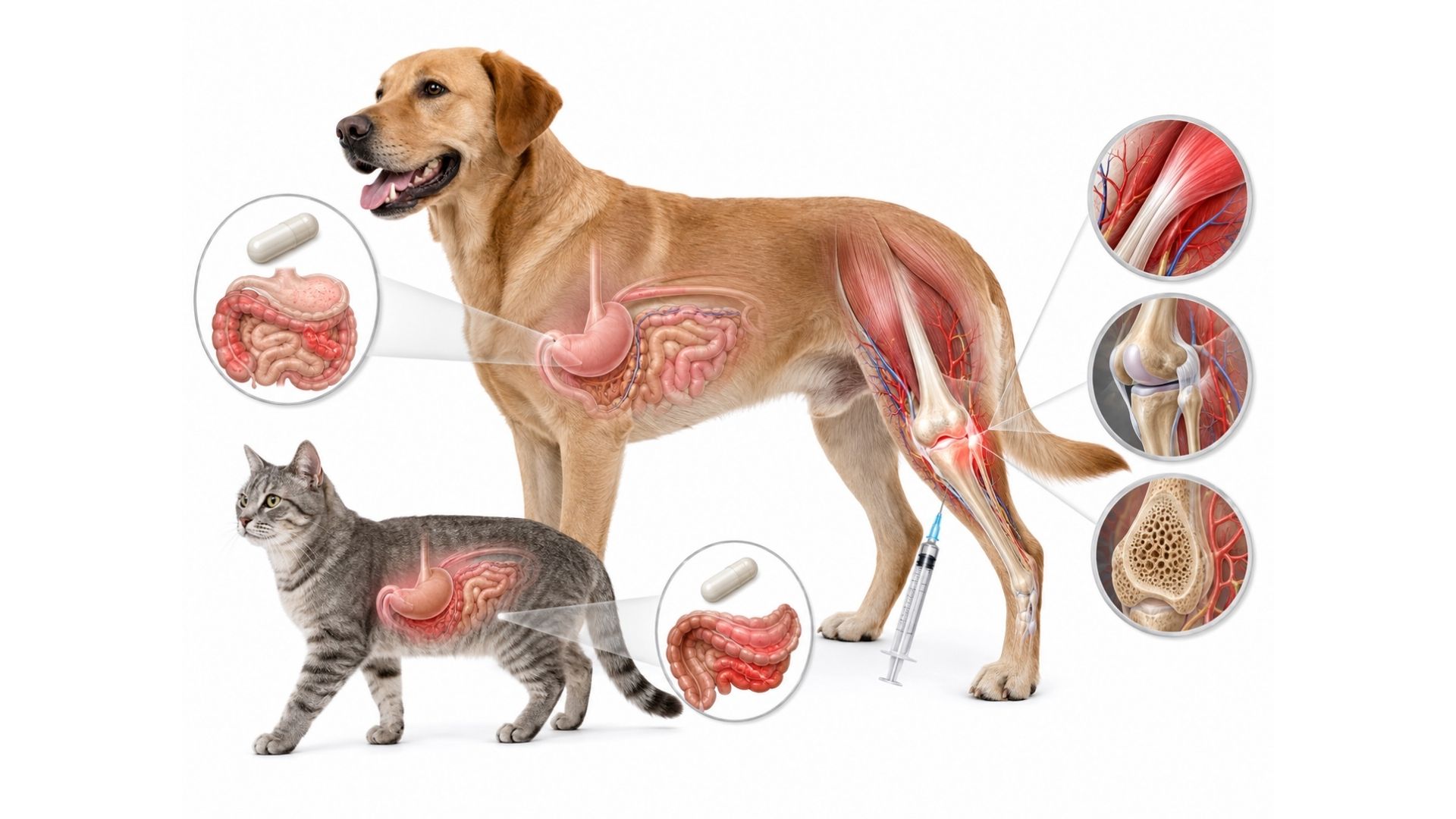
That may include:
- New blood vessel growth
- Fibroblast formation
- Muscle repair
- Gut lining repair
- Decreased inflammation
- Improved healing in poorly vascularized tissue
That is why it is being discussed for both gut issues and musculoskeletal injuries.
It may help the body do what it is already trying to do:
Heal.
What Conditions Might BPC-157 Help in Pets?
Based on the transcript, BPC-157 is being discussed for:
- Inflammatory bowel disease, or IBD
- Leaky gut
- Colitis
- Acid reflux
- Chronic vomiting
- Chronic diarrhea
- ACL or cruciate ligament injuries
- Tendon injuries
- Ligament injuries
- Muscle repair
- Bone healing
- Fracture support
- Joint issues
- Soft tissue inflammation
- Some nerve or neurologic concerns
That is a wide list.
And that is part of what makes BPC-157 so interesting.
BPC-157 for Gut Problems
BPC-157 specifically targets the gut and intestinal tract.
That makes sense, since it is found in gastric juice.
It may help with mucosal repair, meaning repair of the outer lining of the intestinal tract.
It may also decrease inflammation in animals with conditions such as inflammatory bowel disease.
In animal models, BPC-157 has shown positive results for intestinal health, including conditions such as:
- Leaky gut
- Inflammatory bowel disease
- Colitis
- Decreased intestinal inflammation
- Less vomiting
- Less chronic diarrhea
If I had an animal with inflammatory bowel disease, BPC-157 would absolutely be something I would consider.
BPC-157 for Tendons, Ligaments, and Bone
BPC-157 may also have musculoskeletal benefits.
One example is a dog with an injured ACL or cruciate ligament.
Tendons and ligaments are difficult to heal partly because they have poor blood supply.
BPC-157 may help improve that by supporting new blood vessel growth.
It has also been studied for:
- Increased tendon healing
- Ligament support
- Bone healing
- Osteogenesis, or bone formation
- Muscle repair
For a dog or cat with a specific musculoskeletal injury, BPC-157 may be worth discussing.
Oral vs Injectable BPC-157
The form may matter.
The oral form may be more appropriate when the goal is gut support, such as:
- IBD
- Leaky gut
- Acid reflux
- Intestinal inflammation
The injectable form may be preferred for musculoskeletal injuries, such as:
- Joint injury
- Tendon injury
- Ligament injury
- ACL injury
For example, if a dog injured the ACL, the injectable form would likely be given near the knee.
Is BPC-157 Given Long Term?
No, not typically.
BPC-157 was described as something used for a specific condition or injury.
It is generally given daily, but not necessarily long term.
It is not something you give forever just because it sounds healthy.
This is not a daily multivitamin.
It is more targeted.
What Is TB-500?
TB-500 is based on a peptide naturally found in the body called thymosin beta 4.
Thymosin beta 4 is made up of amino acids and is found in virtually every cell in animals.
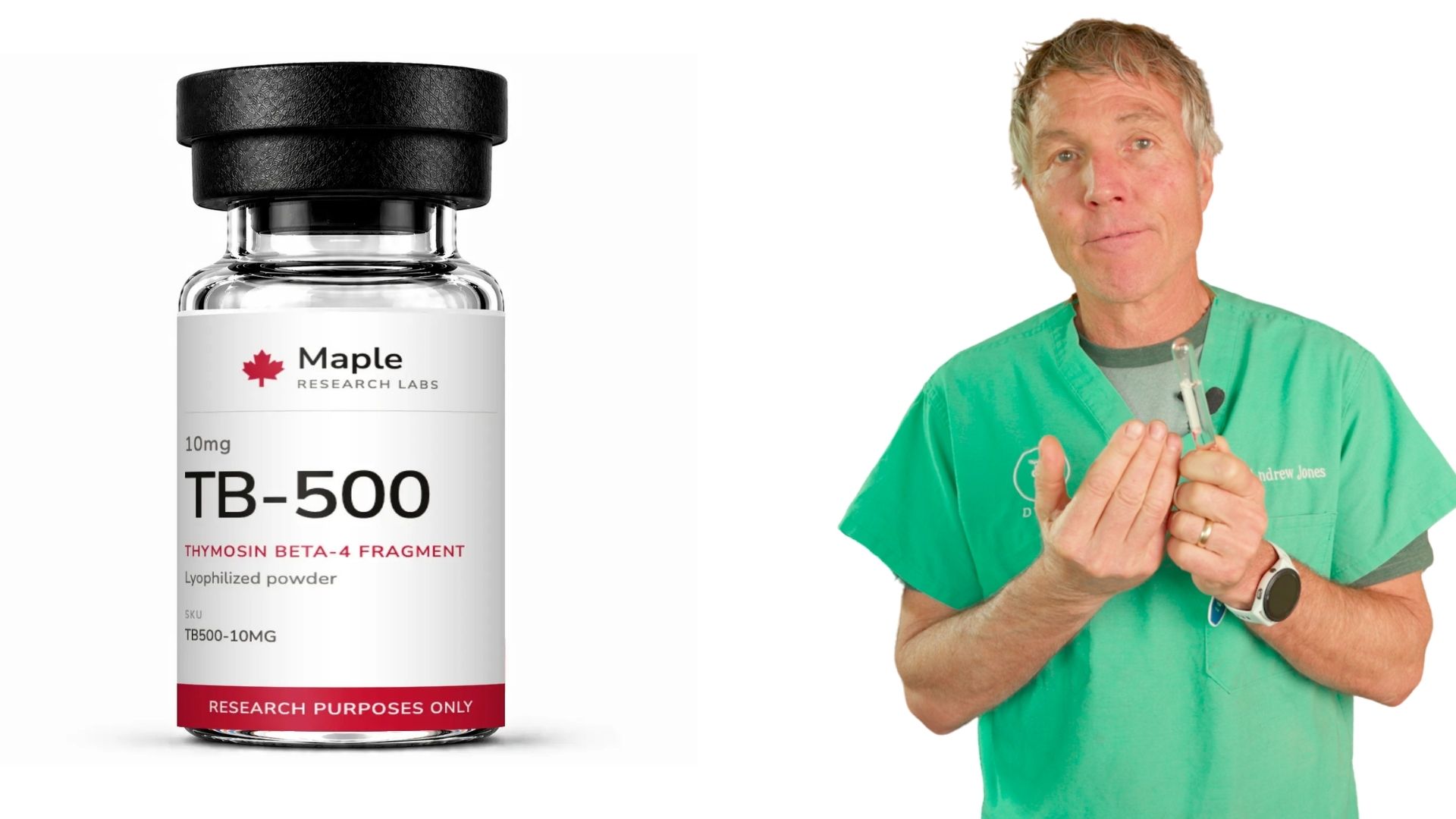
It is especially concentrated in:
- Platelets
- Immune cells
- Areas of injury or wounds
When your dog or cat has a wound, thymosin beta 4 naturally increases in that area to help promote healing.
TB-500 is the synthetic version.
What Might TB-500 Help With?
TB-500 is most studied for:
- Soft tissue regeneration
- Muscle regeneration
- Wound healing
- Injury recovery
- Tendon repair
- Ligament repair
- Muscle repair
- Systemic tissue healing
The simple way to say it:
If your dog or cat has a wound or soft tissue injury, TB-500 may help speed healing.
How Is TB-500 Different From BPC-157?
BPC-157 may have more of a local effect, especially when injected near a specific injury.
TB-500 appears to have more of a systemic body-wide effect.
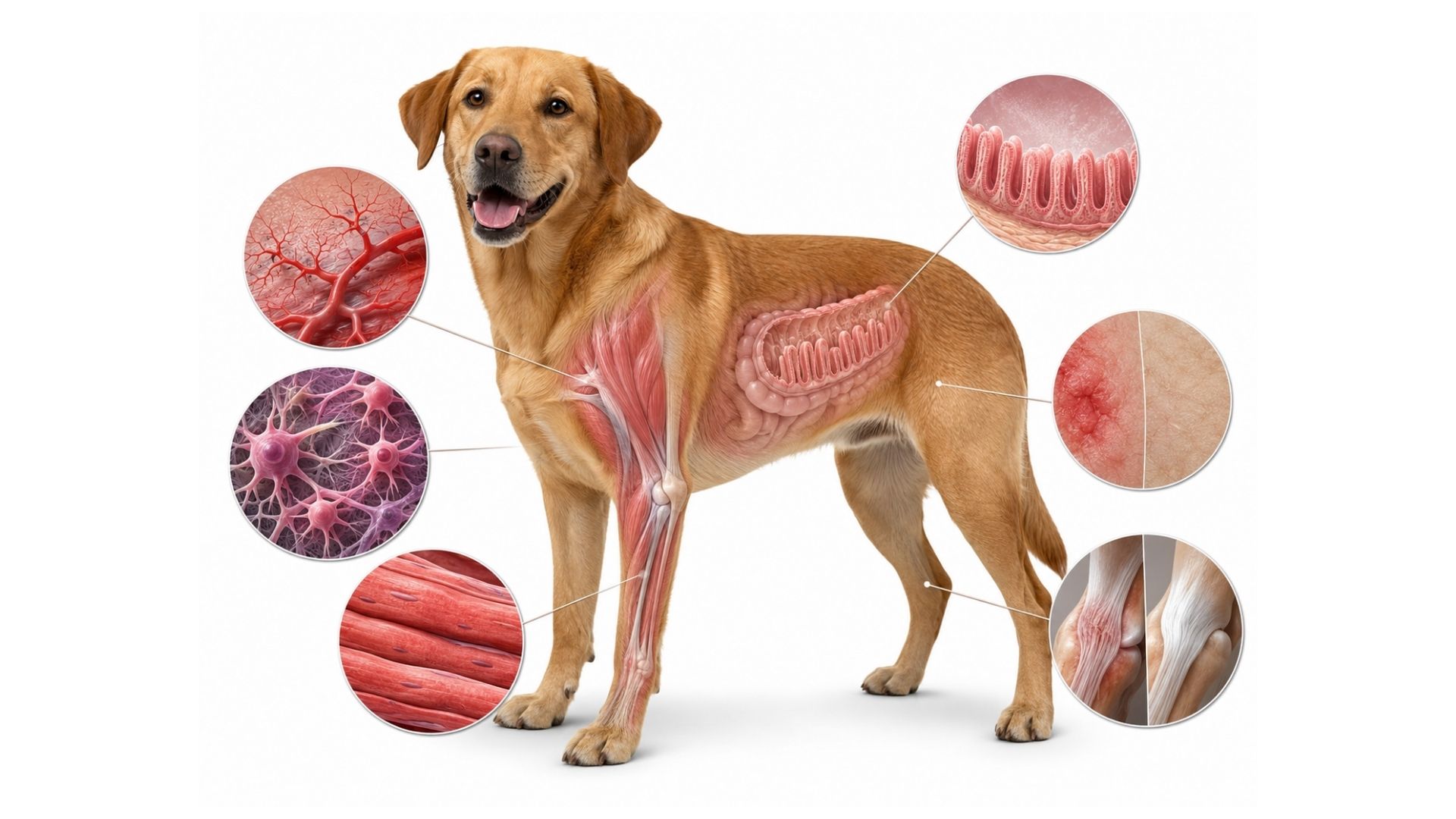
That means TB-500 may be more useful when there are multiple injured areas or a broader healing need.
For example:
- A single knee injury may start with BPC-157.
- A pet with multiple soft tissue injuries may be a better candidate for TB-500.
- TB-500 may also be added if BPC-157 alone is not helping after a few weeks.
How Often Is TB-500 Given?
TB-500 was described as being given much less often than BPC-157.
BPC-157 may be given daily.
TB-500 may be given about once weekly.
That can make it more practical in some cases.
When Would I Consider TB-500?
The way I would think about it:
Start with BPC-157 first for a specific injury.
If after 3 to 4 weeks there is not improvement, such as ongoing lameness from a suspected ligament injury, then I would consider adding TB-500.
I would also consider TB-500 when there are multiple affected areas, such as a pet that has been in a bad car accident and has several soft tissue injuries.
That broader systemic effect may be helpful.
What Is KPV?
KPV is a tiny peptide made of three amino acids:
- Lysine
- Proline
- Valine
It has potent anti-inflammatory potential.
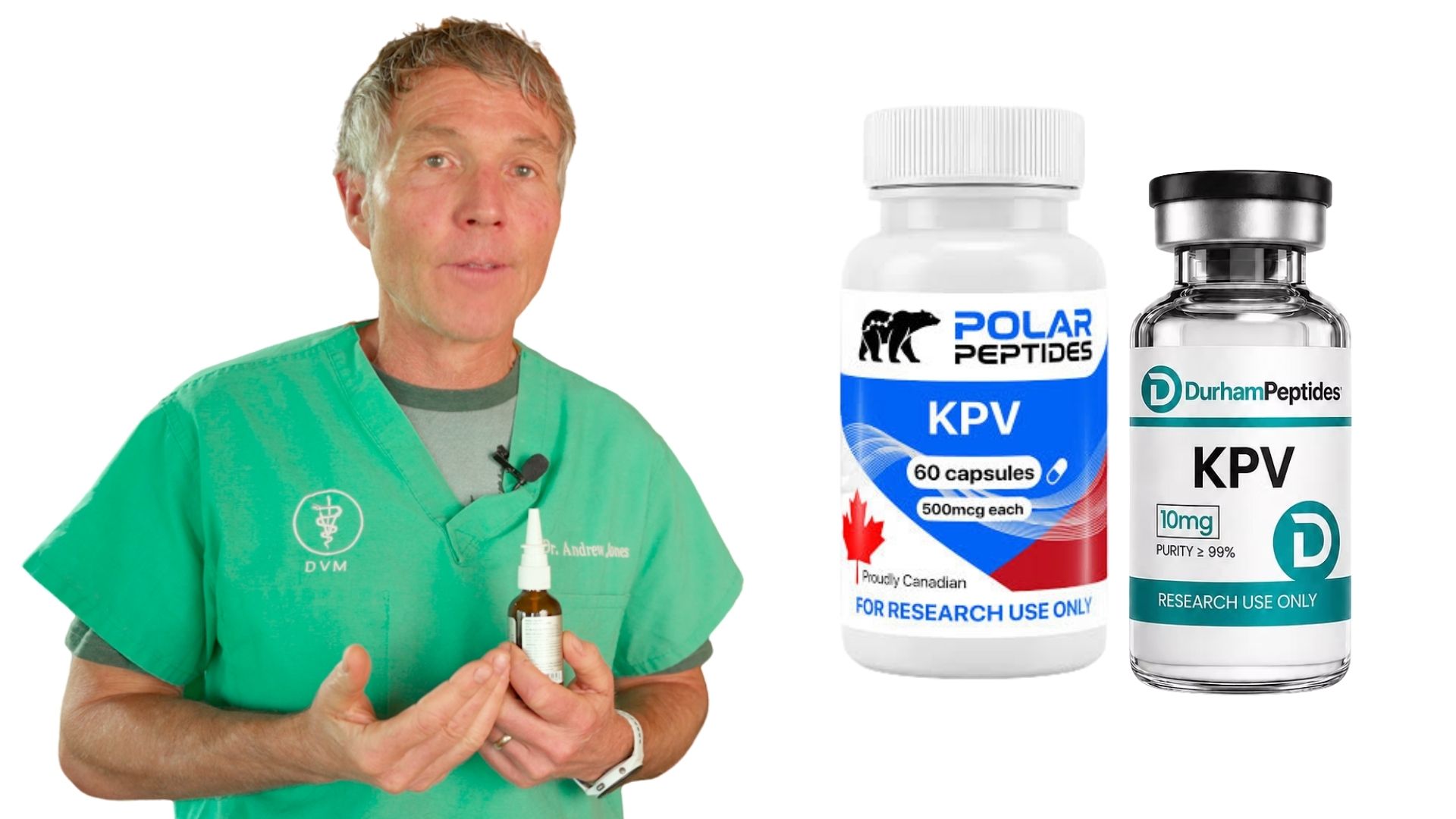
KPV is not naturally floating around by itself in the body. It is found at the tail end of an amino acid sequence in a hormone called alpha-melanocyte-stimulating hormone.
The exciting part is how useful it may be for inflammation, especially in the skin, gut, and immune system.
What Might KPV Help With in Pets?
KPV may be useful for:
- Allergic dermatitis
- Atopy
- Itching
- Skin inflammation
- Gut inflammation
- Inflammatory bowel disease
- Systemic inflammation
- Autoimmune-type conditions
For allergic dogs that are still itching and scratching despite everything else, KPV is one I would be thinking about.
Especially if you are at your wit’s end.
And if you have had an allergic dog, you know exactly what “wit’s end” means.
How Might KPV Help Allergies?
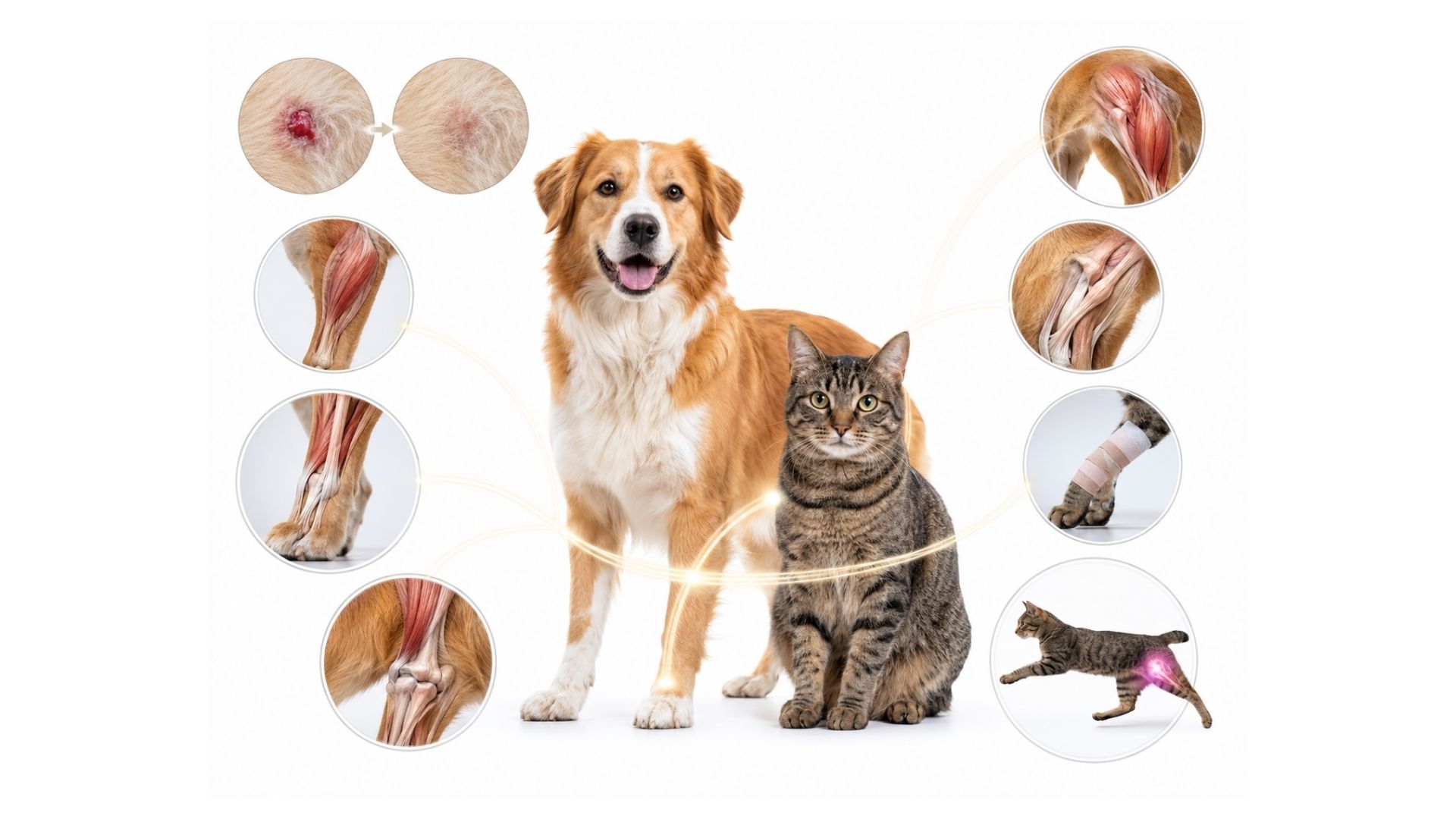
In the skin, KPV may reduce:
- Histamine activation
- Mast cell activation
- Pro-inflammatory cytokines
- Inflammatory response
These are big factors in itchy allergic dogs.
KPV may also help normalize an overactive immune response.
That could make it useful when immune overactivity is part of the problem.
What Forms Does KPV Come In?
KPV has been created in multiple forms, including:
- Vaporizer form
- Nasal spray
- Injectable form
- Oral pills
- Topical cream
The form may depend on the condition.
For example:
- Topical cream may be useful for localized skin reactions.
- Tablets may act more on the intestinal tract and gut inflammation.
- Injectable KPV may be considered when trying to affect autoimmune-type or whole-body inflammation.
Are Peptides Safe for Dogs and Cats?
These peptides appear to have favorable safety profiles in animal studies.

BPC-157 has had very few adverse side effects in animal trials and is considered quite safe.
TB-500 has also shown a favorable safety profile in animal studies, with very few side effects.
KPV has shown a low incidence of adverse effects in preclinical studies and is considered relatively safe.
But “relatively safe” does not mean “do anything you want.”
The biggest concern right now is not just the peptide itself.
It is access, quality control, correct form, correct use, and proper guidance.
What Are the Main Concerns With Peptides for Pets?
The main concerns are:
- They are not yet FDA approved for routine veterinary prescribing
- There is no simple standard veterinary source
- Quality may vary depending on where they are purchased
- Dosing was not clearly established in the transcript
- More clinical trials are needed
- Pet parents may try to self-treat serious conditions
- Injectable forms need proper handling and guidance
- We still do not fully understand all the effects
That is why I want this area better regulated and better studied.
I would like veterinarians to be able to legally access peptides through FDA-certified pharmacies where they are controlled, tested, and properly made.
That would be much safer.
What About Nerve Protection and Regeneration?
One of the newer discussions among holistic veterinarians is whether peptides may help with:
- Nerve protection
- Neurologic protection
- Nerve regeneration
That could be huge.
There was also mention of one reported case where a veterinarian used BPC-157 for a dog with a prolapsed disc and neurologic complications, including paralysis, when surgery was not affordable. The dog reportedly improved.
That is not the same as saying BPC-157 cures paralysis.
But it is interesting.
And it is exactly why this area needs more study.
Best For / Not For
Best For
Peptides may be worth discussing for pets with:
- Inflammatory bowel disease
- Leaky gut
- Colitis
- Chronic gut inflammation
- Tendon injuries
- Ligament injuries
- ACL or cruciate ligament injuries
- Muscle injuries
- Soft tissue wounds
- Multiple trauma-related injuries
- Allergic dermatitis
- Atopy
- Chronic skin inflammation
- Autoimmune-type inflammation
- Cases where standard options are limited
Not For
Peptides are not for:
- Random use without a clear condition
- Pet parents guessing doses online
- Replacing urgent veterinary care
- Severe injuries that need surgery
- Serious neurologic disease without guidance
- Pets needing emergency treatment
- Cheap, unverified products from questionable sources
- Long-term casual use without a plan
If your dog or cat has a serious problem, get a proper diagnosis.
Then discuss options.
Pros and Cons of Peptides for Pets
Pros
- Naturally based messenger molecules
- Already present in the body in different forms
- Some have promising animal studies
- BPC-157 may support gut and tissue healing
- TB-500 may support broader soft tissue recovery
- KPV may help with skin and gut inflammation
- Safety profiles appear favorable in animal studies
- May become important holistic healing tools
Cons
- Not yet widely approved for veterinary use
- Access can be difficult
- Quality control can be uncertain
- More clinical trials are needed
- Human studies are still limited for some peptides
- Pet dosing was not clearly provided
- Pet parents may overuse or misuse them
Step-by-Step: How I Would Think About Peptides for a Pet
Step 1: Identify the Main Problem
Is the issue:
- Gut inflammation?
- IBD?
- Chronic diarrhea?
- Ligament injury?
- Tendon injury?
- Wound healing?
- Allergic skin disease?
- Autoimmune-type inflammation?
The condition matters.
Step 2: Match the Peptide to the Problem
A simple way to think about it:
| Problem | Peptide I Would Think About |
| Gut inflammation, IBD, leaky gut, colitis | BPC-157 |
| Specific tendon, ligament, joint, or bone injury | BPC-157 |
| Multiple soft tissue injuries or broader healing support | TB-500 |
| Allergic dermatitis, atopy, skin inflammation | KPV |
| Gut inflammation with immune involvement | KPV or BPC-157 |
| Autoimmune-type systemic inflammation | KPV |
Step 3: Consider the Form
Oral BPC-157 may make more sense for gut issues.
Injectable BPC-157 may make more sense for a specific ligament, tendon, or joint issue.
TB-500 may be useful when a more systemic effect is wanted.
KPV may be topical, oral, injectable, nasal, or vaporized depending on the target.
Step 4: Do Not Self-Treat Blindly
This is especially true with injectable products.
The source matters.
The dose matters.
The condition matters.
The diagnosis matters.
Step 5: Watch the Regulatory Space
This area is changing.
If regulations loosen and access improves, pet parents and veterinarians may have more practical options.
And yes, I will be watching this closely.
When Should You Call Your Veterinarian?
Call your veterinarian if your dog or cat has:
- A serious injury
- Lameness that does not improve
- Suspected ACL or cruciate ligament injury
- A wound that is not healing
- Chronic vomiting
- Chronic diarrhea
- Suspected IBD
- Severe allergies
- Skin inflammation that is not improving
- Autoimmune-type disease
- Neurologic signs
- Back pain
- Weakness or paralysis
- Any condition where you are considering injectable peptides
Peptides may be exciting, but your pet still needs a proper diagnosis.
Final Thoughts
Peptides are real biological messengers.
They are not new.
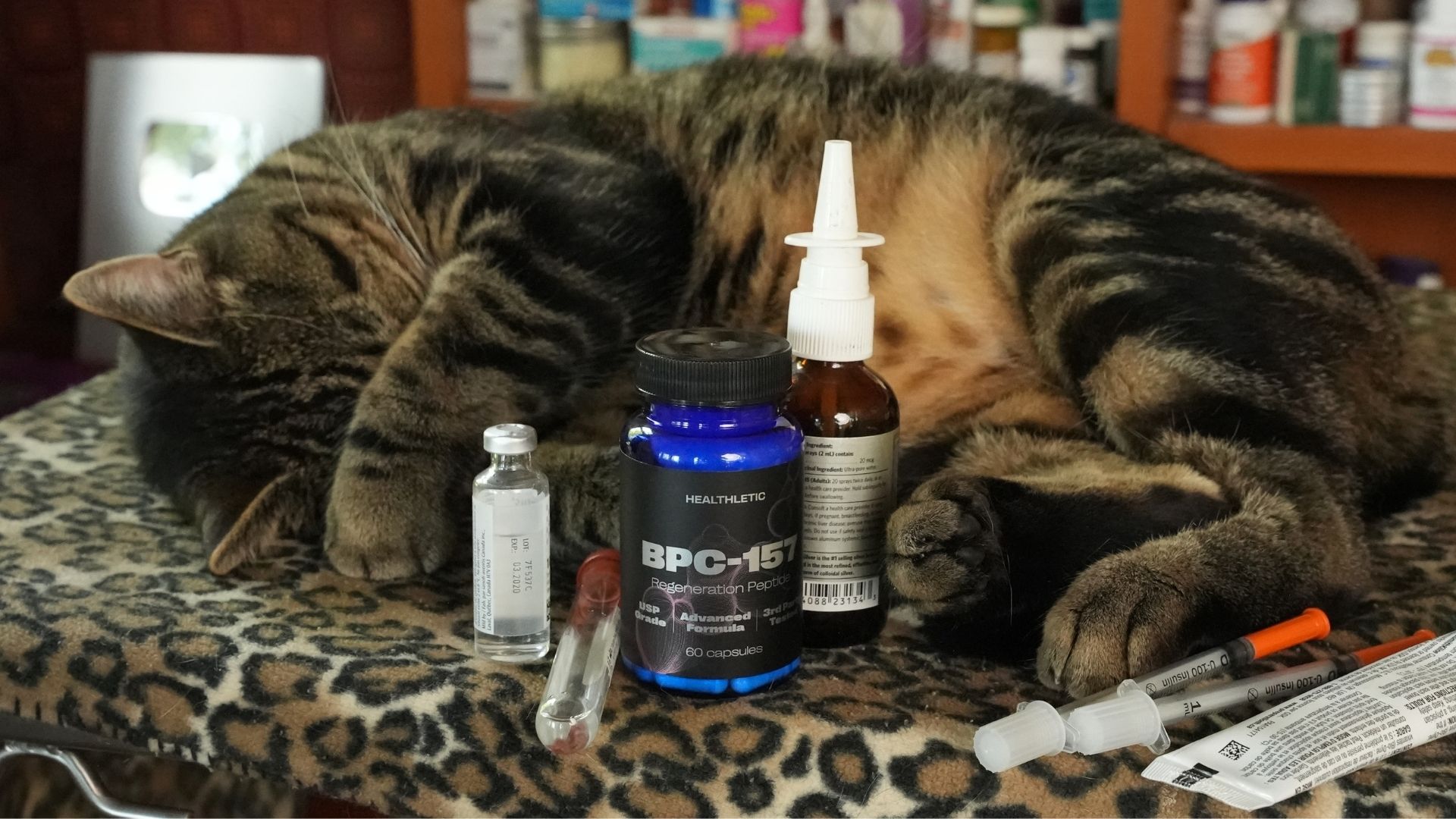
Your dog and cat already make peptides.
Insulin is a peptide. Oxytocin is a peptide. GLP-1 drugs are connected to peptide research too.
What is new is the growing interest in synthetic peptides such as BPC-157, TB-500, and KPV for healing, inflammation, gut disease, soft tissue injury, and skin allergies.
BPC-157 is the one I would especially think about for gut inflammation and specific tendon, ligament, bone, or joint injuries.
TB-500 may be more useful when you want a broader systemic healing effect.
KPV is the one that catches my attention for allergic dermatitis, atopy, gut inflammation, and possibly immune-related disease.
Are they safe?
The animal studies discussed show favorable safety profiles.
Are they fully ready for easy veterinary prescribing?
Not yet.
And that is the frustrating part.
I do think peptides are going to become important tools in holistic pet health.
But I also want them studied properly, manufactured properly, prescribed properly, and used thoughtfully.
Because when your dog or cat is injured, inflamed, itchy, or dealing with IBD, the goal is not to chase the newest shiny treatment.
The goal is to help them heal.
Safely.
Click To Get A Free Copy of My E-Book!

P.S. I am personally interested in BPC-157, and I have even been trying it myself for a chronic knee issue.
So far, so good.
If one of my animals had inflammatory bowel disease, yes, I would be looking hard at BPC-157.
If they had an ongoing ligament, tendon, bone, or soft tissue injury, I would be thinking about BPC-157 and possibly TB-500.
If I had an allergic dog where I was at my wit’s end, I would be thinking about KPV.
But I would also like to see these peptides approved, properly regulated, and available through safe veterinary channels.
That is the missing piece right now.



hI , LOOKING FOR THE DOTORS YOU SAID WOULD BE A END OF THIS YOUTUBE ON PEPTIDES -SO I WOULD LIKE TO GET BPC-157 FOR MY 2 GOLDEN RETRIEVERS 10YRS OLD–SO CANT FIND WHERE YOU HAVE THE VET DRS TO BUY IT FROM
BPC 157 is an exciting area, but it is not yet approved for routine veterinary use, and we would not recommend buying or giving it to your Goldens without veterinary guidance. The safest route is to discuss your dogs’ specific needs with a veterinarian who is familiar with peptides and can advise you on a quality, appropriate source. We’re watching this area closely as the research develops!
Hi Dr. Jones and Aireen,
I was wondering if any of these would be helpful with Panostietis in a GSD? And if you know of anyone that actually has a trial going on for dogs.
Thanks, Kurt Sweetie Bettie and George
BPC 157 is interesting for tissue and bone healing, but there isn’t enough good canine research yet to recommend it specifically for panosteitis. We’re not aware of a current clinical trial for dogs, but we’ll definitely keep watching this space!
Thank you!
My labrador retreiver is constantly itching and licking, has ear infections and I’m literally at my wits end. I have changed out his diet to a single ingredient diet – he’s now on Nulo limited ingredient. I then went so far as not giving him an apple, banana, yogurt because when I did more research I read that anything with starch produces more enzymes in the body causing more allergic reaactions. I then put him on a Keto dehydrated fish diet – while it probably would have been good he started to develop diarrhea and his poops turned black. So I took him off that. Not to mention this dog is so sensitive to anything I do regarding food/diet. I then just recently read that Collagen with peptides may help help a dog with allergies. So I have just started that literally today (9/8/26) + I am now giving him 2 fish oil tables to help his skin. My son literally told me about KPV so I just started to read about this and this sounds like a good option. I will be seeing our vet this week and will discuss with her. I’m litearlly at the end of our ropes with the dog – he’s 5 and such a good boy but I know his allergies have gotten worse and I just don’t know what else to do for him. I litearlly have to put baby socks on his feet with A&D ointment to help soothe his paws.
We hear you, and we know how frustrating it can be when your dog is constantly itchy and nothing seems to help. KPV is an interesting area of research for allergic skin inflammation, but it is still new in pets and isn’t something we’d recommend trying without veterinary guidance. You’re absolutely doing the right thing by seeing your vet this week. We’d also want to get to the root of those ear infections and itching rather than simply chasing symptoms.
Hello Dr. Andrew,
Veterinarian from Chile here, very interested in peptides. Since I’m just starting this journey, what would you advice me on? Where can I learn more?
Also, whcich peptide would you say works for Progressive Retinal Atrophy in dogs?
Thank you,
Isabel
We’d start with the research and safety basics. For PRA, there’s currently no good clinical evidence that BPC 157, TB 500, or KPV can treat or reverse it. We’d keep an eye on emerging research and work with a veterinary ophthalmologist. Exciting field to explore!