Natural Antibiotic Alternatives for Dogs and Cats (9 Holistic Options)

My Top Holistic Antibacterial Remedies That Actually Work
If your dog or cat has an infection but you feel hesitant about using antibiotics, you are not alone.
Many pet parents worry about the side effects of antibiotics, especially how they affect the beneficial bacteria in the body. While antibiotics can be lifesaving when truly needed, they also wipe out the healthy bacteria that support digestion and immune health.
Because of that, many people are looking for natural antibacterial options that can help support their pet while avoiding some of the drawbacks of conventional antibiotics.
Here are several natural antibacterial remedies I commonly use and recommend.
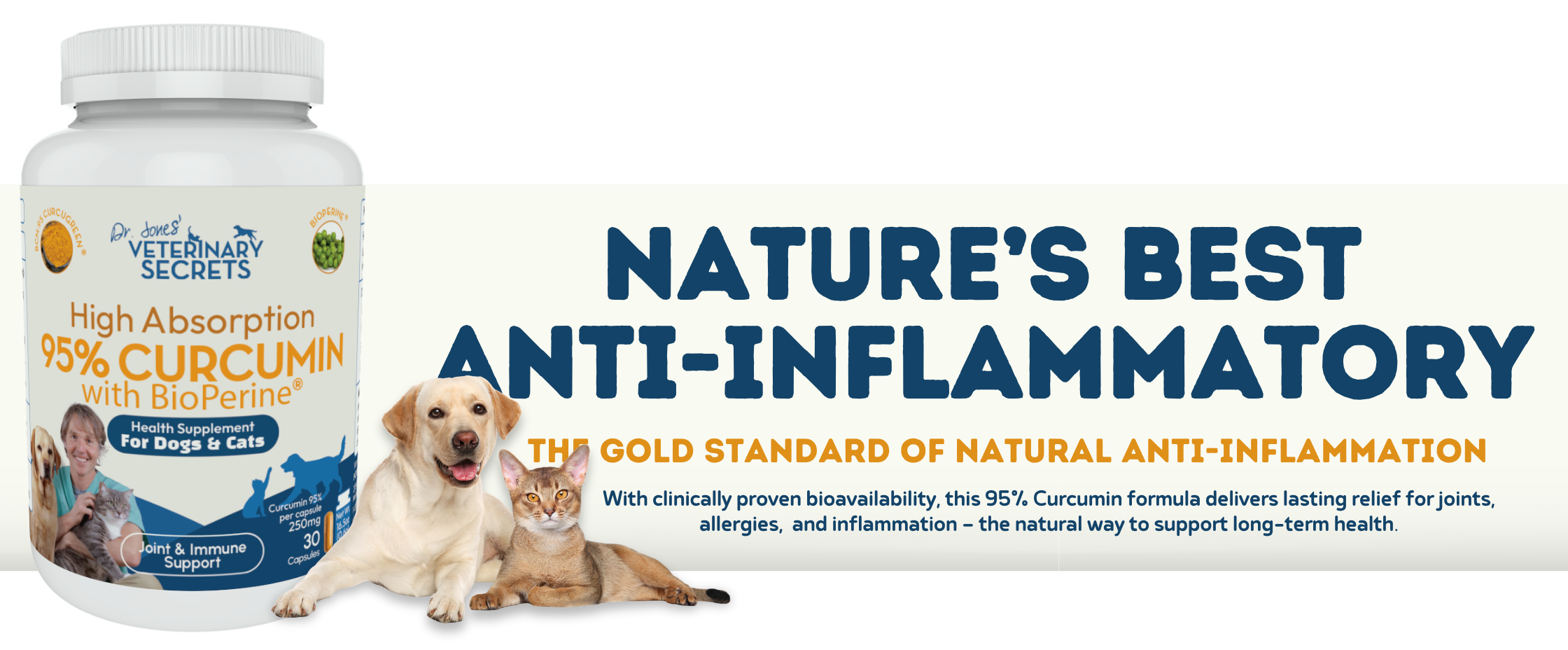
Dr. Jones’ Ultimate High Absorption 95% Curcumin
Why Some Pet Parents Look for Alternatives to Antibiotics
Antibiotics are powerful drugs designed to kill bacteria. They work well when used correctly, but they also disrupt the natural microbiome.

This can lead to problems such as:
-
Digestive upset
-
Diarrhea
-
Yeast overgrowth
-
Skin infections
Healthy bacteria play an important role in immunity. When those bacteria are disrupted, new problems can appear.
Because of this, many pet parents prefer to explore natural antibacterial remedies when appropriate.
My Top Natural Antibacterial Remedies for Pets
1. Propolis
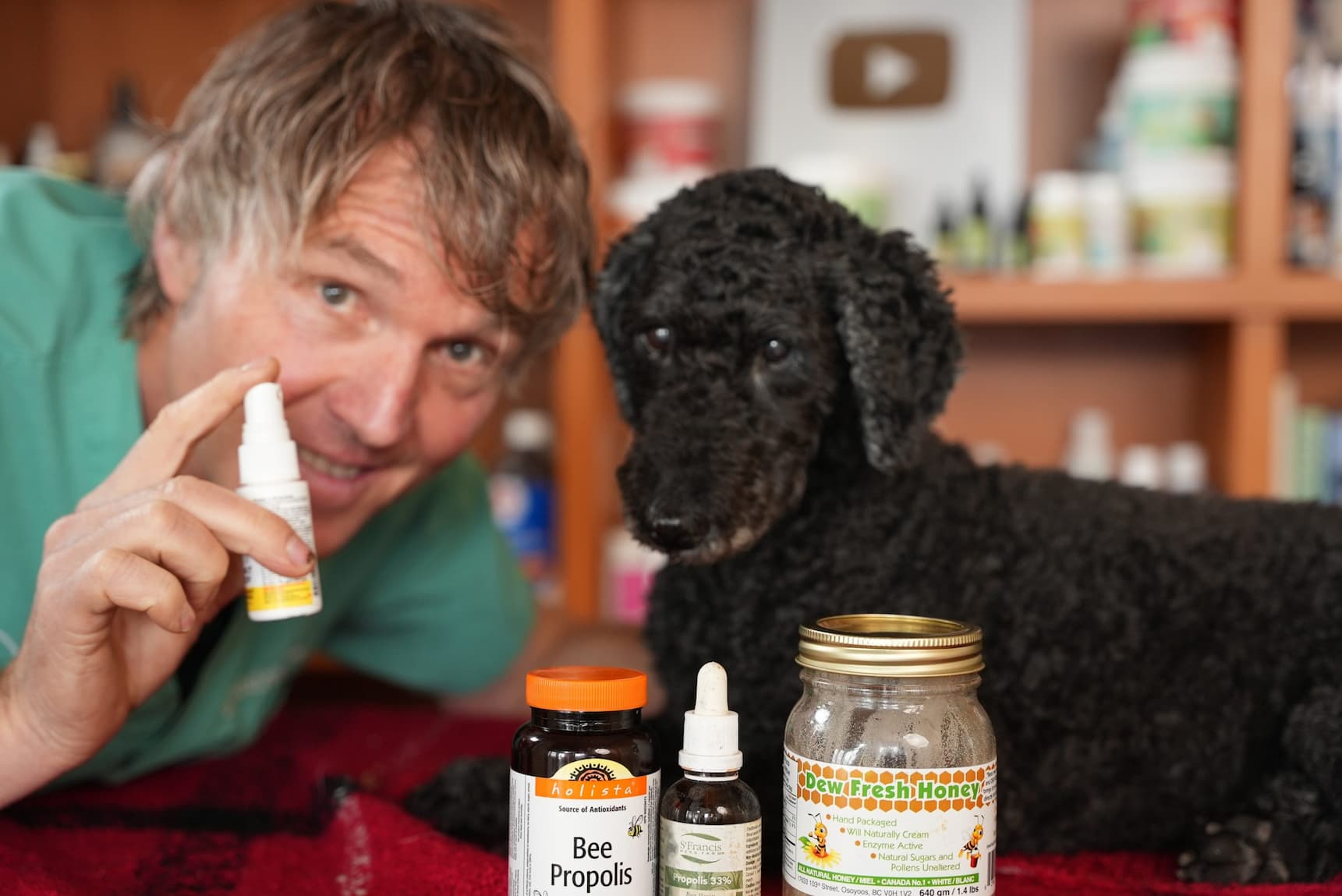
Propolis, often called bee glue, is produced by honeybees to protect their hives. It has strong antibacterial properties and works against a wide range of bacteria including Staph and Strep.
It has even shown activity against antibiotic resistant bacteria.
I use propolis frequently, especially for respiratory infections.
Typical dose:
100 mg per 10 pounds of body weight
Once or twice daily depending on the infection
2. Garlic
Garlic is often misunderstood. In extremely high amounts it can be harmful, but at appropriate doses it can be very beneficial.
Garlic contains natural antibacterial compounds and has been shown to affect bacteria involved in infections, including Lyme related bacteria.
A safe working dose is roughly:
One third of a garlic tablet per 10 pounds of body weight
Once daily for 10 to 14 days
The key is proper dosing.
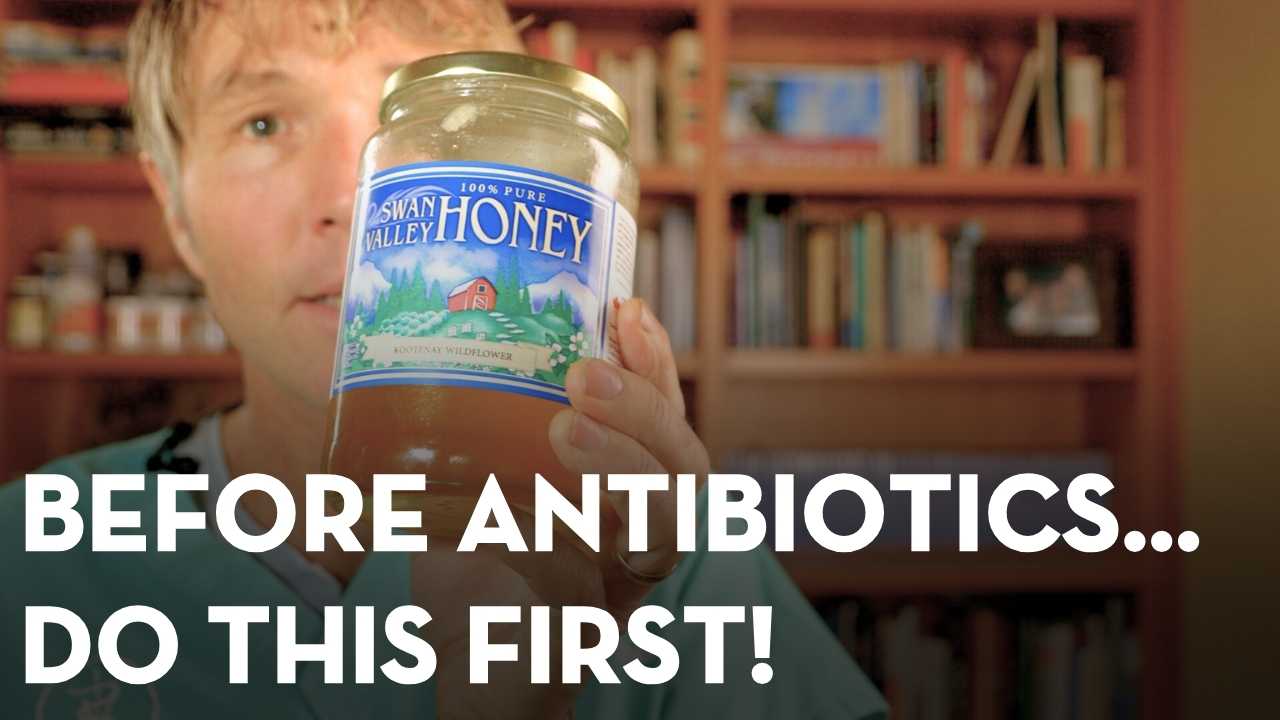
3. Raw Honey
Honey is one of my favorite natural antibacterials.
It produces small amounts of hydrogen peroxide and creates an acidic environment that prevents bacteria from growing.
Hospitals now use medical grade honey to treat wounds, including infections resistant to antibiotics.
For wounds or skin infections, I apply raw honey directly to the area twice daily.
Honey may also help with:
-
Urinary tract infections
-
Respiratory infections such as kennel cough
4. Green Tea
Green tea contains a compound called EGCG, which has strong antimicrobial activity.
I have used green tea successfully for urinary tract infections in dogs.
Typical dose:
¼ cup per 20 pounds of body weight
Twice daily
I brew a strong cup of green tea, let it cool, then mix in a tablespoon of honey. This combination works very well for urinary infections.
5. Olive Leaf Extract
Olive leaf extract is another powerful antibacterial derived from olive tree leaves.
It has been studied for its activity against bacteria such as:
-
E. coli
-
Salmonella
Typical dose:
¼ capsule per 20 pounds of body weight
Twice daily for 10 to 14 days
Start with a small dose to avoid stomach upset.
6. Colloidal Silver
Colloidal silver is a solution of microscopic silver particles suspended in water.
It has been studied for its antibacterial effects against both gram positive and gram negative bacteria.
I have used it topically for wounds and skin infections.
Typical use:
Spray on the affected area twice daily
For oral use, a small amount can be given.
¼ ml per 20 pounds of body weight
Twice daily for about 7 to 10 days
7. Coconut Oil
Coconut oil contains lauric acid, which has strong antibacterial activity.
I use coconut oil for several things.
For dental health I rub a small amount on the gums. It can help reduce plaque and improve breath.
For skin infections I apply it directly to the affected area.
It is also safe for pets to eat.
8. Tokosh
Tokosh is a fermented potato product traditionally used in Incan medicine.
It contains probiotic bacteria and has antibacterial activity, particularly for digestive infections.
Typical dose:
100 mg per 10 pounds of body weight daily
It can be difficult to find but is an interesting traditional remedy.
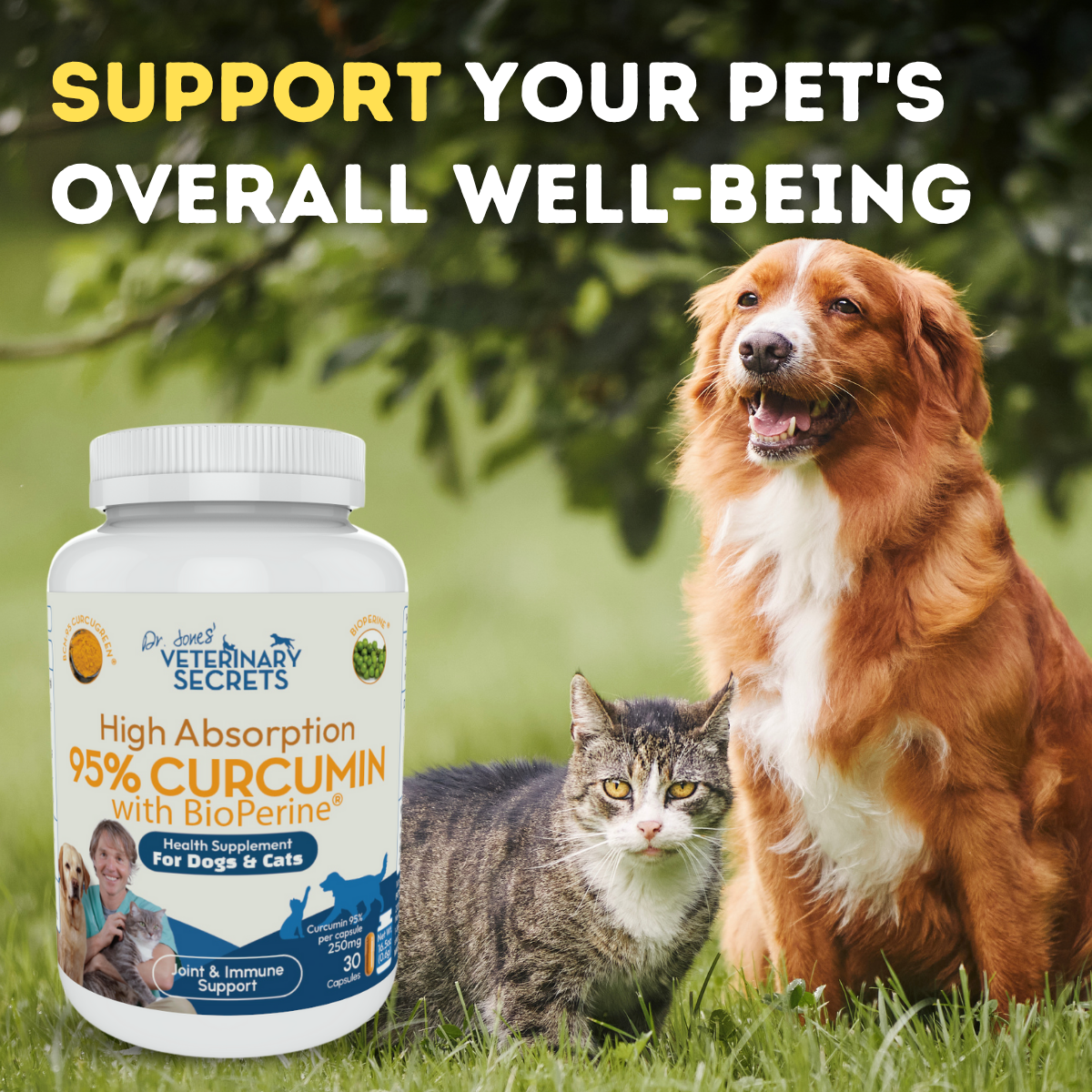
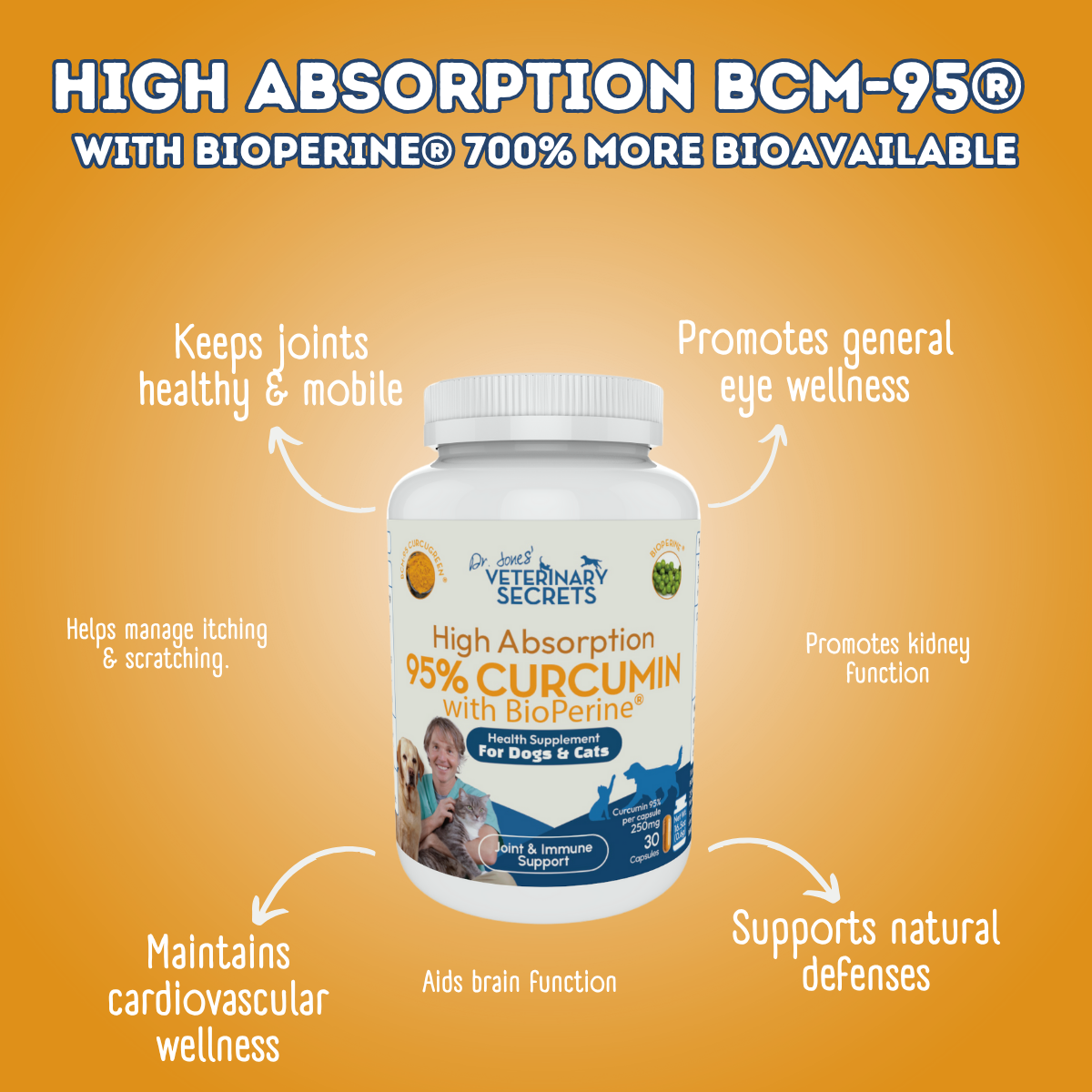
9. Curcumin
Curcumin, the active compound in turmeric, has been widely studied for its antibacterial properties.
Standardized 95 percent curcumin has shown activity against major pathogens including:
-
Staphylococcus aureus
-
E. coli
-
Pseudomonas
-
Helicobacter pylori
It is also a powerful anti inflammatory compound that supports immune health.
The Bottom Line
Antibiotics still have an important place in veterinary medicine. But for many mild infections, natural antibacterial remedies can offer support without disrupting the body’s healthy bacteria.
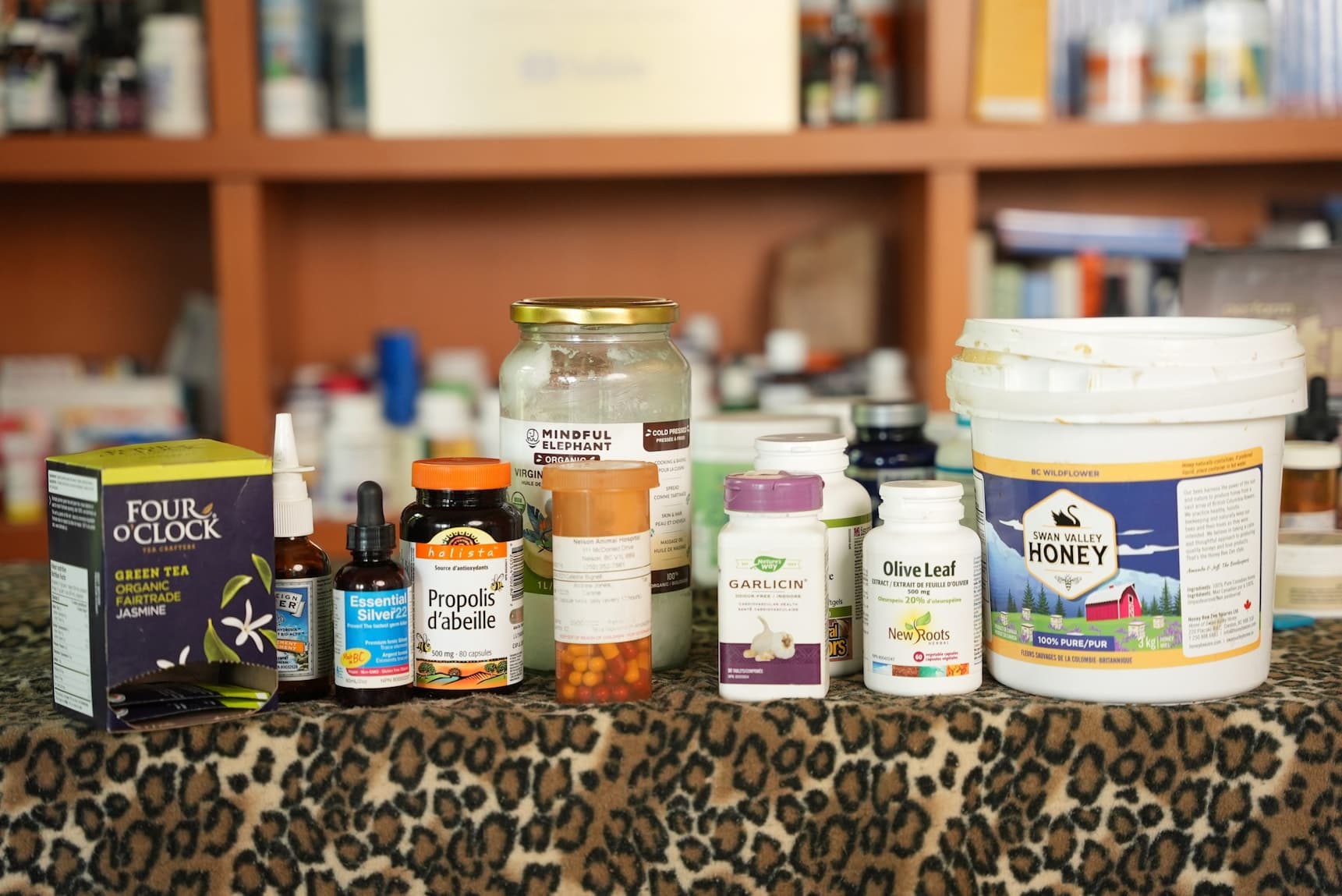
Options such as propolis, garlic, honey, green tea, olive leaf extract, colloidal silver, coconut oil, tokosh, and curcumin all have documented antibacterial properties.
Many of them are inexpensive, widely available, and easy for pet parents to use.
Click To Get A Free Copy of My E-Book!

P.S. Some of my favorite options include propolis, honey, and garlic. They are simple, affordable, and surprisingly effective when used correctly.
P.P.S. Another antibacterial compound I really like is standardized 95 percent curcumin, which is included in Dr. Jones’ Ultimate Canine Advanced Plus Health Formula.