Melatonin for Anxious Dogs and Cats: 10 Health Benefits, Dosage, Side Effects, and Anxiety Relief

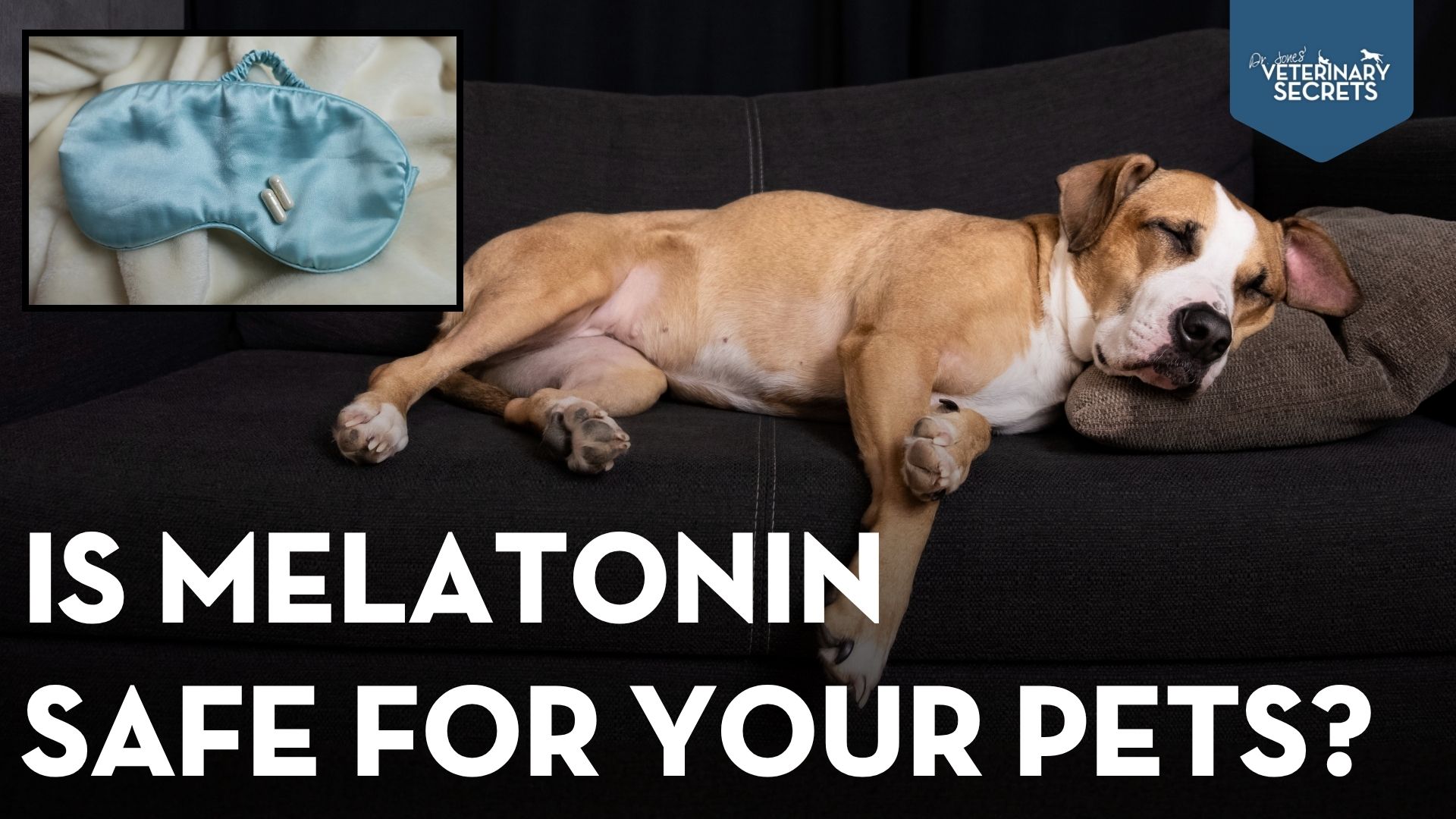
Is Melatonin Good for Dogs and Cats?
Yes, melatonin may benefit dogs and cats in several ways, and its potential uses go well beyond helping pets sleep.
Most people know melatonin as the sleep hormone. But research has investigated its effects on anxiety, hair loss, inflammation, chronic pain, cognitive function, cancer, and several other health conditions.
In veterinary practice, we traditionally used melatonin primarily for hair loss, particularly in dogs with a condition called Alopecia X.
After all, most dogs and cats don’t exactly struggle to fall asleep.
My cat Cassian seems to have mastered the art of sleeping just about anywhere.
But melatonin does much more than regulate sleep.
It also has antioxidant, anti-inflammatory, and immune-modulating properties that have attracted considerable interest in medical research.
And for anxious pets, especially dogs struggling with separation anxiety, thunderstorms, or fireworks, it may be a helpful option.
Let’s look at the 10 potential health benefits, the research behind them, and how I would use melatonin for dogs and cats.
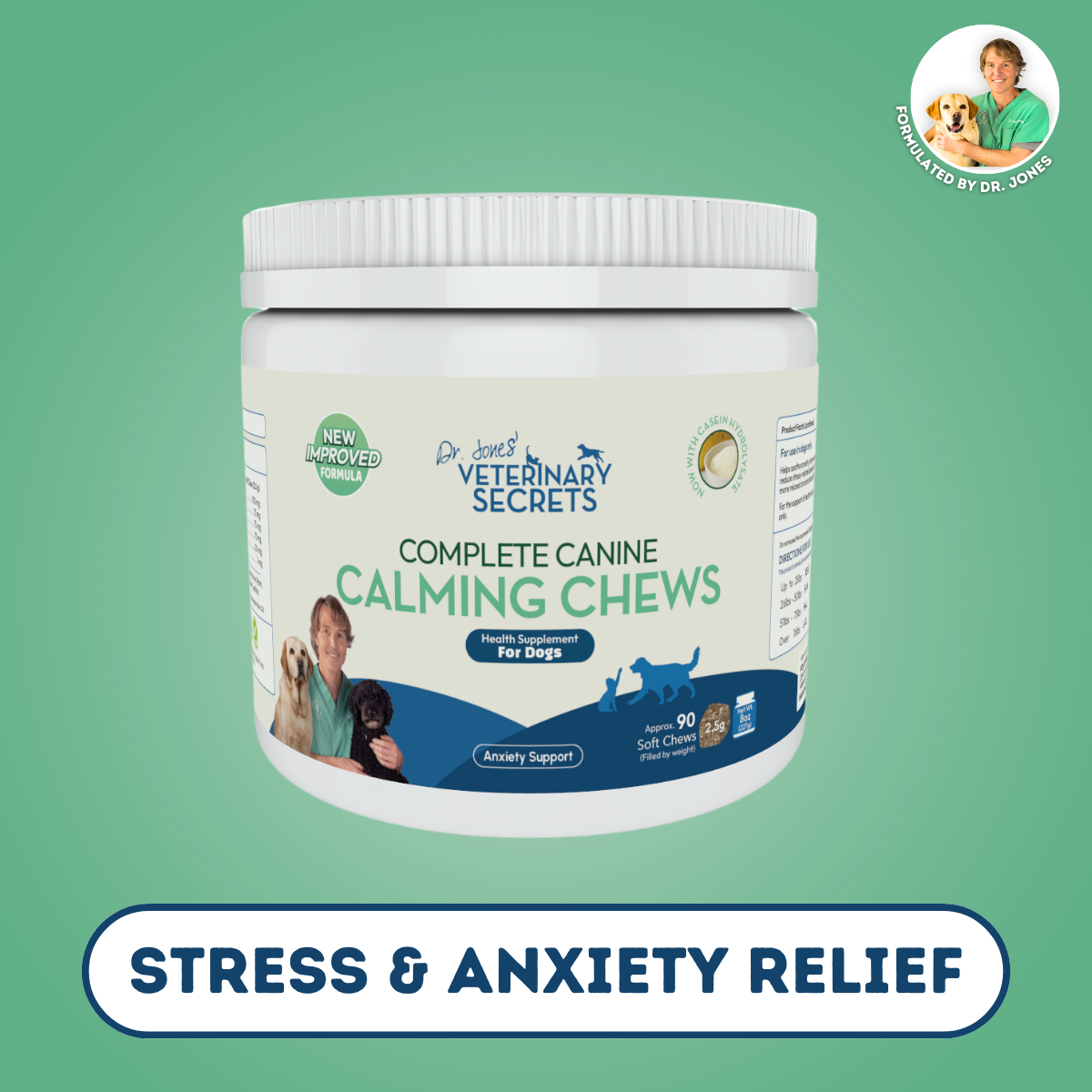
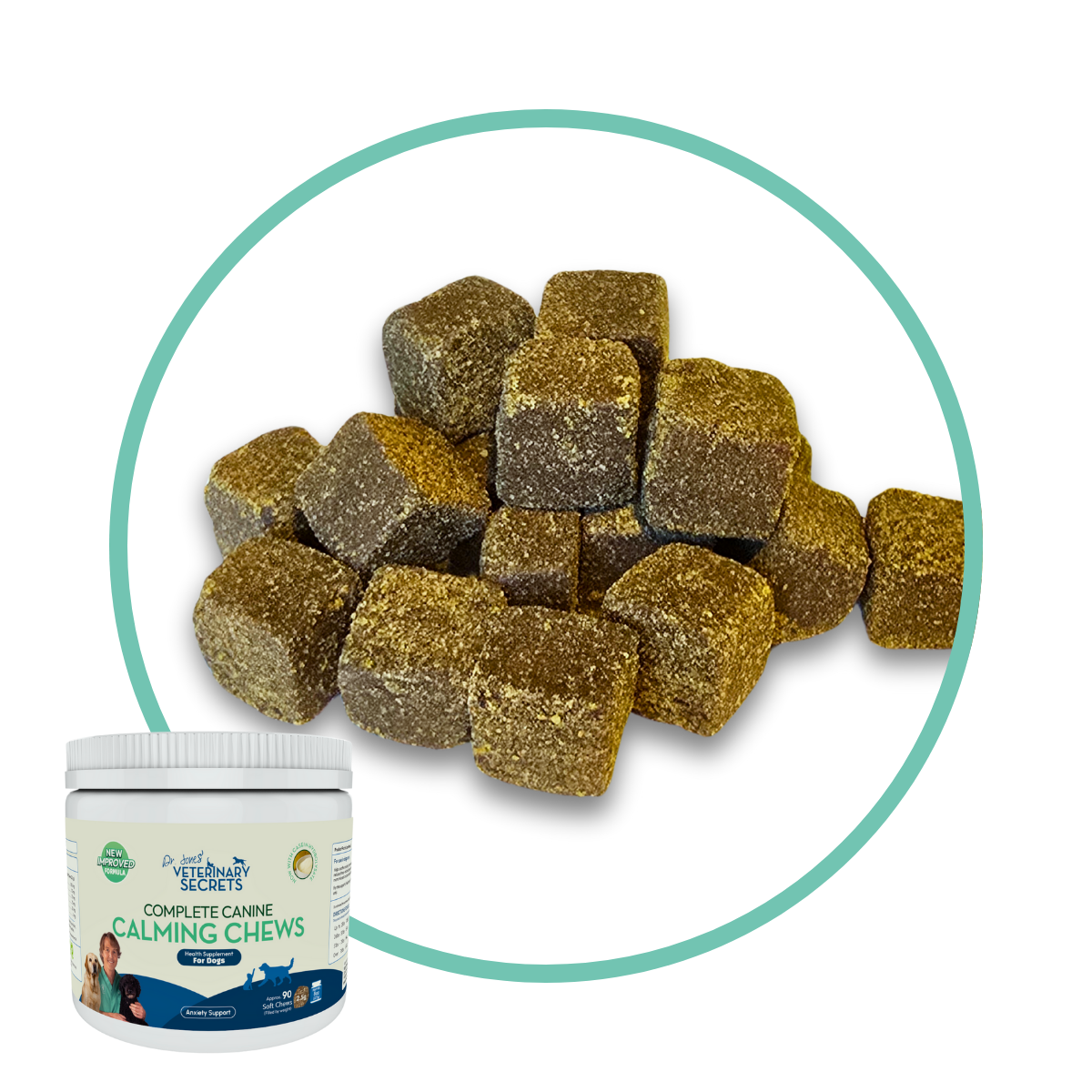
Dr. Jones’ Complete Canine Calming Chews




What Is Melatonin, and How Does It Work?
Melatonin is a hormone naturally produced by the pineal gland, a small gland located in the brain.
Its production is closely connected to the body’s day-and-night cycle.
The precursor to melatonin is serotonin, a neurotransmitter derived from the amino acid tryptophan.
Melatonin production changes depending on light exposure:
-
When it’s dark: Melatonin production and secretion increase.
-
When it’s light: Melatonin production and secretion decrease.
This helps regulate the body’s natural sleep-wake cycle, also known as the circadian rhythm.
But melatonin does not work only in the brain.
Research has also examined its role in:
-
Antioxidant protection
-
Immune system regulation
-
Mitochondrial function
-
Inflammation
-
Pain perception
-
Cellular health
Mitochondria are the structures within cells that help produce energy.
Because melatonin may influence mitochondrial function and protect against oxidative damage, researchers have become increasingly interested in its potential therapeutic applications.
Studies involving cancer, Alzheimer’s disease, multiple sclerosis, sleep disorders, and chronic pain have all contributed to this interest.
Much of this research comes from human medicine, so we still need to distinguish those findings from what has been established specifically in dogs and cats.
Still, I think melatonin is worth understanding.
What Are the 10 Potential Health Benefits of Melatonin for Dogs and Cats?
Here are the 10 main areas where melatonin may be useful.
1. Melatonin for Hair Loss in Dogs and Cats
One of the more established veterinary uses of melatonin is for certain types of hair loss.
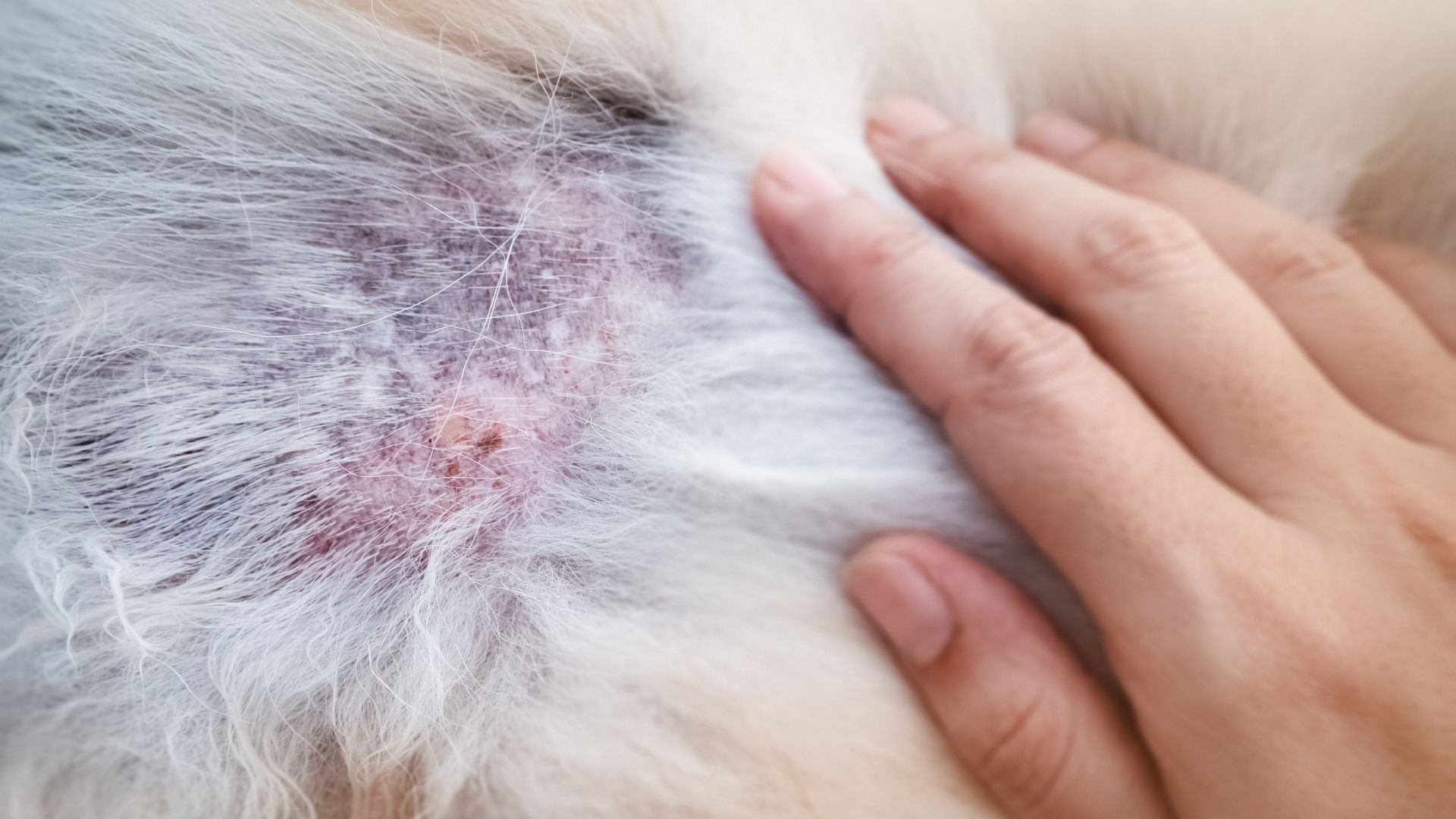
In dogs, melatonin has been used for Alopecia X, a condition associated with abnormal hair growth and hair loss.
Melatonin plays a role in regulating the hair growth cycle.
This is why it became one of the supplements we considered for dogs experiencing certain forms of alopecia.
It may also be considered in cats with particular hair-loss concerns.
How May Melatonin Help Hair Growth?
Melatonin is involved in the normal regulation of hair growth.
By influencing the hair cycle, supplementation may help some animals experiencing certain types of hair loss.
That doesn’t mean melatonin will work for every pet losing fur.
The underlying cause still matters.
But for selected cases, particularly canine Alopecia X, it is an option I would consider discussing.
2. Melatonin for Better Sleep in Senior Dogs and Cats
Melatonin is probably best known for its connection to sleep.
And while many pets have no difficulty sleeping, older animals can develop changes in their sleep-wake patterns.
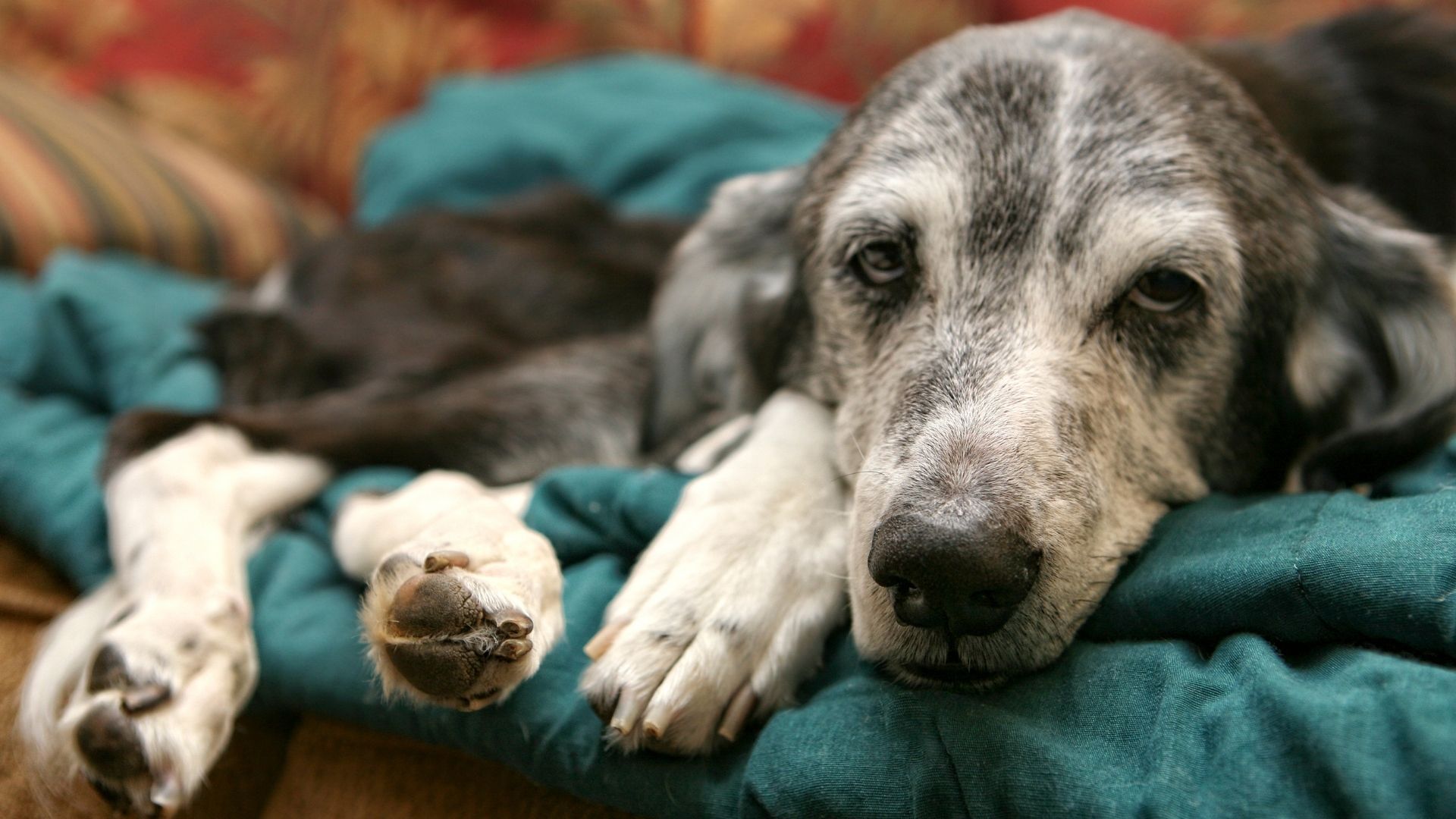
This is especially common in pets experiencing cognitive dysfunction.
You might notice your older dog or cat:
-
Pacing at night
-
Becoming restless after dark
-
Yowling or vocalizing overnight
-
Having difficulty settling
-
Sleeping at unusual times
Melatonin supplementation may help improve sleep quality in these animals.
Why May Melatonin Help Senior Pets?
Because melatonin helps regulate the circadian rhythm, it may support a more normal sleep-wake pattern.
For an older dog who spends much of the night pacing, or a senior cat who has suddenly decided that 3 a.m. is an excellent time for conversation, this may be worth considering.
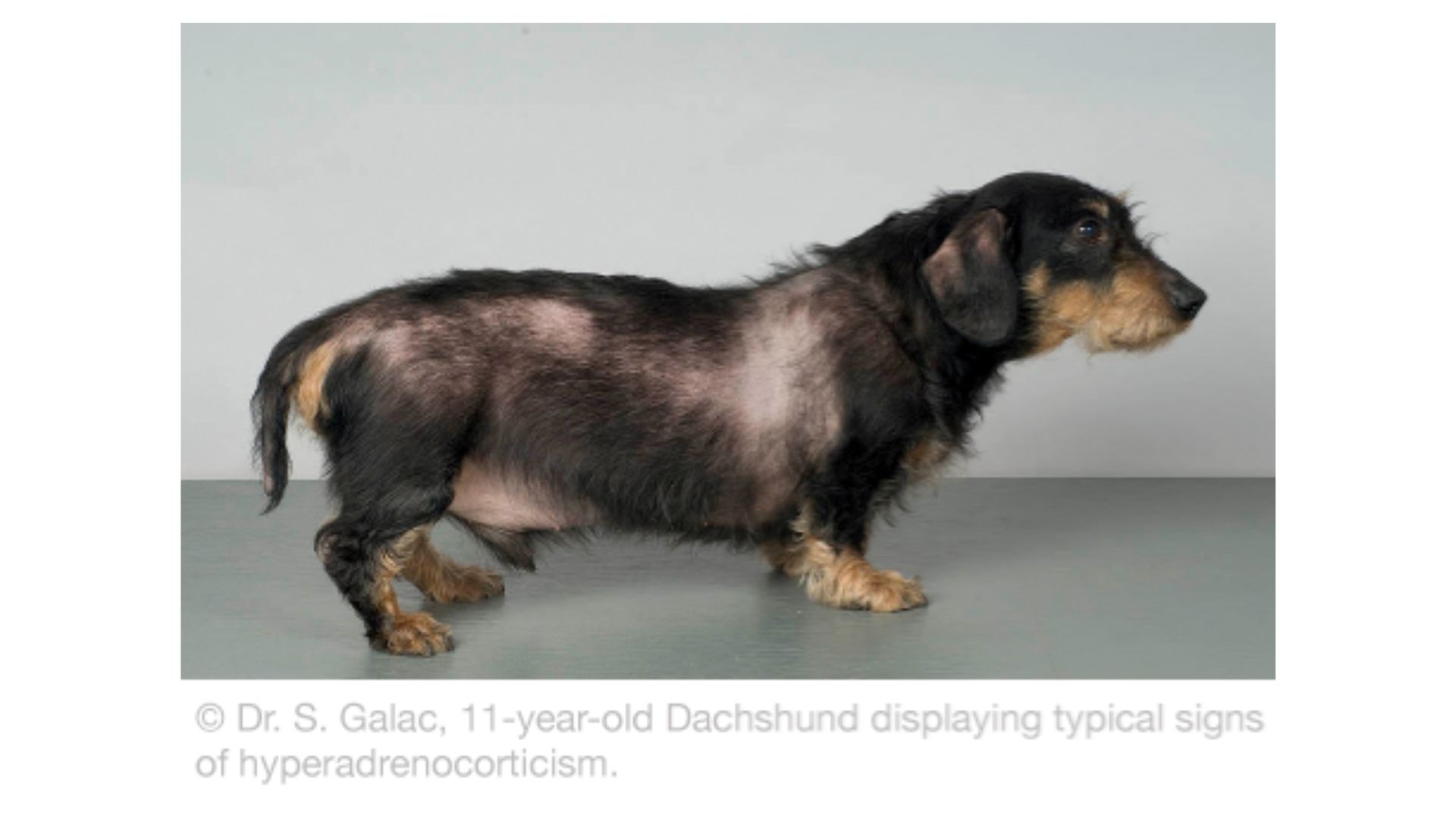
3. Melatonin for Cushing’s Disease in Dogs
Another potential use is Cushing’s disease, also known as hyperadrenocorticism.
Cushing’s disease involves excessive cortisol production.
Cortisol is a hormone involved in the body’s stress response and several metabolic functions.
Melatonin may help decrease excess cortisol in some circumstances.
This is particularly interesting because treatment options for Cushing’s disease can be limited or expensive.
One commonly used medication is trilostane.
For pet parents who cannot afford trilostane, melatonin may be worth discussing as a supportive option with their veterinarian.
Can Melatonin Replace Cushing’s Medication?
I would not assume that melatonin provides the same treatment effect as trilostane.
But because of its potential influence on cortisol regulation, I think it deserves consideration when discussing treatment options.
Cushing’s disease is a condition that requires proper diagnosis and monitoring.
Melatonin is one option to discuss, not a reason to leave the disease unmanaged.
4. Melatonin for Pain and Inflammation
This is one of the more interesting areas of melatonin research.
Pain perception and melatonin secretion both follow circadian patterns.
That means they are influenced by the body’s internal clock.
Melatonin may affect how pain is perceived and may help reduce certain inflammatory processes.
How Does Melatonin Affect Inflammation?
Melatonin has been shown to influence inflammatory signaling.
A systematic review and meta-analysis involving 13 clinical trials found that melatonin supplementation decreased several inflammatory markers.
These included:
-
TNF-alpha: Tumor necrosis factor-alpha
-
IL-6: Interleukin-6
-
C-reactive protein (CRP)
These substances are associated with inflammation.
The findings are encouraging, although they should not automatically be interpreted as proof of the same benefits in dogs and cats.
Could Melatonin Help Pets With Chronic Pain?
Potentially.
Melatonin’s influence on pain perception and inflammatory pathways makes it an interesting supportive option.
I would be most interested in its potential role when pain and inflammation are ongoing concerns.
5. Melatonin for Cancer Prevention and Treatment Support
Melatonin has also attracted considerable attention in cancer research.
Scientists have been studying its potential use in cancer patients for at least three decades.
Some early studies involving people with metastatic solid tumors investigated high-dose melatonin supplementation.
Researchers observed effects on tumor growth and measures of quality of life.
Other clinical studies have examined melatonin in patients with:
-
Colon cancer
-
Breast cancer
-
Kidney cancer
-
Brain cancer
-
Lung cancer
These findings have generated interest in melatonin as a potential supportive therapy during cancer treatment.
6. Melatonin for Cognitive Dysfunction in Older Pets
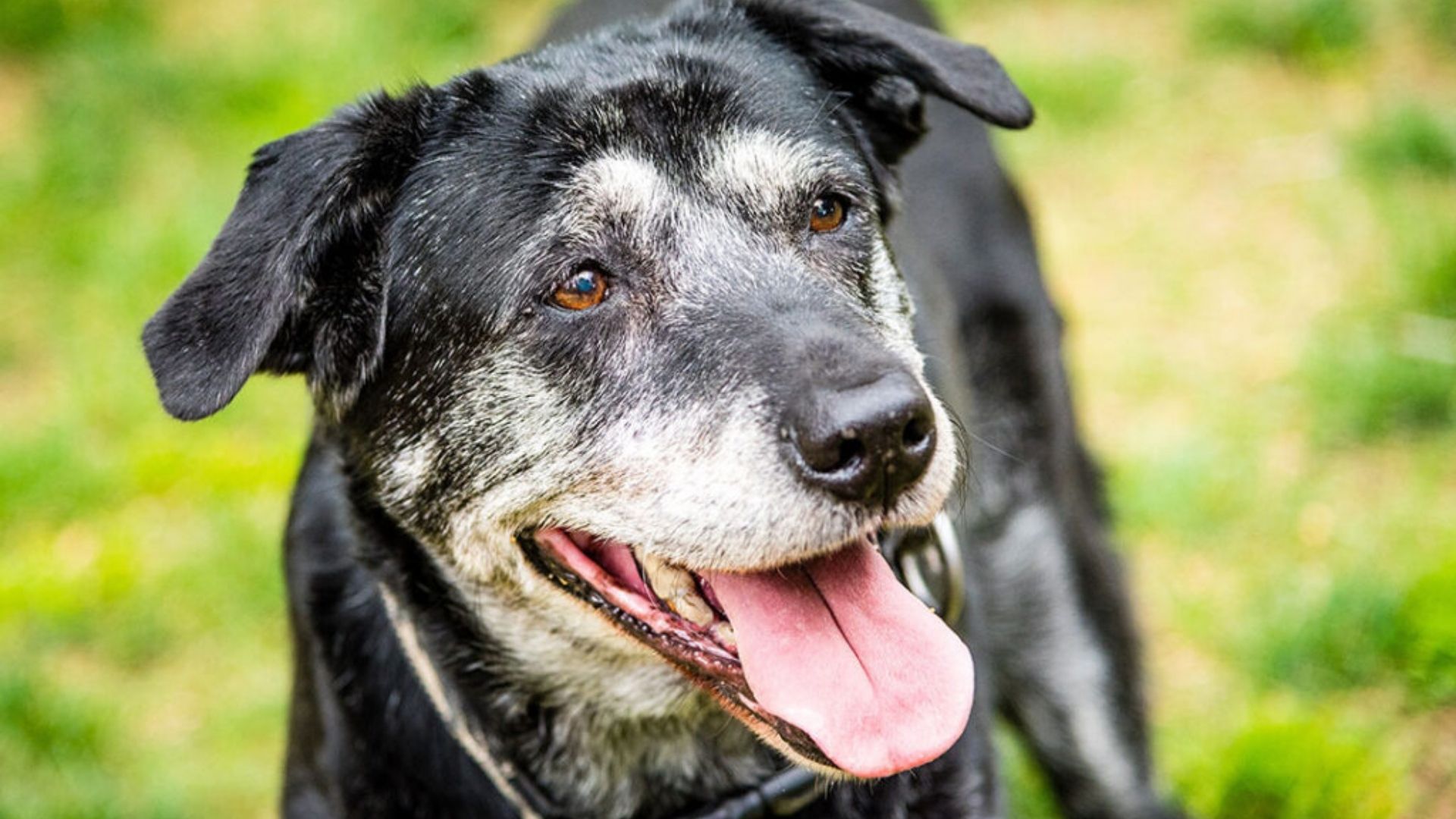
Melatonin may also be beneficial for cognitive health.
Cognitive dysfunction can affect older dogs and cats, sometimes causing changes in sleep, behavior, and awareness.
One area of research involves the mitochondria.
These structures produce energy within cells and can be affected by oxidative damage.
Mitochondrial dysfunction is involved in several neurodegenerative conditions.
How Might Melatonin Support Brain Health?
Melatonin may help protect mitochondria from oxidative damage.
Because of this, researchers are investigating whether it may support neurological function in conditions involving cognitive decline.
For senior dogs and cats experiencing cognitive changes, I find this especially interesting.
And because melatonin is also involved in sleep regulation, there may be more than one reason to consider it in older pets struggling with nighttime restlessness.
7. Melatonin for Eye Health
Melatonin also has an interesting relationship with the eyes.
The retina detects light and communicates information that helps regulate melatonin production through the pineal gland.
This is part of what researchers call the retinal-pineal gland axis.
Because melatonin participates in this system, researchers have investigated its potential role in eye health.
What Eye Conditions Might Benefit?
Conditions being investigated include:
-
Ocular neuritis
-
Uveitis
-
Glaucoma
Ocular neuritis and uveitis involve inflammation affecting structures of the eye.
Some researchers have also suggested that glaucoma may be a potential therapeutic target for melatonin.
This research is still developing.
But melatonin’s relationship with the retina, inflammation, and circadian regulation makes it an interesting area for further investigation.
8. Melatonin for Digestive and Oral Health
Melatonin may also have benefits involving the gastrointestinal system.
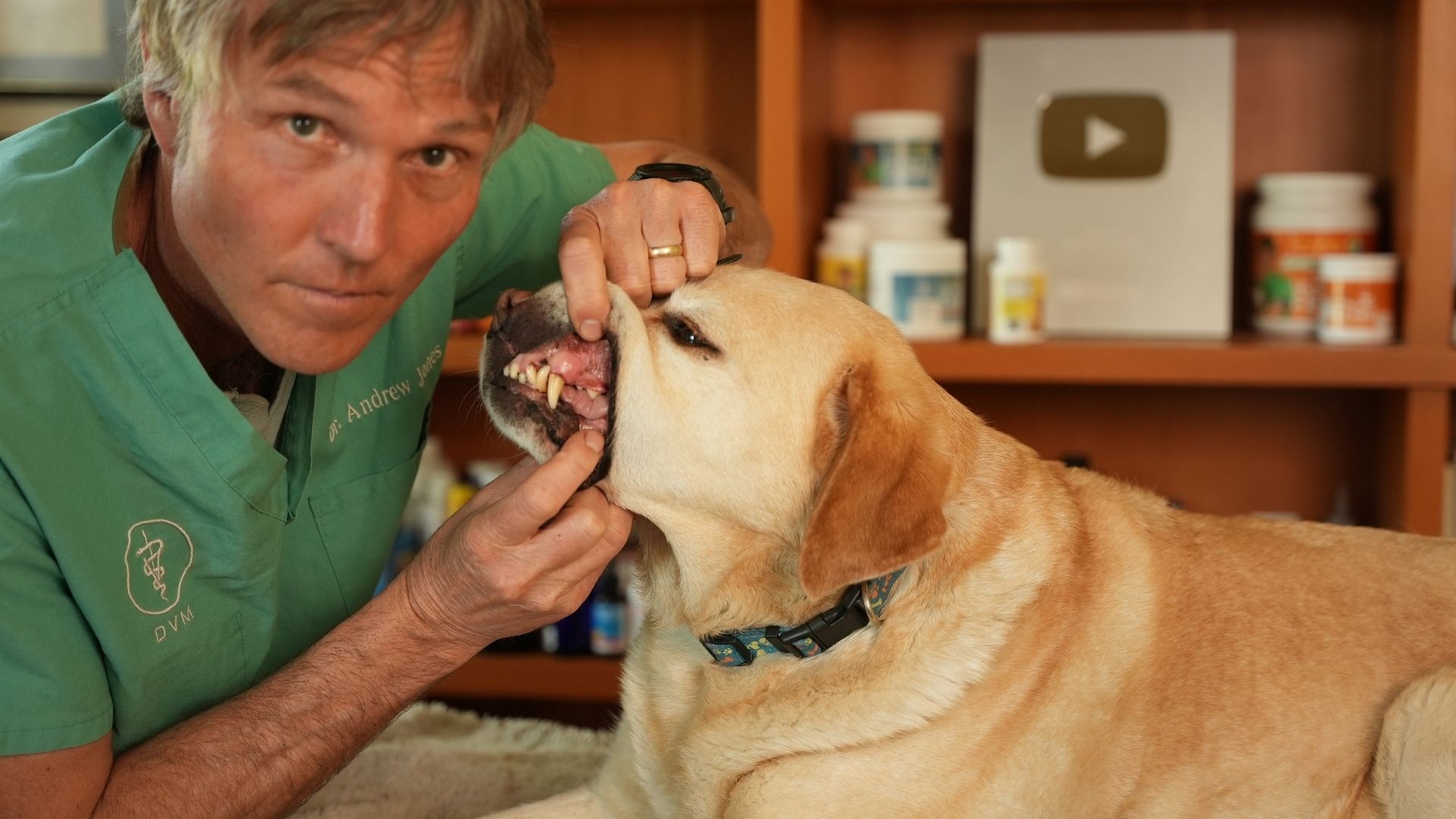
Research has explored its possible role in:
-
Oral health
-
Periodontal inflammation
-
Recovery following dental surgery
-
Antioxidant protection involving dental materials
-
Helicobacter pylori infections
-
Gastric ulcers
-
Duodenal ulcers
-
Gastroesophageal reflux disease (GERD)
-
Inflammatory bowel disease
That’s quite a list for something most people associate with sleep.
What Does Melatonin Have to Do With Gut Bacteria?
One particularly interesting study suggested that gut bacteria have their own circadian clock.
These bacteria may respond to melatonin, allowing their activity to synchronize with the body’s daily rhythm.
This raises questions about the relationship between sleep, digestive function, and the gut microbiome.
9. Melatonin for Autoimmune Disease
Another emerging area of research involves autoimmune conditions.
Autoimmune disease occurs when the immune system mistakenly targets the body’s own tissues.
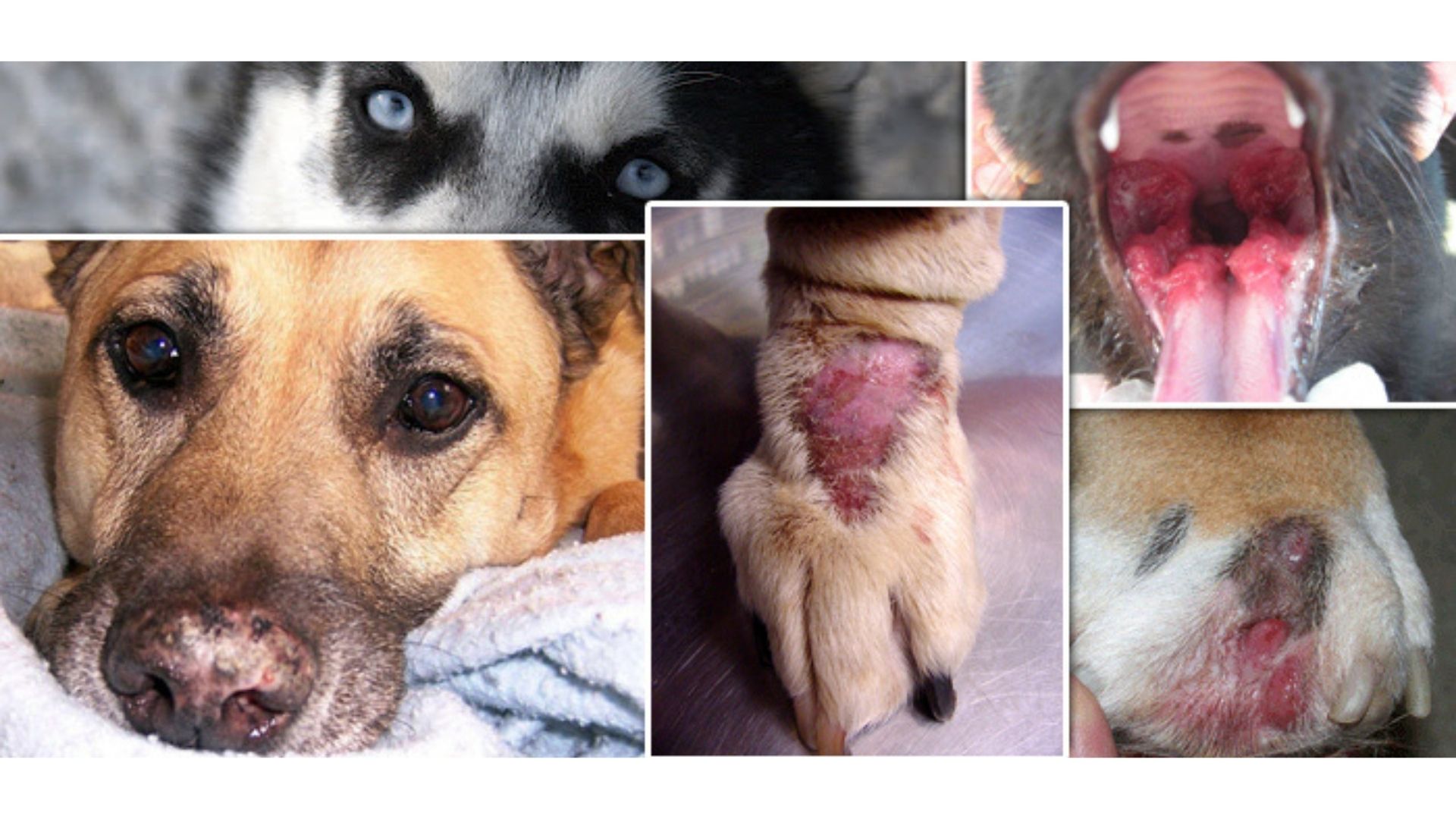
Melatonin may influence several processes involved in immune regulation, including:
-
Inflammatory signaling
-
Oxidative stress
-
Gut microbiota activity
Research has investigated its potential effects in conditions such as:
-
Multiple sclerosis (MS)
-
Hashimoto’s thyroiditis
-
Lupus and other autoimmune disorders
Could Melatonin Help Regulate the Immune System?
Potentially.
Research has suggested a connection between melatonin and seasonal relapse patterns in patients with multiple sclerosis.
Its anti-inflammatory and antioxidant activities may also be relevant to certain autoimmune processes.
10. Melatonin for Anxiety and Separation Anxiety in Dogs
Of all the potential uses, anxiety relief is one of the reasons I am particularly interested in melatonin for pets.
Melatonin has recognized calming and sedative properties.
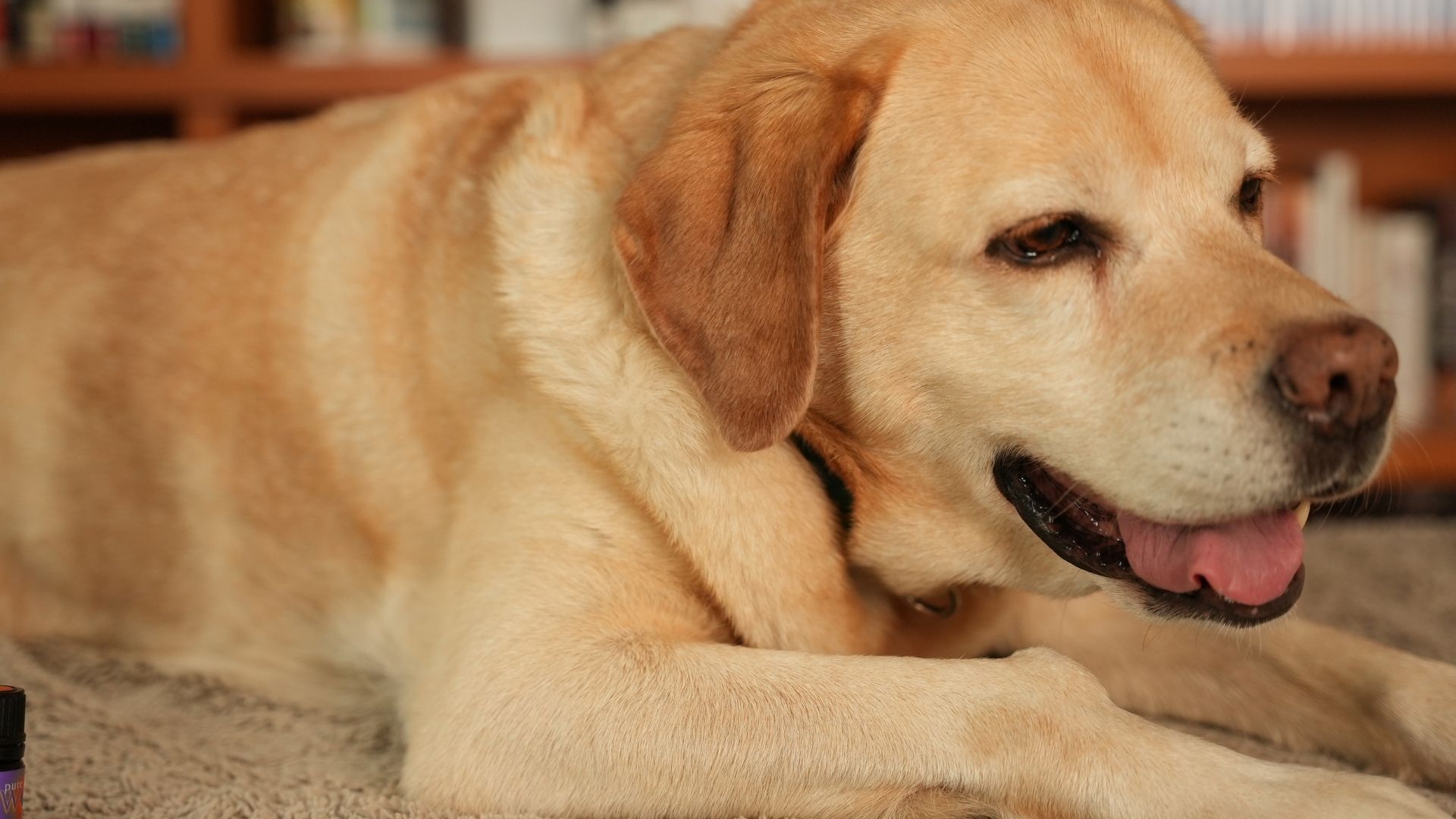
It may help dogs experiencing:
-
Separation anxiety
-
Fear of fireworks
-
Thunderstorm anxiety
-
Noise phobias
-
General stress
-
Anxiety related to visitors or changes in the home
Think about a situation where family members are visiting.
The house is noisier than usual.
Your dog may be pacing, panting, or having trouble settling.
And perhaps you’re feeling a little stressed yourself.
Melatonin may be one option for helping your pet feel calmer.
What Does the Research Say About Melatonin for Dog Anxiety?
Dr. Linda Aronson, DVM, published research in the Journal of the American Veterinary Medical Association discussing melatonin for canine fear and anxiety.
She reported successful results in approximately 80% of canine patients treated with melatonin.
That is an encouraging observation.
It does not mean every anxious dog will respond, but it gives us a reason to consider melatonin as a potential anxiety-support option.
Can Melatonin Help During Fireworks or Thunderstorms?
Melatonin may be helpful for pets who become anxious during loud noises.
Its calming properties can be particularly useful when the stressor is predictable.
Examples include:
-
Fireworks
-
Thunderstorms
-
Visitors arriving
-
Other anticipated stressful events
This is one of the practical uses I would consider for an anxious dog.
My dog Tula has experienced anxiety and benefited from calming chews.
Cassian, on the other hand, seems relatively anxiety-free.
Although sometimes, looking at what that cat is doing, I think I might be the one who needs something calming.
What Is the Correct Melatonin Dosage for Dogs and Cats?
The general dose I discuss for dogs and cats is:
1 mg per 10 pounds of body weight, up to a maximum of 6 mg.
The suggested timing is:
Give approximately one hour before bedtime.
Melatonin Dosage Chart for Dogs and Cats
| Pet’s Body Weight | Melatonin Dose |
|---|---|
| 10 lbs | 1 mg |
| 20 lbs | 2 mg |
| 30 lbs | 3 mg |
| 40 lbs | 4 mg |
| 50 lbs | 5 mg |
| 60 lbs | 6 mg |
| Over 60 lbs | Maximum 6 mg |
When Should You Give Your Pet Melatonin?
For sleep-related concerns, the suggested timing is one hour before bedtime.
Because melatonin influences the body’s circadian rhythm, timing is part of how it works.
For anxiety, I would consider when the stressful event is likely to happen.
If your dog becomes anxious around visitors or loud noises, it makes sense to plan rather than wait until your dog is already extremely distressed.
What Are the Side Effects of Melatonin in Dogs and Cats?
Melatonin is generally considered well tolerated, but side effects and interactions are possible.
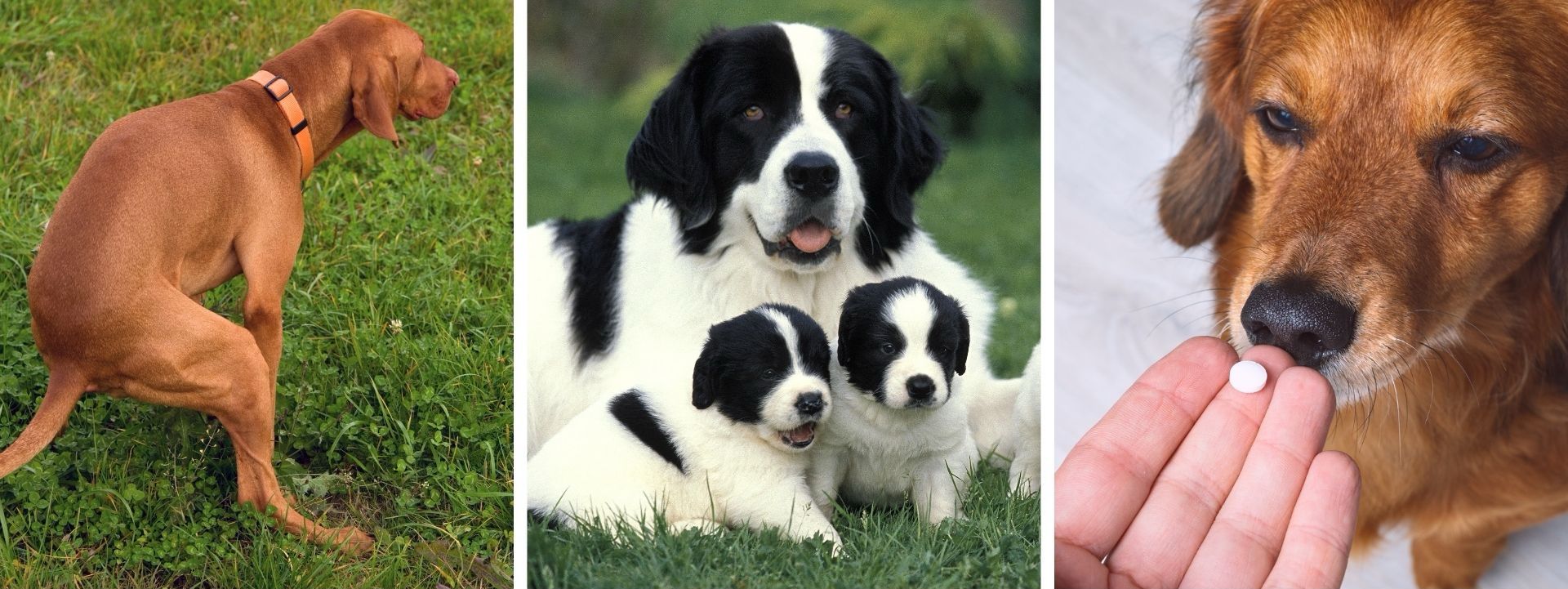
The main concerns discussed include:
-
Gastrointestinal effects: Some pets may experience digestive upset.
-
Fertility: Melatonin may affect reproductive function.
-
Medication interactions: Melatonin can interact with corticosteroids and may reduce their effectiveness.
Can Melatonin Interact With Steroids?
Yes.
One important potential interaction involves corticosteroids.
Melatonin may make these medications less effective.
If your dog or cat is receiving corticosteroid treatment, I would speak with your veterinarian before adding melatonin.
The same caution applies if you’re considering melatonin for a serious medical condition.
Even though it is a naturally occurring hormone, it can still influence important biological processes.
Who Might Benefit Most From Melatonin?
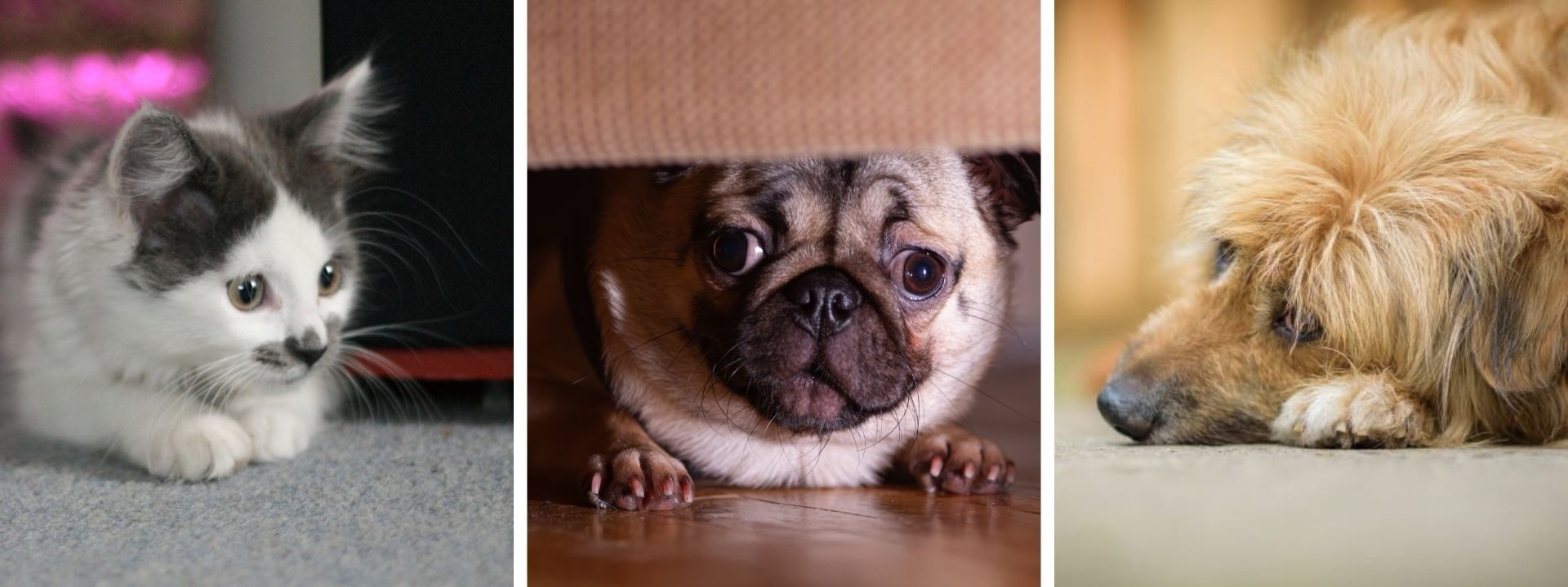
I would be most interested in discussing melatonin for pets with:
-
Separation anxiety
-
Firework or thunderstorm fear
-
Nighttime restlessness
-
Senior cognitive dysfunction
-
Certain types of hair loss
-
Selected inflammatory conditions
There are also more experimental areas, including cancer support, autoimmune disease, and certain neurological conditions.
But I would treat those as supportive possibilities rather than established treatments.
Can Chronic Anxiety Affect Your Dog’s Health?
Potentially, yes.
Research has suggested that dogs with fear and anxiety disorders may experience reduced lifespan and increased frequency or severity of certain diseases.
The concern is that prolonged stress can affect several physiological systems.
Chronic stress may stimulate:
-
Hormonal responses
-
The adrenal system
-
The pituitary system
Over time, prolonged activation of these systems may contribute to adverse health outcomes.
This is one reason I take anxiety seriously.
An anxious dog isn’t simply being difficult.
They may be experiencing ongoing physiological stress.
And finding ways to reduce that stress can be an important part of supporting their overall well-being.
Final Thoughts: Is Melatonin Worth Considering for Your Dog or Cat?
I think melatonin is one of the more interesting natural supplements available for dogs and cats.
Most pet parents think of it simply as something that helps with sleep.
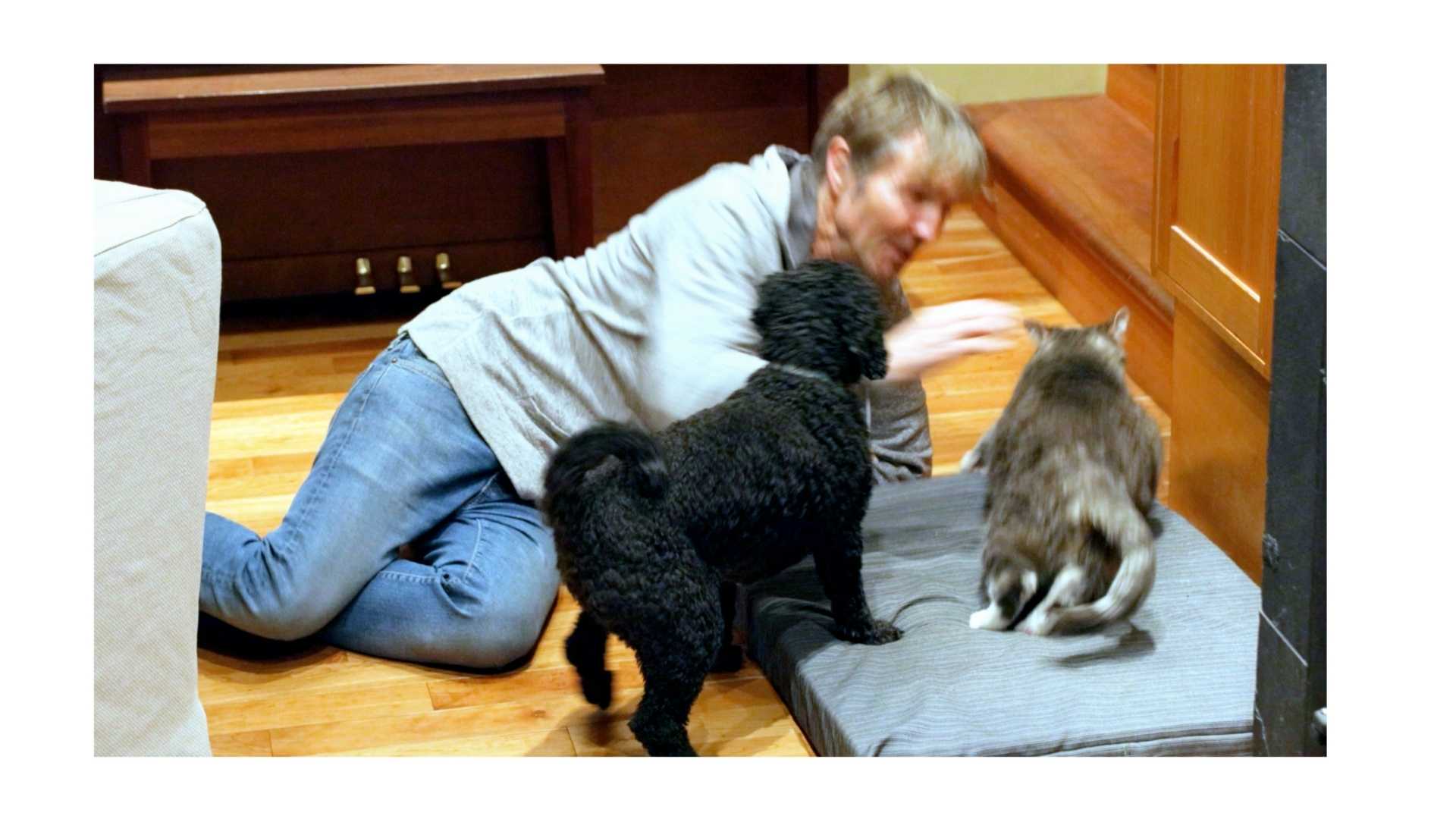
But its potential benefits go much further.
From hair growth and anxiety to inflammation, cognitive health, and emerging cancer research, melatonin influences several important processes in the body.
The 10 areas I find most interesting are:
-
Hair loss
-
Sleep quality
-
Cushing’s disease
-
Pain and inflammation
-
Cancer support
-
Cognitive dysfunction
-
Eye health
-
Digestive health
-
Autoimmune conditions
-
Anxiety and separation anxiety
Some of these uses have a history in veterinary practice.
Others are promising areas of research that still need further investigation in dogs and cats.
For everyday pet parents, anxiety is one of the most practical reasons to consider melatonin.
If your dog gets stressed when visitors arrive, struggles with fireworks, or becomes anxious when left alone, it may be worth discussing.
The general dose is 1 mg per 10 pounds, up to 6 mg, typically given one hour before bedtime.
And remember, if your pet is already taking medication, especially corticosteroids, check with your veterinarian first.
Melatonin is inexpensive, generally well tolerated, and may have several helpful applications.
But like any supplement, the goal is to use it for the right reason, at the right dose.
Click To Get A Free Copy of My E-Book!

P.S. Melatonin is much more than a sleep hormone. If your dog or cat is struggling with anxiety, hair loss, nighttime restlessness, or one of the other conditions we’ve discussed, it may be worth considering as part of their care.
P.P.S. Have family visiting, fireworks coming up, or a dog who gets stressed by loud noises? Melatonin is one of the inexpensive, generally well-tolerated options I would consider for helping take the edge off. The research on canine anxiety is particularly interesting.
P.P.P.S. Chronic anxiety may affect more than your dog’s behavior. Prolonged stress can influence the hormonal, adrenal, and pituitary systems, potentially affecting long-term health. That’s why I think anxiety deserves proper attention.
Melatonin Benefits for Dogs and Cats: Quick Comparison
| Potential Benefit | Why Melatonin May Help | Research Context |
|---|---|---|
| Hair loss | Involved in the hair growth cycle | Used in veterinary practice, including for Alopecia X |
| Sleep problems | Helps regulate sleep-wake rhythms | Particularly relevant to senior pets |
| Cushing’s disease | May influence cortisol levels | Potential supportive option |
| Pain and inflammation | May regulate pain perception and inflammatory markers | Includes a 13-trial meta-analysis |
| Cancer support | Antioxidant and immune-related effects | Much research comes from human cancer studies |
| Cognitive dysfunction | May protect mitochondria from oxidative damage | Emerging neurological research |
| Eye health | Involved in the retinal-pineal system | Investigated for inflammatory eye conditions and glaucoma |
| Digestive health | May influence gastrointestinal function and gut bacteria | Investigated across several digestive conditions |
| Autoimmune disease | May influence inflammation and immune regulation | Primarily emerging human research |
| Anxiety | Has calming and sedative properties | Canine anxiety research and clinical observations |