Kitchen Remedies for Cats: 7 Safe Options That May Help

Can Kitchen Remedies Help Cats?
Yes, a few simple remedies from your kitchen can help support your cat with common health issues.
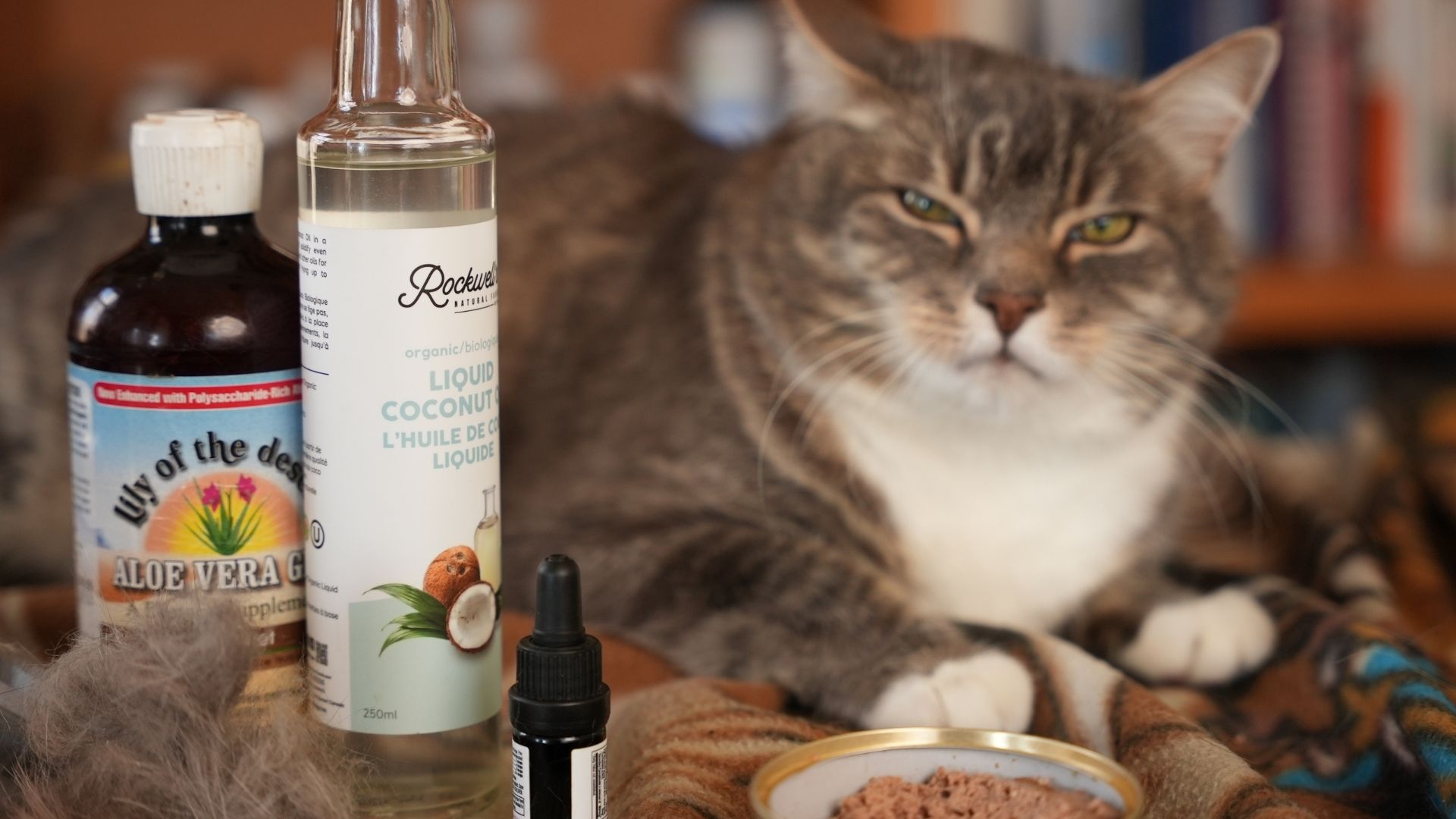
I am talking about things like coconut oil, honey, apple cider vinegar, olive oil, sunflower oil, parsley, and slippery elm. Some of these can help with skin problems. Some may help with digestion. Others may support hairballs, bad breath, ear mites, urinary tract issues, cough, or an upset stomach.
The key is using the right remedy, in the right way, at the right dose.
Cats are not small dogs.
They are cats.
Which means they are sensitive, particular, suspicious of your good intentions, and occasionally convinced that the couch is their legal property.
So yes, kitchen remedies can help.
But with cats, simple and careful is always the better plan.
Dr. Jones’ Ultimate Feline Health Formula



Why Use Kitchen Remedies for Cats?
There are a few simple things you can do now to help keep your cat healthy and help prevent disease.
Some remedies are useful because they are:
- Easy to find
- Inexpensive
- Simple to use
- Helpful for common cat problems
- Gentle when used properly
- Practical for home care
These remedies are not meant to replace veterinary care when your cat is seriously ill.
But for many common issues, they can be very helpful.
Top Seven Kitchen Remedies for Cats
1. Coconut Oil for Cats
Coconut oil is one of the most versatile remedies I use.
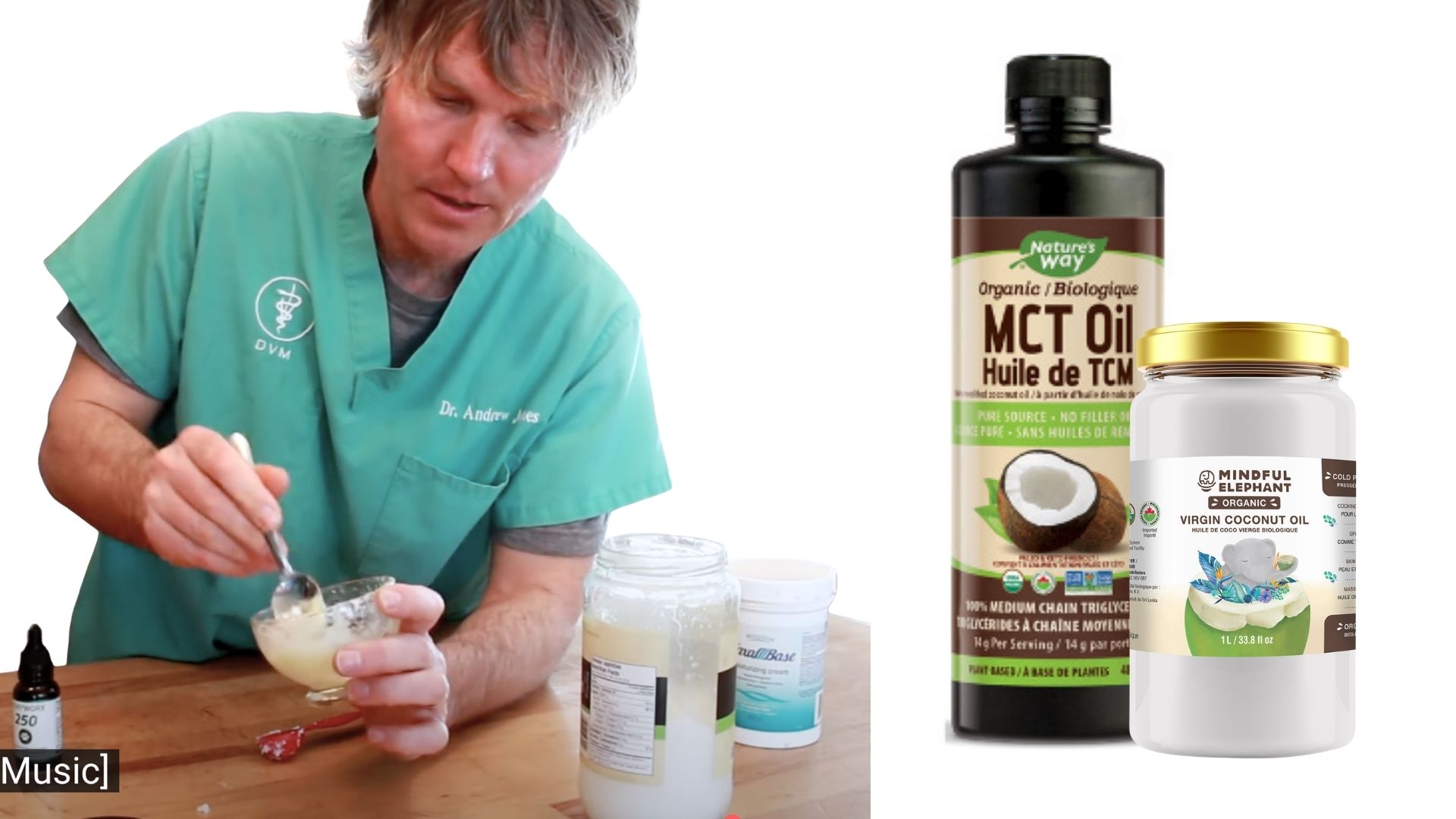
It can be helpful for skin health because it acts as:
- Antibacterial
- Antifungal
- Antiviral
That makes it useful for cats with skin infections and allergies.
It can also help with:
- Dental health
- Bad breath
- Gastrointestinal support
- Anti-inflammatory support
- Hairballs
- Seizure support
Coconut Oil for Hairballs
Coconut oil can help cats with hairballs.
The dose mentioned is:
1/2 teaspoon per 10 lbs of body weight twice daily
This can help support movement of hair through the digestive tract.
And if you have a cat, you already know hairballs do not arrive politely.
They arrive on rugs, beds, shoes, and occasionally places that defy physics.
Coconut Oil for Dental Health
Coconut oil can also be applied to your cat’s gums to support dental health and bad breath.
That can be helpful if your cat has unpleasant breath.
And yes, convincing a cat that gum care is a bonding activity may require diplomacy.
2. Honey for Cats
Unpasteurized honey is another useful remedy.

It can be excellent for:
- Wound care
- Cat abscesses
- Allergies
- Natural cough support
- Resistant infections
- Urinary tract support
Honey has antibacterial properties and can be effective against antibiotic-resistant bacteria.
That makes it valuable for wounds and resistant infections.
How to Use Honey for Wounds
Apply honey topically:
Twice daily
This may help speed wound healing.
Honey is sticky, so if your cat is determined to lick it off, you may need to cover the area or distract your cat.
Good luck with the distraction part.
Cats have focus when honey is involved.
3. Apple Cider Vinegar for Cats
Apple cider vinegar, or ACV, can be useful for fungal and bacterial infections.

It may help with:
- Ringworm
- Ear infections
- Skin infections
- Urinary tract infections
ACV can be used topically, or mixed with water and a sweetener like honey for urinary tract support.
Apple Cider Vinegar for Ringworm in Cats
For cats with ringworm, I have used this topical mixture:
- 50% apple cider vinegar
- 50% green tea
Apply:
Twice daily for 4 to 6 weeks
This is a simple home remedy option for fungal skin issues such as ringworm.
Apple Cider Vinegar for Skin and Ear Issues
ACV may also be helpful for bacterial and fungal skin problems.
It is especially useful as part of topical care.
Use it carefully, and do not apply it to raw, painful, or badly irritated skin.
Cats will let you know if they object.
Usually dramatically.
4. Olive Oil for Cats

Olive oil can be helpful for:
- Skin conditions
- Ear mites
- Hairballs
- Intestinal obstruction support
- Skin health
- Immune support
Olive oil has lubricating properties, which is why it may help with hairballs and intestinal movement.
It can also provide essential fatty acids that support the skin, immune system, and overall health.
Olive Oil for Ear Mites in Cats
For ear mites, apply:
5 to 7 drops twice daily
Use this schedule:
- 7 days on
- 7 days off
- Another 7 days on
This schedule is helpful because ear mite problems often need repeat care.
One round may not be enough.
Ear mites are persistent little freeloaders.
5. Sunflower Oil for Cat Skin
Sunflower oil is a good skin care remedy.
It is rich in ceramides, which are essential fats that help maintain a strong skin barrier.
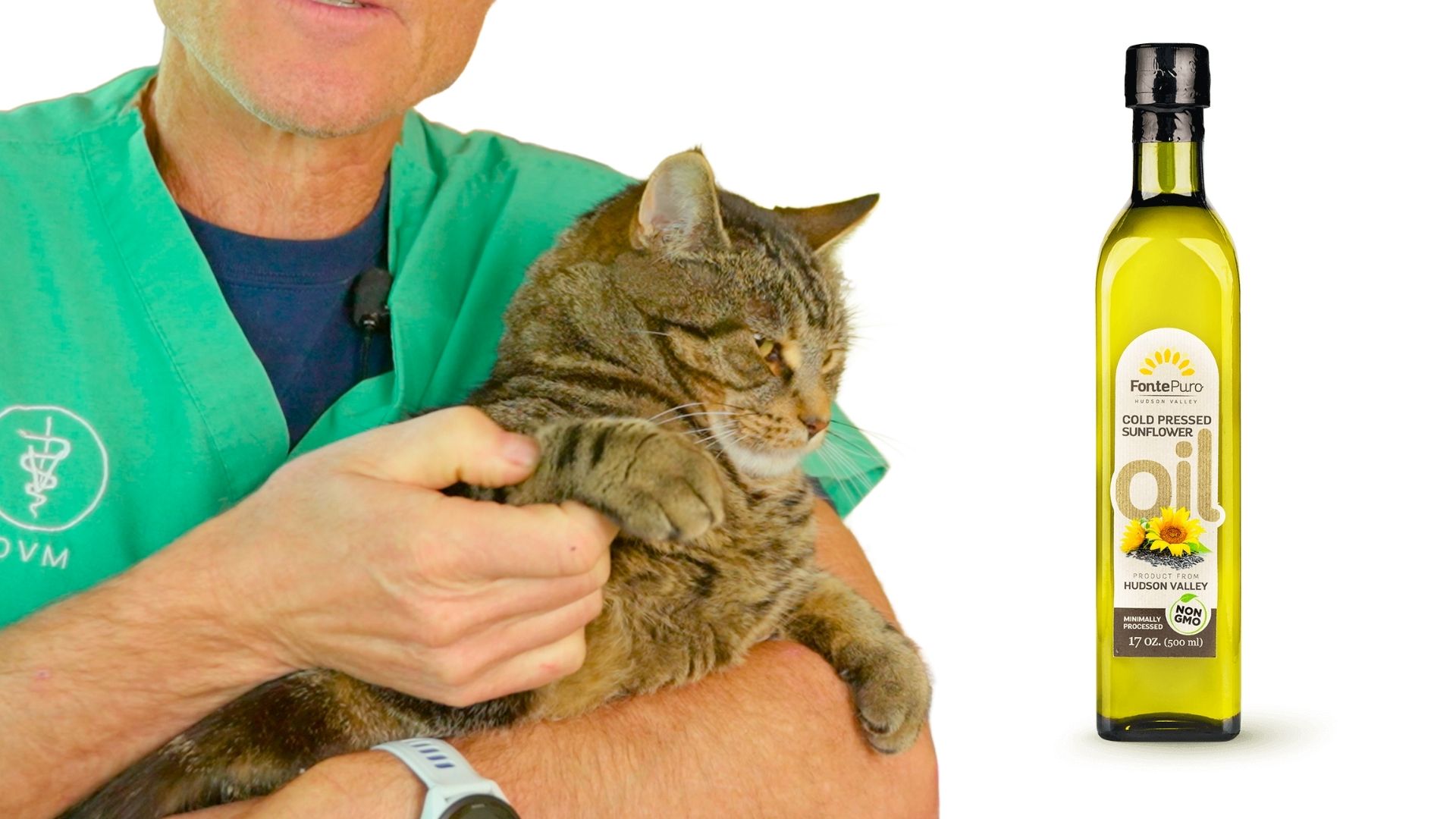
This can be useful for cats with:
- Allergies
- Dry skin
- Itchy skin
- Irritated skin
- Skin barrier problems
How to Use Sunflower Oil on Cats
Apply about:
1/4 to 1/2 teaspoon of sunflower oil
Focus on areas such as:
- Neck
- Shoulders
- Back
- Tail base
Use:
Once daily for 14 days
You should notice reduced itching and improved skin health.
The goal is not to soak your cat in oil.
A small amount is enough.
You are supporting the skin barrier, not making a salad.
6. Parsley for Cats
Parsley is not just garnish.
It can help support cat health in several ways.
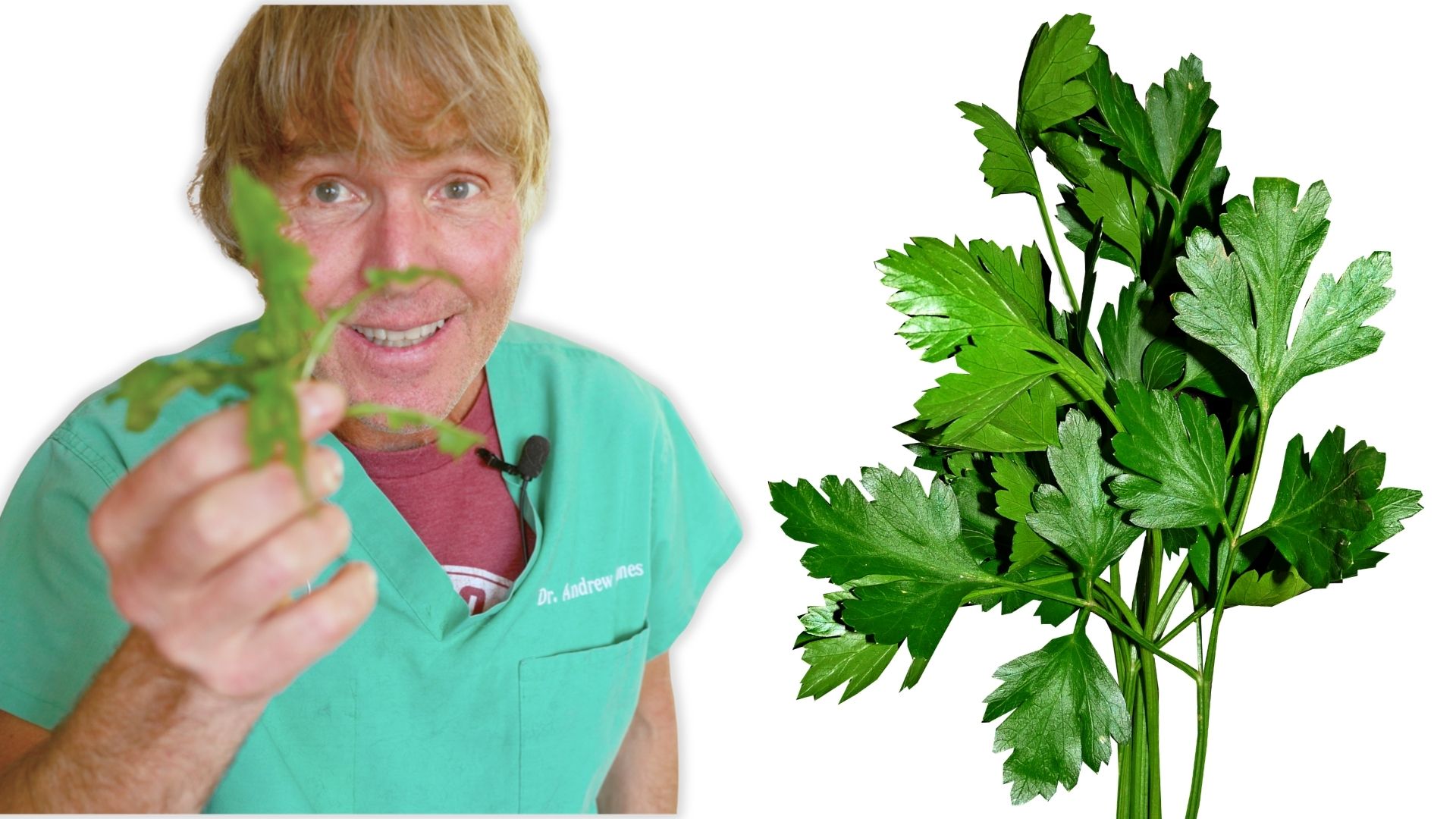
Parsley may help:
- Freshen breath
- Act as a natural diuretic
- Soothe mild stomach upset
- Support antimicrobial activity
- Help fight bacteria that cause bad breath and infections
Parsley Dose for Cats
Chop parsley finely and mix it into your cat’s canned food.
Give:
1 teaspoon per 10 lbs of body weight twice daily
Canned food works best here because it helps the parsley mix in more easily.
And with cats, hiding anything in food is a delicate art form.
7. Slippery Elm for Cats
Slippery elm is not technically a kitchen remedy, but I keep it in my kitchen.
It comes from the bark of the slippery elm tree.

It is very safe and effective for cats.
Slippery elm can be especially helpful for cats with:
- Upset stomach
- Vomiting
- Diarrhea
- Kidney disease nausea
- Urinary tract disease
- Chronic cough
- Cat asthma-type cough
Why Slippery Elm Helps the Stomach
Slippery elm acts as a natural antacid.
This can be especially helpful for cats with kidney disease because those cats may feel nauseous.
When a cat is nauseous, they may stop eating.
And when a cat stops eating, things can go downhill quickly.
So anything that safely helps nausea and stomach comfort is worth knowing about.
Slippery Elm Dose for Cats
Give:
One 400 mg capsule daily
Open the capsule and mix it into your cat’s food.
This is one of the easiest remedies to keep on hand.
It is simple, gentle, and very useful.
What Is the Best Kitchen Remedy to Start With?
If I had to choose one starting remedy for most cat parents, I would keep slippery elm and coconut oil close by.
Slippery elm is excellent for stomach upset, vomiting, diarrhea, nausea, and urinary tract support.
Coconut oil is useful for skin, hairballs, bad breath, and inflammation support.
For wounds, I would reach for unpasteurized honey.
For skin barrier support, I would think about sunflower oil.
For ear mites, olive oil is the one I would consider.
The best remedy depends on the problem.
That is why matching the remedy to the symptom matters.
Best Remedies by Cat Health Problem
| Cat Health Problem | Remedy to Consider |
|---|---|
| Hairballs | Coconut oil or olive oil |
| Skin infection | Coconut oil |
| Allergies | Coconut oil, honey, sunflower oil |
| Bad breath | Coconut oil on gums or parsley |
| Cat abscess or wound | Unpasteurized honey |
| Ringworm | 50% apple cider vinegar and 50% green tea |
| Ear mites | Olive oil |
| Dry, itchy skin | Sunflower oil |
| Mild upset stomach | Parsley or slippery elm |
| Vomiting or diarrhea | Slippery elm |
| Kidney disease nausea | Slippery elm |
| Urinary tract support | Honey, apple cider vinegar, slippery elm |
| Chronic cough or cat asthma-type cough | Slippery elm |
Step-by-Step: How to Use Kitchen Remedies for Cats
Step 1: Identify the Main Problem
Ask yourself:
- Is this a skin problem?
- Is this a stomach problem?
- Is this a hairball problem?
- Is this an ear mite problem?
- Is this a urinary issue?
- Is this a cough problem?
- Is my cat acting sick?
Start with the symptom.
Do not throw seven remedies at your cat at once.
Your cat will not appreciate the enthusiasm.
Step 2: Choose One Remedy
Pick the remedy that best matches the issue.
Examples:
- Hairballs: coconut oil
- Wound or abscess: honey
- Ringworm: apple cider vinegar and green tea
- Ear mites: olive oil
- Itchy skin: sunflower oil
- Bad breath: parsley
- Vomiting or diarrhea: slippery elm
Step 3: Use the Correct Dose
Cats are sensitive.
Use the dose listed.
Do not guess.
Do not double everything because “natural” sounds safe.
Natural can still be too much.
Step 4: Watch for Improvement
Monitor your cat’s:
- Appetite
- Energy
- Stool
- Vomiting
- Itching
- Skin changes
- Breath
- Urination
- Comfort
If your cat improves, wonderful.
If not, reassess.
Step 5: Call Your Veterinarian When Needed
Home remedies are helpful for mild and common problems.
But if your cat is seriously ill, painful, not eating, or getting worse, call your veterinarian.
Quick Guide: 7 Kitchen Remedies for Cats
| Remedy | Best Used For | Dose or Use Mentioned |
|---|---|---|
| Coconut oil | Skin health, infections, allergies, dental health, bad breath, GI support, inflammation, seizures, hairballs | Hairballs: 1/2 teaspoon per 10 lbs twice daily |
| Honey | Wound care, cat abscesses, allergies, cough, resistant infections, UTI support | Apply topically twice daily to speed wound healing |
| Apple cider vinegar | Fungal infections, ringworm, bacterial infections, ear and skin infections, UTI support | Ringworm: 50% ACV and 50% green tea, applied twice daily for 4 to 6 weeks |
| Olive oil | Skin conditions, ear mites, hairballs, intestinal obstruction support, essential fatty acids | Ear mites: 5 to 7 drops twice daily, 7 days on, 7 days off, then another 7 days on |
| Sunflower oil | Allergies, dry skin, irritated skin, skin barrier support | 1/4 to 1/2 teaspoon applied to skin once daily for 14 days |
| Parsley | Bad breath, mild stomach upset, natural diuretic support, antimicrobial support | 1 teaspoon per 10 lbs twice daily, finely chopped and mixed into canned food |
| Slippery elm | Vomiting, diarrhea, kidney disease nausea, natural antacid support, feline urinary tract disease, chronic cough | One 400 mg capsule daily, opened and mixed into food |
Final Thoughts
There are simple things you can do now to help keep your cat healthy and prevent disease.
You do not need a cupboard full of complicated products to start.
You can begin with simple remedies like:
- Coconut oil
- Honey
- Apple cider vinegar
- Olive oil
- Sunflower oil
- Parsley
- Slippery elm
Coconut oil may help skin, dental health, hairballs, inflammation, and seizures.
Honey may help wounds, abscesses, allergies, cough, resistant infections, and urinary tract support.
Apple cider vinegar may help fungal and bacterial skin issues, including ringworm.
Olive oil may help ear mites, hairballs, skin, and intestinal lubrication.
Sunflower oil may help dry, itchy skin and support the skin barrier.
Parsley may freshen breath, support mild stomach upset, and act as a natural diuretic.
Slippery elm may help vomiting, diarrhea, kidney-related nausea, urinary tract disease, and chronic cough.
Start simple.
Use the correct dose.
Watch your cat closely.
And when in doubt, get help.
Click To Get A Free Copy of My E-Book!

P.S. If your cat has one of these common health conditions, such as ear mites, vomiting, skin disease, hairballs, bad breath, or mild digestive upset, consider one of these simple remedies.
Pick the remedy that matches the problem.
One remedy at a time is often the sanest way to begin.
Your cat will appreciate that.
Possibly.
P.P.S. About my cat supplement.
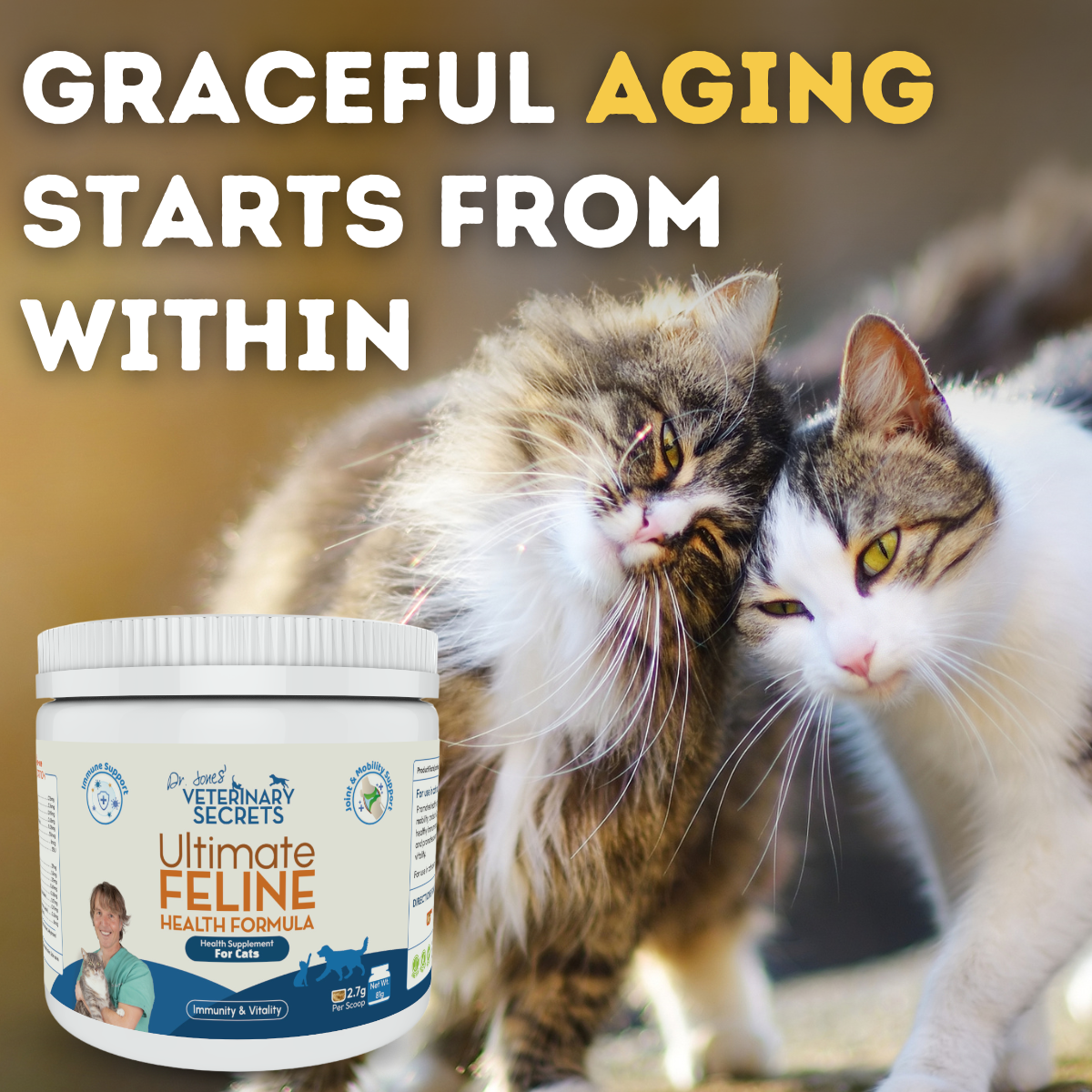
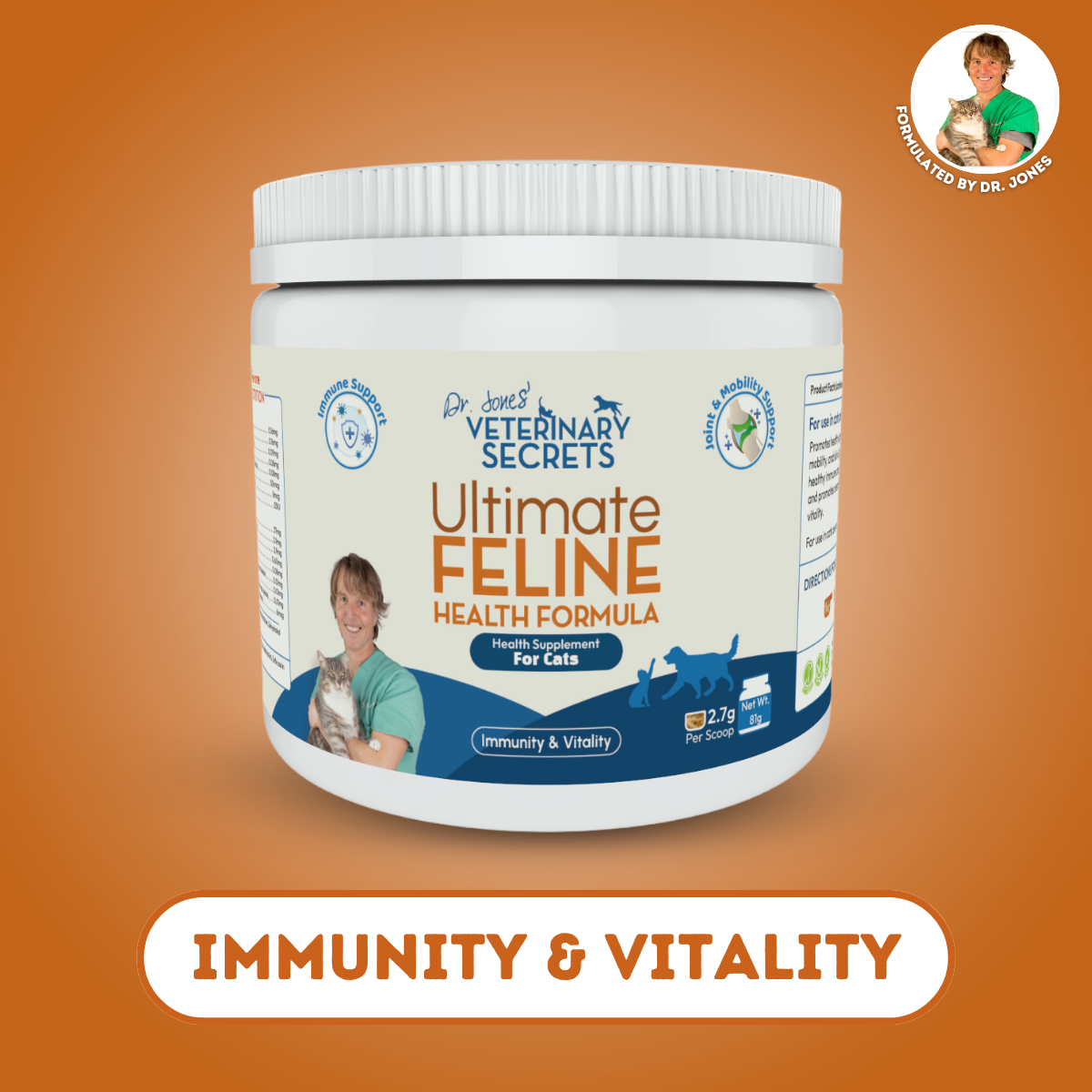
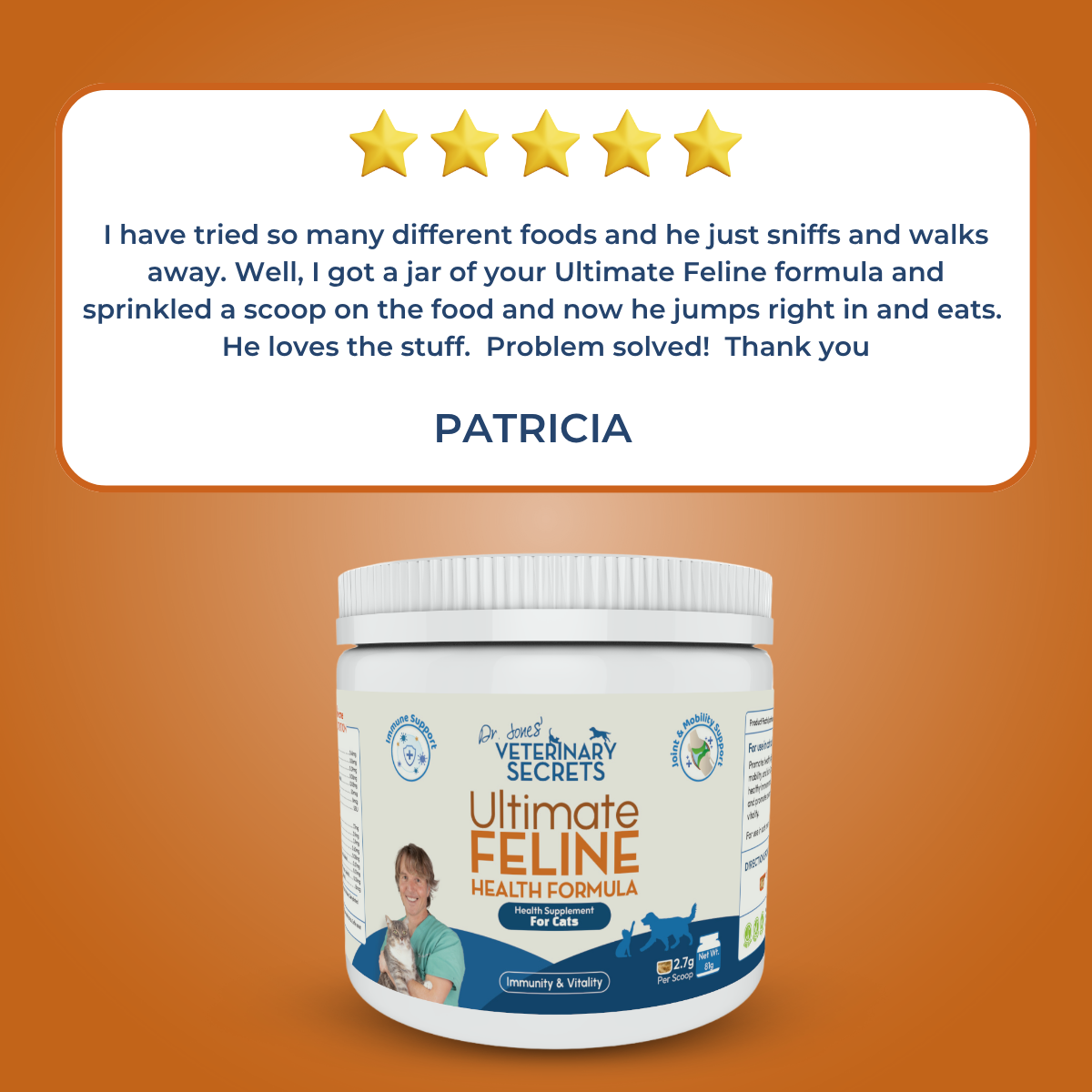
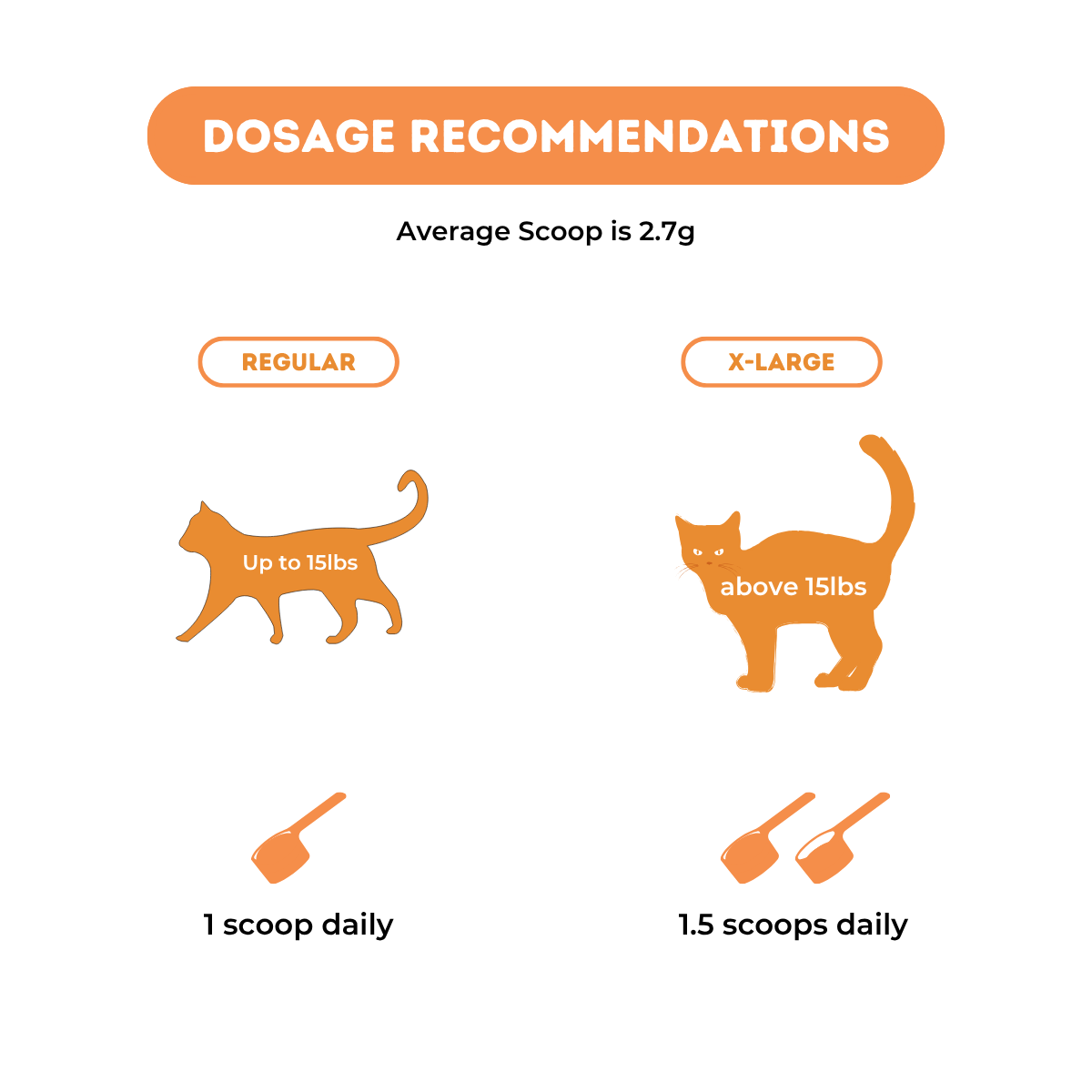
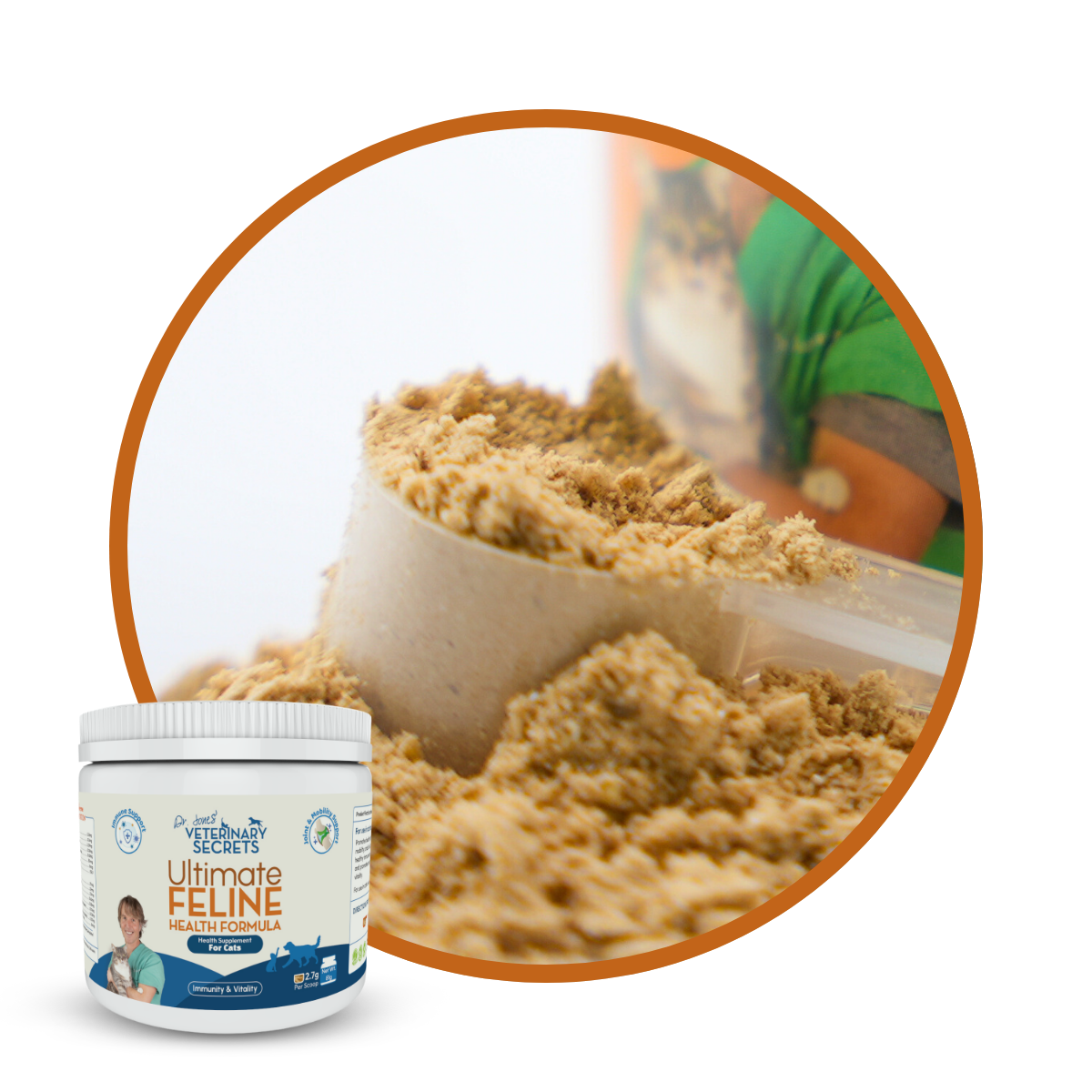
Dr. Jones’ Ultimate Feline Health Formula includes additional antioxidants, lower kidney-damaging phosphorus, and glucosamine, chondroitin, and MSM for joint and urinary health.
It also supports your cat’s kidneys, immune system, and gut health.
Seems like a good idea to be on this.

I’m already using some of these remedies. I have 3 cats 7yrs+. Plan on adding others.
With 3 cats over 7, a few simple remedies can be great additions to your kitty care toolkit. Just remember, one at a time and matched to their needs. Natural is great, but cats have their own rules!