How to Help Your Cat Live Longer: 5 Simple Things to Do

How Can You Help Your Cat Live Longer?
If you want your cat to live longer, focus on five things: avoid unnecessary immune stress, be cautious with medications and toxins, keep phosphorus low, protect the teeth, and become a more hands-on cat parent.
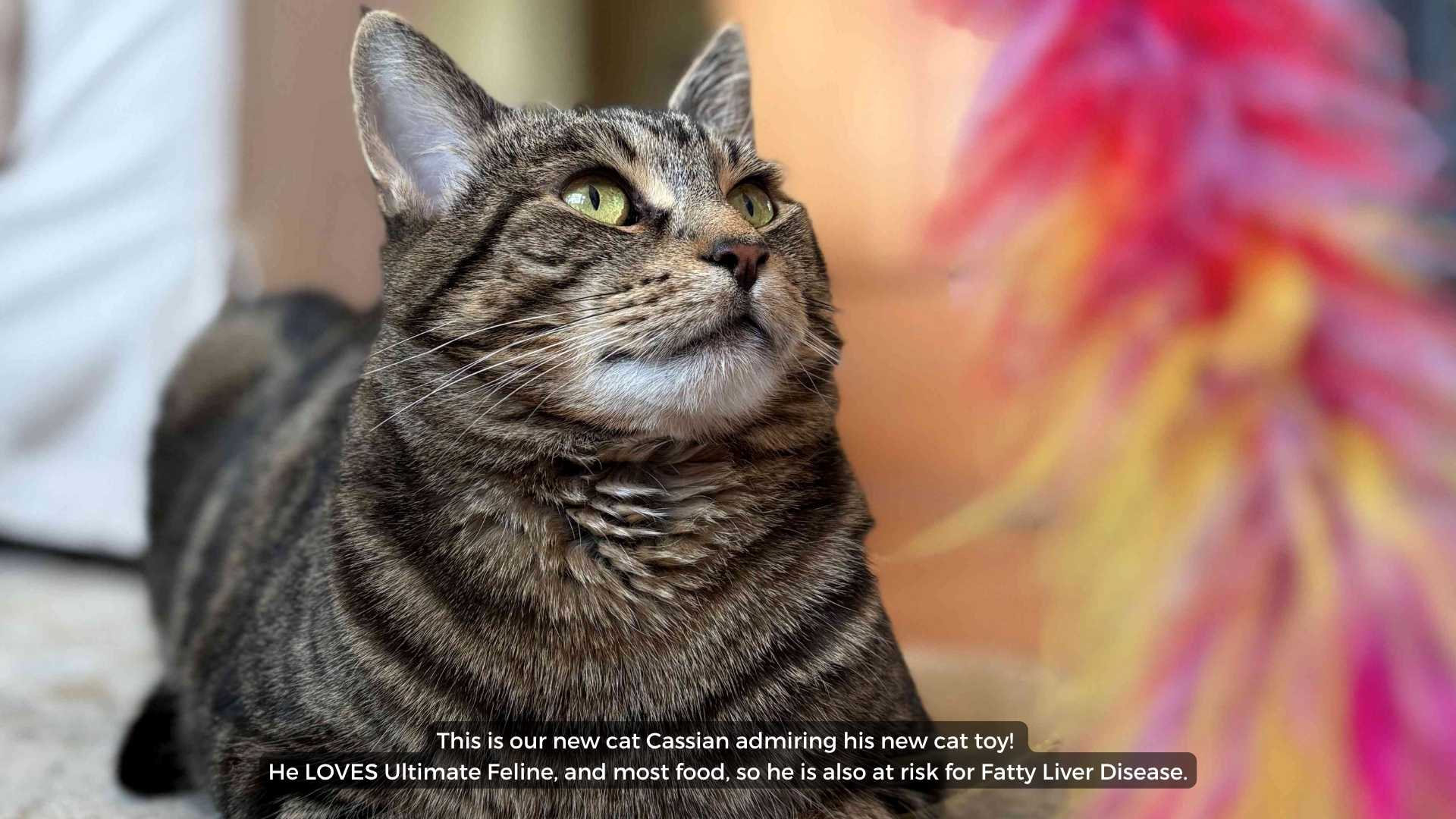
That is what I am doing with Cassian.
And if you have an indoor cat, especially a mostly indoor cat, these are the areas I would be paying very close attention to.
Cats are not small dogs.
They have a different metabolism, different disease risks, and a very different opinion about your plans.
So cat health care needs to be cat-specific.
Not dog advice in a smaller bowl.
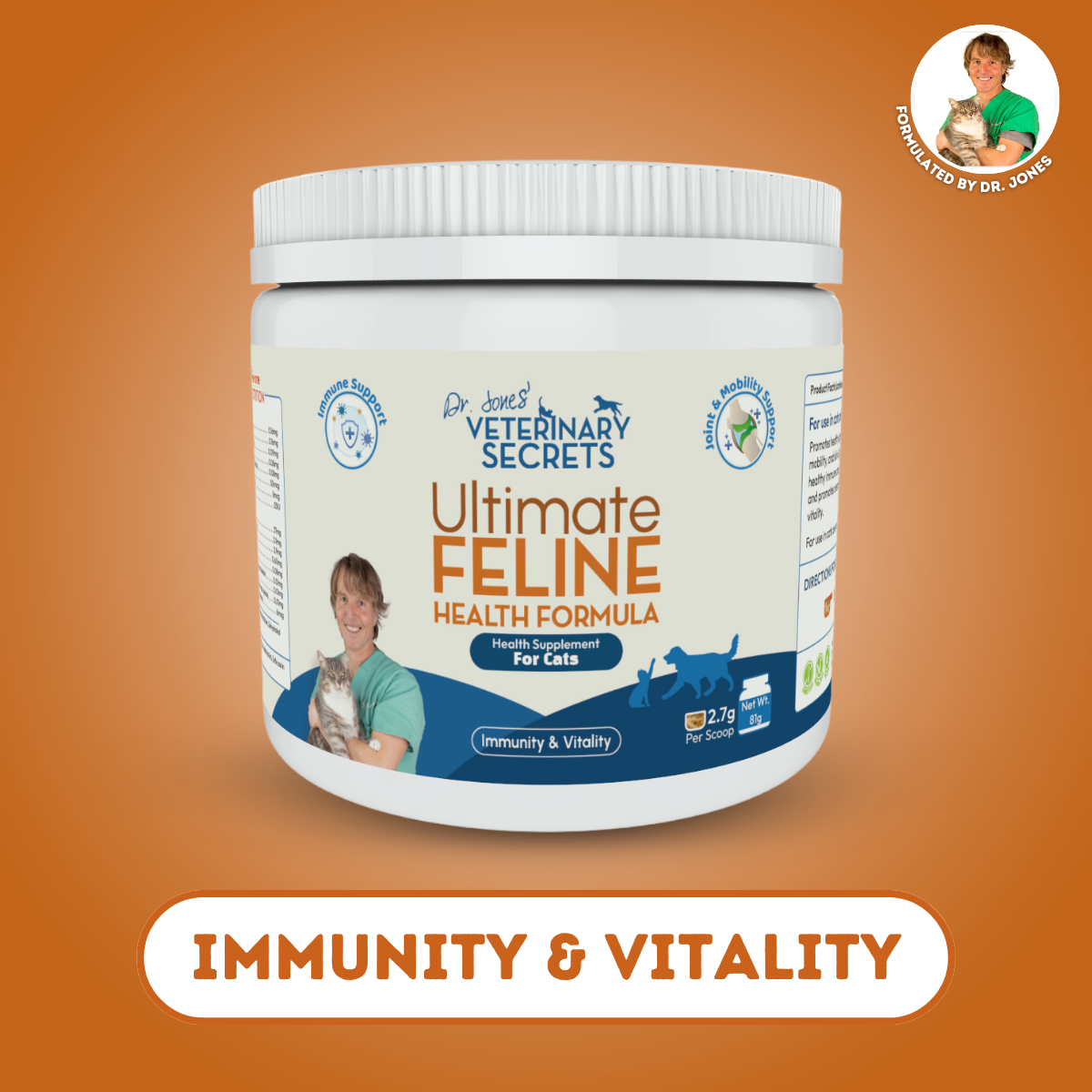
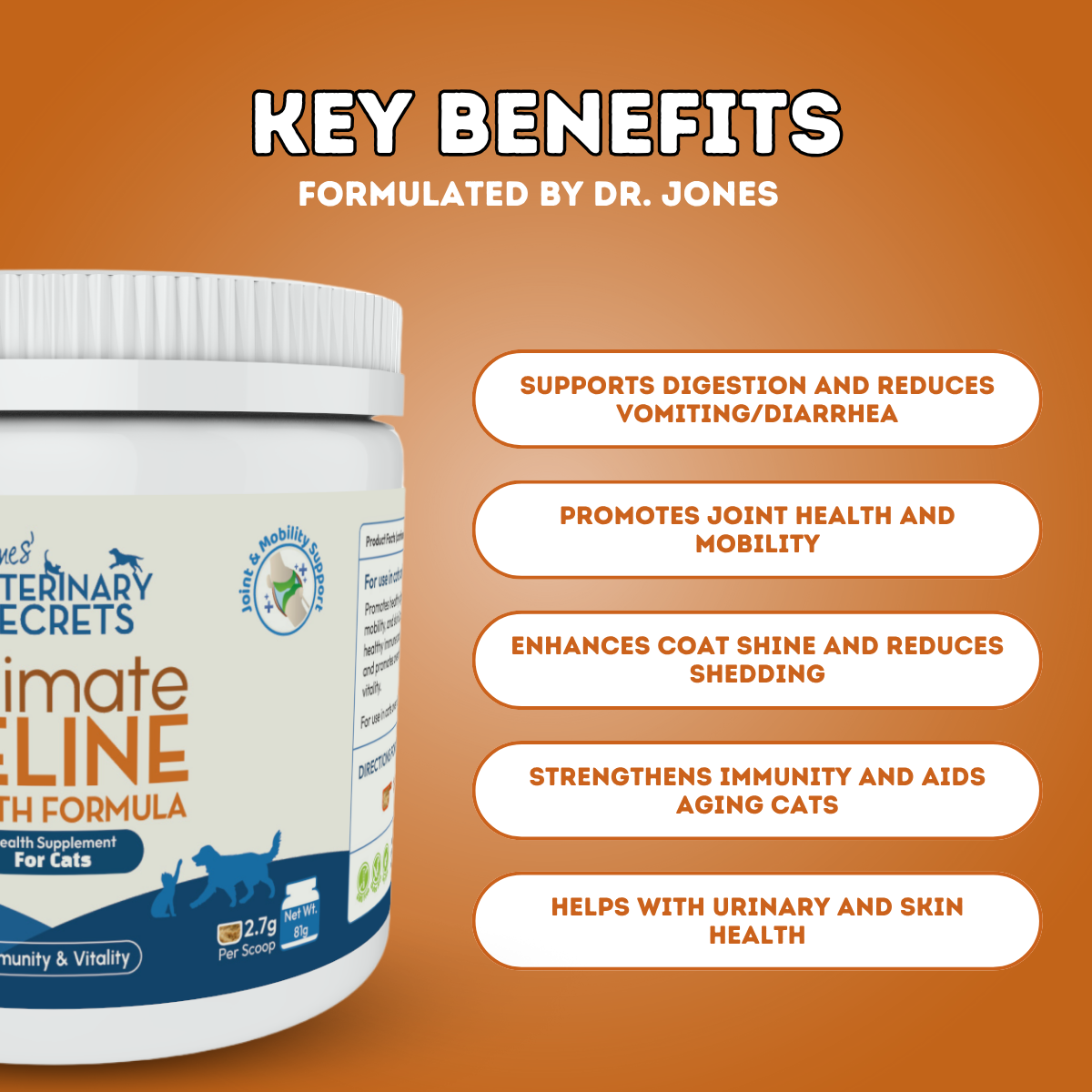
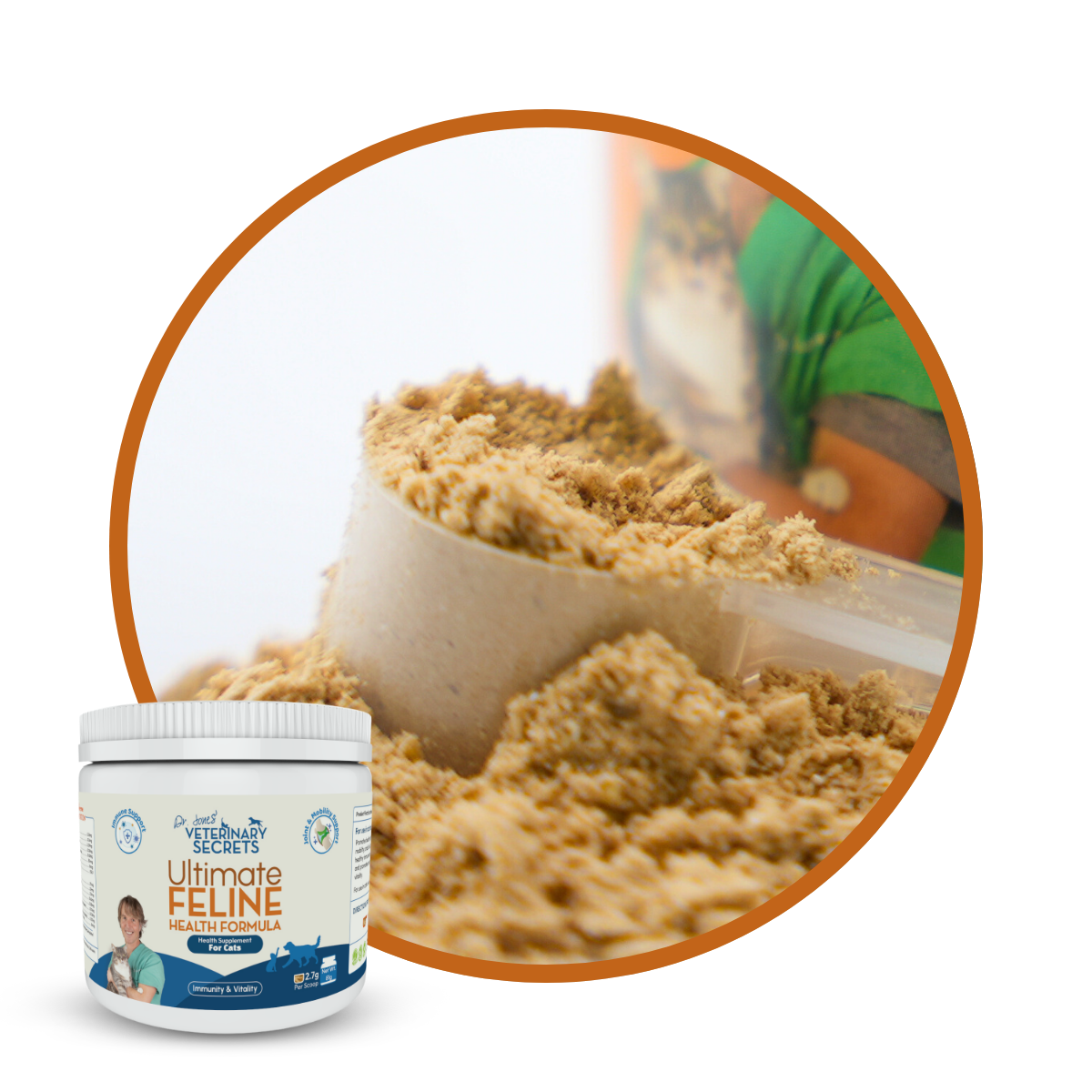
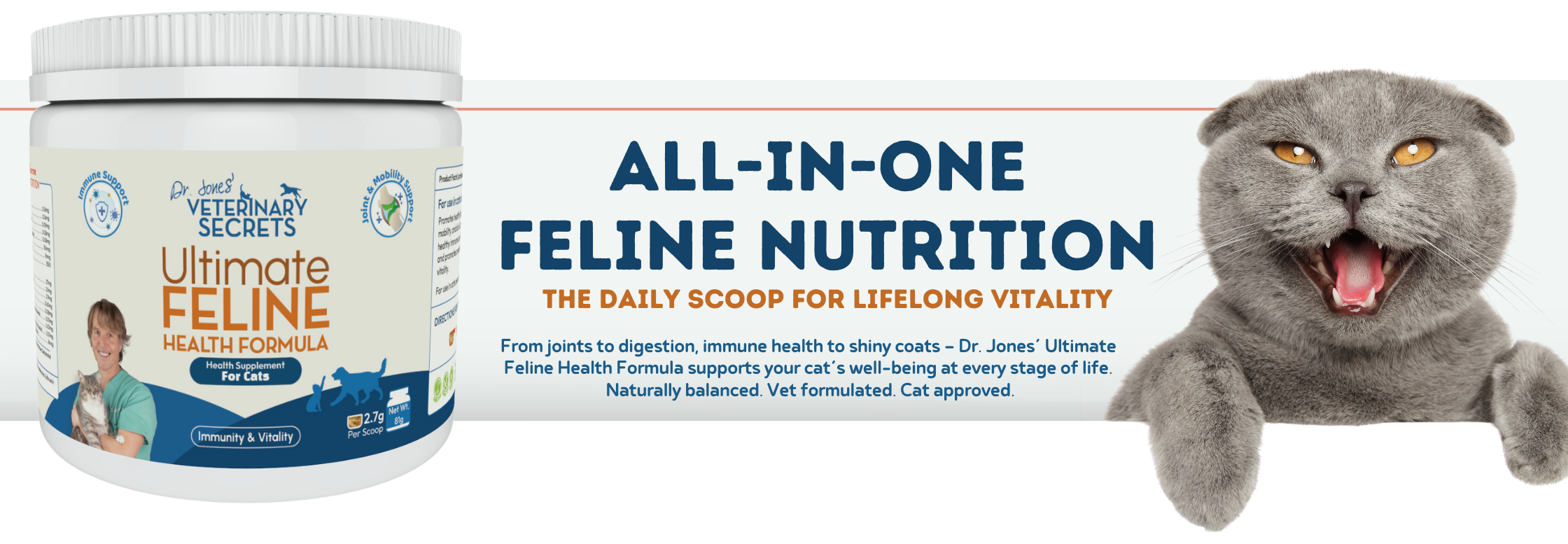
Dr. Jones’ Ultimate Feline Health Formula



1. Does Your Indoor Cat Need More Vaccines?
For a mostly indoor cat like Cassian, I am not planning additional vaccines.
That may surprise some people.
But if your cat is 100% indoors, with maybe a tiny bit of supervised leash time outside, the risk of exposure is very different from an outdoor cat.
Many feline diseases, such as respiratory diseases and feline panleukopenia, also called feline distemper, require direct contact with another cat.
You are not likely to bring those diseases into your house on your shoes and infect your indoor cat.
What About Outdoor Cats?
If you have an outdoor cat, and you live in an area where rabies exists, then your cat is going to need vaccines.
Your cat may need the rabies vaccine.
But not yearly.
We know there is a minimum 3-year duration of immunity for the rabies vaccine, and it may be much longer. Possibly 5 years, perhaps even 10 years.
So the question is not, “Should every cat get vaccines every year?”
The better question is:
What is this individual cat’s real exposure risk?
Cassian is essentially an indoor cat.
So for him, no further vaccines.
He is thrilled, although he has not written me a thank-you note.
Typical cat.
Why I Am Cautious About Repeated Vaccines in Cats
Repeated stimulation of the immune system may be linked with the immune system responding inappropriately.
There are concerns that too many vaccines may be connected with some serious diseases in cats, including chronic kidney disease, or CKD.
That does not mean every vaccine is bad.
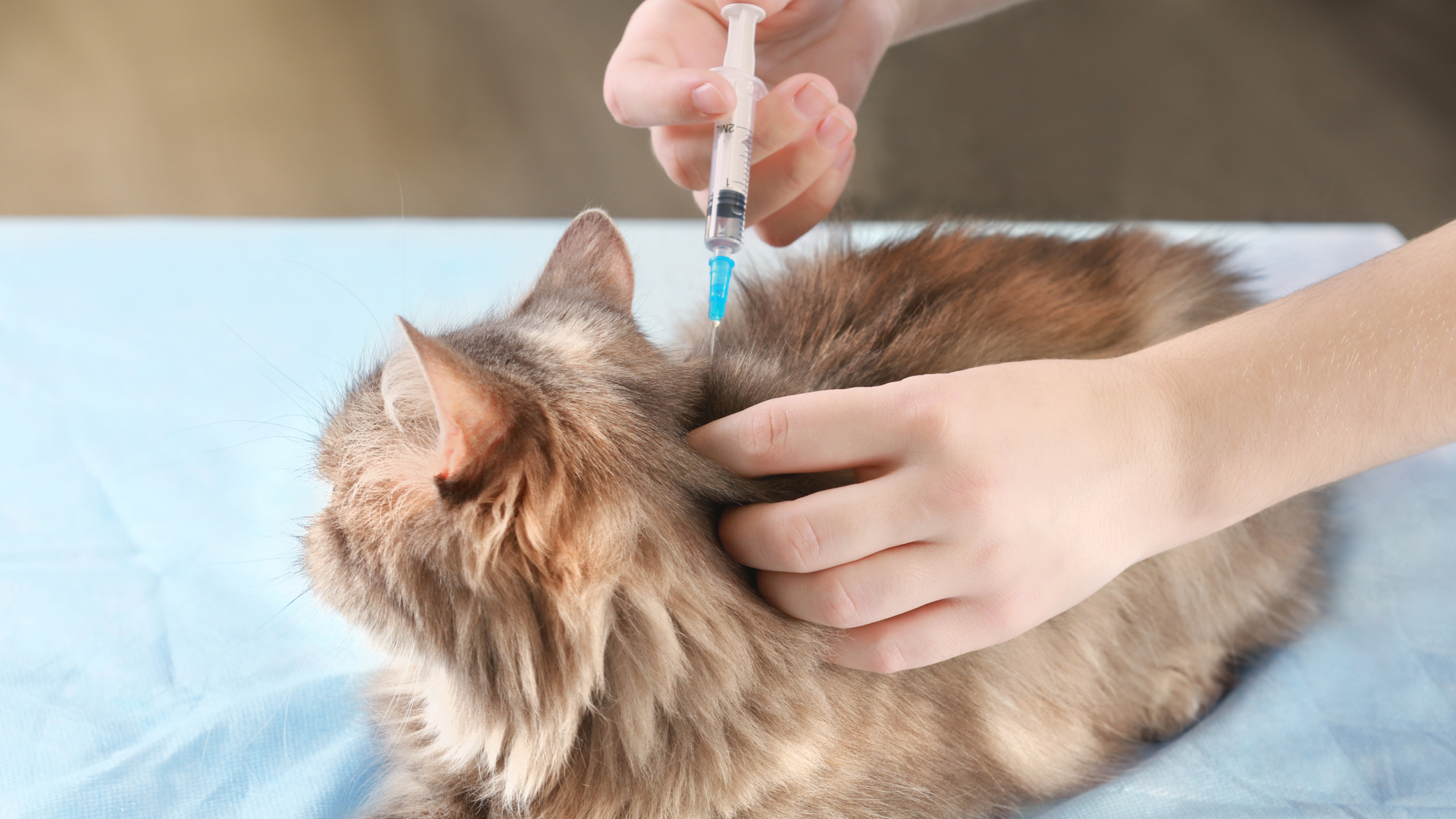
It means we should not keep giving vaccines automatically when the cat does not need them.
For indoor cats with very low exposure risk, I would be very cautious about repeat vaccines.
Vaccine Decision Table for Cats
| Cat Situation | What I Would Consider |
|---|---|
| 100% indoor cat | Very few, if any, additional vaccines |
| Indoor cat with tiny supervised leash time | Often similar to indoor risk, depending on exposure |
| Outdoor cat in rabies area | Rabies vaccine needed |
| Cat exposed to other cats | Vaccine needs may be different |
| Yearly repeat vaccines | I would question whether they are truly needed |
2. Which Medications and Toxins Should Cat Parents Be Careful With?
Cats are very sensitive to certain medications and topical products.

I would be cautious with anything that can commonly harm cats, including:
- NSAIDs, or non-steroidal anti-inflammatory drugs
- Flea and tick medications, especially dog-only topical products
- Concentrated essential oils
- Long fasting before anesthesia or surgery
Cats have a unique metabolism.
Again, they are not small dogs.
They are cats.
This is the phrase I wish every cat product label had printed on it in large letters.
Why NSAIDs Can Be Risky for Cats
NSAIDs can be harmful to cats.
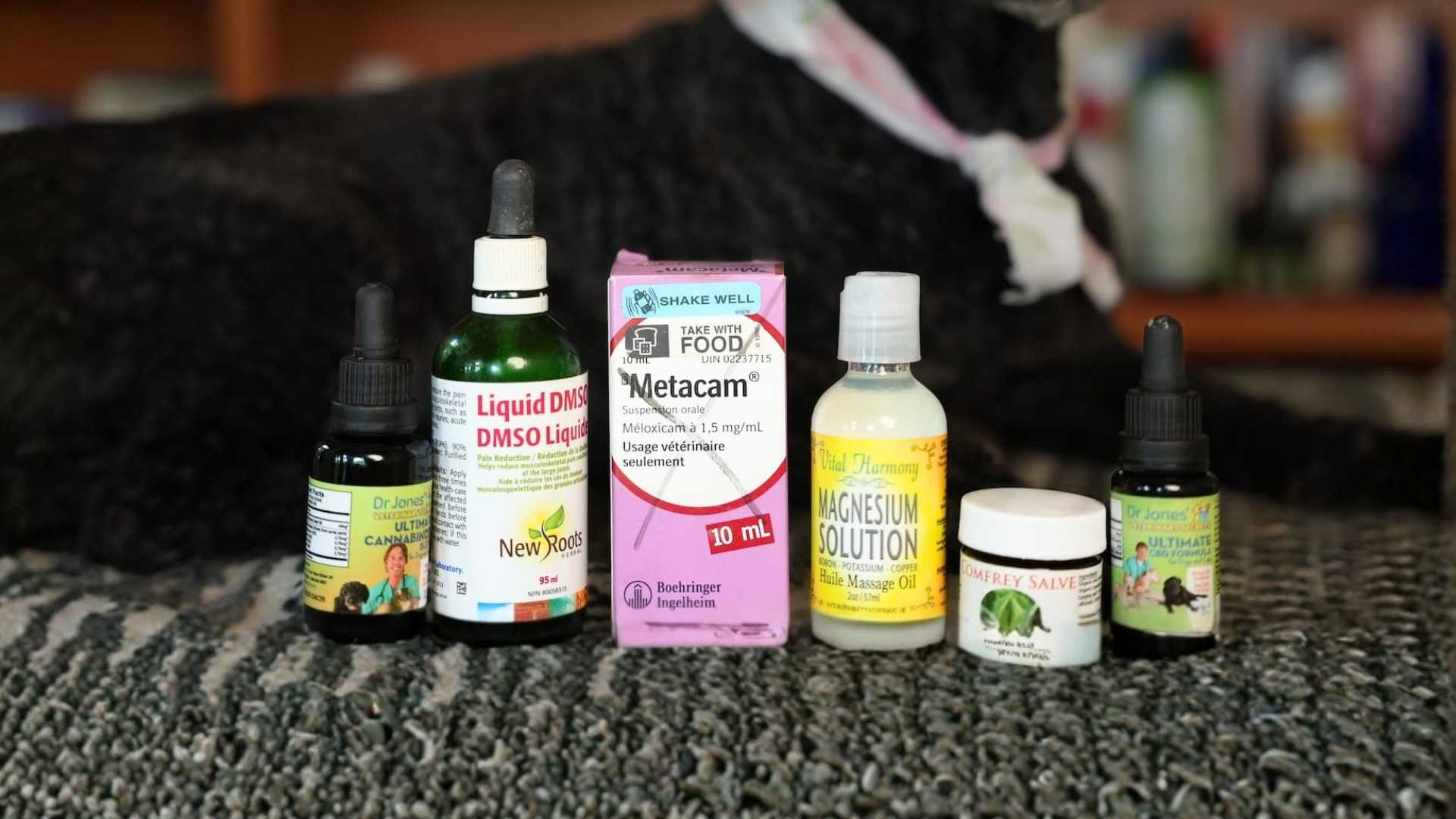
Cats process medications differently than dogs, and some drugs that may be used more commonly in dogs can be much riskier for cats.
So if your cat seems painful, do not reach for a human pain medication or a dog medication.
Ask your veterinarian first.
Why Dog Flea and Tick Products Can Be Dangerous for Cats
Be very careful with flea and tick medications, especially topical flea and tick products meant for dogs.
Dog flea products are not automatically safe for cats.
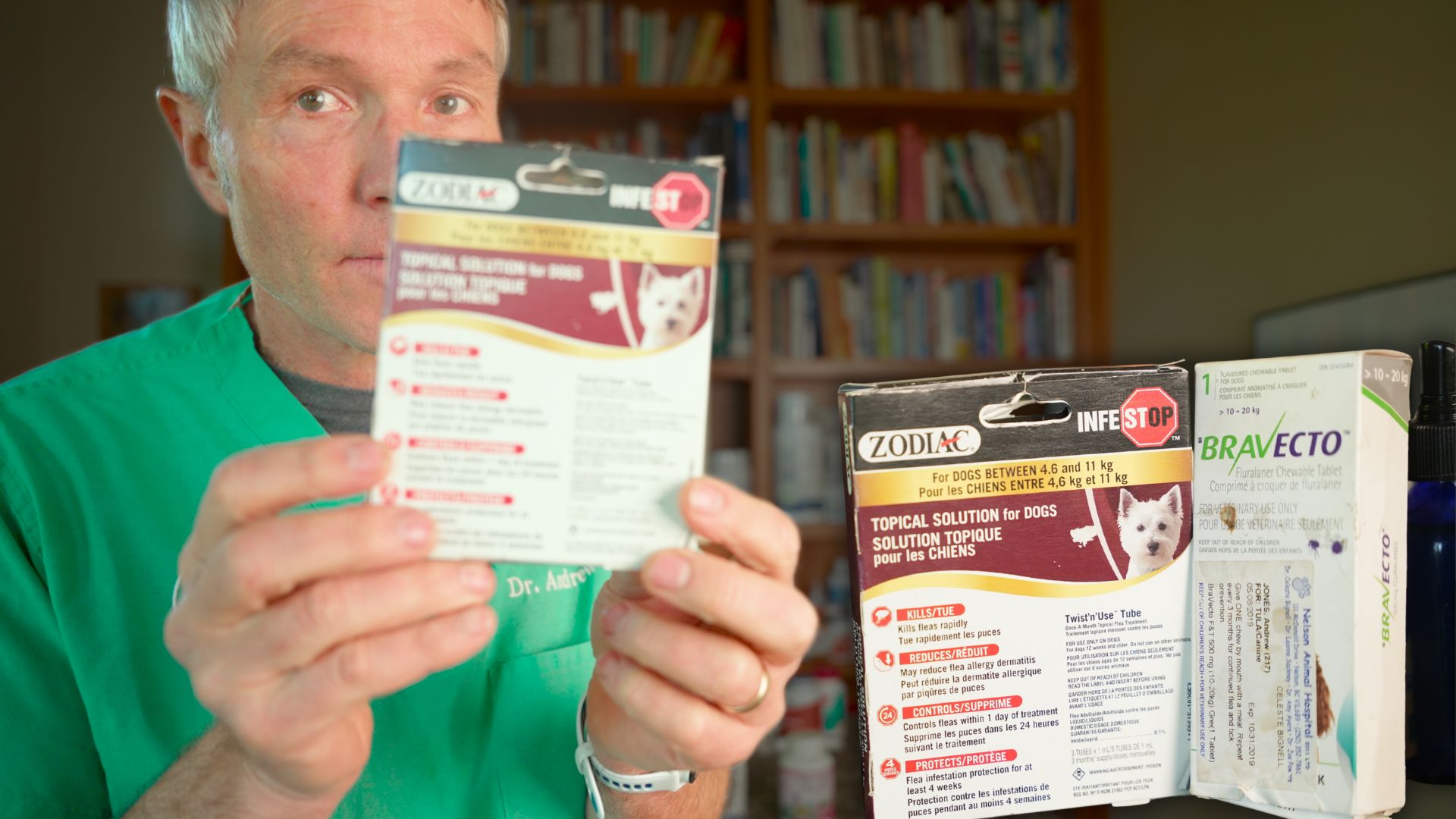
Some can be very dangerous.
If you have both dogs and cats in the home, be extra cautious.
A product that is fine for the dog may not be fine for the cat who rubs against him later.
What About Essential Oils?
I would also be cautious with concentrated essential oils around cats.
Cats are sensitive, and their metabolism is different.
Strong oils, diffusers, topical applications, and concentrated products can be a problem.
Natural does not always mean safe for cats.
Poison ivy is natural too.
I do not recommend rubbing that on anyone.
Should Cats Fast Overnight Before Surgery?
If your cat is going in for surgery or a dental cleaning, there may be no need for overnight fasting.
This is a big one.
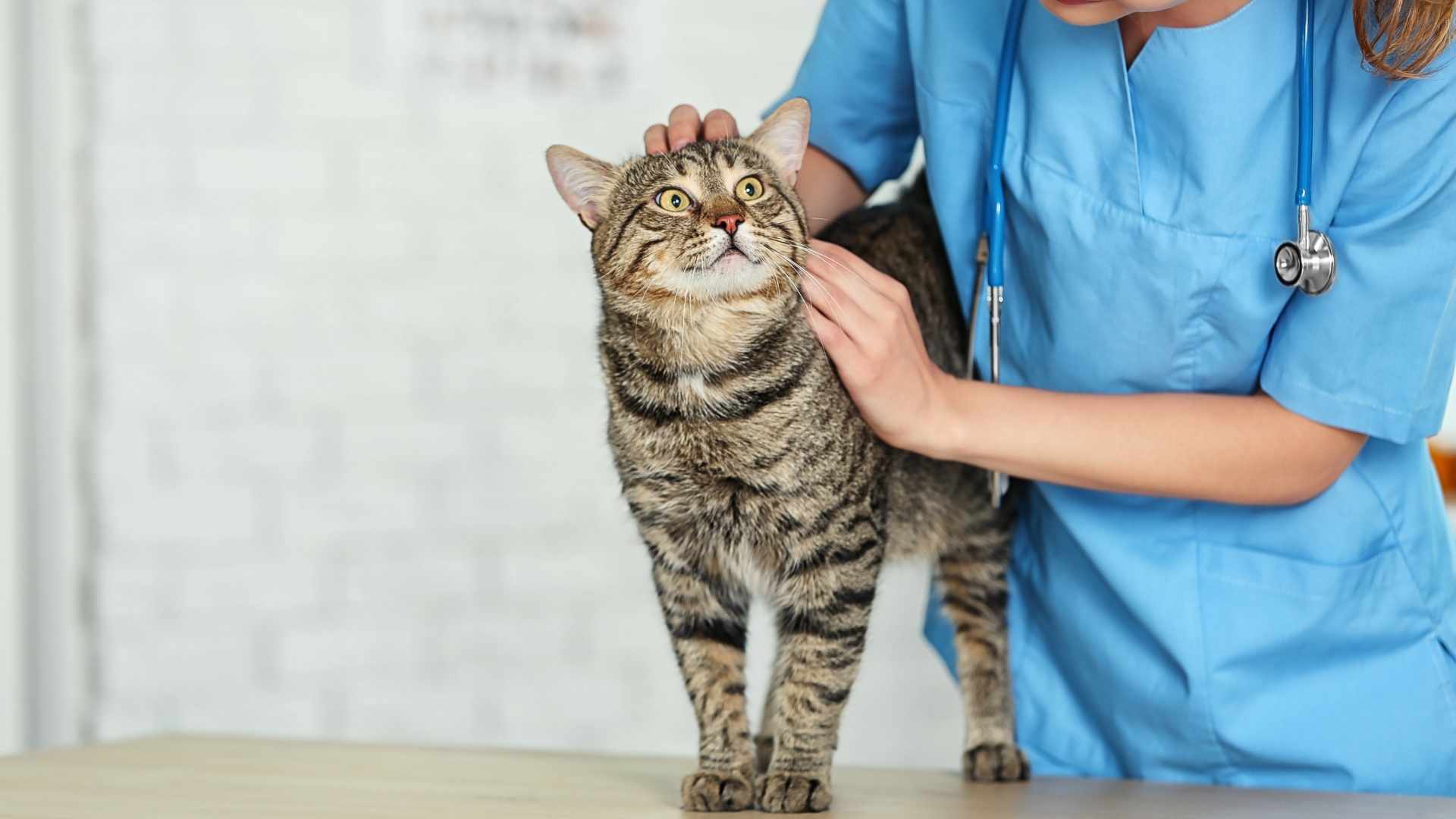
Cats have a completely different metabolism from dogs.
They need to eat more regularly.
If your cat’s food is taken away at 6:00 PM and then the dental cleaning does not happen until noon the next day, your cat may go around 16 hours without eating.
That can increase the chance of low blood glucose.
Low blood glucose can increase anesthesia risk.
So if your cat is having surgery or anesthesia, discuss fasting instructions with your veterinarian.
Many feline practitioners now suggest not fasting cats overnight.
Cats are different.
Their anesthesia planning should reflect that.
3. Why Does Phosphorus Matter So Much for Cat Kidney Health?
If there is one diet factor I want cat parents to think about, it is phosphorus.
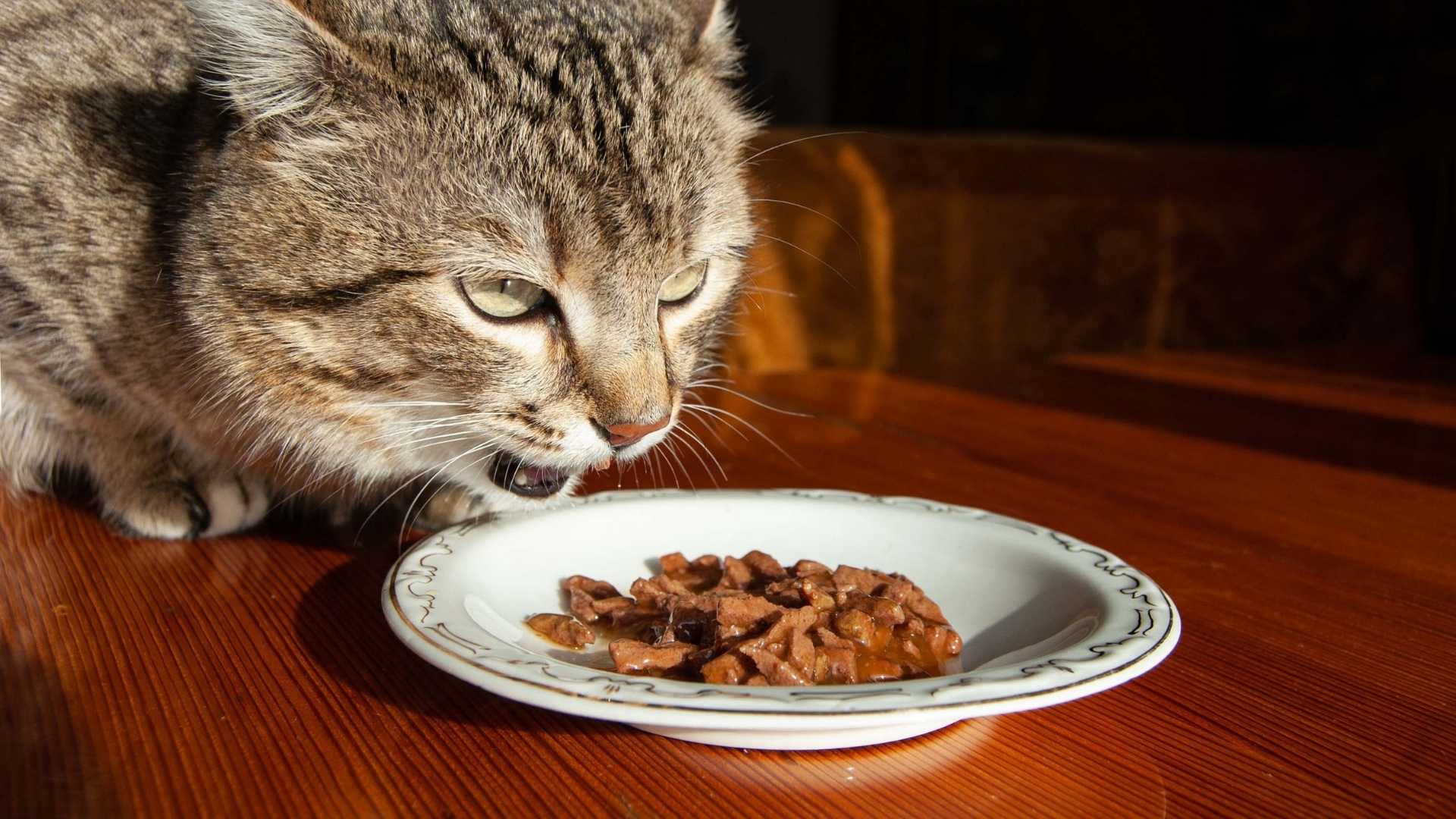
Phosphorus is the mineral correlated with an increased chance of kidney disease in animals.
And CKD is very common in cats.
For cats around 15 years old, estimates suggest that up to 80% have some measurable amount of chronic kidney disease, meaning at least a 3-month period of decreased kidney function.
That is a huge number.
So yes, phosphorus matters.
How Do You Lower Phosphorus in a Cat’s Diet?
Start by choosing foods that are relatively low in phosphorus.
In general, foods that contain bones are often higher in phosphorus.
This can include some fish-based foods because the whole fish may be ground up, including some of the bones.
So one simple strategy is:
Avoid fish-based foods when you are trying to lower phosphorus.
A beef-based food may be different because they are not grinding bones into the food in the same way.
The point is not that every food is perfect.
The point is to read labels and think about phosphorus before your cat already has serious kidney disease.
Moisture Also Matters
Phosphorus is one part of kidney support.
Moisture is another.
Feeding adequate moisture, such as canned cat food, may help support kidney and urinary health.
Cats are designed to get much of their moisture from food.
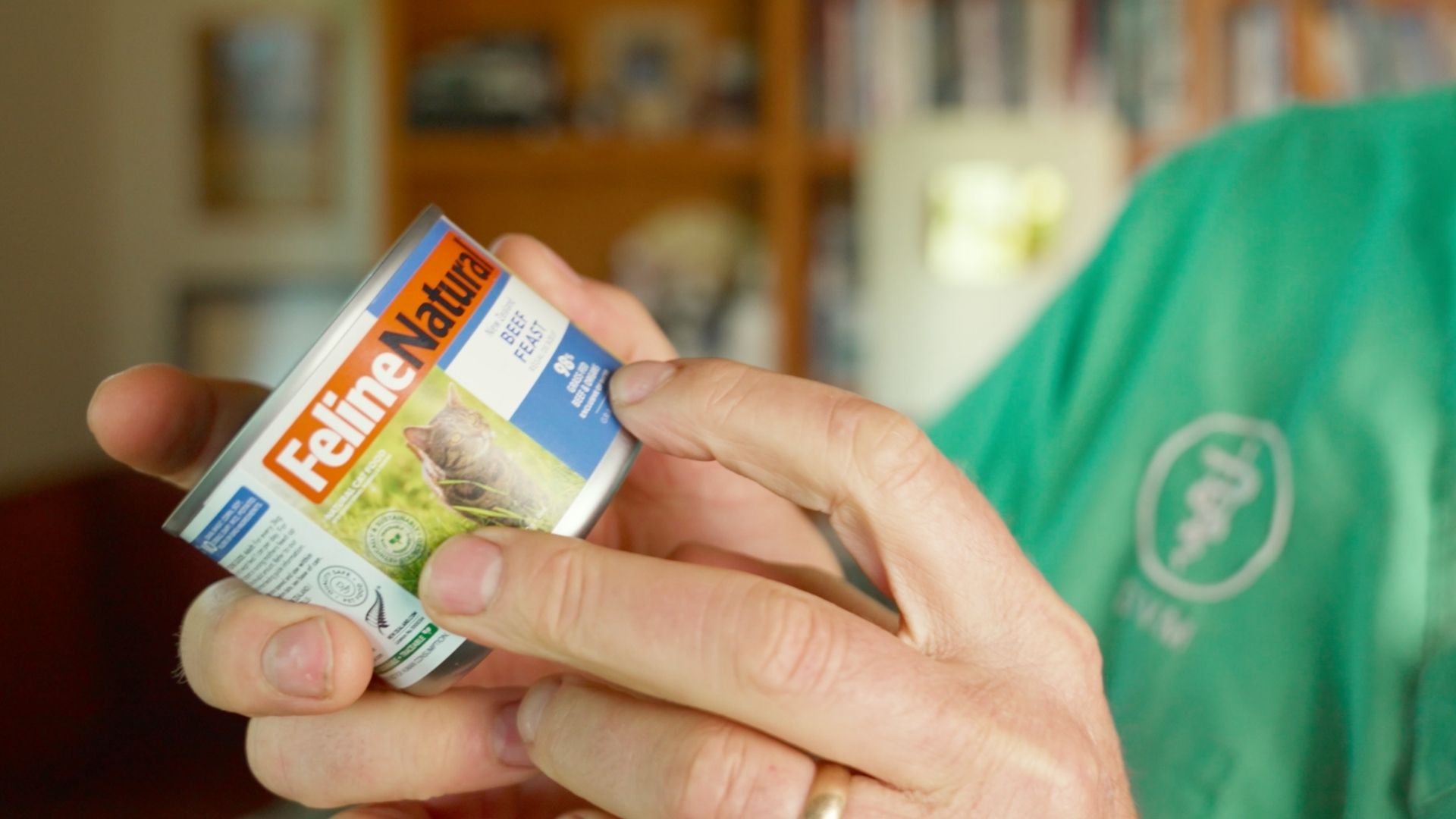
That is one reason canned food can be useful for cats.
So for kidney support, I am thinking:
- Adequate moisture
- Low phosphorus
- Minimal unnecessary vaccines
- Cat-specific care
Simple.
Not exciting.
Very important.
What About Supplements for Phosphorus Support?
If you feed a supplement, look carefully at the ingredients.
Make sure it has minimal to no phosphorus, if possible.
Dr. Jones’ Ultimate Feline Health Formula has:
- No phosphorus
- Added calcium
That added calcium may bind some phosphorus in the diet, lowering some of the phosphorus your cat is exposed to.
Less phosphorus may mean lower potential kidney damage.
Why Added Calcium May Help
Some of the added calcium can bind phosphorus in your cat’s diet.
This may reduce phosphorus exposure.
That is why I like the idea of:
Added calcium, no added phosphorus
Especially when we are thinking about long-term kidney support.
Cat Kidney Support Summary
| Kidney Support Step | Why It May Help |
|---|---|
| Feed adequate moisture | Supports hydration and urinary health |
| Choose lower phosphorus foods | Phosphorus is linked with kidney damage |
| Avoid fish-based foods when needed | Fish foods may contain ground bone and higher phosphorus |
| Use no-phosphorus supplements | Avoids adding extra phosphorus |
| Consider added calcium | Calcium may bind some phosphorus |
| Limit unnecessary vaccines | May reduce repeated immune stimulation |
4. Why Is Dental Health So Important for Cats?
Dental disease is extremely common in cats.
I want you focusing on your cat’s mouth.

That means watching for:
- Gingivitis
- Dental inflammation
- Tooth pain
- Resorptive lesions
- Odontoclastic lesions
- Bad breath
- Trouble chewing
Cats can develop serious dental conditions where small holes form within the teeth themselves.
These are painful.
And because cats are professional illness-hiders, they may still eat even when their mouth hurts.
Cats are tough.
Also dramatic.
Somehow both.
How Can Chewing Help a Cat’s Teeth?
I want cats chewing as much as possible.
Cassian gets chicken gizzards as additional treats.
He has to chew them more, and that can play a role in supporting dental health.
Chewing is not the entire dental plan.
But it can help.
If your cat can safely chew appropriate foods, that is worth considering.
What About Oral Health Supplements?
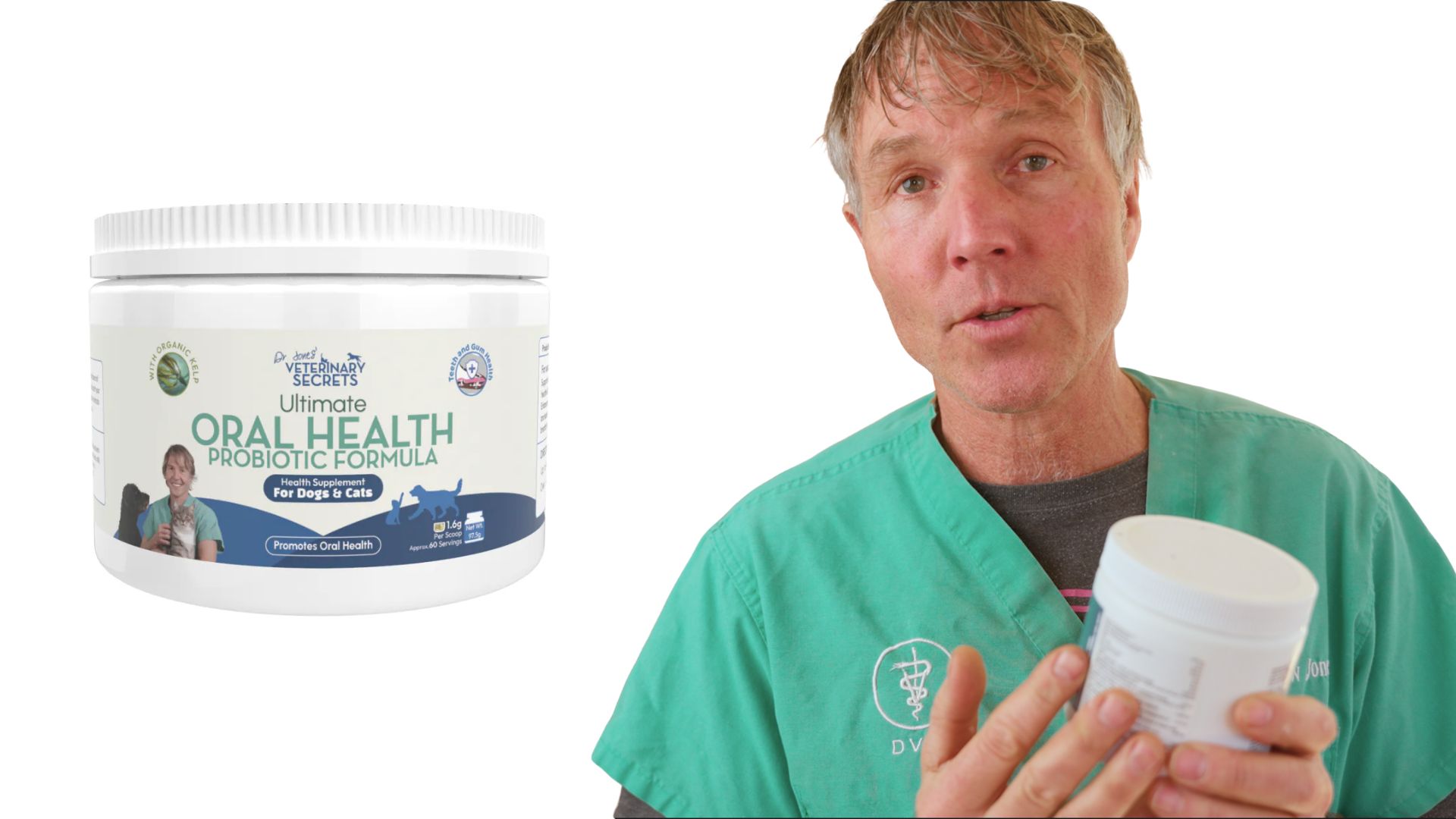
Some dental supplements may help support oral health.
Dr. Jones’ Oral Health Formula includes:
- Seaweed, also called Ascophyllum
- Probiotics
- Coenzyme Q10
- Zinc
These ingredients can be useful for dental health support.
Caution for Older Cats and Seaweed
There is one caution.
As cats get older, around age 10, I would be careful with the amount of seaweed they are getting because of the high iodine content.
This matters most if your cat is borderline or developing hyperthyroidism, where the body produces too much thyroid hormone.
So yes, dental support matters.
But in older cats, keep an eye on thyroid health and be cautious with too much seaweed.
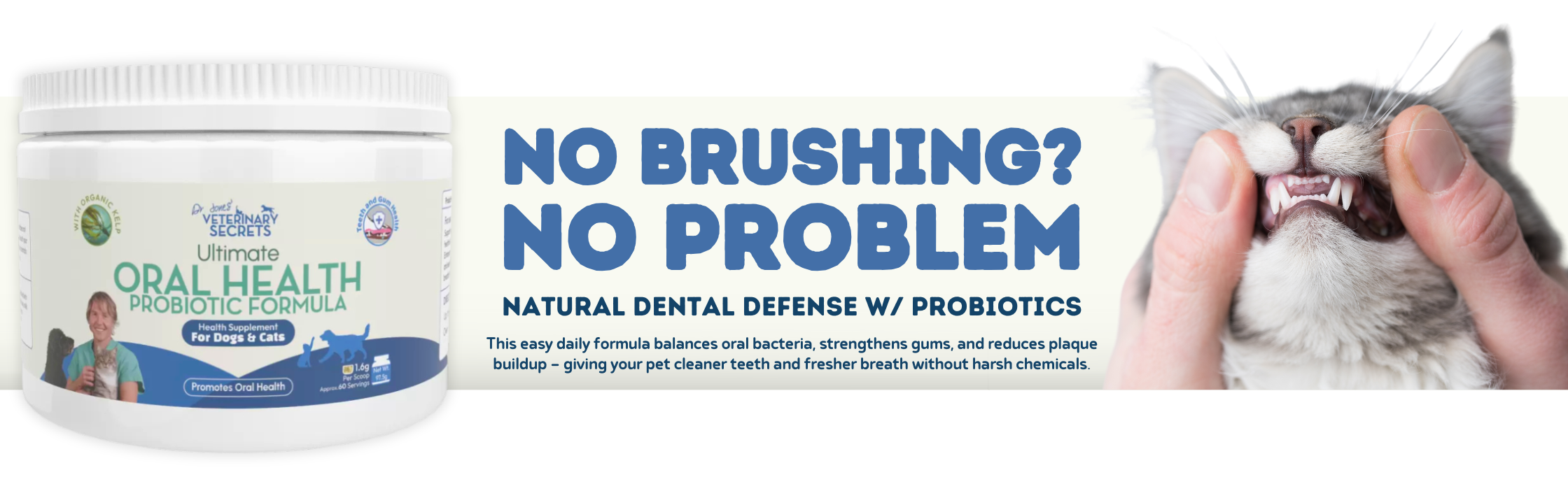
Dr. Jones’ Ultimate Oral Health Probiotic Formula for Cats
Dental Support Table for Cats
| Dental Support | Why It May Help |
|---|---|
| Chewing | Helps support the teeth and gums |
| Chicken gizzards | Encourages more chewing |
| Oral health supplements | May support dental health |
| Seaweed or Ascophyllum | Used in some dental formulas |
| Probiotics | Support oral microbiome |
| CoQ10 | Supports gum health |
| Zinc | Supports oral health |
| Thyroid monitoring in older cats | Important if using seaweed due to iodine |
5. Why Should You Examine Your Cat at Home?
I want you to be an active and involved cat parent.
Not just petting your cat.
Looking at your cat.
Touching your cat.
Noticing changes.
At the very least, do this once a week.
Ideally, do a brief check daily.
This does not need to be complicated.
You are not performing open-heart surgery in the living room.
You are just learning what is normal for your cat.
What Should You Check on Your Cat?
Look at:
- Ears
- Eyes
- Nose
- Mouth
- Teeth
- Gums
- Coat
- Skin
- Weight
- Body condition
- Urination
- Stool
- Vomiting
- Diarrhea
- Scratching
- Energy
- Appetite
Briefly feel your cat’s body.
Notice if your cat is gaining or losing weight.
Pay attention to whether urination is normal.
Watch for vomiting or diarrhea.
Look at the coat.
Is it shiny?
Is your cat grooming?
Is your cat scratching?
These little things matter.
Learn Basic Home Cat Care
I also want cat parents to get comfortable with basic home care.
One example is learning how to give subcutaneous fluids, also called sub-Q fluids.
I had many clients do this in practice, and it is something many people can learn at home.
This can be especially helpful for cats with certain chronic conditions, including kidney disease.
You still need your veterinarian.
I encourage at least once yearly veterinary care.
But the more you can notice and support at home, the better.
Final Thoughts
If you want your cat to live longer, start with the things that quietly shape long-term health.
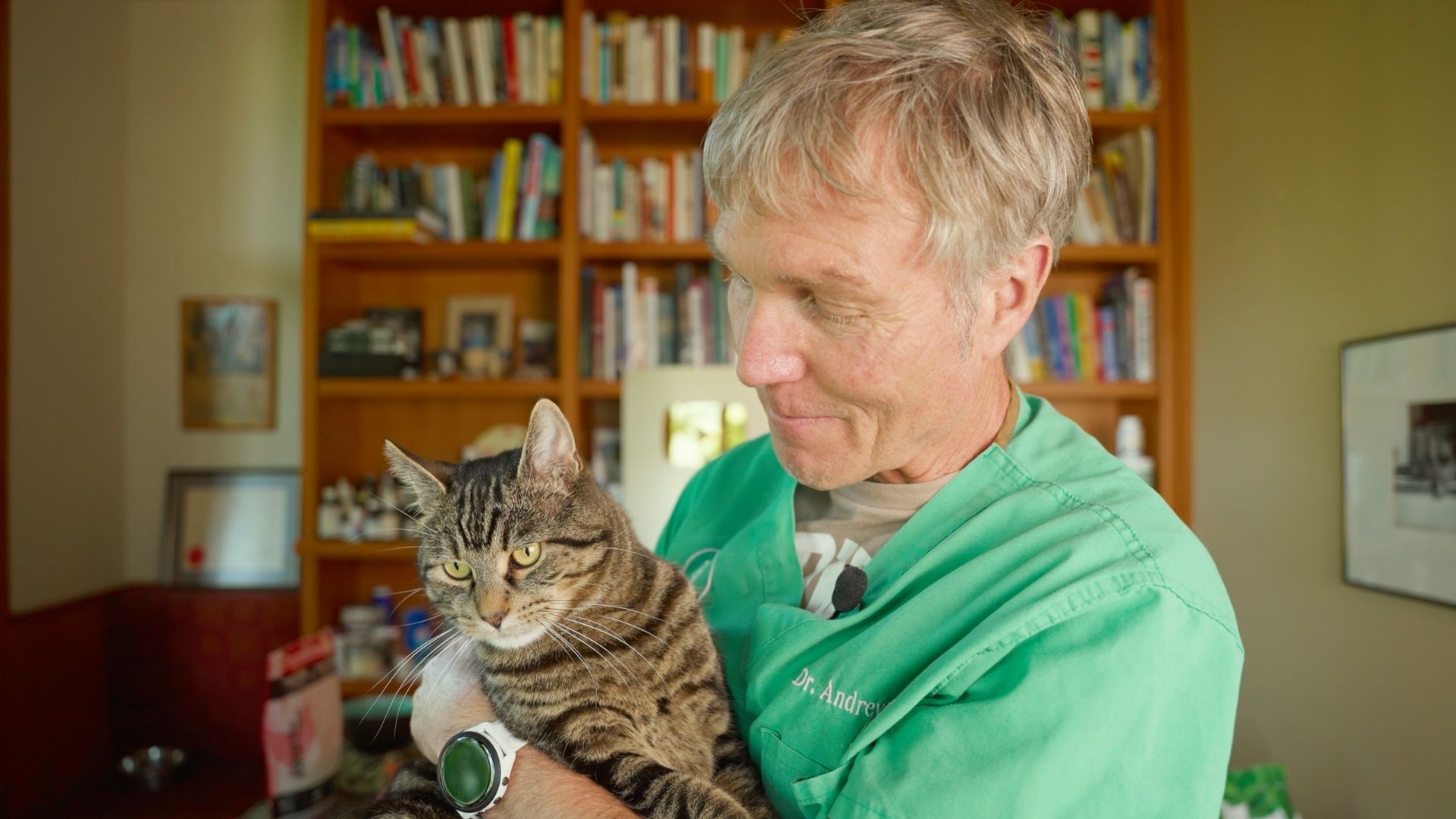
For Cassian, I am focusing on:
- No unnecessary additional vaccines
- Caution with medications and cat-toxic products
- No prolonged overnight fasting before surgery
- Adequate moisture
- Low phosphorus food choices
- Supplements with no phosphorus and added calcium
- Dental health
- Daily or weekly home checks
- Basic home care skills
- Yearly veterinary care
This is not complicated.
It is just intentional.
Cats need cat-specific care.
They are not small dogs.
They are strange, wonderful, opinionated little carnivores who need us to pay attention.
And if we do that well, we may be able to help them live longer, healthier lives.
Click To Get A Free Copy of My E-Book!

P.S. If your cat is indoor like Cassian, I would seriously question repeated vaccines.
Outdoor cats in rabies areas are different.
But for low-risk indoor cats, fewer vaccines may be the better plan.
P.P.S. If there is one food issue I want cat parents thinking about, it is phosphorus.
CKD is extremely common in older cats, and phosphorus is linked with kidney damage.
Moisture up.
Phosphorus down.
That is the kidney-friendly direction.
P.P.P.S. Do a little cat check today.
Look at the mouth, coat, eyes, ears, weight, urine, stool, appetite, and behavior.
Your cat may not appreciate the inspection.
But early noticing is one of the best health tools you have.
Quick Guide: 5 Cat Longevity Tips
| Tip | What I Would Focus On | Why It Matters |
|---|---|---|
| 1. Avoid unnecessary vaccines | Indoor cats often need very few, if any, additional vaccines | Repeated immune stimulation may be linked with immune problems |
| 2. Be cautious with medications and toxins | Watch NSAIDs, dog flea products, essential oils, and surgery fasting | Cats process things differently than dogs |
| 3. Keep phosphorus low | Avoid high-phosphorus foods and choose low or no-phosphorus supplements | Phosphorus is linked with kidney damage |
| 4. Support dental health | Encourage chewing and consider oral health support | Dental disease is very common in cats |
| 5. Be hands-on | Check your cat’s body, weight, urine, stool, coat, and behavior | Early changes are easier to address |