Honey for Dogs and Cats: Safe Uses and Simple Remedies


Is Honey a Good Natural Remedy for Dogs and Cats?
Yes, honey can be one of the easiest and most useful natural remedies to start with for dogs and cats.
It is inexpensive, easy for most pet parents to get, and it has a long history of medicinal use. Honey may help with wound healing, coughs, allergies, digestion, eye infections, and urinary tract support.
The key is choosing the right type.
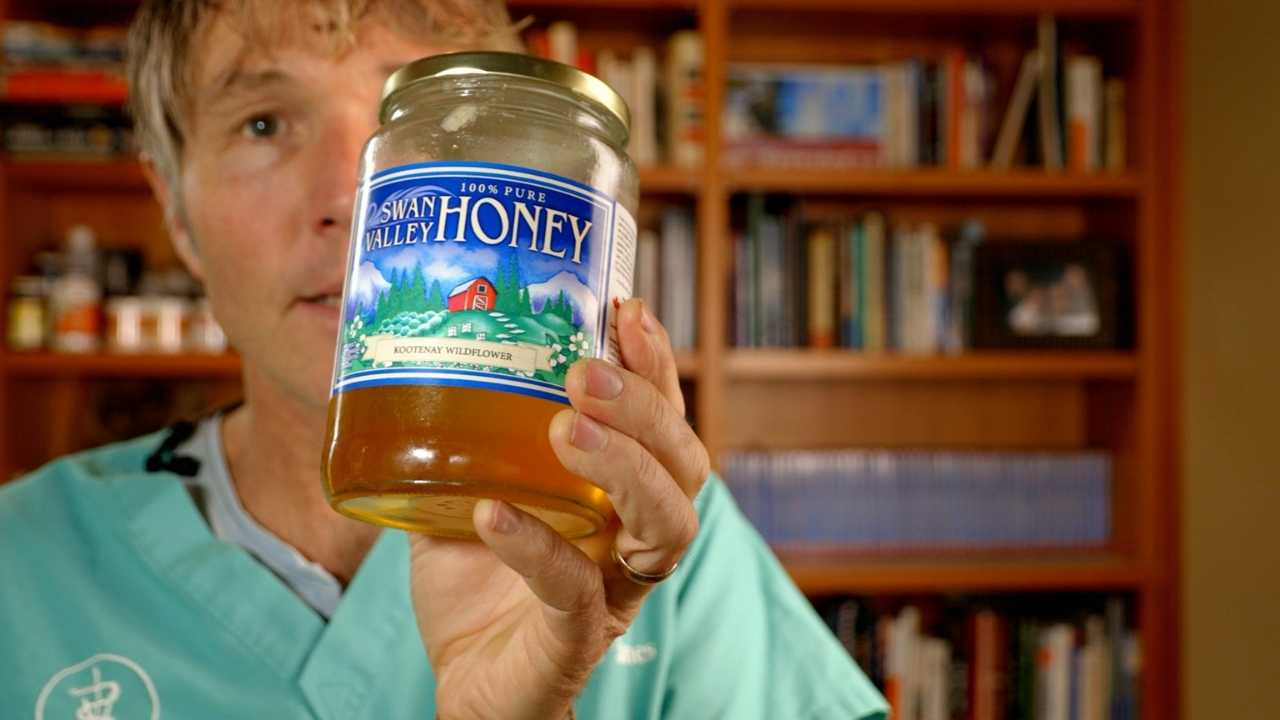
I would look for raw, local, unpasteurized honey whenever possible.
Not the overly processed squeeze-bottle stuff that has been sitting under fluorescent lights for six months looking suspiciously perfect.
Real honey.
Preferably local.
Preferably raw.
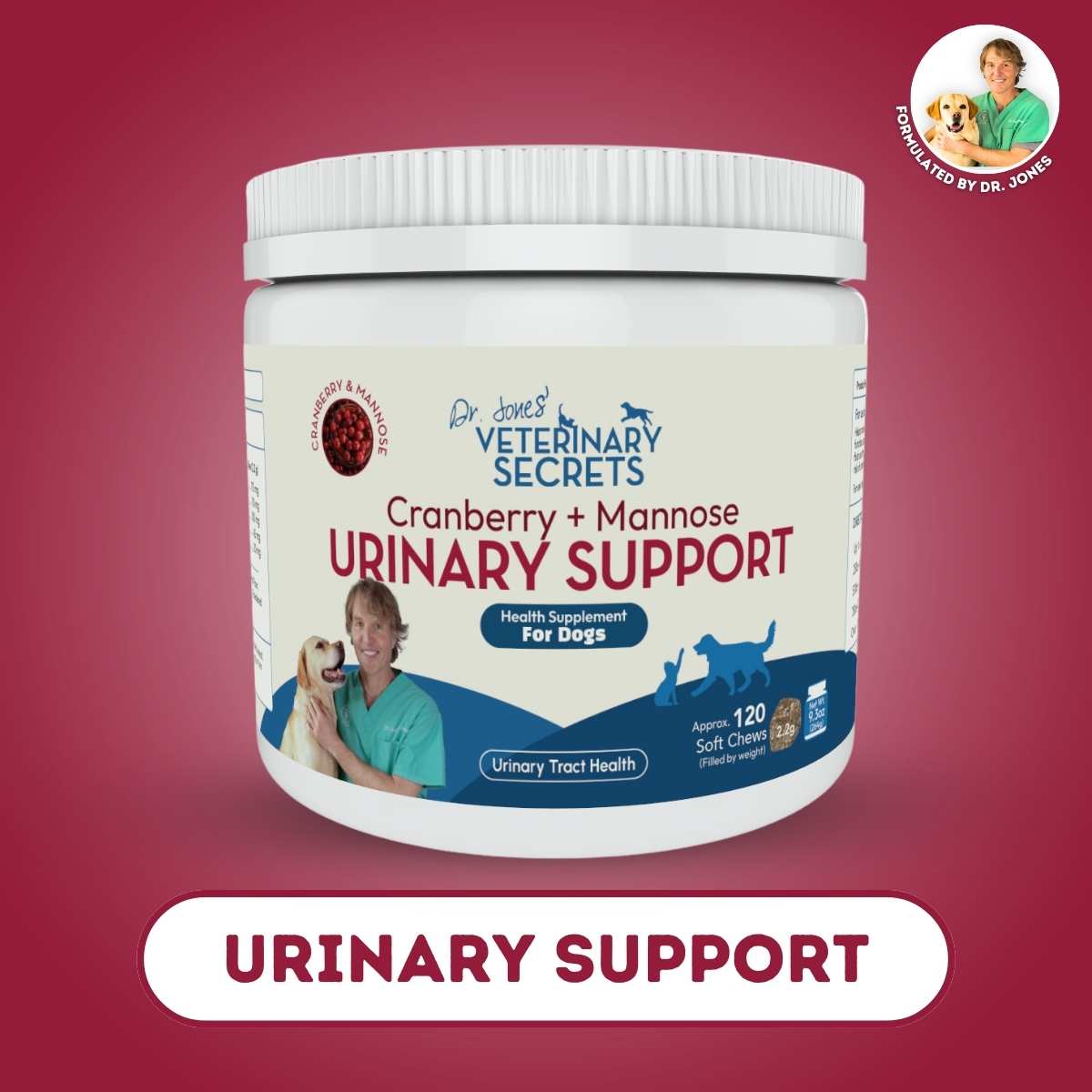
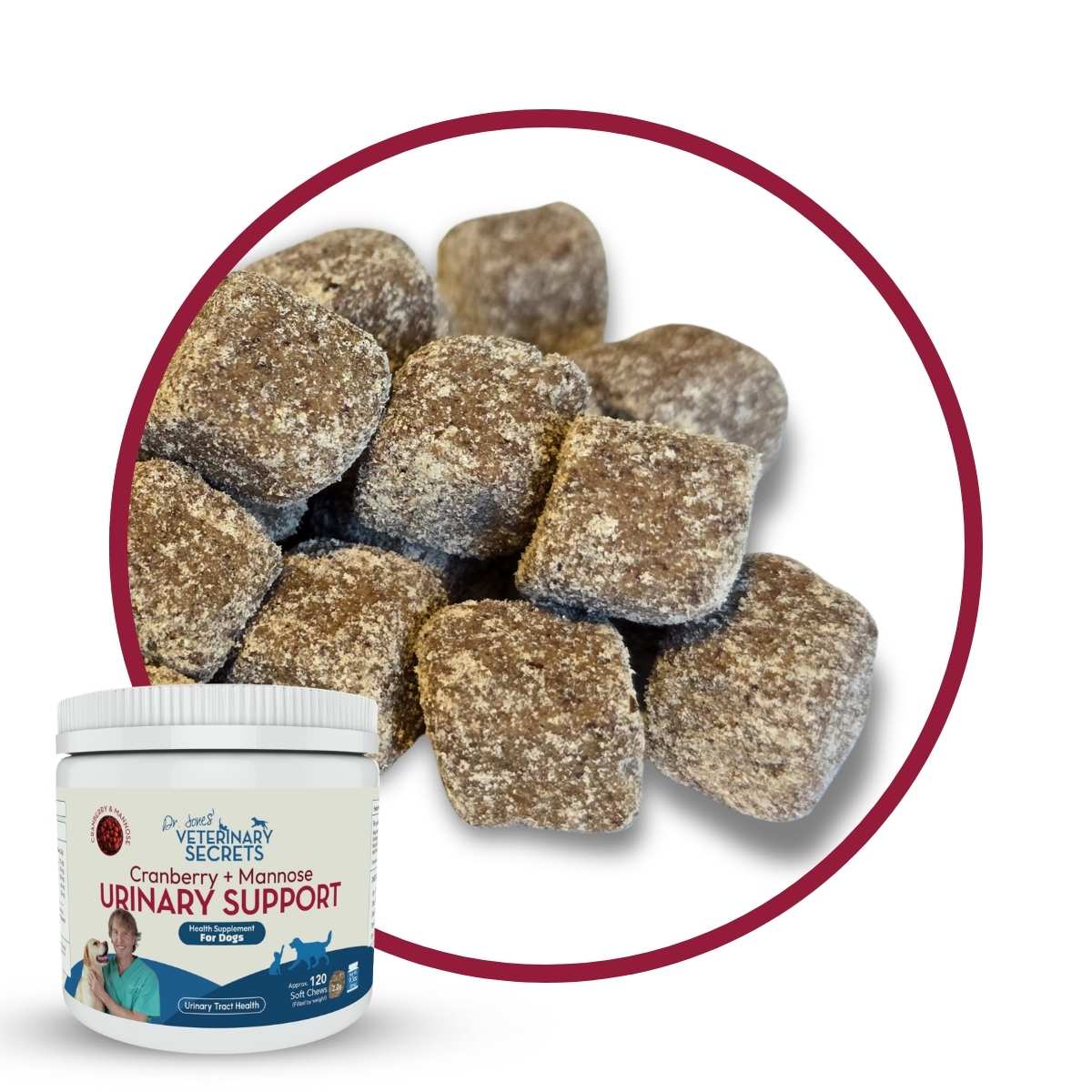
Dr Jones’ Urinary Support Chews for Dogs (120 Chews)



What Is Honey?
Honey is made by bees from flowers.
The honey most people use comes from honeybees in the genus Apis. This is the type collected by beekeepers and eaten by people.
Bees create honey as a food source. In cold weather, or when fresh food sources are scarce, bees use their stored honey for energy.
That is already impressive.
Tiny insects making one of the most useful home remedies in your cupboard.
Well done, bees.
What Is in Honey?
Honey contains many natural components and is rich in nutrients.
It is made mostly of sugars, including:
- Glucose
- Fructose
It also contains minerals such as:
- Magnesium
- Potassium
- Calcium
- Sodium
- Chlorine
- Sulfur
- Iron
- Phosphate
Honey may also contain vitamins, depending on quality, including:
- Vitamin B1
- Vitamin B2
- Vitamin C
- Vitamin B6
- Vitamin B5
- Vitamin B3
It also contains small amounts of:
- Copper
- Iodine
- Zinc
Honey also contains phytochemicals, antioxidants, and flavonoids.
Some of these compounds may help fight viruses, bacteria, and fungi.
Why Is Honey Useful for Pets?
Honey has several properties that make it useful as a natural remedy.

It may help:
- Support wound healing
- Act as a natural antiseptic
- Soothe coughs
- Support allergy tolerance
- Aid digestion
- Support eye infection care
- Help with urinary tract infections
- Provide nutrients and energy
Honey is also naturally anti-inflammatory.
That is one reason I like it for wounds.
It is simple.
It is easy.
And in many cases, it works surprisingly well.
What Type of Honey Should You Choose?
Ideally, choose:
- Locally grown honey
- Raw honey
- Unpasteurized honey
- Darker honey when available
I would check your local natural health store or farmers market.
Darker honey varieties, including honeydew varieties, may contain more antioxidants than lighter honey.
Raw, unprocessed honey contains the widest variety of health-supportive substances.
Why Raw Honey Matters
Raw honey contains small amounts of the same resins found in propolis.
Propolis is sometimes called bee glue.
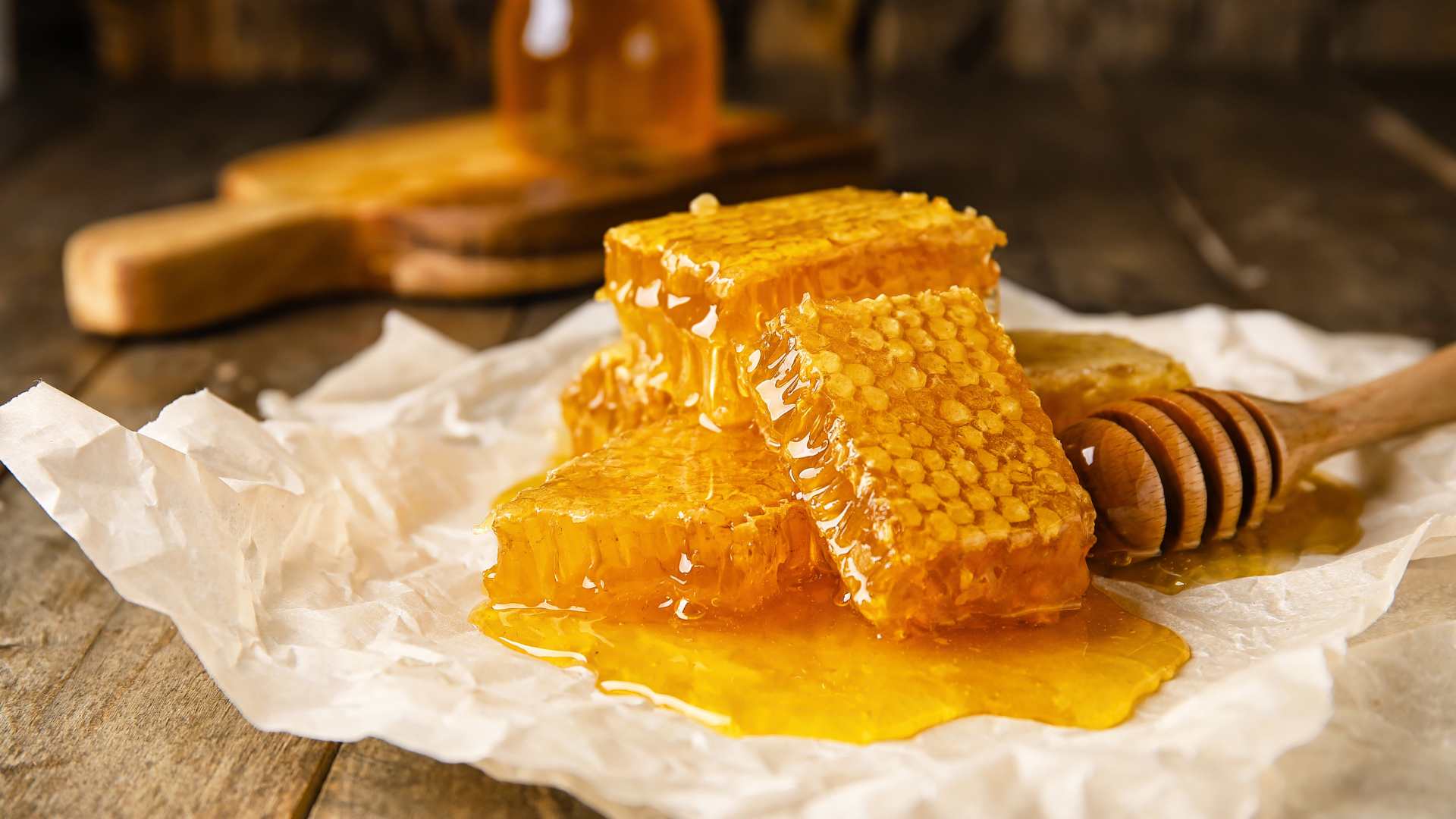
Bees use propolis to seal the hive and help protect it from bacteria and other microorganisms.
That is one of the reasons raw honey can be so useful.
It is not just sugar.
Good raw honey has a lot going on.
Honey Research Notes Worth Knowing
At the First International Symposium on Honey and Human Health, held in Sacramento, California on January 8, 2008, speakers presented research papers on honey and its health benefits.
Some of the findings discussed included:
- Different varieties of honey contain friendly bacteria.
- These include 6 species of lactobacilli and 4 species of bifidobacteria.
- This may help explain some of honey’s therapeutic properties.
- Honey may support better blood sugar control compared with some other sweeteners.
- Honey has been shown to be a more effective cough suppressant for children ages 2 to 18 than dextromethorphan.
- Research in several hospitals in Israel found honey effective in decreasing acute febrile neutropenia in 64% of patients.
- Honey has been used topically for ulcers, burns, and wounds for centuries.
One study in India compared honey to silver sulfadiazine in 104 first-degree burn patients.
After one week, 91% of honey-treated burns were infection-free, compared with 7% receiving the conventional treatment.
A greater percentage of burns also healed more readily in the honey-treated group.
That is one of the reasons wound healing is where honey really shines.
How Does Honey Help Wounds?
Honey helps wounds in several ways.
First, honey is made mostly of glucose and fructose.
These sugars strongly attract water.
When honey is applied to a wound, it absorbs water from the wound area. This helps dry the wound surface and can make it harder for bacteria and fungi to grow.
Second, raw honey contains an enzyme called glucose oxidase.
When glucose oxidase combines with water, it produces hydrogen peroxide.
Hydrogen peroxide acts as a mild antiseptic.
Third, honey contains antioxidants and flavonoids that may function as antibacterial agents.
One antioxidant in honey, called pinocembrin, is being studied for antibacterial properties.
Honey for Wound Healing in Dogs and Cats
Honey can be applied to many types of wounds.
It is typically used to help speed closure of an open wound.
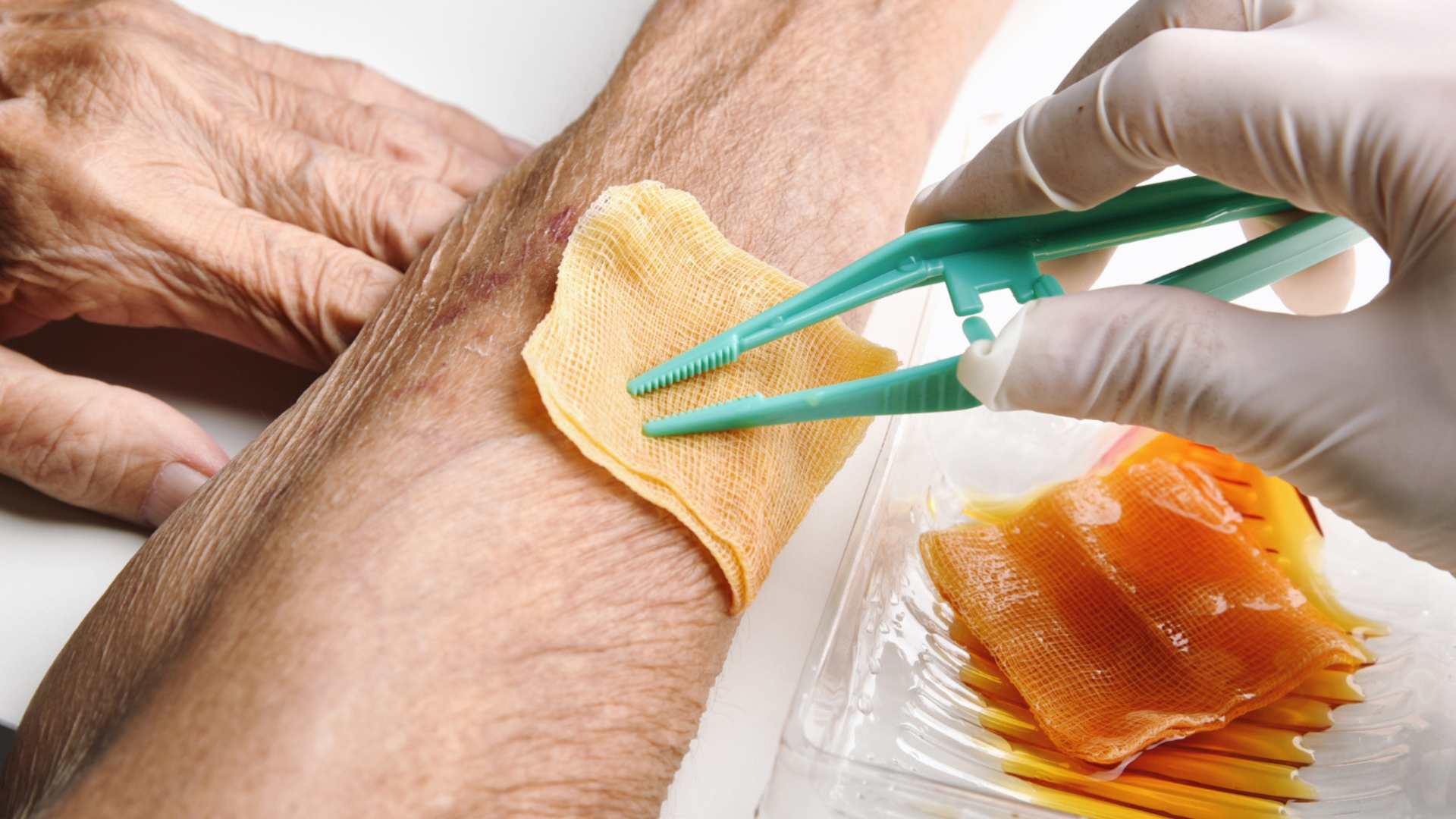
Examples include:
- Cuts
- Grazes
- Scrapes
- Bite wounds
- Cat abscesses
- Abrasive wounds
- Wounds where a section of skin has been removed and cannot be closed surgically
When a wound is covered with honey and a bandage, it can heal very well.
The next time you or your pet has a bite wound or cut, honey is one remedy I would consider.
How to Use Honey on Wounds
For wounds:
- Use raw honey if possible.
- Apply honey directly to the wound.
- Cover with a clean bandage.
- Change the bandage as needed.
- Watch for signs of worsening infection.
Honey is sticky.
Your pet may try to lick it.
Your furniture may also become involved.
So bandaging matters.
Honey for Coughs in Dogs
Honey can be used as a natural cough syrup for dogs.
Lemon and honey can soothe a sore throat.
The cough syrup recipe is simple.

Natural Honey Cough Syrup Recipe:
| Ingredient | Amount |
|---|---|
| Honey | 2 tablespoons |
| Lemon juice | 1 teaspoon |
| Water | 1/2 cup |
| Slippery elm | 400 mg per 20 lbs, optional |
Give to your dog:
Twice daily
I like adding slippery elm because it can make this cough syrup more effective.
Slippery elm is soothing.
Honey is soothing.
Together, they can be a useful option for a hacking, irritated throat.
Honey for Allergies in Dogs and Cats
Local honey may help some dogs and cats with allergies.
The idea is that local honey contains very tiny amounts of pollen.
Those tiny amounts are not enough to trigger a full allergic reaction when eaten, but over time, they may help your pet build tolerance to local pollen.
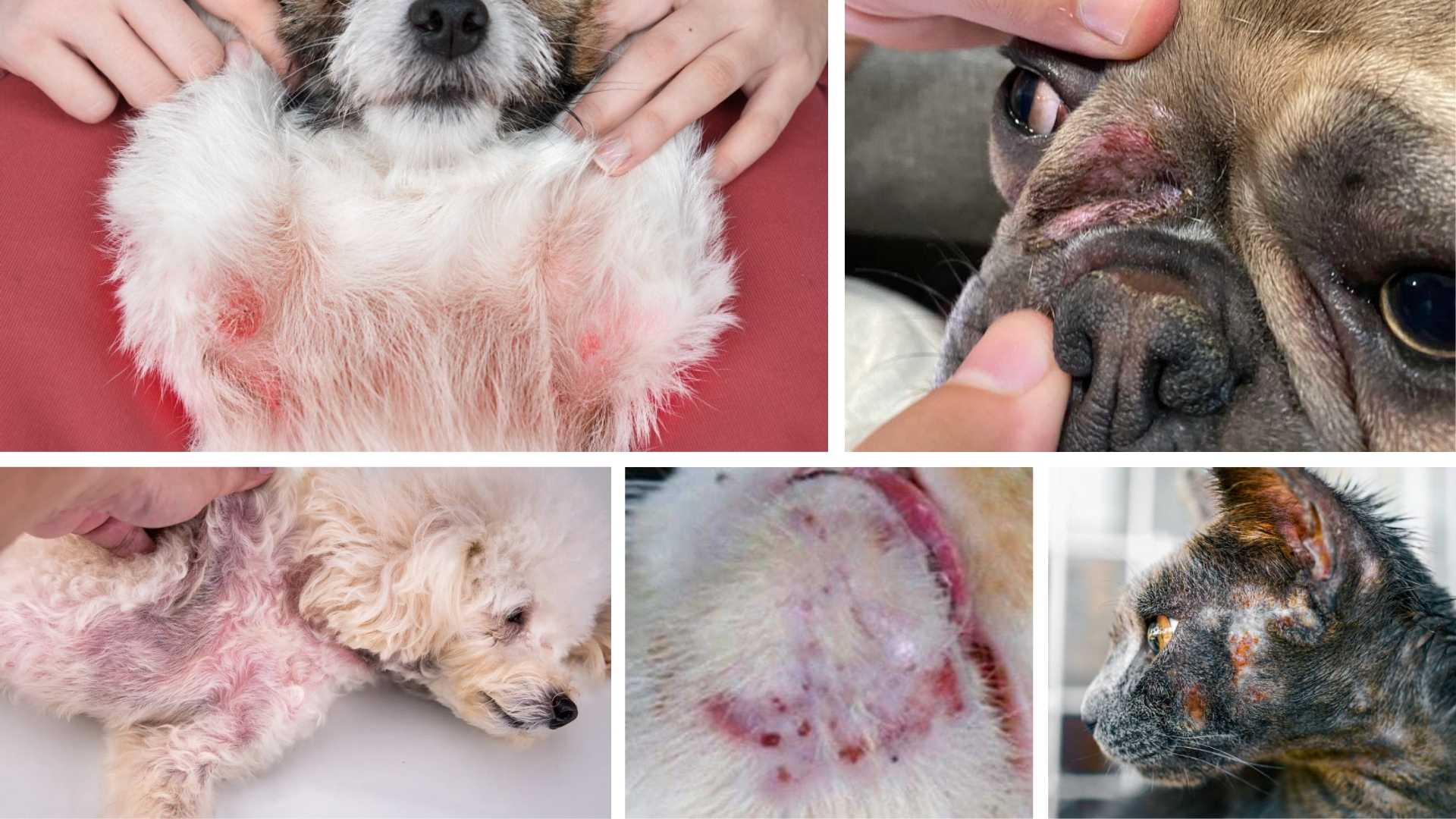
Eventually, your allergic pet may be better able to tolerate the amount of pollen normally present in the environment.
Honey Dose for Allergies
Give:
1 teaspoon per 10 lbs of body weight daily
Use for:
60 days
Make sure it is:
Raw local honey
This is not a one-day miracle.
You are testing it over time.
Allergies are rarely impressed by anything we try for 36 hours.
Honey for Digestion
Honey can also be used to support digestion.

A simple digestive drink is made by mixing:
- Honey
- Apple cider vinegar
Mix them in equal proportions, then dilute with water.
This drink may aid digestion and ease joint inflammation.
Simple.
Sharp-tasting.
But useful.
Apple cider vinegar does have opinions.
Your pet may have opinions too.
Honey for Eye Infections
Honey dissolved in an equal quantity of warm water can be used as a lotion or eyewash for conjunctivitis, or eye infections.

Honey Eye Rinse
| Ingredient | Amount |
|---|---|
| Honey | Equal part |
| Warm water | Equal part |
Use as a gentle eyewash or lotion.
Make sure the honey is fully dissolved.
Do not put thick honey directly into the eye.
That is not the plan.
Honey for Urinary Tract Infections in Dogs
Honey is also discussed as an important natural remedy for urinary tract infections in dogs.
UTIs are among the most common bacterial infections, and they are most often caused by bacteria such as Escherichia coli from fecal flora ascending the urethra to infect the bladder.

Honey was described as being very effective against common bacterial pathogens that cause UTIs.
Honey Dose for Dog UTIs
Give:
1 teaspoon of honey per 20 lbs of body weight twice daily
Use for:
7 to 10 days
This can be considered as part of urinary tract support.
If your dog is painful, straining, passing blood, unable to urinate normally, or not improving, get your veterinarian involved.
Honey to Help Pet Owners Sleep
This one is for the insomniac pet owners.

A mug of hot milk with a dessert spoon of honey may act as a mild sedative.
The minerals, vitamins, and amino acids in honey may help support sleep.
So yes, honey may help your pet.
And possibly you.
Which is good, because when your dog is coughing at 2:00 AM, everyone in the house needs help.
Honey Remedy Dosage Table
| Use | Honey Dose or Recipe | How Long or How Often |
|---|---|---|
| Wounds | Apply honey topically and cover with a bandage | Change bandage as needed |
| Dog cough syrup | 2 tbsp honey, 1 tsp lemon juice, 1/2 cup water | Give twice daily |
| Cough syrup add-on | Slippery elm 400 mg per 20 lbs | Optional |
| Allergies | 1 teaspoon per 10 lbs | Daily for 60 days |
| Digestion | Equal parts honey and apple cider vinegar, diluted with water | As needed |
| Eye infections | Equal parts honey and warm water | Use as lotion or eyewash |
| Dog UTIs | 1 teaspoon per 20 lbs | Twice daily for 7 to 10 days |
| Pet owner sleep | Hot milk with a dessert spoon of honey | Before bed |
What Is the Best Honey Remedy to Start With?
If you are new to natural pet remedies, I would start with honey for simple wound care or cough support.
Why?
Because it is easy.
You can see what you are doing.
And in many cases, pet parents already have honey at home.
For wounds, raw honey under a bandage can be very useful.
For coughs, honey with lemon and water is a simple syrup.
For allergies, raw local honey is a longer-term trial.
For urinary tract support in dogs, honey may be worth considering for 7 to 10 days.
Best Uses for Honey in Pets
| If Your Pet Has | Honey May Help By |
|---|---|
| Minor wound, cut, or scrape | Supporting healing and acting as a natural antiseptic |
| Cough or sore throat | Soothing the throat |
| Seasonal allergies | Helping build tolerance to local pollen over time |
| Digestive upset | Supporting digestion when mixed with apple cider vinegar |
| Eye infection or conjunctivitis | Acting as a diluted eyewash or lotion |
| Dog UTI support | Supporting urinary tract health |
| Low energy need | Providing quick natural sugars and nutrients |
What About Dr. Jones’ Urinary Support Chews for Dogs?
For dogs with urinary tract issues, I also like targeted urinary support.
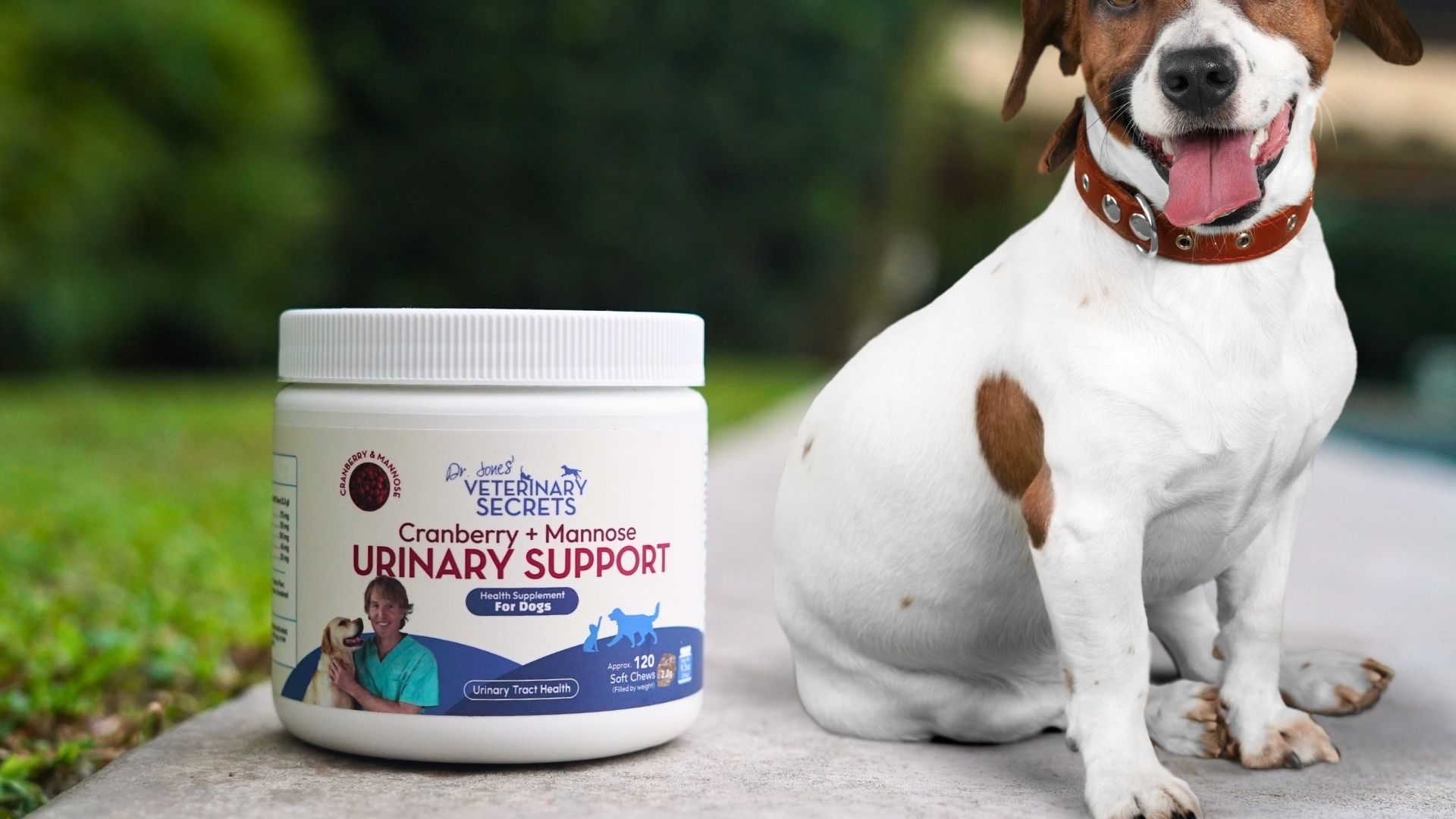
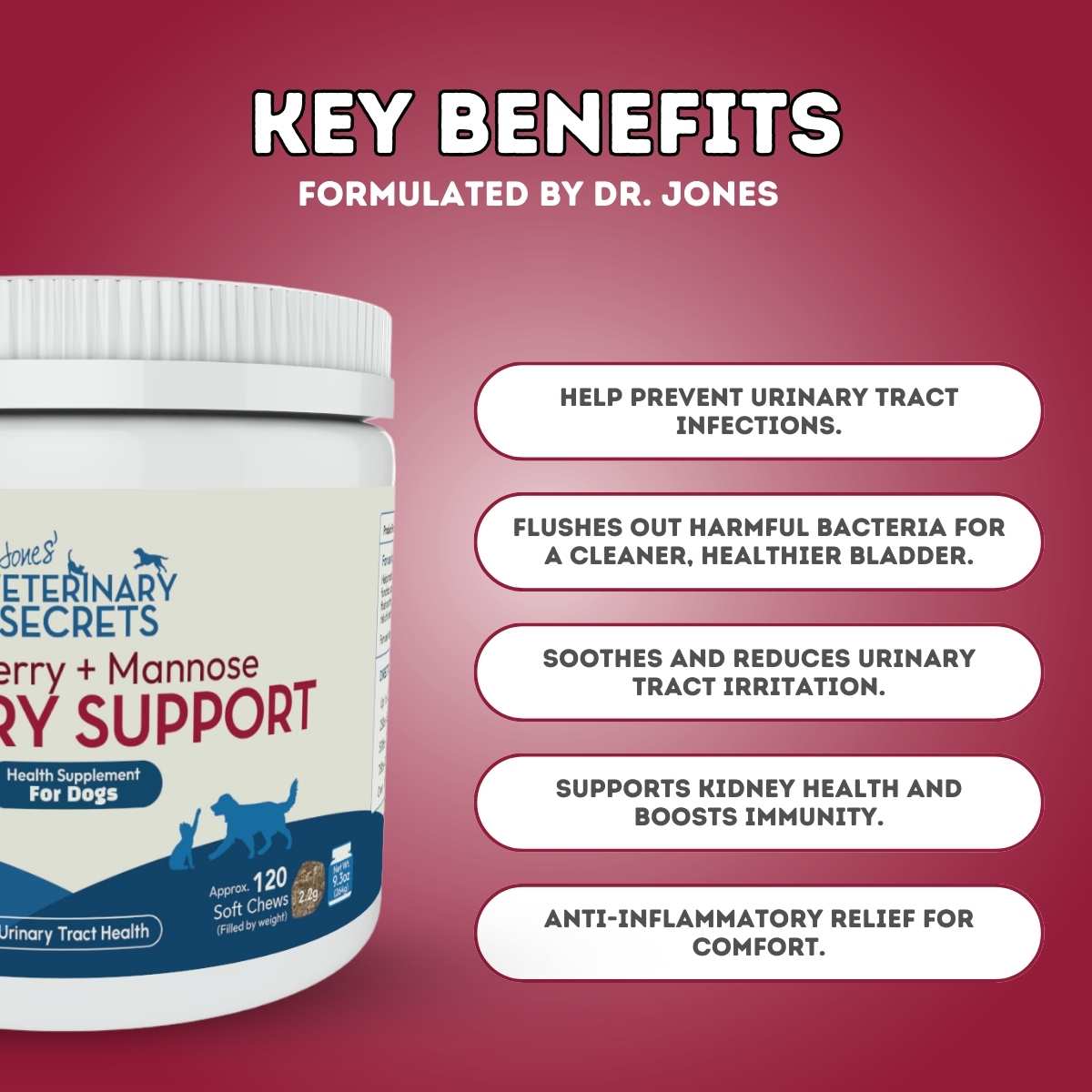
Dr. Jones’ Urinary Support Chews for Dogs are formulated to support:
- Healthy urinary tract
- Kidney health
- Overall bladder function
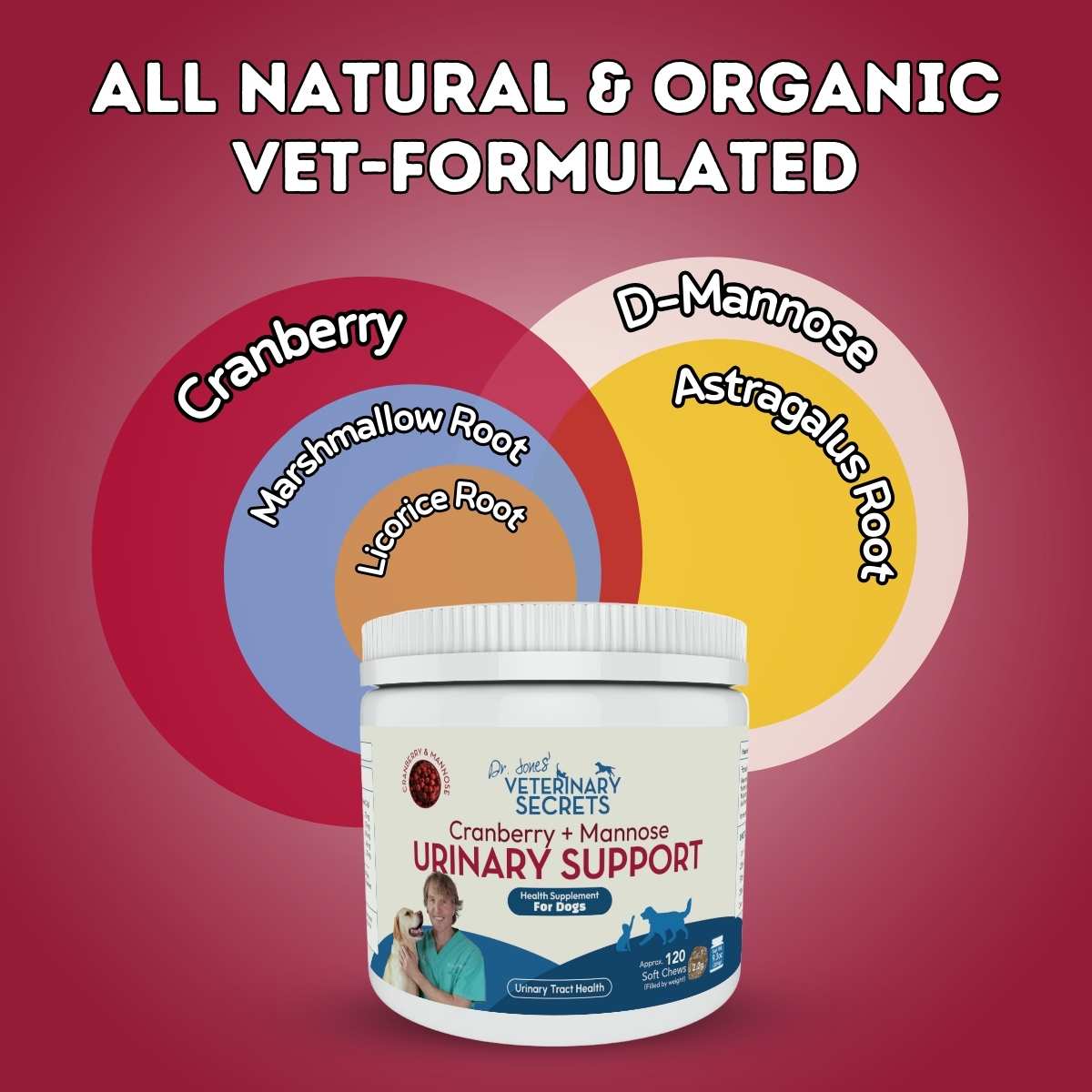
They contain natural ingredients for bladder health, including:
| Ingredient | Why It Is Included |
|---|---|
| Cranberry | Known for antioxidants and helping prevent bacterial infections in the urinary tract |
| D-Mannose | A natural sugar that helps flush out harmful bacteria and reduce UTI risk |
| Organic Marshmallow Root | Soothing herb that supports the urinary tract by reducing inflammation and irritation |
| Organic Astragalus Root | Supports immune function and healthy kidney function |
| Organic Licorice Root | Natural anti-inflammatory support for urinary tract comfort |
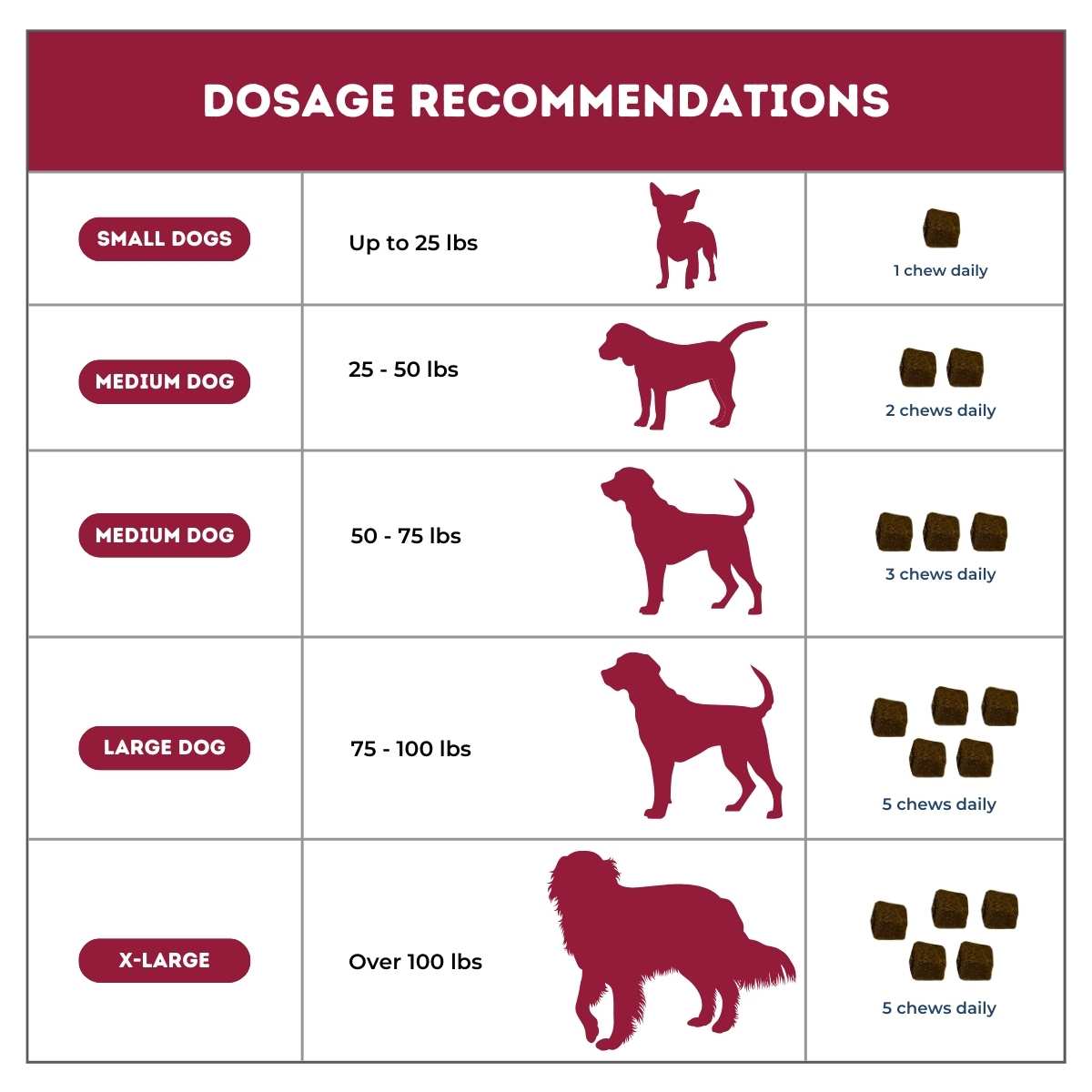
One jar can last 4 months for pets up to 25 lbs.
Honey is useful.
Honey is not magic.
I love honey, but I do not expect it to replace common sense.
Step-by-Step: How to Start Using Honey Safely
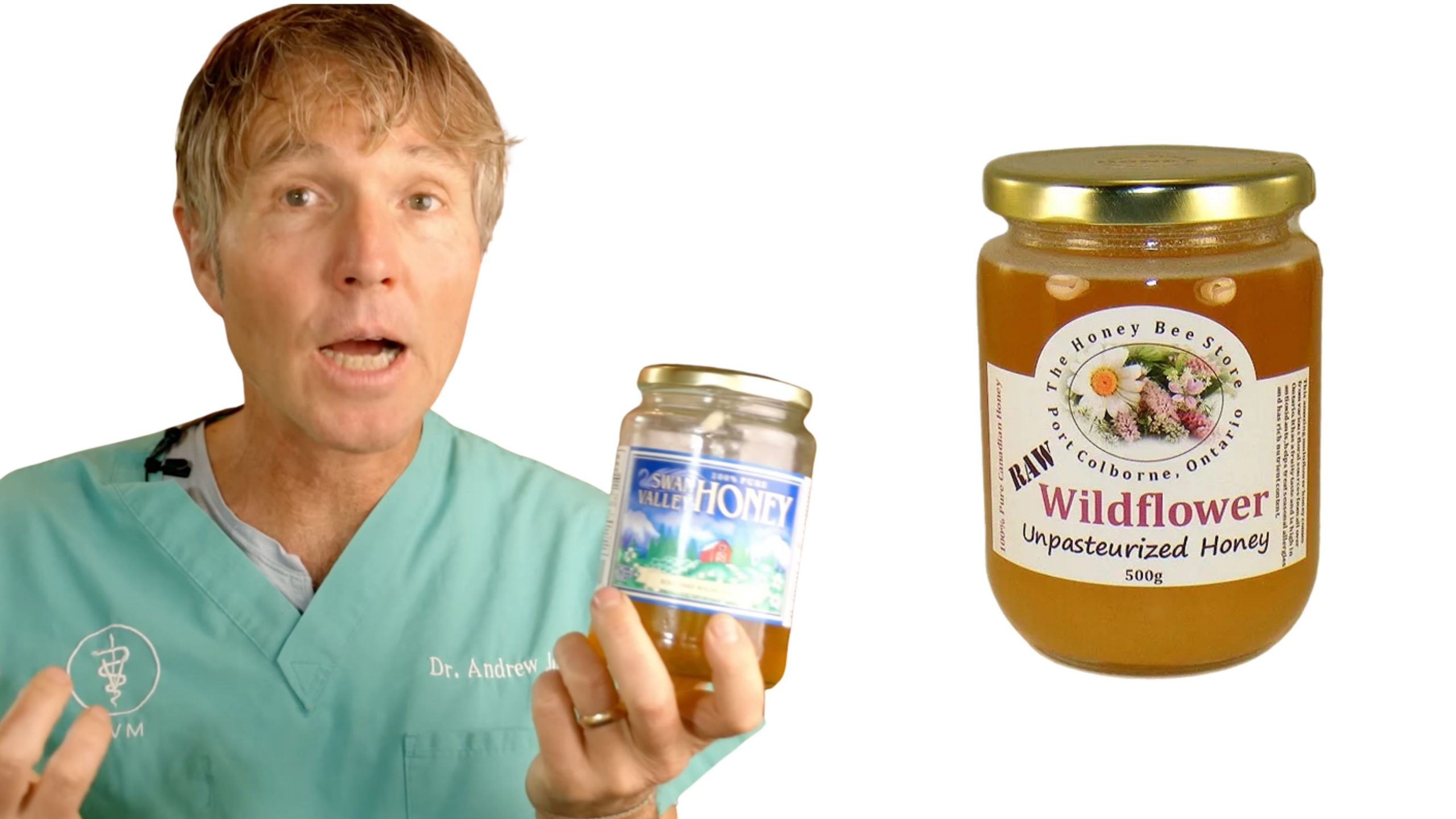
Step 1: Choose the Right Honey
Look for:
- Raw
- Local
- Unpasteurized
- Darker-colored honey if available
Step 2: Match Honey to the Problem
Use honey differently depending on what you are treating.
- For wounds, apply topically and bandage.
- For coughs, make the honey and lemon syrup.
- For allergies, use raw local honey daily for 60 days.
- For digestion, mix with apple cider vinegar and dilute with water.
- For eye infections, dilute honey equally with warm water.
- For dog UTIs, use the listed oral dose for 7 to 10 days.
Step 3: Use the Right Dose
Do not guess.
Use the dose that fits the condition and your pet’s size.
Step 4: Watch Your Pet
Monitor for:
- Improvement
- Worsening signs
- Vomiting
- Refusal to eat
- Pain
- Eye changes
- Urinary discomfort
- Excess licking of wounds
Step 5: Call Your Veterinarian When Needed
If your pet is not improving, or the condition looks serious, get help.
Natural remedies work best when paired with good judgment.
When Should You Call Your Veterinarian?
Call your veterinarian if your dog or cat has:
- A deep or infected wound
- A wound that will not close
- Severe swelling
- Eye pain
- Eye cloudiness
- Worsening conjunctivitis
- Trouble urinating
- Blood in the urine
- Repeated UTIs
- Fever
- Loss of appetite
- Severe cough
- Trouble breathing
- Symptoms that do not improve
If your pet cannot urinate normally, do not wait.
That can be urgent.
Final Thoughts
Honey is one of my favorite simple remedies.
It is inexpensive.
It is easy to find.

It has a long history of use.
And it can be helpful for many common issues in dogs and cats.
For wounds, honey can help support healing and act as a natural antiseptic.
For coughs, honey with lemon and water can soothe the throat.
For allergies, raw local honey may help your pet build tolerance to local pollen over time.
For digestion, honey with apple cider vinegar may help support the gut.
For eye infections, honey diluted with warm water can be used as an eyewash.
For dog urinary tract support, honey may be useful at the dose of 1 teaspoon per 20 lbs twice daily for 7 to 10 days.
So if you are wondering where to start with natural remedies, honey is a very good first choice.
Simple.
Practical.
Sticky.
But useful.
Click To Get A Free Copy of My E-Book!

P.S. I LOVE honey 🙂
It is inexpensive, easy for most pet parents to get, and so very effective.
If you are just getting started with natural remedies, this is one I would keep in the cupboard.
P.P.S. For dogs with urinary tract issues, another helpful option is Dr. Jones’ Urinary Support Chews for Dogs.
They include cranberry, D-mannose, organic marshmallow root, organic astragalus root, and organic licorice root to support bladder health, kidney health, and urinary tract comfort.