Dog Diarrhea: How To Quickly Stop It At Home
Understanding and Managing Dog Diarrhea: A Guide for Pet Parents
As a veterinarian, one of the most common issues I encounter is dog diarrhea. You’ve likely seen it before—a pile of soft, liquidy poop found on the rug under the kitchen table. It’s not only unpleasant to clean up, but it can also be worrisome for both you and your pet. In this article, I’ll explain the common causes of dog diarrhea, how it’s diagnosed, and, most importantly, how to manage and treat it at home effectively.
Common Causes of Dog Diarrhea
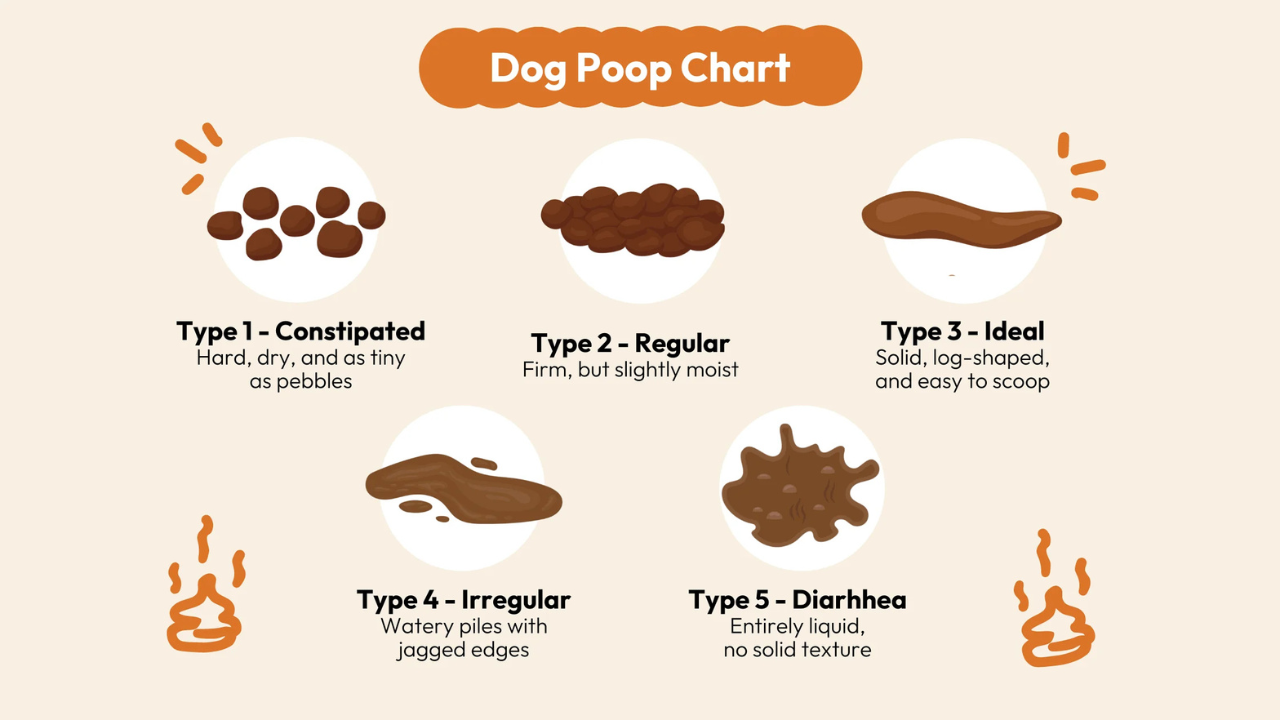
Diarrhea occurs when something disrupts the digestive tract, preventing the absorption of water. This leads to the watery stool that we all recognize as diarrhea. There are several potential causes of diarrhea in dogs:
- Dietary indiscretion: Eating something they shouldn’t, like compost, trash, or spoiled food.
- Parasites: Infections from parasites like Giardia or roundworms.
- Food allergies: Sensitivity to specific ingredients in their food.
- Infectious causes: Bacterial infections such as Salmonella.
- Inflammatory conditions: Inflammatory Bowel Disease (IBD), which is similar to Crohn’s disease in humans.
- Pancreatic issues: Pancreatic insufficiency, particularly common in German Shepherds.
Types of Dog Diarrhea
Dog diarrhea is categorized into two main types: small bowel diarrhea and large bowel diarrhea. Understanding the difference is crucial for treatment.
-
Small Bowel Diarrhea: This type originates from the small intestine and typically involves large volumes of stool. It’s often accompanied by vomiting and weight loss. Common causes include parasites, infections, and other gastrointestinal issues.
-
Large Bowel Diarrhea: This originates from the colon and is typically characterized by frequent, small bowel movements, often with straining, mucus, or even blood. Most cases of large bowel diarrhea are caused by dietary indiscretion.
When to Seek Veterinary Care
Severe diarrhea that leads to dehydration is a medical emergency and requires immediate veterinary attention. If your dog is young and unvaccinated, or if the diarrhea is accompanied by other symptoms like lethargy or fever, don’t hesitate to contact your vet. On the other hand, if your pet is still active, alert, and drinking water, you may be able to manage mild cases of diarrhea at home.
Effective Home Remedies for Dog Diarrhea
If your dog is alert and drinking water, try the following home remedies to address diarrhea.
1. Fasting and Resting the Digestive Tract
Start by withholding food for 24 hours (Day 1) to give the intestines a chance to rest and regenerate. Ensure that fresh water is always available. After this period, gradually introduce a bland food for 24 hours (Day 2). A common choice is plain, cooked white rice. Offer the equivalent amount of rice as their normal diet.
On Day 3, mix 50% of their regular food with 50% bland food. By the end of Day 3, you should be able to transition back to their normal diet.
2. Probiotics for Gut Health
Probiotics help restore the natural balance of bacteria in your dog’s intestines, normalizing the digestive system. I recommend Lactobacillus acidophilus, which is the most effective strain. The dosage is 1/4 of a capsule per 10 lbs of body weight, given twice daily. Make sure to purchase probiotics from a reputable source to ensure the bacteria are active.
3. Over-the-Counter Medications
-
Pepto-Bismol: This well-known remedy can be effective for dogs. The recommended dose is 1 ml per 10 lbs of body weight, given three times daily for no more than 7 days.
-
Imodium (Loperamide): This can be used with caution, but avoid it for Collies or Collie mixes. The recommended dose for dogs is 0.5 mg per 10 lbs of body weight, given three times daily.
-
Kaopectate: The newer version of Kaopectate is safer for dogs as it contains attapulgite clay, which binds toxins and reduces fluid loss in the intestines. The dosage is 0.5-1.0 ml per pound, given every 4-6 hours. This treatment is generally needed for 1-2 days.
4. Herbal Remedies
Several herbs can aid in managing diarrhea in dogs:
-
Slippery Elm: This herb is useful for chronic diarrhea, such as in cases of inflammatory bowel disease. The recommended dose is 20 mg per pound of body weight, given twice daily.
-
Peppermint: Helpful for alleviating gas and cramping, peppermint can be given at a dose of 25 mg per pound of body weight twice daily of the dried herb, or 1 drop per pound of body weight of the tincture twice daily.
5. Homeopathic Remedies
A particular homeopathic remedy, Arsenicum Album, is my go-to treatment for cases of “Garbage Gut” (when dogs eat something they shouldn’t, like spoiled food). The recommended dose is 1 30C tablet per 20 lbs of body weight, given every 2-4 hours.
Conclusion
By now, you should have a solid understanding of the signs and symptoms of dog diarrhea. You can distinguish between large and small bowel diarrhea and know when to seek urgent veterinary care versus when to try home remedies. With the right approach, you can often stop your dog’s diarrhea quickly and effectively at home. Stay vigilant, and always monitor your dog’s condition closely. If you’re unsure or the symptoms persist, don’t hesitate to consult your veterinarian.



didnt know this would appear publicly, but oh well…peace
Hi, Laura;
I didn’t approve your earlier comment, if you would like to send something to Dr. Jones, you can forward it to support@theonlinevet.com
Regards,
Jonathan
Thanks for all the great advice! I have your course and have used it more than once to save a trip to the vet.
We’re so happy the course has helped you care for your pup at home and even saved a few trips to the vet. Here’s to more happy, healthy tails ahead!
I love the online vet. I have gotten a lot of great tips from this forum. Unfortunately, my story of diarrhea in dogs took a fatal turn. I had a boxer who had diarrhea and parasites from the start. It took almost 4 months to get rid of the various parasites that he obtained from the breeder. We finally got him good. He always had intermittent diarrhea and the vet said it was probably from sneaking a bite of cat food on occasion. Well, I had finally had enough after about 2 yrs of this. I took our beloved boxer, Gunner, to San Antonio, TX to a vet specialty hospital and they performed a colonoscopy. He was diagnosed with a fatal fungul infection caused by Prototheca. We were hearbroken and he succumbed to seizures and nerve damage about 3 months later and we had to put him down. This disease, Protothecosis, is deadly and almost always missed in diagnosed. There are antifungals out there, which we had some specialy mixed up by a lab in Arizona, but we were too late to save him. Please, Please, if you have an animal with intermittent diarrhea….look beyond traditional excuses. Our beloved Gunner died way too soon and we were hearbroken.
Thank you for sharing his story because it is an important reminder. Persistent or recurring diarrhea should never be brushed off, especially when it keeps coming back despite treatment. While Protothecosis is thankfully very uncommon, it can happen, and getting a deeper workup is sometimes the right next step. Sending you a big hug, and thank you for encouraging others to keep asking questions and advocating for their pets.
We just had a young pup die today. He was so sick. it hit so fast they couldn’t save her.
So sorry to hear this. When a young puppy becomes seriously ill that quickly, it can be caused by a number of emergencies, including severe infections, parvovirus, or other sudden illnesses. Sadly, even with treatment, not every puppy can be saved. Our hearts go out to the family during this difficult time.
i read some ware is not good for dogs pepo bimol i buy do not rember the name but those are better for dogs and people can take them to they come in a blue clider it is a small size but they work well
We think you may be referring to Kaopectate. The newer formula can be a better option for dogs than Pepto Bismol in some cases because it contains attapulgite clay, which helps bind toxins and reduce fluid loss. For mild diarrhea, probiotics are also one of our favorite choices to help support a healthy gut.
I don’t use pepto because of all the crap they put into it. Instead, I use keopectate and it works like a charm, and so does adding slippery elm. Slippery elm coats the intestinal tract to protect the lining, so no more diarrhea and it also works for dogs with constipation because it lubricates the way out.
The newer Kaopectate with attapulgite clay can be a helpful option for mild diarrhea, and slippery elm may also help soothe the digestive tract, especially in some chronic digestive cases. We also like adding a quality probiotic to help get the good gut bacteria back on track. Thanks for sharing what has worked for you!
Do you have any evidence for the effectiveness of homeopathic medicine?
The evidence for homeopathy is mixed, and it is not considered a proven treatment for most conditions. We use it as one option in specific cases alongside good veterinary care, nutrition, and other supportive treatments, not as a replacement. For mild cases of diarrhea, for example, we may use Arsenicum Album for dogs with what we call garbage gut, but we always recommend seeing your veterinarian if your pet is dehydrated, lethargic, vomiting repeatedly, or not improving.
i use cottage cheese
To stop it
Be careful. The liquid Kaopectate is no longer the old kaolin formulation. It has same active ingredients as pepto bismol. Bismuth subsalicylate.
You are absolutely right that many liquid Kaopectate products now contain bismuth subsalicylate, similar to Pepto Bismol. Formulas have changed over the years, so it is always important to check the active ingredients on the label before using any medication for your dog. We appreciate you helping keep everyone informed.
We were told to use pureed pumpkin for our Bostons, it works great ?
Pumpkin can be helpful for some dogs with mild diarrhea because the fiber can help firm up the stool. We also like adding a quality probiotic to help support a healthy gut. If the diarrhea is severe, lasts more than a day or two, or your pup seems unwell, it’s best to have them checked by your veterinarian.
I’ve used homeopathic remedies 4 years 4 my many dogs & myself. Had bigger litters & certainly healthier. Litters had 1 puppy shot then strickly homeopathic after that. Raised Gt Danes who lived past 11 yrs & Rottys,until 13. Lg dogs,have a shorter life span.
It sounds like your dogs had great care and a lot of love. Homeopathic remedies can be a helpful part of a care plan for some pets. When digestive issues do pop up, we also like supporting the gut with probiotics and other natural options while keeping a close eye on symptoms. Thanks for sharing your experience.
Hi does normal loperamide also work on dogs?
We do not recommend it for Collies or Collie mixes, and the dose is important. If your dog has mild diarrhea but is otherwise bright, alert, and drinking water, it may help. If the diarrhea is severe, lasts more than a day or two, or your dog seems unwell, it is best to see your veterinarian. Probiotics can also be a great way to help get the gut back on track.
I have a yorkie who’s house trained but for the last few days she’s being popping all over. Her stools are solid but at night seems like she can’t control herself from popping. After leaving her outside for most of the day and letting her out to take care of her business, just about an hour or so later she would poop in the house again. We just don’t know what’s causing this and is very concerned. Can you help us out?
Since her stools are still solid, this is less likely to be diarrhea and more of a change in bowel control or bowel habits. We would recommend having her examined by your veterinarian, especially since this started suddenly. In the meantime, adding a quality probiotic can help support healthy digestion and regular bowel movements. Please keep us posted on how she’s doing. We hope your little Yorkie is feeling better soon.
My puppy had diarrhea fir one day, then my 8 year old dog has had it for 2 days. How could the pup give it to my other dog?
Here’s some advice from Dr. Jo9nes’
You have seen this many times; soft, liquidy poop found in a pile on the rug under the kitchen table. In this article I am going to go over the common causes of dog diarrhea, and how it is diagnosed based on the clinical signs. Lastly you will see the more common and most effective at home remedies to be able to stop your dog’s diarrhea fast.
Anything that upsets the digestive tract and results in water not being absorbed produces diarrhea. Some common causes include dietary indiscretion (eating compost), parasites (Giardia or Roundworms), food allergy, infectious causes (Salmonella), inflammatory changes (Inflammatory Bowel Disease; similar to Crohn’s disease in people), and pancreatic abnormalities (Pancreatic insufficiency, common in German Shepherds).
Diarrhea in dogs is categorized as being either small bowel diarrhea (it originates from the small intestine), or large bowel diarrhea (it originates from the colon). Small bowel diarrhea is generally large volume, not very frequent, at times with vomiting and weight loss. The causes of small bowel diarrhea are many, from parasites to infectious agents. Large bowel diarrhea signs include frequent bowel movements, straining, with occasional mucous and blood. Most large bowel diarrhea is classified as colitis, being caused by dietary indiscretion.
Severe diarrhea that results in dehydration is a medical emergency and must be dealt with by your veterinarian. If you have a young unvaccinated dog the diarrhea may have an infectious cause; the dog must be examined by a veterinarian. If your pet is still very alert, active and drinking, then try some of the following home remedies.
Stop putting food into your pet for 24 hours (Day 1). This allows the intestines to rest and regenerate. Always have access to plenty of fresh water. After 24 hours, introduce a bland food for the next 24 hours (Day 2). Plain cooked white rice for dogs, feeding equivalent cups of rice as their normal diet. After a day of the bland food mix 1/2 regular diet and 1/2 bland diet (Day 3). By the end of Day 3, they should be back on their normal diet.
Probiotics help restore the natural bacteria in the intestine, normalizing the intestinal immune system. The most effective supplement is Lactobacillus acidophilus ” give 1/4 capsule per 10 lbs of body weight twice daily. I advise probiotics for all cases of diarrhea, but purchase them from a reputable source to ensure the probiotics are active.
Pepto-Bismol is an old standby that can be effective for dogs. The dog dose is 1 ml/10 lbs of body weight given three times daily for no more than 7 days. Imodium (Loperamide) can be used with care, avoid giving it to Collie’s or Collie crosses. The dose for dogs is 0.5 mg/10 lbs three times daily (give your 40 lb dog one 2 mg tablet three times daily).
Kaopectate has a newer version that is safer for dogs. It contains attapulgite clay as the active ingredient which binds toxins, decreases the fluid in the intestinal tract and subsequent diarrhea. Dose for dogs: 0.5-1.0 ml per pound by mouth every 4-6 hours. Treatment should only be needed for 1-2 days.
There are a few herbs that I am finding helpful for dog diarrhea. Slippery Elm in the dried form can be helpful for chronic diarrhea, such as inflammatory bowel disease in dogs. The dried herb dose is 20 mg/lb of body weight twice daily. Peppermint helps with intestinal gas and cramping; give 25 mg/lb of body weight twice daily of the dried herb or 1 drop/lb of body weight twice daily of the tincture.
One homeopathic in particular stands out as being especially useful for most cases of diarrhea in dogs. It is called Arsenicum Album, and is my preferred homeopathic remedy for dogs with ‘Garbage Gut’. Dose: 1 30C tab per 20lbs every 2-4 hours.
You now should have a good understanding of what the signs and symptoms of dog diarrhea. You should be able to differentiate between large and small bowel diarrhea, and now know when to seek urgent veterinary care, or try some of my suggested home remedies. Now you have a selection of home remedies to use the next time your dog gets diarrhea, and you can now stop your dog’s diarrhea fast at home.
Not feed my dog for a day? Not an option. I will not lose my mind listening to my dog whine for 24 hours. You should see her when she doesn’t get her sleepy time treat in a timely manner! She eats chicken and rice twice a day. I will limit her other food and give her an Imodium. Hopefully it works.
How much imodium do you give a pup with diarrhea?
In general, the typical dose for dogs is about 0.1 to 0.2 mg per kilogram of body weight, given every 8 to 12 hours.
However, puppies can have different sensitivities and underlying conditions, so it’s crucial to have a vet evaluate the situation. Always avoid using Imodium in puppies less than 6 months old or in cases of certain types of diarrhea, such as those caused by infections, toxins, or certain parasites, as this can lead to more serious complications.
If you suspect your puppy is ill or if the diarrhea persists for more than a day or is accompanied by other symptoms (like vomiting or lethargy), seek veterinary advice promptly.
Thank you. It’s nice to have access to you without paying one hundred dollars. ???
100$?? That’s it?
I spent $2000 for only partial blood work ( $1800 more if doing a full spectrum)
Antibiotics, de worming, and pro biotics!
Only to end up in the same situation 4 months later! I would love a $100 bill if it helped him!
He isn’t lethargic, or pooping blood, thank goodness!
I am now doing the withholding food for 24 hrs, plenty of fresh water, then give plain rice .
My dog is the pickiest eater, so I’m not even sure he will eat after 24 hrs.
Thankyou for suggestions will try it.my vet has no clue about anything just pay the bill over 100.00 that’s ridiculous
Hopefully these tips help get things moving in the right direction. If your dog is bright, alert, and drinking water, many mild cases can often be managed at home. If the diarrhea is severe, lasts more than a couple of days, or your pup becomes lethargic or dehydrated, it’s time to see your veterinarian. Wishing your pup a speedy recovery!