Heartworm Treatment and Prevention for Dogs: Lower-Cost Options

What are the treatment and prevention options for heartworm in dogs?
Heartworm disease is spreading, and it is not just a “southern dog problem” anymore.
Heartworm is a serious parasite spread by mosquitoes. When an infected mosquito bites your dog, immature heartworm larvae enter the body. Over time, they can develop into adult worms that live in the major blood vessels and heart.
That can lead to coughing, breathing problems, extreme fatigue, heart disease, and in severe cases, sudden death.
Cats can get heartworm too, although it is less common. The problem in cats is that even a small number of worms can cause serious lung and breathing issues.
The good news is this: prevention is still the best plan. And depending on where you live, there are both conventional and natural ways to reduce your pet’s risk.
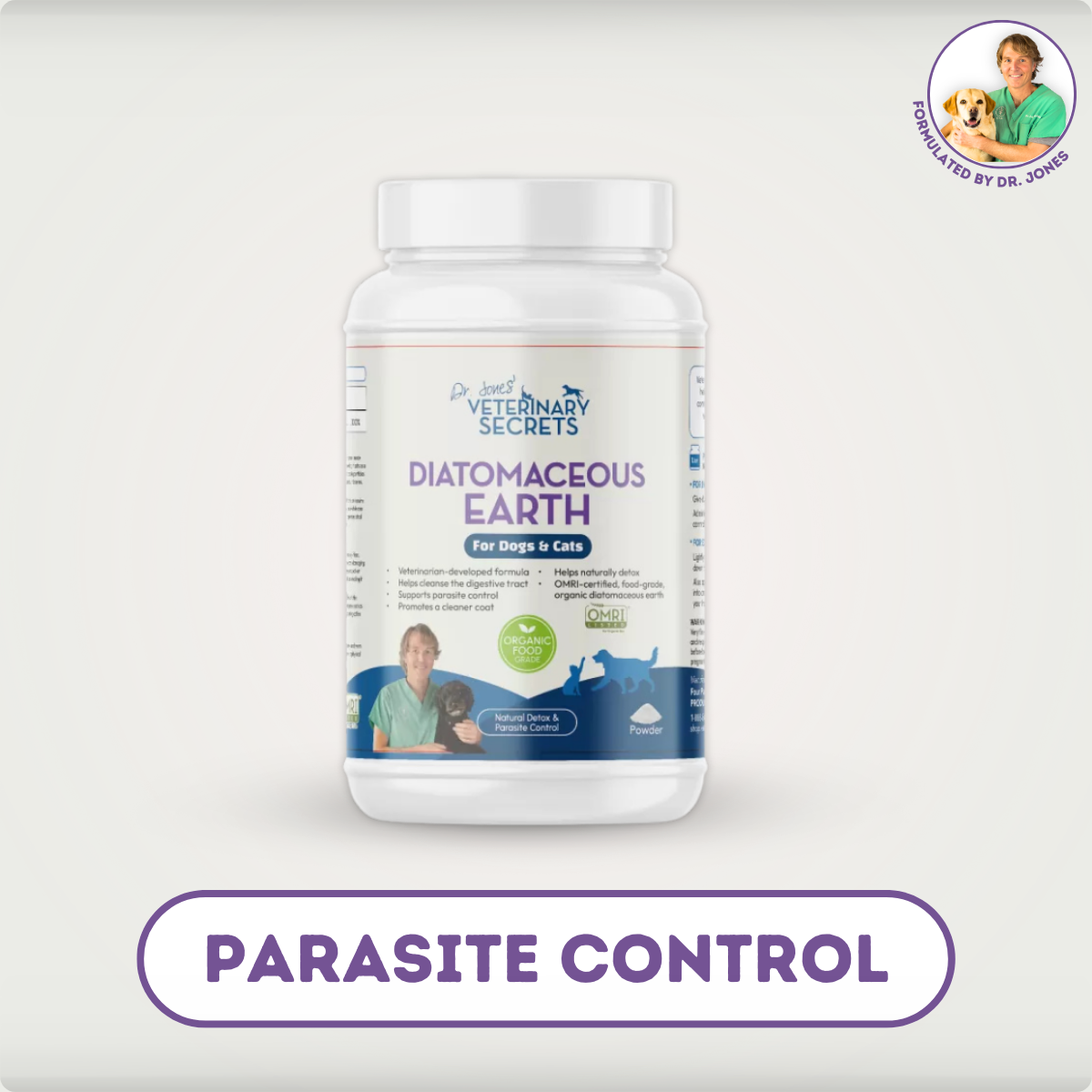
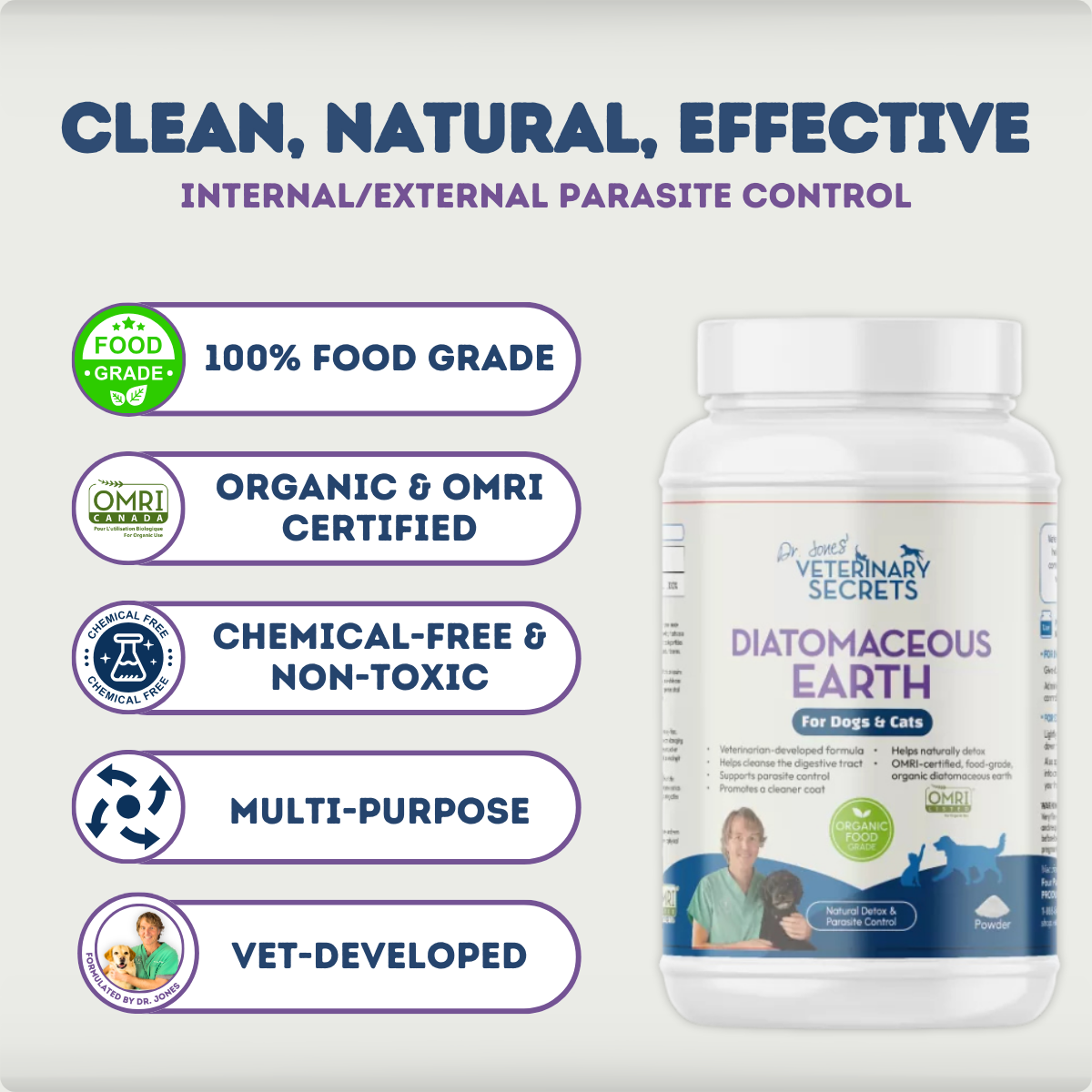
Dr. Jones’ Diatomaceous Earth Powder for Pets


What Is Heartworm Disease?
Heartworm disease is caused by a parasite called Dirofilaria immitis.
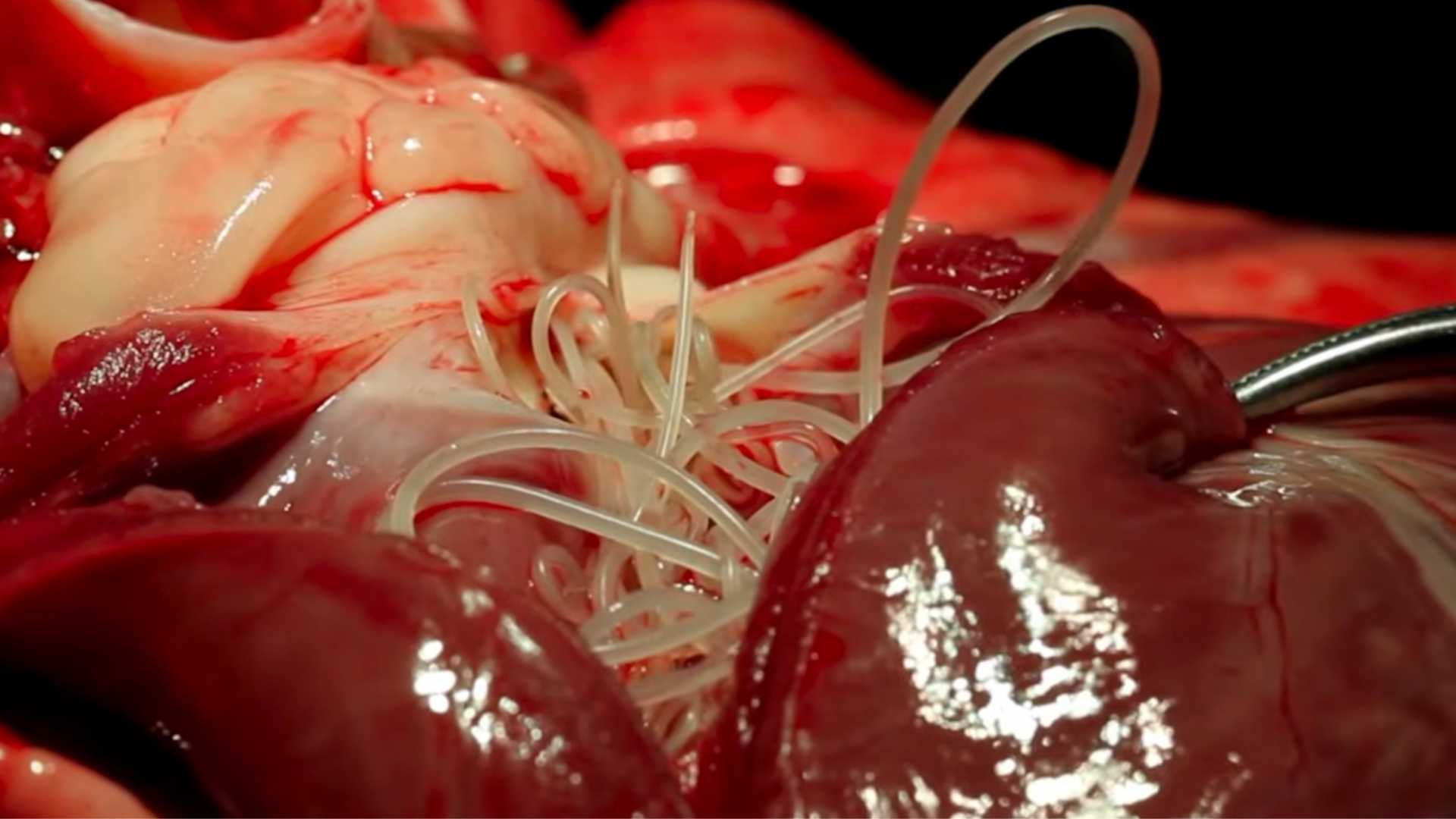
The parasite is spread through mosquito bites. Once inside the dog, the larvae go through several life stages. Eventually, they can become adult worms that may grow many inches long.
These adult worms can live in:
- The heart
- The lungs
- The pulmonary arteries
- Major blood vessels
Imagine a long worm living where blood is supposed to move freely.
Why Is Heartworm Spreading?

Heartworm risk is increasing in many areas for a few key reasons.
1. Warmer Weather and Longer Mosquito Seasons
Mosquitoes need the right temperature for heartworm larvae to become infective.
As some areas become warmer for longer periods, mosquitoes can survive longer and heartworm larvae may have more time to develop.
2. Infected Wildlife
Coyotes, foxes, and other wild canids can carry heartworms. These animals can act as reservoirs, meaning mosquitoes can bite them, pick up the parasite, and then spread it to dogs.
3. Pet Travel and Relocation
Dogs are being moved more often across states, countries, shelters, and rescue networks.
If a heartworm-positive dog is moved into an area where heartworm was previously rare, local mosquitoes may help spread the parasite.
4. Missed Prevention
Many heartworm infections happen because doses are missed, given late, stopped seasonally, or never started.
Heartworm prevention only works when it is used correctly.
Where Is Heartworm Risk Highest?
The highest U.S. heartworm rates have traditionally been in the Gulf Coast and southeastern states.

High-risk areas include places such as:
- Texas
- Florida
- Louisiana
- Mississippi
- Other warm, mosquito-heavy regions
But heartworm is now being diagnosed in areas where it used to be less common, including parts of the West and Northwest.
If you live in Texas, Florida, Louisiana, Mississippi, or another high-risk area, I would be very cautious about skipping prescription prevention.
The risk of heartworm is just too high.
What Are the Signs of Heartworm in Dogs?

Dogs with heartworm may show:
- Coughing
- Tiring easily
- Breathing difficulty
- Exercise intolerance
- Weight loss
- Low energy
- Reduced appetite
- Swollen belly in advanced cases
- Collapse
- Sudden death in severe cases
Early heartworm disease may show no signs at all.
Can Cats Get Heartworm?
Yes, cats can get heartworm.
It is less common than in dogs, but it can still be serious. Cats are not the ideal host for heartworms, but even one or two worms can trigger major inflammation in the lungs.

Signs in cats may include:
- Coughing
- Wheezing
- Vomiting
- Lethargy
- Poor appetite
- Sudden breathing distress
- Sudden death in rare cases
There is no approved adult heartworm-killing treatment for cats like there is for dogs. Prevention and mosquito reduction are especially important.
How Is Heartworm Diagnosed?

Your veterinarian may recommend:
- Heartworm antigen test
- Microfilaria test
- Bloodwork
- Chest X-rays
- Ultrasound or echocardiogram
- Additional testing if your dog is showing signs of heart or lung disease
What Are the Conventional Heartworm Preventives?

There are many prescription heartworm preventives now, including:
- Oral chewables
- Topical medications
- Injectable preventives
Some products prevent heartworm only. Others combine heartworm prevention with flea, tick, mite, or intestinal parasite control.
That can be convenient, but it can also mean more active ingredients in one product.
For some dogs, these products are well tolerated. For others, especially sensitive dogs, side effects may be a concern.
Are Heartworm Preventives Still Needed?
In high-risk areas, yes.
If you live where heartworm is common, your dog should be on a heartworm preventive.
The risk of heartworm disease is far worse than the risk of most preventives when they are used properly.
If you live in a very low-risk area, the answer is more individual. I would still start by asking your local veterinarian:
- How many heartworm cases are diagnosed here?
- Are local dogs testing positive?
- Are rescue dogs with heartworm being brought into the area?
- How long is mosquito season?
- Should my dog be on year-round prevention?
- Is a heartworm-only product available?
- What is the safest choice for my dog?
What About Heartworm Preventive Resistance?
There are documented concerns about heartworm resistance to some preventives, especially in certain hyperendemic areas.
This does not mean preventives do not work.
What Happens If a Dog Tests Positive for Heartworm?
If your dog tests positive, do not panic, but do not ignore it.
Your veterinarian will assess:
- How sick your dog is
- How many worms may be present
- Whether there are microfilariae
- The heart and lungs
- Whether your dog can tolerate treatment
- The safest treatment plan
Exercise restriction is a major part of heartworm treatment. When adult worms die, they can cause inflammation and blockage in the lung vessels. Too much activity increases the risk of serious complications.
Standard Heartworm Treatment: Melarsomine or Immiticide
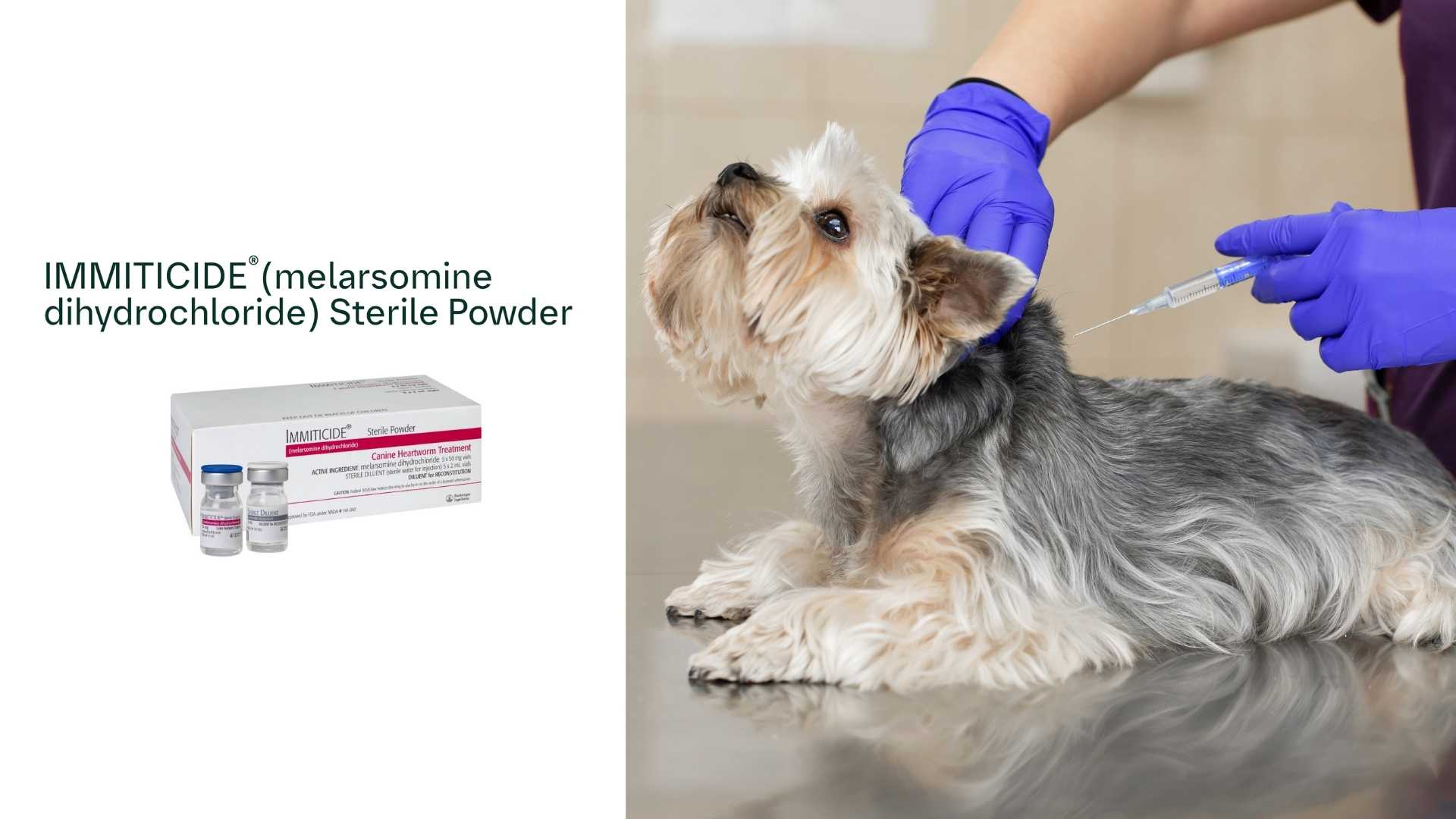
The standard adult heartworm treatment in dogs uses melarsomine, commonly known by the brand name Immiticide.
Melarsomine is an injectable medication that kills adult heartworms.
It is usually the preferred treatment when it is available and the dog can safely tolerate it.
Pros of Melarsomine Treatment
- Kills adult heartworms faster than slow-kill options
- Considered the standard adulticide treatment
- Often recommended for dogs healthy enough to receive it
- May reduce the time adult worms continue damaging the heart and lungs
Cons of Melarsomine Treatment
- Can be expensive
- Requires strict exercise restriction
- Can cause treatment complications
- Not always accessible for shelters or rescue groups
- Some dogs may not be stable enough for immediate treatment
In some cases, treatment can cost hundreds to thousands of dollars.
That is a real barrier for many pet parents and rescues.
Lower-Cost Treatment Option: Moxidectin and Doxycycline
A lower-cost option that is getting more attention is often called the moxi-doxy protocol.
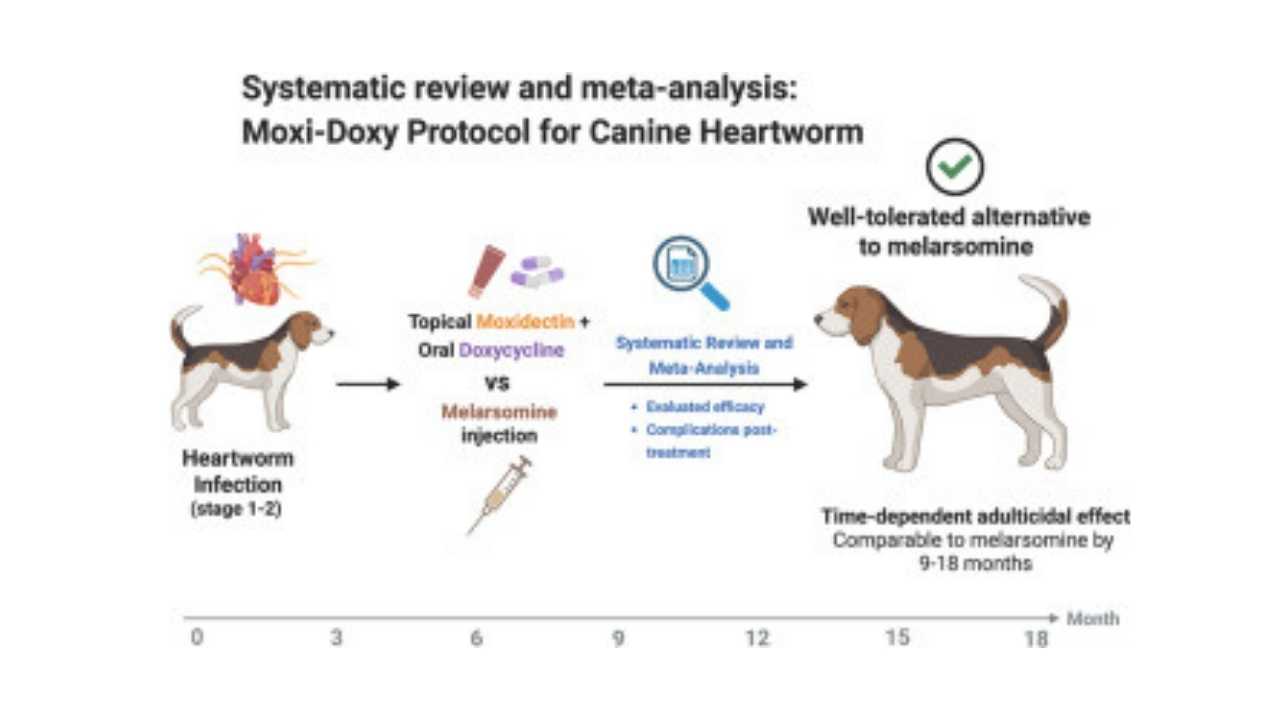
This uses:
- Moxidectin, often as a topical monthly heartworm medication
- Doxycycline, an oral antibiotic
Moxidectin targets heartworms, while doxycycline targets Wolbachia, a bacteria that lives inside heartworms and contributes to inflammation and disease.
This approach can kill adult heartworms over time, but it is slower than melarsomine.
Why Consider Moxi-Doxy?
Moxi-doxy may be considered when:
- Melarsomine is not affordable
- Melarsomine is not available
- A shelter or rescue needs a lower-cost option
- The dog is not an ideal candidate for standard treatment
- A veterinarian decides it is appropriate
Conventional Treatment Comparison
| Treatment | What It Does | Pros | Cons |
|---|---|---|---|
| Melarsomine or Immiticide | Kills adult heartworms | Standard adulticide treatment, faster adult worm kill | Expensive, strict rest required, possible complications |
| Moxi-doxy | Uses moxidectin plus doxycycline to kill heartworms over time | Lower cost, more accessible in some cases | Off-label, slower, still requires strict vet supervision |
| Heartworm preventives | Prevent larvae from developing | Best protection when used correctly | Does not safely treat existing adult heartworms without a treatment plan |
Can Natural Prevention Help?
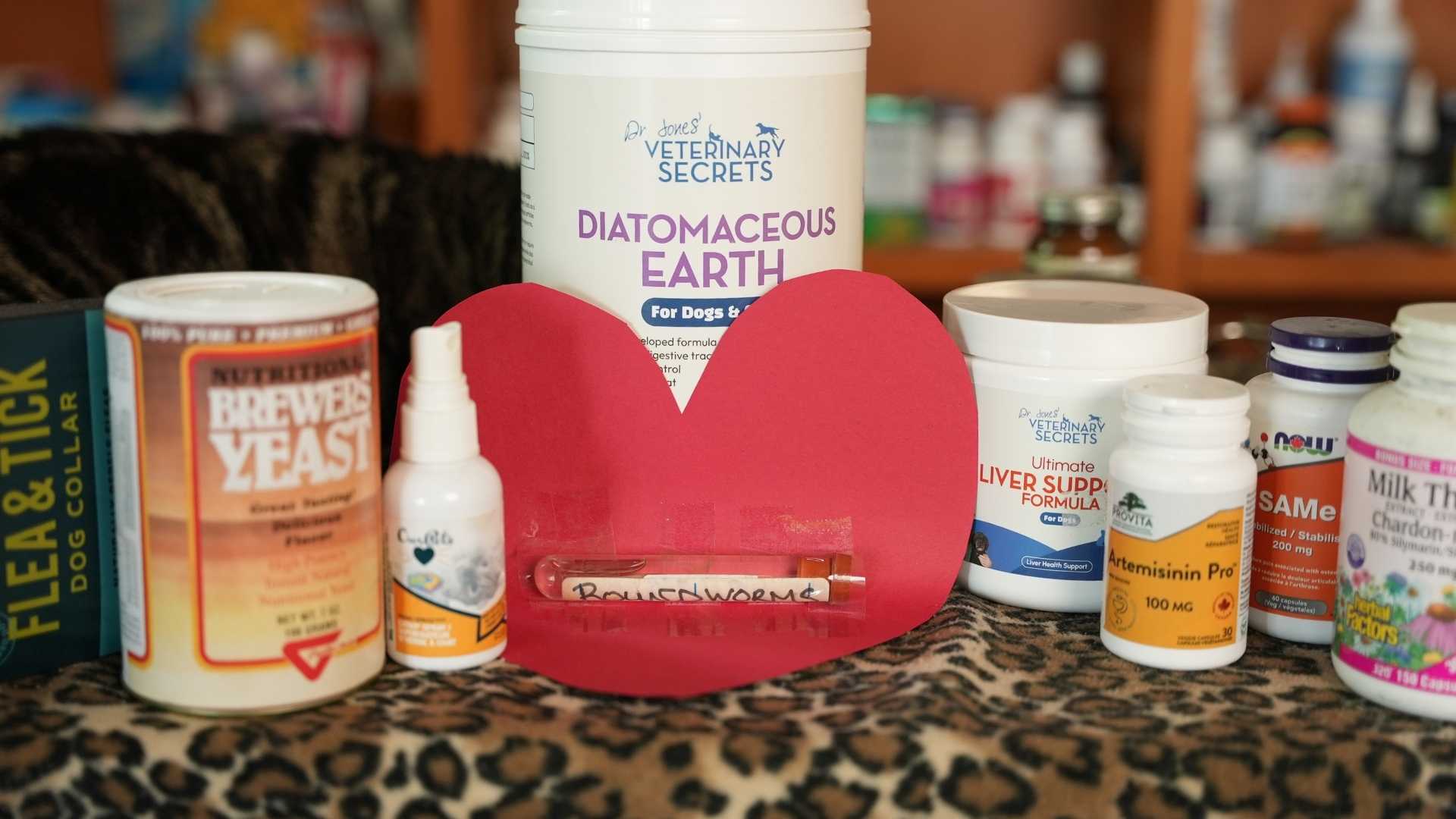
Natural prevention can help reduce mosquito exposure.
That matters because mosquitoes spread heartworm.
But let me be very clear: natural repellents do not replace prescription heartworm prevention in high-risk areas.
If you live where heartworm is common, use heartworm prevention and reduce mosquitoes. Do both.
If you live in a very low-risk area, natural mosquito control may be part of a risk-based plan.
Natural Ways to Reduce Mosquito Exposure
The goal is simple: fewer mosquito bites.
No mosquito bite, no heartworm transmission.
1. Remove Standing Water
Mosquitoes breed in standing water.

Check for:
- Buckets
- Old tires
- Plant saucers
- Bird baths
- Clogged gutters
- Tarps
- Kiddie pools
- Water bowls left outside
- Any container collecting rainwater
Empty standing water often.
This is one of the cheapest and best prevention tools you have.
2. Avoid Peak Mosquito Times
Mosquitoes are often most active at dawn and dusk.

Try to avoid long outdoor time during:
- Early morning
- Sunset
- Late evening
- Warm, humid mosquito-heavy hours
If mosquitoes are swarming you, they are swarming your dog too.
Natural Mosquito Repellent Options
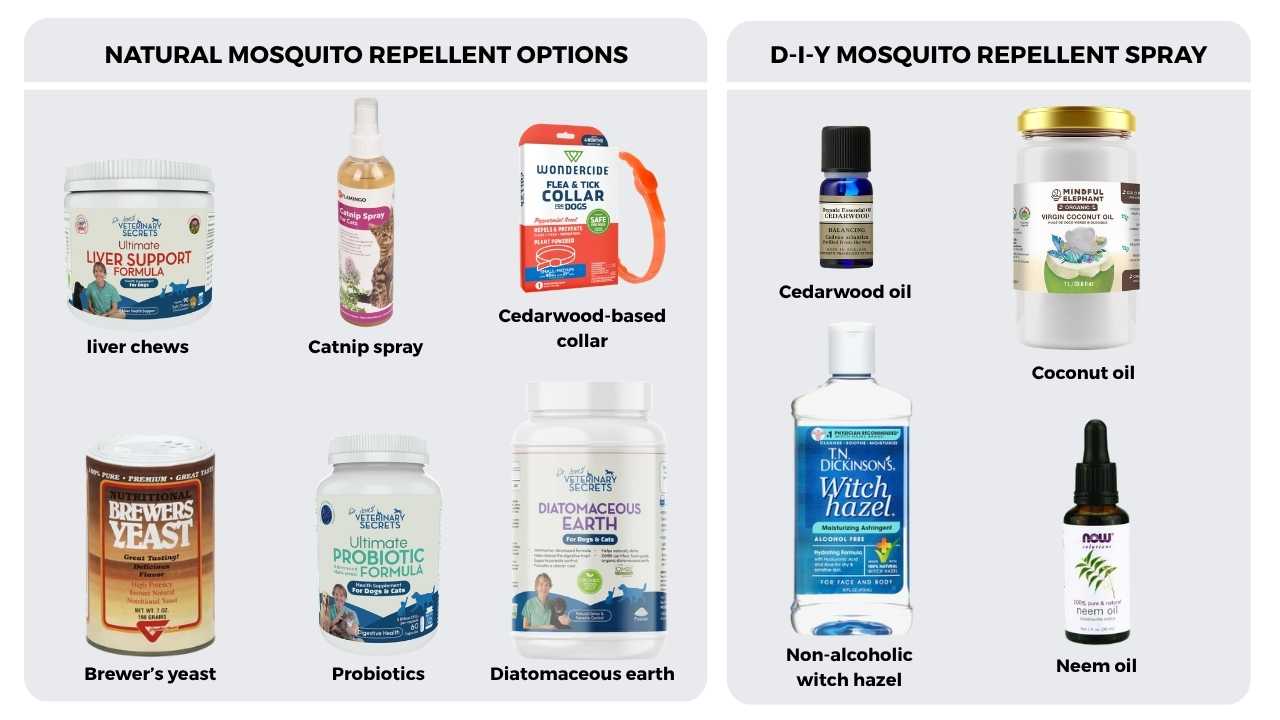
Quick Natural Prevention Guide
| Option | How It May Help | Suggested Use |
| Catnip spray | May repel mosquitoes | Use pet-safe spray as directed |
| Cedarwood-based collar | May help repel mosquitoes, fleas, and ticks | Use pet-specific collar, monitor for reaction |
| Brewer’s yeast | Provides B vitamins and may help repel biting insects | 1/2 tsp per 10 lbs daily |
| Homemade spray | Uses witch hazel, coconut oil, cedarwood, and neem | Dogs twice weekly, cats only with great caution |
| Diatomaceous earth | May help reduce internal parasite burden, not proven for heartworm | 1/4 tsp per 10 lbs daily for 7 days every 3 months |
| Immune and liver support | Supports overall health during prevention or treatment | Food, probiotics, omega-3s, liver, SAM-e, milk thistle |
1. Catnip Spray
Catnip contains a compound called nepetalactone, which may help repel mosquitoes.
A pet-safe catnip spray can be a gentle option for some dogs and cats.
How to Use It
Use a pet-specific catnip spray and follow the label.
For dogs, lightly mist the coat before mosquito-heavy outdoor time.
For cats, only use products clearly labeled safe for cats, and use lightly.
2. Cedarwood-Based Flea and Tick Collars
Some natural flea and tick collars also repel mosquitoes.
The ones I like to consider use cedarwood oil as a base. Some also include peppermint oil.
Cedarwood has research supporting insect-repellent properties, and when used in a pet-specific collar, it can be a longer-lasting option.
How to Use It
Use only collars made specifically for pets.
Best For
This may be useful for dogs in lower-risk heartworm areas where mosquito reduction is part of the plan.
3. Brewer’s Yeast
Brewer’s yeast is rich in B vitamins, protein, and chromium.
Many pet parents use it to help repel fleas, and some also find it may help reduce mosquito bites.
It is inexpensive and may offer general nutritional benefits.
Suggested Amount
Give:
- 1/2 teaspoon per 10 lbs of body weight daily
4. Homemade Mosquito Repellent Spray
This is a natural spray option using witch hazel, coconut oil, cedarwood oil, and neem oil.
Ingredients
| Ingredient | Amount |
| Non-alcoholic witch hazel | 3/4 cup |
| Coconut oil | 2 tablespoons |
| Cedarwood oil | 20 drops |
| Neem oil | 2 ml or about 2 dropperfuls |
This mixture keeps the essential oil dilution low.
How to Use It for Dogs
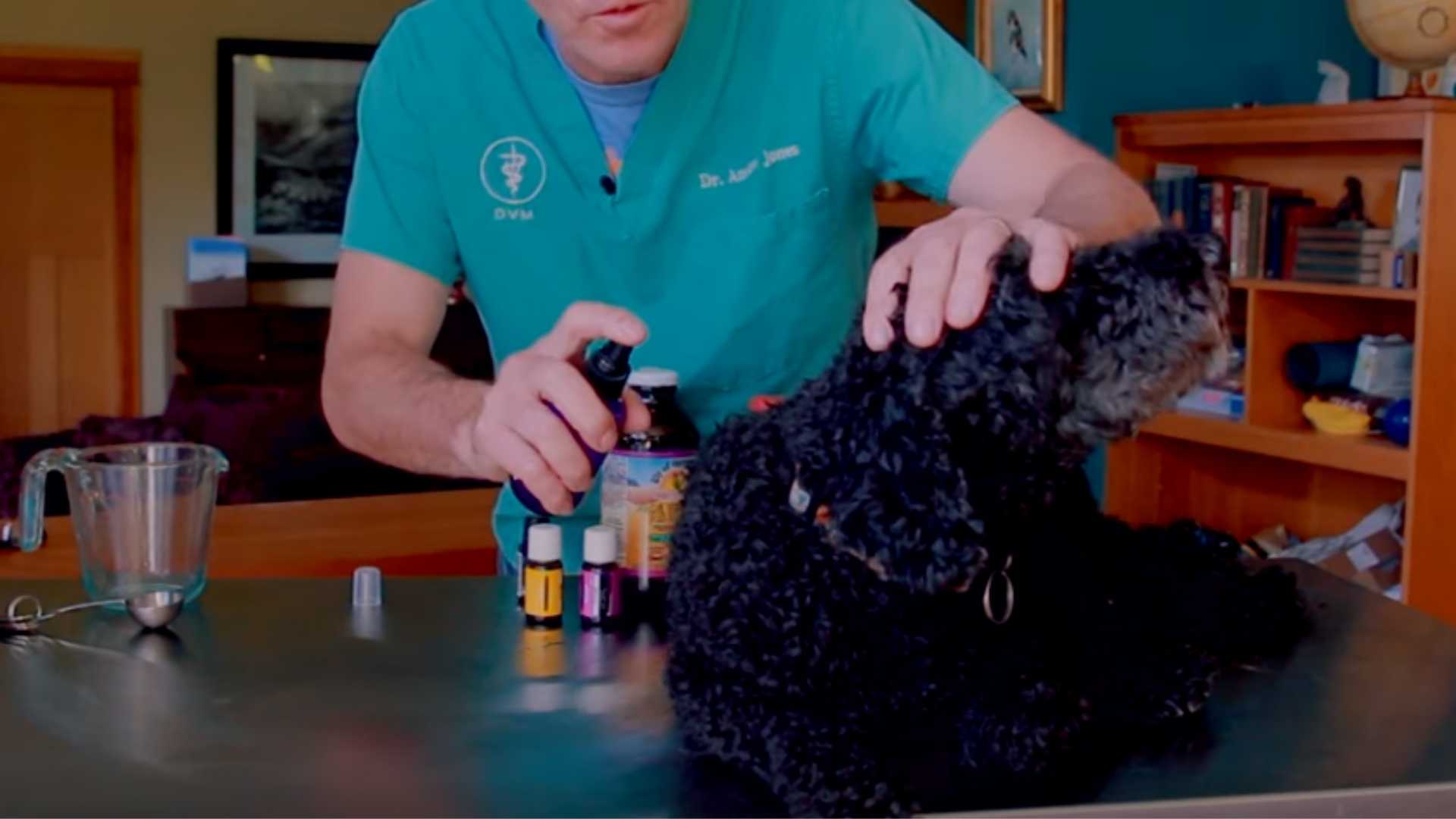
Lightly spray your dog twice weekly.
Then use a flea comb to spread it through the coat.
How to Use It for Cats
On a cat, use only a very light mist, no more than once weekly.
Never use concentrated oils on cats.
5. Diatomaceous Earth
Food-grade diatomaceous earth, also called DE, is often used by natural pet parents for parasite support.
Suggested Routine:
Give:
- 1/4 teaspoon per 10 lbs of body weight daily
- For 7 days
- Every 3 months
Use food-grade diatomaceous earth only.
Immune Support for Heartworm Prevention
A healthy immune system is not a substitute for heartworm prevention.
But it still makes sense to support your dog’s overall health.
A stronger dog is better prepared for stress, illness, treatment, and recovery.
Helpful options include:
- Fresh whole food
- Plain yogurt or probiotics
- Omega-3 fatty acids
- Canned sardines
- Liver
- Good quality protein
- Less processed food when possible
Liver as a Superfood

Liver is rich in:
- Protein
- Choline
- B vitamins
- Iron
- Other key nutrients
A small amount can be added to your dog’s food.
Suggested amount:
- About 1 teaspoon per 10 lbs of body weight
- Several times weekly, or as tolerated
Do not overfeed liver. More is not always better.
Liver Support During Heartworm Treatment
If your dog is being treated for heartworm, the liver is doing a lot of work.
It has to process medications and help the body deal with inflammation and the breakdown of dying parasites.
This is where liver support can make sense.
Options I would consider include:
- SAM-e
- Milk thistle
- Dandelion root
- Curcumin
- A liver support formula
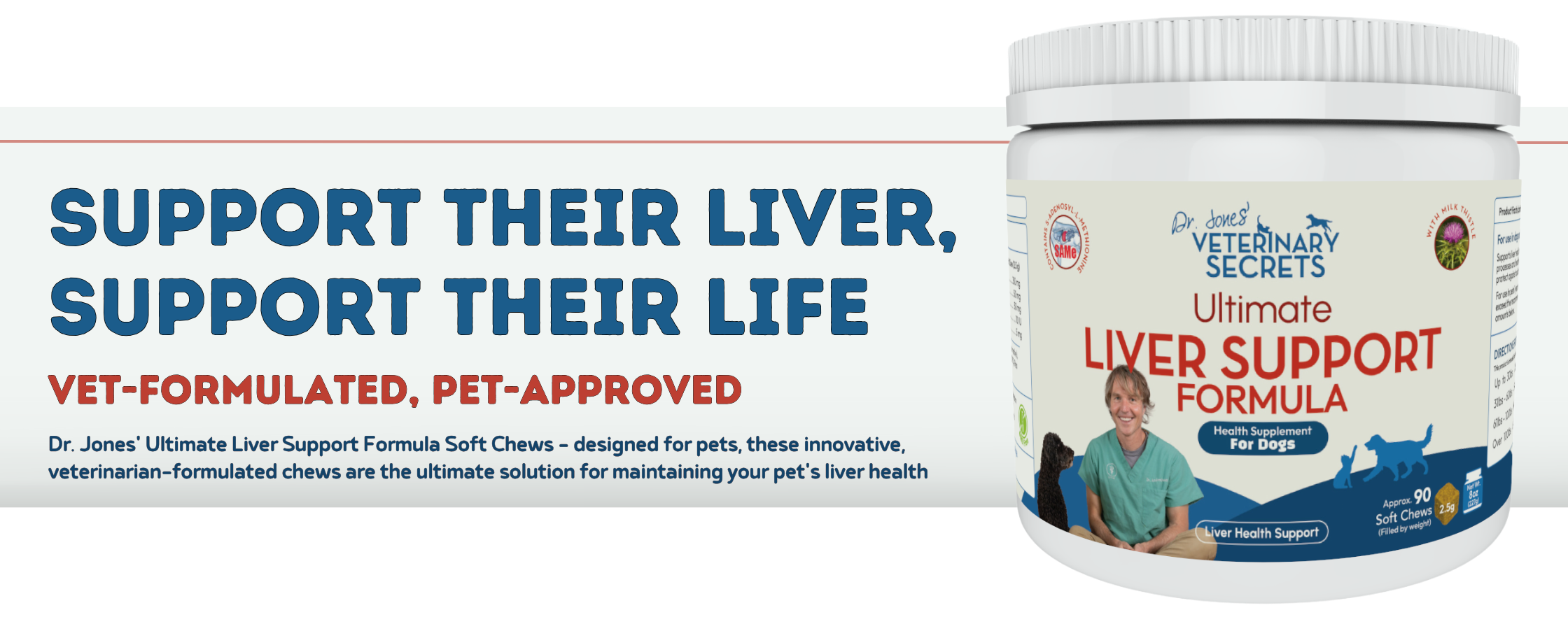
Dr. Jones’ Liver Support Formula includes ingredients such as milk thistle, SAM-e, dandelion root, and 95% curcumin.
This is not to replace treatment. It is to support the body while treatment is happening.
Dr. Jones’ Ultimate Liver Support Formula Soft Chews
Artemisinin: Malaria Treatment
Artemisinin is an herb-derived compound best known for its use in malaria treatment.
It has also been studied in other areas, including cancer research and parasite-related discussions.

Some natural and integrative practitioners have discussed artemisinin as a possible support option for heartworm or microfilariae.
Suggested Amount:
The dose discussed is:
- About 1 mg per lb of body weight
- Or about 10 mg per 10 lbs of body weight
Best For / Not For
Best For
Natural mosquito prevention may be helpful for:
- Dogs in low-risk areas
- Dogs with minimal mosquito exposure
- Dogs who react poorly to some parasite products
- Pet parents wanting extra mosquito reduction
- Dogs already on prescription prevention who need added bite protection
Natural options alone are not enough for:
- Dogs with known exposure to heartworm-positive dogs
- Dogs that have tested heartworm-positive
Step-by-Step Heartworm Prevention Plan
Step 1: Know Your Local Risk
Ask your veterinarian how common heartworm is in your area.
Do not guess based on old information. Heartworm maps are changing.
Step 2: Test Yearly
Dogs should be tested regularly, even when they are on prevention, especially if you notice possible signs of heartworm infection or live in a high-risk area with a visible mosquito problem.
Step 3: Use Prescription Prevention in High-Risk Areas
If you live in a high-risk heartworm area, use preventives and take steps to reduce mosquito bites.
This is especially important for outdoor dogs and dogs in mosquito-heavy areas.
Step 4: Reduce Mosquito Bites
Remove standing water. Avoid dawn and dusk. Consider safe repellents.
Step 5: Support the Immune System
Feed better food when possible. Add probiotics, omega-3s, sardines, or liver if your dog tolerates them.
Step 6: If Positive, Treat Properly
If your dog tests positive, ask about all options:
- Melarsomine or Immiticide
- Moxi-doxy
- Liver support
- Follow-up testing
Final Thoughts
Heartworm is spreading, and pet parents need to take it seriously.

If you live in a high-risk area, prescription prevention is the smart choice. Yes, we can talk about side effects. Yes, we can choose safer options. Yes, we can reduce mosquito exposure naturally.
But the goal is to keep your dog from ever getting heartworm in the first place.
If your dog does test positive, there are treatment options. Melarsomine is the standard treatment. Moxidectin plus doxycycline may be a lower-cost alternative in some cases, but it is slower.
For prevention, think simple.
Fewer mosquitoes. Fewer bites. Better immune support. Smart use of preventives based on your dog’s real risk.
That is where I would start.
Click To Get A Free Copy of My E-Book!

P.S. If there is one thing I want you to remember, it is this: heartworm starts with a mosquito bite.
So yes, preventing mosquito exposure matters.
Dump the standing water. Skip the dusk mosquito buffet. Use safe repellents where appropriate. Support your dog’s immune system with better food, omega-3s, probiotics, and maybe a little liver.
And if you live in a high-risk area like Texas, Florida, Louisiana, or Mississippi, use prevention. Then use the natural tools to reduce the number of bites.
That is the sensible plan.
P.P.S. If your dog is ever diagnosed with heartworm and cost is the big barrier, ask your veterinarian about the moxidectin and doxycycline protocol.
It is not instant. But for some dogs and some families, it may be a more affordable path than standard injection treatment.