Flea and Tick Medications for Dogs and Cats: Side Effects, Cancer Concerns, and Long-Term Health Risks

Can Long-Term Flea and Tick Medications Harm Your Dog or Cat?
Flea and tick medications can effectively protect dogs and cats from parasites, but some have documented side effects, including neurological reactions such as tremors, poor coordination, and seizures. Research has also raised concerns about associations between certain insecticide exposures and bladder cancer in dogs, while other studies suggest that some pesticides can affect gene regulation.
But here’s the important distinction.
We have evidence of neurological side effects associated with certain flea and tick medications. We also have research linking some insecticide exposures with bladder cancer. What we don’t yet know is whether regularly using every modern flea and tick medication causes long-term genetic damage or cancer in our pets.
And that’s something I think we need to take seriously.
I’ve spoken many times about the potential risks of conventional flea and tick medications.
There are now so many products available that it’s easy to assume they’re all similar, equally safe, and suitable for continuous use.
But they contain different active ingredients, work in different ways, and can have different potential side effects.
Some are applied to the skin. Others are given orally.
And some newer medications work by targeting the nervous system of fleas and ticks.
Now, I understand why pet parents use these products. Fleas and ticks are real problems, and the diseases they carry can be serious.
But I also believe we should be asking another question:
What could repeated exposure to these insecticides mean for our pets over the long term?
That’s what I want to discuss.
We’ll look at the medications commonly used, their neurological side effects, the research involving bladder cancer, and an area that concerns me even more: epigenetic changes.
Then I’ll explain why I prefer an integrated approach to flea and tick prevention that considers unnecessary chemical exposure, nutrition, skin health, and your pet’s overall well-being.
Dr. Jones’ Flea & Tick Collar for Dogs

Dr. Jones’ Flea & Tick Collar for Cats





What Are Flea and Tick Medications, and How Do They Work?
Flea and tick medications are products designed to kill or control external parasites.
Some are applied directly to your pet’s skin, while others are given as tablets or chewable medications.
These products contain ingredients that affect the biology of fleas, ticks, or both.
And depending on the medication, the active ingredients may be absorbed into your pet’s body or remain associated with the skin and coat.
Which Flea and Tick Medications Are Commonly Used?
There are many different products available.

Some of the names pet parents will recognize include:
-
Advantage
-
Advantage Plus
-
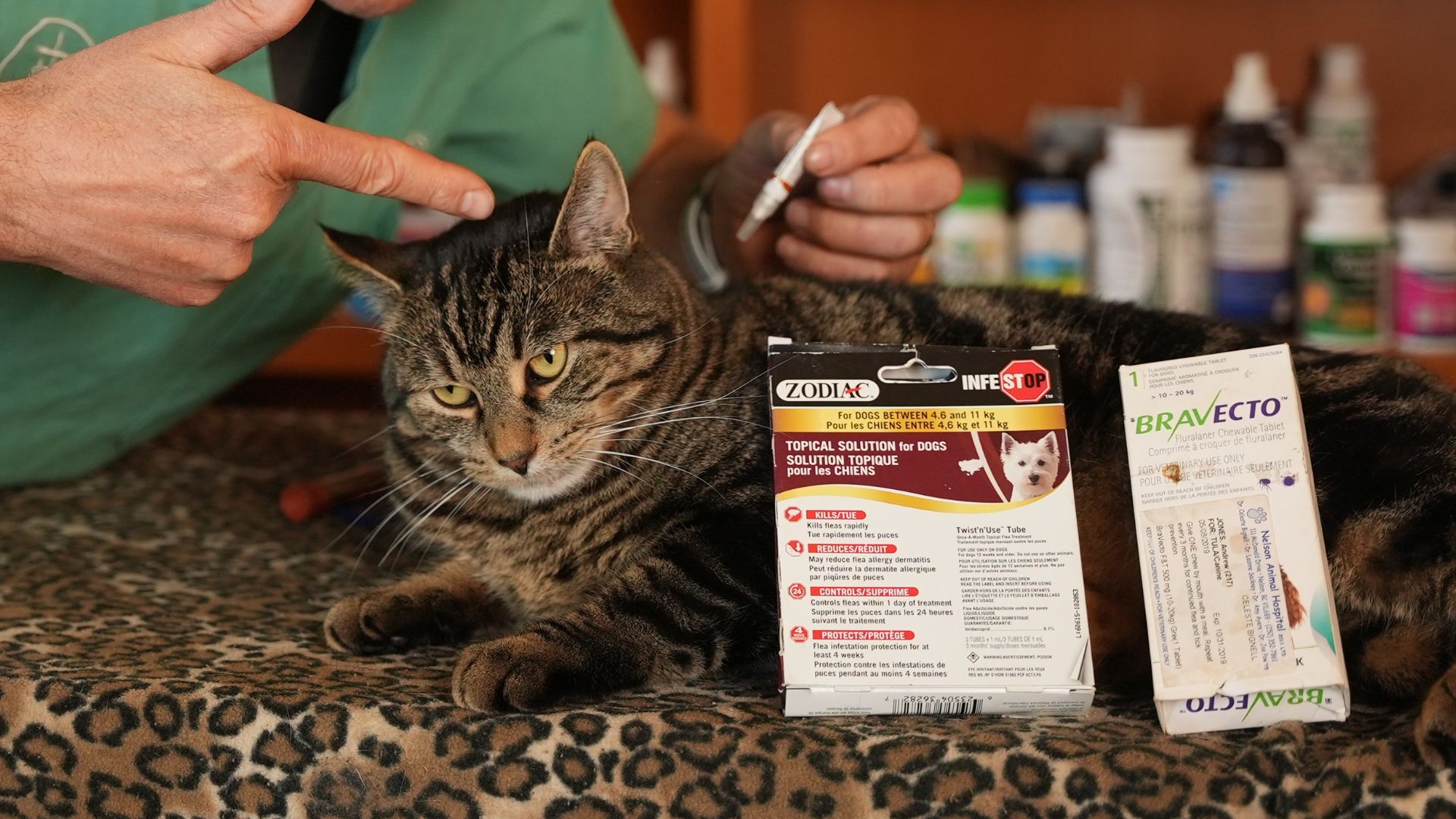
Bravecto
-
NexGard
-
Simparica
-
Comfortis
-
Credelio
-
NexGard Plus
These products do not all contain the same ingredients or belong to the same drug class.
And that’s important when discussing safety.
We shouldn’t assume that evidence involving one insecticide automatically applies to every other medication.
Why Do Some Flea and Tick Medications Affect the Nervous System?
Certain classes of flea and tick medications work by interfering with the nervous systems of the parasites.
That makes sense from a pest-control perspective.
If you can disrupt essential nerve signaling in a flea or tick, you can kill the parasite.
But this raises a question I’ve discussed before.
Could a medication designed to affect the nervous system of an insect also affect your dog’s or cat’s nervous system?
With some flea and tick medications, neurological adverse reactions have been reported.
And that’s one of the main safety concerns I want pet parents to understand.
What Are the Neurological Side Effects of Flea and Tick Medications?
Neurological adverse reactions associated with certain flea and tick medications can include ataxia, muscle tremors, weakness, seizures, and, in severe poisoning cases, serious neurological impairment.
Fortunately, most pets receiving these medications do not experience severe neurological reactions.
I want to make that clear.
But the potential side effects are documented, and there are pet parents who have seen these reactions firsthand.
What Symptoms Should You Watch For?
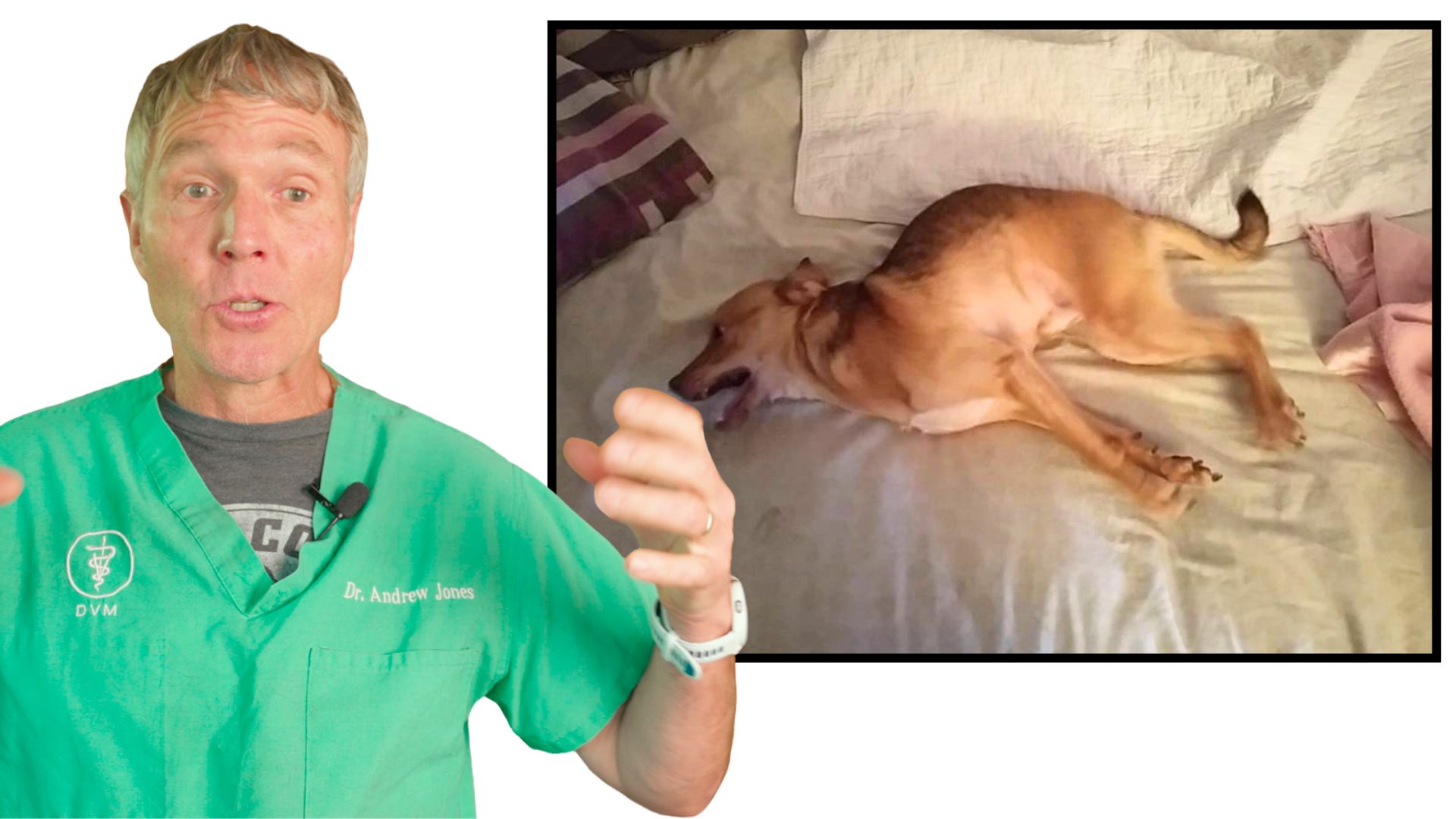
Some of the neurological signs I’ve discussed include:
| Symptom | What You Might Notice |
|---|---|
| Ataxia | Poor coordination or difficulty walking normally |
| Swaying | Unsteady movement or loss of balance |
| Weakness | Difficulty standing or moving normally |
| Muscle tremors | Involuntary shaking or twitching |
| Seizures | Episodes of abnormal neurological activity |
| Severe neurological impairment | Markedly reduced responsiveness or, in extreme cases, coma |
These symptoms deserve attention, particularly if they develop after your pet receives a flea or tick medication.
Do All Dogs and Cats Experience These Side Effects?
No.
The majority of pets using these medications don’t experience severe neurological side effects.
That’s important to recognize.
But the fact that most animals tolerate a medication doesn’t mean that adverse reactions cannot occur.
Individual animals can respond differently.
And if your dog or cat has experienced a neurological reaction after receiving one of these products, I would want your veterinarian to know.
Why Am I Concerned About Repeated Exposure?
My concern extends beyond the immediate reaction.
Some flea and tick medications are used repeatedly, month after month.
Others are designed to remain effective for extended periods.
And in some situations, pets may receive different parasite-control products over time.
I think it’s reasonable to ask what repeated exposure could mean for an animal’s long-term health.
That doesn’t mean every medication causes cumulative damage.
But I believe it is a question worth investigating, particularly when we’re dealing with substances designed to kill living organisms.
Can Flea and Tick Medications Increase the Risk of Bladder Cancer in Dogs?
A peer-reviewed study discussed in my presentation found an association between exposure to certain conventional flea and tick insecticides and an increased risk of bladder cancer in dogs. The insecticide groups discussed included pyrethrins, organophosphates, and carbamates.
This finding caught my attention.
We’ve known about certain neurological side effects associated with flea and tick medications.
But cancer is a different concern.
And the possibility that insecticide exposure could contribute to bladder cancer raises some important questions.
Which Insecticides Were Discussed in the Study?
The study discussion involved several conventional insecticide groups.
These included:
-
Pyrethrins
-
Organophosphates
-
Carbamates
These substances have been used in pest-control applications, including products intended to control fleas and other insects.
The study reported an association between exposure to these types of insecticides and bladder cancer in dogs.
However, that association does not establish that all flea and tick medications cause bladder cancer.
And it doesn’t mean that every dog exposed to these chemicals will develop the disease.
How Could Insecticides Affect the Bladder?
One possible explanation involves how chemicals and their metabolites are processed and eliminated from the body.
When substances are absorbed, the body may metabolize them and eliminate some of the resulting compounds through the kidneys.
Those compounds can then be present in the urine.
And urine is stored in the bladder.
That creates a possible route for certain chemicals to come into contact with the cells lining the urinary bladder.
Researchers have investigated this kind of exposure when studying bladder cancer risk.
What Are Epigenetic Changes, and Why Do They Matter for Pet Health?
Epigenetics refers to changes in how genes are regulated or expressed without necessarily changing the underlying DNA sequence. Environmental exposures, including certain chemicals, can influence these processes.
This is an area of research that I find particularly fascinating.
Because it changes how we think about the relationship between genetics and disease.
We used to focus heavily on the genes an animal inherited from its parents.
And yes, inherited genetics are important.
But the environment also influences how genes function.
How Does the Environment Affect Your Pet’s Genes?
Think about what your dog or cat encounters throughout life.

That includes:
-
The food they eat
-
The air they breathe
-
Chemicals in their surroundings
-
Substances absorbed through their skin
-
Medications and insecticides they receive
These environmental factors can influence biological processes involved in gene regulation.
And some of those changes may affect inflammation, cellular function, and responses to disease.
For me, that’s an important reason to look beyond inherited genetics when considering long-term pet health.
Does Epigenetics Mean Your Pet’s DNA Is Being Damaged?
Not necessarily.
This distinction matters.
Epigenetic changes affect how genes are regulated.
They do not always involve damage to the DNA sequence itself.
I’ve previously discussed estimates suggesting that environmental factors can play a very large role in disease-related biological changes, sometimes citing figures as high as 75%.
But we should not interpret that as evidence that flea and tick medications account for 75% of DNA damage.
That hasn’t been established.
The key point is that environmental exposures can influence gene activity, and scientists are studying how some of these changes relate to disease.
How Can Pesticides and Insecticides Affect Gene Expression?
Research involving certain pesticides and insecticides has identified changes in biological processes associated with epigenetic regulation.
Three of the mechanisms I’ve discussed are:
-
DNA methylation
-
Histone modification
-
Changes involving messenger RNA and gene regulation
These processes help control how cells function.
And when they’re disrupted, normal biological responses may change.
1. What Is DNA Methylation?
DNA methylation is one mechanism involved in regulating gene expression.
It can influence whether particular genes are more or less active.
Researchers have observed changes in DNA methylation associated with some chemical exposures.
And that’s important because genes help regulate many biological processes.
2. What Is Histone Modification?
DNA is organized around proteins called histones.
Chemical changes involving these proteins can influence how accessible different regions of DNA are.
This can affect gene expression.
Certain pesticide exposures have been investigated for their potential effects on histone-related regulation.
The concern is that disrupting normal gene regulation may influence cellular functions involved in disease.
3. How Can Insecticides Affect Messenger RNA?
Messenger RNA, or mRNA, plays an important role in how genetic information is used to produce proteins.
Some research has investigated how insecticide exposure may alter processes involving RNA expression and regulation.
And these processes can influence proteins involved in:
-
Inflammation
-
Cellular signaling
-
Normal cell function
-
Regulation of cell growth
-
Programmed cell death
That brings us to another important concept.
Apoptosis.
What Is Apoptosis, and Why Is It Important in Cancer Prevention?
Apoptosis is the process of programmed cell death. It helps the body remove cells that are damaged, unnecessary, or no longer functioning properly.

It’s one of the body’s normal protective processes.
And I think it’s especially relevant when we’re discussing cancer.
What Happens When Apoptosis Doesn’t Work Properly?
Normally, cells are carefully regulated.
They grow, perform their functions, and are removed when appropriate.
But if the mechanisms controlling cell growth or cell death become disrupted, abnormal cells may survive when they shouldn’t.
And uncontrolled cell growth is one of the defining features of cancer.
Can Pesticides Interfere With Apoptosis?
Some experimental research involving pesticides has investigated their effects on gene regulation and processes related to apoptosis.
This is part of why scientists are interested in the potential long-term effects of certain chemical exposures.
But here’s the important distinction.
Evidence that some pesticides can affect apoptosis-related pathways does not prove that routine flea and tick medication use causes cancer in dogs or cats.
That specific relationship requires further research.
Still, the biological mechanisms are worth understanding.
Because they help explain why researchers are looking beyond immediate poisoning and neurological reactions.
Which Insecticides Have Been Studied for Epigenetic Effects?
Several insecticides and related compounds have been discussed in research involving gene regulation.
Examples I’ve highlighted include:
-
Permethrin
-
Malathion
-
Fipronil
-
Certain ivermectin-related compounds
Fipronil is an ingredient pet parents may recognize from Frontline products.
These substances have different mechanisms and uses.
And studies investigating their biological effects do not necessarily examine the same doses, species, or exposure conditions.
What Do These Studies Suggest?
Research involving some insecticides has examined changes related to:
-
DNA methylation
-
Histone modification
-
Gene expression
-
Inflammatory regulation
-
Cell-growth pathways
These findings raise questions about how chemical exposures might influence health over time.
But results from experimental studies cannot automatically be applied to every commercial flea and tick product used according to its label.
Does This Mean Frontline or Other Flea Medications Change Your Dog’s DNA?
We cannot make that conclusion from the information discussed.
Some research has investigated epigenetic effects involving compounds such as fipronil.
But that isn’t the same as showing that normal use of a particular commercial product causes clinically important genetic damage in dogs.
The exposure amount, route, duration, and animal species all matter.
I think this is an area where more veterinary-specific research would be valuable.
Do Newer Flea and Tick Medications Cause Epigenetic Damage?
There is not enough evidence from the research discussed to conclude that newer flea and tick medications cause epigenetic damage in dogs or cats when used as prescribed.

This is one of the biggest unanswered questions.
We’ve discussed neurological adverse reactions.
We’ve discussed research linking certain conventional insecticide exposures with bladder cancer.
And we’ve discussed studies showing that some pesticides can affect gene regulation.
But do these findings establish that medications such as Bravecto, NexGard, Simparica, Comfortis, Credelio, or NexGard Plus cause epigenetic damage?
No.
We don’t have that answer from the evidence presented.
Why Am I Still Concerned?
Because many pets receive parasite-control medications repeatedly over long periods.
And we know that environmental chemical exposures can have biological effects beyond their intended targets.
So I think it makes sense to continue investigating possible long-term consequences.
But we need to distinguish between a reasonable concern and an established clinical risk.
I can’t tell you that giving your dog one of these medications will cause genetic changes.
And I can’t tell you that it will cause cancer.
What I can say is that I would like to see more long-term research.
Could Repeated Exposure Increase Risk?
Repeated exposure is one factor researchers consider when studying chemical safety.
But whether risk increases depends on the specific substance, its concentration, how it behaves in the body, and the animal receiving it.
We shouldn’t assume that repeated use automatically creates a harmful accumulation.
At the same time, I believe reducing avoidable exposure is a reasonable goal.
Especially if we can maintain effective flea and tick prevention while being more selective about which products we use.
Could Flea and Tick Medications Be Contributing to Rising Cancer Rates in Dogs?
This is a question I’ve asked myself.
We know that some dog breeds have relatively high rates of cancer.
And we also know that animals are exposed to a range of environmental substances throughout their lives.
Could certain insecticides contribute to that overall environmental burden?
It’s possible.
But can we blame the increasing number of cancer diagnoses in dogs entirely on flea and tick medications?
No.
We simply don’t have the evidence to make that claim.
Cancer is complex, and we cannot attribute it to one exposure without appropriate research.
My concern is that we should be investigating the potential contribution of repeated chemical exposure rather than assuming it has no long-term consequences.
And in the meantime, I believe pet parents can make thoughtful decisions about reducing unnecessary exposure.
Are Natural Flea and Tick Treatments Better Than Conventional Medications?
Natural flea and tick prevention may help reduce reliance on certain conventional insecticides, but natural methods are not automatically effective or safe. The best approach is one that controls parasites while considering your pet’s individual health and exposure risks.

This is why I favor looking at flea and tick control as a bigger picture.
It isn’t simply a matter of choosing between a pill and an essential oil.
We need to consider the parasites themselves.
The diseases they may transmit.
Your pet’s environment.
Nutrition.
Skin health.
And the safety and effectiveness of whatever prevention method you choose.
Why Not Simply Stop Using All Flea and Tick Medications?
Because fleas and ticks can cause real health problems.
And some pets live in environments where parasite exposure is substantial.
So I wouldn’t recommend abandoning prevention without having a reasonable alternative.
The goal is to control parasites effectively while avoiding chemicals that aren’t necessary for your particular pet.
What Does an Integrated Approach Mean?
For me, it means considering several parts of flea and tick prevention rather than relying exclusively on repeated medication.
These include:
-
Understanding flea and tick exposure
-
Identifying hidden pesticide sources
-
Supporting skin health
-
Reviewing nutrition
-
Supporting a healthy gut microbiome
-
Considering appropriate natural pest-control methods
-
Understanding diseases carried by fleas and ticks
-
Evaluating when conventional parasite prevention is necessary
Not every step will be the same for every dog or cat.
And that’s exactly the point.
Final Thoughts: Should You Be Concerned About Long-Term Flea and Tick Medication Use?
I’ve been concerned about the potential side effects of conventional flea and tick medications for years.
And we know some of those concerns are real.

Certain medications have documented neurological adverse reactions.
We’re talking about symptoms such as ataxia, muscle tremors, weakness, and seizures.
Fortunately, most pets don’t experience these reactions.
But they do happen.
And now there are other questions that I think deserve more attention.
A peer-reviewed study discussed an association between certain conventional insecticide exposures and bladder cancer in dogs.
And experimental research involving some pesticides has identified changes in important processes involved in gene regulation.
DNA methylation.
Histone modification.
Messenger RNA regulation.
These processes help regulate inflammation, cell function, and programmed cell death.
And when normal cellular regulation is disrupted, there can be implications for disease.
Now, does that mean every dog receiving a flea and tick medication will develop cancer?
Of course not.
Can I tell you that modern medications such as Bravecto, NexGard, Simparica, or Credelio are definitely causing epigenetic damage?
No.
We don’t have evidence to establish that.
But I do think these findings raise questions about the potential long-term effects of chemical exposure.
And I believe those questions deserve serious research.
My preference is to reduce unnecessary chemical exposure while maintaining effective protection from fleas, ticks, and the diseases they carry.
That means understanding the medications we’re using.
Looking at the potential side effects.
Considering the animal’s actual parasite exposure.
And exploring whether safe, effective natural approaches can play a role.
I also want us to pay more attention to our pets’ overall health.
Nutrition matters.
The gut microbiome matters.
Skin health matters.
And the environment our pets live in matters.
None of those things eliminates the need for effective parasite prevention.
But together, they can be part of a more thoughtful approach to caring for our dogs and cats.
I don’t want pet parents to be frightened of every medication.
I want them to be informed.
Because when we understand both the benefits and potential risks, we can make better choices for our animals.
And ultimately, that’s what Veterinary Secrets has always been about.
Helping you make informed decisions that support your pet’s health.
Click To Get A Free Copy of My E-Book!

P.S. If your dog or cat is taking a flea and tick medication, take a few minutes to learn which active ingredient it contains and what side effects have been reported. Neurological reactions such as tremors, poor coordination, and seizures are among the concerns associated with certain products. Most pets tolerate these medications, but I still want you to know what to watch for.
P.P.S. I’m particularly interested in the research involving pesticides and epigenetic changes. Certain insecticides have been shown in experimental studies to influence gene regulation. That doesn’t prove every modern flea and tick medication causes long-term harm, but I do believe it’s a good reason to keep investigating repeated exposure and avoid chemicals our pets don’t genuinely need.
P.P.P.S. If you’re interested in reducing unnecessary pesticide exposure, I encourage you to learn more about integrated flea and tick prevention. I’ve covered natural parasite control, nutrition, the gut microbiome, skin health, and important precautions for cats in Veterinary Secrets. The goal isn’t simply to stop using medication. It’s to find a safe, effective approach that makes sense for your individual pet.




Flea and Tick Medication Concerns: What Is Known and What Remains Uncertain?
Here’s how I would separate the different issues.
| Concern | What the Research or Reports Discussed Show | What Remains Uncertain |
|---|---|---|
| Neurological reactions | Documented adverse effects with certain medications | Which individual pets will experience reactions |
| Bladder cancer | An association reported with certain conventional insecticide exposures | Whether specific modern medications increase cancer risk |
| DNA methylation | Some pesticide studies have observed changes | The clinical significance for dogs and cats using flea medications |
| Histone modification | Investigated in experimental pesticide research | Long-term effects from labeled veterinary use |
| Messenger RNA and gene regulation | Some insecticides have been studied for these effects | Whether these changes lead to disease in treated pets |
| Apoptosis and abnormal cell growth | Biological pathways of interest in toxicology and cancer research | Whether routine flea medication exposure disrupts these pathways in pets |
| Long-term repeated exposure | An important question in medication safety | The effects of individual products over many years |