Fireworks Anxiety in Dogs and Cats: Natural Ways to Help

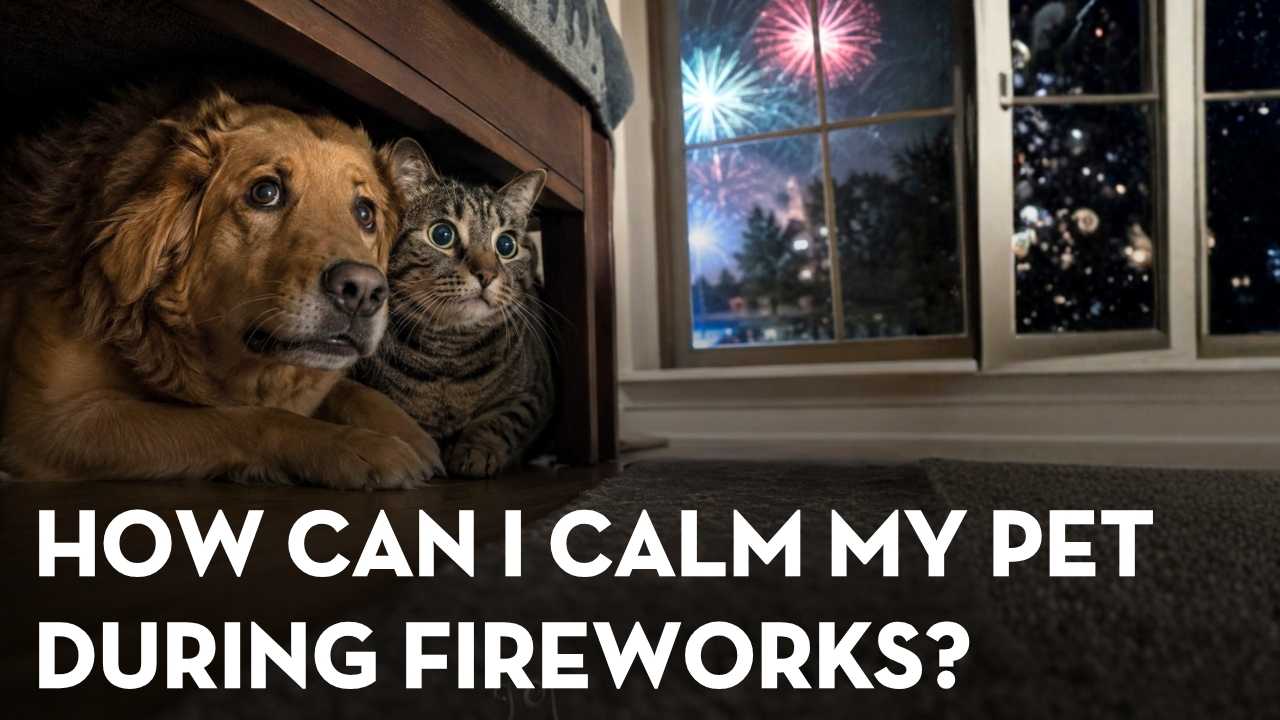
How Can You Help a Dog or Cat With Fireworks Anxiety?
If your dog or cat is scared of fireworks, thunderstorms, or loud noises, the best plan is to prepare before the noise starts.
Noise anxiety is very common in dogs. It is estimated to affect 33% of all dogs.
The signs can range from mild fear, like panting and hiding, to full panic, destructive behavior, and attempts to escape.
The good news is there are many natural options that may help, including acupressure, a calming wrap, pheromones, magnesium, music, CBD, valerian, L-theanine, melatonin, and alpha-casozepine.
For Tula, I found that a few simple things helped a lot: staying calm, using calming supplements, and even wrapping her in a big blanket when she was stressed.
Sometimes simple works.
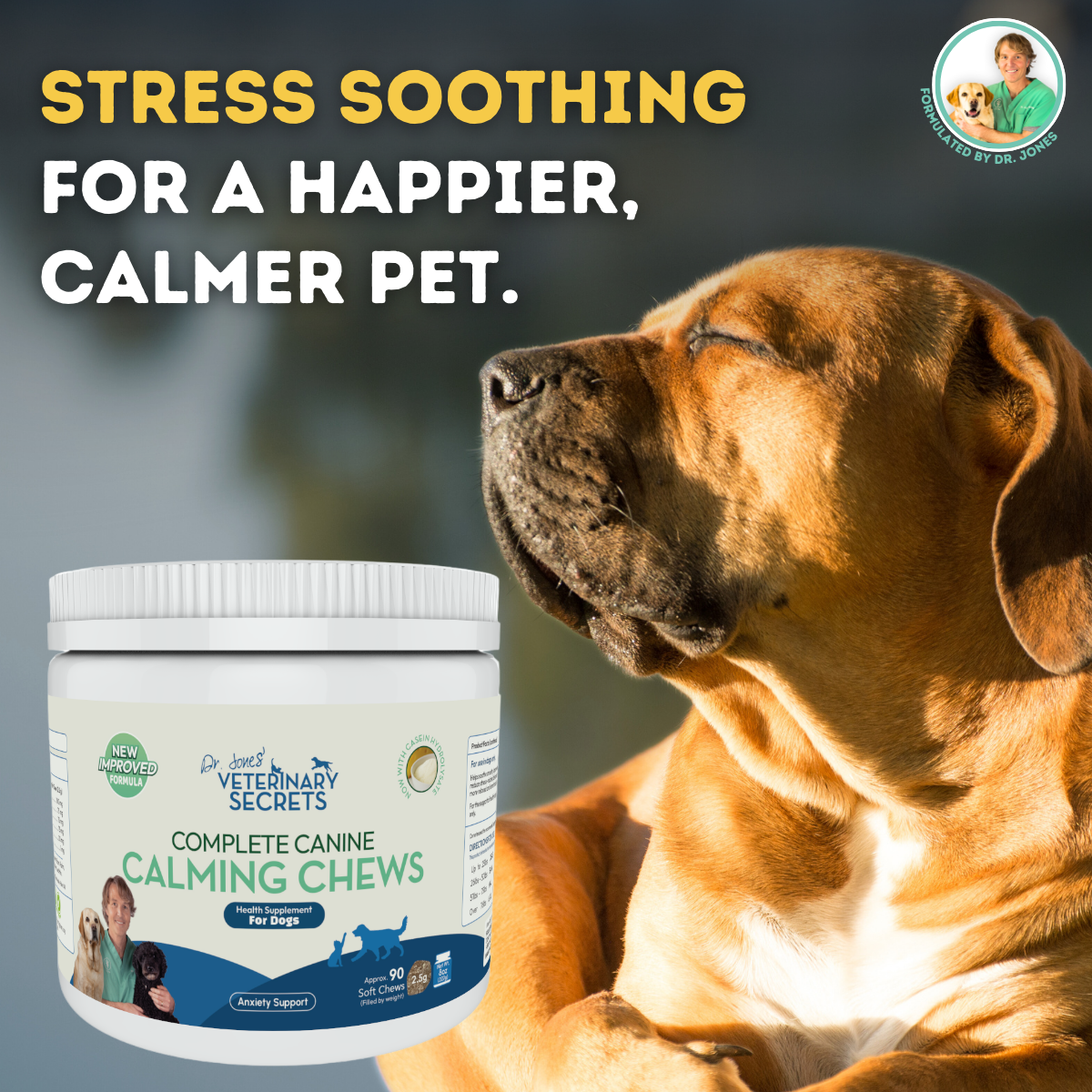
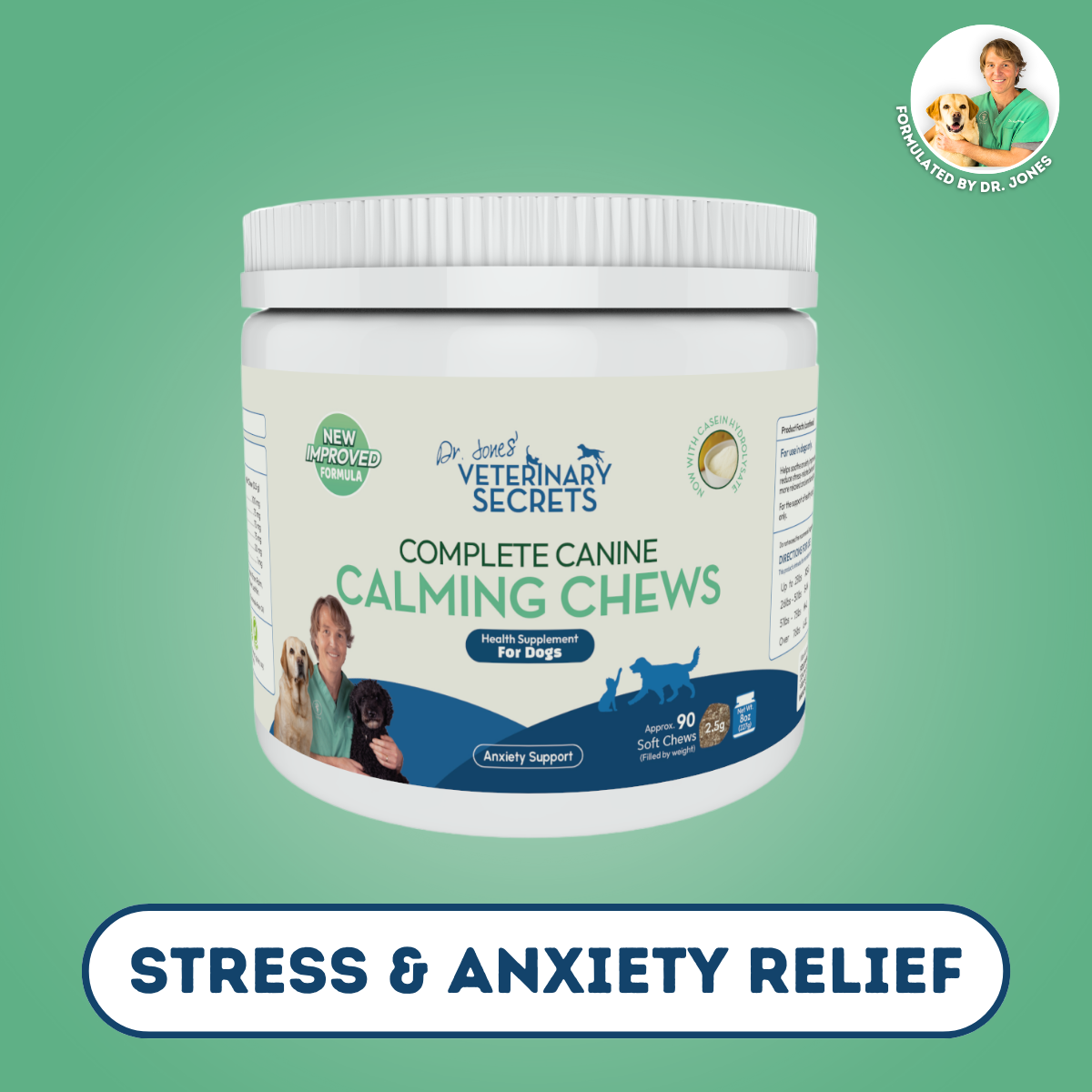
Dr. Jones’ Complete Canine Calming Chews (90 Count)





Why Are Dogs and Cats So Scared of Fireworks?
Dogs have very sensitive hearing.
Veterinarians have estimated that dogs can hear about 10 times better than we can.
So what sounds loud to you may feel terrifying to your dog.
Fireworks, thunder, smoke alarms, bagpipes, and sudden loud noises can all trigger anxiety.
And yes, I like the sound of bagpipes. My brother Michael, along with his sons Fraser and Ewan, all bagpipe, and Michael will be bagpiping in a Canada Day parade.
But I know Tula, and probably many dogs and a few people, find the pipes anxiety-inducing.
No offense to the pipes. They are just not exactly whisper music.
Can One Bad Experience Cause Noise Anxiety?
Yes, a single traumatic experience can trigger noise anxiety.
Repeated exposure to frightening stimuli can also make fear worse.
My family dog Max had his tail slammed in a door by the wind during a thunderstorm. After that, every storm produced a hiding, shaking Max.
That is how fast a dog can connect a loud sound with fear.
Once that fear pattern is created, it can be difficult to undo.
What Are the Signs of Fireworks or Thunderstorm Anxiety?
Most pet parents know when their dog is scared.
Your pet’s personality may suddenly change in response to noise.
Mild Fear Signs
Your dog or cat may:
- Pant
- Pace
- Tremble
- Hide
- Whine
- Cry
- Bark
- Try to stay close to you
- Lick lips
- Act restless
More Severe Anxiety or Phobia Signs
Some pets may:
- Panic
- Become extremely agitated
- Try to escape
- Chew furniture or doors
- Damage the house
- Run away
- Refuse to settle
- Tremble heavily
- Pant excessively
- Constantly whine or bark
Some dogs hide in the basement.
Some chew whatever they can find.
Some try to bolt.
And some just sit there trembling, looking at you like the sky has betrayed them.
Why Prevention Is So Important
Prevention is key.
The best time to help a noise-sensitive dog is before the fear becomes a full phobia.
Early socialization should include positive exposure to normal life sounds. This should happen during the socialization period, which is the first 3 to 12 weeks of age, and beyond.
That exposure should be paired with positive reinforcement, such as food treats.
The goal is to teach the puppy that noises are normal and not dangerous.
But there is one big caution.
Do not repeatedly expose a dog to fear-inducing experiences if the dog is already scared. Socialization is not helpful if the repeated experience is creating fear.
That can make things worse.
What Should You Avoid Doing?
Avoid punishment or correction.
Discipline is unlikely to reduce fear, and it is likely to make the situation worse.
If your dog is terrified of fireworks and you scold them, the dog does not think:
“Oh yes, how silly of me. I shall now be calm.”
They think:
“Fireworks are happening, and now my person is upset too.”
Not helpful.
How Should You Act When Your Dog Is Scared?
Stay calm.
If your dog reacts to noise, give a quick scratch, then go about your normal household routine.
If you act calm, your dog may be more likely to calm down.
Try not to dramatically over-comfort the fearful behavior.
The goal is not to ignore your dog. The goal is to show them that you are calm, safe, and not panicking.
How Can You Distract Your Pet During Fireworks?
When your pet starts acting nervous, redirect them with something positive.
Try:
- A favorite squeaky toy
- A tasty treat
- A food puzzle
- Calm play
- Gentle praise when they relax
You are teaching your pet to associate the noise with something better.
When your pet acts less nervous, give praise.
Over time, the next storm or fireworks event may become less frightening.
Can a Crate Help With Fireworks Anxiety?
For some dogs, yes.
Many dogs feel safer in a small confined space, such as a crate.
A crate can act like a den, helping your pet feel protected.
But this does not work for every dog.
Some dogs may hurt themselves trying to escape the crate.
If you want to use a crate, train your dog before the storm or fireworks. Do not suddenly trap a terrified dog in a crate during fireworks and hope for the best.
Stay close by and let your dog out if it is not going well.
Natural Remedies for Fireworks and Noise Anxiety
Here are the natural options I would consider for dogs and cats with noise anxiety.
1. Acupressure for Anxiety: The Yin Tang Point 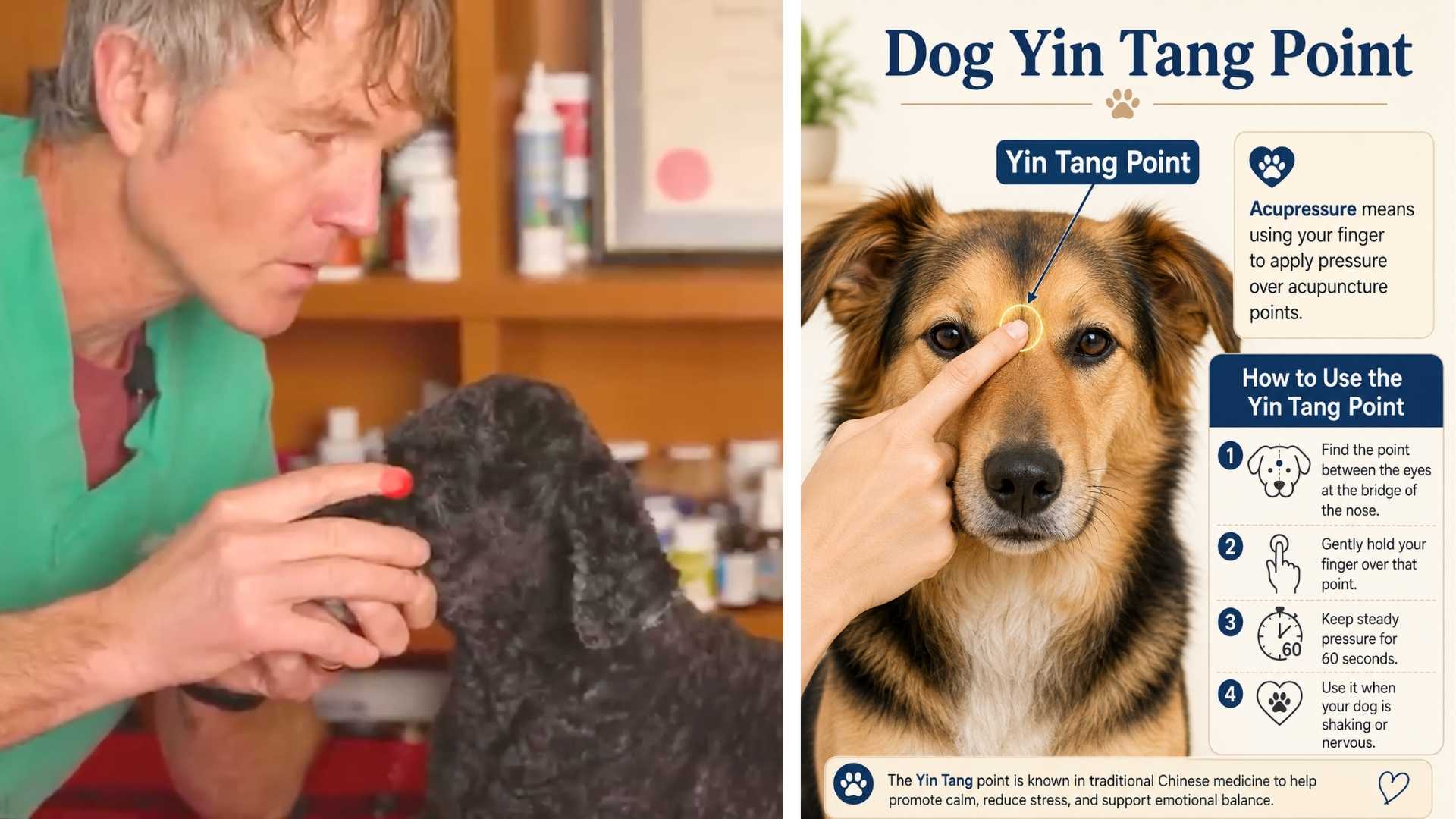
Acupressure means using your finger to apply pressure over acupuncture points.
The point I have found most helpful for anxiety and noise fear is the Yin Tang point.
It is located between your dog’s eyes, at the bridge of the nose.
And yes, it can work for people too.
How to Use the Yin Tang Point
- Find the point between the eyes at the bridge of the nose.
- Gently hold your finger over that point.
- Keep steady pressure for 60 seconds.
- Use it when your dog is shaking or nervous.
I have seen Tula respond very well to this point.
It is simple, free, and worth trying.
2. Thundershirt or Homemade Calming Wrap
A shirt wrapped snugly around your dog can help.
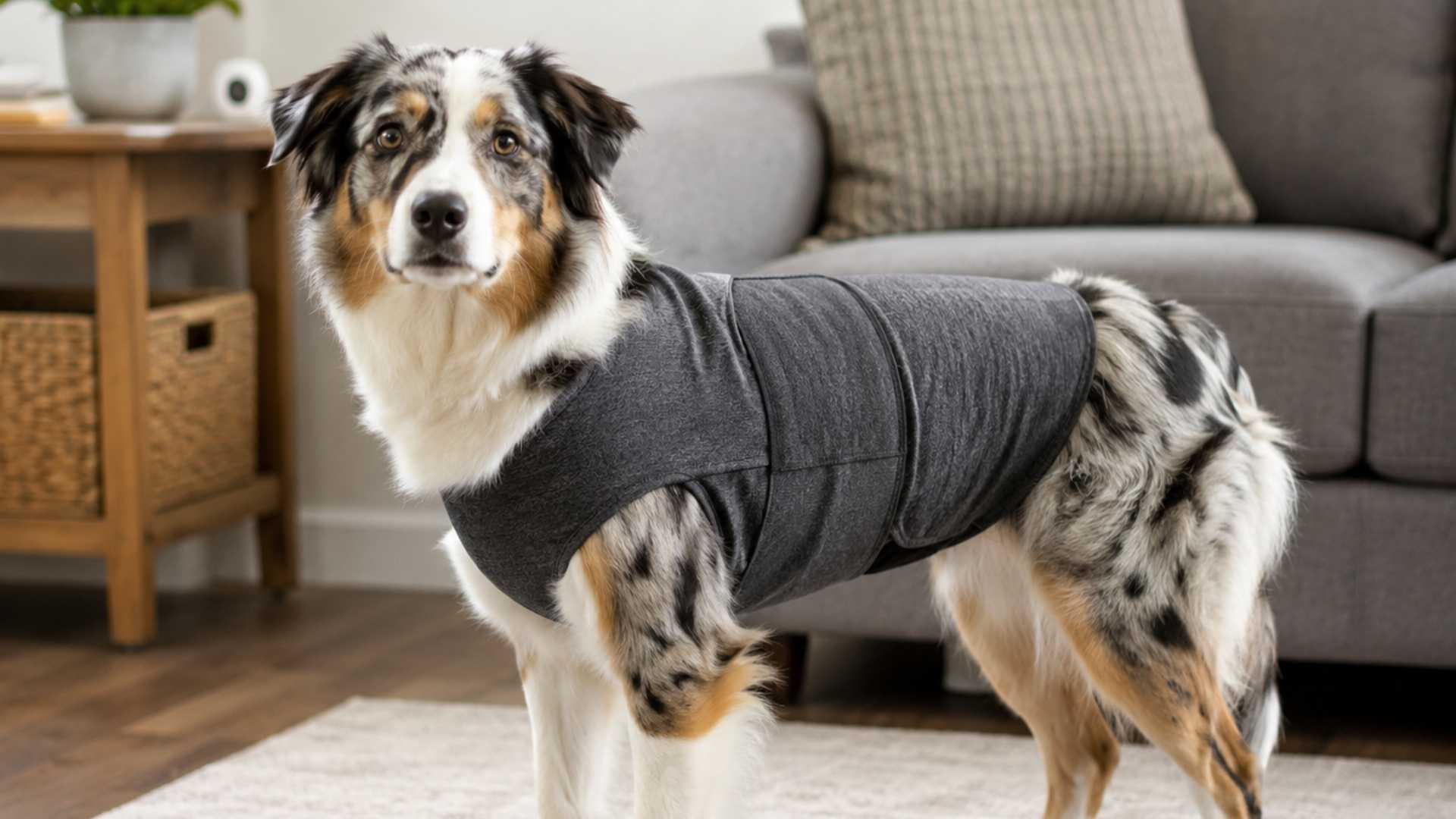
One product, called Thundershirt, claims that gentle, constant pressure has a calming effect for many dogs who are anxious, fearful, or over-excited.
This pressure can help calm the nervous system.
You can also make your own version by using a small shirt wrapped snugly around your dog’s chest and over the back.
Best For
A calming wrap may help dogs who:
- Tremble
- Pace
- Hide
- Pant
- Act nervous during fireworks or storms
For Tula, I found that wrapping her in a big blanket helped her feel more settled after I accidentally set off our smoke alarm.
She was not impressed with the smoke alarm.
Fair enough.
3. Pheromone Products for Noise Anxiety
Pheromone products may help dogs with noise and storm anxiety.
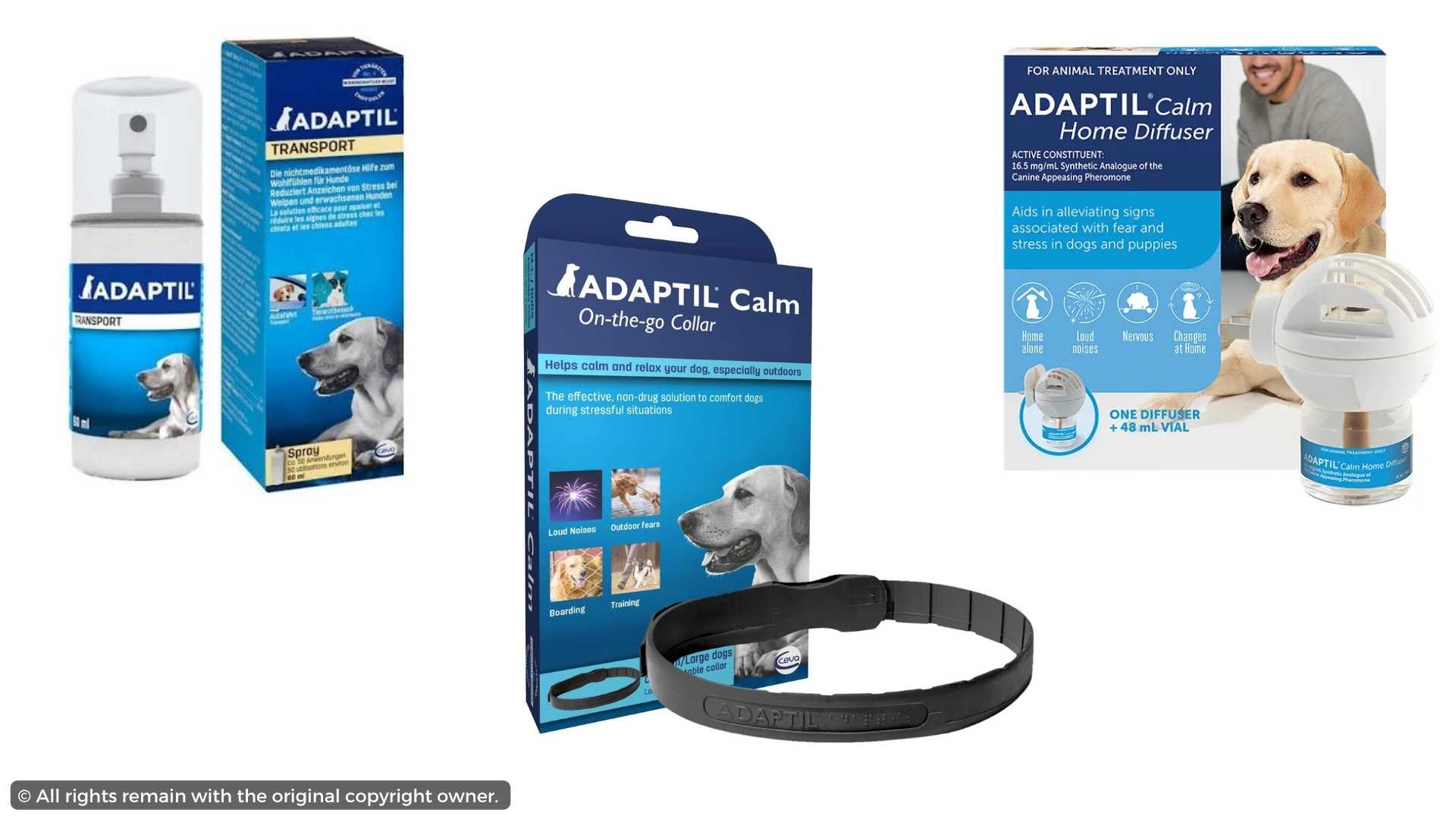
Adaptil contains a synthetic version of dog appeasing pheromone, also called DAP.
DAP reportedly helps provide reassurance and comfort to puppies and dogs of all ages.
One study mentioned in the source content showed that desensitization, using a sound CD, combined with DAP helped dogs handle their fear of fireworks.
This can be a useful option, especially when paired with training.
4. Magnesium for Stress and Sleep
Magnesium is an important supplement for stress and sleep.
It is an essential mineral that helps regulate GABA activation across much of the brain.
It is also involved in hundreds of biological processes.
Many dogs seem calmer while taking magnesium.
Magnesium Sources
Two forms mentioned are:
- Magnesium citrate
- Magnesium glycinate
Magnesium citrate is more bioavailable, but it may upset the stomach.
Magnesium glycinate is slightly less bioavailable but causes less stomach upset.
Magnesium Dose
Use:
- 2 to 5 mg per lb
- Twice daily as needed
5. Music for Fireworks Anxiety
Music can be surprisingly helpful.
Recent studies mentioned in the source content show that music can help soothe pets’ fears.
Classical music may create a calmer environment for dogs.
The music can help mask scary noises and reduce stress responses.
So when the sky starts roaring, do not just cover your dog’s ears.
Try some Mozart.
Just remember, every dog is different. What works for one may not work for another.
It is about finding the right tune for your pooch.
6. CBD for Dogs and Cats With Anxiety
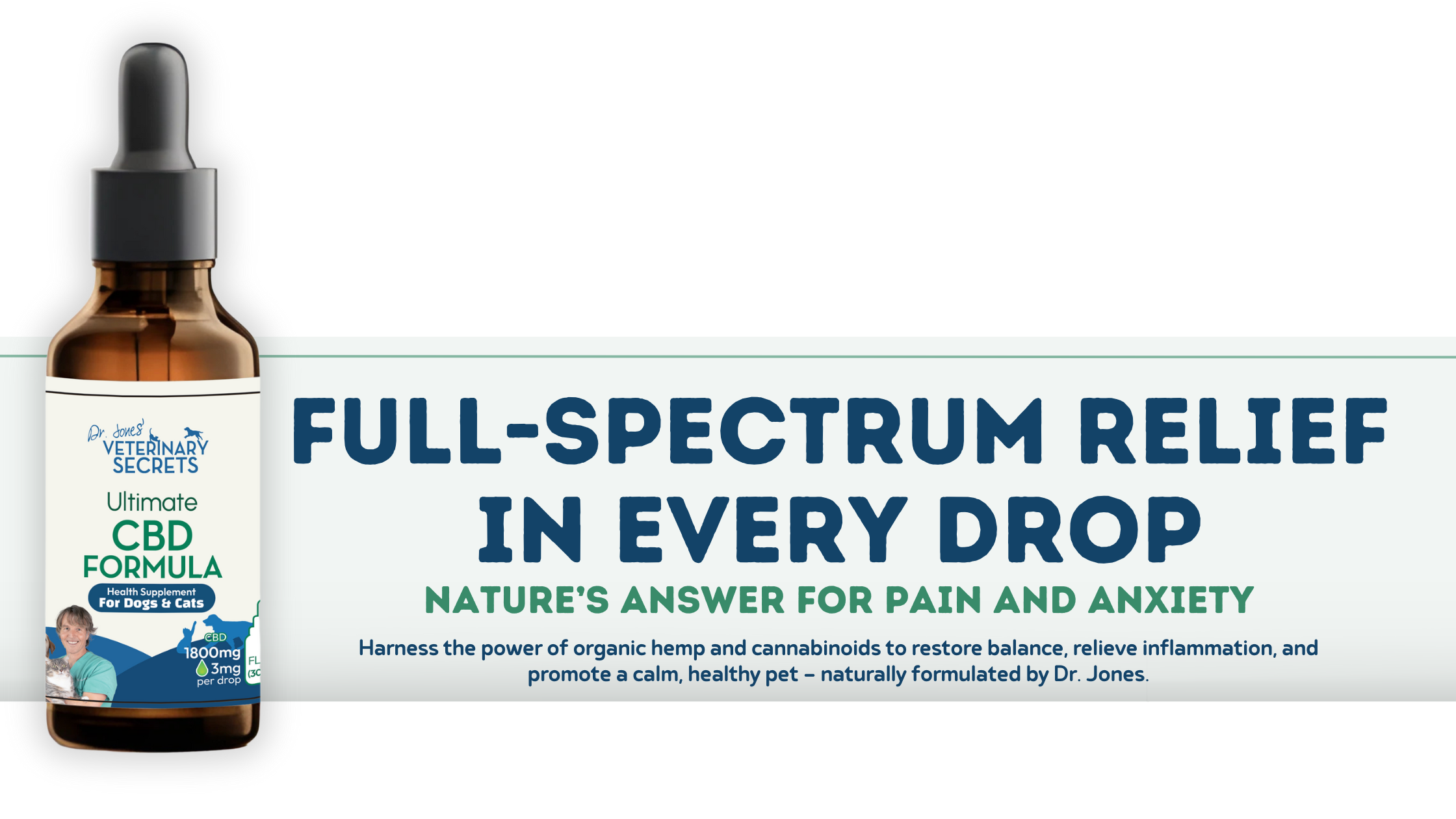
CBD, also called cannabidiol, has anti-anxiety properties.

I think it is a great option to give before loud noises, such as fireworks or thunderstorms.
For cats, I have found the most effective option is the calming cannabinoid from hemp, CBD.
Dr. Jones’ Ultimate CBD for Dogs and Cats is one of the options mentioned.
CBD Dose
Use:
- 3 to 6 mg per 10 lbs
- Every 4 to 6 hours
For Dr. Jones’ Ultimate CBD for Dogs and Cats, that equals:
- 1 to 2 drops per 10 lbs
For fireworks, I would give it before the noise starts when possible.
Do not wait until your dog is already climbing the curtains emotionally.
7. Valerian for Pet Anxiety
Valerian is an herb that acts on neuroreceptors in the brain.
It may decrease anxiety in your pet, but it needs to be given for 2 weeks.
Valerian Dose Options
| Form | Dose |
| Dried herb | 50 mg per lb |
| Extract | 1 drop per lb of body weight twice daily |
| Tincture standard dose | 1/2 ml per 20 lbs every 4 hours |
Valerian is better when you plan ahead.
This is not the one I would start 10 minutes after the fireworks begin.
8. L-Theanine for Longer-Term Calming
L-theanine is an amino acid from green tea.
It can be helpful for anxiety, but it is more of a long-term solution.
We used this often in veterinary practice.
L-Theanine Dose for Dogs
Use:
- 50 to 100 mg per 10 lbs
- Once to twice daily
This is one of the ingredients in calming supplements that may help anxious dogs.
9. Melatonin for Fireworks Anxiety
Melatonin is the sleep hormone, but it can also help some dogs with anxiety.
It helped Tula when she had bouts of anxiety.
Melatonin Dose
Use:
- 2 mg per 20 lbs
- Up to a maximum of 6 mg
- Twice daily
Give melatonin:
- 1 hour before the anxiety-inducing event
That timing matters.
If you know fireworks are coming, give it before your dog is already in panic mode.
10. Alpha-Casozepine for Calming Support
Alpha-casozepine is a natural bioactive peptide derived from bovine milk protein.
This is not the type of peptide the gym guys are talking about, but it is related in the sense that it is a bioactive peptide.
Alpha-casozepine acts as an anxiolytic nutraceutical by binding to GABA receptors in the brain.
It may help:
- Promote relaxation
- Reduce stress
- Avoid drowsiness
- Avoid dependency
- Avoid sedative side effects
This is one of the ingredients included in Dr. Jones’ Complete Canine Calming Chews.
Dr. Jones’ Complete Canine Calming Chews
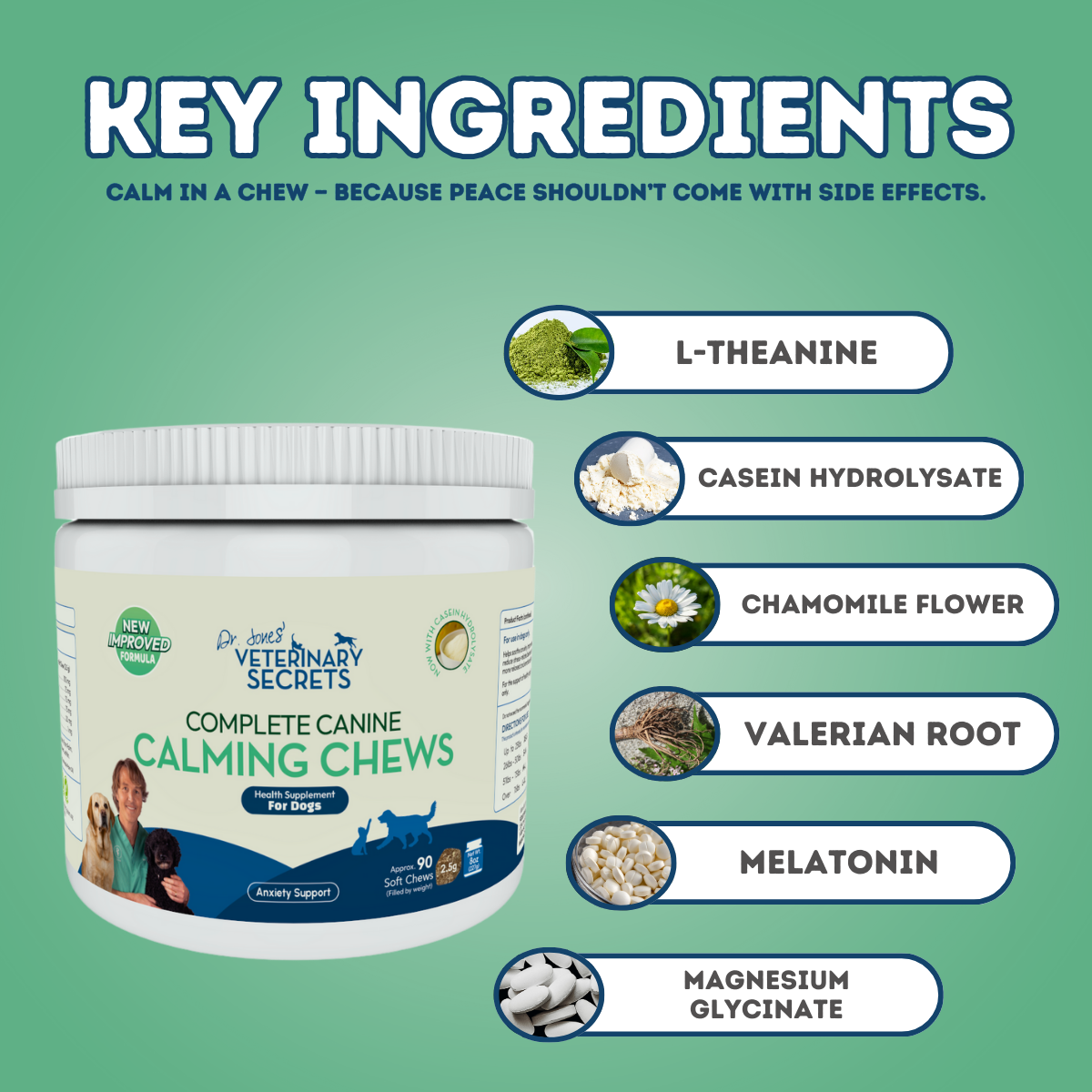
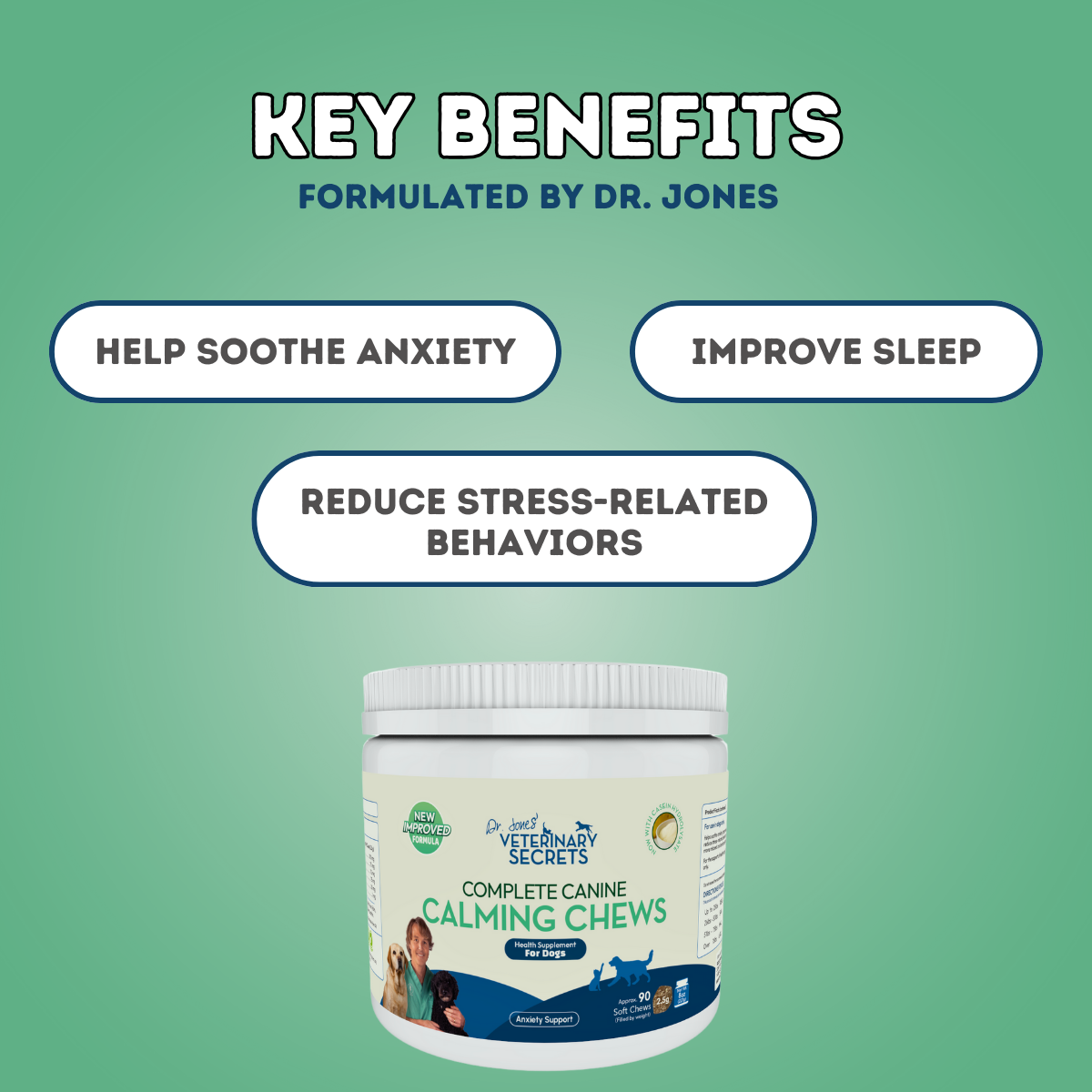
If you are looking for a calming supplement that includes several of these ingredients, Dr. Jones’ Complete Canine Calming Chews are newly reformulated.

They include ingredients such as:
- L-theanine
- Alpha-casozepine
- Melatonin
- Valerian
These are the types of ingredients that may help dogs with anxiety, including noise anxiety.
Quick Remedy Guide
| Remedy | Best Use | Dose or Use Mentioned |
|---|---|---|
| Acupressure, Yin Tang point | Fast calming support | Hold for 60 seconds |
| Thundershirt or snug wrap | Anxiety and over-excitement | Wrap gently around chest and back |
| Pheromone products | Noise and storm anxiety | Use product directions |
| Magnesium | Stress and sleep support | 2 to 5 mg per lb twice daily as needed |
| Music | Noise masking and calming | Try calming music, especially classical |
| CBD | Anti-anxiety support before loud noise | 3 to 6 mg per 10 lbs every 4 to 6 hours |
| Valerian | Anxiety support | See dosing section below |
| L-theanine | Longer-term calming support | 50 to 100 mg per 10 lbs once to twice daily |
| Melatonin | Anxiety and sleep support | 2 mg per 20 lbs, max 6 mg twice daily |
| Alpha-casozepine | Relaxation without sedation | Dose not specified in source text |
Step-by-Step Plan for Fireworks Anxiety
Step 1: Prepare Before the Fireworks Start
Do not wait until your dog is already panicking.
Set up a quiet, safe space before the noise begins.
Step 2: Stay Calm
Give a quick scratch, then act normal.
Your calm behavior can help your pet.
Step 3: Use Positive Distraction
Try a favorite toy, food treat, or calm activity.
Praise your pet when they relax.
Step 4: Try a Safe Space
Use a crate or small confined area only if your dog is already comfortable with it.
Stay nearby.
Step 5: Add Natural Support
Consider options such as:
- CBD
- Melatonin
- Magnesium
- L-theanine
- Valerian
- Alpha-casozepine
- Pheromones
- Music
- Acupressure
- Thundershirt or blanket wrap
Step 6: Watch Your Pet’s Response
Track what helps.
Every pet is different.
Step 7: Plan Better for Next Time
Noise anxiety often improves with preparation and consistency.
Do not wait until the next fireworks event to start planning.
Final Thoughts
Fireworks, thunderstorms, bagpipes, and sudden loud noises can be terrifying for many dogs and cats.
The best thing you can do is prepare early.
Stay calm. Avoid punishment. Use positive distraction. Create a safe space. Consider a calming wrap. Add natural support such as CBD, melatonin, magnesium, L-theanine, valerian, alpha-casozepine, music, pheromones, or acupressure.
For dogs, I like combining behavior support with calming supplements.
For cats, I have found CBD to be one of the most effective options.
The goal is not to make your pet fearless overnight.
The goal is to make the next loud event a little less frightening.
That is a win.
Click To Get A Free Copy of My E-Book!

P.S. If your dog has anxiety, start with the inexpensive home remedies.
Try the Yin Tang acupressure point. Use calming music. Create a safe space. Try a snug wrap or even a big blanket.
That worked well for Tula after I accidentally set off our smoke alarm.
She forgave me eventually.
I think.
P.P.S. The supplements I regularly used for Tula’s anxiety included the calming cannabinoid from hemp, CBD.
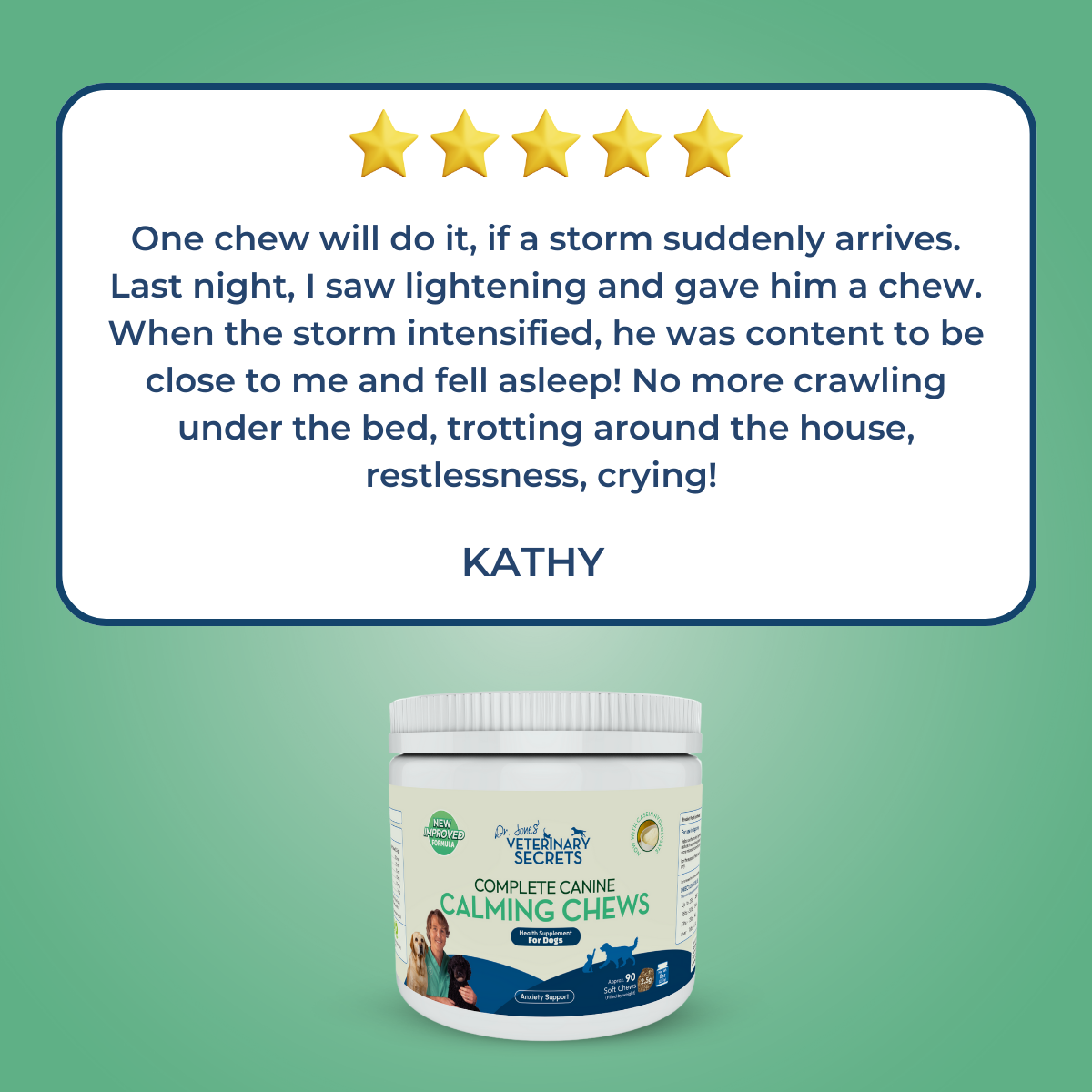
Ingredients such as L-theanine, alpha-casozepine, melatonin, and valerian may also help, and those are included in our newly reformulated dog calming supplement:


Hi Dr Jones, do you have an Aistralian stockist for you products?
If yes, can you send me the company names please?
If no, can we order direct from you? Would your products get irradiated coming through customs?
Thank you so much! Luv your vids! ??
At the moment we do not have an Australian stockist. You can order directly from us, but I cannot guarantee how Australian customs will handle incoming supplements. Customs requirements can change, so if irradiation is a concern, it is best to check with the Australian authorities before ordering.
Thanks again for your kind words and for being here!
On your calming chews it says chews per day and a weight category . My dog weights 70lbs / is it 3 chews at once or 1 tab up to 3 times a day ?
For a 70 lb dog, the recommendation is 3 chews per day. You can give all 3 at once, especially if you’re using them before a stressful event like fireworks, ideally about 30 to 60 minutes beforehand. If your dog does better with them spread out, that’s fine too.