Feeding an Overweight Pet: How to Help Dogs and Cats Lose Weight Safely

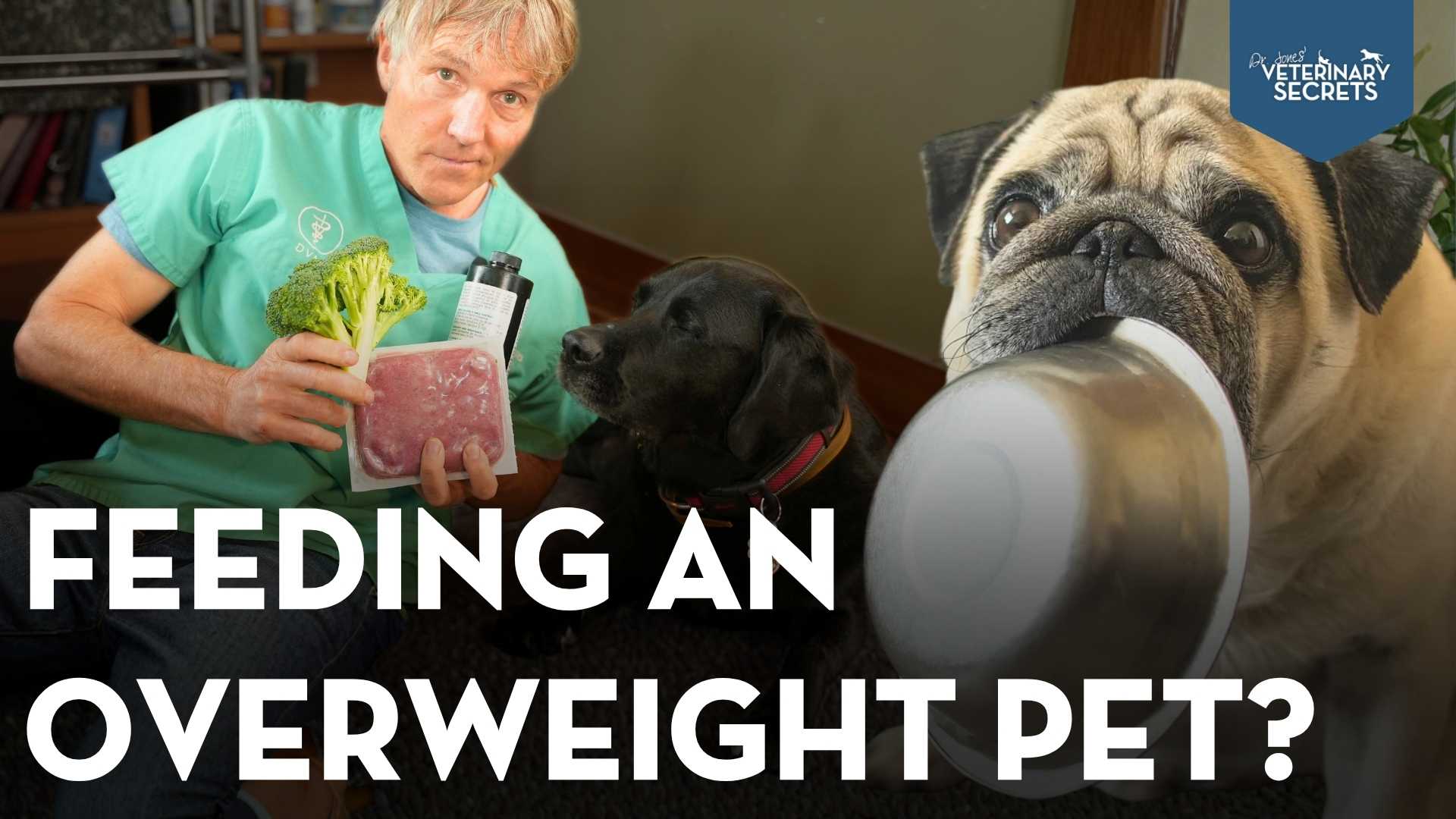
How Can You Help an Overweight Dog or Cat Lose Weight Safely?
The safest way to help your dog or cat lose weight is to reduce carbohydrates, feed more high-quality animal protein, measure food portions carefully, increase daily exercise, and aim for slow weight loss of 1 to 2% of body weight per week.
A good practical goal is about 15% weight loss over 3 to 4 months.
That may sound simple.
Then your indoor cat looks at you like you have personally betrayed the family.
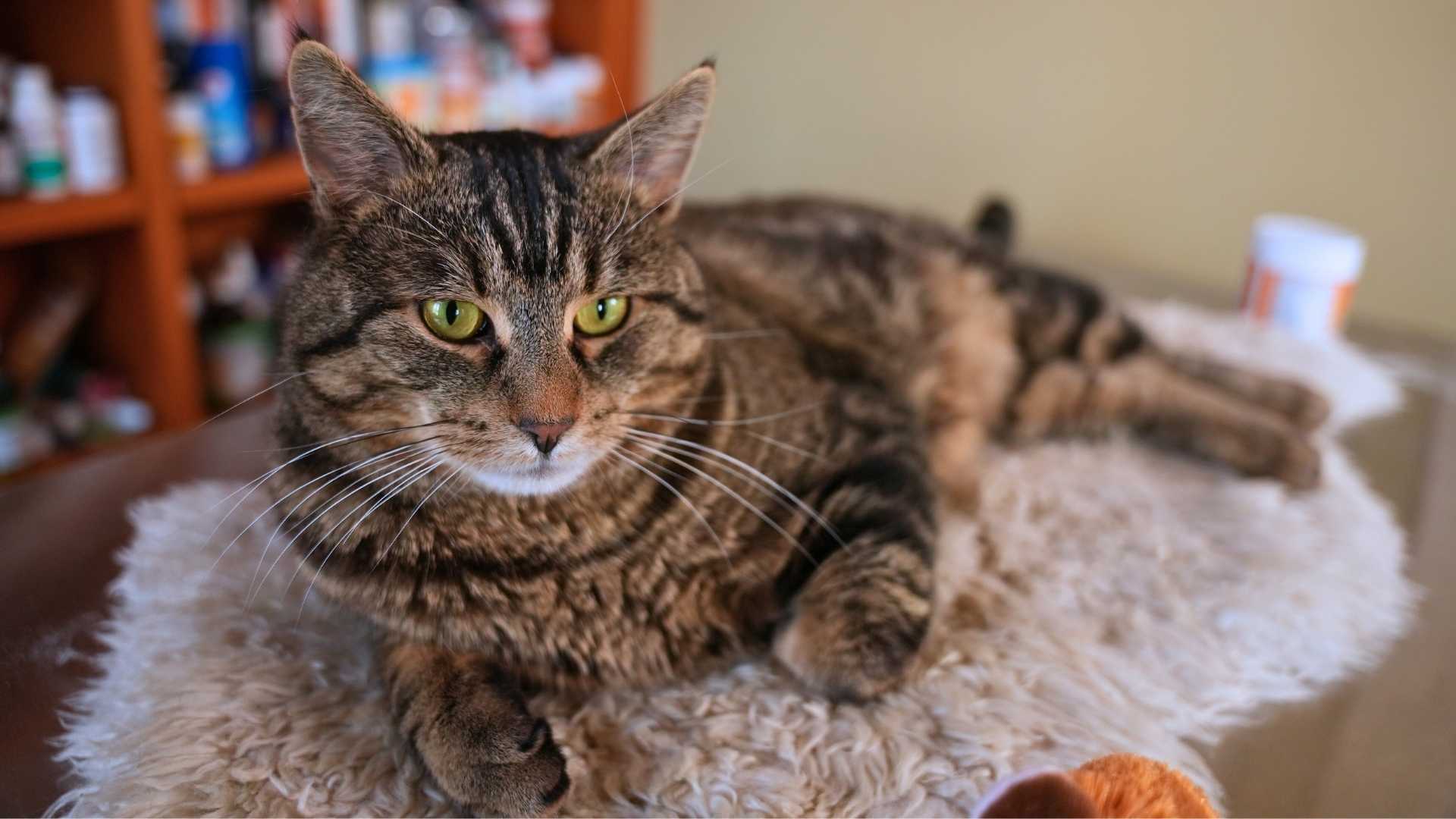
I get it. My own cat Cassian LOVES food, so cutting him back has not been easy.
But obesity in dogs and cats is not just a cosmetic issue. Keeping pets at a lean, healthy weight can make a major difference in how long they live and how well they feel.
A study found that keeping dogs at a lean, healthy weight can extend lifespan by up to 15%, which can mean over two extra years.
That is worth paying attention to.
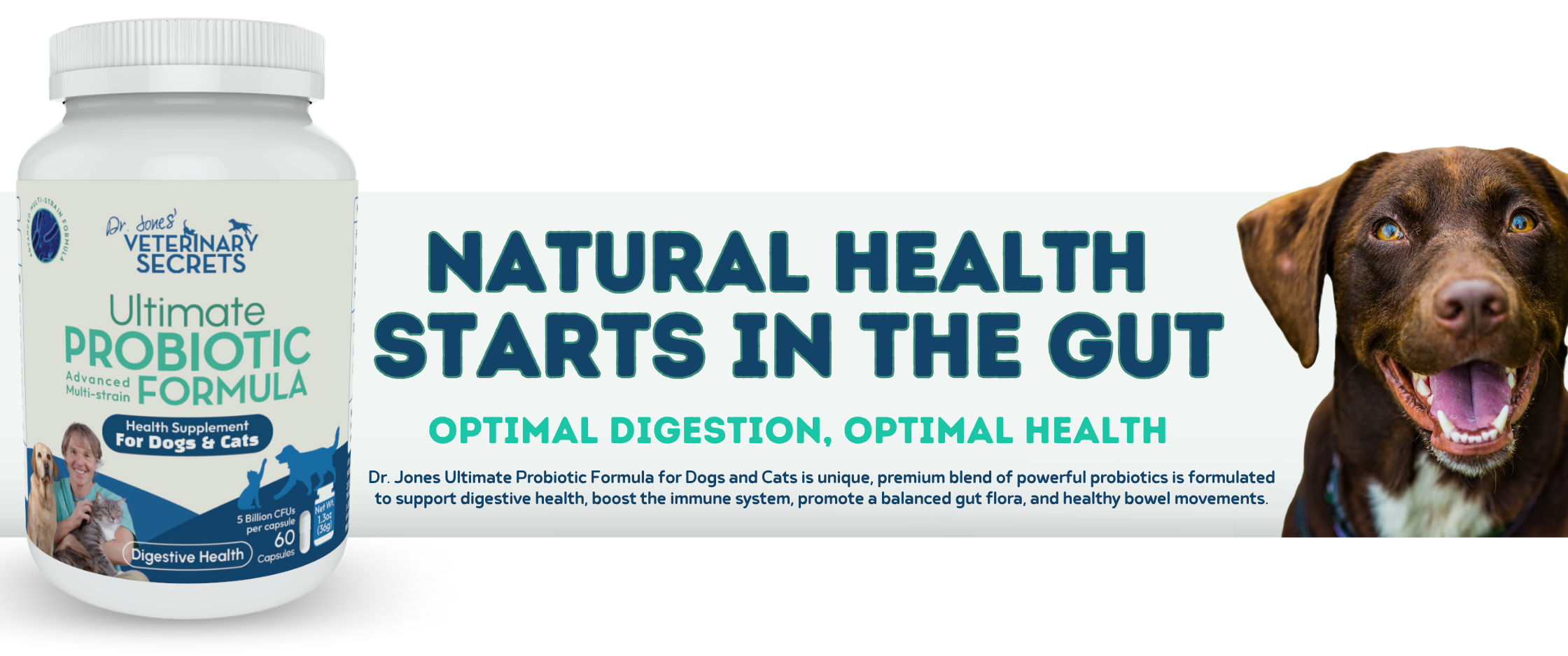
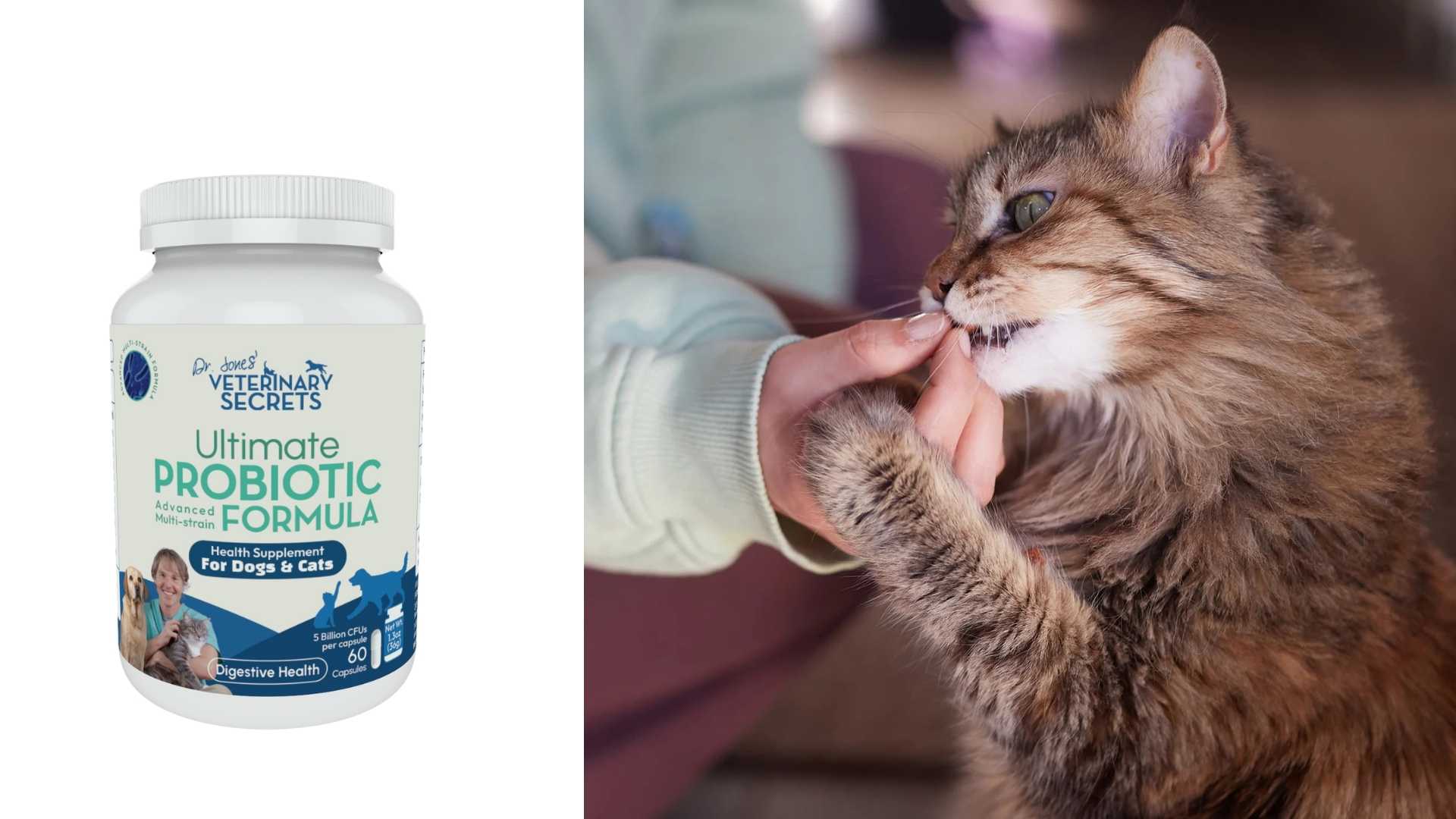
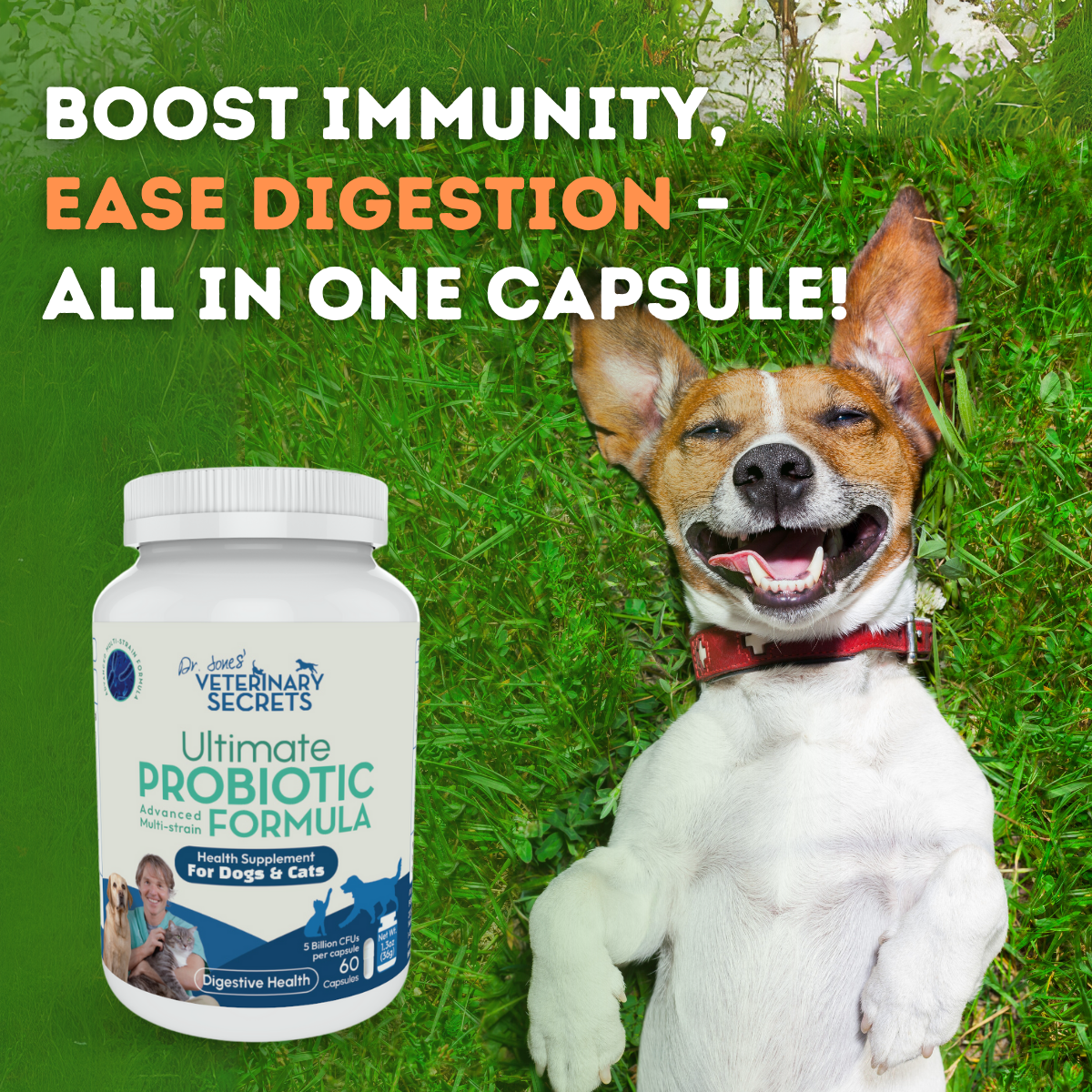
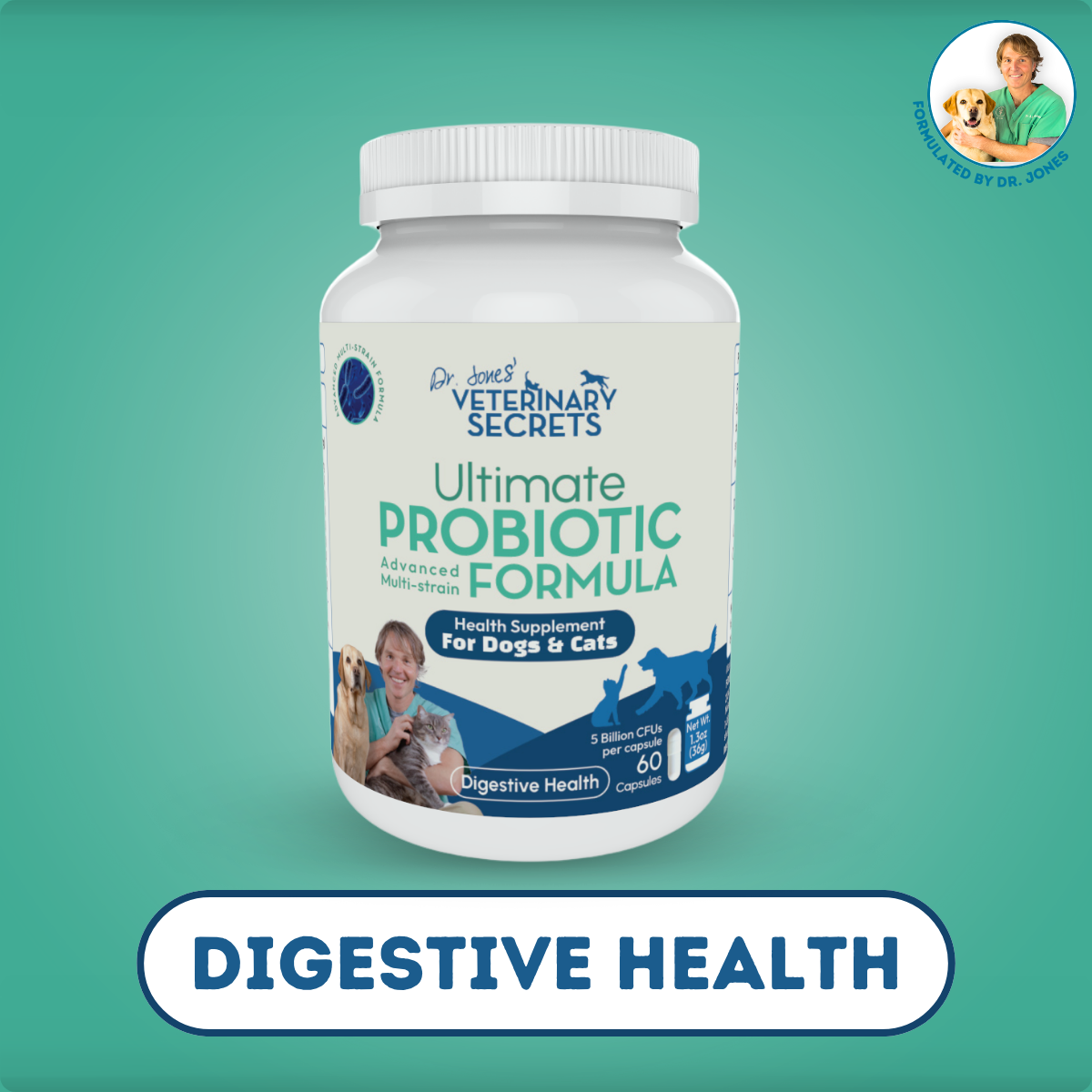
Dr. Jones’ Ultimate Probiotic Formula for Dogs and Cats
Why Is Pet Obesity Such a Big Problem?
Pet obesity is a growing crisis.
Over 50% of dogs and cats are classified as overweight or obese. That is nearly 88.4 million pets carrying extra weight.
Extra weight can shorten your pet’s lifespan and increase the risk of serious disease.
Health Problems Linked to Obesity in Dogs and Cats
Excess weight may increase the risk of:
- Cancer, especially abdominal cancers
- Diabetes
- Liver disease
- Arthritis
- Heart disease
- Skin disorders
- FLUTD, or Feline Lower Urinary Tract Disease
- Immune system suppression
- High blood pressure
This is not about making your dog or cat look better for Instagram.
Although, yes, Cassian does have opinions about his camera angles.
This is about health, comfort, mobility, and longevity.
What Is a Safe Weight Loss Goal for Pets?
A safe weight loss goal is:
- 1 to 2% of body weight per week
In practical terms, I would aim for:
- 15% weight loss over 3 to 4 months
Slow and steady is the goal.
Rapid weight loss can be dangerous.
Why Rapid Weight Loss Is Risky
Fast weight loss may lead to:
- Rapid weight regain
- Liver disease
- Hepatic lipidosis, also called fatty liver syndrome
This is especially important for cats.
You do not want to suddenly starve an overweight cat into losing weight quickly.
That can become a serious liver problem.
Step 1: Cut the Carbs
The best weight-loss results often come from high-protein diets.
That means more:
- Raw food
- Homemade meals
- Canned food
And less:
- Kibble
Kibble is often higher in carbohydrates, and those carbohydrates can make weight loss harder.
For Cats: No Kibble
For cats, I would be especially serious about this.
Cassian is now off kibble.
He is getting:
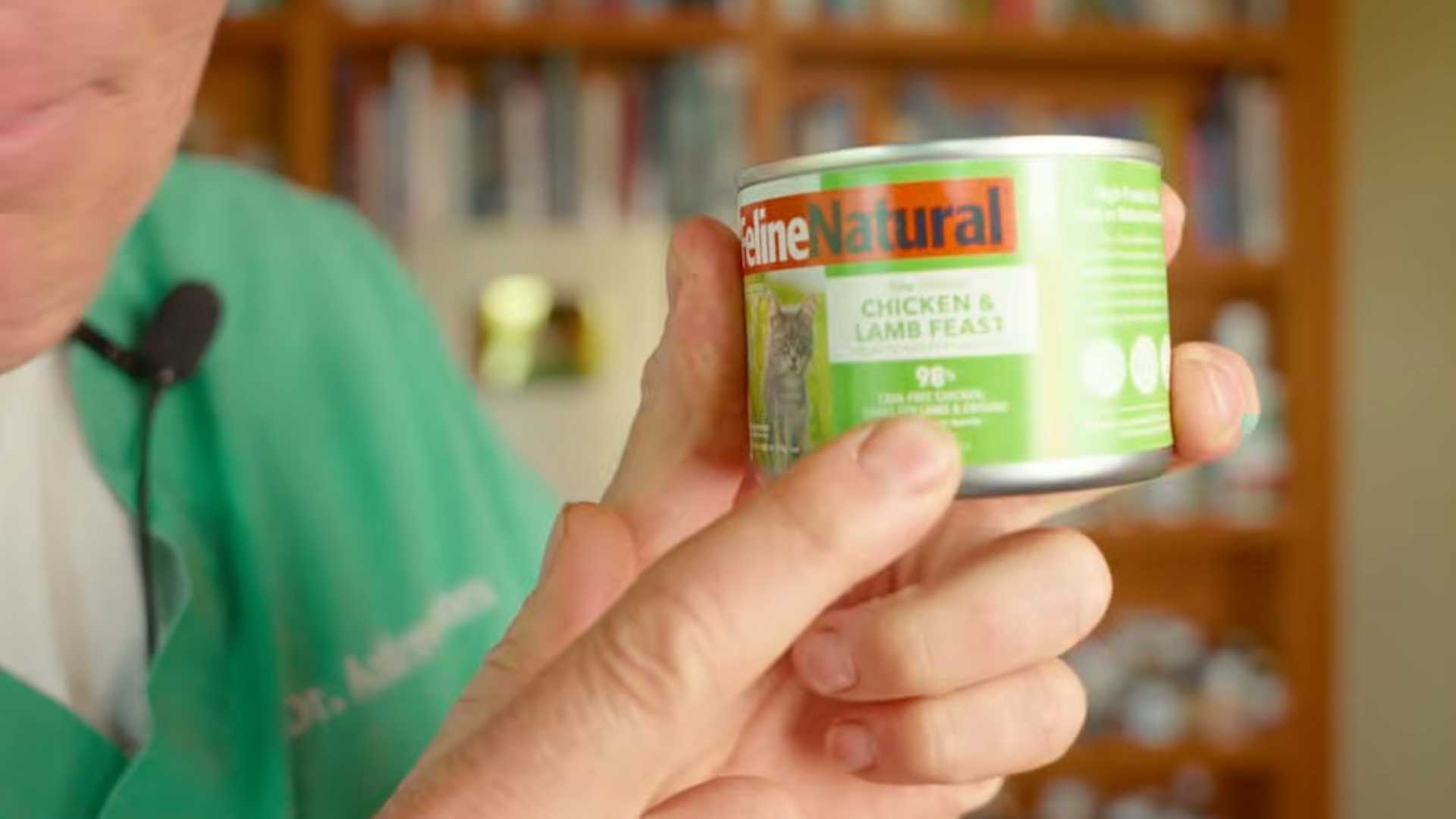
- Animal protein canned food
- Animal protein treats
- Freeze-dried chicken as a snack
Cats are not designed to live on high-carb food.
If your cat needs to lose weight, removing kibble is one of the biggest changes to consider.
Step 2: Stop the High-Carb Treats
Treats matter.
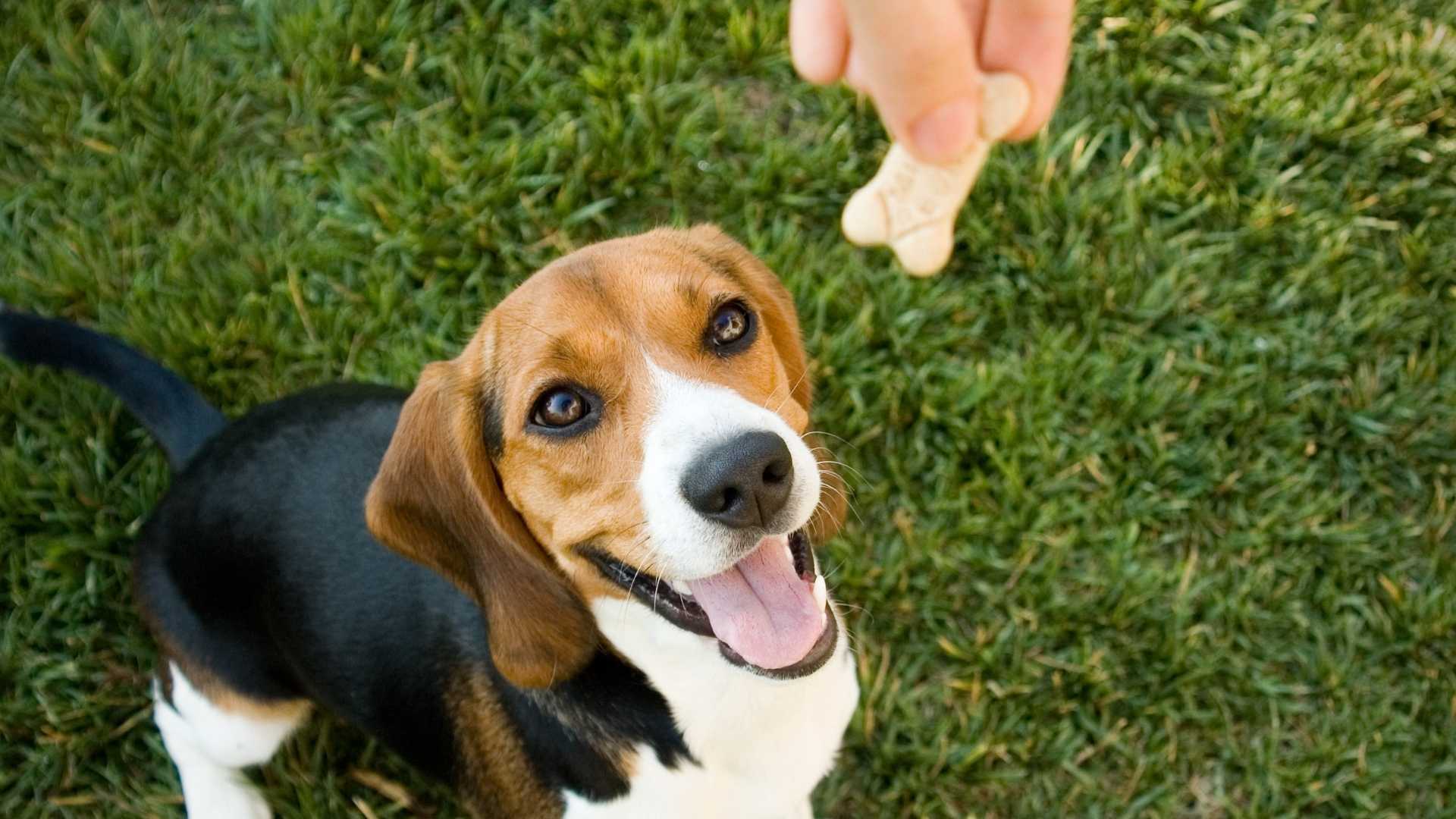
A lot.
You can feed the perfect meal, then ruin the entire plan with high-carb snacks.
For Cassian, I am using high-protein snacks only.
His treat is:
- Freeze-dried chicken
That keeps the treat simple, high-protein, and low-carb.
Better Treat Options
Choose treats that are:
- High in animal protein
- Low in carbohydrates
- Simple
- Easy to portion
- Not loaded with starch
What to Avoid
Avoid:
- High-carb treats
- Too many treats
- Free-feeding
- Guessing portions
- “Just a little more” every time your pet gives you the sad eyes
And yes, the sad eyes are powerful.
That does not mean they are medically accurate.
Step 3: Measure Food Portions Carefully
Food measuring is one of the most important steps.
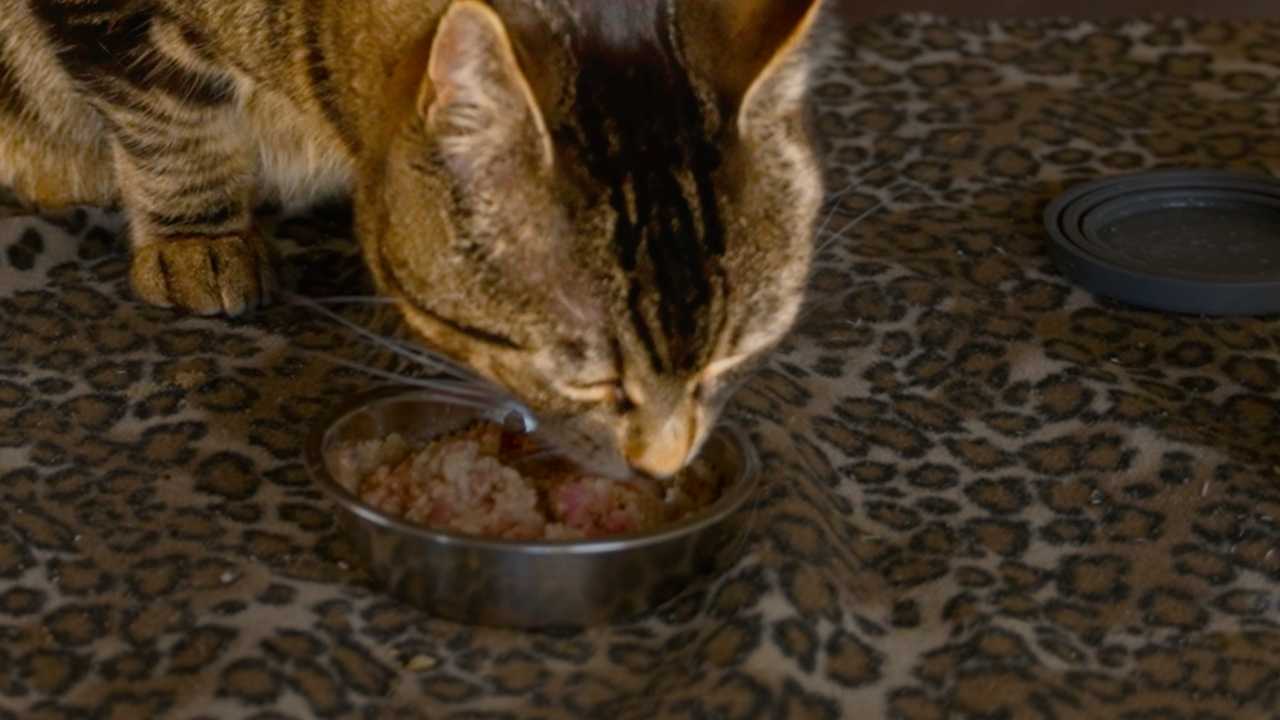
I am now doing this with Cassian.
You need to know how much food is actually going into the bowl.
Guessing usually means overfeeding.
Simple Portion Tips
- Use a measuring cup or food scale
- Feed set meals instead of free-feeding
- Track treats as part of the daily food amount
- Adjust slowly if weight is not changing
- Keep everyone in the house on the same plan
If one person is measuring food and another person is secretly handing out snacks, your pet will know.
They always know.
Step 4: Add Daily Exercise
Daily exercise is important for weight loss, metabolism, and maintaining muscle.
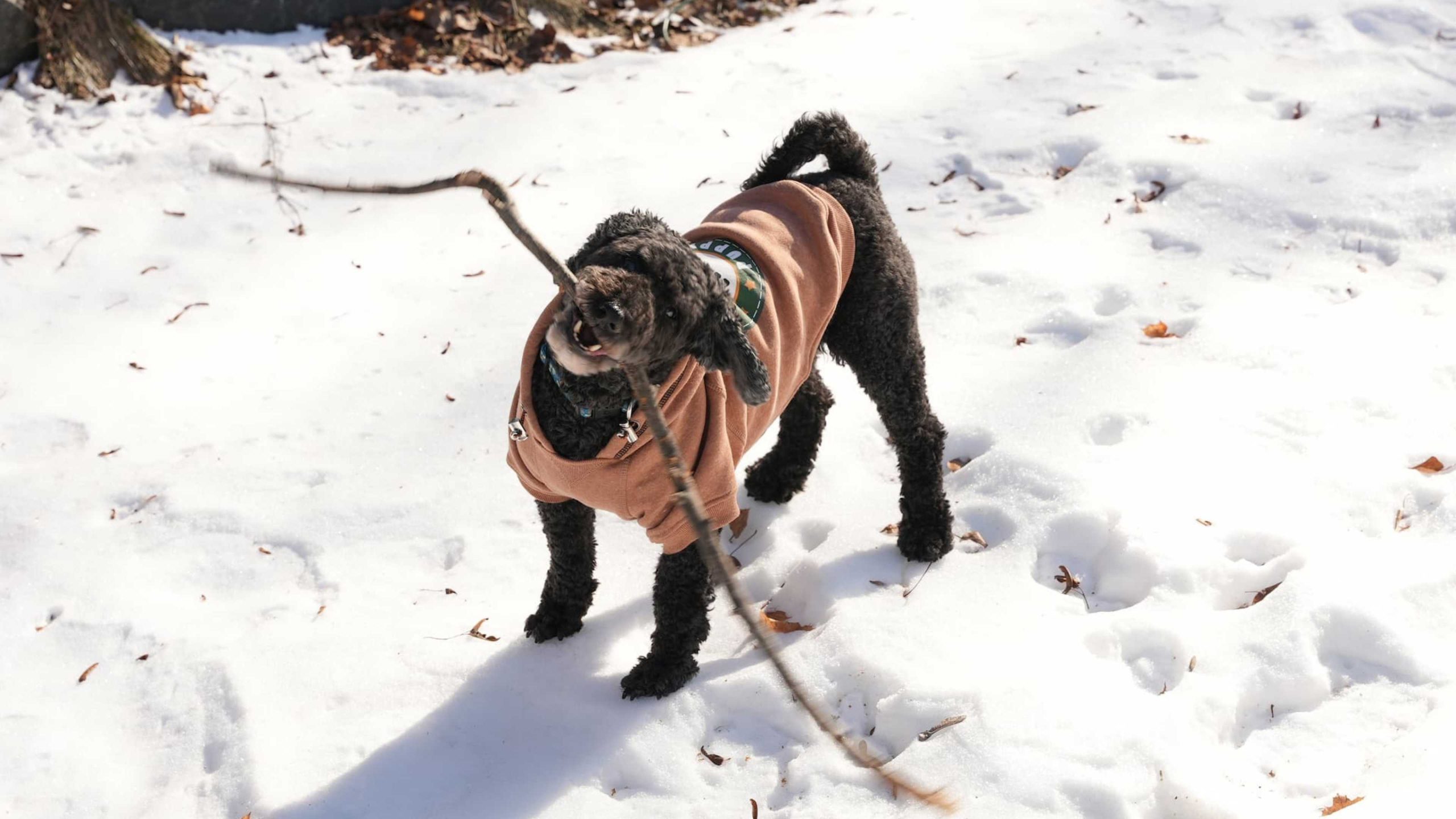
A good goal is:
- At least 30 minutes
- Twice daily
This can be easier with dogs than indoor cats.
For indoor cats, it can be hard.
But even indoor cats can be encouraged to move more with food puzzles, play sessions, climbing spaces, and chase games.
Exercise Goals
For dogs:
- Walks
- Play
- Fetch
- Swimming if appropriate
- Consistent daily movement
For cats:
- Wand toys
- Short play sessions
- Chasing freeze-dried treats
- Food puzzles
- Climbing
- Moving food bowls to encourage activity
The best exercise is the one your pet will actually do.
Step 5: Consider Natural Supplements That May Help
Some supplements may help support metabolism, energy balance, fat metabolism, gut health, blood sugar control, and healthy weight.
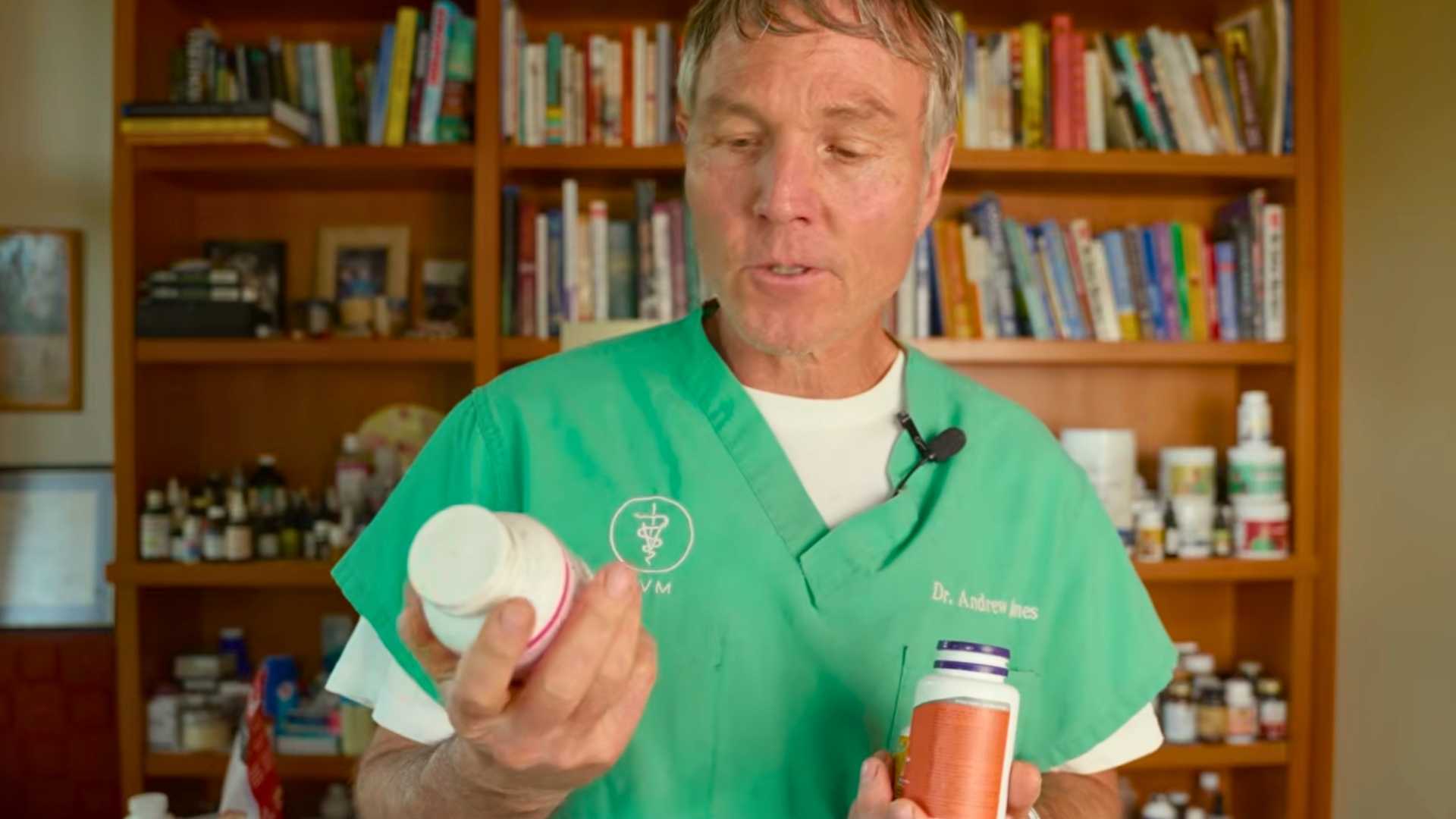
The supplements discussed include:
- Green tea extract
- L-carnitine
- Pep2Dia
- Taurine
- Colostrum
- Probiotics
These are not magic.
You still need diet changes, measured portions, and exercise.
But they may help.
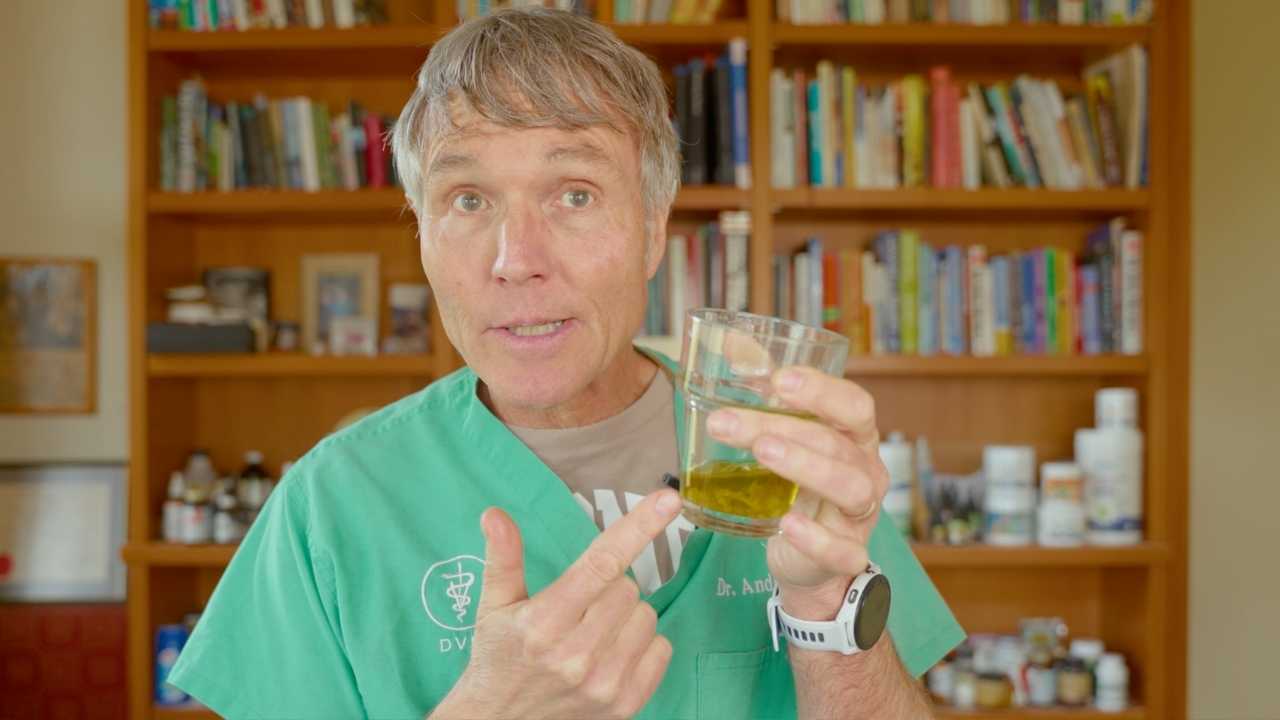
1. Green Tea Extract for Pet Weight Loss
Green tea extract includes EGCG, a polyphenol, along with a small amount of caffeine.
New research mentioned in the pasted text suggests this combination may help:
- Increase metabolic rate
- Decrease inflammatory cytokines
- Normalize fat metabolism
- Suppress fat accumulation
- Support appetite control
The combined administration of EGCG and caffeine may help with both fat accumulation and appetite signals.
Green Tea Extract Safety
At an appropriate dose, green tea extract is considered safe for dogs and cats.
The NOW Green Tea Extract mentioned contains:
- 200 mg EGCG
- 4 mg caffeine
That means it is very low in caffeine.
Green Tea Extract Dose
Give:
- 1/4 tab per 20 lbs daily
- Mix with food
Brewed Green Tea Option for Dogs
For dogs, brewed green tea is another option:
- 1/4 cup per 20 lbs daily
2. L-Carnitine for Cats
L-carnitine is an amino acid that may moderately speed up weight loss in cats.
It acts as a transporter of fatty acids into the mitochondria of cells.
The mitochondria are where those fatty acids are converted into energy.
This process is important for fat metabolism.
That is why L-carnitine may help overweight animals or pets that gain weight easily.
Cat L-Carnitine Dose
Give:
- 250 mg per cat daily
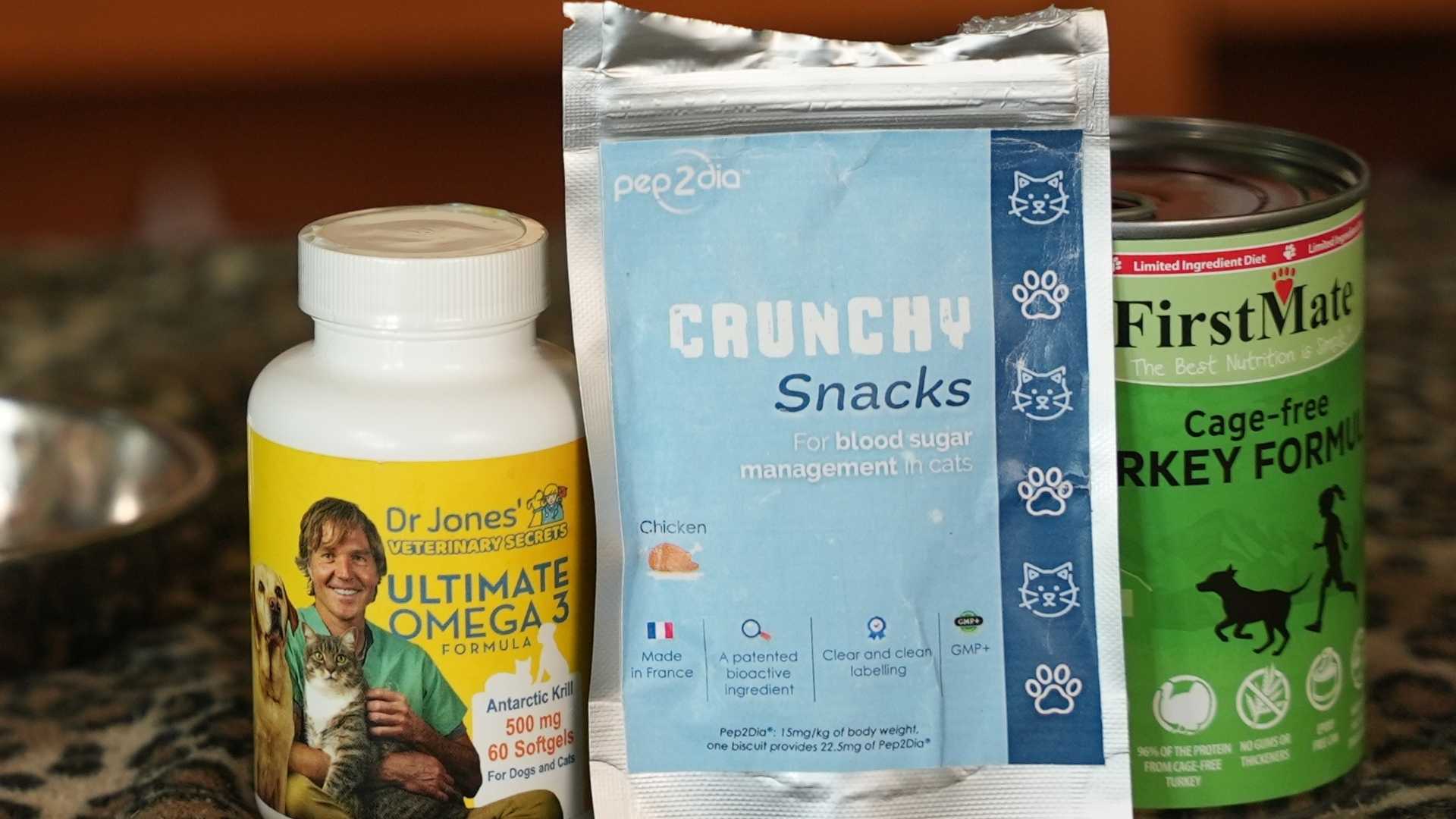
3. Pep2Dia for Blood Sugar and Weight Management
Pep2Dia is a peptide.
It is a milk-protein hydrolysate ingredient designed for:
- Managing blood sugar levels
- Supporting weight management
It works by inhibiting the alpha-glucosidase enzyme in the small intestine.
That slows the breakdown of carbohydrates and helps manage post-meal blood sugar spikes.
Pep2Dia is also associated with stimulating GLP-1, a hormone that helps with appetite control.
Best For
Pep2Dia may be useful when you are trying to support:
- Blood sugar balance
- Post-meal glucose control
- Appetite control
- Weight management
No dose was included in the pasted text, so I am not adding one here.
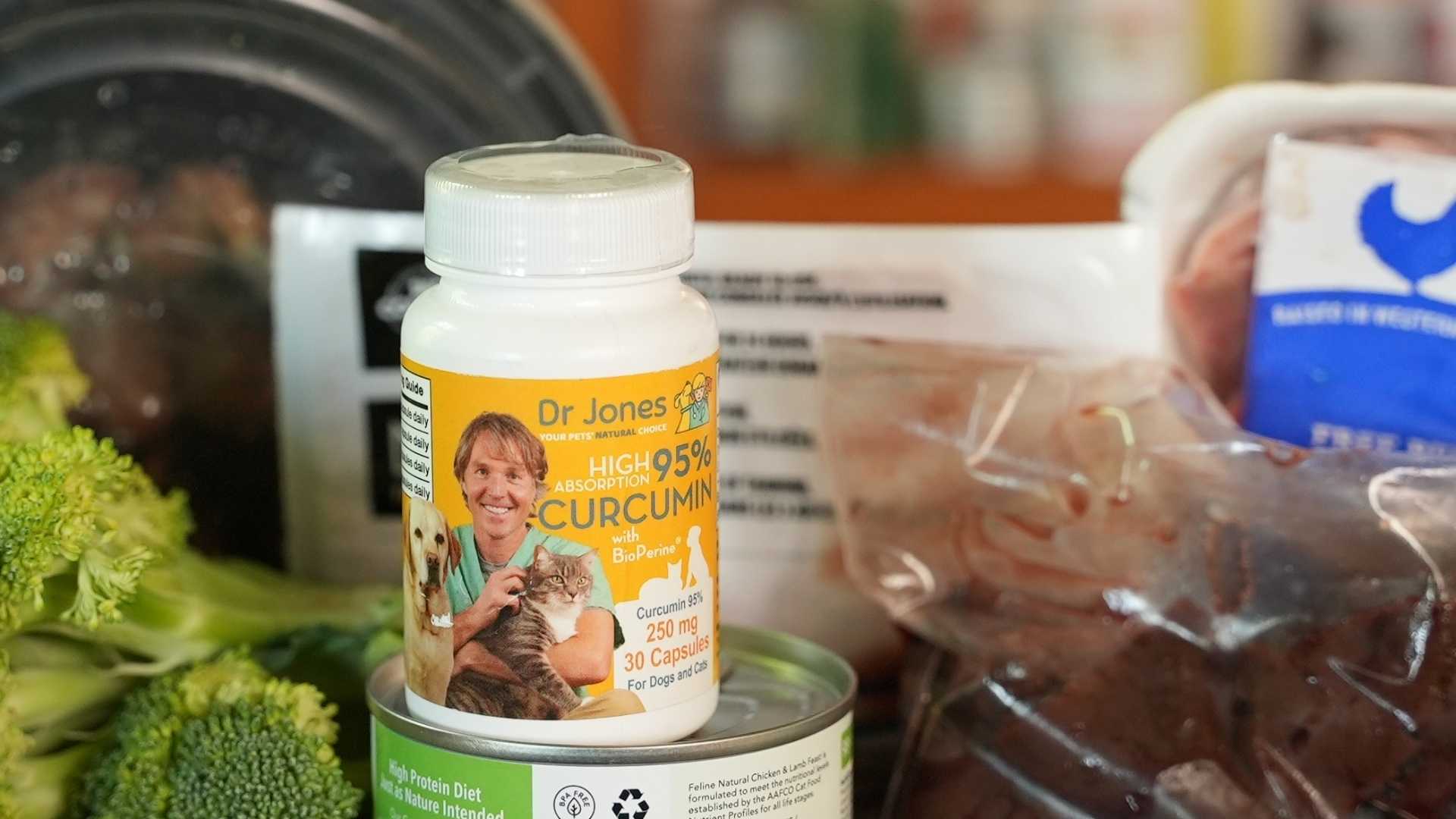
4. Taurine for Cats and Weight Support
Taurine is a key amino acid for cats.
Cats need taurine for:
- Heart function
- Eye function
Cats cannot make taurine properly from other amino acids, so it must be in their diet.
Taurine may also help with weight loss and metabolic support.
The pasted text mentions a new study called:
Effect of Long-Term Taurine Supplementation on the Lipid and Glycaemic Profile in Adults with Overweight or Obesity
It showed that long-term taurine supplementation provides significant benefits for lipid metabolism in overweight and obese adults.
Taurine is also inexpensive.
Taurine Dose
Give:
- 250 mg per 10 lbs daily
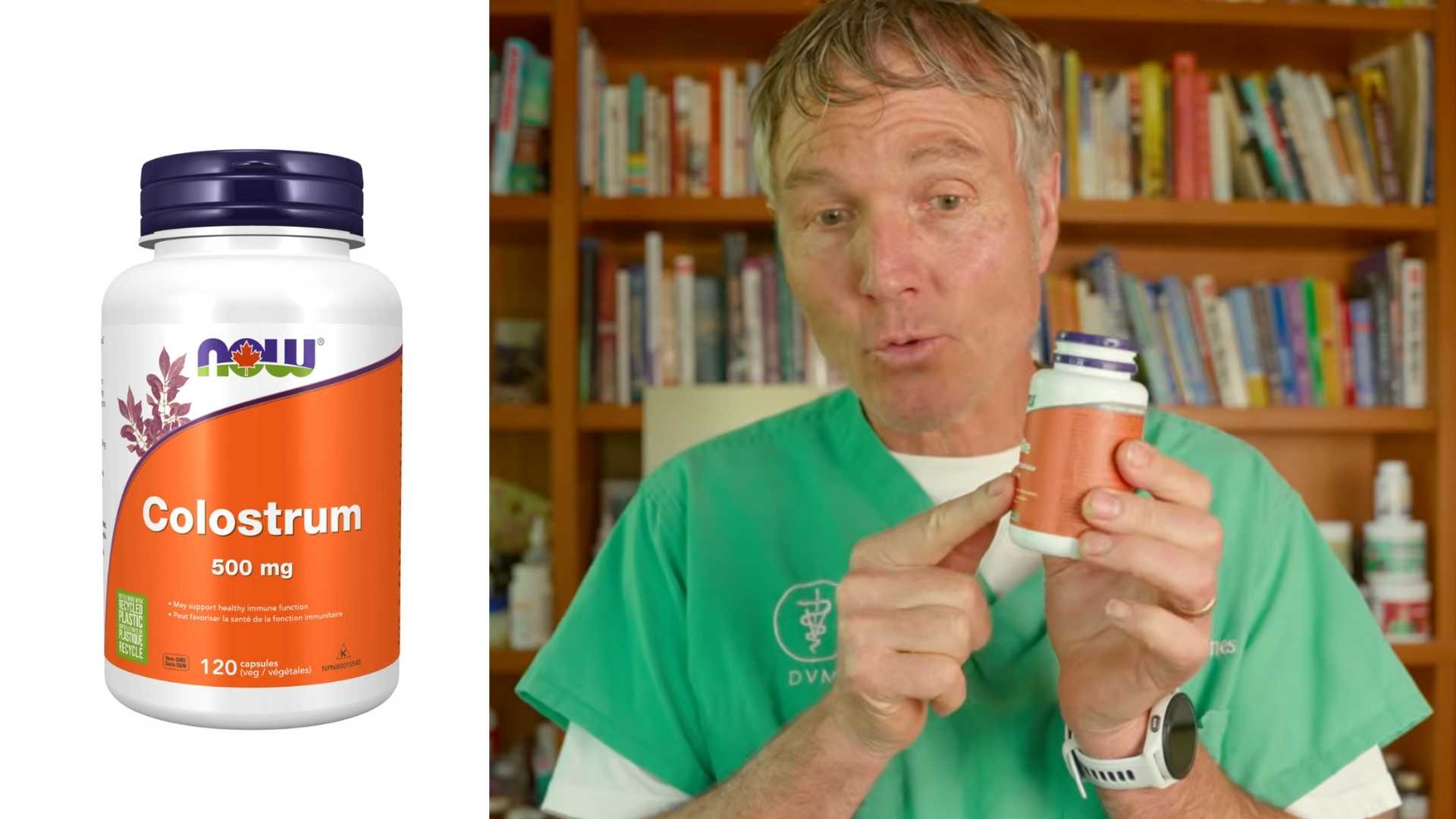
5. Colostrum for Metabolism and Gut Health
Colostrum is the mother’s first milk.
It contains immunoglobulins and other beneficial factors.
Colostrum may help normalize metabolism by supporting:
- Muscle mass
- Metabolic rate
- Gut health
- Normal nutrient absorption
- Inflammatory protein balance
- Normal fat metabolism
Increasing muscle mass matters because muscle helps boost metabolic rate.
A pet with more healthy muscle burns energy better.
Colostrum Dose
Give:
- 100 mg per 10 lbs daily
6. Probiotics for Dog and Cat Weight Loss
Probiotics may be one of the most useful natural options for overweight dogs and cats.
Recent studies show that specific probiotic strains may help obese dogs lose weight.
The strains mentioned include:
- Enterococcus faecium
- Bifidobacterium lactis
Probiotics may help by:
- Reshaping the gut microbiome
- Boosting metabolism
- Reducing fat-storage hormones
- Supporting energy balance
- Supporting a healthy weight
A good-quality, multi-strain, animal-specific probiotic is a good idea.
Probiotic Dose
Use:
- At least 1 billion CFUs daily
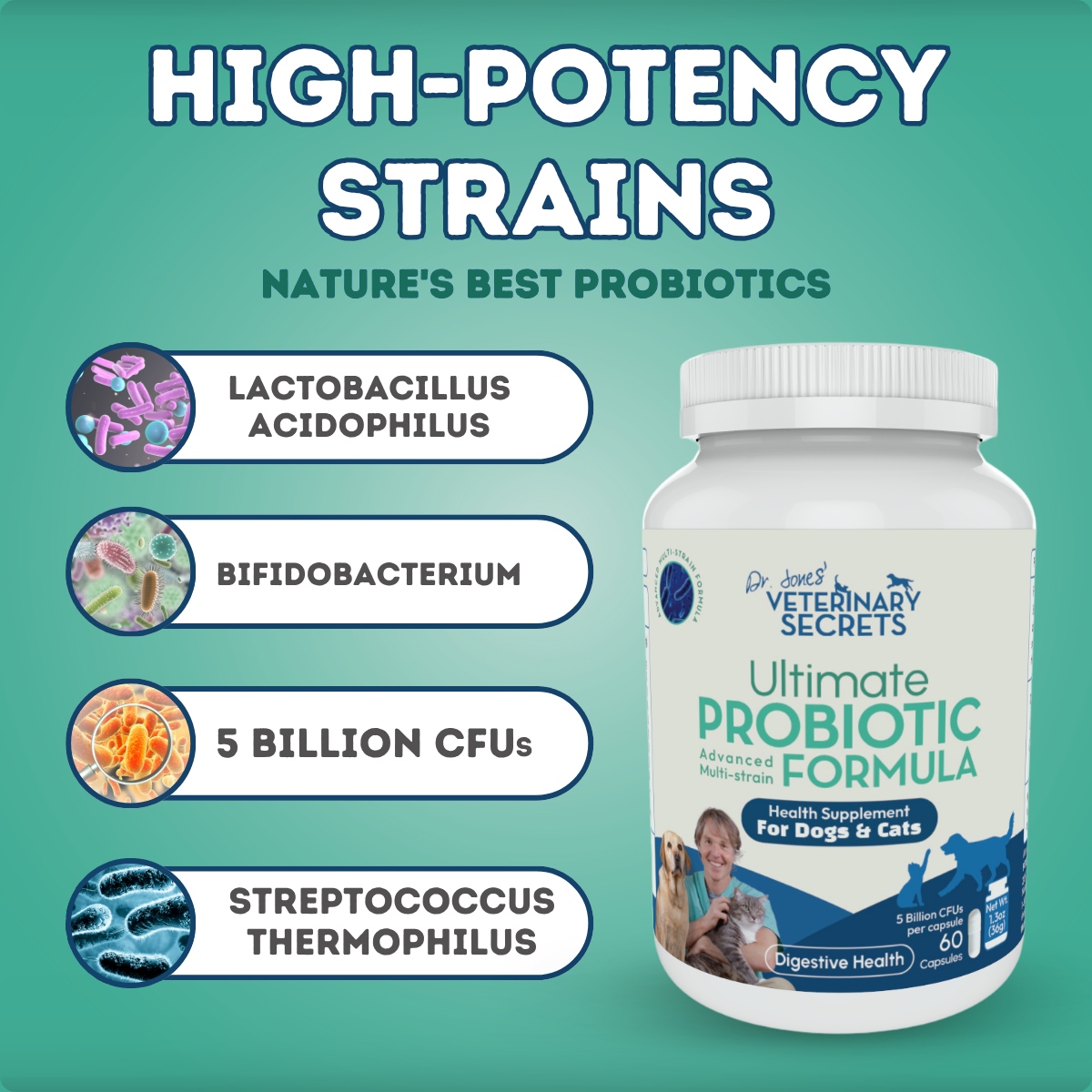
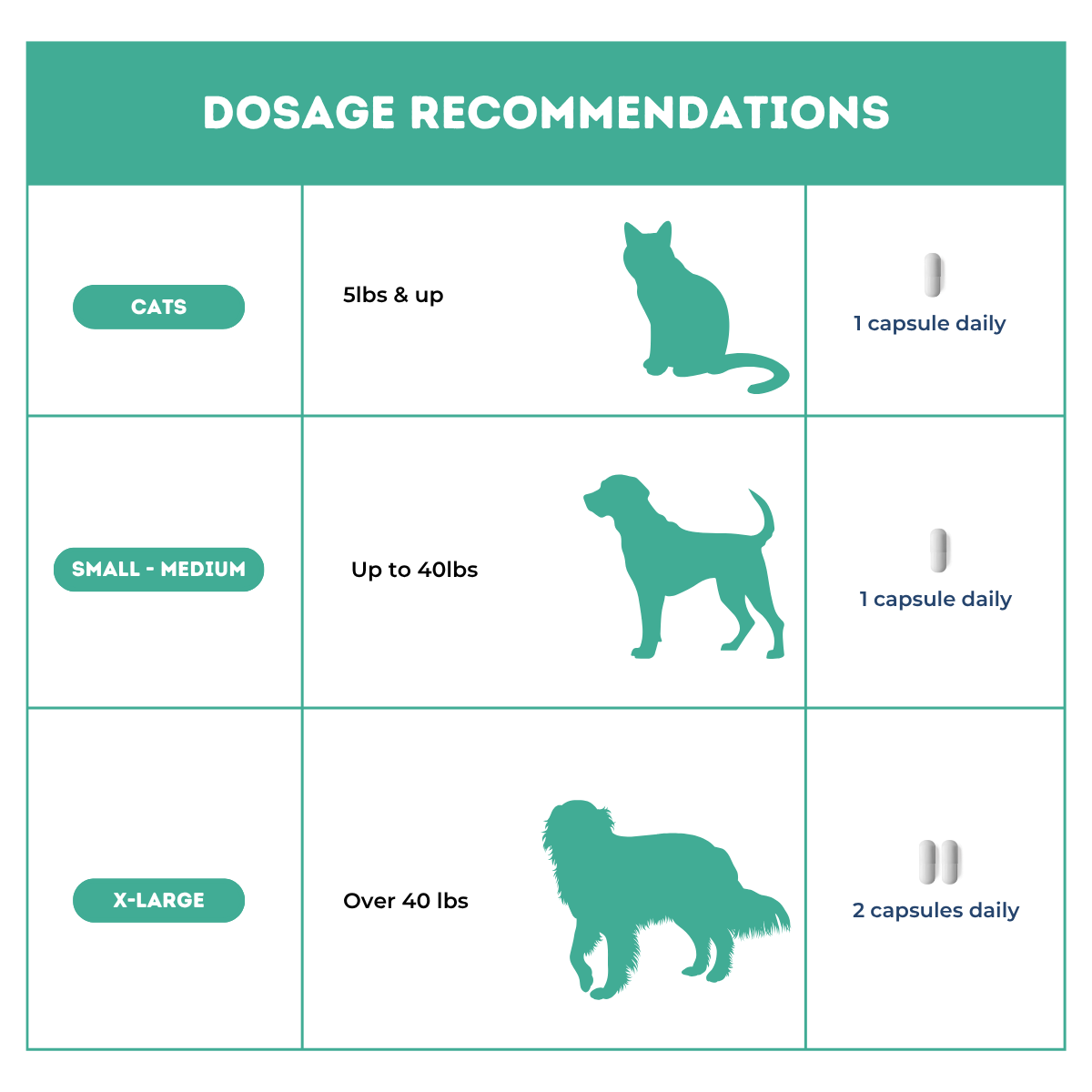
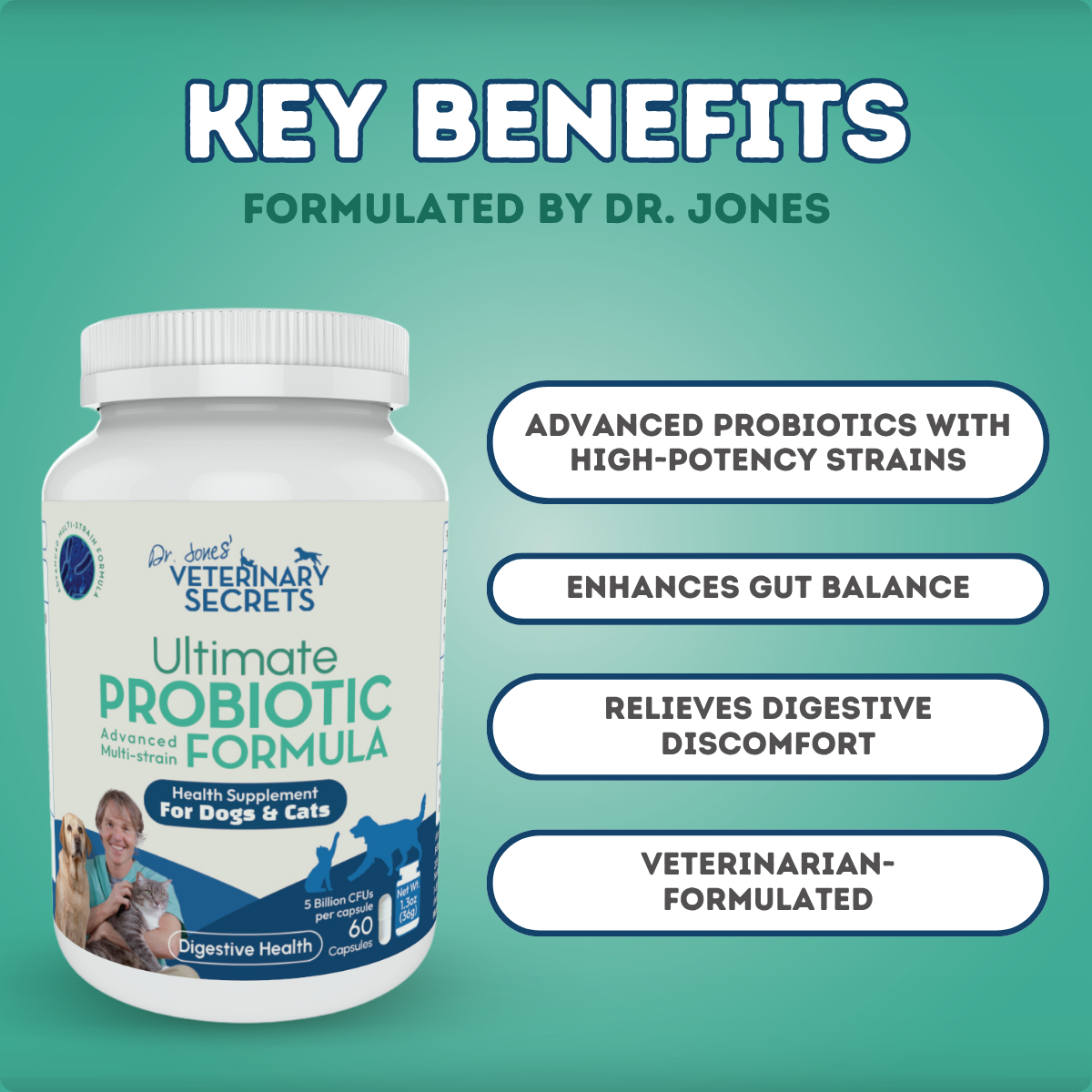
Dr. Jones’ Ultimate Probiotic Formula for Dogs and Cats is a high-CFU, multi-strain probiotic formula.
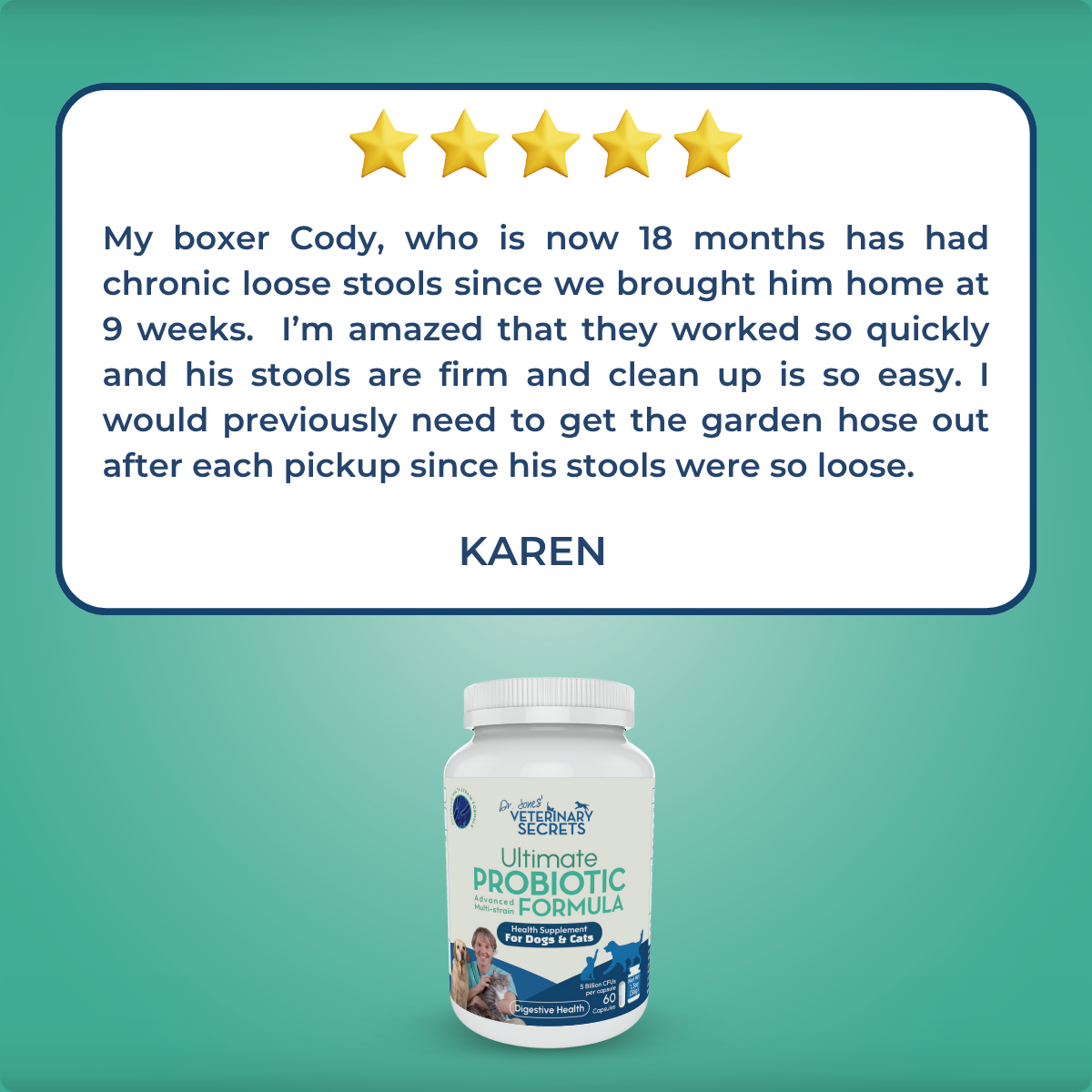
It has been getting great reviews and is currently mentioned as being on sale for 50% OFF.
Why Gut Health Matters for Pet Weight
The gut microbiome can influence metabolism, inflammation, nutrient absorption, and fat storage.
That means weight loss is not just about calories.
It is also about how your pet’s body processes food.
This is where probiotics may help.
They do not replace diet changes.
But they may support the body while you are doing the harder work of reducing carbs, measuring food, and increasing movement.
My Current Plan for Cassian
Cassian loves food.
So this is not just theory.
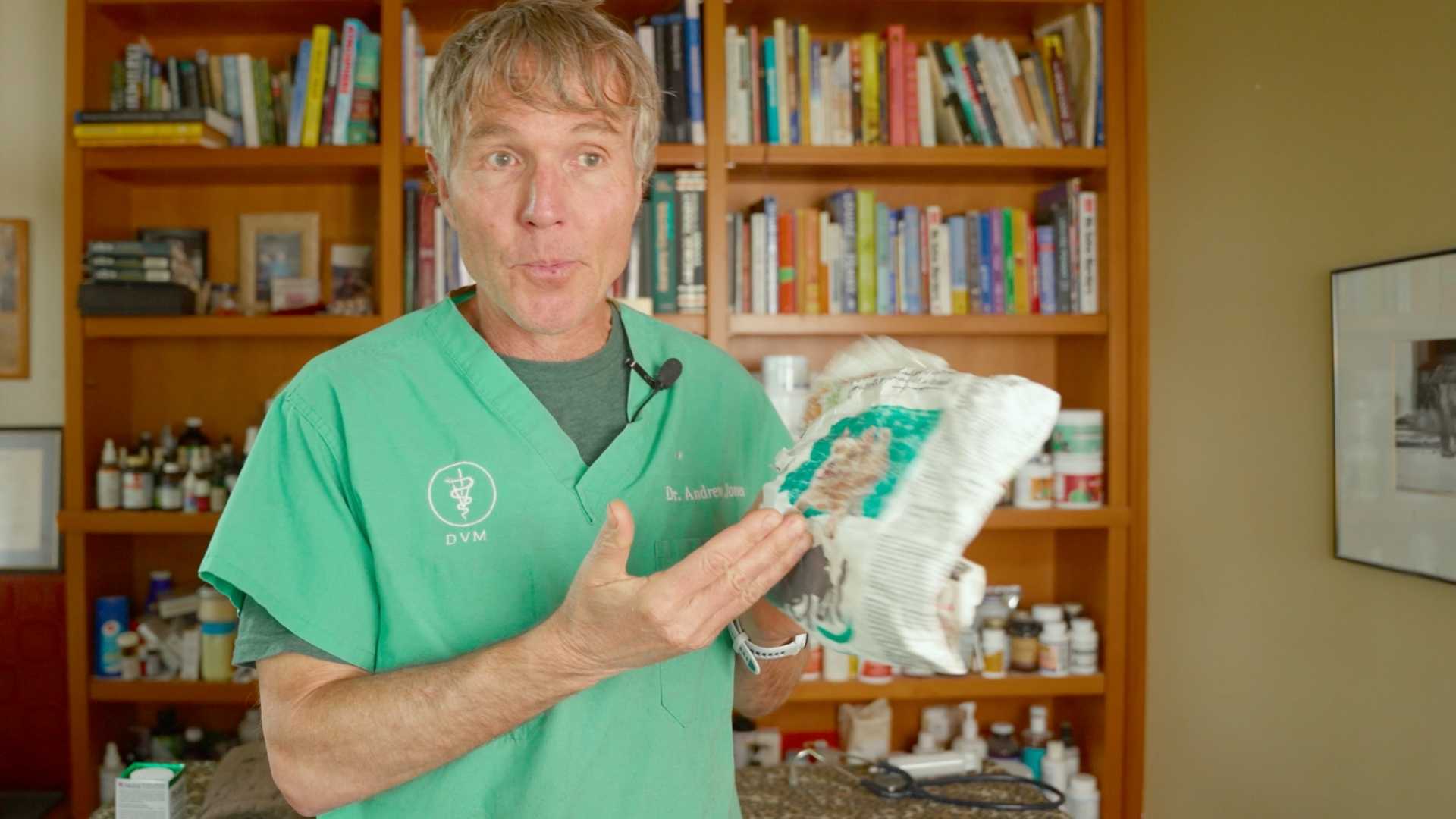
I am now doing a few practical things with him:
- No kibble
- Animal protein canned food
- Freeze-dried chicken as treats
- Measured food portions
- High-protein snacks only
- Adding a probiotic supplement to see if it can increase metabolism
This is easy to talk about.
It is much harder when your cat is sitting there acting like the food bowl has personally wronged him.
But measured portions matter.
Best Diet for Overweight Dogs and Cats
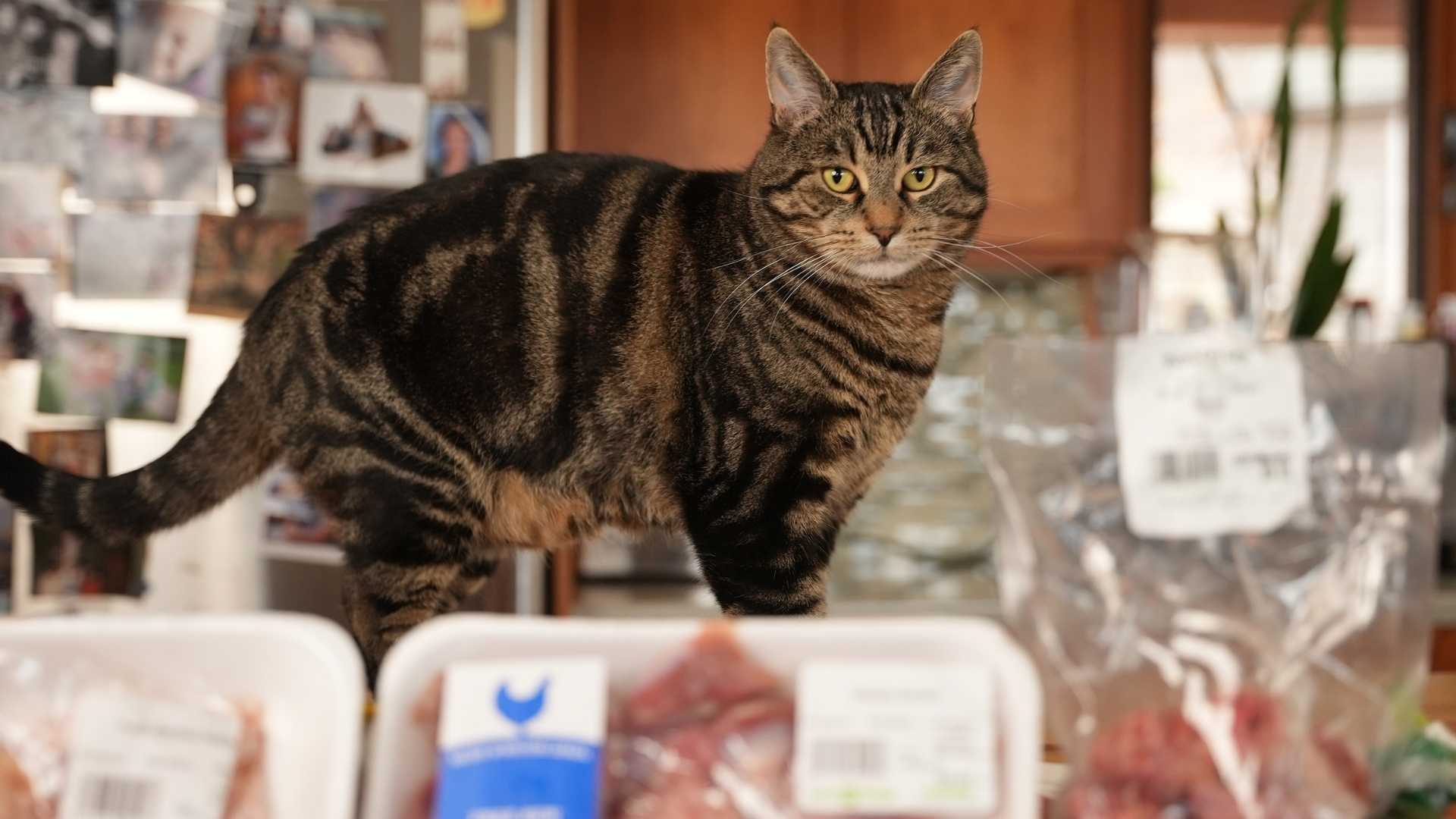
The best weight-loss diet is high in protein and low in carbohydrates.
Better Options
Consider:
- Raw food
- Homemade meals
- Canned food
- Animal protein treats
- Freeze-dried meat treats
Less Ideal
Reduce or avoid:
- Kibble
- High-carb treats
- Free-feeding
- Excess portions
- Starchy snacks
For cats, I would be especially firm:
No kibble.
Natural Weight Loss Supplement Guide for Dogs and Cats
| Supplement | Suggested Dose | Why It May Help |
|---|---|---|
| Green tea extract | 1/4 tab per 20 lbs daily, mixed with food | May increase metabolic rate and support fat metabolism |
| Brewed green tea for dogs | 1/4 cup per 20 lbs daily | Another green tea option for dogs |
| L-carnitine | 250 mg per cat daily | Supports fatty acid transport into mitochondria |
| Pep2Dia | No dose listed in pasted text | Helps manage blood sugar and post-meal glucose spikes |
| Taurine | 250 mg per 10 lbs daily | Supports cats and may help lipid metabolism |
| Colostrum | 100 mg per 10 lbs daily | Supports gut health, metabolism, muscle mass, and inflammation balance |
| Probiotics | At least 1 billion CFUs daily | Supports gut microbiome, metabolism, and healthy body weight |
Pros and Cons of This Approach
Pros
- Focuses on safe weight loss
- Reduces high-carb foods
- Supports animal protein intake
- Encourages measured portions
- Encourages daily movement
- May support metabolism naturally
- Includes gut health support
- May help reduce obesity-related disease risk
Cons
- Food-driven pets may resist
- Indoor cats can be hard to exercise
- Measuring food takes consistency
- No kibble can be a big change
- Weight loss takes months
- Rapid weight loss is dangerous
- Supplements help best when diet is also changed
Step-by-Step Weight Loss Plan for Dogs and Cats
Step 1: Weigh Your Pet
You need a starting point.
Track weight regularly so you know if the plan is working.
Step 2: Set a Safe Goal
Aim for:
- 1 to 2% body weight loss per week
- About 15% loss over 3 to 4 months
Step 3: Cut the Carbs
Move toward:
- Raw food
- Homemade food
- Canned food
- High-protein treats
Move away from:
- Kibble
- High-carb treats
Step 4: Measure Every Meal
Do not guess.
Measure food carefully.
Step 5: Change Treats
Use high-protein treats like freeze-dried chicken.
Do not use high-carb snacks.
Step 6: Add Exercise
Aim for:
- 30 minutes twice daily
For cats, use short play sessions and movement-based feeding.
Step 7: Consider Supportive Supplements
Consider:
- Green tea extract
- L-carnitine
- Pep2Dia
- Taurine
- Colostrum
- Probiotics
Step 8: Support the Gut
A multi-strain probiotic with at least 1 billion CFUs daily may help support the microbiome and healthy body weight.
Final Thoughts
Obesity in dogs and cats is common, but it is not harmless.
Extra weight can increase the risk of cancer, diabetes, liver disease, arthritis, heart disease, skin problems, urinary disease, immune suppression, and high blood pressure.
The good news is that even small, steady changes can help.
Cut the carbs.
Reduce or remove kibble, especially for cats.
Feed more animal protein.
Use high-protein treats.
Measure the food.
Add daily movement.
Then consider supportive supplements such as probiotics, green tea extract, L-carnitine, taurine, colostrum, and Pep2Dia.
A healthy weight can add years to your pet’s life.
And just as important, it can add better years.
More comfort.
More energy.
More mobility.
More good days.
That is the real goal.
Click To Get A Free Copy of My E-Book!

P.S. It is easy to talk about weight loss.
It is much harder when you have a dog or cat that is very food driven.
My own cat Cassian loves food, so cutting him back has been a challenge.
I have gone to measured amounts and only high-protein snacks as treats.
P.P.S. I am adding Dr. Jones’ Ultimate Probiotic Formula for Dogs and Cats to Cassian’s diet to see if it can increase his metabolism.
It includes well-studied probiotic strains that may support normal body weight, gut health, and metabolism.
It is now on sale for 50% OFF.
Please provide specific information about the amount of food needed per kilogram of body weight. Thank you.
A good starting point is about 2% of your pet’s body weight per week in food reduction, rather than a one size fits all amount of food per kilogram. Every food has a different calorie density, so portions are best based on calories and ideal body weight. Start with the food label and your pet’s ideal weight, then adjust based on weekly weigh ins. Slow and steady wins the race!