Dog Going Deaf? These Supplements May Help

If your dog is losing their hearing, supplements such as CBD, zinc, omega-3 fatty acids, magnesium, and B vitamins may help support the inner ear and normal nerve function. But my first step is to check for an ear infection or inflammation that needs treatment. Supplements may offer support, but I would not expect them to magically restore hearing.
Some dogs gradually lose their hearing as they age. Others seem to go deaf suddenly. I want to walk you through the options I would consider, why they may help, and the doses I discussed. Many of these options also apply to cats.
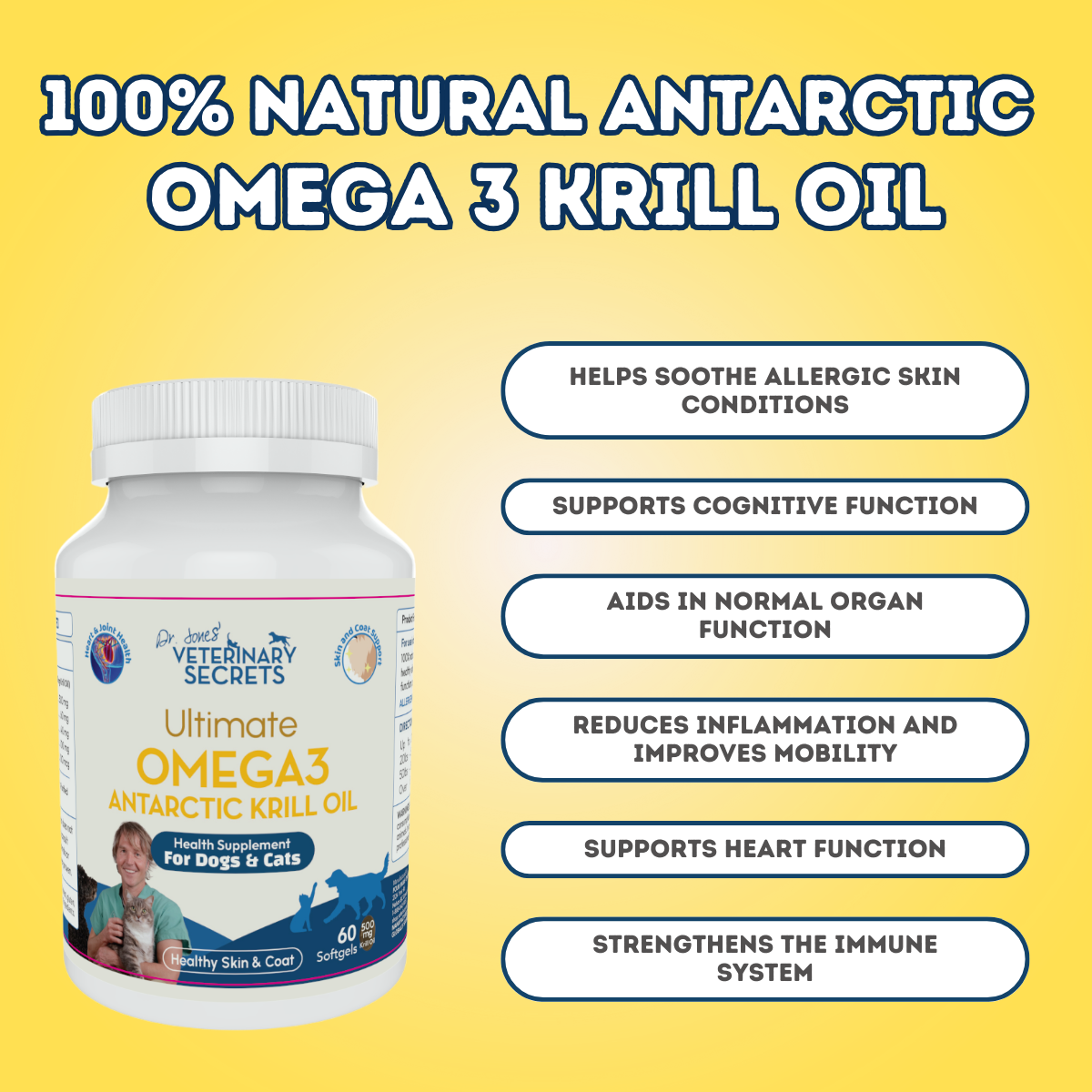
Dr. Jones’ Ultimate Omega 3 Formula for Dogs and Cats



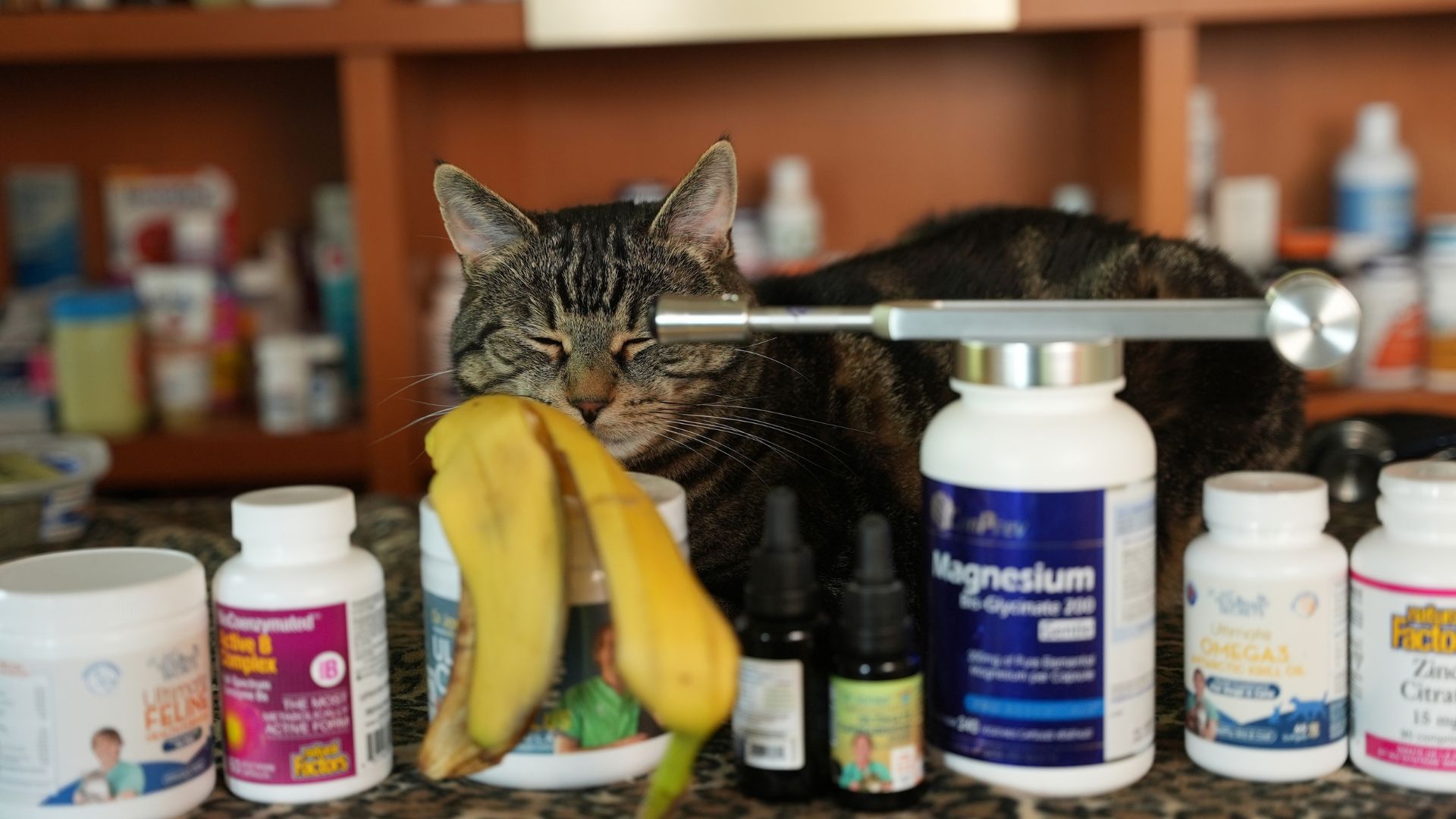
What should you check before trying hearing supplements?
An ear examination comes first, especially if your dog’s hearing changes suddenly. If there is an infection, redness, or another suspicious area inside the ear, we want to address that.
Treat an ear infection first
If an examination reveals an ear infection, that needs treatment before relying on supplements.
My preference is to use a topical treatment without ingredients that can be ototoxic, meaning they can damage hearing. In particular, I suggest asking about ear treatments that do not contain:
- Gentamicin, an antibiotic found in some ear medications.
- Chlorhexidine, an antiseptic used in some ear flushes.
Address redness or a suspected growth
Marked redness, a possible polyp, or a small growth may lead your veterinarian to consider an anti-inflammatory medication, such as prednisone.
That is a different situation from simply adding nutritional support to an older dog’s diet. The ear examination helps guide the next step.
Which supplements may help a dog losing their hearing?
The options I consider fall into two main groups: support for inflammation and blood flow in the inner ear, and nutritional support for normal nerve function.
Some of the hearing research I discuss comes from people. That gives us a reason to consider these options, but it does not guarantee the same results in dogs or cats.
1. CBD for inflammation support
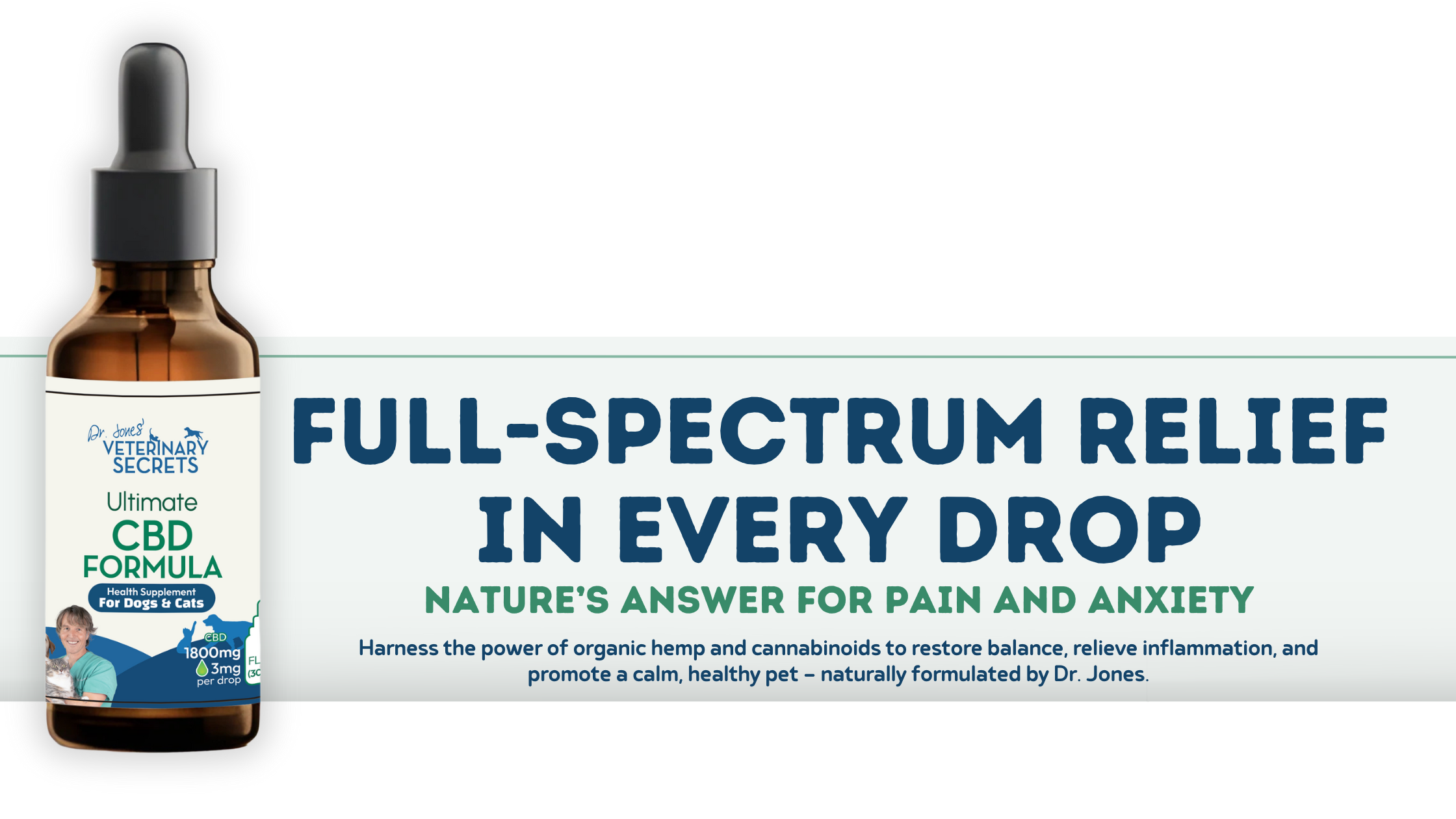
CBD, or cannabidiol, is one option I consider when inflammation may be contributing to hearing loss.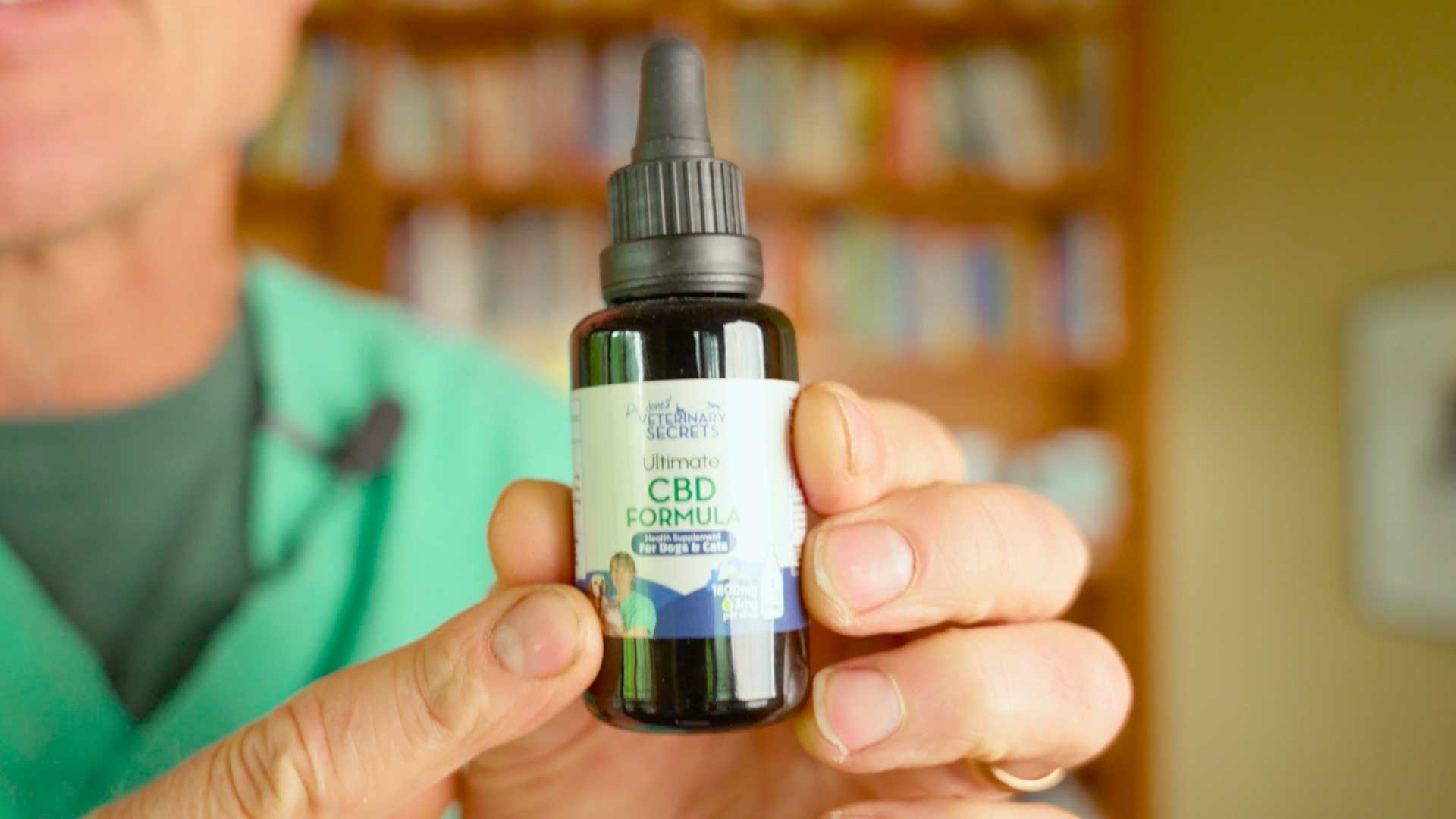
If I am looking for an alternative to a corticosteroid such as prednisone, CBD is something I would discuss. The aim is to decrease inflammation, including inflammation that might be associated with an ear polyp.
The dose I discussed is:
- 2 mg per kilogram of body weight per dose.
- Twice daily.
- For 10 days to two weeks.
Cassian weighs a little over 10 pounds, approximately 5 kg. At that weight, the calculation is:
5 kg × 2 mg = 10 mg per dose, twice daily.
With the specific supplement I demonstrated, that worked out to approximately three drops per dose. Drop counts depend on the product’s concentration, so the milligram amount is the useful starting point when comparing products.
2. Zinc for sudden hearing loss
Zinc is a mineral I would consider for a dog or cat with acute hearing loss.
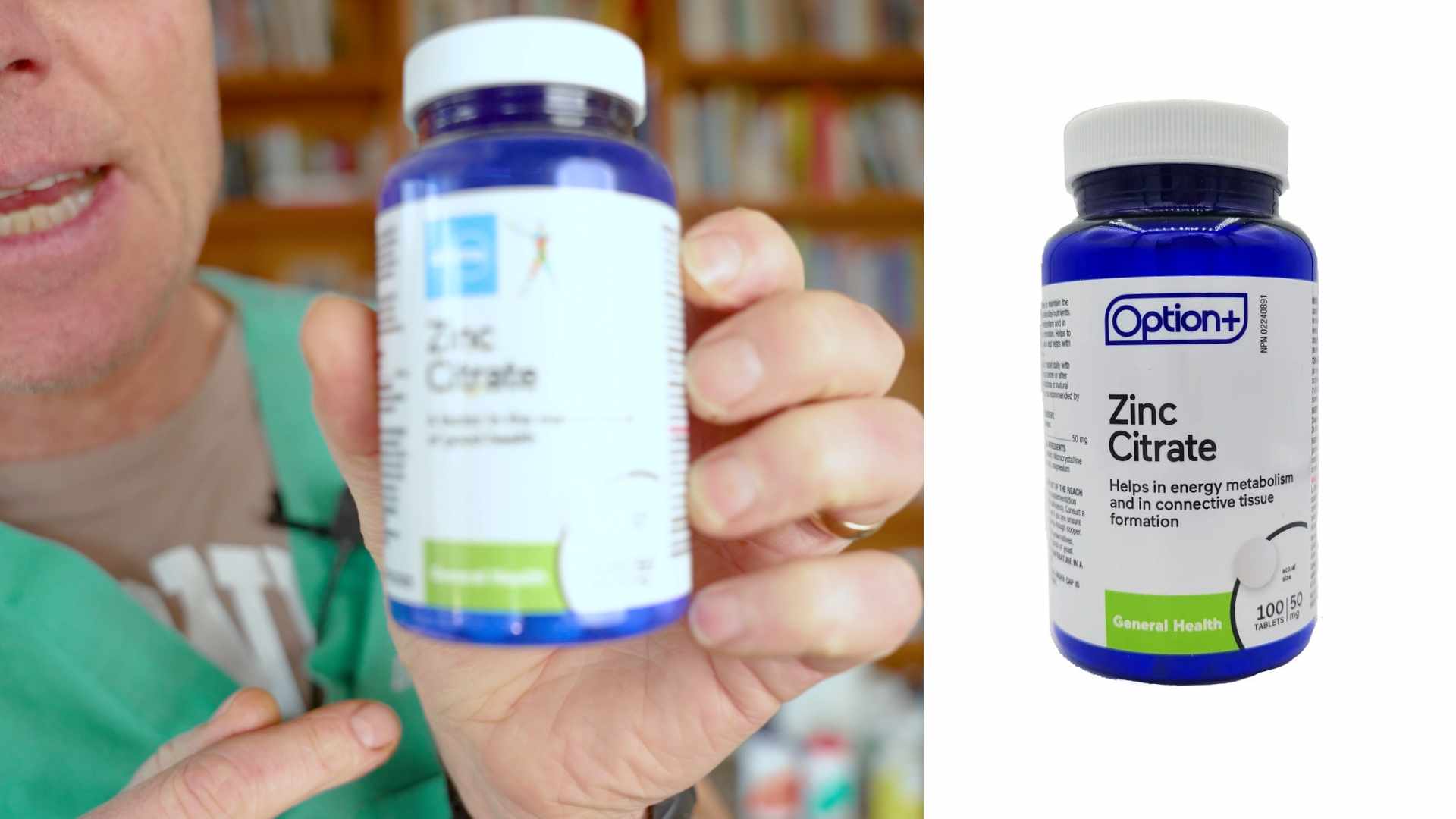
In people, sudden sensorineural hearing loss involves a sudden loss of hearing associated with the inner ear or hearing nerve. Inflammation and free radicals are thought to play a role.
Zinc has antioxidant and anti-inflammatory effects that may be useful in the cochlea, the hearing structure within the inner ear. Human studies have suggested that zinc supplementation may help recovery in some cases of sudden hearing loss.
The forms I discussed are:
- Zinc citrate.
- Zinc bisglycinate, which may be better absorbed and less likely to cause gastrointestinal upset.
I discussed a dose of 1 mg per kilogram of body weight, with a 30-day trial.
For a 5 kg pet, that is approximately 5 mg, or one-third of the 15 mg tablet I demonstrated. I did not specify a dosing frequency in that discussion, so confirm the schedule with your veterinarian.
If there is no noticeable benefit after a month, zinc may not be helping in that particular case.
3. Omega-3 fatty acids for inner ear support
Omega-3 fatty acids are one of the supplements I would consider regardless of why a dog or cat is losing hearing.
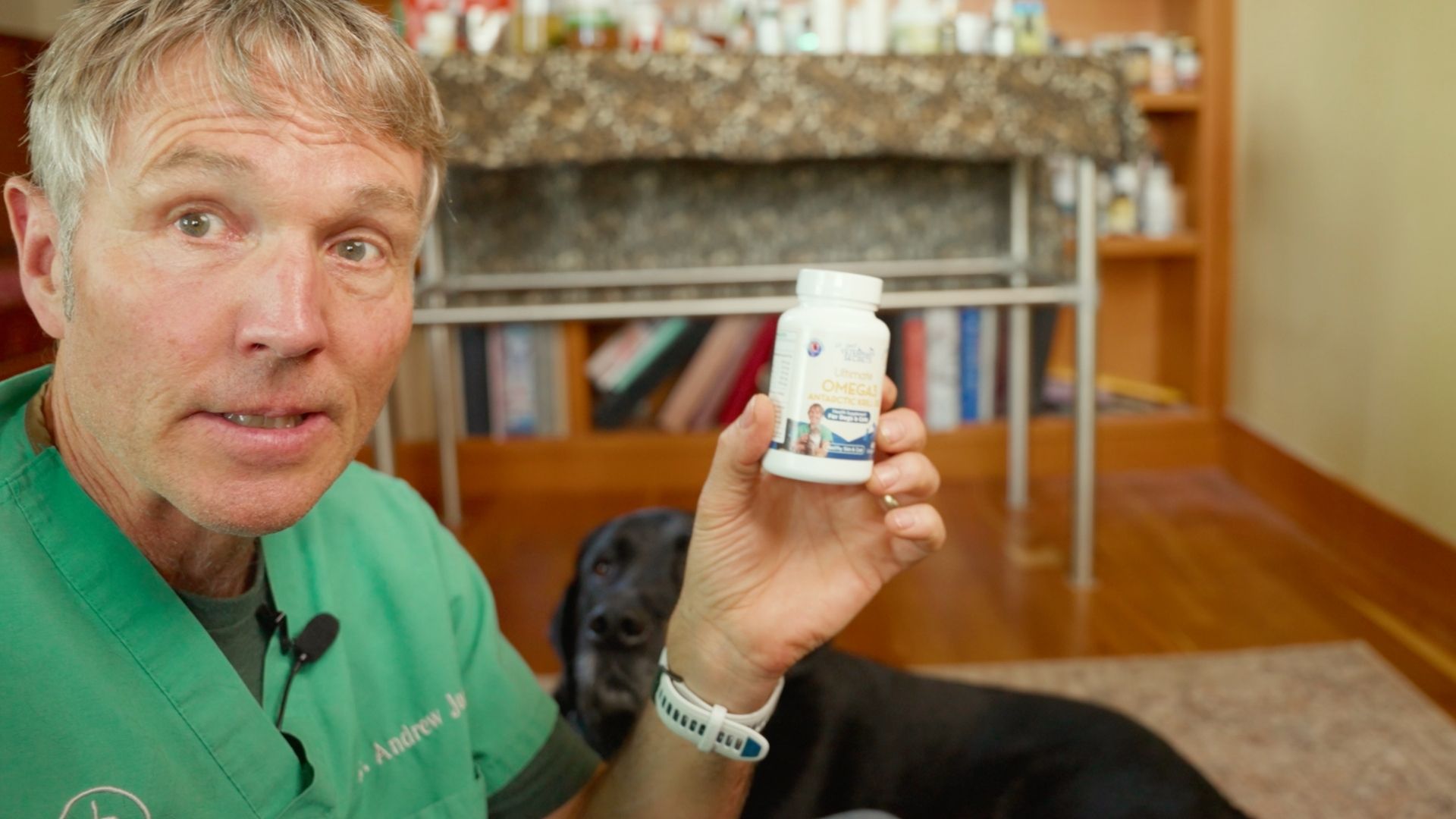
EPA and DHA, the anti-inflammatory components of omega-3 fatty acids, may help decrease inflammation in the cochlea and support blood flow to the inner ear.
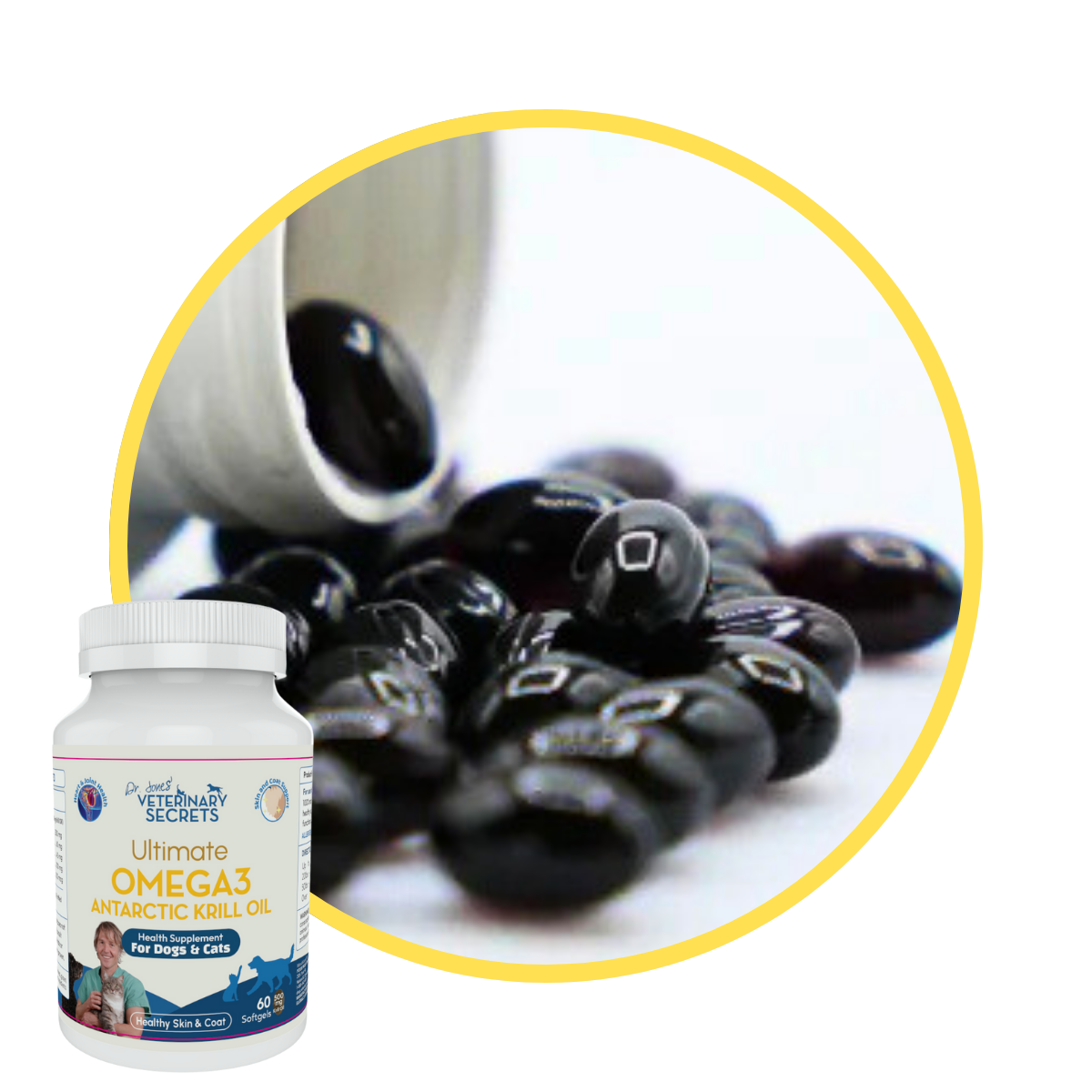
I discussed Dr. Jones’ Ultimate Omega-3 Formula for Dogs and Cats, including our krill oil supplement.
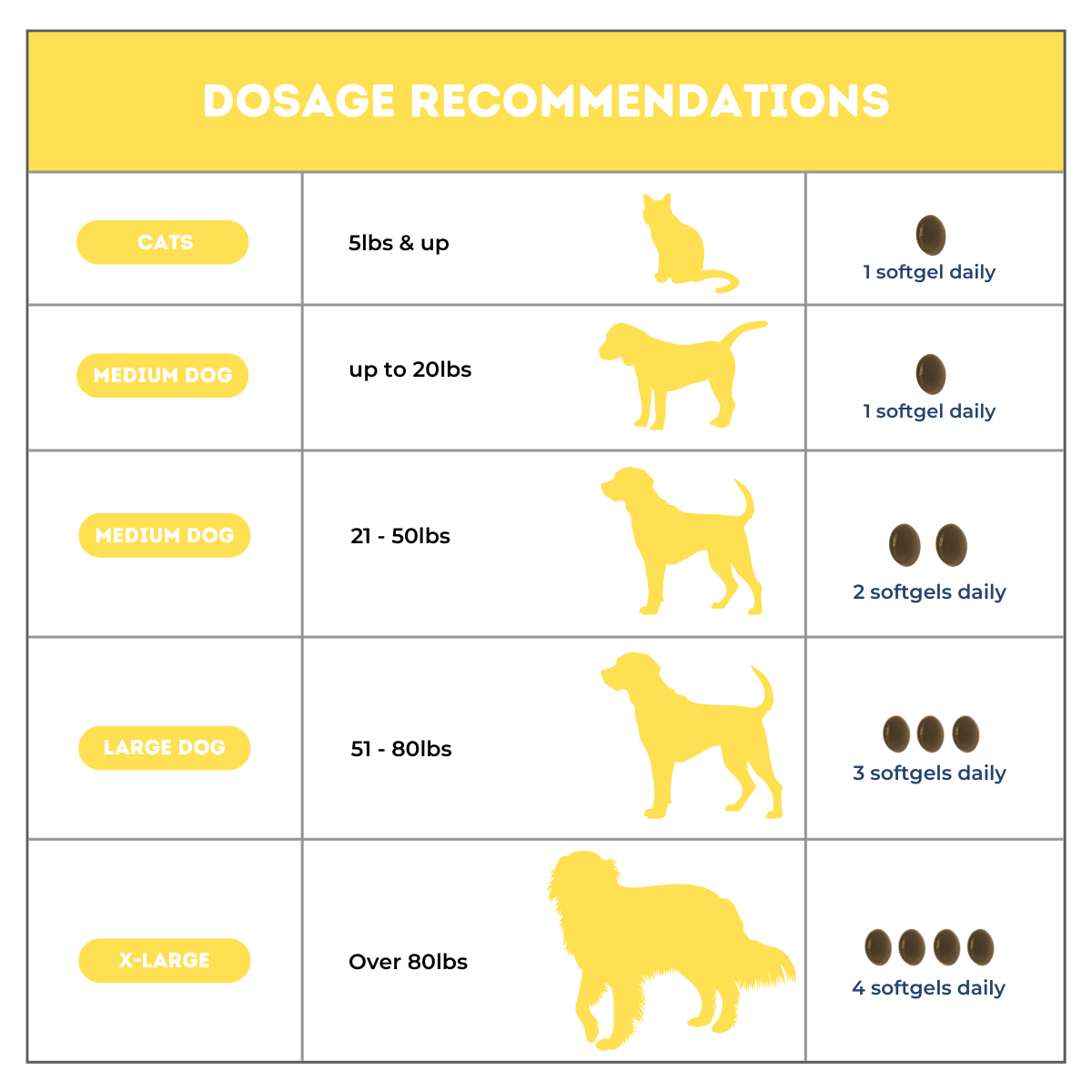
My suggested dose is:
- 500 mg per 25 pounds of body weight daily.
You could try this for a month to assess whether you notice any benefit. Omega-3s are also among the supplements I consider useful for longer-term support.
Cassian already gets his daily omega-3 supplement. He is doing his part, particularly when food is involved.
4. Magnesium for nerve function and blood flow
Magnesium may support normal nerve conduction and blood flow in the inner ear.
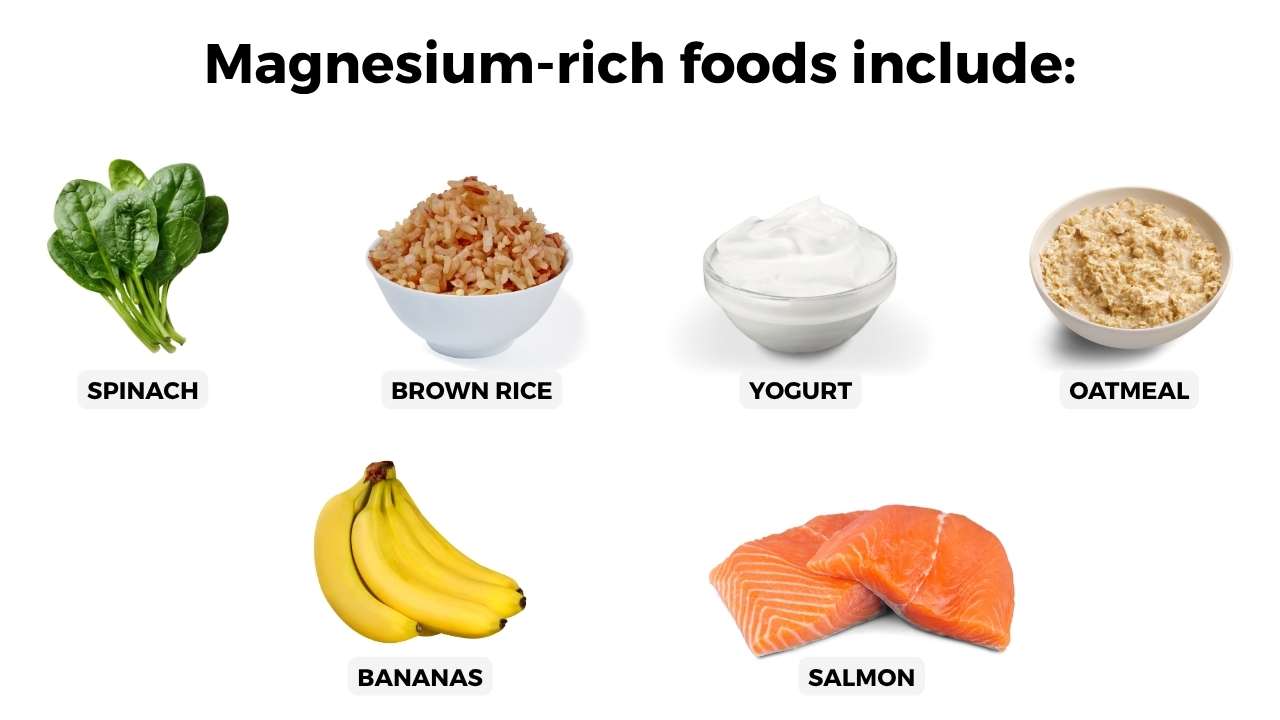
Magnesium has been studied for hearing loss in people, particularly hearing loss related to noise exposure.
There are two reasons I consider it:
- It helps support normal nerve function.
- It can relax smooth muscle in blood vessels, which may improve blood flow.
The inner ear needs functioning nerves and an adequate blood supply to transmit sound signals.
My suggested approach is:
- Start with 1 mg per kilogram of body weight once daily.
- Continue at that dose for approximately one week.
- If there is no gastrointestinal upset, increase to the same dose twice daily.
- Allow approximately 30 days to assess whether it helps.
For a 5 kg pet, the starting dose is approximately 5 mg once daily.
5. A little banana for potassium
A small amount of banana is a simple food-based way to add potassium to an older dog’s diet.
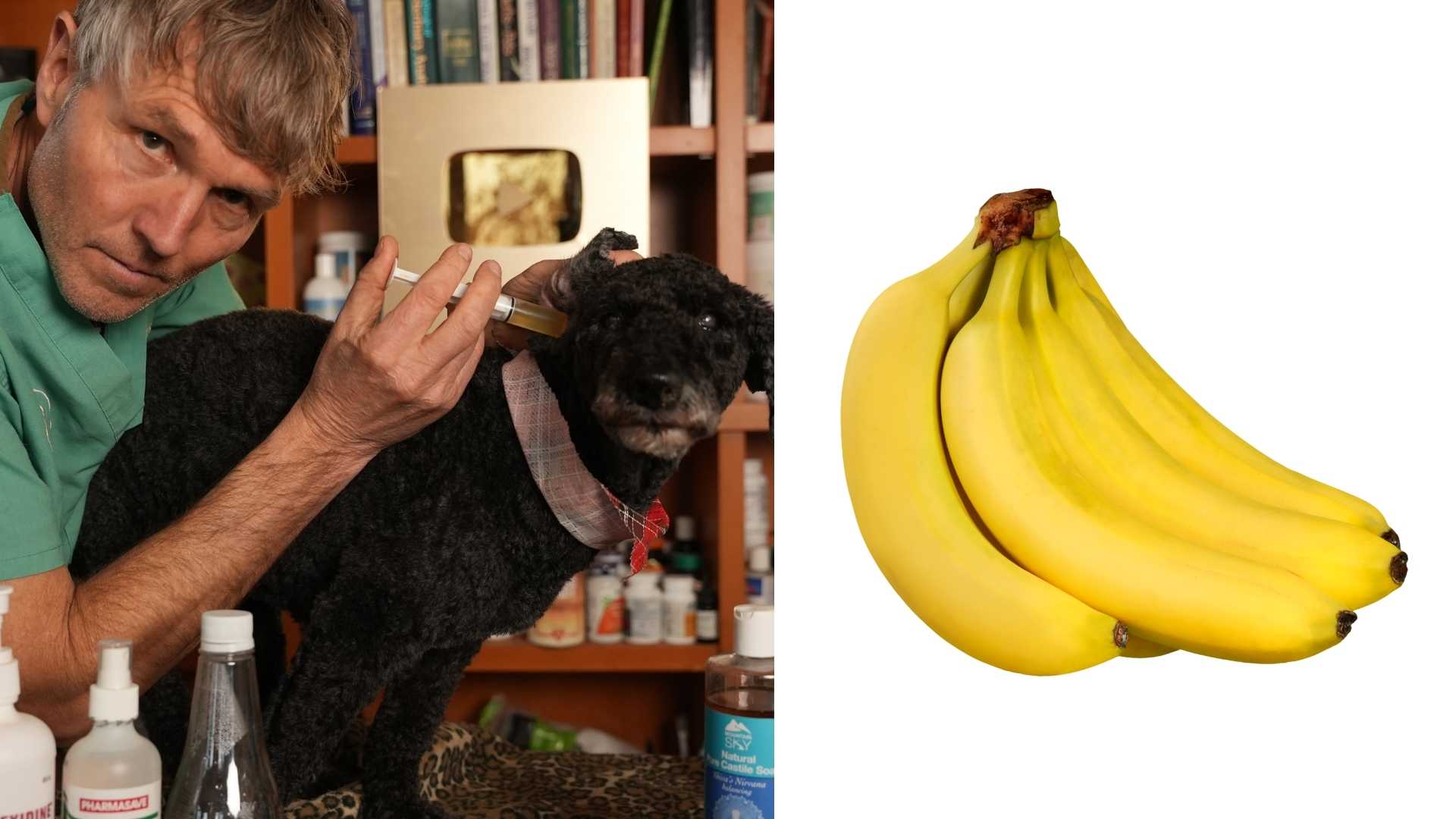
Potassium plays a role in nerve signaling. The sodium-potassium pump helps nerve cells generate the signals that allow sound information to travel along the auditory nerve to the brain.
Potassium levels in the inner ear may decline with aging, which is why I discussed adding a little through food.
For dogs, my suggested amount is:
- One-quarter of a banana per 20 pounds of body weight daily.
- Try it for two to four weeks.
This suggestion is specifically for dogs. I also mentioned that potassium supplements are sometimes used in animals with chronic kidney disease, but that is a separate treatment decision.
6. B vitamins for normal nerve function
B vitamins help support normal nerve function, including the protective covering around nerves.
Vitamin B12 and folate are involved in producing the myelin sheath, which helps nerves transmit signals normally.
As some pets get older, they may not absorb enough B vitamins or may lose more of them as kidney function changes.
For the human once-daily B-complex supplement I demonstrated, I discussed:
- One-quarter of a tablet per 20 pounds of body weight daily.
- Choose a formula that includes B12 and folate.
That tablet fraction refers to the product I showed. B-complex formulas vary, so review the actual formulation with your veterinarian.
Is a complete supplement an easier option?
A complete supplement may be a more convenient option if you do not want to use several individual vitamins and minerals.
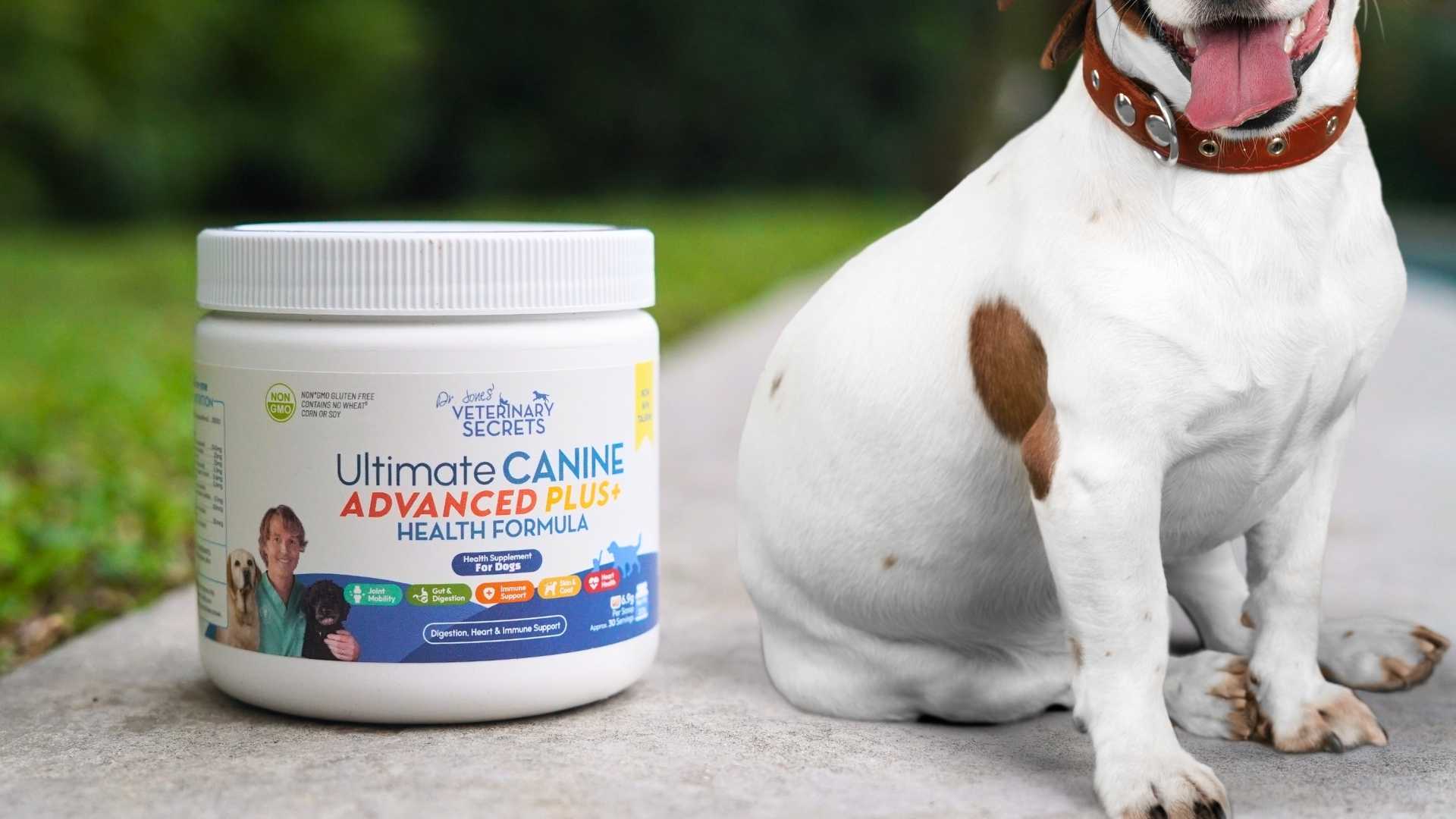
I discussed:
These provide additional vitamins and minerals that may help support an aging pet’s nutritional needs.
Older pets may not break down food or absorb nutrients as well as they once did. A complete supplement is one way to provide additional nutritional support.
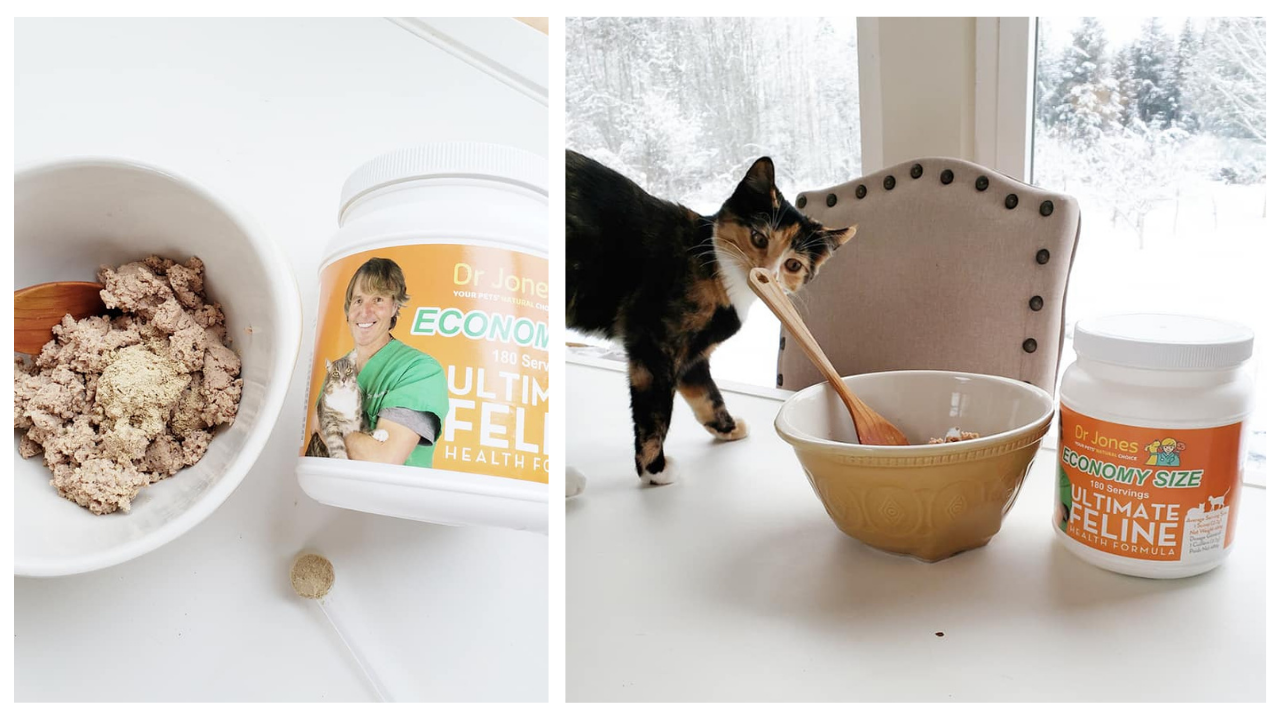
Will it magically cure hearing loss? Probably not. But it may help, and it is another option I would consider.
What would I do for a dog going deaf?
I would start by checking the ears and treating any infection or inflammation. Then I would consider whether supplements could provide useful support.
CBD may be an option for inflammation. Zinc is something I would consider for sudden hearing loss. Omega-3s, magnesium, and B vitamins may support the inner ear and nerve function, while a little banana offers a simple potassium source for dogs.
Keep your expectations practical. These are options to consider, not a promise that hearing will return. Give the chosen approach the trial period discussed and pay attention to whether you notice a difference.
P.S. Your dog may be missing a few sounds, but I suspect a little banana will still get their attention. Start with an ear check, keep things simple, and remember that more supplements do not automatically mean more benefit.
Click To Get A Free Copy of My E-Book!

What doses did I discuss for hearing support?
These amounts summarize my discussion. Review the product and dose with your veterinarian before starting, particularly when combining mineral supplements or using them alongside medications.
| Option | Amount discussed | Frequency | Trial period |
|---|---|---|---|
| CBD | 2 mg/kg per dose | Twice daily | 10–14 days |
| Zinc | 1 mg/kg | Confirm with your veterinarian | 30 days |
| Omega-3 supplement | 500 mg per 25 lb | Daily | One month initially; longer-term use also discussed |
| Magnesium | 1 mg/kg per dose | Once daily initially; twice daily after one week if tolerated | Approximately 30 days |
| Banana, for dogs | ¼ banana per 20 lb | Daily | 2–4 weeks |
| B-complex | ¼ tablet per 20 lb of the demonstrated human once-daily product | Daily | Not specified |