Dog and Cat Diabetes Diet and Natural Support: What Helps?

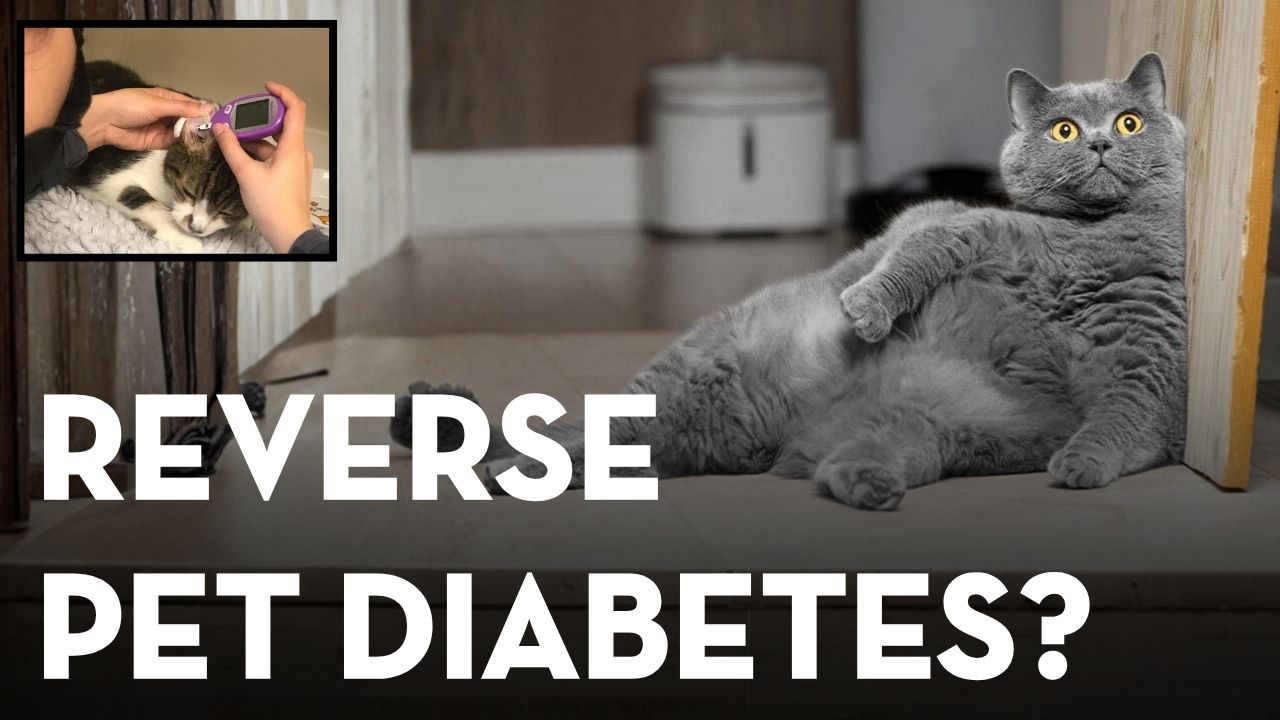
Can Dog and Cat Diabetes Be Managed Without Insulin?
Sometimes, but not always.
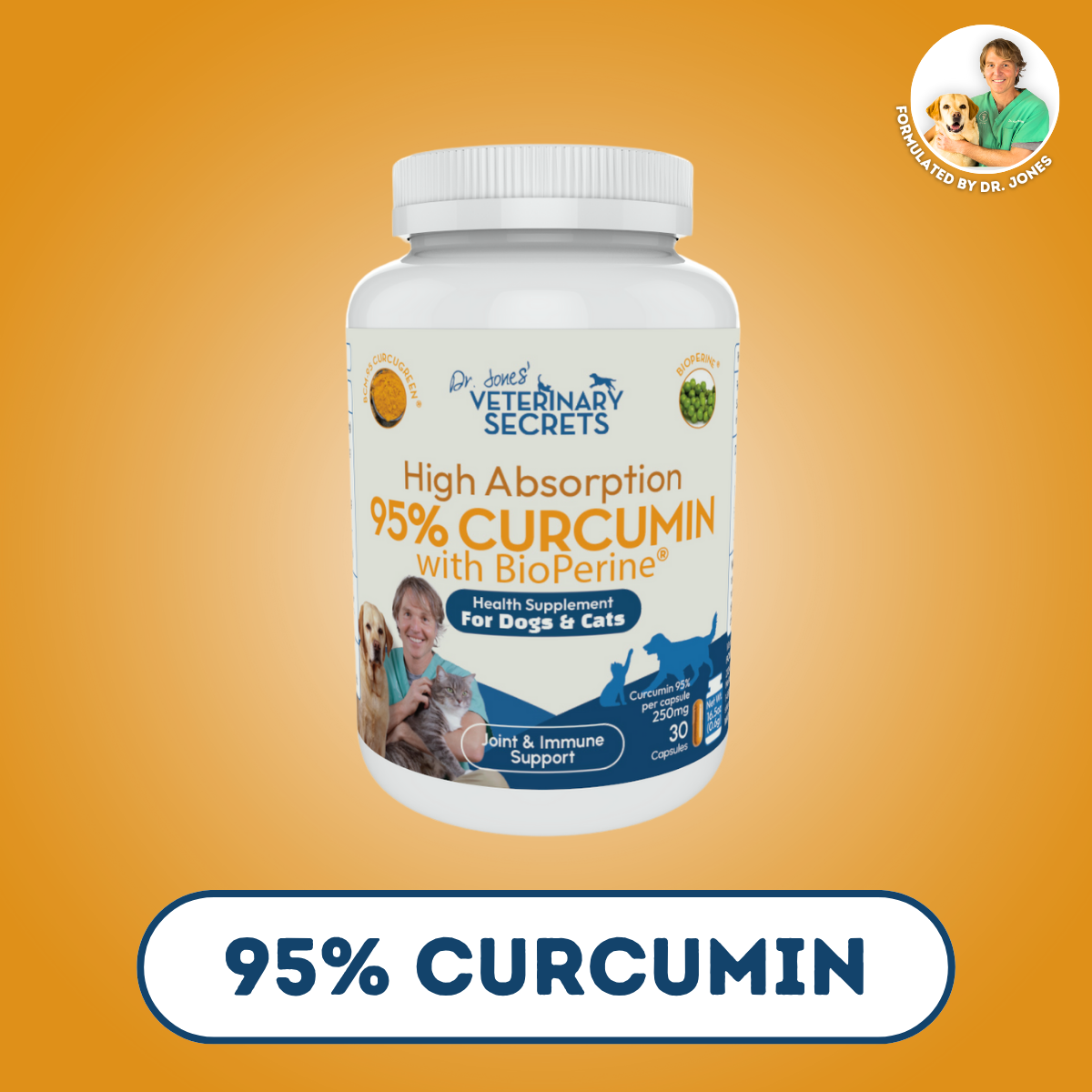
Dr. Jones’ Ultimate High Absorption 95% Curcumin for Dogs and Cats




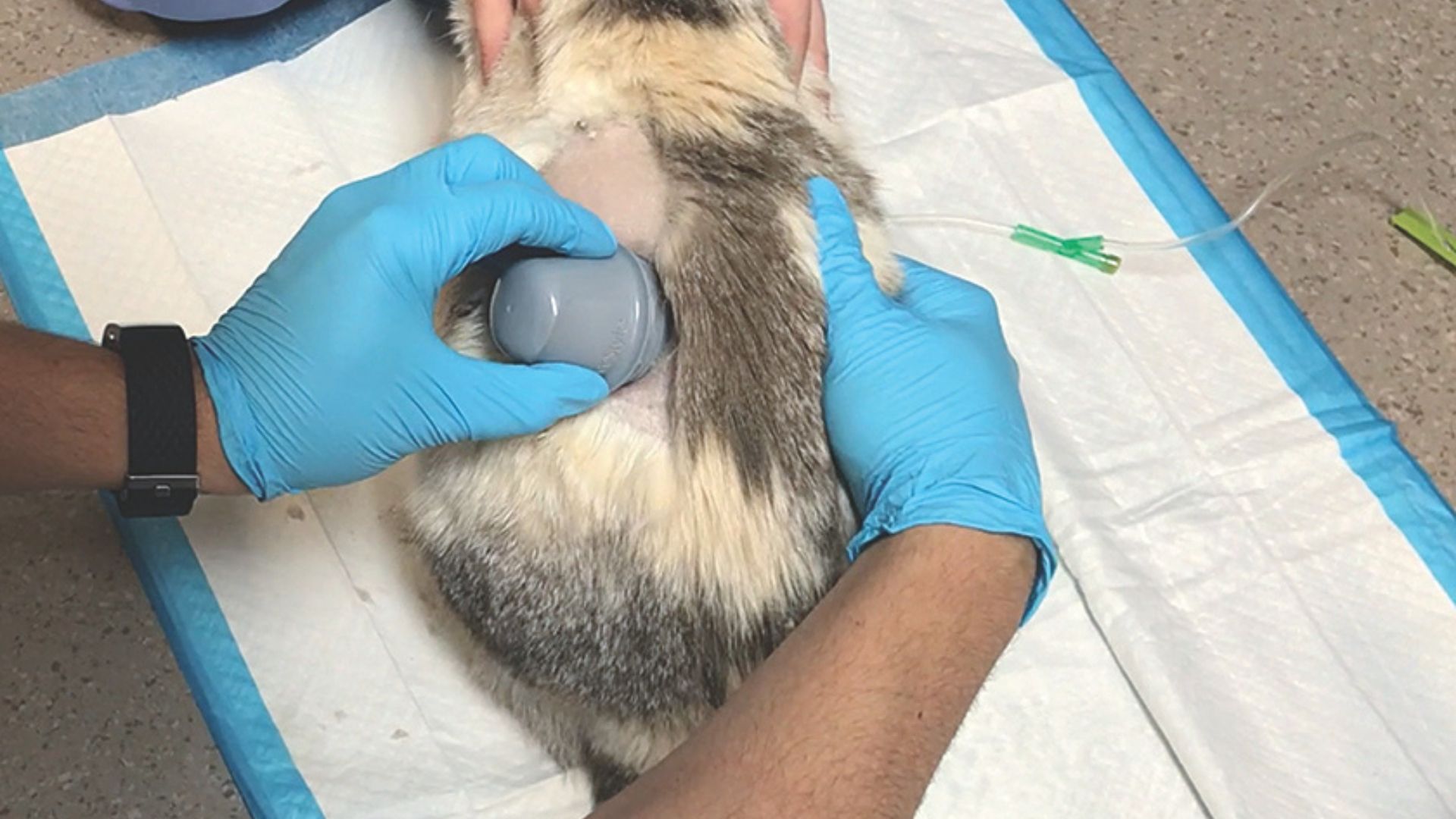
What Is Diabetes in Dogs and Cats?
Diabetes happens when your pet’s body cannot properly move glucose, or sugar, from the bloodstream into the cells.
Glucose is fuel. The brain, muscles, and other tissues need it to function. But glucose needs insulin to enter the cells.
When there is not enough insulin, or the cells stop responding to insulin, blood sugar rises. That extra sugar then spills into the urine, which leads to many of the classic signs of diabetes.
What Causes Diabetes in Dogs and Cats?

There are two big issues I look at with diabetes: diet and inflammation.
1. Too Many Carbohydrates
Dry kibble is often high in carbohydrates. Carbohydrates break down into glucose, which can push blood sugar higher.
Over time, repeated glucose spikes may overwhelm the pancreas and make the body less sensitive to insulin.
This is especially important for cats, who are designed to do best on animal protein, not bowls of dry, starchy kibble.
2. Chronic Inflammation
Chronic inflammation may also play a role in diabetes.
Inflammation can affect the pancreas, which may reduce insulin production. It can also affect the body’s cells, making them less responsive to insulin.
If your dog or cat has ongoing skin disease, arthritis, excess weight, or other chronic inflammatory issues, that inflammation may be part of the bigger picture.
What Are the Signs of Diabetes in Dogs and Cats?
The most common signs include:
| Sign | What You May Notice |
|---|---|
| Increased drinking | Your pet is constantly at the water bowl |
| Increased urination | More accidents, larger urine clumps, or more trips outside |
| Increased appetite | Your pet seems hungry all the time |
| Weight loss | Losing weight despite eating well |
| Urinary tract infections | Accidents, straining, licking, or blood in the urine |
| Sudden cataracts in dogs | Cloudy eyes or sudden vision changes |
| Lethargy | Weakness, tiredness, or acting “off” |
In diabetic dogs, excess glucose can enter the lens of the eye and cause sudden cataracts.
When too much fat is broken down for energy, ketones can build up. This can lead to diabetic ketoacidosis, which is serious and can become life-threatening.
What Should You Do First If You Suspect Diabetes?
If you think your dog or cat may have diabetes, the first step is to have it confirmed by your veterinarian.
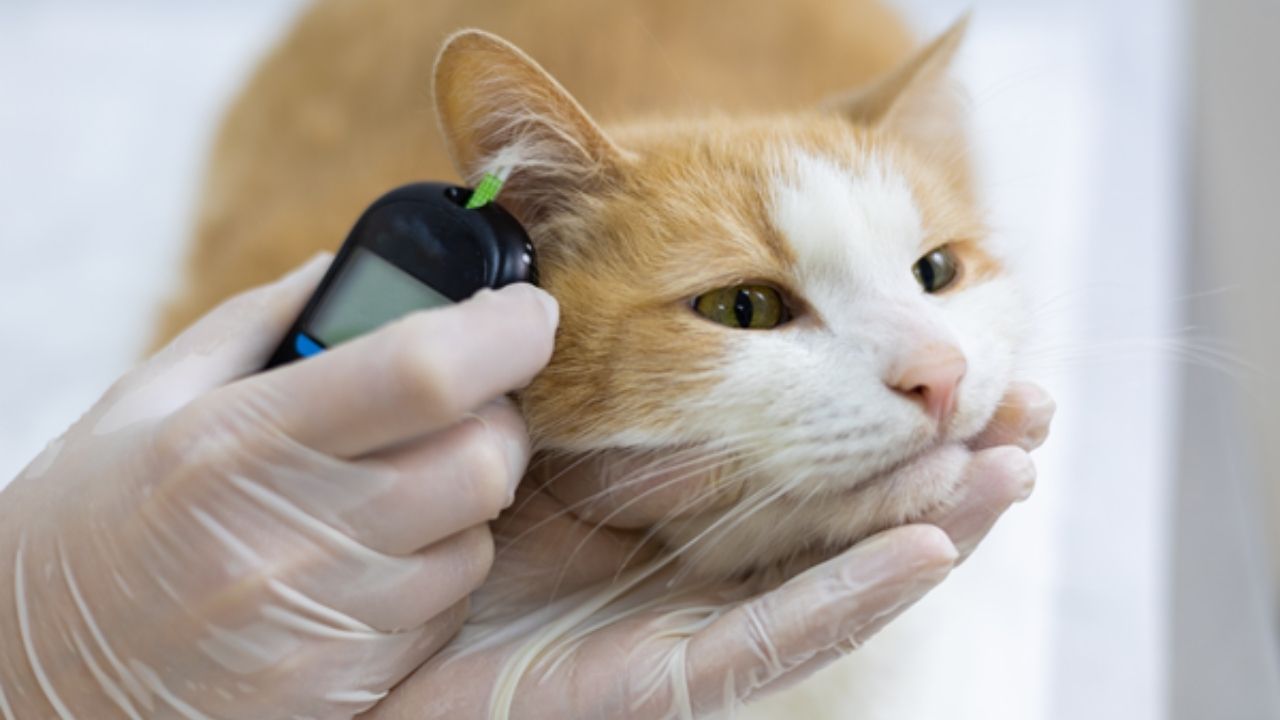
Your vet may recommend:
- Blood glucose testing
- Urine testing
- A fructosamine test
- Checking for ketones
- Screening for urinary tract infections
- Discussing insulin therapy
Initial treatment often involves insulin, especially for dogs. For harder-to-regulate pets, you can ask your vet about long-acting insulin options such as Glargine, also known as Lantus.
Can Diet Help Reduce the Need for Insulin?
Yes, especially in cats.
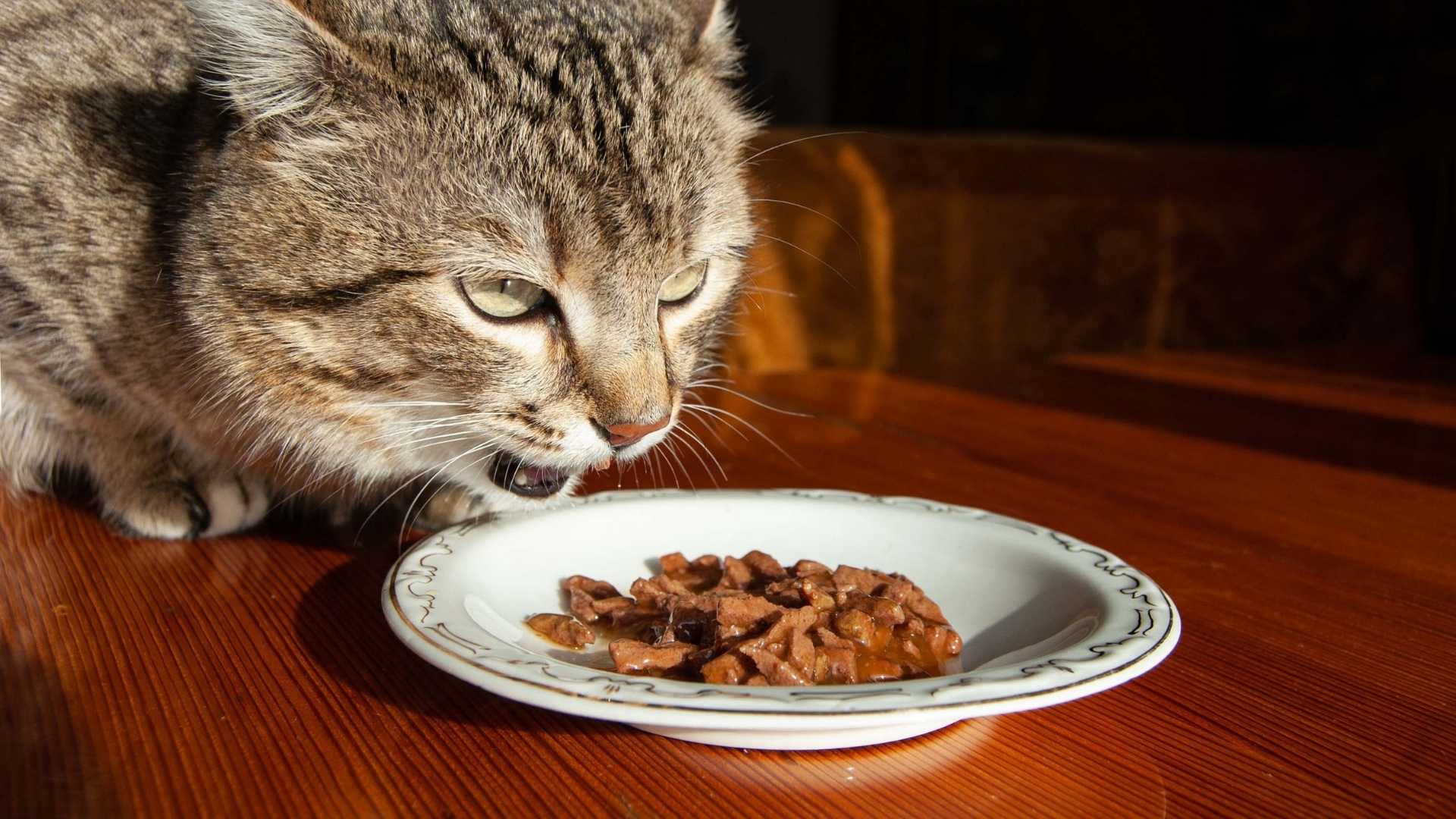
Diet is one of the biggest tools we have for supporting diabetic pets. It will not replace insulin for every dog or cat, but it can make regulation much easier.
What Is the Best Diet for Diabetic Dogs?
For dogs, some do well on a high-fiber, low-fat diet. Fiber slows sugar absorption and may help keep blood sugar more stable.
That said, I have often seen dogs do best on a higher-protein, lower-carbohydrate diet. It can depend on the individual dog.
For diabetic dogs, timing matters.
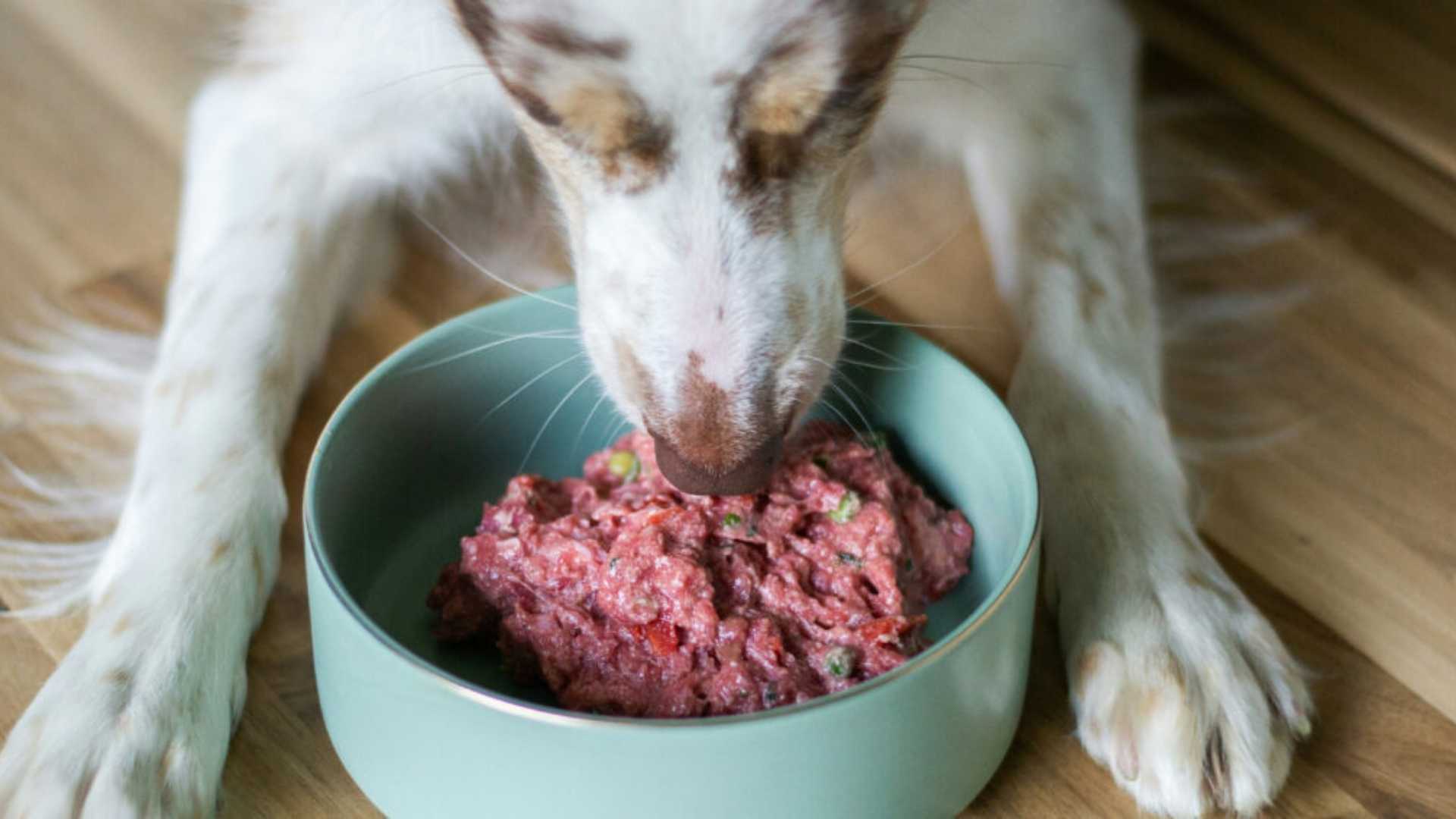
Most diabetic dogs do best with:
- Two meals daily
- Meals given at consistent times
- Insulin given right after eating, if your vet has prescribed it
- Regular monitoring to avoid low blood sugar
What Is the Best Diet for Diabetic Cats?
For cats, the big goal is simple: cut the carbohydrates way down.
Many diabetic cats do best on a diet that is:
- Less than 5% carbohydrates
- High in animal protein
- Moisture-rich
- Free from dry kibble
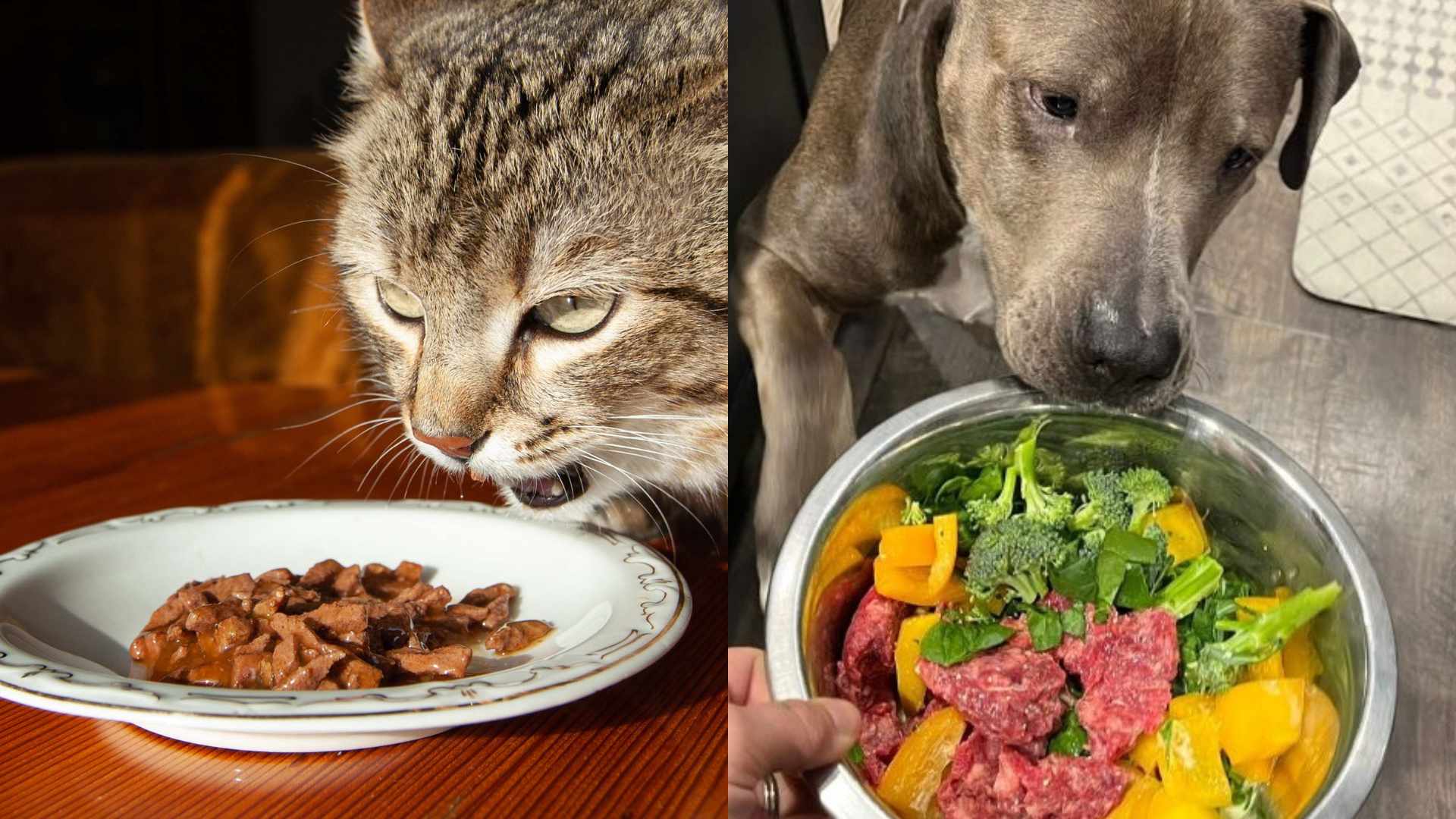
Good options may include canned food, balanced homemade diets, or properly prepared raw diets.
In my practice, changing diabetic cats to a very low-carbohydrate, high-protein diet helped about half reduce or eliminate their need for insulin. This takes monitoring, patience, and proper testing. It is not something to guess your way through.
Some diabetic cats may also do better with several small meals throughout the day.
What About Home Glucose Testing?
Home testing can be very helpful for diabetic dogs and cats.
There are two main options.
Continuous Glucose Monitoring
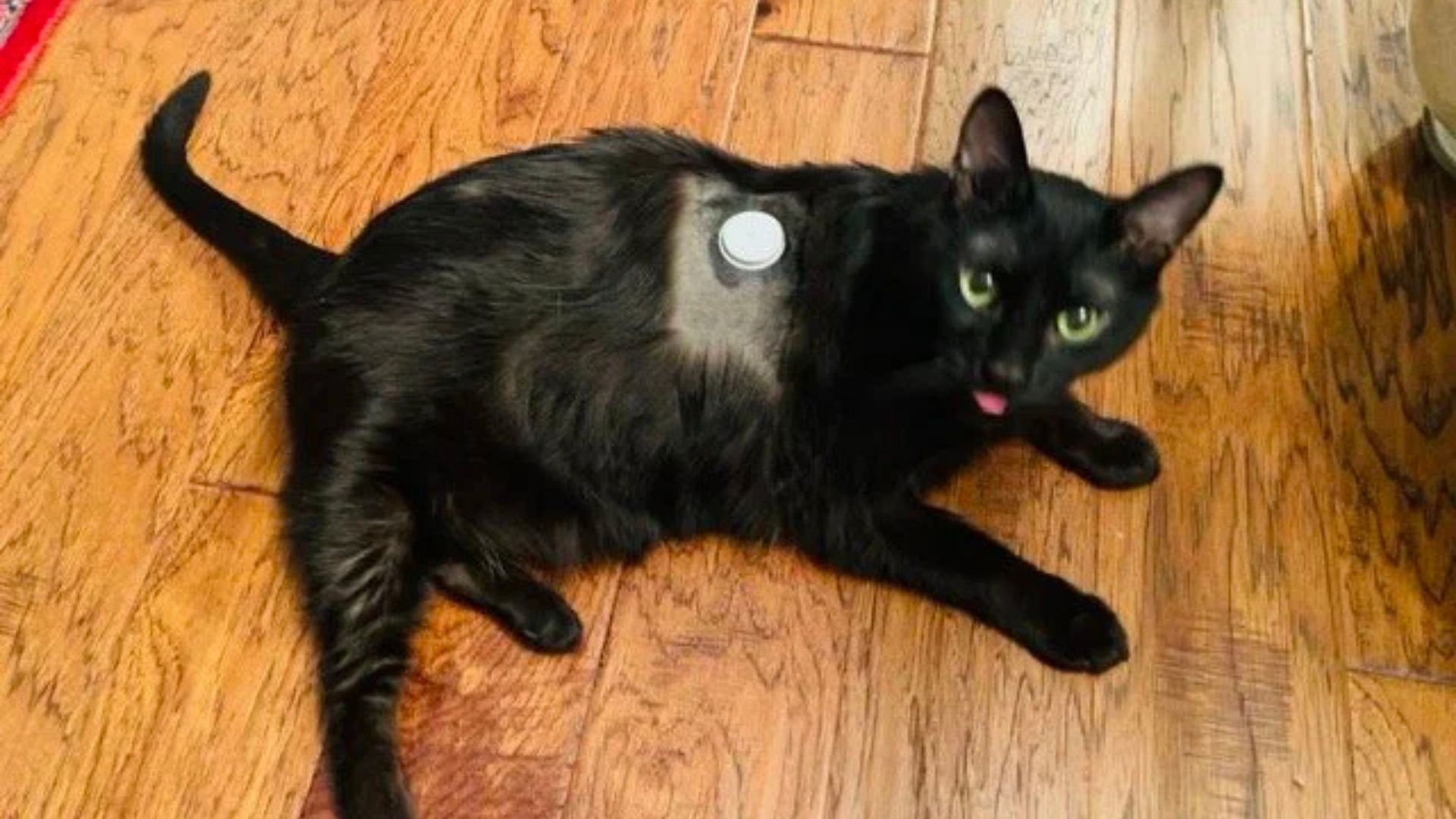
A continuous glucose monitor uses a small sensor placed on your pet. It pairs wirelessly with a phone and tracks tissue glucose levels throughout the day.
The sensor usually lasts up to two weeks. It can be a great option when your pet needs a glucose curve, and it may cost less than having that curve done in the clinic.
Spot Glucose Checks
A spot check uses a glucometer and a small blood sample.
Many pet parents check glucose before insulin injections or when they are worried about low blood sugar.
A small sample can often be taken from the tiny blood vessels around the rim of the ear. Your vet clinic can show you how to do this safely.
Should You Test for Ketones?
Yes, especially if your pet is newly diagnosed, poorly regulated, not eating, vomiting, or acting weak.
Ketones can be checked with urine dipsticks such as Ketostix.
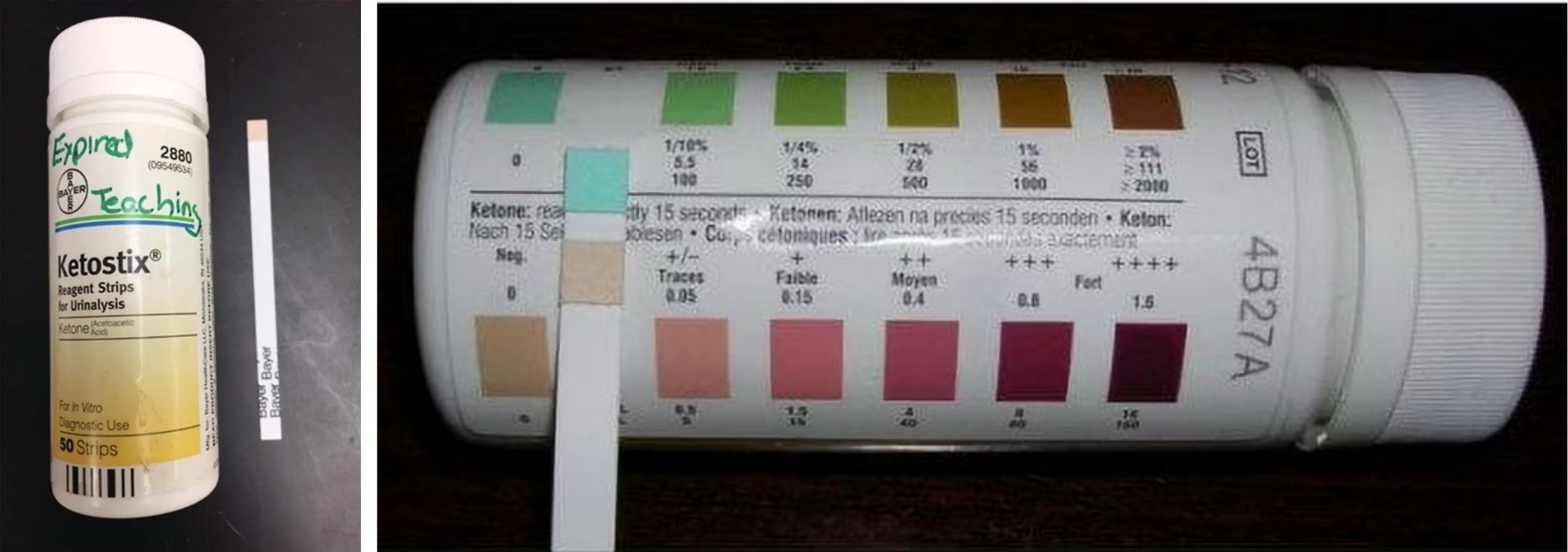
You only need a small drop of urine. Dip the strip, wait for the color change, and compare it to the guide on the bottle.
If ketones are present, call your veterinarian. If your pet is vomiting, weak, not eating, or very lethargic, this is urgent.
What Supplements May Help Diabetic Dogs and Cats?
Supplements do not replace insulin, diet change, or veterinary care. But certain supplements may help support inflammation control, insulin sensitivity, and metabolic health.

Diabetes Support Supplement Guide
| Supplement | Why It May Help | Suggested Amount | Best For | Not Best For |
| Omega-3 fatty acids from krill oil | May support insulin sensitivity and reduce inflammation | 500 mg krill oil per 10 to 20 lbs of body weight daily | Pets with inflammation, arthritis, skin issues, or metabolic concerns | Pets with bleeding disorders |
| CBD | May help reduce inflammation and support blood sugar balance | 3 mg per 10 lbs of body weight daily | Pets with inflammation, discomfort, or stress-related issues | |
| Coenzyme Q10 | Supports carbohydrate metabolism and may help blood sugar control | 20 mg per 10 lbs daily | Pets needing metabolic and antioxidant support | Pets on multiple medications |
| Chromium | May help glucose tolerance and insulin function | 1 tsp brewer’s yeast per 10 lbs daily | Pets needing glucose metabolism support | Pets sensitive to yeast |
| Probiotics | May help lower low-level inflammation and support gut health | 1 capsule daily up to 40 lbs, 2 capsules daily over 40 lbs. Maximum 2 capsules daily. | Cats and dogs with digestive or inflammatory concerns | |
| Colostrum | May support metabolism, muscle mass, and balanced blood glucose | 100 mg per 10 lbs daily | Pets needing immune and gut support | Pets sensitive to dairy-derived products |
| Curcumin | May lower inflammatory markers and support insulin sensitivity | Each capsule contains 250 mg curcumin | Pets with chronic inflammation, arthritis, skin disease, or metabolic issues | Pets on blood thinners or with gallbladder issues |
Why Consider Curcumin for Diabetic Pets?
Curcumin is the active compound isolated from turmeric. It is known for its anti-inflammatory and antioxidant effects.
Since chronic inflammation may be one of the underlying drivers of insulin resistance, curcumin can be a helpful support option for some dogs and cats.

Dr. Jones’ Ultimate High Absorption 95% Curcumin for Dogs and Cats contains:
- 250 mg curcumin per capsule
- BCM-95® Curcugreen®
- BioPerine®
- 30 capsules per jar
BCM-95® Curcugreen® is made for better absorption than regular curcumin. BioPerine®, from black pepper extract, is added to support absorption even further.
This supplement may be worth considering for pets with chronic inflammation, ongoing skin disease, arthritis, excess weight, or metabolic concerns.
Again, this is support. It is not a substitute for insulin in a pet that needs insulin.
What Are the Pros and Cons of Natural Support for Diabetes?
Pros
- May help reduce inflammation
- May improve insulin sensitivity
- Can support overall metabolic health
- Diet change may greatly help diabetic cats
- Home testing can give better day-to-day information
Cons
- Supplements cannot replace insulin for most diabetic dogs
- Blood sugar can drop too low if insulin and diet changes are not monitored
- Dosing must be done carefully
- Not every cat will go into remission
Best For / Not Best For:
Best For

Natural support may be helpful for:
- Diabetic cats on a low-carbohydrate diet
- Dogs needing better blood sugar regulation
- Pets with chronic inflammation
- Overweight pets
- Older dogs and cats with arthritis
- Pets with recurring skin disease or inflammatory issues
- Pet parents willing to monitor glucose and ketones properly
Not For
This is not a do-it-yourself plan for:
- Pets with ketones
- Pets that are vomiting
- Pets that are not eating
- Weak, collapsed, or severely lethargic pets
- Dogs or cats with very high blood sugar and no treatment plan
- Any pet whose insulin is being stopped without veterinary guidance
A Practical Step-by-Step Plan
If your dog or cat has diabetes, here is the practical order I would think about.
Step 1: Confirm the Diagnosis
Have your vet confirm diabetes with blood and urine testing.
Step 2: Start Insulin if Needed
Most dogs need insulin. Many cats need insulin at least in the beginning.
Do not delay this if your pet’s blood sugar is high or symptoms are worsening.
Step 3: Change the Diet
For cats, remove dry kibble and move toward a very low-carbohydrate, high-animal-protein diet.
For dogs, discuss whether a high-fiber, low-fat diet or a higher-protein, lower-carbohydrate diet makes more sense.
Step 4: Monitor at Home
Use a continuous glucose monitor or a glucometer if your vet agrees.
Also consider urine ketone testing with Ketostix.
Step 5: Add Supportive Supplements
Consider omega-3s, CoQ10, probiotics, chromium, colostrum, CBD, or curcumin where appropriate.
Start slowly and work with your vet, especially if your pet is on medication.
Step 6: Watch for Remission in Cats
Some cats can reduce or stop insulin after diet changes, but only with testing and veterinary guidance.
This is where home monitoring becomes very useful.
When Should You Call Your Veterinarian?

Call your vet right away if your diabetic dog or cat has:
- Vomiting
- Loss of appetite
- Weakness
- Collapse
- Rapid breathing
- Ketones in the urine
- Sudden vision changes
- Very high or very low glucose readings
- Seizures
- Severe lethargy
- Signs of a urinary tract infection
Diabetes is manageable, but it is not something to ignore.
My Own Experience With Murray
Our last cat, Murray, was diabetic. He came home on insulin.
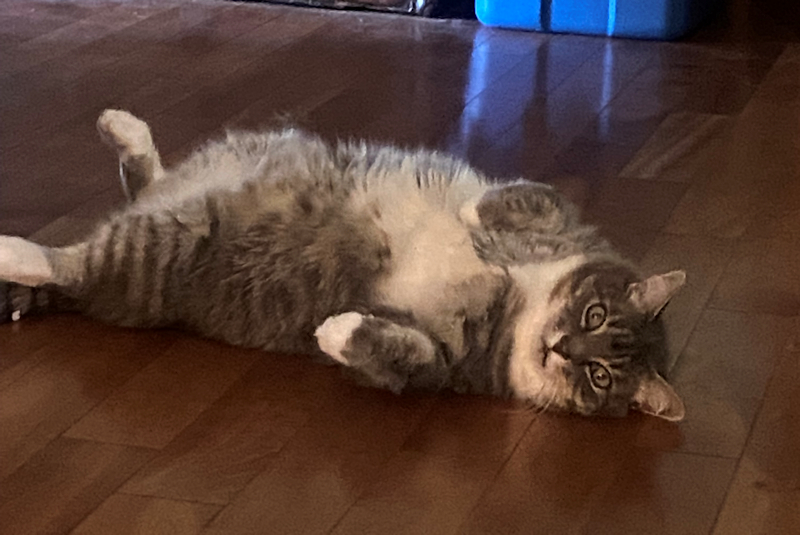
With diet change, testing, and supportive supplements, I was able to get him off insulin. The biggest change was moving him to 100% animal protein with no carbohydrates.
It was not easy. It took monitoring. It took patience. And it took being careful.
At the time, I did not know as much about curcumin as I do now. If I had, I definitely would have considered it for him because of its anti-inflammatory benefits.
Final Thoughts
Diabetes in dogs and cats is serious, but it is not hopeless.
For dogs, insulin is usually needed for life, but diet and supplements may help make regulation easier.
For cats, especially those with Type 2 diabetes, diet can make a remarkable difference. Removing dry kibble and feeding a high-protein, very low-carbohydrate diet is often the first big step.
The goal is not to throw everything at your pet and hope for the best. The goal is to lower inflammation, improve the diet, monitor properly, and work with your vet so your dog or cat has the best chance at feeling better.
Simple plan. Careful testing. Better food. Smart support.
That is how I would start.
Click To Get A Free Copy of My E-Book!

P.S. Our last cat, Murray, was diabetic. He came home on insulin, and with a strict change to 100% animal protein, no carbohydrates, regular testing, and supportive supplements, I was able to get him off insulin.
It was not quick, and it was not something I guessed my way through. Diabetes needs monitoring, especially when insulin is involved.
Looking back, I wish I knew then what I know now about curcumin and chronic inflammation. I would have seriously considered adding Curcumin to Murray’s routine.
P.P.S: Simple idea: if inflammation is part of the problem, lowering inflammation may be part of the support plan.
Just do it wisely, and work with your veterinarian if your pet is diabetic or taking medication.


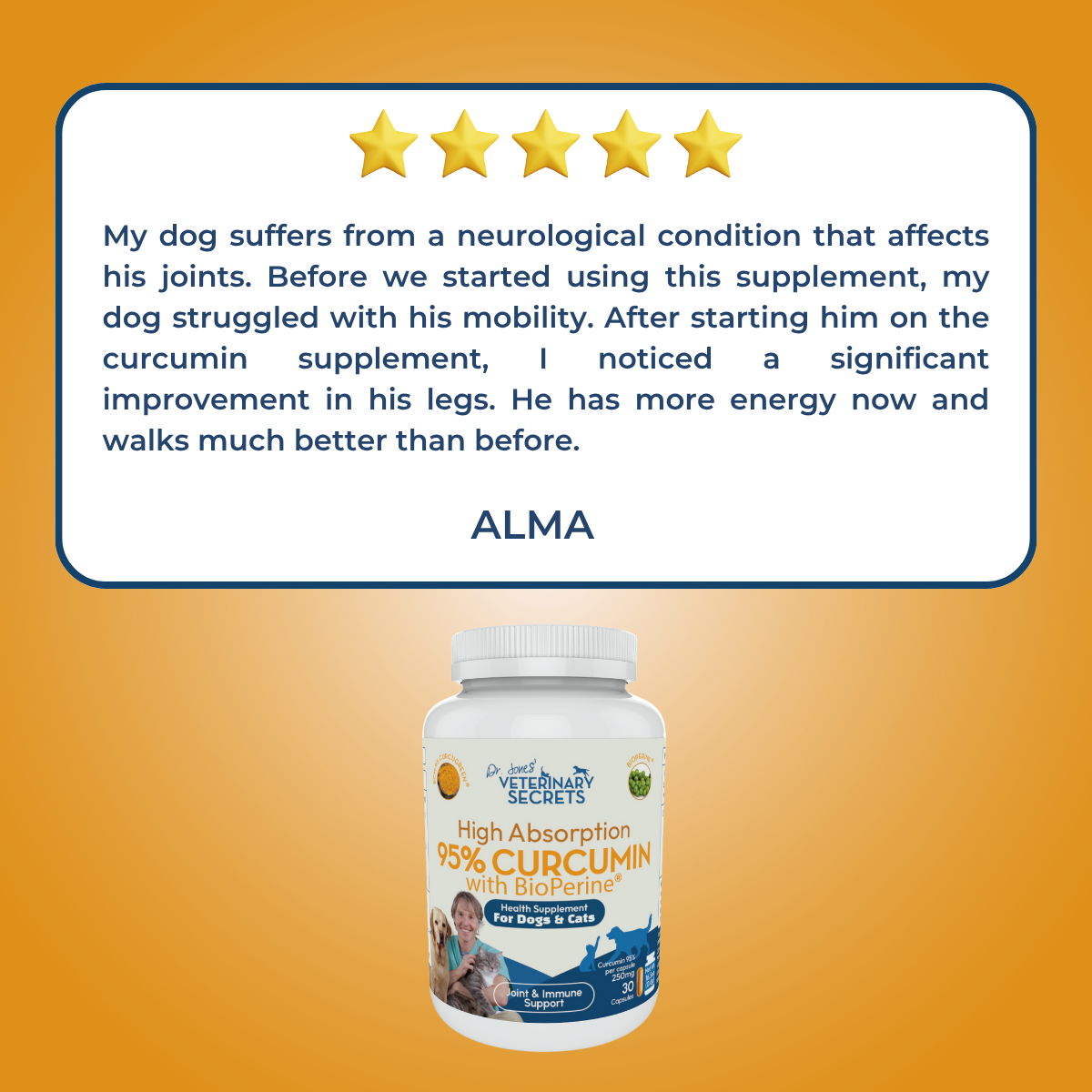

Testing the diabetes article advice for my senior cat.
Great to hear you’re giving the diabetes advice a try with your senior cat. Keep an eye on their appetite, thirst, weight, and energy level as those changes can tell us a lot. Fingers crossed for some positive progress and a few extra purrs along the way.