Do You Let Your Pets Drink Tap Water? Here’s Why I Stopped

Do You Let Your Pets Drink Tap Water? Here’s Why I Stopped
For years, I thought tap water was fine.
You turn on the tap, fill the bowl, and your pet drinks it. Just water, right? I honestly believed concerns about water quality were probably overblown.
I was wrong.
Over time, I completely changed my mind. And once you understand what can be in tap water, you may rethink what you are giving your dog or cat every day.
Dr. Jones’ Complete Digestive Care Soft Chews


Why I Started Questioning Tap Water
This started on the human side of things.
My wife has acid reflux, like millions of people do. While diet plays a role, one of the things that made a noticeable difference was changing the water she drank. Using filtered water that removed chlorine, chemical byproducts, and added balanced minerals helped reduce symptoms.

That made me stop and think.
If water quality can impact human health that much, what about our pets who drink the same water every single day of their lives?
Is Tap Water Safe for Dogs and Cats?
In my opinion, probably not.
A study published in 2022 looked at contaminants found in municipal tap water and their impact on pet health. In some areas, specific pollutants were linked to a higher risk of bladder cancer in dogs.

One major concern was a chlorination byproduct called trihalomethane. These compounds form when chlorine reacts with organic material in water. The more heavily chlorinated the water, the higher the potential exposure.
That study alone was enough to make me look deeper.
What’s Really in Tap Water?
According to the Environmental Working Group, more than 320 different contaminants have been identified in U.S. municipal water supplies.
Here are some of the biggest ones to be aware of.
Forever Chemicals (PFAS)
These are called forever chemicals because they do not break down in the environment. Once they are released, they persist indefinitely.
They are found in nonstick cookware, stain resistant fabrics, waterproof clothing, carpets, furniture, pet bedding, and food packaging.
They are also found in drinking water.
Forever chemicals have been linked to cancer, immune dysfunction, hormone disruption, and shortened lifespan in both people and animals.
Chlorine and Chlorine Byproducts
Chlorine is added to water to kill bacteria, but it does not come without consequences. Chlorine byproducts are now linked to cancer risk in dogs, particularly bladder cancer.
Heavy Metals
Heavy metals like cadmium are present in many water supplies. These metals accumulate in the body over time and are associated with cancer, kidney disease, liver disease, and autoimmune conditions.
Your pet’s body does not detoxify heavy metals efficiently.
Nitrates
Chemical fertilizers used in agriculture create nitrates that run off into water systems. Nitrates have been linked to cancer and endocrine disruption.
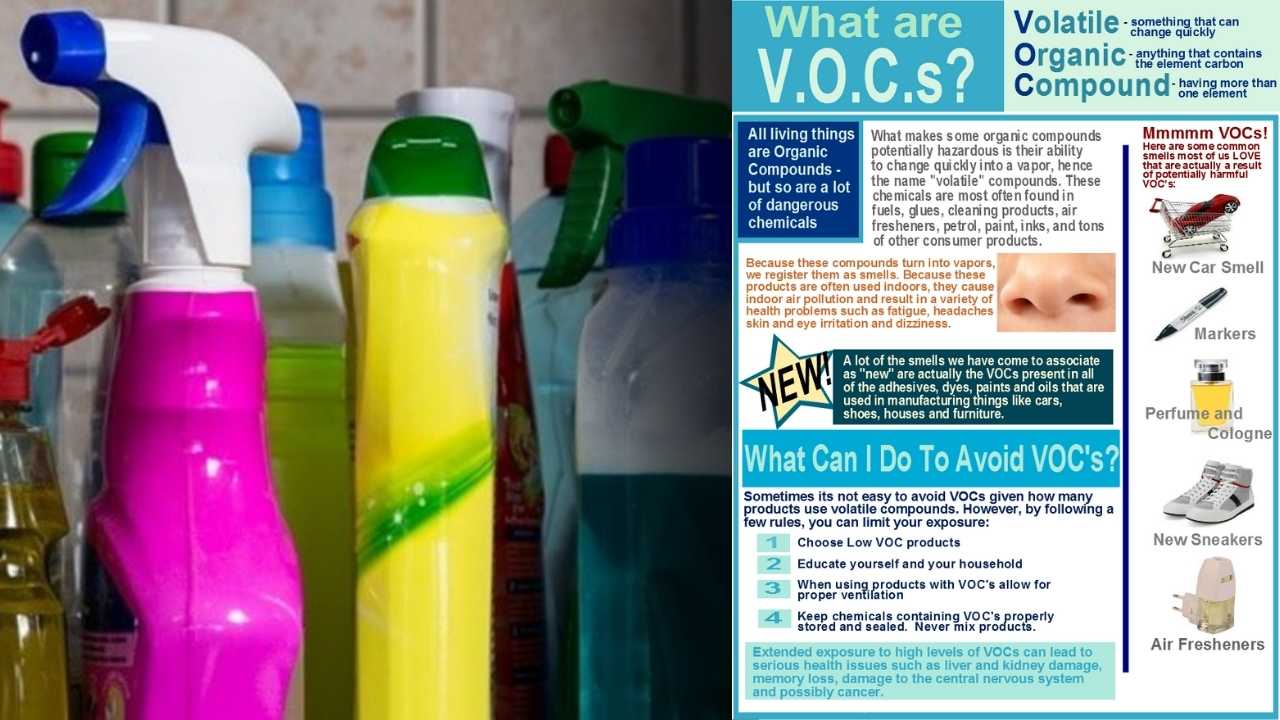
Benzene and Volatile Organic Compounds
Fuel byproducts like benzene can contaminate water supplies. These compounds are associated with cancer, neurologic disease, and organ dysfunction.
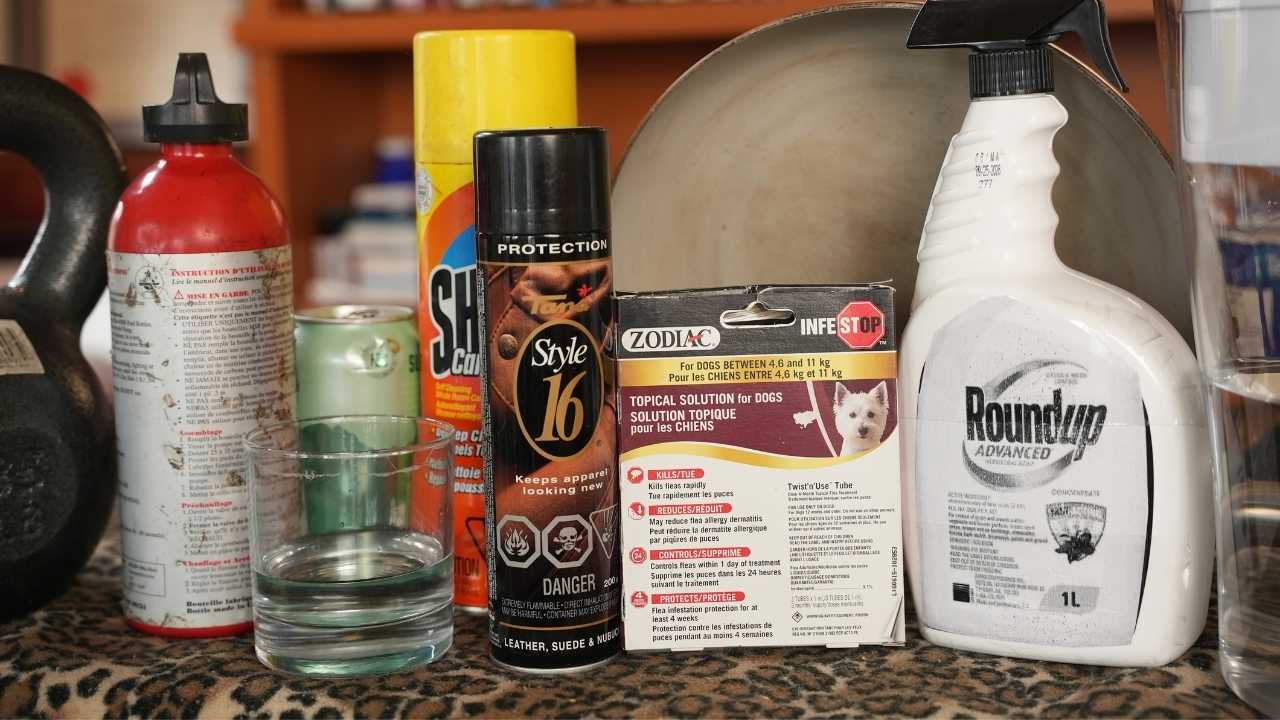
Glyphosate (Roundup)
Glyphosate is one of the most widely used herbicides in the world. It is sprayed on crops, forests, and public land.
Rain washes it into water systems.
Glyphosate is linked to epigenetic changes, meaning it can turn genes on or off. This is directly connected to cancer, immune disease, and shortened lifespan in pets.
Microplastics and Nanoplastics
Plastic breaks down into microscopic particles. If your water is not filtered, you and your pets are consuming microplastics daily.
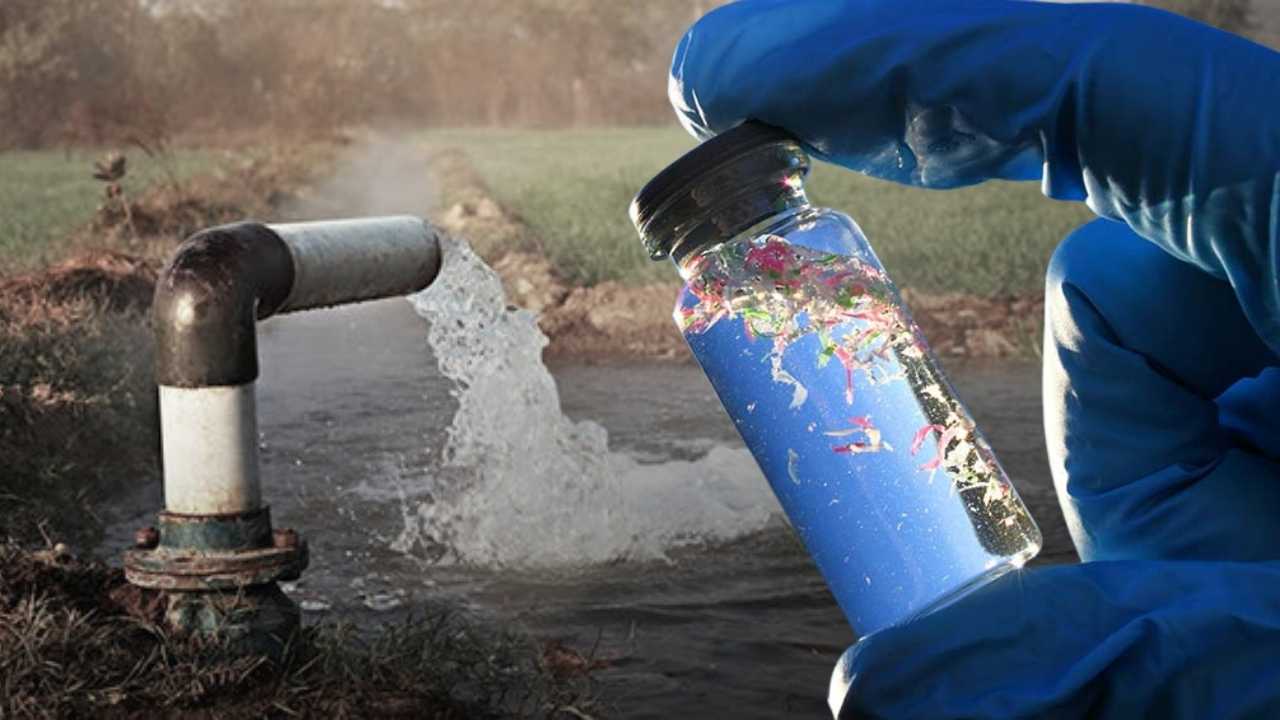
These particles can enter cells and even the nucleus of cells, affecting how genes behave.
Studies have shown dramatically higher levels of microplastics in the brains of people with neurodegenerative disease. These plastics are now found in virtually every organ tested.
Why Pets Are Especially at Risk
Dogs and cats drink the same water every day, often from plastic bowls.
They are smaller than us, so toxin exposure affects them more quickly. Their detox pathways are not as efficient. Over time, these exposures add up.
When I look at how common cancer has become in dogs, with estimates approaching 50 percent over a lifetime, I cannot ignore environmental exposure as a major contributor.
Water is one of the easiest places to reduce that burden.
What I Recommend Instead
You do not need an expensive or fancy system.
I do not recommend highly alkaline water for most pets. A balanced pH around neutral is ideal.
What matters most is removing contaminants, not stripping all minerals.
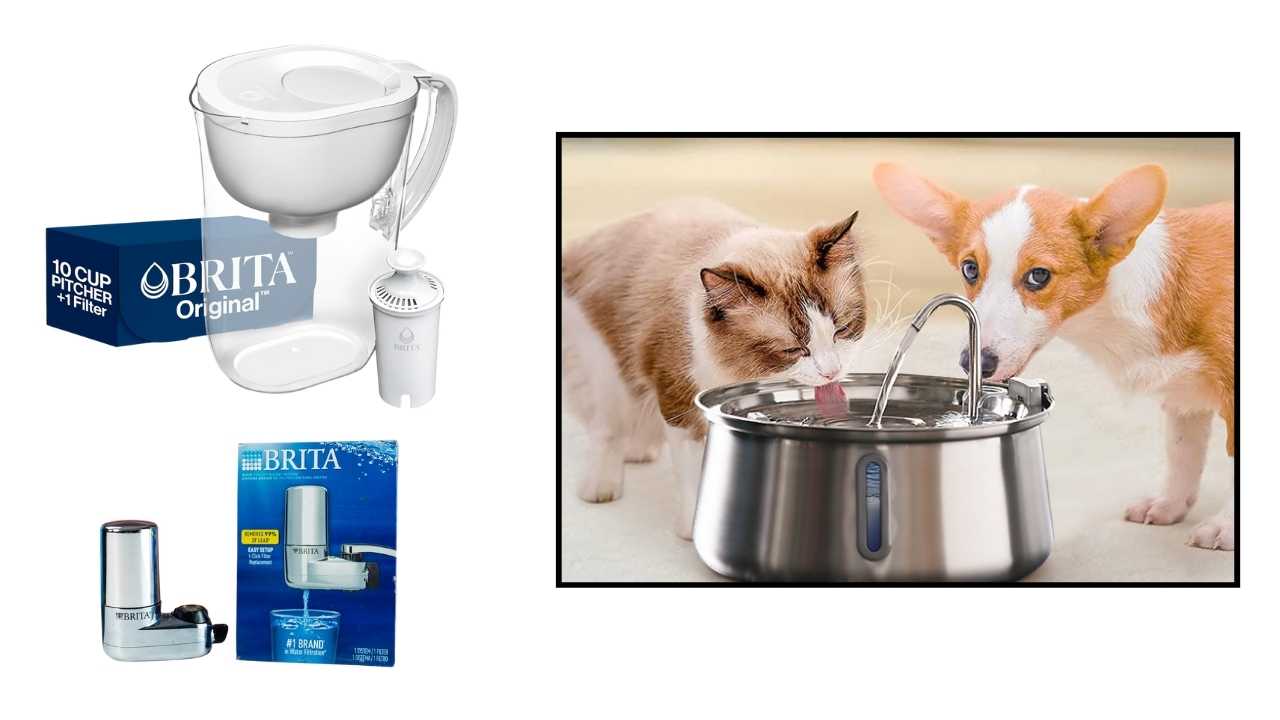
A simple countertop water filter works well. Brands like Brita remove:
-
Chlorine and byproducts
-
Heavy metals like cadmium
-
Glyphosate
-
Forever chemicals
-
Microplastics
Filtered water still contains beneficial minerals while removing what should not be there.
Does Water Quality Really Matter?
Yes. I believe it does.
When we look at rising rates of cancer, kidney disease, liver disease, and immune dysfunction in pets, environmental toxins are impossible to ignore.
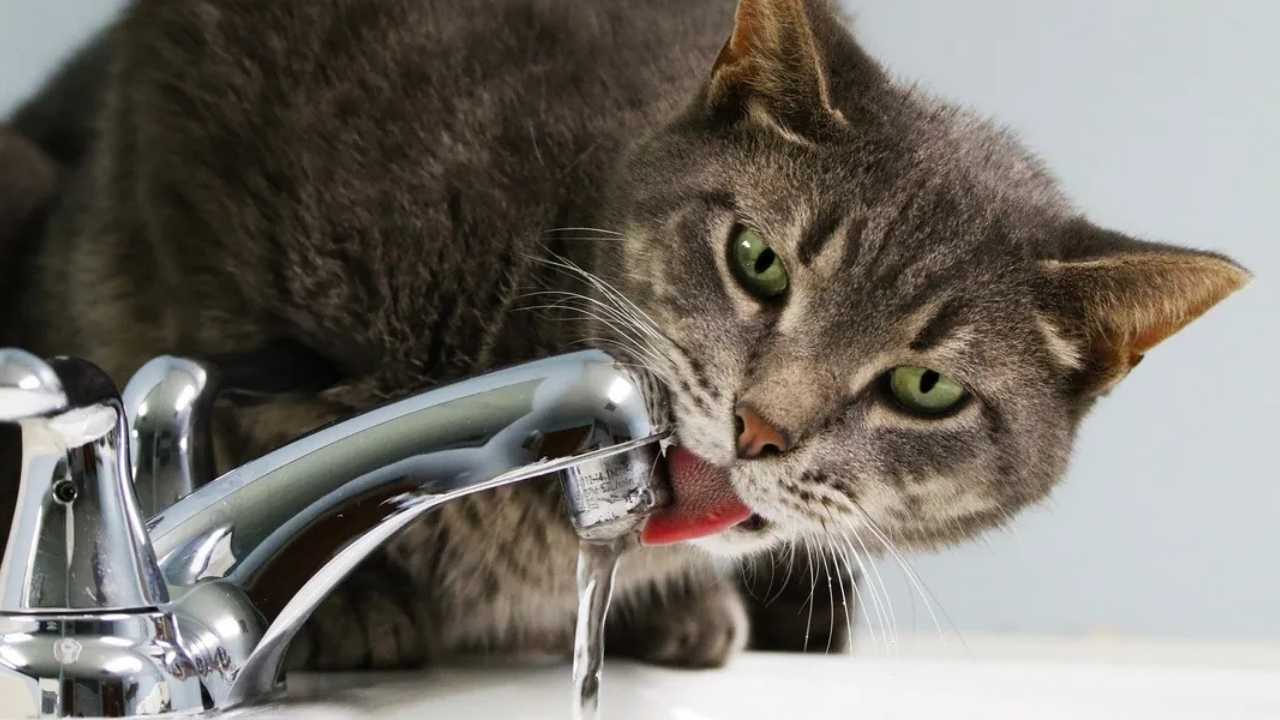
Water is something your pet consumes every single day.
Filtering it is one of the simplest ways to reduce toxic exposure and support long term health.
Final Thoughts
I used to think tap water was fine.
I do not anymore.
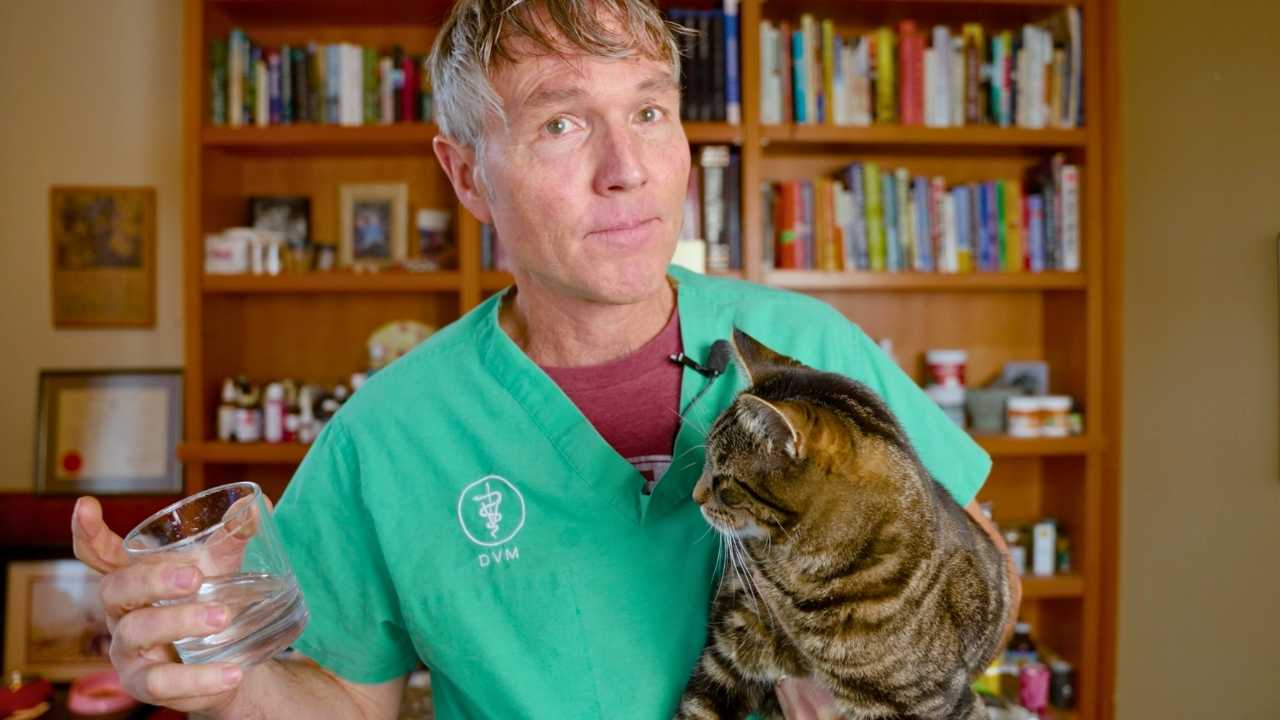
Once you understand what can be in it, filtering your pet’s water becomes an easy and practical step toward better health.
Small changes add up.
Click To Get A Free Copy of My E-Book!

P.S. You cannot control everything your pet is exposed to, but water is one thing you can control. Reducing daily toxin exposure matters.
P.P.S. If you are already thinking about diet, supplements, and lifestyle for your pet, clean water is part of that foundation.



Excellent advice! Though my pets & I drink well water, I think there still could be a chance of glycophosphates (the chemicals in Roundup) since so many (ignorant!) people use this dangerous chemical to control weeds. But also, I think rainfall waters gets into wells/groundwater, & I’m not so sure the rain is so “pure” anymore. I still see some spraying of the skies overhead (though it appears a lot less at least!)
Thank you for sharing your thoughts. Many caring pet parents raise similar concerns, and it’s completely understandable to think about how environmental exposures might affect long-term health.
Dr. Jones often emphasizes that while we can’t control everything in the environment, there are practical steps we can take to support our pets’ natural detoxification systems and overall resilience. Things like good hydration, minimizing chemical exposures where possible, and supporting the liver, kidneys, and gut can go a long way!
What are your thoughts on well water? We do a water filter.
Well water can be fine for pets, but it depends on what’s in it. Even with a filter, wells can contain high minerals, iron, sulfur, nitrates, bacteria, or heavy metals, which can affect kidneys, GI health, and urinary issues over time. A carbon filter helps taste and chlorine, but it may not remove metals or nitrates. For pets—especially seniors or those with kidney/urinary issues—it’s safest to test the well yearly and consider RO or distilled water if minerals or contaminants are high. If the water tests clean, filtered well water is generally okay.