Cat Urinary Problems: Signs of FLUTD and Natural Ways to Support Your Cat’s Bladder

Is Your Cat Having Urinary Problems?
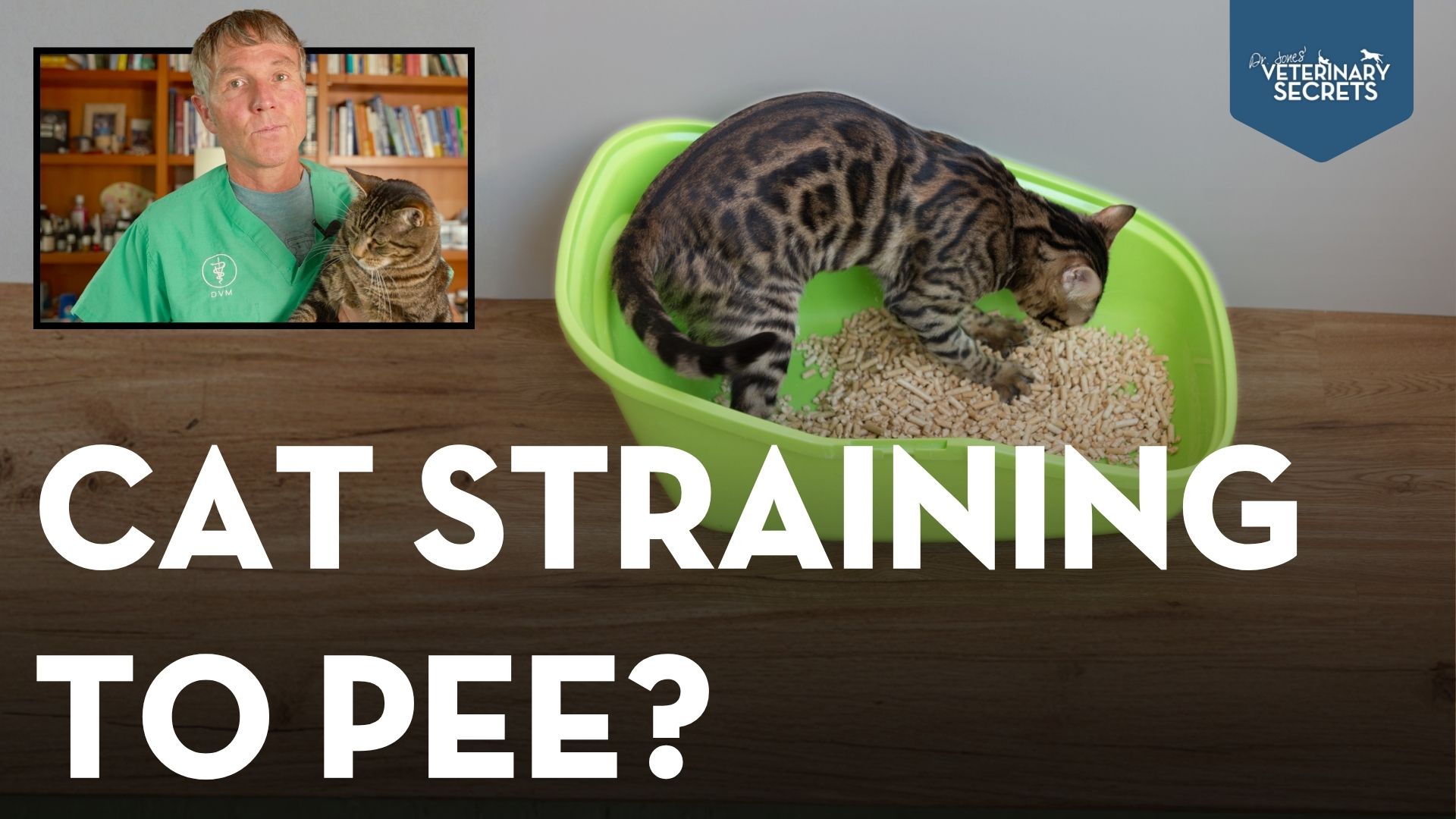
If your cat is frequently urinating, straining in the litter box, licking their genitals, passing blood in the urine, or urinating outside the litter box, they may have FLUTD, or Feline Lower Urinary Tract Disease.
This is common in cats, and it can be very painful.
But here is the important part:
Many cat urinary problems are not true bacterial infections.
They are often caused by inflammation of the bladder wall, stress, diet, low water intake, or irritation of the bladder lining.
That means antibiotics are often overused, and many cats need a different kind of support.
The first step is always this:
If your cat is straining and not producing urine, get veterinary help immediately.
A blocked cat is an emergency.
After that, the big goals are simple:
-
Increase water intake
-
Reduce bladder inflammation
-
Support the bladder lining
-
Lower stress
-
Avoid unnecessary antibiotics
-
Use the right food
-
Support urinary health daily
Your cat’s bladder does not need drama.
It needs water, calm, and the right support.


What Is FLUTD in Cats?
FLUTD stands for Feline Lower Urinary Tract Disease.
It is a general term for urinary problems affecting the bladder and lower urinary tract.
Cats with FLUTD may have:
-
Frequent urination
-
Straining to urinate
-
Bladder pain
-
Blood in the urine
-
Excessive licking of the genitals
-
Urinating outside the litter box
-
Small urine clumps in the litter box
The condition is often called idiopathic, which means we do not always know the exact underlying cause.
But we do know this:
There is marked inflammation of the bladder.
The bladder lining becomes thickened and irritated, and the result can be pain, blood in the urine, and frequent attempts to urinate.
What Are the Signs of FLUTD?
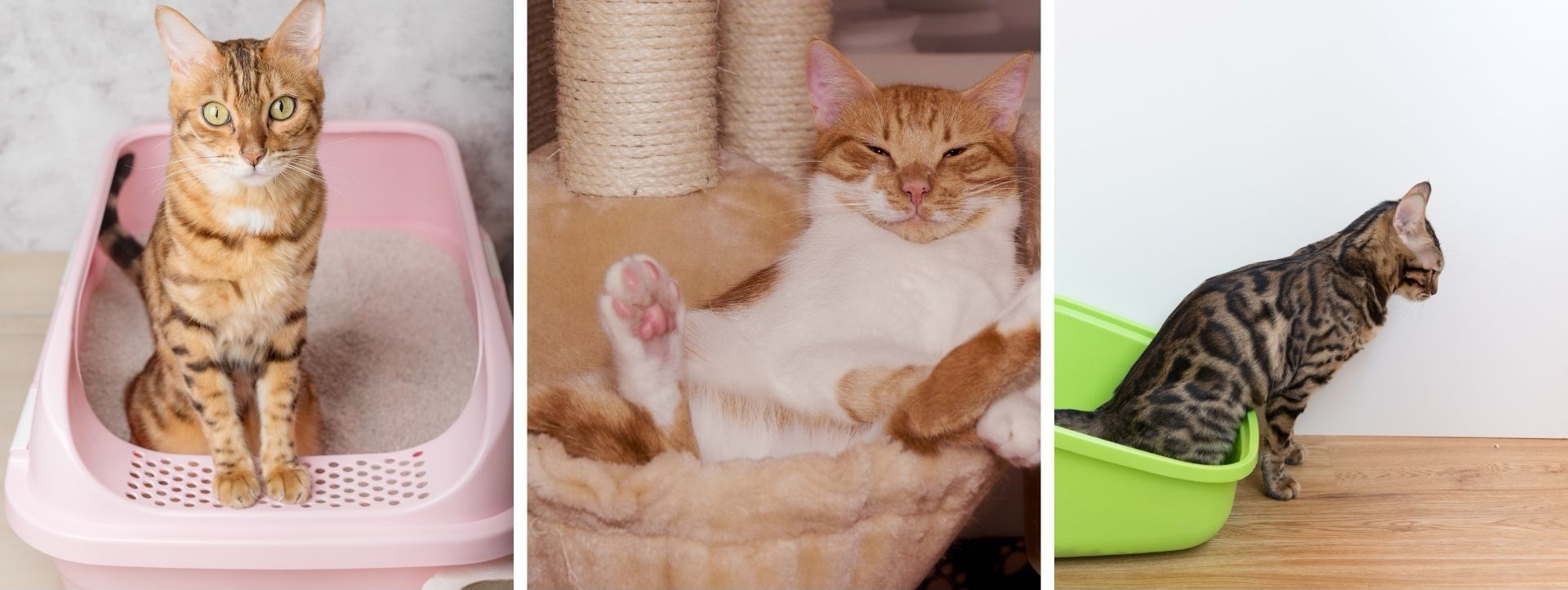
Watch for these signs:
-
Frequent trips to the litter box
-
Straining to urinate
-
Producing only small amounts of urine
-
Blood in the urine
-
Crying or discomfort while urinating
-
Licking the genital area
-
Urinating outside the litter box
-
Fewer or smaller urine clumps than usual
-
Bladder pain
-
Restlessness or hiding
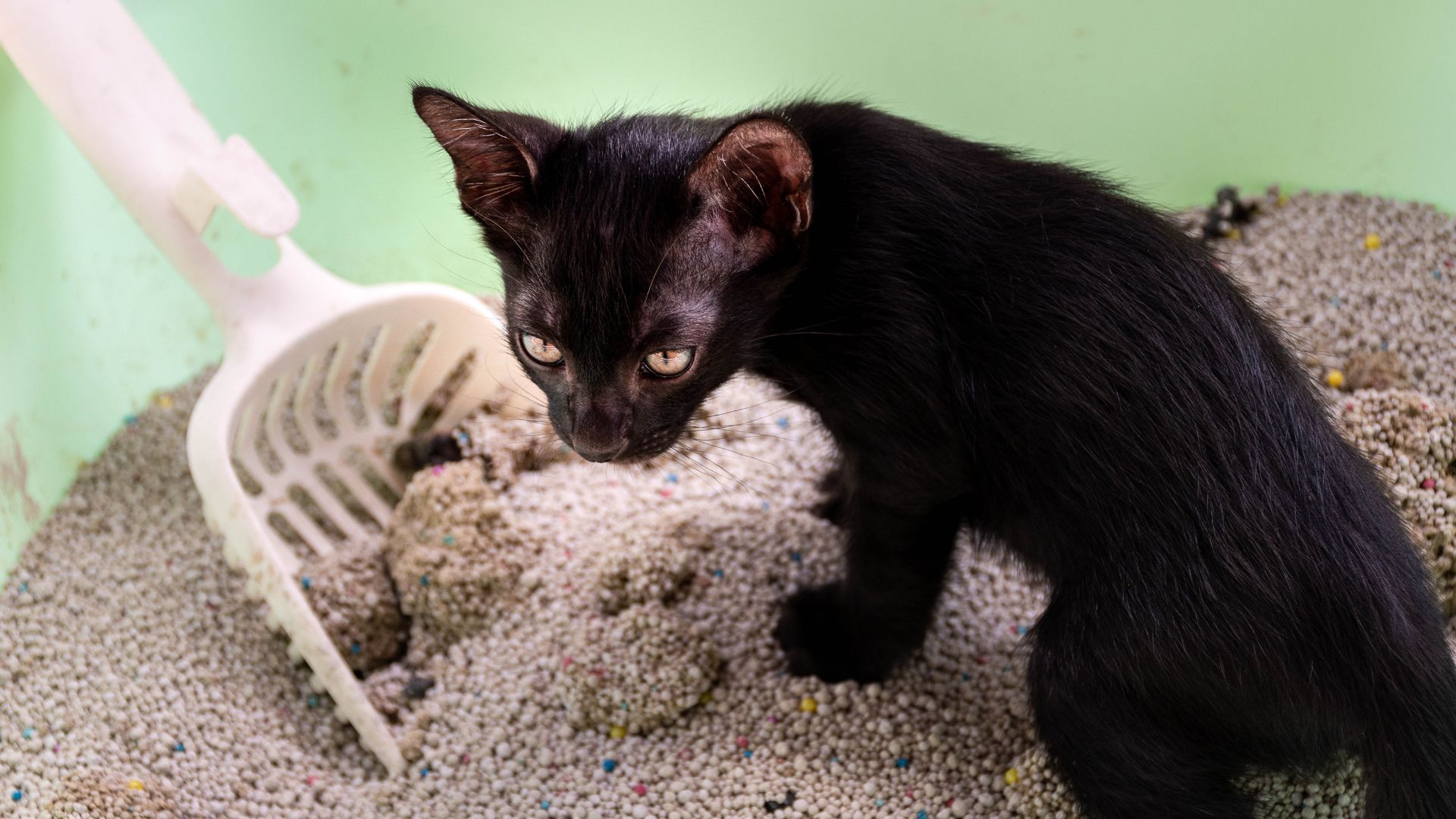
A very helpful tool is clumping litter.
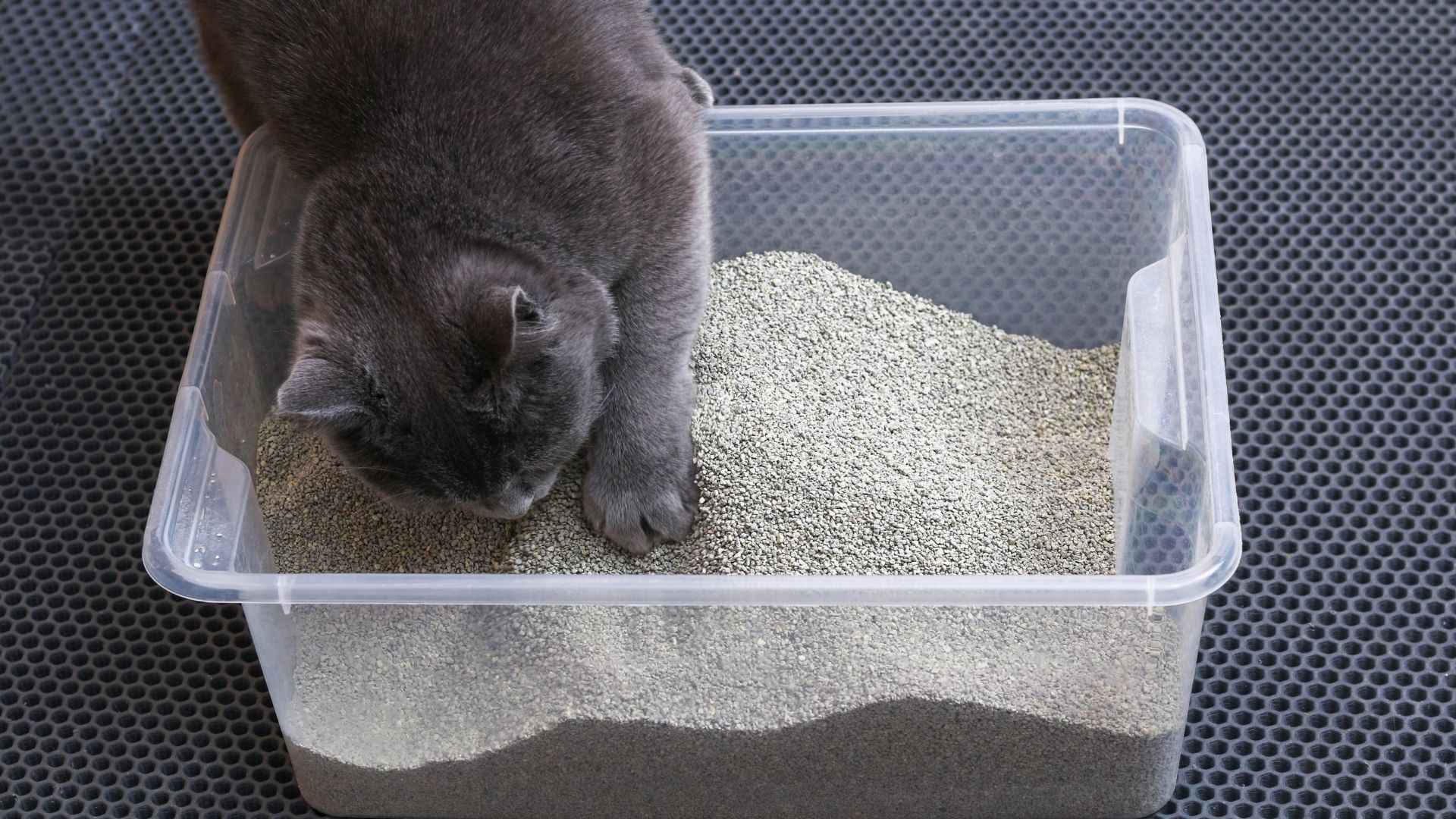
Scoopable litter lets you see:
-
How many times your cat is urinating
-
Whether the urine clumps are smaller than usual
-
Whether your cat is producing urine at all
That last point is critical.
If your cat is straining and no urine is coming out, that is an emergency.
What Causes FLUTD in Cats?
FLUTD can have several possible triggers.
Some cases may be related to:
-
Diet
-
Low water intake
-
Bladder inflammation
-
Stress
-
Bacteria or viruses affecting the bladder
-
Immune system overreaction
-
A damaged bladder lining
-
Another cat in the home
-
Not being allowed outside
-
Crystals or stones in some cases
But in many otherwise healthy cats, the problem is not a bacterial infection.
It is inflammation.
That is a very big difference.
Is It Really a UTI?
Not always.
Urinary tract infections are often overdiagnosed in cats.
Many cases are actually sterile cystitis, which means bladder inflammation without infection.
Cystitis, also known as interstitial cystitis, refers to inflammation of the bladder wall.
It can cause:
-
Painful urination
-
Frequent urination
-
Small amounts of urine
-
Blood in the urine
-
Litter box avoidance
Blood in the urine does not automatically mean infection.
That is one reason antibiotics are often overused in cats with urinary signs.
In otherwise healthy cats, many cystitis cases are not due to bladder infection.
So before jumping to antibiotics, it is better to know what is actually going on.
Very bold idea.
Testing before guessing.
Why Cystitis Can Cause Litter Box Problems
Cystitis can be very painful.
When a cat feels pain while using the litter box, they may start to associate the litter box with discomfort.
Then they may begin urinating somewhere else.
That does not mean your cat is being spiteful.
Cats are not plotting revenge because you bought the wrong throw pillow.
They are usually responding to pain.
This is why pain support can be important for cats with FLUTD.
The source mentions pain medication such as:
-
Buprenorphine, also called Buprenex
-
CBD
When Is Cat Urinary Trouble an Emergency?
If your cat is straining to urinate and not producing urine, they need emergency veterinary care.
This may mean your cat is blocked, possibly by a bladder stone or urinary obstruction.
A blocked cat cannot be managed at home.
Emergency Signs
Get help immediately if your cat:
-
Strains but produces no urine
-
Cries in the litter box
-
Repeatedly goes to the litter box with no urine output
-
Seems painful or weak
-
Is hiding and not eating
-
Has a swollen or painful abdomen
-
Seems suddenly very sick
That is not a “try a home remedy first” situation.
That is a “go now” situation.
Why Water Is the Most Important Word
When it comes to cat urinary tract health, water is the most important word.
Cats need moisture.
A water-rich, low-mineral diet is critical for urinary tract health.
Dry food is water-depleted, and it can contribute significantly to urinary tract problems.
Cats eating canned food have been shown to consume at least double the total amount of water compared with cats eating dry food, when food and water bowl intake are both counted.
That means more urine moving through the bladder.
More flow.
More flushing.
A happier bladder.
Why Canned Food Helps Cats With Urinary Problems
For most cats, a quality canned food can be helpful.
It does not have to be a veterinary food in many cases.
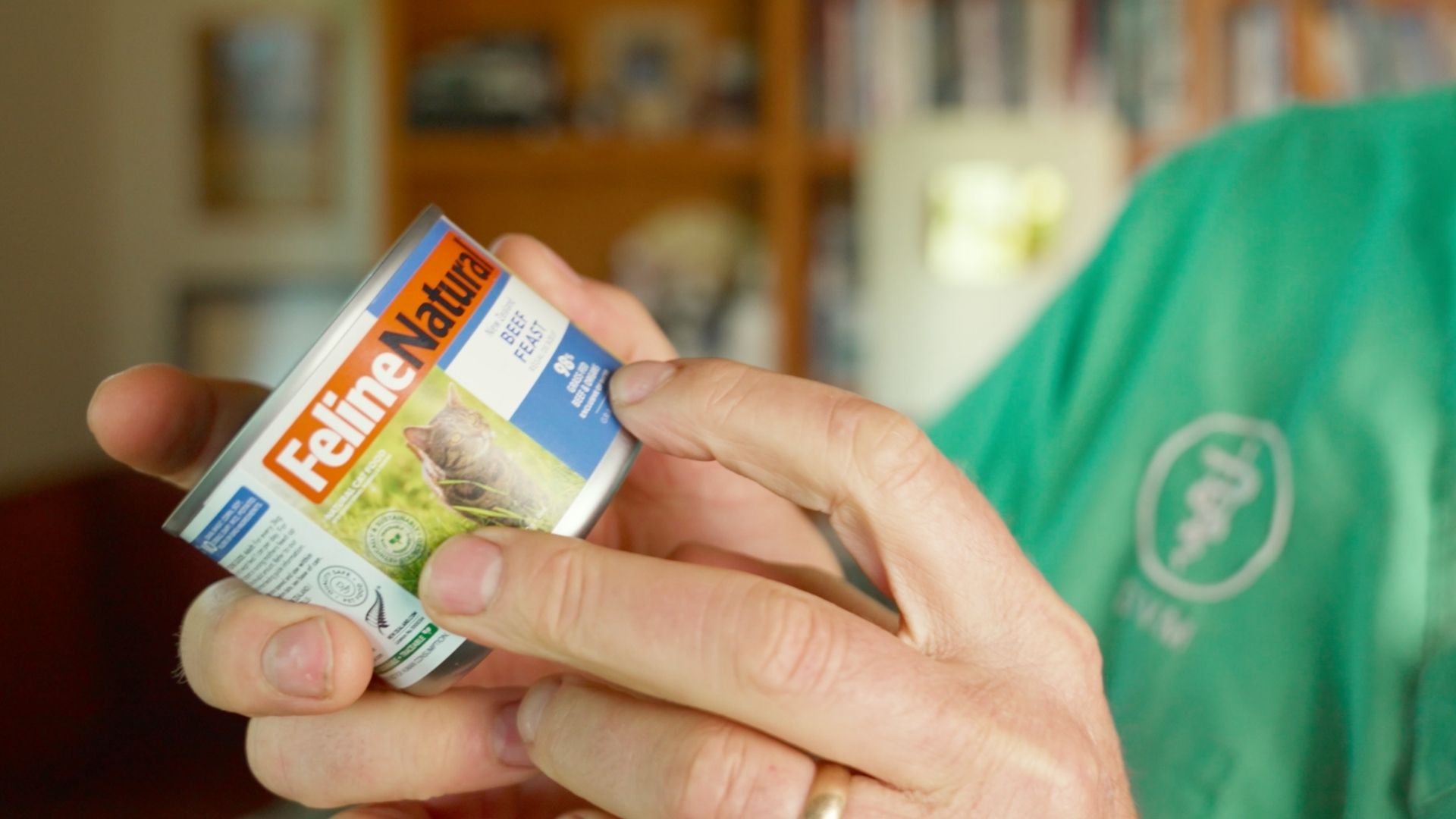
Canned food helps because it:
-
Increases water intake
-
Helps flush the bladder
-
Supports more urine flow
-
Provides a more appropriate diet for an obligate carnivore
-
Helps produce a slightly acidic urine because of its higher protein content
Think of canned food as both food and bladder support.
Your cat thinks it is dinner.
The bladder thinks it is plumbing help.
Everyone wins.
Why Dry Food Can Be a Problem
Dry food is water-depleted.
That is a problem for cats because they are not always great water drinkers.
When a cat eats mostly dry food, less water moves through the bladder.
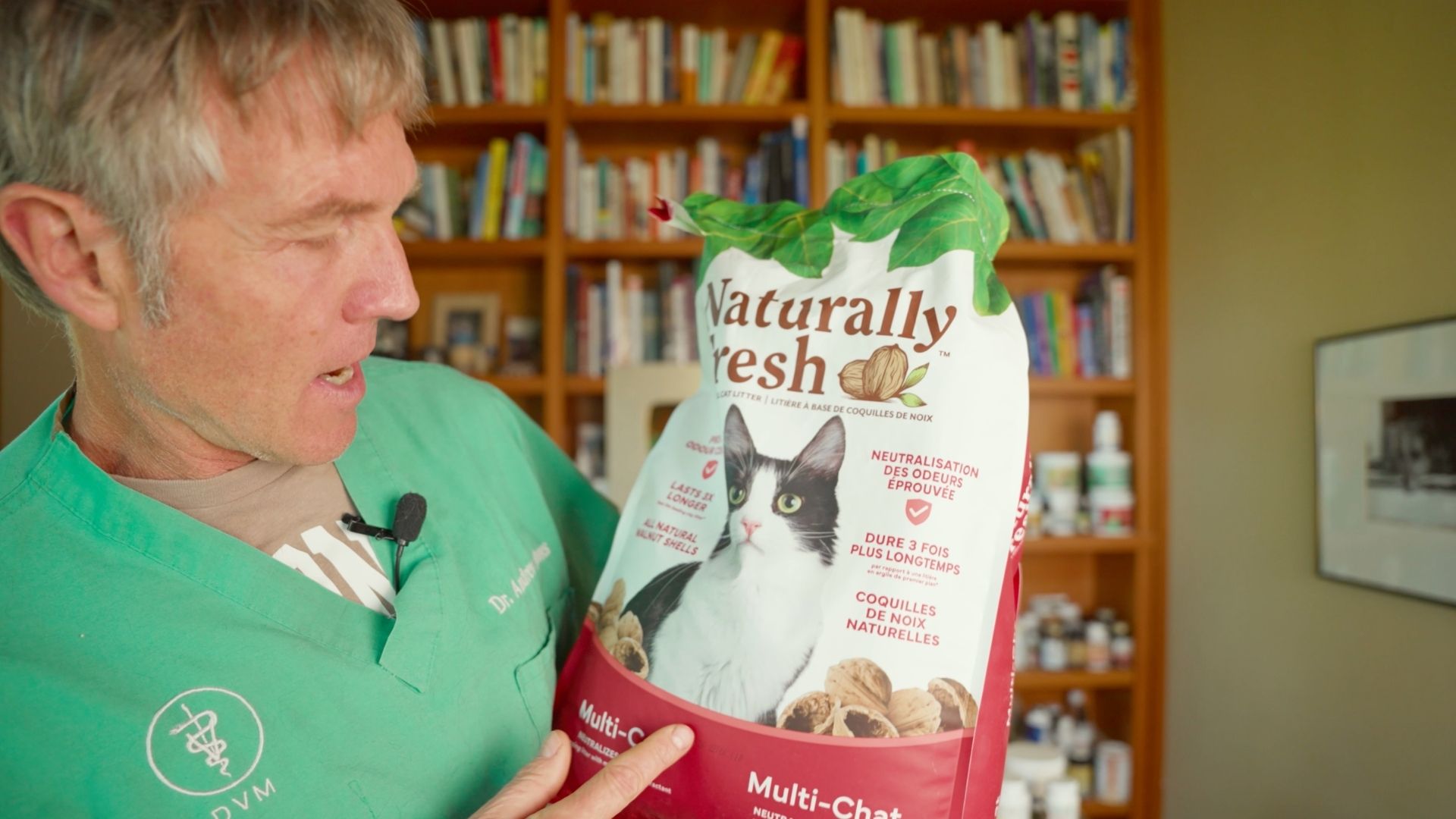
That can contribute to urinary tract disease.
For cats prone to urinary issues, canned or homemade water-rich food is a much better option.
What About Crystals?
Crystals are often overdiagnosed and overtreated.
They are not thought to be a significant cause of cystitis in many cats.
This is a common misconception, and it can lead to inappropriate use of acidifying prescription diets.
Those diets may sometimes create new problems, including calcium oxalate crystals or stones.
That is one reason I do not like treating every urinary cat as if crystals are the main issue.
Sometimes crystals are involved.
Many times, bladder inflammation is the bigger problem.
What About Prescription Urinary Diets?
I do not generally use prescription urinary diets except in rare cases.
Dr. Lisa Pierson of catinfo.org states that she does not use prescription diets except in rare cases because they are expensive, contain low-quality, species-inappropriate ingredients, and are not necessary in most feline urinary tract disease cases.
The temporary use of Hill’s canned s/d may be considered if the cat has urinary tract stones, also called uroliths, or a large number of crystals with strong suspicion that they are struvite rather than calcium oxalate.
But for most cats?
I would focus first on water-rich canned food and proper diagnosis.
Why Low Phosphorus Matters
Phosphorus can be a general indicator of the calcium and magnesium load in the diet.
If a diet is low in phosphorus, it is probably also fairly low in calcium and magnesium, because these minerals are high in bone material.
In simple terms:
A lower phosphorus diet often means less bone matter.
That can matter for urinary tract health.
Fish tends to be high in phosphorus because fish comes with its own bones.
So for cats with urinary issues, I would stay away from fish.
Why Meal Timing Matters for Urine pH
Diet is not the only factor that affects urine pH.
Meal timing matters too.
After a large meal, urine pH can become more alkaline.
This is called the post-prandial alkaline tide.
Feeding multiple small meals throughout the day may help keep urine pH in a more normal range.
Small cats in the wild eat about 8 to 10 small meals per day.
So yes, cats are basically tiny snack-based predators.
And honestly, they have built an entire lifestyle around it.
What Should You Do for a Cat With FLUTD?
Start with the basics.
Step 1: See Your Veterinarian
If your cat is straining to urinate and not producing urine, have them examined immediately.
They may be blocked with a bladder stone and need emergency care.
It is also a good idea to have the urine checked for urinary tract problems.
That way, you can use the right remedy based on the actual problem.
Step 2: Switch to Canned Food
For most cats, quality canned food can help.
The higher moisture content helps flush the bladder.
The higher protein can help produce slightly acidic urine.
This is one of the most important changes you can make.
Step 3: Increase Fluids
Some cats may benefit from subcutaneous fluids.
This means placing a small amount of IV fluids under the skin, usually between the shoulder blades.
I had many clients do this in veterinary practice, and it is very easy to learn.
In some cases, this alone made a big difference.
The added fluid helps flush out inflammatory cells, and stretching the bladder can provide pain relief.
Step 4: Lower Stress
Stress can be a major factor in FLUTD.
Some cats flare when there is another cat in the house, a change in routine, or not enough enrichment.
Support calm.
Support routine.
Support the bladder.
Step 5: Support the Bladder Lining
Glucosamine and chondroitin may help decrease bladder inflammation and rebuild the bladder wall lining.
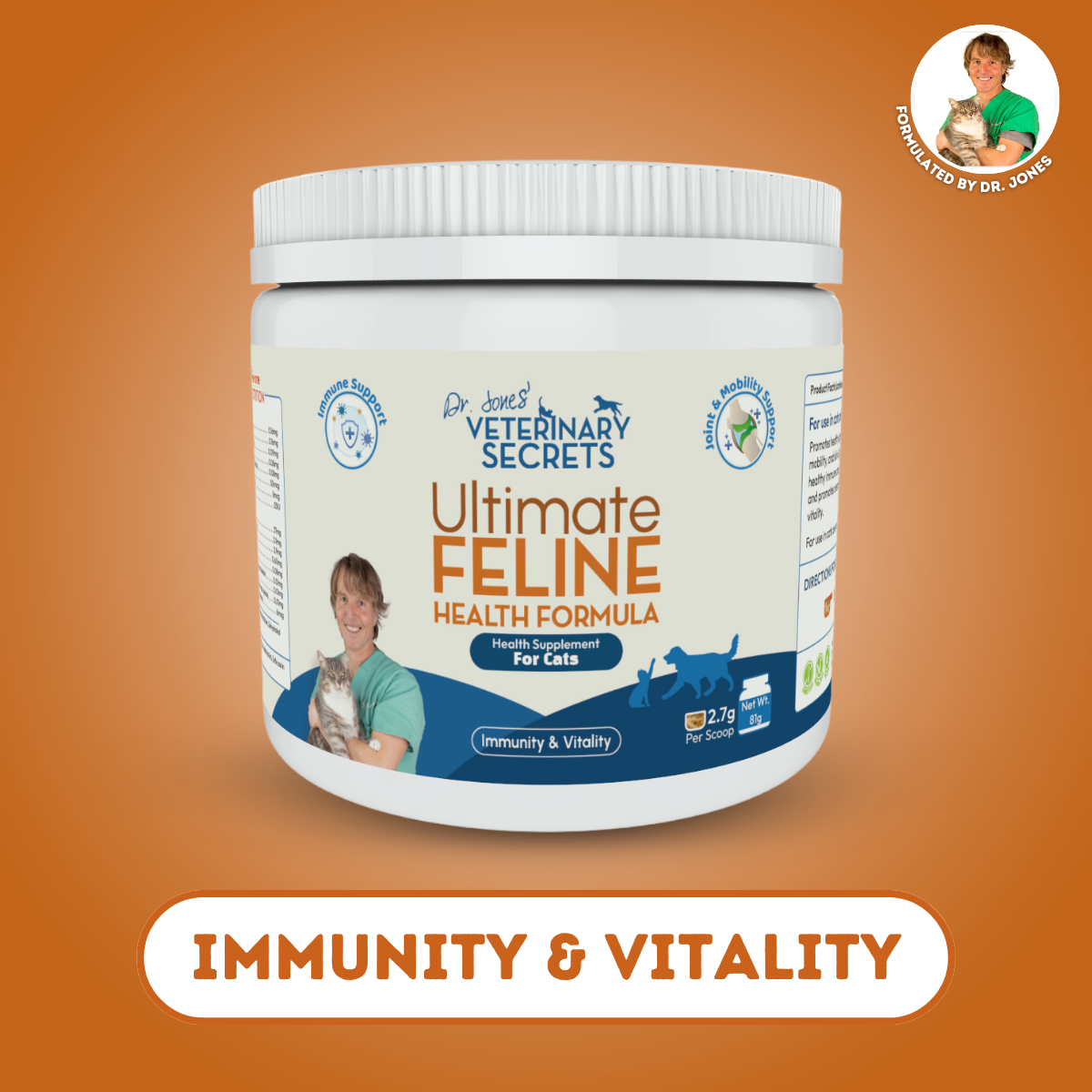
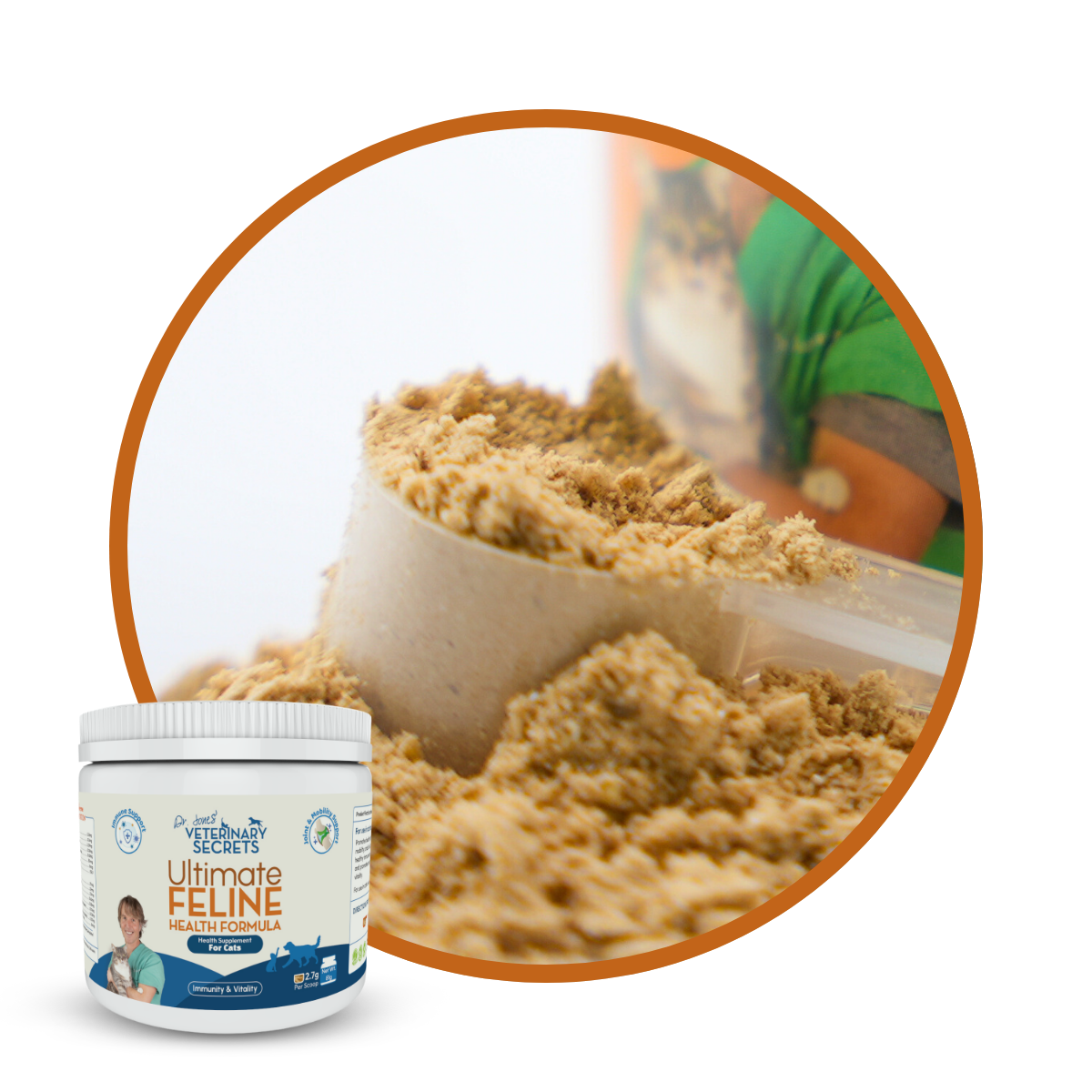
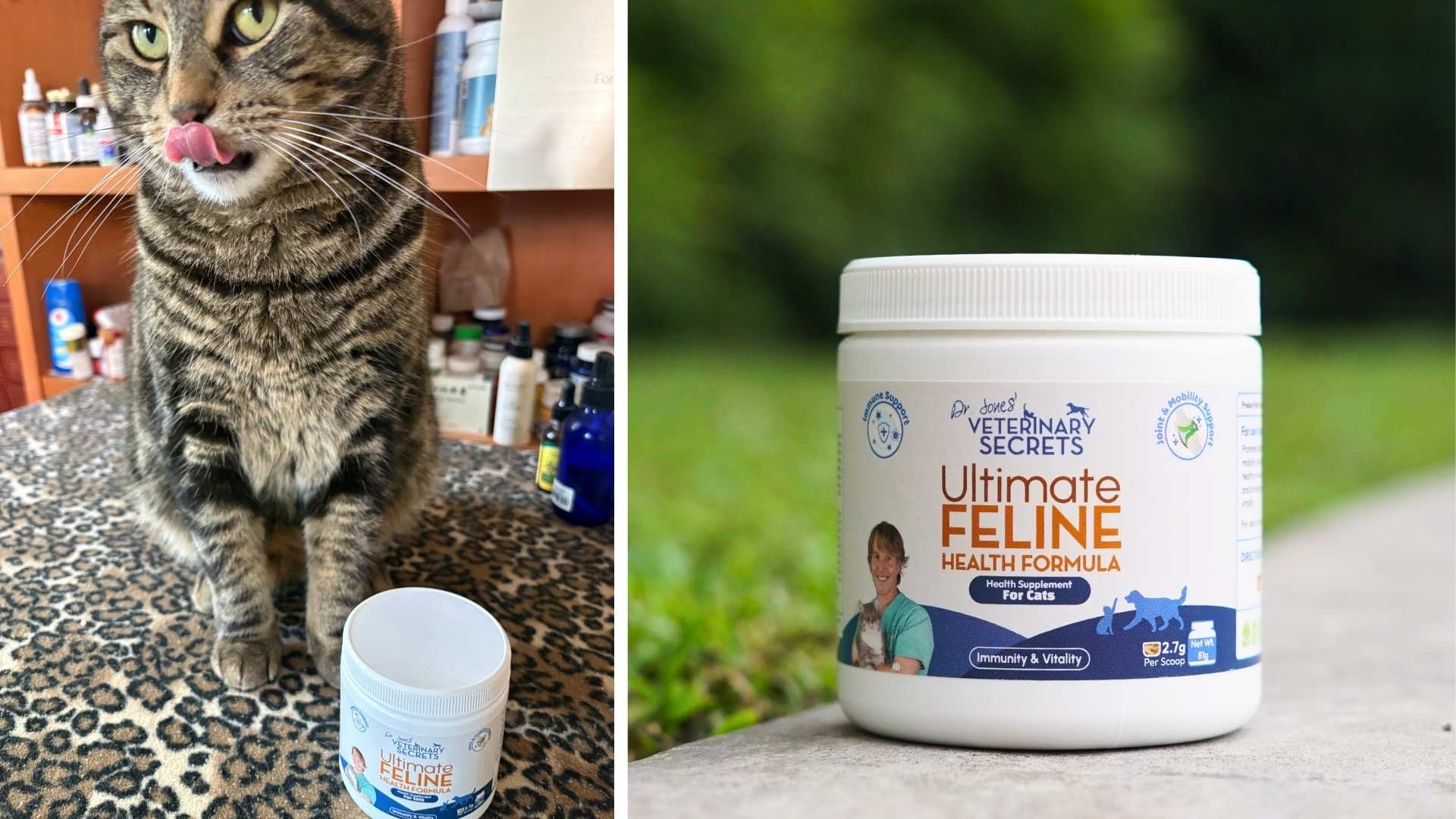
This is why I include both in Dr. Jones’ Ultimate Feline Health Formula.
Natural Remedies for Cat FLUTD
These natural supports may help cats with bladder inflammation, stress-related urinary problems, and FLUTD.
1. Canned Food
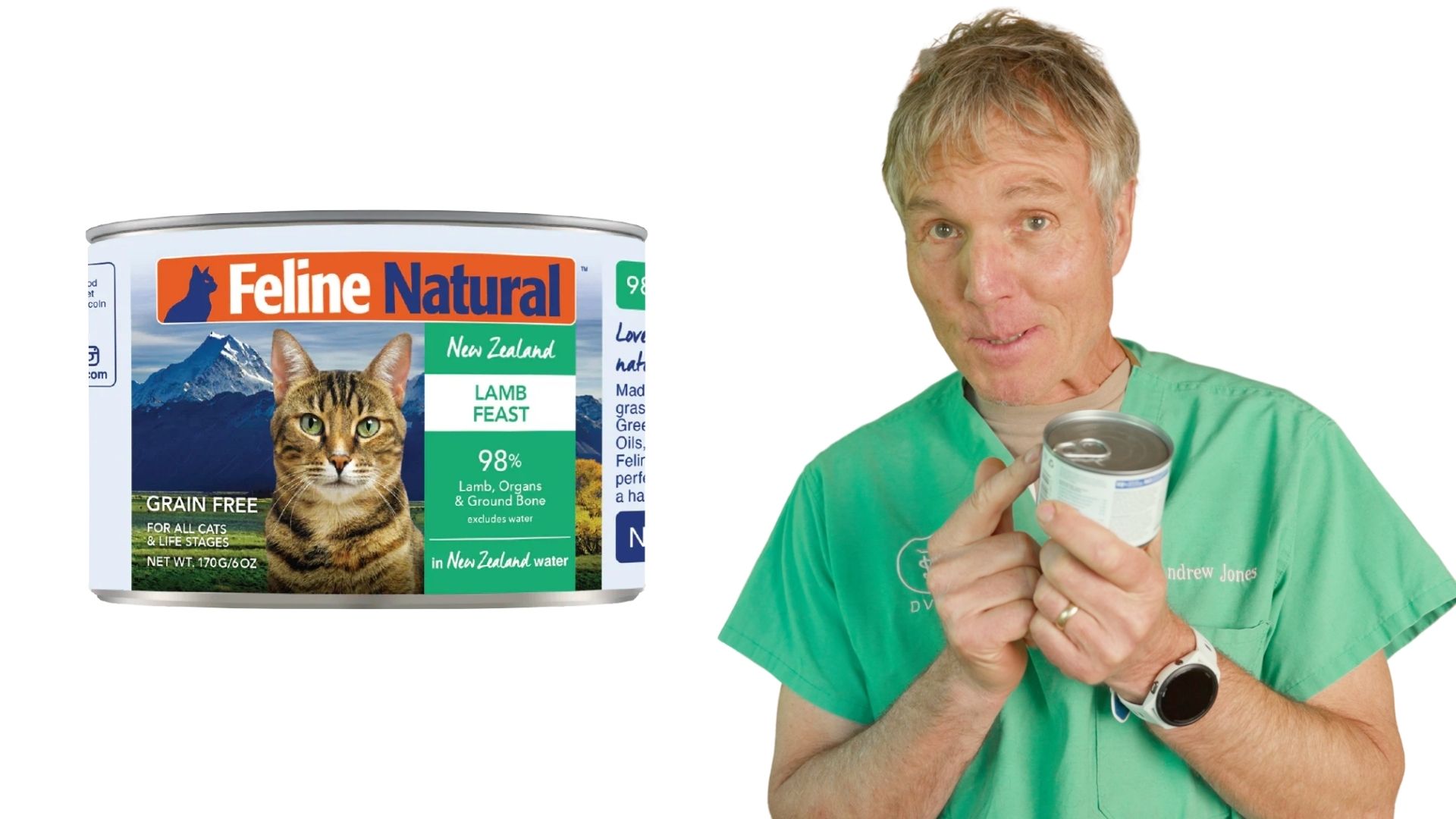
Canned food is one of the most important tools for feline urinary health.
It helps increase water intake and flush the bladder.
For most cats, any quality canned food is helpful, not just veterinary urinary diets.
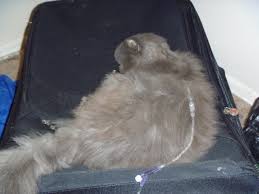
2. Subcutaneous Fluids
Subcutaneous fluids can help increase hydration and flush inflammatory cells from the bladder.
They may also help provide pain relief by stretching the bladder.
This is something you can learn from your veterinarian.
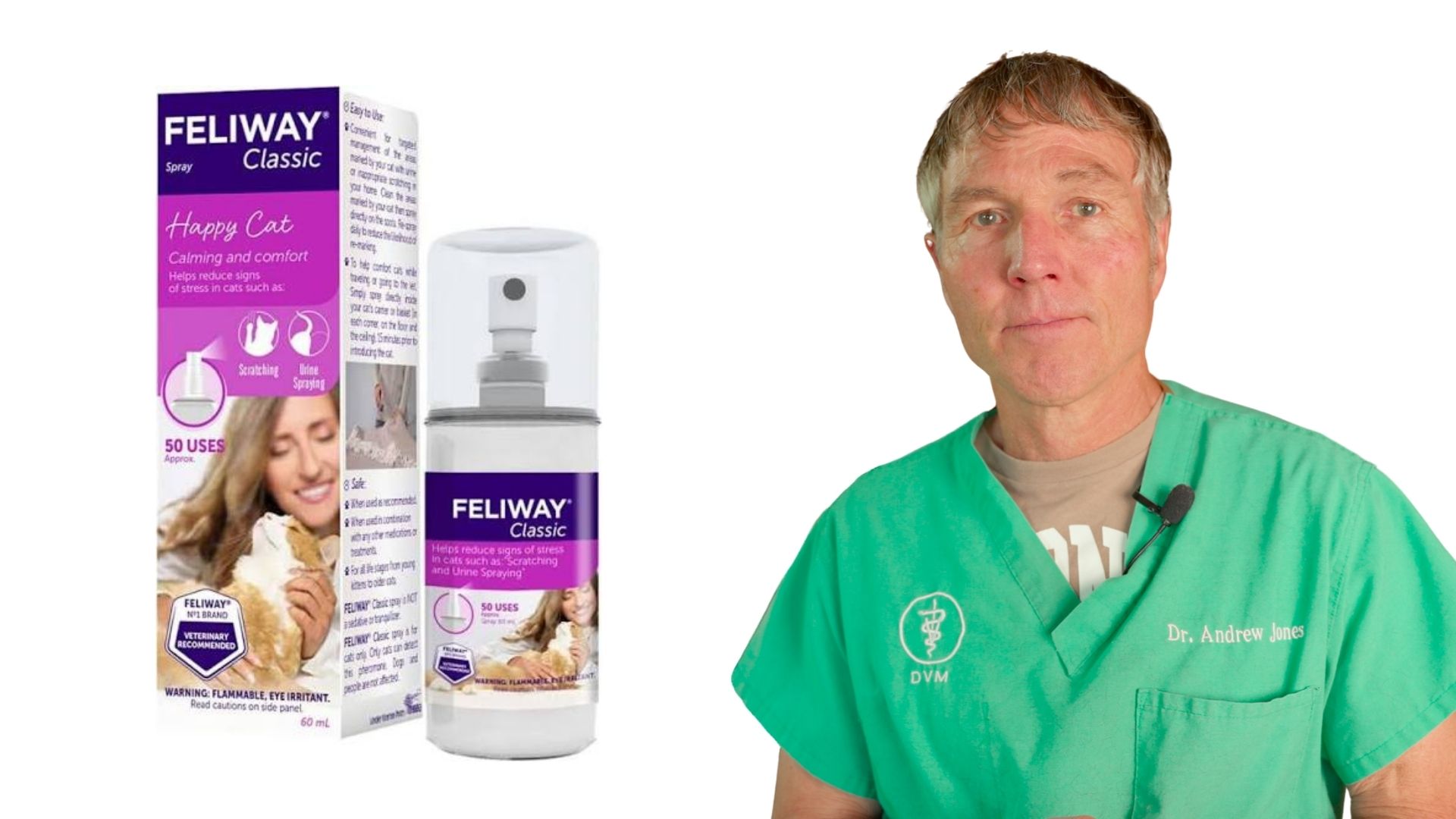
3. Feliway
Pheromones in facial glands convey messages of peace and contentment.
Cats are less likely to spray when they feel calm and happy.
Feliway contains these facial pheromones.
It can be sprayed:
-
On your cat
-
On areas your cat has sprayed
Use:
Twice daily for 3 to 4 weeks
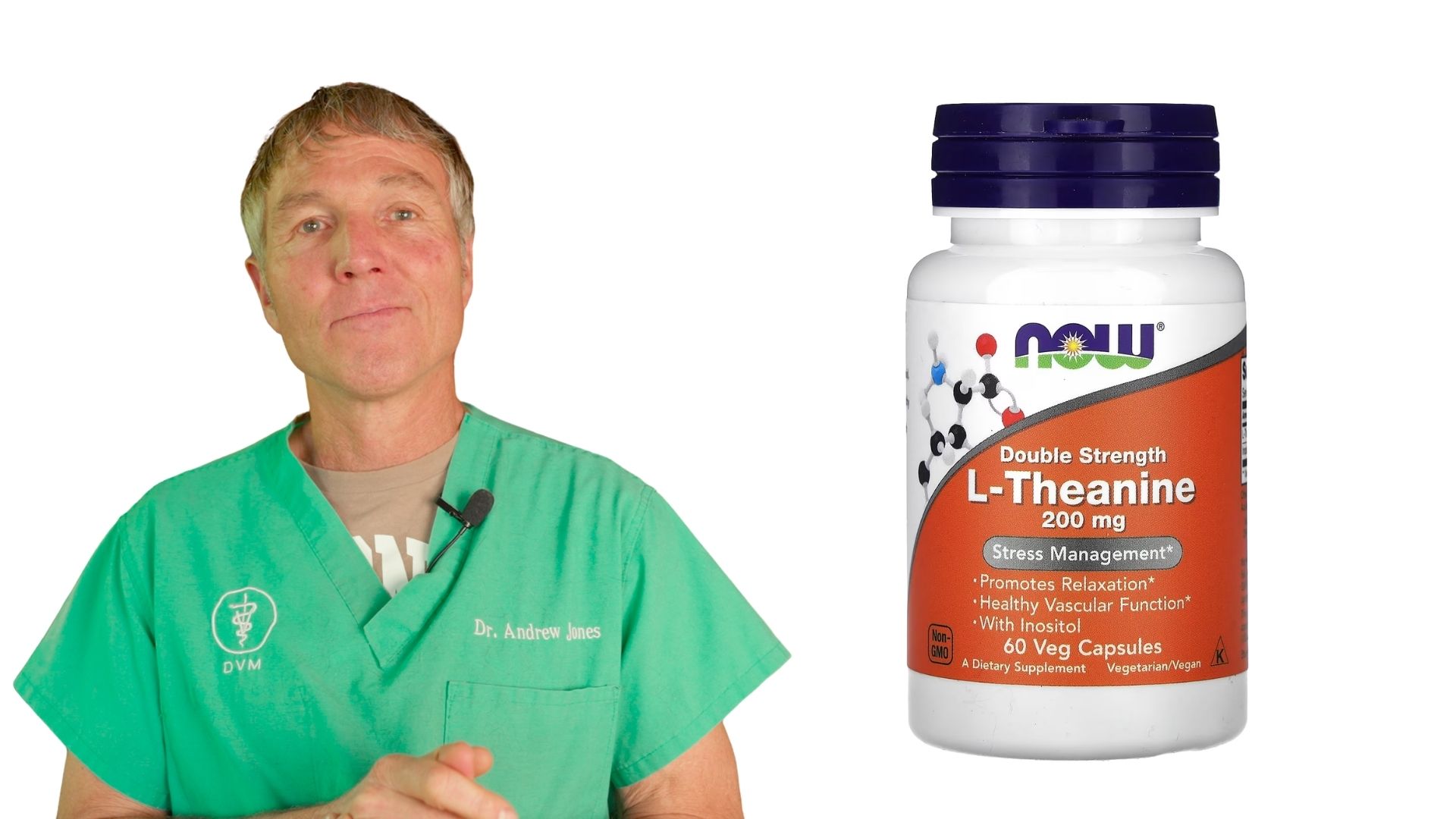
4. L-Theanine
L-theanine is an amino acid found in green tea.
It has been shown to decrease anxiety.
Because stress can contribute to FLUTD, L-theanine can be helpful.
L-Theanine Dose for Cats
Give:
25 mg twice daily
This is listed as:
1/2 tablet twice daily

5. CBD
CBD is the non-psychoactive part of the cannabis plant.
It may help decrease anxiety and support pain relief.
That can make it useful for cats with FLUTD.
CBD Dose for Cats
Give:
3 mg per 10 lbs daily
This is described as:
1 drop daily of my supplement
6. Glucosamine and Chondroitin
Glucosamine is anti-inflammatory and helps rebuild the damaged bladder lining.
Chondroitin helps prevent the bladder wall from being broken down.
These are two of my favorite bladder-lining supports for cats with FLUTD.
Glucosamine and Chondroitin Dose for Cats
| Supplement | Dose |
|---|---|
| Glucosamine | 100 mg per 10 lbs daily |
| Chondroitin | 50 mg per 10 lbs daily |
Both are included in Dr. Jones’ Ultimate Feline Health Formula.
Natural Support Dosage Table
| Remedy | Dose or Use | Notes |
|---|---|---|
| Canned food | Feed daily | Water-rich food helps flush the bladder |
| Subcutaneous fluids | Ask your veterinarian to teach you | May help flush inflammatory cells |
| Feliway | Spray twice daily for 3 to 4 weeks | Helps support calm |
| L-theanine | 25 mg twice daily | May decrease anxiety |
| CBD | 3 mg per 10 lbs daily | May help anxiety and pain |
| Glucosamine | 100 mg per 10 lbs daily | Supports bladder lining |
| Chondroitin | 50 mg per 10 lbs daily | Helps protect bladder wall |
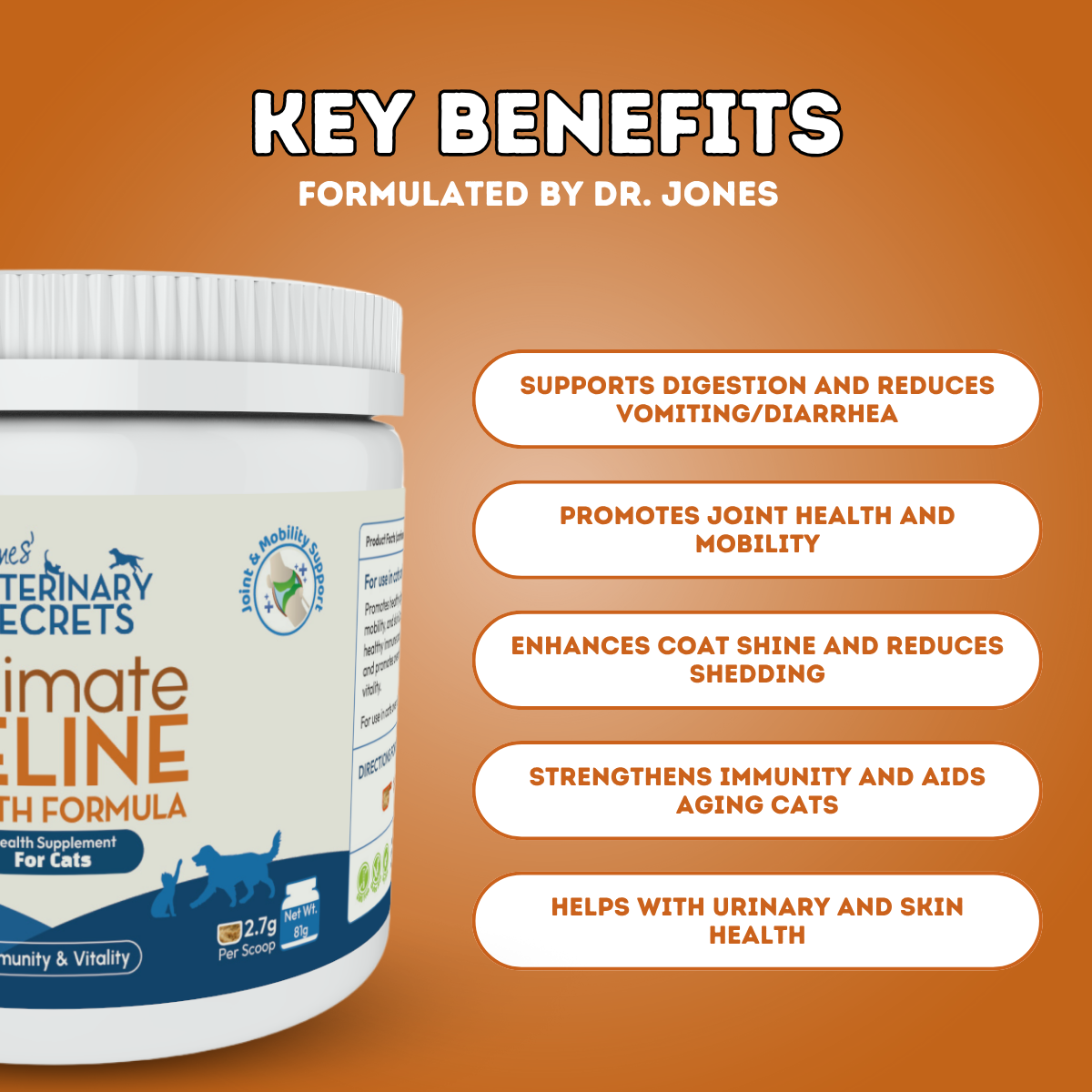
Dr. Jones’ Ultimate Feline Health Formula
One way to support your cat’s bladder lining is with ingredients that help decrease inflammation and rebuild the bladder wall.
Dr. Jones’ Ultimate Feline Health Formula includes:
-
Glucosamine
-
Chondroitin
These have been shown to help with FLUTD.
The formula is also lower in phosphorus, which may help reduce the chance of crystal-related concerns.
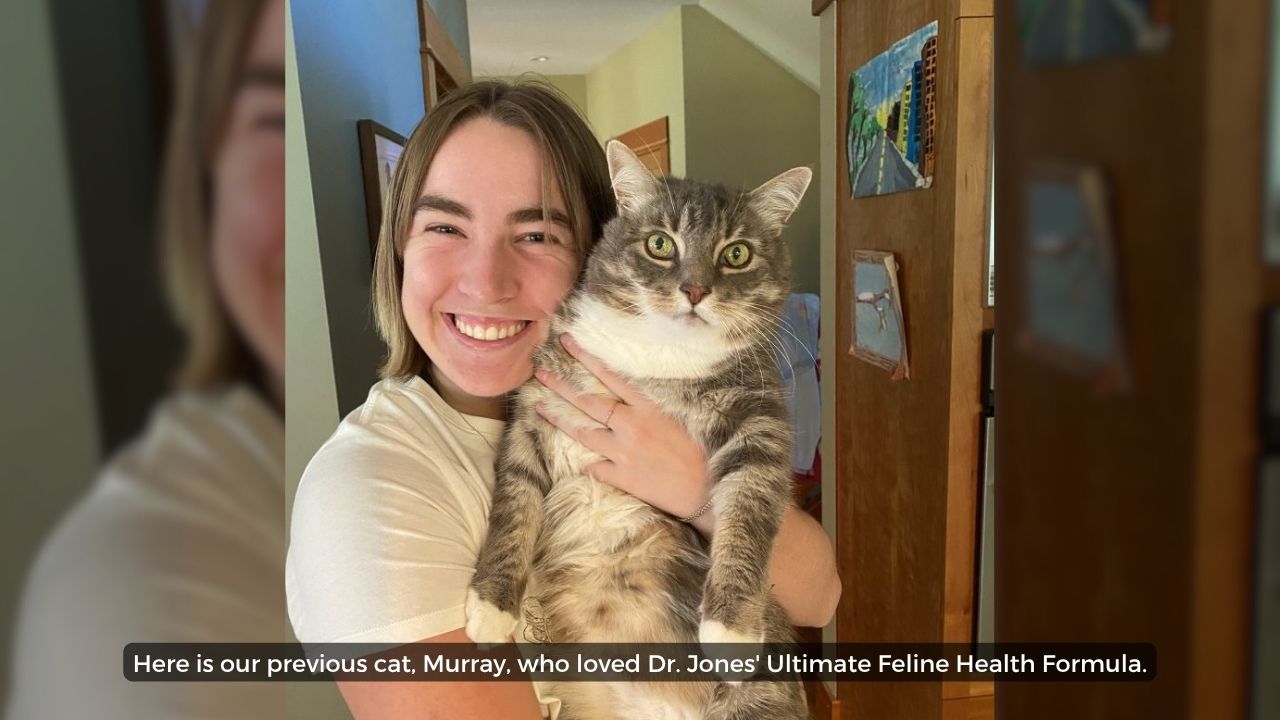
This is the type of support I would want for Cassian because I want him to never deal with this.
A peaceful bladder is a beautiful thing.
Especially at 3 a.m.
Final Thoughts
Cat urinary problems are common, painful, and often misunderstood.
Many cases are not true bacterial infections.
They are often sterile cystitis, bladder inflammation, stress-related urinary disease, or FLUTD.
That is why antibiotics are often overused.
The big takeaways are simple:
-
Water is critical
-
Canned food is one of the best tools
-
Dry food can contribute to urinary problems
-
Blood in the urine does not always mean infection
-
Crystals are often overdiagnosed
-
Prescription diets are not always needed
-
Low phosphorus may be helpful
-
Multiple small meals may support healthier urine pH
-
Stress support matters
-
Glucosamine and chondroitin can help support the bladder lining
And please remember:
If your cat is straining and not producing urine, this is an emergency.
Do not wait.
For long-term support, I would focus on canned food, fluids, stress reduction, and bladder-lining support with glucosamine and chondroitin.
That is why I like Dr. Jones’ Ultimate Feline Health Formula for cats prone to urinary issues.
Simple.
Practical.
And very bladder-friendly.
Click To Get A Free Copy of My E-Book!

P.S. The biggest takeaways?
It is often not bacterial.
Antibiotics should seldom be used unless infection is confirmed.
Canned food is key.
In general, avoid prescription diets unless there is a clear reason.
Low phosphorus is helpful.
And multiple small meals may help keep urine pH in a better range.
P.P.S. For bladder lining support, I like glucosamine and chondroitin.
They may help decrease bladder inflammation and support the bladder wall.
Both are in Dr. Jones’ Ultimate Feline Health Formula.
P.P.P.S. If your cat is straining and not producing urine, skip the internet detective work and go straight to your veterinarian.
That can be a true emergency.