Cat Urinary Blockage vs Constipation: How to Tell at Home (Emergency Signs)

How to Tell the Difference and What to Do
If your cat is straining in the litter box, you need to ask one critical question.
Is your cat constipated, or is your cat blocked with a urinary obstruction?
One of these can often be managed at home. The other is a true emergency.
Let me walk you through how to tell the difference.
Dr. Jones’ Ultimate Feline Health Formula


Why This Matters So Much
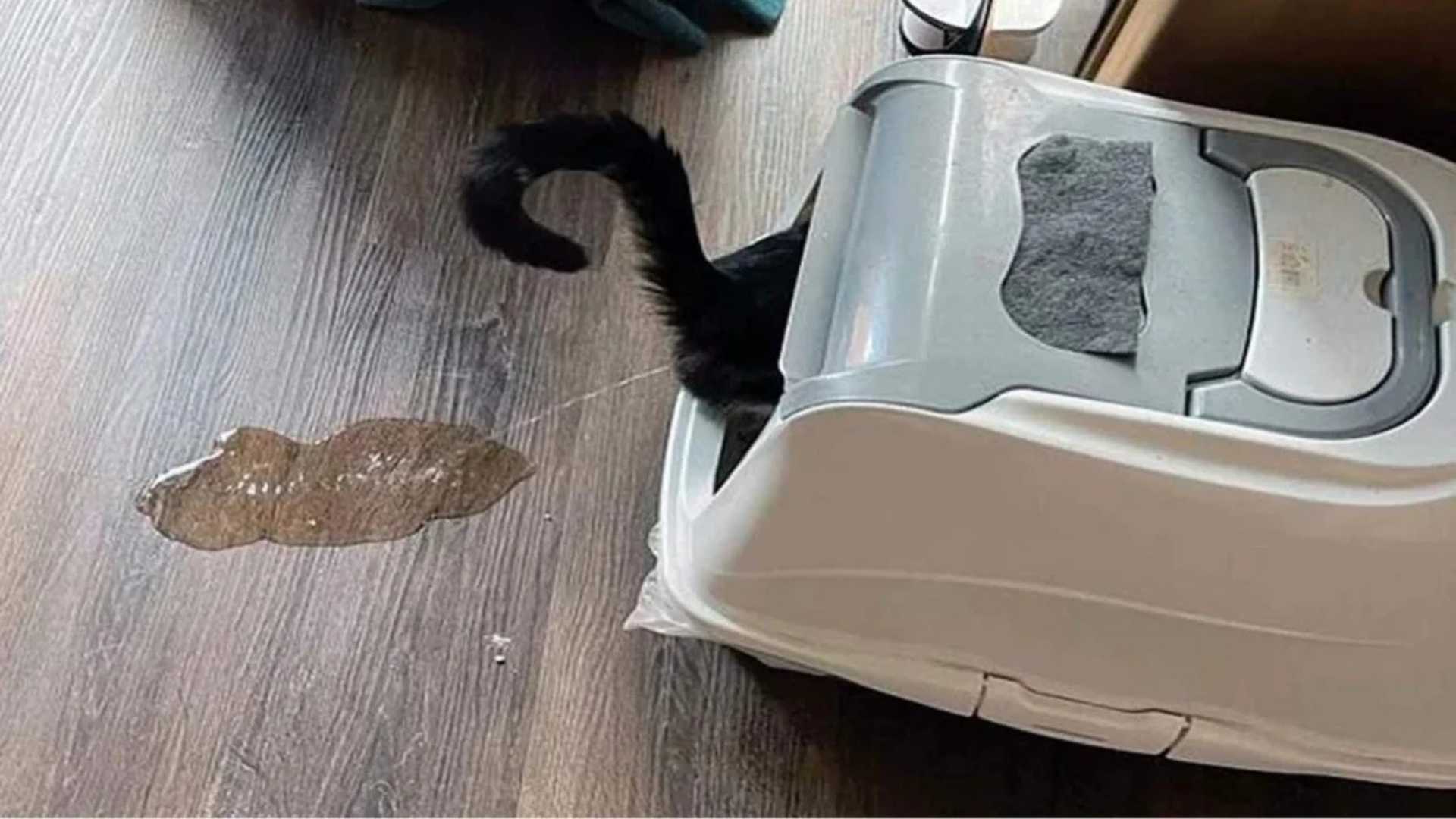
Cats that strain can look very similar whether they are trying to defecate or trying to urinate.
I have seen many people assume constipation, when in fact the cat was blocked and unable to pass urine.
A urinary obstruction can quickly become life threatening. That is why recognizing the signs early is so important.
Constipation in Cats
What It Looks Like
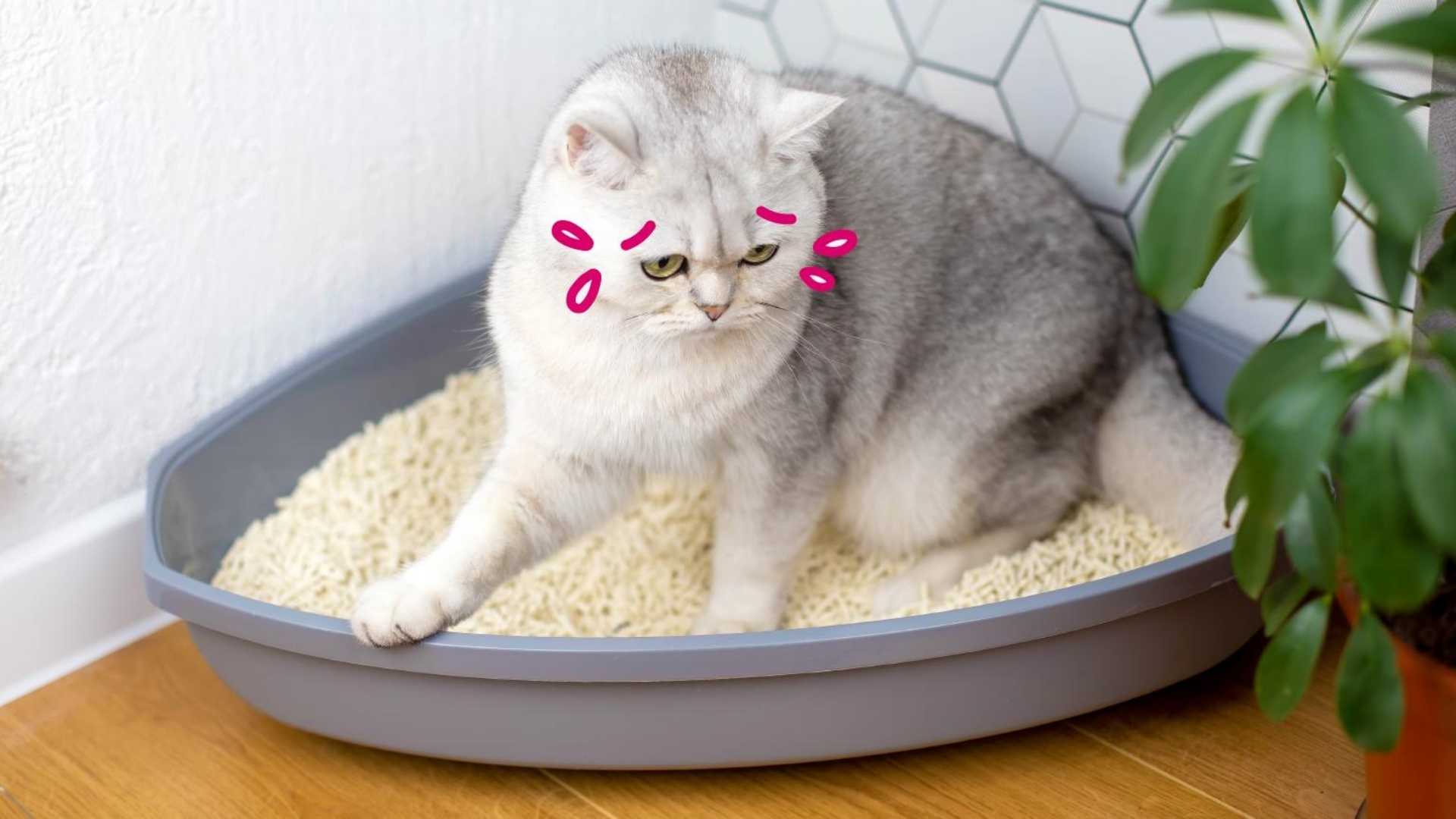
Constipation is fairly common, especially in middle aged and older cats.
The most common cause is diet. Dry kibble with low moisture and low fiber can lead to hard stool and straining.
You may notice:
-
Dry, firm stool in the litter box
-
Infrequent bowel movements
-
Straining with small amounts of stool passed
-
A history of previous constipation
In more serious cases, stool becomes very hard and impacted. Some cats develop a dilated colon called megacolon. These cats often have a long history of straining.
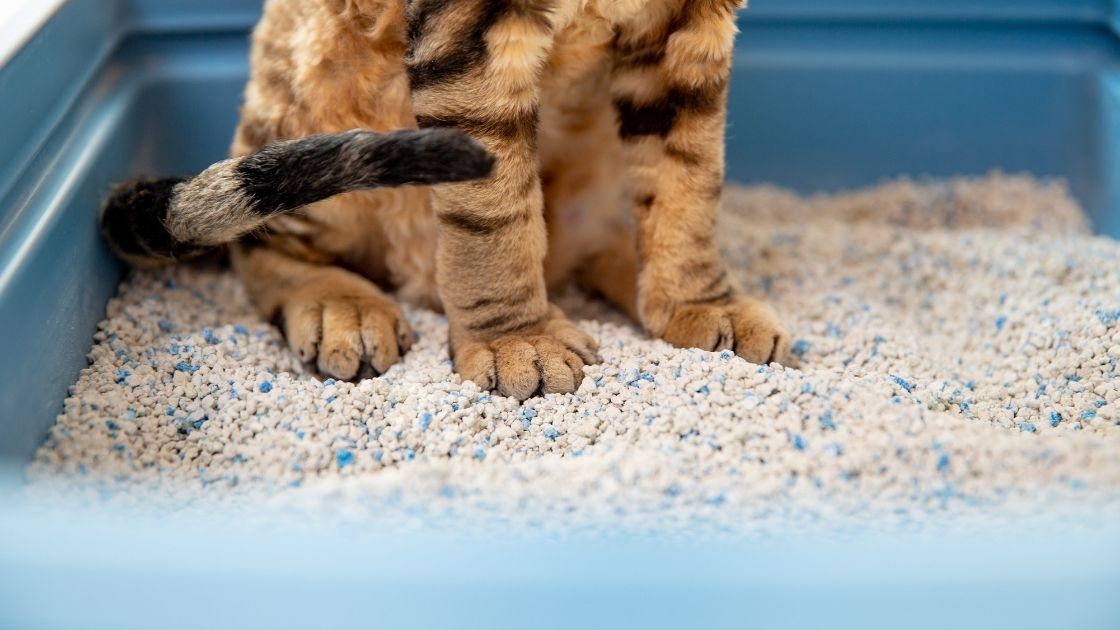
If you lift your cat’s tail, you may see dry stool around the anus.
When you gently feel the abdomen, you may feel firm stool higher up in the belly, not low and round like a balloon.
Urinary Obstruction in Cats
A Veterinary Emergency
Urinary obstruction is most common in male cats.
It is usually caused by stones such as struvite or calcium oxalate that block the urethra and prevent urine from passing.
Common signs include:
-
Frequent trips to the litter box
-
Straining with little or no urine produced
-
Blood in the urine
-
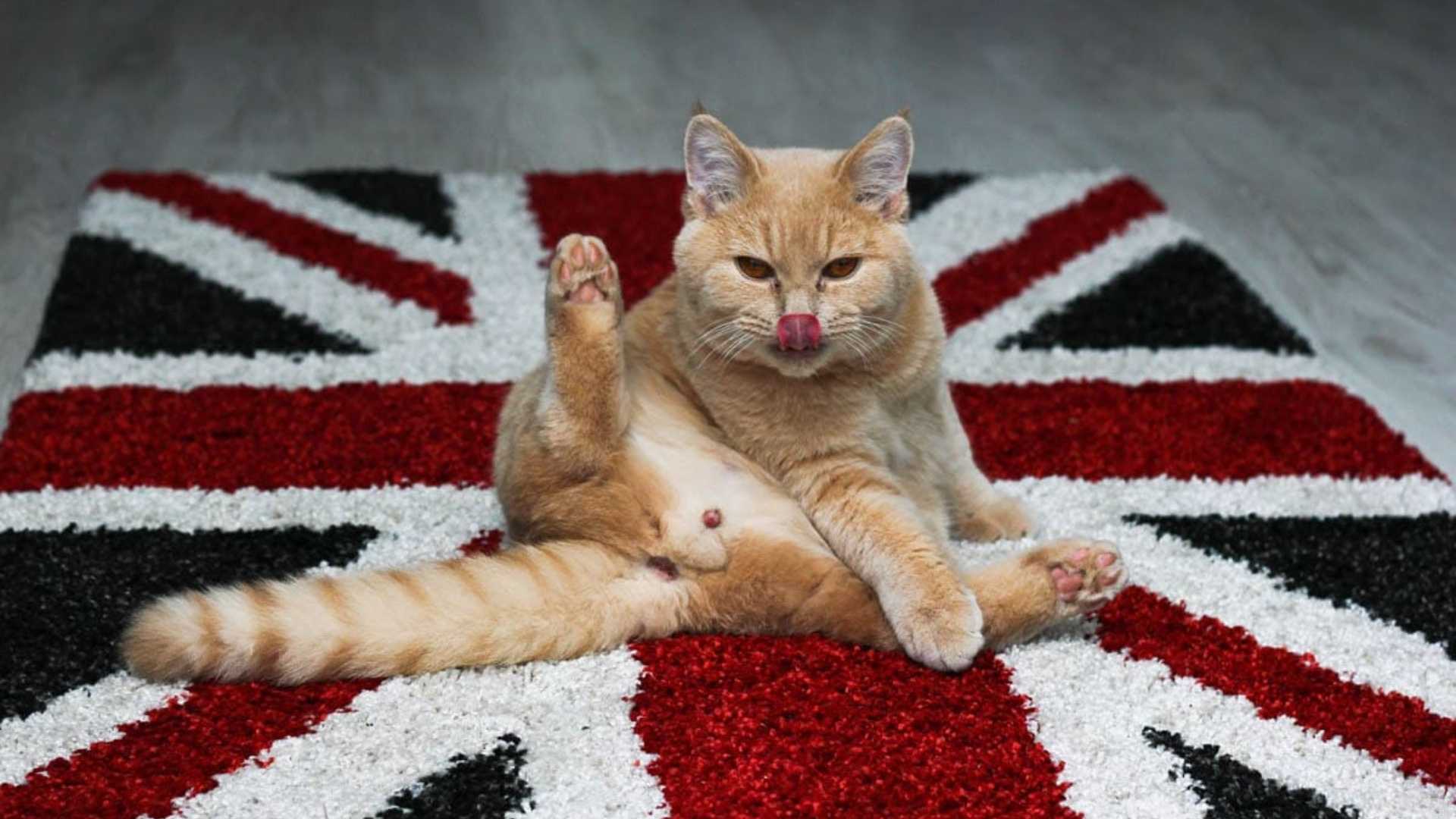
Licking at the penis
-
Urinating outside the litter box
If the cat is fully blocked, the bladder becomes very large and firm.
When you gently palpate the lower abdomen, just behind the rib cage and toward the back of the belly, you may feel a large, tense structure that feels like a water filled balloon. That is a distended bladder.
If you feel that, your cat needs to see a veterinarian immediately.
How to Check at Home
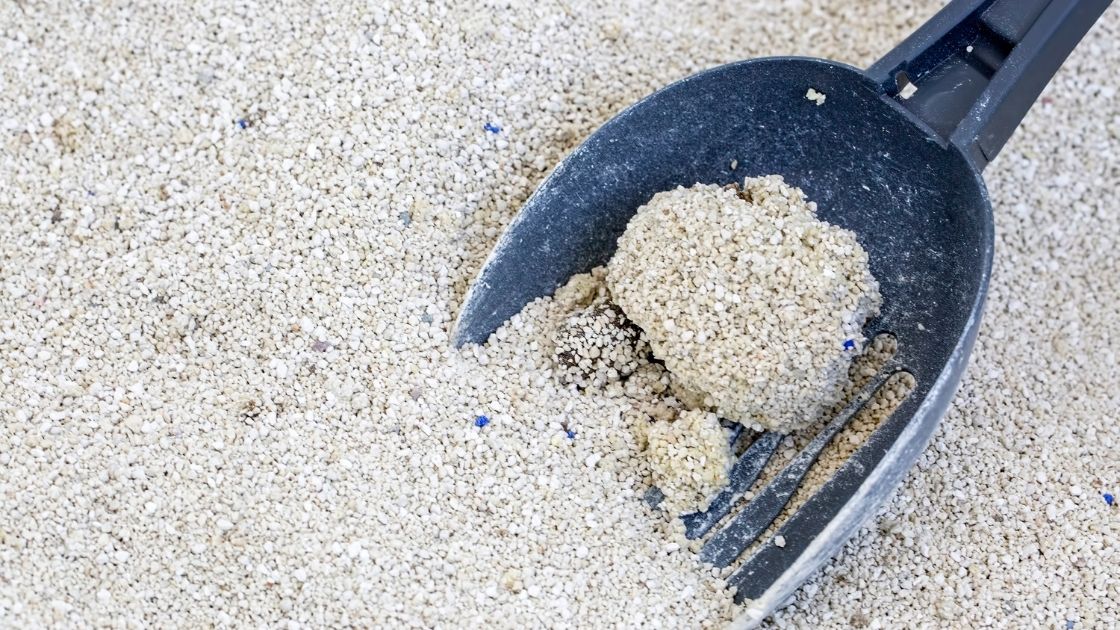
First, look in the litter box. Are you seeing normal urine clumps? Are you seeing stool?
Second, lift your cat’s tail.
Look at the anus. Is there dried stool?
Look at the penis in male cats. Is there urine dripping, swelling, irritation, or blood?
Third, gently palpate the abdomen. A very firm, round, low structure suggests a full bladder. Firmer material higher up may be stool.
It is not always obvious. Experience helps. When in doubt, treat it as a urinary issue and seek care.
Prevention and Long Term Support
Moisture is key.
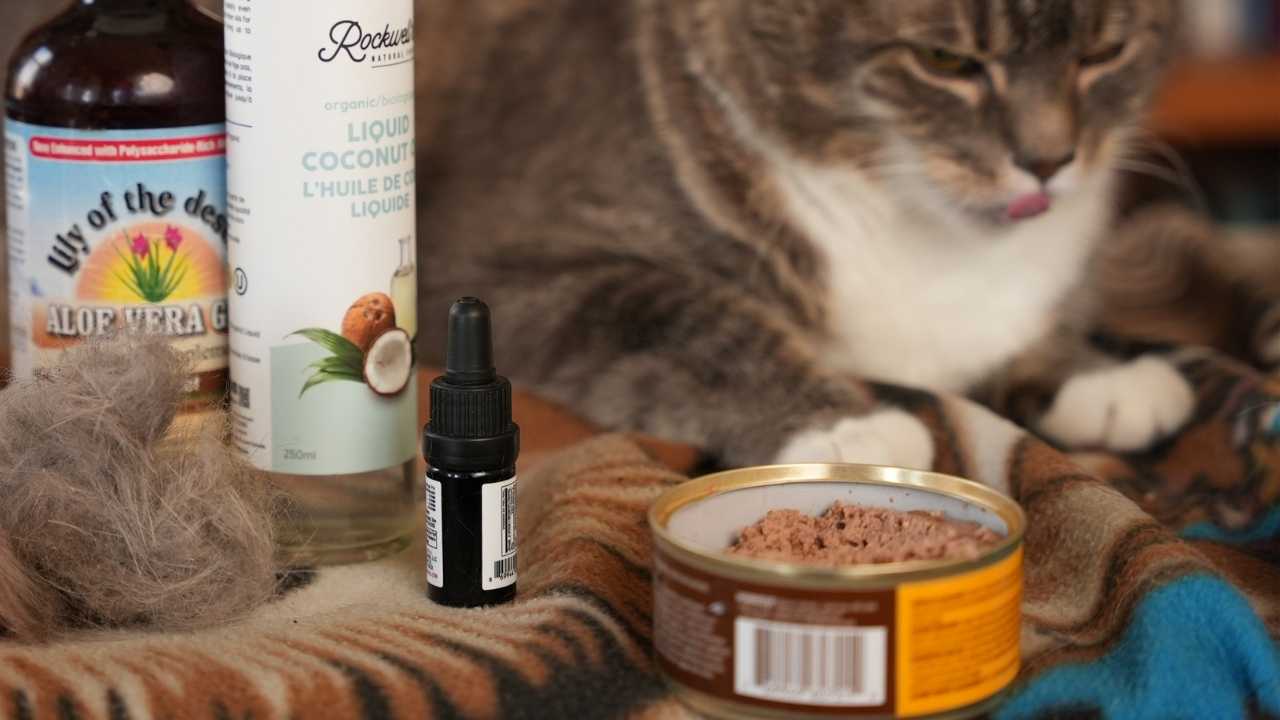
Canned or raw food provides far more water than dry kibble. Cats are designed to get most of their water from their food.
For cats prone to urinary issues, I focus on:
-
High moisture diets
-
Reducing stress
-
Anti inflammatory support
-
Bladder lining support
Supplements containing glucosamine, chondroitin, and MSM can help support the bladder lining and reduce inflammation.
Stress reduction is also critical. Feline lower urinary tract disease is often triggered by stress.
Final Thoughts
If your cat is straining, do not assume it is constipation.
Check the litter box. Look under the tail. Gently feel the belly.
A blocked cat can deteriorate quickly. Early action saves lives.
I hope this gives you a clearer understanding of urinary obstruction versus constipation so you can make the right decision if it ever happens in your home.
Take care of your cats. They depend on you.
Click To Get A Free Copy of My E-Book!


Thank you very much Dr. Jones, very informative!