Cat Cancer Treatment Options: What I’d Do for My Own Cat

Cancer in Cats: What I Would Do for My Own Cat
Feline cancer is difficult to treat. Some types carry a very poor prognosis. But there are new developments, along with holistic options, that may give us more tools than we had before.
If my own cat were diagnosed with cancer, here is exactly what I would consider.

A New Breakthrough for Feline Squamous Cell Carcinoma
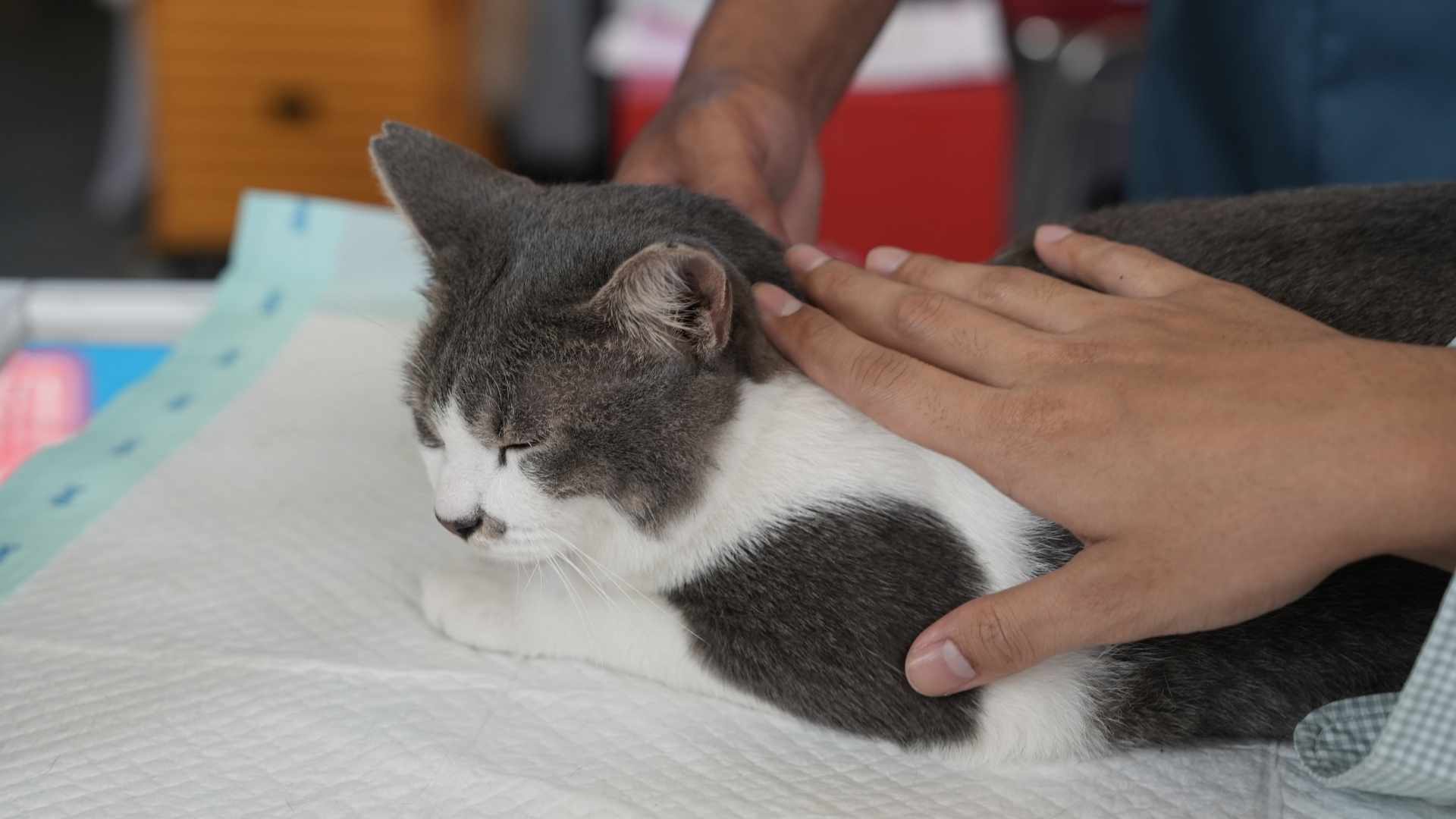
A recent study from UC Davis looked at a new treatment for head and neck squamous cell carcinoma in cats. This is one of the most aggressive feline cancers, and historically survival time has been very short.
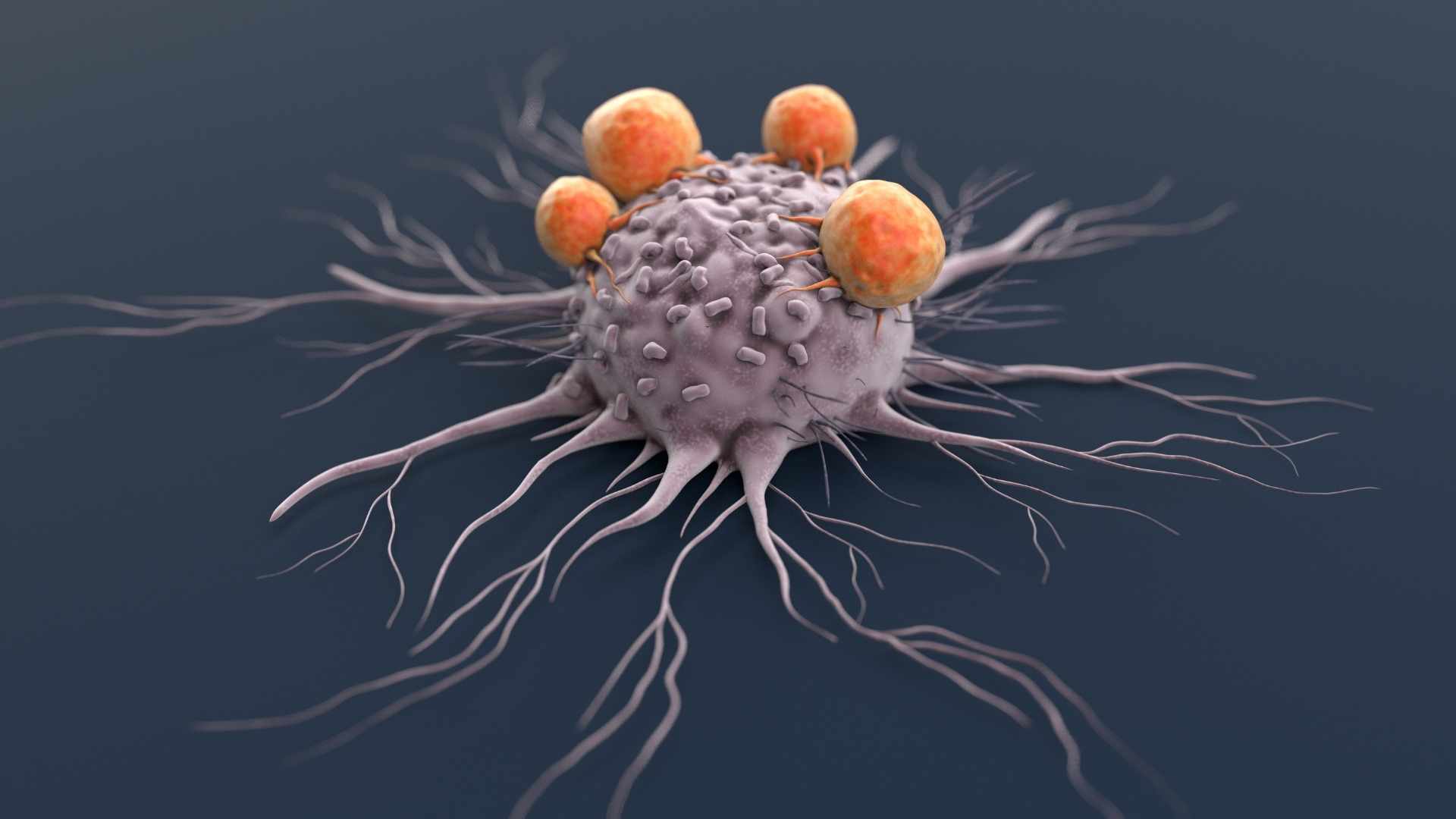
Researchers developed a drug that targets a protein called STAT3. This protein helps cancer cells grow and spread. By blocking STAT3, they aim to slow tumor growth.
The results were encouraging:
-
Over one third of cats responded well
-
Average survival time in responders was about 160 days
-
Side effects were minimal, mostly mild anemia
Five months is not a cure. But compared to only weeks of survival, it is meaningful. If my cat had squamous cell carcinoma, I would seriously consider this STAT3 inhibitor.
Holistic and Repurposed Options I Would Also Consider
Alongside conventional care, I would look at additional support.
1. Fenbendazole for Cancer
Fenbendazole, also known as Panacur, is a long used dewormer. Research has explored its anti tumor effects across multiple cancer cell lines.

Some studies suggest it interferes with cancer cell metabolism and growth.
Typical dosing often used in practice:
50 mg per kilogram
Given 3 days on, 4 days off
It has a wide safety margin and minimal side effects. If I saw any positive response after a month, I would continue.
2. Ivermectin as an Adjunct
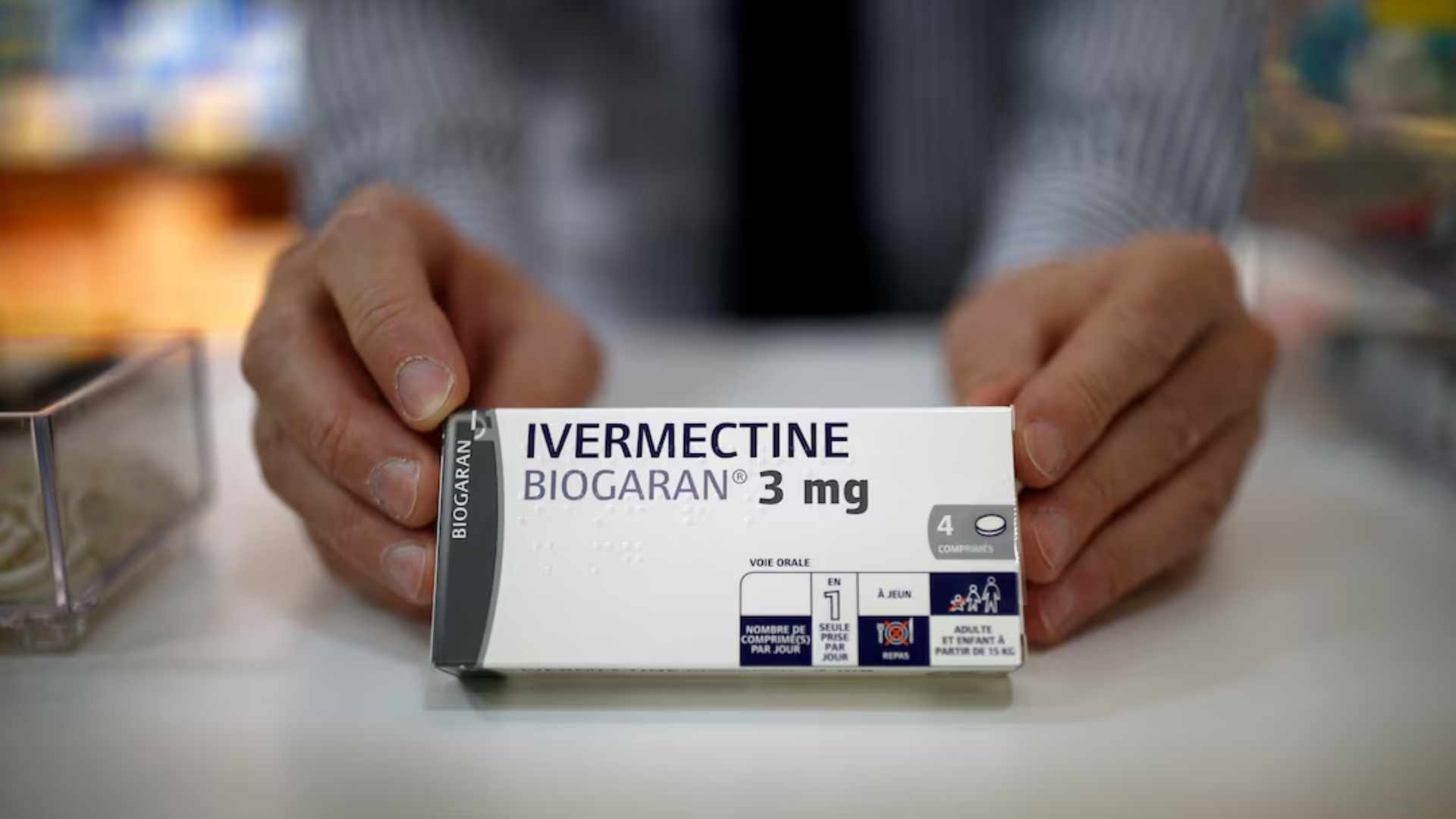
Ivermectin has also been studied for anti tumor properties. Research suggests it may:
-
Slow tumor growth
-
Inhibit spread
-
Induce cancer cell death
-
Support immune recognition of cancer
There is no established feline cancer protocol. Any use should be discussed with your veterinarian. If I were considering it, I would use conservative doses similar to parasite treatment regimens and reassess monthly.
3. Cannabinoids for Cancer and Pain
Cats have an endocannabinoid system, just like we do.
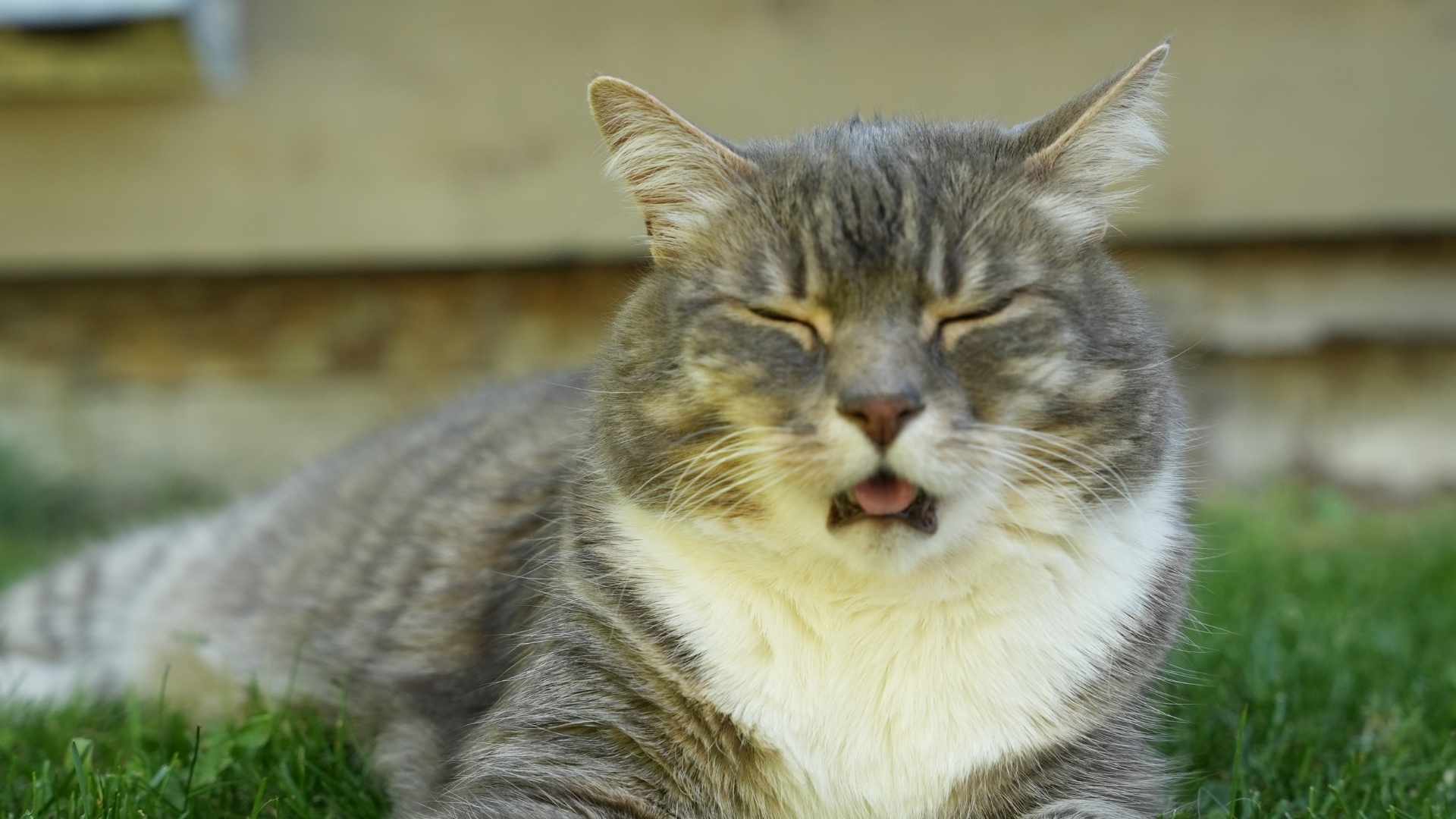
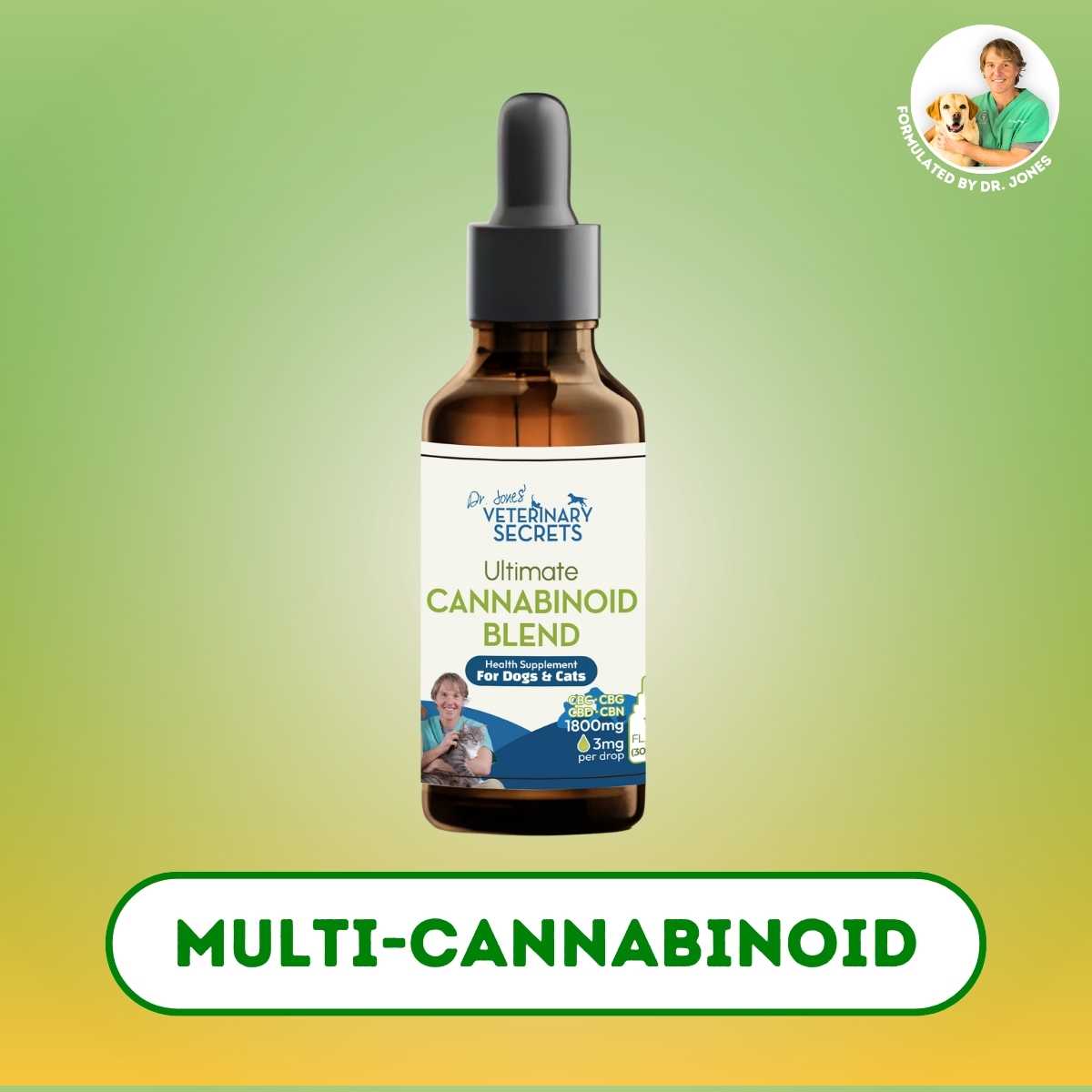
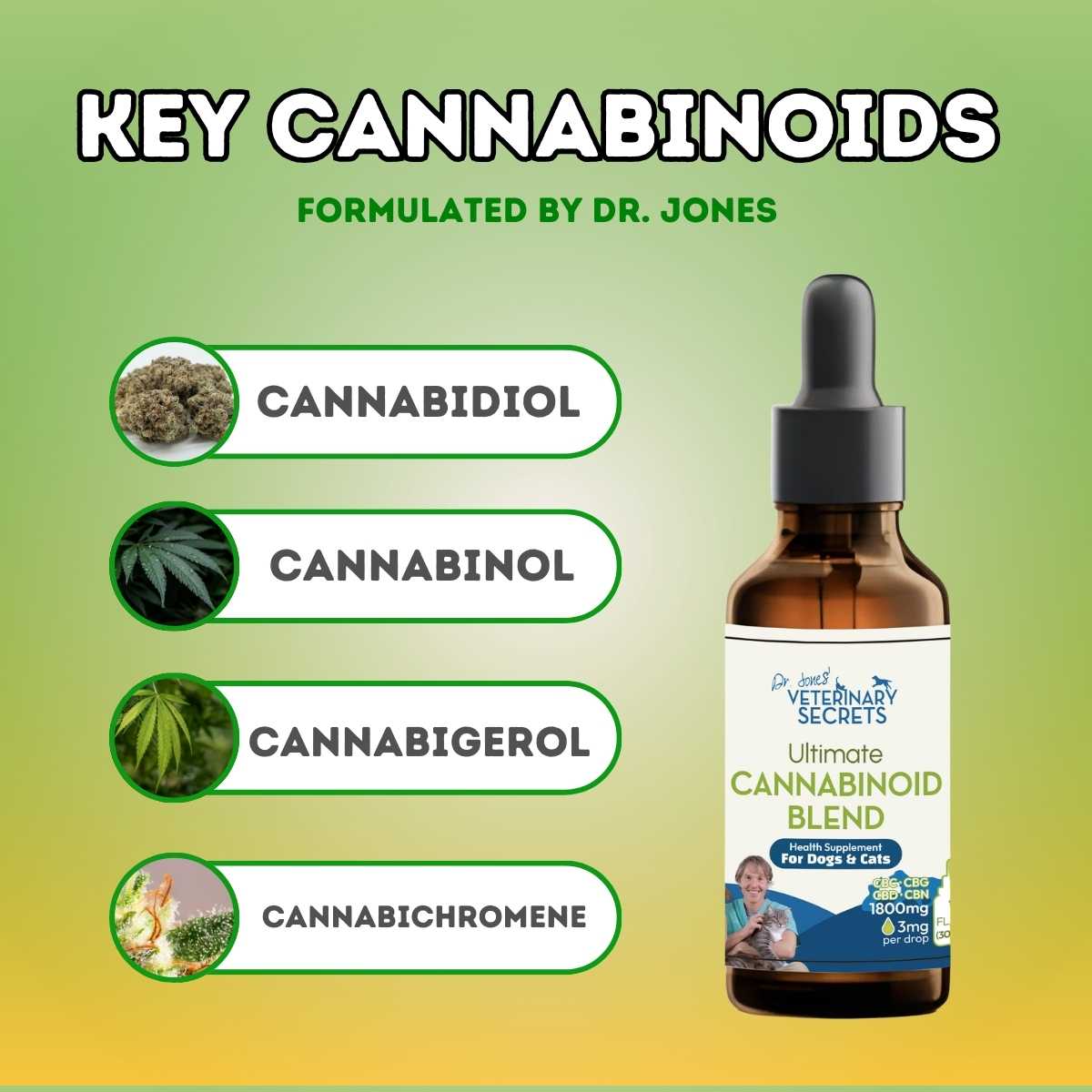
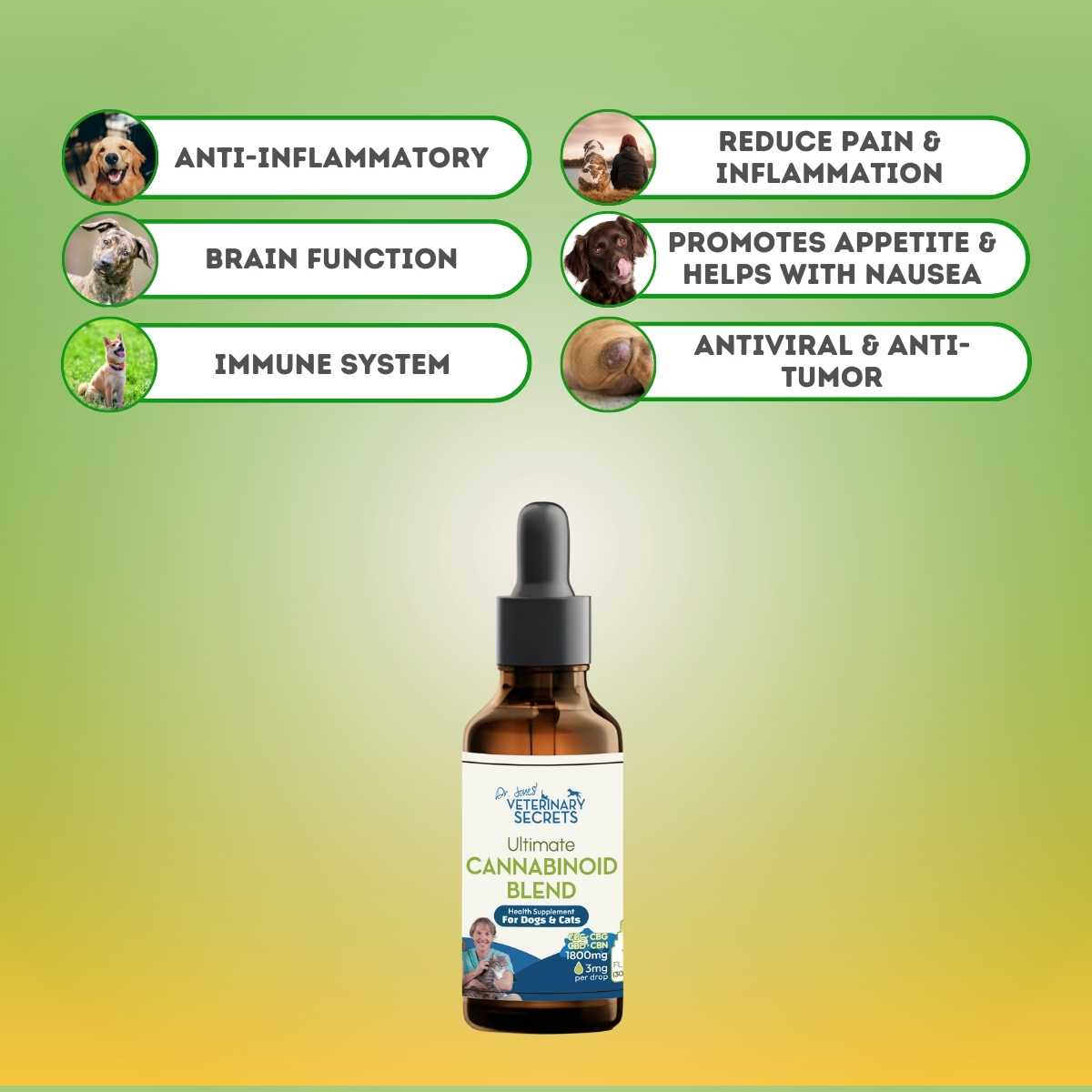
CBD and other cannabinoids such as CBG, CBC, and CBN may:
-
Reduce cancer related pain
-
Support immune function
-
Influence tumor growth pathways
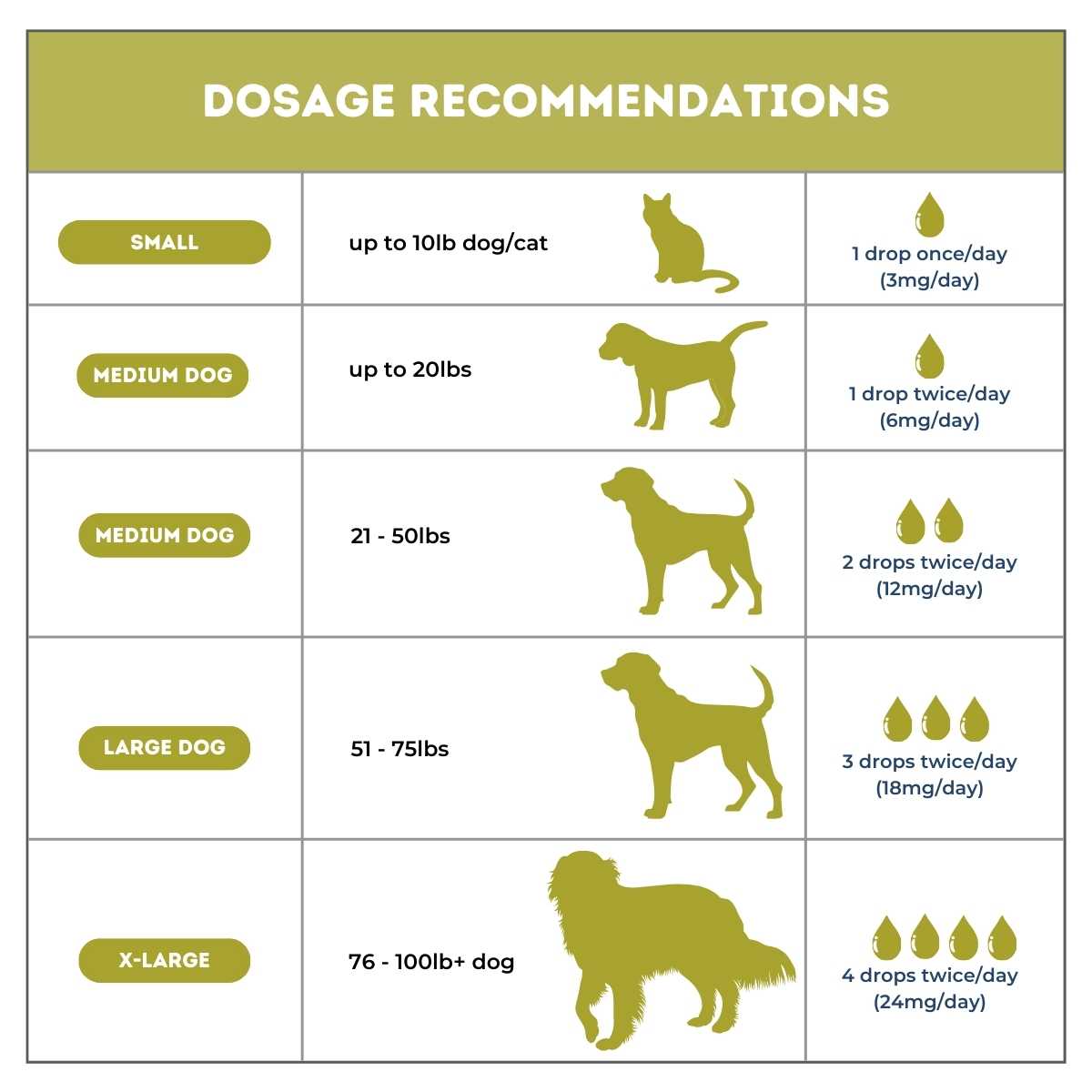
CBD has the most research. Higher doses are often needed for cancer support than for general wellness.
I would start at:
3 mg per 10 pounds twice daily
Then increase gradually if tolerated
Whole plant blends may offer broader support due to additional plant compounds.
4. Curcumin and Feline Metabolism
Curcumin, the active compound in turmeric, has strong anti inflammatory and anti cancer properties.
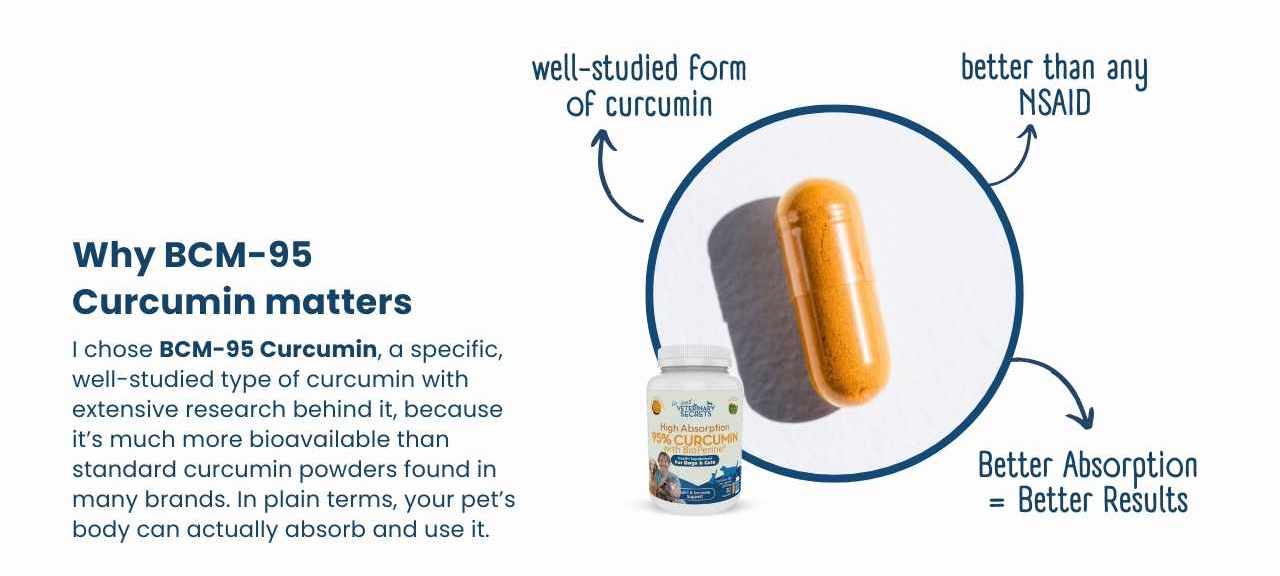
Cats metabolize compounds differently than dogs and people. Research suggests 95 percent curcumin may achieve higher blood levels in cats, potentially increasing its effect.
Typical dose:
100 mg per 10 pounds daily
Curcumin may help reduce inflammation and support cancer cell control.
5. Melatonin for Immune Support
Melatonin is more than a sleep hormone. It is a powerful antioxidant and immune modulator.
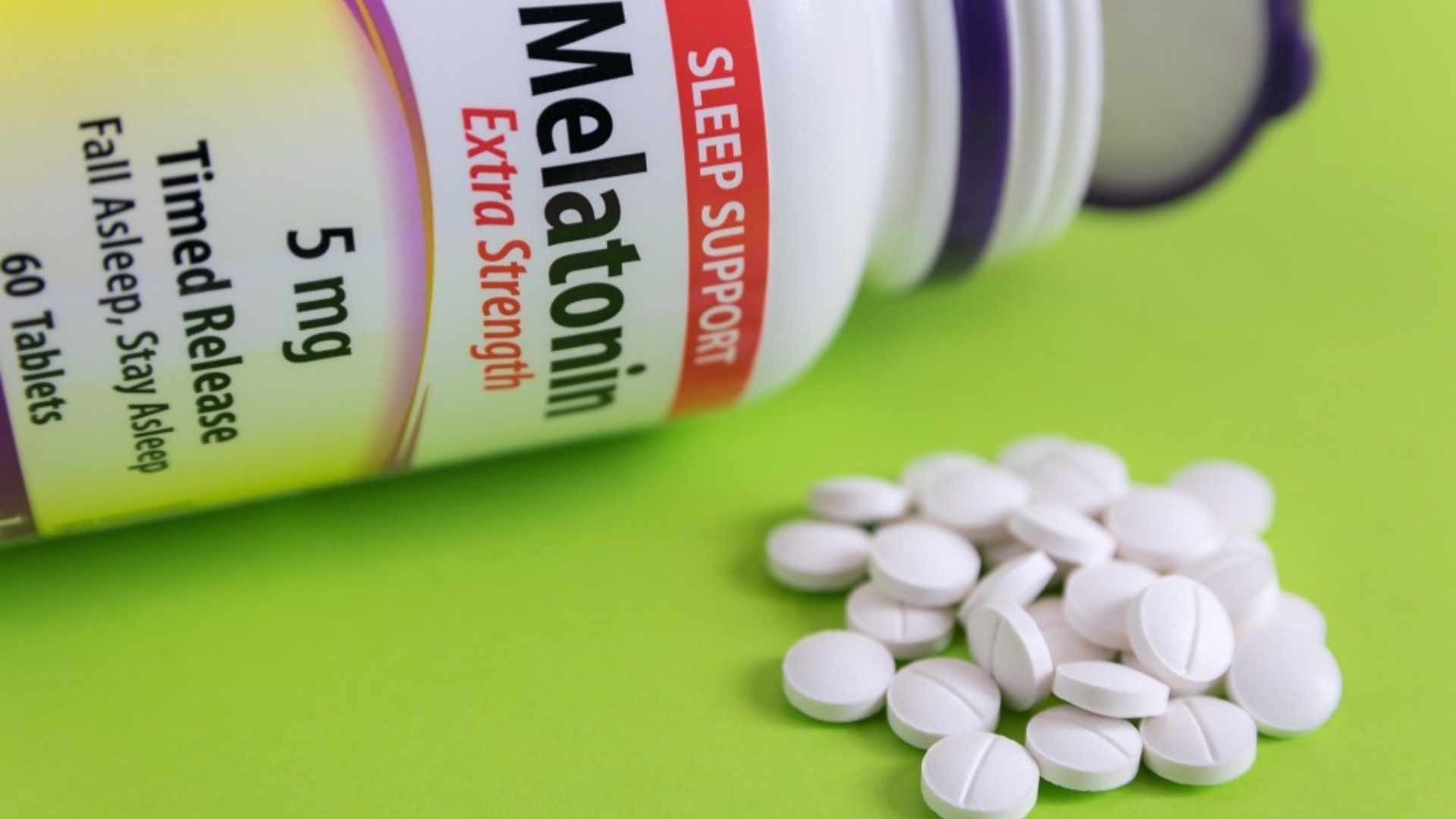
Research has shown it may:
-
Enhance immune response
-
Promote cancer cell death
-
Improve outcomes alongside surgery
One published case described a cat with mammary carcinoma who lived over two years after surgery while receiving 3 mg daily of melatonin. Most cats with this diagnosis survive less than a year.
Melatonin is inexpensive and very safe. If I had to choose one supportive therapy to add, this would be high on my list.
What I Would Do
If my cat had cancer, I would:
-
Consider surgery when appropriate
-
Explore new targeted therapies like STAT3 inhibitors
-
Add safe adjunct options such as melatonin
-
Consider curcumin and cannabinoids
-
Discuss repurposed drugs like fenbendazole with my veterinarian
There is no single magic cure. But combining thoughtful conventional care with carefully chosen holistic support may offer more time and better quality of life.
I truly hope your cat never faces cancer. But if they do, know that there are options to consider.
Click To Get A Free Copy of My E-Book!



My cat has rejected all amounts of curcumin. She won’t eat any food where it is mixed in, in even a smallest amount.
What can she take, instead?
No worries, you’ve got good alternatives.
If your cat won’t touch curcumin, here are a few solid, natural options you can try instead:
Omega-3 fish oil – great anti-inflammatory, usually much more acceptable taste-wise
CBD oil (pet-safe) – can help with inflammation and discomfort
Quercetin – a natural antihistamine/anti-inflammatory (sometimes called “nature’s Benadryl”)
Boswellia – another gentle herbal anti-inflammatory
Tip: With picky cats, liquid or very small-dose options mixed into something extra tasty (like a bit of sardine or tuna juice) can make all the difference.
You’re on the right track looking for natural support, just need to find what she approves of.
Hi Andrew, I assume the new STAT3 inhibitor treatment is compatible with other alternative treatments like Panacur and CBD. My 16-year-old cat has just been diagnosed with cancer—a tumor in her jaw with metastasis. I want her to live several more months with a good quality of life. My initial plan was Panacur with CBD, but after reading about the new STAT3 inhibitor, I’m considering it as well. I’m just wondering if all three treatments together are compatible, please I want to be sure.
Thanks so much for your wonderful work.
I’m really sorry about your kitty, 16 years is a beautiful long life, and focusing on quality time now is exactly the right goal.
Quick answer:
They’re likely compatible, but we just don’t have solid veterinary research confirming all three together, especially the newer STAT3 inhibitors.
So the smart, safe approach:
Don’t start all three at once
Begin with one (CBD is a great first choice for comfort, appetite, pain)
Then add others one at a time, giving a few days in between
Watch closely for any changes
A few quick thoughts:
CBD ? best for comfort, inflammation, appetite.
Panacur (fenbendazole) ? generally well-tolerated, often used as supportive care
STAT3 inhibitors ? promising but still experimental, especially in cats
And most important:
With a jaw tumor, keeping her pain-free and eating comfortably matters more than anything else
If she’s still eating, interacting, and having good moments, you’re on the right path.
You’re clearly doing everything you can for her, and that love really does make a difference
Thanks so much for your answer and kind words, thanks so much.
Hello again, sorry to bother you, I have a question about the treatment my cat received from the vet 10 days ago. They gave her a cortisone injection. How long does this stay in her system? Yesterday I started giving my cat CBD drops, and I want to know if this could be affecting her somehow. 🙁 I think my cat has tolerated the CBD well; she sleeps more, but when she wakes up, she eats heartily. I just want to continue only with the CBD.
Sorry, I always have questions. Only one more thing please: which vitamin supplements would you recommend?. Thanks so much wonderful people.
No need to apologize at all, It’s clear how much you care about your cat.
Regarding the cortisone injection:
These injections can stay active in the body for anywhere from a few days up to a few weeks, depending on the specific type used (some are longer-acting “depot” steroids). It’s not unusual for effects to gradually taper over 1–3 weeks.
About using CBD alongside that:
CBD is generally considered supportive and many pet parents use it for comfort, appetite, and relaxation. The fact that your cat is eating well and resting comfortably are good signs. Increased sleep can happen with CBD, especially when first starting.
However, since your cat recently had a steroid injection, it’s always safest to keep your veterinarian in the loop, as they know exactly which medication and dose was given and can advise on any potential overlap.
If you’re planning to continue with CBD only, just:
Start low and adjust slowly
Monitor appetite, energy, and litter habits
Watch for any unusual changes
For vitamin and supplement support, commonly recommended options for cats (especially for overall health and recovery) include:
Probiotics – support gut health and immunity
Omega-3 fatty acids (fish oil) – help with inflammation and skin/coat health
Multivitamin – for general nutritional support
Digestive enzymes – helpful if there are digestion concerns
You’re doing a wonderful job paying close attention to how she’s responding, that’s one of the most important things.
Thank you so much for the information. My plan is to continue with just CBD, and I’ll tell my vet. My cat has really improved with the CBD; her appetite, energy, and overall vitality are much better. The days before, she was much more lethargic and strange.
Thank you so much, wonderful people.
That’s awesome to hear!
If you’re seeing better appetite, energy, and overall spark, that’s a big win. CBD can be really helpful for comfort and quality of life in many cats.
I have an 8.5 pound eight-year-old female tabby Who just had surgery in January to remove a breast cancer tumor. Ever since then I am giving her a product called well-being life gold for cats, And I’ve also also just recently bought her melatonin drops ,vitamin E, cucumin Turmeric, turkey tail mushroom powder, and Fenbendazole drops , I’m slowly introducing her to all of the new supplements one at a time just to make sure she responds OK. what is the recommended dosage for the Fenbendazole based off of her weight and for how many days do I do it? How often do I do it? I keep trying to look up information for this, but I’m only getting measurements and amounts for dogs. can somebody please give me the exact dosage and how frequently I need to use it? I know it’s for like a few days on and then a few days off but then do you stop after that?
First off, big hugs to you and your kitty. You’re doing a really thoughtful job here, especially introducing things slowly.
Dr. Jones’ suggested cancer-support protocol:
50 mg/kg (?23 mg/lb) once daily
3 days on, 4 days off
Try for about 1 month, then reassess
For your 8.5 lb (?3.9 kg) cat:
That works out to about 195 mg once daily for 3 days, then 4 days off
If you’re using the liquid (100 mg/mL):
That’s roughly ~2 mL per dose
This protocol is based mostly on anecdotal use (especially in dogs)—we don’t have strong clinical studies in cats
It’s generally well-tolerated short term, but I’m cautious with long-term or combining with lots of other supplements
You’ve got quite a stack going, more isn’t always better.
Keep things simple and consistent
Try the fenbendazole for that 1-month window only, then reassess
Watch for any changes (appetite, energy, stool, etc.)
Ideally, keep your vet in the loop, especially post-surgery
You’re clearly going all-in for her, and that matters a lot. Just keep it steady, not overwhelming, and you’re on the right track.