Can Probiotics Help Your Dog or Cat Have Better Teeth and Gums?

Do Probiotics Really Help Dog and Cat Dental Health?
Yes, probiotics may help your dog or cat have better teeth and gums, but the key is this: the probiotics need to help support the mouth itself, not just pass through the gut.
Most people think of probiotics for diarrhea, gas, digestion, or general gut health.
And yes, probiotics can be very helpful for the gut.
But your dog or cat’s mouth also has its own microbiome.
That means the mouth has its own community of bacteria.
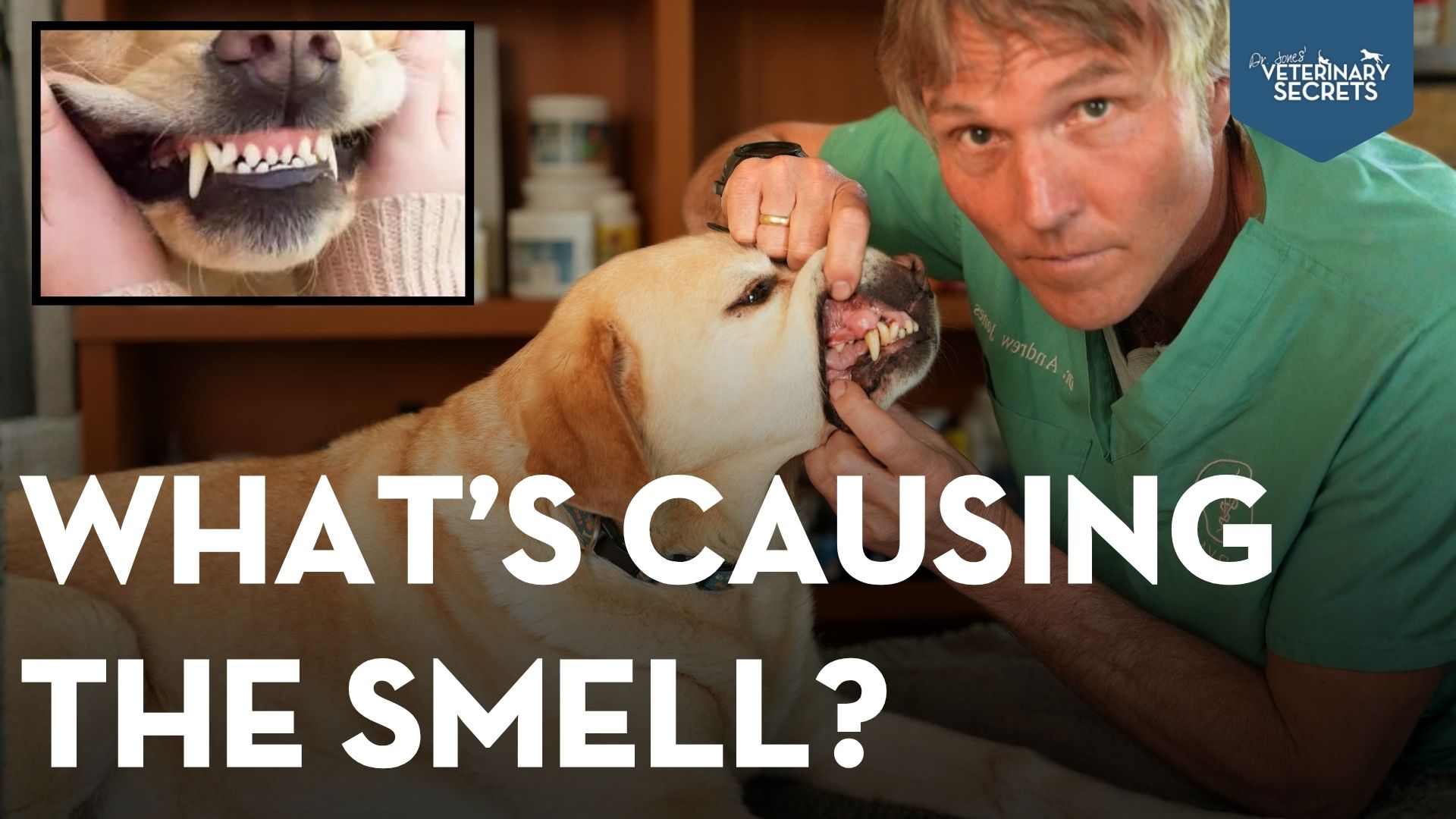
When the wrong bacteria take over, you may see bad breath, red gums, plaque, tartar, gingivitis, loose teeth, and worsening periodontal disease.
That is why I think oral probiotics deserve a lot more attention.
The right bacteria in the mouth may be one of the missing pieces in dental health.
And yes, this may help explain why two dogs eating the same food can have completely different amounts of tartar.
One dog looks like he brushes twice daily.
The other looks like he has been chewing cement.
Same diet.
Different mouth bacteria.
That matters.
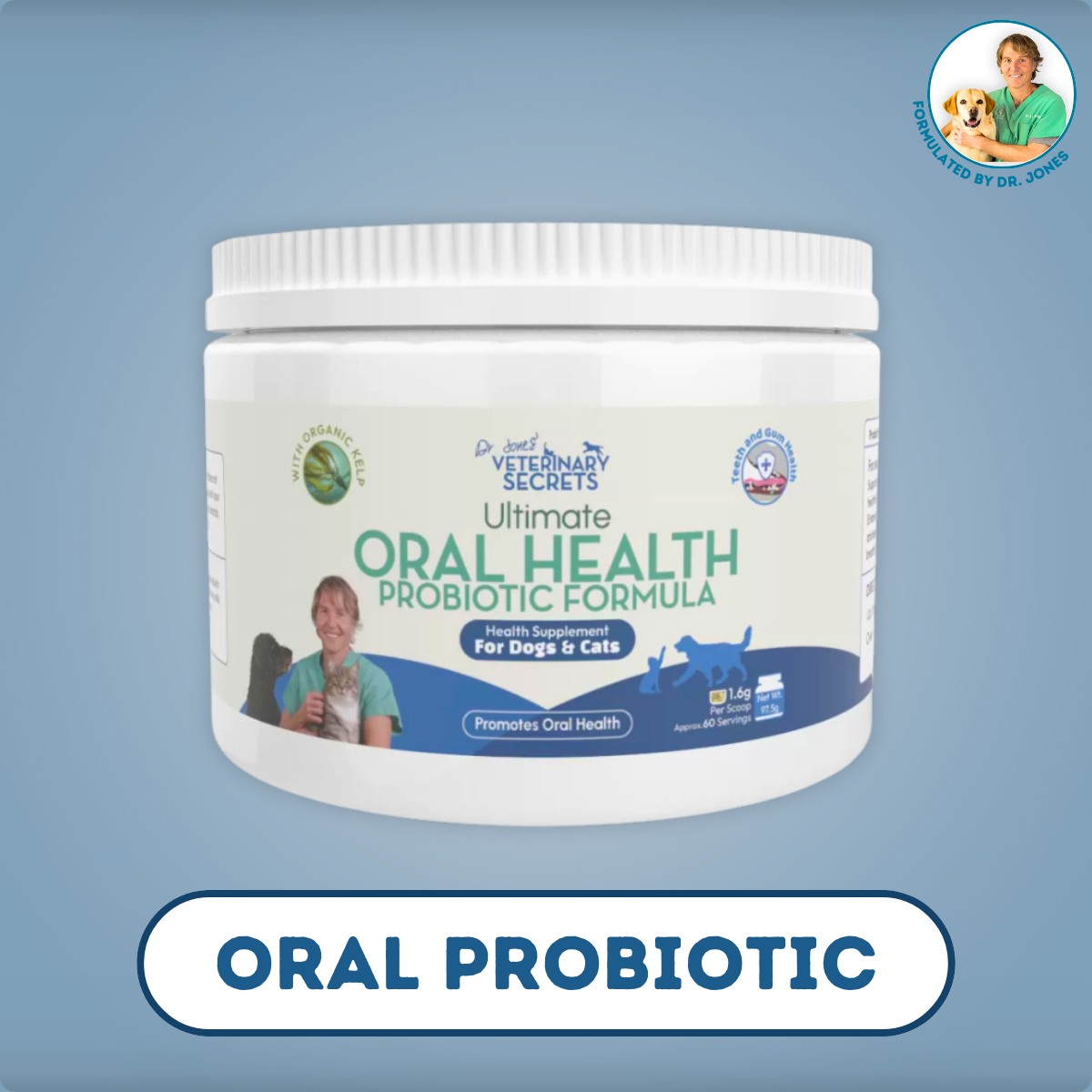
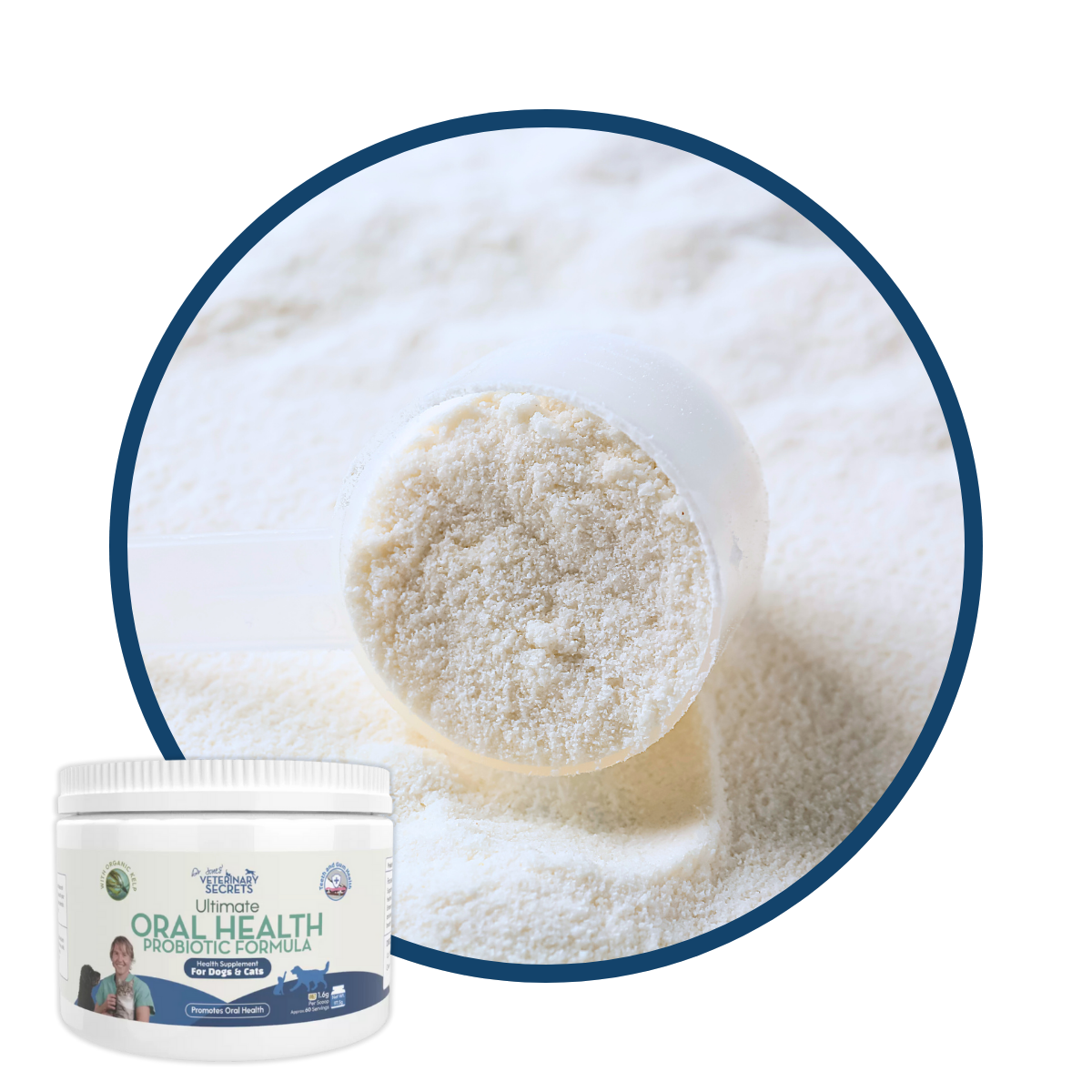
Dr. Jones’ Ultimate Oral Health Probiotic Formula for Dogs and Cats
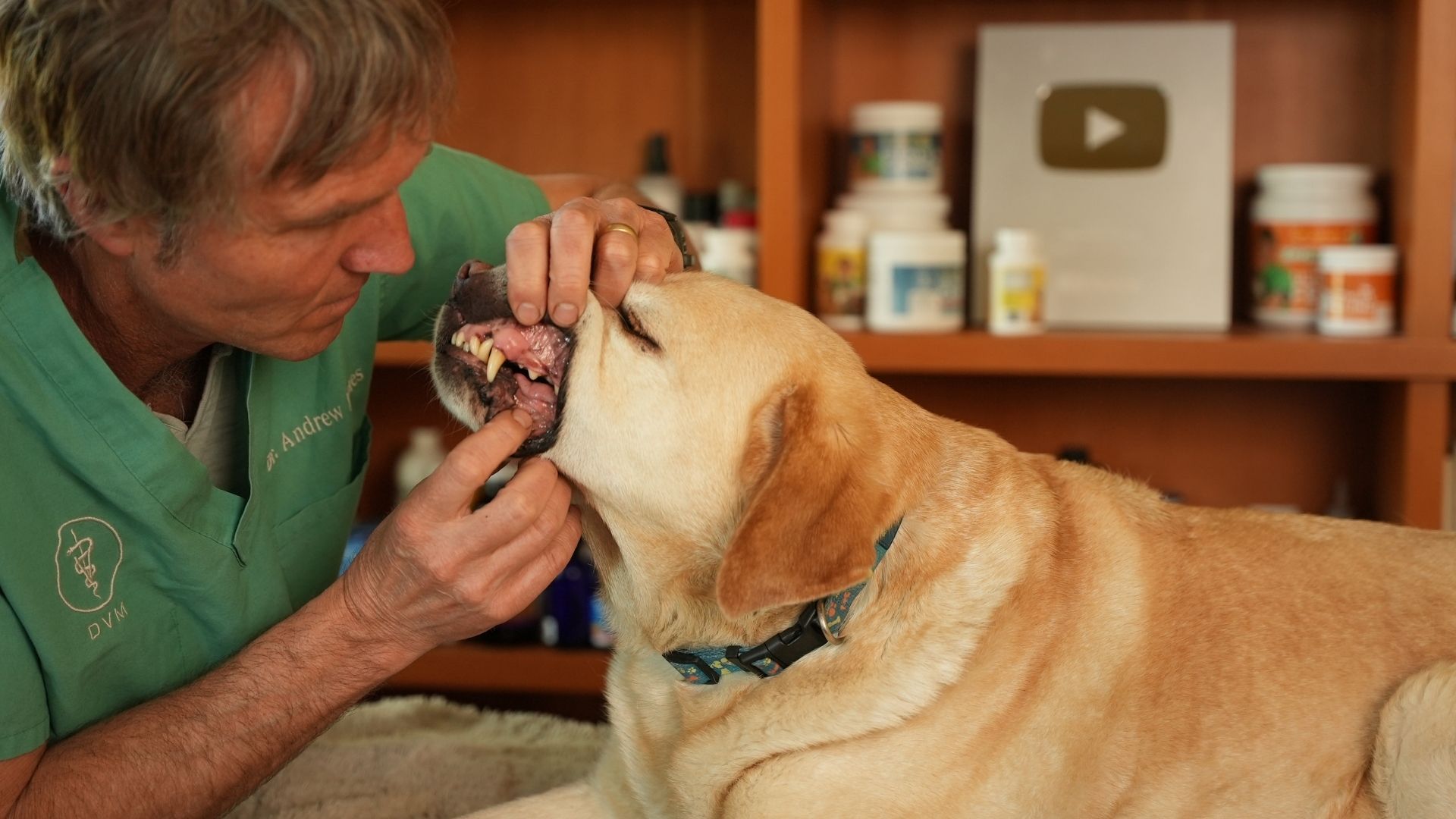
What Are Probiotics?
Probiotics are beneficial bacteria.
They are often called “good bacteria.”
In people, dogs, and cats, probiotics first became popular for gastrointestinal health.
That makes sense because the gut microbiome is the ecosystem of the digestive tract.
A healthy gut microbiome may help support:
-
Digestion
-
Stool quality
-
Appetite
-
Immune health
-
Overall wellness
Over 70% of the immune system is located in the gut, so the gut microbiome is not a small side issue.
It is a big deal.
A very small bacteria-sized big deal.
Are Probiotics Okay for Dogs and Cats?
Yes, a probiotic specially formulated for dogs and cats can be beneficial.
In a healthy gut, good bacteria help break down food particles and support digestion.
When the gut is imbalanced, harmful bacteria may contribute to problems such as:
-
Diarrhea
-
Flatulence
-
Poor appetite
-
Excessive appetite
-
Poor condition or “ill thrift” appearance
A pet-specific probiotic may help restore and maintain a healthier balance of good and bad bacteria.
That is the gut side.
But now let’s talk about the mouth.
Because your pet’s mouth is not just where treats disappear.
It is the first part of the digestive tract.
What Is the Oral Microbiome?
The oral cavity, or mouth, has its own unique microbiome.
This means your dog or cat’s mouth is filled with microbes that can influence oral health.
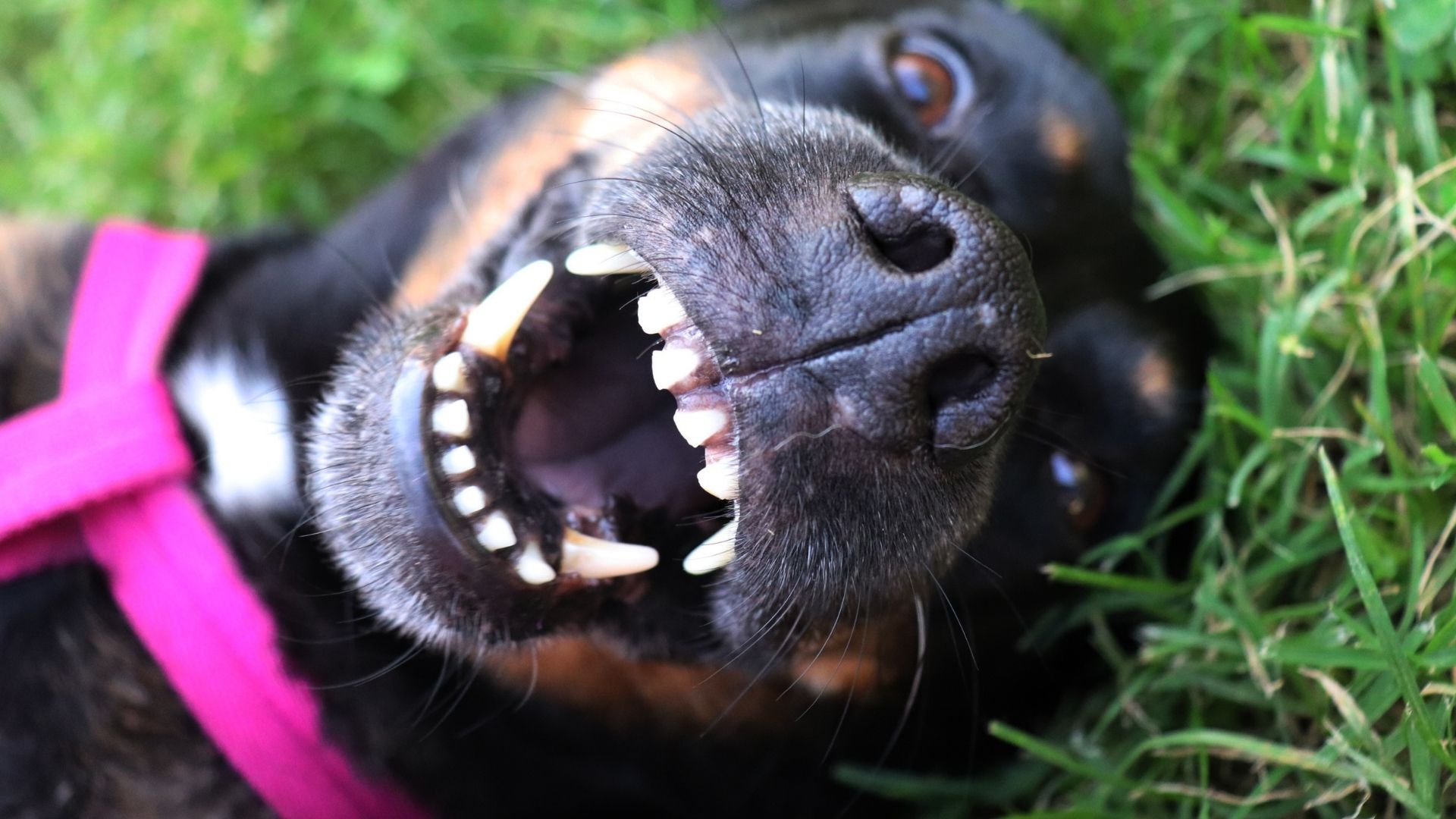
When the oral microbiome is balanced, the mouth is healthier.
When it is disrupted, this is called dysbiosis.
Dysbiosis can contribute to the progression of periodontal disease.
That is where probiotics may help.
The goal is to support the good bacteria and reduce the disruption that allows dental disease to progress faster.
What Are the Signs of Periodontal Disease in Dogs and Cats?
Periodontal disease is extremely common in dogs and cats.
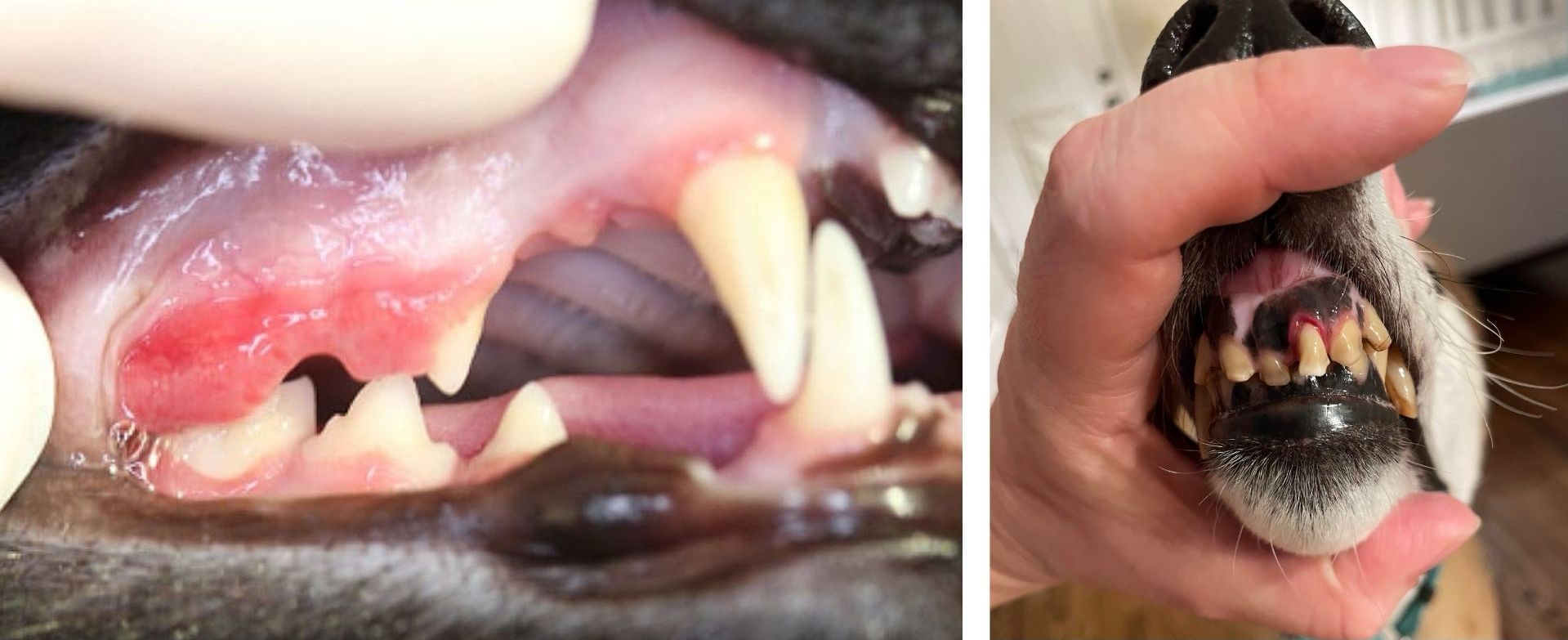
Common signs include:
-
Bad breath, also called halitosis
-
Gingivitis
-
Red gums
-
Bleeding gums
-
Increased plaque
-
Rapid tartar buildup
-
Loose teeth
Bad breath is not just “dog breath.”
And with cats, it is not just “fish breath,” although they may argue.
Bad breath can be a sign that the mouth microbiome is off and inflammation is present.
Why Oral Health Is Serious Business
Dental disease is not only about teeth.
Studies have suggested that oral bacteria and the inflammation linked with periodontitis may play a role in serious health issues, including:
-
Endocarditis, or heart infection
-
Cardiovascular disease
-
Pneumonia
-
Diabetes
-
Immune system effects
-
Cognitive dysfunction
That is why I take dental health seriously.
The mouth is connected to the rest of the body.
If there is chronic inflammation and harmful bacteria in the mouth, that can have effects beyond bad breath and tartar.
How Can Probiotics Help Pet Dental Health?
Probiotics may help by supporting a healthier oral microbiome.
A healthier oral microbiome may help reduce the disruption that leads to periodontal disease.
In human dentistry, probiotics have received attention for helping manage:
-
Dental caries
-
Periodontal disease
-
Halitosis
-
Oral health during oral cancer treatment and recovery
To be clear, probiotics are not a cure for oral cancer.
But they have been used to help improve and maintain oral health during cancer treatment and recovery.
For dogs and cats, the same idea is now becoming more relevant.
If the oral microbiome matters in people, it makes sense to look at how it may matter in pets too.
Why Do Oral Probiotics Need to Stay in the Mouth?
Here is the key point:
For probiotics to support dental health, they need to help colonize the mouth.
In plain English, they need to stick around.
If the probiotic just gets swallowed right away, it may help the gut, but it may not do much for the teeth and gums.
That is why an oral health probiotic needs ingredients that help the probiotics stay on the gums and grow in the mouth.
This is one of the most important parts of the whole conversation.
It is not just “give any probiotic.”
It is:
Use the right probiotic strains, in a form that helps them stay in the mouth.
Why Do Some Pets Get More Tartar Than Others?
This is something I have thought about a lot.
Why is it that two dogs can eat the same food, chew the same treats, and still have completely different mouths?
My dog Tula was a great chewer.

But shortly after a dental cleaning, tartar started building up quickly again.
My last dog Lewis was the opposite.
He ate much faster, sometimes inhaling his food, and yet he hardly had any dental disease.
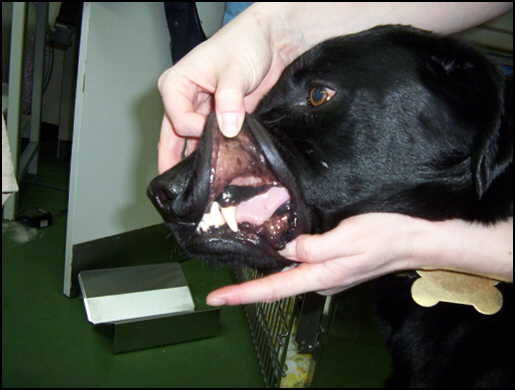
Same basic idea.
Different result.
I think one big key is the bacteria in the mouth.
The right bacteria may help prevent rapid tartar buildup.
The wrong bacteria may let dental disease move along much faster.
That is why oral probiotics make sense to me.
What Is Dr. Jones’ Ultimate Oral Health Formula?
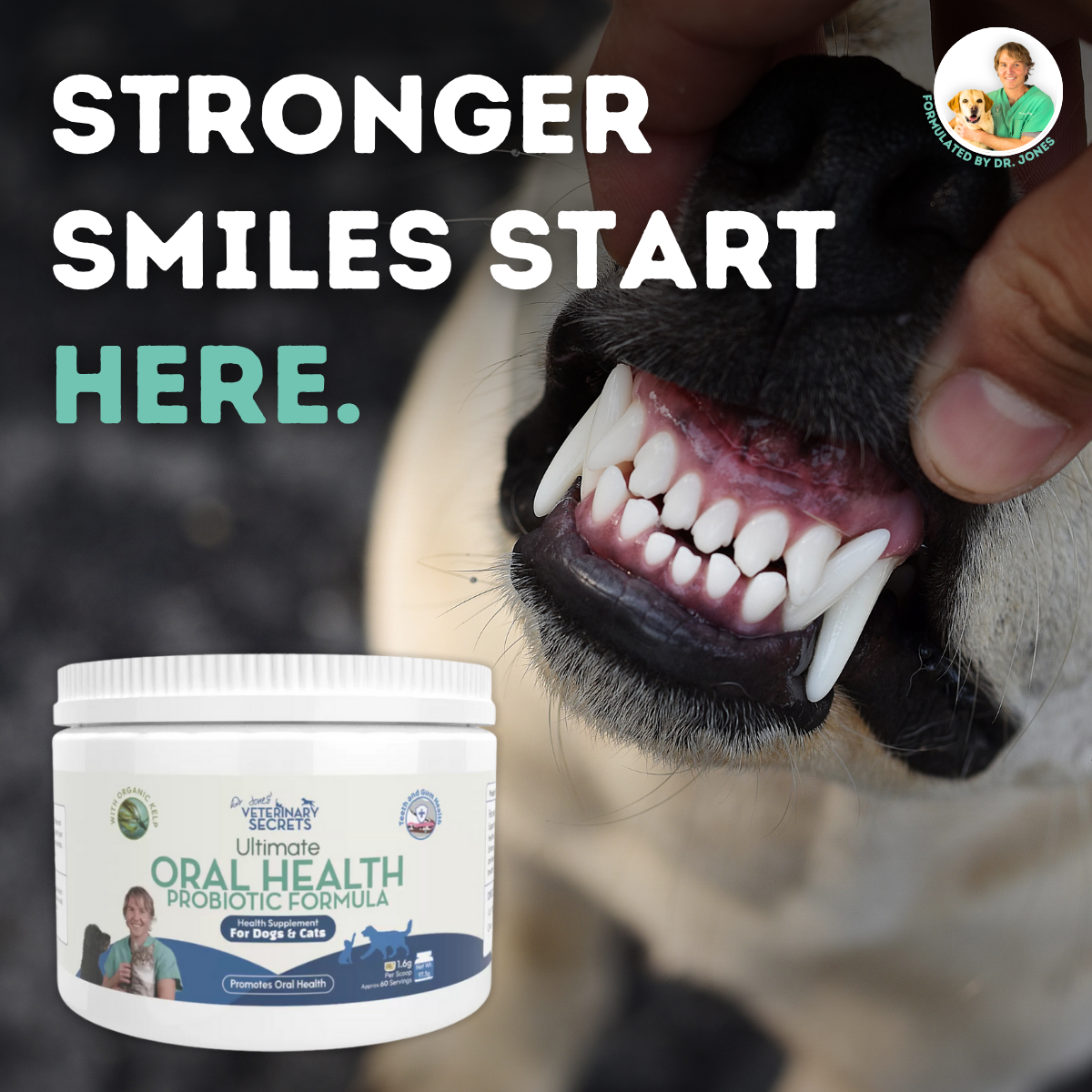
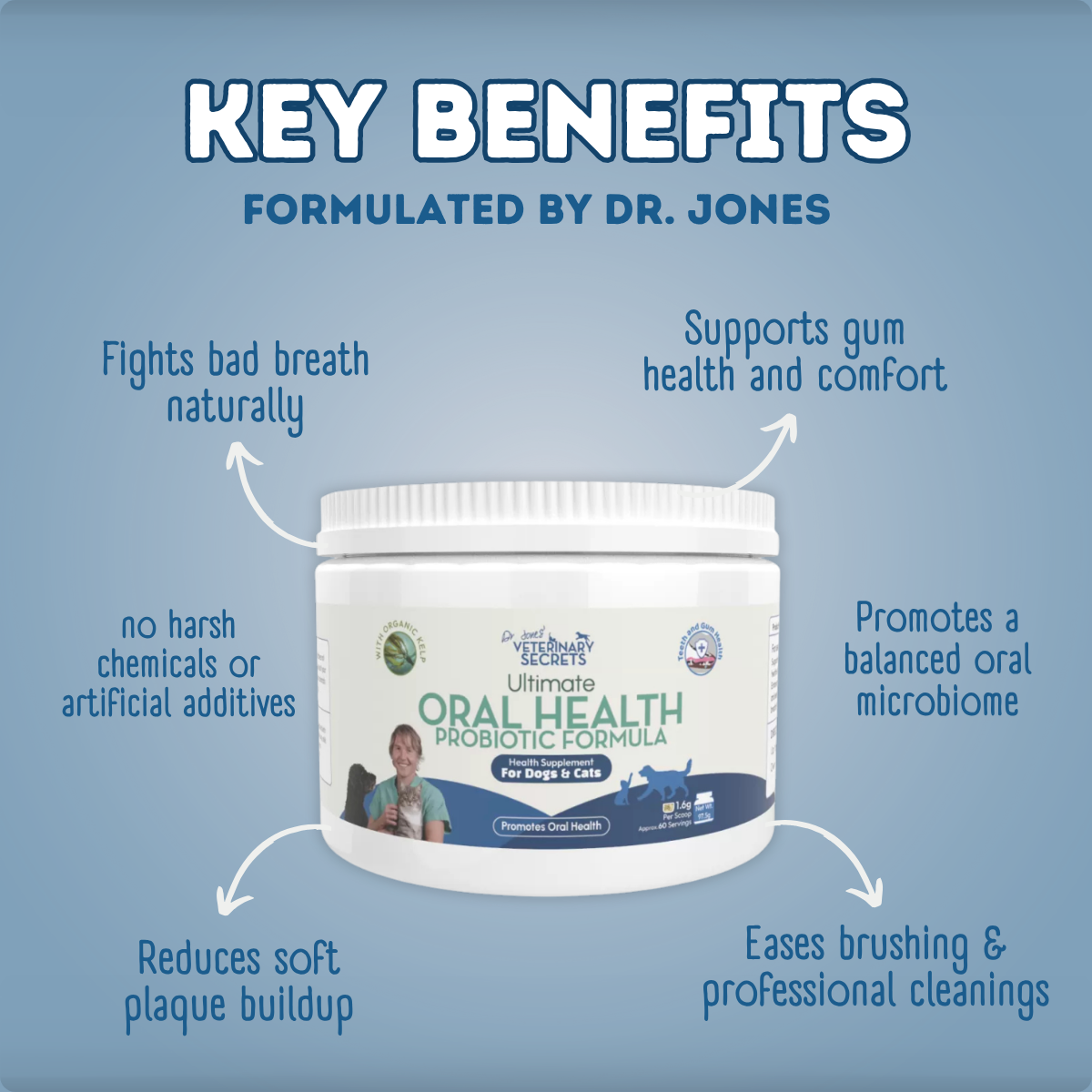
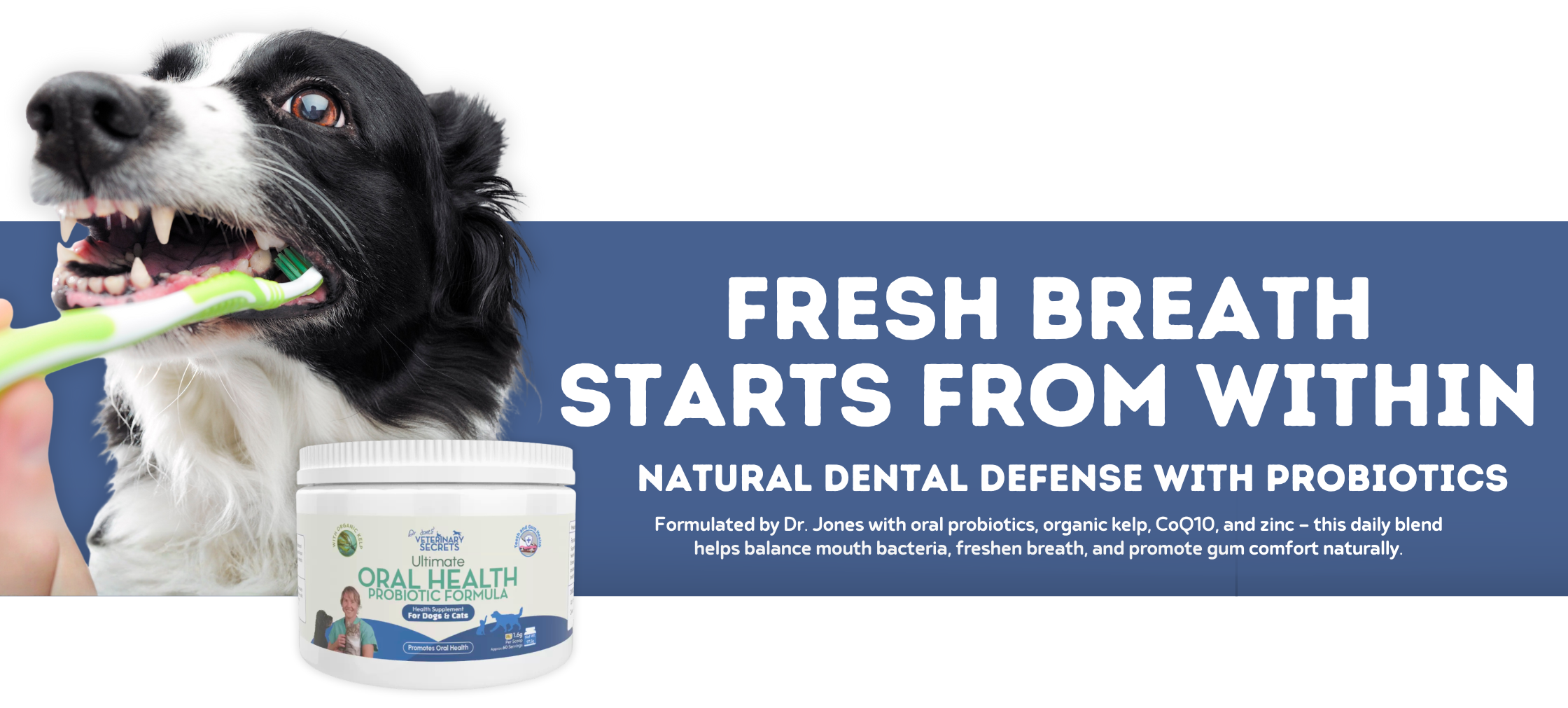
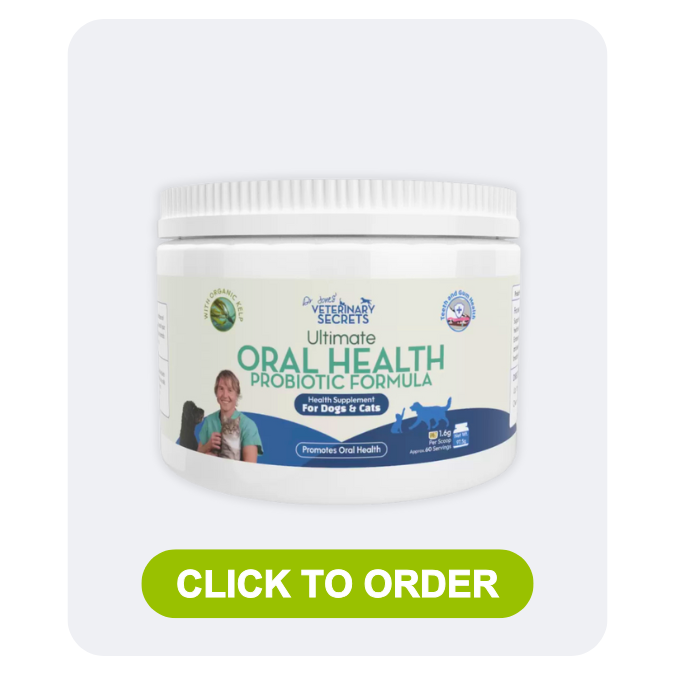
Dr. Jones’ Ultimate Oral Health Formula for Dogs and Cats is a dental supplement designed to support your pet’s oral microbiome, teeth, and gums.
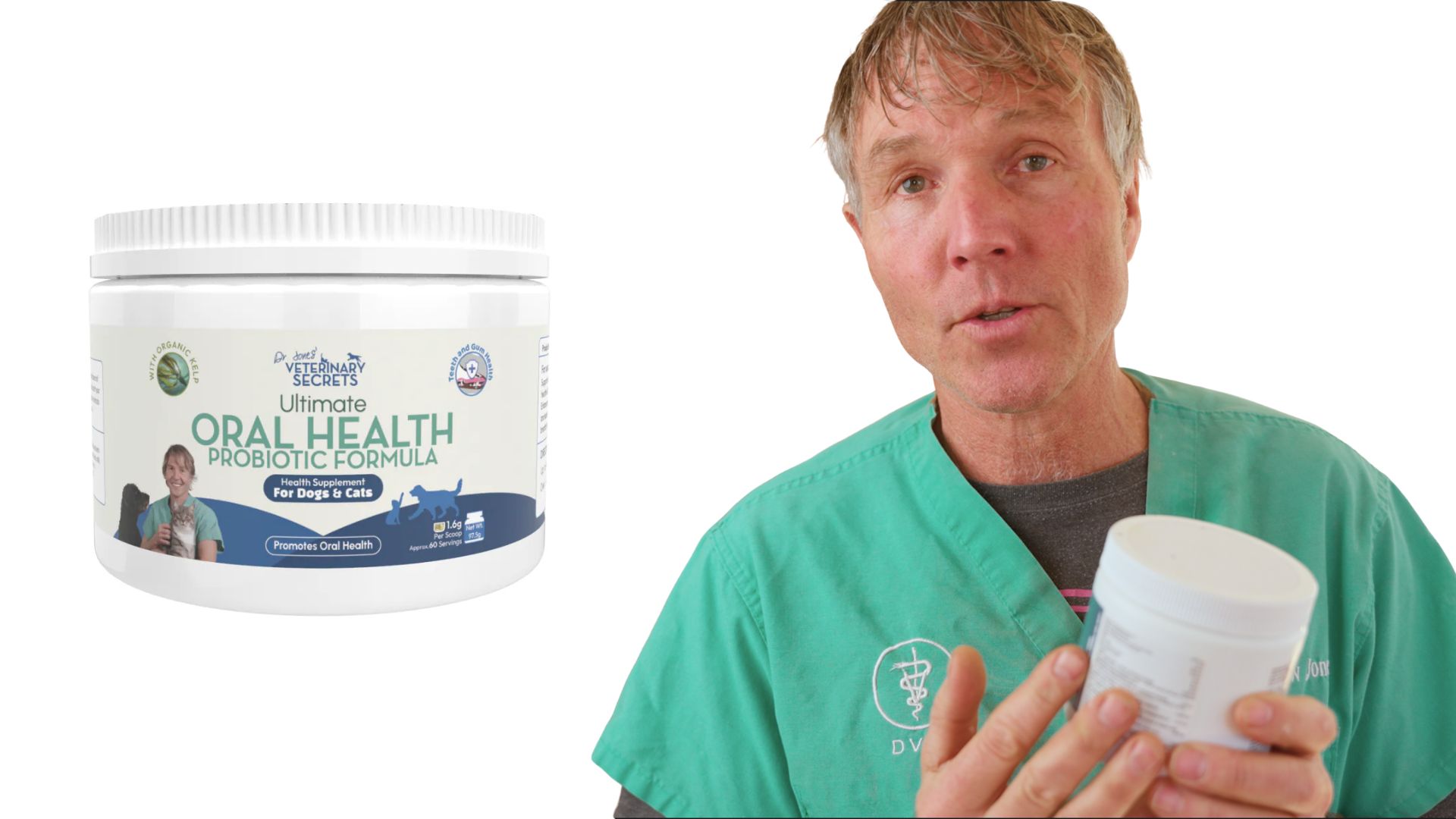
It contains 3 different probiotic strains specifically designed for animals.
It is also very potent, with:
It also includes ingredients that help the probiotics stick to the gums, supporting their ability to grow in the mouth.
That is important.
Because if we want oral benefits, the probiotics need to spend time in the mouth.
Not just take the express route to the stomach.
What Ingredients Support Pet Dental Health?
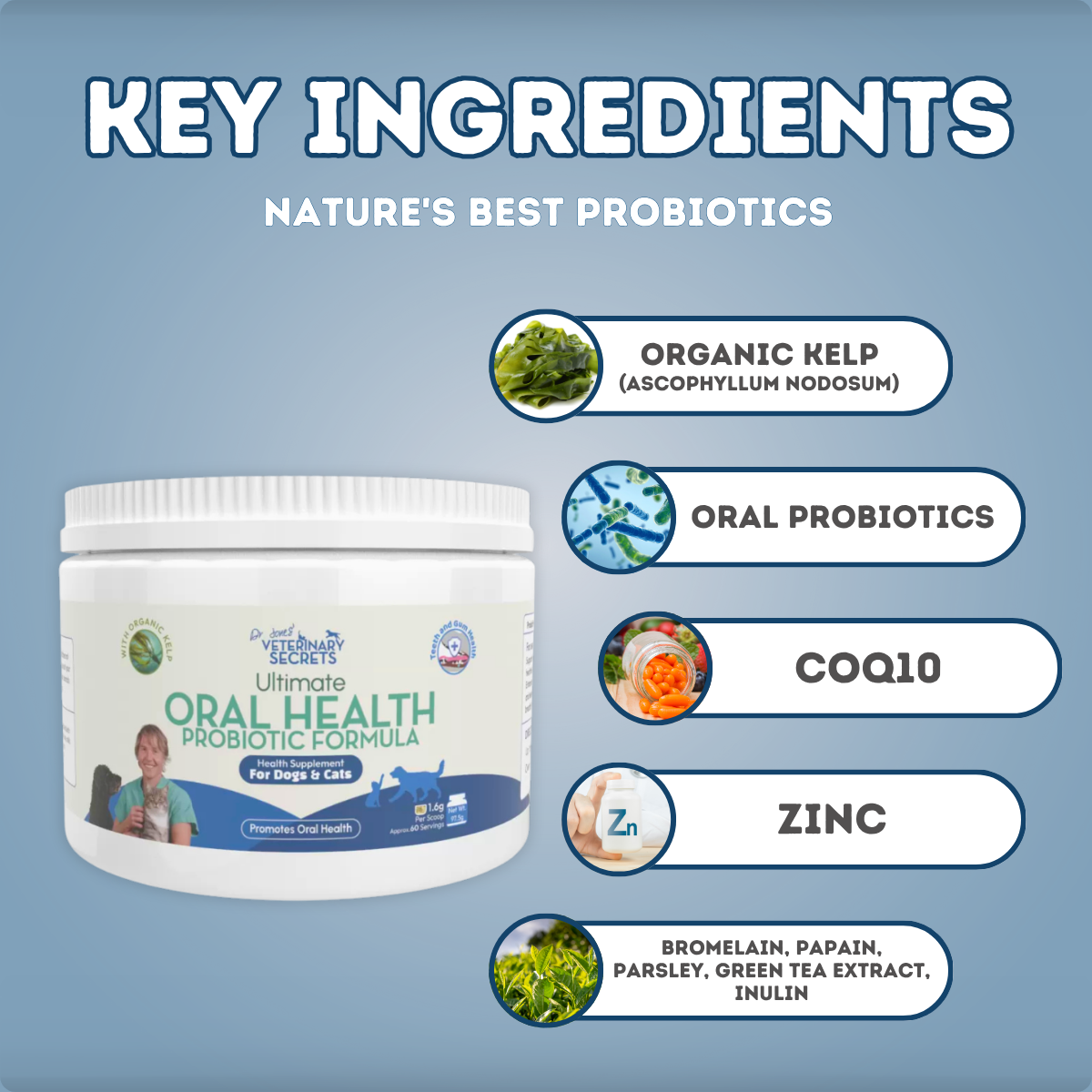
The dental supplement includes key ingredients shown to support oral health.
Oral Health Formula Ingredient Guide
| Ingredient | Why It Is Included |
|---|---|
| Ascophyllum nodosum seaweed | Supports plaque control |
| Coenzyme Q10 | Supports gum health |
| Zinc | Helps decrease gum inflammation |
| MCC | Helps probiotics stay in the mouth |
| L. rhamnosus | Probiotic support for oral health |
| L. plantarum | Probiotic support for oral health |
| Strep. thermophilus | Probiotic support for oral health |
Why Ascophyllum Nodosum Seaweed Is Used
Ascophyllum nodosum is a type of seaweed.
It is included because it is a proven plaque fighter.
Plaque is one of the first steps in dental disease.
If you can help manage plaque, you may help reduce the buildup that leads to tartar and gum inflammation.
Why Coenzyme Q10 Is Used
Coenzyme Q10 is included for gum health.
Healthy gums matter.
The teeth do not exist alone.
They sit in gum tissue, and when that tissue becomes inflamed, red, and unhealthy, dental disease can move forward quickly.
CoQ10 is one of the supportive ingredients I like for gum health.
Why Zinc Is Used
Zinc has been shown to help decrease gum inflammation.
Gum inflammation is part of gingivitis and periodontal disease.
So zinc makes sense as part of a dental support formula.
Why MCC Is Used
MCC helps the probiotics stay in the mouth.
This is a key part of oral probiotic support.
Again, the goal is not just to swallow probiotics.
The goal is to help beneficial bacteria stay on the gums and support the oral microbiome.
MCC helps with that.
Why These Probiotic Strains Matter
The formula includes:
-
L. rhamnosus
-
L. plantarum
-
Strep. thermophilus
These probiotics are included to further support the teeth and gums.
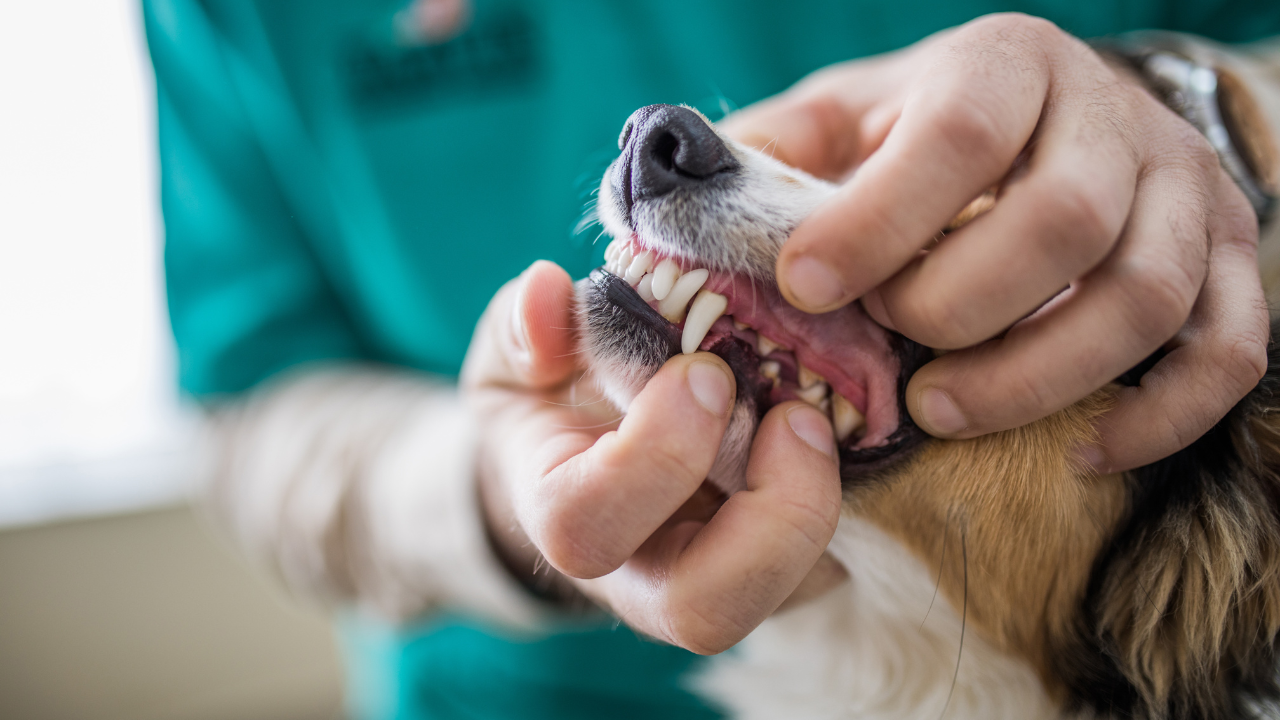
A relatively new study showed that specific probiotics can dramatically improve oral health, but they need to colonize the mouth.
That is why the formula is designed not only to include probiotics, but also to help them stay where they need to work.
Can Probiotics Replace Dental Cleanings?
No.
Probiotics are not a replacement for dental cleanings when your pet needs one.
If your dog or cat has loose teeth, severe tartar, bleeding gums, pain, or advanced periodontal disease, they may need veterinary dental care.
But probiotics can be a valuable part of the home care plan.
Think of them as one tool in the dental toolbox.
Not the entire toolbox.
Not the toolbox, the garage, and the dentist.
Just one useful tool.
Best For / Not For
Best For
Oral health probiotics may be helpful for dogs and cats with:
-
Bad breath
-
Mild gingivitis
-
Plaque buildup
-
Rapid tartar buildup
-
Red gums
-
Early periodontal disease
-
Pets needing better dental home care
-
Pets with disrupted oral microbiome
-
Dogs and cats that need gum support
Not For
Do not rely only on probiotics if your pet has:
-
Loose teeth
-
Severe dental pain
-
Severe bleeding gums
-
Advanced periodontal disease
-
Swelling around the mouth or jaw
-
Refusal to eat
-
Drooling from mouth pain
-
A broken tooth
-
A tooth root abscess
-
Severe tartar that needs professional cleaning
Oral probiotics can support dental health.
They are not a substitute for care when the mouth is already seriously diseased.
Oral Probiotics vs Regular Gut Probiotics
| Type of Probiotic | Main Focus | Key Difference |
|---|---|---|
| Gut probiotic | Digestive health and gut microbiome | Helps restore gut bacteria balance |
| Oral probiotic | Teeth, gums, breath, and oral microbiome | Needs to stay in the mouth and support oral bacteria |
| Oral Health Formula | Mouth and dental support | Includes probiotics plus ingredients that help them stick to the gums |
A regular gut probiotic can be helpful.
But if your main goal is teeth and gums, I would think about oral probiotic support.
The mouth has its own microbiome.
So it needs its own plan.
When Should You Call Your Veterinarian?
Call your veterinarian if your dog or cat has:
-
Loose teeth
-
Bleeding gums
-
Severe bad breath
-
Facial swelling
-
Drooling
-
Pain while chewing
-
Refusing food
-
Pawing at the mouth
-
Broken teeth
-
Severe tartar
-
Red inflamed gums
-
Signs of infection
-
Sudden change in appetite
-
Signs of oral pain
Dental disease can be painful.
Pets often hide that pain.
Do not assume they are fine just because they are still eating.
Some pets will keep eating with a very sore mouth.
Especially dogs.
Dogs will eat things that are not even food.
So appetite is not the only test.
Final Thoughts
Probiotics are not just for the gut.
Your dog or cat’s mouth has its own microbiome, and that microbiome can have a big impact on dental health.
When harmful bacteria and inflammation take over, you may see bad breath, red gums, plaque, tartar, gingivitis, and periodontal disease.
That oral inflammation may also be connected with serious health problems, including heart infection, cardiovascular disease, pneumonia, diabetes, immune effects, and cognitive dysfunction.
So yes, oral health is serious business.
A probiotic can be a valuable part of your pet’s dental home care plan, especially if it is designed to help beneficial bacteria stay in the mouth.
That is why I like the idea of oral probiotics combined with plaque, gum, and inflammation-supporting ingredients.
For me, the big takeaway is this:
If your pet keeps getting tartar even with chewing, do not only think about the food.
Think about the bacteria in the mouth.
That may be the missing piece.
Click To Get A Free Copy of My E-Book!

P.S. I have seen dogs with the same diet and chewing habits have totally different dental outcomes.
My dog Tula chewed well but built tartar quickly.
Lewis inhaled his food and had very little dental disease.
That tells me the mouth bacteria matter.
A lot.
P.P.S. Dr. Jones’ Ultimate Oral Health Formula includes Ascophyllum nodosum seaweed for plaque support, CoQ10 for gum health, zinc for gum inflammation, MCC to help probiotics stay in the mouth, and the probiotic strains L. rhamnosus, L. plantarum, and Strep. thermophilus.
P.P.P.S. If your pet’s breath is awful, do not just joke about “dog breath.”
Look at the gums.
Bad breath is often the mouth asking for help.
Very smelly help.
Probiotics for Teeth and Gums: Quick Guide
| Oral Health Concern | How Probiotics May Help |
|---|---|
| Bad breath | May help balance the oral microbiome |
| Gingivitis | May help reduce microbiome disruption linked with inflammation |
| Plaque buildup | May support healthier oral bacteria |
| Rapid tartar buildup | May help shift the mouth away from tartar-promoting bacteria |
| Red or bleeding gums | May support gum health as part of home care |
| Periodontal disease | May be part of a dental home care plan |
| Overall health | Oral bacteria and inflammation may affect other body systems |