Can Dogs Go Vegan? What a Study of 2,536 Dogs Revealed About Vegan, Raw, and Meat-Based Diets


Can Dogs Eat a Vegan Diet and Still Be Healthy?
Yes, dogs may be able to remain healthy on a nutritionally complete vegan diet. A published study involving 2,536 dogs suggested that nutritionally sound vegan diets may be associated with better health outcomes than conventional meat-based diets. However, the findings do not prove that vegan diets are healthier for every dog.
Now, I have to admit something.
When I first heard about feeding dogs a completely vegan diet, I wasn’t exactly convinced.
Vegetables are great for you and me.
But removing ALL animal protein from a dog’s diet?
That had me thinking, maybe not.
And what about our cats?
Are we really going to start feeding them vegan diets too?
This is where things get interesting.
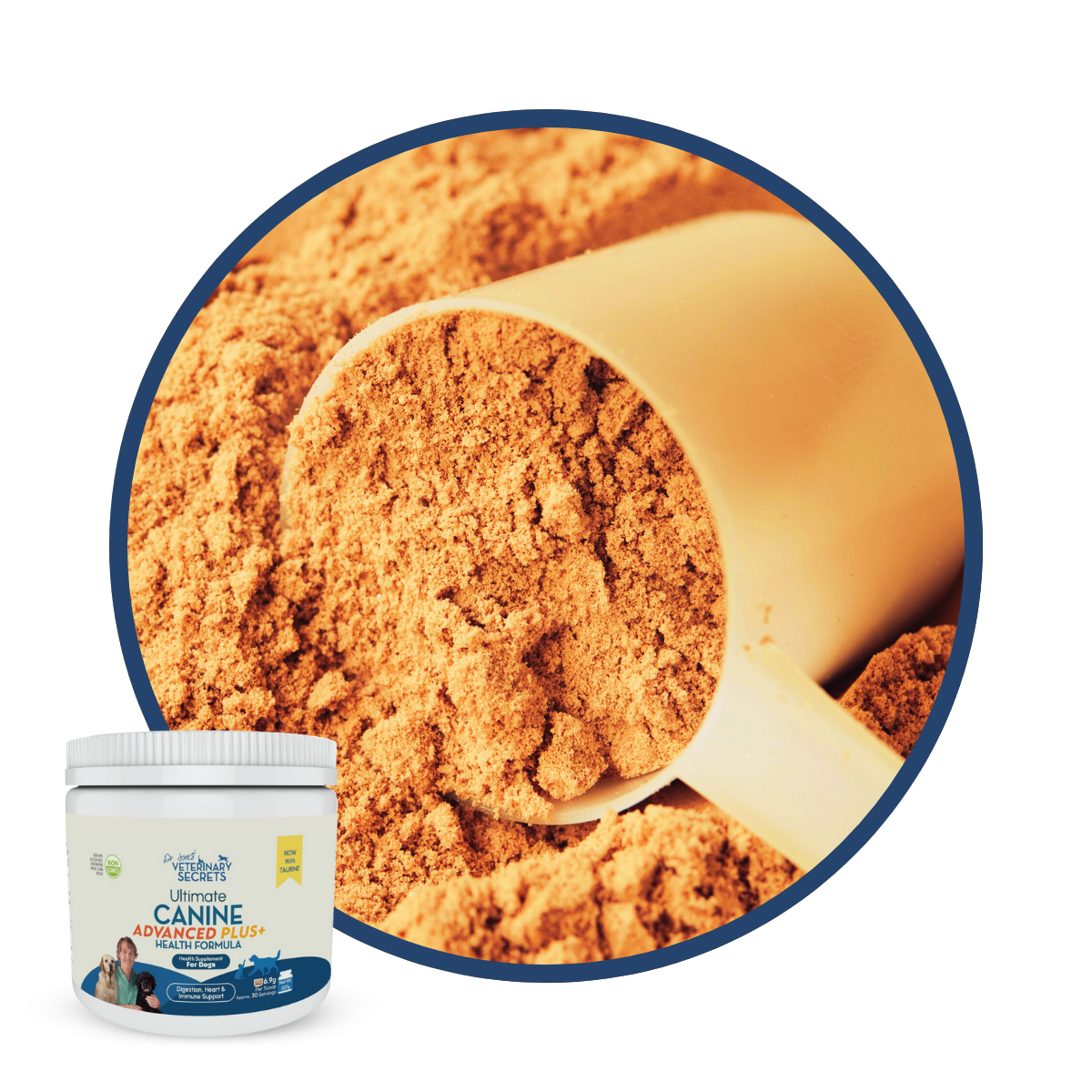
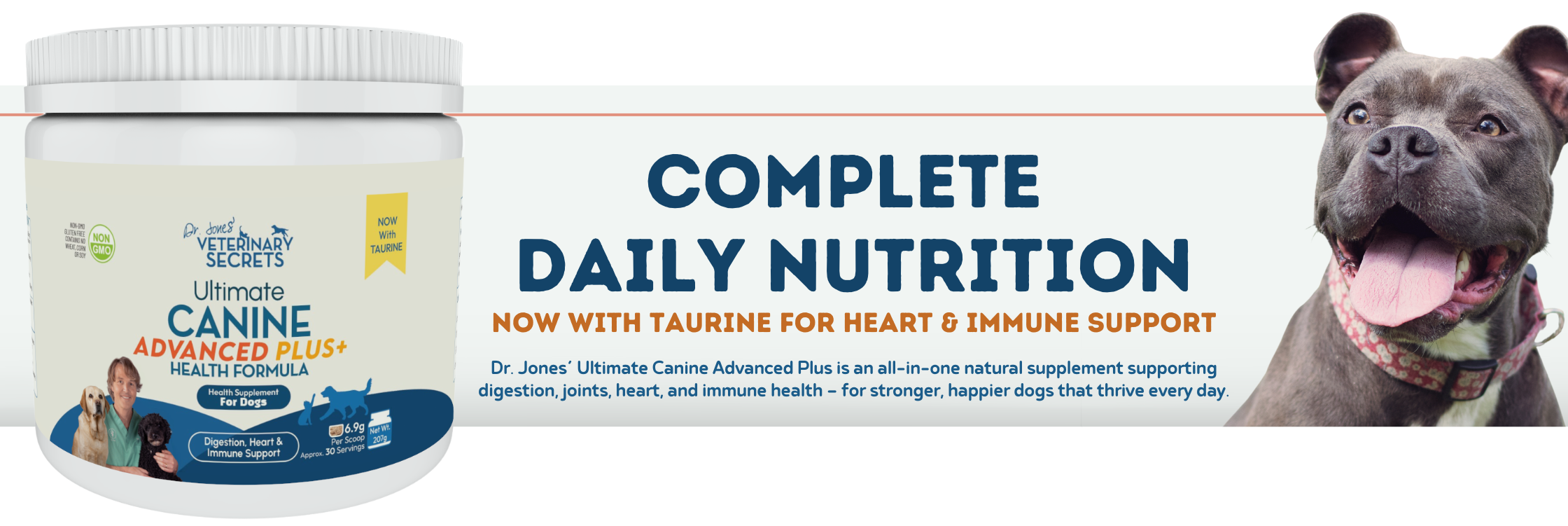
Dr. Jones’ Ultimate Canine Advanced Plus Health Formula



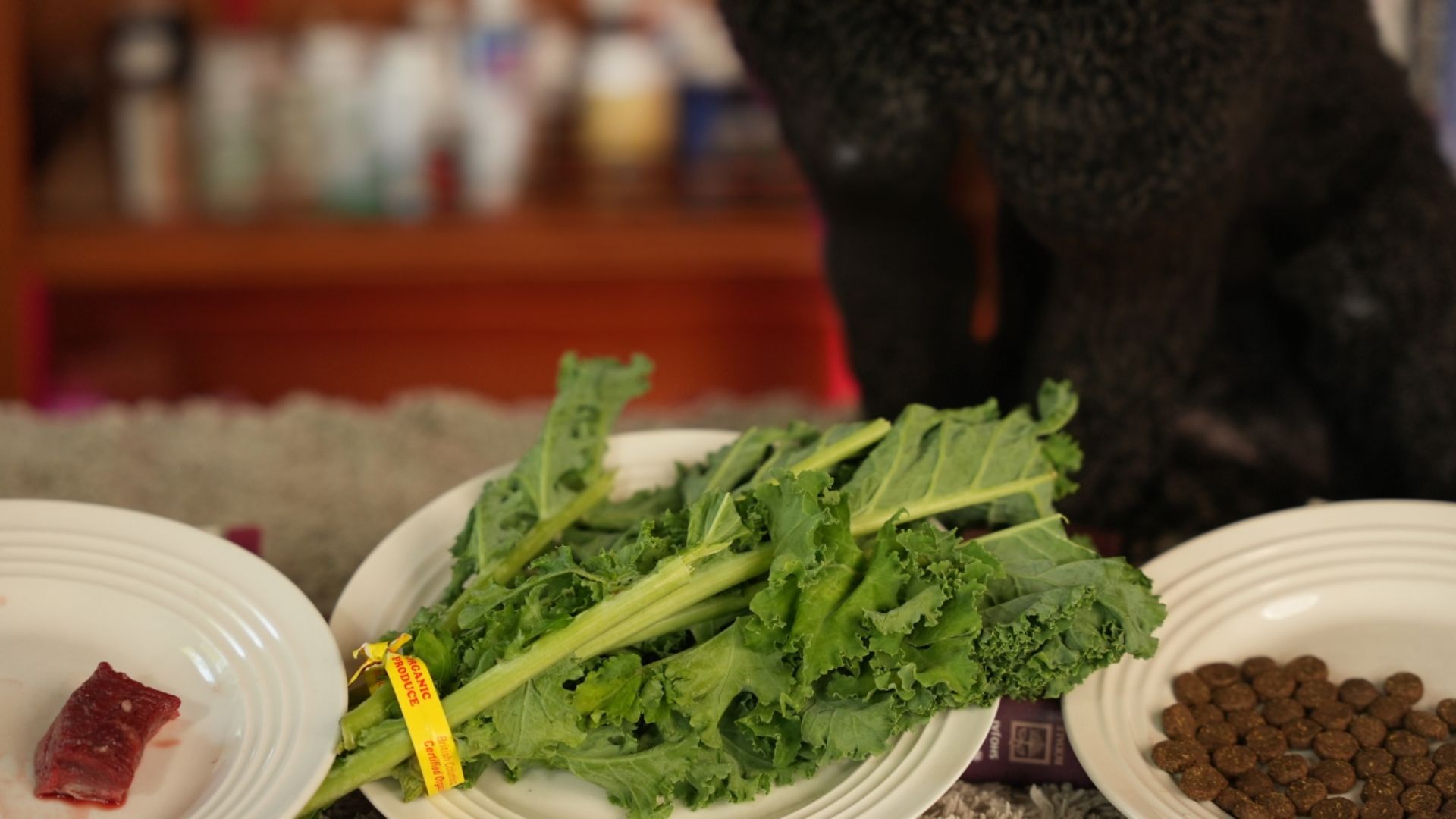
I’ve consistently preferred feeding my dogs animal-based proteins, including raw or homemade diets when properly balanced.
But I also believe in being open to new information.
And a published study involving more than 2,500 dogs has made me reconsider whether a vegan diet could be a reasonable option for some dogs.
The study compared three different diets:
-
Conventional meat-based dog food
-
Raw meat diets
-
Vegan dog food
The findings surprised me.
Dogs eating raw meat diets appeared healthier than dogs eating vegan diets on some measures.
But the researchers ultimately suggested that nutritionally complete vegan diets could be among the healthiest and least hazardous options.
How can both findings be true?
Let’s look at what the researchers actually found, why the results need careful interpretation, and what I would recommend feeding your dog.
What Is a Vegan Diet for Dogs?
A vegan dog diet contains no animal-derived ingredients. Instead, it relies on plant-based ingredients and appropriate nutritional formulation to provide the nutrients a dog needs.
The key phrase here is nutritionally complete.
And I want to emphasize that.
The study wasn’t simply suggesting that you should stop feeding your dog meat and replace it with vegetables.
It was discussing nutritionally sound vegan diets.
There is a big difference.
Is a Vegan Diet the Same as a Vegetarian Diet?
Not quite.
A vegan diet excludes animal-derived ingredients.
For dogs, this means removing animal-based protein sources from their food.
And that’s the part that initially concerned me.
I’ve always believed animal protein has an important place in a dog’s diet.
In fact, my preference remains a properly balanced animal-based diet.
But I also recognize that different pet parents have different circumstances, and some may be considering plant-based alternatives.
Why Are Pet Parents Considering Vegan Dog Food?
According to the research, pet parents may choose unconventional diets for several reasons.
These include:
-
Concerns about the environment
-
Concerns about how animals raised for food are treated
-
A desire to improve their dog’s health
-
Interest in alternatives to conventional commercial dog food
There’s also another consideration that I think is becoming increasingly relevant.
The rising cost of food.
Many people are struggling with grocery prices and the overall cost of living.
Some are having difficulty feeding themselves.
And if the price of quality animal protein continues to increase, I can understand why some pet parents might begin considering other options.
The question is whether those alternatives can adequately support their dog’s nutritional needs.
What Did the 2022 Study on Vegan Dog Diets Find?
On April 13, 2022, researchers published a study in the open-access journal PLOS ONE examining the relationship between different dog diets and health outcomes.
The research was conducted by Andrew Knight of the University of Winchester in the United Kingdom and colleagues.
The study included information from the guardians of 2,536 dogs.
That’s a substantial number of animals.
And it makes this research particularly interesting.
What Were the Three Diets Compared?
The researchers examined dogs being fed:
-
Conventional meat-based diets
-
Raw meat diets
-
Vegan diets
They wanted to determine whether the type of diet was associated with differences in reported health outcomes.
How Did the Researchers Measure Dog Health?
The study used survey responses from dog guardians.
The questions covered several aspects of their dogs’ health, including:
-
Number of veterinary visits
-
Use of medications
-
Specific health disorders
-
General assessments of the dog’s health
The researchers then analyzed the responses to identify possible relationships between diet and health.
However, this wasn’t a controlled feeding trial where researchers assigned diets and directly monitored every dog.
The findings were based on survey information provided by pet owners.
That distinction matters when interpreting the results.
What Were the Main Findings?
The statistical analysis suggested that dogs eating conventional meat-based diets were generally less healthy than dogs eating raw meat or vegan diets.
And there’s another finding I found particularly interesting.
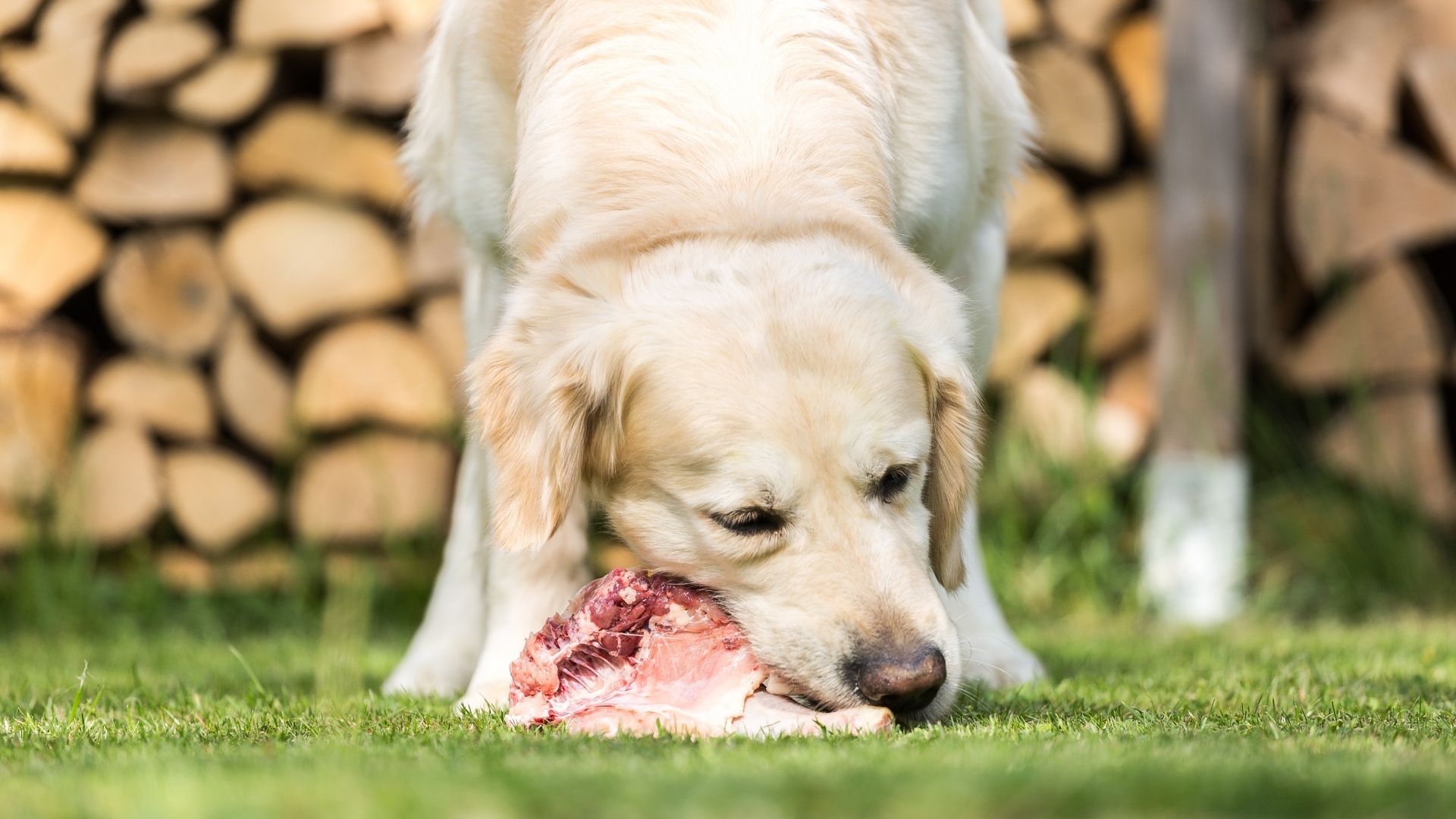
Dogs eating raw meat diets appeared healthier than dogs eating vegan diets.
Now, that’s something that caught my attention.
Because I’ve long preferred animal-based diets for my own dogs.
But the researchers also identified reasons why those apparent advantages of raw feeding might not tell the entire story.
Vegan vs. Raw vs. Conventional Dog Food: Which Diet Appeared Healthiest?
Here’s a comparison of the three diets based on the findings discussed in the study.
| Diet Type | Reported Health Findings | Important Considerations |
|---|---|---|
| Conventional meat-based diet | Dogs appeared less healthy overall than those eating raw or vegan diets | Results were based on survey data |
| Raw meat diet | Dogs appeared healthier than those eating vegan diets on some measures | Raw-fed dogs were younger and visited veterinarians less often |
| Nutritionally complete vegan diet | Associated with favorable health outcomes | Researchers suggested it could be a healthier, less hazardous option, but further research is needed |
What I find interesting is that the results don’t provide a simple answer.
Raw-fed dogs appeared healthier in the survey.
Yet the authors suggested that nutritionally sound vegan diets might be the healthiest and least hazardous option when other considerations were included.
Let’s examine why.
Why Did Dogs on Raw Meat Diets Appear Healthier?
One finding from the study deserves particular attention.
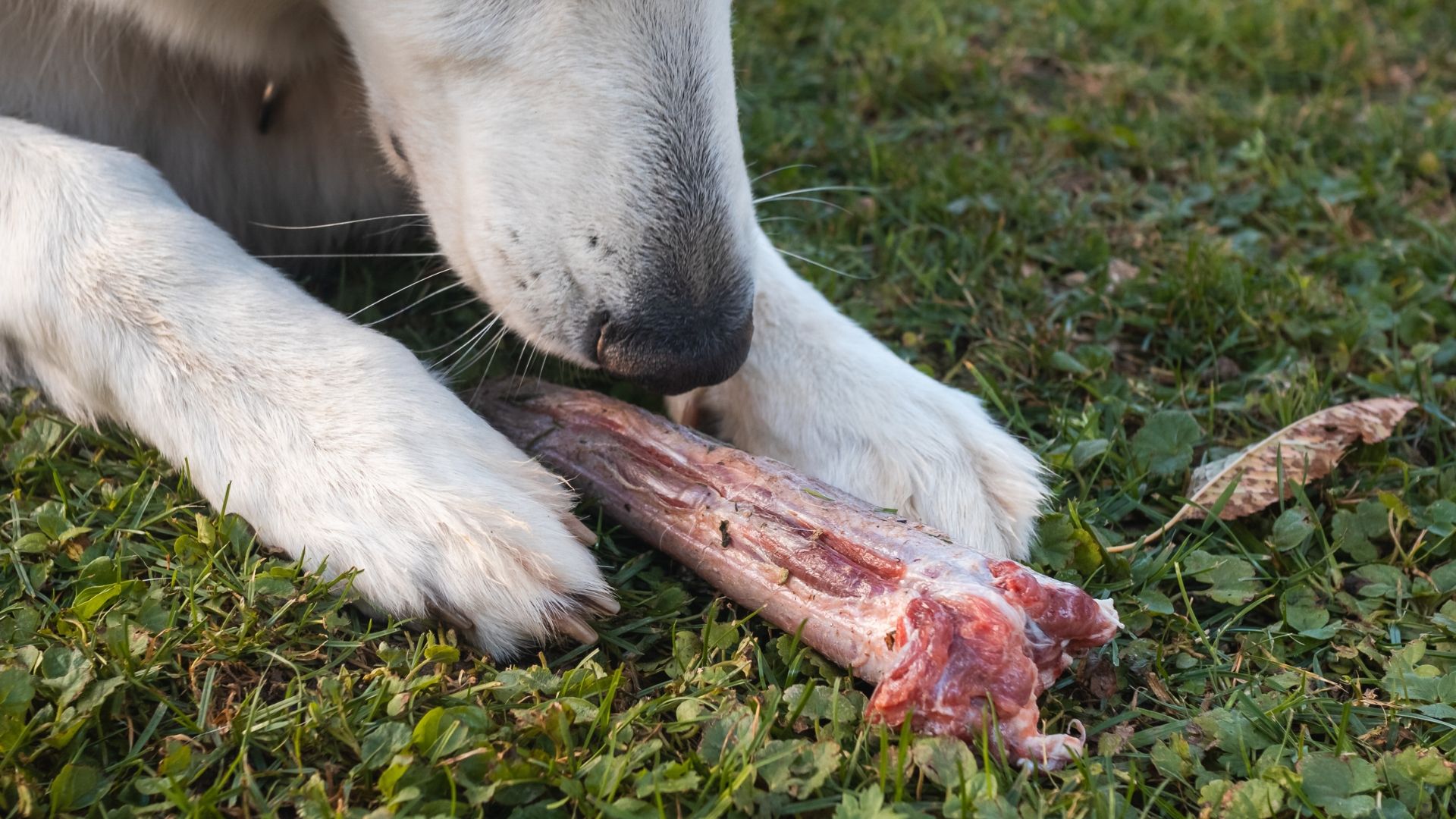
Dogs fed raw meat diets appeared healthier than dogs fed vegan diets.
And I’ll admit, that aligns with my personal preference for feeding animal-based protein.
But before we declare raw feeding the winner, we need to consider the limitations the researchers identified.
1. Raw-Fed Dogs Were Significantly Younger
The first important difference involved age.
Dogs eating raw meat diets were significantly younger than dogs eating vegan diets.
Why does that matter?
Because age can influence a dog’s general health.
When comparing two groups of dogs, you need to consider whether differences in age could be contributing to the results.
A younger group of dogs may appear healthier for reasons unrelated to what they’re eating.
And that’s one reason the researchers cautioned against concluding that raw meat diets were necessarily healthier.
2. Raw-Fed Dogs Visited Veterinarians Less Often
The second finding involved veterinary visits.
Dogs eating raw meat diets were less likely to be taken to a veterinarian.
At first glance, you might think that’s a good thing.
Perhaps those dogs are healthier and simply don’t need as much medical attention.
But there’s another possibility.
Previous research has suggested that guardians feeding raw meat diets may be less likely to seek veterinary advice.
That creates a challenge when comparing health outcomes based partly on veterinary visits.
Fewer veterinary visits don’t automatically mean fewer health problems.
And that’s something I think we need to acknowledge when evaluating the findings.
3. The Study Was Based on Owner-Reported Information
The researchers relied on survey data provided by dog guardians.
That information is useful.
But it isn’t the same as directly examining every dog and reviewing all their veterinary medical records.
For that reason, the researchers recommended additional studies using clinical examinations and medical histories.
So while the results are interesting, I wouldn’t use this survey alone to conclude that one diet is definitively healthier than another.
Why Did Researchers Suggest Vegan Dog Diets May Be Healthier?
This is where the study becomes particularly interesting.
Although raw-fed dogs appeared healthier on some measures, the researchers also considered findings from previous research involving raw meat diets.
Those findings raised concerns about potential hazards.
What Are the Potential Risks of Raw Meat Diets?
The research summary discussed two major concerns:
1. Exposure to pathogens
Previous studies have linked raw meat diets with an increased risk of pathogens.
2. Nutritional deficiencies
Raw meat diets have also been associated with nutritional deficiencies when they aren’t appropriately formulated.
These concerns influenced the researchers’ interpretation.
The authors suggested that, when considering both the survey findings and previous research, a nutritionally complete vegan diet could potentially be a healthier and less hazardous option.
That’s quite a statement.
And it certainly made me think.
Does This Mean Vegan Dog Food Is Proven to Be Better?
No.
I wouldn’t go that far.
The study identified associations between diet types and reported health outcomes.
It did not establish that switching a dog from a meat-based diet to a vegan diet would necessarily improve their health.
The authors themselves called for further research.
But the findings do suggest that a properly formulated vegan diet deserves serious consideration rather than being dismissed automatically.
And that’s a position I’m willing to explore.
What Kind of Research Is Still Needed on Vegan Dog Diets?
The researchers recommended more studies to better understand the relationship between diet and health.
They specifically suggested:
-
Larger cross-sectional studies
-
Longitudinal studies following dogs over time
-
Research involving veterinary clinical examinations
-
Studies that include veterinary medical histories
These approaches could help determine whether the differences observed in the survey are actually related to the diets themselves.
Because right now, several factors may be influencing the results.
We have differences in age.
We have differences in veterinary attendance.
And we have information collected through surveys rather than direct clinical examinations.
For me, these are all reasons to remain interested in the research without treating its findings as the final word.
Can Dogs Thrive Without Animal Protein?
The study suggests that a nutritionally complete vegan diet may be a legitimate option for some dogs, although more research is needed to establish its long-term effects compared with other diets.
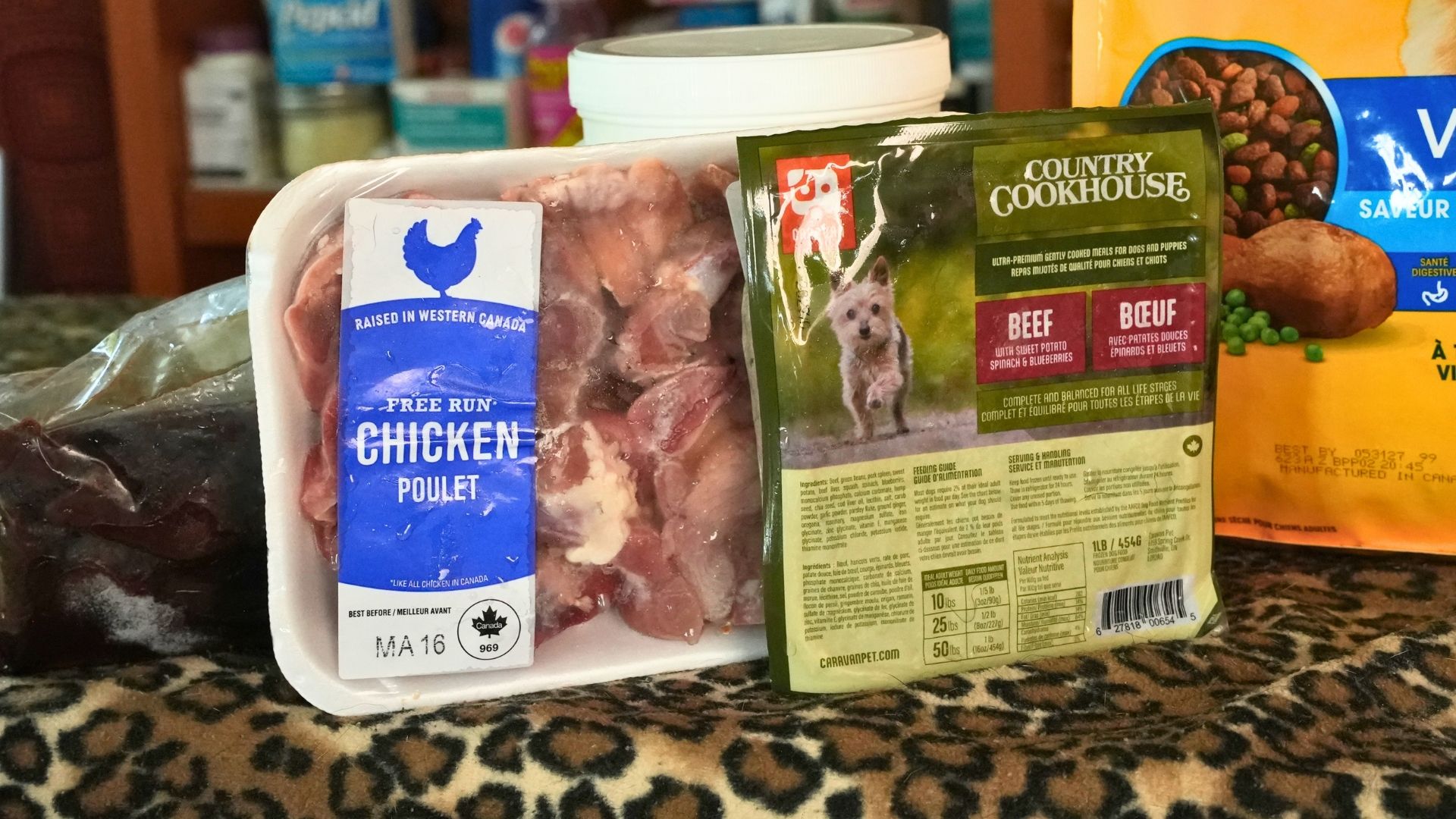
And that’s where my thinking has become a little more flexible.
I still prefer animal-based protein.
But I’m also willing to acknowledge that some dogs may do well on a carefully formulated vegan diet.
The most important consideration is whether the diet provides adequate nutrition.
Why Is Nutritional Completeness So Important?
Whether your dog eats meat, raw food, homemade meals, or a vegan diet, I believe the food needs to be balanced.
We can’t simply assume that a diet is healthy because of the ingredients it contains.
And we shouldn’t assume that a homemade diet is automatically nutritionally complete.
This is one reason I’m a strong supporter of appropriate supplementation when preparing food at home.
Is a Vegan Diet Better Than an Unbalanced Meat-Based Diet?
The study raises an important question.
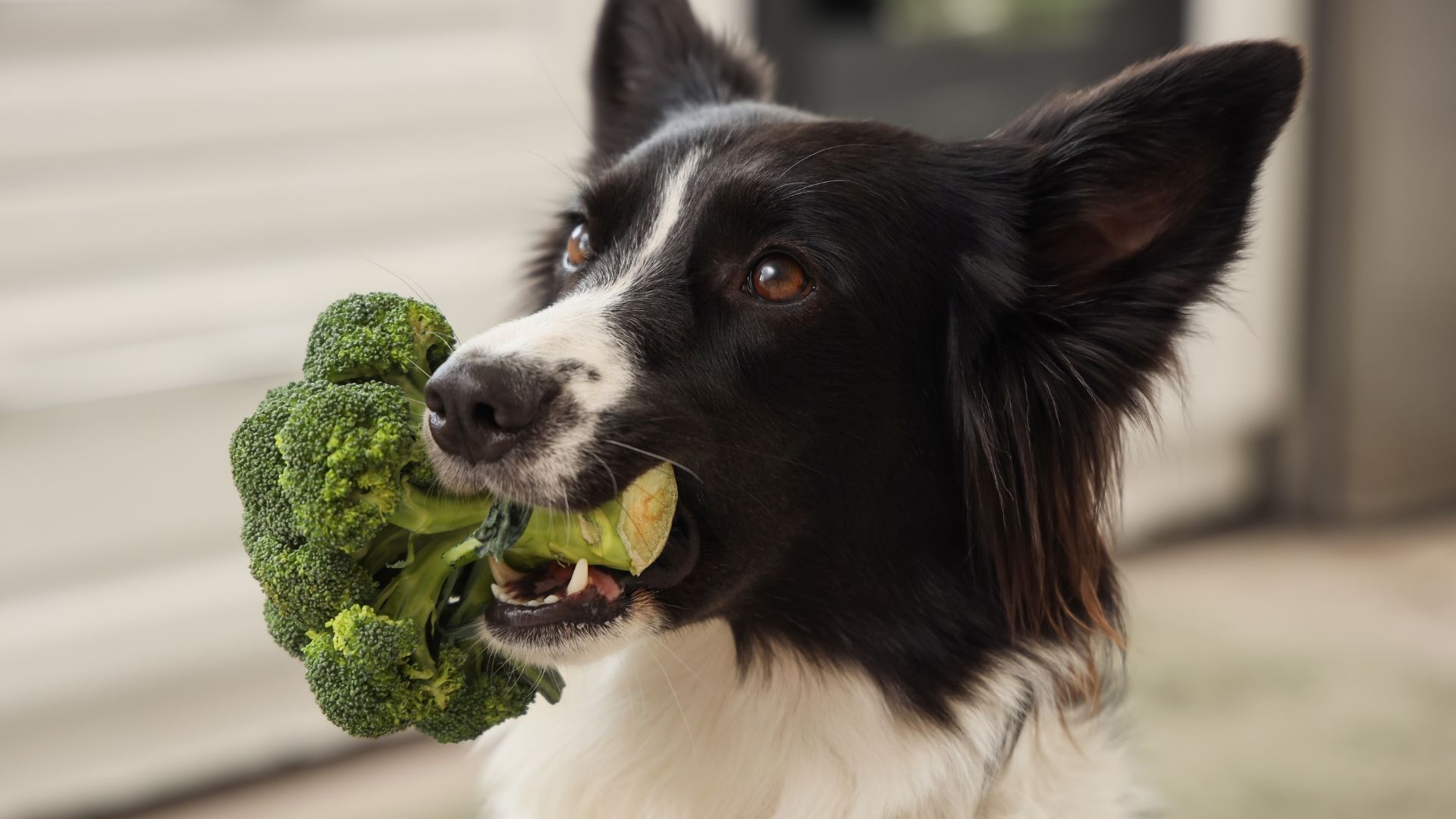
Could a properly balanced vegan diet be preferable to a meat-based diet that doesn’t provide adequate nutrition?
That’s certainly worth considering.
The researchers emphasized nutritionally sound vegan diets.
And previous research cited in their discussion identified nutritional deficiencies as one potential concern with raw meat diets.
So, for me, nutritional balance remains essential regardless of the feeding philosophy.
Is Raw Feeding Still My Preferred Diet for Dogs?
Yes.
My personal preference remains a properly balanced animal-based diet, including raw or homemade food when appropriate.

I have consistently favored feeding my dogs animal protein.
And this study hasn’t suddenly convinced me to stop doing that.
But it has made me more open to considering vegan dog food as a legitimate option under the right circumstances.
There’s a difference between having a personal preference and assuming that every alternative must be unhealthy.
Why Do I Still Prefer Animal-Based Diets?
I’ve long believed that animal-based protein has an important role in feeding dogs.
And the study’s observation that raw-fed dogs appeared healthier is something I find interesting.
However, I also recognize the limitations of the survey.
The raw-fed dogs were younger.
Their guardians were less likely to seek veterinary advice.
And there are documented concerns about pathogens and nutritional deficiencies associated with some raw meat diets.
So my preference for animal protein shouldn’t be confused with proof that raw feeding is always the healthiest option.
Could I Recommend Vegan Dog Food to Some Pet Parents?
I would be open to considering it if the diet were nutritionally complete.
Particularly if a pet parent’s circumstances made feeding a quality animal-based diet difficult.
And with rising food costs, I think that question deserves attention.
A vegan dog food may be a reasonable option for some households.
Perhaps not my ideal choice.
But potentially a legitimate one.
And if the research continues to support its safety and nutritional adequacy, we should be willing to consider that information.
Can Cats Eat a Vegan Diet?
I do not recommend a vegan diet for cats. Cats have nutritional needs that differ from those of dogs, and they require nutrients naturally supplied by animal-based foods.
This is where I draw a much firmer line.
Dogs and cats are not nutritionally identical.
And I don’t think we should treat their diets as though they are interchangeable.
Why Are Cats Different From Dogs?
Cats are obligate carnivores.

Their nutritional needs are closely tied to animal-derived nutrients.
This is why I consistently recommend animal-based nutrition for cats.
I wouldn’t apply the findings of a dog nutrition survey to feline diets.
The study involved dogs.
Not cats.
Does the Vegan Dog Diet Study Apply to Cats?
No.
The researchers examined health outcomes among 2,536 dogs.
Their conclusions shouldn’t be treated as evidence that vegan diets are appropriate for cats.
And while I’m becoming more open to different ways of feeding dogs, my personal position on cats remains clear.
Cats need appropriate animal-based nutrition.
Vegan, Raw, or Conventional Dog Food: Which Would I Choose?
Here’s how I would look at the different options.
| Feeding Situation | My Perspective |
|---|---|
| Properly balanced animal-based homemade diet | My personal preference |
| Properly formulated raw meat diet | An option I favor, while recognizing pathogen and nutritional concerns |
| Nutritionally complete vegan dog food | A potentially legitimate option for some dogs |
| Conventional meat-based commercial diet | Should be evaluated for nutritional quality and the individual dog’s needs |
| Unbalanced homemade diet | Not something I would recommend, regardless of whether it contains meat |
The central issue is nutritional adequacy.
I don’t want pet parents choosing a diet based solely on whether it’s labeled raw, vegan, conventional, or homemade.
I want the dog to receive appropriate nutrients.
And that’s especially important when you’re preparing meals yourself.
How Can Supplements Support a Homemade Dog or Cat Diet?
If you prepare food at home, one of my biggest concerns is making sure the diet is nutritionally balanced.
Homemade diets can be appealing.
You know what you’re putting into your pet’s food.
And you may prefer having more control over the ingredients.
But preparing food yourself also means taking responsibility for providing the nutrients your dog or cat needs.
This is where nutritional supplements may help.
What Nutrients and Health Areas Do I Focus On?
I want nutrition to support several important areas of health:
-
Joint health
-
Skin health
-
Gut health
-
Immune system function
-
General health and well-being
Providing adequate nutrition is one of the simplest ways to support these systems.
And additional supplements may be useful when the diet needs targeted nutritional support.
Can a Supplement Help Balance a Homemade Diet?
A supplement designed to provide essential nutritional support may help address gaps in a homemade diet.
That’s one reason we developed our complete canine and feline health formulas.
However, the entire recipe still needs to be properly balanced.
Adding a supplement alone doesn’t automatically guarantee that every homemade meal provides all the nutrients your pet requires.
The goal is to pair appropriate food choices with the right nutritional support.
Dr. Jones’ ULTIMATE Canine Advanced Plus Health Formula

For dogs, one of the supplements I recommend considering is:
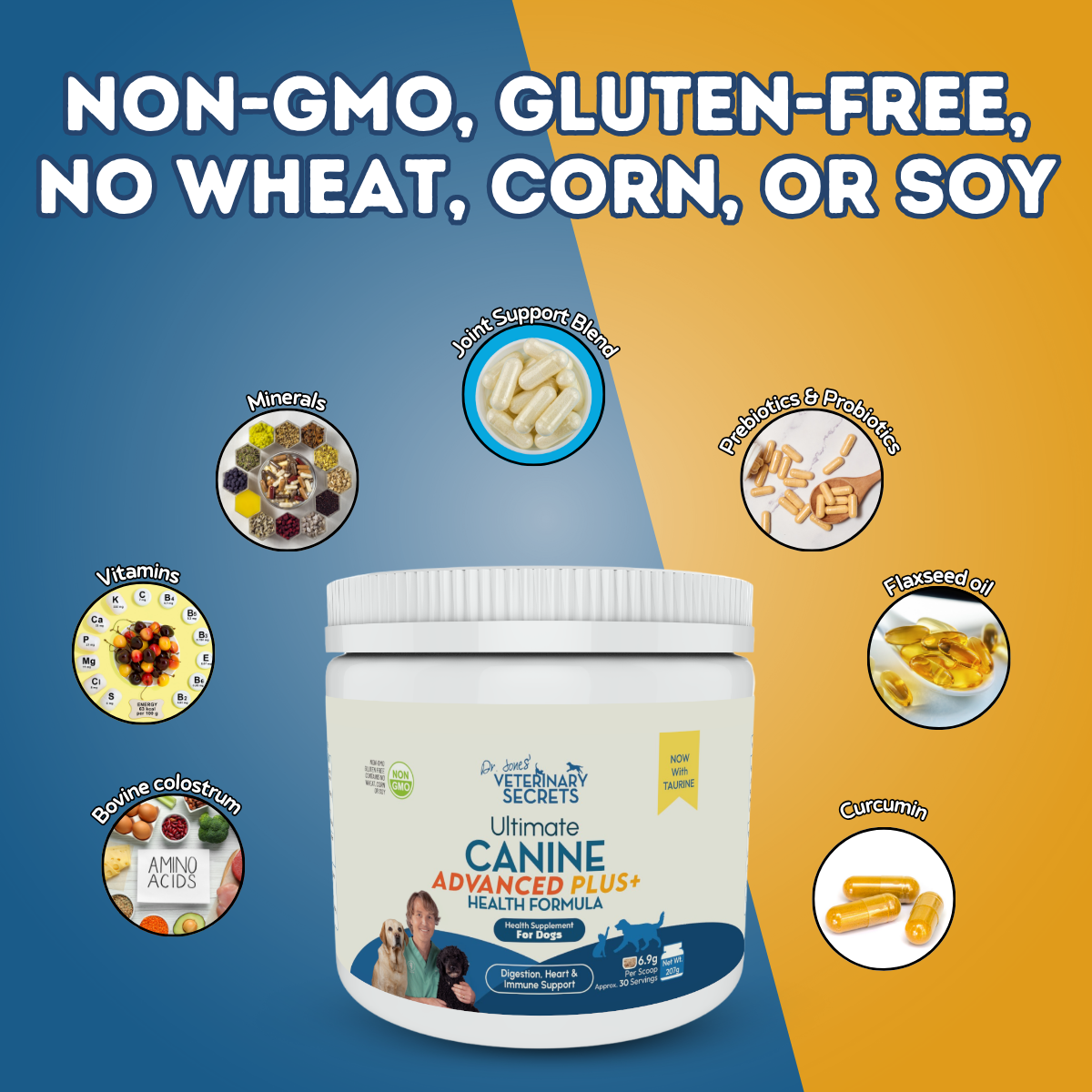
Dr. Jones’ ULTIMATE Canine ADVANCED PLUS Health Formula
This is one of our bestselling canine supplements.
I developed it to provide additional nutritional support for dogs.
It’s particularly relevant for pet parents interested in supporting their dog’s overall health, including important areas such as joints, skin, digestion, and immune function.
If you’re preparing homemade meals, it’s worth considering how a comprehensive nutritional supplement fits into the overall diet.
But remember, the finished diet still needs to meet your dog’s nutritional requirements.
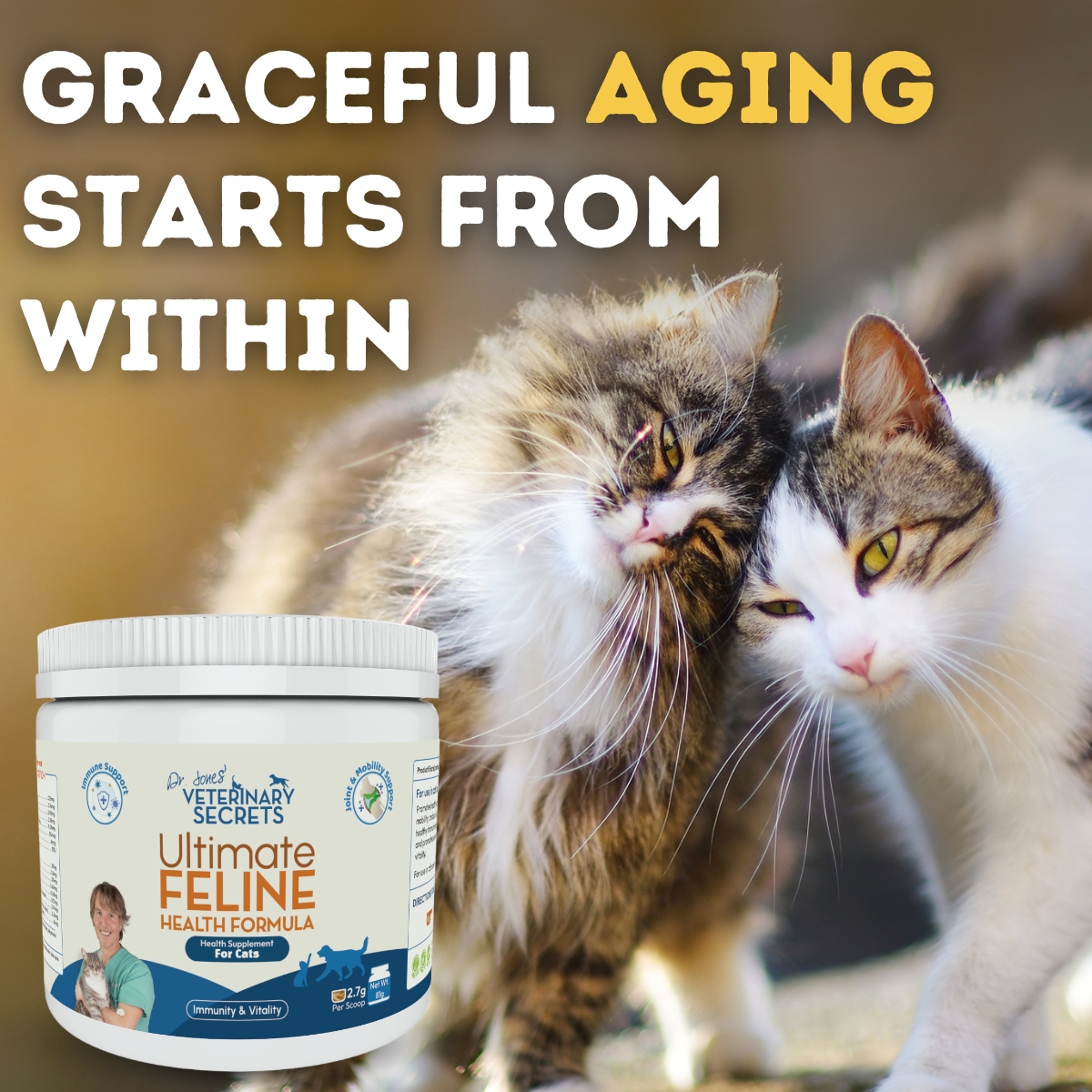
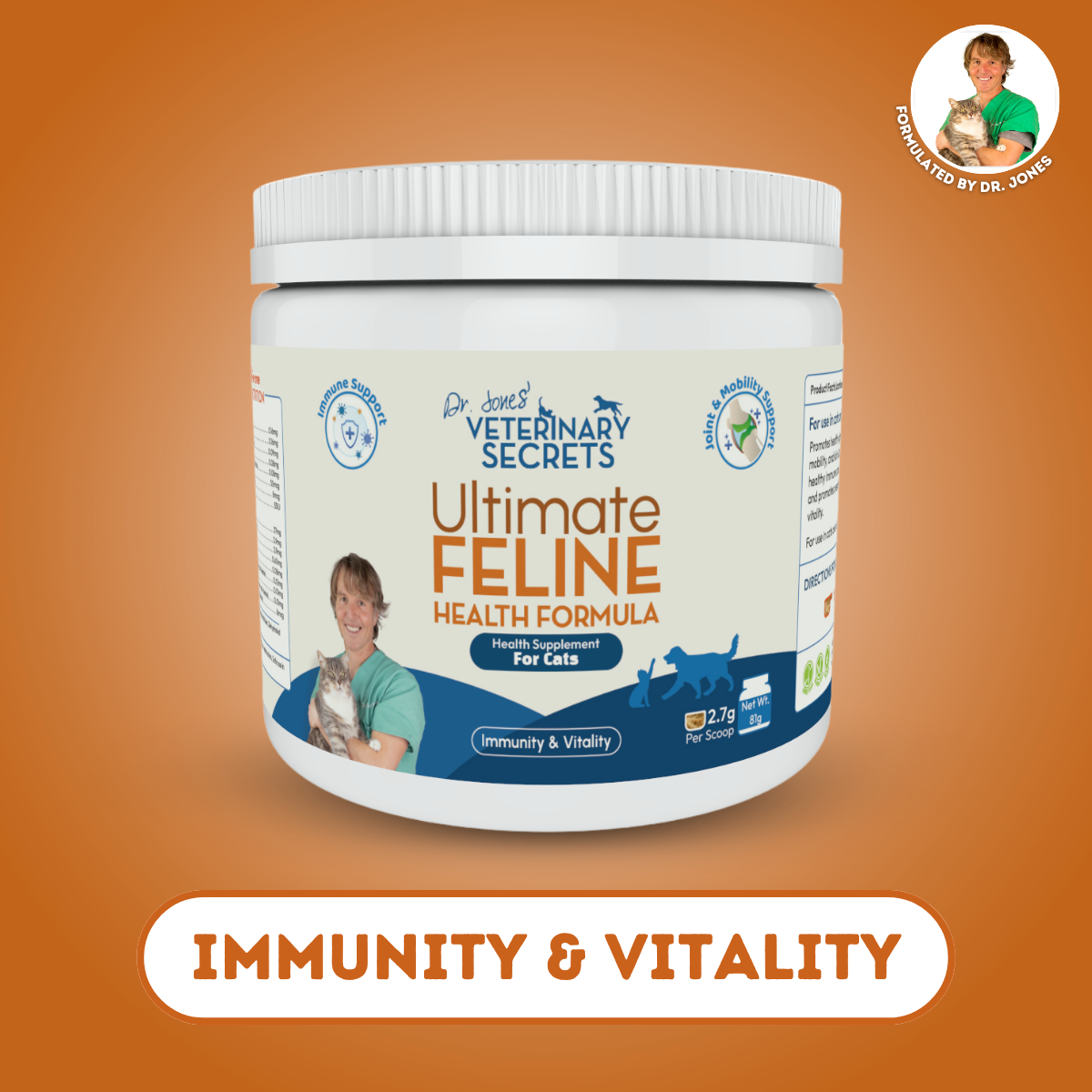
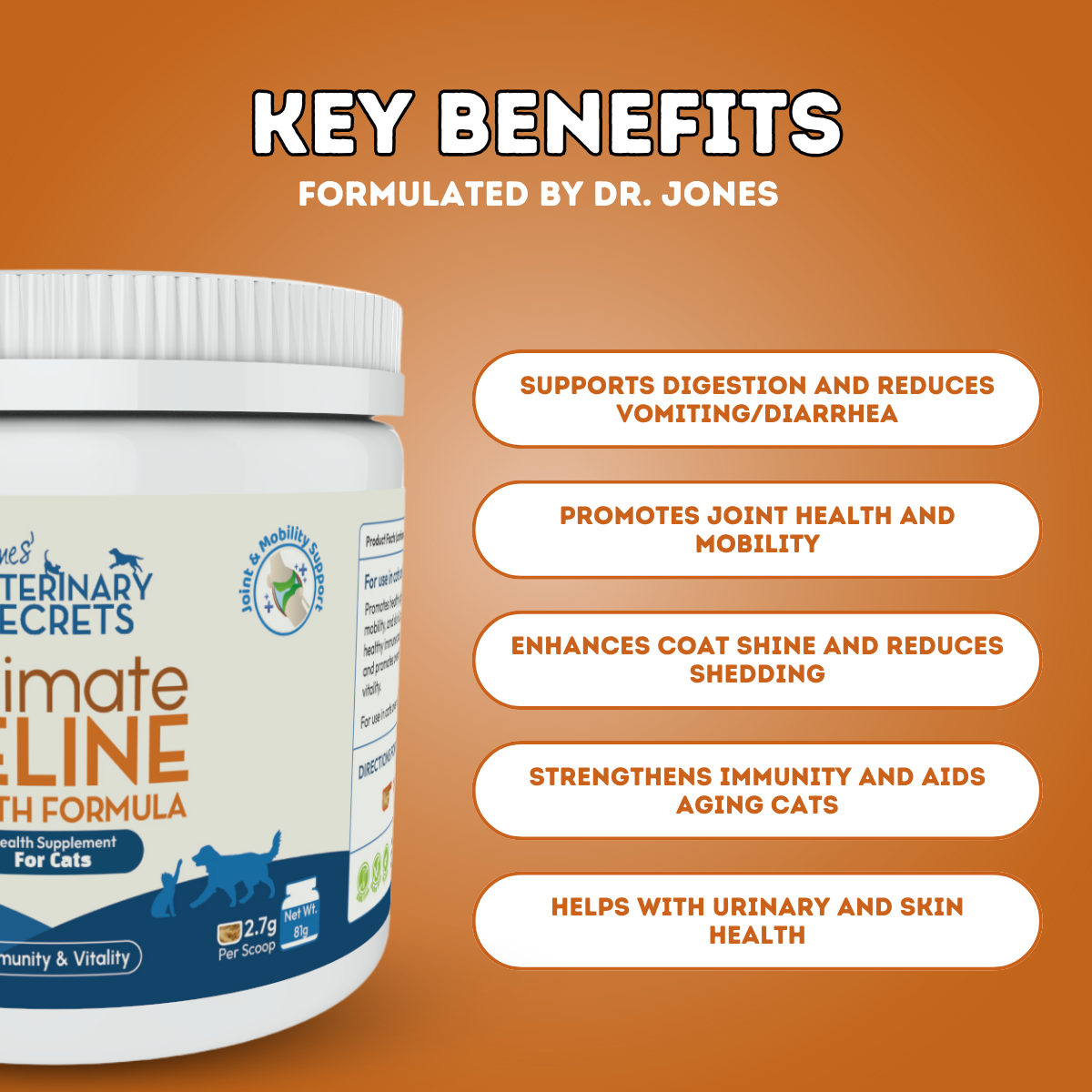
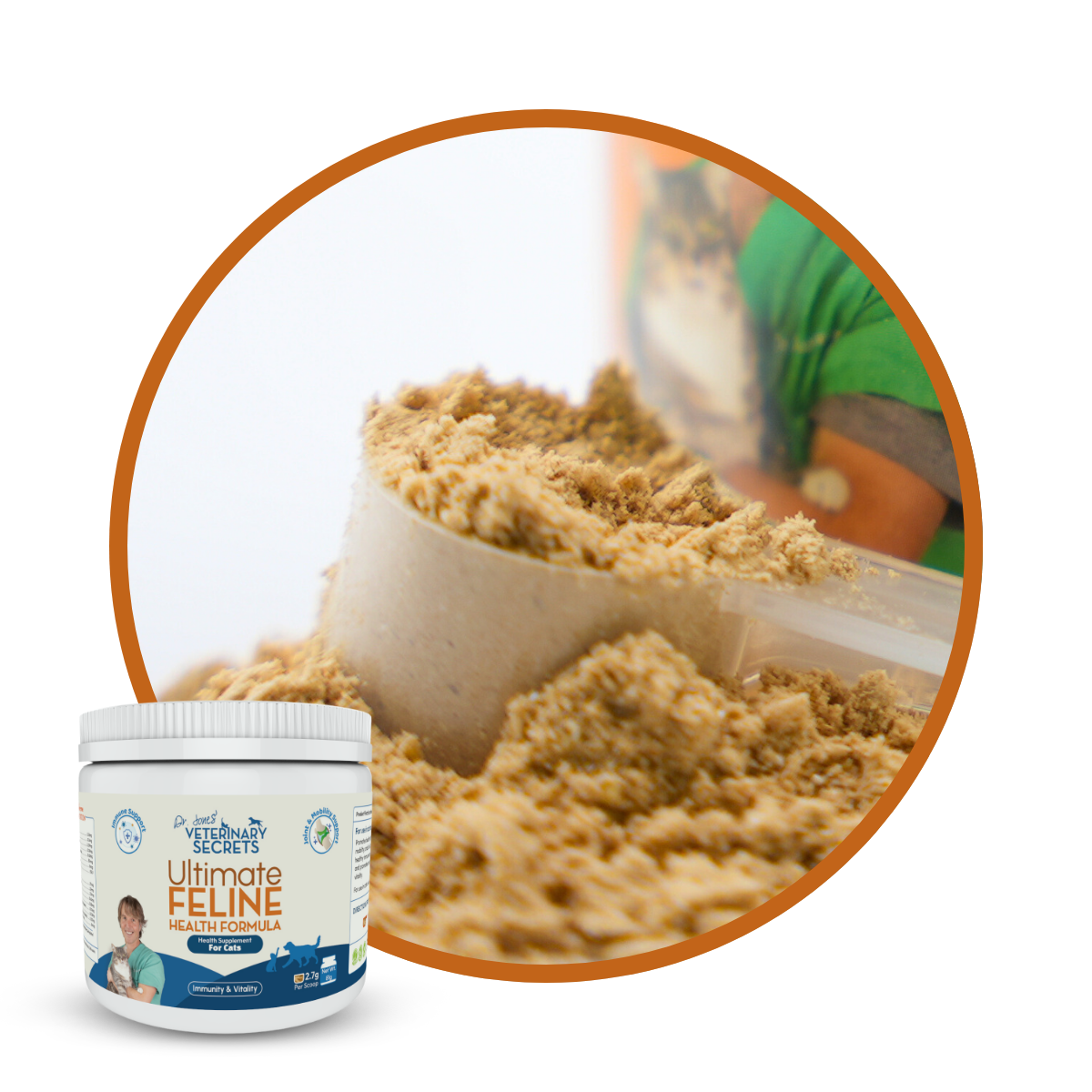
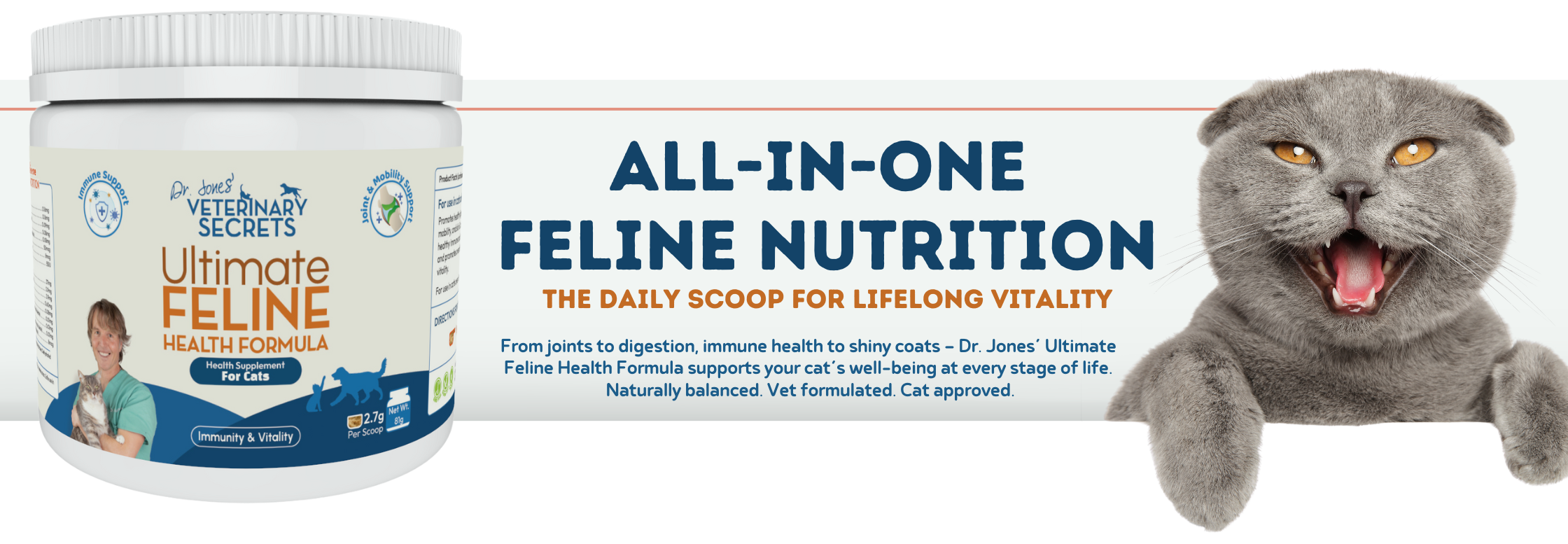
Dr. Jones’ ULTIMATE Feline Health Formula

For cats, we also have:
Dr. Jones’ ULTIMATE Feline Health Formula
This is our feline nutritional support formula.
And I want to emphasize something.
I’m not suggesting that a supplement turns an inappropriate vegan cat diet into a suitable one.
My preference remains an animal-based diet for cats.
The purpose of appropriate supplementation is to help support nutritional needs alongside a suitable diet.
Final Thoughts: Should You Feed Your Dog a Vegan Diet?
When I first read this research, I have to admit I was skeptical.

Dogs eating vegan diets?
No animal protein at all?
That really goes against how I’ve traditionally approached feeding my own dogs.
And even after reviewing the findings, I still prefer animal-based protein.
If I can feed my dog a properly balanced raw or homemade diet containing animal protein, that remains my personal choice.
But this study made me think.
Researchers surveyed the guardians of 2,536 dogs and found that dogs eating conventional meat-based diets appeared less healthy than those eating raw or vegan diets.
Dogs eating raw meat diets appeared healthier than those eating vegan diets on some measures.
Yet there were important differences between the groups.
The raw-fed dogs were younger.
Their owners were less likely to take them to a veterinarian.
And previous research has raised concerns about pathogens and nutritional deficiencies associated with raw meat diets.
When the researchers considered these factors, they suggested that a nutritionally sound vegan diet might actually be one of the healthiest and least hazardous options.
That’s an interesting conclusion.
Does it mean I’m switching every dog I know to vegan food?
No.
But does it mean I should automatically dismiss a properly balanced vegan dog diet?
Maybe not.
And that’s where I’ve changed my thinking.
We live in a world where food costs are increasing.
Many families are finding it more difficult to afford groceries, including food for their pets.
And I think we need to be realistic about the options available.
For some pet parents, a nutritionally complete vegan dog food may be a legitimate option, even if it isn’t my personal preference.
I still want more research.
I still want us to consider the individual dog’s needs.
And I still believe proper nutritional balance is essential.
But I’m willing to remain open-minded.
Now, for cats?
That’s a different discussion.
I will continue recommending animal-based nutrition for cats.
And when it comes to my own dogs, I still intend to feed animal protein.
But one thing I’ve learned over the years is that we shouldn’t be afraid to reconsider our assumptions when new research raises interesting questions.
Ultimately, whether you’re feeding raw, homemade, conventional, or vegan dog food, I want you to focus on providing appropriate nutrition.
And if you’re preparing food at home, consider how supplements can help support joint health, skin health, gut health, and immune function.
Because the goal isn’t to win an argument about which diet sounds best.
It’s to help our dogs and cats stay healthy.
Click To Get A Free Copy of My E-Book!

P.S. Before we all decide to throw out the beef, remember one important finding from the study. Dogs eating RAW MEAT diets appeared healthier than those eating vegan diets on some measures. That caught my attention! But the raw-fed dogs were also younger, and their owners were less likely to visit veterinarians. So I wouldn’t declare a winner just yet. My personal preference remains a properly balanced animal-based diet.
P.P.S. With food costs continuing to rise, I recognize that not every pet parent has the same options. A nutritionally complete vegan dog food may be a legitimate choice for some families. And I think we should be open to that possibility while continuing to learn from the research. But please remember, cats are different. I’ll continue feeding my cats animal-based nutrition. 🙂
P.P.P.S. If you’re preparing homemade meals or simply want additional nutritional support for your pet, take a look at our Dr. Jones’ ULTIMATE Canine ADVANCED PLUS Health Formula and Dr. Jones’ ULTIMATE Feline Health Formula. They’re designed to support important aspects of your pet’s health, including skin, joints, digestion, and immune function.
Study discussed: Andrew Knight and colleagues, PLOS ONE, April 13, 2022. Read the study summary on ScienceDaily.