Bobcat Fever in Cats: Symptoms, Tick Risk, Treatment, and Prevention






What Is Bobcat Fever?
Bobcat fever is a tick-borne disease passed from bobcats to domestic cats.
The parasite lives quietly in many wild bobcats. In fact, studies estimate that up to 80% of bobcats may carry it without showing any symptoms.
Ticks feed on infected bobcats, pick up the parasite, then later bite a domestic cat and pass it along. The most common tick involved is the Lone Star tick, although the American dog tick can also spread it.
How Cats Become Infected
Here’s the typical scenario.
An infected tick drops off a bobcat into grass or brush.
Your cat heads outside for a walk, explores the yard, or wanders through a wooded area.
The tick attaches.
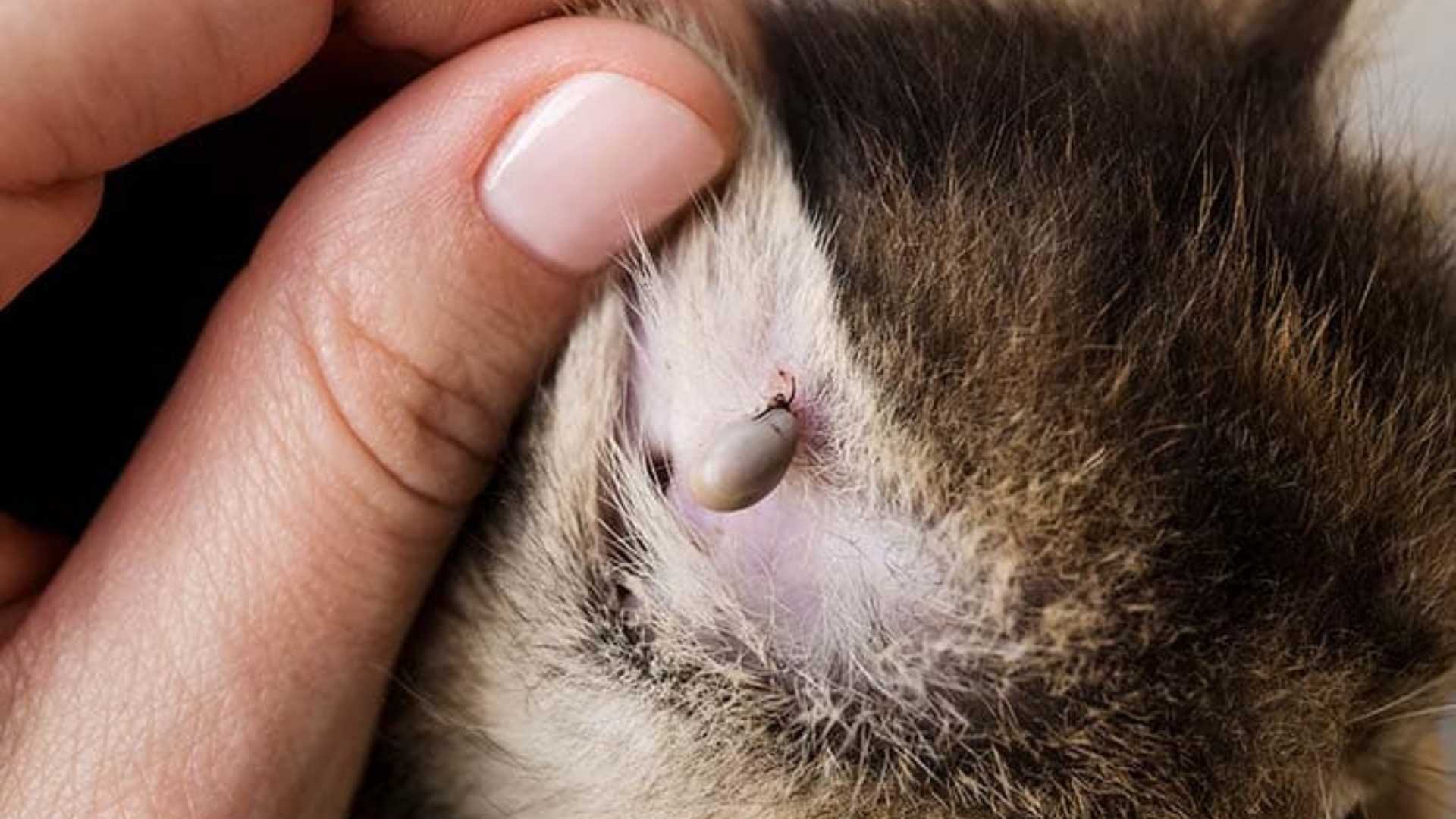
Then the parasite enters your cat’s bloodstream.
After infection, most cats will not show symptoms for about 10 to 14 days. But once the parasite starts multiplying, things can progress very quickly.
Symptoms of Bobcat Fever in Cats
The first signs are often subtle.

Your cat may:
- Become weak or lethargic
- Stop eating
- Develop a fever
- Hide more than usual
- Breathe heavily
Some cats develop:
- Enlarged lymph nodes
- Pale gums from anemia
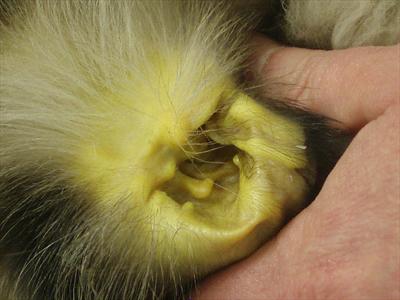
- Yellow gums or ears from jaundice
- Labored breathing
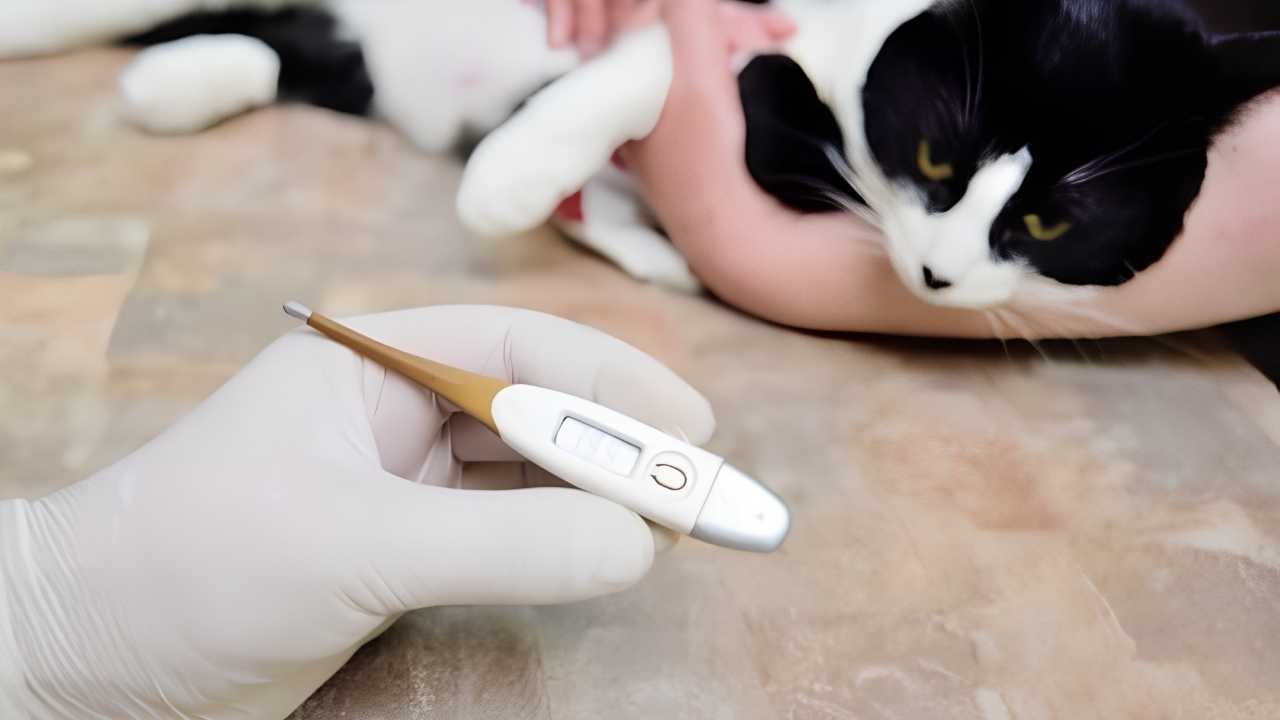
One simple clue is body temperature. If your cat’s ears feel unusually hot, fever should be on your radar.
Unfortunately, many infected cats can become critically ill within just a few days after symptoms begin.
Is Your Cat at Risk?
If you live in an area where bobcats and ticks exist, especially wooded or rural areas, then yes, your cat could be at risk.
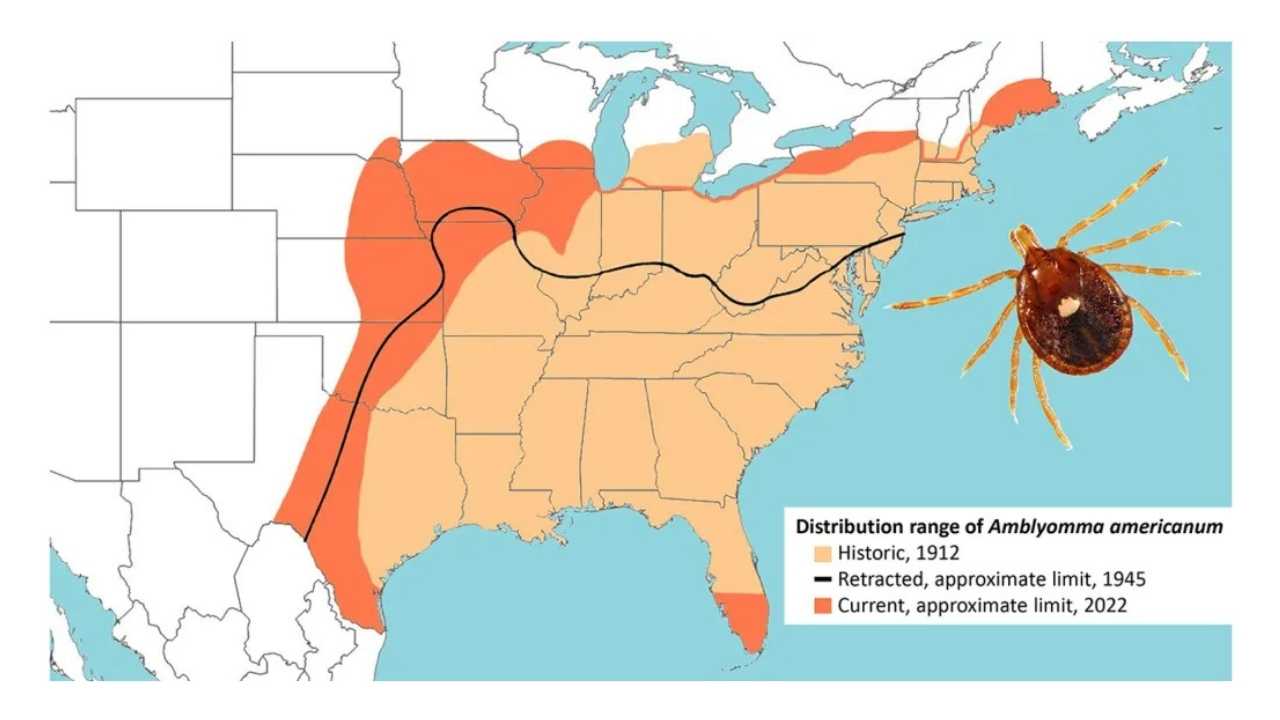
Cases are most common in:
- The Southeast United States
- South-central states
- The Midwest
But the range is expanding.
Some areas are reporting alarming infection rates:
- Arkansas: over 40%
- Kansas: over 25%
And veterinary clinics in affected areas may see dozens of cases every year.
The highest risk period is typically March through September, which lines up directly with tick season.
Why Bobcat Fever Is So Serious
Historically, this disease was almost always fatal.
Thankfully, newer treatment protocols are helping more cats survive. Current survival rates with aggressive treatment are reported to be around 60%.
But that still means many cats do not make it.
How Bobcat Fever Is Diagnosed
Diagnosis starts with symptoms and exposure history.
If your cat lives in a tick-heavy area and suddenly develops:
- Fever
- Lethargy
- Pale gums
- Jaundice
- Loss of appetite
then bobcat fever needs to be considered.
Veterinarians may use:
- Bloodwork
- Blood smears
- PCR testing for C. felis DNA
The parasite can sometimes even be seen directly in blood cells.
Treatment for Bobcat Fever
Treatment is intensive.
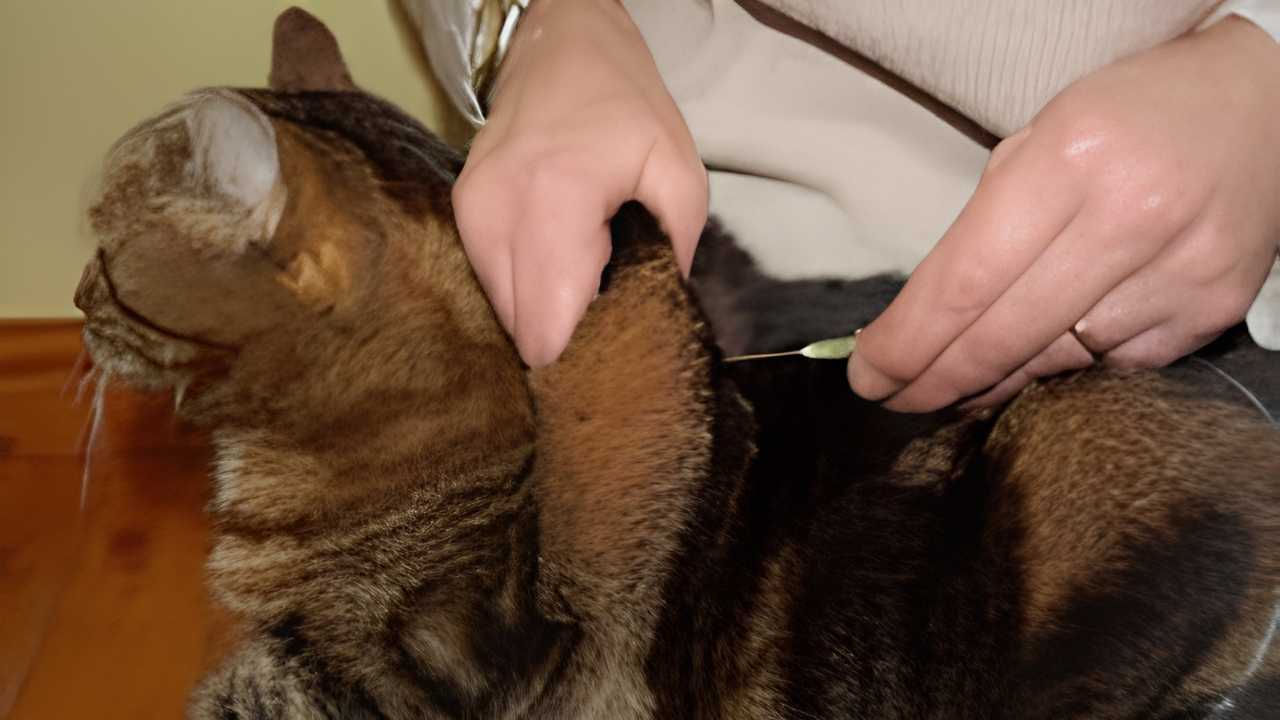
Many cats require:
- Hospitalization
- IV fluids
- Feeding support
- Antibiotics
- Antimalarial medication
One of the key drugs used is atovaquone, combined with antibiotics such as azithromycin.
Recovery can take time, and cats that survive may remain carriers of the parasite.
That is why many recovered cats are encouraged to remain indoors permanently.
The Best Prevention Is Tick Control
The simplest prevention?
Keep your cat indoors.

I know that is not realistic for every cat parent, but indoor cats are dramatically less likely to encounter infected ticks.
If your cat does go outside, then tick prevention matters.
There are conventional medications available, but many people are also looking for more natural options.

One ingredient I like is cedarwood oil, which has research showing it may help reduce tick attachment and is considered one of the safer essential oils for cats when properly diluted.
There are also ultrasonic tick repellents like Tickless devices. Some pet parents find them helpful, although results seem mixed.
A Natural Option Being Studied

One interesting natural remedy being researched is artemisinin, an herb traditionally used in Chinese medicine and well known for its antimalarial effects.
Because bobcat fever is caused by a protozoan parasite, similar to malaria organisms, researchers are now studying whether artemisinin may help support treatment for C. felis. Early findings are encouraging.
What I Want Cat Parents to Know
The biggest thing is awareness.
This disease is real. It is spreading. And many cat parents have never heard about it until it affects their own cat.
If your cat develops:
- Fever
- Lethargy
- Pale gums
- Sudden loss of appetite
- Difficulty breathing
especially during tick season, bobcat fever needs to be considered.
The earlier it is recognized, the better the chances of survival.
Click To Get A Free Copy of My E-Book!

P.S. If your cat spends time outdoors, make tick prevention a priority. Even simple daily tick checks can make a difference.
P.P.S. I truly hope this is one of those diseases you never have to deal with personally. But knowing the signs early could save your cat’s life.





My healthy Zinkie Boy was almost 4 years old when he got bit by this deadly Bobcat Tick. His temperature was 105.6.We had him hospitalized. Their team did everything they could. Our baby died in my husband’s arms.
Please take all the precautionary measures you can. This tick is deadly.
We are still crying.
I’m so sorry for your heartbreaking loss of Zinkie Boy. A fever that high with bobcat fever can progress incredibly fast. Thank you for sharing his story—awareness and prevention can truly help save lives. Sending love to your family.