Bladder Cancer in Dogs: Signs, Causes, Treatment Options, and Natural Support

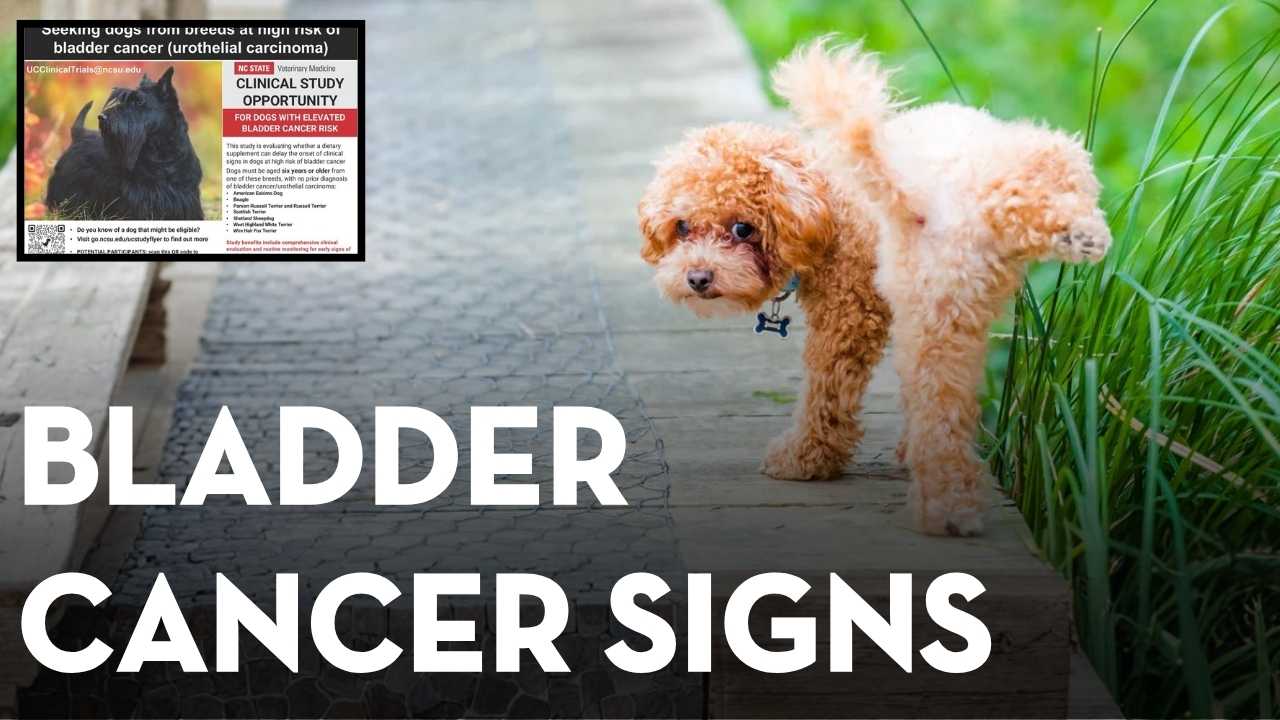
What are the signs of bladder cancer in dogs, and what treatment options may help?
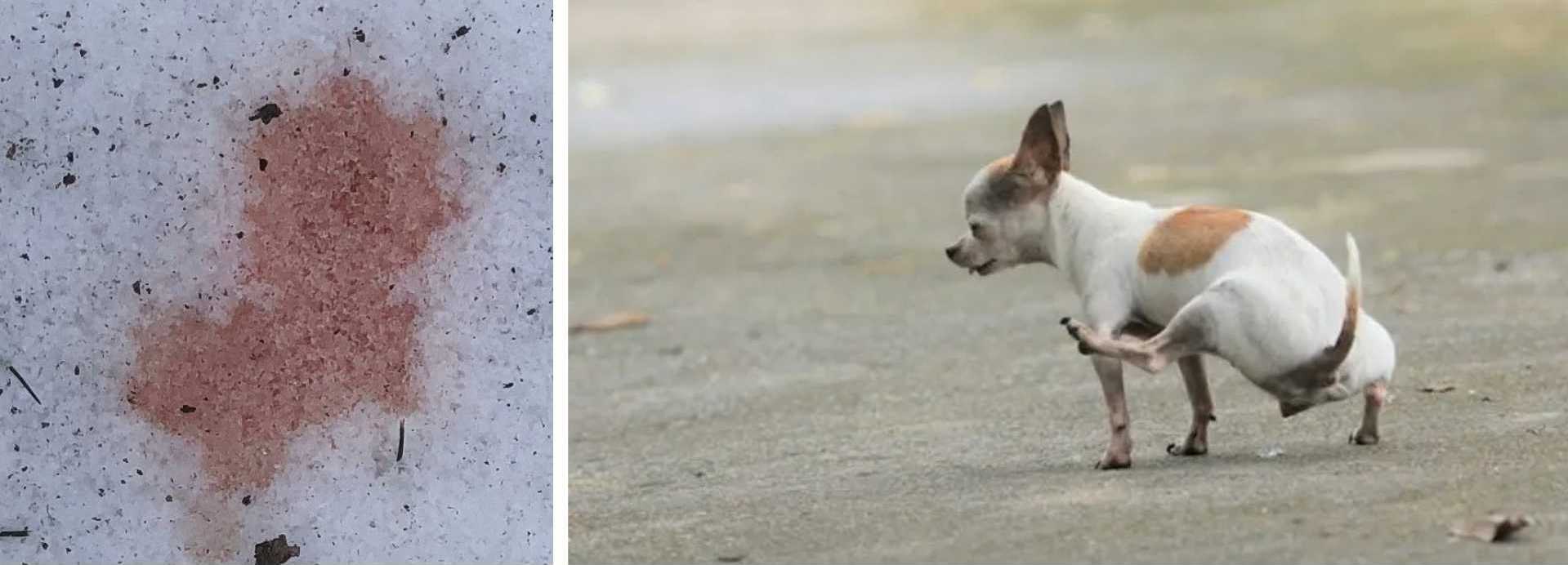
If your dog is straining to urinate and you see blood in the urine, the most likely cause may be a urinary tract infection.
But not always.
In some dogs, those same signs can point to something far more serious: bladder cancer.
Fortunately, bladder cancer is not common in dogs, but certain breeds are at a much higher risk. The good news is there are simple, inexpensive things you can do to help support bladder health and lower some of the risk.
One area getting a lot of attention is the gut and urinary microbiome.
A 2025 review paper titled “Microbiome and bladder cancer: the role of probiotics in treatment” looked at how probiotics may play a role in bladder cancer support.
The researchers noted that probiotics, especially Lactobacillus species, may have anti-tumor properties by competing with harmful bacteria involved in cancer development, and by producing substances that help regulate the body’s response.
That does not mean probiotics cure bladder cancer.
But it does mean supporting your dog’s gut, immune system, and microbiome makes a lot of sense.
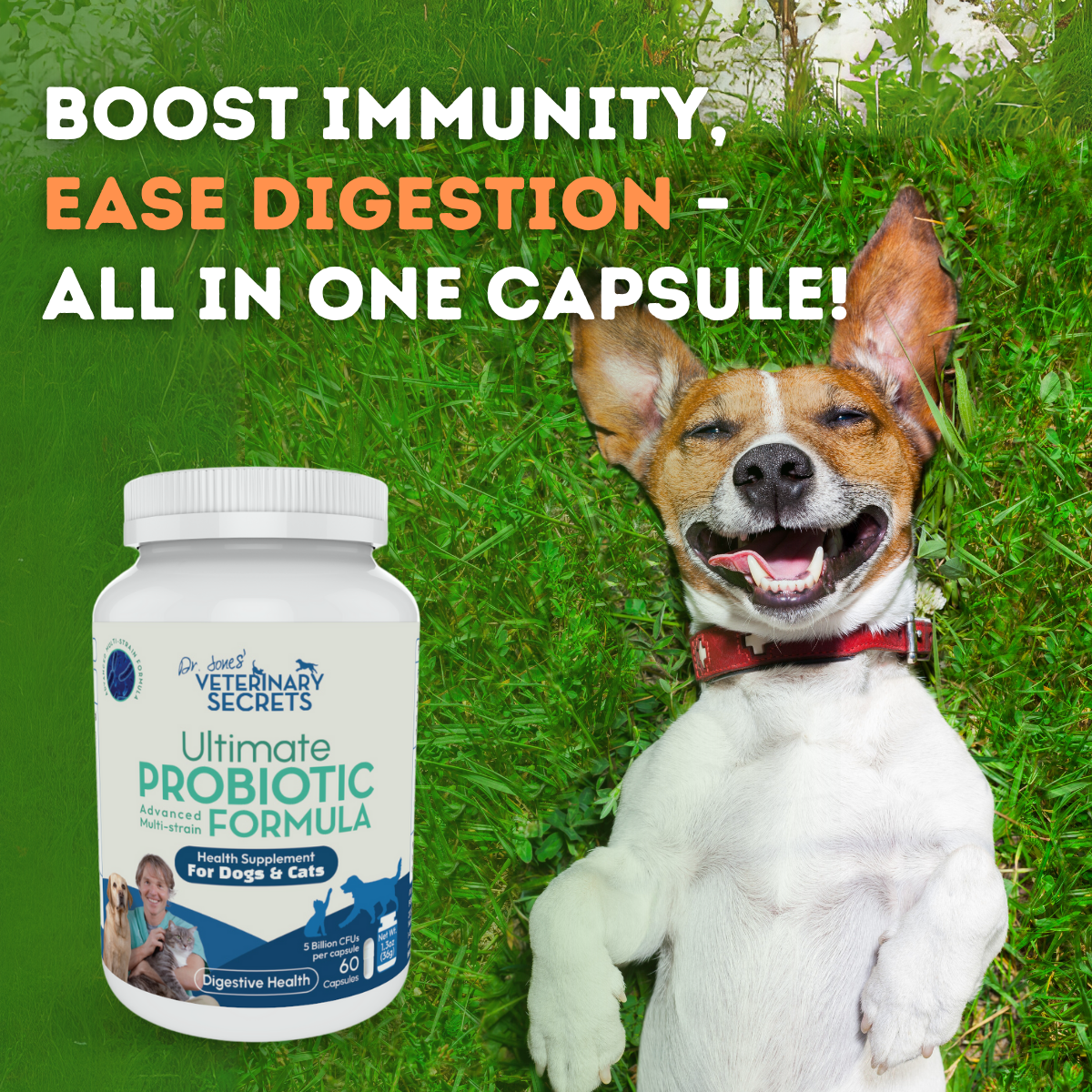
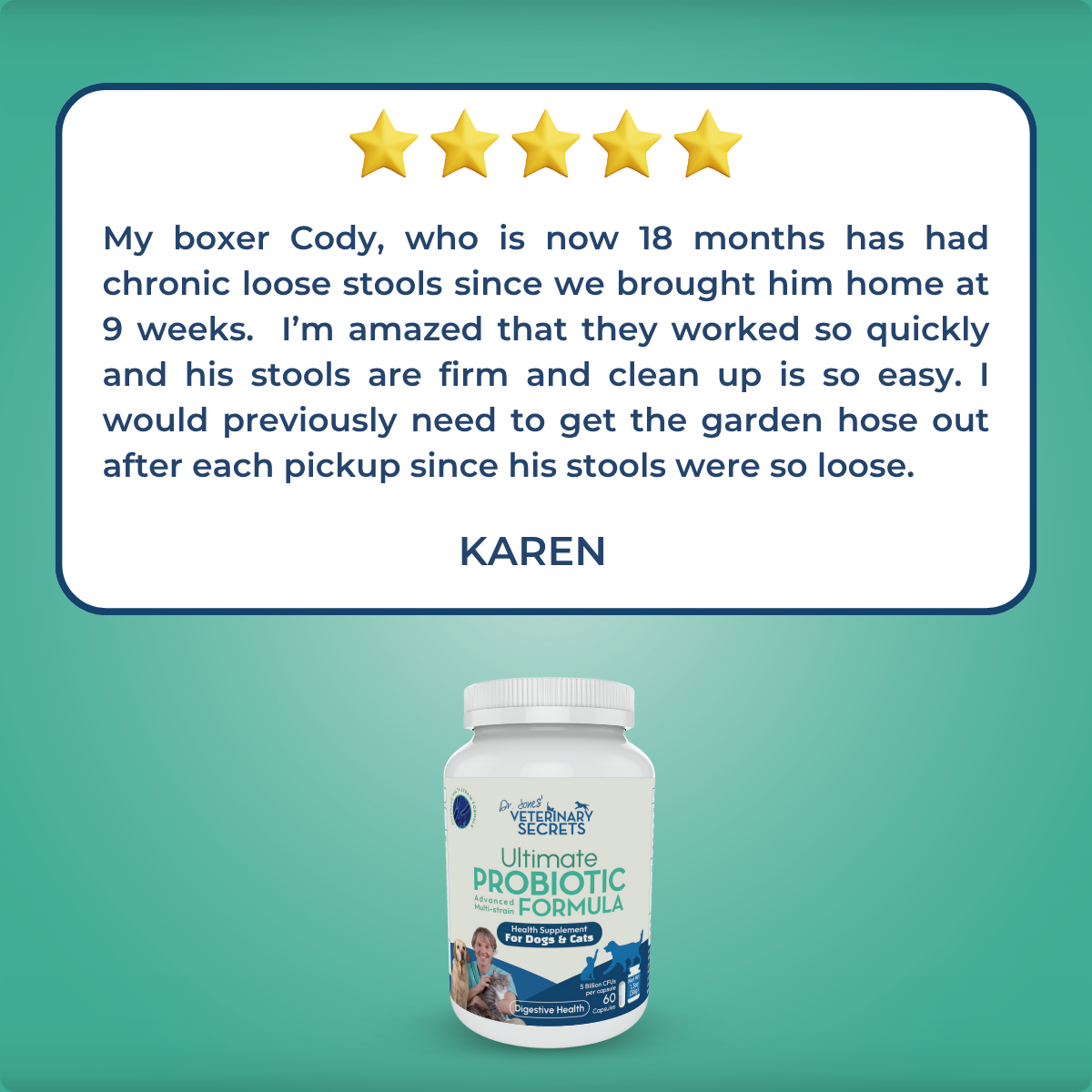
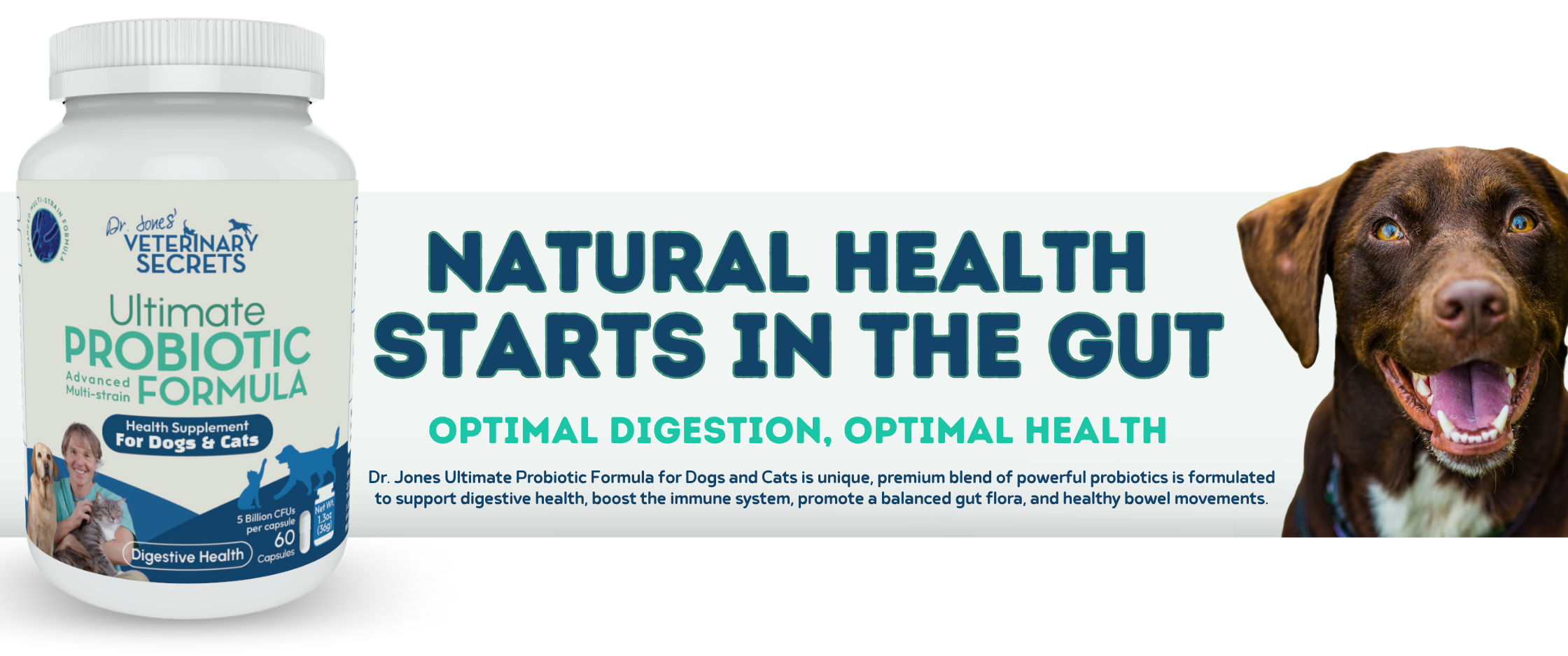
We now have a new High-CFU Multi-Strain Probiotic Formula, and it has already received some wonderful reviews, and it may be a simple daily way to support your dog’s gut, immune system, and overall wellness.
Dr. Jones’ Ultimate Probiotic Formula for Dogs and Cats



What Is Bladder Cancer in Dogs?
The most common bladder cancer in dogs is called transitional cell carcinoma, also known as TCC or urothelial carcinoma.
This cancer usually starts in the lining of the bladder. It can grow into the bladder wall, block urine flow, and sometimes spread to other areas of the body.
The tricky part is that early signs can look almost exactly like a urinary tract infection.
That is why I do not want you thinking, “Oh, it is probably just a UTI,” especially if the signs keep coming back.
What Are the Signs of Bladder Cancer in Dogs?
The common signs include:
- Blood in the urine
- Straining to urinate
- Frequent urination
- Passing only small amounts of urine
- Urinary accidents in the house
- Licking around the urinary opening
- Discomfort when urinating
- Repeated urinary tract infections
- Difficulty urinating
These signs can also happen with bladder stones, urinary tract infections, prostate disease, and other urinary problems.
The signs look similar. The causes are not.
When Is This an Emergency?
Call your veterinarian urgently if your dog:
- Has a swollen or painful belly
- Is weak or collapsed
- Has severe pain
- Has large amounts of blood in the urine
A urinary blockage can become life-threatening.
Why Does Bladder Cancer Happen in Dogs?
Most of the time, we cannot point to one single cause.
But several risk factors may increase the chance.
Common Risk Factors
| Risk Factor | Why It Matters |
|---|---|
| Age | More common in older dogs, especially around 10 years and older |
| Sex | Female dogs appear to be at higher risk |
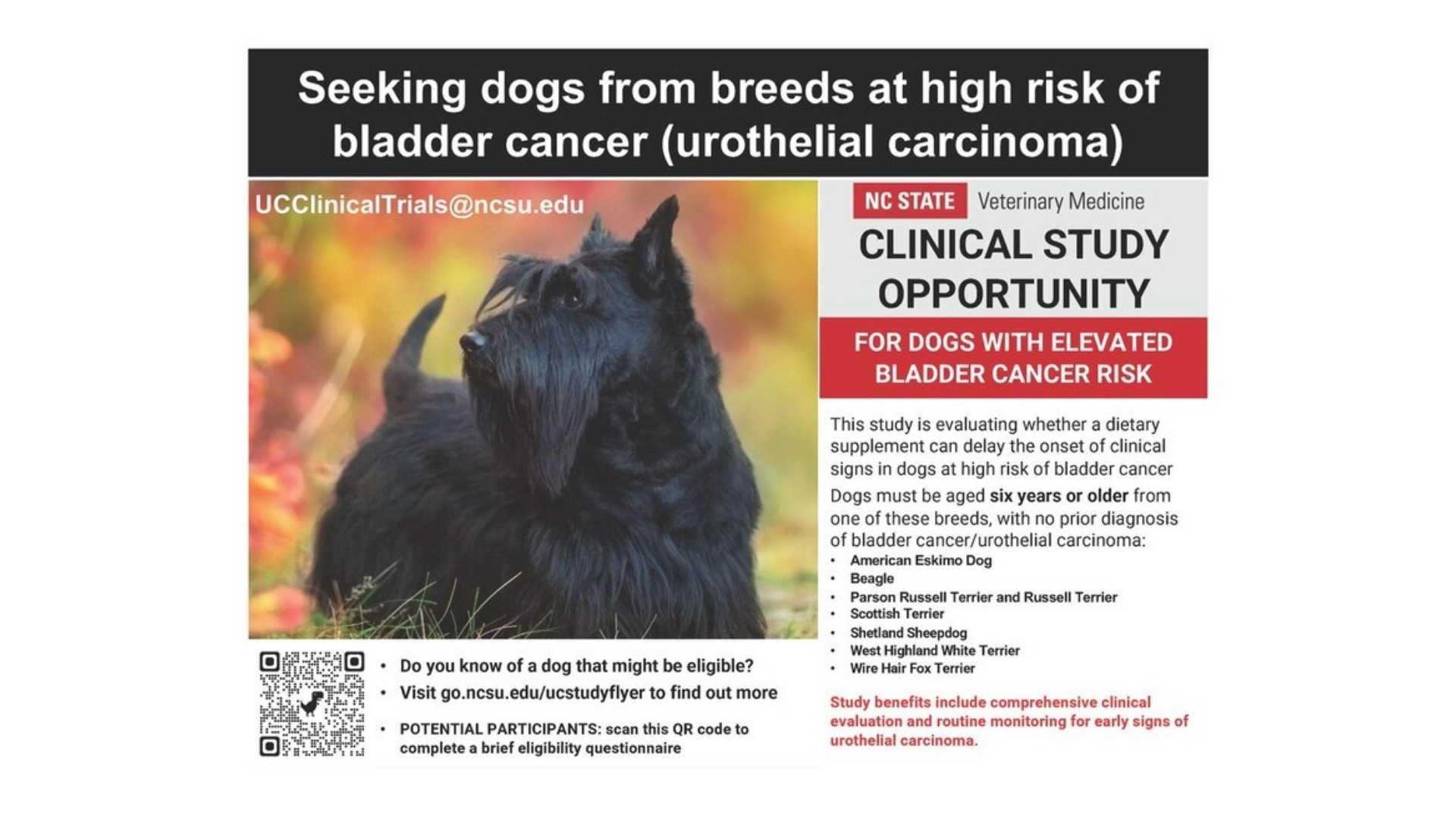
| Breed | Scottish Terriers have a much higher risk |
| Weight | Obesity may increase risk |
| Environmental toxins | Lawn chemicals, pesticides, insecticides, and smoke may contribute |
| Certain drugs | Some chemotherapy agents have been linked to bladder cancer risk |
| Chronic bladder irritation | Ongoing inflammation may play a role |
Which Dog Breeds Are at Higher Risk?
Some breeds have a much higher risk of bladder cancer.

These include:
- Scottish Terriers
- Shetland Sheepdogs
- Beagles
- West Highland White Terriers
- Wire Fox Terriers
Scottish Terriers are especially high risk, with studies showing they are far more likely to develop bladder cancer than many other breeds.
If you have one of these dogs, I would be more cautious about repeated “UTI-like” signs.
How Is Bladder Cancer Diagnosed?
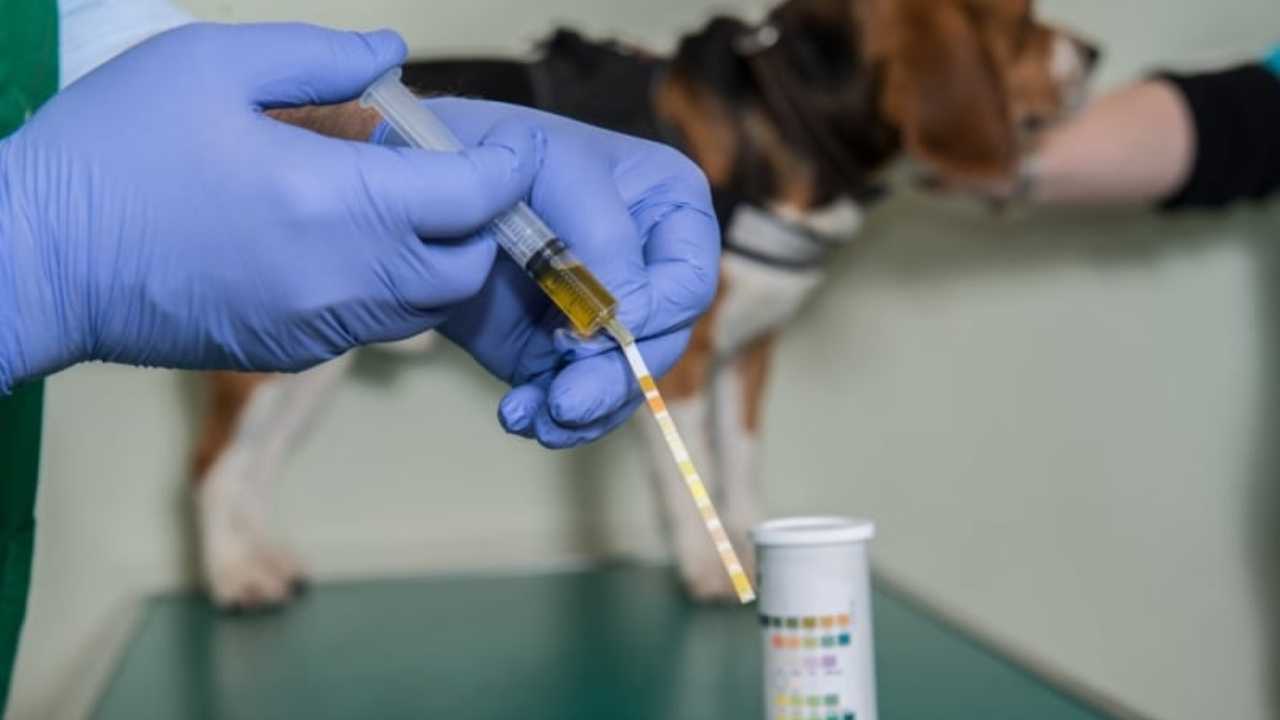
Your veterinarian may recommend:
- Urinalysis
- Urine culture
- Bloodwork
- Ultrasound
- X-rays
- Contrast imaging
- Bladder tumor antigen testing
- Biopsy or specialized urine testing
In many cases, ultrasound is used to look for a mass in the bladder.
The tumor location matters. Many bladder tumors form near the bladder neck, which can make surgery difficult.
What Are the Conventional Treatments for Bladder Cancer in Dogs?
Treatment depends on the tumor size, location, spread, and your dog’s overall health.
Surgery
Surgery may be possible if the tumor is in a location where it can be removed safely.
The problem is that many bladder tumors grow near the bladder neck. That makes surgery difficult or impossible in many cases.
Chemotherapy
Chemotherapy may be used to help slow cancer growth or treat disease that has spread.
Many dogs tolerate chemotherapy better than people expect, but it still needs careful veterinary monitoring.
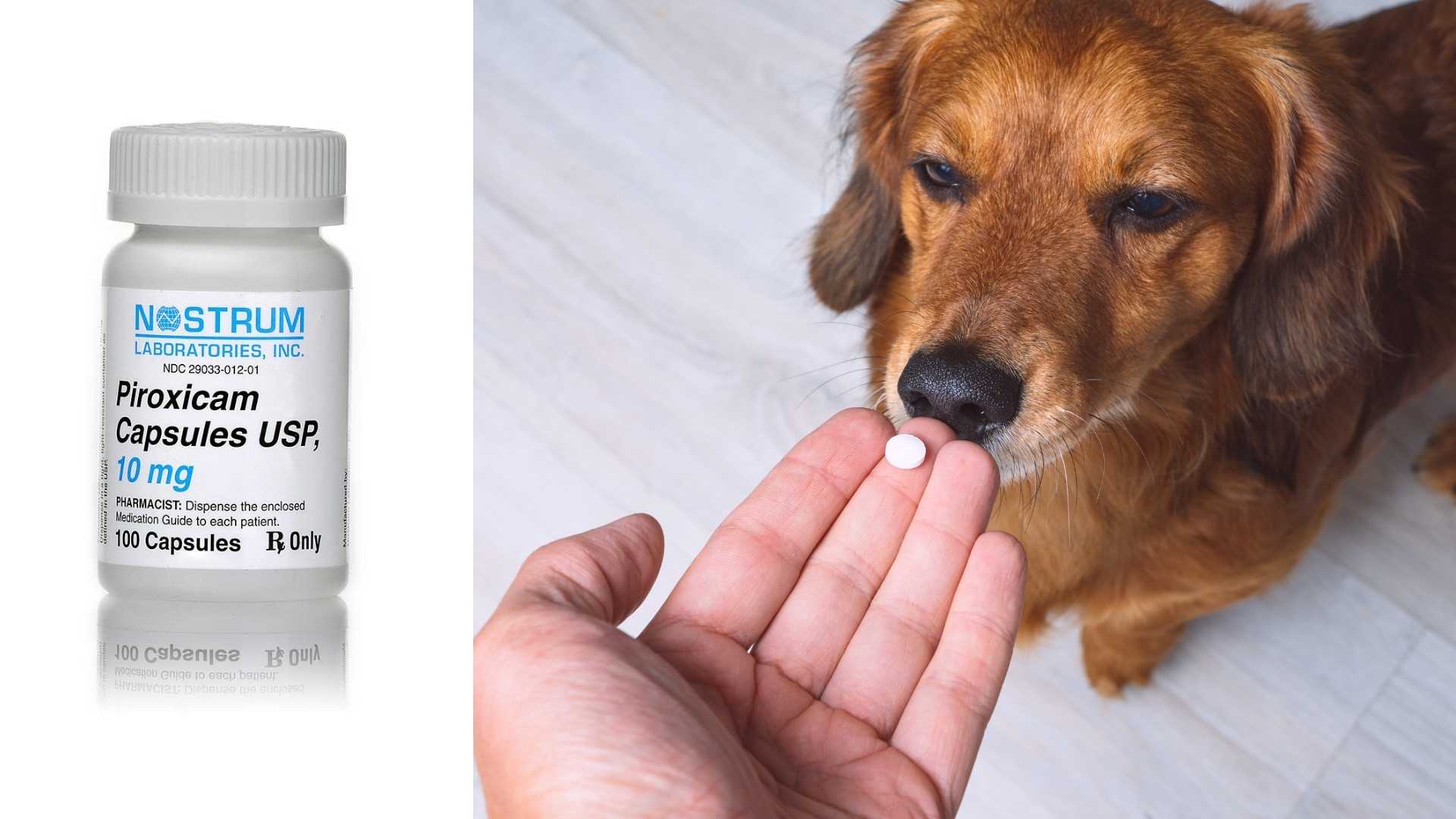
NSAIDs Like Piroxicam
Non-steroidal anti-inflammatory drugs, also called NSAIDs, are commonly discussed in bladder cancer care.
Piroxicam is one NSAID that has been studied in dogs with bladder cancer. It may help with pain and may also have anti-cancer effects in some dogs.
In one study, dogs treated with piroxicam showed different responses:
| Response | Reported Outcome |
| Complete remission | 3% |
| Tumor shrinkage over 50% | 14% |
| No further tumor growth | 56% |
Piroxicam can be used alone or with other treatments, but it must be prescribed and monitored by your veterinarian.
NSAIDs can affect the stomach, kidneys, liver, and blood clotting.
Natural Support Options for Dogs With Bladder Cancer

Here are the main options I would consider discussing with your veterinarian.
Quick Support Guide
| Support Option | Why It May Help | Suggested Amount From This Article |
| Melatonin | Antioxidant support and immune support | 1 mg per 10 lbs, max 6 mg, 1 hour before bed |
| Bovine colostrum | Immune support and gut support | 100 mg per 10 lbs daily |
| Fenbendazole | Experimental, off-label interest only | 50 mg/kg daily, 3 days on, 4 days off |
| CBD, CBG, CBC | May support inflammation, comfort, and appetite | Dose not specified in source content |
| Probiotics | Gut, immune, and inflammation support | Follow product label |
| Antioxidant foods | Adds phytochemicals, flavonoids, and fiber | Carrots, kale, berries, apples |
1. Melatonin
Melatonin is best known as a sleep hormone, but it is also a powerful antioxidant.
It may support immune function and may be helpful as part of a cancer support plan.
Suggested Amount
Give:
- 1 mg per 10 lbs of body weight
- Up to a maximum of 6 mg
- 1 hour before bedtime
Best For
Melatonin may be helpful for:
- Dogs needing antioxidant support
- Dogs with sleep disruption
- Dogs with anxiety at night
- Senior dogs, if tolerated
2. Bovine Colostrum
Bovine colostrum is the first milk produced by cows after giving birth.
It contains immune-supporting compounds and may help support gut health, immune balance, and overall wellness.
Suggested Amount
Give:
- 100 mg per 10 lbs of body weight daily
Best For
Colostrum may be helpful for:
- Immune support
- Gut support
- Dogs needing gentle nutritional support
Not For
Use caution if your dog is sensitive to dairy-derived products.
3. Fenbendazole: What Should You Know?
Fenbendazole, also known by the brand name Panacur, is a dewormer used in veterinary medicine.
Some pet parents ask about it because of online cancer stories and early research looking at possible effects on cancer cells.
Here is my cautious take: fenbendazole is not a proven cancer cure. It should not replace conventional care. If you are considering it, discuss it with your veterinarian, especially if your dog is taking chemotherapy, NSAIDs, liver medications, seizure medications, or multiple supplements.
Protocol Mentioned in the Source Content
The dose discussed is:
- 50 mg/kg once daily
- 3 days on
- 4 days off
- Trial for 1 month, then reassess
Liquid concentration mentioned:
- 100 mg/ml
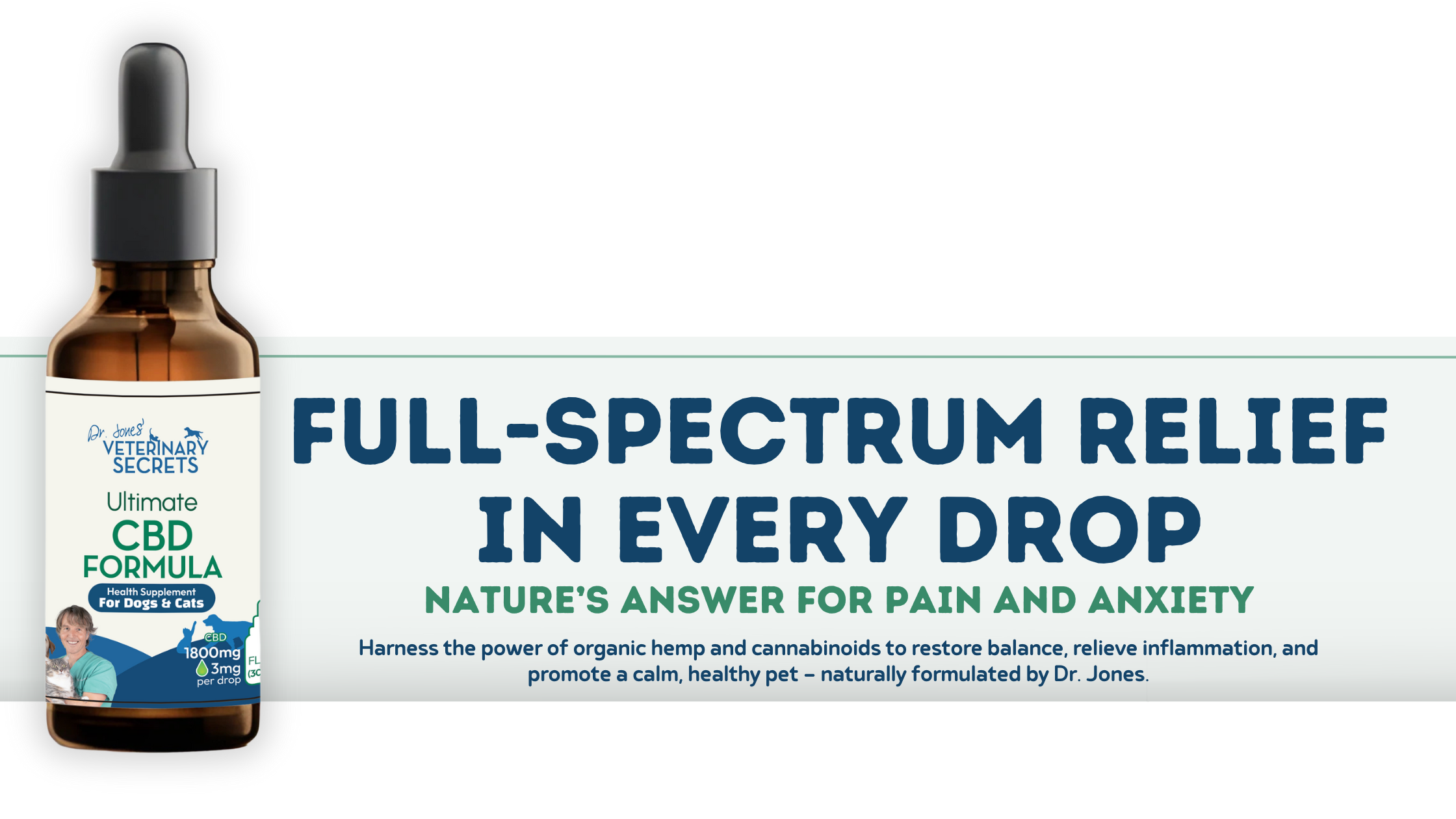
4. Cannabinoids: CBD, CBG, and CBC
Cannabinoids such as CBD, CBG, and CBC are being studied for their effects on inflammation, comfort, appetite, and cancer biology.
CBD is the most commonly used and most researched.
Some early research suggests cannabinoids may affect tumor growth, inflammation, spread, and apoptosis, which is programmed cancer cell death. But this does not mean CBD cures bladder cancer.
Best For
Cannabinoids may help some dogs with:
- Discomfort
- Inflammation
- Anxiety
- Appetite support
- Sleep support
Dr. Jones’ Ultimate Cannabinoid Blend for Dogs and Cats
5. Probiotics
Probiotics are getting more attention in cancer care because of the connection between the gut, immune system, inflammation, and even bladder health.
A 2025 review on the microbiome and bladder cancer discussed how probiotics, especially Lactobacillus species, may show anti-tumor properties by competing with harmful bacteria and producing regulatory substances.
That is a big deal.
Does that mean probiotics cure bladder cancer? No.
But they may be a very reasonable support option, especially for immune health, gut health, inflammation, and dogs with bladder irritation or infection issues.
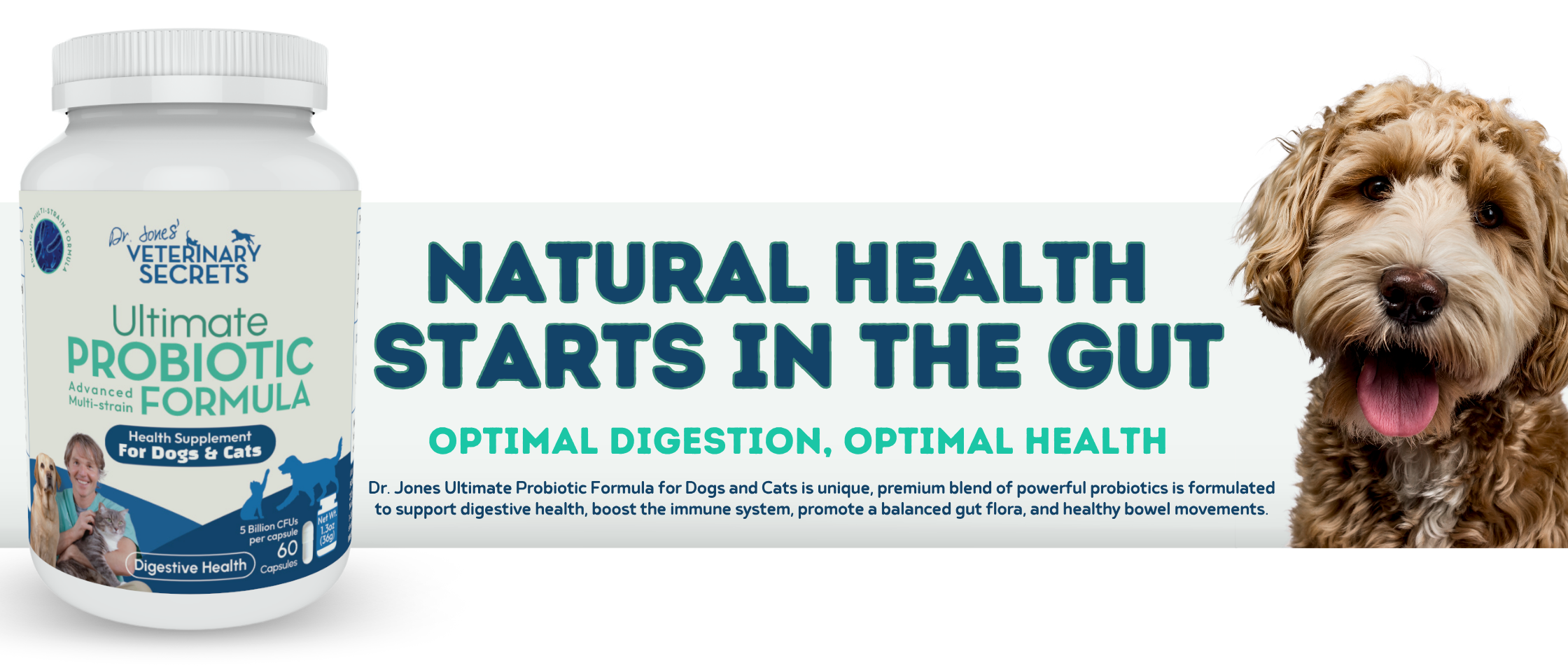
Dr. Jones’ Ultimate Probiotic Formula for Dogs and Cats
Our high-potency probiotic formula contains:
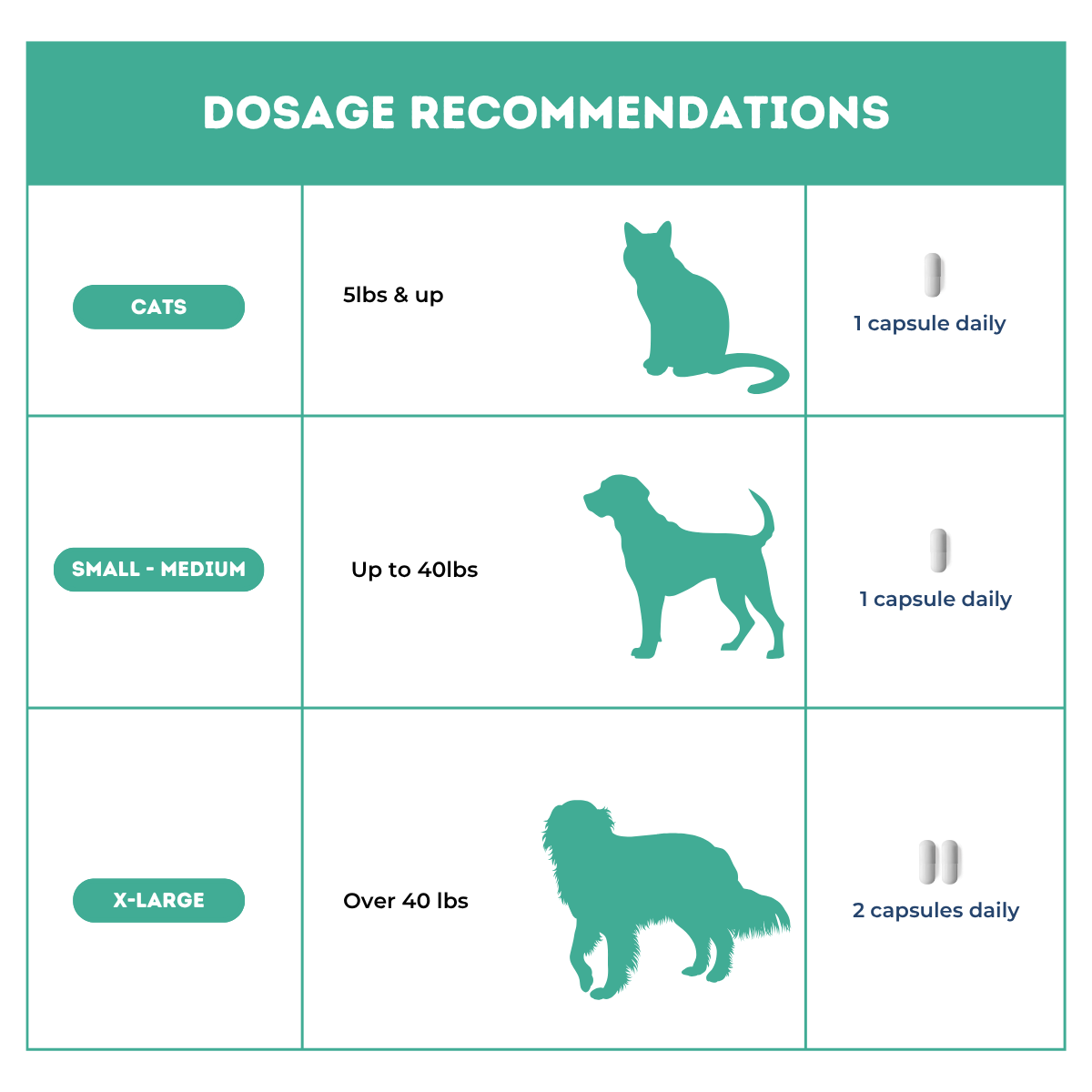
- 5 billion CFU per capsule
- Lactobacillus acidophilus
- Lactobacillus casei
- Lactobacillus plantarum
- Lactobacillus rhamnosus
- Lactobacillus fermentum
- Bifidobacterium animalis
- Enterococcus faecium
- Streptococcus thermophilus
- Fructooligosaccharides, also called FOS, a natural prebiotic
FOS helps feed the beneficial bacteria already living in the gut.
If you have not tried a probiotic supplement for your dog or cat, Dr. Jones’ Ultimate Probiotic Formula is one to consider.
Dr. Jones’ Ultimate Probiotic Formula for Dogs and Cats
6. Antioxidants and Cancer-Fighting Foods
Food matters.
Diets rich in certain fruits and vegetables may help lower cancer risk by adding natural phytochemicals, fiber, antioxidants, and flavonoids.
Helpful options include:
- Carrots
- Kale
- Berries
- Apples
One study in Scottish Terriers found that dogs fed vegetables several times a week had a reduced risk of bladder cancer. Carrots were one of the top vegetables used.
Simple. Cheap. Not glamorous. But possibly very helpful.
How Can You Help Lower Bladder Cancer Risk?
Prevention is where I want you to focus first.
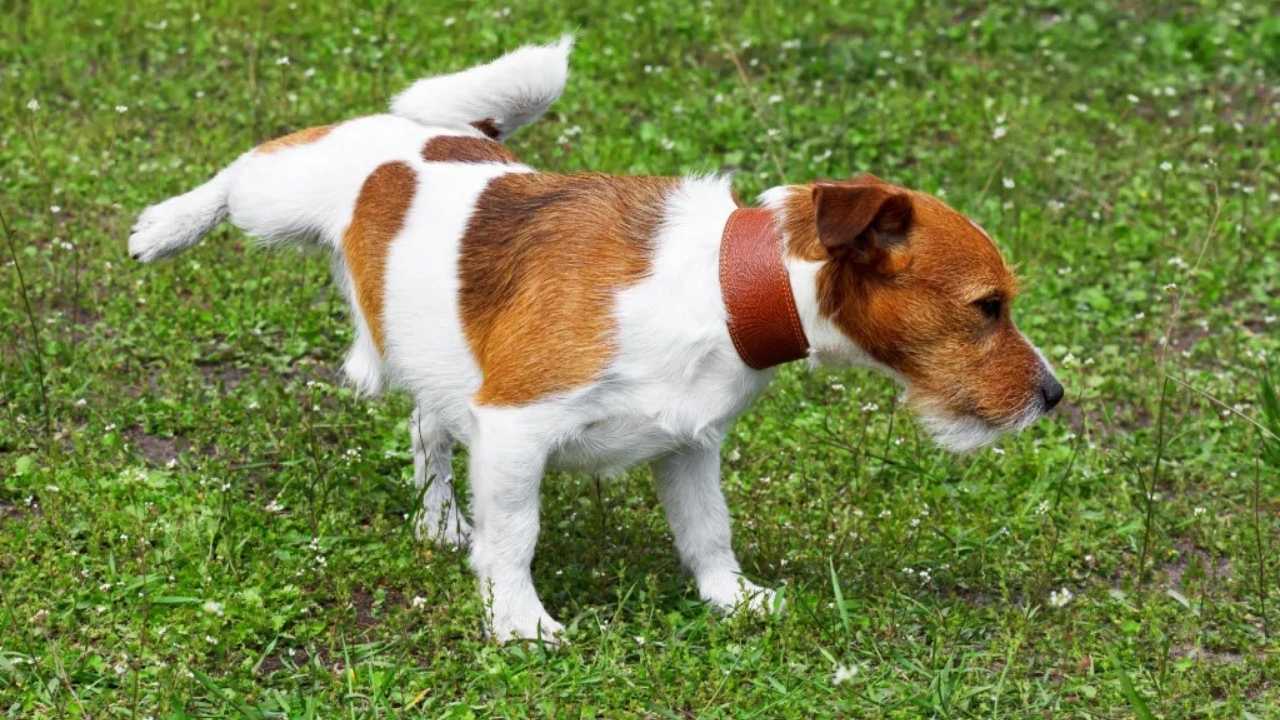
You cannot control everything, but you can reduce some of the big risk factors.
Practical Prevention Steps
- Avoid lawn herbicides and insecticides
- Avoid old toxic flea dips
- Reduce pesticide exposure
- Keep your dog away from treated grass
- Avoid secondhand smoke
- Keep your dog at a healthy weight
- Feed antioxidant-rich foods
- Add carrots 3 times weekly
- Support gut health with probiotics
- Treat urinary problems early
- Do not ignore recurring UTI signs
If your dog is a high-risk breed, I would be even more careful with chemical exposure.
Step-by-Step Plan If Your Dog Has Bladder Cancer Signs

Step 1: Confirm the Cause
If your dog has blood in the urine or straining, get a urinalysis and exam.
Do not assume it is just a UTI.
Step 2: Check for Infection, Stones, or a Mass
Your veterinarian may recommend urine culture, imaging, or ultrasound.
Step 3: Add Safe Support
Consider:
- Probiotics
- Antioxidant foods
- Melatonin
- Colostrum
- CBD, if appropriate
- Diet improvements
Step 4: Monitor Closely
Track:
- Urination frequency
- Blood in urine
- Appetite
- Weight
- Pain
- Energy
- Ability to pass urine
If your dog cannot urinate, that is urgent.
Final Thoughts
Bladder cancer in dogs can be scary because it often starts by looking like a simple urinary tract infection.

Blood in the urine. Straining. Small frequent urinations. Accidents in the house.
Sometimes it is a UTI. Sometimes it is not.
That is why I want you to get these signs checked, especially if your dog is older, female, a high-risk breed, or the signs keep coming back.
For prevention, start with the simple things.
Avoid lawn chemicals. Keep your dog away from smoke. Feed better food. Add antioxidant-rich vegetables. Use carrots a few times a week. Support the gut with probiotics.
Small things matter.
And if your dog is diagnosed with bladder cancer, do not panic. Get the facts, discuss the options, and consider safe natural support alongside proper veterinary care.
Click To Get A Free Copy of My E-Book!

P.S. Think prevention first.
Avoid toxic flea and tick products when you can. Do not use herbicides or insecticides on your lawn or garden. Keep your dog away from secondhand smoke. Feed more real food, especially antioxidant-rich foods that may help protect the bladder from free radical damage.
One easy place to start?
Carrots, 3 times a week.
Simple, inexpensive, and most dogs think they just won the snack lottery.
P.P.S. If you have not tried a probiotic supplement for your dog or cat, ours is a good one to consider.
Dr. Jones’ Ultimate Probiotic Formula for Dogs and Cats is a high-potency, multi-strain formula with 5 billion CFU per capsule, plus FOS, a prebiotic that helps nourish beneficial bacteria in the gut.
For bladder health, immune support, inflammation support, and overall wellness, probiotics make a lot of sense.