Black Wax and Smelly Dog Ears? It Could Be a Yeast Ear Infection

What Does Black Wax and a Smelly Dog Ear Usually Mean?
If your dog is scratching his ear, shaking his head, and you see dark black waxy debris with a sweet, yeasty smell, the most common cause is often yeast, also called Malassezia.
This is one of the most common reasons dogs get recurring ear infections.
Many pet parents see black wax and immediately think, “Ear mites.”
In dogs, not usually.
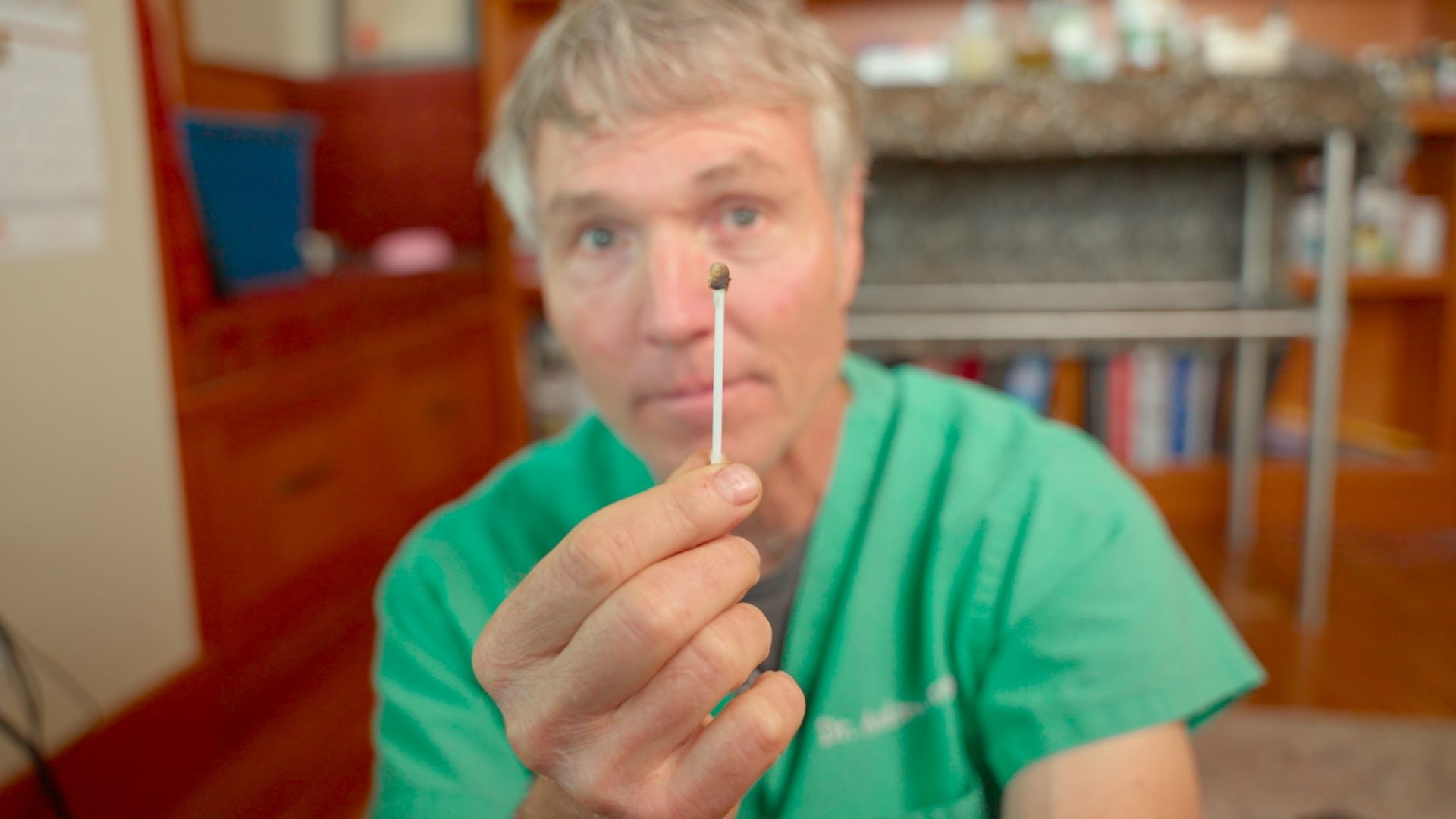
If I swab a dog’s ear and pull out dark, black, waxy debris, especially with that classic sweet yeasty smell, I am thinking yeast first.
Not glamorous.
Not pleasant.
But very common.
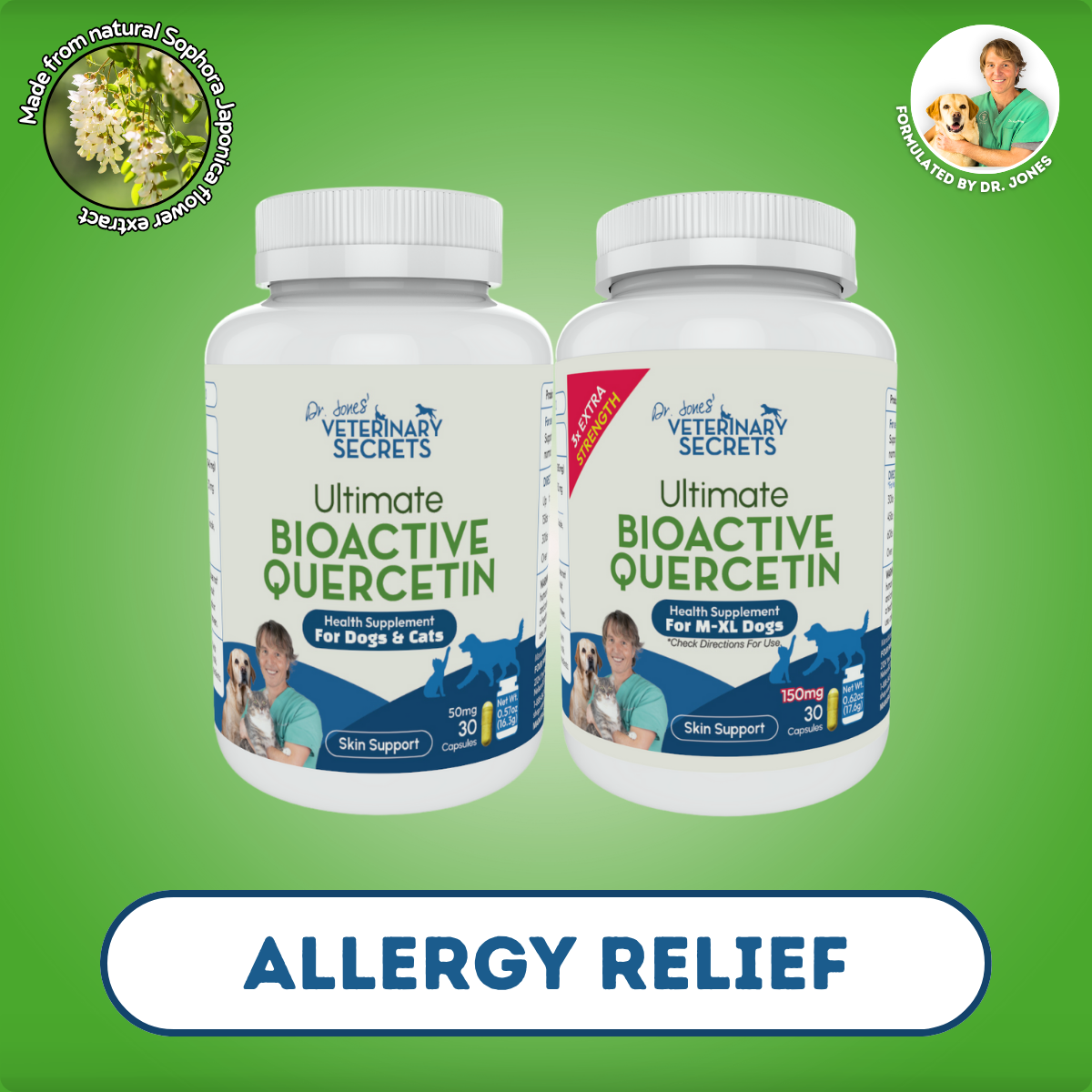
Dr. Jones’ Ultimate BioActive Quercetin for Dogs and Cats


What Does a Dog Yeast Ear Infection Look and Smell Like?
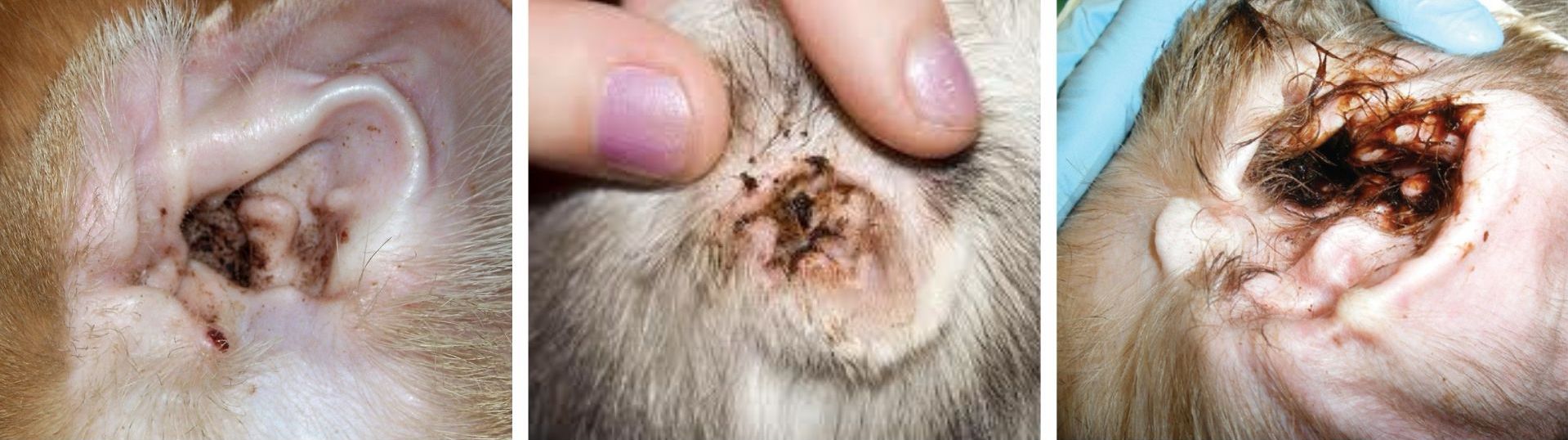
A dog with a yeast ear infection may have:
- Itching
- Scratching at the ear
- Redness inside the ear flap
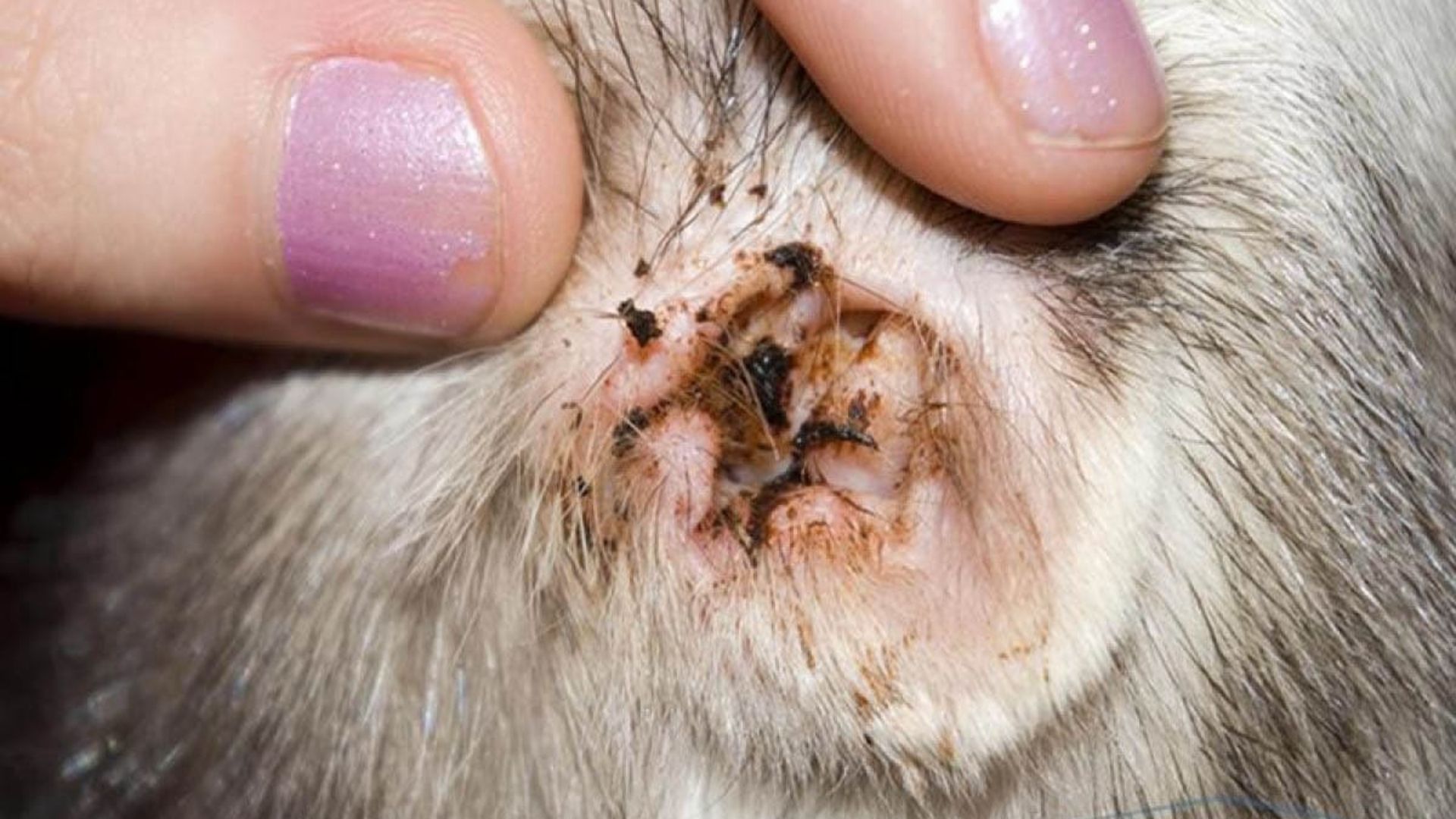
- Black waxy debris
- Dark discharge
- A sweet yeasty smell
- Recurring ear flare-ups
When you lift the ear flap, also called the pinna, the inside of the ear may look a little red.
If you gently take a small swab from the external ear canal and see black waxy debris, yeast is very likely.
In veterinary practice, I would often roll that sample onto a slide, stain it, and look at it under the microscope.
Yeast is usually pretty easy to see.
But for a pet parent at home, the combination of black wax plus sweet yeasty smell is a strong clue.
Why Do Dogs Get Recurring Yeast Ear Infections?
Yeast loves warm, moist places.
And a dog’s ear canal can be a perfect little yeast apartment.
Especially if your dog:
- Has floppy ears
- Swims often
- Gets water in the ears
- Has recurring ear infections
- Has allergies or inflammation
- Has excess wax or debris in the ear
Friendly Labs that love the water?
Yes, I am looking at you.
When water sits in the ear canal, it creates a nice moist environment that allows yeast to grow.
Then the itching starts.
Then the scratching.
Then the smell.
Then you find yourself saying, “Not another ear infection.”
Is It Yeast or Something More Complicated?
Most black waxy dog ear infections are caused by yeast, but not every ear infection is simple.
It could also be:
- Another type of ear infection
- A bacterial infection
- A more complicated infection such as Pseudomonas
- Severe inflammation
- An allergic component
So if the ear is very painful, very inflamed, not improving, or keeps coming back, do not ignore it.
But if your dog has the classic signs of a yeast ear infection, there are simple home options that may help.
The First Step: Clean the Ear Before Treating
Before using any topical remedy, you need to clean the ear.
This matters.
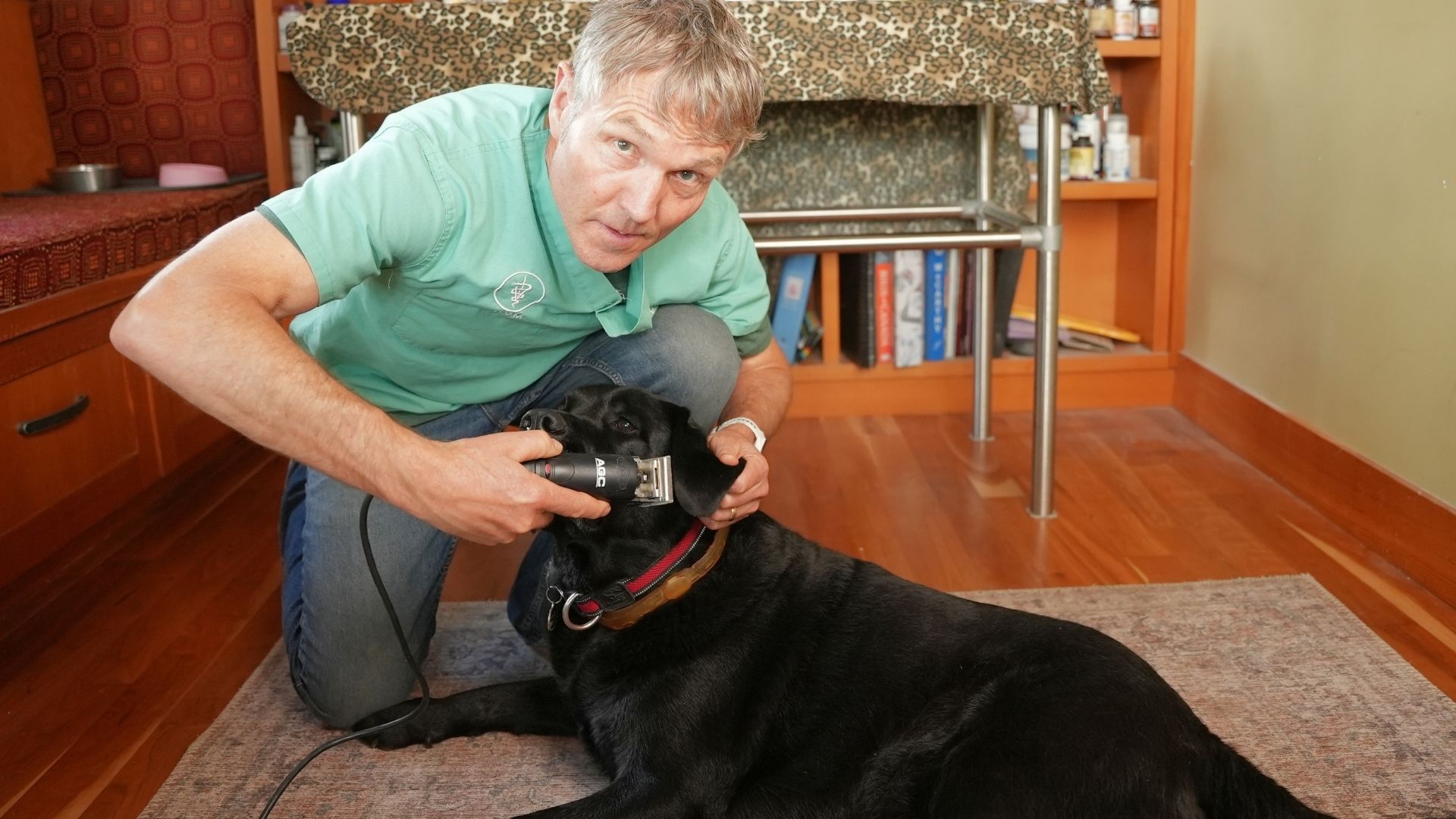
If there is a lot of wax and debris in the ear, your treatment will not work nearly as well.
You need to get the excess debris out first.
Best Type of Ear Cleanser to Use
A gentle ear cleanser is ideal.
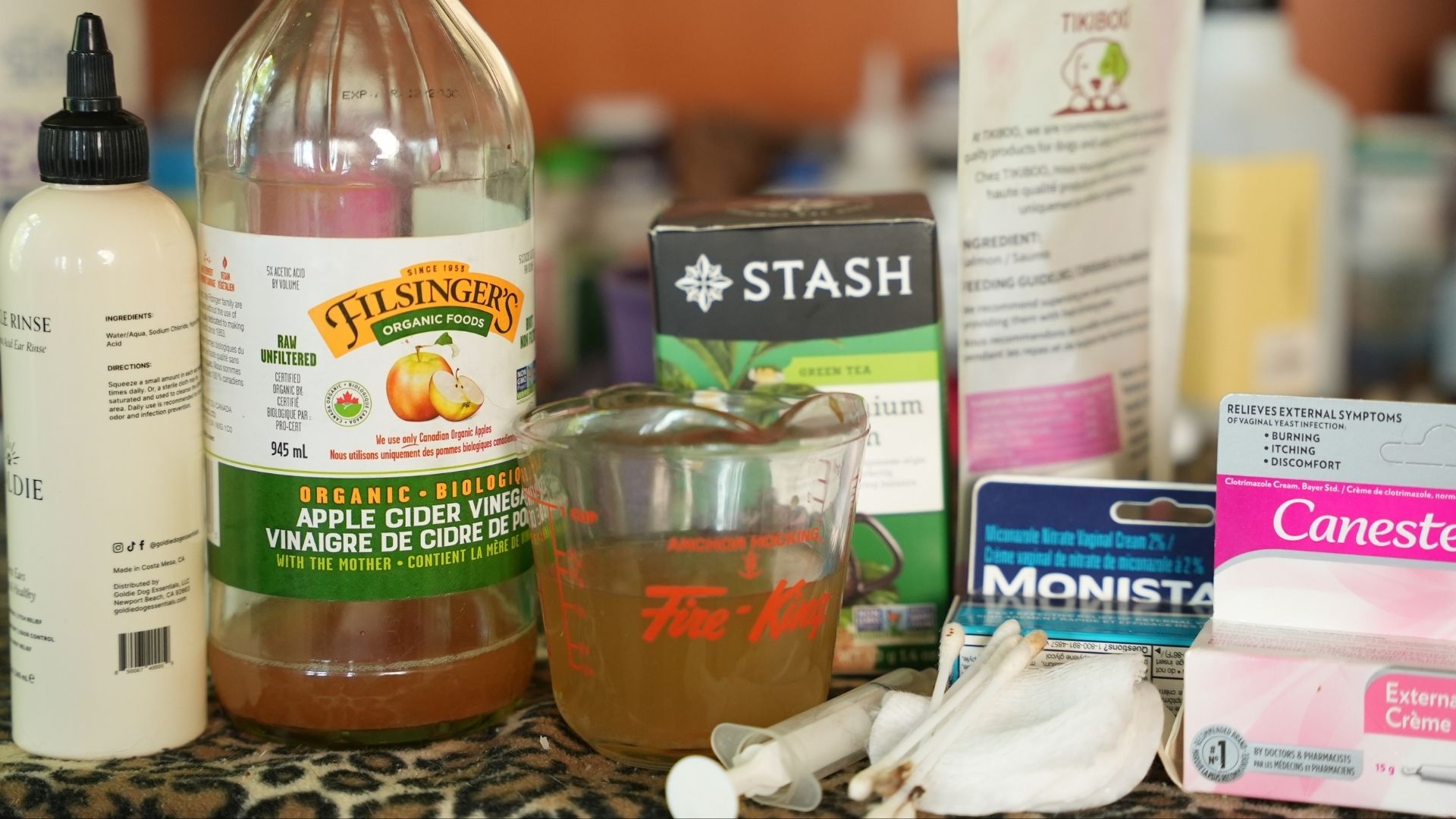
One I like is a hypochlorous acid ear cleanser.
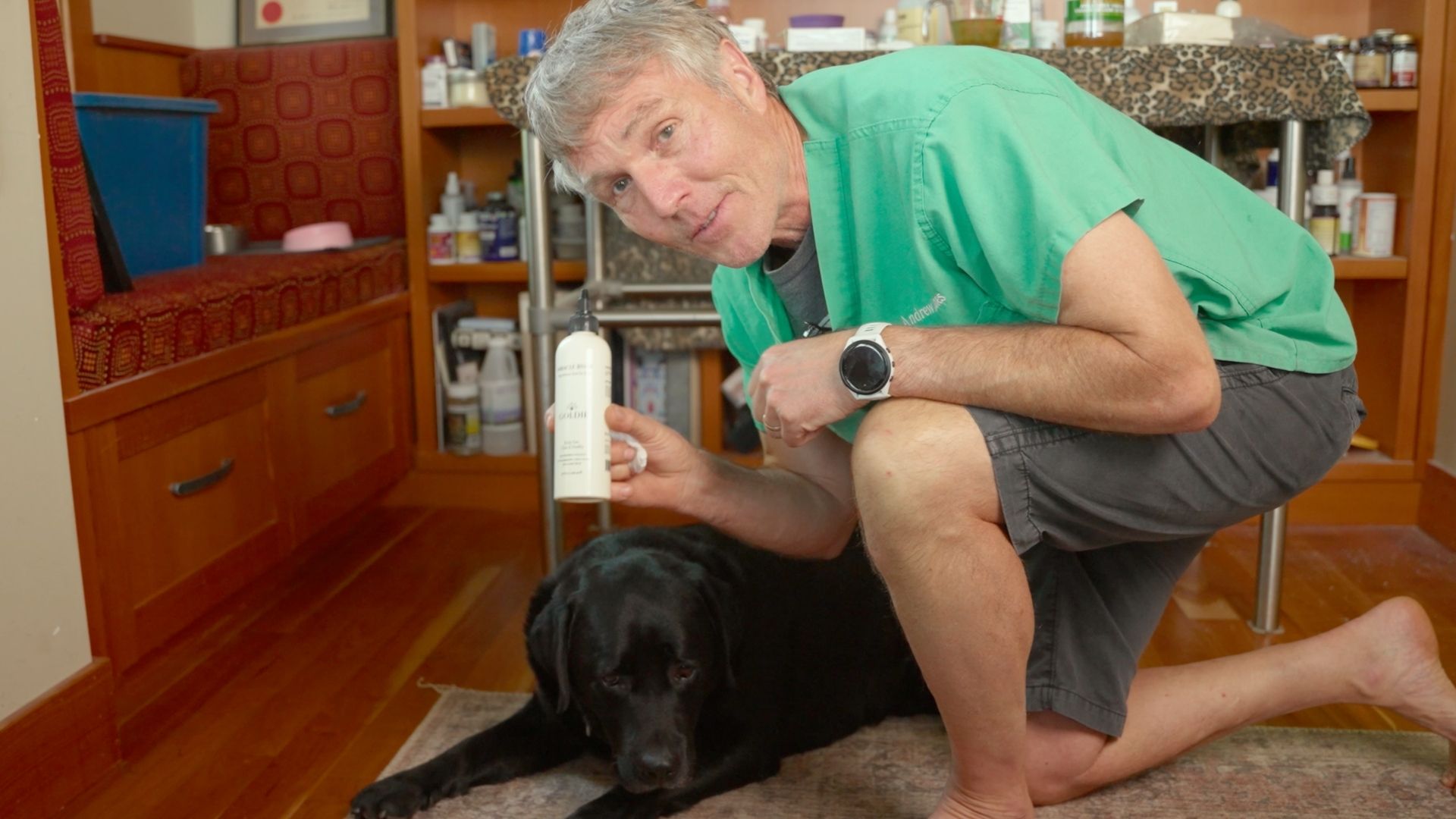
It is gentle, safe for dogs, has antibacterial properties, and can help bind some of the yeast and debris while cleaning the ear.
The goal is to clean the ear without making it more painful or irritated.
Goldie Pet Essential Online | Vet & Derm Approved Dog Care
Use code DRJONESHEALS at checkout for 10% off Goldie Dog Essentials.
A gentle little save for your dog’s skin and coat care 🙂
How to Clean a Dog’s Ear Before Treating Yeast
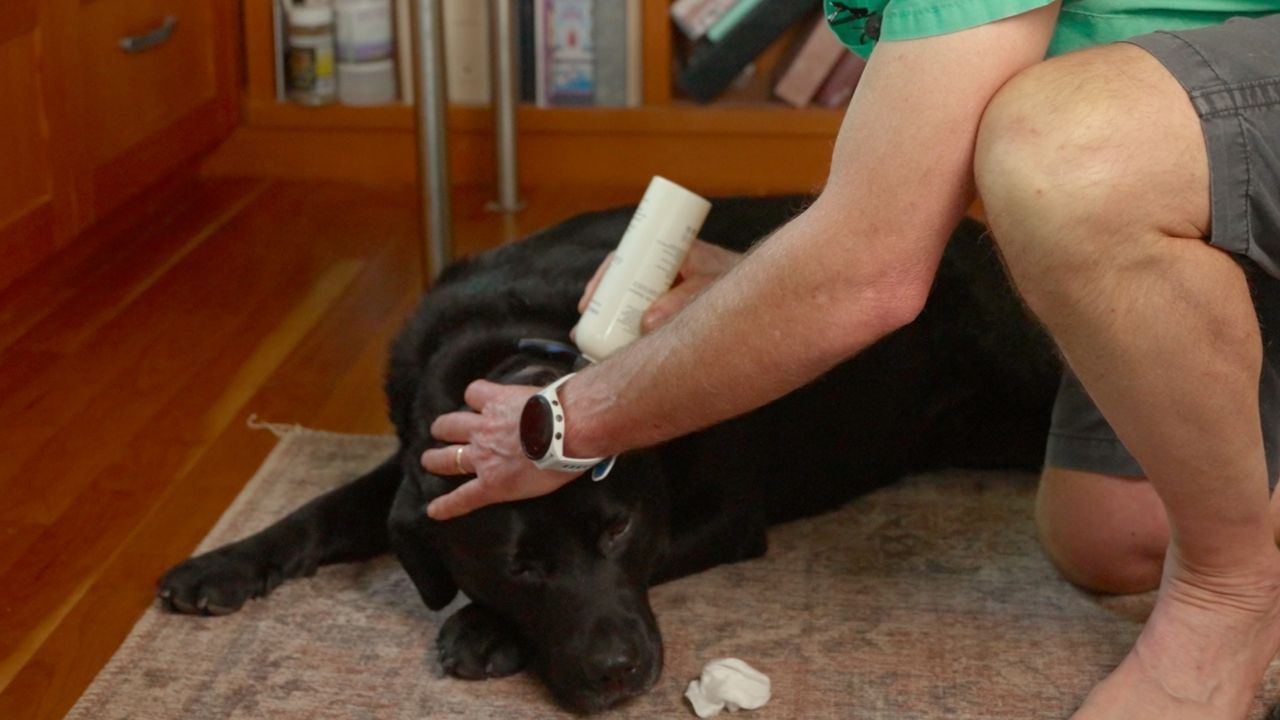
Here is the basic process.
Step 1: Lift the Ear Flap
Gently lift your dog’s ear flap so you can see the opening of the ear canal.
Step 2: Apply the Ear Cleanser
Seat the cleanser at the base of the ear.
Use about:
5 to 10 ml of ear cleanser
That is roughly:
1 tablespoon
You want enough cleanser to properly flush and loosen the wax.
Step 3: Massage the Base of the Ear
Grab the base of the ear and rub it really well.
You should hear that squishing sound.
That means the cleanser is moving down into the ear canal and loosening the debris.
Yes, the squishing sound is good.
Oddly satisfying, actually.
Step 4: Wipe Out the Debris
Use a cotton ball or swab to wipe out the excess debris from the base of the ear.
The goal is to remove as much wax and discharge as possible.
Step 5: Repeat if Needed
If there is still a lot of debris, clean it a second time.
For yeast ear infections, the cleaner the ear is before treatment, the better the topical remedy can work.
Why Cleaning Matters So Much
If you put cream or drops on top of thick black wax, the medication may not reach the yeast properly.
That is why I clean first.
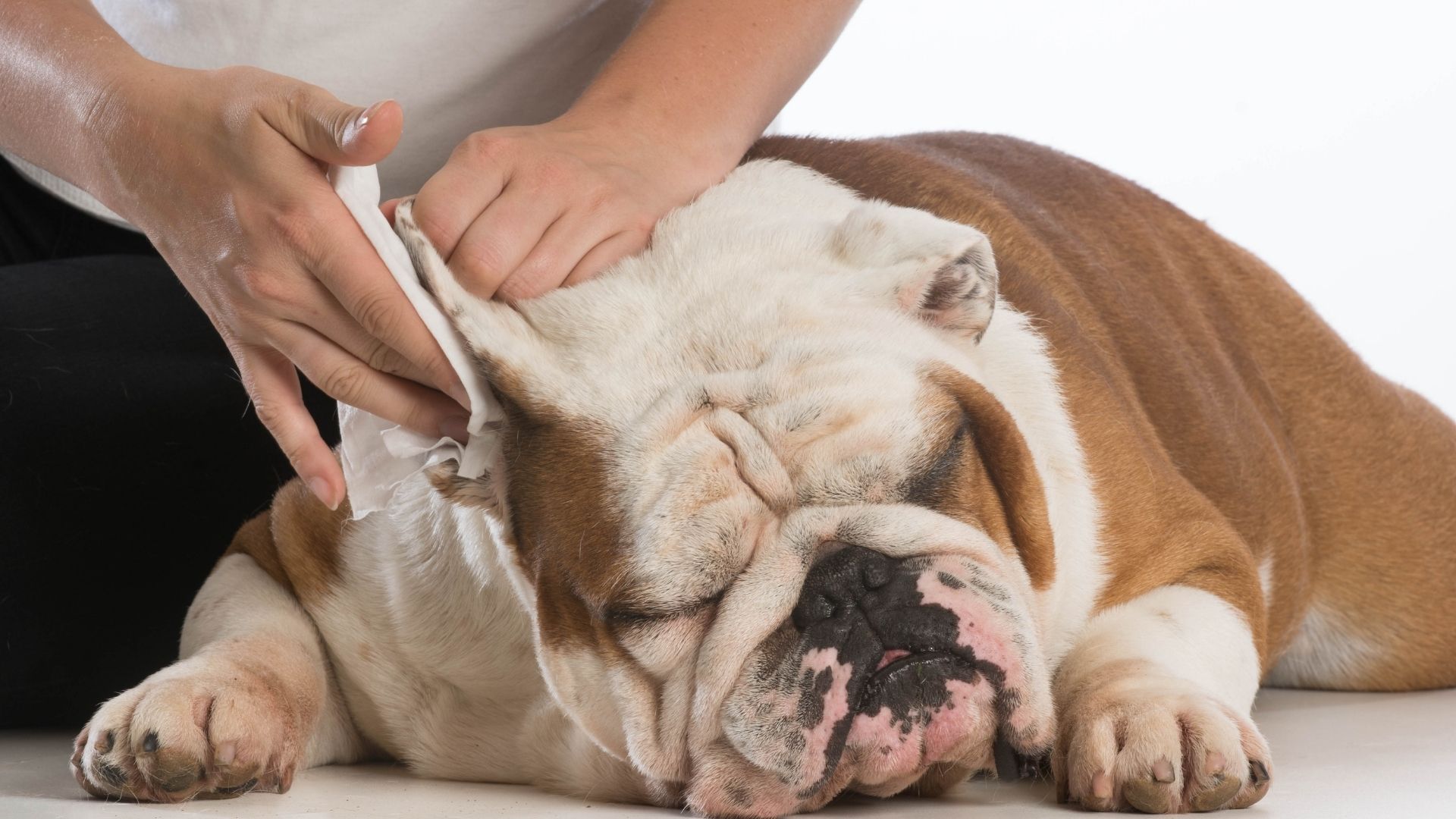
Clean.
Rub.
Wipe.
Then treat.
Simple, but important.
3 Home Remedies for Dog Yeast Ear Infections
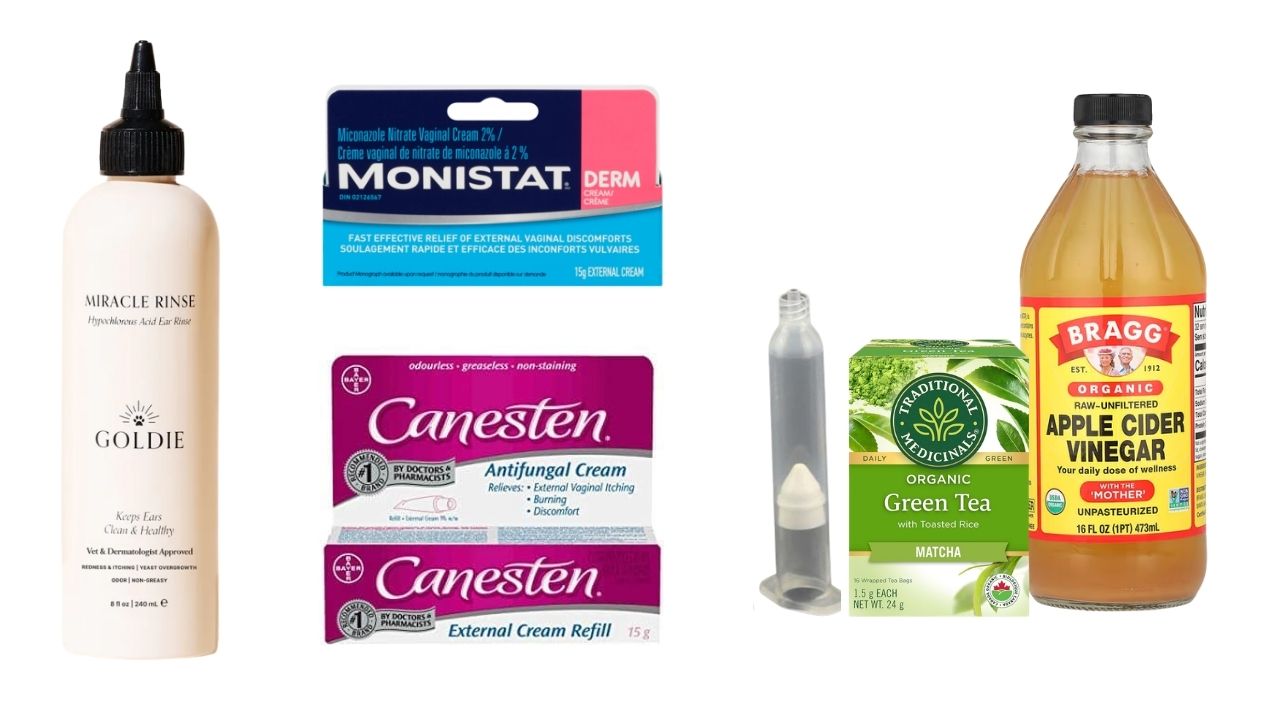
Once the ear is cleaned, you can consider one of these three options.
| Remedy | Main Ingredient | Best For | How Often |
|---|---|---|---|
| Canesten | Clotrimazole | Common yeast ear infections | Twice daily for 5 to 7 days |
| Monistat | Miconazole | Yeast not responding to clotrimazole | Twice daily for 5 to 7 days |
| Green tea and apple cider vinegar | Concentrated green tea plus ACV | Recurring yeast ear infections | Twice daily for 7 to 10 days |
Remedy 1: Canesten for Dog Yeast Ear Infections
Canesten contains the drug clotrimazole.
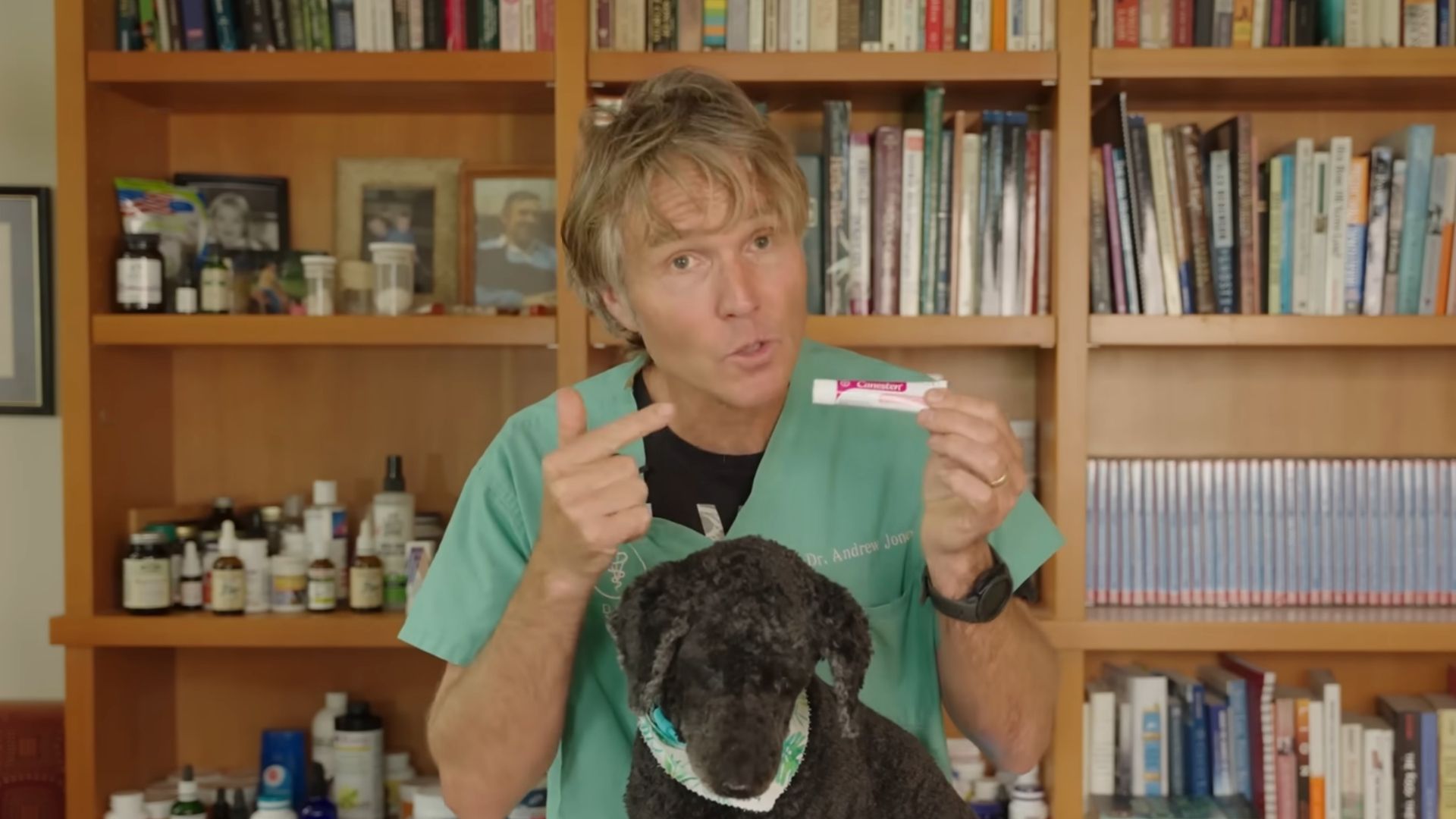
Clotrimazole is one of the most common antifungals found in veterinary ear medications.
That is why I often show this one first.
It has been widely used in millions of dogs.
And in many cases, you can get over-the-counter clotrimazole, including generic versions, at a pharmacy for much less than repeated veterinary ear medications.
How to Use Clotrimazole in a Dog’s Ear
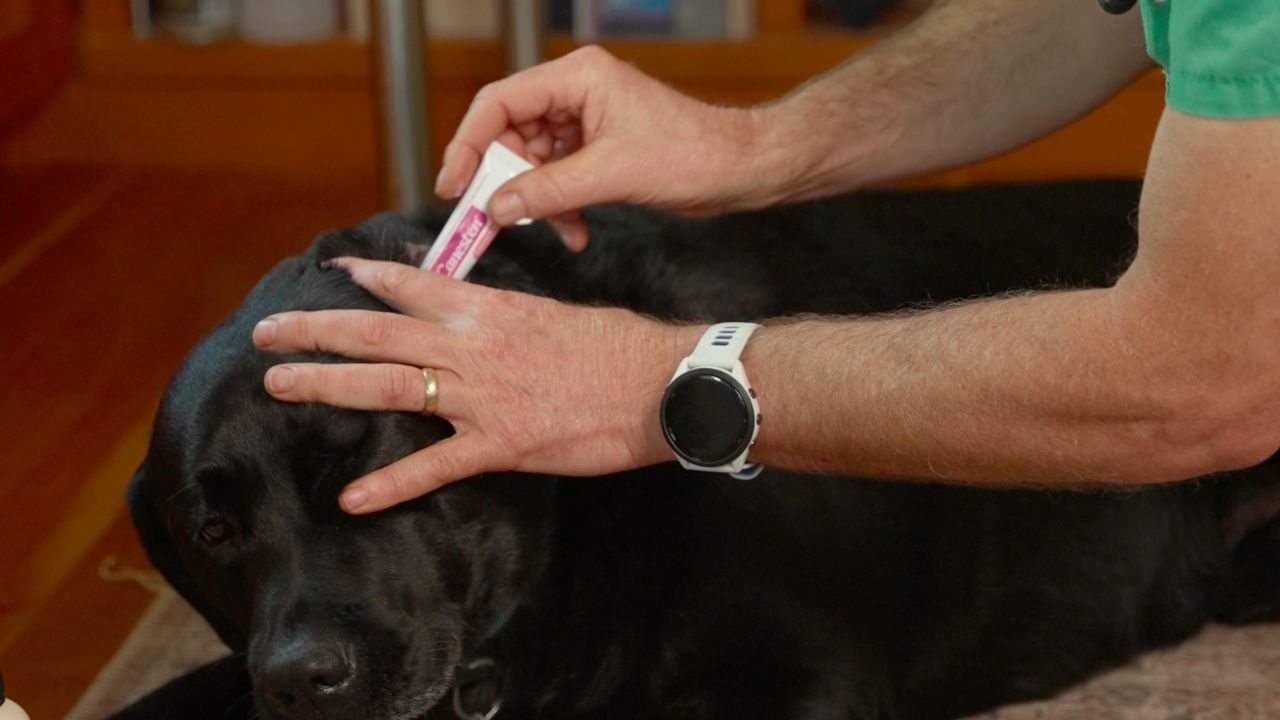
After cleaning the ear:
- Lift the ear flap.
- Expose the opening of the ear.
- Place the tube near the base of the ear.
- Squeeze a small amount into the base of the ear.
- Use about 1/3 of an inch of cream.
- Rub the base of the ear well.
- Let the cream work down the canal.
You should hear that squishing sound again as it moves into the ear.
Clotrimazole Dose and Schedule
Use:
About 1/3 inch of cream into the base of the ear
Give:
Twice daily
For:
5 to 7 days
Many dogs with yeast ear infections respond within that time.
Is Clotrimazole Safe for Dogs?
Clotrimazole is commonly used in veterinary ear medications.
Used topically in the ear as discussed, it is generally a safe option for many dogs with yeast ear infections.
You are not likely to do significant harm using a small amount of Canesten in this way.
But again, this is for the typical yeast ear picture: black wax, yeast smell, mild redness, itching.
If the ear is very painful, badly inflamed, or not improving, get veterinary help.
Remedy 2: Monistat for Dog Yeast Ear Infections
Monistat contains miconazole.
Miconazole is another antifungal.
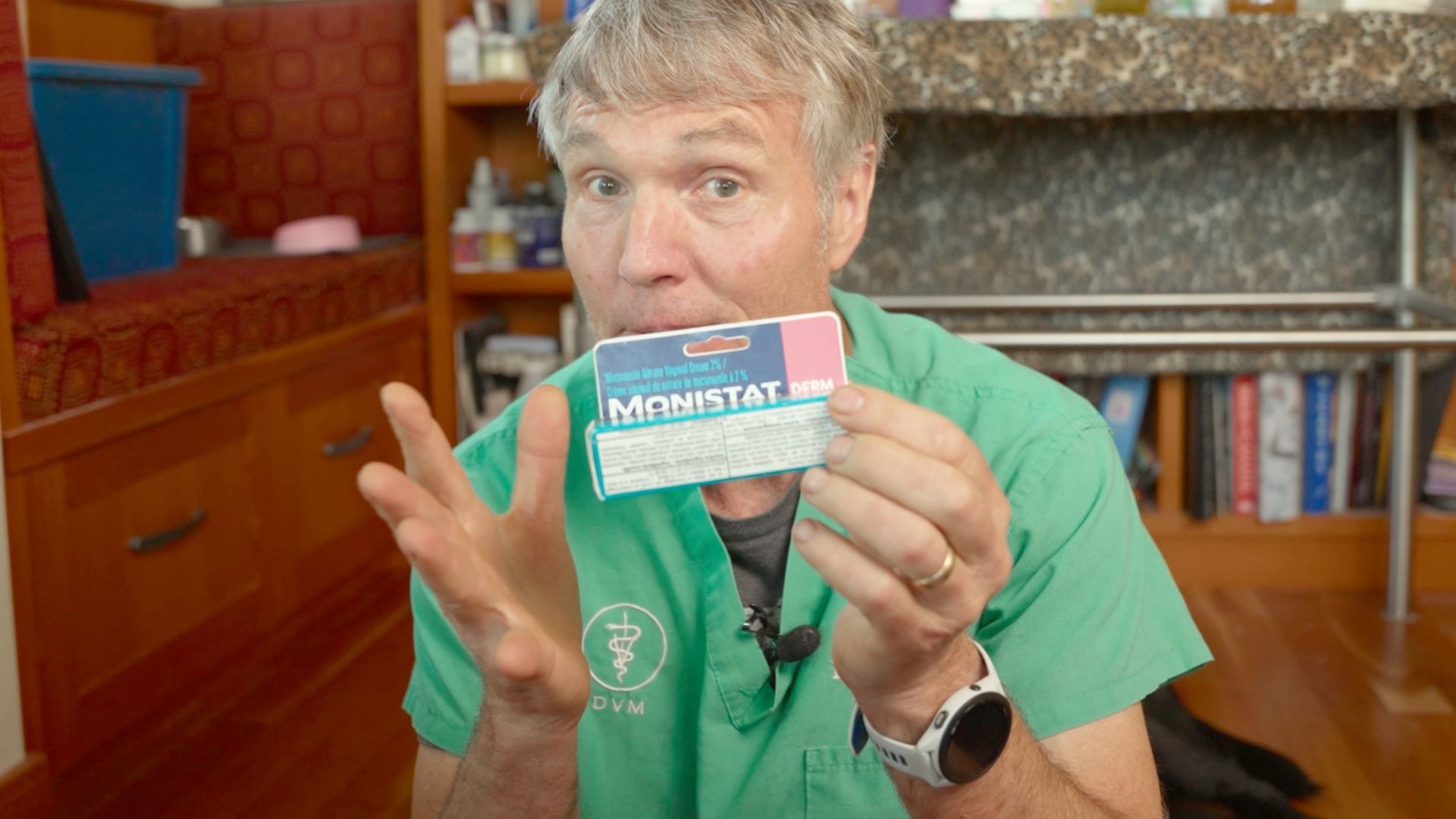
I especially think about miconazole when a dog has yeast that is no longer responding well to clotrimazole.
In practice, I saw some dogs develop yeast infections that were resistant to clotrimazole but still responded to miconazole.
So if Canesten is not working like it used to, Monistat may be another good option.
How to Use Miconazole in a Dog’s Ear
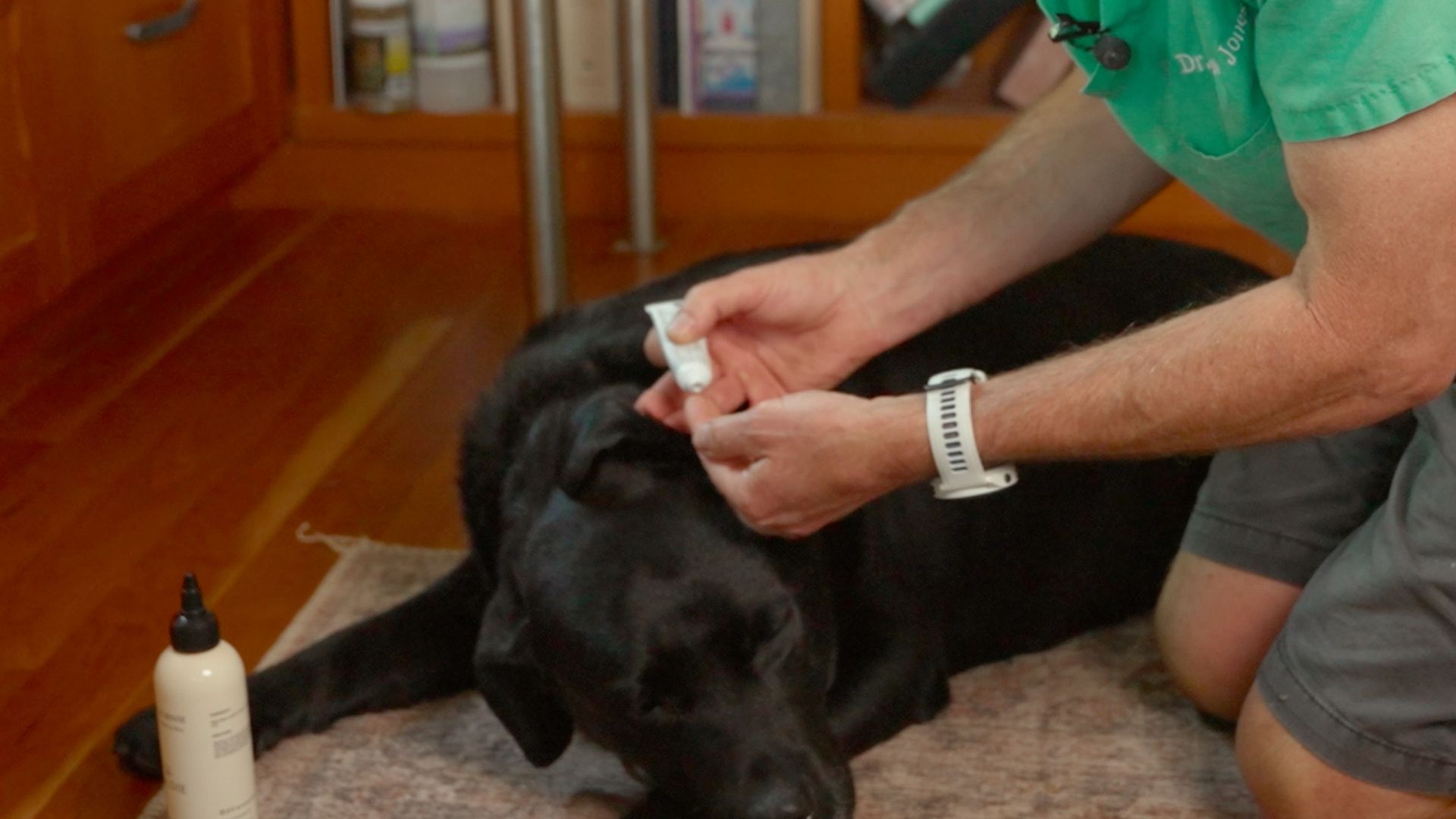
Use it the same basic way as clotrimazole.
- Clean the ear first.
- Lift the ear flap.
- Tilt the head slightly back.
- Seat the miconazole tube near the base of the ear.
- Squeeze out a small amount.
- Aim for about 1/3 of an inch of cream.
- Rub the base of the ear well.
The first time you use it, you can squeeze a small amount onto your finger just to see how much comes out.
That gives you a better idea of the amount before putting it into the ear.
Miconazole Dose and Schedule
Use:
About 1/3 inch of cream into the base of the ear
Give:
Twice daily
For:
5 to 7 days
Most yeast ear infections respond fairly quickly to topical antifungal treatment.
Some mild flare-ups may even settle after 2 to 3 days, but the standard range I would think about is 5 to 7 days.
Clotrimazole vs Miconazole: Which Is Better?
Both can work.
| Option | Best Use |
|---|---|
| Clotrimazole | My first common OTC option for a typical dog yeast ear infection |
| Miconazole | A good option if the yeast is not responding well to clotrimazole |
| Hypochlorous acid cleanser | Best first step before either treatment |
| Veterinary care | Needed if severe, painful, complicated, or not improving |
If you have used clotrimazole repeatedly and your dog is not responding, I would consider miconazole.
If neither is helping, that tells you something else may be going on.
Remedy 3: Apple Cider Vinegar and Green Tea Ear Remedy
This is one of my favorite kitchen-style remedies for recurring dog yeast ear infections.

It uses:
- Concentrated green tea
- Apple cider vinegar
Green tea has anti-inflammatory properties, antibacterial properties, and antifungal properties.
Apple cider vinegar is a strong antifungal and also has antibacterial properties.
Together, they make a useful home remedy for recurring yeast ear infections.
How to Make the Green Tea and Apple Cider Vinegar Ear Remedy
Ingredients
| Ingredient | Amount |
|---|---|
| Concentrated green tea | 1/2 cup |
| Apple cider vinegar | 2 tablespoons |
Directions
- Steep the green tea.
- Let it sit and cool for about 20 minutes.
- Measure 1/2 cup of concentrated green tea.
- Add 2 tablespoons of apple cider vinegar.
- Mix well.
- Make sure it is cooled before using.
Do not use it hot.
Your dog already has an irritated ear.
Let us not add “tea burn” to the problem list.
How to Apply the Green Tea and Apple Cider Vinegar Remedy
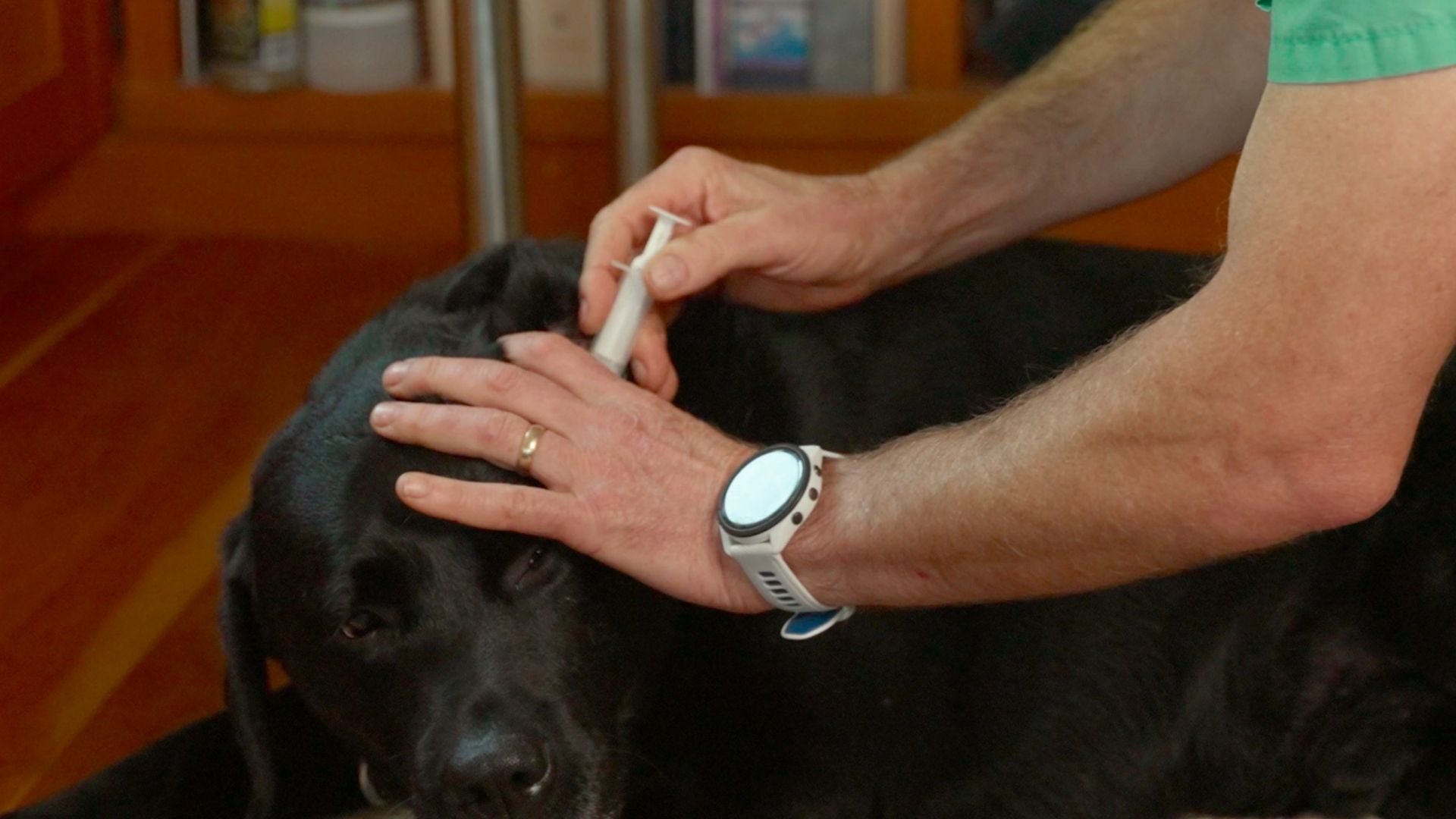
Use a small syringe, such as a 10 cc syringe, if you have one.
- Mix the solution well.
- Draw up about 1 teaspoon into the syringe.
- Lift the ear flap.
- Tilt the ear back gently.
- Seat the syringe at the base of the ear.
- For a large dog, apply about 10 drops into the base of the ear.
- Rub the base of the ear well.
- Let the solution work down the ear canal.
ACV and Green Tea Dose and Schedule
Use:
About 10 drops for a large dog
Or approximately:
Up to 1 teaspoon
Give:
Twice daily
For:
7 to 10 days
This can work very well for recurring dog yeast ear infections.
How Long Does the ACV and Green Tea Remedy Last?
You can keep the mixture in the fridge for about:
1 week
Warm it slightly before use so it is not cold going into your dog’s ear.
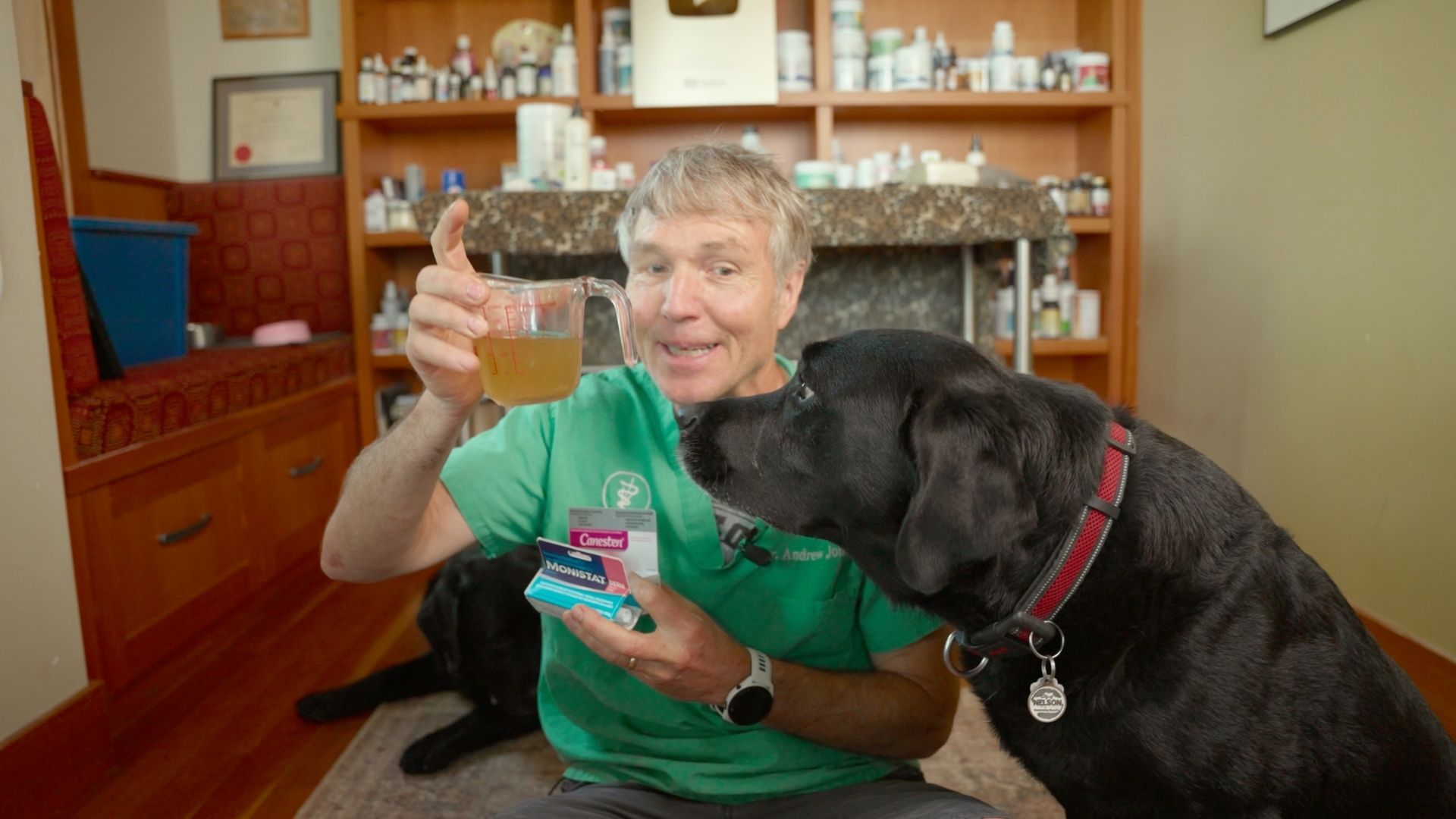
Do not make a giant batch and keep it forever.
This is a fresh home remedy.
Not a science experiment at the back of the refrigerator.
Dog Yeast Ear Infection Dosage Table
| Treatment | Amount | How Often | How Long |
|---|---|---|---|
| Hypochlorous acid ear cleanser | 5 to 10 ml, about 1 tablespoon | Before treatment | Repeat cleaning if needed |
| Clotrimazole, Canesten | About 1/3 inch of cream | Twice daily | 5 to 7 days |
| Miconazole, Monistat | About 1/3 inch of cream | Twice daily | 5 to 7 days |
| Green tea and ACV remedy | 10 drops for a large dog, up to about 1 teaspoon | Twice daily | 7 to 10 days |
| Green tea base | 1/2 cup concentrated green tea | Mix once | Use within about 1 week |
| Apple cider vinegar | 2 tablespoons | Mix with green tea | Use within about 1 week |
Step-by-Step: How I Would Treat a Mild Yeast Ear Flare-Up at Home
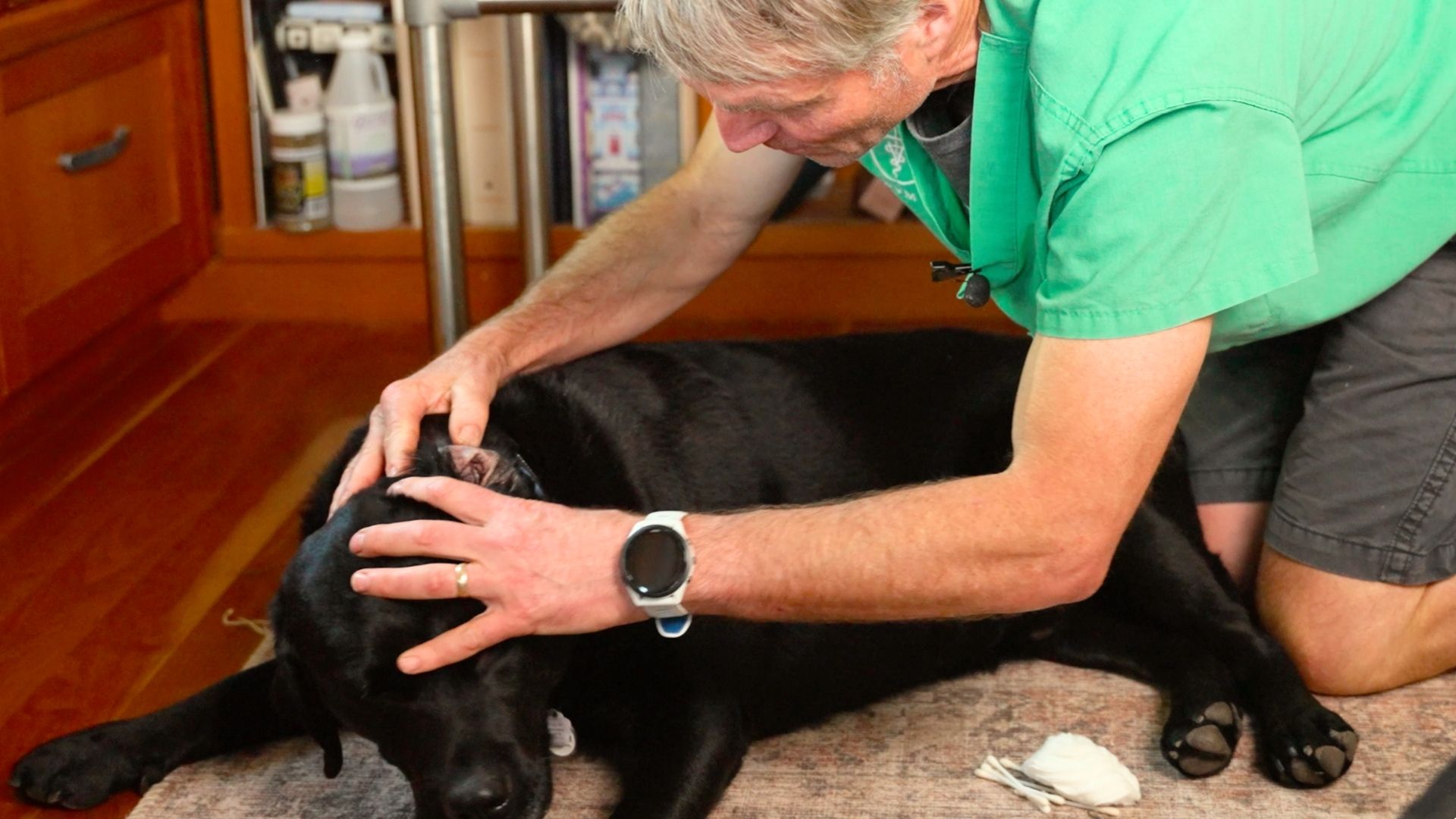
Step 1: Look and Smell
Check for:
- Redness
- Black wax
- Sweet yeasty smell
- Itching
- Scratching
- Head shaking
If it looks and smells like yeast, you can consider home care.
Step 2: Clean the Ear First
Use a gentle cleanser such as hypochlorous acid.
Apply 5 to 10 ml, massage the base of the ear, then wipe out the debris.
Repeat if there is still a lot of black wax.
Step 3: Choose One Remedy
Pick one:
- Clotrimazole
- Miconazole
- Green tea and apple cider vinegar
Do not use everything at once.
Your dog has one ear canal.
It does not need a buffet.
Step 4: Apply Correctly
Seat the treatment at the base of the ear.
Rub the base well so the remedy moves down into the canal.
That rubbing step matters.
Step 5: Treat Long Enough
Most yeast infections respond within:
5 to 7 days
For the ACV and green tea remedy, use:
7 to 10 days
Step 6: Prevent the Next Flare-Up
If your dog gets recurring ear infections, the ideal plan is to keep the ears clean before they flare up.
Especially after swimming or water exposure.
Use a gentle ear cleanser and stay ahead of the yeast.
That is much easier than dealing with the full scratchy, smelly, black-wax situation again.
Best For / Not For
Best For
These home remedies may be helpful for dogs with:
- Mild yeast ear infections
- Black waxy ear debris
- Sweet yeasty ear smell
- Mild redness
- Itchy ears
- Recurring yeast flare-ups
- Ear infections after swimming
- Dogs that have responded to antifungals before
Not For
Do not rely only on home care if your dog has:
- Severe pain
- Severe redness
- Heavy swelling
- Signs of a complicated infection
- Possible Pseudomonas infection
- Strong allergic inflammation
- Ear infection that does not improve
- Repeated infections that keep coming back
- A dog that will not let you touch the ear because it hurts
If it is not responding, something else may be going on.
How to Help Prevent Recurring Yeast Ear Infections
If your dog gets recurring ear infections, prevention matters.
Keep the Ears Clean
Use a gentle ear cleanser before things flare up.
Hypochlorous acid is one good option.
Dry and Clean After Water Exposure
If your dog loves water, keep an eye on the ears.
Too much moisture in the ears gives yeast a chance to grow.
Watch for Early Signs
Treat early when you notice:
- Itching
- Redness
- Smell
- Black wax
- Head shaking
Early care is much easier than waiting until the ear is packed with debris.
When Should You Call Your Veterinarian?
Call your veterinarian if:
- The ear is very painful
- Your dog cries when the ear is touched
- The ear is severely red or swollen
- There is a large amount of discharge
- The infection is not improving after treatment
- The ear infection keeps coming back
- You suspect a bacterial infection
- You suspect a complicated infection such as Pseudomonas
- Allergies may be causing severe inflammation
Home remedies can be very useful for simple yeast ear infections.
But not every ear infection is simple.
Final Thoughts
Black wax and a sweet smelly ear in a dog often points to yeast, especially Malassezia.
The first step is cleaning.
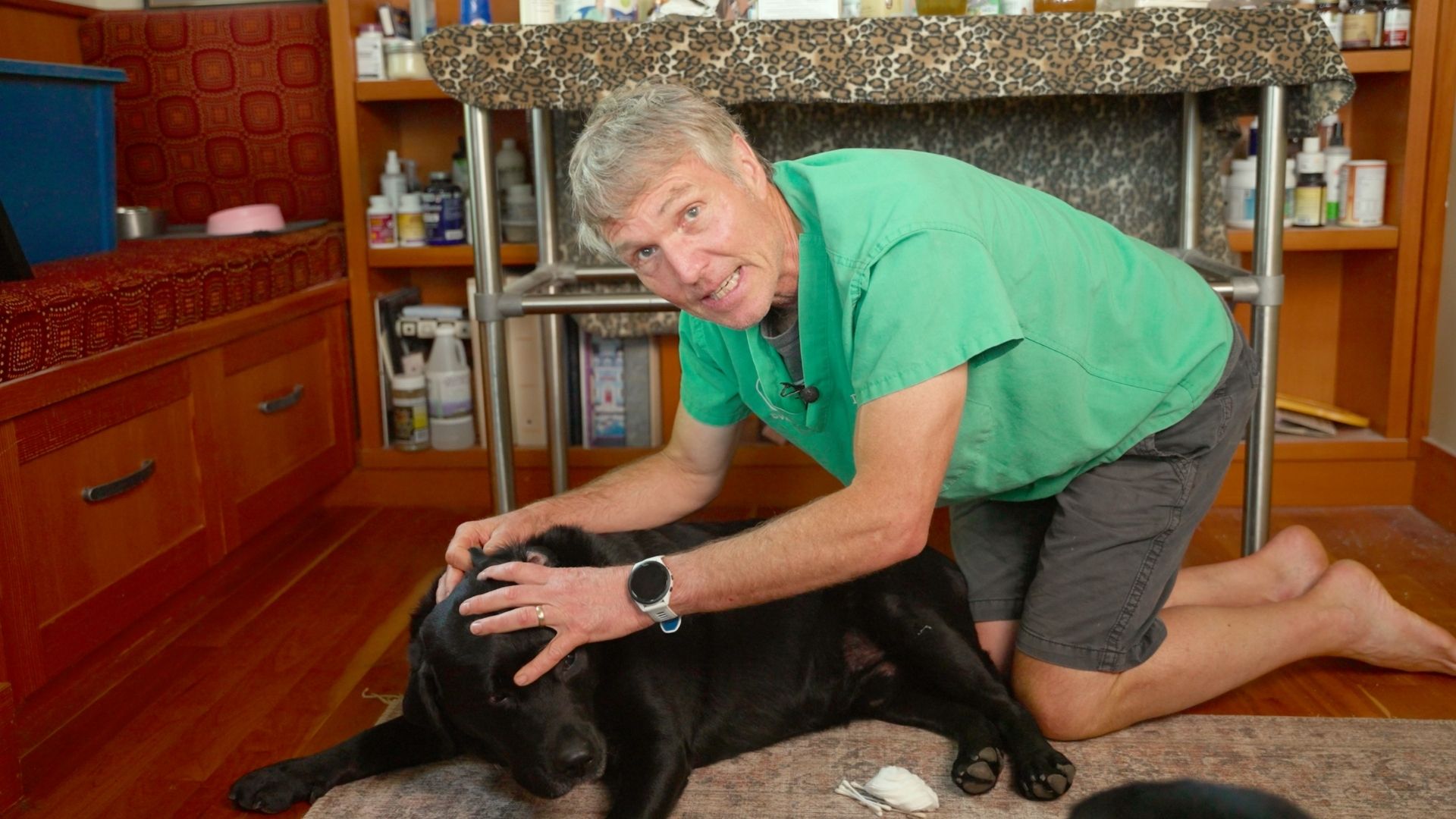
Use a gentle ear cleanser, such as hypochlorous acid, apply enough to flush the ear, massage the base, and wipe out as much debris as possible.
Then you can consider one of three simple options:
- Clotrimazole, such as Canesten
- Miconazole, such as Monistat
- Apple cider vinegar mixed with concentrated green tea
For clotrimazole or miconazole, use about 1/3 inch of cream into the base of the ear twice daily for 5 to 7 days.
For the green tea and apple cider vinegar remedy, mix 1/2 cup concentrated green tea with 2 tablespoons apple cider vinegar, apply about 10 drops for a large dog, and use it twice daily for 7 to 10 days.
Clean first.
Treat properly.
Stay ahead of moisture.
And if the ear is painful, severe, complicated, or not improving, get your veterinarian involved.
Click To Get A Free Copy of My E-Book!

P.S. If your dog has black waxy debris and that sweet yeasty smell, yeast is the first thing I would think about.
Clean the ear well first.
Then try clotrimazole, miconazole, or the apple cider vinegar and green tea remedy.
Simple, inexpensive, and for many dogs, very effective.
P.P.S. If your dog is one of those happy water-loving types, keep those ears clean before they flare up.
Yeast loves moisture.
Your dog loves water.
And you, apparently, get to be the ear-cleaning staff.