Building a Balanced Raw Diet at Home for Dogs: Kay Stewart’s Practical Guide to Fresh Feeding

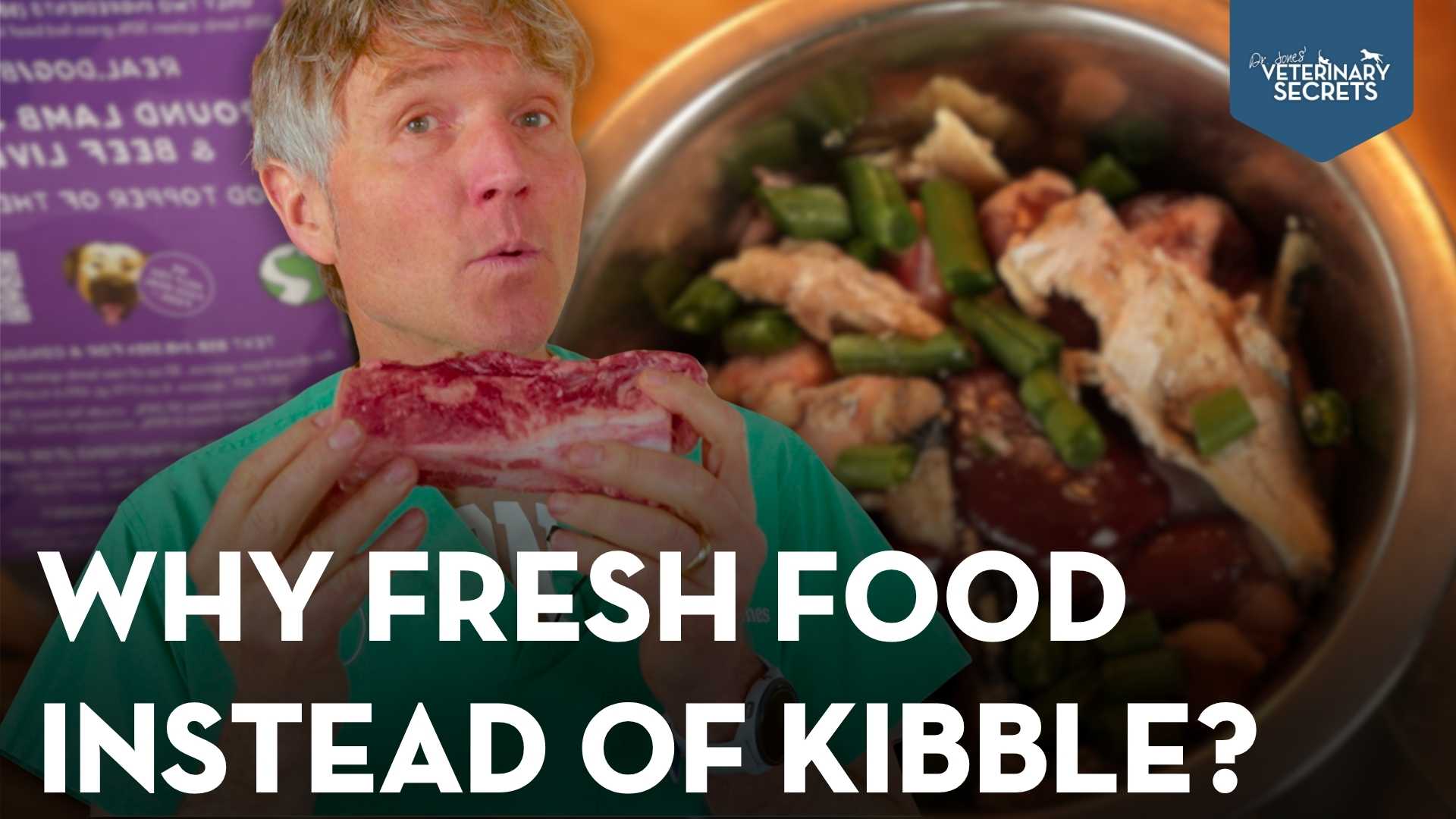
Can You Build a Balanced Raw Diet for Your Dog at Home?
Yes, you can build a balanced raw diet at home for your dog, but it needs to be done with the right components, enough variety, safe handling, and a plan that fits your dog.
That was the main message from my conversation with Kay Stewart from Feed Real Institute.
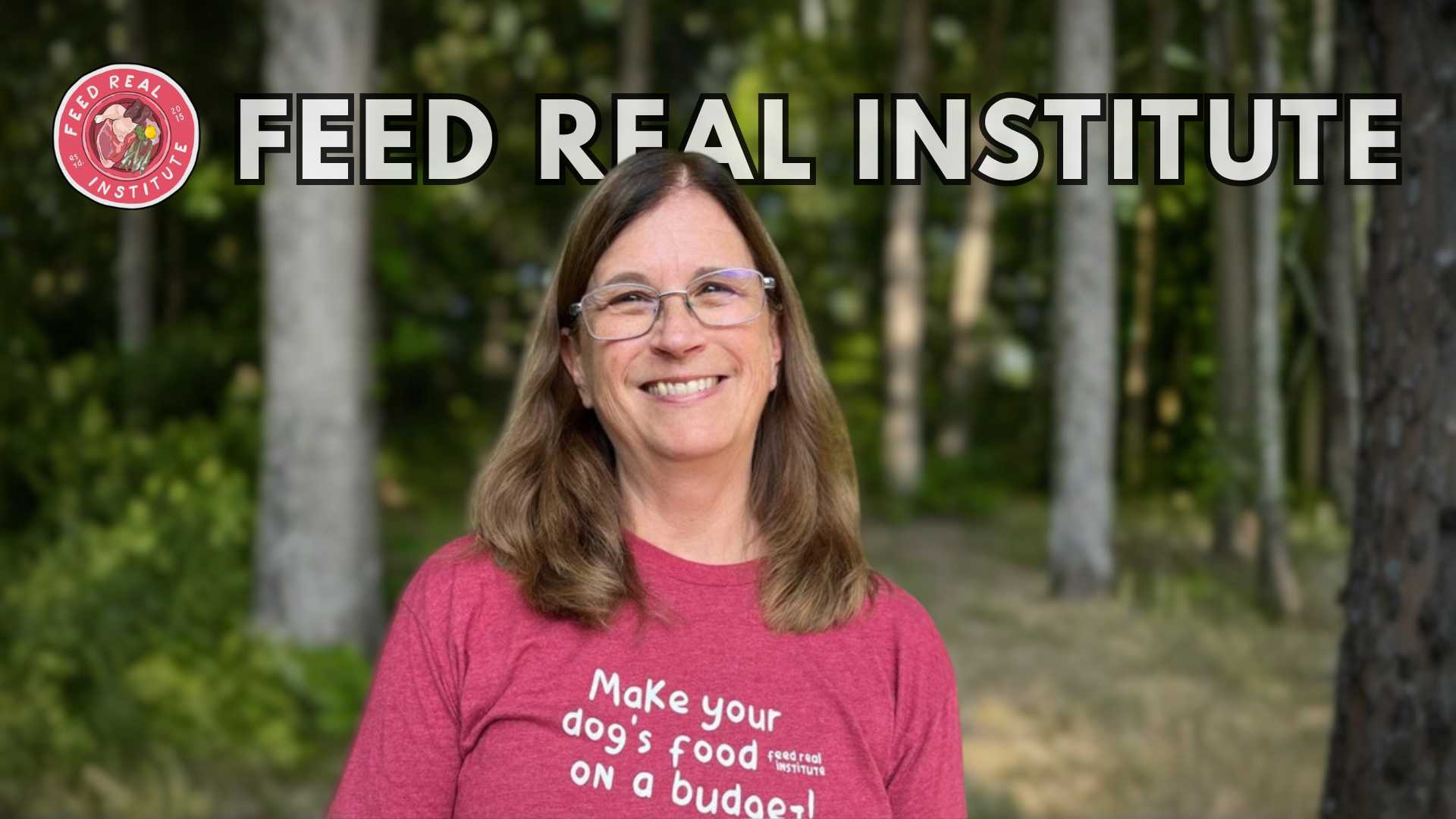
Kay is the lead educator at Feed Real Institute. She is a registered veterinary technician and certified professional canine nutritionist with 40 years of experience. She also spent 32 years of her career at the University of Notre Dame, running animal research facilities.
So when Kay talks about dog nutrition, she is not just winging it with a bag of chicken necks and good intentions.
She teaches this.
And what I really appreciated is that Kay does not say every dog parent has to go “full raw” tomorrow.
Her approach is simple:
Meet people where they are.
Start with fresh food.
Use whole, unprocessed ingredients.
Build balance over time.
And if you are not ready for full raw, gently cooked fresh food is still a major step forward.
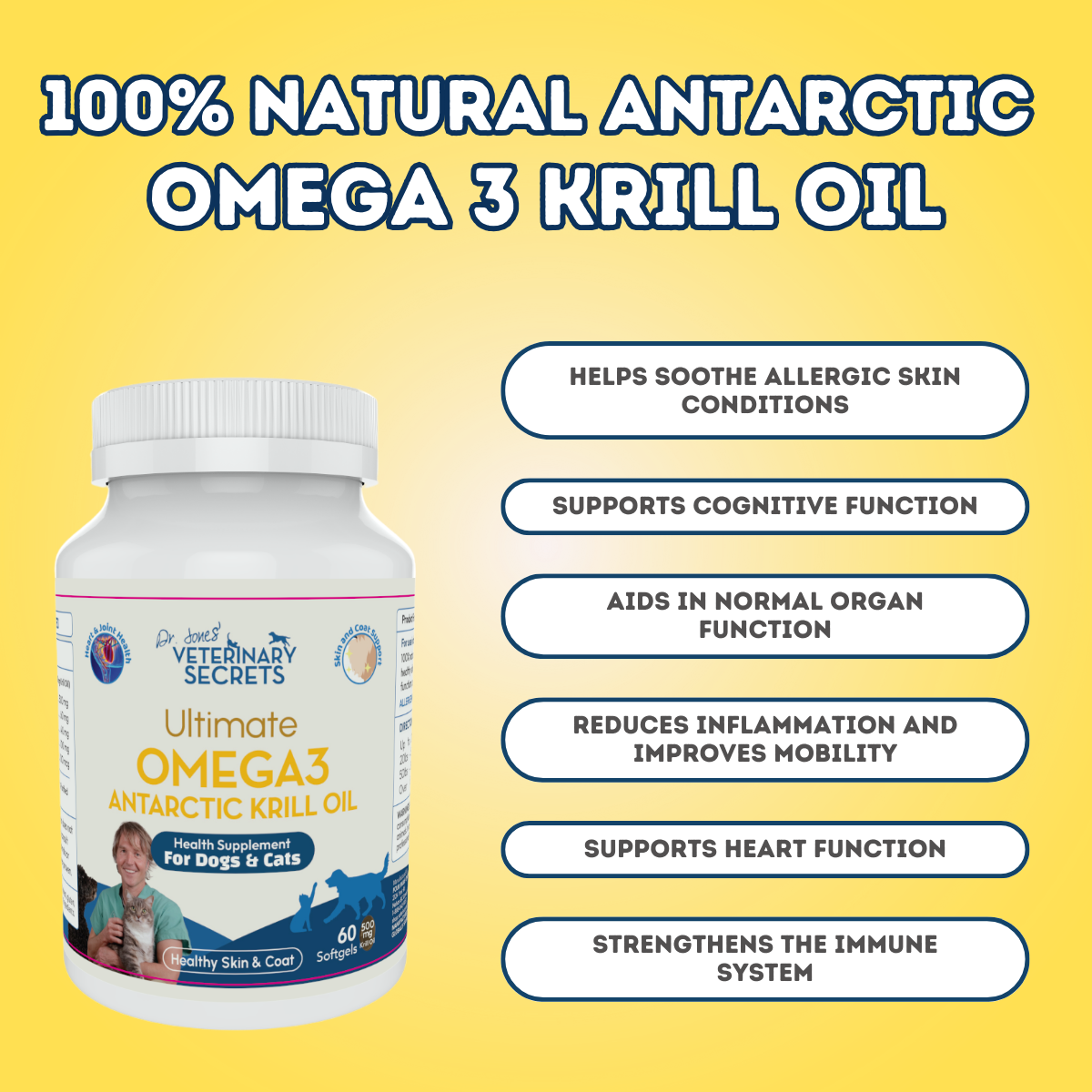
Dr. Jones’ Ultimate Omega 3 Formula for Dogs and Cats


Why Fresh Food Instead of Kibble?
Kay made a point that stuck with me.
Veterinary medicine is the only medical field that often tells people to feed ultra-processed food every day.
Every other medical field is saying the opposite.
Eat less processed food.
Eat more whole food.
Yet many pet parents are told to find one kibble their dog likes and feed it every single day for life.
When you stop and think about it, that does not make much sense.
A fresh food diet gives your dog real nutrients from real food, including animal protein, organs, seafood, bone, fiber, fruits, vegetables, and whole food supplements when needed.
This does not mean every dog needs the same bowl.
That is one of the best parts.
You can tailor the diet to your dog.
Raw, Fresh, or Gently Cooked: What Should We Call It?
Kay said she has moved away from only using the word “raw” because it can be triggering for some people.
A better way to think of it is:
Whole, unprocessed fresh food.
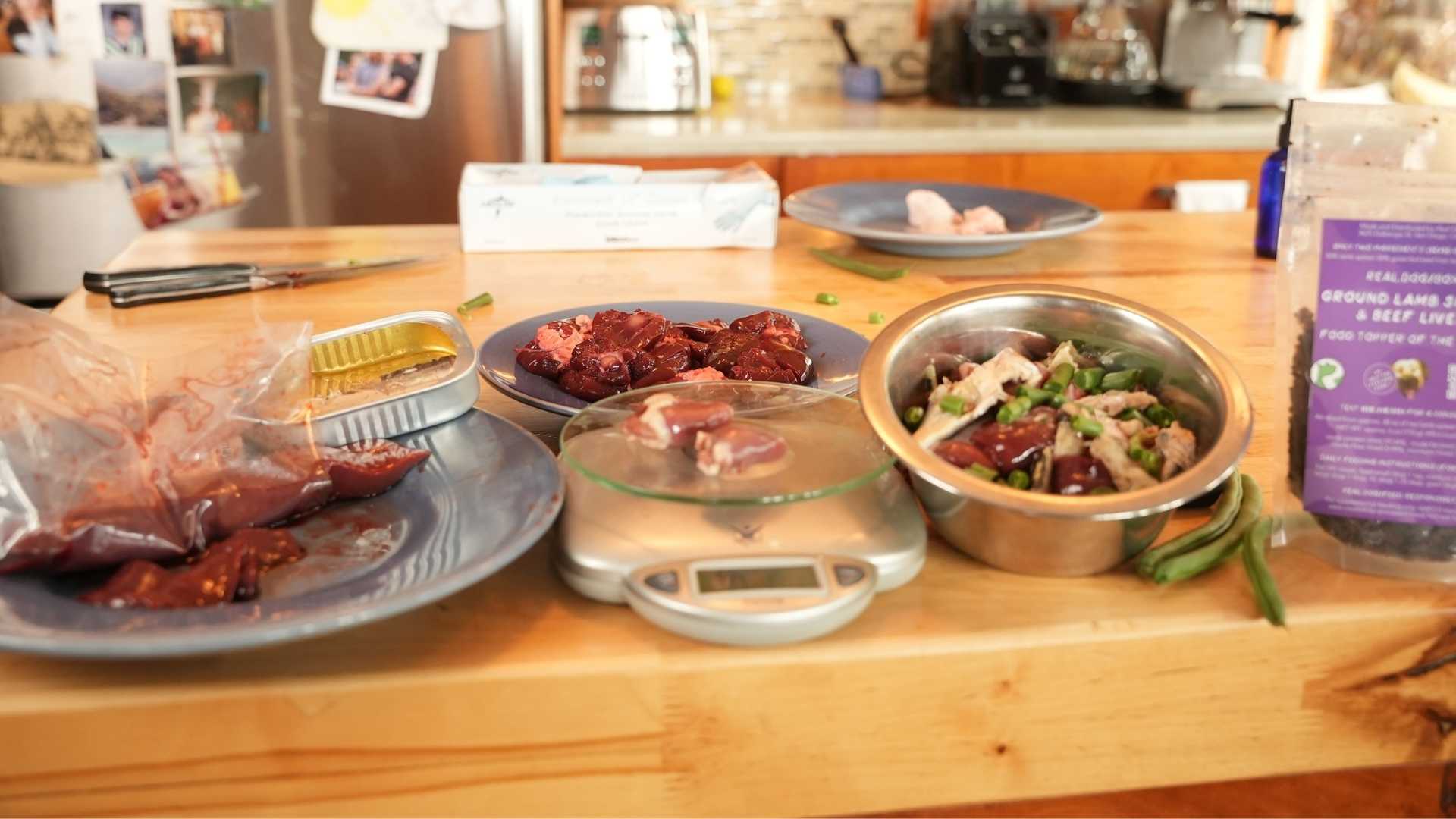
That may include:
- Raw food
- Gently cooked food
- Canned sardines
- Air-dried food
- Freeze-dried food
- Homemade meals
- Fresh toppers added to kibble
There is not just one way to do this.
If you are nervous about raw, start with gently cooked.
If you are still feeding kibble, add fresh food on top.
If your dog has a specific problem, start there.
The goal is not perfection on day one.
The goal is better food, better nutrients, and steady progress.
What Is the Easiest Way to Start Fresh Feeding?
Kay’s favorite first step is omega-3-rich fish.
If your dog is itchy, inflamed, limping, or showing cognitive changes, adding fresh fish can be one of the simplest changes.
Omega-3s are anti-inflammatory.
They help balance the omega-6s that are high in many kibble diets.
Kay shared that one friend added fresh fish to her dog’s food, and within three days the dog stopped scratching all the time.
That does not mean every itchy dog will change in three days.
But it does show how powerful one simple food change can be.
Easy Starter Foods
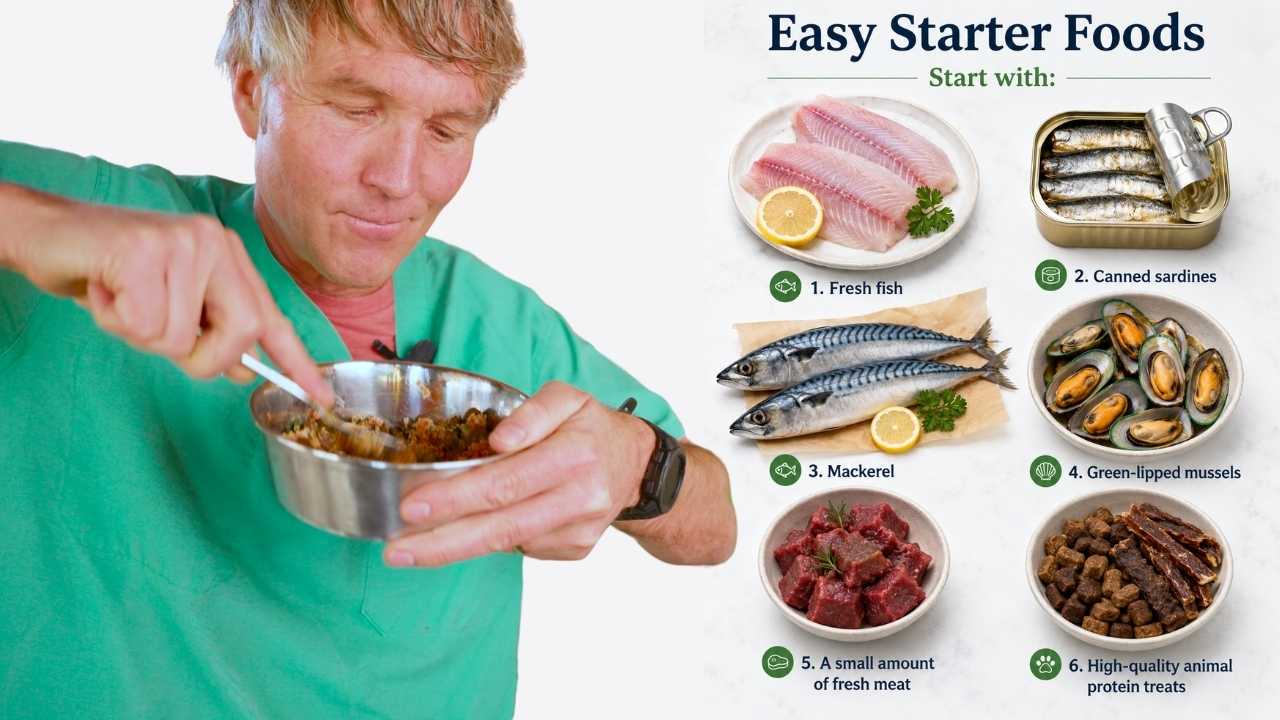
Start with:
- Fresh fish
- Canned sardines
- Mackerel
- Green-lipped mussels
- A small amount of fresh meat
- High-quality animal protein treats
If you do nothing else today, adding fish to the bowl is a good first move.
What Makes a Raw Diet Balanced?
A balanced fresh or raw diet is not just meat.
This is where many people get into trouble.
A proper fresh diet needs the right components.
Kay teaches these core pieces:
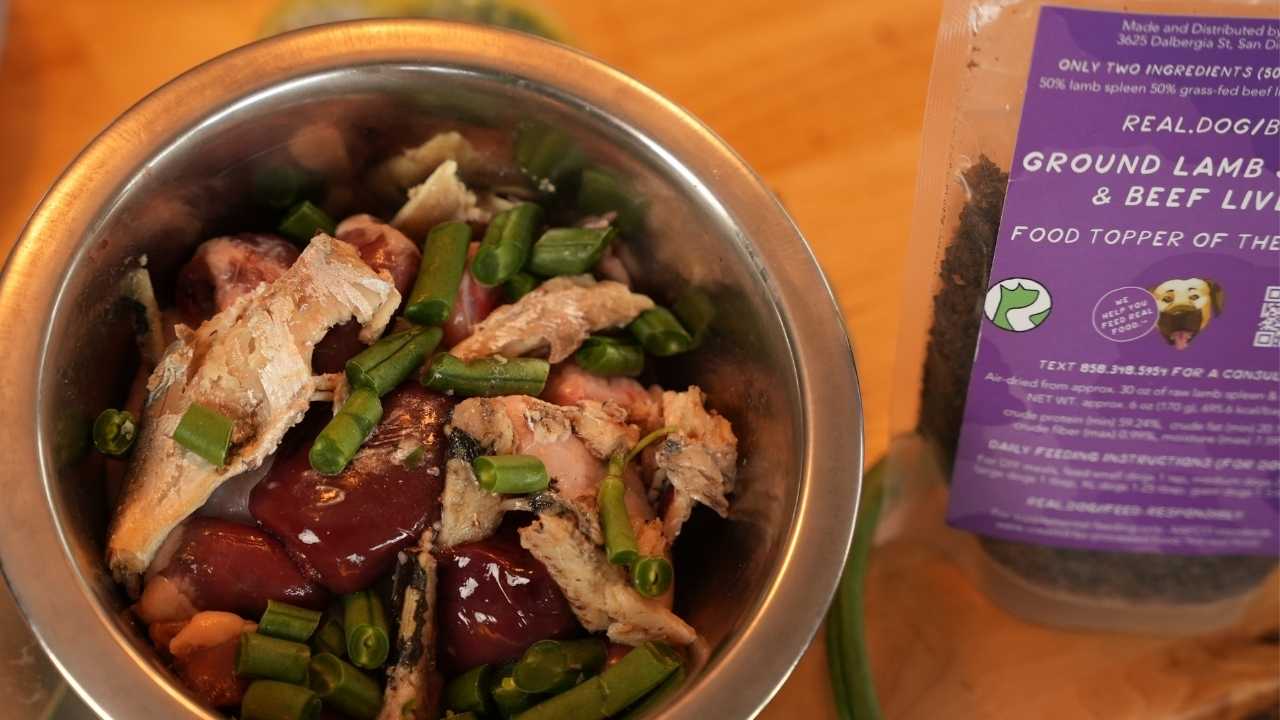
- Muscle meat
- Raw meaty bones or calcium source
- Organs
- Seafood
- Fiber
- Variety over time
This is why Feed Real Institute has a calculator and workshops. You can learn what goes into the bowl and why each piece matters.
The Main Components of a Balanced Raw Diet
| Component | Why It Matters |
|---|---|
| Muscle meat | Provides protein and amino acids |
| Heart | Muscle meat with extra nutrients, including taurine |
| Raw meaty bones | Calcium, phosphorus, minerals, teeth cleaning, jaw exercise |
| Organs | Concentrated vitamins, minerals, and nutrients |
| Liver | Key organ, usually part of every raw diet |
| Seafood | Omega-3s, vitamin D, zinc, iodine |
| Fiber | Gut support, stool quality, trace minerals |
| Fruits and vegetables | Phytonutrients, antioxidants, vitamin C, seasonal variety |
| Whole food supplements | Used for a purpose, not randomly |
Should You Balance Every Meal?
No, not always.
Kay’s approach is balance over time.
That is how we eat too.
I do not eat off a spreadsheet, and I suspect you do not either.
Dogs do not need every single meal to match a nutrient chart down to the microgram. What matters is that over time, they are getting the right variety and the right nutrient foundation.
Puppies are a little different.
With puppies, you need to be more careful because they are growing quickly and their nutrient needs are different.
This is also why Kay is cautious about “all life stages” foods. A puppy, an adult dog, and a senior dog do not all have the same nutrient needs.
That makes sense.
A teenage athlete and a retired grandfather do not need the exact same dinner either.
What About the Feed Real Calculator?
The Feed Real calculator helps dog parents build meals using the right components.
Kay has tested diets from the calculator in a detailed animal diet formulator and found that the meals come very close to established nutrient targets.
But she also made a key point.

Many AAFCO guidelines are based on kibble-fed dogs eating food fortified with synthetic vitamins and minerals.
Fresh whole foods are different.
Natural nutrients may be absorbed differently than artificial nutrients added to processed food.
So the goal is not to panic over being a tiny amount off on a spreadsheet.
The goal is to feed high-quality proteins, rotate foods, include the right components, and balance over time.
Do Dogs Need Supplements on a Raw Diet?
Kay’s answer is one I really like:
Supplement for a purpose.
Do not supplement just because you saw an ad online saying your dog will live forever if you buy a mystery powder.
Supplement because your dog has a specific need.
For example, Kay’s doodle tends to be itchy. The ancestral diet may call for 10% fish in the bowl, but because her dog is itchier in the summer, Kay may feed 20% fish.
That is supplementation with food.
That is targeted.
That makes sense.
Whole Food Supplements Kay Stewart Likes
Kay mentioned:
- Fish for omega-3s
- Mushrooms for immune and microbiome support
- Raw goat milk for gut support
- Real Dog Box organ products
- Fermented vegetable options when needed
- Bone broth for digestive rest
- Pumpkin, slippery elm, and marshmallow root for stool support
The key is consistency.
Whole food support is not a drug.
It may not make a symptom disappear overnight.
The body needs time.
Dr. Jones’ Ultimate Omega 3 Formula for Dogs and Cats
Why Whole Food Nutrients Matter
A supplement may contain one isolated nutrient.
A whole food contains many nutrients working together.
Kay gave the example of vitamin C.
You can give ascorbic acid, but that is only part of what you get from vitamin C-rich foods like oranges or strawberries.
Whole food gives additional compounds around that nutrient.
That is one reason Kay prefers whole food nutrients when possible.
I agree with that.
There are things in real food that we still do not fully understand.
The food knows more than we do sometimes.
Raw Meaty Bones: Helpful or Dangerous?
Raw meaty bones can be very beneficial, but only when fed correctly.
They can provide:
- Calcium
- Phosphorus
- Minerals
- Teeth cleaning
- Jaw exercise
But they also require common sense.
Kay was very clear on this.
Do not hand your dog a bone for the first time and walk away.
Bone Safety Rules
Use these rules:
- Supervise your dog with bones
- Make sure your dog knows how to chew
- Hold the bone the first few times if needed
- Give smaller pieces to beginners
- Cut bones into 1-inch pieces for gulpers
- Match the bone to the dog
- Use digestible bones
- Remove recreational bones once meat is chewed off
- Do not feed processed, boiled, artificially flavored store bones
Safer Digestible Bones
Kay mentioned:
- Poultry bones
- Rabbit bones
She also mentioned recreational bones such as deer legs, but she removes them once the dog has chewed off the meat because those bones are too large to be swallowed and eaten.
Avoid These Bones
Avoid large, processed femur bones from big box stores.
Kay described them as basically giving concrete to your dog.
They can chip teeth.
That is not a dental chew.
That is a vet bill wearing a smoke flavor.
What If My Dog Can’t Chew Bones?
Not every dog can handle raw meaty bones.
Some dogs do not know how to chew them.
Some are gulpers.
Some are older.
Some just cannot do it.
If your dog cannot eat bones, Kay recommends alternatives.
Bone Alternatives
Options include:
- Ground whole bone mixed with meat
- Commercial grinds that include bone
- High-quality bone meal if needed
Ground bone still provides the nutrients, but it does not provide the same teeth cleaning and jaw exercise as chewing raw meaty bones.
Still, it may be a safer option for some dogs.
What About Salmonella and Raw Food Safety?
This is one of the biggest concerns people have with raw feeding.
Kay mentioned a study from Helsinki involving over 16,000 households over about six years. There were only three cases correlated with the food, and it was not proven as the cause. She described the result as 99.996% safe.
But safety still matters.
Use common sense.
Raw Feeding Hygiene Rules
Kay recommends:
- Disinfect the kitchen after prep
- Clean the floor if food drops
- Use a separate cutting board for raw meat
- Wash bowls every day
- Use hot soapy water
- Wash the water bowl
- Keep the backyard cleaned up if children play there
- Trim long facial hair on dogs if needed
- Wash the face if a higher-risk person is visiting
- Use air-dried or freeze-dried food when traveling
Kay feeds her dog on a platter, and that platter is washed after every meal.
That is the kind of simple hygiene that makes raw feeding much safer.
How Much Time Does Raw Feeding Take?
One of the biggest worries is time.
Kay said she spends about six hours a month to fully fresh feed her dog and her daughter’s dog.
Those dogs are about 30 and 40 lbs, and she spends around $120 a month for both of them.
That is far less intimidating than many people think.
The biggest helper is a freezer.
If you can buy in bulk, it gets cheaper.
Kay uses a raw feeding co-op about an hour away. She loads up every other month, fills the freezer, and has what she needs.
How Can You Source Raw Food on a Budget?
Sourcing was one of the biggest concerns from viewers.
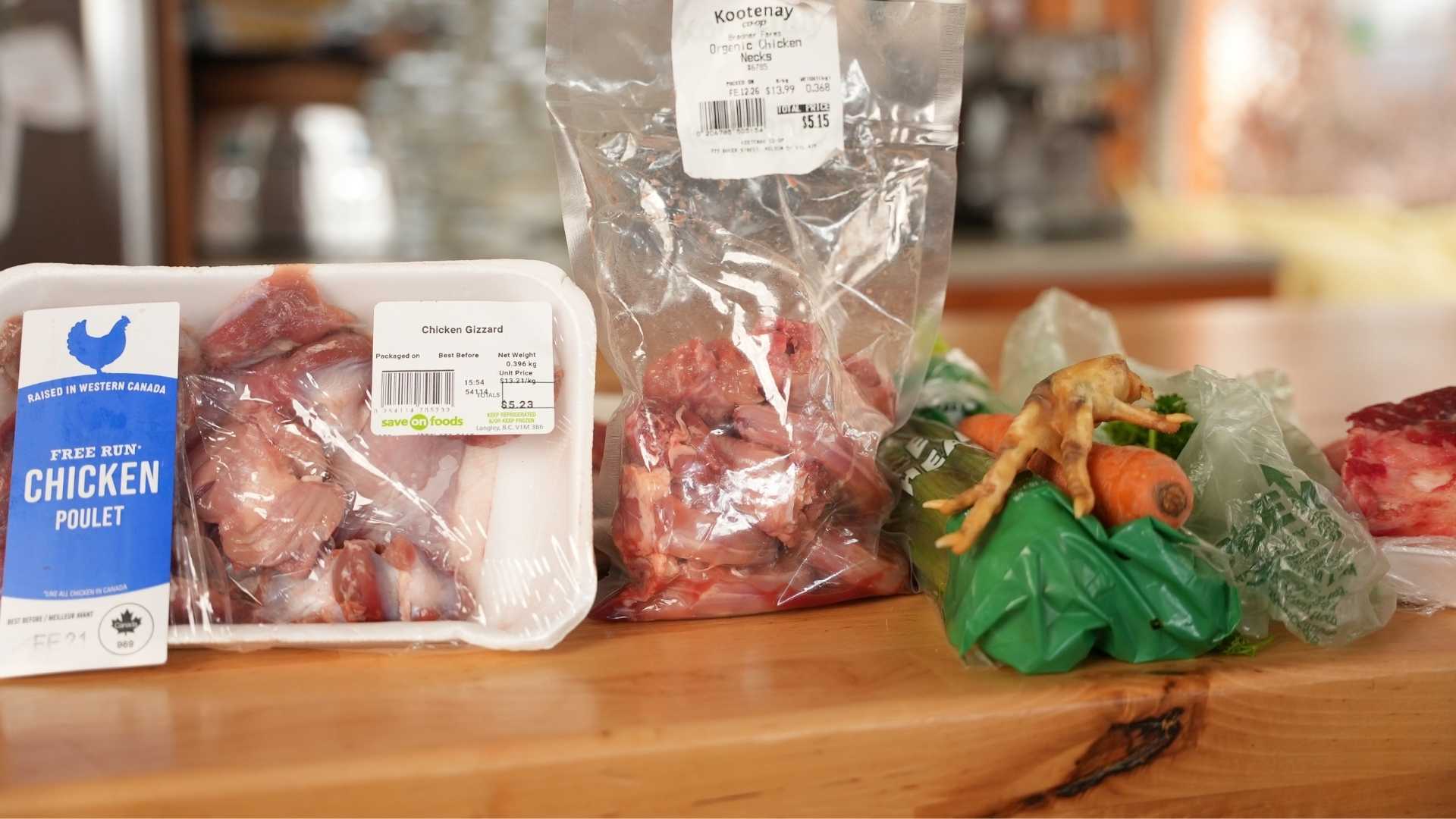
Kay’s suggestions included:
- Raw feeding co-ops
- Buying in bulk
- Having freezer space
- Local farms
- Ethnic markets
- Asian markets
- Mexican or Latino markets
- Real Dog Box for organ toppers
- Commercial raw products when appropriate
Ethnic markets often carry organs that regular grocery stores do not.
Kay mentioned finding pig uterus, testes, and ovaries, which she uses for endocrine support. If her dog will not eat those raw, she lightly sautés them.
That is the kind of practical workaround I appreciate.
Feed the dog in front of you.
Not the dog in the textbook.
What Oils Should You Use?
Kay avoids seed oils.
She specifically said not to use oils like:
- Canola oil
- Sunflower seed oil
The concern is how they are processed.
Better options include:
- Cold-pressed avocado oil
- Cold-pressed olive oil
- Butter
- Tallow
- Lard
She often uses avocado oil, but olive oil is fine too.
Why Organs Matter in Raw Feeding
Organs are nutrient-dense.
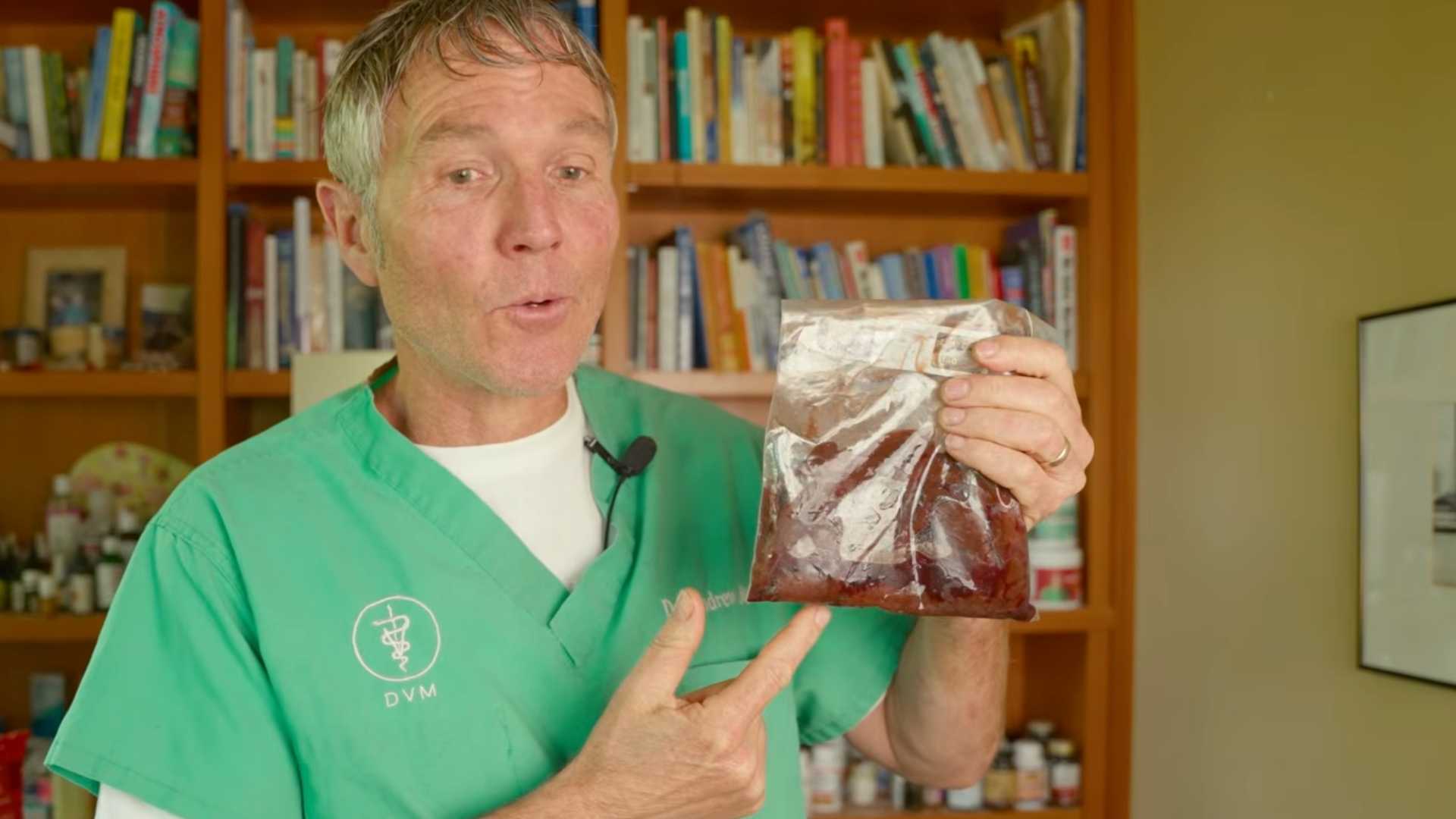
Liver is a key organ in fresh feeding and is often included in raw diets.
Kay said meals may include at least 5% liver, and she does not like going over 12% because too much organ can cause loose stools.
Organs provide nutrients that muscle meat alone does not.
If you can afford organic or grass-fed organs, Kay believes that is one of the most important places to spend the money.
Why?
Because organs detoxify the animal they came from.
Cleaner organs are better.
That said, if all you can afford is regular grocery store meat, Kay still says you are leaps and bounds ahead of kibble.
Good.
No guilt required.
Just do the best you can.
Grass-Fed vs Grass-Finished Meat
Kay explained that “grass-fed” can be a marketing term.
In the United States, if a cow was on grass for even one day, it may be called grass-fed.
What Kay looks for is:
- Grass-finished
- Local farmers with good practices
- Animals raised on pasture
- Animals moving in sunlight
- Better quality organs when possible
Grass-finished animals may provide more antioxidants, vitamins A and E, and trace minerals than feedlot animals.
But again, do not let perfect become the enemy of better.
Why Seafood Is Important
Seafood is one of the most important raw diet components.
Fish provides:
- Omega-3 fatty acids
- Vitamin D
- Zinc
- Iodine
Kay prefers fatty fish, especially smaller fatty fish.
Fish Options
Good options include:
- Sardines
- Mackerel
- Fresh fish
- Green-lipped mussels
- Mussels
- Steamed oysters
Oysters are high in zinc, but Kay says they should be steamed, not raw, because of toxoplasmosis risk.
Green-lipped mussels, especially from New Zealand, are another excellent option.
They provide EPA and DHA omega-3s and add variety.
What About Flaxseed for Cats?
Kay was very clear.
For cats, flaxseed is not useful for omega-3s.
Cats are not going to process the omegas in flax well.
If you want omega-3s for cats, give fish.
Nice and simple.
Chicken Allergies: Is It Really the Chicken?
A common question was why so many dogs seem allergic to chicken.
Kay’s answer was interesting.
Often, dogs are not truly reacting to fresh chicken.
They may be reacting to everything else in the processed food labeled “chicken.”
That may include:
- Fillers
- Preservatives
- Dyes
- Processing byproducts
- High omega-6 content
Kay said that when many dogs are taken off processed food and given fresh chicken, they do fine.
She estimated that 9 times out of 10, or even more, they tolerate fresh chicken.
That said, her own dog can get itchier if she gets too much chicken, likely because chicken is higher in omega-6s.
When Kay feeds chicken, she adds extra fish to balance the omegas.
That is a practical point.
The answer is not always “never feed chicken.”
Sometimes the answer is “feed fresh chicken and balance it properly.”
Why Heart Is a Great Food
Heart is technically muscle meat, but it is extra nutrient-rich.
Kay includes heart in every meal for her dog.
Usually, 10 to 15% of the muscle meat is heart.
She uses different species, including:
- Beef heart
- Lamb heart
- Turkey heart
- Other hearts available through her co-op
Heart is especially helpful for cats because it contains taurine.
Cats need taurine for proper heart and eye function.
What About Cats and Fresh Food?
Kay works mainly with dogs, and Feed Real is currently dog-focused, but she has also transitioned cats.
Her daughter’s cats were 10 and 11 when Kay transitioned them.
They are now 13 and 14, and she says the 14-year-old calico acts nothing like an old cat.
Her point was clear:
Cats need fresh food too.
And in her words, the kibble we are feeding cats is just not helping them.
Cats need animal protein.
If you are feeding cats, remember:
- Use fish for omega-3s
- Do not rely on flaxseed
- Include taurine-rich foods like heart
- Cats may need a different approach than dogs
- Fresh animal protein matters
What About Pancreatitis?
A viewer asked about a dog with pancreatitis who hated prescription food.
Kay said Feed Real has a full article on pancreatitis, but she also gave practical points.
For pancreatitis, she would focus on:
- Lean meats
- A little extra fiber
- Fresh food
- Gently cooked food if needed
- Digestive enzymes
She also explained that pancreatitis may not be only about fat.
High-carbohydrate kibble may also be a major issue because dogs do not have amylase in their saliva. Carbohydrate breakdown starts later in the digestive tract, and the pancreas has to help with that process.

If the diet is 40 to 60% carbohydrates, the pancreas may struggle to keep up.
So for dogs with pancreatitis, the goal is not just “low fat forever.”
It may be:
- Less kibble
- Fewer heavy carbs
- Lean fresh protein
- Easier digestion
- Digestive enzyme support
And yes, if a dog eats a bucket of lard, that can still cause pancreatitis.
No one is recommending the bucket of lard diet.
What About Fiber?
There is debate about how much plant fiber dogs need.
Kay uses fiber based on the dog.
Some dogs do well with plant fiber.
Some need less.
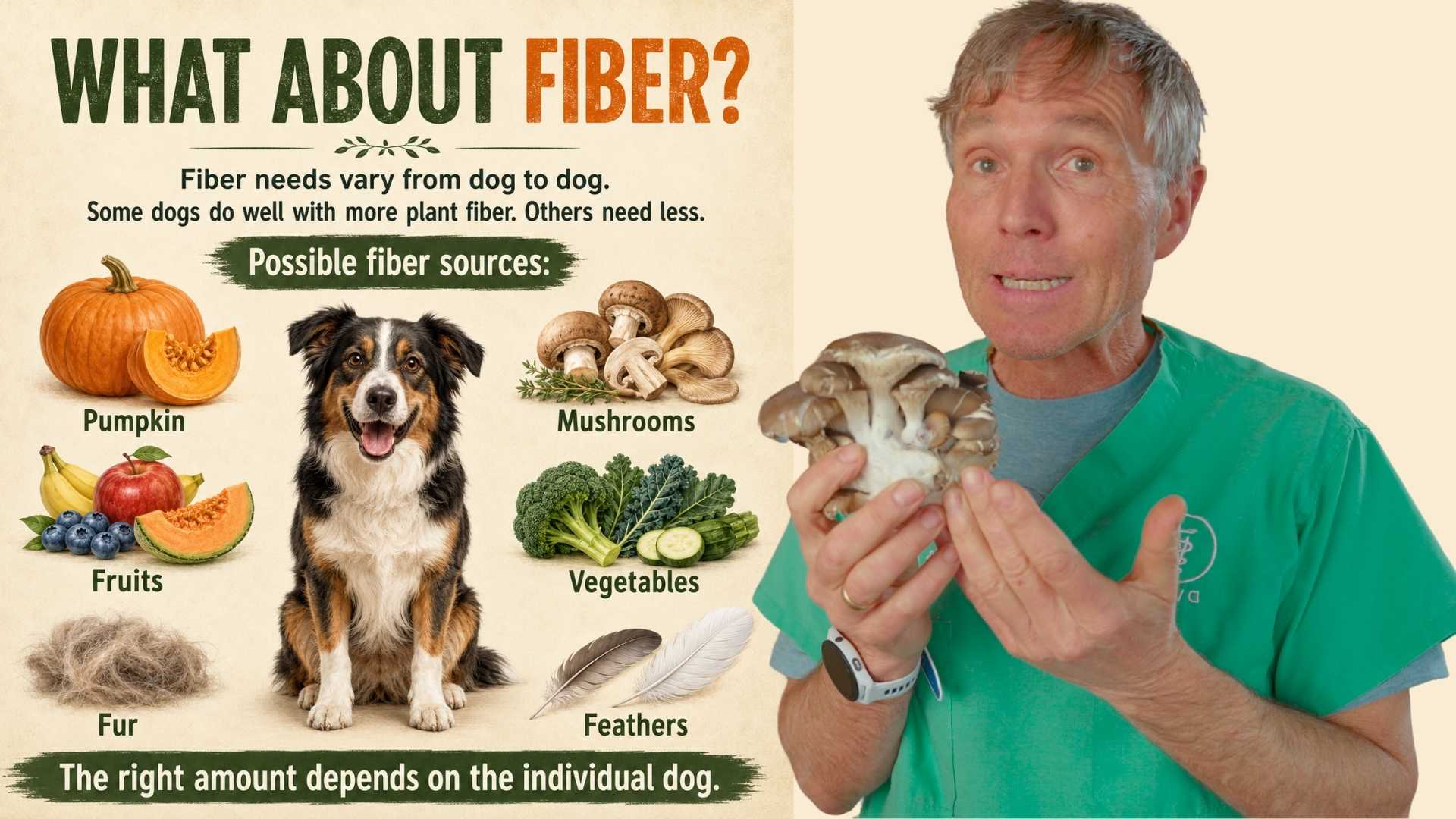
Some fiber sources mentioned include:
- Pumpkin
- Mushrooms
- Fruits
- Vegetables
- Fur
- Feathers
Mushrooms contain both soluble and insoluble fiber, plus medicinal properties.
Fur and feathers may provide trace minerals, including manganese.
Kay mentioned that manganese is important for tendons and ligaments, and that deficiencies are being seen especially in kibble-fed dogs.
She linked this to dogs blowing out cruciate ligaments.
Not every dog tolerates fur well. Kay’s dog gets limited amounts because too much makes defecation harder.
Again, the answer is not “this is perfect for every dog.”
The answer is watch your dog.
What Should Dog Poop Look Like on a Raw Diet?
Kay is a big believer in watching poop.
What comes out tells you what is going on inside.
Fresh-fed dogs often poop less, and the stool often smells less.
Kay said 40 to 60% of kibble may not even be digested and absorbed, which means much of it goes in one end and comes out the other.
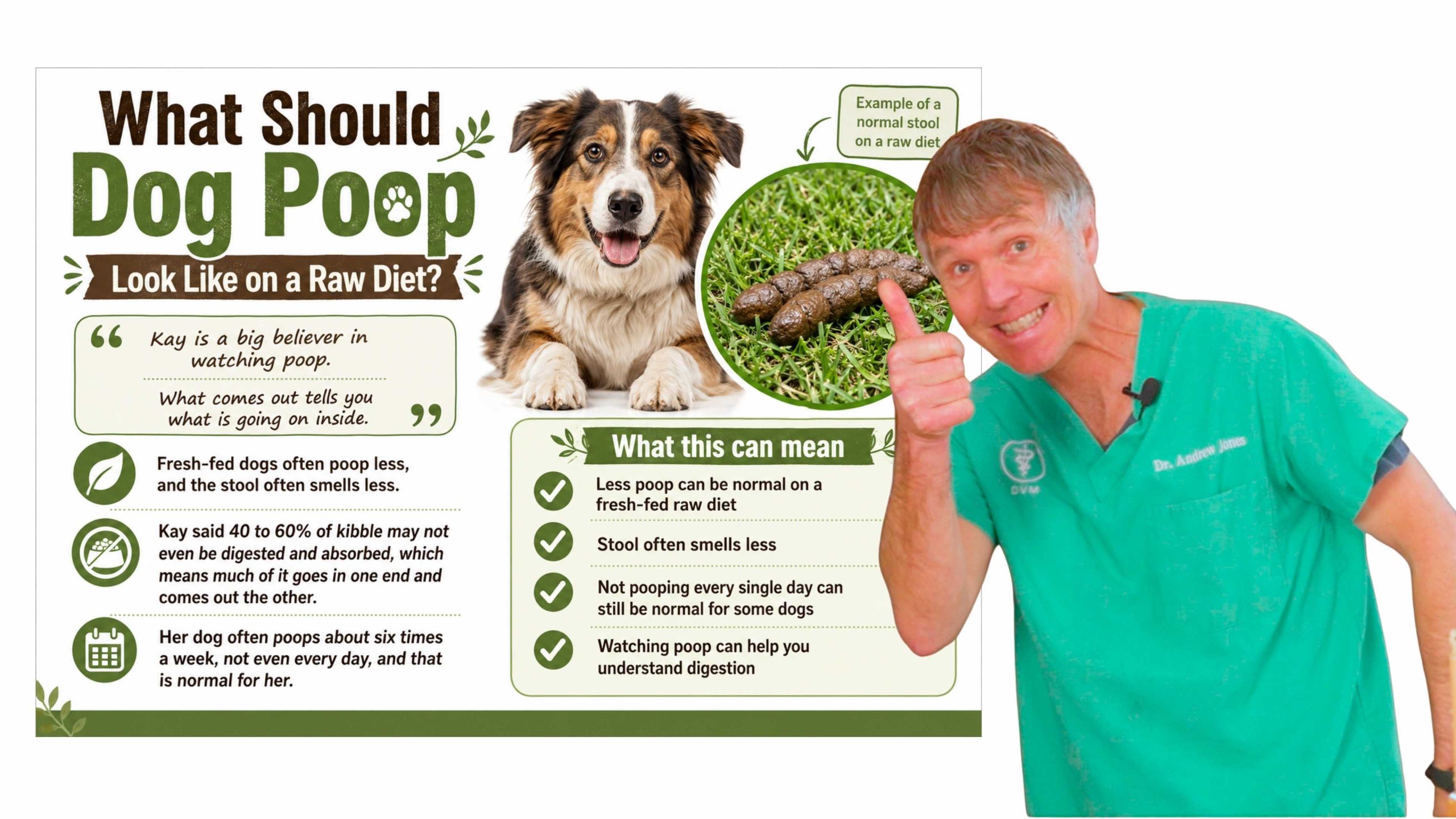
Her dog often poops about six times a week, not even every day, and that is normal for her.
Stool Clues
| Stool Change | Possible Meaning |
| Very hard stool | Too much bone |
| White chalky stool coming out | Too much bone |
| Stool dries white later | Can be normal |
| Black, sticky, tar-like stool | Possible GI bleed, call your veterinarian |
| Dark stool | May be from berries or organs |
| Reddish stool | May be from red meat |
| Orange or yellow stool | May be from poultry |
| Loose stool | May need diet adjustment, pumpkin, slippery elm, or digestive rest |
Kay keeps pumpkin, slippery elm, marshmallow root, and bone broth on hand.
If her dog has a big bout of diarrhea, she may rest the gut for 12 hours with bone broth, or up to 24 hours if needed, then slowly transition back.
Should You Use Probiotics?
Kay sees probiotics as useful in certain situations.
For example:
- When starting a fresh diet
- After antibiotics
- After steroids
- After digestive upset
But if a dog is eating a whole unprocessed diet and has healthy stools, she does not think probiotics are always needed every day.
She also uses:
- Raw goat milk
- Mushrooms
- Whole food prebiotics
Goat milk is easier to digest than cow milk. Cow kefir may be easier than plain cow milk because it is fermented, but Kay still prefers goat.
Dr. Jones’ Ultimate Probiotic Formula for Dogs and Cats
Freeze-Dried Raw: Is It Good?
Kay likes freeze-dried raw as a backup and travel option.
It is convenient.
It may look expensive, but because it is nutrient-dense and lightweight, the cost comparison is not always as bad as it looks.
The key is moisture.
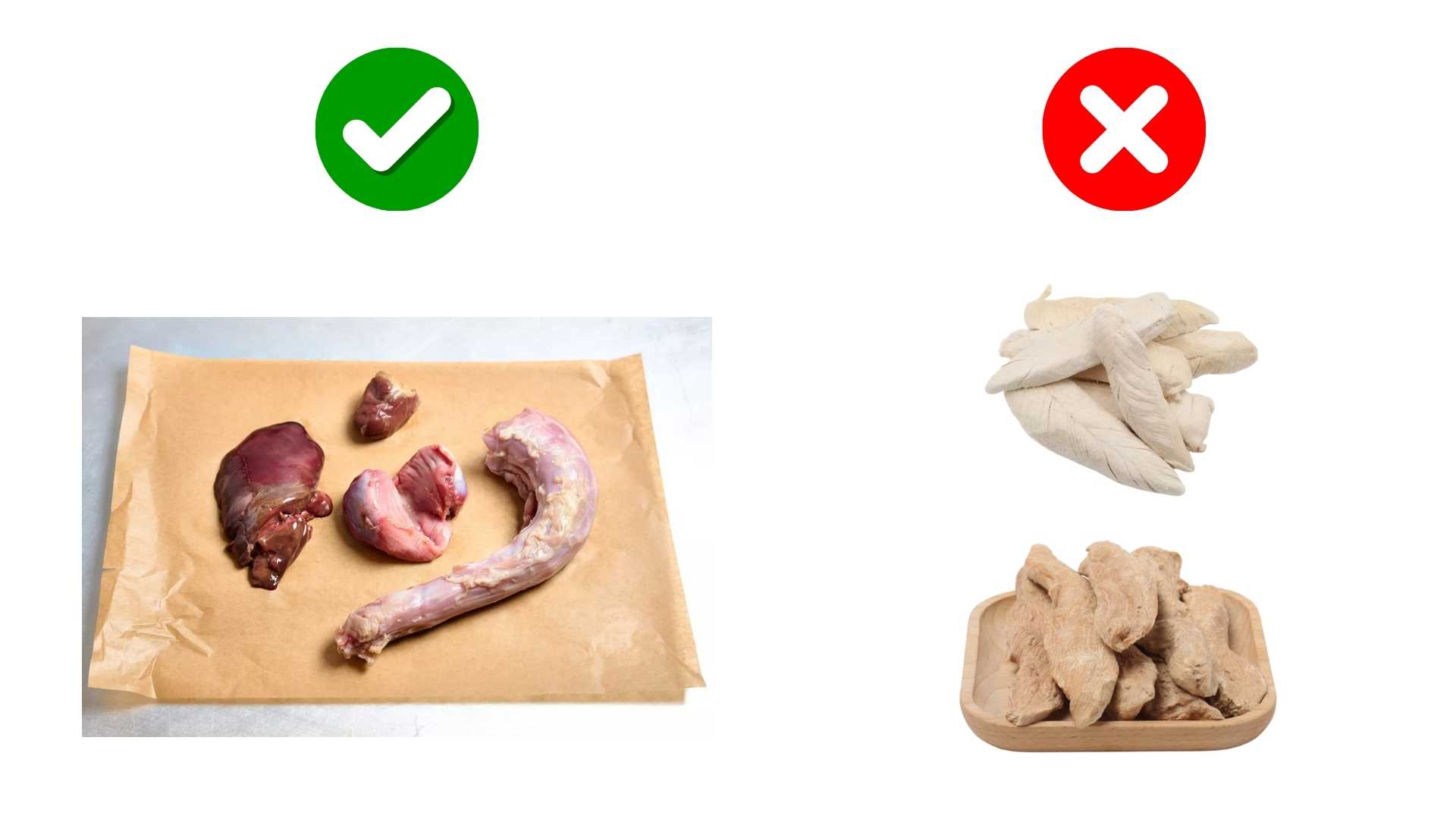
Raw food naturally contains about 75 to 80% moisture.
Freeze-dried, air-dried, and dehydrated foods are much drier, so you must add liquid back.
What to Add to Freeze-Dried Raw
You can use:
- Water
- Hot water
- Bone broth
- Raw goat milk
Kay often uses 1:1 to 1:2 liquid depending on the food and the package instructions.
If the dog gets 1 cup of food, she may add 1 to 2 cups of water.
Always check the bag directions.
Let the food absorb the liquid before feeding.
Can You Rotate Proteins?
Yes.
Kay often feeds three or four different proteins in the same bowl.
It depends on what she has available.
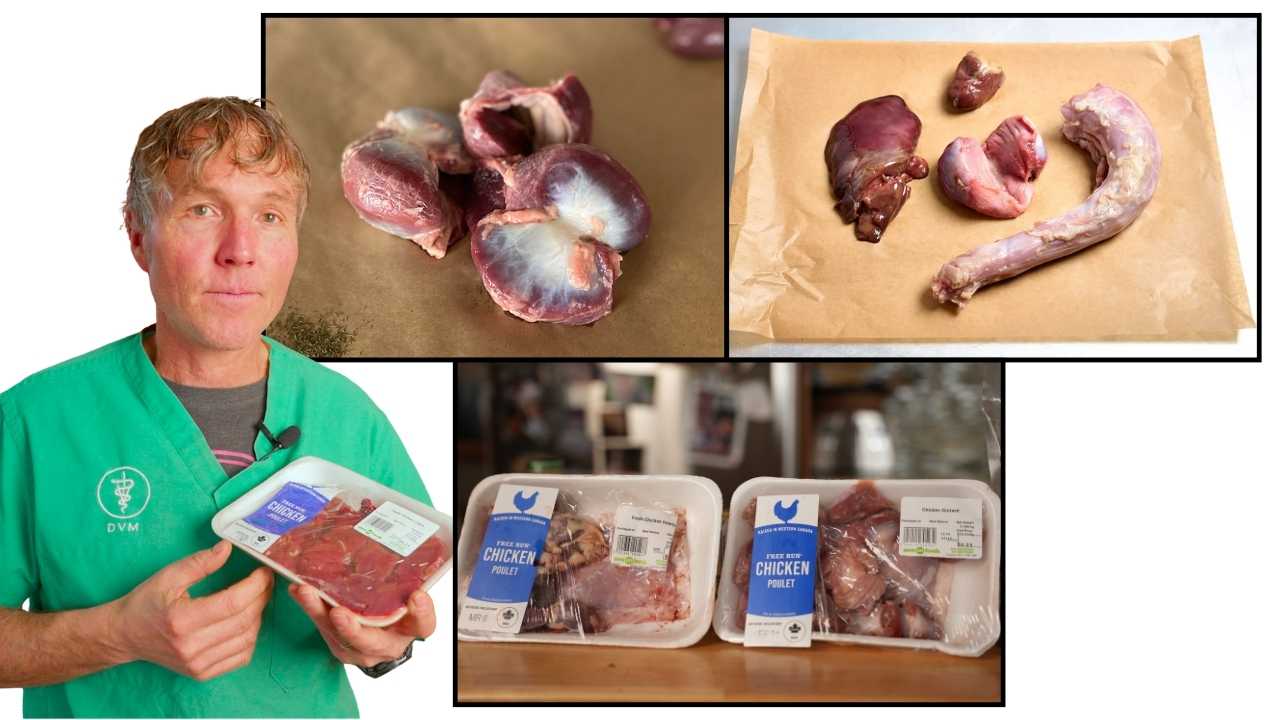
She may use:
- Organs from one species
- Heart from another
- Fish
- Another muscle meat
- Seasonal fruits and vegetables
She makes two to three weeks of food at a time, so the base meals may be similar during that stretch. Then she varies fruits, vegetables, fiber, and other additions throughout the week.
Protein rotation is not about being fancy.
It is about nutrient variety.
Fruits and Vegetables: What Can Dogs Have?
Kay shares fruits and vegetables with her dog when she buys food for herself.
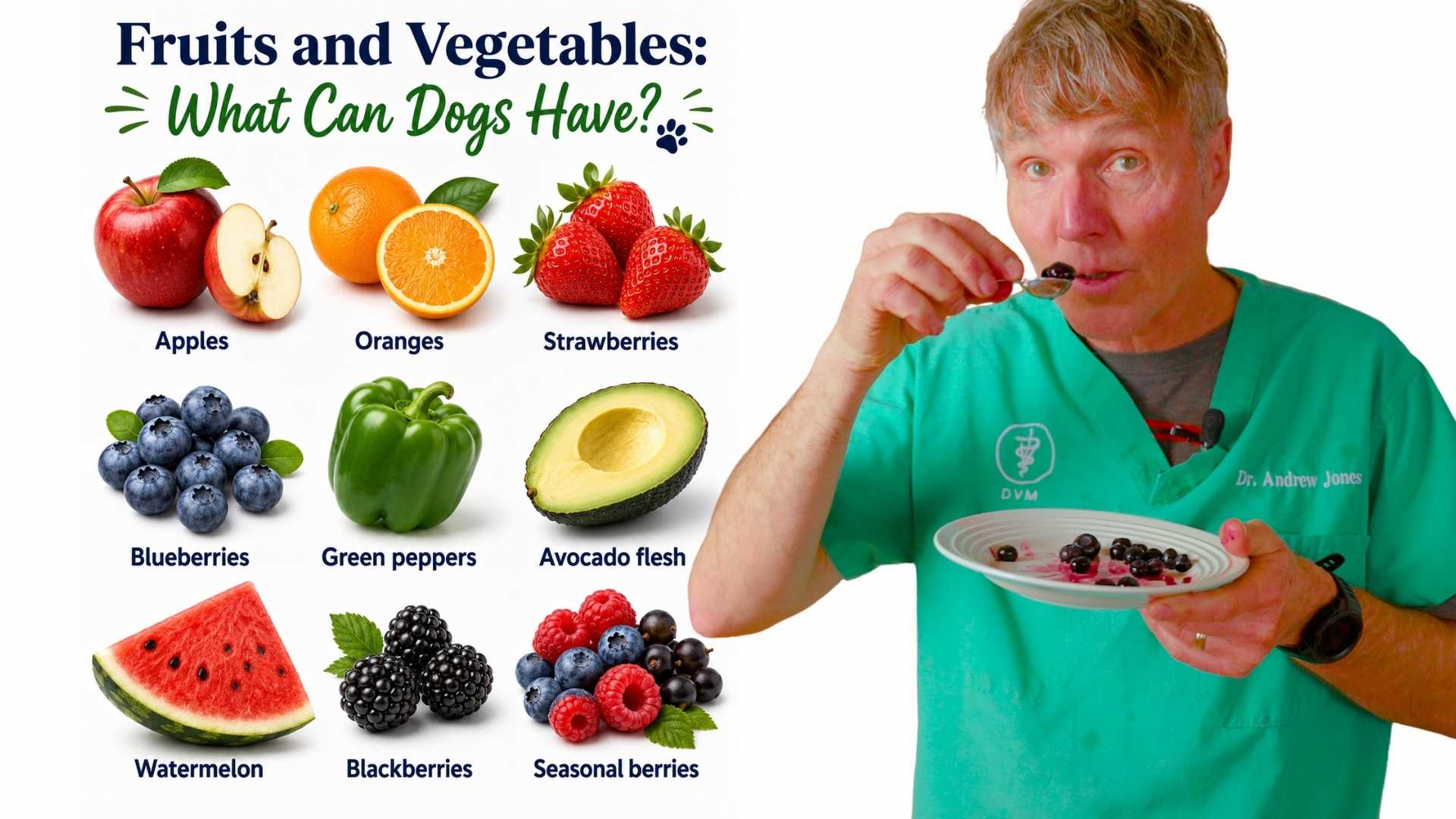
She mentioned:
- Apples
- Oranges
- Strawberries
- Blueberries
- Green peppers
- Avocado flesh
- Watermelon
- Blackberries
- Seasonal berries
Blueberries
Squish blueberries before feeding because many dogs do not chew them well. If you do not break the skin, they may come out looking just like they went in.
That is not ideal.
Also, slightly rude.
Apples
Apples are fine in small pieces.
Kay gives her dog a few pieces when she cuts one up.
Citrus
Some dogs tolerate citrus well.
Kay gives one to two orange sections.
Too much citrus may cause loose stool.
Avocado
Avocado flesh, the part we eat, can be good for dogs.
Do not give:
- Pit
- Skin
- Stem nub
Kay shares avocado with her dog.
Her dog gets one-third, Kay gets two-thirds.
A fair household agreement.
Grapes and Raisins
Kay does not keep grapes or raisins around her dog because she has grandchildren and does not want them dropped where the dog can eat them.
That is a smart prevention step.
Why Feed Seasonally?
Kay likes feeding seasonal foods.
That is how we used to eat.
When local fruits and vegetables are in season, that can be a great time to feed them.
Examples:
- Watermelon in summer
- Berries when available
- Venison in fall or winter
Seasonal feeding adds variety and matches what the body may naturally recognize.
Kay’s dog even learned where the blackberries grow in the backyard.
The grandchildren were not impressed.
The dog was.
What About Food Energetics?
One viewer asked about food energetics, such as cooling and warming foods.
Kay said this can matter.
Her dog tends to run hot, and too much chicken, which is considered a hot energetic food, may make her itchier.
In winter, Kay may add hot water over the food to warm it slightly.
She does not microwave it because she does not want to damage nutrients.
Hot water is enough.
In summer, because her dog runs hot, she may not warm the food.
The key is knowing your dog and adjusting by season, constitution, and response.
Environmental Health Matters Too
Food is the foundation, but environment also matters.
Kay and I talked about how much health is influenced by environment.
This includes:
- Artificial light
- Chemicals in the home
- Scented sprays
- Cookware chemicals
- Toxins on the floor
- Lawn chemicals
- Things dogs walk through and lick off their paws
You do not have to fix everything overnight.
Do it one step at a time.
Start with food.
Then reduce obvious toxin exposure where you can.
No panic.
Just progress.
Step-by-Step: How to Start a Balanced Fresh Diet

Step 1: Start Where You Are
If you are feeding kibble, start by adding fresh fish.
You do not need to overhaul everything at once.
Step 2: Learn the Components
A balanced fresh diet needs:
- Muscle meat
- Bone or calcium source
- Organs
- Seafood
- Fiber
- Variety
Step 3: Use a Calculator or Workshop
Use the Feed Real calculator or take a workshop if you want confidence.
Reading about it is one thing.
Doing it step by step is much easier.
Step 4: Add Omega-3s
Start with fish if your dog is itchy, limping, inflamed, or having cognitive changes.
Step 5: Handle Bones Carefully
Supervise.
Teach chewing.
Cut pieces small for gulpers.
Use appropriate bones.
Step 6: Watch the Stool
Poop tells you a lot.
If it is too hard or chalky, adjust bone.
If it is black and tar-like, call your veterinarian.
Step 7: Add Variety Over Time
Rotate:
- Proteins
- Organs
- Fish
- Fruits
- Vegetables
- Fiber sources
Step 8: Use Supplements for a Purpose
Do not create a supplement graveyard.
Use what your dog actually needs.
Step 9: Store and Prep Safely
Use clean bowls, separate cutting boards, proper thawing, and kitchen hygiene.
Step 10: Keep Going Slowly
Fresh feeding is not all or nothing.
Every fresh food addition is a step in the right direction.
Final Thoughts
Building a balanced raw diet at home is possible.
But it is not just meat in a bowl.
You need the right components, safe handling, variety, and a plan that fits your dog.
Kay Stewart’s approach is practical and refreshing.
Start where you are.
Add fresh fish.
Use whole, unprocessed food.
Balance over time.
Feed organs, seafood, bone or calcium, muscle meat, fiber, and seasonal variety.
Use supplements for a purpose.
Watch the poop.
And please, do not hand your dog a big bone and walk away on day one.
That is not raw feeding.
That is chaos with teeth.
If you are overwhelmed, start smaller.
Add sardines.
Switch one meal to fresh.
Use canned food instead of kibble.
Take a workshop.
Use the Feed Real calculator.
Your dog does not need perfect tomorrow.
Your dog needs better today.
Click To Get A Free Copy of My E-Book!

P.S. If you are nervous about raw feeding, do not start with the hardest version.
Start with fresh food.
Add fish.
Use gently cooked meals.
Try canned sardines.
Use freeze-dried raw when traveling.
And if you want to go deeper, Feed Real Institute has free resources, a calculator, and workshops that walk you through the process.
Kay’s big message is one I agree with:
Feed the dog in front of you.
Use whole food.
Balance over time.
And if your dog’s poop starts coming out white and chalky, congratulations, your dog just gave you a nutrition report.
Too much bone.



Great info!
Do puppies need special supplements?
Getting a 10 week old puppy(large bread) and want to know if he will need anything extra
At 10 weeks, large breed puppies have different nutritional needs because they are growing so quickly. If you are feeding a balanced fresh diet, the focus is on getting the right mix of muscle meat, organs, a calcium source, seafood, and variety over time. We only recommend supplements for a specific purpose, not just because they are a puppy. An omega 3 source like sardines or fish can be a great addition. Congrats on your new pup, you are in for a lot of fun.