Pet Allergy Skin Barrier: The Real Cause of Itchy Dogs and Cats

How I Rebuild the Skin Barrier in Dogs and Cats Naturally
If your dog or cat is constantly itchy, licking their paws, scratching their ears, or dealing with recurring skin infections, I want you to start here.
For years, we were taught that allergies were mostly inhaled. The idea was simple. Pollen, dust, and other allergens were floating in the air, your pet breathed them in, and the immune system reacted.
We now know that is not the main story.
The real issue for many pets is skin barrier breakdown.
That is the big one.
If the skin barrier is strong, allergens have a much harder time getting in. If the barrier is damaged, allergens penetrate through the skin, trigger inflammation, and start the itch-scratch cycle.
Think of your dog or cat’s skin like the wall of a house. The skin cells are the bricks. The ceramides are the mortar holding everything together. When that mortar weakens, gaps appear. Moisture gets out. Allergens get in. Then the itching starts.
The good news is that there are natural ways to rebuild that barrier.
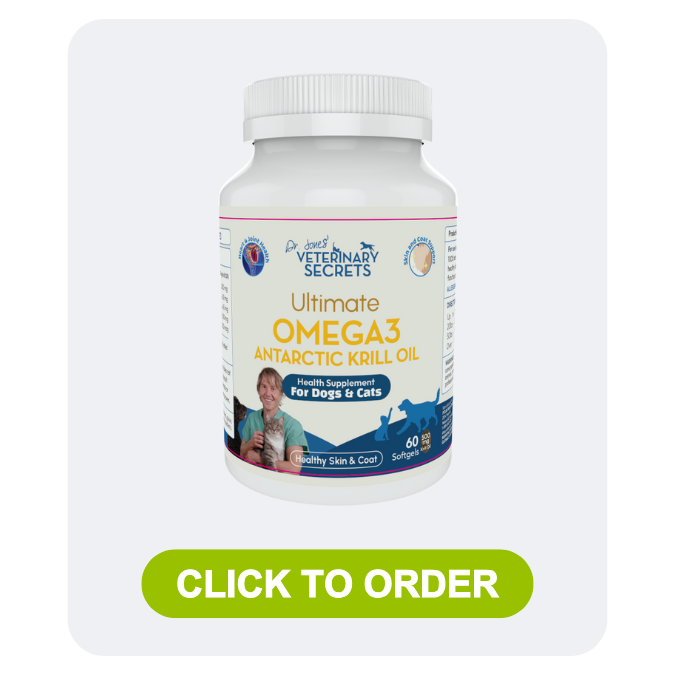
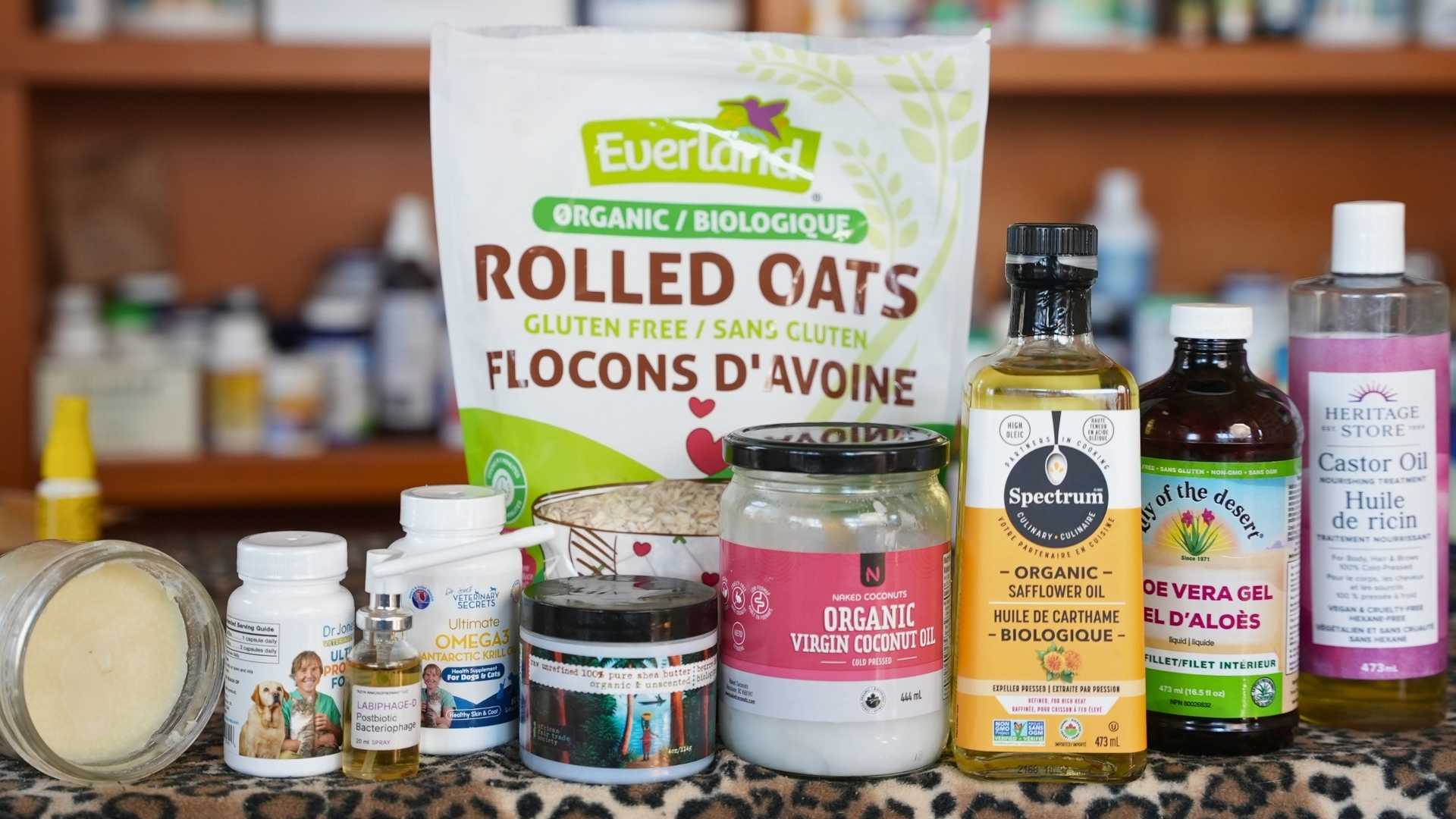
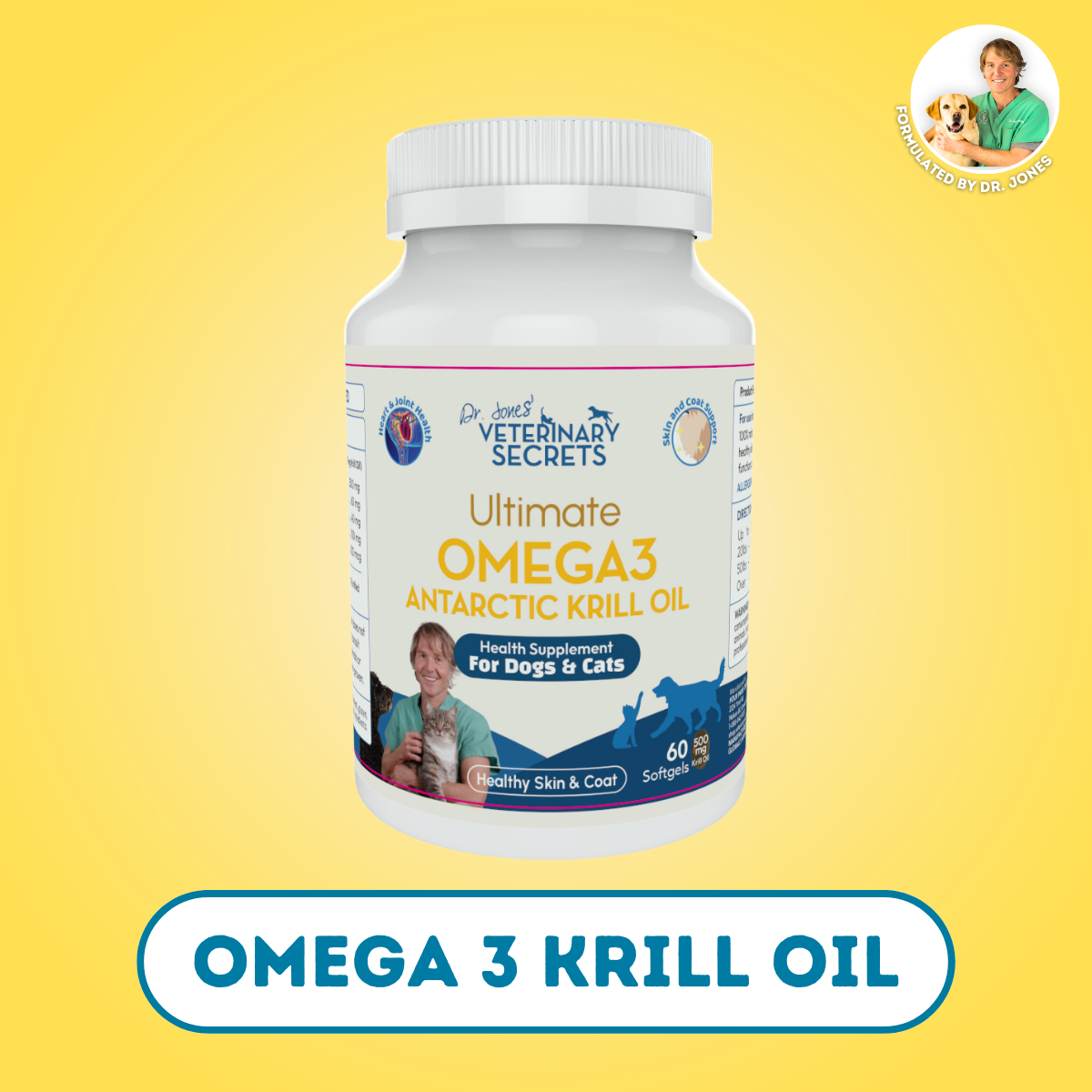
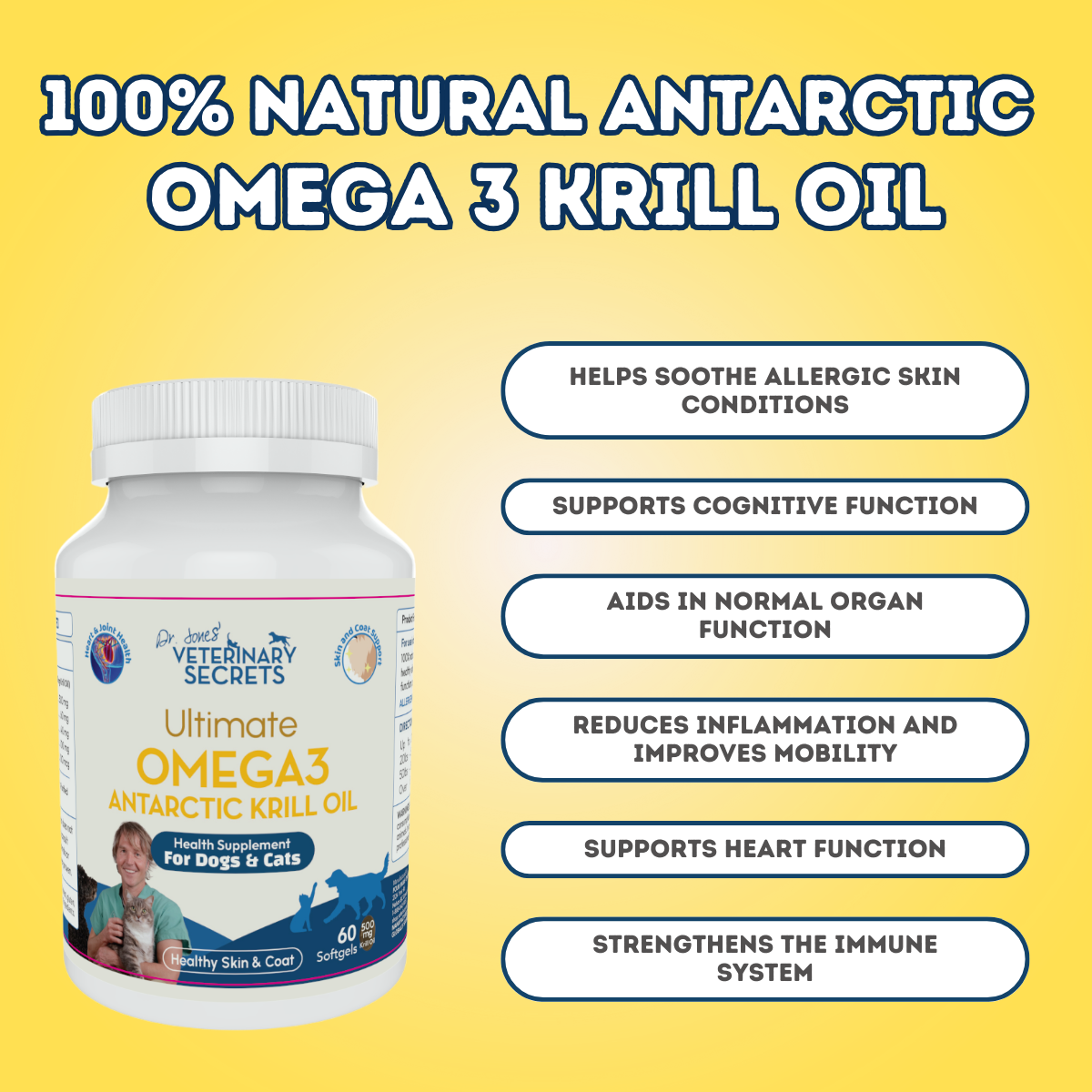
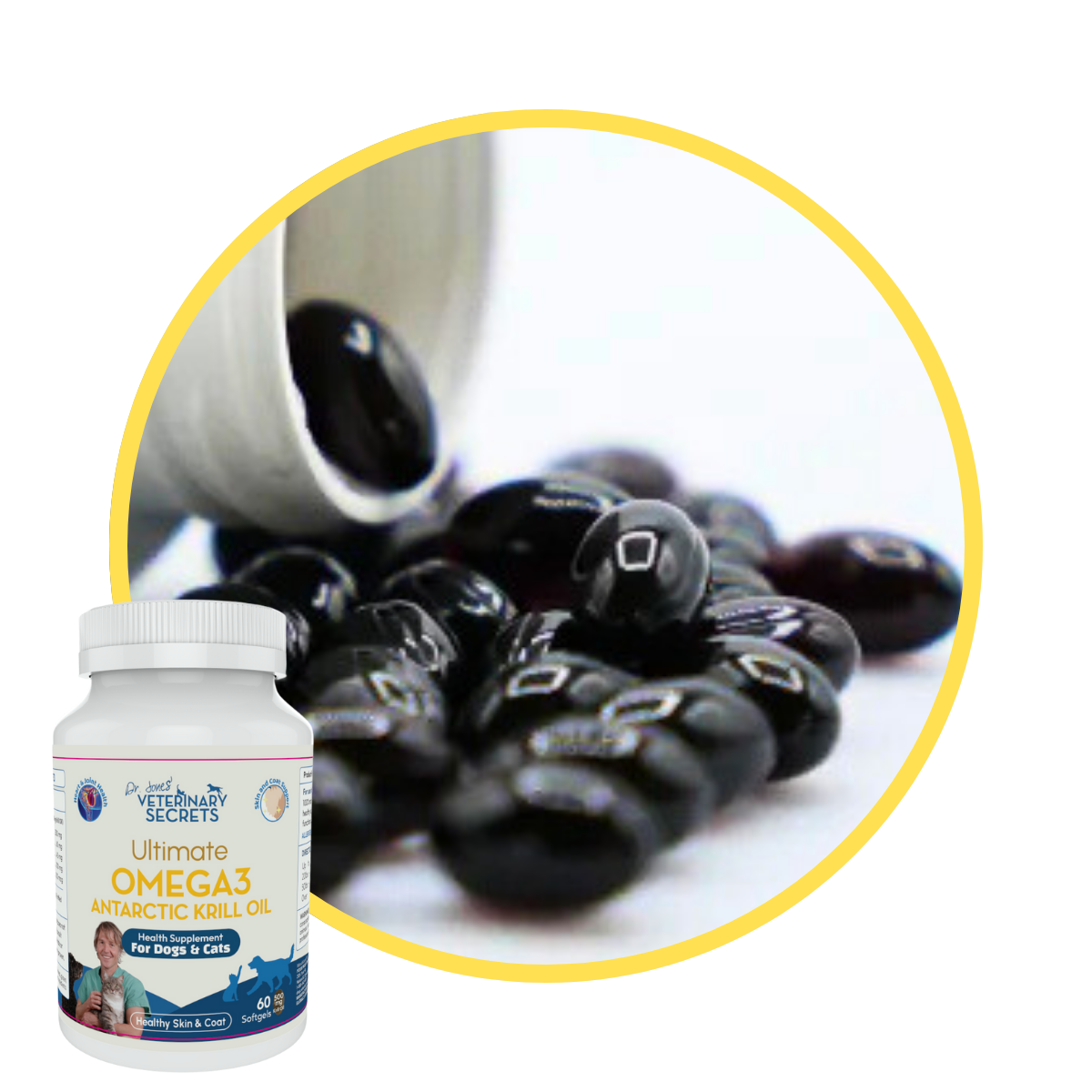
Dr. Jones’ Ultimate Omega 3 Formula for Dogs and Cats
Why the Skin Barrier Matters
A healthy skin barrier does two very important things.
It keeps moisture in.
It keeps irritants and allergens out.
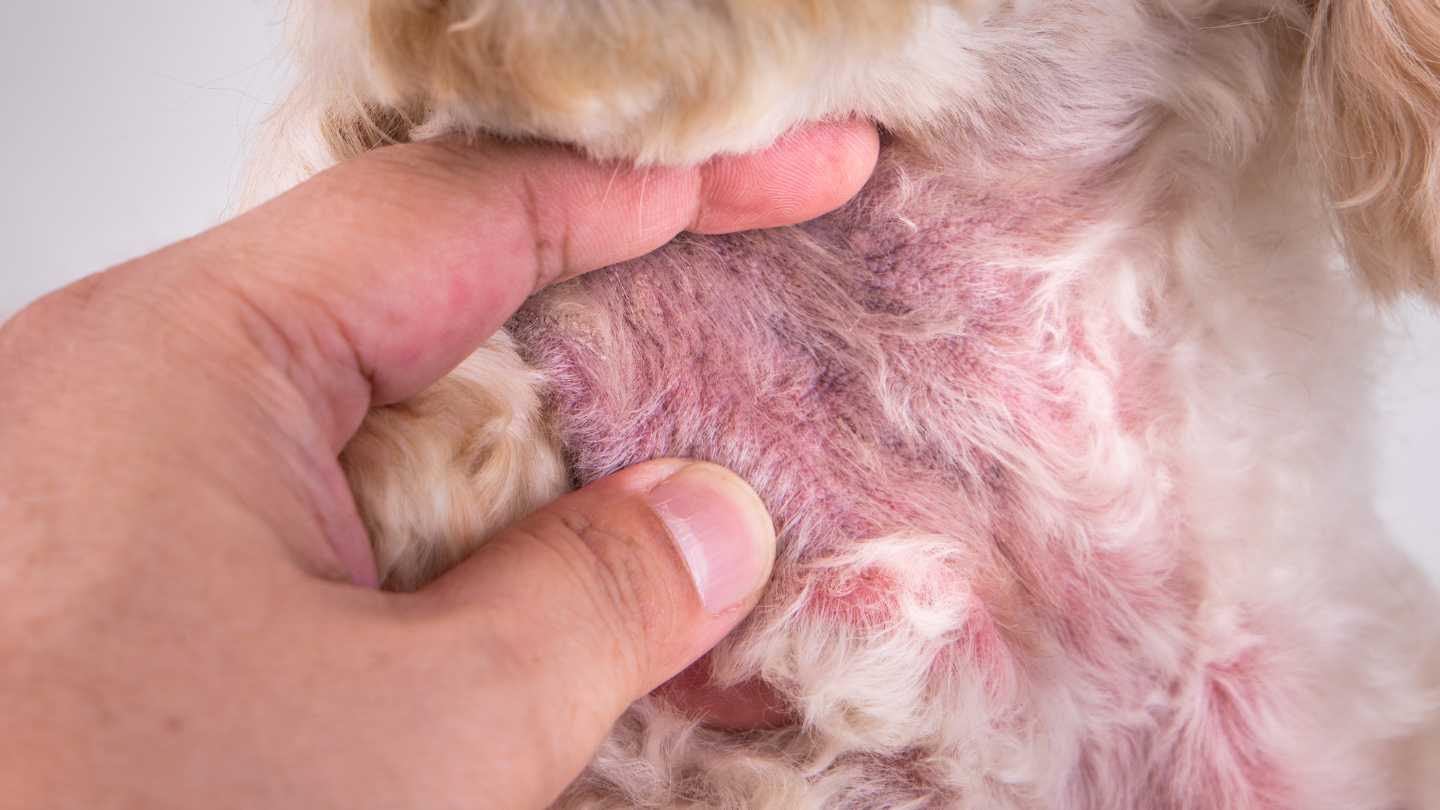
Once that barrier starts to break down, the skin dries out, becomes inflamed, and is much more likely to react. That is often when you see red skin, licking, scratching, recurring ear infections, and even secondary yeast or bacterial infections.
So instead of only trying to stop the itch, I want to help rebuild the barrier itself.
My Top Natural Ways to Rebuild the Skin Barrier
1. Safflower Oil for Ceramides
The single most important natural product I use for the skin barrier is cold-pressed safflower oil.
Safflower oil is very high in linoleic acid, which is the main building block for ceramides. Ceramides are that natural mortar that keeps the skin sealed and protected.
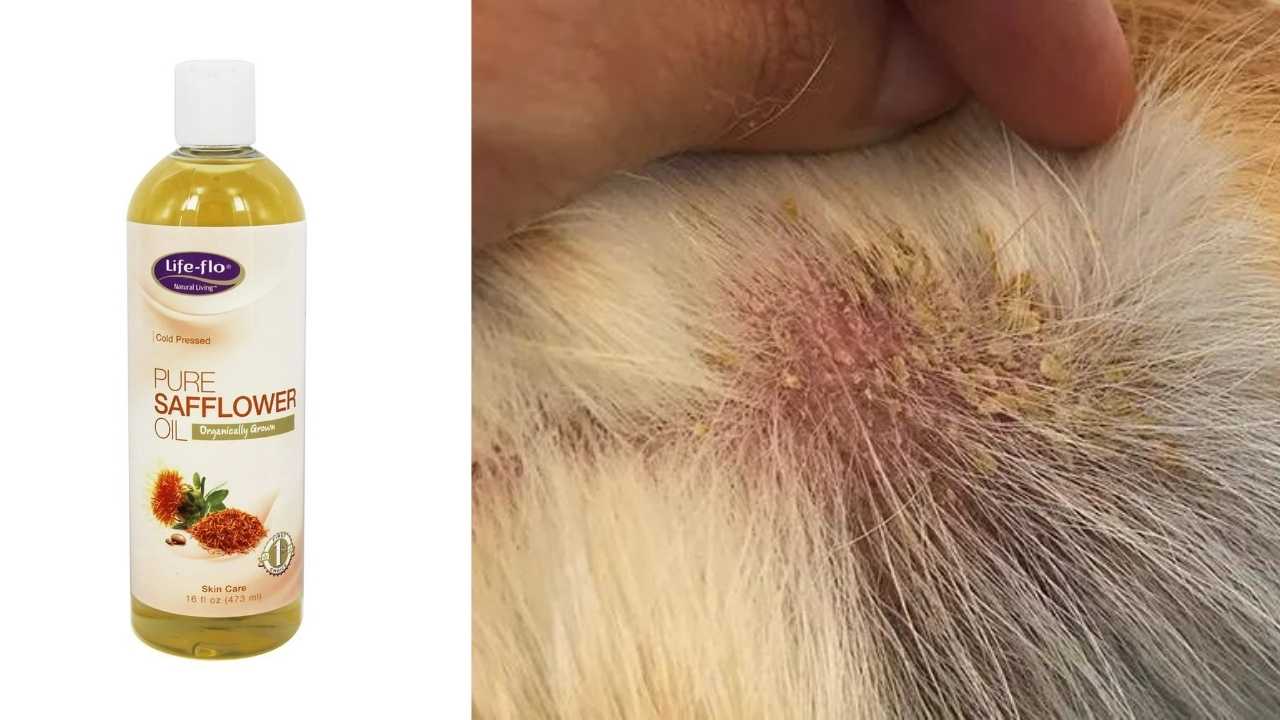
When applied topically, safflower oil can help fill in the gaps in damaged skin and improve barrier strength. It helps prevent water loss and makes it harder for allergens to penetrate.
If your pet has one red, inflamed area, you can rub a small amount directly onto the skin.
If the whole body seems inflamed, I suggest applying it along the spine, similar to how you would apply a topical flea product. A rough guide is about 1 teaspoon per 20 lbs of body weight once daily.
You can also give a small amount orally for added support, but topical use is best.
2. Emollients to Lock Moisture In
The next thing I want is an emollient. That just means something that sits on top of the skin and helps trap moisture in.
This is so important because dry skin cracks. Cracked skin means a weaker barrier.
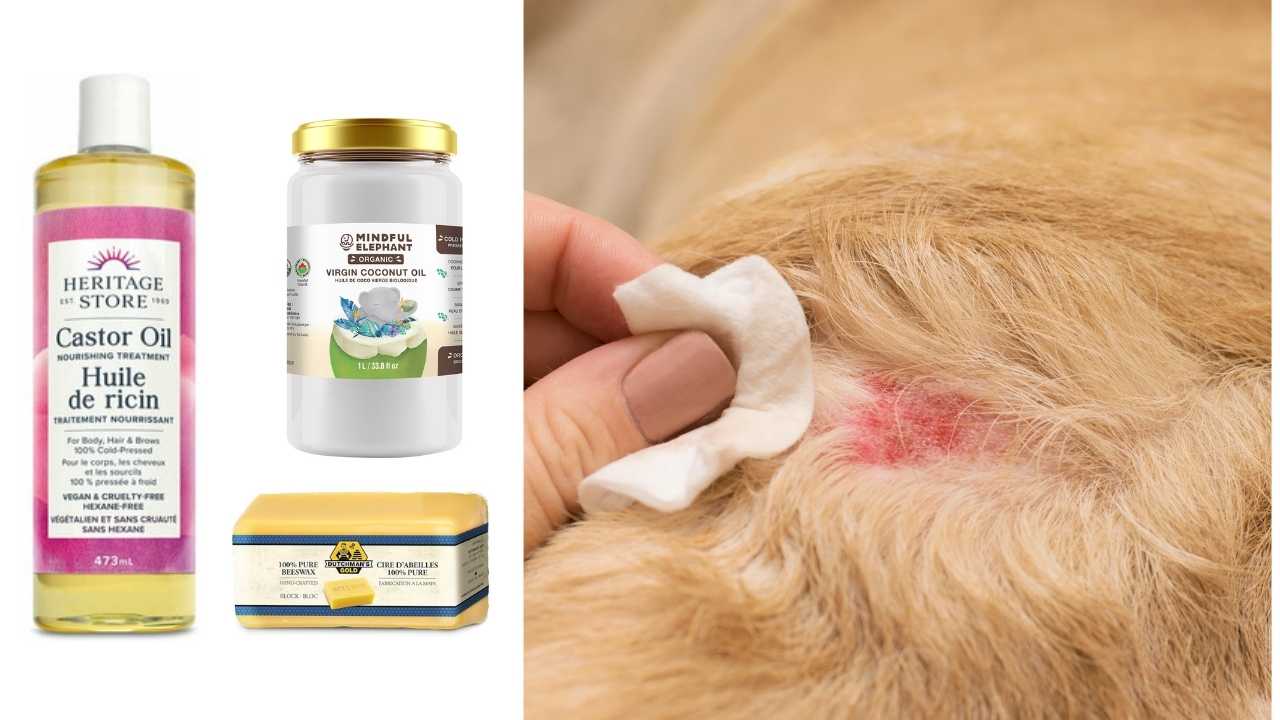
Some of my favorite natural emollients are:
- Coconut oil
- Castor oil
- Beeswax in a skin cream
Of these, I especially like coconut oil. It is easy to use, not too greasy, and it also has mild antimicrobial properties. It works especially well on irritated areas like the groin, paws, or base of the ears.
3. Humectants to Draw Moisture In
A humectant is something that draws moisture into the skin.
For this, one of the easiest and best options is aloe vera gel.
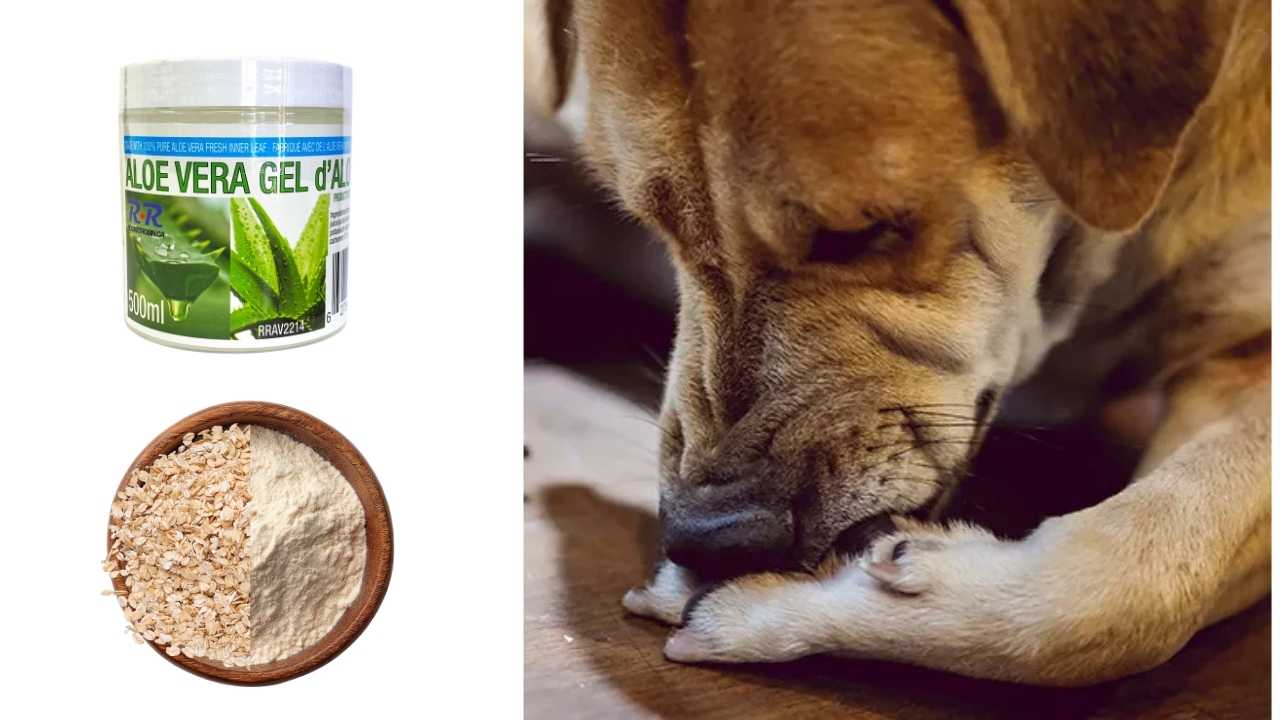
Aloe is soothing, anti-inflammatory, and hydrating. You can apply it twice daily to red, inflamed skin, especially between the paws, in the groin, or around irritated ears.
Another excellent humectant is colloidal oatmeal, and I will get to that in the recipe below.
4. Omega 3 Fatty Acids
Omega 3s do more than just reduce inflammation. They are also important structural parts of healthy skin cells and the outer skin layer.
If your pet is deficient in essential fatty acids, the skin barrier is much more likely to break down.
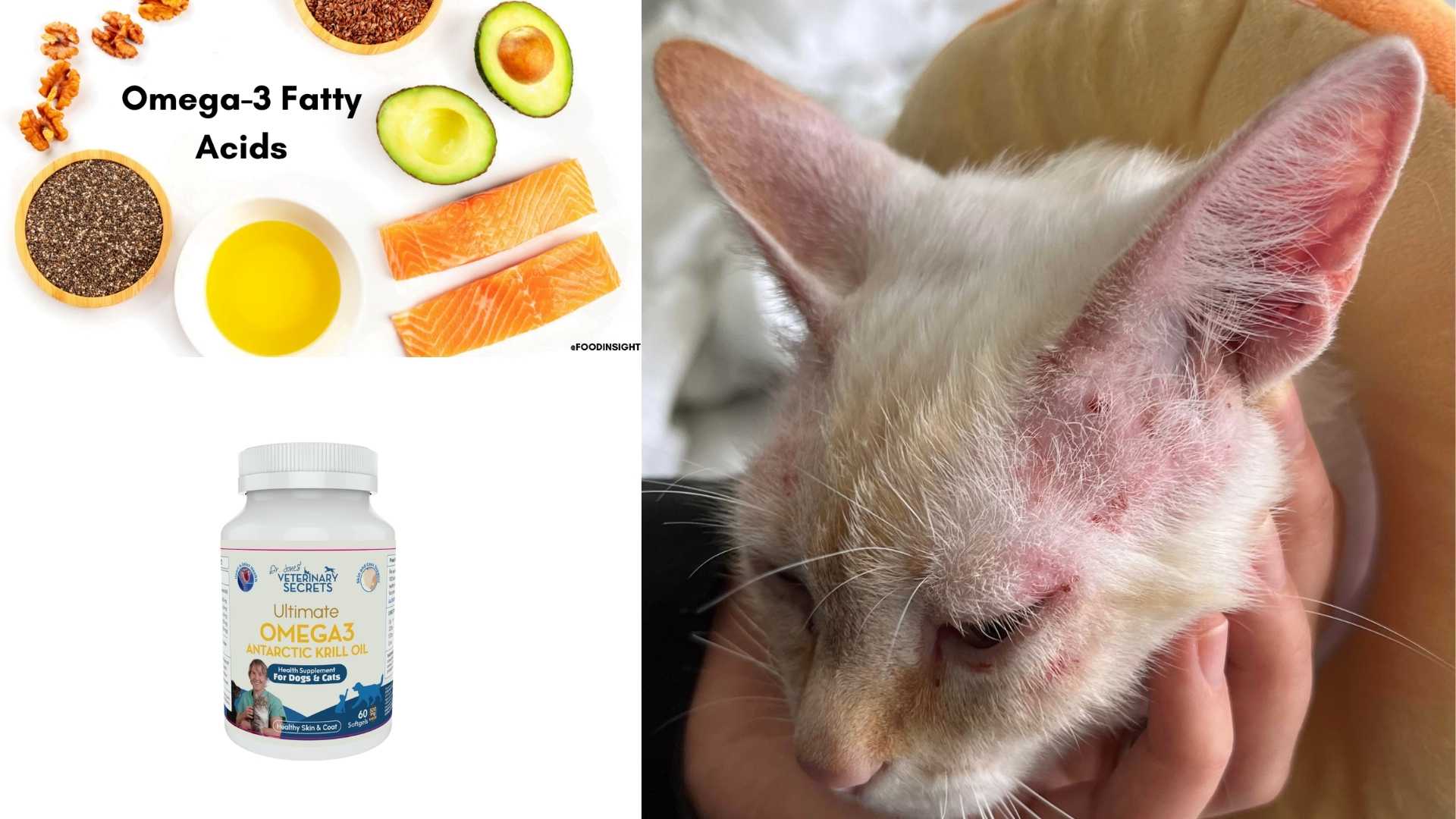
That is why any itchy dog or cat should be on a good quality omega 3 supplement.
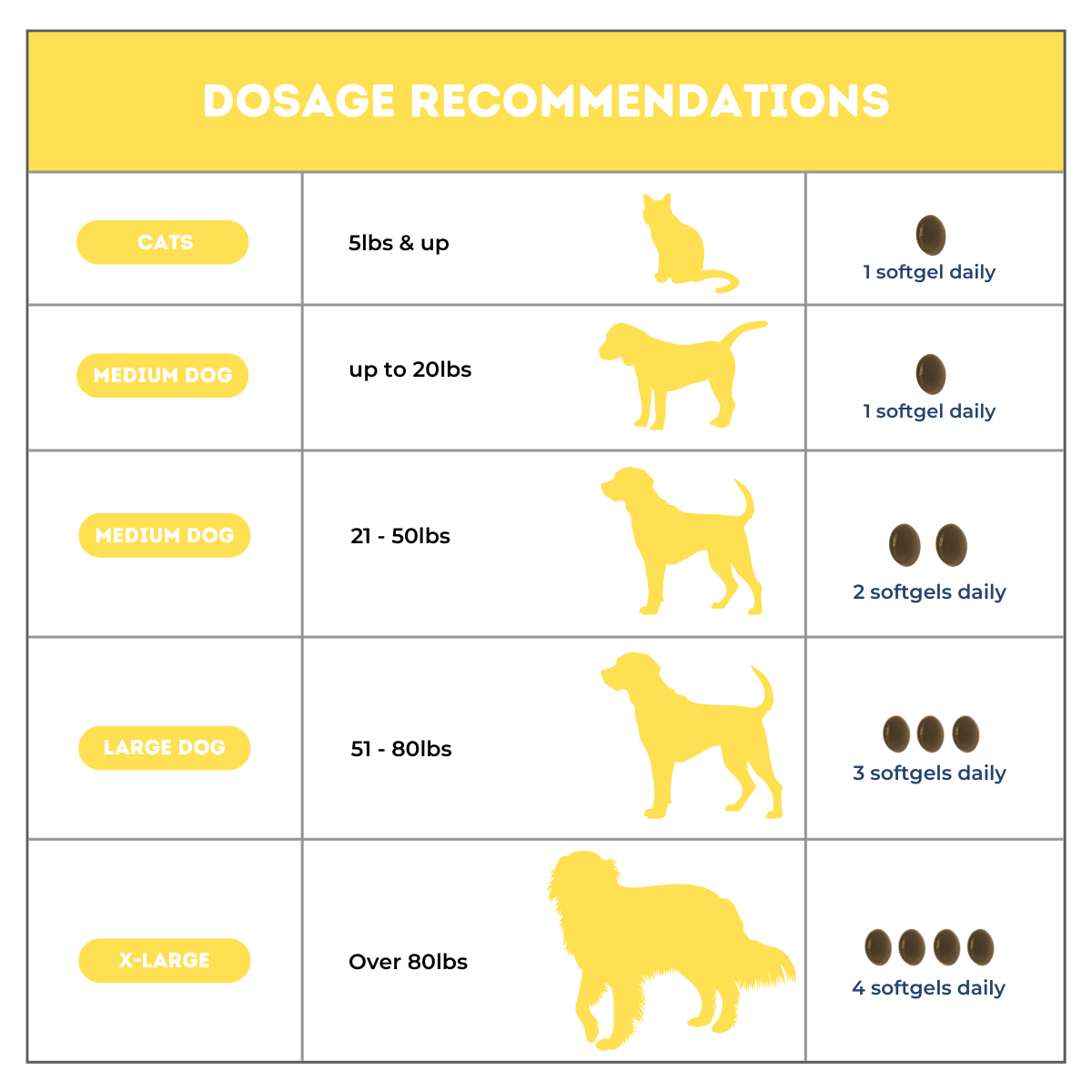
I want a minimum of about 500 mg per 25 lbs of body weight daily.
Omega 3s help strengthen the skin, reduce inflammation, and support healthier skin overall.
5. Probiotics for the Skin Microbiome
Your pet’s skin is covered in beneficial bacteria. These good bacteria help maintain moisture and can even support ceramide production.
That means they play a direct role in the skin barrier.
You can support this in two ways.
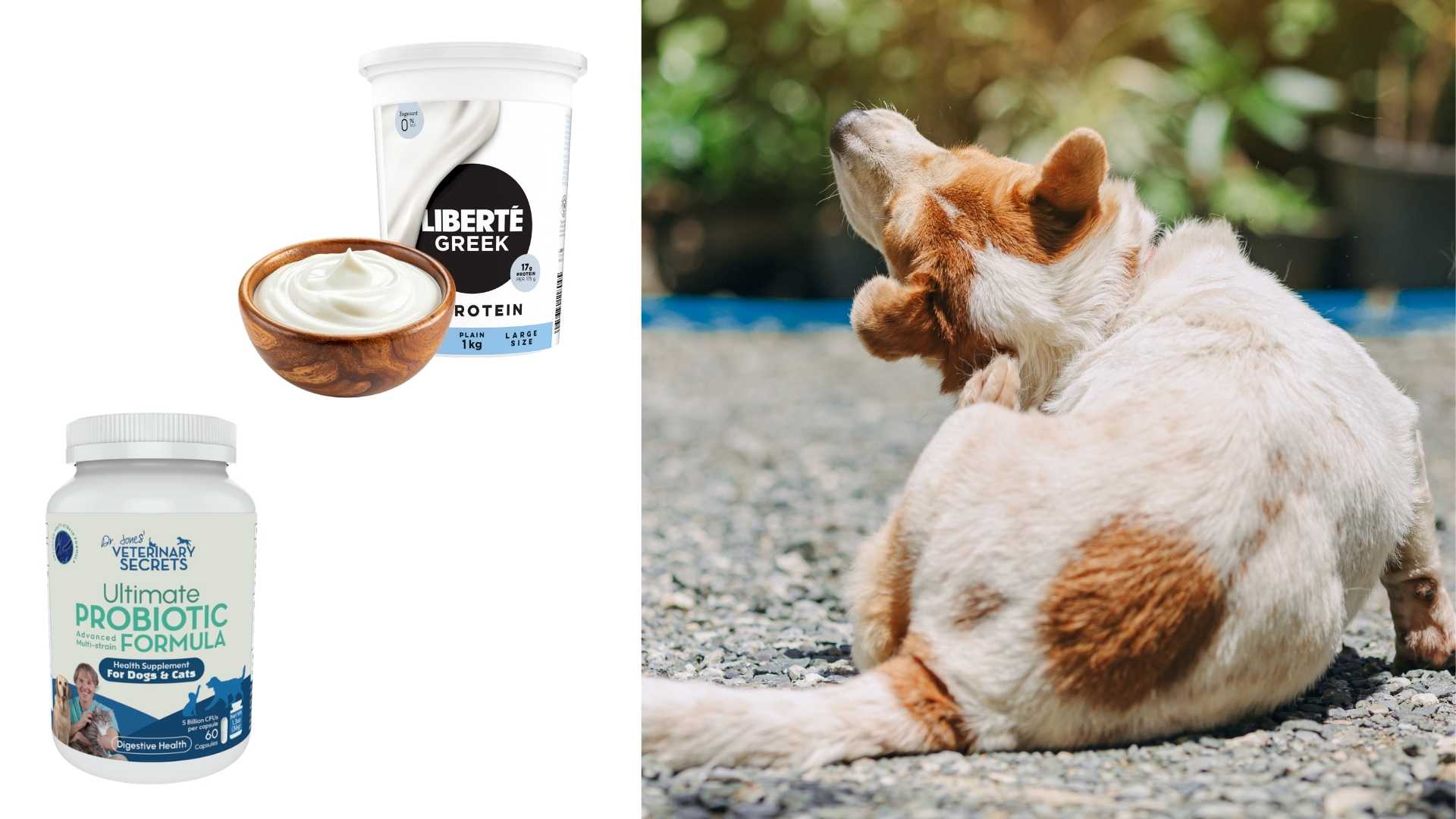
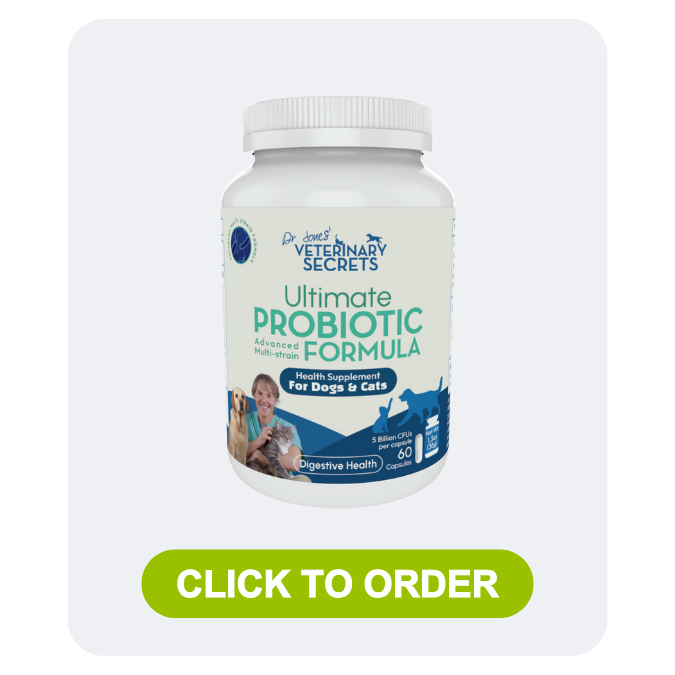
The easiest is an oral probiotic. A good broad-spectrum probiotic can help many allergic pets.
The second option is topical probiotics, usually as a spray. These can be misted onto the red, inflamed area once daily to help rebalance the skin microbiome.
Do not underestimate the role of good bacteria. They matter.
My DIY Skin Barrier Cream
This is a simple cream you can make at home to help decrease redness and improve the skin barrier.
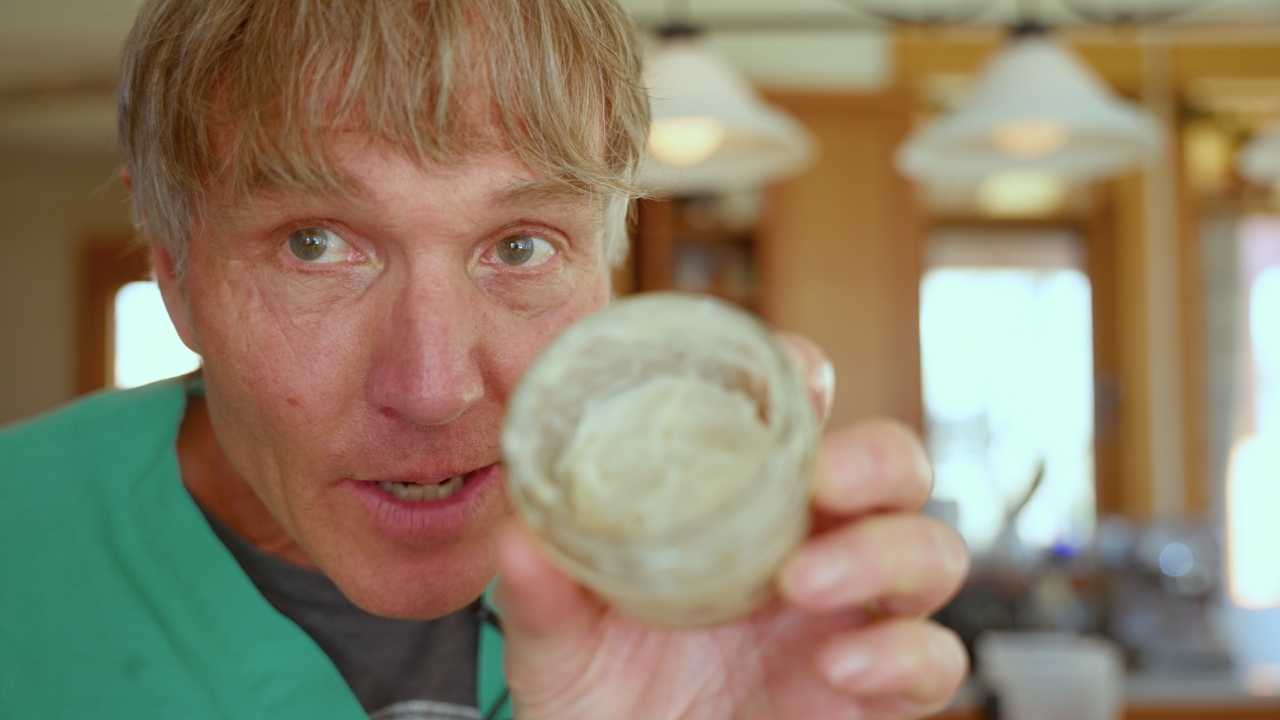
What You Need
- 1/2 cup oats
- 2 tablespoons coconut oil
- 1 tablespoon shea butter
- 1 tablespoon finely ground colloidal oatmeal
Step 1: Make the Colloidal Oatmeal
Take the oats and blend them until they become a very fine powder. It should look almost like flour.
That fine powder is what makes colloidal oatmeal. It is soothing, anti-inflammatory, and helps draw moisture into the skin.
Step 2: Melt the Oils
In a small pot, melt:
- 2 tablespoons coconut oil
- 1 tablespoon shea butter
These two ingredients act as emollients. They help seal moisture in and protect the skin.
Step 3: Add the Oatmeal
Once melted, stir in 1 tablespoon of the finely ground colloidal oatmeal.
Mix well, pour into a small jar, and let it cool in the fridge for about 30 minutes.
Once cooled, it becomes a soft cream.
Why This Works
This cream gives you both sides of what damaged skin needs.
The coconut oil and shea butter help lock moisture in.
The colloidal oatmeal helps draw moisture in and calm inflammation.
It is simple, inexpensive, and works very well for allergic skin.
Oatmeal Baths for Itchy Pets
You can also use that finely ground oatmeal directly in bath water.
This is a great option for dogs with widespread itchy skin.

Just add a couple tablespoons of the finely ground oats into warm bath water and let your dog soak. It is soothing, calming, and very inexpensive.
For many itchy dogs, this once a week can make a big difference.
Final Thoughts
If your dog or cat has allergies, I want you to stop thinking only about histamine and itching.
Start with the skin barrier.
That is where so much of this begins.
Build the barrier back up, keep the skin moisturized, support ceramide production, add in omega 3s, and do not forget the good bacteria.
When you strengthen the skin, you make it much harder for allergens to get through in the first place.
That is the real cause, and that is the real place to start.
Click To Get A Free Copy of My E-Book!

P.S. If your pet has red skin, paw licking, or recurring ear infections, do not just focus on stopping the itch. Focus on rebuilding the barrier. That is where the real progress happens.

I was looking to sign up for the webinar April 21st on allergy/itch relief but I am unable to find the link on the website. Please advise how to sign up and what time the webinar would take place for Ontario residents in the Eastern time zone.
Hi there! Great question and glad you’re interested in helping your itchy pet feel better
Natural Allergy Relief for Dogs – Stop the Itch, Calm Red Paws, Yeast Ears & Hot Spots | Webinar with Dr. Jones DVM
TUESDAY, APRIL 21ST
5PM PDT / 8PM EDT
Register here: https://www.veterinarysecrets.com/webinar/
Hope you can join in. It’s going to be a good one!
Hi,
I just found out about the allergy relief webinar,too late!
I wonder if there is a recorded version that I could watch.
Thanks ?
Good news—you didn’t miss out! Here’s the webinar replay link for you to watch.
https://veterinarysecrets.com/webinar_2604iKm5X3/ (jus copy and paste on to your browser)
Just a quick heads up: it’s only available for 2 weeks after the original webinar date, so I’d jump in and watch it as soon as you can.
Hope you find it helpful!
Hi Dr. Jones, great info. I’ve been using the safflower oil on my dog who’s had recurring ear infections and was diagnosed with folliculitis. Not sure how long I’ve been applying the oil, but I’m starting to see great improvement. I do have a question, for how long do I need to continue using it?
Once the skin barrier is healthy and the irritation has settled, you can gradually reduce the safflower oil rather than using it indefinitely. For recurring ear infections and folliculitis, we’d also want to address the underlying allergy or skin barrier issue, since that’s often what keeps the cycle going.