Mast Cell Tumors Dogs: Signs, Grading, Treatment, and Natural Support

Natural Remedies and What I’d Consider for My Own Dog
Skin cancer is one of the most common cancers I see in dogs. Most are benign, but not all.
One of the most common types is mast cell tumors, and I want to walk you through what they are, how to spot them, and the treatment options I would consider, including some natural remedies that many pet parents are already using.
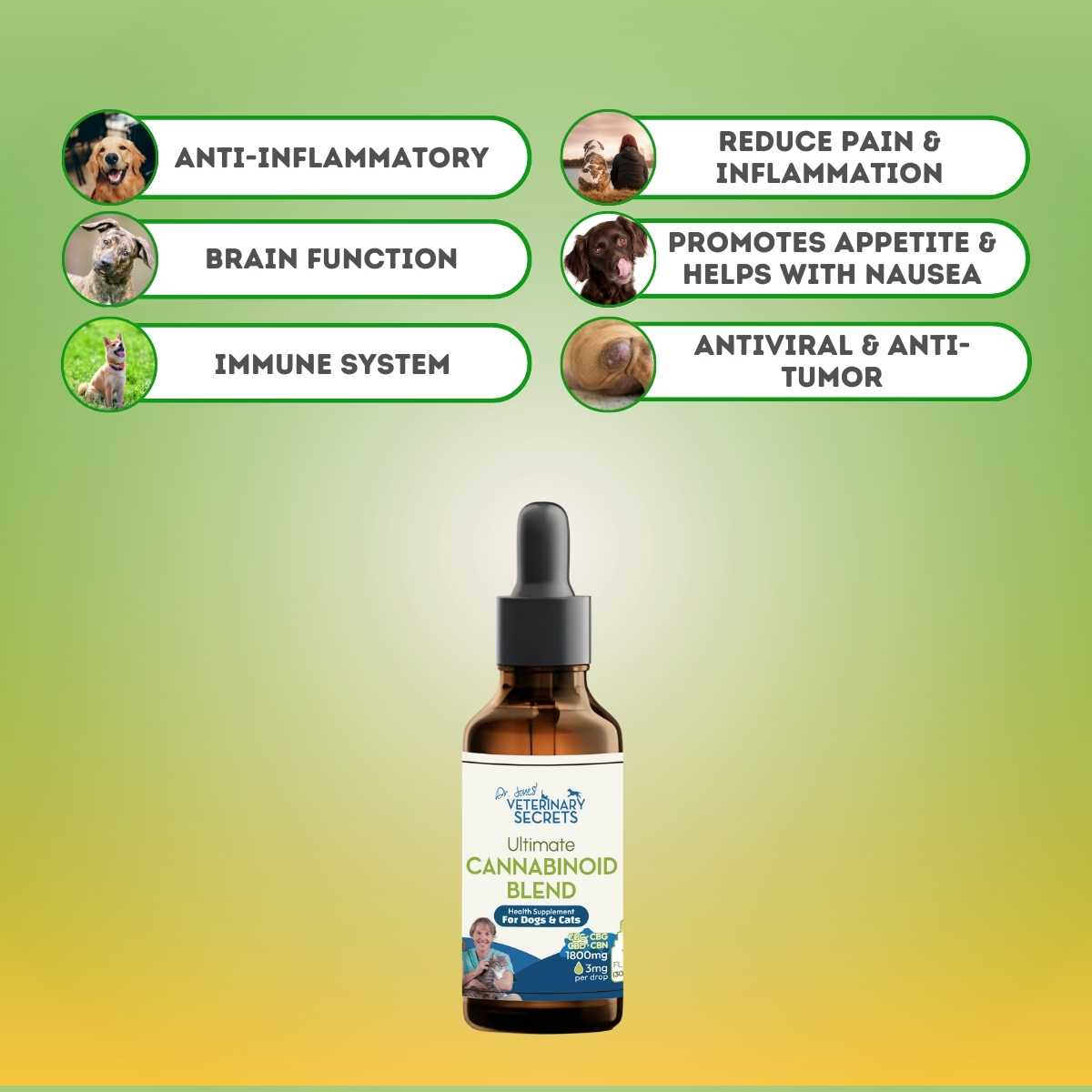
Dr. Jones’ Ultimate Cannabinoid Blend for Dogs and Cats




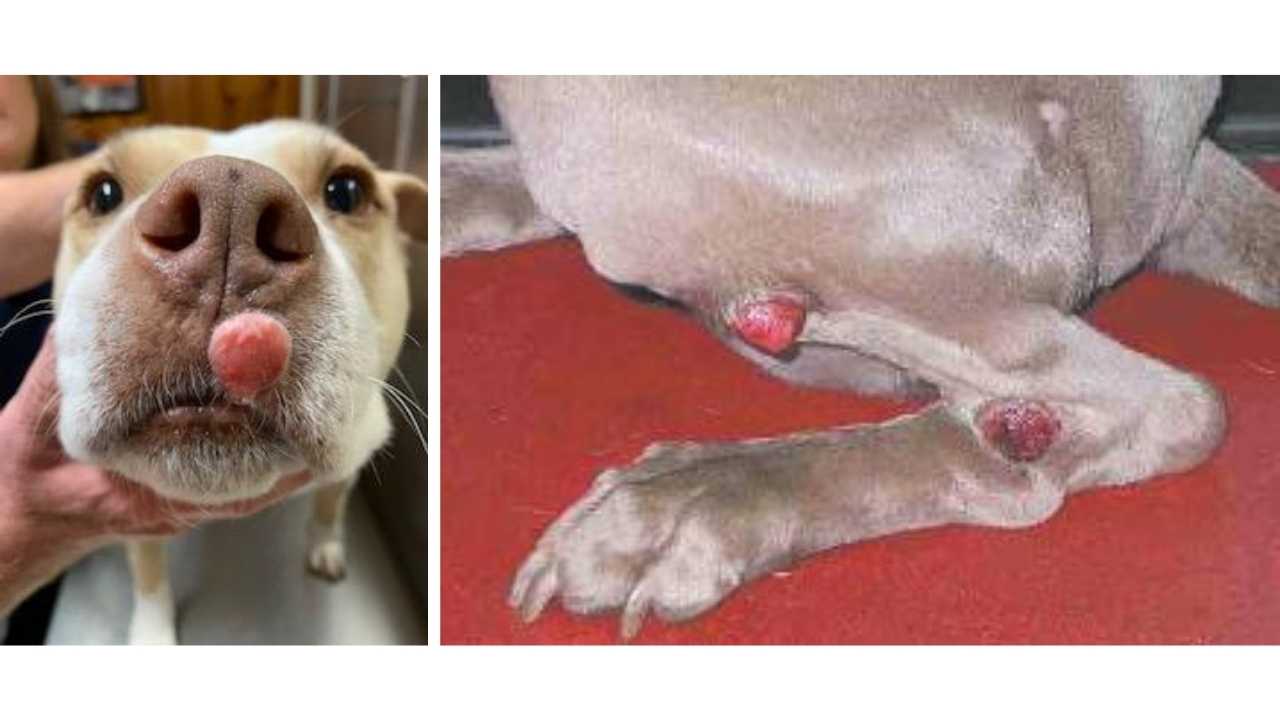
What Are Mast Cell Tumors (MCTs)?
Mast cells are part of your dog’s immune system.
They contain inflammatory chemicals that are normally used to fight parasites. These cells also interact with IgE antibodies, which trigger the release of those chemicals during allergic reactions.
But sometimes, these cells go off track and form tumors.
That is what we call a mast cell tumor.
They are:
- One of the most common skin tumors in dogs
- Responsible for about 7 to 21 percent of all canine skin tumors
- Usually found in the skin, but can also occur internally
Dogs at Higher Risk

Any dog can develop an MCT, but some breeds are at higher risk:
- Boxers
- Pugs
- Boston Terriers
- Pit Bull Terriers
- Weimaraners
- Rhodesian Ridgebacks
Shar-Peis tend to develop more aggressive tumors at a younger age.
Signs to Watch For
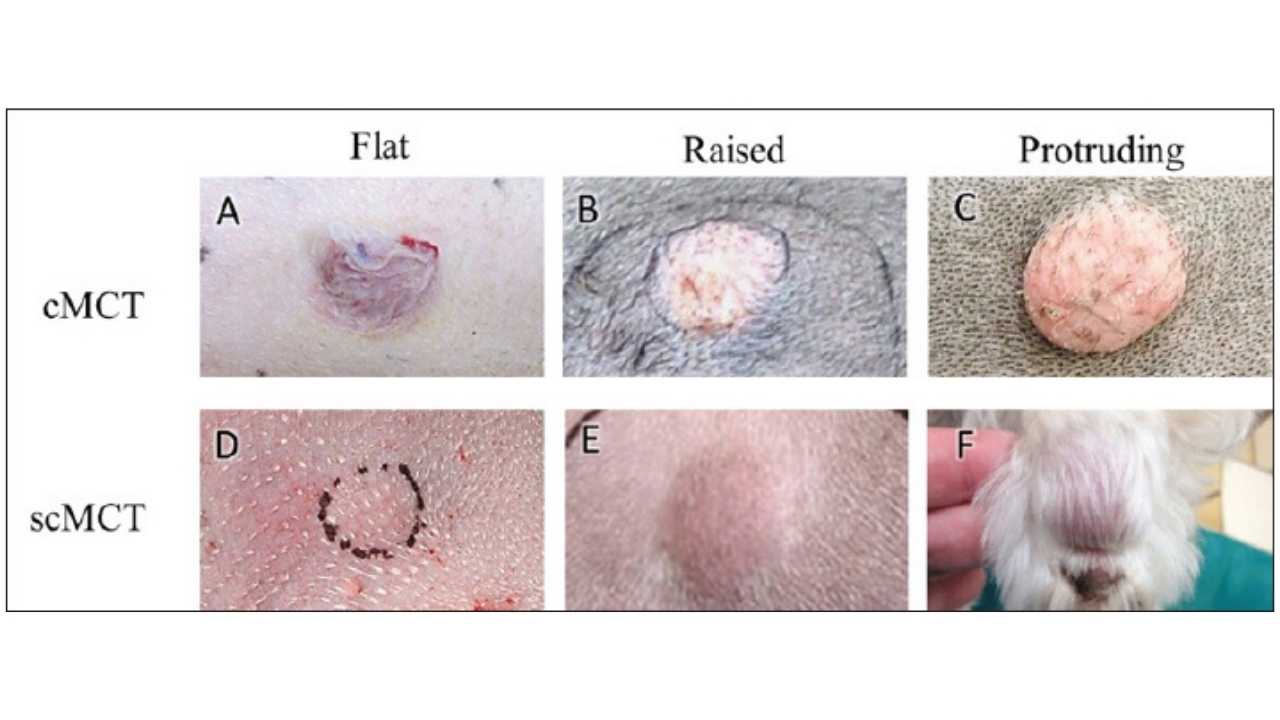
The most common sign is a lump on the skin.
But there are other clues:
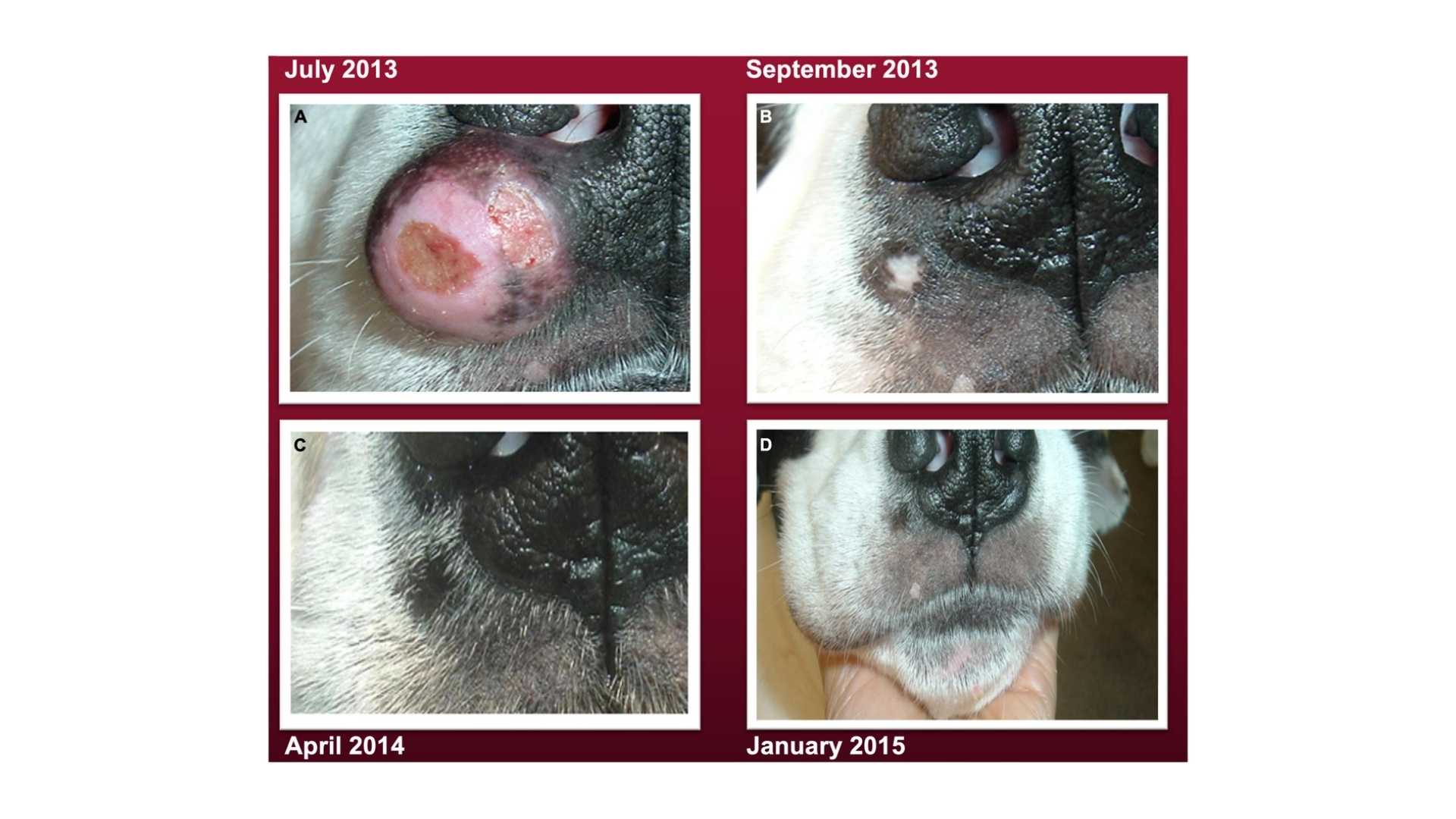
Common Signs
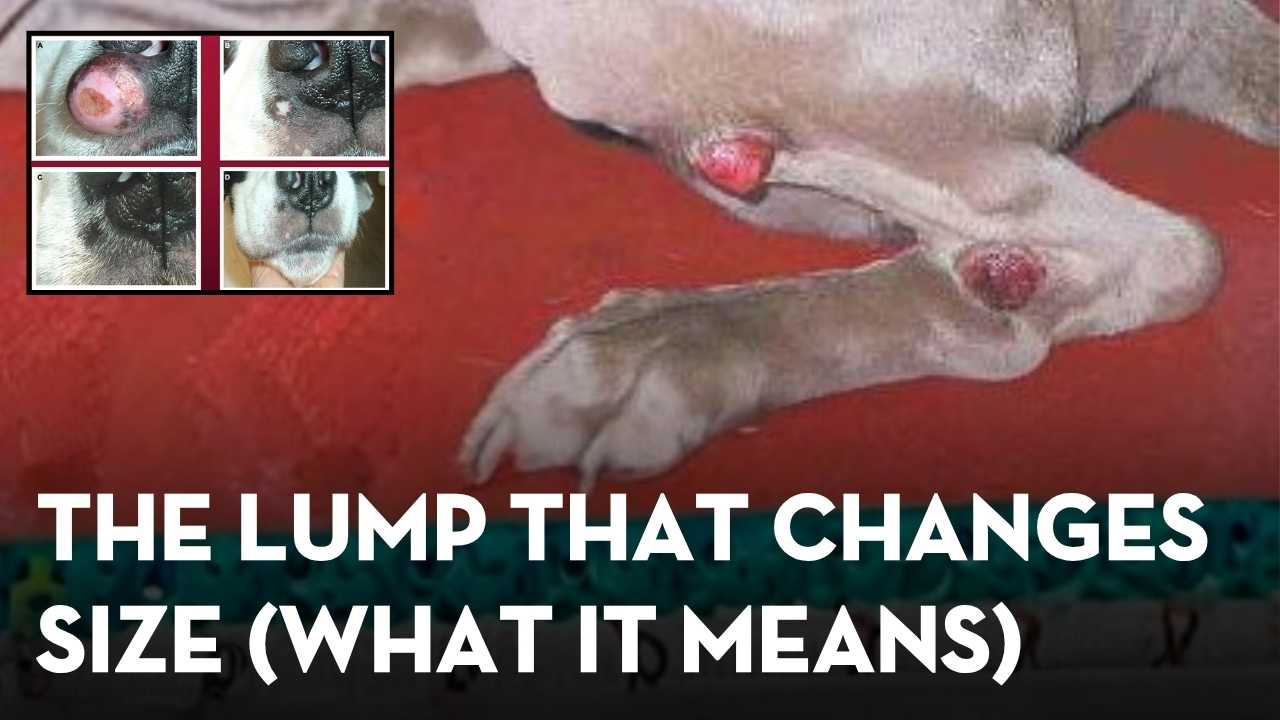
- Raised lump or bump that may change size
- Redness and swelling
- Ulceration or bleeding
- Itching, licking, or chewing
Whole-Body Signs
- Vomiting or diarrhea
- Loss of appetite
- Lethargy
- Behavior changes
This happens because mast cells release histamine, which affects the whole body.
How MCTs Are Diagnosed
The first step is usually a needle aspirate.
A small sample of the lump is examined under a microscope.
To determine how serious it is, a biopsy and grading is needed.
Mast Cell Tumor Grades
Grade 1
- Local
- Rarely spreads
- Surgery is usually curative
Grade 2
- May or may not spread
- Surgery often works
Grade 3
- Aggressive
- Spreads to organs like liver, spleen, and bone marrow
- More serious prognosis
Conventional Treatment Options
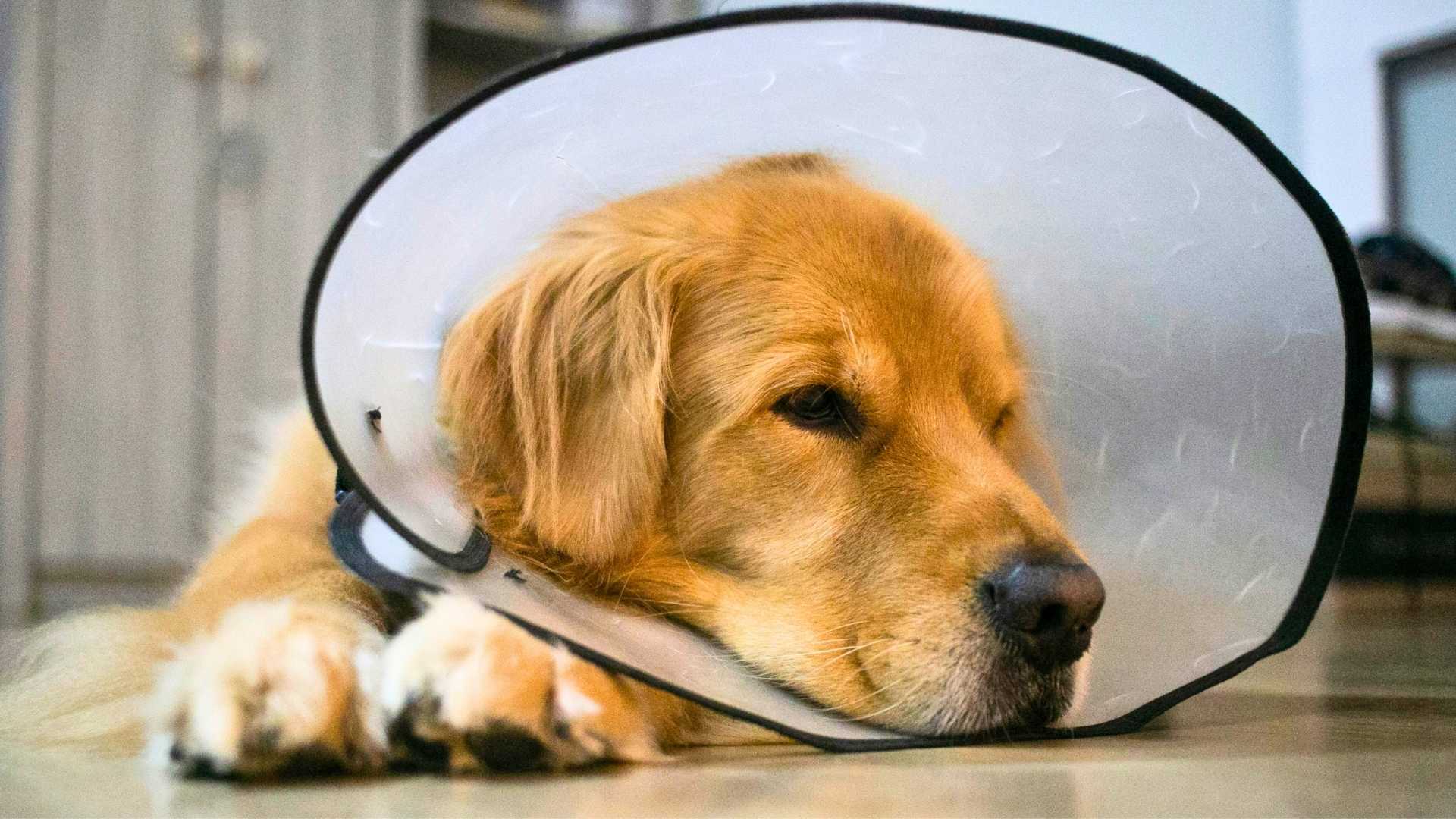
Surgery
This is the main treatment.
For many Grade 1 and 2 tumors, surgery alone can be curative.
Radiation and Chemotherapy
Used for more advanced or aggressive cases.
Corticosteroids
Drugs like prednisone can shrink tumors temporarily and are relatively inexpensive.
A New Option: Tigilanol Tiglate (Stelfonta)
This is a newer injectable treatment.
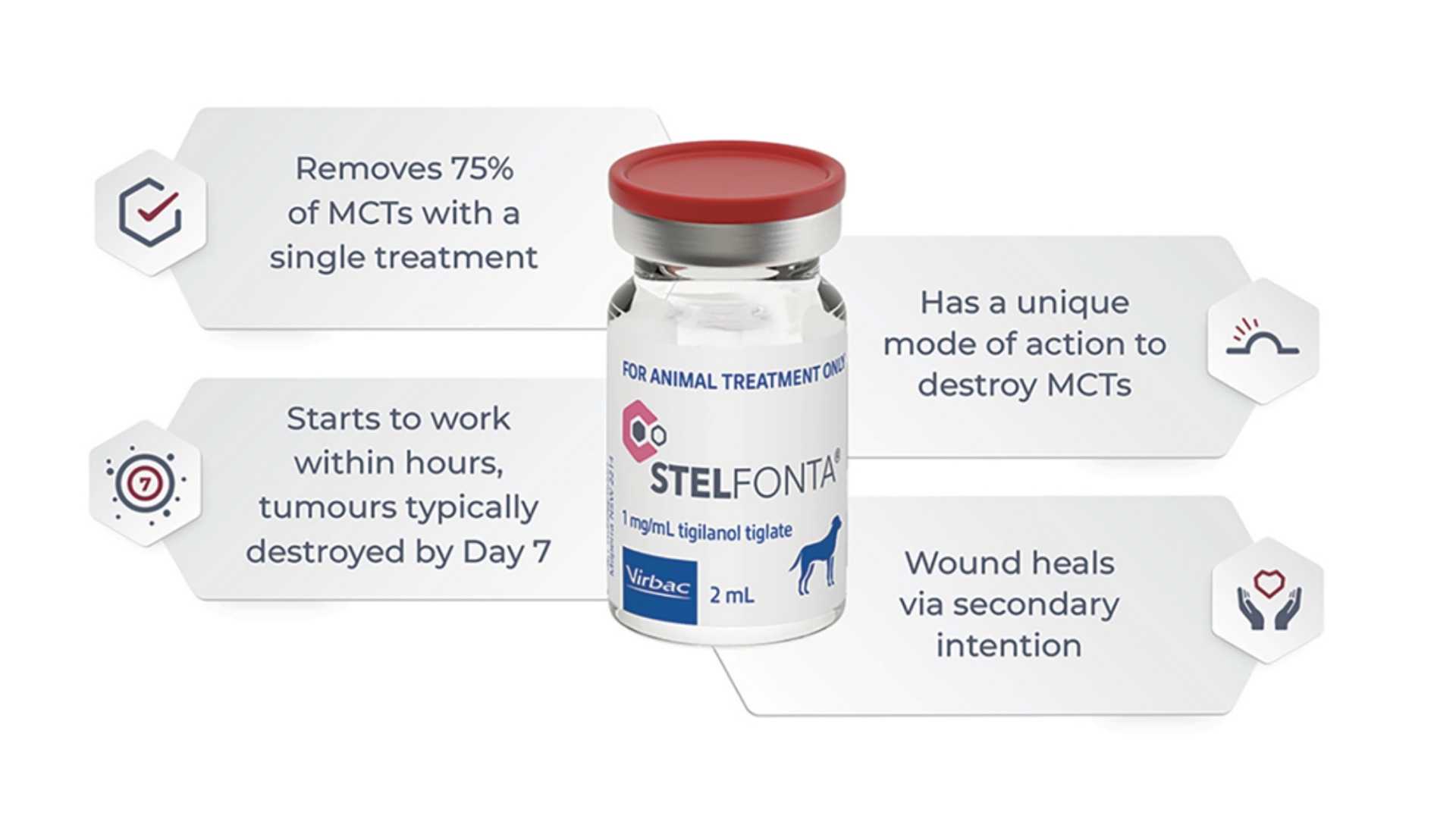
It works by:
- Cutting off blood supply to the tumor
- Destroying tumor cells
- Promoting healing
It can be effective when surgery is not an option, though it may cause swelling and open wounds during healing.
Natural and Holistic Options I Would Consider
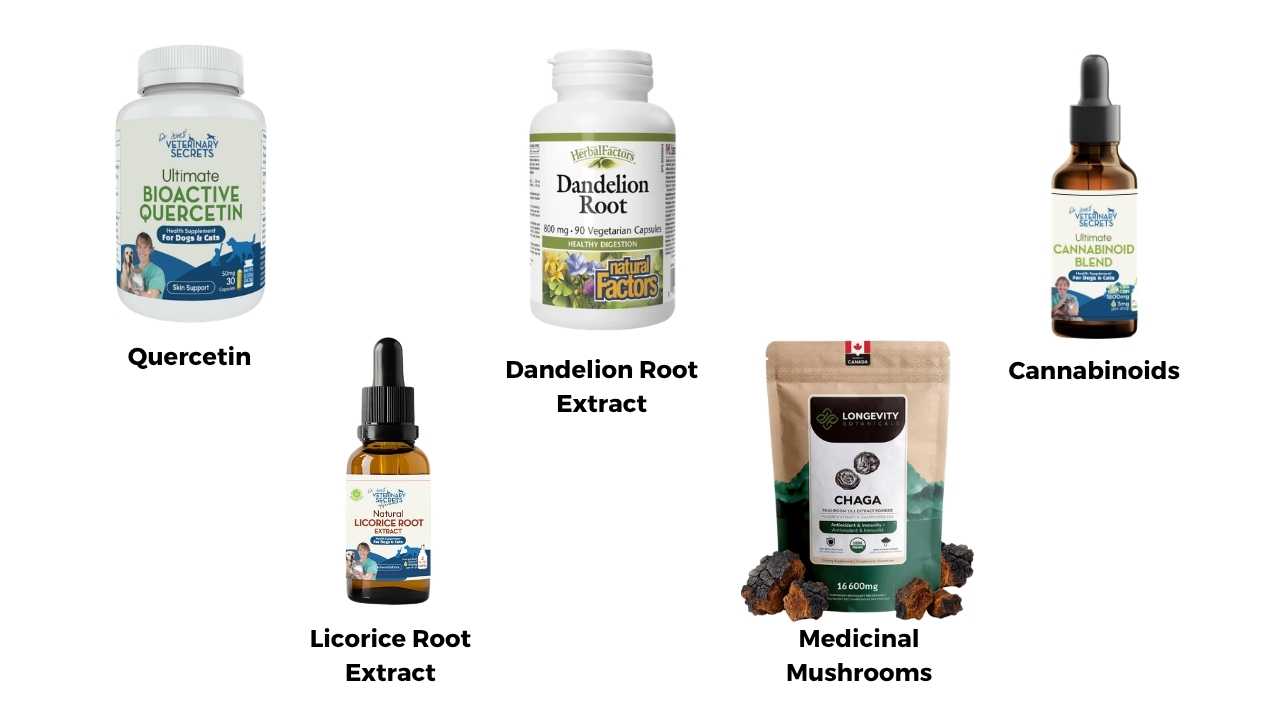
For many dogs, especially early or lower-grade tumors, I would also look at supportive natural options.
1. Natural Antihistamines
Mast cell tumors release histamine, so controlling that is key.
- Nettle: 100 mg per 10 lbs daily
- Quercetin: 50 to 100 mg per 10 lbs daily
These help reduce inflammation and histamine release.
2. Licorice Root Extract
Often called a natural corticosteroid.
- Dose: 0.5 ml per 20 lbs twice daily
Helpful short term for inflammation and immune balance.
3. Dandelion Root Extract
Traditionally used for tumors.
- Simmer 1 teaspoon per 10 lbs in water
- Give daily for 14 days and assess
4. Cannabinoids
This is one I see many pet parents using.
Not just CBD, but a blend of:
- CBD
- CBG
- CBN
- CBC
These may help with:
- Inflammation
- Pain
- Tumor support
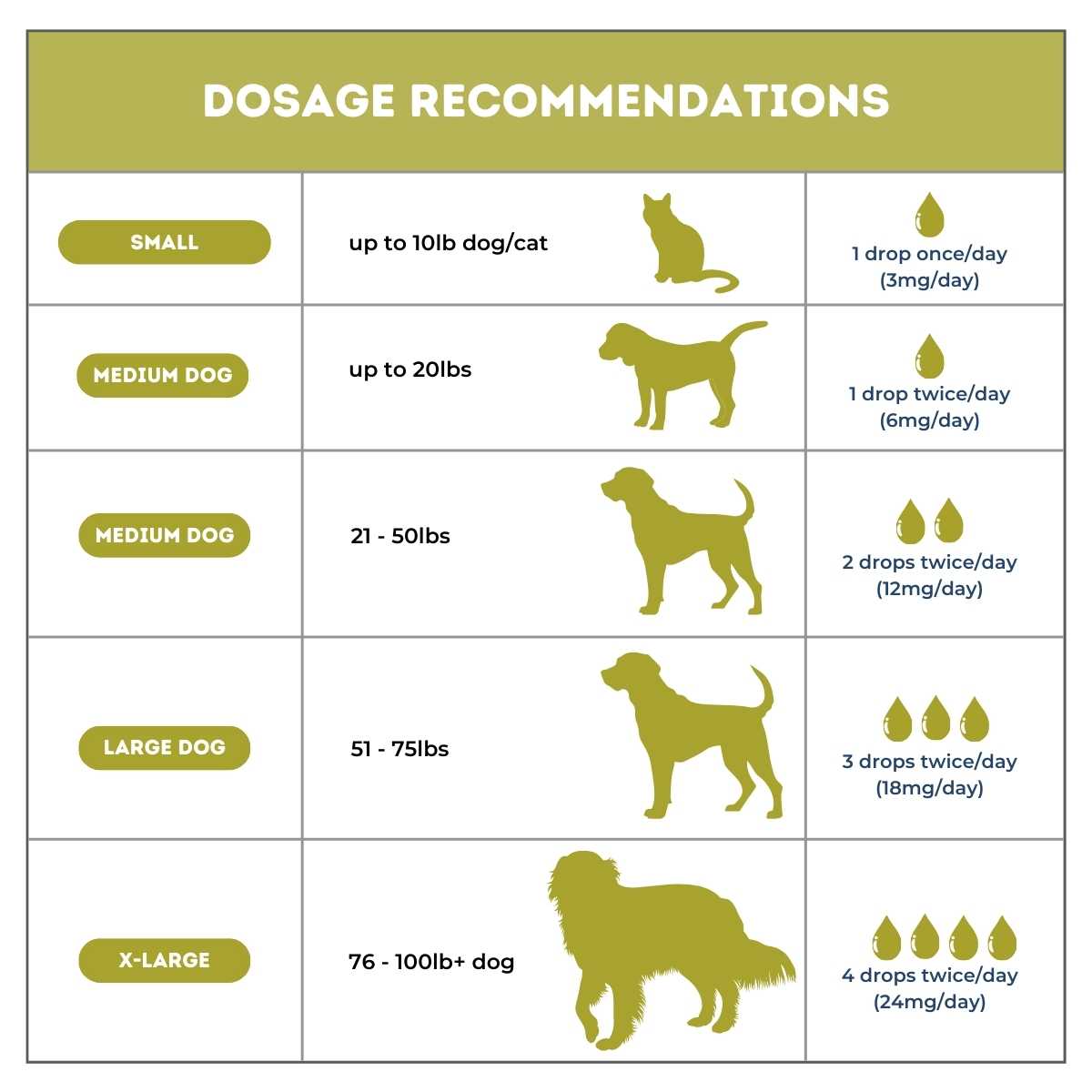
Typical dose:
- 3 mg per 10 lbs twice daily
Can be used both topically and orally.
5. Medicinal Mushrooms
Turkey Tail
- 100 mg per 10 lbs daily
- Widely used in cancer support
Chaga
- May help reduce mast cell degranulation
- Can be used orally or topically
6. Chaga Paste (Topical Option)
You can make a simple paste:
- Chaga tea
- Chaga powder
- Castor oil
- Neem oil
Blend into a paste and apply:
- Cover with gauze
- Leave overnight
- Use daily
What I Would Do

If this were my own dog, I would:
- Confirm diagnosis with a vet
- Determine the grade
- Consider surgery first for Grade 1 or 2
- Add natural support early
- Monitor closely for changes
For higher-risk breeds, I would be more proactive.
Final Thoughts
Mast cell tumors can sound scary, but many are very manageable.

The key is:
- Catch them early
- Know the grade
- Combine the best of conventional and natural support
There is no single magic solution, but there are many tools that can help your dog live longer and more comfortably.
Click To Get A Free Copy of My E-Book!