Dog Tear Stain Remedy: Causes, Probiotic Support, and What Actually Helps


Dog Tear Stains in Dogs and Cats: Causes, Remedies, and What Actually Helps
Runny eyes in dogs and cats are surprisingly common. My dog Tula and my last cat Murray both had this problem.
Most often, tear staining is linked to partially blocked tear ducts. One of the keys is lowering inflammation in those ducts. When the swelling goes down, tears can drain more normally, which may help stop the staining.
One way to support that is by adding good bacteria, or probiotics. Probiotics may help lower inflammatory mediators and reduce swelling in the tear ducts. I have seen this help many dogs and cats.
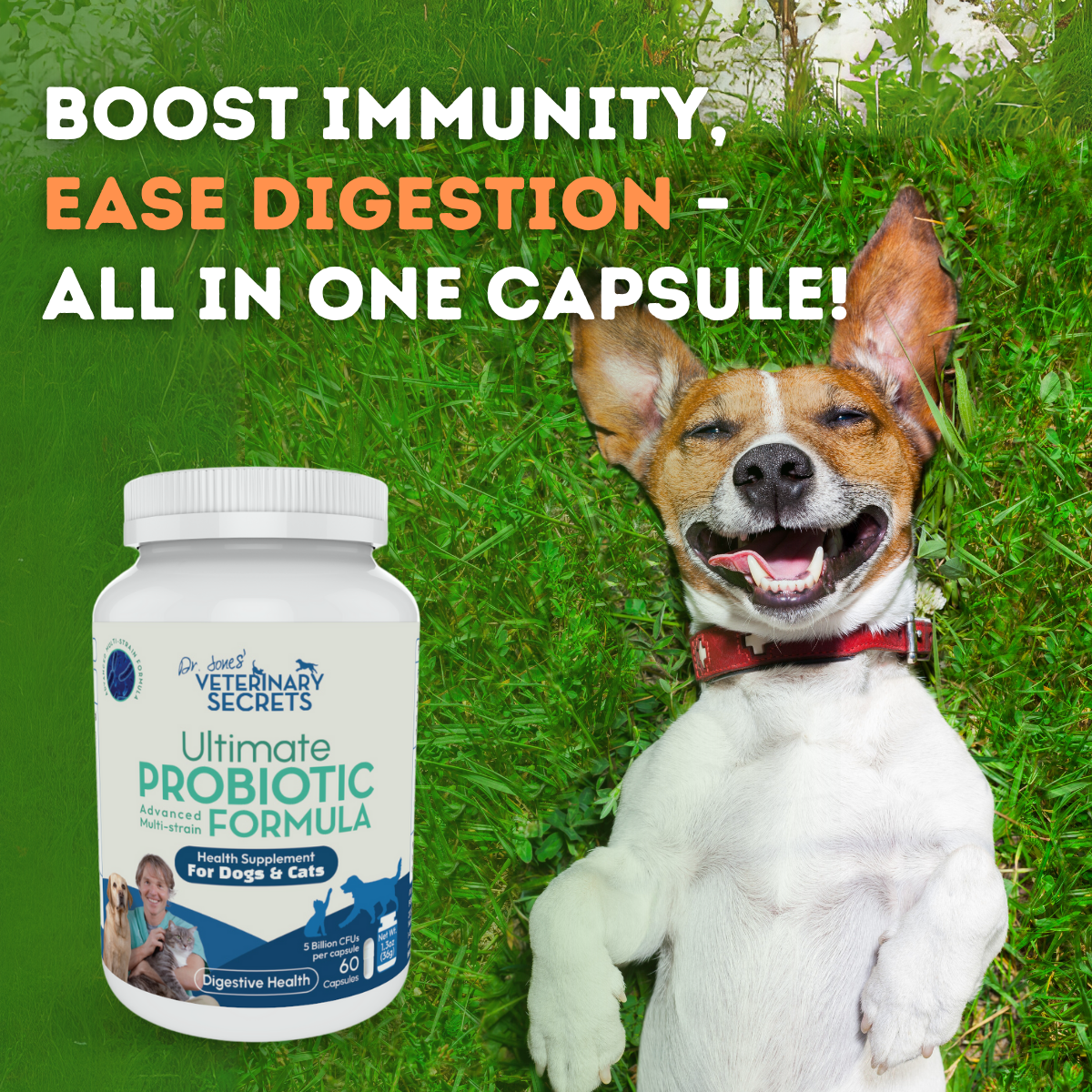
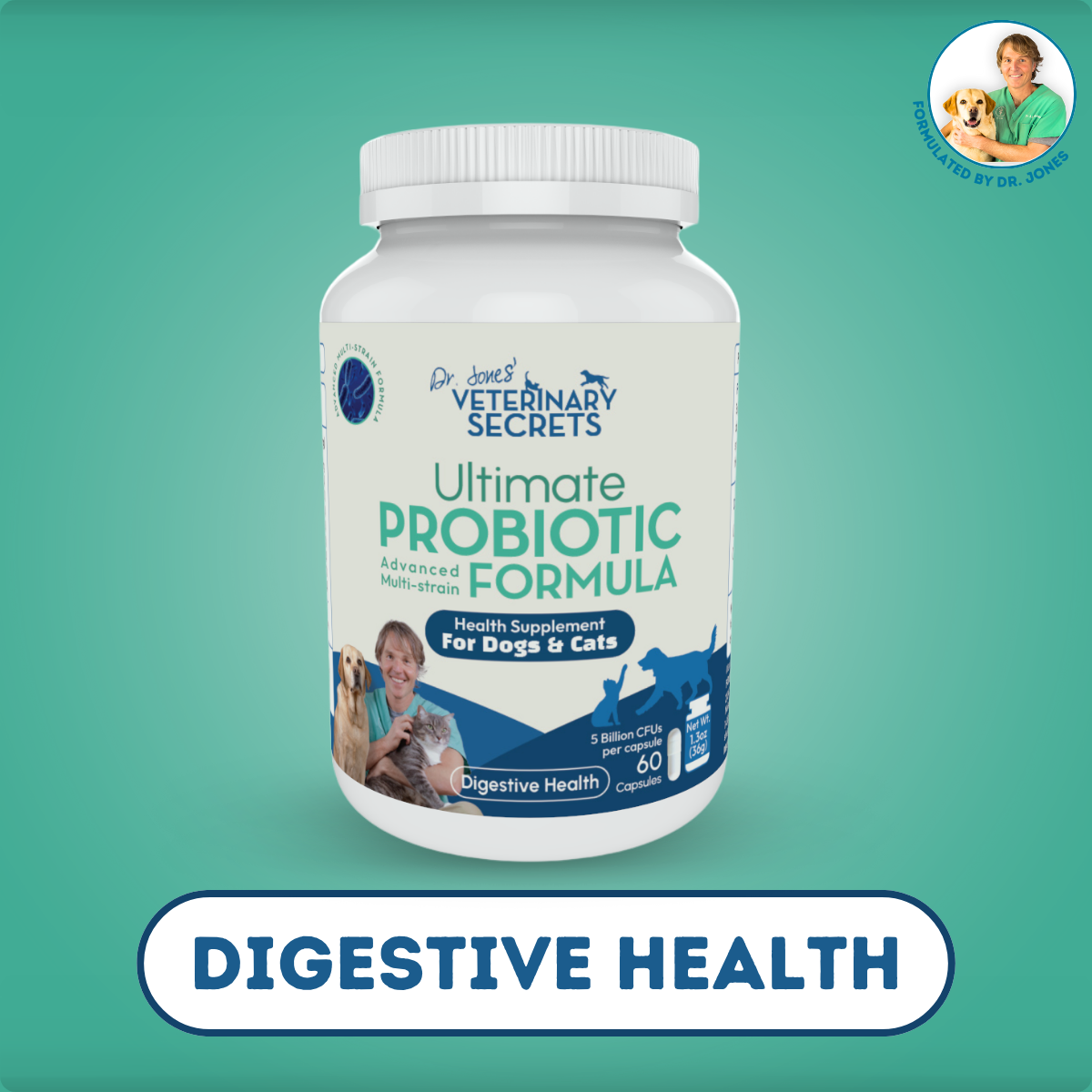
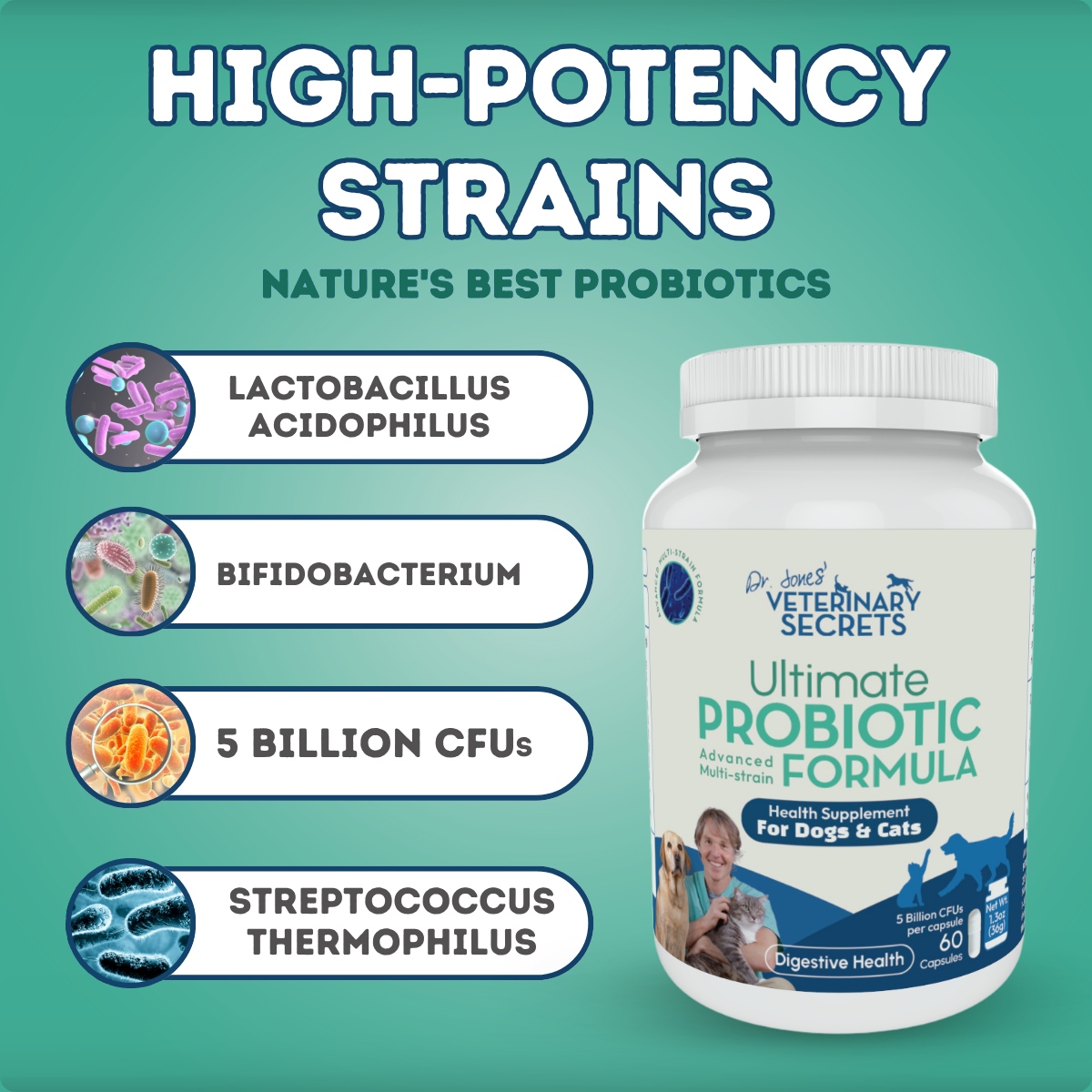
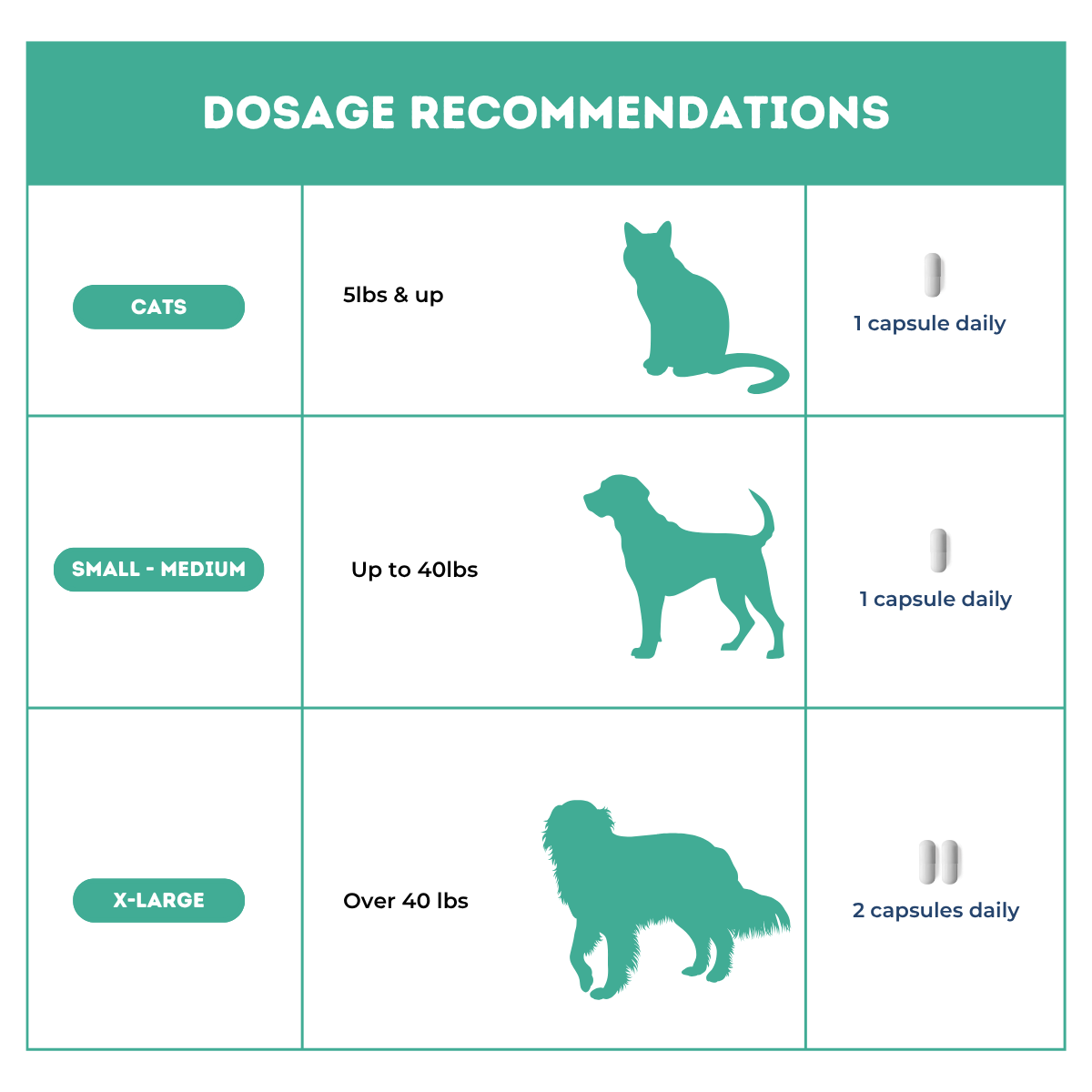
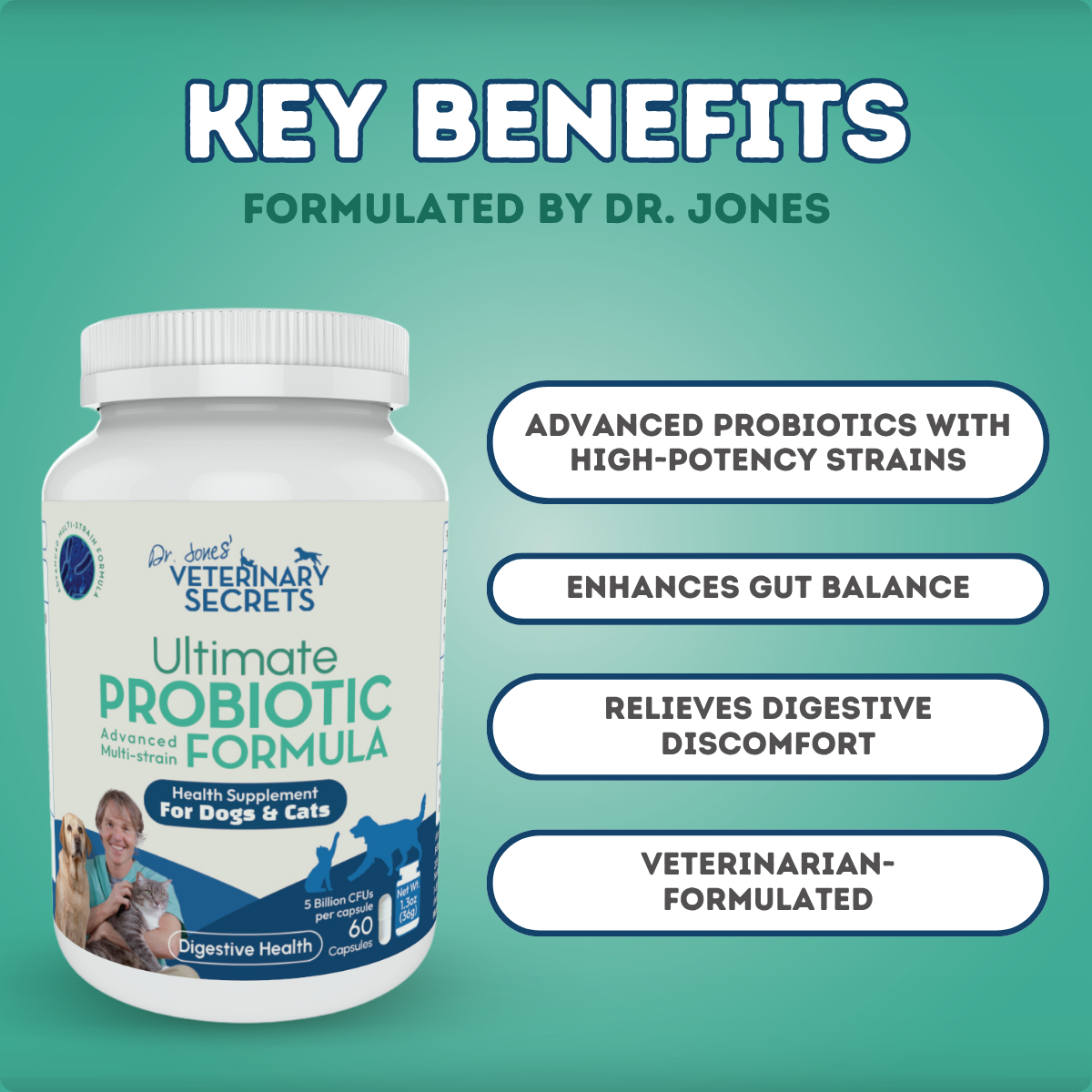
We use a high-quality, multi-strain, high-CFU probiotic supplement that may help:
Dr. Jones’ ULTIMATE Probiotic Formula for Dogs and Cats

What Are Tear Stains?
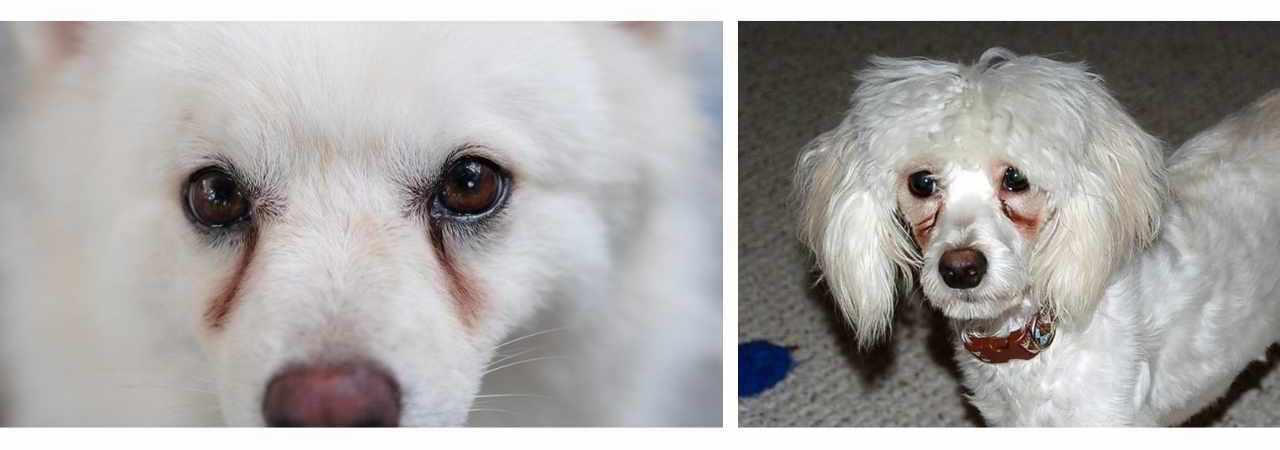
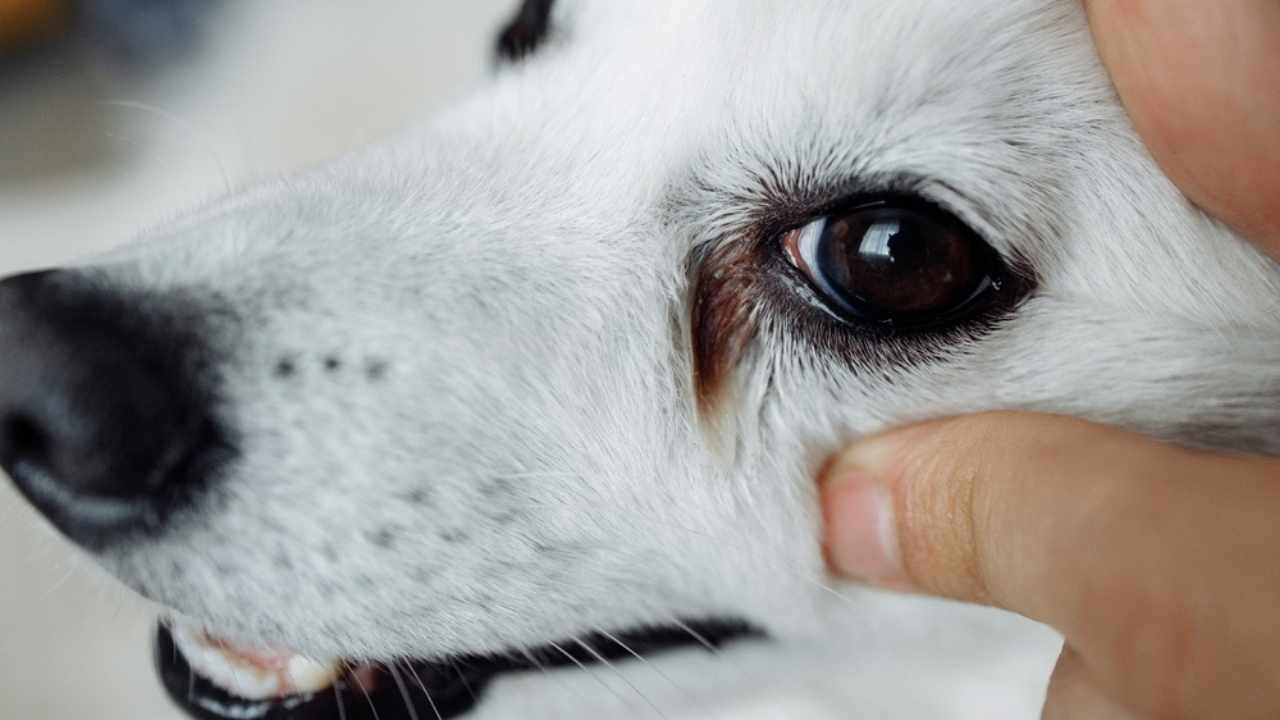
Tear staining is the reddish-brown discoloration you see on the hair under the eyes. It is most common in small breed dogs, but I also see it in cats. It tends to stand out the most in pets with white or light-colored fur.
Tear staining happens because of excessive tear production, also called epiphora. The hair under the eyes stays wet, and over time that dampness leads to staining.
One thing worth noting is this: if there is no excessive tearing, there will be no tear staining. It is also not unusual to see littermates where one has staining and the other does not. Genetics can definitely play a role.
Before trying to treat tear stains at home, it is very important to have your vet or a veterinary ophthalmologist rule out any medical cause for the excessive tearing.
What Causes Tear Staining?
There are quite a few possible causes.
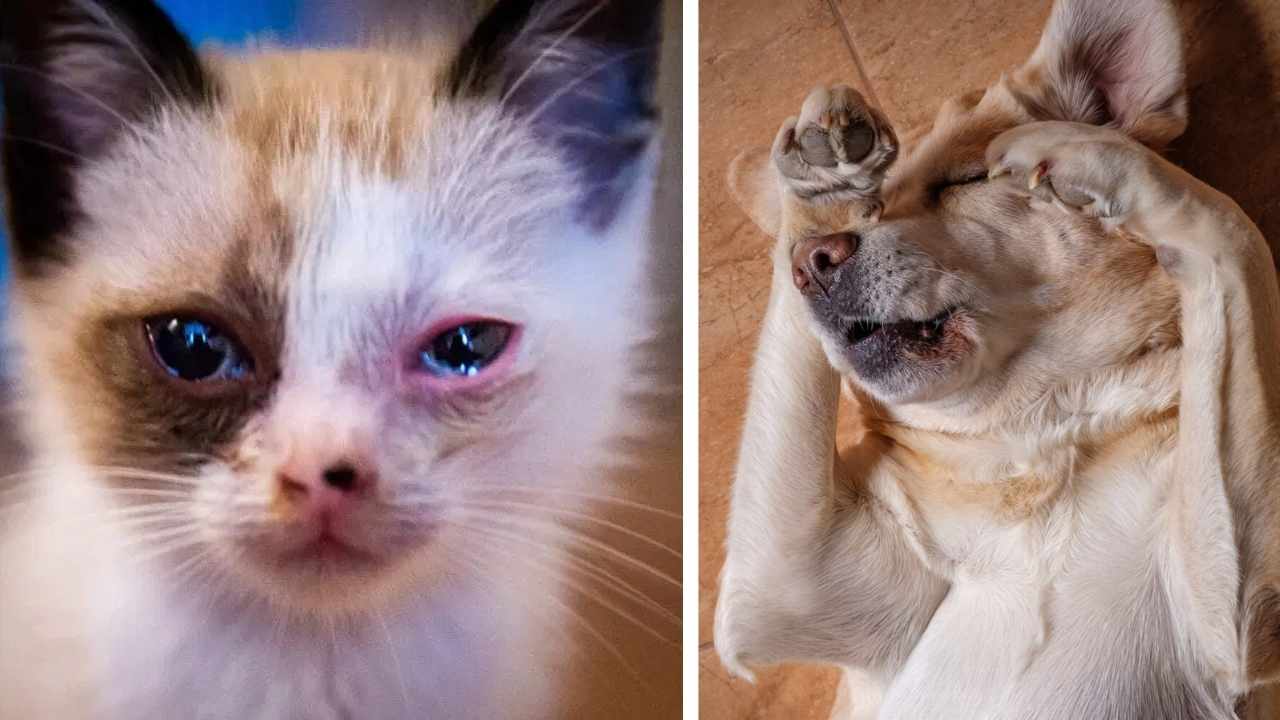
Medical causes include:
- Ingrown eyelashes
- Eye infection
- Unusually large tear glands
- Unusually small or blocked tear ducts
- Glaucoma
- Entropion, or an inverted eyelid
- Large prominent eyes
- Ear infection
- Dental issues
- Some type of systemic illness
- Certain medications
Other things that can trigger excessive tearing:
- Stress
- Hormonal changes
- High humidity
- Smog
- High winds
- Allergens and irritants
- Secondhand smoke
- Plastic food and water bowls
- High mineral content in water
- Allergies
- The type of food being fed
- Hair irritating the eyes
- Teething
The Role of Porphyrins
Tear stains are usually caused by porphyrins. These are iron-containing molecules produced when the body breaks down red blood cells. Some porphyrins are excreted through tears, saliva, and the pads of the feet.
When tears containing porphyrins sit on the hair for any length of time, staining occurs. Because these are iron-related stains, they can darken with sunlight exposure.
Yeast and Bacteria Can Make It Worse
Porphyrins are not the whole story.
Red yeast, called Pityrosporum, can also add to tear staining. Yeast thrives in moist areas, so the wet hair under the eyes is a perfect place for it to grow. If there is a yeast infection under the eyes, you will often notice an odor.
It is also possible for a dog or cat to have both porphyrins and yeast at the same time.
Then there is bacteria. The role of bacteria is still not fully understood, but they do seem to be involved in some cases. We know that some dogs improve when given certain antibiotics, and the tear staining clears up.
What You Can Do About Tear Stains
Once your vet has ruled out medical issues, there are a number of things you can try.
1. Keep the facial hair clean and dry
This may mean caring for the area two to three times a day. Try to avoid commercial liquid products. The goal is to keep the area dry, not wetter than it already is.
Use a flea comb to gently remove eye debris, then blot the area with a tissue.
2. Try this tear stain recipe
One of my favorite home remedies is a simple powder mix:
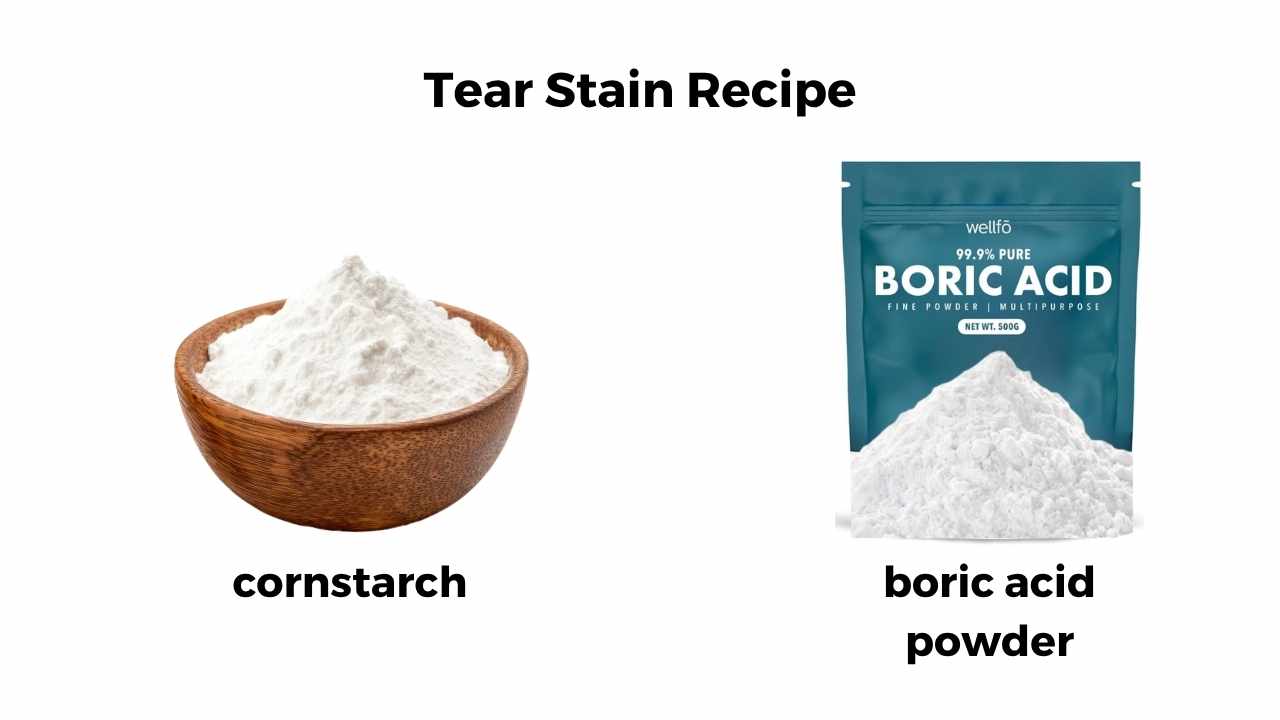
Mix a pinch of half cornstarch and half boric acid powder and work it gently into the wet hair with your fingers. Then leave it there.
The cornstarch helps dry the area, while the boric acid can gradually lighten the stain. If you do this consistently every day, you can often see a noticeable improvement within about a month.
3. Consider a diet change
Food can be a factor. There may be an underlying food allergy contributing to the tearing.
A six-week hypoallergenic food trial is worth considering.
4. Add probiotics
Many pet parents have found probiotics helpful. There seems to be a connection between excess tear production, inflammation, and the body’s ability to deal with the bacteria and yeast that can follow.
We have had many people tell us that Ultimate Canine and Ultimate Feline helped. Dr. Jones’ ULTIMATE Probiotic Formula for Dogs and Cats is a very good option to try.
Dr. Jones’ ULTIMATE Probiotic Formula for Dogs and Cats
5. Change the food and water bowls
Use glass or stainless steel bowls instead of plastic. Plastic bowls can harbor bacteria. Some breeders also use water bottles to help keep the face dry.
6. Keep the hair short
Trim the hair at the inner corners of the eyes. This helps stop tears from wicking down the face and staining the moustache area.
7. Flush the eyes
For some pets, daily flushing with an eyewash that contains boric acid, such as Collyrium, can help.
8. Lower airborne allergens
An air purifier may help if allergens are part of the problem.
9. Have the tear ducts flushed
If the tear ducts are plugged, your vet may be able to flush them. Just be aware that this is often only temporary, since the ducts can plug up again over time.
About Antibiotics
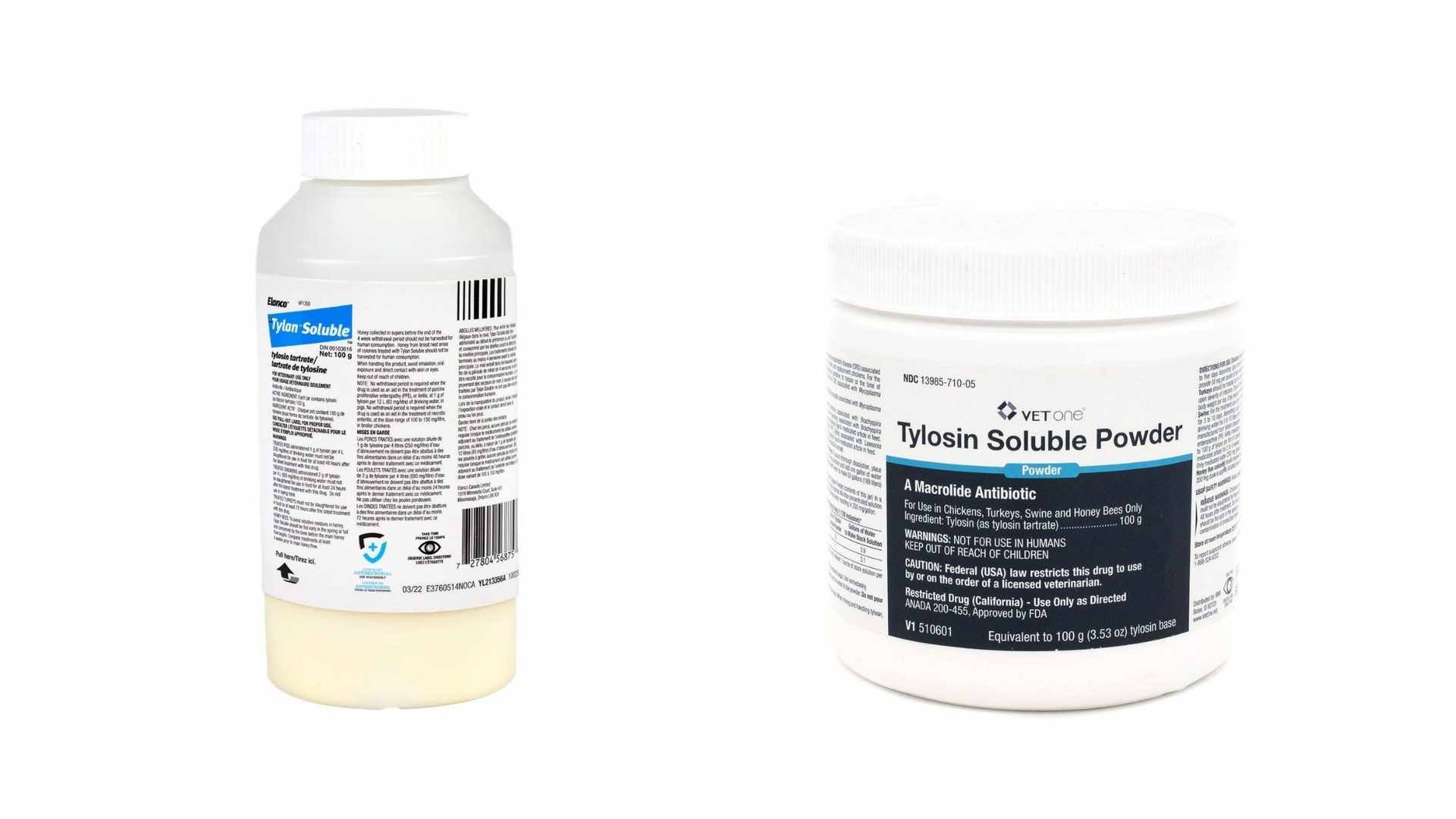
Last but not least, there is the antibiotic route. This is not something to take lightly.
If everything else has failed, it may be worth discussing a course of antibiotics with your vet. You will need to work together to figure out the right dosage and how long to use it.
Tylan, or tylosin, seems to be the drug of choice these days.
There is also a more natural option that some people try.
A Holistic Antibiotic Option: Propolis
Propolis, sometimes called bee glue, is a honey bee product that I have used many times as a natural antibiotic. It can be a good option to consider.
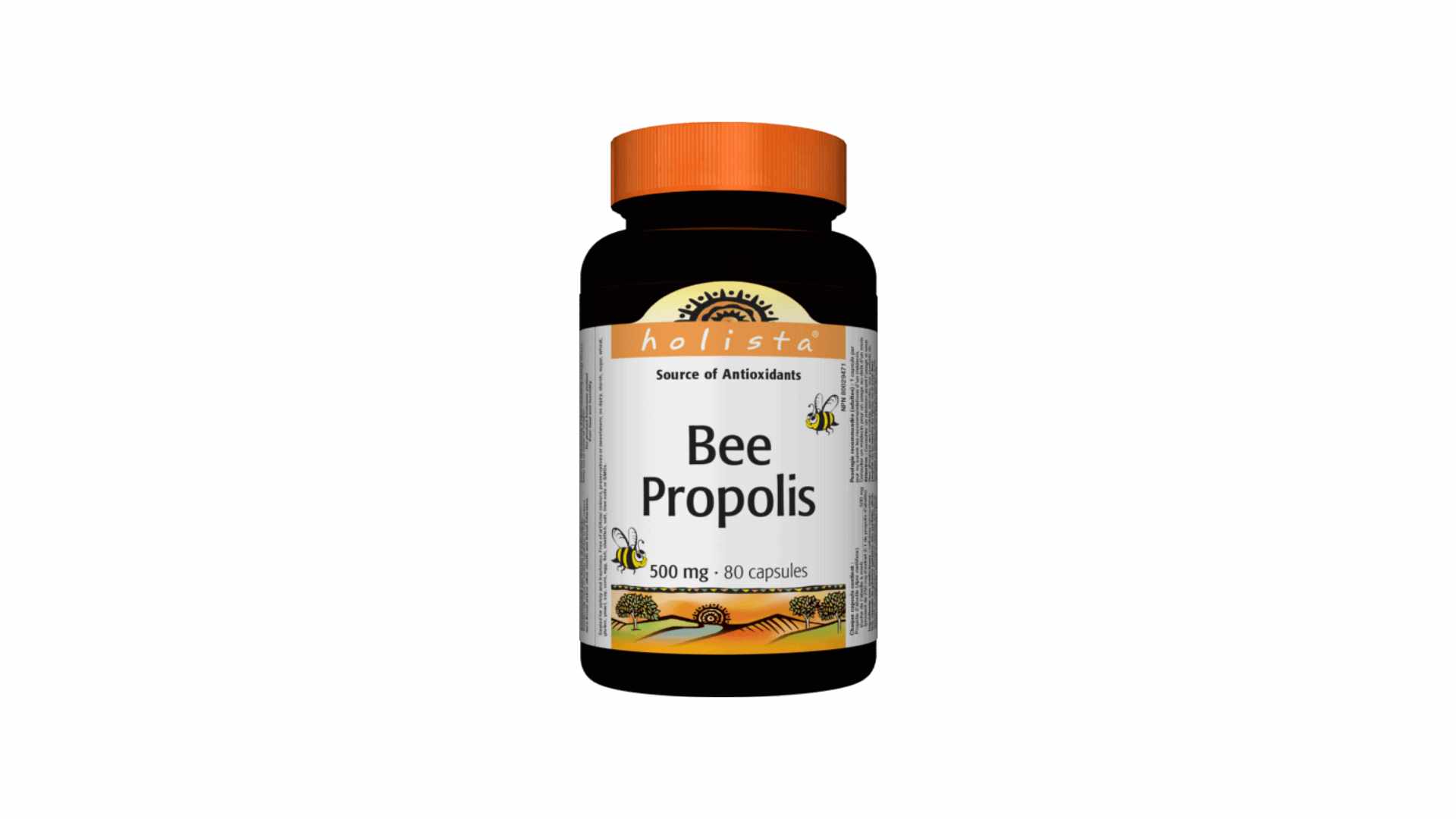
A common dose is:
100 mg per 10 lbs of body weight, twice daily for 21 days
Antibiotics do not work for every dog with tear staining, so if things are not improving after a reasonable period of time, do not keep using them without a good reason.
My Final Thoughts on Tear Staining
Tear staining can be frustrating, but in most cases it can be managed. The biggest keys are finding the cause, staying consistent, and lowering inflammation whenever possible.
That is one reason I like probiotics so much. They may help calm inflammation, support the gut, and improve the body’s response to yeast and bacteria, which can all play a part in tear staining.
Click To Get A Free Copy of My E-Book!

P.S. This is frustrating, but if you are diligent, most cases of tear staining can be managed without antibiotics.
P.P.S. One easy way to help decrease inflammation, which may also support pets with allergies, gut diarrhea, and even tear staining, is with my naturally preserved, toxin-free probiotic supplement:
Dr. Jones’ ULTIMATE Probiotic Formula for Dogs and Cats
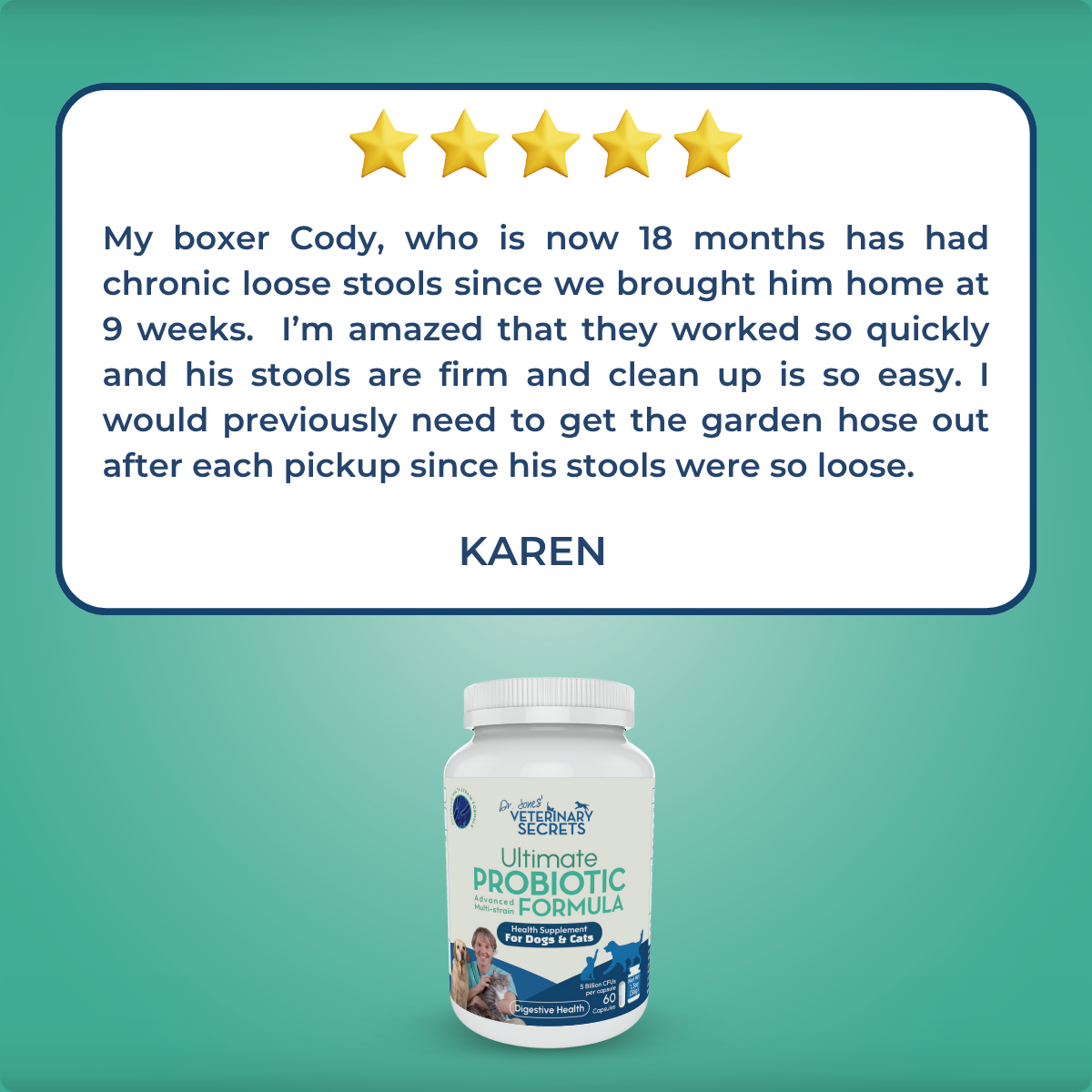
It has some great reviews.
How can I this book this. Book with out downloadhnt how can I get the book without having to download it
Great question!
If you’d prefer not to download the book, you’ve got a couple of easy options:
You can read it directly online (no download needed)
Or, if you’d rather have something in hand, you can check our website for physical copies here: https://shop.veterinarysecrets.com/pet-health-library.html
We want to make it as simple and convenient as possible for you.