CDC Warning: Cat-Transmitted Sporotrichosis

What This Emerging Fungal Disease Means for You and Your Cat
Emerging diseases can sound scary. I get it.
But the reality is this. The chances of your cat, your dog, or even you getting one of these diseases are still very low.
What we should really be paying attention to are the common conditions that affect our pets every day. Things like:
-
Chronic kidney disease
-
Feline lower urinary tract disease
There are simple nutritional ways to help support those conditions. For example:
-
Lowering phosphorus for kidney disease
-
Adding glucosamine and chondroitin for urinary tract support
That said, there is a new disease being discussed, and it is worth understanding.
Dr. Jones’ Ultimate Feline Health Formula




What Is Cat-Transmitted Sporotrichosis?
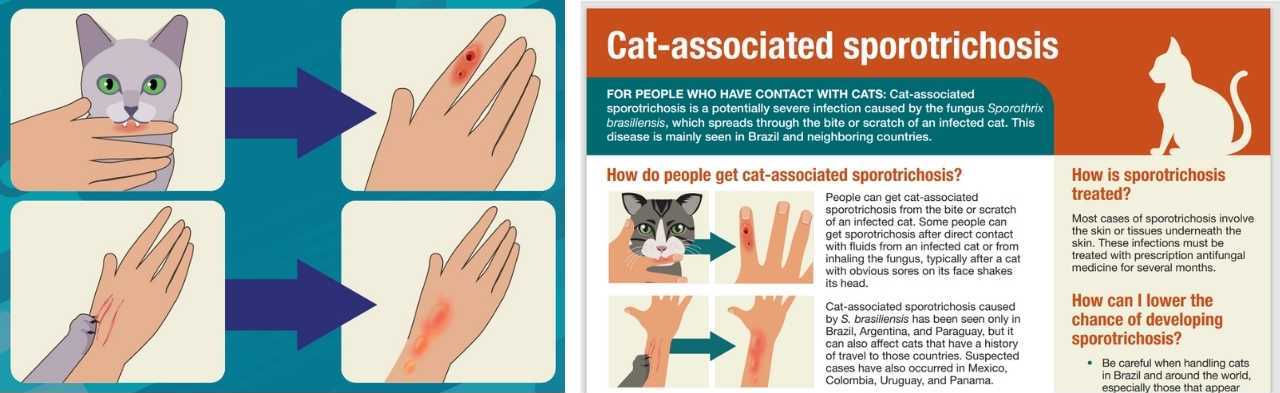
The Centers for Disease Control and Prevention has issued a warning about cat-transmitted sporotrichosis, a fungal infection that has become a growing concern in parts of the world.
This disease is caused by fungi from the Sporothrix group.
It has been reported most commonly in tropical and subtropical regions and has become a significant issue in countries such as:
-
Brazil
-
Chile
-
Argentina
In Brazil, it has spread widely enough to be considered a zoonotic epidemic.
Why This Matters
Health officials are watching this closely because it can spread from cats to people.
According to the CDC, if this disease becomes established in new regions, it could pose risks to:
-
Domestic cats
-
Stray cat populations
-
Veterinarians
-
Cat owners
Cats infected with Sporothrix brasiliensis can carry large amounts of the fungus, which increases the risk of transmission.
How Sporotrichosis Spreads
This infection usually spreads through direct contact.
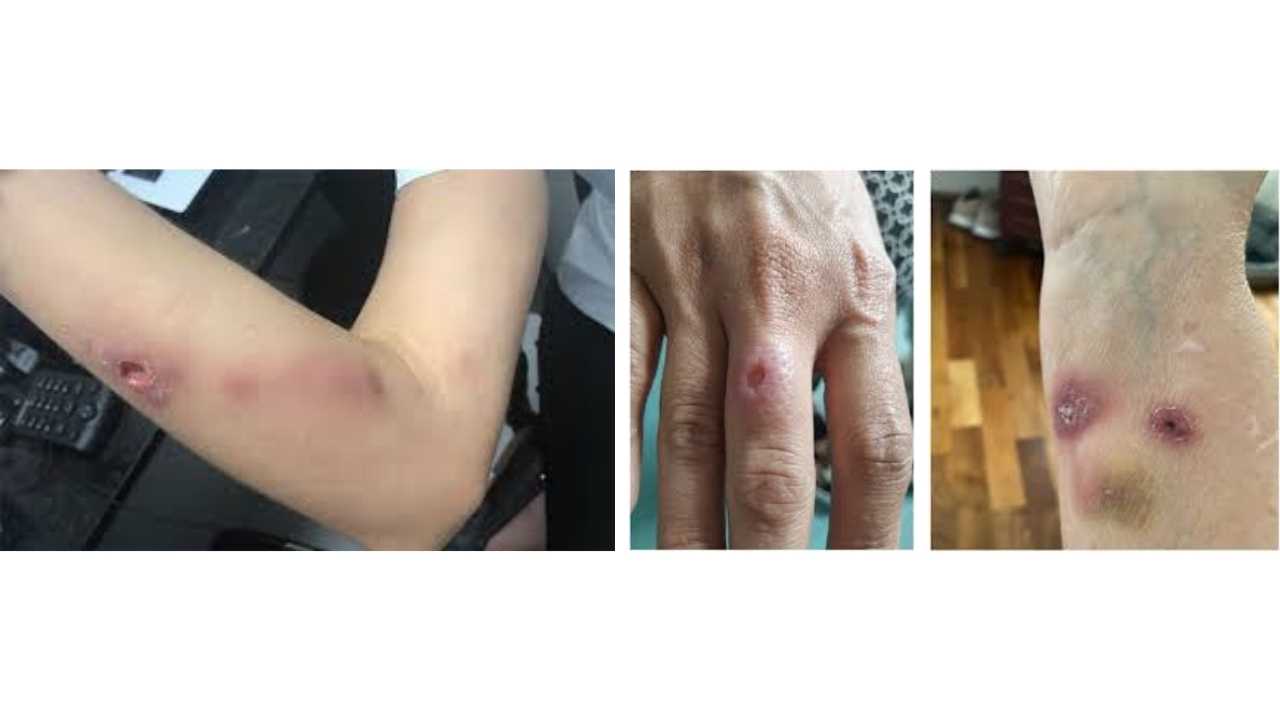
In people, the fungus typically enters through:
-
Cuts
-
Scratches
-
Open wounds
This can happen after handling contaminated plant material or coming into contact with an infected animal.
In cats, the infection often starts after:
-
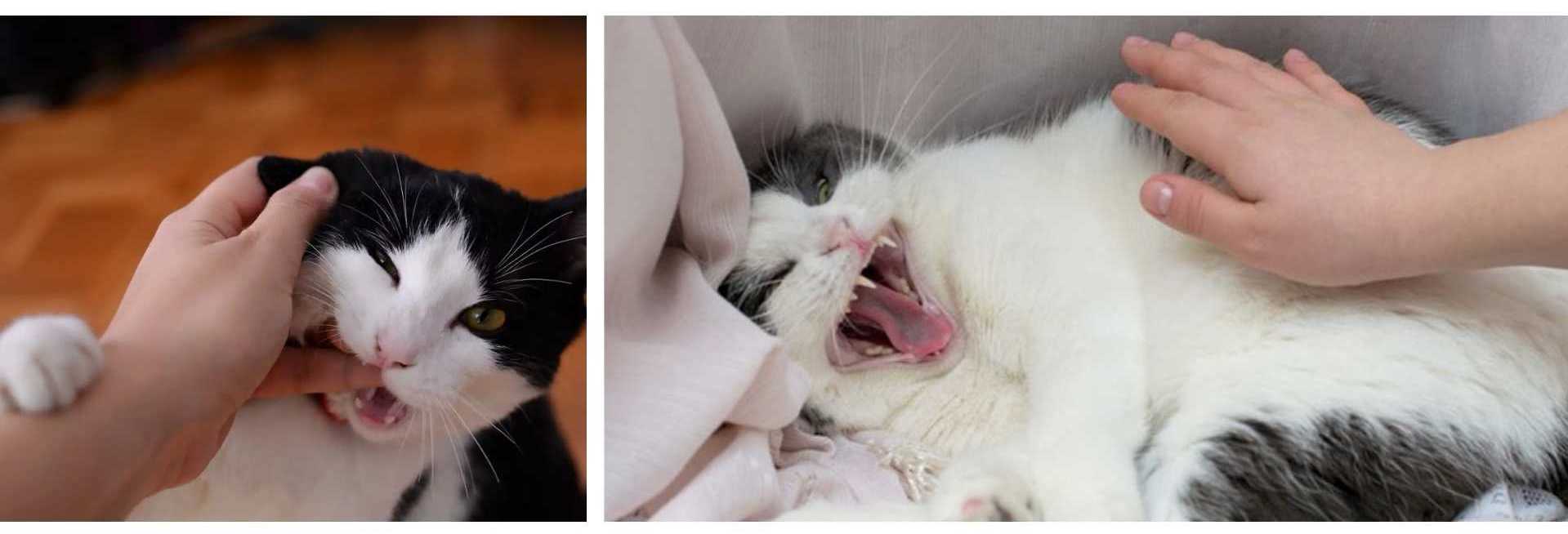
A bite or scratch during a fight with another infected cat
Once infected, cats may develop lesions and can spread the fungus through:
-
Scratching
-
Biting
-
Grooming infected areas
For people, the most commonly affected areas are:
-
Hands
-
Arms
Signs of Sporotrichosis in Cats
Infected cats often develop skin lesions, especially on the face.
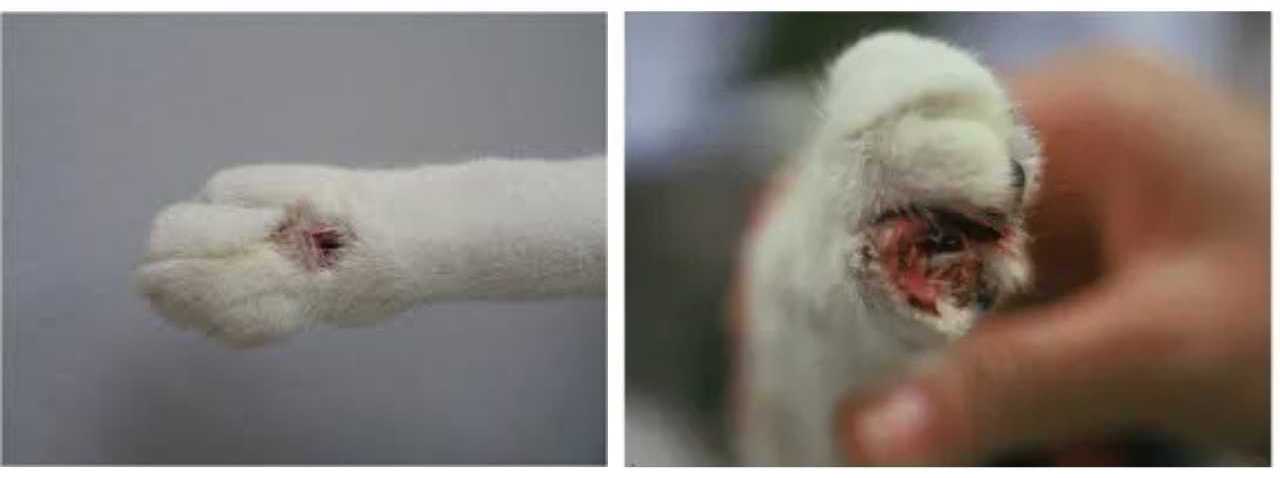
You may notice:
-
Sores around the nose and mouth
-
Open or draining wounds
-
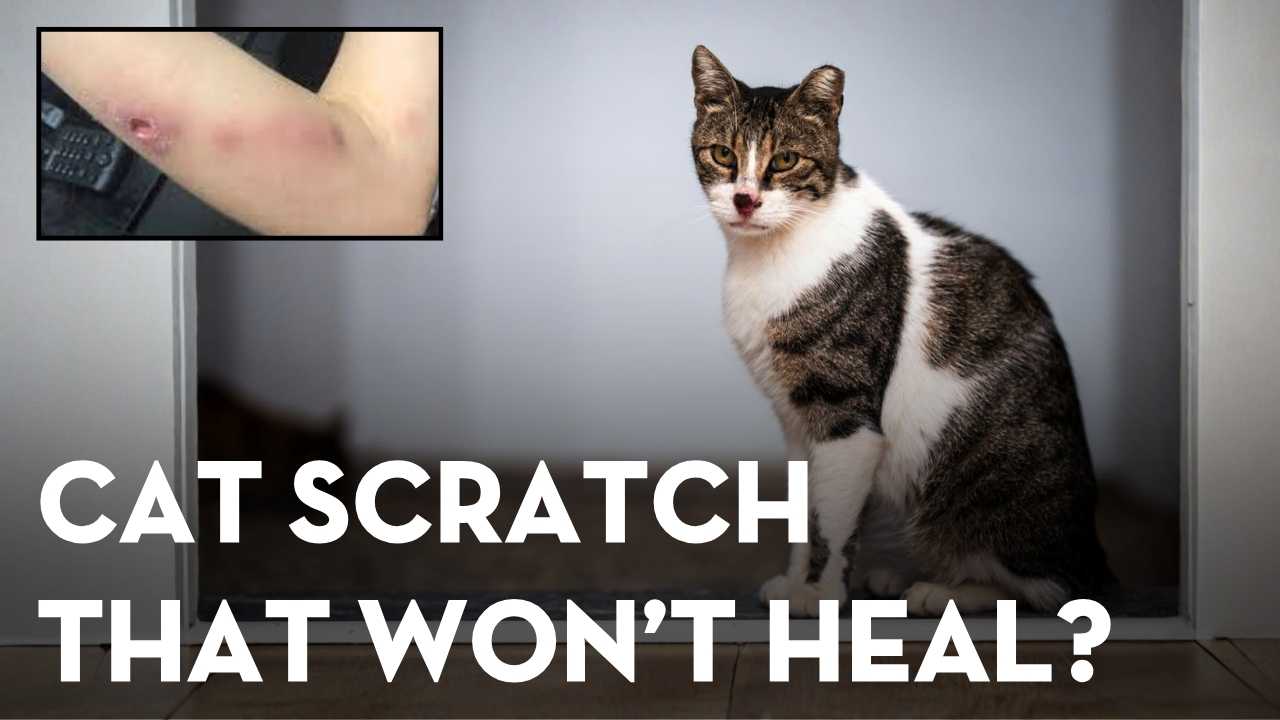
Lesions that do not heal
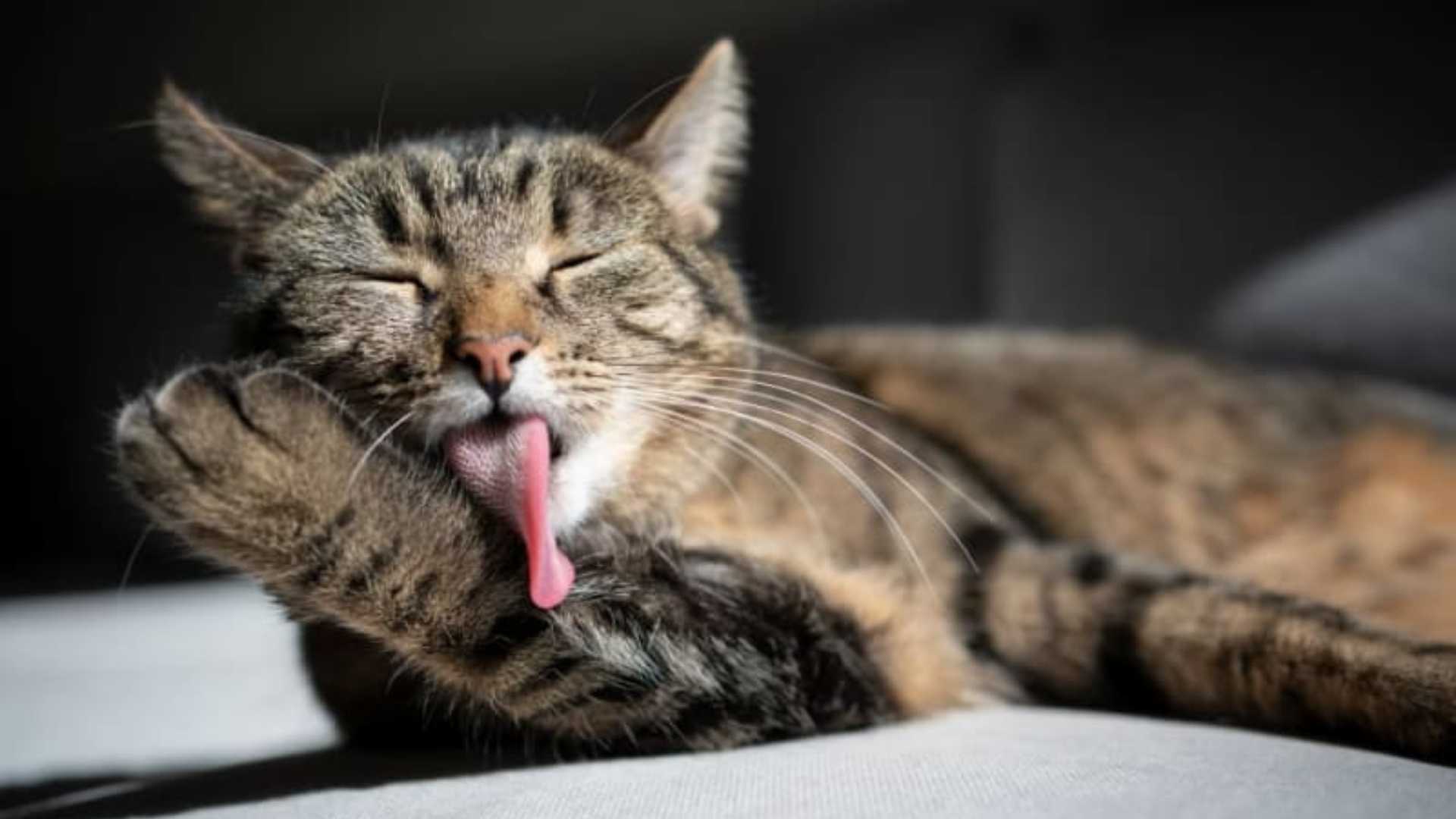
Because cats groom themselves, the infection can spread to other areas of the body.
What Veterinarians and Pet Owners Should Know
Awareness is important.
If unusual skin infections appear, especially wounds that do not heal, they should be evaluated.
Suspected cases should be reported to local health authorities so any emerging patterns can be tracked.
Treatment for Sporotrichosis in Cats
Treatment typically involves long term antifungal therapy.
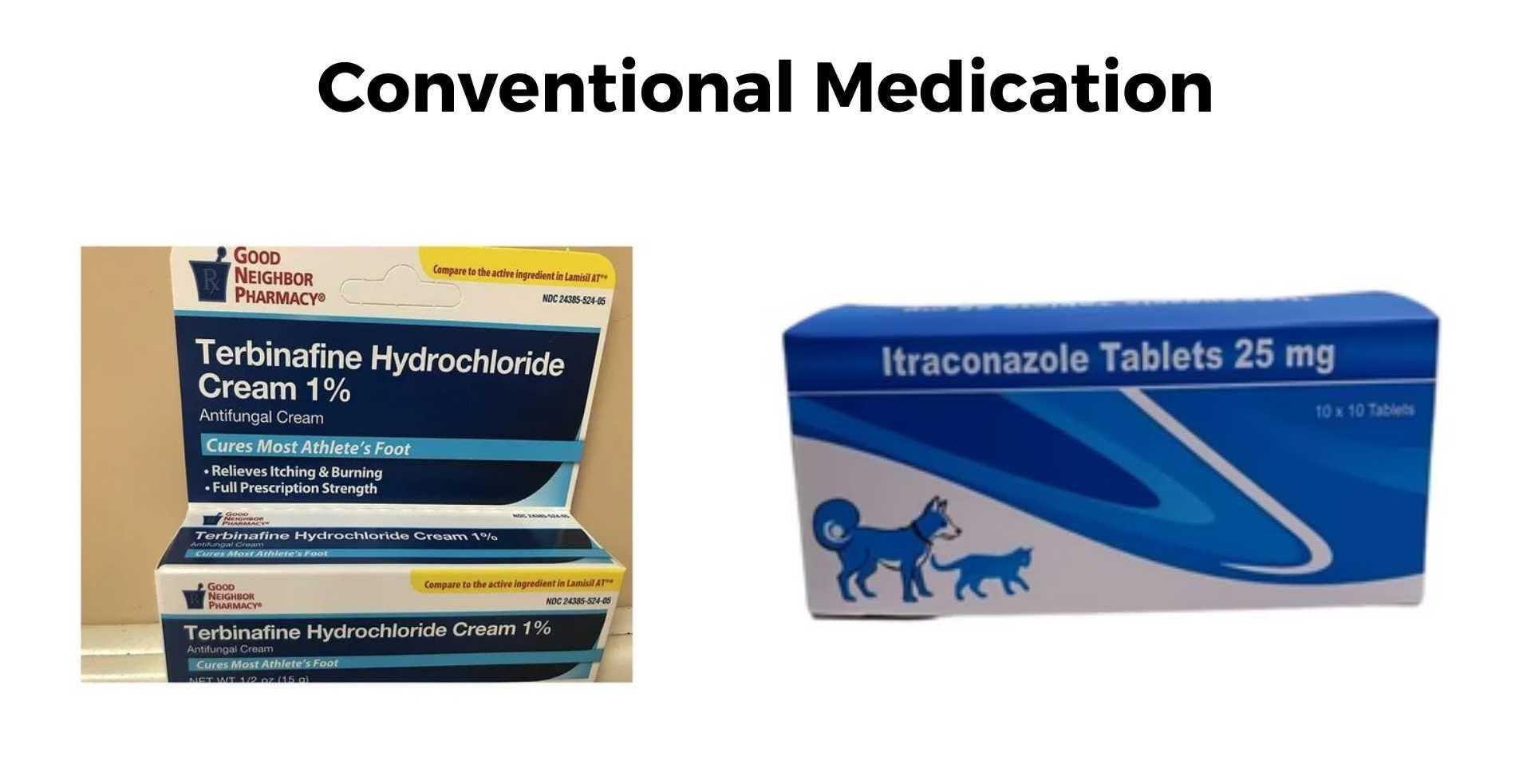
The most commonly used medication is:
-
Itraconazole
Treatment can last several weeks to months depending on how severe the infection is and how well the cat responds.
In more difficult cases, other antifungals such as:
-
Terbinafine
-
Combination therapies
may be needed.
Because this disease can spread, infected cats should be isolated, and anyone handling them should:
-
Wear gloves
-
Practice good hygiene
Should You Be Worried?
At this point, this is not a widespread issue in most regions.
It is something to be aware of, not something to panic about.
The much bigger impact on your cat’s health still comes from more common conditions like:
-
Kidney disease
-
Urinary tract disease
That is where your focus should be day to day.
Supporting Your Cat’s Health
There are simple nutritional steps that may help support your cat’s long term health.
For example:
-
Lower phosphorus diets may help support kidney health
-
Glucosamine and chondroitin may help reduce bladder inflammation in urinary tract disease
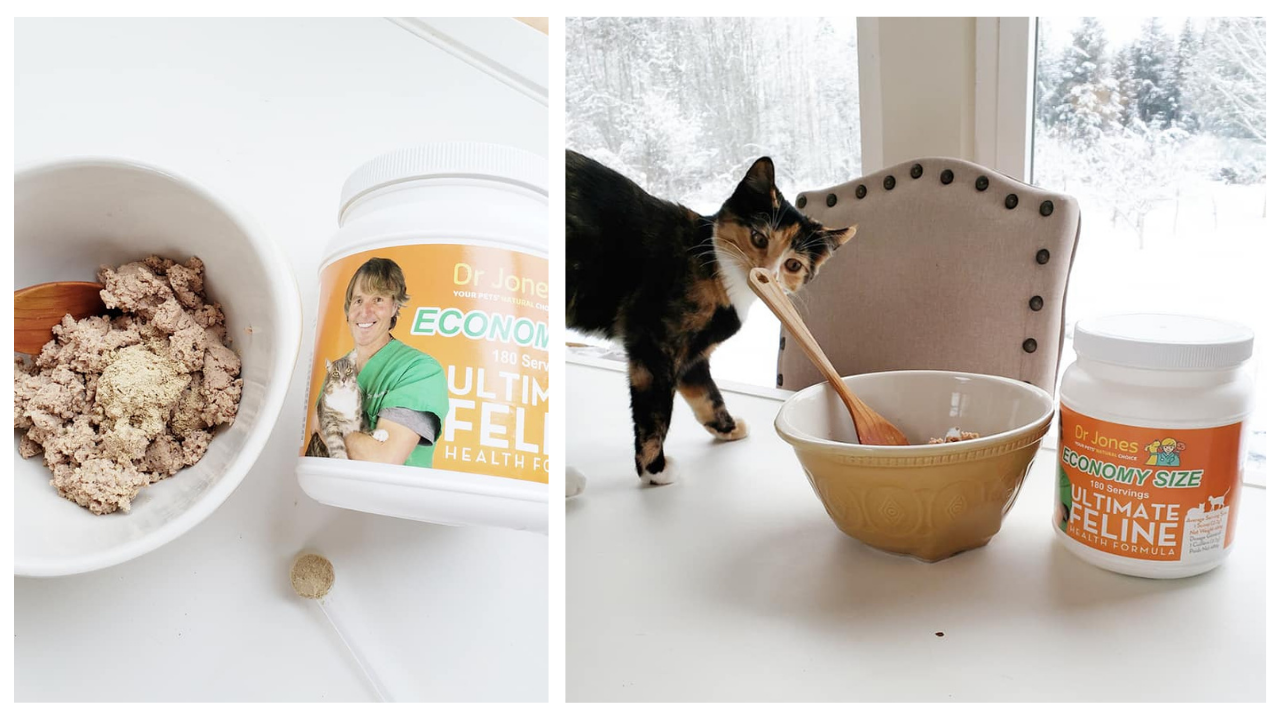
My Ultimate Feline Health Formula includes ingredients designed to support these common conditions.
Click To Get A Free Copy of My E-Book!

P.S. This disease can be transmitted to people and dogs, but it is still rare. I will continue to keep an eye on it and share updates if anything changes.
P.P.S. Supporting your cat’s kidneys and urinary tract early can make a big difference over time. That is exactly why I included targeted ingredients like glucosamine, chondroitin, and lower phosphorus levels in my feline formula.