Can Dogs Get Asthma? Signs, Triggers, and Treatment Options

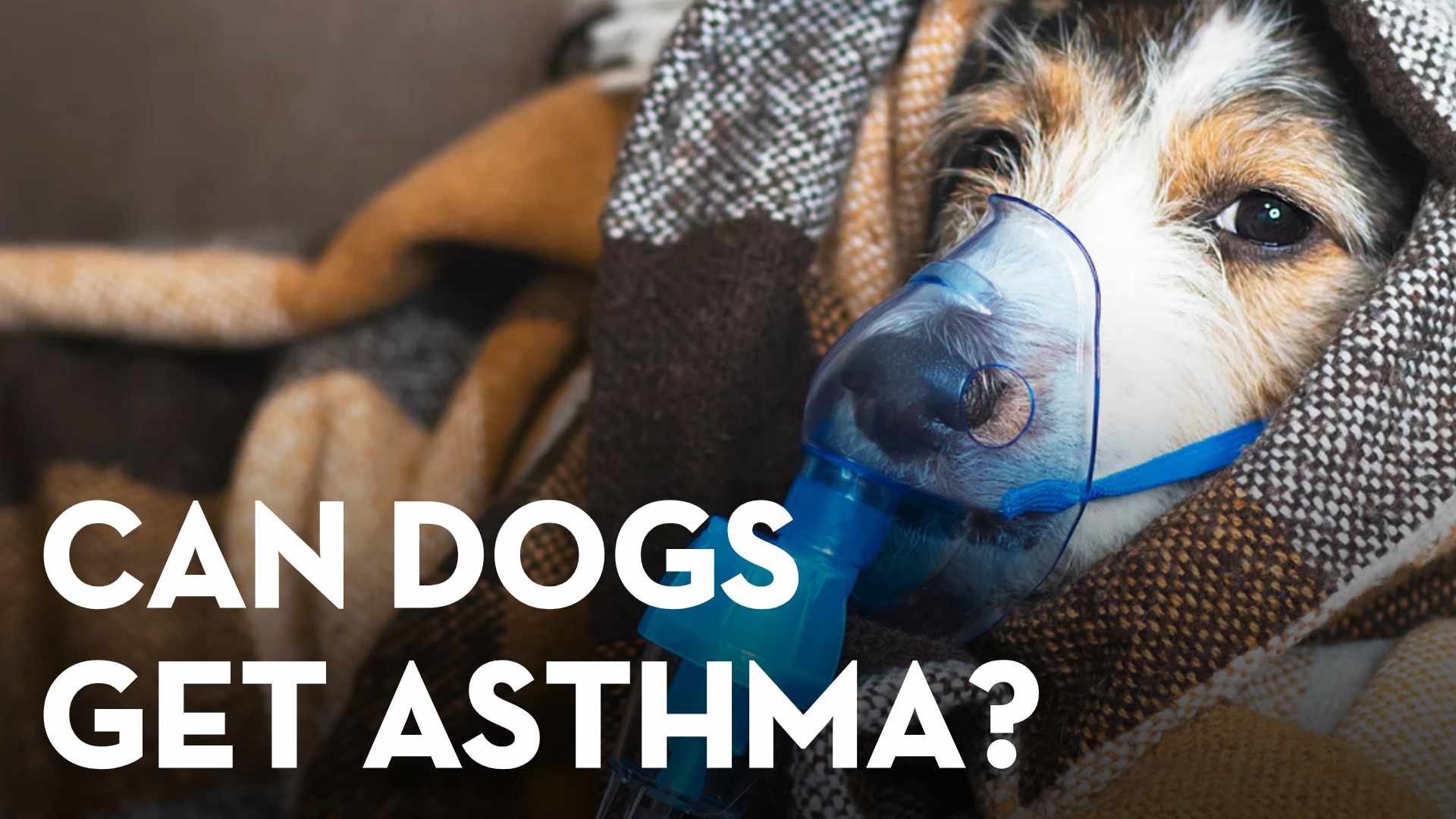
Understanding Symptoms, Triggers, and Natural Ways to Help
Most people are surprised to learn that dogs can have asthma. While it is much more common in cats, dogs can suffer from asthma in very similar ways to humans. One of the most common signs I see is coughing, especially a chronic cough that does not seem to go away.
Unfortunately, conventional options are limited. Steroids are often prescribed, but they can come with a long list of side effects. This is why many pet parents look for safer, supportive options they can use at home.
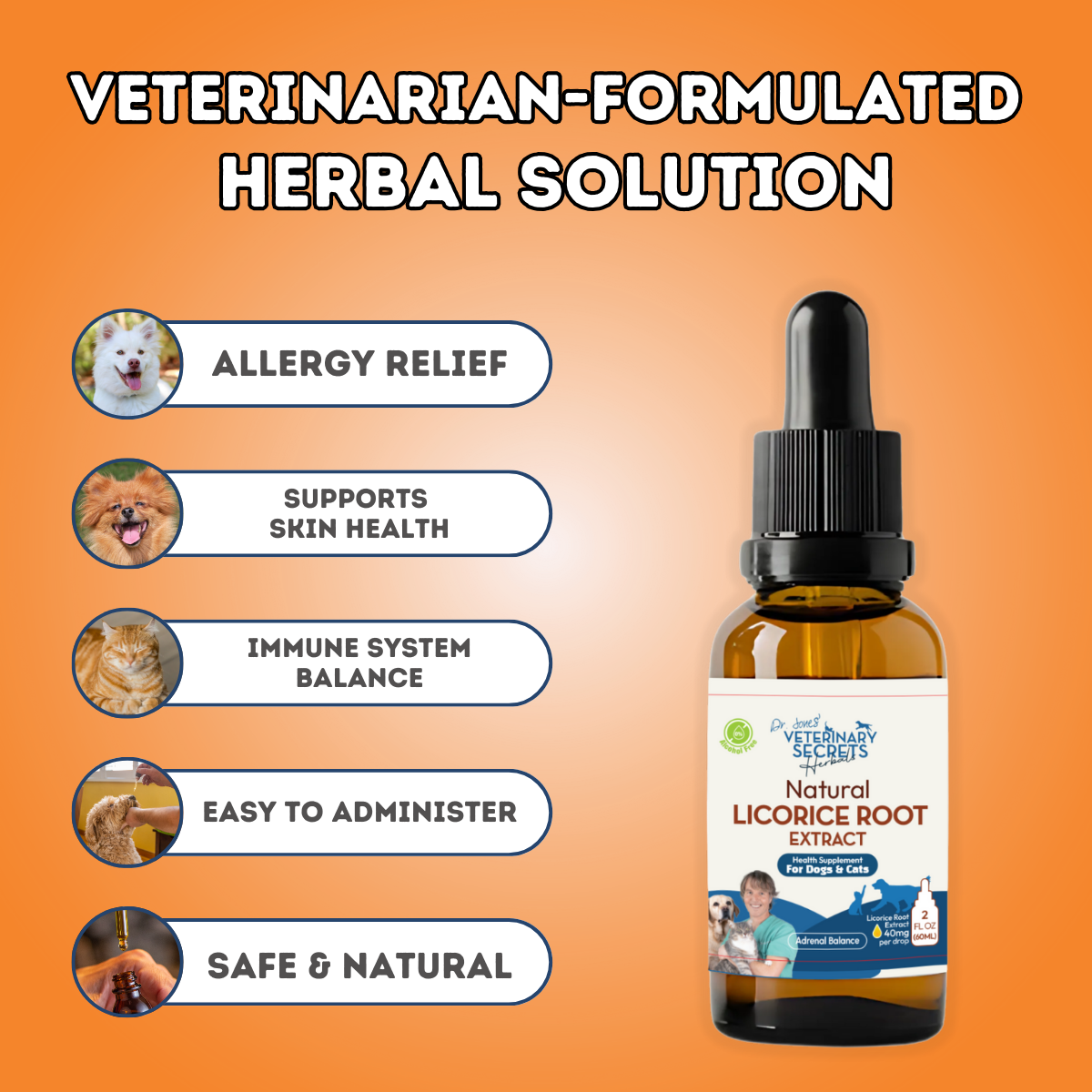
Dr. Jones’ Herbals: Licorice Root Extract





What Asthma Looks Like in Dogs
Asthma in dogs is considered an allergic disease. An asthma attack is triggered when a dog inhales something their immune system reacts to. This reaction causes inflammation in the airways, leading to tightening and spasms of the small airways in the lungs.
When dogs are diagnosed with asthma, it is most often in middle age, although some younger dogs are affected. Small breed dogs tend to be diagnosed more often than large dogs.
Common Triggers for Asthma Attacks
Asthma attacks are usually triggered by airborne allergens. Common triggers include mold spores, dust and dust mites, cat litter dust, cat dander, pollens, household cleaners, air pollution, perfumes, air fresheners, pesticides, fertilizers, and smoke from cigarettes, vaping devices, or fireplaces.

Identifying and reducing exposure to these triggers is one of the most important steps in managing asthma.
Signs of Asthma in Dogs
During an asthma episode, dogs may cough, wheeze, pant with an open mouth, or appear to struggle to breathe. Some dogs produce excessive mucus or phlegm, and in severe cases the gums may appear bluish due to reduced oxygen.
Dogs experiencing an asthma attack are often panicked and difficult to calm. It is important to never force their mouth closed, as this can increase stress and risk injury.
Conventional Treatment Options
Standard treatment usually focuses on three goals. The first is opening the airways using a bronchodilator. The second is reducing the allergic response with antihistamines. The third is decreasing inflammation with steroids.
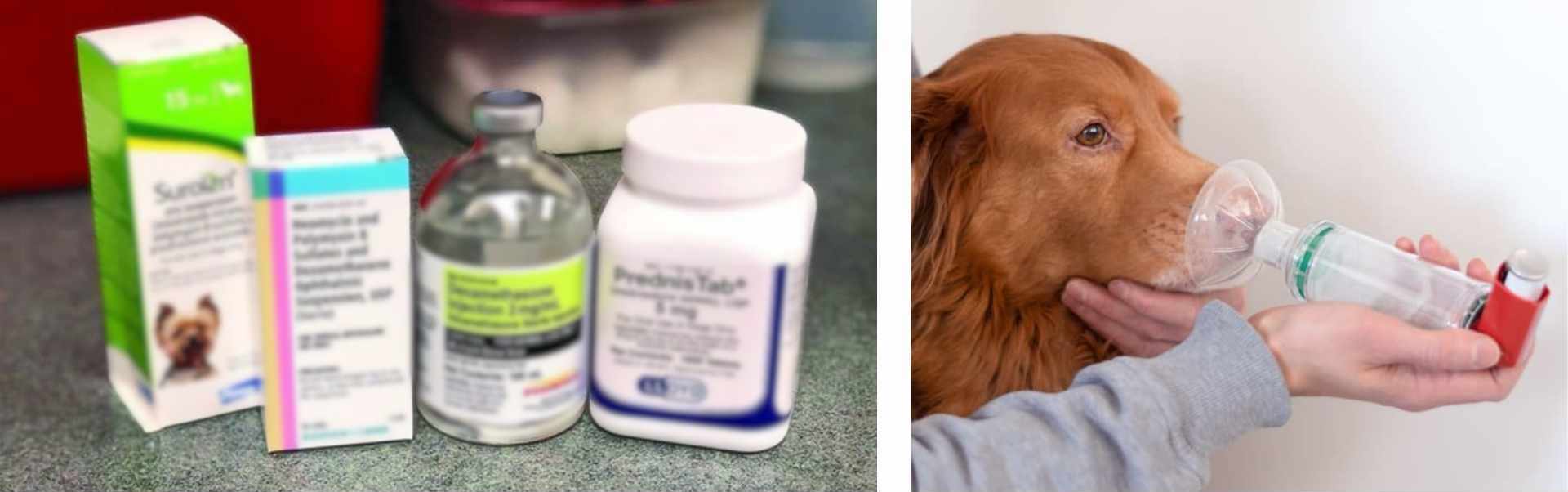
Medications may be given by mouth or through a nebulizer, which delivers medication as a mist that is inhaled directly into the lungs.
What You Can Do at Home
Avoiding triggers is one of the biggest keys to preventing asthma flare ups in dogs. Even without allergy testing, you can start reducing common irritants at home right away.

-
Do not smoke or vape near your dog
-
Use a HEPA filter in your furnace or a room air purifier
-
Wipe your dog down after going outside to remove allergens
-
Avoid burning wood, incense, or candles in the home
-
Use dust free cat litter if you have cats
-
Wash pet bedding regularly
-
Reduce carpeting when possible and switch to hard flooring
Natural Options to Support Dogs With Asthma
Inflammation plays a major role in asthma, so natural anti inflammatory support can be helpful. Ninety five percent curcumin has shown benefits in people with asthma and may help dogs when used appropriately. CBD can also reduce inflammation and anxiety, especially during flare ups.

Essential fatty acids help calm inflammation and often work well alongside antihistamines. Bioflavonoids such as quercetin may reduce lung inflammation and ease symptoms in some dogs.
For cough relief, options like honey, green tea, and slippery elm can soothe irritated airways. Green tea also contains a small amount of caffeine, which can act as a mild natural bronchodilator. Lobelia is another herb traditionally used for asthma and can help open airways when used carefully.
Natural Corticosteroid Support
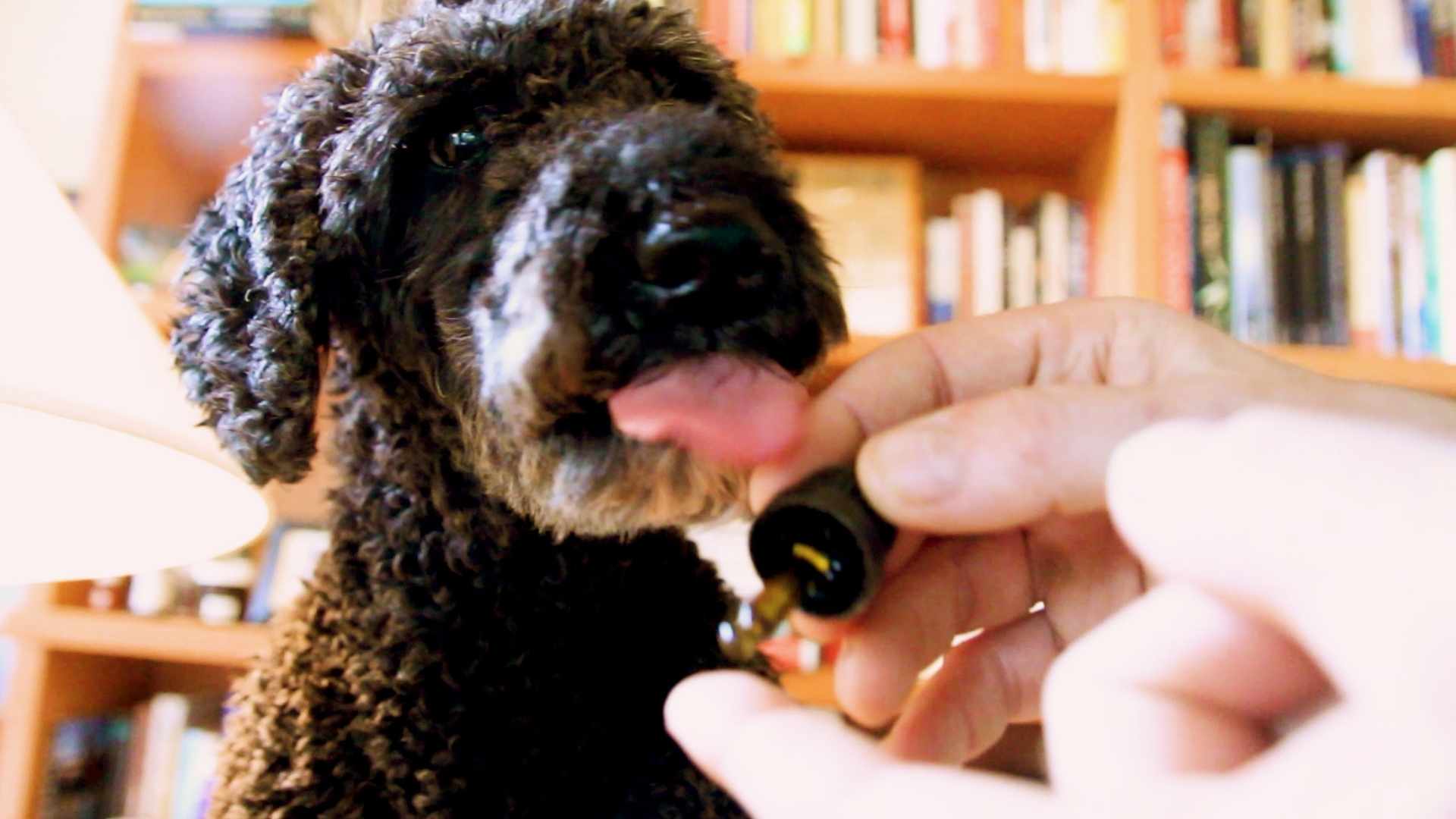
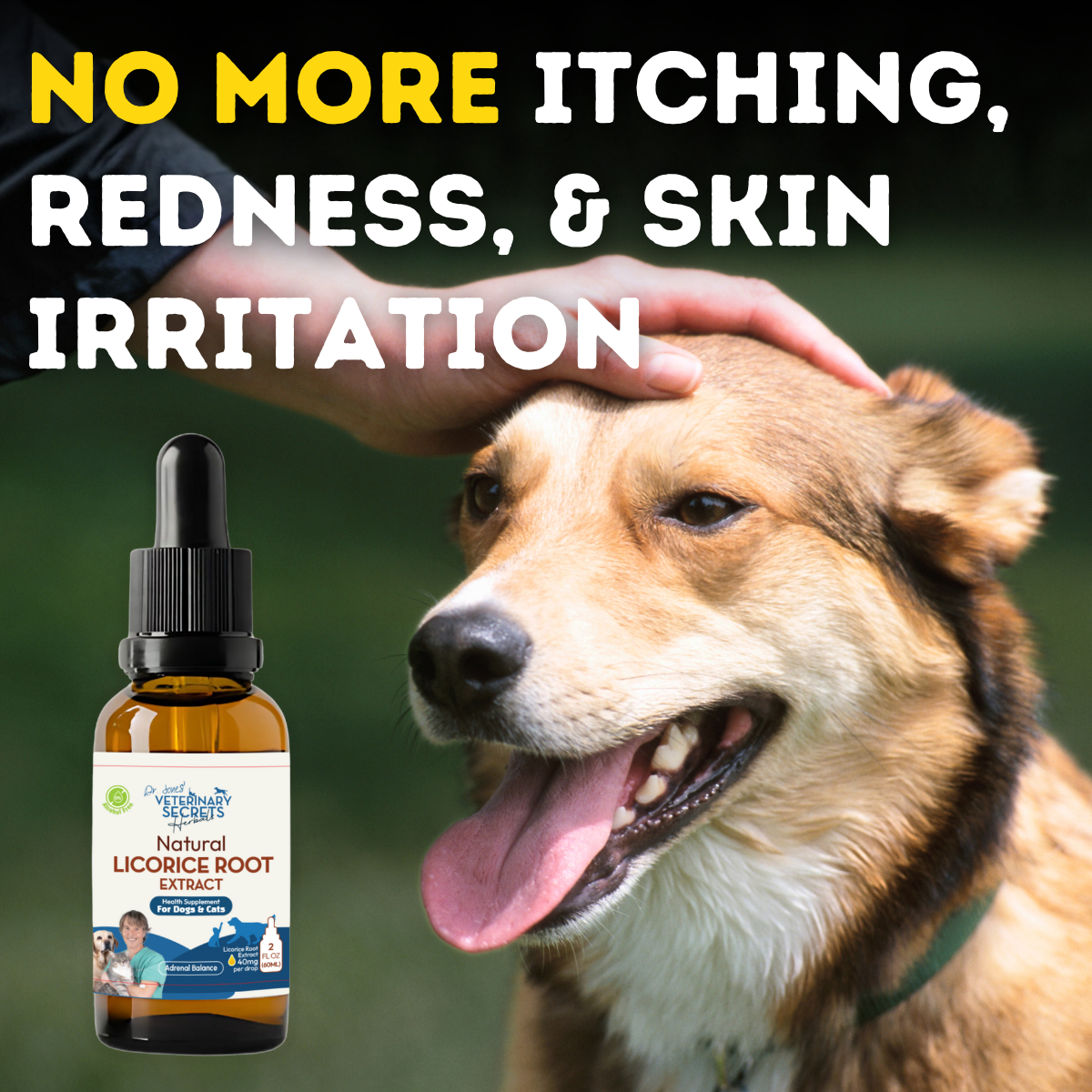
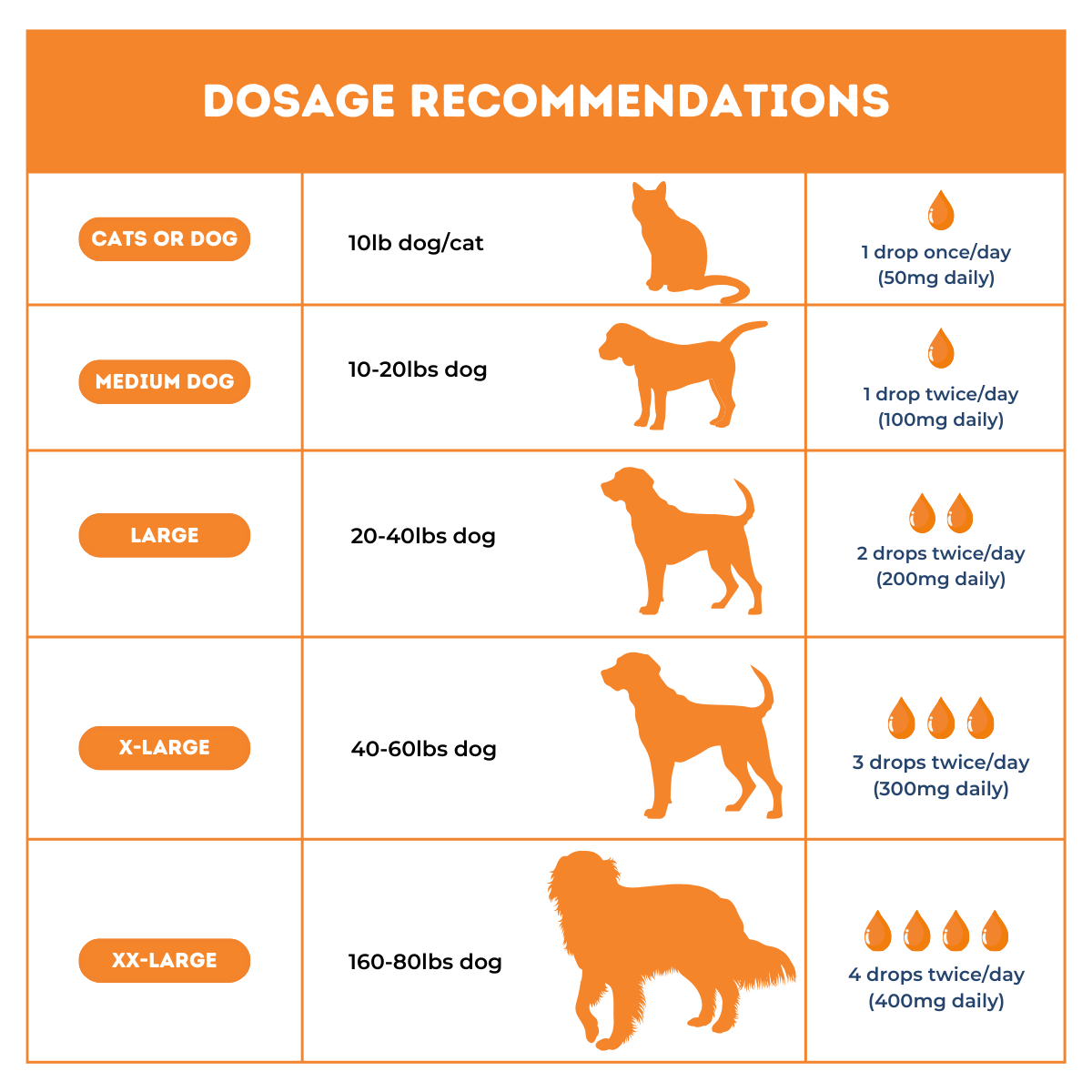
Licorice root is one of the most important natural options for short term inflammation control. It works in a way similar to corticosteroids and can be very helpful during asthma or allergy flare ups when used for limited periods.
Final Thoughts
Asthma can be frightening to witness, but many dogs do very well with proper management. Reducing triggers, supporting the lungs, and calming inflammation can make a meaningful difference in comfort and breathing.
Click To Get A Free Copy of My E-Book!

P.S. If your dog or cat has a chronic cough, make sure asthma is ruled out. If it is present, consider holistic options alongside conventional care rather than relying only on long term steroids.





Saying again how deeply this community feels about Tula passing away. My cat has coughed since the first year of life. Only time he is ‘free’ is ramming crazily in high country Colorado(go figure 5 other cars and grasses everywhere)
I use an inhaler with fluticasone oroprianate daily and also Albuterol when really needed, but the best is homeopathic breathing and allergy tablets, coconut oil on the tongue (antibacterial and soothing) CBD (not well liked but very supportive)and stimulating the skin with massage and brushing!
He is 3 yr old. A long life of care and support ahead.
PS I cannot get him to accept the licorice powder in his food} still trying