How to Help Aging Pets With Cognitive Dysfunction Naturally

How to Help Aging Pets Think, Remember, and Feel Better
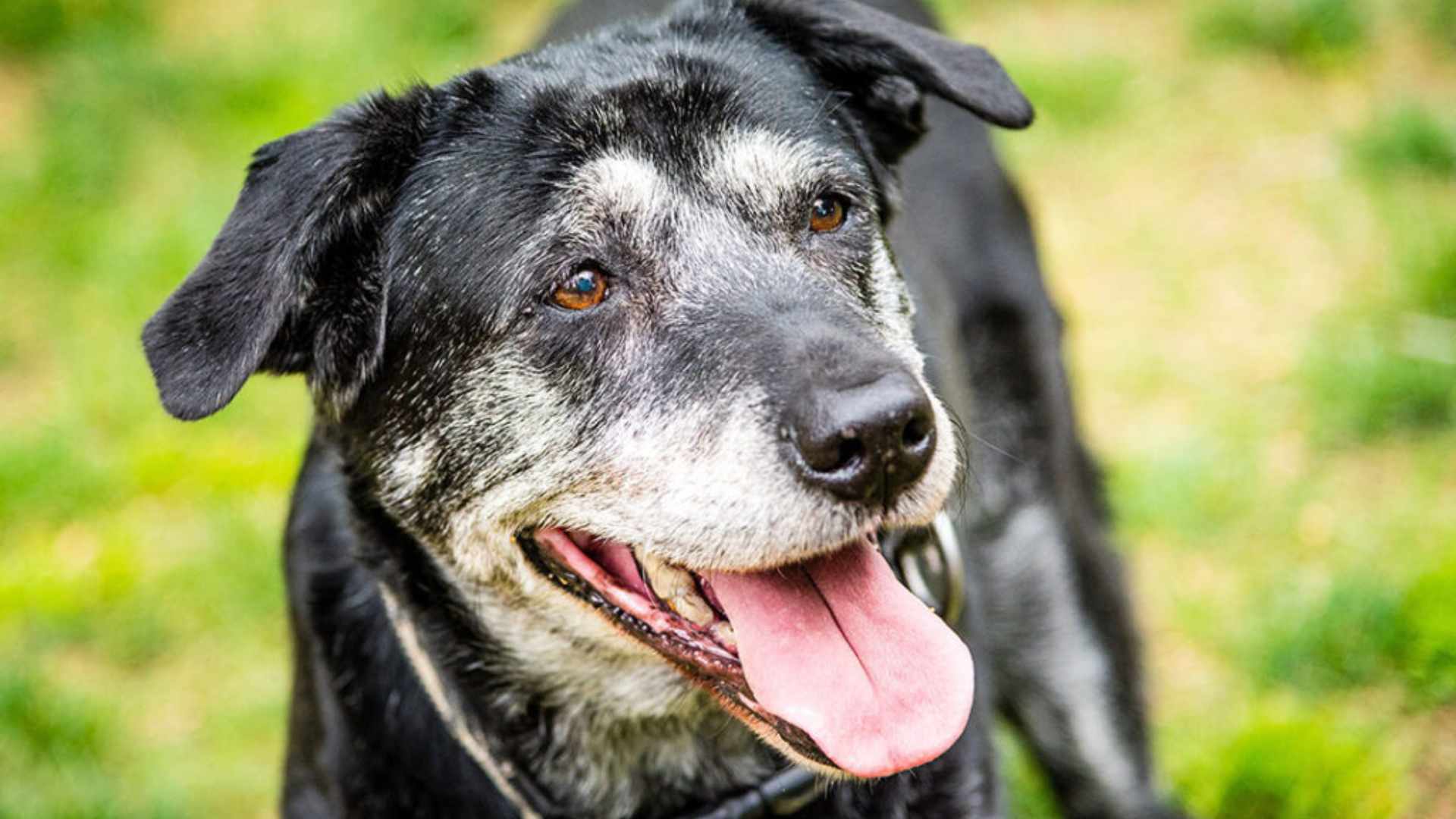
Unfortunately, our dogs and cats can develop Alzheimer-like conditions. In veterinary medicine, this is called cognitive dysfunction.
The brain is an organ that ages. When brain cells are affected, the brain simply does not work as well. Thinking slows. Memory fades. Behavior changes.
It happens to all of us to some degree. The good news is that there are supplements and lifestyle changes that may help slow this decline and improve quality of life.
Dr. Jones’ Ultimate Omega 3 Formula


What Is Cognitive Dysfunction?
Cognitive dysfunction in pets is similar to Alzheimer’s disease in people. As dogs and cats age, they accumulate beta-amyloid plaques in the brain. These protein deposits interfere with normal brain function.
Over time, pets may seem confused, less interactive, or “not themselves.”
Common Signs of Cognitive Dysfunction
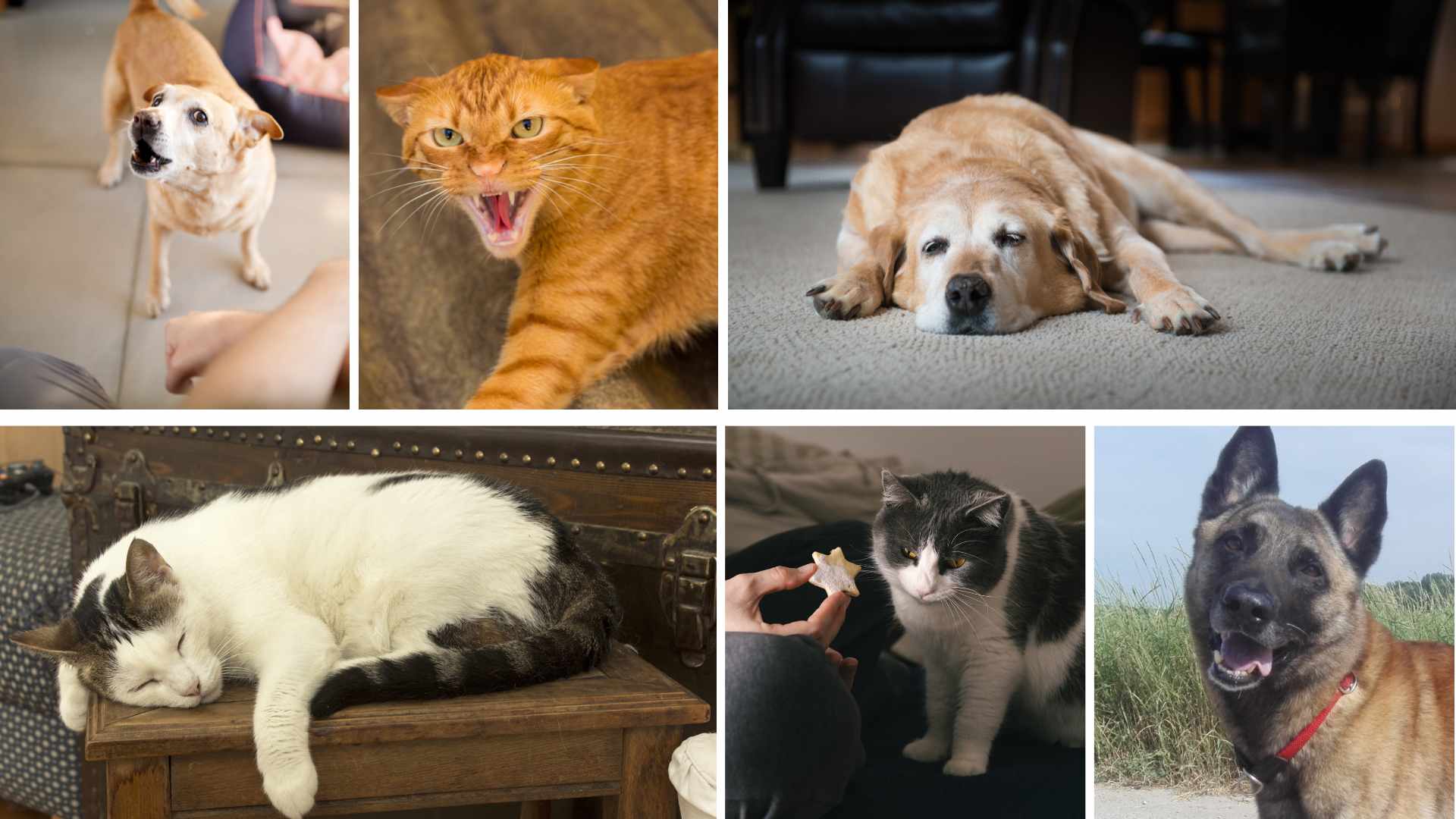
You may notice one or more of the following:
-
Increased sleeping
-
Appearing confused or disoriented
-
Loss of house training
-
Difficulty recognizing familiar people
-
Less interest in surroundings or activities
-
Increased drinking and urination
-
Decreased or occasionally increased appetite
-
Excessive panting
-
Staring at walls
-
Excessive barking
-
Deafness
-
Overall reduced activity and engagement
Many pet parents describe their pet as suddenly “acting old.”
Why Cognitive Decline Happens
Dogs are generally considered seniors after age seven. Cats usually enter senior years around age ten.
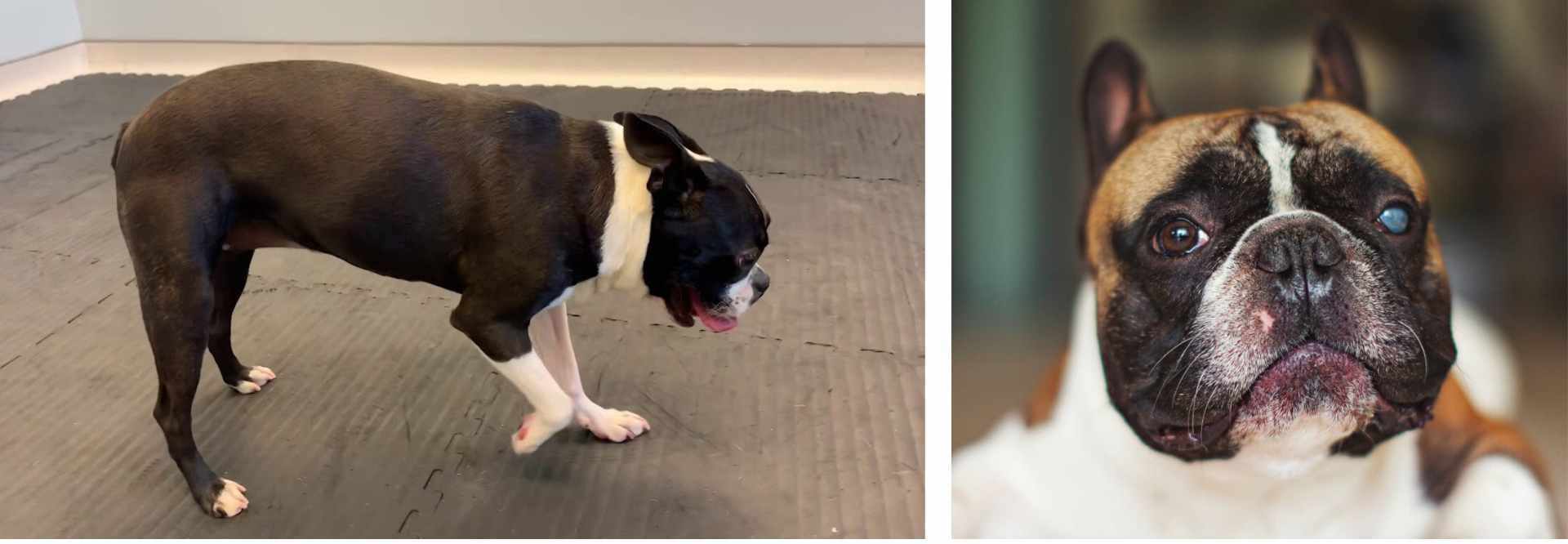
Aging pets experience natural changes across many organs:
-
Cataracts affect vision
-
Middle ear bones stiffen, reducing hearing
-
Joints lose cartilage, leading to arthritis
-
The brain ages, leading to senility
Certain medications may also contribute to cognitive decline, including:
-
Phenobarbital
-
Valium and related drugs
-
Gas anesthesia
-
Drugs used to increase heart rate during anesthesia
-
Chemotherapy drugs
-
Long-term steroid use such as prednisone
Behavior and Environment Matter
Managing cognitive dysfunction starts at home.
Daily activity is essential. Gentle play, structured routines, and social interaction help keep the brain engaged.
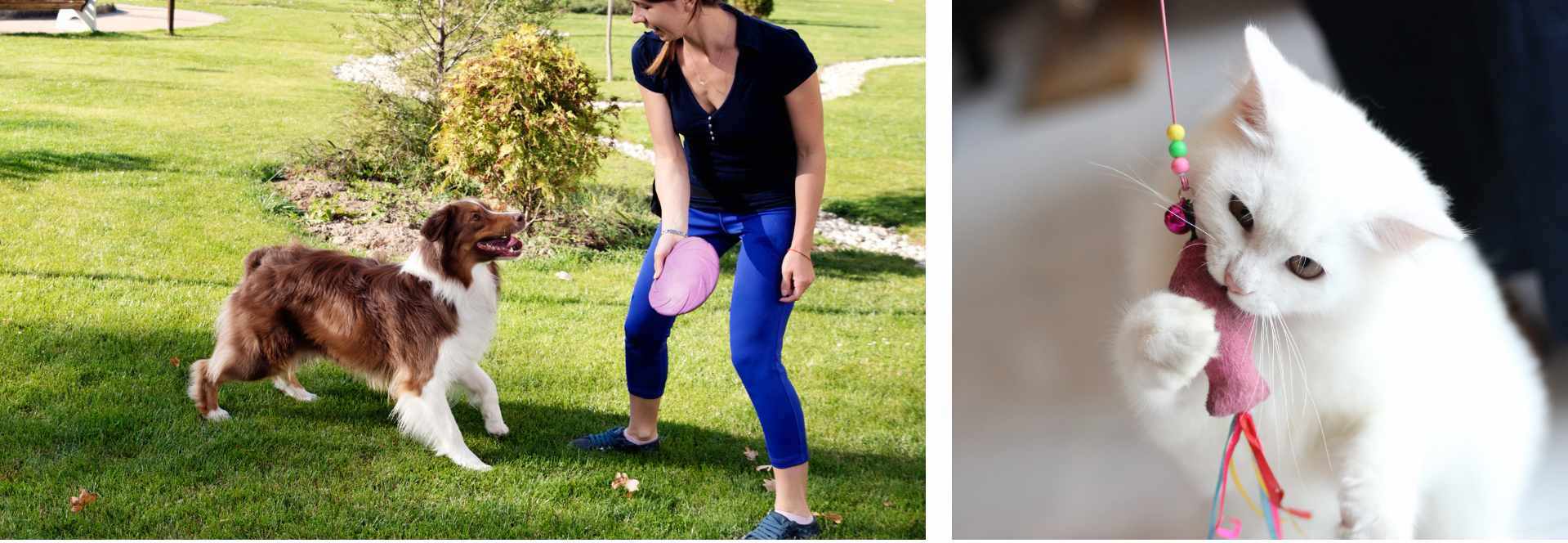
Sunlight helps regulate the sleep-wake cycle. If your pet cannot walk well, use a wagon or stroller. The goal is stimulation and exposure, not distance.
Do not treat your pet as fragile or “too old.” Understand their limits, but do not give up on movement and engagement. Walking, even short and slow, is critical.
Make the home predictable. Pet-proof the house just as you would toddler-proof it.
Older pets may need more frequent toileting opportunities. Diapers, pads, and waterproof covers can reduce stress for both you and your pet.
Supplements and Natural Options That May Help
Antioxidants
Brain aging is closely tied to oxidative damage. Antioxidants help neutralize free radicals that damage brain cells.
Helpful antioxidants include:
-
Taurine
-
Flavonoids
-
Coenzyme Q10
-
Astaxanthin
CoQ10 dose: 20 mg per 10 lbs daily
Astaxanthin is a powerful antioxidant found naturally in krill oil.
Flavonoids
Flavonoids give fruits and vegetables their bright colors and offer antioxidant and anti-inflammatory support.
Look for mixed bioflavonoids that include polyphenols, especially EGCG from green tea.
Dose: 250 mg daily for a 10 lb dog or cat
Melatonin
Melatonin is helpful for older pets that pace at night or struggle to sleep. It also supports mitochondrial function and acts as an antioxidant.
Dose: 1 mg per 10 lbs up to 6 mg, given one hour before bedtime on an empty stomach
Try for two weeks and reassess.
Newer Holistic Options

Curcumin
Chronic inflammation is strongly linked to degenerative brain disorders.
Curcumin, the active compound in turmeric, has shown benefits in people with Alzheimer’s disease.
Animal dose: 100 mg per 10 lbs daily
Highly bioavailable forms require lower dosing.
MCT Oil
Medium-chain triglycerides provide an alternative fuel source for the brain.
In one study, dogs fed a diet containing MCT oil showed improvement across multiple cognitive categories.
Dose: Start at ½ teaspoon per 10 lbs daily, slowly increasing to 1 teaspoon per 10 lbs twice daily
CBD Oil
Cannabinoids may help protect brain cells and reduce inflammation.
Research suggests CBD may help clear damaging proteins from brain cells.
Dose: 1 mg per 10 lbs twice daily
Some studies use higher doses, but start low.
Omega 3 Fatty Acids
Omega 3s are foundational for brain health.
They reduce brain inflammation and support healthy communication between neurons. EPA and DHA are especially important.
Regular use may improve alertness, memory, and slow cognitive decline.
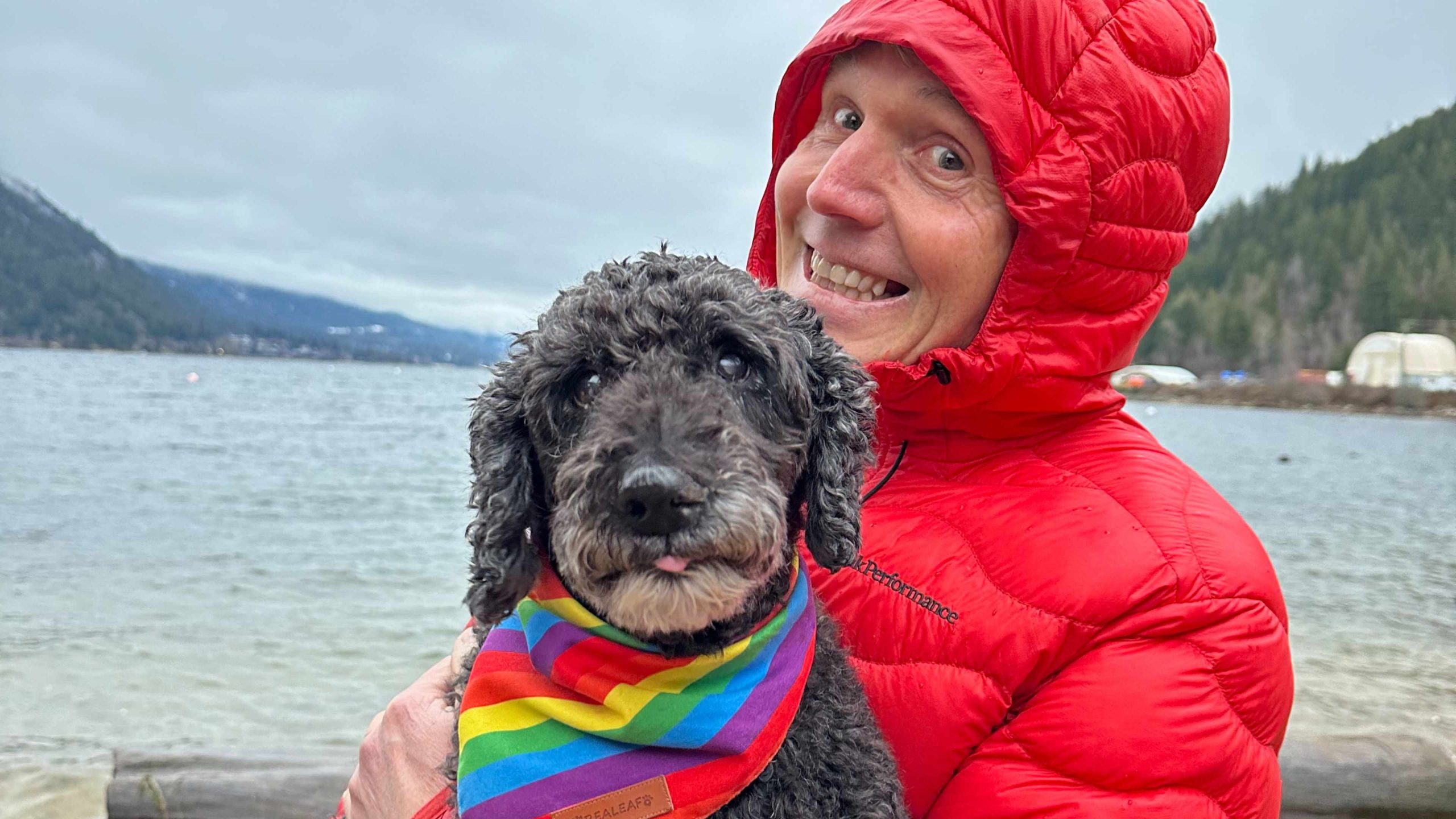
This is why I give omega 3s daily to my dog Tula, who is now 15 and a half, and to myself as well.
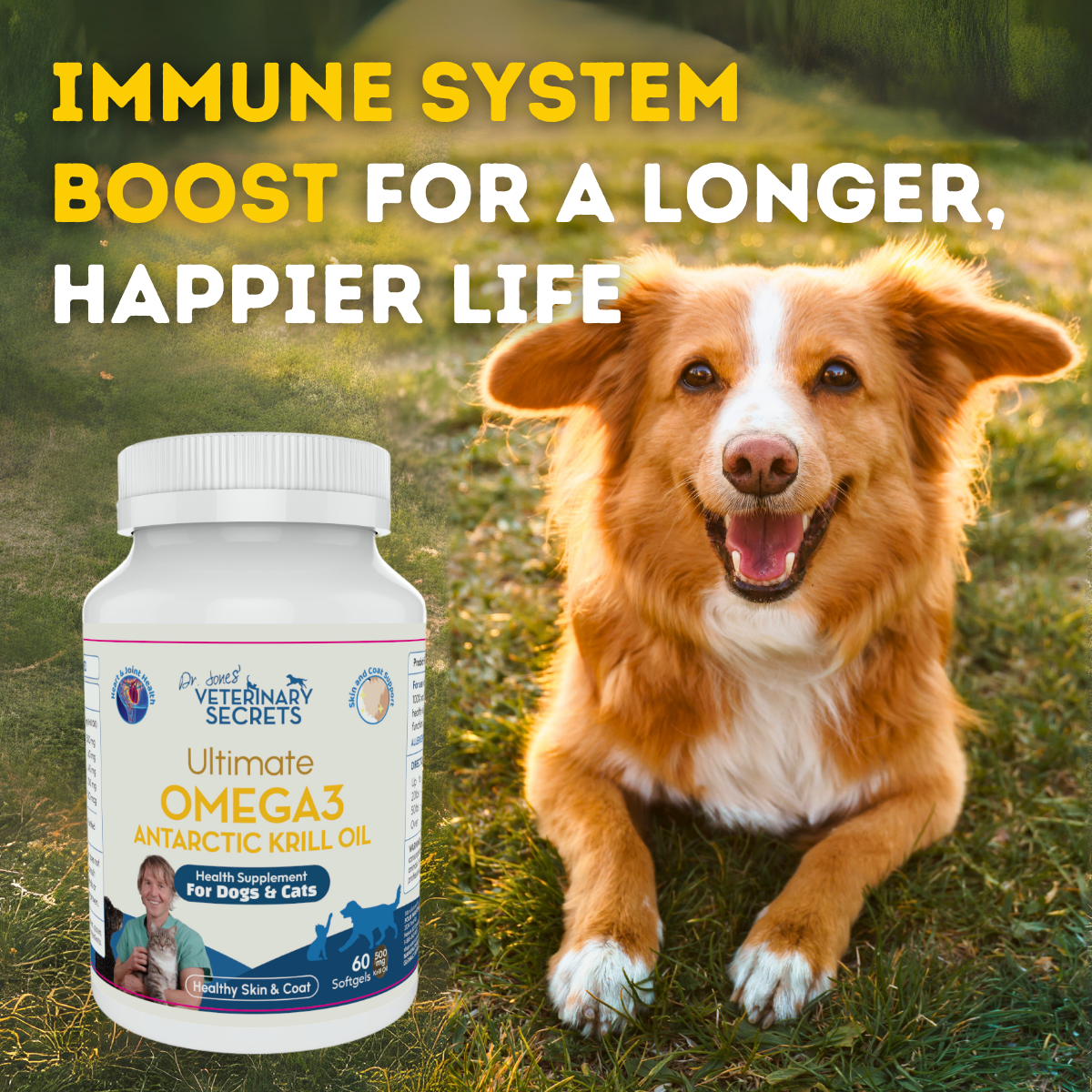
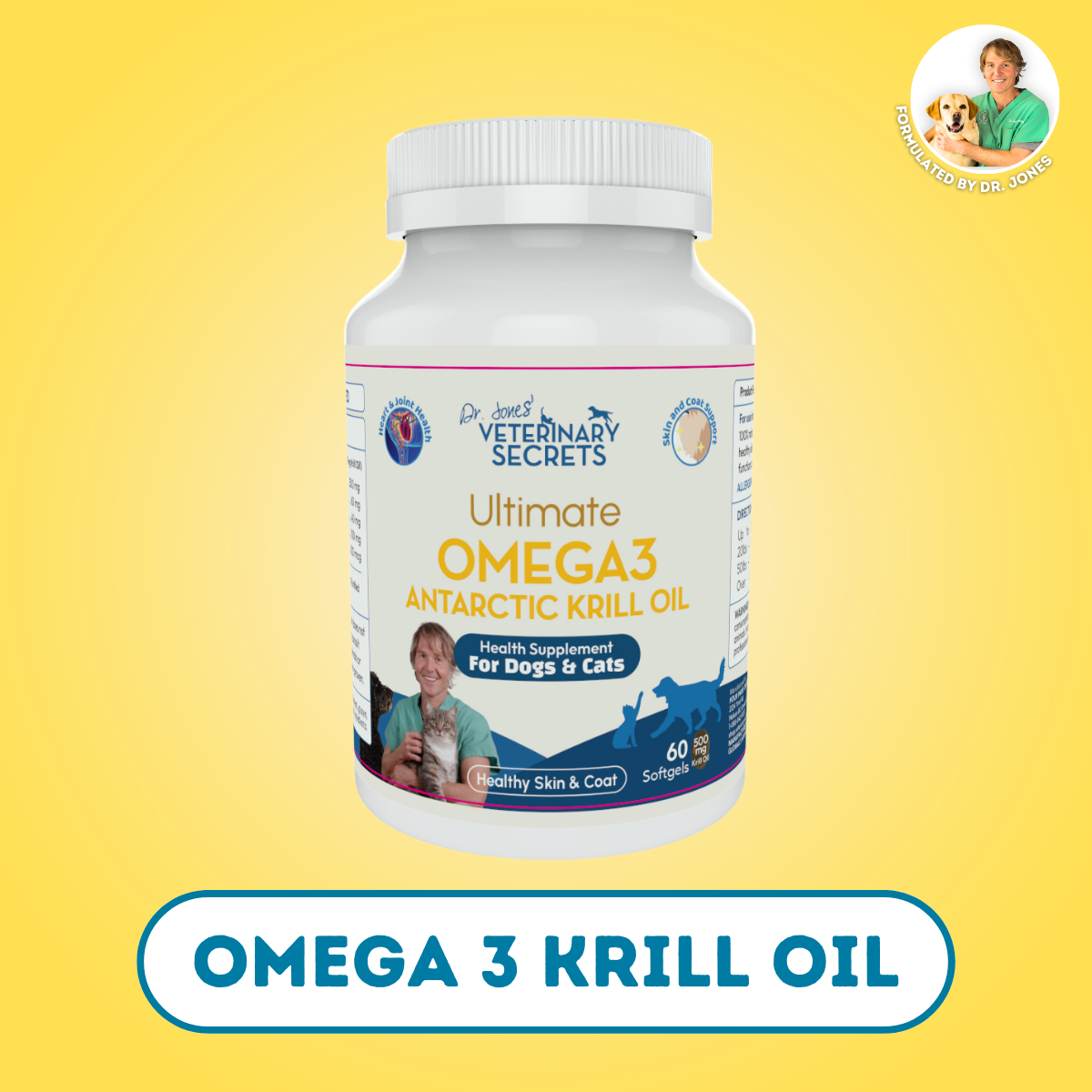
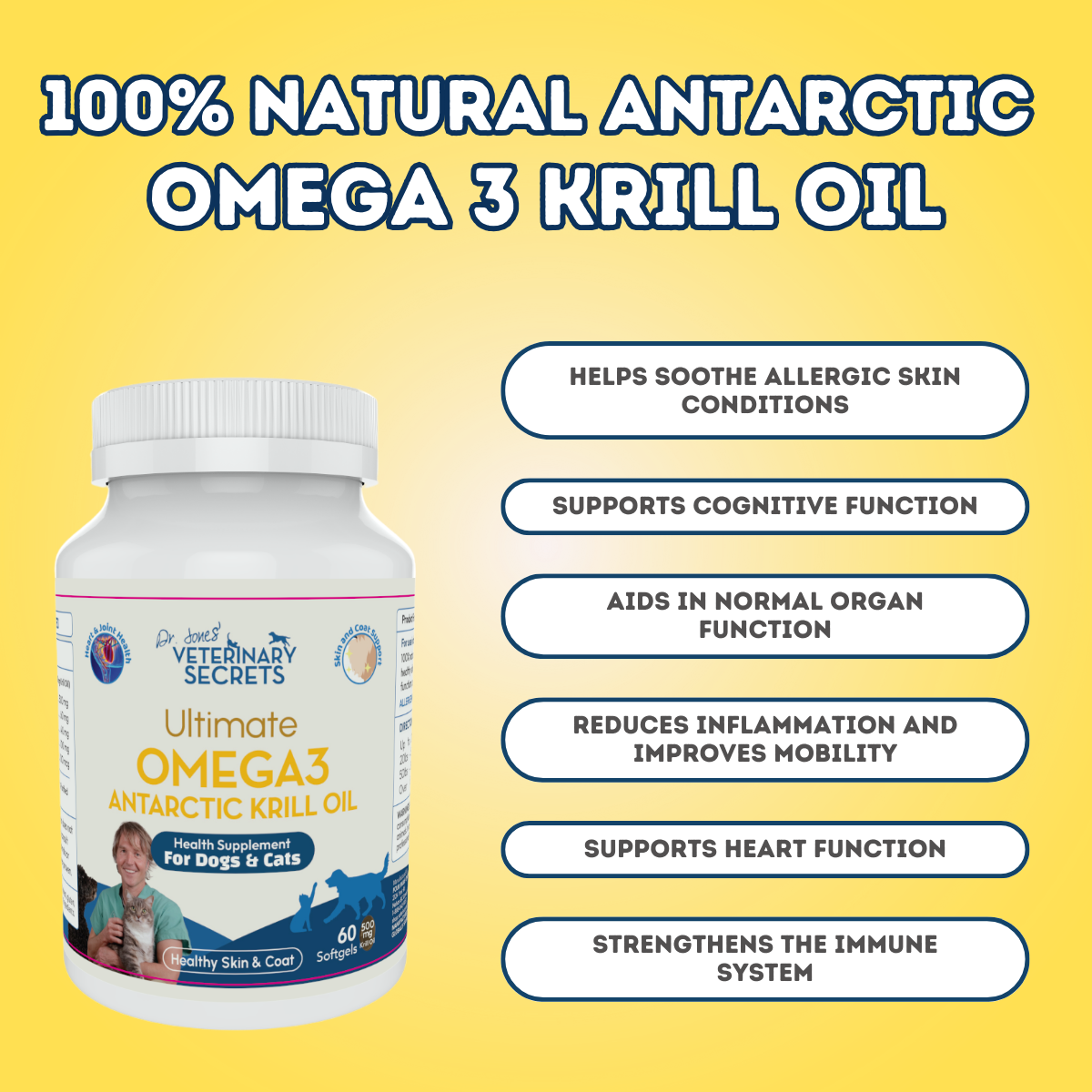
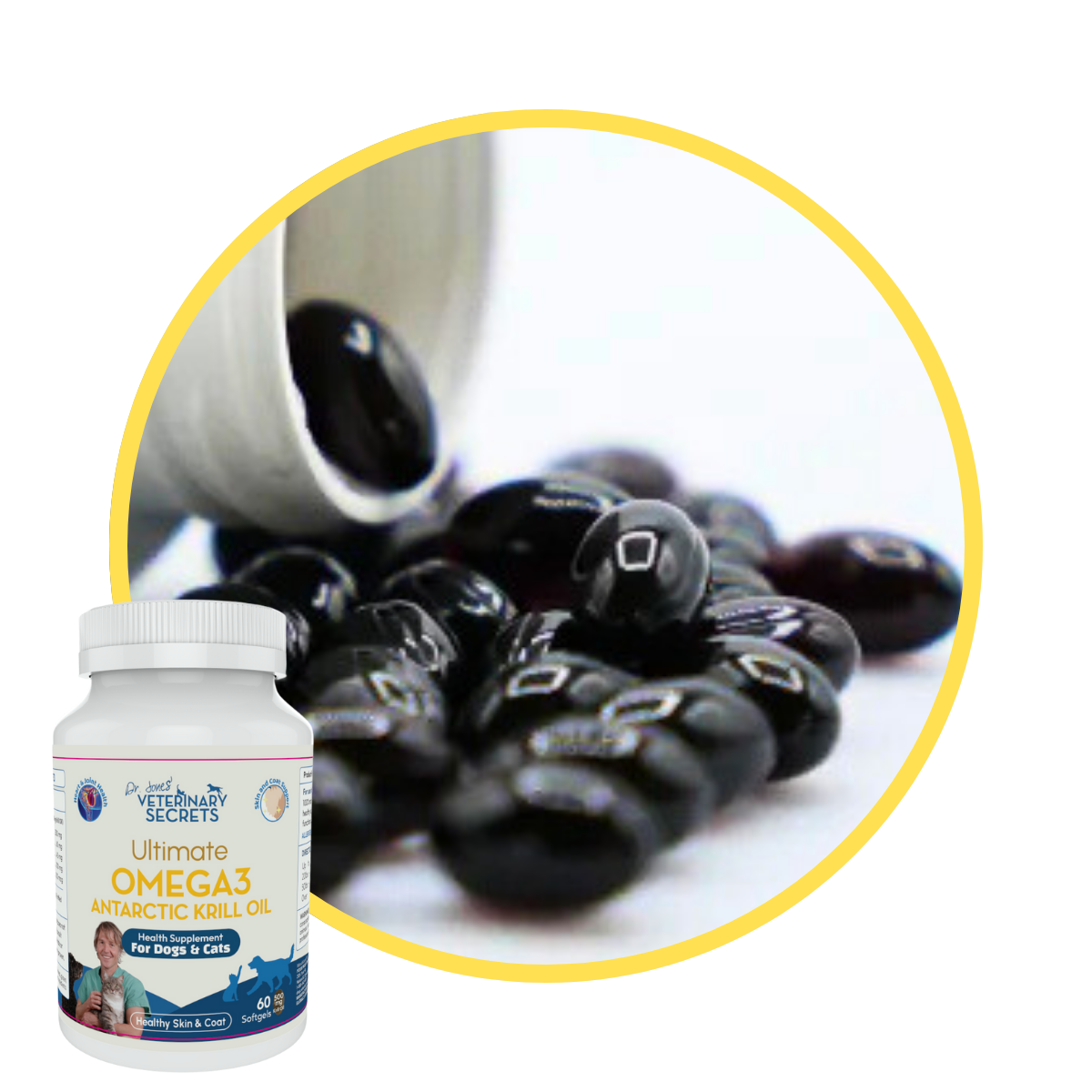
Our Dr. Jones’ ULTIMATE Omega 3 Formula for Dogs and Cats is made from 100 percent natural krill oil and naturally contains astaxanthin.
Putting It All Together
Cognitive dysfunction can be heartbreaking to watch, but there is a lot you can do.
Support the brain with:
-
Daily activity and stimulation
-
Predictable routines
-
Antioxidants
-
Omega 3 fatty acids
-
Targeted supplements
Small, consistent changes can make a meaningful difference.
Click To Get A Free Copy of My E-book!

P.S. If I were stranded on a desert island and could take only one supplement with me, it would be omega 3 fatty acids. For aging pets with cognitive decline, they are foundational support.