7 Foods I’d Add to Help Lower Dog Cancer Risk

What Foods Can Help Lower Dog Cancer Risk?
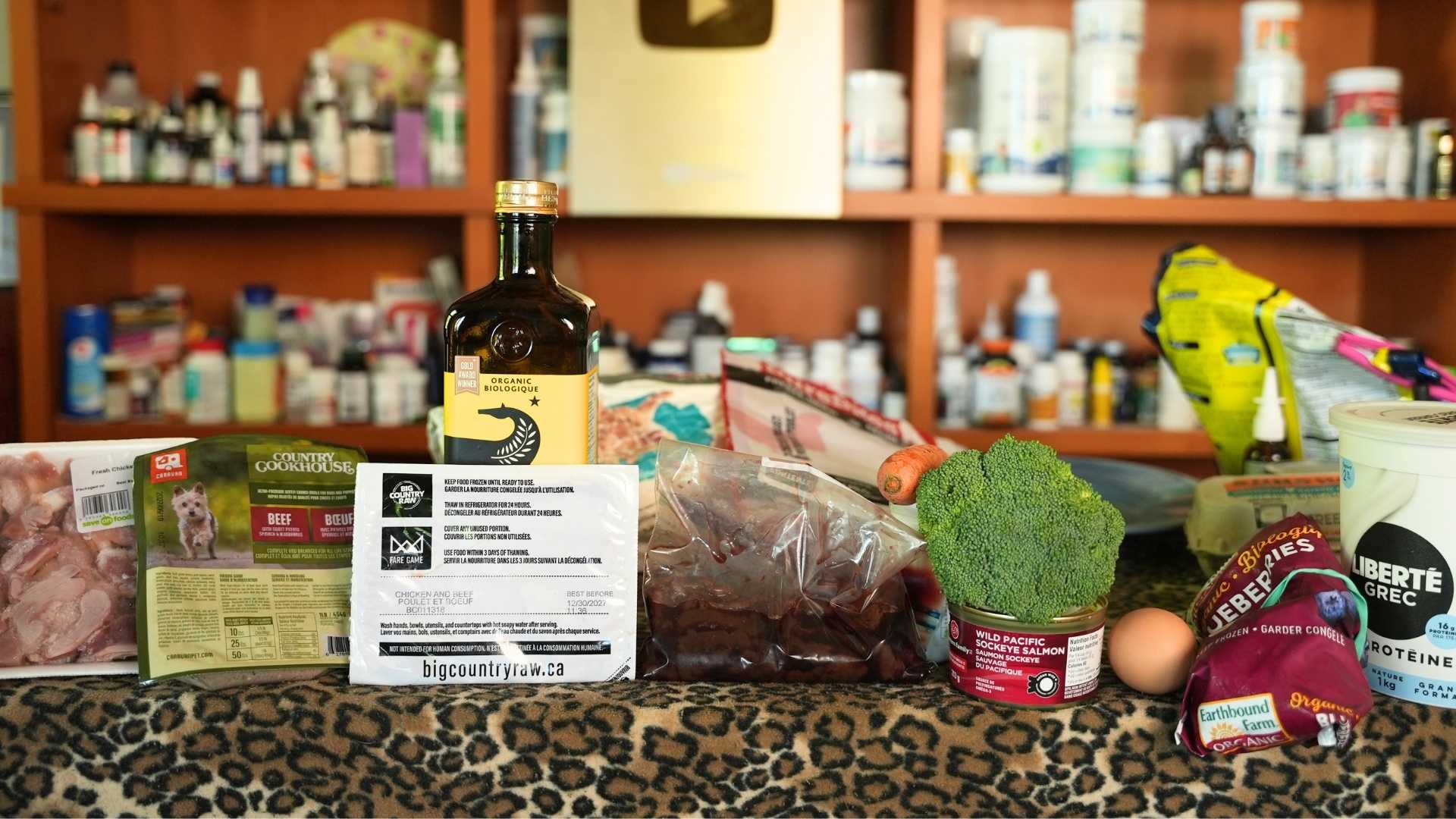
If I wanted to help lower a dog’s cancer risk through food, I would start by adding small amounts of nutrient-rich whole foods to the diet.
My top 7 are:
- Liver
- Broccoli or broccoli sprouts
- Carrots
- Berries
- Plain yogurt
- Eggs
- Omega-3 fatty acids from salmon, fish oil, krill oil, or small amounts of olive oil
These foods are not cancer cures. They are not a guarantee. But they may help support the immune system, lower inflammation, improve gut health, support healthy gene expression, and add important nutrients that many dogs are missing.
And no, you do not need to make your dog’s entire diet from scratch to start. For many pet parents, that is expensive and not realistic. The good news is that even small additions can make your dog’s bowl much better.
Dr. Jones’ Ultimate BioActive Quercetin
Why Does Food Matter for Dog Cancer Risk?
Cancer is common in dogs, especially as they get older. While genetics matter, diet and environment also play a big role in long-term health.
One way to think about it is this: your dog may inherit certain genes, but food, inflammation, toxins, weight, and daily lifestyle can influence which genes are turned on or off.
That is where food becomes powerful.
The goal is not to feed one magic food. The goal is to give your dog more nutrients that support:
- Normal immune function
- Healthy inflammation response
- Better gut bacteria
- Liver detoxification
- Healthy cells
- Healthy metabolism
- Antioxidant protection
Small changes matter. Even if your dog eats kibble, you can still improve the bowl.
Quick Guide: 7 Foods I’d Add to My Dog’s Diet
| Food | Why I’d Add It | Suggested Amount |
|---|---|---|
| Liver | Rich in protein, B12, folate, vitamin A, iron, and choline | 1 tsp per 10 to 20 lbs, 2 to 3 times weekly |
| Broccoli | Contains sulforaphane, a powerful antioxidant compound | 1 tbsp or 1 small floret per 20 lbs, 2 to 3 times weekly |
| Carrots | Rich in carotenoids and linked to lower bladder cancer risk in one dog study | Small cooked or raw pieces, 2 to 3 times weekly |
| Berries | Rich in flavonoids and anthocyanins | 1 tbsp per 30 lbs, or 6 to 7 berries for a small dog |
| Plain yogurt | Provides probiotics to support gut and immune health | 1 tsp per 10 to 20 lbs daily |
| Eggs | Excellent protein source and rich in choline | 1 egg per 20 to 30 lbs, a few times weekly |
| Omega-3s | May help lower inflammation and support healthy cells | 1/2 tsp olive oil per 20 lbs daily, or use a quality omega-3 supplement |
1. Why I’d Add Liver to Help Support Dogs
If I had to pick one inexpensive superfood for dogs, liver would be near the top of my list.
Liver is rich in:
- High-quality protein
- Vitamin B12
- Folate
- Vitamin A
- Iron
- Choline
Protein gives your dog the building blocks for normal body function. B vitamins help with red blood cells and metabolism. Folate is especially interesting because it may influence healthy gene expression.
Then there is choline.
Choline does not get talked about enough in veterinary medicine, but it is very important for normal brain function, liver function, and metabolism. Many diets may be low in choline, and liver is one of the best natural sources.
How Much Liver Can Dogs Eat?
Start small.
For most dogs, I would use:
- 1 teaspoon of liver per 10 to 20 lbs of body weight
- 2 to 3 times weekly
- Lightly cooked is fine
Liver should make up less than 5% of your dog’s overall diet.
Too much liver can mean too much vitamin A or too much choline. More is not always better. Sometimes more is just more work for the mop.
Best For
Liver may be helpful for:
- Dogs needing more nutrient-dense food
- Dogs on highly processed diets
- Dogs needing extra protein support
- Senior dogs, if tolerated
- Dogs who enjoy organ meats
Not For
Be cautious with liver if your dog has:
- A medical diet restriction
- Copper storage disease
- Certain liver conditions
- A history of pancreatitis, depending on preparation
- Sensitivity to rich foods
2. Why I’d Add Broccoli or Broccoli Sprouts
Broccoli contains a compound called sulforaphane.
Sulforaphane is one of the reasons broccoli gets so much attention. It supports antioxidant activity and helps the body process and remove certain toxins.
If your dog will eat broccoli, wonderful. If your dog looks at broccoli like it is a personal insult, you are not alone.
How to Prepare Broccoli for Dogs
The key with broccoli is how you prepare it.
To increase sulforaphane:
- Chop or crush the broccoli very finely.
- Let it sit for 5 to 10 minutes.
- Lightly steam or blanch it if needed.
- Add a small amount to your dog’s food.
That waiting time matters because an enzymatic reaction helps form sulforaphane.
How Much Broccoli Can Dogs Eat?
Start with:
- About 1 tablespoon per 20 lbs of body weight
- Or about 1 small broccoli floret per 20 lbs
- 2 to 3 times weekly
What About Broccoli Sprouts?
Broccoli sprouts can contain much higher levels of sulforaphane than regular broccoli.
If you grow sprouts at home and your dog tolerates them, they may be a very good option. Start with tiny amounts.
Best For
Broccoli may be helpful for:
- Dogs needing more antioxidants
- Dogs eating mostly processed food
- Dogs who tolerate vegetables well
- Pet parents looking for low-cost food additions
Not For
Avoid large amounts of broccoli if your dog gets gas, loose stool, or digestive upset.
Broccoli should be an add-on, not half the bowl.
3. Why I’d Add Carrots
Carrots are simple, inexpensive, and many dogs actually like them.
They contain carotenoids, which give carrots their orange color. Carotenoids have antioxidant properties and may support cellular health.
There was also a study in Scottish Terriers, a breed prone to bladder cancer, where dogs fed certain vegetables such as carrots several times weekly had a lower risk of developing transitional cell carcinoma.
That does not mean carrots prevent cancer. It does mean carrots are worth adding.
How to Feed Carrots to Dogs
You can feed carrots:
- Raw, cut into safe pieces
- Lightly steamed
- Finely chopped
- Mixed into meals
For better digestion, lightly cooking or steaming can help.
Suggested Amount
Try small amounts:
- A few small pieces for small dogs
- 1 to 2 tablespoons for medium dogs
- A little more for large dogs
- 2 to 3 times weekly
Best For
Carrots may be helpful for:
- Dogs who need low-calorie treats
- Dogs who like crunchy snacks
- Dogs needing more plant antioxidants
- Dogs eating mostly kibble
Not For
Use caution with dogs who swallow chunks whole. Cut carrots small enough to prevent choking.
4. Why I’d Add Berries
Berries are rich in natural plant compounds called anthocyanins and flavonoids.
These are the compounds that give blueberries their deep blue color. They also have antioxidant properties that may support healthy cells and help reduce oxidative stress.
Blueberries are often one of the easiest berries to add to a dog’s food.
How Much Blueberry Can Dogs Eat?
A simple starting amount:
- 6 to 7 blueberries for a small dog
- About 1 tablespoon per 30 lbs of body weight
- 2 to 3 times weekly
You can use fresh or frozen berries. Just avoid sweetened berries, syrups, jams, pies, muffins, or desserts.
Dogs do not need blueberry cheesecake. I know. Disappointing.
Best For
Berries may be helpful for:
- Dogs needing antioxidant support
- Dogs who enjoy fruit
- Dogs needing lower-calorie treats
- Senior dogs, if tolerated
Not For
Use caution with diabetic dogs or dogs needing strict sugar control.
Fruit should be a small addition, not a daily sugar bowl.
5. Why I’d Add Plain Yogurt
Plain yogurt is a simple way to add probiotics to your dog’s diet.
Probiotics are beneficial bacteria that help support gut health. This matters because a large part of your dog’s immune system is connected to the intestinal tract.
A healthier gut can support:
- Better immune function
- Better digestion
- Lower low-grade inflammation
- Improved stool quality
- Better nutrient absorption
What Type of Yogurt Is Best for Dogs?
Choose:
- Plain yogurt
- Unsweetened yogurt
- No artificial sweeteners
- No xylitol
- No added fruit or flavoring
Greek yogurt may also be used if your dog tolerates dairy.
Suggested Amount
Start with:
- 1 teaspoon per 10 to 20 lbs of body weight
- Once daily, if tolerated
Best For
Plain yogurt may be helpful for:
- Dogs needing gut support
- Dogs with occasional digestive upset
- Dogs eating processed diets
- Dogs who tolerate dairy
Not For
Avoid yogurt if your dog:
- Is lactose intolerant
- Gets diarrhea from dairy
- Has pancreatitis and needs low-fat food
- Is sensitive to dairy proteins
6. Why I’d Add Eggs
Eggs are one of the best simple protein sources you can add to your dog’s diet.
The egg white contains albumin, which is considered a high-quality protein. Protein provides the amino acids your dog needs for normal enzyme systems, tissue repair, immune function, and overall health.
The yolk contains choline, the same nutrient we talked about with liver.
Choline supports:
- Brain function
- Liver function
- Cell membrane health
- Metabolism
How Much Egg Can Dogs Eat?
A general amount:
- 1 egg per 20 to 30 lbs of body weight
- A few times weekly
For small dogs, use part of an egg.
Cooked egg is usually the safest option.
Best For
Eggs may be helpful for:
- Dogs needing more high-quality protein
- Dogs needing extra choline
- Active dogs
- Senior dogs, if tolerated
Not For
Use caution with dogs who have:
- Egg allergies
- Pancreatitis
- Strict fat restrictions
- A medical diet plan
7. Why I’d Add Omega-3 Fatty Acids
Omega-3 fatty acids are one of the supplements I most often consider for long-term health.
They are known for supporting a healthy inflammatory response. Since chronic inflammation is linked to many long-term diseases, including cancer risk, omega-3s make sense as part of a support plan.
The most important omega-3s for dogs are EPA and DHA.
Food Sources of Omega-3s
You can add omega-3s through:
- Canned salmon with skin
- Sardines packed in water
- Fish oil
- Krill oil
- Small amounts of olive oil
Salmon and sardines also add protein.
Olive oil is not as rich in EPA and DHA as fish or krill oil, but small amounts can still be a useful fat addition for some dogs.
Suggested Amounts
| Source | Suggested Amount |
| Olive oil | 1/2 teaspoon per 20 lbs daily |
| Canned salmon | Small amounts mixed into food, based on dog size |
| Krill oil supplement | Follow label directions or your veterinarian’s guidance |
| Fish oil | Use a quality product and dose carefully |
Why I Like Krill Oil
I like krill oil because krill are lower on the food chain. That means they are less likely to accumulate the same level of contaminants as some larger fish.
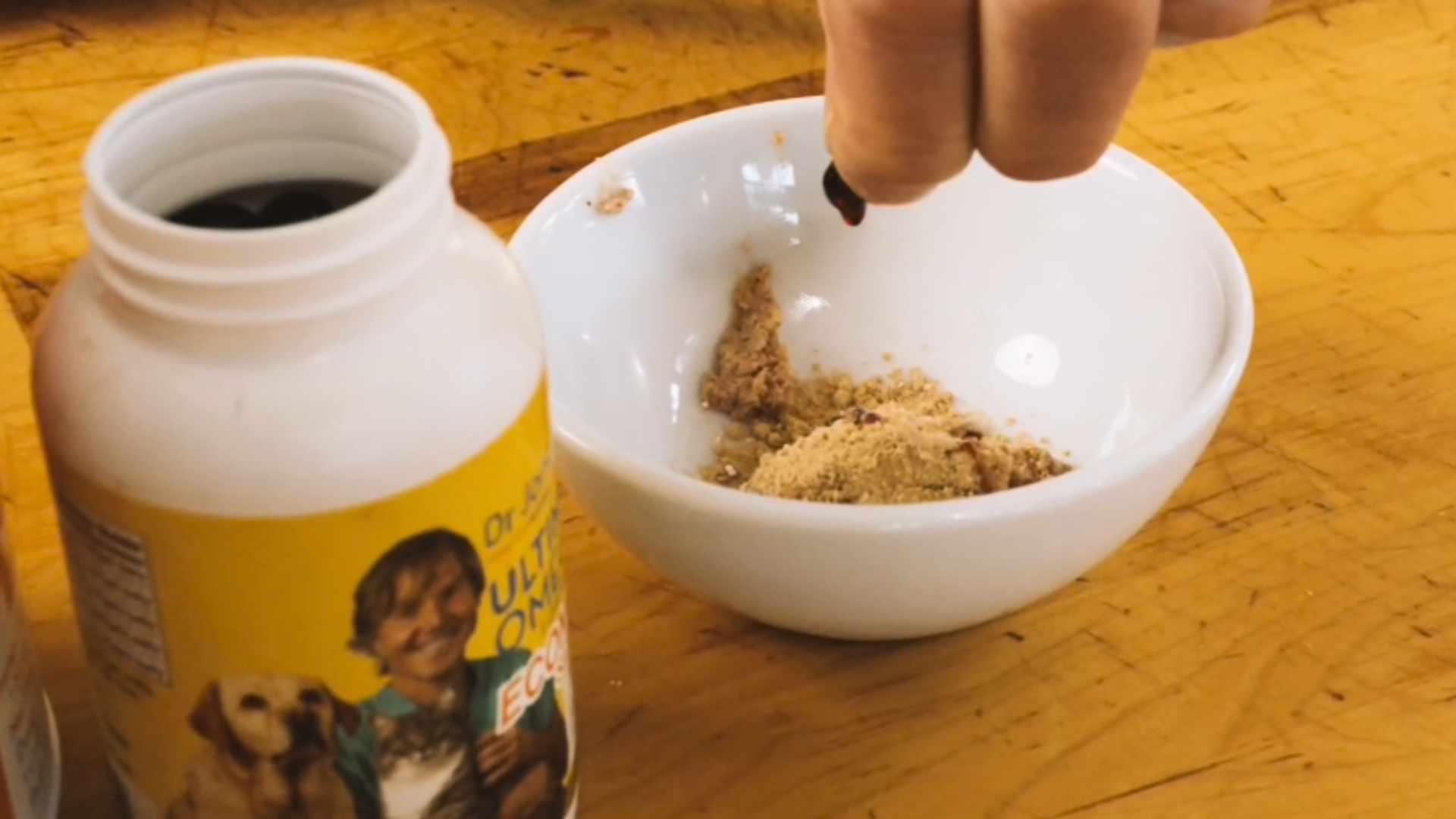
Dr. Jones’ Ultimate Omega-3 Formula for Dogs and Cats uses krill oil and provides EPA and DHA, the anti-inflammatory omega-3 fatty acids I’m looking for.
Best For
Omega-3s may be helpful for:
- Dogs with inflammation
- Senior dogs
- Dogs with joint issues
- Dogs with skin problems
- Dogs eating diets low in omega-3s
- Dogs needing long-term wellness support
Not For
Use caution with omega-3 supplements if your dog:
- Has a bleeding disorder
- Is on blood-thinning medication
- Has pancreatitis
- Has a sensitive stomach
- Is already on a high omega-3 prescription diet
Do You Have to Make Homemade Dog Food?
No.
If you can make a balanced homemade diet, great. But many pet parents cannot. It can be expensive, time-consuming, and tricky to balance properly.
So start smaller.
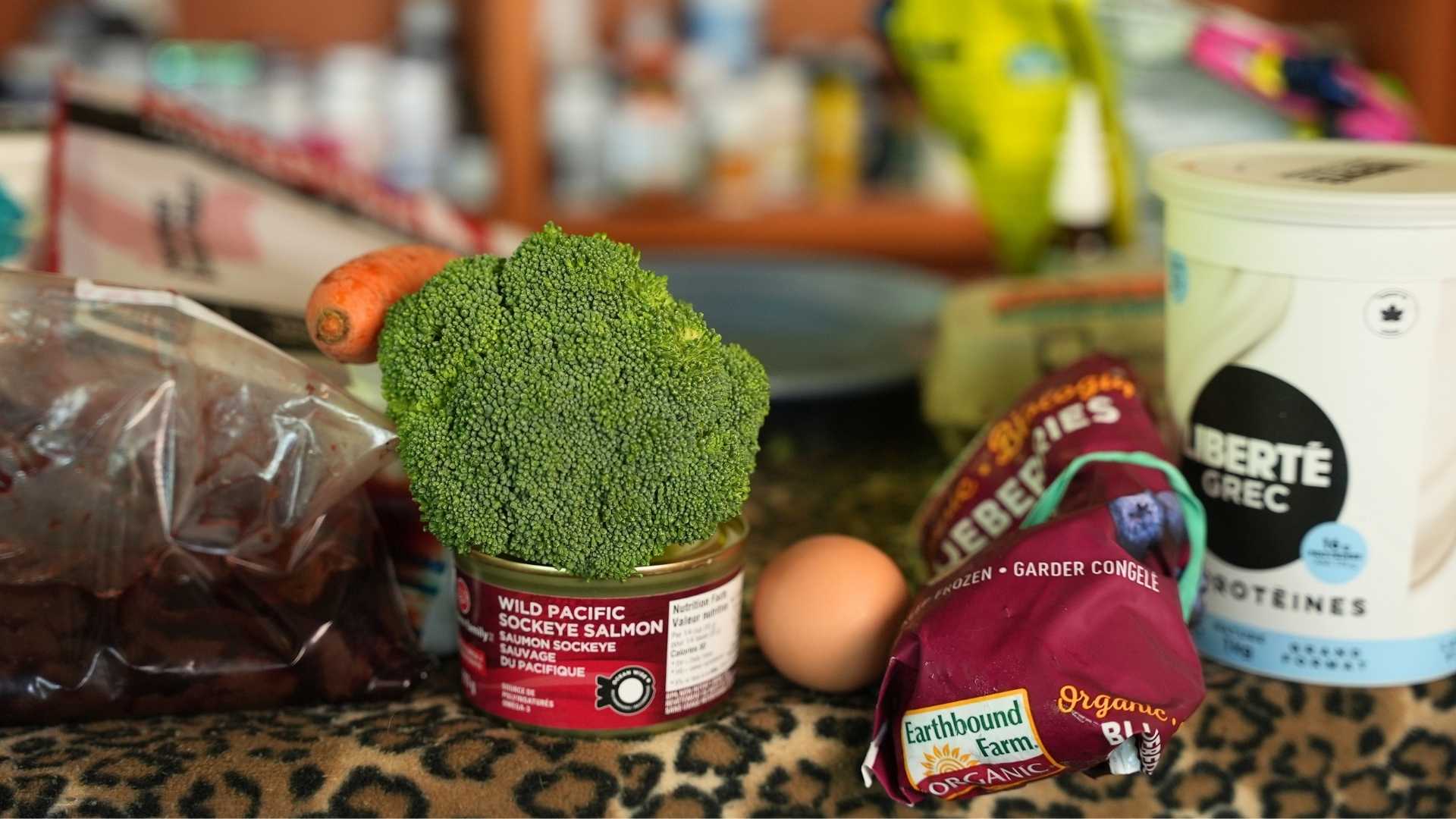
If your dog eats kibble, add:
- Broccoli twice weekly
- Carrots twice weekly
- A few blueberries
- A spoon of plain yogurt
- A little cooked egg
- Small amounts of liver
- A quality omega-3
That alone can improve the quality of the bowl.
What Is the Best Food to Add First?
If I had to choose just one vegetable, I would start with broccoli.
The sulforaphane in broccoli is the reason I keep coming back to it. Just remember to chop it, wait 5 to 10 minutes, then lightly cook it if needed.
If I had to choose one animal-based food, I would choose liver or eggs.
If I had to choose one supplement, I would choose omega-3 fatty acids.
That would be my simple starting trio:
- Broccoli
- Liver or eggs
- Omega-3s
Simple. Practical. Not fancy. Your dog does not need a $28 wellness bowl with a tiny edible flower on top.
Pros and Cons of Adding These Foods
Pros
- Inexpensive options
- Easy to add to meals
- Helps improve diet quality
- Supports gut health
- Adds antioxidants
- Adds protein and key nutrients
- May help lower inflammation
- Can be used even if your dog eats kibble
Cons
- Too much can upset the stomach
- Some dogs have food sensitivities
- Liver must be limited
- Yogurt is not tolerated by all dogs
- Omega-3 supplements need careful dosing
- These foods do not guarantee cancer prevention
Best For / Not For
Best For
These food additions are best for:
- Adult dogs
- Senior dogs
- Dogs eating mostly kibble
- Dogs needing better diet variety
- Dogs needing antioxidant support
- Dogs needing immune and gut support
- Pet parents wanting affordable food upgrades
Not For
Use caution if your dog has:
- Pancreatitis
- Diabetes
- Kidney disease
- Liver disease
- Food allergies
- A prescription diet
- A sensitive stomach
- A history of bladder stones
- A medical condition requiring strict nutrition control
If your dog has a serious medical condition, check with your veterinarian before making major diet changes.
Step-by-Step Plan: How to Start Adding These Foods
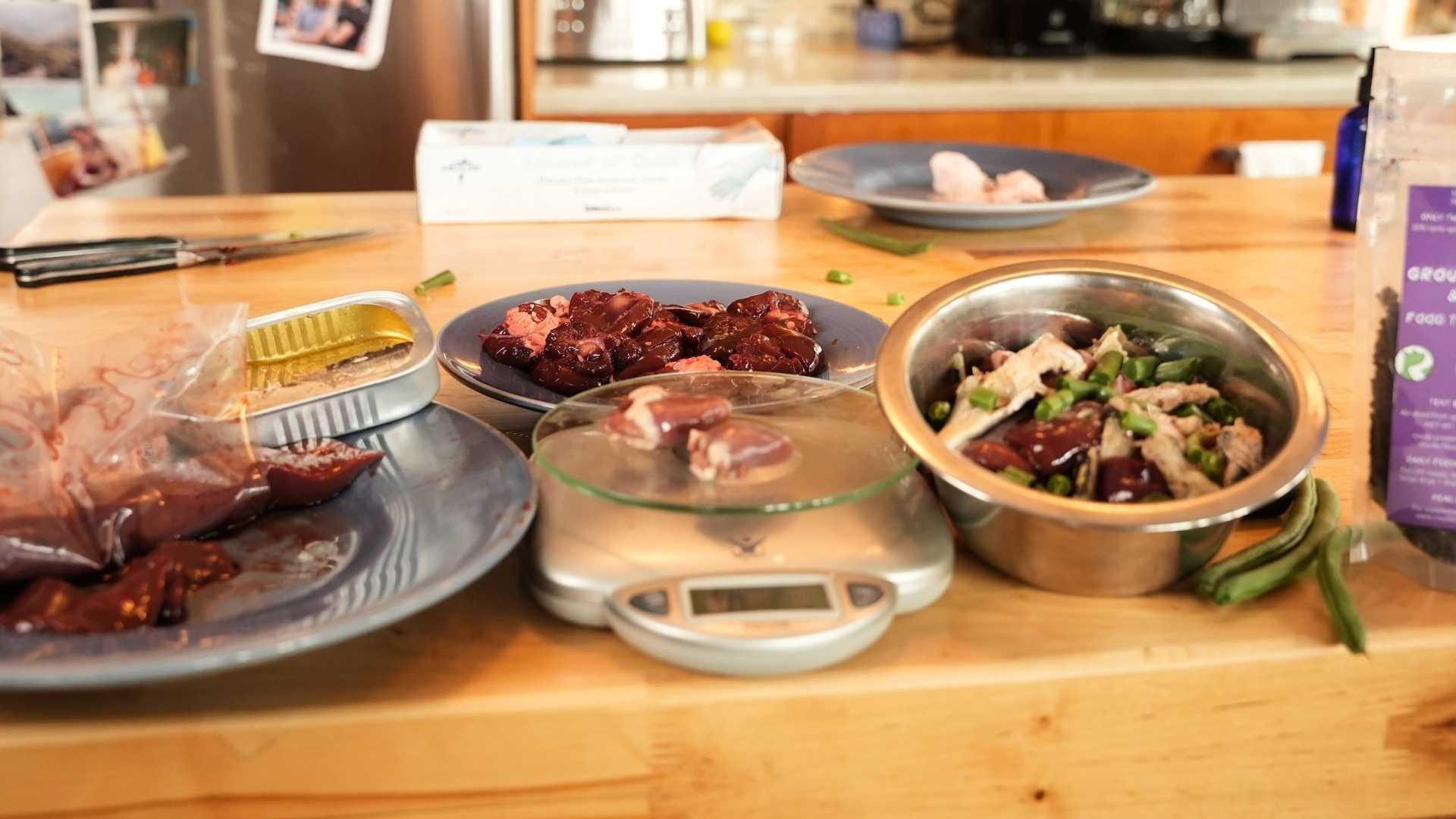
Step 1: Pick One Food First
Do not add all 7 foods in one day.
Start with one food, such as carrots, blueberries, or egg.
Step 2: Start Small
Use a small amount and watch your dog’s stool, appetite, and energy.
Step 3: Add Slowly
If your dog tolerates the first food, add another one after a few days.
Step 4: Rotate Foods
You do not need to feed every food every day.
A simple weekly rotation may look like this:
| Day | Food Addition |
| Monday | Broccoli |
| Tuesday | Egg |
| Wednesday | Blueberries |
| Thursday | Liver |
| Friday | Carrots |
| Saturday | Yogurt |
| Sunday | Omega-3 source |
Step 5: Keep the Main Diet Balanced
These foods are additions. They should not replace a complete and balanced diet unless you are working with a properly formulated homemade recipe.
Final Thoughts
If you want to help lower your dog’s cancer risk, food is one of the best places to start.

You do not need to be perfect. You do not need to throw out everything in your pantry. You do not need to start making a gourmet dog menu with tweezers and a chef hat.
Start with small upgrades.
Add a little liver. Chop some broccoli. Toss in a few blueberries. Give an egg a few times a week. Add plain yogurt if your dog tolerates it. Consider omega-3s.
Small things, done consistently, can make the bowl much better.
That is where I would begin.
Click To Get A Free Copy of My E-Book!

P.S. If you only do one thing this week, add something fresh to your dog’s bowl.
A little broccoli. A few carrots. A spoon of plain yogurt. One egg. Small, simple, real food.
You do not have to make your dog’s entire diet from scratch to improve it. Even if your dog is eating kibble, you can still make that bowl better.
And if your dog looks at broccoli like Tucker Budzin’s “tree of doom,” fair enough. Try carrots instead. We work with the dog we have.