Xylitol Poisoning in Dogs and Cats: The One Ingredient You Should Keep Away From Your Pets

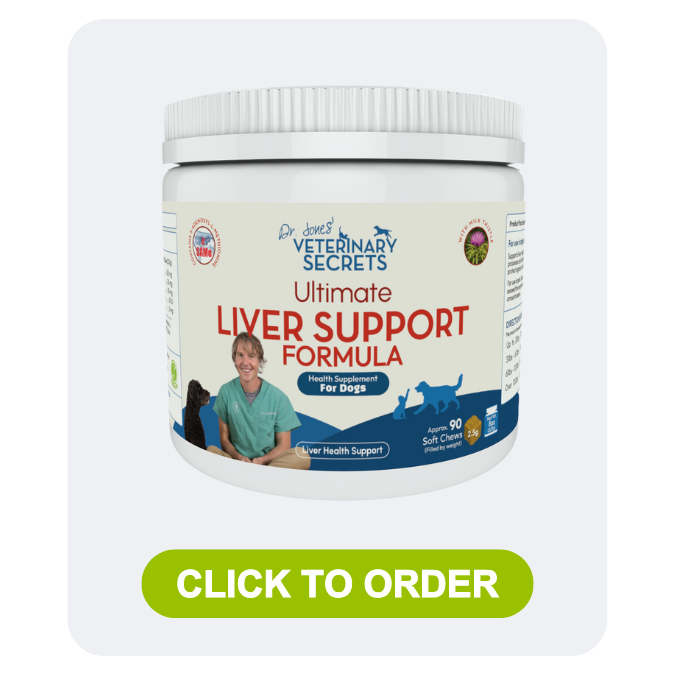
Dr Jones’ ULTIMATE Liver Support Formula
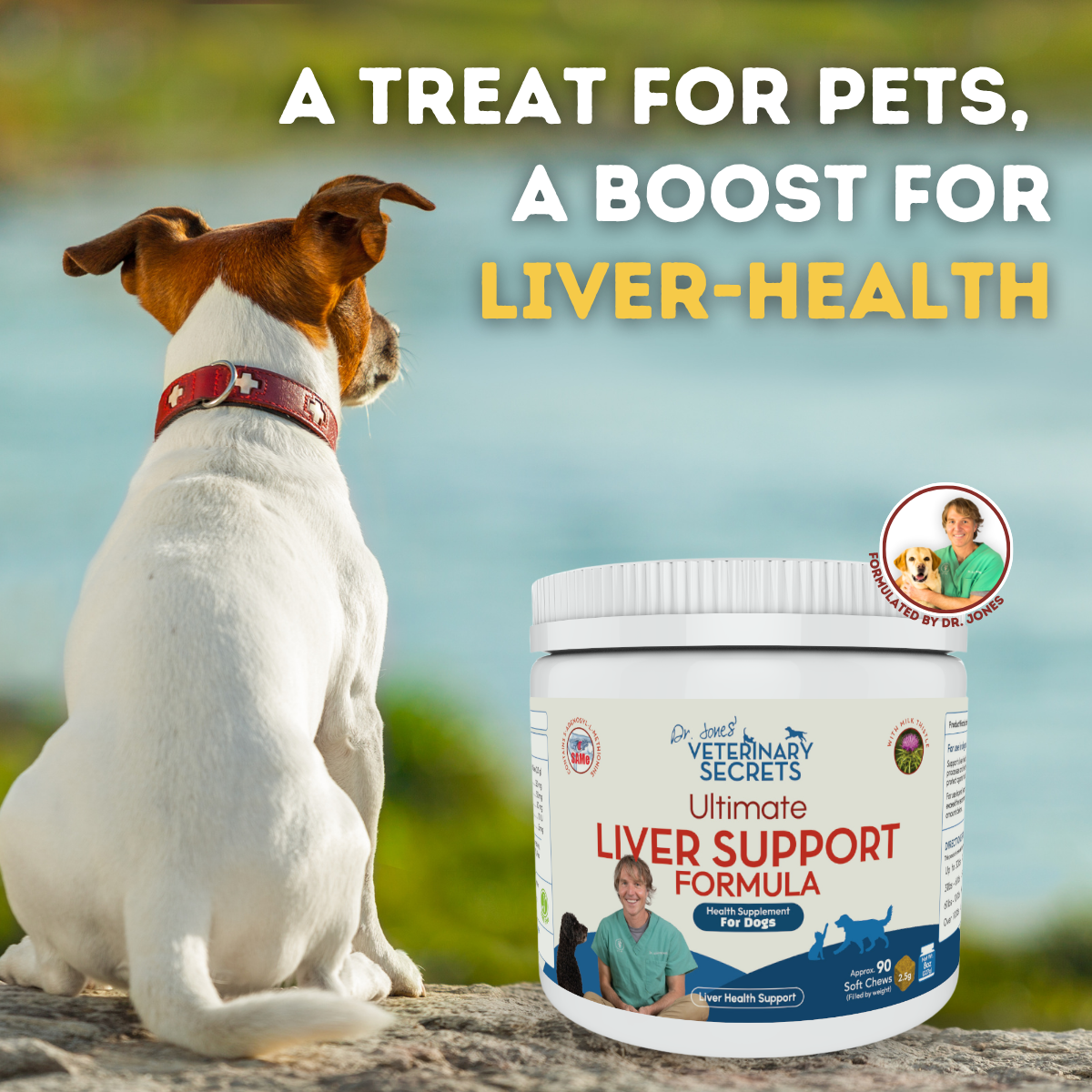
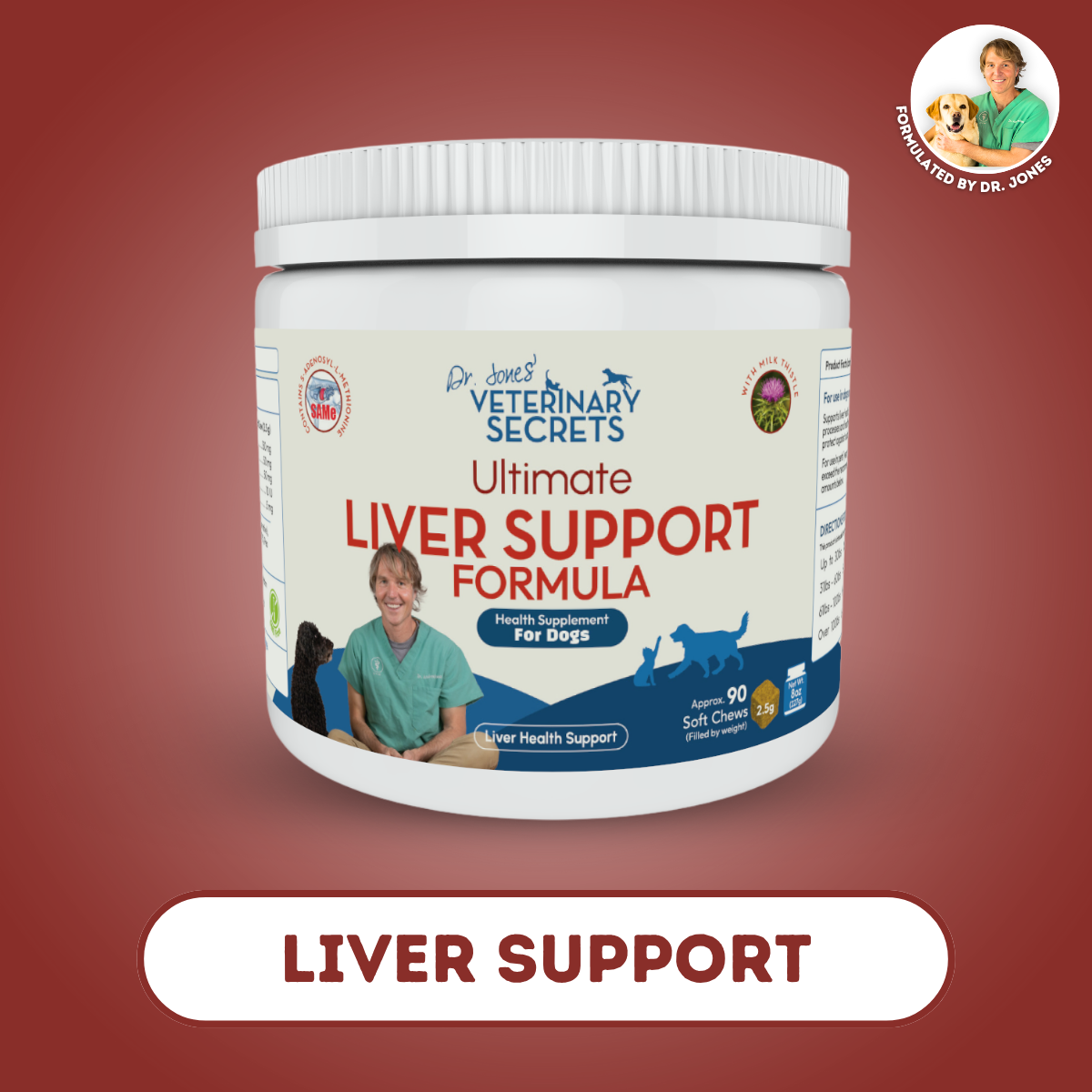
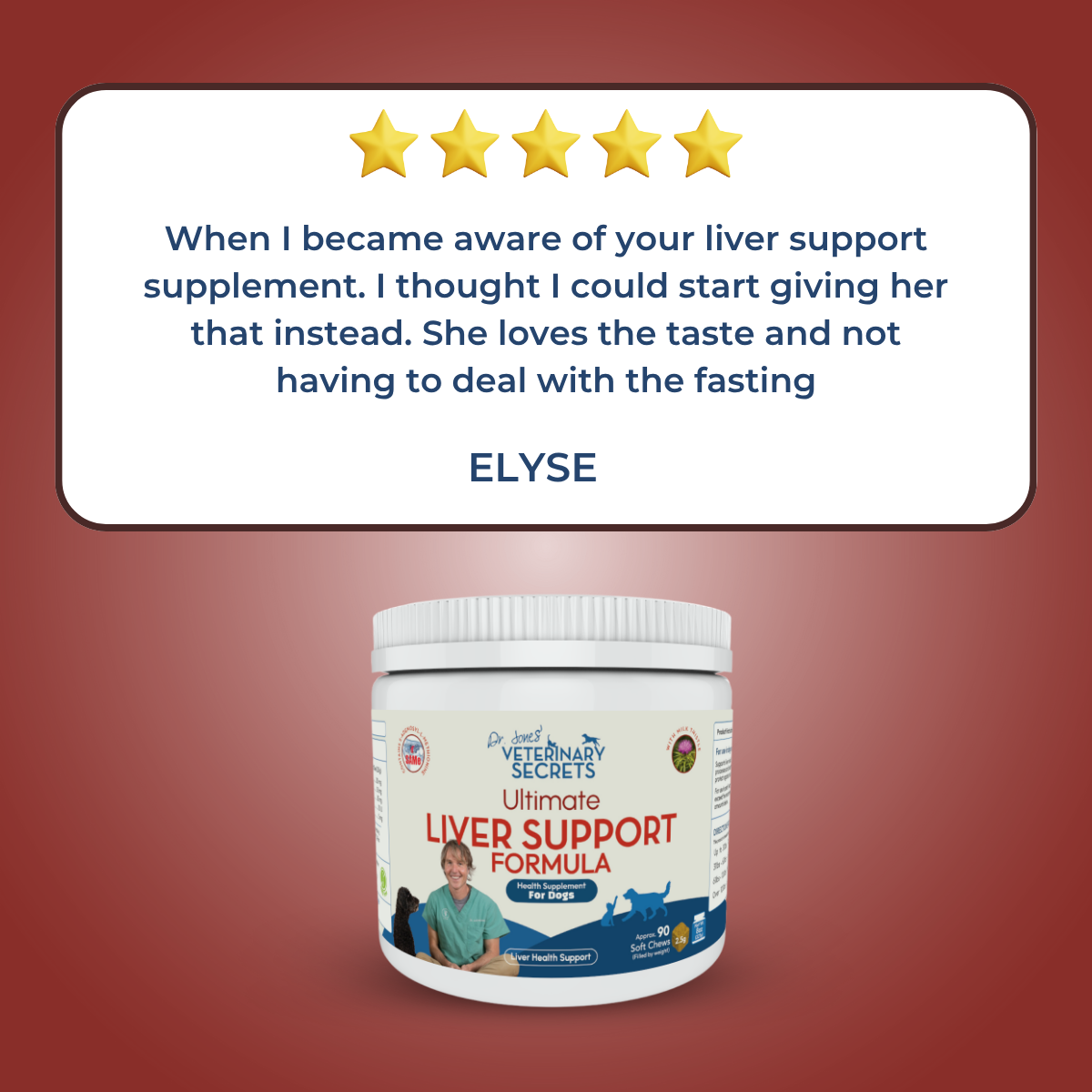
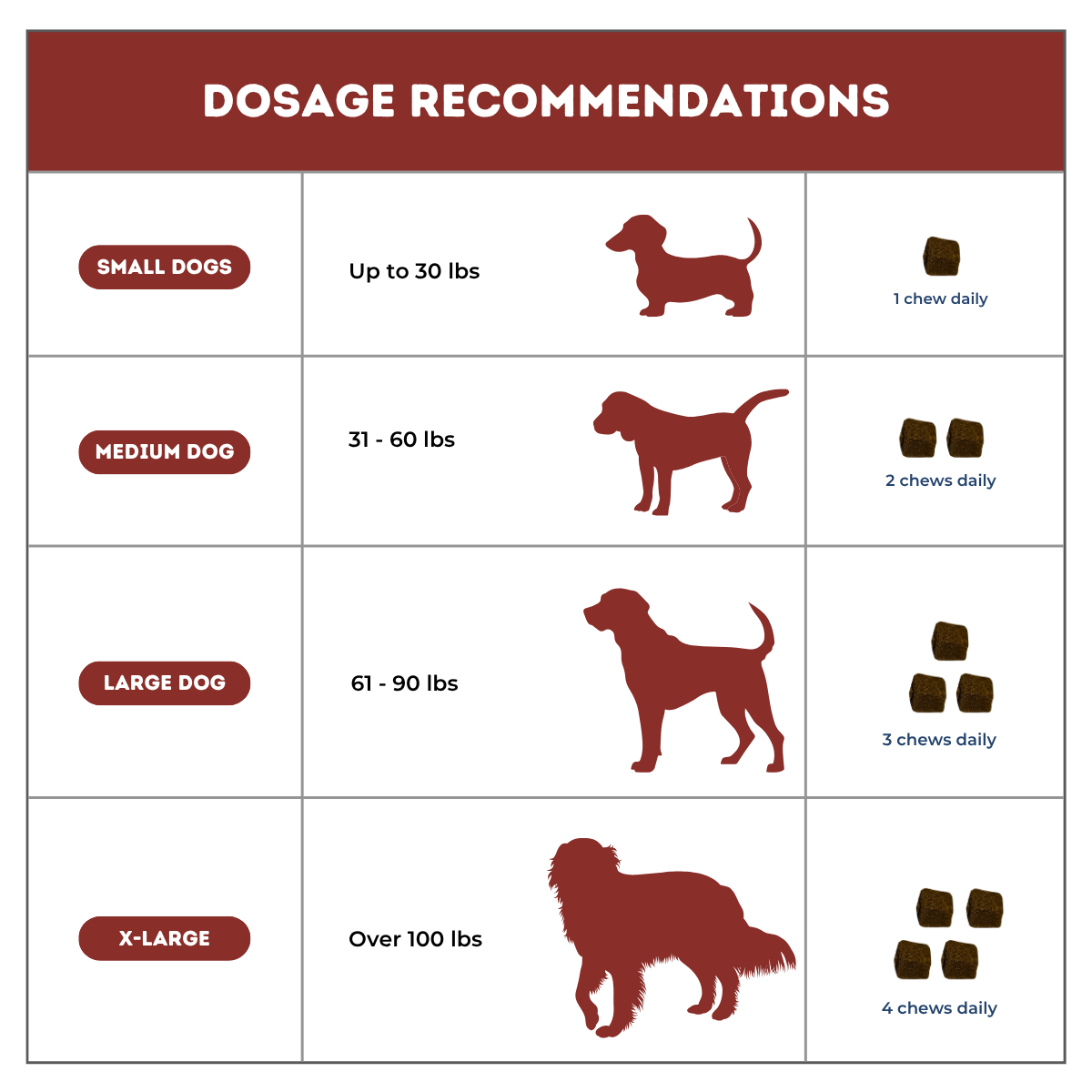
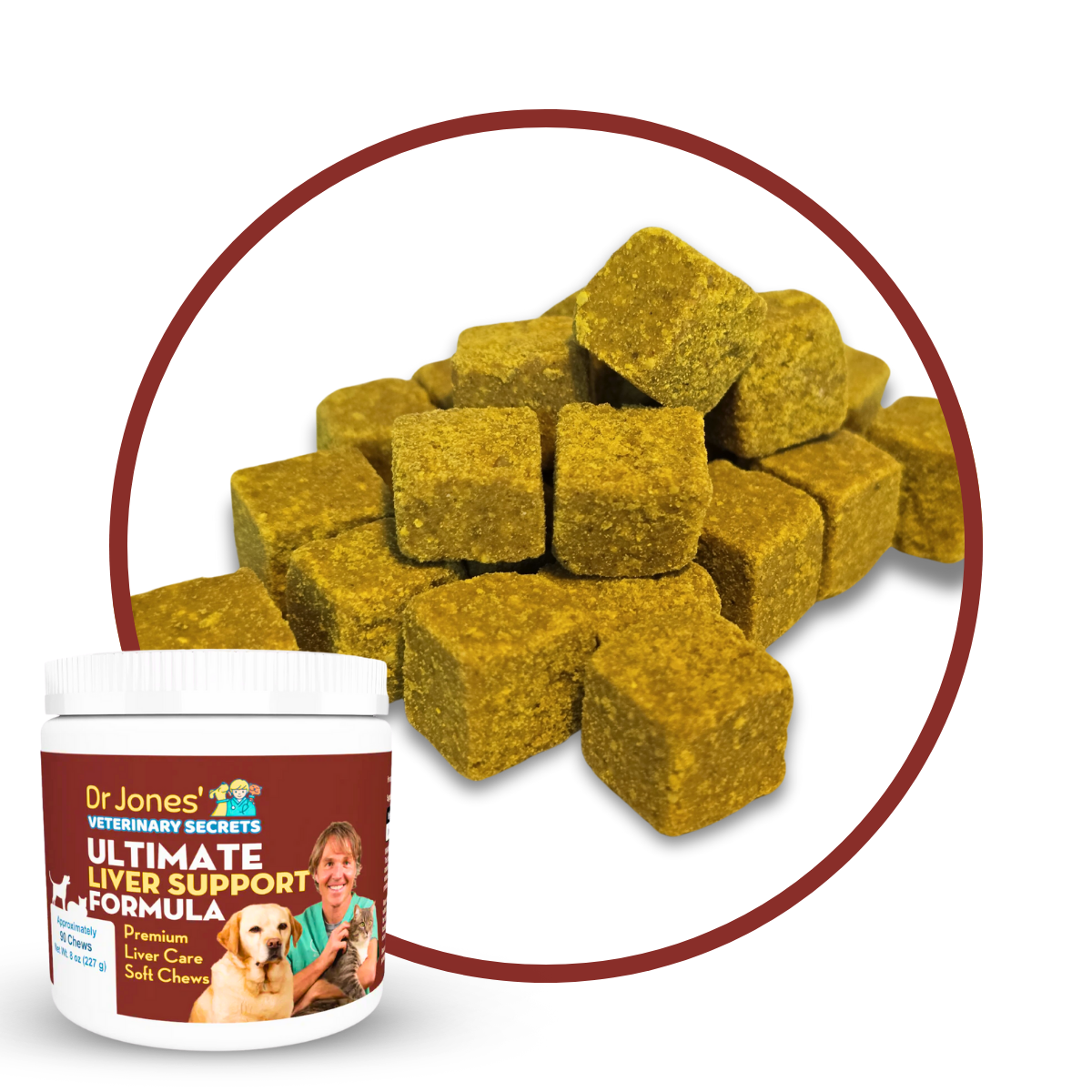
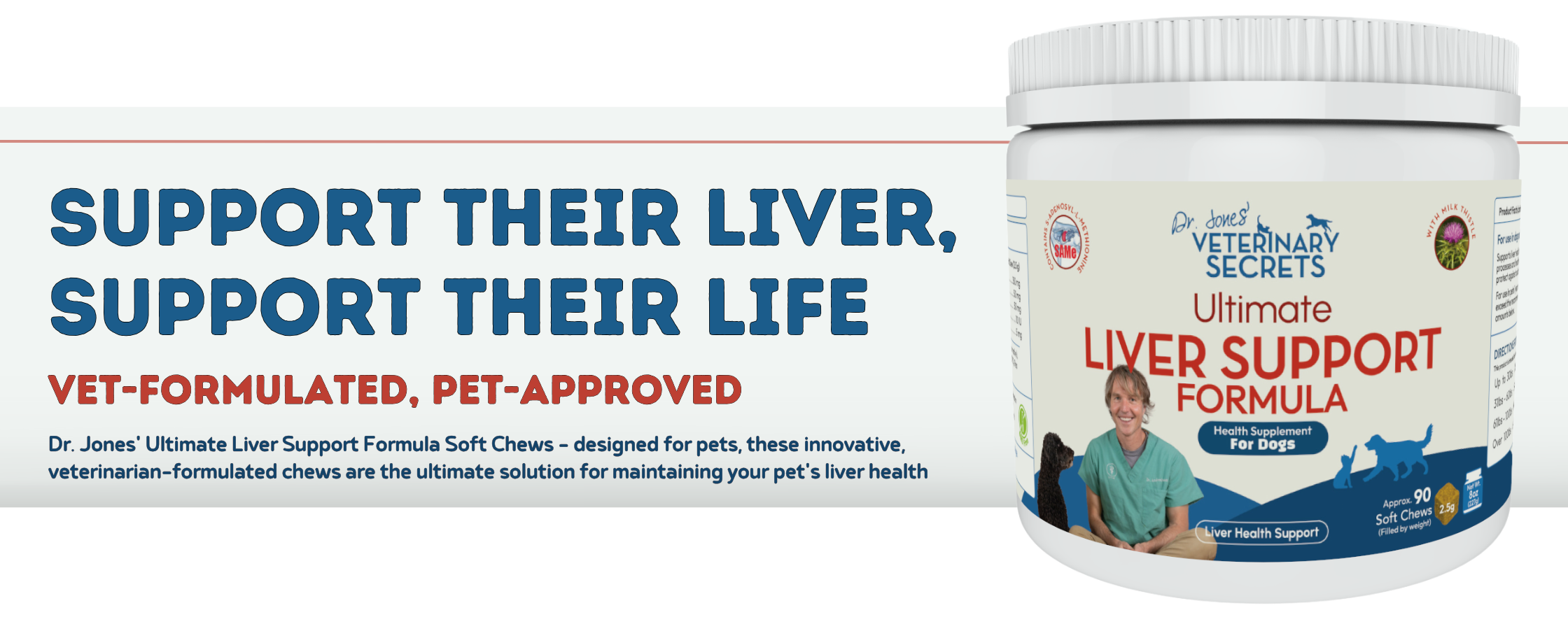 Dr. Jones’ Ultimate Liver Support Formula Soft Chews – designed for pets, these innovative, veterinarian-formulated chews are the ultimate solution for maintaining your pet’s liver health. Each jar contains 90 soft chews, one jar will last for 3 months for pets up to 30lbs. See dosage recommendations below.
Here are some common products I recommend checking before bringing them into your home or giving them to your pets.
Sugar-Free Foods
-
Baked goods and desserts
-
Peanut butter
-
Ice cream
-
Candy
-
Fruit drinks and powdered drink mixes
-
Jelly and jam
-
Cereal
-
Pudding and Jell-O
-
Ketchup and syrup
-
Chewing gum
-
Breath mints
Alternative Sweeteners
Be aware of sugar substitutes marketed as healthier alternatives, including products such as BochaSweet, which is derived from Kabocha squash. Check the actual ingredients rather than assuming every alternative sweetener contains xylitol or is safe for your dog.
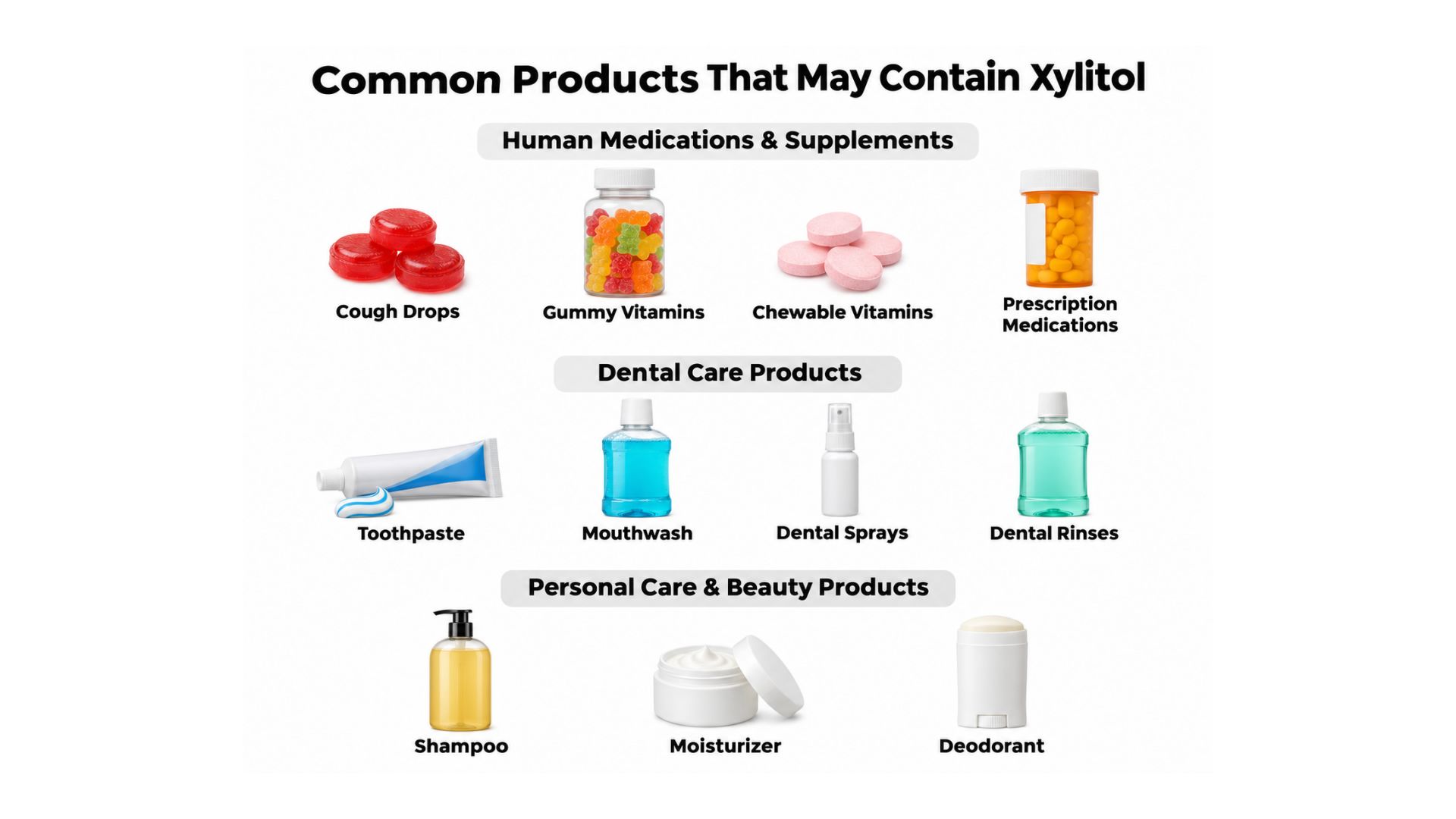
Human Medications and Supplements
-
Cough drops
-
Gummy vitamins
-
Chewable vitamins
-
Certain prescription medications
Dental Care Products
-
Toothpaste
-
Mouthwash
-
Dental sprays
-
Dental rinses
Personal Care and Beauty Products
-
Shampoo
-
Moisturizer
-
Deodorant
I am particularly concerned about dental sprays and rinses. Xylitol is used in many human dental products, but that does not make these products safe for dogs.
Always read the ingredient list before using any dental product on your pet.
Why Is Xylitol Toxic to Dogs?
Xylitol poisoning in dogs primarily affects two things: blood sugar regulation and liver function.
1. Dangerously Low Blood Sugar (Hypoglycemia)
In both humans and dogs, blood sugar is regulated by insulin, a hormone released by the pancreas.
When a dog consumes xylitol, it triggers a large release of insulin. This causes blood sugar levels to drop rapidly, resulting in a condition called hypoglycemia.
Humans do not experience this same dangerous insulin response to xylitol.
A sudden drop in blood sugar can cause weakness, loss of coordination, seizures, collapse, and potentially death.
2. Liver Damage and Liver Failure
Xylitol can also cause serious liver damage and, in some cases, acute liver failure in dogs.
Exactly how xylitol damages the liver is not fully understood, but the risk appears to be related to the amount consumed.
Liver failure associated with xylitol poisoning can be fatal if left untreated.
Is Xylitol Toxic to Cats?
The toxic effects of xylitol seen in dogs have not been established in cats.
However, there is still uncertainty about its effects on cats, and I would rather err on the side of caution.
My recommendation is to keep products containing xylitol away from all your furry family members.
What Are the Symptoms of Xylitol Poisoning in Dogs?
Many of the early symptoms of xylitol poisoning are related to a rapid drop in blood sugar.
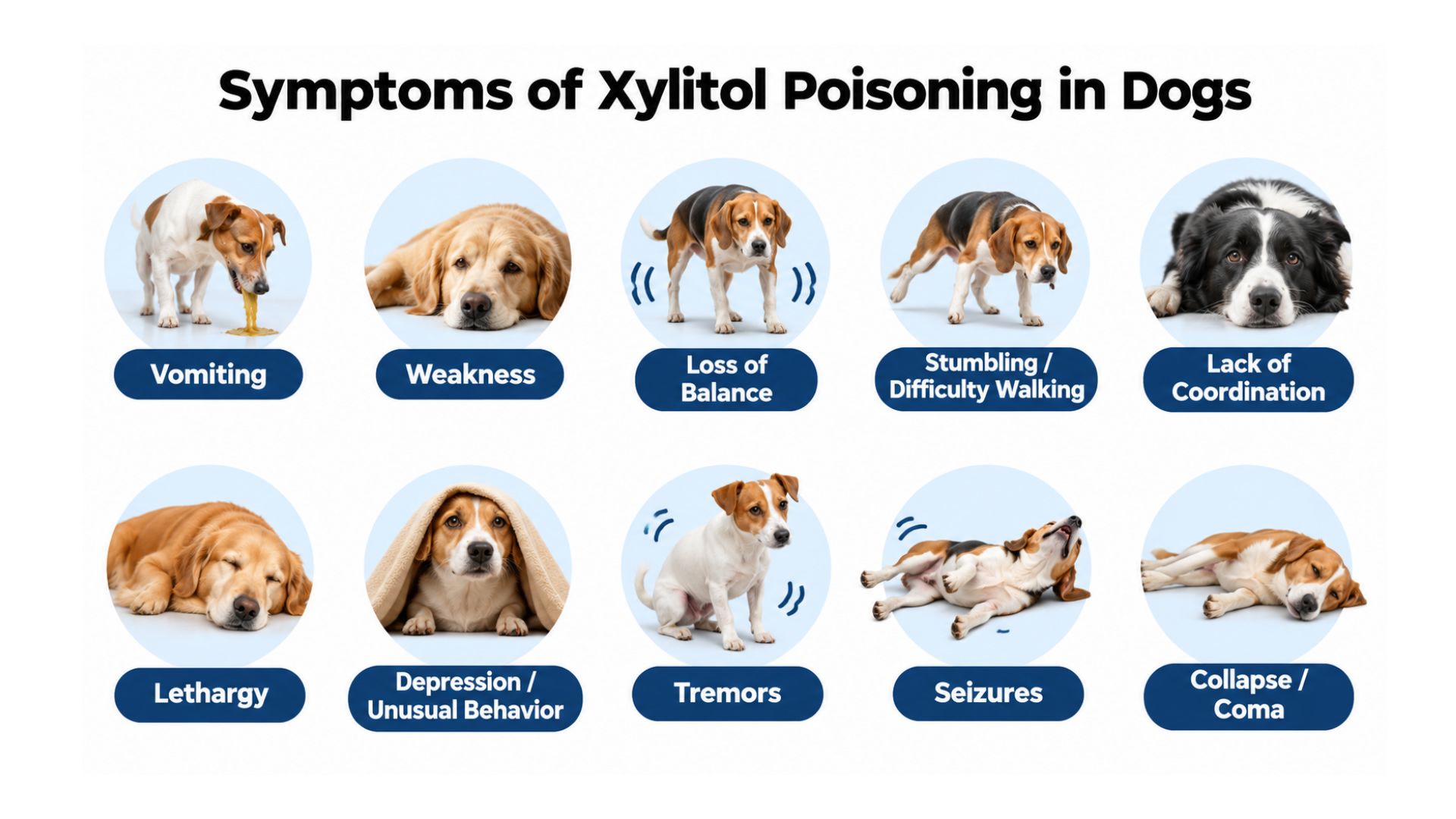
Watch for the following signs:
-
Vomiting
-
Weakness
-
Loss of balance
-
Stumbling or difficulty walking
-
Lack of coordination
-
Lethargy
-
Depression or unusual behavior
-
Tremors
-
Seizures
-
Collapse
-
Coma
Symptoms can develop as early as 30 minutes after ingestion, although they may be delayed for up to 12 hours.
If your dog is showing any of these symptoms and you suspect they may have consumed xylitol, contact your local veterinary emergency hospital immediately.
Do not wait for symptoms to develop if you already know your dog has eaten something containing xylitol.
How Much Xylitol Is Toxic to Dogs?
It takes surprisingly little xylitol to cause serious health problems in dogs.

Hypoglycemia can occur at approximately 0.1 gram of xylitol per kilogram of body weight. Liver damage may occur at higher amounts, approximately 0.25 to 0.5 gram per kilogram of body weight.
Xylitol Toxicity Levels in Dogs
| Potential Health Effect | Amount per Pound of Body Weight | Amount per Kilogram of Body Weight |
|---|---|---|
| Hypoglycemia (low blood sugar) | 0.045 g | 0.1 g |
| Liver damage or liver failure | 0.11–0.22 g | 0.25–0.5 g |
Depending on its xylitol content, even one piece of sugar-free chewing gum could be enough to cause poisoning in a 20-pound dog.
These amounts are toxicity estimates, not safe consumption limits. I do not recommend giving your dog any product containing xylitol.
How Quickly Does Xylitol Poisoning Affect Dogs?
Xylitol is absorbed quickly, and symptoms of poisoning can appear within 30 minutes of ingestion.
In some cases, however, signs of hypoglycemia may be delayed for up to 12 hours.
Just because your dog looks fine shortly after eating something containing xylitol does not mean they are out of danger.
What Should I Do If My Dog Eats Xylitol?
If your dog has eaten a product containing xylitol, or you suspect they have, take them to your local veterinary emergency hospital immediately for evaluation and treatment.
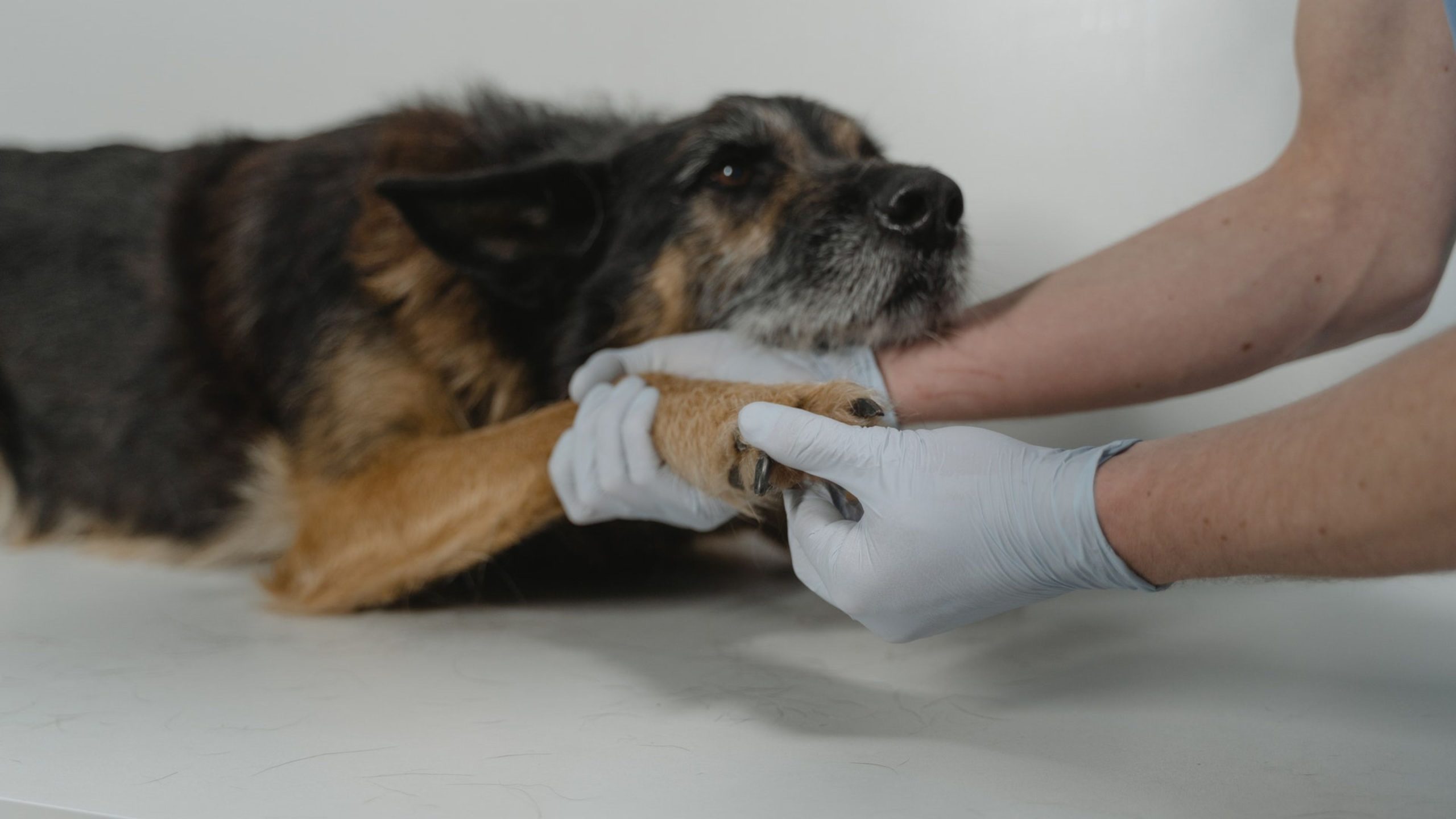
Do not wait until your dog starts vomiting, becomes weak, or loses coordination.
Symptoms such as difficulty walking, tremors, seizures, and collapse may be associated with xylitol poisoning, particularly when there is a history of possible exposure.
Early veterinary intervention is essential.
Other Common Pet Toxins to Watch Out for During the Holidays
Xylitol is not the only household hazard I want pet parents to be aware of, particularly during the holiday season.
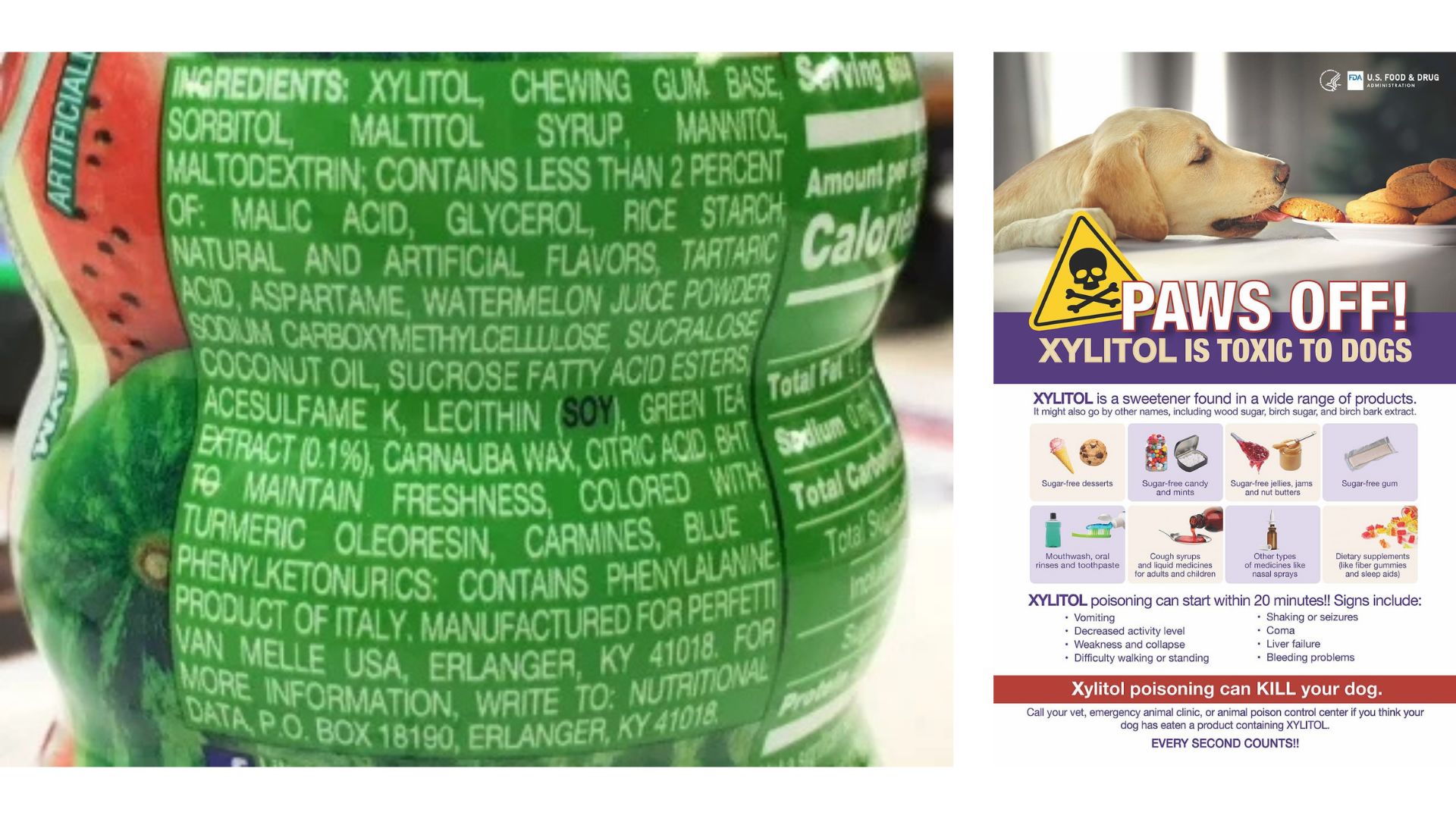
Some other common hazards include:
-
Chocolate: A common household toxin for pets.
-
Lilies: Particularly dangerous to cats.
-
Fatty foods: Can cause serious health problems in pets.
-
Contaminated compost: May contain harmful substances, including aflatoxins.
Many of the toxins our pets encounter are processed by the liver, which can become damaged in the process.
This is something I experienced with my own dog, Tula.
Supporting Your Dog’s Liver Health: What Helped My Dog Tula
My own dog, Tula, experienced liver problems and had elevated liver enzymes.
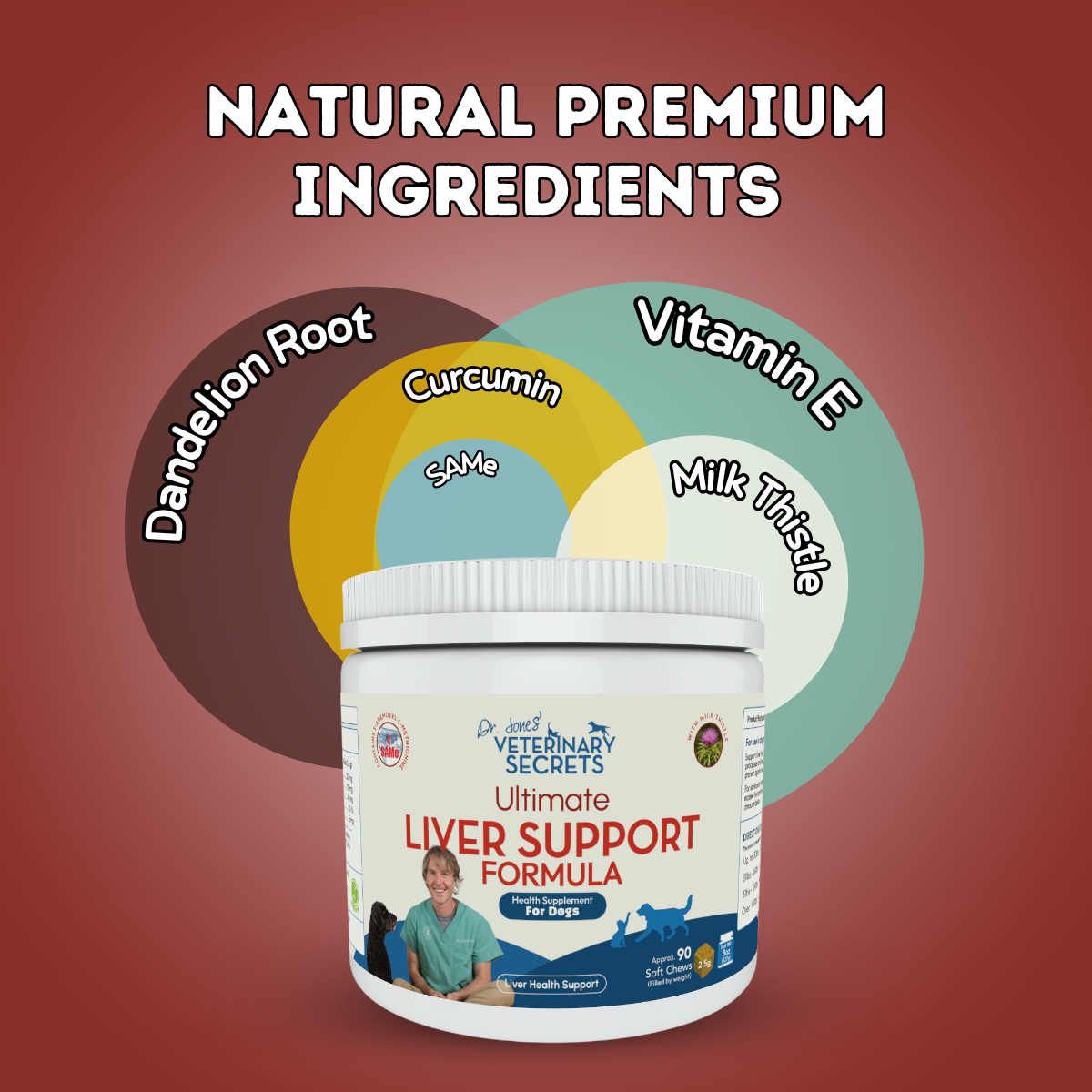
I was able to successfully support her liver health using a combination of three ingredients:
-
Milk Thistle
-
SAMe (S-Adenosylmethionine)
-
Dandelion Root
All three ingredients are found in my Ultimate Liver Support Formula.
Elevated liver enzymes are also among the more common changes seen in blood work in older pets, which is another reason I encourage pet parents to pay attention to their animal’s liver health.
Dr. Jones’ Ultimate Liver Support Formula Soft Chews
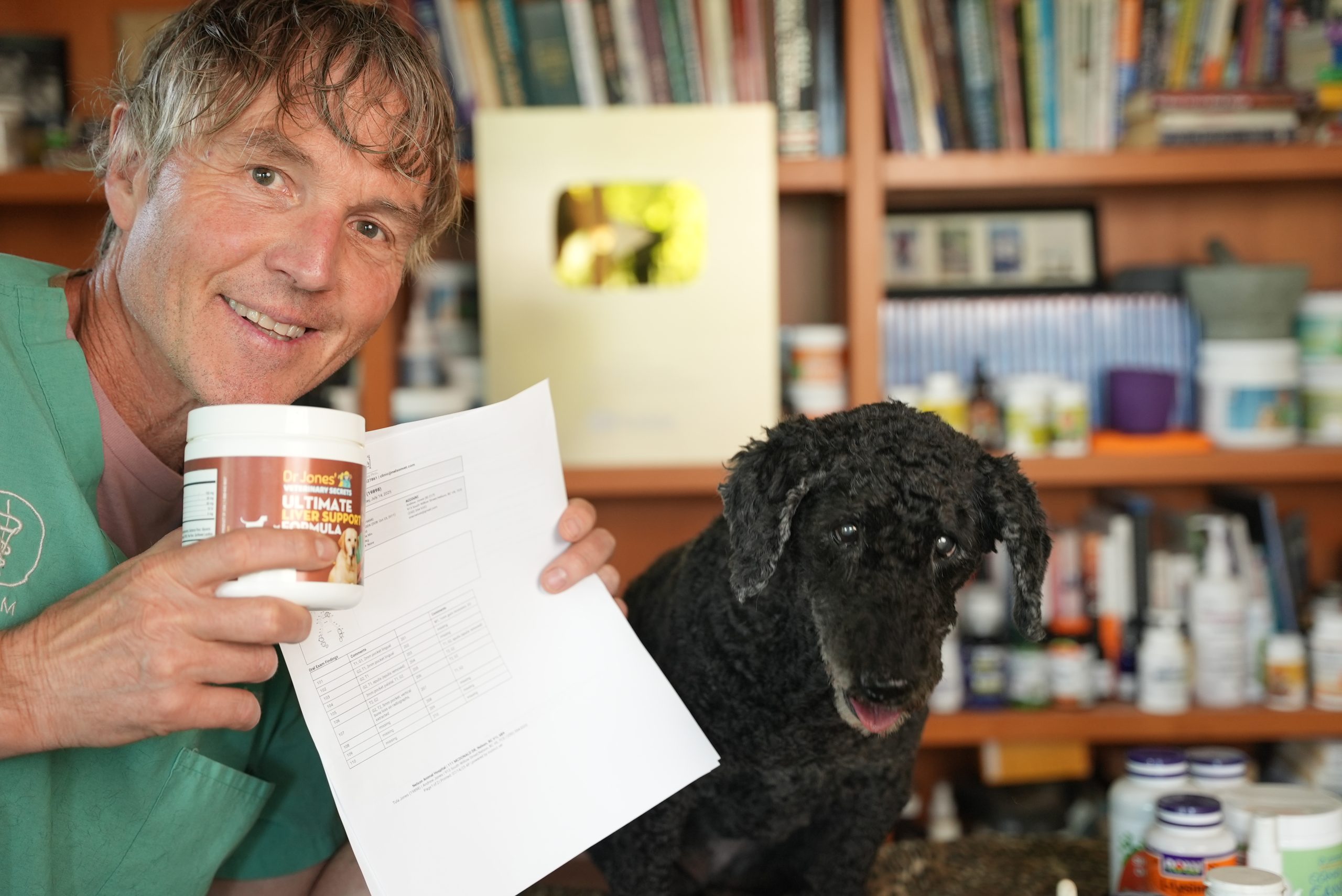
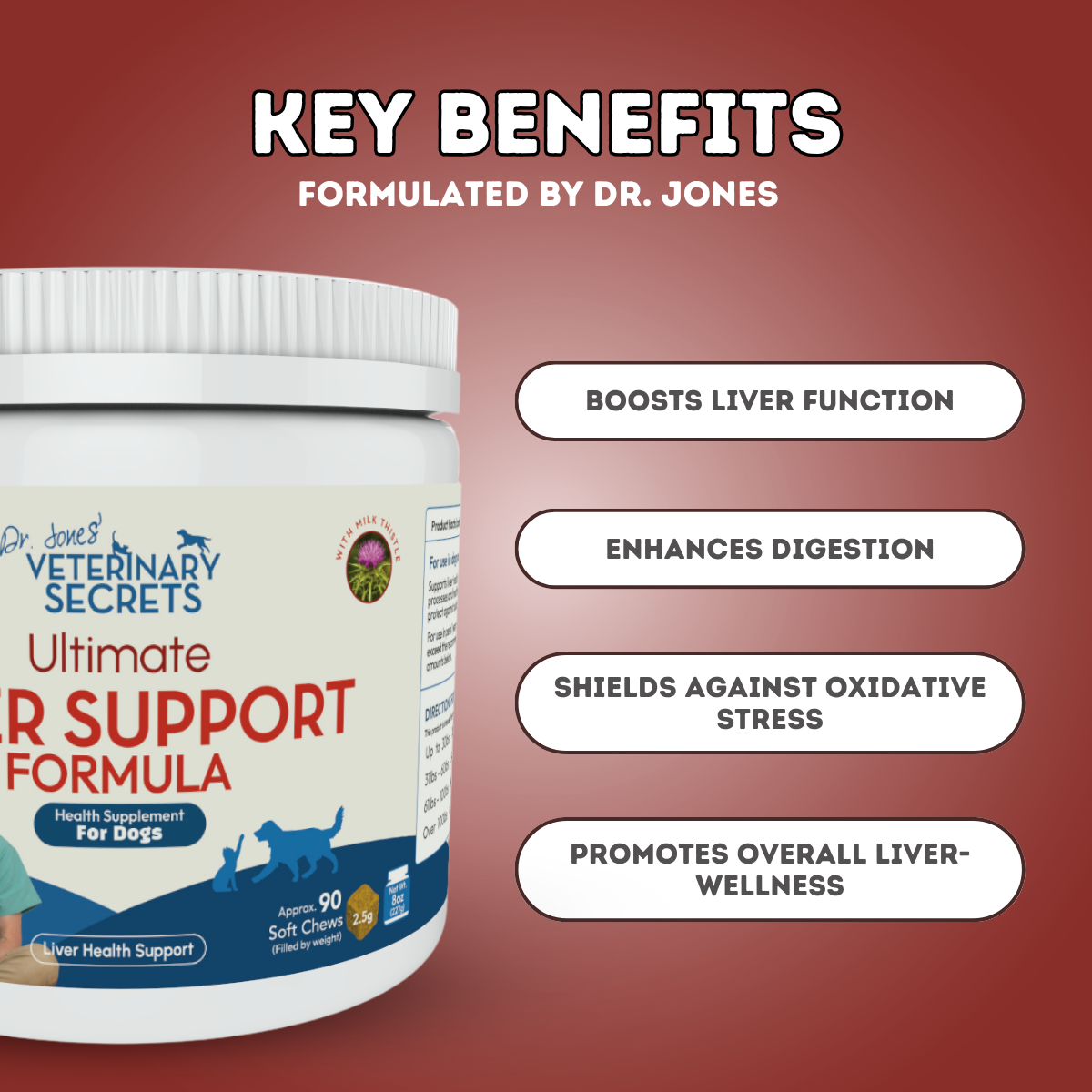
My Ultimate Liver Support Formula combines the same three liver-supportive ingredients I used with Tula in a convenient, tasty soft chew.
-
Contains Milk Thistle, SAMe, and Dandelion Root
-
Formulated to support liver health
-
Convenient soft chew format
-
90 soft chews
Learn more about Dr. Jones’ Ultimate Liver Support Formula for Dogs
Liver support supplements are not a substitute for emergency veterinary treatment if your dog has been poisoned by xylitol or another toxin.
My Final Thoughts
One of the simplest things you can do to protect your pet is to start reading ingredient labels.
Xylitol is hiding in many products we use every day, from chewing gum and peanut butter to medications and dental rinses.
Just because something is marketed as healthy, natural, or sugar-free does not necessarily mean it is safe for your dog.
Be especially careful during the holidays, when there tend to be more sweets, baked goods, and unfamiliar foods around the house.
And if you suspect your dog has consumed xylitol, please get veterinary help immediately.
A little prevention can go a long way in keeping our pets healthy and safe.
Reference: PetMD, Xylitol Poisoning in Dogs.
Click To Get A Free Copy of My E-book!

P.S. PLEASE read the ingredients on anything you are giving your dog, especially if it is sugar-free, artificially sweetened, or a dental spray or rinse.
I have been looking at some of these dental products online and in pet stores, and surprisingly, many do not clearly list their ingredients. Just because something is sold for pets does NOT automatically make it safe.
P.P.S. The liver does a tremendous amount of work processing the substances our pets are exposed to. My own dog Tula benefited from a combination of Milk Thistle, SAMe, and Dandelion Root when she experienced liver problems.
You can find all three of these liver-supportive ingredients in one tasty chew here: