Valley Fever in Dogs: How to Tell It’s Not Kennel Cough

How Your Dog Can Get a Serious Infection Just by Breathing the Dust
What if I told you that your dog could develop a serious infection simply by sniffing or digging in the dirt?
It sounds surprising, but it happens. The disease is called Valley Fever, and cases are rising in both dogs and people.
This infection comes from a fungus called Coccidioides, and your dog can become infected simply by inhaling a single spore from contaminated soil.
Let’s talk about what Valley Fever is, why it is spreading, and what you should know to protect your dog.
Dr. Jones’ Ultimate High Absorption 95% Curcumin





What Is Valley Fever?
Valley Fever is caused by a fungus that lives in dry soil. The organism is called Coccidioides.
For many years it was mostly associated with the western United States, especially California. In fact, it was first widely recognized in the San Fernando Valley, which is how the disease got its name.
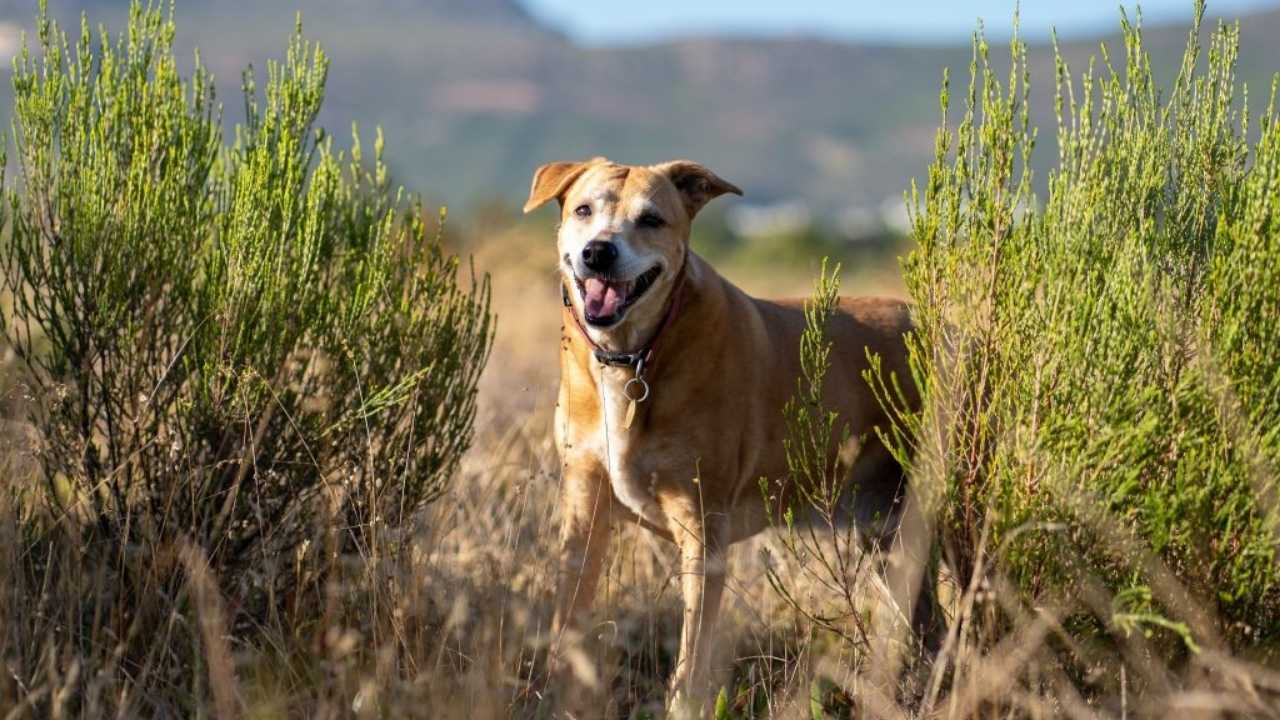
Historically the main areas included:
-
California Central Valley
-
Arizona
-
Nevada
-
New Mexico
But things have changed.
Today we are seeing cases appear in many other states and possibly even further north.
Why Valley Fever Is Spreading
The fungus tends to grow best when there are periods of heavy rain followed by long dry periods.
Those conditions are becoming more common.
Because of this, Valley Fever is now being reported in places such as:
-
Washington
-
Oregon
-
Idaho
-
Colorado
-
Montana
-
Parts of the Midwest
There is even concern that it could appear in Canada.
Climate patterns appear to be allowing the fungus to spread into new regions.
Another factor is wind and wildfire smoke, which can carry fungal spores long distances through the air.
How Dogs Become Infected
Your dog does not have to eat contaminated soil to become infected.
They only need to inhale a single airborne spore.

Dogs are actually at higher risk than people because of their normal behavior.
They love to:
-
Sniff the ground
-
Dig in the dirt
-
Explore dusty soil
When dogs dig or sniff, they can stir up spores and inhale them.
In some veterinary labs located in high risk areas, up to 40 percent of dogs tested for Valley Fever exposure show positive results.
Because of this, dogs are sometimes used as sentinel species, meaning their infection rates help predict risk for humans.
Symptoms of Valley Fever in Dogs
Some dogs show very few signs.
Often the early symptoms look like a respiratory infection. Many people assume it is kennel cough.
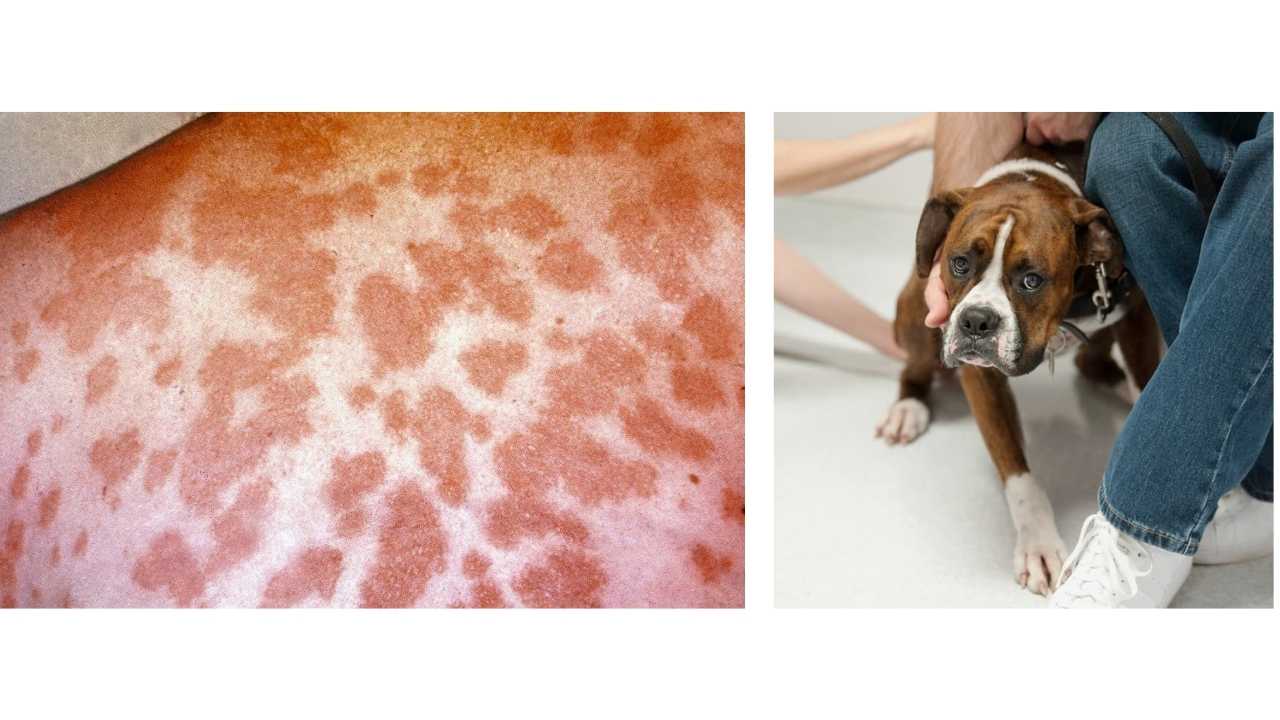
Early signs may include:
-
Coughing
-
Fever
-
Low energy
-
Reduced appetite
In many dogs the immune system clears the infection within a week or two.
But not every dog is able to do that.
When Valley Fever Becomes Serious
In some cases the infection spreads through the body. This is called disseminated Valley Fever.
This can occur in roughly 25 percent of affected dogs.
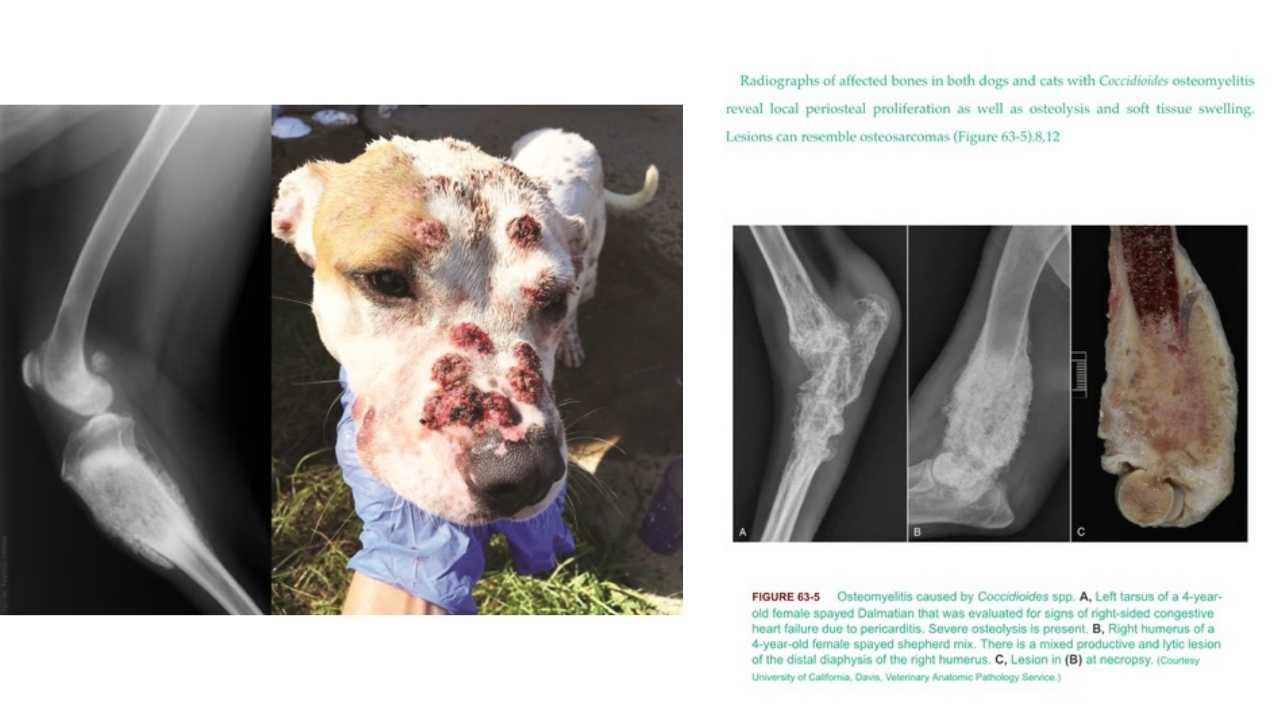
The fungus may spread to:
-
Bones and joints
-
Skin
-
Lymph nodes
-
Brain
-
Heart lining
-
Eyes
Signs of disseminated infection can include:
-
Shifting leg lameness
-
Joint swelling and pain
-
Draining skin lesions
-
Eye inflammation
-
Neurological signs
-
Difficulty breathing
At this stage the disease can become very serious.
Diagnosing Valley Fever
If your dog lives in or has traveled through a high risk area and develops respiratory symptoms, Valley Fever should be considered.
Diagnosis often involves antibody testing.
However, antibody levels may take two to four weeks to become detectable.
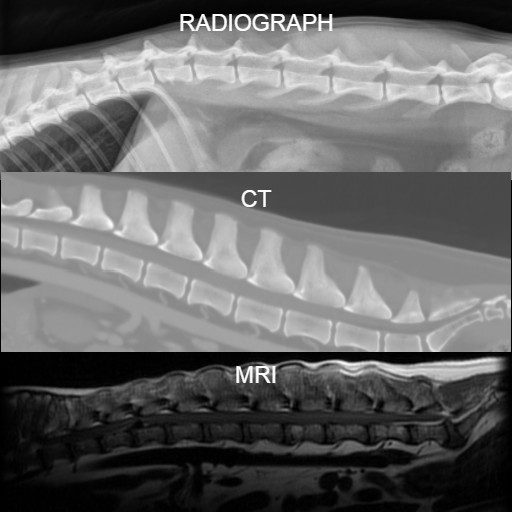
In more advanced cases additional tests may include:
-
Chest X rays
-
Ultrasound
-
MRI imaging
These help determine how far the infection has spread.
Conventional Treatment
Treatment usually involves strong antifungal medications.

Common drugs include:
-
Fluconazole
-
Itraconazole
-
Amphotericin
These medications can work, but they are not simple short treatments.
Many dogs require therapy for six to twelve months.
Sometimes the medication only controls the infection rather than curing it completely.
These antifungal drugs can also cause side effects such as:
-
Digestive upset
-
Liver problems
-
Bone marrow suppression
Because of this, early recognition is very important.
Can Your Dog Spread Valley Fever to You?
No.
Valley Fever cannot spread from dogs to humans.

The infection comes only from inhaling spores in the soil.
Once your dog is infected, they do not shed spores that could infect other animals or people.
There is no need to isolate your dog.
Holistic Support Options
If a dog develops severe disseminated infection, conventional antifungal drugs are necessary.
But there are also natural compounds that may help support the body.

These options may be useful early in infection or alongside treatment.
Garlic
Garlic has well documented antifungal properties.
It has been used historically as an antiviral, antibacterial, and antifungal remedy.
Many people worry about garlic toxicity in dogs. Toxicity occurs only at extremely high doses.
A safe amount of fresh garlic is roughly:
¼ clove per 20 pounds of body weight daily
Another option is aged garlic extract. During aging the compounds associated with toxicity decrease while many beneficial properties remain.
Typical dose:
50 mg per 10 pounds of body weight daily
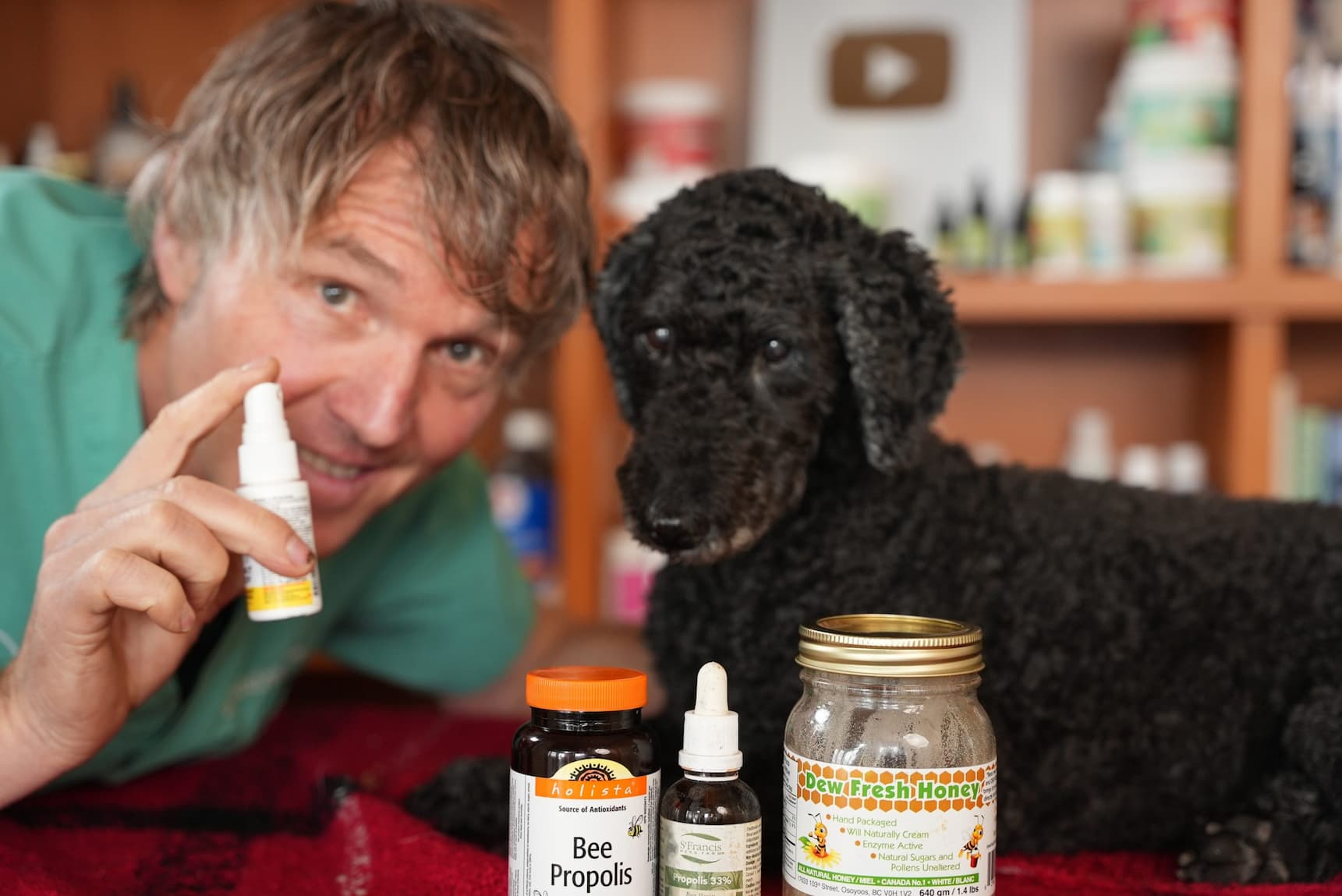
Propolis
Propolis, also known as bee glue, is produced by honeybees.
It has strong antibacterial, antiviral, and antifungal properties.
It is especially helpful for respiratory infections.
Typical dose:
100 mg per 10 pounds of body weight daily
Propolis is extremely safe and can be used long term.
Curcumin
Curcumin is the active compound found in turmeric.
Research has shown that 95 percent curcumin extracts may inhibit several fungi.
It also reduces inflammation and supports immune health.
Typical dose:
250 mg per 50 pounds of body weight daily
Egg White Lysozyme
Egg whites contain an enzyme called lysozyme.
Lysozyme helps break down the cell walls of bacteria and fungi.
This enzyme is naturally present in tears and saliva, but egg whites contain high levels.
A typical amount provides roughly:
100 mg of lysozyme per 10 pounds of body weight daily
Egg whites can be given cooked or as egg white powder.
Prevention
Completely preventing exposure is difficult.
Dogs should still be outside enjoying normal activity.
But awareness matters.
If your dog develops:
-
Chronic cough
-
Fever
-
Shifting leg lameness
-
Joint swelling
-
Eye inflammation
especially after being in a Valley Fever region, talk with your veterinarian and ask about testing.
Early detection makes a big difference.
Final Thoughts
Valley Fever is a real disease and cases are increasing.
You do not need to keep your dog indoors or panic about every patch of dirt. Dogs should still explore, run, and play outside.
But if your dog develops unusual respiratory signs or joint issues, Valley Fever should at least be considered.
Talk with your veterinarian and ask whether Coccidioidomycosis testing is appropriate.
Early action can make all the difference.
Click To Get A Free Copy of My E-Book!