Rabies Outbreak in Wildlife: Does Your Dog or Cat Need Another Rabies Vaccine?

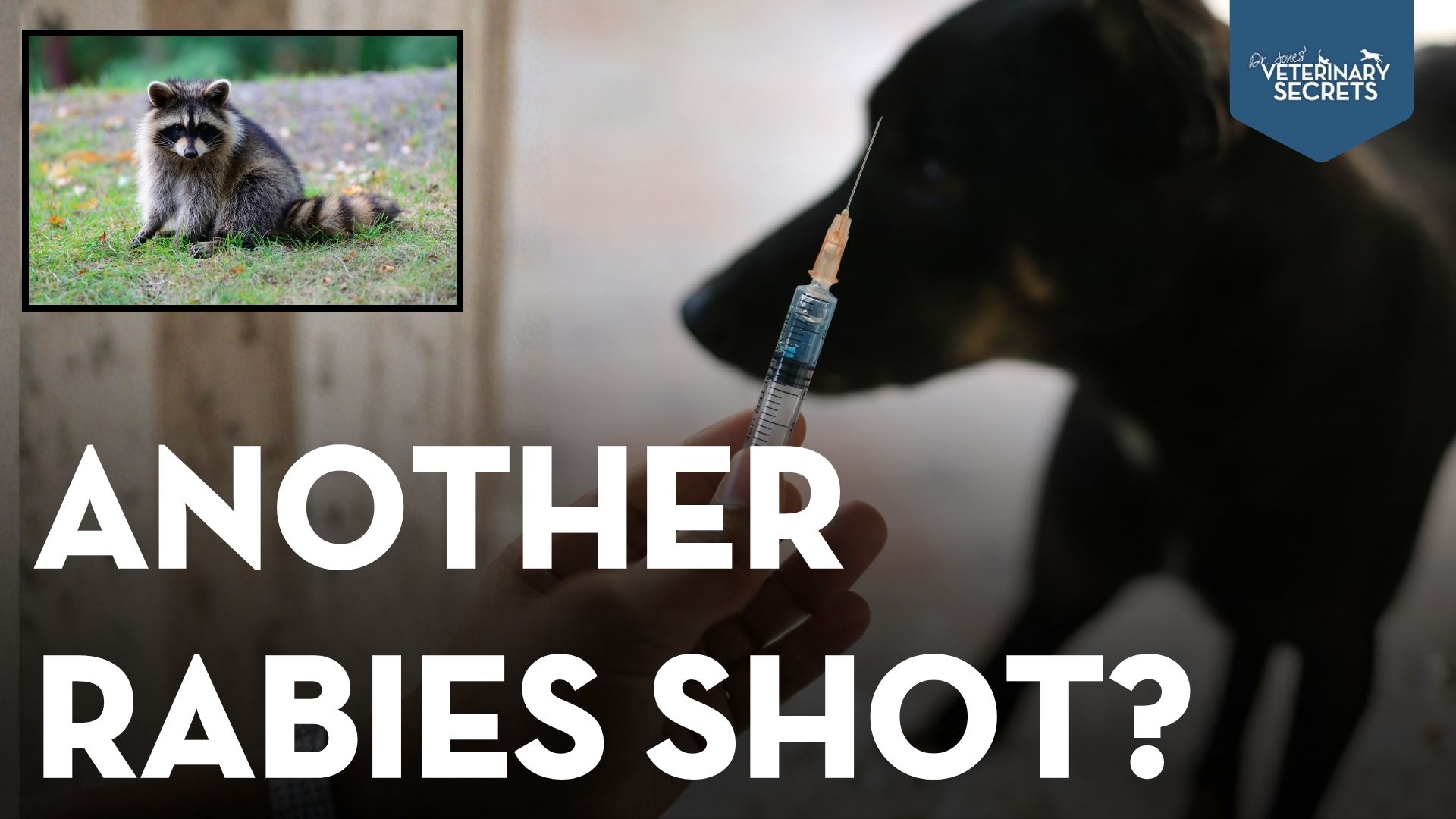
Should You Be Worried About Rabies in Your Dog or Cat?
Rabies is serious, but the chance of your dog or cat ever getting rabies is extremely low.
Federal health officials have warned of an increase in potential rabies exposures across North America, especially from wildlife such as bats, raccoons, skunks, and foxes.
That naturally makes pet parents nervous.
And I understand why.
Rabies is not something to take casually.
It is a viral disease that affects the brain, and once signs develop, it is almost always fatal.
But here is the bigger picture:
Your dog or cat is far more likely to develop an immune, degenerative, metabolic, or cancer-related disease than rabies.
So yes, we need to be aware of rabies.
Yes, we need to protect our pets.
But I also want you thinking carefully about how often your pet really needs the rabies vaccine, whether antibody titers make sense, and how to support your pet’s long-term health beyond vaccines.
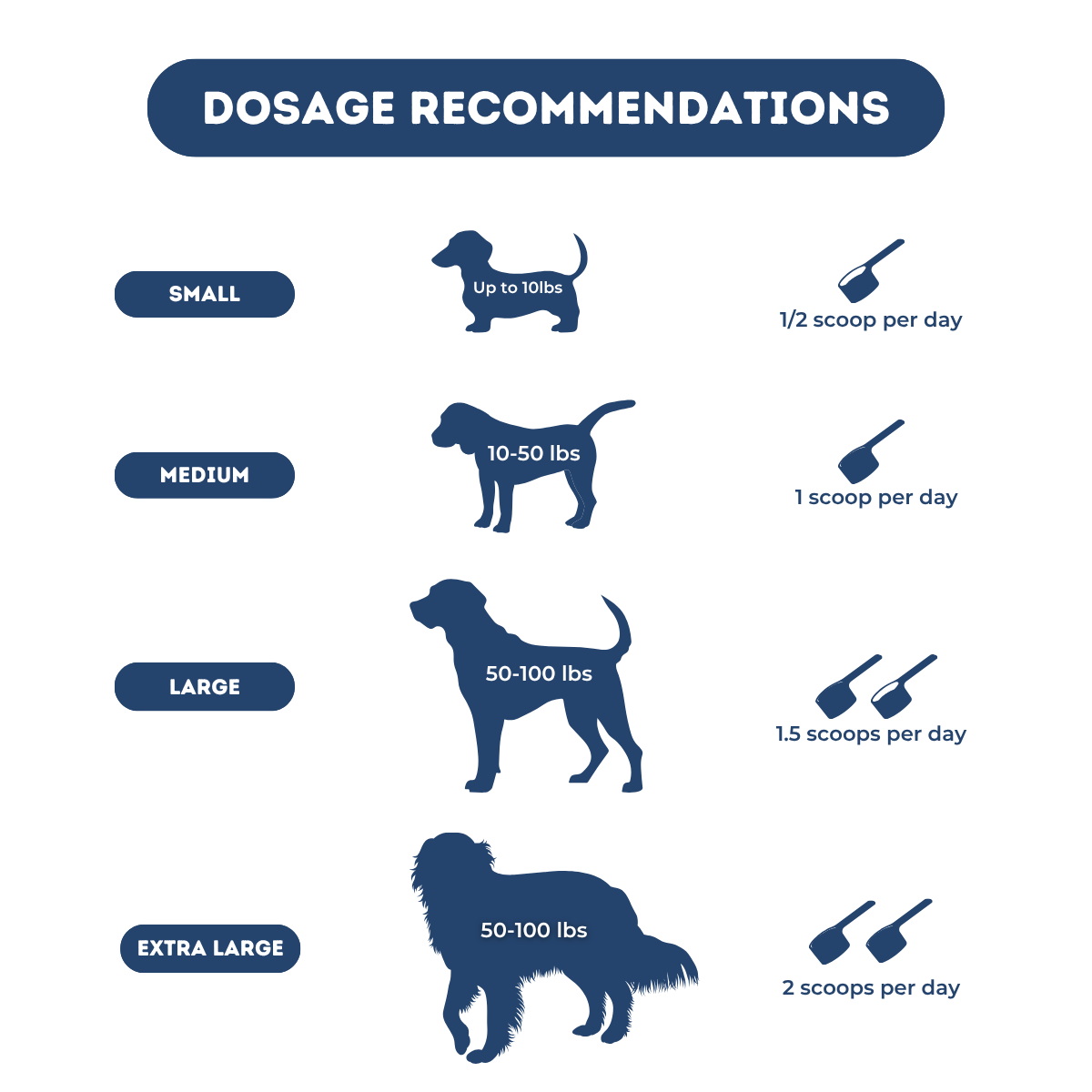
Dr. Jones’ Ultimate Canine Advanced Plus Health Formula

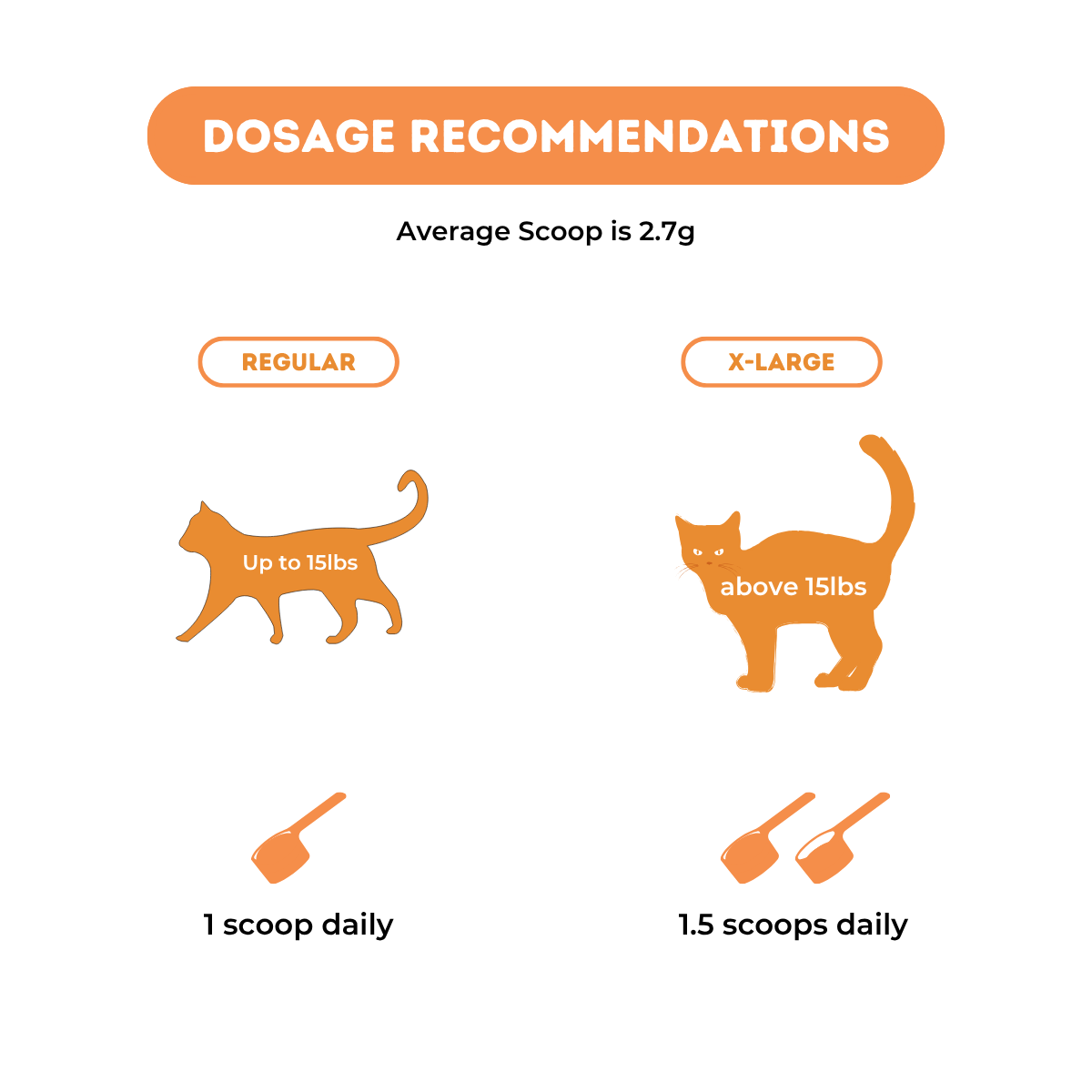
Dr. Jones’ Ultimate Feline Health Formula





What Is Rabies?
Rabies is a viral disease that affects mammals.
It causes inflammation in the brain, also called encephalitis.
The virus is usually spread through bite wounds from infected animals.
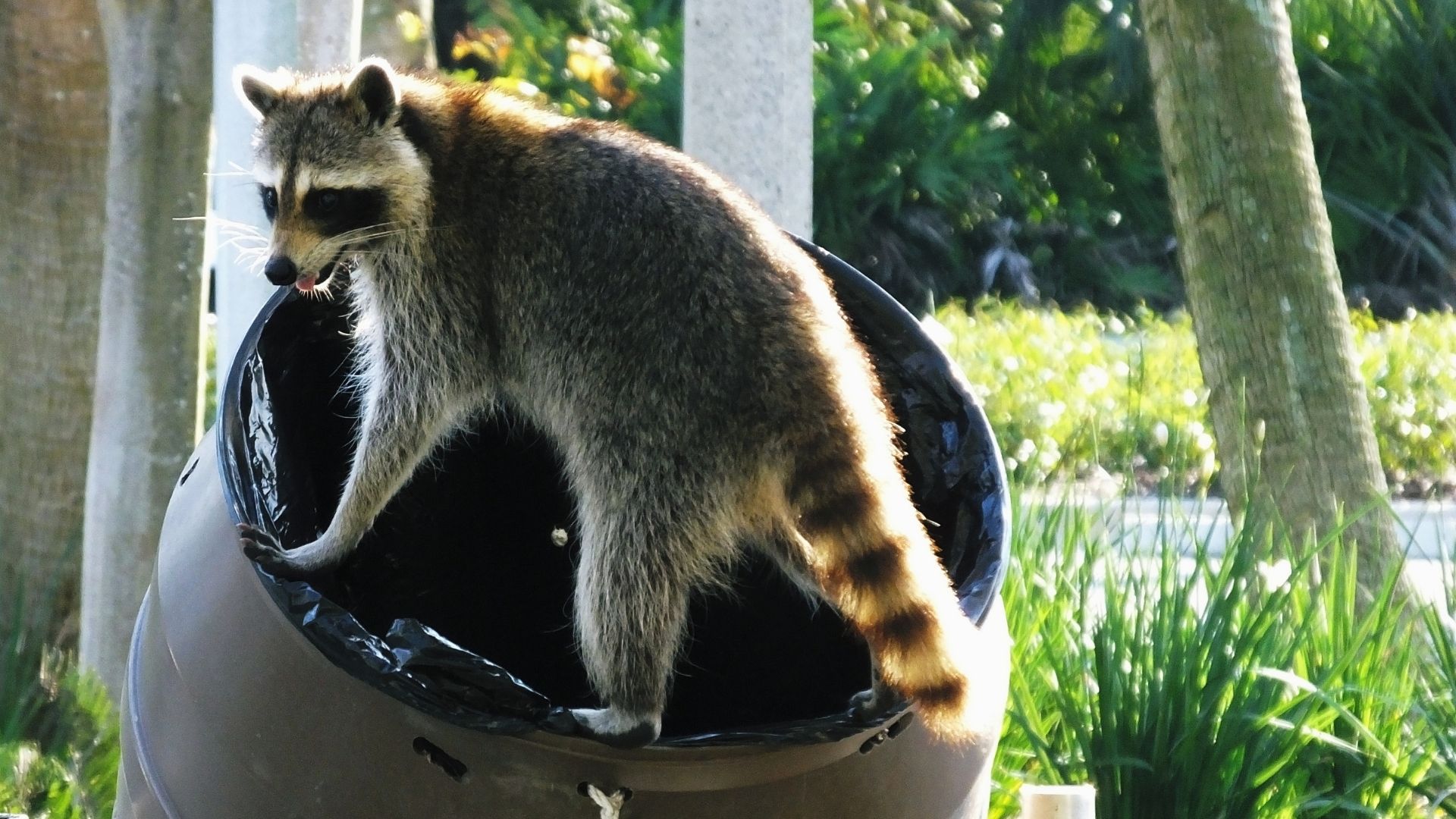
In North America, the main wildlife reservoirs are:
-
Bats
-
Raccoons
-
Skunks
-
Foxes
The virus travels from the bite wound through the nervous system and eventually reaches the brain.
Before it reaches the brain, rabies exposure can be treated.
Once it reaches the brain and symptoms appear, the disease is considered fatal.
That is why rabies is taken so seriously.
Why Are People Talking About Rabies Outbreaks?
The CDC issued a Health Alert Network advisory after reporting a 17% increase in questions about human exposure to rabid or potentially rabid animals during July and August, compared with the same period in 2025.
At the same time, the USDA has been preparing its annual airdrop of millions of fishmeal-coated rabies vaccine sachets across parts of the Southeast.
The goal is to vaccinate wildlife and help prevent the spread of rabies.
Raccoons are considered a primary wildlife source of rabies in the region.
Each year, the USDA distributes approximately 6.5 million vaccine sachets in targeted areas.
Similar programs have helped control canine rabies in coyotes and a rabies variant affecting gray foxes.
So yes, rabies is still something public health officials watch closely.
But that does not mean your indoor cat or low-risk dog automatically needs repeated vaccines without thought.
What Happened With the Rabid Cow Case?
A recent case in Minnesota showed why rabies awareness still matters.
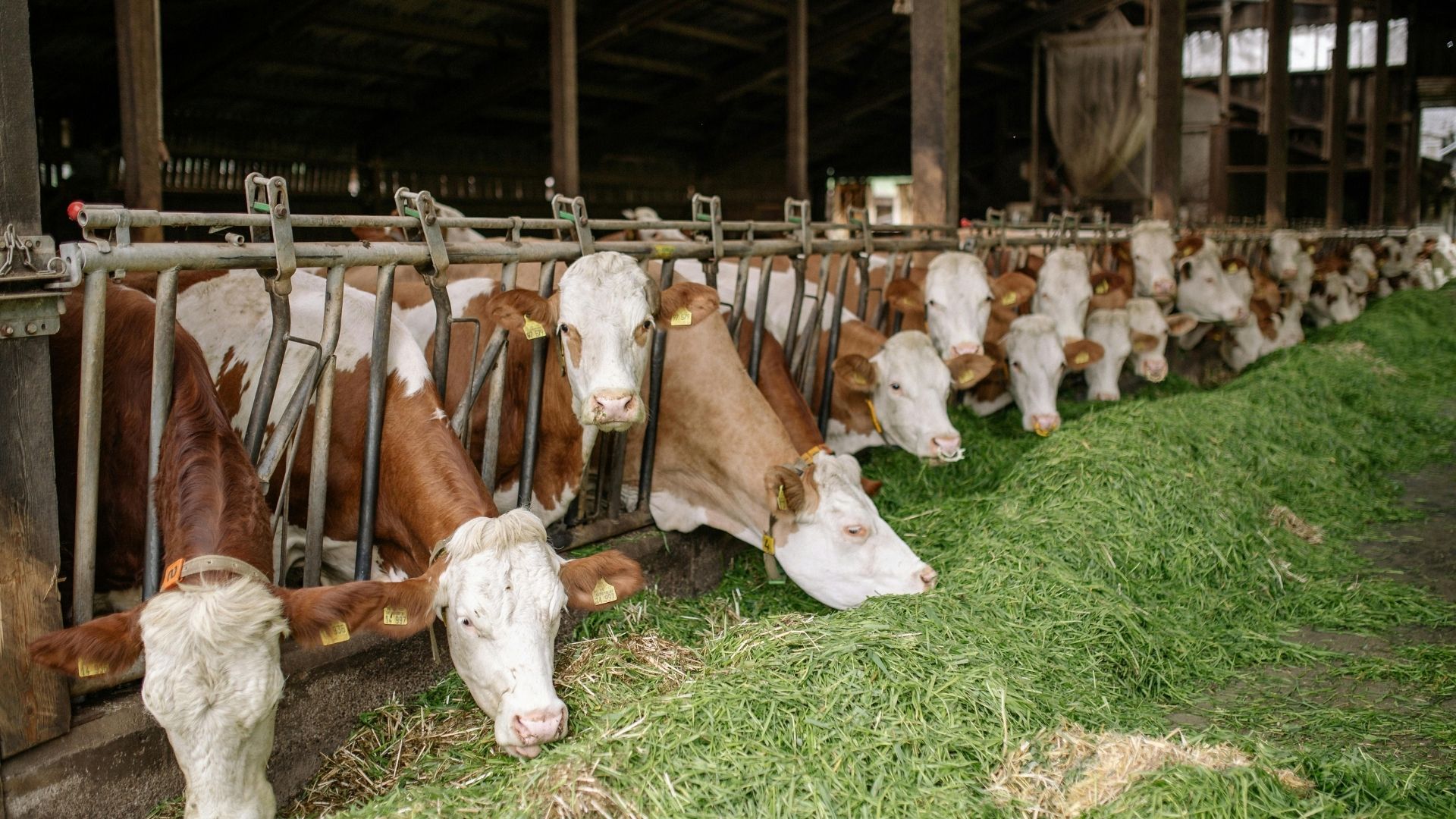
The Minnesota Board of Animal Health confirmed that a cow in Brown County tested positive for rabies.
After that:
-
Thirteen cows were quarantined
-
Nine people were advised to receive rabies post-exposure treatment
The cow’s owner first found the heifer lying flat with her head down.
A veterinarian examined her, and the owner gave oral medication using bare hands.
The next day, another veterinarian examined the cow and also gave oral medication without gloves.
One day later, a third veterinarian euthanized the animal after she developed more obvious neurological signs.
Those signs included:
-
Uncoordinated hind legs
-
High-stepping
-
Vocalizing
-
Excessive salivation
-
High fever
Testing later confirmed rabies.
That is the part that makes rabies different from many diseases.
By the time the signs are obvious, exposure may have already happened.
What Are the Signs of Rabies?
The early signs of rabies can look like many other viral infections.

Early Signs May Include
-
Fever
-
Lethargy
-
Low energy
-
Decreased appetite
-
Acting unwell
The virus may take 2 to 6 weeks to travel from the bite wound to the brain.
Once it reaches the brain, more classic signs can appear.
Classic Rabies Signs
These may include:
-
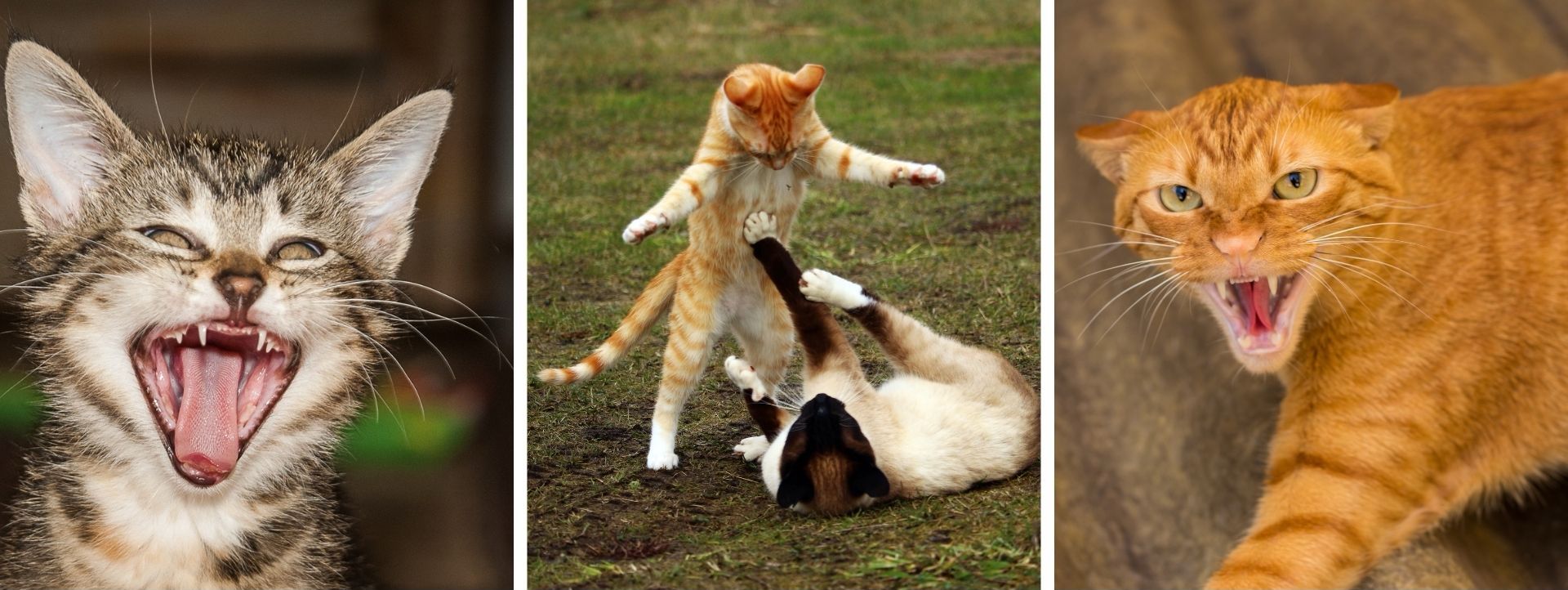
Aggressive behavior
-
Erratic behavior
-
The “furious phase”
-
Increased salivation
-
Loss of muscle control
-
Paralysis
-
Death as the breathing system becomes affected
Rabies is not a disease where you want to “wait and see.”
If your pet may have been bitten by a rabid animal, call your veterinarian or local health authority right away.
How Common Is Rabies in Dogs and Cats?
Rabies in dogs and cats is extremely rare in North America.
The incidence is low, and most reported animal rabies cases occur in wildlife.
More than 90% of reported animal rabies cases occur in wildlife, especially bats, raccoons, skunks, and foxes.
In Canada in 2011, the Canadian Food Inspection Agency reported:
-
1 dog positive in Quebec
-
2 cats positive in Saskatchewan and Manitoba
-
3 total positive dogs and cats
British Columbia’s last positive case mentioned was a cat in 2007.
In 2009, the CDC in the United States reported:
-
300 rabies cases in cats
-
81 rabies cases in dogs
-
4 human cases
The North American dog and cat population was estimated at about 130 million, making the incidence approximately 0.003%.
That is very rare.
Rabies is deadly.
But in dogs and cats, it is also uncommon.
Rabies Risk: Wildlife vs Pets
| Group | Rabies Risk Mentioned |
|---|---|
| Wildlife | More than 90% of reported animal rabies cases |
| Main wildlife reservoirs | Bats, raccoons, skunks, foxes |
| Dogs and cats | Extremely low incidence in North America |
| Humans | Rare, but exposure requires urgent attention |
| Indoor pets | Generally lower risk |
Does the Rabies Vaccine Work?
Yes, rabies is preventable with vaccines.
That is why rabies vaccination is required in many areas.
The vaccine can protect against a deadly disease.
But my concern is not whether rabies matters.
It does.
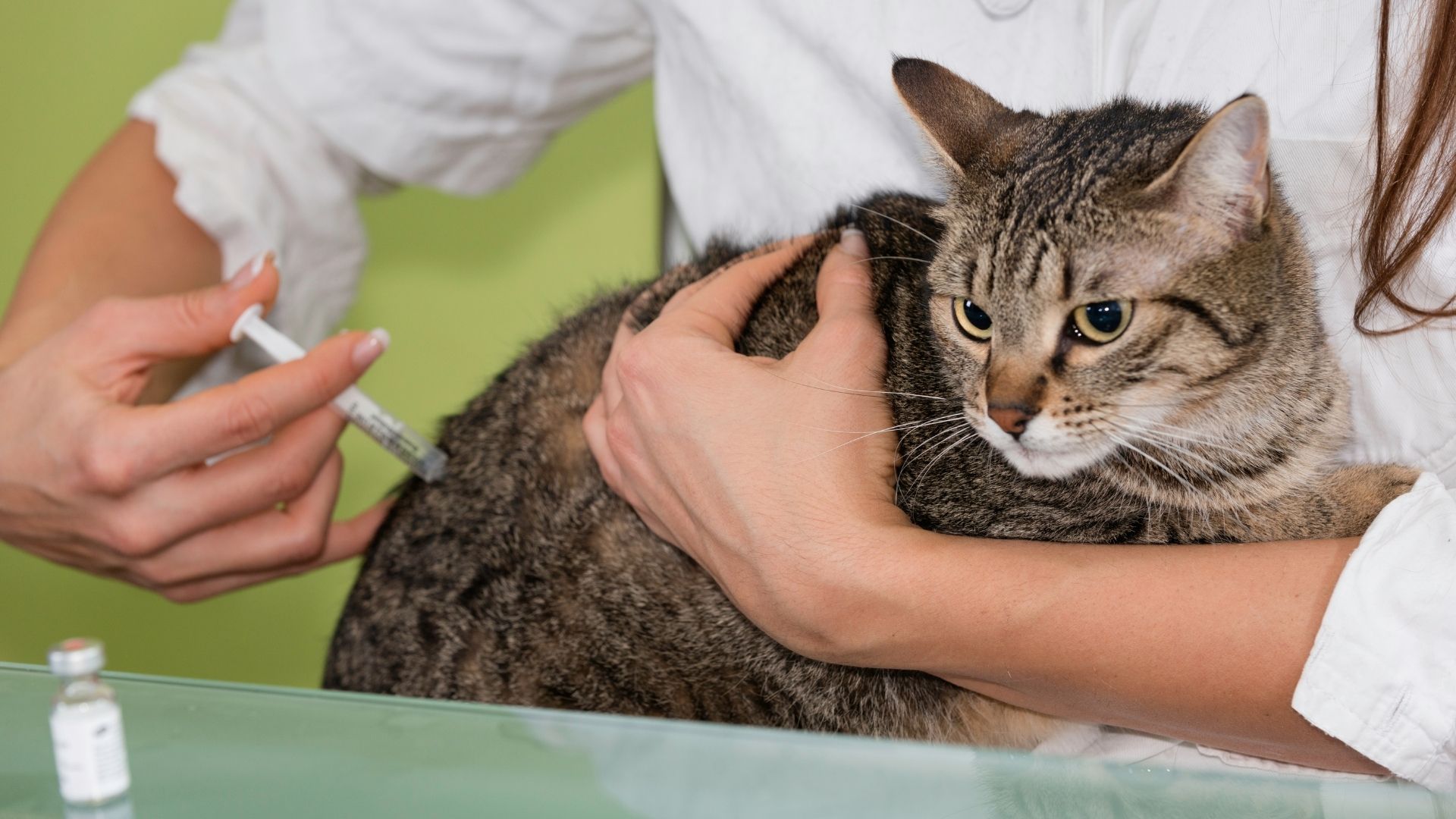
My concern is how often pets are vaccinated, when they are vaccinated, whether they are healthy at the time, and whether antibody titers can help avoid unnecessary repeat vaccines.
What Is the Usual Rabies Vaccine Schedule?
Most veterinarians advise:
-
First rabies vaccine at 12 weeks
-
Booster 1 year later
-
Repeat every 1 to 3 years after that
This can vary depending on provincial, state, or local laws.
Some places require rabies vaccination at specific intervals.
So you do need to know the law where you live.
But from a health perspective, I would be more conservative.
My Approach to the Rabies Vaccine
Based on the real health risks, my suggestion is:
-
Wait until your dog or cat is 6 months old before giving the first rabies vaccine
-
Do not give it in combination with other vaccines
-
Do not give it if your pet is sick in any way
-
Consider antibody titers before automatically revaccinating
-
Give rabies vaccines as infrequently as possible base on real exposure risk
This is about reducing unnecessary vaccine stress while still respecting the seriousness of rabies.
Why I Would Not Automatically Vaccinate Every Indoor Cat
The American Animal Hospital Association recommends that all pets, indoor or outdoor, be vaccinated against rabies.
The reason is that a bat may enter the home, or a cat or dog may come home with a bat in its mouth.
I understand that concern.
But I do not agree with automatically vaccinating every indoor cat.
I would not vaccinate my own indoor cat, and I would give limited rabies vaccine to my dog.
That is my risk-benefit view.
An indoor cat with no outdoor access is not the same as an outdoor cat catching wildlife.
That difference matters.
What Are the Possible Rabies Vaccine Side Effects?
The rabies vaccine is one of the more potent veterinary vaccines.
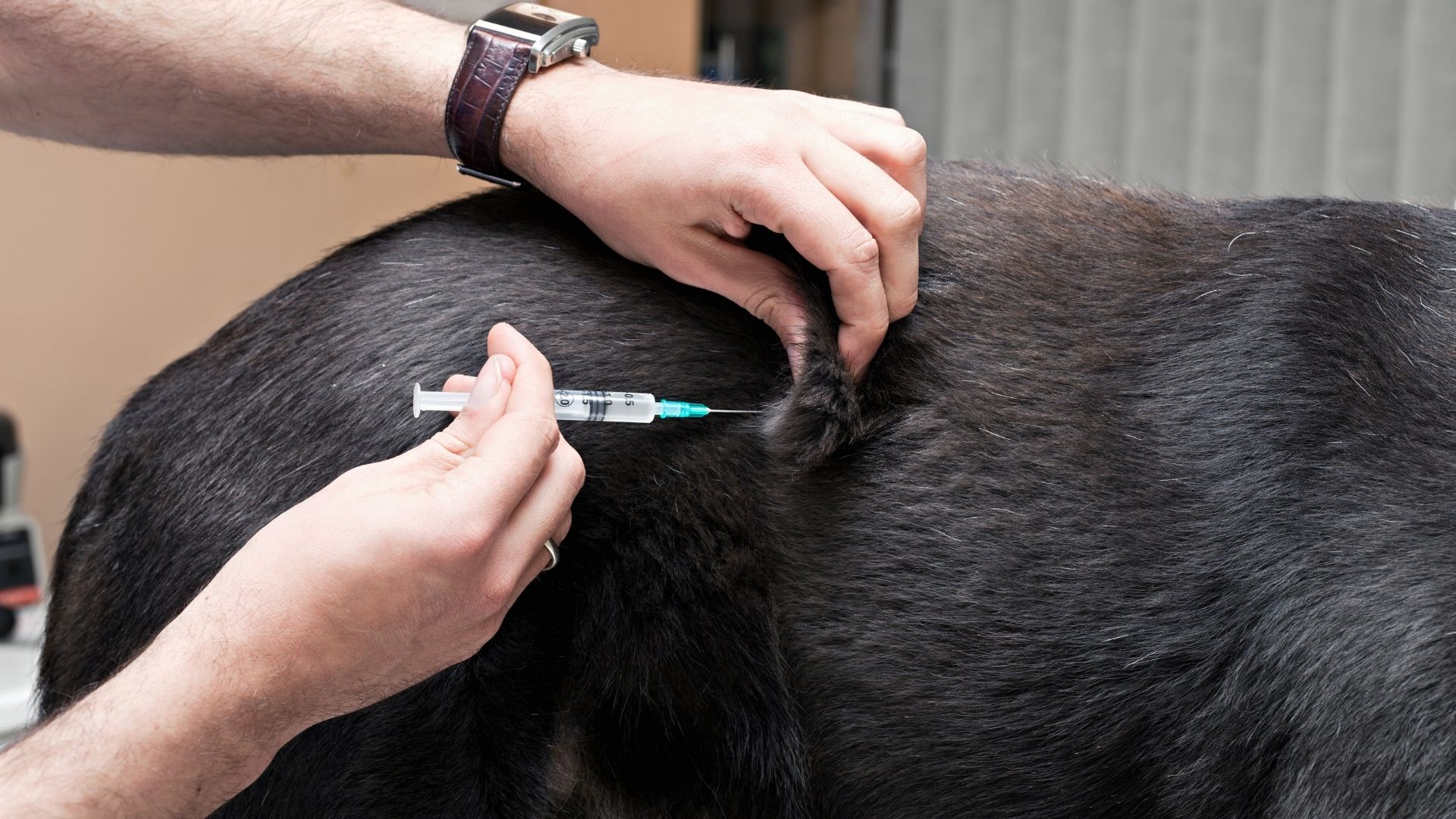
It has been associated with several serious conditions, including:
-
Autoimmune diseases
-
Hemolytic anemia
-
Polyarthritis
-
Thyroid disease
-
Anaphylactic shock
-
Epilepsy
-
Vaccine injection site cancer, also called fibrosarcoma
-
Polyneuropathy, affecting muscles and nerves
That does not mean every pet will have a reaction.
Most will not.
But when the disease risk is extremely low, and the vaccine can have serious side effects, I want pet parents to think carefully.
How Long Does Rabies Vaccine Immunity Last?
This is one of the biggest questions.
Does every pet truly need repeated rabies vaccination every 1 to 3 years?
Immunologist Dr. Ronald Schultz’s studies showed that dogs had antibody titers with rabies immunity 7 years after vaccination.
It may be that a rabies vaccine given at 6 months of age can provide upwards of 7 years of immunity.
That is why I would not revaccinate my own pet until a titer showed declining levels of immunity, assuming that approach is allowed where you live.
What Is a Rabies Titer?
A rabies titer is a blood test that checks for antibody levels.
The idea is simple:
If your pet still has protective antibody levels, they may not need another vaccine at that time.
I would advise having a rabies titer check performed by your veterinarian at 1 year, then only revaccinating if the titer is not deemed protective.
Some places may still require rabies vaccination even if your pet has a protective titer.
That is frustrating, but it is something you need to know.
Rabies Vaccine Decision Guide
| Situation | My Thinking |
|---|---|
| Pet is sick | Do not vaccinate at that time |
| Puppy or kitten is very young | I would prefer waiting until 6 months |
| Multiple vaccines are being given | Do not combine rabies with other vaccines |
| Indoor-only cat | I would question routine rabies vaccination |
| Dog with wildlife exposure | Rabies protection may be more important |
| Pet has protective titer | I would question revaccination |
| Pet has had vaccine reactions | Be extra cautious and discuss carefully |
Is Rabies the Biggest Health Threat to Most Pets?
For most dogs and cats, no.
Rabies is serious, but rare.
Your pet is more likely to develop other chronic diseases.
The source material mentions that in some dog breeds, over 50% may get cancer if they live long enough.
Other common concerns include:
-
Immune-related disease
-
Degenerative disease
-
Metabolic disease
-
Cancer
-
Chronic inflammation
These are the problems I think we should spend more time trying to prevent every day.
What Can You Do for Daily Preventive Health?
Vaccines are one part of health.
They are not the whole health plan.
For more common long-term diseases, I would focus on daily preventive support.
Helpful ingredients may include:
-
Antioxidants
-
Natural anti-inflammatories
-
Probiotics
-
Immune-supportive ingredients such as colostrum
These are included in Dr. Jones’ complete dog and cat supplements.
Dr. Jones’ Complete Dog and Cat Supplements
Dr. Jones’ Ultimate and Advanced Canine Health Formula

Dr. Jones’ Ultimate Feline Health Formula

These formulas include ingredients that support daily preventive health, such as antioxidants, natural anti-inflammatories, probiotics, and colostrum.
I like this approach because it is a simple daily scoop of preventive health care.
And for most pets, chronic disease prevention matters far more day to day than worrying about an extremely rare rabies infection.
Final Thoughts
Rabies is serious.
It is deadly.
And public health officials are right to monitor wildlife outbreaks closely.

But for most dogs and cats, the actual risk of getting rabies is extremely low.
That is why I want pet parents to think carefully.
Know your pet’s exposure risk.
Avoid vaccinating a sick pet.
Do not combine rabies with other vaccines.
Consider antibody titers when possible.
And avoid giving the rabies vaccine more often than needed.
Your pet’s long-term health is not only about avoiding one rare disease.
It is also about preventing the far more common problems: immune disease, degenerative disease, metabolic disease, chronic inflammation, and cancer.
That is where daily health support matters.
A thoughtful vaccine plan, plus daily preventive care, is the better path.
Not fear.
Not overdoing it.
Click To Get A Free Copy of My e-Book!

P.S. Rabies is a very serious disease, but even with increased wildlife cases, the risk of your dog or cat contracting it is extremely low.
That is why I would give the rabies vaccine as infrequently as possible, and I would discuss antibody titers with your veterinarian.
P.P.S. The rabies vaccine is one of the more potent veterinary vaccines.
Your pet may already be protected and may not need another vaccine yet.
That is where titers can be helpful.
P.P.P.S. For most pets, preventing common chronic disease matters every day.
Antioxidants, natural anti-inflammatories, probiotics, and immune-supportive ingredients such as colostrum are included in Dr. Jones’ Ultimate and Advanced Canine Health Formula and Dr. Jones’ Ultimate Feline Health Formula.
Rabies Vaccine vs Daily Health Support
| Focus | Why It Matters |
|---|---|
| Rabies vaccine | Helps prevent a deadly but rare disease |
| Rabies titer | May show whether your pet still has protective antibodies |
| Antioxidants | Help support cellular health |
| Natural anti-inflammatories | Help manage chronic inflammation |
| Probiotics | Support gut and immune health |
| Colostrum | Supports immune function |
| Complete supplements | Simple daily support for long-term health |