Rabies Vaccine Booster for Dogs and Cats: Is Another Shot Needed?

Does Your Dog or Cat Need Another Rabies Vaccine?
With reports of increasing rabies cases in wildlife across North America, many pet parents are wondering whether their dog or cat needs another rabies vaccine.
My answer is that your pet needs reliable protection against rabies, but that doesn’t automatically mean rushing out for an extra booster.
Rabies is an extremely serious viral disease. Once clinical symptoms develop, it is almost always fatal.
Vaccination is effective, and I have administered thousands of rabies vaccines during my years in veterinary practice.
But I also believe we should be thoughtful about how frequently we vaccinate our pets, particularly when considering potential adverse reactions.
There are several questions worth asking:
-
Is rabies actually increasing in your area?
-
How likely is your dog or cat to encounter an infected animal?
-
When was their last rabies vaccination?
-
How long does immunity last?
-
Could a rabies antibody titer test help evaluate their immune response?
-
What does the law require where you live?
Let’s look at the risks, the research, and how I would approach rabies vaccination for my own pets.
Dr. Jones’ Ultimate Feline Health Formula

Dr. Jones’ Ultimate Canine Health Formula





Is Rabies Increasing in North America?
Recent reports have raised concerns about increasing rabies exposure, particularly involving wild animals.
The CDC has issued an advisory concerning rabies exposure, and reports suggest more wildlife has been testing positive in some areas.
But here’s something important to remember.
More than 90% of reported animal rabies cases in North America occur in wildlife.
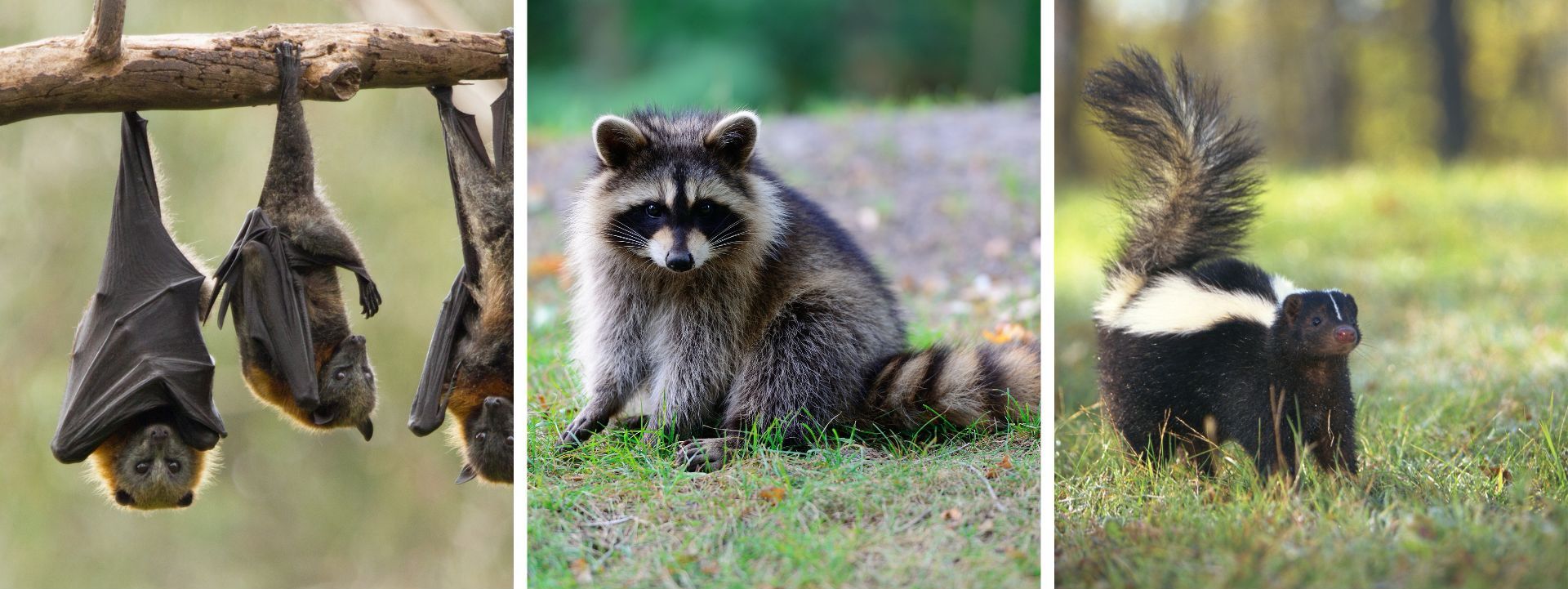
The main wildlife reservoirs include:
-
Bats
-
Raccoons
-
Skunks
-
Foxes
This matters because the risk to your dog or cat depends partly on whether they are likely to encounter these animals.
Where Are Rabies Cases Being Reported?
In my small community in British Columbia, a bat recently tested positive for rabies.
In parts of the eastern United States, raccoons are an important wildlife reservoir.
Some areas of the United States are also responding by distributing oral rabies vaccines to wildlife.
These vaccines come in small bait packages that animals such as raccoons can consume.
The goal is to help reduce rabies transmission within wildlife populations.
It’s a fascinating approach to controlling the disease.
Rather than vaccinating individual wild animals by injection, officials can distribute vaccine-containing baits across affected areas.
How Do Dogs and Cats Get Rabies?
Rabies is caused by a virus that affects the nervous system, particularly the brain.
The virus is transmitted through infected saliva, most commonly through an animal bite.
Potential exposures include:
-
A dog being bitten by a rabid raccoon
-
A cat encountering an infected bat
-
A pet being bitten by an infected skunk or fox
-
A person being exposed to infected saliva through a bite or other direct contact
Rabies is not ordinarily transmitted through the air.
The virus needs an appropriate route of exposure, typically involving saliva.
This is one reason rabies remains relatively uncommon in vaccinated domestic dogs and cats.
But uncommon doesn’t mean impossible.
And with a disease this serious, we cannot simply ignore the risk.
Can People Get Rabies From Infected Animals?
Yes.
Rabies is a zoonotic disease, meaning it can be transmitted from animals to people.

One recent case involved a cow that tested positive for rabies after developing neurological symptoms.
The cow had difficulty standing, staggering, and progressively worsening signs.
During treatment, a farmer and veterinary professionals had contact with the animal without appropriate protective gloves.
Because rabies can be transmitted through infected saliva, these situations can create potential exposure concerns.
This is something we were taught to remember in veterinary school.
When an animal develops unexplained neurological symptoms, rabies should remain on the list of possible causes.
The disease is rare in many domestic animal populations, but the consequences of missing an exposure can be devastating.
What Are the Symptoms of Rabies in Dogs and Cats?
Rabies affects the central nervous system.
After exposure, clinical signs may take several weeks to appear.
The timeline discussed is approximately two to six weeks, although the incubation period can vary.
Early Signs of Rabies
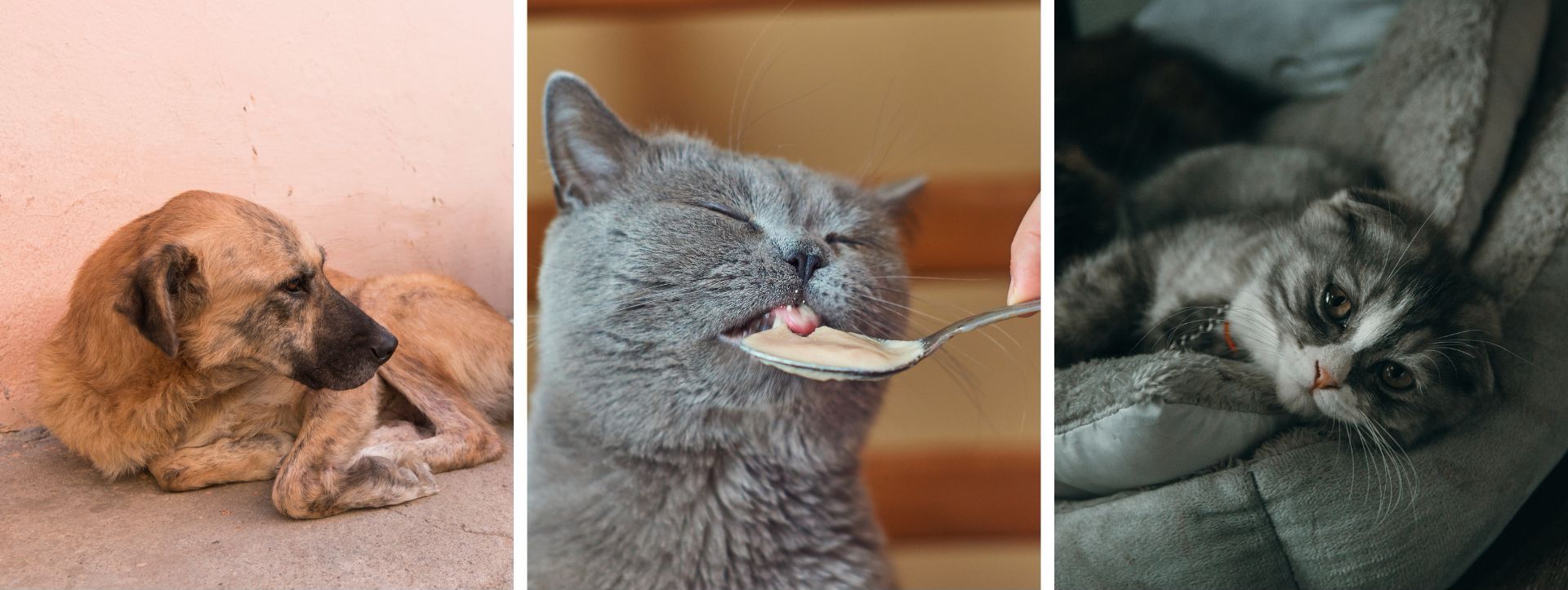
Initially, an infected dog or cat may develop relatively nonspecific symptoms:
-
Lethargy
-
Decreased appetite
-
Weakness
-
Changes in normal behavior
-
General signs of illness
These symptoms can resemble many other conditions.
That is what makes early recognition difficult.
Advanced Signs of Rabies
As the virus progresses through the nerves and affects the brain, more serious symptoms may appear:

-
Unusual behavioral changes
-
Increased salivation
-
Progressive weakness
-
Difficulty coordinating movements
-
Paralysis
-
Severe neurological dysfunction
-
Coma
-
Death
Once clinical rabies develops, there is no reliably effective treatment.
That is why prevention matters so much.
If your pet may have been bitten by a potentially rabid animal, contact your veterinarian immediately rather than waiting for symptoms.
Does the Rabies Vaccine Work?
Yes.
Rabies vaccines are effective at protecting dogs and cats against this potentially fatal disease.
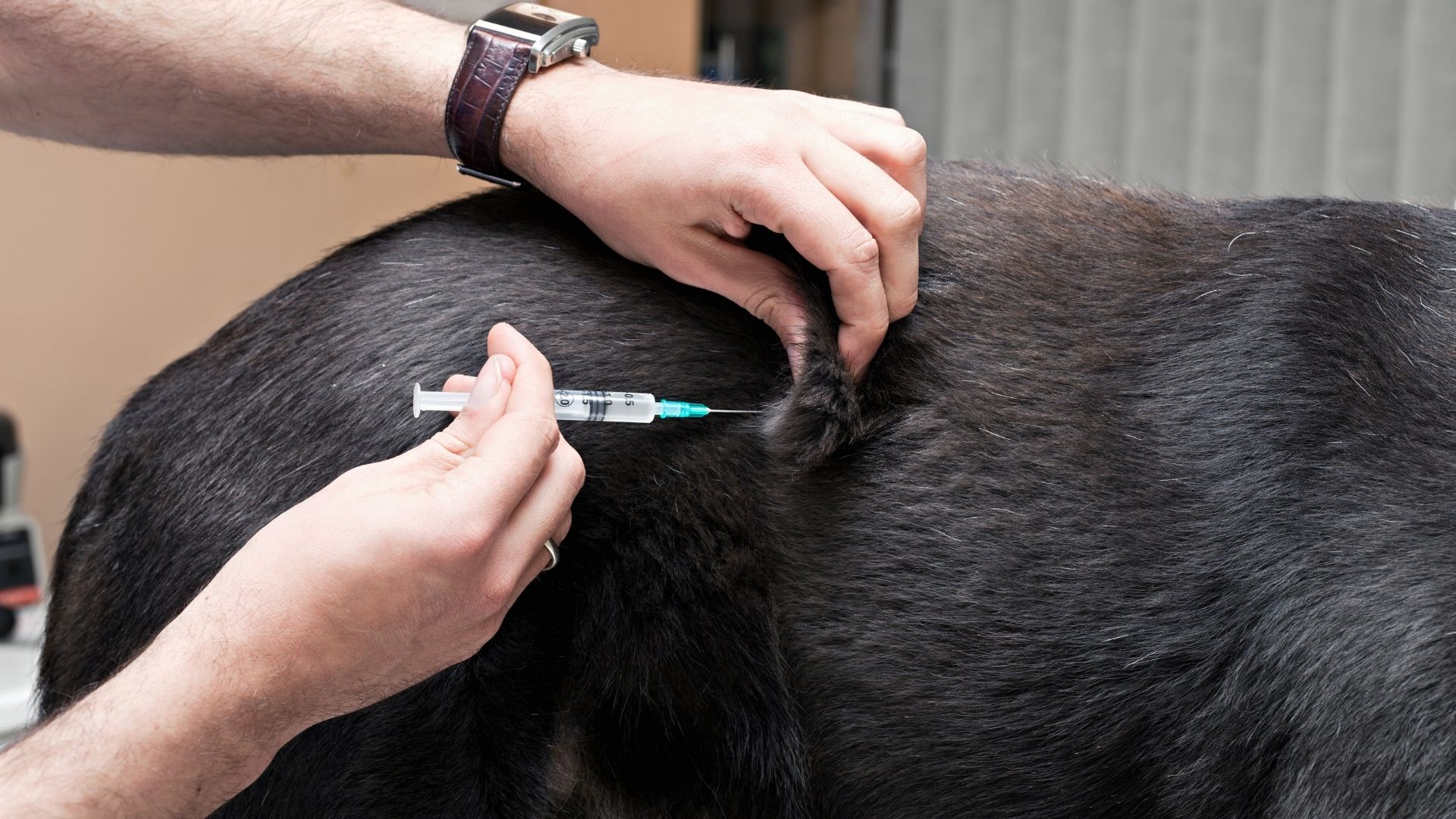
During my years in practice, I administered thousands of rabies vaccines.
I understand their value.
My concern has never been that rabies is harmless or that vaccination serves no purpose.
My concern is whether every dog and cat needs to receive repeated injections as frequently as some vaccination schedules require.
That’s a different question.
And it’s one I think deserves careful consideration.
How Often Are Dogs and Cats Vaccinated for Rabies?
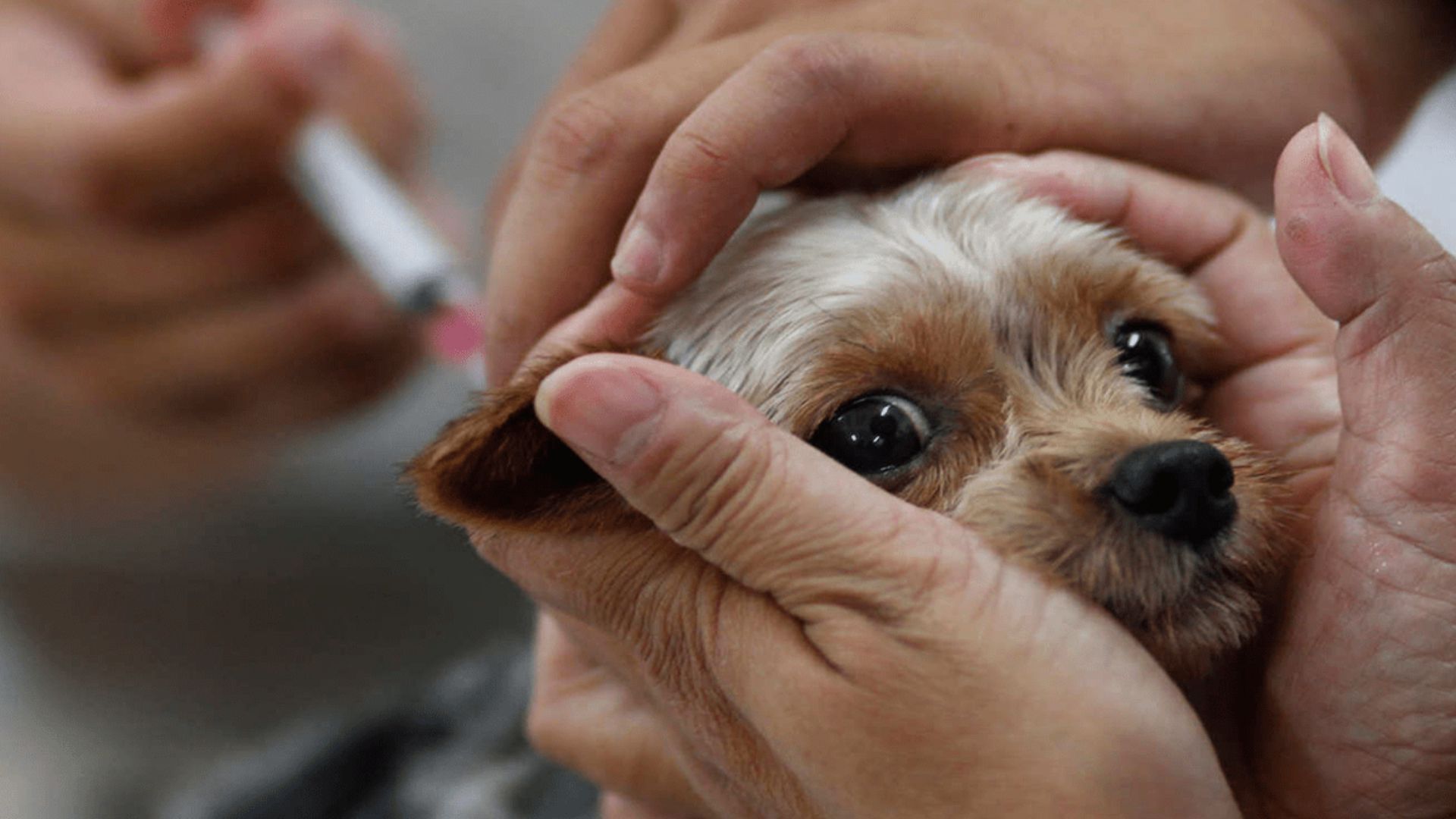
A conventional rabies vaccination schedule commonly includes an initial vaccine during puppyhood or kittenhood, another approximately one year later, and additional boosters according to vaccine labeling and local laws.
| Vaccination Stage | Conventional Approach Discussed |
|---|---|
| First rabies vaccine | Around 12 weeks of age |
| First booster | Approximately one year later |
| Subsequent boosters | Commonly every three years |
| Some jurisdictions | May require more frequent vaccination |
Over an animal’s lifetime, this can mean several rabies vaccine injections.
The vaccine is intended to stimulate the immune system and establish protection.
But I also question whether repeated vaccination is always necessary when an animal may already have a strong immune response.
What Side Effects Can Rabies Vaccines Cause?
Like other vaccines, rabies vaccines can cause adverse reactions.
Most reactions are relatively mild, but more serious reactions can occur.
1. Swelling at the Injection Site
One reaction I have seen in practice is localized tissue swelling after vaccination.
The injection is typically administered under the skin.
An animal may develop swelling or inflammation around the injection area.
Most localized reactions resolve, but persistent or unusual swelling needs veterinary assessment.
2. Severe Allergic Reactions
A rare but serious reaction is anaphylaxis.
This is a sudden allergic reaction that can occur following vaccination.
Fortunately, severe reactions are uncommon.
But they are one reason pet parents should recognize that vaccines, like medications, are not completely free of risk.
3. Feline Injection-Site Sarcoma
In cats, there is a recognized association between certain injections, including some vaccines, and a cancer called feline injection-site sarcoma, historically referred to as fibrosarcoma.
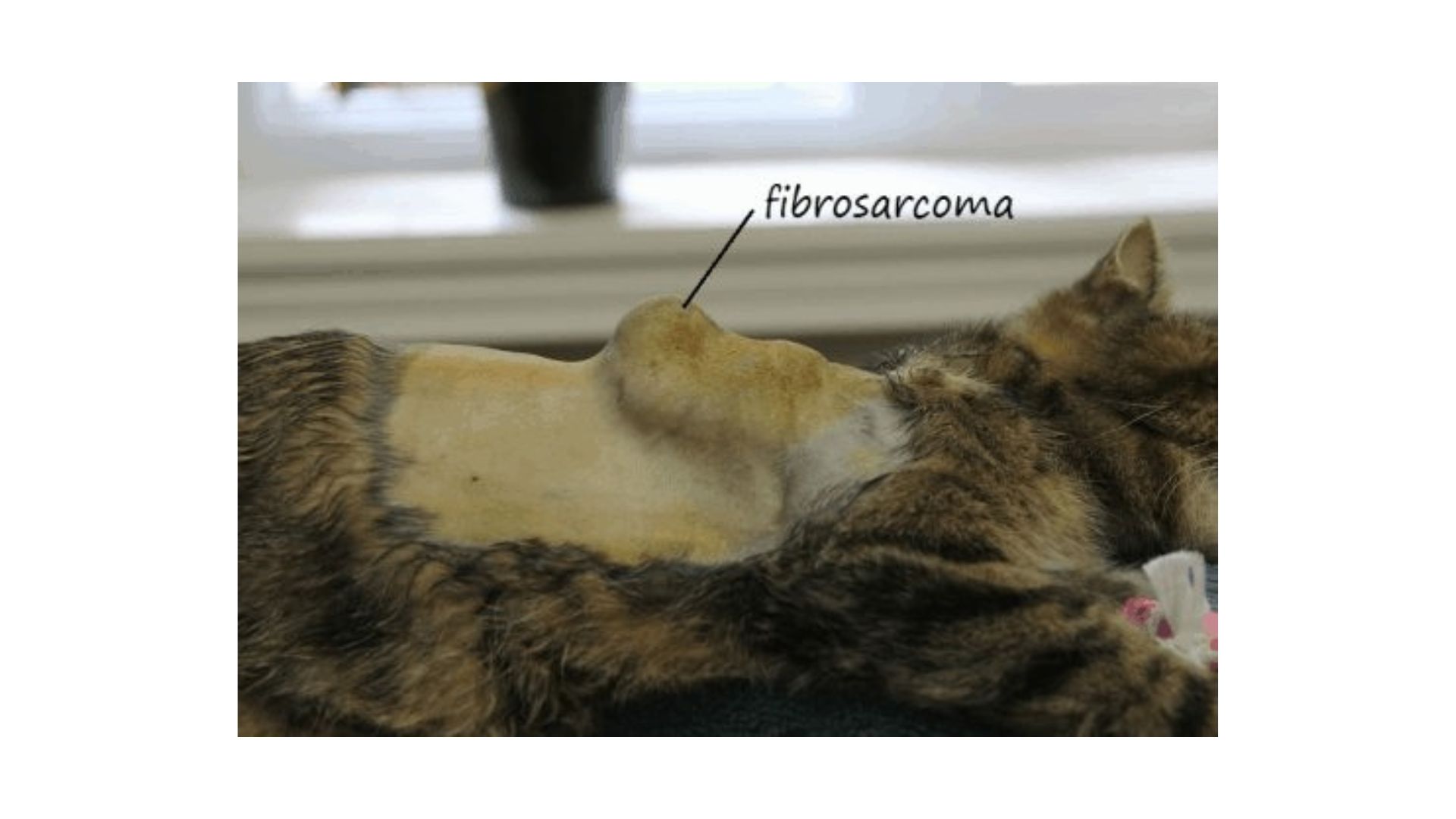
These tumors are uncommon but serious.
This is one of the concerns that has influenced my thinking about unnecessary repeated injections in cats.
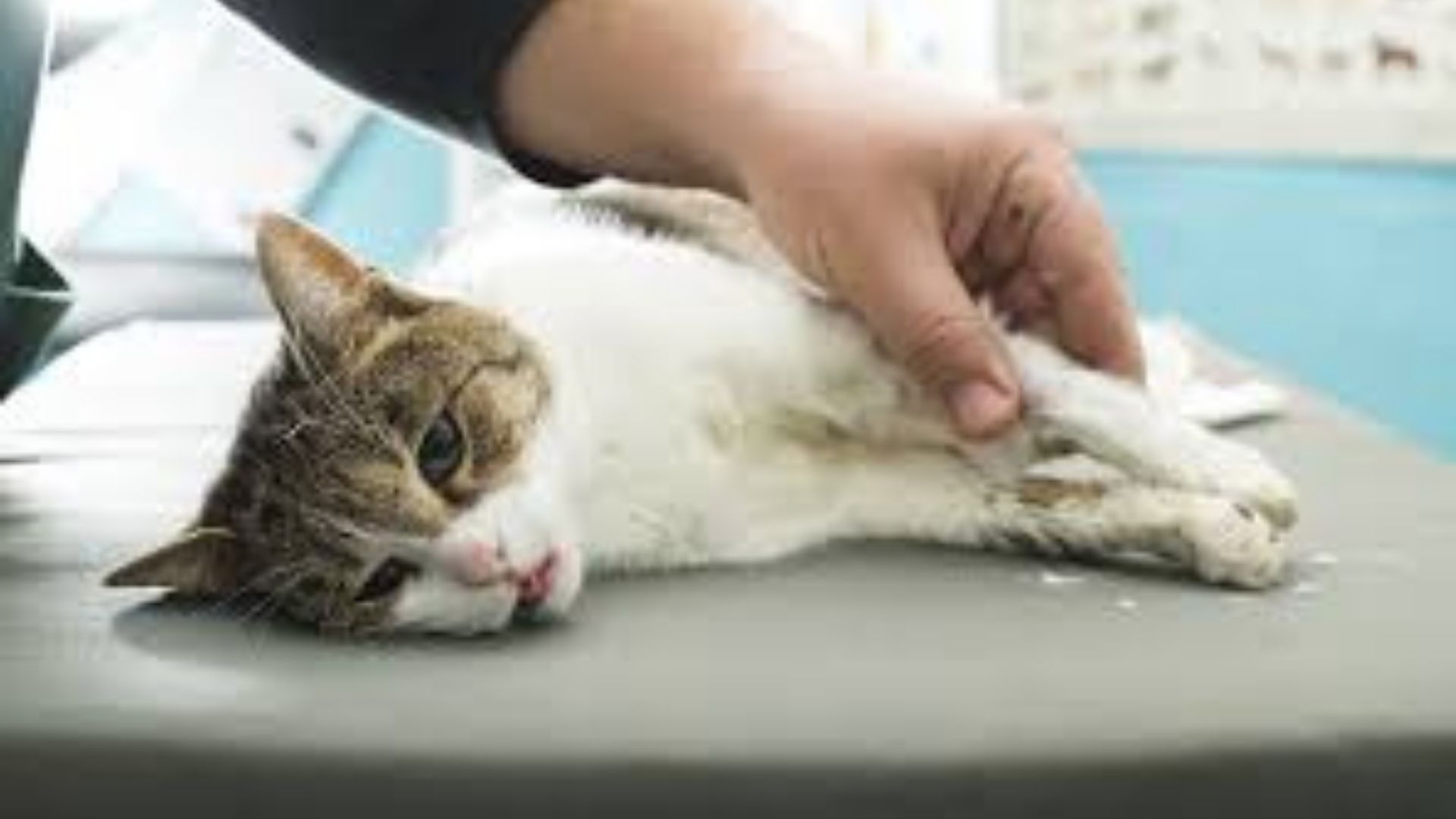
4. Immune-Mediated and Neurological Concerns
I have also been concerned about possible associations between repeated immune stimulation and inflammatory or immune-mediated conditions.
Conditions discussed in relation to these concerns include:
-
Autoimmune disease
-
Polyneuropathy, affecting multiple nerves
-
Hemolytic anemia
-
Hypothyroidism
-
Epilepsy
-
Chronic inflammation
-
Kidney disease
-
Liver disease
These are concerns and proposed associations, not proof that rabies vaccination causes each condition.
Many factors can contribute to chronic disease.
I am certainly not suggesting every pet with allergies, kidney problems, or cancer developed those conditions because of a rabies vaccine.
But I do think we should continue investigating how repeated immune stimulation may affect susceptible animals.
Why Do Some Rabies Vaccines Contain Adjuvants?
Traditional killed-virus rabies vaccines may contain substances called adjuvants.
Their purpose is to strengthen the immune response to the vaccine.
This helps the body produce antibodies against the rabies virus.
But because the vaccine is designed to activate the immune system, inflammatory reactions can occur.
This is part of why I believe repeated vaccination deserves thoughtful consideration.
We want a protective immune response.
We do not want unnecessary adverse reactions.
The goal should be effective protection with an appropriate vaccination schedule.
How Common Is Rabies in Dogs and Cats?
Rabies remains uncommon in domestic dogs and cats in many parts of North America.
The historical incidence figure discussed is as low as 0.003%.
Much of the rabies burden is found in wildlife rather than companion animals.
This reflects several factors, including:
-
Vaccination programs
-
The way rabies is transmitted
-
Wildlife exposure patterns
-
Rabies prevention efforts
But there is an important distinction.
A low incidence of rabies in domestic pets does not mean the disease is unimportant.
It is partly because of prevention measures, including vaccination, that domestic animal rabies remains uncommon.
And an infected animal can still pose a serious risk.
Should Indoor Cats Get Rabies Vaccines?
This is where I have a different perspective from some conventional recommendations.
Guidance from veterinary organizations such as AAHA emphasizes rabies vaccination even for indoor cats because wildlife exposure can occasionally happen inside the home.
For example, a bat could enter a house and expose an indoor cat.
That is possible.
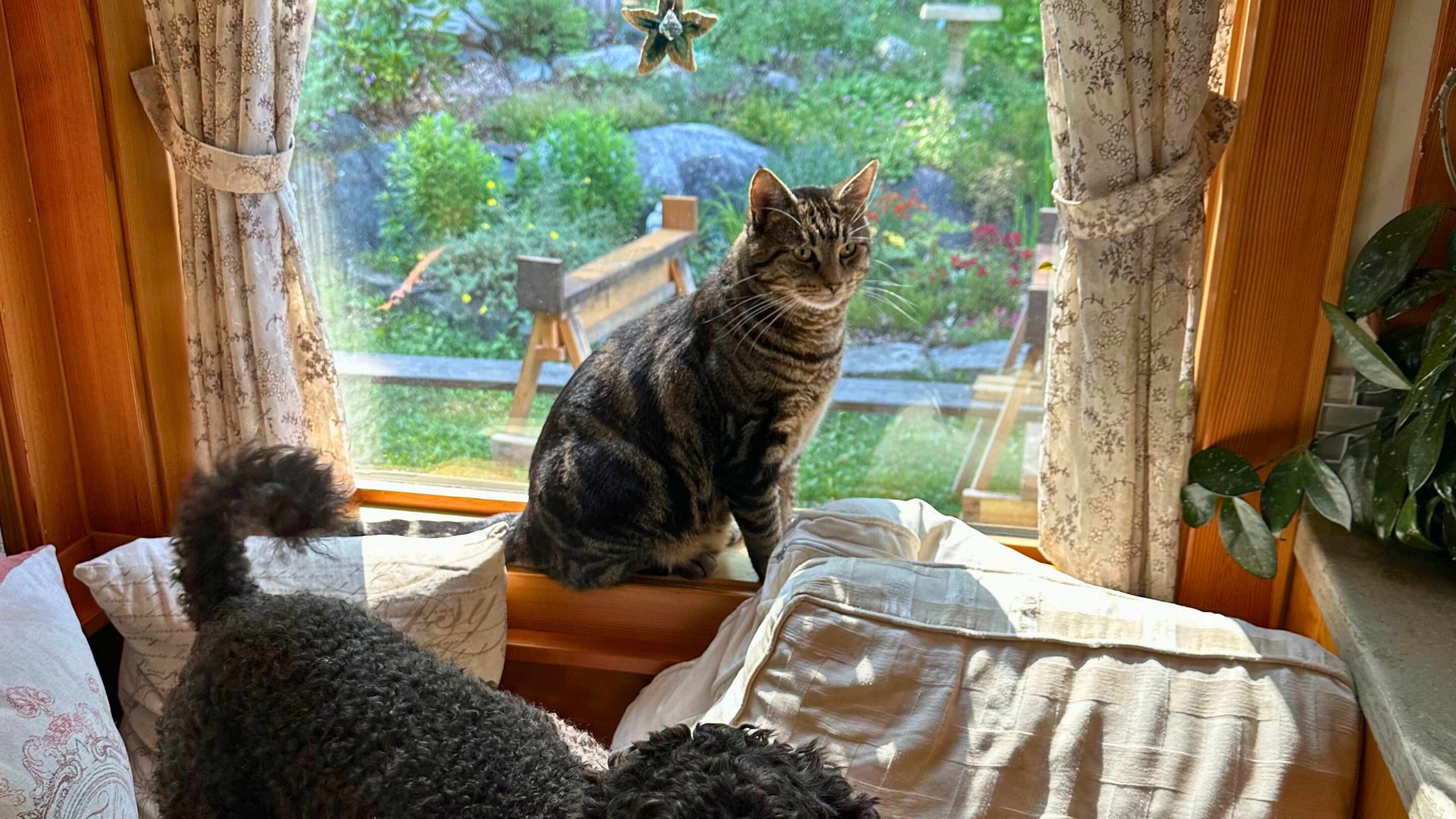
But for my own indoor cat, Cassian, I also consider his actual exposure risk.
He lives indoors, and I do not plan to give him additional vaccines.
That’s my personal decision based on his circumstances.
It is not a universal recommendation for every indoor cat.
Rabies vaccination requirements also vary by jurisdiction, and indoor-only status does not necessarily provide a legal exemption.
For your cat, I would consider their lifestyle, previous vaccination history, local rabies risk, and applicable vaccination requirements.
At What Age Would I Give My Puppy or Kitten the Rabies Vaccine?
For my own pets, I have favored waiting until approximately six months of age before administering the first rabies vaccine, where legally permitted.
My reasoning is that the immune system has had additional time to mature.
I believe this may allow:
-
A strong immune response
-
Better immune system development
-
Potentially fewer adverse reactions
In practice, I felt that waiting until around six months was associated with fewer reactions in some of the animals I vaccinated.
This is a personal clinical observation, not a guarantee that delaying vaccination prevents adverse effects.
My Approach for Puppies
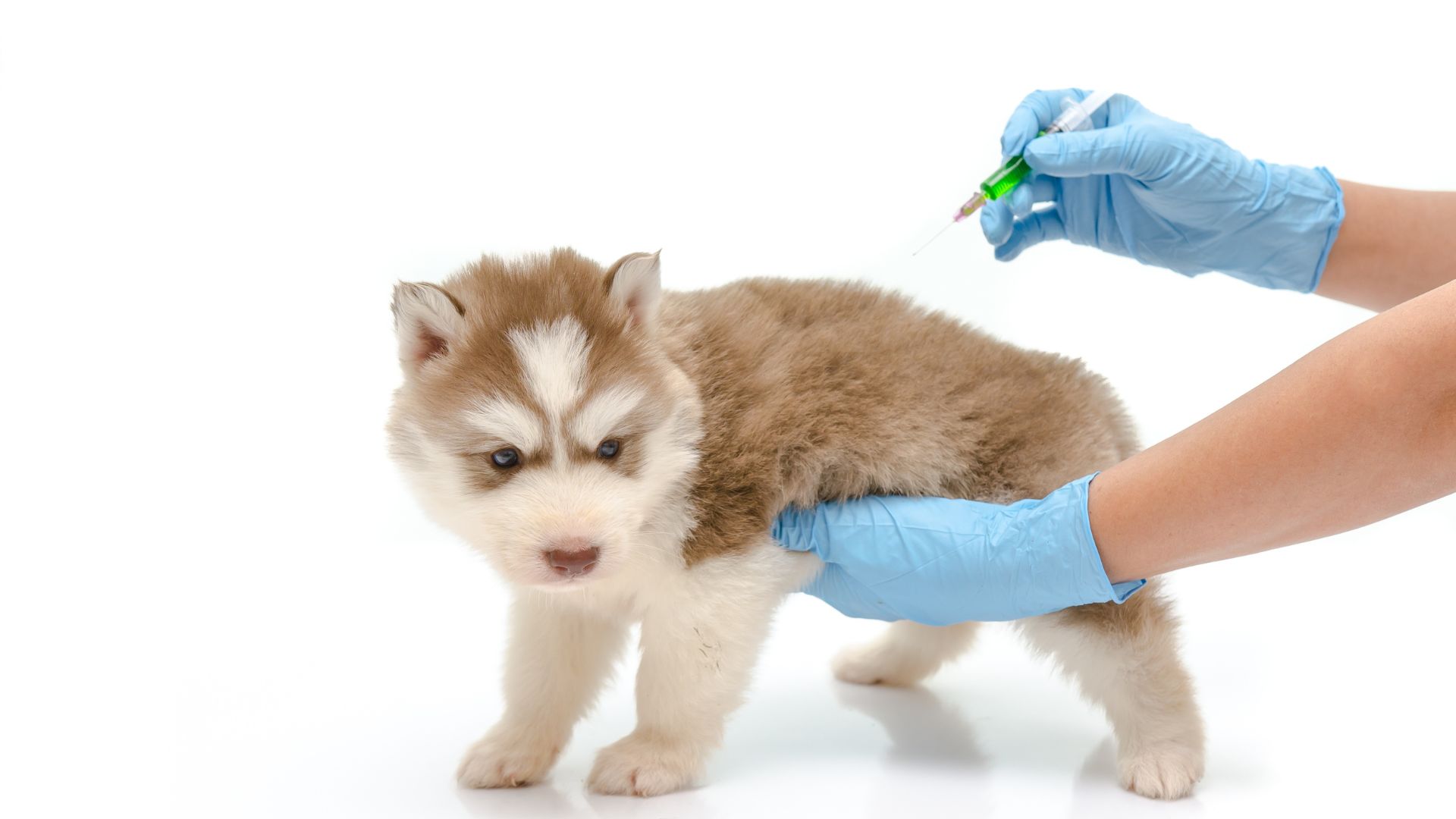
For a puppy, the schedule I described would involve:
-
Distemper and parvovirus vaccinations at approximately 8 weeks
-
Another distemper and parvovirus vaccination at approximately 12 weeks
-
Rabies vaccination at approximately 6 months, if permitted
My Approach for Kittens
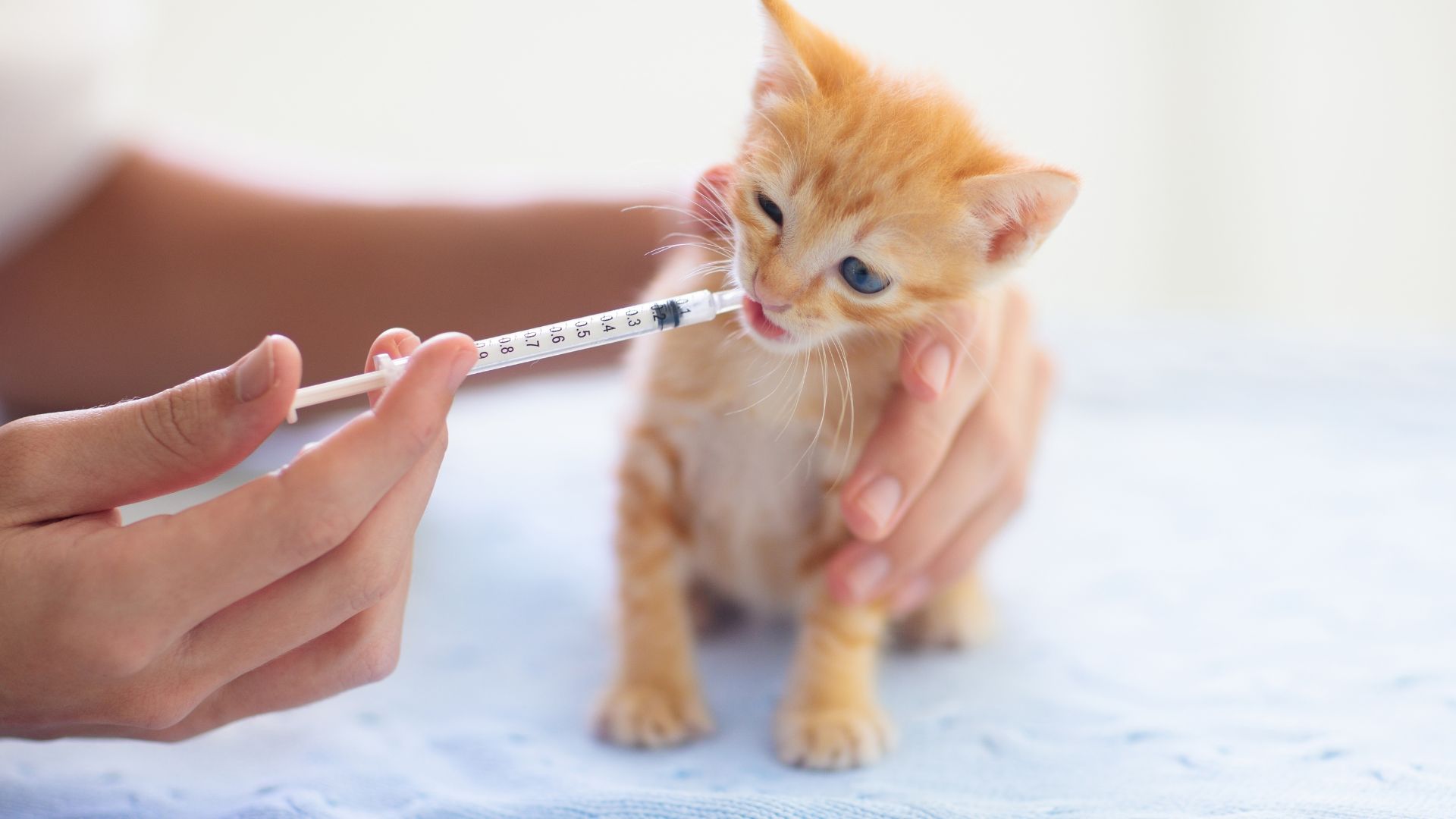
For a kitten that would have access to the outdoors, I would consider rabies vaccination at approximately six months, where permitted.
One important consideration: The legally required age for the first rabies vaccine varies by location. Do not postpone vaccination beyond the required age without discussing the law and your pet’s health with your veterinarian.
How Long Does Rabies Vaccine Immunity Last?
This is one of the biggest questions I have about repeated rabies vaccination.
How long does immunity actually persist?
There has been considerable discussion about the duration of immunity following rabies vaccination.
Some immunologists have suggested that immunity may last longer than the standard three-year booster interval in certain animals.
Possible durations discussed include:
-
Five years
-
Ten years
-
Potentially longer in some individuals
But we cannot assume that every dog or cat remains adequately protected for the same length of time.
This is where antibody testing becomes interesting.
What Is a Rabies Antibody Titer Test?
A rabies antibody titer test measures the concentration of rabies-specific antibodies in the blood.
The purpose is to evaluate the animal’s measurable antibody response following vaccination.
For me, this raises an interesting question:
If a dog or cat still has a substantial antibody response years after vaccination, should that information influence how we think about boosters?
I believe it should be part of the discussion.
What Rabies Antibody Level Is Commonly Used?
A commonly referenced antibody level is:
0.5 IU/mL
This means 0.5 international units per milliliter.
It is used as a serological benchmark in certain rabies vaccination and antibody testing contexts.
However, a titer at or above this level does not guarantee protection against every possible exposure, and it does not automatically replace legally required vaccinations.
That distinction matters.
My Personal Experience With Rabies Antibody Testing
When I was a veterinary student, I received rabies vaccination because of my potential exposure to infected animals.
Approximately ten years later, I had my rabies antibody levels tested.
I still had a protective level of antibodies.

Now, I’m not a dog or a cat.
But that experience influenced how I think about the duration of vaccine-induced immunity.
It demonstrated that, at least in my own case, measurable antibodies persisted for many years.
And it made me question whether some animals might also maintain long-lasting antibody responses.
Would I Use Rabies Titer Testing for My Own Cat?
If Cassian became an outdoor cat with a greater chance of encountering wildlife, I would want to know that he was protected.
My preferred approach, where legally permitted, would involve considering vaccination history alongside antibody testing.
For example:
-
Give an initial rabies vaccine at an appropriate age.
-
Consider checking rabies antibodies approximately one year later.
-
Review whether the measured response meets the commonly referenced 0.5 IU/mL benchmark.
-
Consider periodic retesting, such as every three years.
-
Discuss the results with a veterinarian when planning future vaccination.
My hope would be to avoid vaccinations that are genuinely unnecessary while maintaining reliable rabies protection.
But there is an important limitation.
Antibody titer testing is not a legally accepted substitute for required rabies vaccination in many jurisdictions.
Can Rabies Titer Testing Replace Booster Vaccines?
This is where the science of antibody measurement and public health requirements do not always align.
A dog or cat may have measurable rabies antibodies, but government vaccination rules may still require a current rabies vaccine certificate.
The same issue can arise when:
-
Crossing borders
-
Traveling with pets
-
Meeting local animal-control requirements
-
Maintaining legally recognized rabies vaccination status
So even if your pet’s antibody levels are above 0.5 IU/mL, the test may not be accepted as a substitute for a required booster.
And from a medical standpoint, antibody concentration alone does not establish complete immunity in every animal.
This is something pet parents need to understand before deciding whether to rely on titer testing.
Rabies Vaccination vs. Titer Testing: What’s the Difference?
| Consideration | Rabies Vaccination | Rabies Antibody Titer Testing |
|---|---|---|
| Main purpose | Stimulates immunity against rabies | Measures rabies-specific antibodies |
| Provides new immune stimulation | Yes | No |
| Shows an antibody measurement | No | Yes |
| May be required by law | Yes | Usually not accepted as a replacement |
| Common interval discussed | Every three years for many labeled vaccines | Periodic testing, such as every three years, as a proposed approach |
| Main benefit | Established preventive protection | Information about measurable antibody response |
| Main limitation | Possible adverse reactions | Cannot independently guarantee protection or satisfy every legal requirement |
My preference is to use as much useful information as possible when making vaccination decisions.
But I would not ignore a legal vaccination requirement or assume that a titer eliminates all rabies risk.
Should You Give Your Dog or Cat Another Rabies Booster?
That depends on several important factors.
1. Your Pet’s Vaccination History
Has your dog or cat received an initial rabies vaccine?
Have they received the required booster?
When was the most recent vaccination?
These are the first questions I would ask.
2. Your Pet’s Wildlife Exposure
A dog that spends time outdoors in an area with rabid wildlife has a different exposure risk than an indoor cat.
Think about:
-
Bats
-
Raccoons
-
Skunks
-
Foxes
-
Outdoor roaming
-
Wildlife encounters
3. Your Local Rabies Requirements
Rabies vaccination laws vary.
Some areas require more frequent vaccination than others.
Before making decisions about booster timing, check the requirements for your location.
4. Your Pet’s Previous Vaccine Reactions
If your dog or cat has experienced a significant vaccine reaction, that should be discussed with your veterinarian before future vaccination.
5. Rabies Antibody Testing
Where appropriate, titer testing may provide additional information about your pet’s immune response.
It should be interpreted alongside vaccination history, exposure risk, and legal requirements.
What Should You Do if Your Dog or Cat Encounters a Rabid Animal?
If your pet is bitten by a bat, raccoon, skunk, fox, or another animal suspected of carrying rabies, contact your veterinarian immediately.
Do not wait for symptoms.
Rabies can have an incubation period lasting weeks, and early action is essential.
Your veterinarian can help determine what needs to happen next based on the exposure, vaccination history, and local requirements.
If a person may have been exposed to infected saliva, prompt medical and public health advice is also essential.
Remember, rabies is a serious disease affecting both animals and people.
What Is the Best Way to Protect Your Pet From Rabies?
I would focus on four things.
1. Understand the Local Risk
Know which wild animals carry rabies in your area.
In some places, bats are the primary concern.
In others, raccoons, skunks, or foxes may be more relevant.
2. Maintain Appropriate Rabies Protection
Rabies vaccination is effective.
Make sure your dog or cat meets applicable vaccination requirements and has an appropriate prevention plan.
3. Consider the Individual Animal
An indoor cat, an outdoor cat, and a dog regularly encountering wildlife do not necessarily have the same exposure risk.
Your pet’s lifestyle should be part of the conversation.
4. Discuss Booster Timing and Titer Testing
If you’re concerned about repeated vaccination, ask your veterinarian about:
-
Previous rabies vaccination records
-
Vaccine duration of immunity
-
Possible adverse reactions
-
Rabies antibody titers
-
Local legal requirements
The goal is effective protection without making unnecessary decisions out of fear.
Final Thoughts: Protect Your Pet Without Vaccinating Out of Panic
So, does the apparent increase in wildlife rabies cases mean your dog or cat needs another rabies vaccine immediately?
Not necessarily.

Rabies is a deadly disease, and vaccination is one of our most important tools for preventing it.
But before giving an additional booster, I would look at the individual animal.
When was your pet last vaccinated?
What does the law require?
How likely are they to encounter infected wildlife?
And is there a reason to discuss antibody testing or an individualized vaccination plan?
In my own veterinary experience, I became increasingly interested in the possibility that rabies vaccine immunity might last longer than standard booster intervals in some animals.
My own antibody test, taken ten years after vaccination, reinforced that interest.
But an antibody result is not a guarantee of lifelong protection, and it does not replace legally required vaccination.
My overall approach is simple.
Protect against rabies, consider your pet’s individual risk, and avoid unnecessary vaccination whenever it is medically and legally appropriate.
That’s the balance I would want for my own dog or cat.
Click To Get A Free Copy of My E-Book!

P.S. Rabies is a very serious disease, but remember that most animal rabies cases in North America occur in wildlife. Bats, raccoons, skunks, and foxes are important reservoirs. Knowing your pet’s exposure risk matters.
P.P.S. One of my biggest questions is how long rabies immunity actually lasts. Some animals may maintain measurable antibodies for years. If you’re concerned about repeated vaccination, ask your veterinarian whether rabies antibody titer testing could provide useful additional information.
P.P.P.S. My cat Cassian is indoors, and I don’t plan to give him further vaccines. That’s a personal decision for his circumstances. For your own dog or cat, I would make sure they’re appropriately protected and discuss any concerns about future boosters with your veterinarian.