How To Quickly Stop Dog Barking

Tired of Non-stop Barking? Calm Your Dog the Natural Way!
If your dog’s barking feels like it never stops—whether it’s the mailman, thunderstorms, or just extra energy—it can be stressful for both of you. Luckily, there are simple, natural ways to help your pup settle down without harsh training tools or medications. From soothing routines to herbal aids, you can guide your dog toward calm, peaceful behavior while strengthening your bond at the same time.
Is Your Dog Stressed, Anxious, or Easily Spooked?
From thunderstorms and fireworks to vet visits and long car rides, our dogs face a lot of situations that can spike their stress and anxiety. I see it all the time—panting, pacing, whining, or even trying to hide. It’s tough for them, and it’s tough for us as pet parents. That’s why I’m sharing practical ways to help your dog stay calm, grounded, and happy, naturally.
Keep Your Dog Calm and Happy with Dr. Jones’ Canine Calming Chews
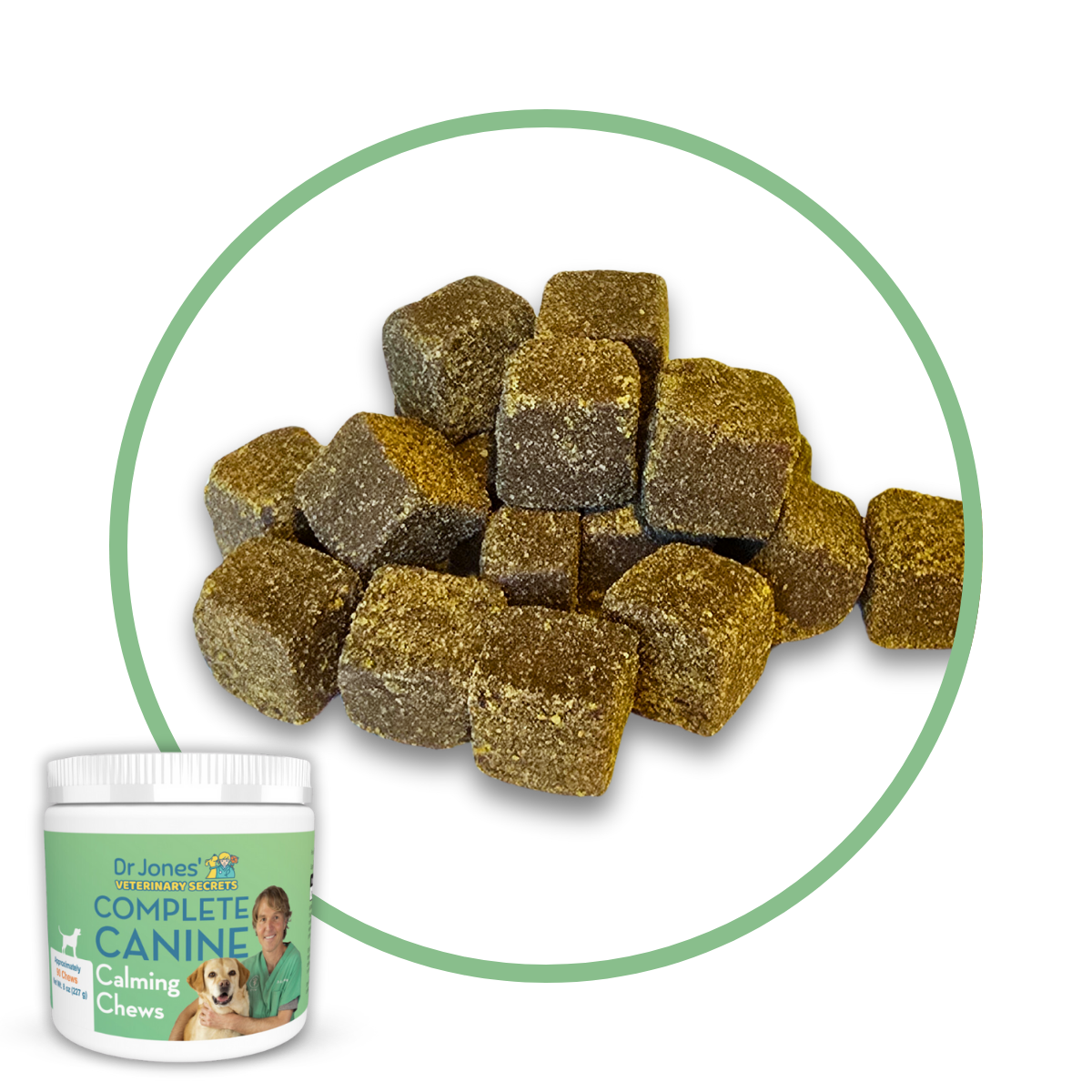
And to make it even easier, I recommend Dr. Jones’ Complete Canine Calming Chews. These soft, savory chews are packed with all-natural ingredients like L-theanine, chamomile, passionflower, ginger root, valerian root, and melatonin. Each chew works together to promote calmness and reduce stress—perfect for thunderstorms, separation anxiety, car rides, vet visits, or fireworks. With 90 chews per jar, your pup can enjoy a natural, holistic solution to feel more relaxed, happy, and serene every day.




How To Quickly Stop Dog Barking
Dog barking is one of the most common behavior problems I see—and I get it, it can be frustrating. Barking irritates neighbors, startles visitors, and sometimes even leads to neighborhood tension or complaints. But barking is also a natural way dogs communicate. The key is knowing why your dog is barking and how to respond effectively.
In this article, I’ll explain the causes of excessive barking, what not to do, and how you can quickly and safely stop your dog from barking at home.
Why Dogs Bark
Barking is a normal and healthy behavior. Dogs use it to communicate, guard, and alert. But when barking happens too much, it becomes a problem. Understanding the reason behind your dog’s barking is the first step to solving it.
Common causes include:
-
Play excitement
-
Warning or alert (to strangers, visitors, or other animals)
-
Anxiety or fear
-
Environmental triggers (doorbells, cars, people talking)
-
Boredom or lack of stimulation
-
Confined spaces (kennels, crates, or being left outside)
Identifying the trigger allows you to focus on solutions that address the root of the problem.
Why Debarking Surgery Is Never the Answer
Debarking, or ventriculocordectomy, is a surgical procedure that removes a dog’s vocal cords. This procedure is banned in many countries, including the UK and European nations that follow the European Convention for the Protection of Pet Animals.
Not only is it unethical, it carries serious risks:
-
Complications from anesthesia
-
Excessive bleeding
-
Secondary infections
-
Scar tissue that can obstruct the airway
Barking is a dog’s natural way of communicating, and removing this ability is harmful. I strongly advise against considering debarking under any circumstances.
What NOT to Do
Many dog owners unintentionally make barking worse. Avoid these common mistakes:
-
Yelling “Stop barking” or “Be quiet” – This can increase barking, as your dog gets attention.
-
Using shock collars – Painful and may make your dog aggressive.
-
Rewarding barking accidentally – Saying “good dog” after the barking stops teaches your dog that barking gets attention.
What Works: Training Basics
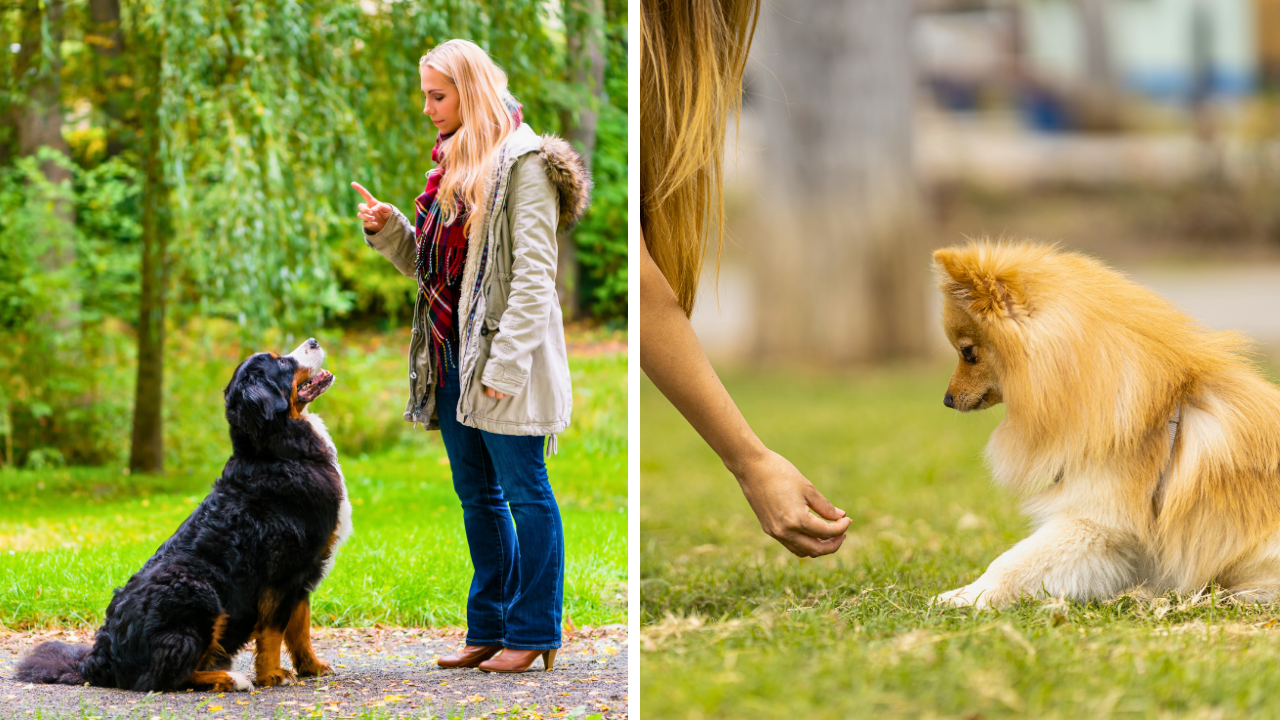
The most important step is to teach your dog to come when called. Start in a distraction-free environment with tasty treats.
-
Train when calm: Begin training when your dog is not barking.
-
Positive reinforcement: Always reward your dog with praise, petting, and treats when they come.
-
Set them up for success: If your dog won’t respond while barking, go get them rather than calling from afar.
Once your dog reliably comes when called, start applying this to barking situations. Call your dog, reward them, pet them, and stay consistent.
Remove Triggers
Set your dog up for success by avoiding situations that trigger barking:
-
Inside vs. outside: If your dog barks when outside, keep them inside while retraining.
-
Doorbell triggers: Consider temporarily disabling the doorbell.
-
Supervised exposure: Never allow constant unsupervised barking outdoors.

Exercise and Mental Stimulation
Adequate exercise is critical. A well-exercised dog is calmer and less likely to bark unnecessarily.
-
Walk your dog at least 30 minutes, twice a day.
-
Include activities that raise heart rate—fetching, running, or other play.
-
Incorporate the “come when called” training during walks.
Exercise helps produce calming hormones, which naturally reduce barking.
Tools That Can Help
Some additional tools and techniques can complement training:
Citronella Spray Collars
-
Useful for dogs outside unsupervised for short periods.
-
Emits a non-toxic spray that stops barking immediately.
-
Safe and non-aggressive solution, effective even for dogs in shelters.
Tellington Touch
-
Gentle therapeutic touch, especially around the ears.
-
Stroke the ear from base to tip, or draw small circles at the base.
-
Helps calm your dog when practiced regularly.

Anti-Anxiety Supplements
-
Calm Pet: Contains melatonin, kava kava, St. John’s Wort, valerian, and chamomile.
-
Bach Rescue Remedy: Safe alternative; place a few drops on gums before leaving.
Final Thoughts
Barking can be managed when you understand why it happens. It’s a normal form of communication for dogs, and your goal should be to teach them to bark appropriately.
-
Never consider debarking. It’s unethical and harmful.
-
Start with basic training: Teach your dog to come when called.
-
Use tools wisely: Citronella collars, Tellington Touch, or supplements can help.
-
Consistency is key: Every interaction should reinforce calm behavior.
With patience, consistency, and understanding, your dog can learn to communicate without driving the whole neighborhood crazy.
CLICK TO GET A COPY OF MY FREE E-BOOK!

Keep Your Dog Calm and Happy with Dr. Jones’ Canine Calming Chews
And to make it even easier, I recommend Dr. Jones’ Complete Canine Calming Chews. These soft, savory chews are packed with all-natural ingredients like L-theanine, chamomile, passionflower, ginger root, valerian root, and melatonin. Each chew works together to promote calmness and reduce stress—perfect for thunderstorms, separation anxiety, car rides, vet visits, or fireworks. With 90 chews per jar, your pup can enjoy a natural, holistic solution to feel more relaxed, happy, and serene every day.







This was a helpful article. My dog is well trained but does sometimes have barking issues. I have come to realize that some of this seems to be from a fear of other dogs. In our early efforts to socialize him with children and strangers we neglected other dogs. This seems to have gotten worse with age (now almost 8). If a dog is on th e property he will run at them growling and then just stop when he gets there, he did this to a family friend the other day for the first time that I have seen, which concerned me. I will take your advice and reinforce the come when call command as well as stay command. Thanks you again.
Thanks for sharing! It sounds like your pup may be dealing with some fear or uncertainty rather than simply “bad behavior.” Many dogs become more cautious as they age. Great idea reinforcing the come and stay commands—those are powerful tools. Slow, positive exposure to other dogs can also help build confidence.
If you are not at home, it is not advised to leave your dog outside because you cannot control the stimuli nor the self rewards.
Putting your dog in a crate for 8 or 9 hours during the day is not bad for your dog, since they can sleep up to 18 hours a day. If you are away from your dog, you should dedicate a few hours of attention, going for a run, playing fetch… so that you keep the good bond you should have.
Great points! Dogs thrive on routine, interaction, and mental stimulation. Leaving a dog outside unsupervised can allow barking habits to become stronger because they’re constantly reacting to new triggers. A safe space like a crate or quiet area can be helpful when used properly, along with plenty of exercise, play, and quality time together. A tired, happy dog is usually a much quieter dog!
Thank you Dr. Jones for another great article.
I have a Chesapeake Bay Retriever; since this is a breed seldom seen in BC, let me explain that many trainers classify them along with Shepherds and Rotties as protective of their owners. When anyone comes to the house she goes in her “apartment” ( very large crate n my kitchen) for a few minutes until she decides the “intruder” is OK. But in the car which she and I own jointly, she often acts like a monster toward anyone walking by. I have spied on her to find that she does not mind pedestrians as long as she’s alone there or nobody appears to be aggressive. She is a sweet girl outside with me, at parks, shows, etc. But it’s a bit hard to get her to “come” when she’s flying around in the car. So I end up yelling, along with the dog! Of course she feels it is her job to behave this way, but to me it’s gotten a bit over the top. We live in a small town where we must be known as the two crazies in the red SUV. Any suggestions?????
PS. Interestingly, this dog seems to be a diagnostician. I’ve tried to see if she would be a good hospital visitor, but she barks with some urgency at the sickest person in a room.
We live out in the country. First thing every morning she goes out and stands on hind legs at the back gate talking to the neighbor dogs, who talk back; she then relays the messages to the dogs on the other side of our little valley. So I agree with you that to deprive her (or any dog) of communication would be a deadly sin.
Thanks for sharing! Your Chesapeake sounds like a smart, protective girl with a big personality. The car can make some dogs feel extra territorial, so try rewarding calm behavior and limiting triggers when possible. And yes—those daily “dog conversations” are just part of being a dog!
Barkin before feeding is the problem I have with a dog I took in when her breeder died and no one else would take her due to her jumping, counter surfing and barking. I have fixed everything but the barking due to the excitement of being fed. I have trained her to sit before I place her dish down but while Iam preparing her and the meals of the other dogs- my dogs have never been allowed to bark like this!- she barks from excitement. I have a “penney can” that works to some extent, but it seems i have to retrain her every meal!! Any suggestions?
Sounds like you’ve already done a great job with her! Food excitement barking is a tough habit because it’s been rewarded for so long. Try making barking the thing that delays the meal—stop preparing the food, wait for a few seconds of quiet, then continue. She’ll learn that calm behavior makes dinner happen faster. Consistency is key (and patience… because dogs love reminding us who’s really in charge!
If you are going to put a dog in a cage for 8 or 9 hours a day, don’t get a dog. It is selfish to leave a dog in a cage all day so someone can say, “oh, I have a dog.” Crazy people!
I understand your concern. Dogs are social animals and need exercise, enrichment, and quality time with their people. A crate can be a helpful safe space when used properly, but it should never replace daily interaction, play, and companionship.
Hi Ann
my dog jumps up counter surfs and barks how did you manage to stop yours to stop,I could really use some info
Consistency is the secret! Reward calm behavior, don’t reward jumping or barking, and remove tempting items from the counter. It takes patience, but small changes make a big difference.
One of my dogs barks at any noise my neighbour upstairs (nd his family)make iv tried things that a dog trainer suggested ie training him to bark and be quiet when i say,and it didnt work.He gets walked 40 min twice a day sometimes more
(he could have just come back after being walked and he hears a noise and he will bark hes a gsd so his bark is quite loud) ill try the methods what you suggest, he jumps up and nips people when they come to the front door I have been teaching him to sit and wait but he gets to excited he wont listen any tips
Sounds like you have a smart, energetic GSD! For the noises, reward him when he notices a sound but stays calm, quiet moments are the ones to reinforce. For the door excitement, practice “sit and wait” with low distractions first, then slowly build up. Consistency and patience are key with these big personalities!
Dave, has your dog had a thyroid panel done lately? Low thyroid levels can lead to increased aggression.
I agree Dennis a dog should never be left in a crate for more than 4 hours. Hire a dog walker if you are gone all day. Dog walkers that do group walks generally have your dog out of the house for at least 2 to 3 hours by the time they pick up all the dogs then go to the park then drive everyone home again.
I actually had a person that wanted to buy a portuguese water dog puppy from me use this argument that dogs sleep 18 to 20 hours a day. I would not sell her a puppy because she was gone all day and did not work from home and did not want to pay for doggie daycare or a walker. Keeping a dog caged 8 to 10 hours a day is condemning this poor animal to solitary confinement. It is cruel to do this.
Dogs do need companionship, exercise, and mental stimulation. A crate can be a useful safe space, but it shouldn’t replace proper daily interaction and care. Every dog is different, so the goal is finding a routine where they get plenty of attention, activity, and a happy life.
I always ask the question – “How would they be behaving in their own true environment as a pack”, they would not be bribed to behave and they would certainly not be put in a cage or growled at for protecting what they think is their property or family. Reconsider the roles you playout with your pet/canine/animal. DNA rules, same as us humans, our DNA links are still in the baselines of all we do.
Great point, understanding a dog’s natural instincts is important. Dogs still have many behaviors rooted in their ancestry, but they also live alongside us and can learn how to navigate our human world. Positive training helps build trust while respecting who they are as dogs.
I wish my inconsiderate next door neighbor would read this! His backyard full of junkyard dogs, outdoors 24-7 and barking through the night, have turned me from being mildly dog-friendly to a dog hater. I tried one of those bark-stop devices that emits an unpleasant sound that humans cannot hear, but it didn’t work.
I can relate, Alice. I have neighbors with barking dogs all around my house. When one starts often several follow. Or one neighbor has there’s out barking, then 10 min later a different, etc. Barking is fairly constant through out the day on some days. I mean 7:00 am til 7pm. Then there’s the hound dog who comes out at 11pm, etc. The only real approach is to write a letter to the neighbor(s). Maybe getting others to sign-on? Seems nearly all my neighbors have a dog – and some are really GREAT about controlling theirs. I’m even considering offering to take the barkiest dog’s out for a walk – I don’t know, something that will show my neighbors that I’m not just needing something to complain about.
That’s a very thoughtful approach. Barking can be frustrating, but a little communication and understanding can go a long way. Sometimes neighbors simply don’t realize how much noise is carrying. Offering a positive solution is a great way to start.
Sorry you’re dealing with that, constant barking can be incredibly frustrating. Dogs usually bark for a reason (boredom, stress, guarding, or lack of stimulation). A good routine, training, and proper care can make a huge difference. Hopefully your neighbor can find a better solution for both the dogs and the people nearby.
what to do if it´s not your dog,but barks all day. also there are four of them and the owner is out all day. I live in Chile
That can be really frustrating. Try speaking with the owner first—they may not realize the dogs bark all day when they’re gone. If it continues, check your local Chilean noise or animal welfare regulations for next steps.
We have two 11-yr old dogs, a Yorkie and a ShiTzu mix. They get over excited when people visit. They don’t bark, they make very loud whining sounds, the more they like the person, the noisier. They calm down once the visitor pats them or recognizes they exist. When we drive into our driveway after even brief absenses, they do the same, very loud, sort of a screaming whine. They stop as soon as we open the door. Suggestions, anyone? Thanks in advance.
Sounds like they’re just very excited to see their favorite people! Try not to reward the “screaming welcome” right away—wait for a few seconds of calm, then give attention and affection. Practicing calm greetings with visitors can help teach them that quiet gets the hello they want.
Please where can I get the citronella bark spray collar, Calm pet pills, and Bach rescue remedy. I am desperate because Bonny never stops barking and have the neighbours on my back al the time she is 9 years old many thanks annette
I understand how stressful constant barking can be! Citronella collars, calming supplements, and Bach Rescue Remedy may be available through pet supply stores or online retailers in your area. Also, remember to work on the reason behind the barking—boredom, anxiety, or excitement—because training and routine changes can make a big difference.
I got the bark spray collar two weeks ago online at Petco or Petsmart. It was on sale for $55. We have a blue tick hound that was driving me crazy when something walked by our house, or people came over. Spray collar worked like a charm. Rarely, it goes off when she hasn’t barked…i think that has happened 3x. Now we don’t even need to turn the collar on, just put it on her when people come over and she knows not to bark. She has started jumping up more as her way of greeting, though…something new to work on…
Great progress! It sounds like your hound has learned that calm greetings are the goal. Now you can focus on rewarding the “four paws on the floor” behavior when visitors arrive. One step at a time—dogs always keep us busy with new training projects!
i got a 4 year old blue heeler that do not like other dogs or people.she is one person dog and i would to change that.what can i do to change her? she is a good dog
Blue Heelers are often very loyal and protective by nature. You may not be able to turn her into a social butterfly, but you can build her confidence. Start with slow, positive exposure to people and dogs from a distance, reward calm behavior, and never force interactions. A good trainer can also help you safely work through her reactions.
A very well written article and helpful to dog owners. HOWEVER!!! The biggest problem encountered in my world is the barking of neighbours dogs and in spite of the neighbourhood asking, begging and now threatening the owner, the barking goes on. Legal action has been taken but the fines are so pathetic it won’t deter anyone. This particular neighbour allows her dogs to bark night and day with barking stopping from 3AM to 9AM daily.
How does one stop a dogs barking when the owners won’t without resorting to the violence I have seen recently. I must admit that the violence is following night upon night of no sleep and parents are now threatening to poison the dogs just to get their kids some sleep.
Could you please write an article or someone reply with some real helpful ideas that work. This neighbourhood is now most volatile and help is needed now before the dog or the owner gets hurt.
That sounds like an incredibly stressful situation. The best solution is always to avoid harm and focus on resolving the root problem. A calm conversation, mediation, animal control, or local noise enforcement may help when an owner won’t respond. Dogs often bark from boredom, anxiety, or lack of stimulation—addressing those issues can make a huge difference.
Good general advise, which I’ve read before, but leaves out one big category: Beagles. I have a sweet little Beagle, who is never aggressive, rarely bored and never barks when unattended. HOWEVER, she barks (“talks”) incessantly when she’s happy, excited, going for a walk, smelling the roses, rolling in the grass or doing anything else that makes her happy and want to verbally share her happiness. I tried a bark collar in desperation and she “lip syncs” her need to “talk”. Any ideas? We’ve stumped the local trainers and since we live in a suburban apartment, we really need to quiet down somewhat.
Beagles are definitely a special case! They were bred to use their voices, so “talking” is part of who they are. Try rewarding the quiet moments, teaching a “quiet” cue, and giving her a chance to use her nose with sniff walks and games. You may not turn off the Beagle microphone completely—but you can help lower the volume!
To Rosalie Ann Adams…Phone the barking dog owner around 4 am every morning that they allow the dogs to bark and just say “your dogs are barking” and then hang up.
If they don’t stop them, within 15 minutes or so call them again. Keep doing this every night until they make their dogs stop barking.
If you press *67 before you dial their number, it will block their caller id so they won’t know who is calling them.
I realize that you might lose some sleep yourself when you do this but it can’t be any worse than what’s happening to you now.
I understand how frustrating nonstop barking can be, especially when it affects sleep. The best long-term solution is usually calm communication with the owner, along with local noise ordinances or mediation if needed. Finding a solution that helps both the neighbors and the dogs is the goal.
Dogs are social creatures and need to socialize, with their human companions so why leave them outside all day alone ? Have them excercise 1-2 hrs a day wether its playing ball, walking,a hike, an afternoon, agility, swimming or a stroll in the village….doesn’t any one watch Cesar ? Wonderful tricks and ways to correct unwanted behaviors… I have German shepherds & Border collies and have no trouble with any of them. I am constantly reading also to better my training skills.Having a dog is a lifetime commitment to training, everyday !
Absolutely—dogs thrive on companionship, exercise, and mental stimulation. Training is an ongoing journey, and even a few minutes of positive practice each day can make a big difference. A happy, fulfilled dog is usually a calmer dog!
Jake , with the Blue heeler, this is a very strong working breed…get him or her out herding or doing agility,playing frizbee, that way you will be getting your dog used to other dogs and chaneling her excess energy….don’t you agree. Above all don’t seclude the dog as this will lead to agression towards other dogs as it has….. hope this can help those in need, as I have been working with dogs for 18yrs now.
How can I get our dog to stop chewing excessively, especially on blankets. She just won’t stop and has numerous chew toys. HELP!!!
Chewing is a very normal dog behavior, but excessive chewing can come from boredom, stress, or simply enjoying the texture. Try redirecting her to a favorite chew toy, reward her when she chooses the right item, and make sure she’s getting enough exercise and mental stimulation. Consistency is key!
I have 3 little ones. They all bark when someone or something is outside. They won’t listen when I call them to stop. When someone comes in the house the bark until the person sits down. When the person gets up the bark and attempt to bite the person on the back of the legs. I don’t know what to do I am at my wits end. PLEASE HELP!!!!!!
It sounds like your dogs are getting overwhelmed and going into “alert mode.” Start by managing the situation, keep them on a leash or behind a gate when visitors arrive, then reward calm behavior. Practice a “come” or “place” command when things are quiet first, and slowly build up with distractions. Safety first—especially with the nipping—so consider working with a positive reinforcement trainer for extra help.
pass to La Mairie
For barking dogs, our rescue shelter recommended putting 6 pennies inside a sturdy plastic bottle (such as the kind that some prescriptions come in) and shaking the bottle when the dog’s barking. He also recommended having extra bottles around, so, for example, when the dog’s barking in our back yard, I can throw the bottle near the dog. This worked fabulously in two days, such that all I have to do now is just shake the bottle and the dog will stop barking immediately. And no, you don’t hit the dog with the bottle when you throw it; just put it near enough to startle him/her.
Glad you found something that helped! The key is that the goal is to interrupt the barking and redirect—not scare or punish the dog. Pairing a gentle interruption with praise and rewards when your dog is calm will help them learn the behavior you want.
Please do not use the citronella collars. While it may be non-toxic, my cousin’s dog was blinded by it. I agree with the comment that if you plan on leaving your dog in a crate for the majority of the day, then don’t get a dog. No, it doesn’t harm them physically, but it does harm some dogs mentally. Also, it would add more validity to the article if the author would use spell/grammar check before posting. It is just plain unprofessional to do any less.
Thanks for sharing your concerns. Every dog is different, and tools should always be used carefully and responsibly. The goal is to understand why a dog is barking and use positive training, exercise, and enrichment to help them succeed.
So many people here either have the wrong dog or shouldn’t have a dog at all. Almost all dogs need a LOT of exercise. Almost all people do not exercise a lot. Thus they are incompatible. Almost all of a dog’s behavior problems are easily cured IF they are well exercised. Walking a dog is useless. That’s like saying playing pool is strenuous exercise. If a dog isn’t exhausted after an exercise session, its not strenuous enough for them. Face it people. Most of you are just not into high intensity exercise. However a bike can equalize things. Make sure your dog comes when called because obviously racing down a trail in a park with a dog attached with a leash is crazy. So unleash your dog and watch them soar with excitement, fascination with nature, and pure adrenalin when they chase the local squirrels and rabbits. These is no equal to hunting for your dog. They are born hunters – all species. Do not deprive them of this! If your neighbor is too lazy to exercise their dog(s) bring them out with your dog to the park and let them chase each other around. That is superb as well.
————
OK – now the exercise quotient has been satisfied.
Now comes food. Nobody has mentioned food but to train a dog requires you have the dog’s full attention. And nothing gets a dog’s attention like raw meat when they’re hungry. Never have food out all day long. The dog will nibble incessantly and will get as fat as most people in middle age. A dog should have to work for their meal physically as we should. Feed them once or twice a day. Cheap fish, chicken, beef and pork is $1-2 a pound. Also raw bones are wonderful – cooked bones splinter and can kill a dog. Watch out for KFC bones. They are lethal. Chop your meat up in daily meal sizes and freeze for months. Also, the more vegetables they eat the better though this usually is a very small part of their diet in the natural world. Dog food is useless. Anytime you see “meal” like fishmeal, its useless, processed slop. Its great for the pet food company though. They’re making billions of the publics ignorance. Your neighborhood, competitively priced butcher is dog central for you. If you hunt or fish, that’s the best of course. Pet food is full of salt, dehydrating your dog, especially important in the summer. Natural food contains no salt. Salt is Sodium Chloride which makes everyone thirsty when consumed. That’s the body flushing out this stuff it doesn’t want with water. Natural foods contain sodium but that does not make you thirsty. A world of difference.
========
So exercise and feed your dog well, then watch them tune into you far more. Now take all the great training tips mentioned in this article and comments and try them yourself. Most will work. And if you have to crate your dog all day, you’re a selfish, uncaring dog owner. Find another home for your dog close by and offer to walk the dog when you’re free. Or walk your neighbor’s dog. 99% of dogs do not get enough exercise because the owners are totally out of shape and don’t see their dog is out of shape. Your dog can be an amazing personal trainer if you open your eyes to the possibilities. Trail running with a dog is also an incredible experience because they sense things we simply won’t. So they open our eyes to nature more. That’s one of their many precious gifts to us.
Great reminder that exercise, enrichment, and a healthy routine are huge parts of a happy dog’s life. Every dog is different though—age, breed, health, and temperament all matter. The goal is finding the right balance of physical activity, mental stimulation, good nutrition, and positive training. A fulfilled dog is usually a much calmer companion!
I’m with the people who have problems with neighbour’s dogs barking. We have a neighbour’s dog that sometimes barks all night long right beside the fence just feet from our bedroom window. We also can’t go into our own yard without being barked at non-stop. The neighbour refuses do do anything. I’ll give the pennies in a plastic bottle idea a go but frankly it seems to me the issue with barking dogs isn’t the dog but the owner.
Constant barking from a neighbor’s dog can be incredibly frustrating, especially when it affects your sleep and enjoyment of your own home. Often the barking is a sign of an unmet need, but the owner plays a big role in addressing it. A calm conversation, local noise guidelines, and finding a peaceful solution are usually the best first steps.
Denis, I absolutely agree. Anyone who thinks it’s ok to pen a dog for 8 hours a day has little empathy for, or understanding, of dogs.
We all have to work..so a better suggestion would be to buy the lonely dog a companion.
Dogs do need companionship, enrichment, and attention. A second dog can be a wonderful option for some families, but it’s also important to make sure both dogs’ needs, personalities, and care requirements are a good match. Quality time and interaction with their people are still essential.
I have a pomeranian that was barking so incessantly at other dogs, that he could not get near enough to socialize. None of the typical training tips worked for me, and he’s too little for the citronella collars (which I’ve used with other dogs and work well)
I started taking Pet Correct out on walks with me, and I find this to be an excellent, humane way to deal with barking that is obsessive. I actually only had to use is about a dozen times (it makes a short, irritating noise that snaps them out of it). Now, I just have to hold the can when he starts to bark excessively. It’s been a lifesaver.
Glad you found something that helped! The important thing is interrupting the barking and then rewarding calm behavior so your dog learns what you do want. Every dog is different, and finding a safe, humane approach that works for your pup is the goal.
I don’t mind dogs barking if there are strangers within the area. Dogs chasing after cars, is a sign of boredom, or never allowed release by their owner. I’ve noticed (while walking) a few treats dropped in front of a dog quiets the dog (don’t bite the hands that feed you).
You’re right that barking can be a natural way dogs communicate, especially when alerting. Chasing cars, however, is risky and can come from excitement, instinct, or boredom. Keeping dogs mentally and physically stimulated—and rewarding calm behavior—can go a long way.
One other thing to try… some behaviours cannot be extinguished but can be controlled. For barking and counter-surfing, for example, I trained commands ‘speak!’ and ‘uppy!’ so the dog gets a reward only when responding to my command.
Also, you need to recognise that training a dog is a two-way street: while you are training him, he is training you. So think carefully about how you respond to undesired behaviours. You have choices ranging from ignoring to immediate punishment or immediate reward. And when you take action, be swift.
Great points! Training is all about clear communication and consistency. Teaching a dog when a behavior is allowed—and when it’s time to settle—can be very effective. And yes, our dogs are always learning from us too, so timing and patience are key!
I want to get a dog fault I don’t know how to convince my mom. Her brother got bitten when they were young and she’s scared stiff of dogs. Most dogs are friendly with me and I really want to get 1. Is there any ideas on how to convince
It’s great that you’re thinking about this carefully! If your mom is afraid because of a past bite, the best approach is patience—not pressure. Try learning about dog care together, spend time with calm, well-trained dogs, and show her you understand the responsibility involved. A dog is a big commitment, so building trust with your mom is the first step.
We have a GS so his bark is very loud. I found that by holding my hand over his mouth to stop him , shake my finger at him and sternly saying no works…If when I take my hand away , he starts again…I repeat it over again..After awhile by doing this, sometimes when he barks now I just have to shake my finger a him and say no !Of course he barks when the doorbell rings, when someone comes in , etc so I was glad when it worked !
Sounds like you’ve found a way to communicate with your dog! The key is teaching a clear “quiet” cue and rewarding calm behavior. Just be sure not to hold a dog’s mouth shut too tightly—redirecting and rewarding the behavior you want is usually the best long-term approach.
I agree with the article although i do not agree with using spray when they they bark. It may or can cause them to fear, and we, as a dog owner should not make them feel that. There are other ways to stop the barking issues as stated like the Tellington Touch which sounds better and good retraining . ^_____^
Great point! The goal is always to help our dogs learn, not make them fearful. Positive training, understanding the reason behind the barking, and rewarding calm behavior are often the best long-term solutions. Every dog is different, so finding the right approach matters.
Let me recommend two products I have used on my Bichon and Long Haired Chihuahua. Sunbeam Sonic Egg and Pettags Classic No Bark collar. The collar has a switch providing a big noisy vibrating action -or- a high pitched sonic sound that make both dogs wince. The Sonic Egg is a big egg looking thing you sit up on a shelf or hang outside. The Bichon responds well to the egg but the Chihuahua sometime shakes when it goes off. In any case the collar is $14 at Amazon and the Egg is in the $30’s on eBay. In my house there in no barking when using either. In fact half the time you do not need to turn on the collar for the Bichon. She just freezes and won’t bark or even get out of her chair! If it hits her tags when she jumps it will go off and she doesn’t even want to risk that!
Thanks for sharing what worked for your dogs! Every dog responds differently to training tools. The most important thing is making sure the method doesn’t create fear or anxiety, and pairing any interruption with positive rewards for calm behavior. A happy, confident dog is always the goal.
Good article!
The best way I know of teaching your dog to stop barking, or for any training is, when good = treat when bad = squirt of water from flower water spray device. Not hard or in a cruel way. Just a quick squirt….He/she will get the point fairly quickly.
Thanks for sharing! Timing is the key with any training method. Rewarding the calm behavior you want to see is often the fastest way for dogs to learn. Some dogs respond well to gentle interruptions, but the goal is always to teach—not create fear.
We have a white Boxer that is deaf (from birth) and he can bark for England at times. Apparently, its an instinctive thing, like a baby crying, and he soon learned that he gets a response, he carries on barking until he gets what he wants or is ignored completely for a while. Ignoring it can be difficult at times, especially when you are trying to hold a conversation, but its the method we choose. We have a remote shock collar, but we only use this to keep him safe when off the lead, never as a punishment for minor misdemeanors. It has saved him from harm several times and is preferrable to keeping him on the lead at all times..
Thanks for sharing your experience! Deaf dogs can definitely be extra challenging because barking may be their main way of communicating. Ignoring attention-seeking barking and rewarding quiet moments can help. Safety tools should always be used thoughtfully, and keeping our dogs safe and happy is the priority.
HI
It has been suggested to me that if you place a dog in the bathroom or closet(5 mins) when they misbehave that soon all you have to say “do you want to go into the bathroom/closet and they will usually quiet down.
Outside barking dogs can be sprayed with a hose and call the Human Society in your home town and complain. If you complain enough the dog will be taken away.
Thanks for sharing! A brief time-out can work for some dogs if it’s calm and consistent, but the goal is always to teach the behavior we want rather than create fear. For neighbor barking issues, communication with the owner and local animal control or noise guidelines are usually the best first steps.
Spraying with water only works sometimes. We have a 7 month old Maltese that barks when he’s happy, scared, excited, hears a bird, hears a doorbell on TV, hears a dog bark for real or on TV, hears a school bus….you’re getting my point.
I’m hoping some of the tips in this article work. He is trainable in all other aspects. He sits, lays down, comes on command most times and even rings a bell when he wants to go outside. Now If we could only stop the incessant barking.
Sounds like you have a smart little Maltese! At 7 months, he’s still learning and everything is exciting. Try rewarding the quiet moments, teaching a “quiet” cue, and gradually exposing him to those triggers while he stays calm. With consistency, that little voice can learn when to turn down the volume!
See, he just rang the bell as I mentioned. So we went outside and he barked his head off. Now he is quite damp from being sprayed….and ignoring the spray bottle.
Although Dr Andrew Jones meant well, I really have to disagree with the statement, ‘If the barking is in response to your doorbell, then remove the doorbell.’ This is completely absurd!
If the dog realizes you are their pack leader, then YOU indicate the door is controlled by you and YOUR body language should indicate, with proper training, what is and is not acceptable behaviours.
Thanks for sharing your perspective! The doorbell suggestion is simply a management tool to reduce triggers while training—not a replacement for teaching good behavior. Every dog and situation is different, and clear communication, consistency, and positive training are always key.
If only you could supply advice on what to do about some inconsiderate pig of a neighbor’s noise-belching fleabags barking day and night outside in the back yard, interrupting neighbors’ (mine in particular) sleep and just in general being an obnoxious noise-nuisance anytime day or night. I tried one of those electronic devices that activates and sends out a noise supposedly unpleasant to dogs, but it didn’t help.
Happily, the noisy wretch who made the most noise (I named him “Barkie” turned on the old man who owned him and the adult son took Barkie to the Pound. Although the replacement big-dog is much quieter, he still sometimes wakes me up at night, and I don’t appreciate it. Still, when and if the neighbor’s house goes up for sale, I hope I have the money to buy it. If I were able to do so, there would be no more barking- dog-infested back yard next door to me. I didn’t used to dislike dogs before Barkie and his little yappie-dog companions. At least cats don’t bark!
Constant barking from a neighbor’s dog can be incredibly frustrating, especially when it affects your sleep. Dogs usually bark because of a need—boredom, anxiety, or guarding behavior—but owners play a big role in helping manage it. A calm conversation, local noise guidelines, and finding a peaceful solution are usually the best steps.
the best way to stop barking is to stop it before it starts, and reward the dog with a “Good no barking” or “Good Quiet” and a good treat that takes time to eat. Repeat this and soon you will have a dog that, if he barks, you can say “no barking” or “quiet” and they will stop. Works for all 4 of my dogs and every dog I have boarded. My puppy will still run to the TV when she sees an animal, but will not bark because she knows that is wrong.
If you yell at a barking dog, you are rewarding him with attention and your version of barking. Ignoring the barking and taking the dog by the collar out of sight where the barking stimulus is, and rewarding them when they stop barking will change the behaviour quickly. The same principle applies to potty training… don’t yell at a puppy mess.
Great tips! Rewarding the behavior you want to see is one of the best ways dogs learn. Teaching a “quiet” cue, staying calm, and avoiding accidentally rewarding barking with attention can make a big difference. Consistency is the secret ingredient!
Aren’t you just training the dog to bark every time he wants a treat? If the dog knows when it starts barking, you will call him and give him a treat, my dog would just start barking more than she does now! I had a problem with my dog barking at the slightest noise from neighbours whenever she was in the garden with me (I work in an outbuilding with the door open). I got her to stop by calmly and quietly putting her in the house every time she barked, she soon learnt that she couldn’t sunbathe or sniff round the garden or trot in and out of the garage to be with me if she barked. She’s now pretty good, some unusually noisy things will still set her off but mostly, she stays quiet at the neighbours’ comings and goings.
My last dog would sometimes dash out the front door and be at risk from the road at the end of the driveway. In a panic, I would offer him his football and it ALWAYS brought him in and out of danger, he loved his football more than anything. After a few repetitions, he became conditioned that he got his football if he dashed out the front door … so of course he did it – I realised that I had trained him to do that! I’m not sure positive reinforcement is always the way to do things though it undoubtedly helps with many dog training issues.
Great observation! Timing is everything with positive reinforcement. The reward should come for the quiet, calm behavior—not the barking itself. Dogs are clever little creatures, and they quickly figure out what gets rewarded!
So if the dog when there is an activity around the door, you cant take the door away =)
Exactly! You can’t remove the door, but you can manage the trigger while teaching your dog how to respond. Training calm behavior around the door, rewarding quiet moments, and practicing with distractions can help your dog learn that the door doesn’t mean “full alert mode.”
This is a fool-proof method for getting to make dogs stop barking that I have never seen fail. You get any typical aluminum can, and partially fill it with coins, rocks, nuts & bolts, etc. and when the dog starts barking you shake the can to make the noise. The dog will stop barking immediately. Like the citronela collar, now every time he even SEES the can he will not bark. I hope this helps some of you.
Thanks for sharing what worked for you! A sudden sound can interrupt barking, but the key is to also teach the dog what behavior you want—like being calm and quiet—and reward that. The goal is a confident, well-trained dog, not one that is simply afraid of a noise.
Why not just muzzle all dogs when outside the house including the garden. Barking (and biting) dogs can be a major nuisance and frankly if an owner cant stop their animal barking they shouldn’t own a dog.
I understand how frustrating excessive barking can be. However, muzzles aren’t a good solution for stopping normal communication, and they should only be used in appropriate situations. The better approach is finding why the dog is barking and using training, exercise, and proper management to address the behavior.
Well, I’ve gone another way. I have 10 street dogs who now live with me because they have been abused in various ways. As you can imagine they are very protective of me, so, whenever the door bell rings, people pass, cars pass they used to sing in chorus. Now I Meooowww at them! Believe it or not it works! They are so shocked it shuts them up instantly. I only realised this when passing other peoples dogs in the street or within their gates. They would bark and I would instantly Meoooww back at them. They stopped instantly – I think from shock, but it does work. Try it, it’s hilarious!
That’s a funny and creative approach! Sometimes an unexpected sound can interrupt a barking pattern and get a dog’s attention. The key is still rewarding the calm behavior afterward so they learn what you want. Sounds like your rescued pups have found a very unique way to communicate with you!
I had a dog for 14 years and after he died had a lot of guilt about how much time he spent inside during the day. For the first few years of his life I was in Colorado and in college and he got lots of exercise there. The problems started after I moved to NYC. He had had a hard time adjusting. the smells, the noise and vibrations from the subway used to give him a lot of anxiety and he sometimes just seemed terrified and I had no idea what of. Some days he would refuse to go outside and I could not figure out why but something scared him. I changed neighborhoods several times, and some were better than others. I also tried 2 dog walkers but he could at times be very difficult to manage when he had an anxiety fit and he scared one of the dog walkers away, so that didn’t work out. Eventually we moved to an apartment with a terrace so he could at least be outside during the day. I thought about giving him up or trying to find a farm who would adopt him but at this but I didn’t think at that point in his life he would be able to adapt. I really loved this animal though. he was in great health all his life until he finally got bloat and died at almost 14 but I always had a lot of guilt about the amount of time he was inside.
It sounds like you gave your dog a loving, committed home for 14 years. Every dog is an individual, and some are more sensitive to noise, change, and city life than others. What matters most is the bond, care, and effort you gave him—not perfection. It’s clear he was deeply loved.
I have a dog. My of way of stopping him from barking is simply calling his name and showing piece of bread that’s his favorite and He would surely come to me.
That’s a great example of using something your dog loves to encourage a better behavior! The key is making sure the reward comes when he comes to you and settles down, so he learns that calm behavior gets the good stuff. Dogs are smart—they quickly figure out what works!
Article is way incomplete.
Neighbour’s dog barks continuously, with zero reason. I had to lodge a complaint to get them to take the dog indoors at night, so that we can get some sleep.
You’re right that neighbor barking can be a very different challenge. When it’s someone else’s dog, training advice only goes so far—the owner needs to be involved. Calm communication and local noise regulations can help, while also remembering the barking may be a sign the dog needs more exercise, enrichment, or attention.
people must learn that all dogs are different and some will bark when there hungry and they need water to drink, or when they want attention to play and some needs to go for walks,
Dogs just can’t be left out side and have no contact with people, If you have a dog Be there for them, and don’t crate them for 8 to 10 hrs a day, How you like to hold your pee or poop all day long, Its not fair to your dog to be stuck in a crate, Think of your pets ans part of your famuly, They also need love and attention, There like your children and they need to be played with toys and be walk and loved always, and show them you care, Because they care about you,
Well said! Every dog has different needs, and barking is often their way of communicating. Providing proper exercise, attention, training, and companionship helps create a happier, calmer dog. They’re part of the family and thrive when we take the time to understand them.
We had a German Shepard next door whose main hobby was to sleep most of the day, then bark all night, keeping the neighbours awake. The noise was actually echoing off the buildings. At the end of my tether, I decided to front the owner. Nasty. No change. So next evening at around 11 pm as the hound tuned up for the nightly serenade, I blasted it over the fence with the portable fog horn from my boat. It’s tail got around the corner and out of site before it did. With the other neighbours blessing I kept it up all month until the dog miraculously moved on to presumably greener but noisier pastures elsewhere and peace reigned once more. Sorry, no finessing here.
I can understand how exhausting ongoing nighttime barking can be, especially when it affects your sleep. Neighbor dog issues can be difficult, but the best solutions usually focus on communication, local noise rules, and encouraging the owner to address the cause of the barking. A peaceful solution is best for everyone—including the dog.
I agree with everything in the article except for one thing. I do not agree with using food-treats in training dogs. Positive verbal reinforcement, and petting are all that is needed. By using food you are treating your pet to love food and you are just a conduit to getting food. — Unless you have a particularly stupid breed of dog, your dog does not need that kind of reward, and once trained if you do not give him/her a food reward the prior training is undermined. I believe in treats, given randomly or at an appropriate time before a long period of exercise … a run playing Frisbee, etc. So they have they have a boost of energy. — You want to develop the relationship between you and your dog not the relationship between your dog and food.
Thanks for sharing your thoughts! Dogs are all individuals, and different rewards work for different dogs. Treats are simply a training tool—not a replacement for love, praise, or the bond you build with your pet. The goal is always a happy, responsive dog who enjoys working with you.
Yeah, but you don’t explain how to stop an indifferent neighbors’ dog from barking!
That’s a different challenge! When it’s a neighbor’s dog, training advice only goes so far because you don’t control the dog’s environment or routine. The best steps are usually a calm conversation with the owner, documenting the issue, and using local noise or animal control resources if needed.
Cut their vocal cords. There is no suffering involved in this. (No, really – there isn’t – please don’t anthropomorphise … cutting a dog’s vocal cords is not equatable with depriving a person of the power of speech.)
Then they can bark as much as they like, and the neighbours’ life won’t potentially be made a living hell.
I understand the frustration that nonstop barking can cause, especially for neighbors. However, debarking surgery is a serious procedure and is not considered a simple fix for a behavior problem. It’s better to address the reason behind the barking through training, enrichment, and proper management whenever possible.
4 inch length of hose pipe up the rectum… Then they can get compression…
Thanks for all the ideas. I have a B&B, a 6 year old rhodesian ridgeback and a 5 year old corgi. Both female and very loving and friendly. The Corgi greets all incoming guests with loud, excited barking, ‘talking’ and whining. She also runs alongside our gardner ‘chatting’ up at him constantly – at full volume. She is clearly communicating with people but very loudly. I don’t want to stop her excited chatter and interraction but would dearly love to turn the volume down! I have tried the spray of water (no success), the high pitched collar (no success), calling away (no success), holding the nose (no success). No point in going to get her as she runs faster than me and hence another game and frustrated guests waiting for me to return to them! I am now going to try the can with pebbles. If there are any more suggestions (NO SURGERY OR CRATES!) I would be grateful.
It sounds like your Corgi is a very social little character! Some dogs aren’t barking out of fear—they’re simply overflowing with excitement and “talking.” Try teaching a calm greeting routine: reward her when all four paws are on the floor and she’s quiet, and ask guests to only give attention once she settles. Consistency is key, especially with a busy B&B full of exciting visitors!
my dog Bruno, he’s very ferocious but the only way to get him to stop barking is by calling him and treating him with food! he’s loves that and so he’ll stop barking! easy as ABC!
Sounds like Bruno has found his favorite reward! Using food can be a great training tool when it rewards the behavior you want—like coming when called and settling down. Just be sure the treat follows the calm response, so Bruno learns that quiet gets the goodies!
Write more, thats all I have to say. Literally, it seems
as though you relied on the video to make your point. You obviously
know what youre talking about, why throw away your intelligence on just posting videos to your site when you could be giving
us something informative to read?
Thanks for the feedback! I appreciate you taking the time to share your thoughts. Videos are just one way to share information, but I agree that clear explanations and practical steps are important too. I’ll keep sharing more detailed tips and insights to help pet owners better understand their dogs.
Baxter is a big dog and when I go to get him to bring him in during a barking episode, he growls and bares his teeth at me. Other than this, he’s a great dog. Affectionate, funny and friendly to all who live here except when he’s in this “stranger danger” mode. He barks and tries to get to strangers, other dogs, cats especially. I don’t want to give him up, but nothing we have tried has worked. Training as described, bark collars, (don’t even faze him) good-behavior rewards. You just never know if he’s going to ignore a stranger on a walk or if he’s going to go ballistic.
Baxter sounds like a loving dog who gets overwhelmed in certain situations. Growling is a warning sign, so it’s best not to force him during those moments. A positive-reinforcement trainer can help you safely work on his “stranger danger” reactions and build his confidence.
Does anyone know if the electronic bark deterrents work? I have seen them advertised a fair bit, apparently if a dog barks they let out a sound that the dog hates and so it discourages them from barking. The ads say you can use it outside and point it towards your neighbour’s yard, but you can get them for inside too. You can make the sound audible or inaudible to humans.
If this worked it would be perfect because frankly most people with noisy dogs just absolutely don’t care. If they did, most dogs would not be noisy. Yeah, yeah, you’re the exception, we’ve head it all before.
Don’t leave a dog home alone all day and absolutely DO NOT cage it up. If you cannot spend plenty of time with a dog – which is a pack animal – don’t be selfish enough to buy one. Or at the very minimum buy two so they have company. All a dog does all day long is wait for its pack leader – its owner – to come home. Buy buying one and leaving it home alone all day you are condemning it to a life of miserable loneliness, which is why it barks and drives the neighbours mental. But, anyone selfish enough to care so little about an animal’s wellbeing and mental state obviously won’t care about their poor neighbours either.
It has been proven that noise pollution sends the BP skyrocketing, makes people very anxious and leads to health problems including heart issues and stroke. This is not a small isse.
Anyway, as the fault almost always lies with the owner, if these electronic things worked it would bypass the lazy, selfish owners completely and provide respite for people who are being made actually ill by the constant noise.
Electronic bark deterrents can work for some dogs, but they’re not a guaranteed fix. Dogs bark for many reasons, boredom, anxiety, excitement, guarding and addressing the cause usually works best. For neighbor barking issues, communication with the owner and local noise regulations are often the best first steps.
Apparently, if you insert a length of hosepipe into its rectum with a few inches protruding, the dog will be unable to bark due to lack of compression.
Of course, I haven’t tried this myself.
I know barking can be frustrating, but please don’t try harmful or unsafe methods. The best solutions focus on understanding why a dog is barking and using safe training, enrichment, and management techniques. A calm, humane approach helps both the dog and the people around them.
Our dog barked at the doorbell. Looking at things from her point of view I just said “Thank you, Nipper!” She immediately stopped.
That’s a great example of understanding your dog! Many dogs bark because they’re alerting us to something. A calm “thank you” can acknowledge the warning and then help teach them that their job is done.
Meh. The article could be interesting, but I didn’t bother to read it because of that stupid screen-blocking advertisement. I only closed the ad so that I could post this comment.
I won’t be coming back to this site. Why do you have to make your ad so annoying? If I see your book in the store, and remember the ad, I will NOT buy it. In-your-face advertisement DOES NOT WORK.
Thanks for sharing your feedback. Sorry the ad interrupted your reading experience. The goal is always to provide helpful information for pet owners, and we appreciate you taking the time to let us know how it affected your visit
there is a dog in my house he start barking any time without any reason even when i come to the home he barking but when i speak something give them some time to play then he calm. but next day he repeated same procedure. how would i do.
It sounds like your dog is excited and using barking to say “you’re home!” Try not to reward the barking itself—wait for a quiet moment, then give attention, play, or praise. With consistency, your dog will learn that calm behavior gets the fun and attention.
There is a spray you can buy that is simply compressed air and when the dog is barking, you simply press the button and the container lets out a hissing noise, similar to a hissing snake. It doesn’t harm the dog and contains nothing more than air. Works, too!
Thanks for sharing! A sudden sound like compressed air can interrupt a barking pattern for some dogs. The important part is pairing it with teaching the behavior you do want—like being quiet and calm—so your dog learns what to do instead of just being startled.
Bach remedies contain nothing but water and a bit of alcohol. What is your evidence that it is effective to stop barking? Rescue Remedy makes people think there is a calming effect, and calming the people makes the dog calmer.
Great question! Bach Rescue Remedy is used by some pet owners for calming support, but scientific evidence for its effectiveness in reducing barking is limited. Often, the biggest improvements come from understanding the reason behind the barking and using consistent training, enrichment, and positive reinforcement.
My dog has recently moved houses from my fathers house to my dads best friends house who happens to live next to me so I walk her twice a day and spend over 4 hours with her so she is not alone all the time but when I go home she barks on end for like 3 hours and it only the second day. She is a husky x border collie. And is 2 years old. I need help fast because everyone wants to complain to the council already because she also howls all day long when I’m not home. Please someone I need help
This sounds like separation stress, especially after such a big change in her home and routine. A Husky x Border Collie is also a very smart, active mix that can struggle when suddenly left alone. Try gradual alone-time training: leave for a few minutes, return calmly, and slowly increase the time. Give her a long walk, mental games, and something safe to keep her busy before you leave. The first few days can be the hardest—consistency is key.
I have a friend who has 3 dogs who the minute the house is empty and they have gone to work these dogs bark and bark non stop. They are on their 3rd and final warning now, and its either the dogs go or they sell the house.
Any advice would be appreciated. Thanks
This sounds like the dogs may be dealing with separation anxiety or boredom rather than simply “being noisy.” Your friend could try increasing exercise and mental stimulation before leaving, practicing short periods of alone time, and using enrichment toys to keep them busy. A camera can also help identify what triggers the barking. If it continues, working with a qualified trainer or behaviorist would be a great next step.
I CANNOT believe you could be dog lovers here and even discuss putting something up a dogs rectum or cutting it’s vocal chords some of you are truly cruel and I can only hope you are not an animal owner. Please stay away from animals and practice your weirdness on people who can defend themselves. Thank You.
I understand your frustration. A dog’s health and comfort should always come first. Harmful or extreme methods are not the solution—barking is a form of communication, and the goal should be to understand the cause and use safe, humane training methods to help our dogs.
i have a barking dog. My neighbor has been complaining allot. the other day i saw him throw something over the fence. I went and grabbed it and it was a dog treat with a white pill inserted inside. I had it analyzed and it was melatonian. Can i prosecute since melatonian does not harm dogs.
hat’s very concerning. Even if melatonin is generally considered safe for some dogs, no one should give your pet anything without your permission. Keep the treat as evidence, document what happened, and contact local authorities or animal control for advice.