Dog Diarrhea That Won’t Stop? Try This Simple Fiber

Psyllium Husk for Dog Diarrhea: Benefits, Dose & Safety
Can psyllium husk help dogs with chronic diarrhea, and how should it be given safely?
Diarrhea is one of the most common health problems I see in dogs, and it can be incredibly frustrating, especially when it keeps coming back.
While there are many potential causes, from dietary changes and intestinal parasites to chronic gut inflammation, sometimes the simplest remedies can make a surprising difference.
One inexpensive, natural supplement that has recently caught my attention is psyllium husk. New clinical research has shown some impressive results, even in dogs with chronic diarrhea that haven’t responded to conventional medications.
Here’s what you need to know about this simple fiber supplement, how it works, and how to safely give it to your dog.
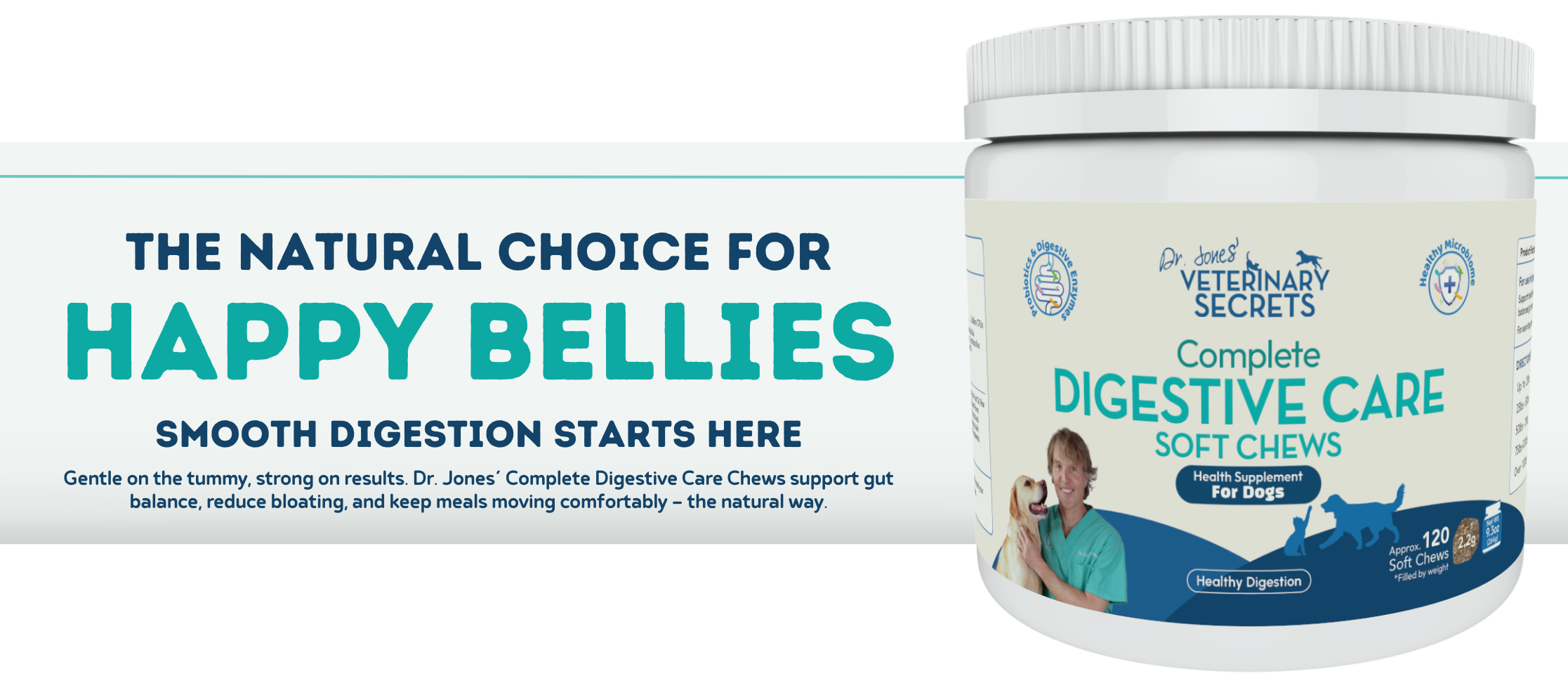
Dr. Jones’ Complete Digestive Care Soft Chews


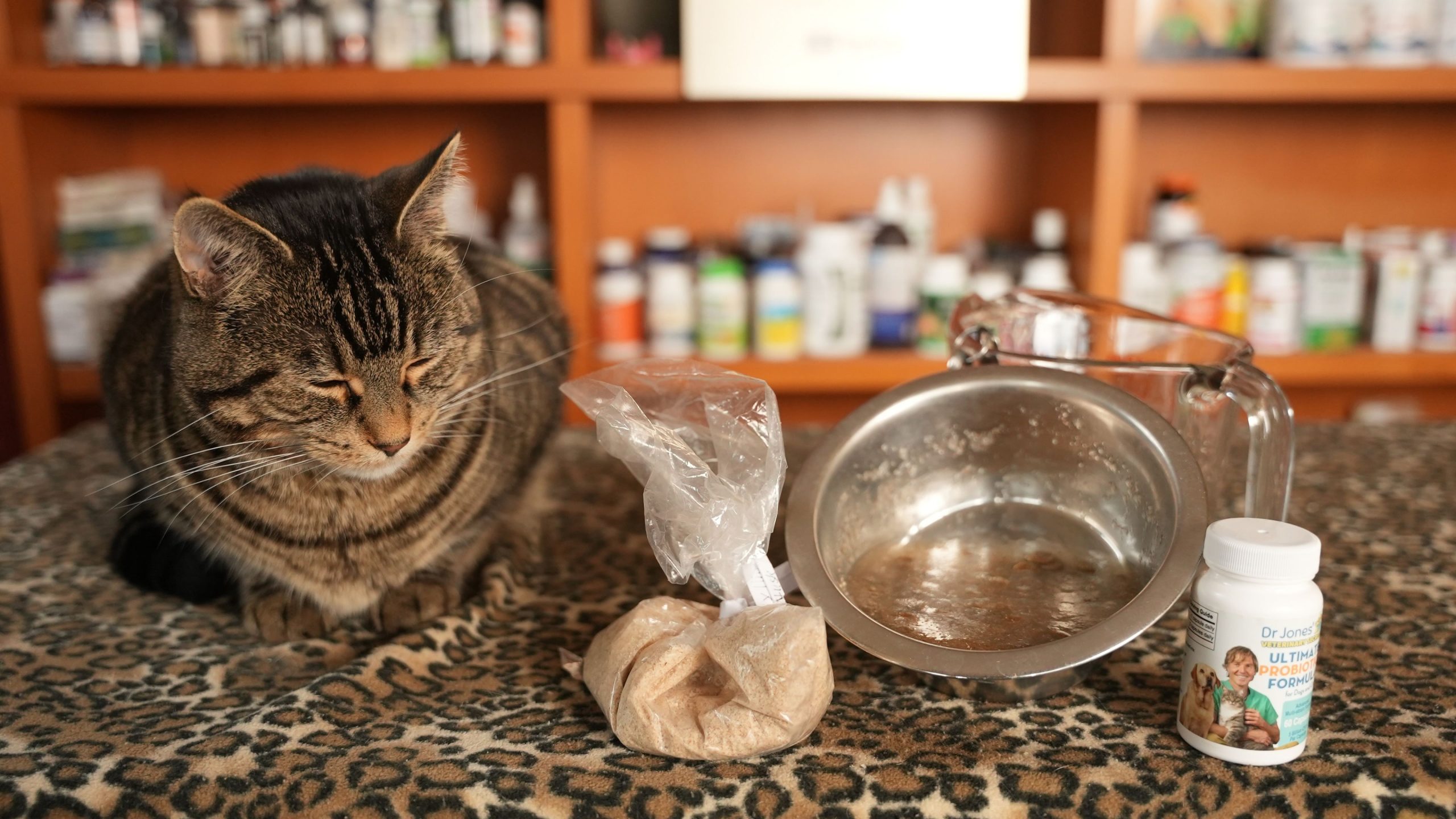
Psyllium husk is an inexpensive, natural fiber supplement that can help dogs with chronic diarrhea, improve stool consistency, regulate bowel movements, and support intestinal health.
Clinical studies have shown some surprisingly impressive results, particularly in dogs that have not responded to conventional medications.
And the supplement responsible for these results? Something you can find in most grocery stores.
I want to share what the research has found, how psyllium husk works, how much to give your dog, and, most importantly, how to prepare it safely.
What Is Psyllium Husk?
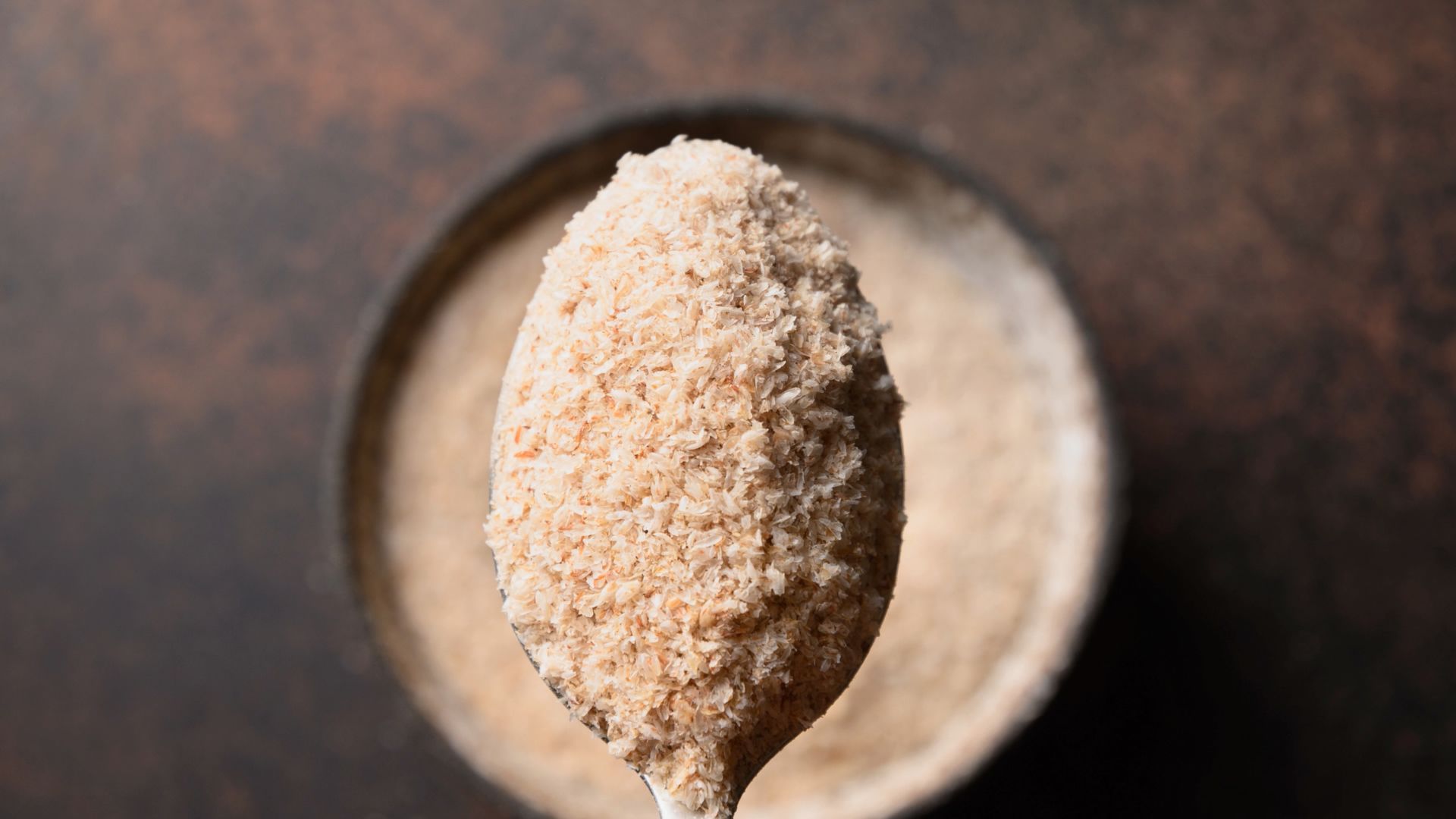
Psyllium husk is a natural soluble fiber obtained from the outer coating of psyllium seeds. The plant is native to the Mediterranean region and many parts of Asia.
The plant produces spiky flowers containing thousands of tiny seeds. These seeds are collected and processed to separate their outer coating, which is what we know as psyllium husk.
You may already know psyllium as the main ingredient in Metamucil, a popular fiber supplement used for constipation in people.
However, Metamucil may contain additional ingredients that I would rather not give to my pets. I recommend choosing plain, pure psyllium husk instead.
Can Psyllium Husk Help Dogs With Chronic Diarrhea?
Yes. Psyllium husk has shown promising results in dogs suffering from chronic diarrhea, including dogs that have not responded to conventional veterinary treatments.
Several clinical studies have looked at the benefits of psyllium husk, dietary fiber, and probiotics for dogs with chronic intestinal problems.
The results are particularly interesting.
2026 Clinical Study: 90% of Dogs Showed Significant Improvement
A clinical study discussed in 2026 looked at working dogs suffering from idiopathic chronic large bowel diarrhea.
Idiopathic means that the underlying cause of the diarrhea could not be identified. These dogs had undergone various diagnostic tests and had not responded to several conventional treatments.
The researchers decided to try psyllium husk.
The results included:
-
90% of the dogs showed significant improvement.
-
Stool consistency improved, with dogs producing more normally formed stools.
-
The frequency of bowel movements decreased.
-
Dogs gained an average of 2 kilograms in body weight.
That last finding is particularly significant to me. Dogs with chronic diarrhea often struggle to maintain their weight.
Seeing these dogs gain weight while their diarrhea improved is a very encouraging clinical result.
The large working dogs in the study received four tablespoons of psyllium husk daily, divided into two doses of two tablespoons each.
This was approximately one tablespoon per 20 pounds of body weight daily.
Clinical Study: Psyllium Husk Combined With Probiotics
Another clinical study involved 56 dogs suffering from chronic intestinal disease, primarily diarrhea.
Once again, these were dogs that had not responded to conventional medications.
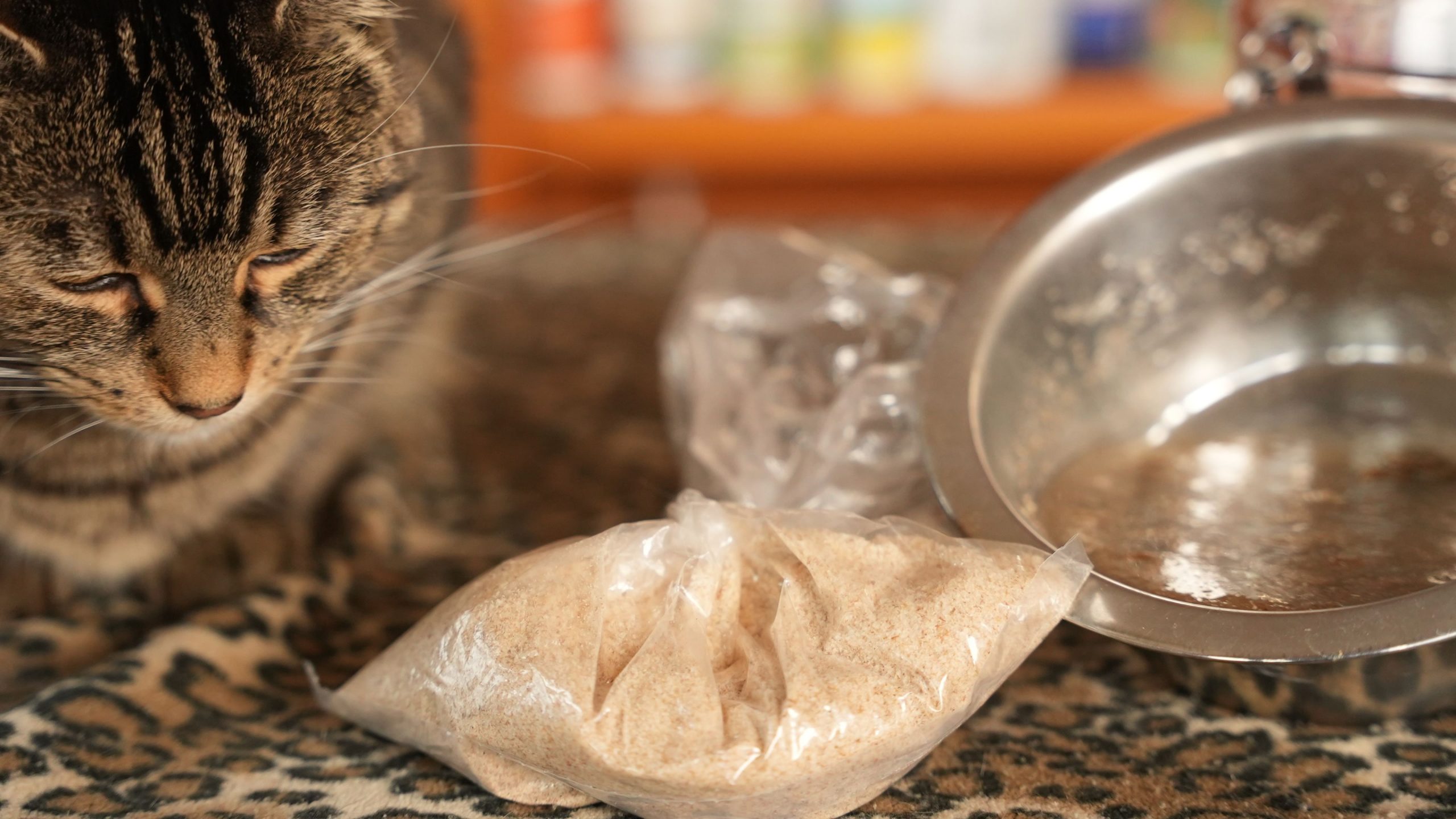
The researchers used a combination of psyllium husk and a multi-strain probiotic supplement. The average amount of psyllium husk was approximately half a tablespoon.
After four weeks:
-
Clinical remission was reported.
-
No antibiotics were used.
-
62% of the dogs showed a reduction in a marker of intestinal inflammation.
These findings suggest that combining dietary fiber with beneficial bacteria may be particularly helpful for dogs with chronic digestive problems.
2020 Clinical Study: High-Fiber Diet and Probiotics
A 2020 study examined 30 dogs suffering from chronic large bowel diarrhea.
Although this study did not specifically use psyllium husk, the researchers provided a high-fiber diet alongside a multi-strain probiotic formula.
The results included:
-
An average response time of approximately 8 to 8.5 days.
-
A maximum response time of 15 days.
-
Improvement in chronic diarrhea with increased dietary fiber and probiotics.
Imagine having a dog that has suffered from diarrhea for months or even years. You have visited your veterinarian multiple times, tried medications, investigated parasites, and still have not found a solution.
Then, by increasing dietary fiber and adding probiotics, you begin to see improvement.
That is what makes these findings so interesting to me.
How Does Psyllium Husk Work in Dogs?
Psyllium husk works in two main ways. It absorbs excess moisture in the colon and acts as a prebiotic that supports intestinal health.
1. Absorbs Excess Water and Firms Up Loose Stools
Psyllium husk is a soluble fiber, meaning it absorbs water and forms a thick, gel-like substance.
Within the digestive tract, this helps:
-
Absorb excess moisture in the colon.
-
Firm up loose and watery stools.
-
Improve stool consistency.
-
Normalize intestinal transit time.
-
Reduce excessively frequent bowel movements.
Rather than simply stopping bowel movements, psyllium helps normalize the way the colon functions.
2. Acts as a Natural Prebiotic
Psyllium husk also acts as a prebiotic.
When it is fermented by bacteria in the colon, it produces compounds called short-chain fatty acids.
One of these is butyrate, which helps support the repair of damaged intestinal cells.
This is another reason I find psyllium husk particularly interesting for dogs with chronic digestive problems.
It is doing more than just absorbing water. It is also helping support the intestinal environment.
What Are the Benefits of Psyllium Husk for Dogs?
Based on the clinical findings and how psyllium husk works within the digestive tract, its potential benefits include:
-
Improved stool consistency
-
Reduced chronic diarrhea
-
More regular bowel movements
-
Support for beneficial intestinal bacteria
-
Support for intestinal cell repair
-
Reduced markers of intestinal inflammation when combined with probiotics
-
Improved body weight in dogs affected by chronic diarrhea
All of this from a relatively simple, inexpensive fiber supplement.
How Do I Choose the Best Psyllium Husk for My Dog?
Not all psyllium fiber supplements are the same.
There are two things I recommend looking for when purchasing psyllium husk for your dog.
Choose 100% Pure Psyllium Husk
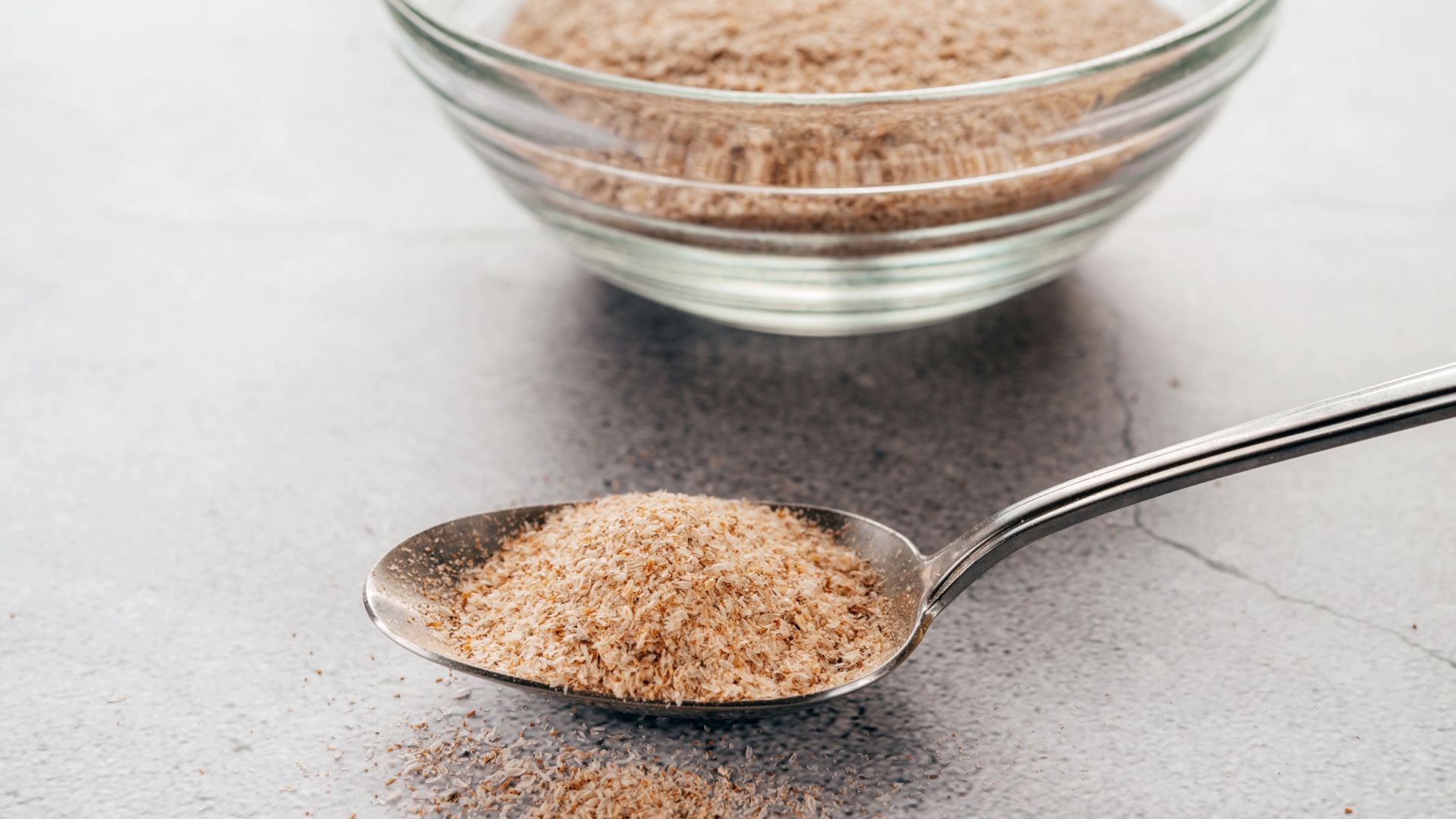
Look for a product that contains plain psyllium husk without unnecessary additional ingredients.
Although Metamucil is widely available, some formulations contain other ingredients. My preference is to use pure psyllium husk rather than a flavored or multi-ingredient fiber supplement.
Choose Organic and Heavy Metal-Tested Psyllium Husk
Psyllium husk is sourced from different parts of the world, and quality control can vary.
Some laboratory tests have identified concerning levels of heavy metal contamination in certain psyllium products.
I recommend choosing organic psyllium husk from a reputable manufacturer that tests its products for heavy metals.
How Much Psyllium Husk Should I Give My Dog?
My suggested target amount of psyllium husk is approximately 1½ teaspoons per 20 pounds of body weight daily.
However, I would not start with the full amount.
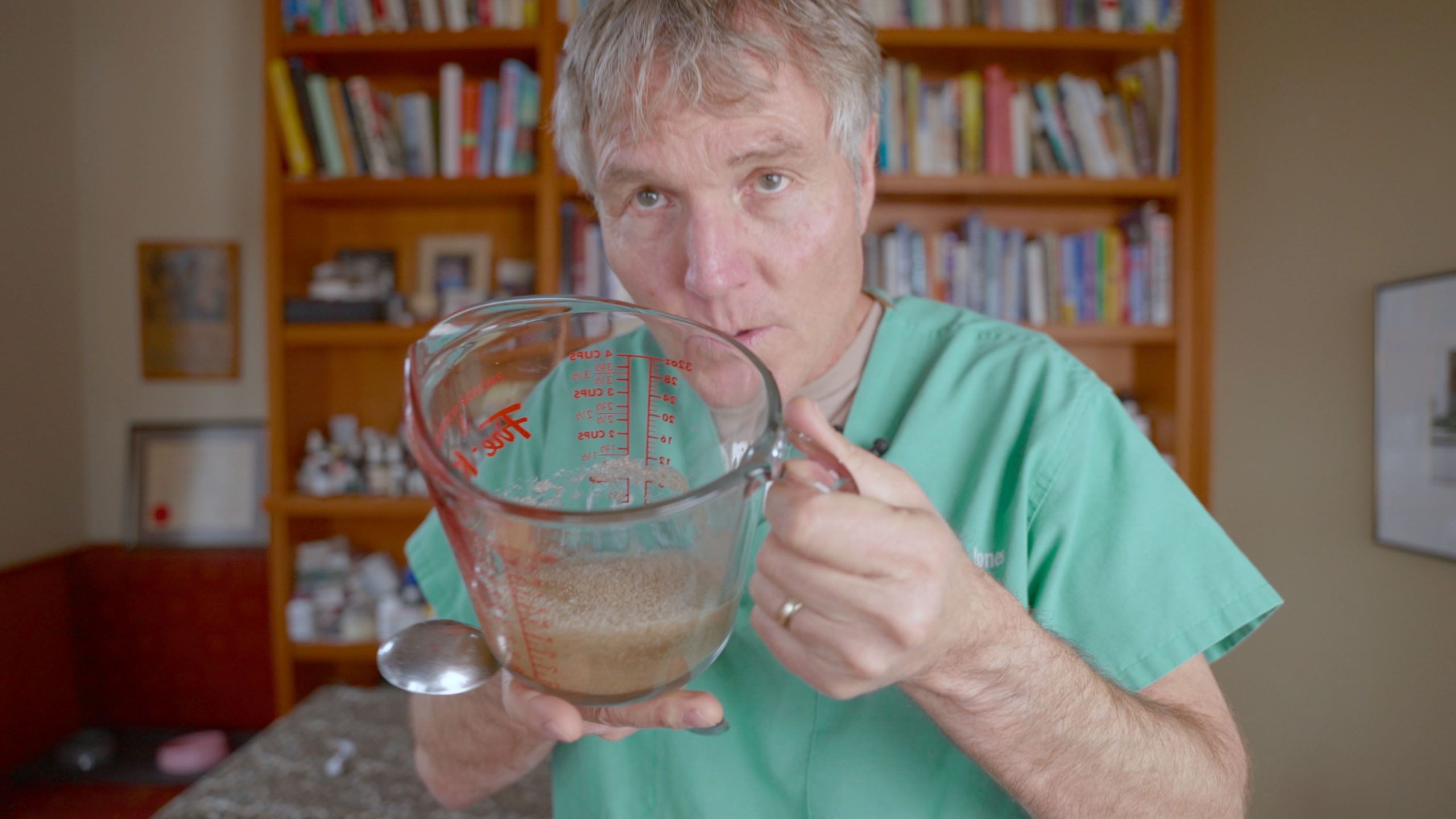
I recommend introducing psyllium husk gradually, beginning with approximately one-third of the target amount and increasing it over the course of a week.
Suggested Psyllium Husk Dosage for Dogs
| Dog’s Weight | Suggested Daily Target Amount |
|---|---|
| 10 lbs (4.5 kg) | ¾ teaspoon |
| 20 lbs (9.1 kg) | 1½ teaspoons |
| 30 lbs (13.6 kg) | 2¼ teaspoons |
| 40 lbs (18.1 kg) | 3 teaspoons (1 tablespoon) |
| 50 lbs (22.7 kg) | 3¾ teaspoons |
| 60 lbs (27.2 kg) | 4½ teaspoons |
| 80 lbs (36.3 kg) | 6 teaspoons (2 tablespoons) |
These amounts are calculated from my suggested target of 1½ teaspoons per 20 pounds of body weight daily. They are not intended as starting amounts or a universal prescription.
How to Gradually Introduce Psyllium Husk
Using a 40-pound dog as an example, here is how I would gradually increase the amount over seven days.
| Days | Amount | Total Daily Amount |
|---|---|---|
| Days 1–3 | ½ teaspoon twice daily | 1 teaspoon |
| Days 4–6 | 1 teaspoon twice daily | 2 teaspoons |
| Day 7 onward | Full daily target amount | 3 teaspoons (1 tablespoon) |
I prefer starting with a lower amount rather than immediately giving the higher amounts used in some clinical studies.
The goal is to see digestive improvements while minimizing the risk of intestinal upset and obstruction.
Dogs with persistent diarrhea should have veterinary guidance before starting supplementation.
How Do You Prepare Psyllium Husk for Dogs?
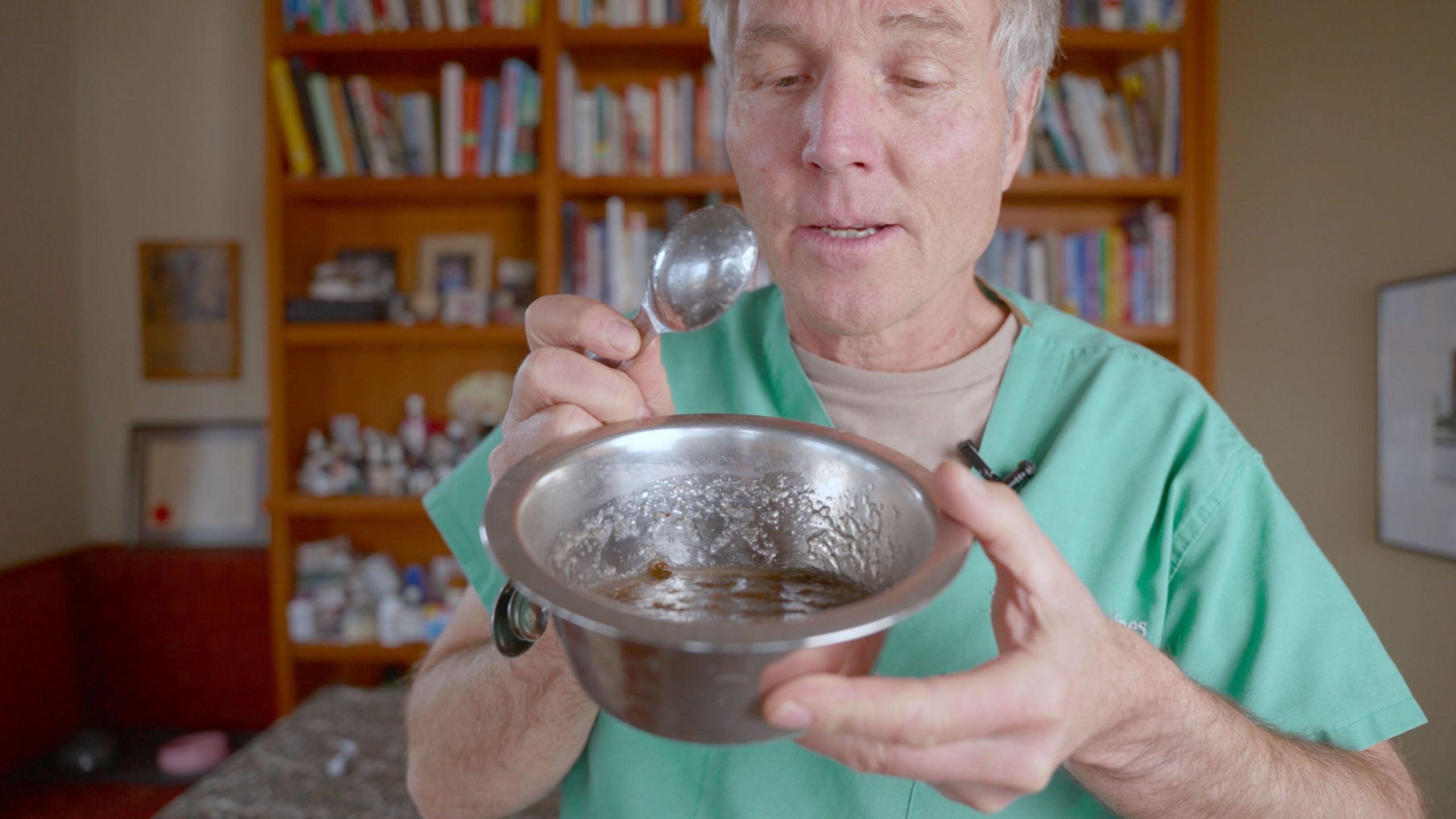
This is one of the most important parts of giving psyllium husk safely.
Psyllium absorbs a significant amount of water. If you give it without enough fluid, you increase the risk of intestinal upset and obstruction.
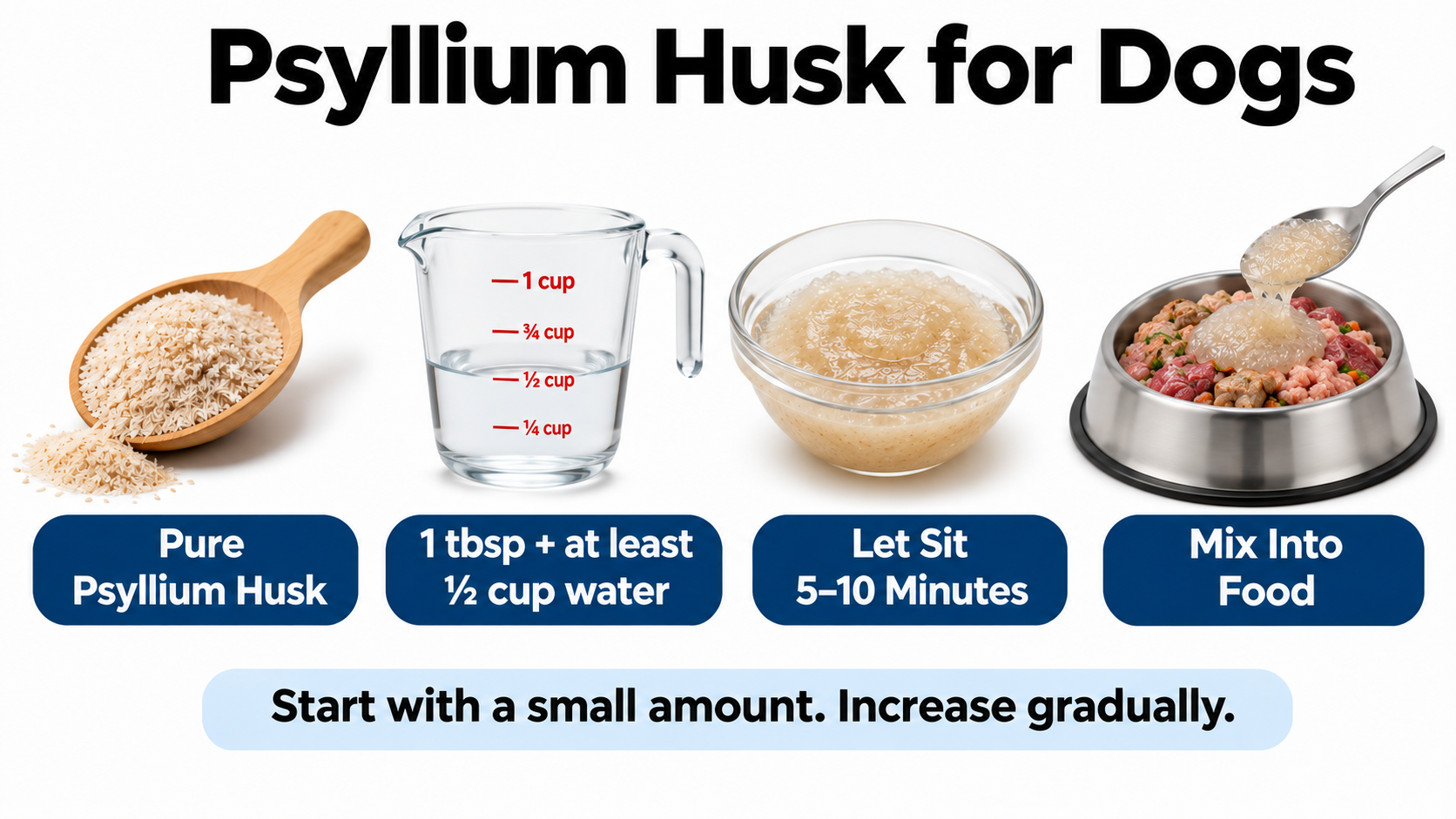
My recommendation is to mix every tablespoon of psyllium husk with at least half a cup of water.
What You Will Need
-
Pure psyllium husk
-
Fresh water
-
A mixing bowl
-
Your dog’s regular food
Step-by-Step Preparation
-
Measure the psyllium husk. Measure the appropriate amount for your dog’s body weight and stage of supplementation.
-
Add water. Use at least half a cup of water for every tablespoon of psyllium husk.
-
Mix thoroughly. Stir the psyllium husk into the water.
-
Allow it to sit for 5 to 10 minutes. The psyllium will absorb the water and develop a thick, gel-like consistency.
-
Mix it into your dog’s food. Stir the prepared psyllium mixture thoroughly into your dog’s regular meal.
It may not look particularly appetizing to us, but many dogs are quite happy to eat it when it is mixed into their food.
How Much Water Should I Add to Psyllium Husk?
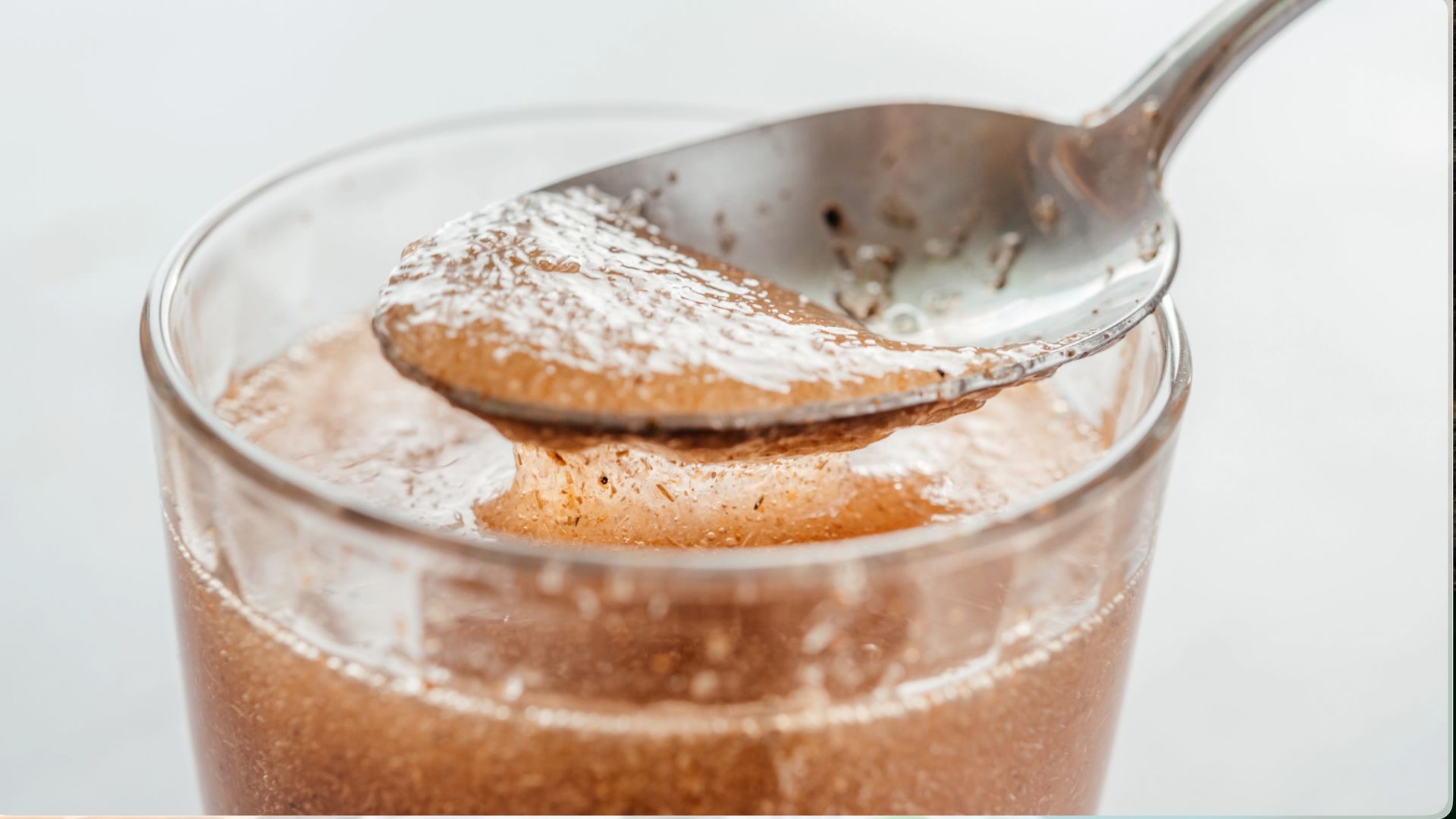
Adequate water is essential when preparing psyllium husk for dogs.
Here are the minimum preparation amounts calculated from my recommendation of half a cup of water per tablespoon of psyllium husk.
| Psyllium Husk | Minimum Water to Mix In |
|---|---|
| ½ teaspoon | 4 teaspoons |
| 1 teaspoon | 8 teaspoons |
| 1½ teaspoons | ¼ cup |
| 2 teaspoons | ⅓ cup |
| 1 tablespoon | ½ cup |
| 2 tablespoons | 1 cup |
Allow the mixture to absorb the water and form a gel before adding it to your dog’s food.
Are There Any Side Effects of Psyllium Husk in Dogs?
The main concerns when giving psyllium husk are intestinal upset and possible intestinal obstruction, particularly when insufficient water is provided.
To reduce these risks:
-
Start with a small amount.
-
Increase the amount gradually.
-
Always mix psyllium husk with sufficient water.
-
Allow it to form a gel before adding it to food.
-
Avoid giving dry psyllium husk without adequate fluid.
More is not necessarily better. I would much rather introduce it slowly and see how your dog responds.
Frequently Asked Questions About Psyllium Husk for Dogs
Can I give my dog psyllium husk every day?
Psyllium husk was given daily in the clinical studies discussed above. My suggested daily target is approximately 1½ teaspoons per 20 pounds of body weight, introduced gradually and prepared with sufficient water.
How long does psyllium husk take to work in dogs?
Response times can vary. In the 2020 study using a high-fiber diet and probiotics, dogs responded after approximately 8 to 8.5 days on average, with a maximum response time of 15 days.
Another study combining psyllium husk and probiotics reported clinical remission after four weeks.
These results do not guarantee the same response in every dog.
Can I give my dog Metamucil instead of psyllium husk?
My preference is plain, pure psyllium husk. Some Metamucil products contain additional ingredients that I would rather avoid giving to pets.
Can psyllium husk and probiotics be given together?
Yes. Clinical research involving dogs with chronic intestinal disease has shown promising results when psyllium husk is combined with a multi-strain probiotic supplement.
Psyllium acts as a prebiotic, while probiotics provide beneficial bacteria.
Is psyllium husk better than conventional medication for dog diarrhea?
The studies discussed here showed promising results in dogs that had previously not responded to conventional treatments.
This makes psyllium husk an interesting option for supporting dogs with chronic diarrhea. However, these findings do not mean it is a replacement for every conventional medication or veterinary treatment.
Can psyllium husk be given to cats?
Although psyllium husk is used in veterinary medicine, the clinical studies and dosage recommendations discussed here are specific to dogs. I would not automatically apply these canine amounts to cats.
My Final Thoughts
Sometimes the simplest supplements can produce some of the most surprising results.
Psyllium husk is inexpensive, widely available, and has shown encouraging results in dogs with chronic digestive problems, particularly when conventional treatments have not been successful.
Its ability to absorb excess water, improve stool consistency, and act as a natural prebiotic makes it a particularly interesting supplement for intestinal health.
If you are considering psyllium husk for your dog, choose a pure, quality-tested product, start with a small amount, and make sure you add plenty of water.
For dogs suffering from ongoing diarrhea, I believe dietary fiber and probiotics are well worth discussing with your veterinarian.
Click To Get A Free Copy of My E-Book!

P.S. Who would have thought that something as simple as psyllium husk could produce such impressive results in dogs with chronic diarrhea?
Just remember the BIG thing when giving it to your dog: WATER.
For every tablespoon of psyllium husk, add at least half a cup of water, let it sit for 5 to 10 minutes, and then mix it into your dog’s food.
Start LOW, increase SLOWLY, and see how your dog responds.