Pet First Aid Skills Every Owner Should Know (Vet Approved)


Five Simple First Aid Skills That Can Save Your Dog or Cat’s Life
If you live with dogs or cats, there are a few things you absolutely need to know. These five simple first aid skills can literally save your pet’s life. Yet most pet parents have never been shown how to do them.
If your cat is choking and struggling to breathe, would you know what to do?
If your dog collapses from heat stroke, do you know the most effective first aid treatment right now?
Let me walk you through the essentials.
Dr. Jones’ Skin Relief Balm for Dogs and Cats




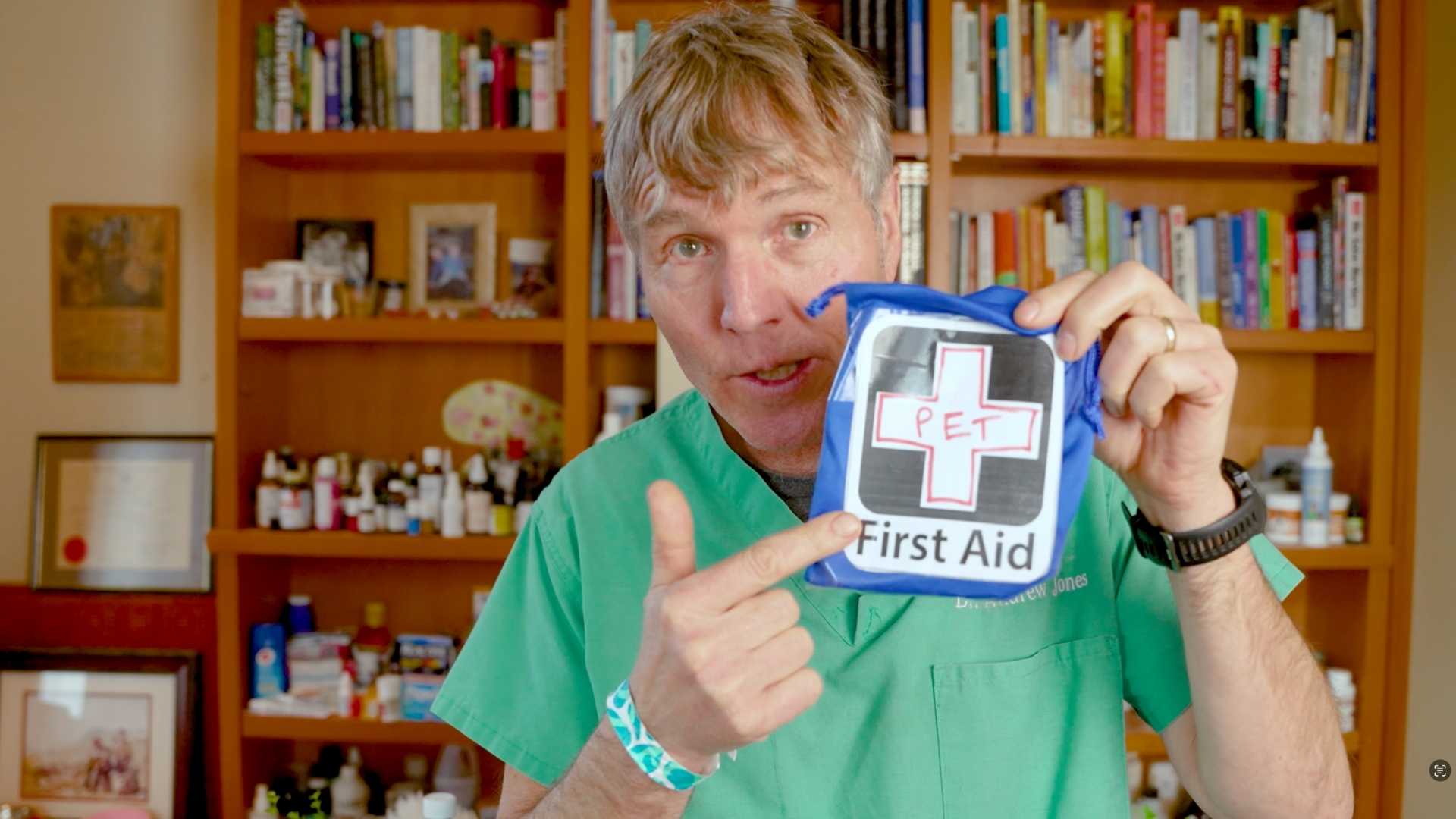
Five Simple First Aid Skills That Can Save Your Dog or Cat’s Life
1. What to Do If Your Pet Is Choking
Pets can choke on food, bones, sticks, or toys. A ball that is too small can easily lodge at the back of the throat. You may see gagging, wheezing, pawing at the mouth, and panic due to lack of air.
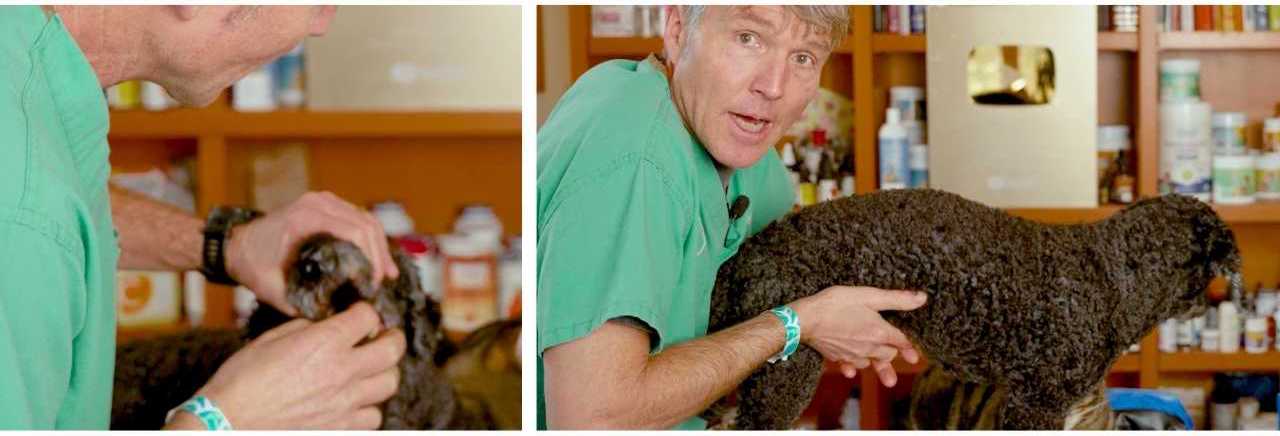
Step One: Oral Sweep
Open your dog or cat’s mouth and carefully try to hook the object with your index finger. Do not push it farther back.
Step Two: Abdominal Thrusts
If you cannot remove it, you need to act fast.
For large dogs:
Stand over your dog. Interlace your fingers and place your hands just behind the rib cage. Push up and inward toward the chest five times.
Using gravity:
Turn your dog upside down so the head points toward the ground. Place your hands behind the rib cage and make five firm thrusts down and inward.
Check if air is moving by gently breathing into the nose and watching the chest rise. If not, repeat until the object comes out. The same technique works for cats, though they may strongly object.
2. One Ingredient You Must Have for Poisoning
Chocolate, antifreeze, and toxic plants like lilies can be deadly. In many cases, removing the toxin quickly can save a life.
For dogs, 3 percent hydrogen peroxide is the go-to option to induce vomiting.
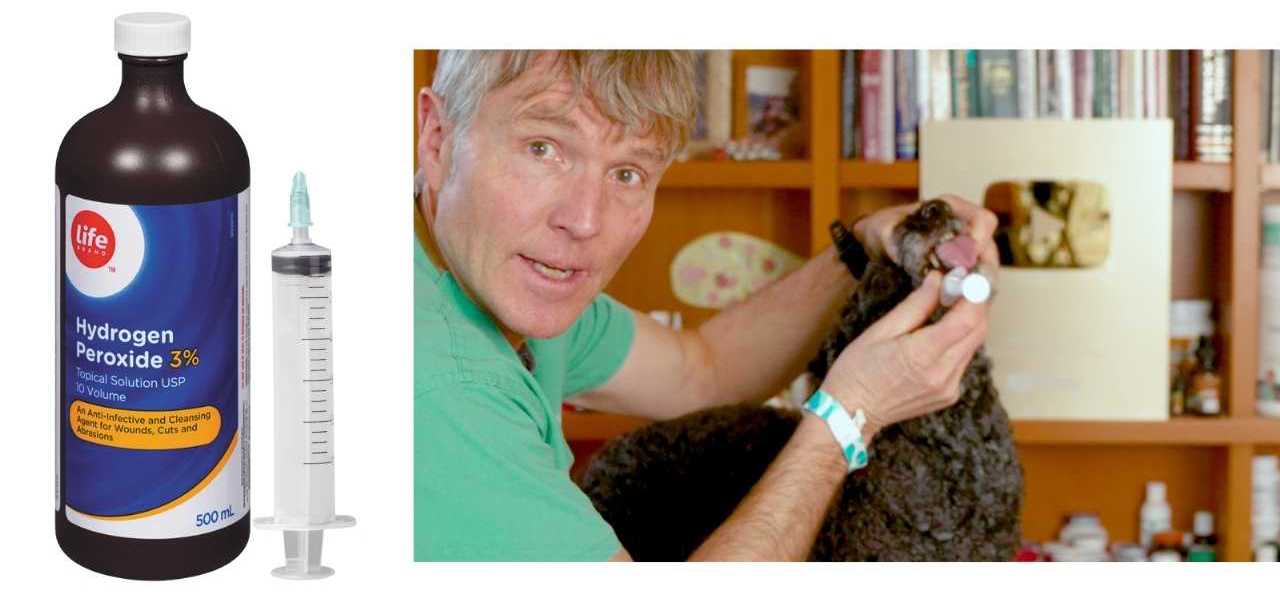
Dose:
1 milliliter per pound of body weight
Maximum of 3 tablespoons total
Give it with a syringe into the corner of the mouth. If vomiting does not occur in 10 minutes, repeat once.
Hydrogen peroxide is not routinely recommended for cats due to stomach and esophagus irritation, unless there is no other option and time is critical.
3. The New First Aid Treatment for Heat Stroke
Heat stroke can happen fast, especially in hot, humid weather or in short-nosed breeds.
Signs include excessive panting, thick drool, very hot skin, and bright red gums.
Once body temperature reaches 105°F or higher, organ failure can occur.
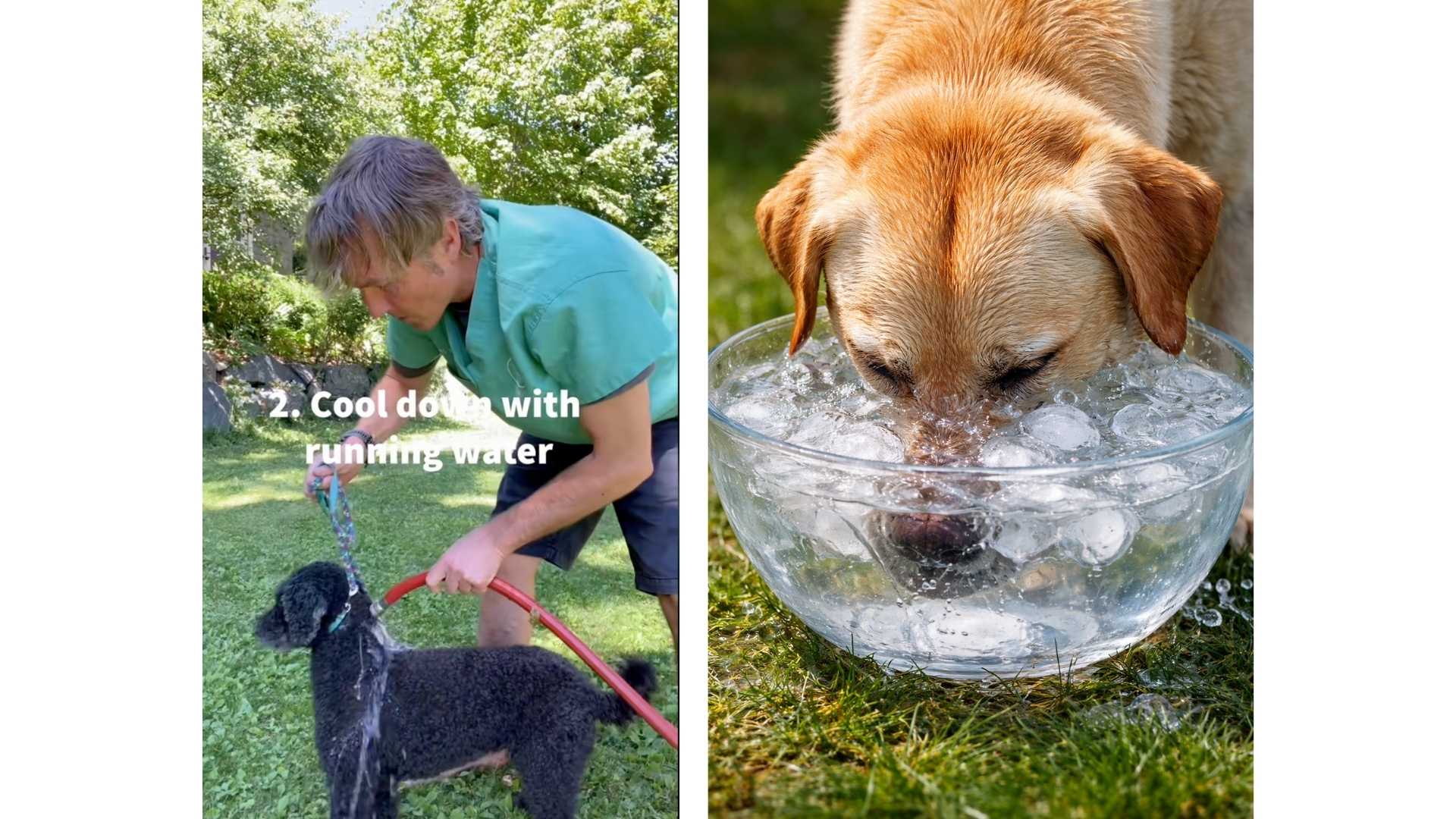
The New Approach: Cold Water Head Immersion
Recent research shows the fastest way to cool a dog is to cool the head.
Immerse your dog’s head up to the base of the ears in cool water for 30 seconds. This rapidly lowers core temperature because a large amount of blood flow is concentrated in the head during overheating.
If immersion is not possible, run cool water over the head and neck. Rapid cooling first, then transport to a clinic, gives the best outcome.
4. Emergency Slurry for a Weak or Collapsing Pet
Shock can occur with trauma, internal bleeding, low blood sugar, poisoning, or serious illness.
Signs include pale gums, rapid breathing, weakness, cold extremities, and collapse.
A fast way to help in some cases is raising blood sugar.
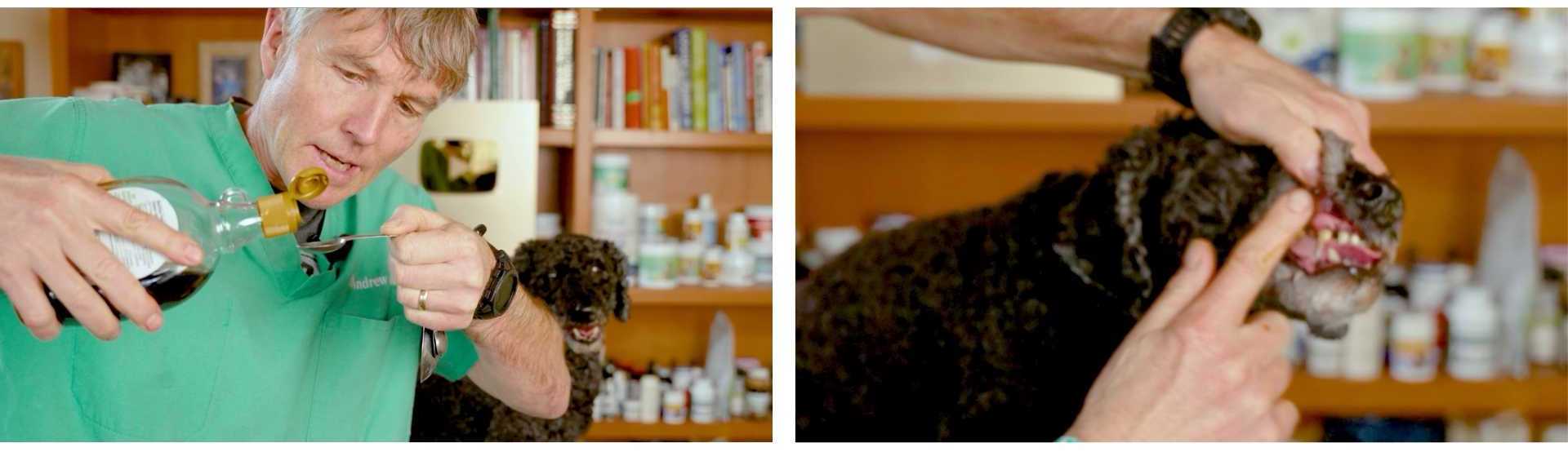
What to use:
Maple syrup or corn syrup
About 1 teaspoon per 10 to 20 pounds
Rub it directly onto the gums. It absorbs quickly and can make a real difference while you head to emergency care.
5. How to Stop Serious Bleeding
If your pet is bleeding heavily, stay calm and act quickly.
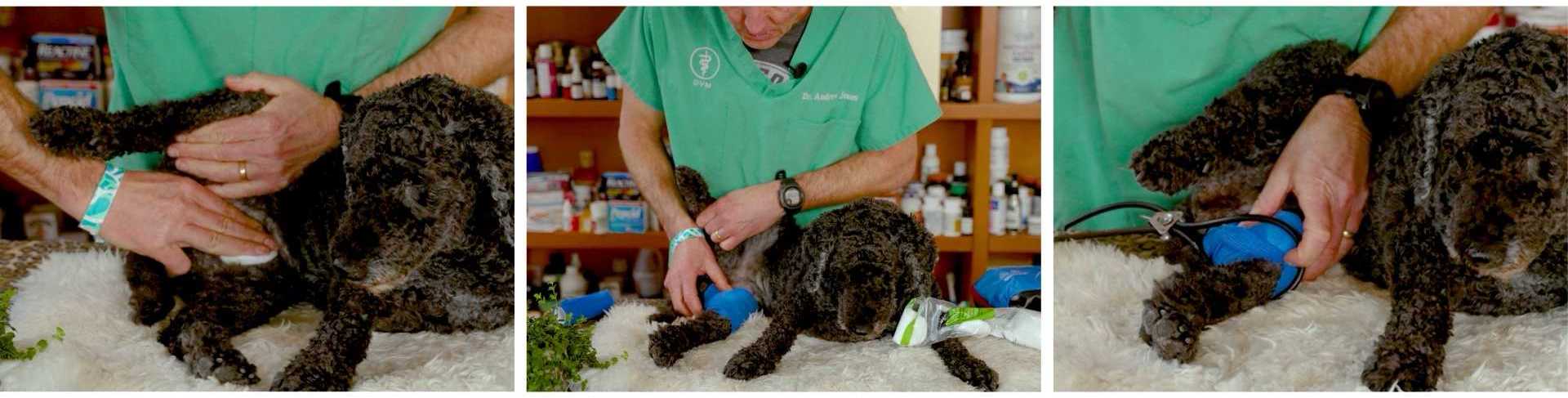
Step One: Apply Pressure
Place gauze or a clean cloth over the wound and apply firm pressure. If blood soaks through, layer more on top. Do not remove the original layer.
Step Two: Secure With Vet Wrap
Wrap firmly over the gauze to maintain pressure. Vet wrap sticks to itself and is easy to use.
Step Three: Use a Tourniquet If Needed
If bleeding continues and a major vessel is involved, place a tourniquet above the wound and tighten until bleeding slows. This can be life-saving when pressure alone is not enough.
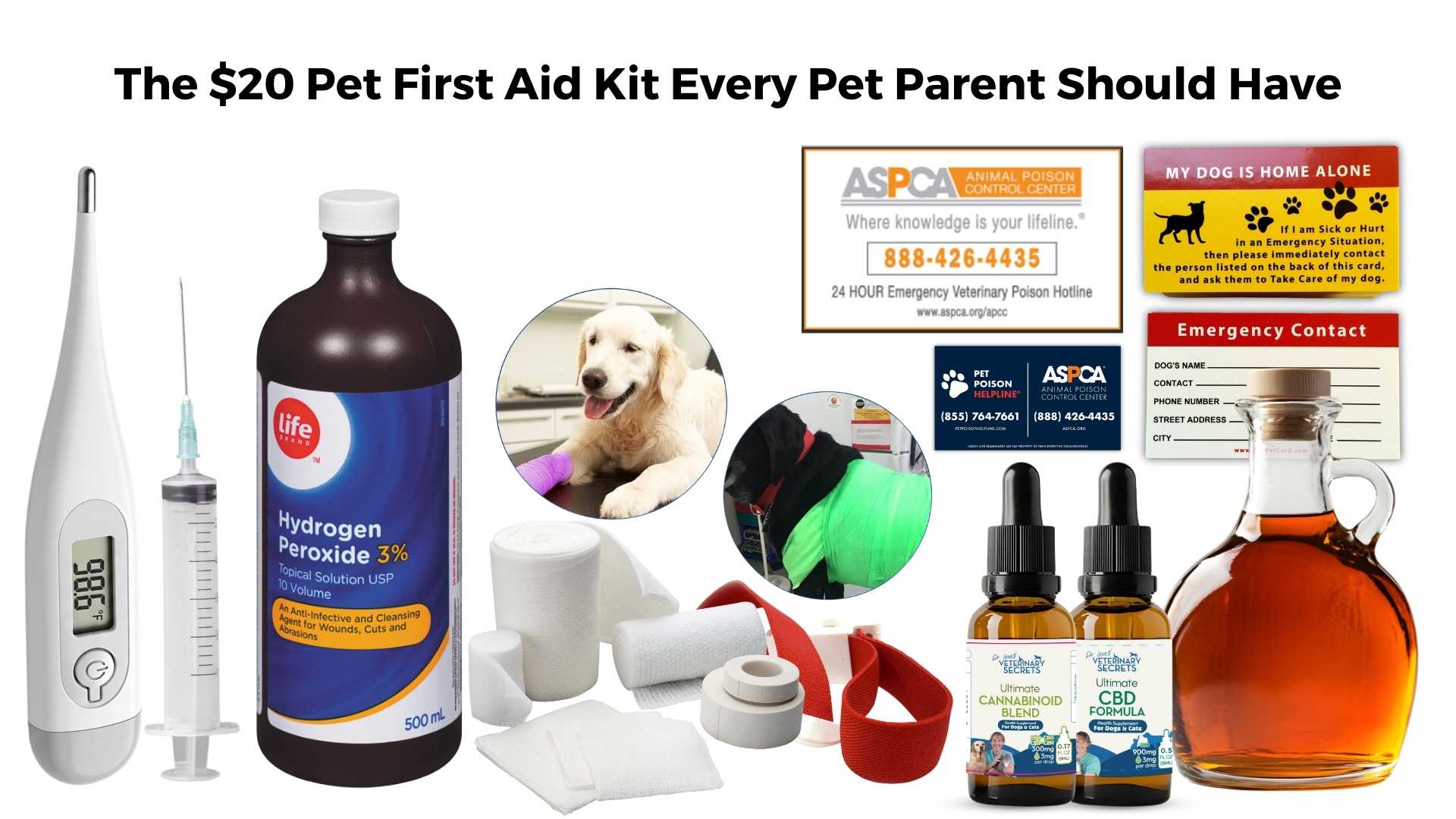
Bonus: The $20 Pet First Aid Kit Everyone Should Have
Here is what I keep on hand:
-
3 percent hydrogen peroxide
-
Maple syrup or corn syrup
-
Gauze pads
-
Vet wrap
-
A simple tourniquet or elastic band
-
Digital thermometer
-
Syringes
-
Tissue glue for small wounds
-
CBD for pain and stress
-
Emergency contact numbers for your local clinic and poison control
Keep it in one place so you can grab it fast.
Why This Matters
Emergencies happen fast. Knowing these skills gives you control when seconds matter. These are simple tools and techniques, but they can mean the difference between panic and action, between loss and recovery.
Click To Get A Free Copy of My E-Book!

P.S. This basic first aid knowledge is something every pet parent should have. Share it with friends and family who love their pets.






Very grateful for this emergency advice and for the book!
I’m really glad the emergency tips helped, and I’m so happy you got the book too. If you ever have a question while you’re reading it (or want help finding a section fast), just comment or message us anytime. Give your pet a big hug from all of us on Dr. Jones’ team!
My Go-To favorite vet!!!
I was thrilled to stumble across Dr Jones,between his knowledge ,personality, & his empathy worth animals i love foul.
I’ve kept a dog first aid kit for my fits for years. I did add a few more items. Scizzors,women’s kotex in case of heavy bleeding & secure worth vet wrap. ,bowl,bottlecwater,emergency leashes,,black tea bags. Soaked in water & applied worth pressure jewels worth vet wrap it will also slow bleeding. A small note book worth each pets name, description & medical history.
Love this and you are absolutely on the right track. That is a fantastic first aid kit and you clearly put real thought into it. The tea bag tip is a great one and works well for minor bleeding. I also like that you keep notes on each pet that is very smart and often overlooked. Being prepared like this can truly make a difference in an emergency. Nicely done!