New Diabetes Causes and Treatments
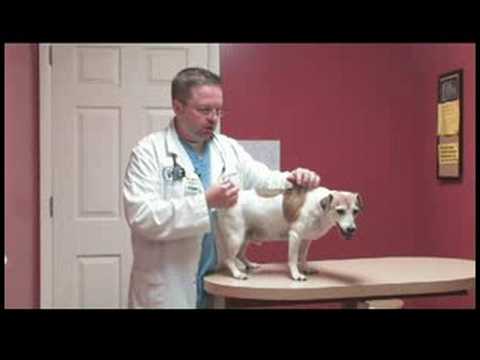
Diabetes is increasing in frequency in dogs, cats and people, but there are some new remedies on the horizon.
The potential cause for increased incidence of diabetes
A new study shows that high fructose corn syrup consumption rates go hand in hand with higher prevalence of Type 2 diabetes.
Researchers discovered that Type 2 diabetes rates are 20 percent higher in countries where high fructose corn syrup (HFCS) is consumed the most, compared to disease rates in countries with low consumption.
“This research suggests that HFCS can increase the risk of Type 2 diabetes, which is one of the most common causes of death in the world today,” said co-author professor Stanley Ulijaszek, director of the Institute of Social and Cultural Anthropology at the University of Oxford
Daily calories, BMI and total sugar intake was similar no matter where people lived around the world, the researchers found. However, countries with high levels of high fructose corn syrup consumption hads ignificantly higher rates of diabetes.
America came in number one in consumption: People consumed on average 55 pounds of high fructose corn syrup each year. Following the U.S. was Hungary (46 pounds), Slovakia, Canada, Bulgaria, Belgium, Argentina, Korea, Japan and Mexico. The high consumption countries had a Type 2 diabetes prevalence of about 8 percent.
“Most populations have an almost insatiable appetite for sweet foods, but regrettably our metabolism has not evolved sufficiently to be able to process the fructose from high fructose corn syrup in the quantities that some people are consuming it,” Ulijaszek said in a press release.
Two NEW Potential Treatments
1. 4 insulin shots per day for a month puts diabetes into remission
A new study by Toronto researchers on an experimental way to treat type 2 diabetes shows it may cause temporary remission of the disease in up to 75 per cent of patients.
The experimental treatment involves having non-insulin-dependent, type 2 diabetics take four shots of carefully-dosed insulin per day for one month.
“The diabetes, in essence, goes away because their own pancreas now can make enough insulin,”
2. A protein that blocks fat deposition
The new treatment focuses on VEGF-B, a protein within the body that affects how fat is transported and stored. Using an antibody/drug known as 2H10, the scientists were able to block the signaling of VEGF-B in mice and rats, which subsequently kept fat from accumulating in the “wrong” areas of the animals “ namely their muscles, blood vessels and hearts.
In one experiment, rodents that were bred to develop diabetes were given the antibody before onset of the disease. As a result, they never did develop type II diabetes. In other experiments, regular rats and mice were made to develop the disease, through obesity caused by a fat-rich diet. After receiving 2H10, however, progression of the disease was halted and reversed.
These have yet to be shown in animals, but early success in people is promising. I would especially focus on increased frequency of insulin for 30 days and putting the diabetes into a remission.
Dr Andrew J
Do you have a homemade food recipe for a dog with diabetes.
Here are articles we have that you can check:
https://veterinarysecrets.com/?s=dog+diabetes+diet
My 9 yr. old cat has been in diabetic remission for approximately 6 weeks bit seems to be hungry constantly. Could you site reasons why this would be?
Great news on the diabetic remission, that’s a big win.
Now, if your 9-year-old kitty is constantly hungry, there are a few common reasons:
Top possibilities:
1. Blood sugar may not be as stable as we’d like
Sometimes remission can be partial, and diabetes can start creeping back.
2. Diet isn’t filling enough
Dry food or lower-protein foods can leave cats acting like they haven’t eaten in days.
3. Hyperthyroidism
Very common in middle-aged/senior cats—causes hunger, weight loss, and restlessness.
4. Intestinal parasites / poor absorption
Less common in adult indoor cats, but possible.
If she’s hungry but maintaining weight and acting bright, diet is often the first place to look. If she’s hungry + losing weight, get testing done sooner.
Remission is wonderful, but keep monitoring. Cats like to keep us humble