Cat Herpes: Why L-Lysine Is No Longer Recommended

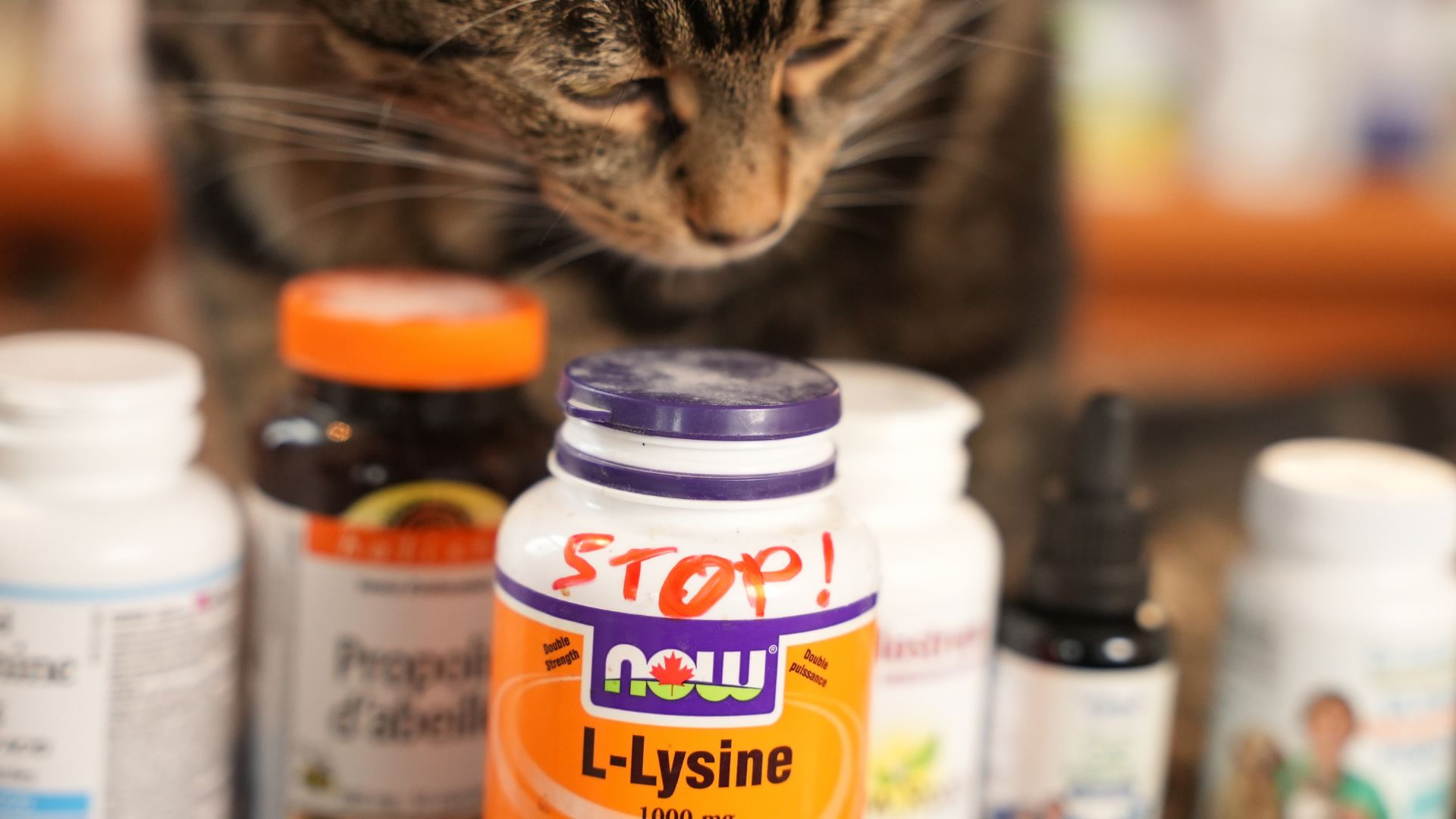
For years, L-lysine was one of the most commonly recommended supplements for cats with feline herpesvirus (FHV). I recommended it regularly in my veterinary practice. But research has since shown that L-lysine is ineffective at preventing or treating feline herpesvirus and, in some cases, may even worsen symptoms.
So, what can you do instead?
Good supportive home care, stress reduction, and certain supplements that may support your cat’s immune and intestinal health are worth considering.
Here is what I would focus on if I had a cat experiencing recurring bouts of feline herpesvirus.


What Is Feline Herpesvirus?
Feline herpesvirus (FHV) is the most common cause of upper respiratory tract infections in cats. It causes many of the same symptoms we experience when we have the flu.
It is such a common virus that it is included in the core feline vaccines.
One of the challenges with feline herpesvirus is that the virus can remain dormant in your cat’s body. During periods of stress or secondary illness, it can reactivate and cause symptoms to return.
This explains why some cats experience recurring upper respiratory infections throughout their lives.
What Are the Symptoms of Feline Herpesvirus?
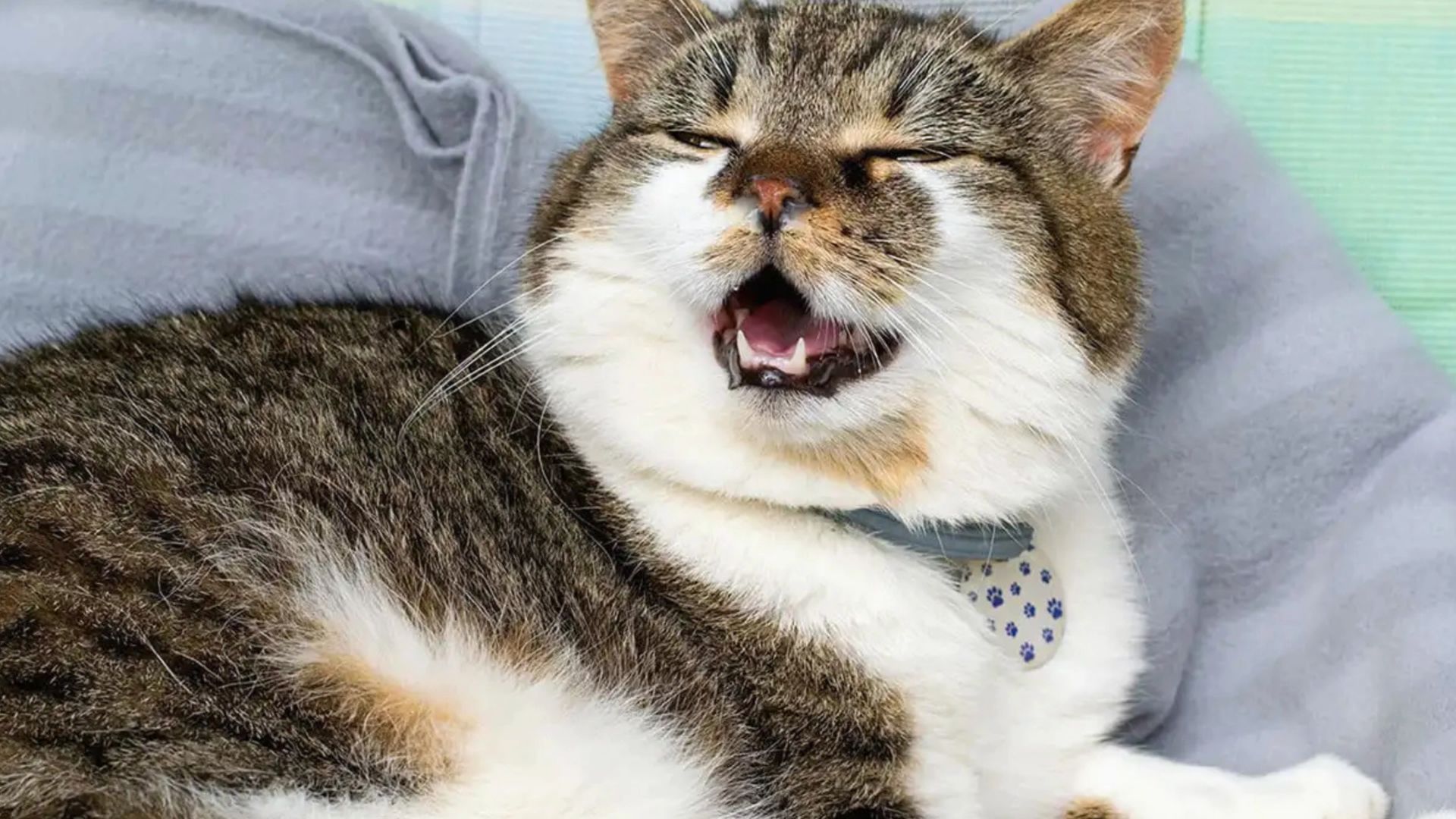
Common signs of feline herpesvirus include:
-
Sneezing
-
Coughing
-
Nasal discharge
-
Watery eyes
-
Thick or pus-like eye discharge
-
Conjunctivitis
-
Eyes crusted or stuck shut
My Experience With Feline Herpesvirus
One of the first kittens I adopted while working in veterinary practice was a wonderful orange cat named Cleo.
He was an SPCA kitten who came into our clinic with an upper respiratory infection caused by feline herpesvirus.
Throughout his life, Cleo experienced recurring bouts of what I often refer to as the cat flu.
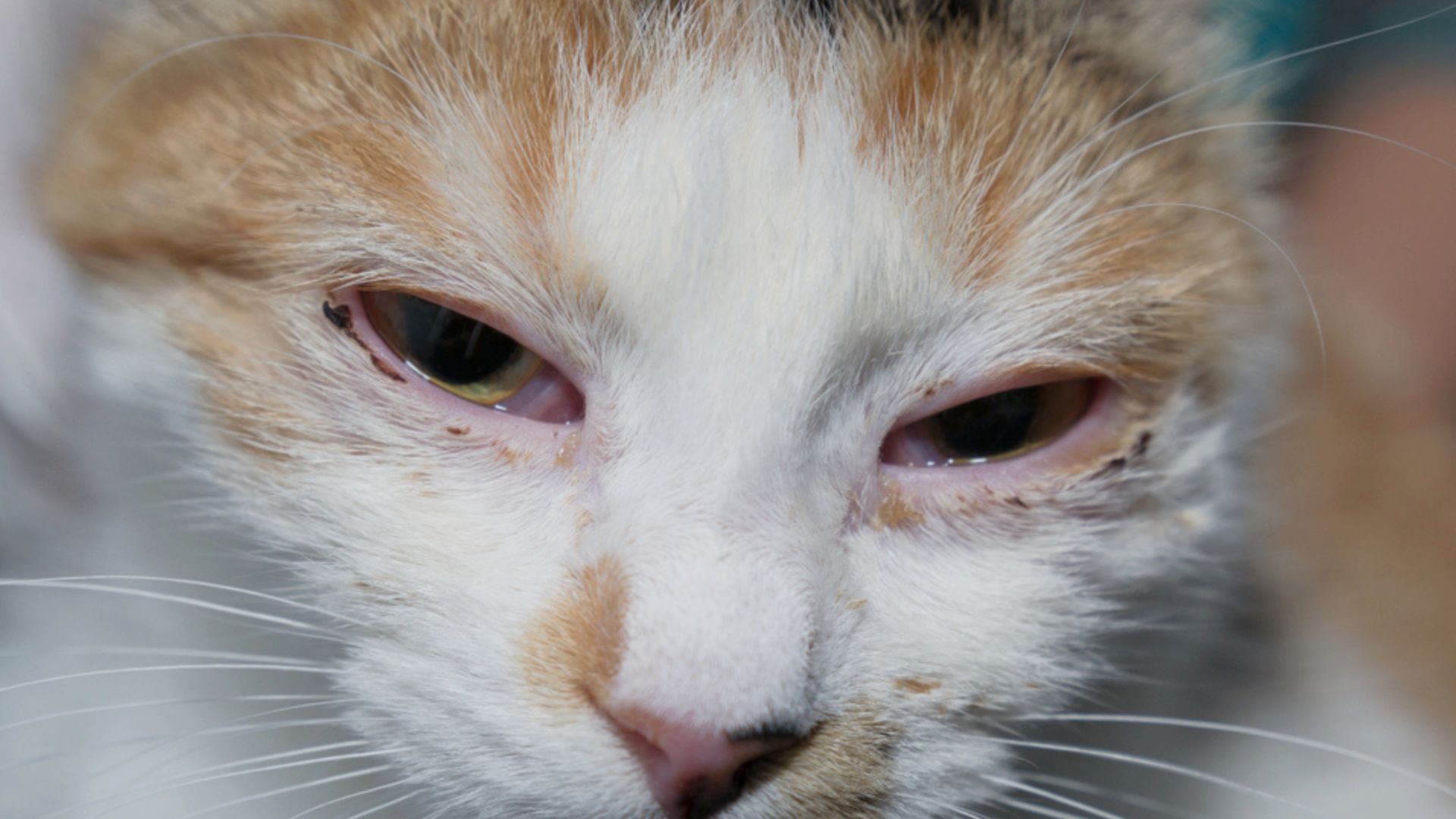
Whenever something stressful happened, his symptoms would return. I remember when I first adopted my dog Lewis. Cleo was not particularly impressed with the new addition to our family, and sure enough, his respiratory symptoms flared up again.
Stress can play a significant role in the recurrence of feline herpesvirus.
Why Was L-Lysine Recommended for Cats With Herpesvirus?
L-lysine is an amino acid, one of the building blocks of protein. Your cat needs lysine for various enzyme systems and normal bodily functions.
The original theory behind supplementing with L-lysine was that increasing lysine could reduce the availability of another amino acid called arginine.
Herpesvirus requires arginine to replicate. The thinking was that reducing available arginine would make it more difficult for the virus to reproduce.
Much of this theory came from research involving people with cold sores rather than cats with feline herpesvirus.
Nevertheless, L-lysine became a widely accepted recommendation in veterinary medicine.
I was one of the many veterinarians who regularly sent cats home with L-lysine supplements, often recommending them for three to four months to help manage recurring respiratory symptoms.
But what does the research actually tell us?
Why Is L-Lysine No Longer Recommended for Feline Herpesvirus?
A comprehensive review published in 2015 examined clinical research involving L-lysine supplementation in cats with feline herpesvirus.
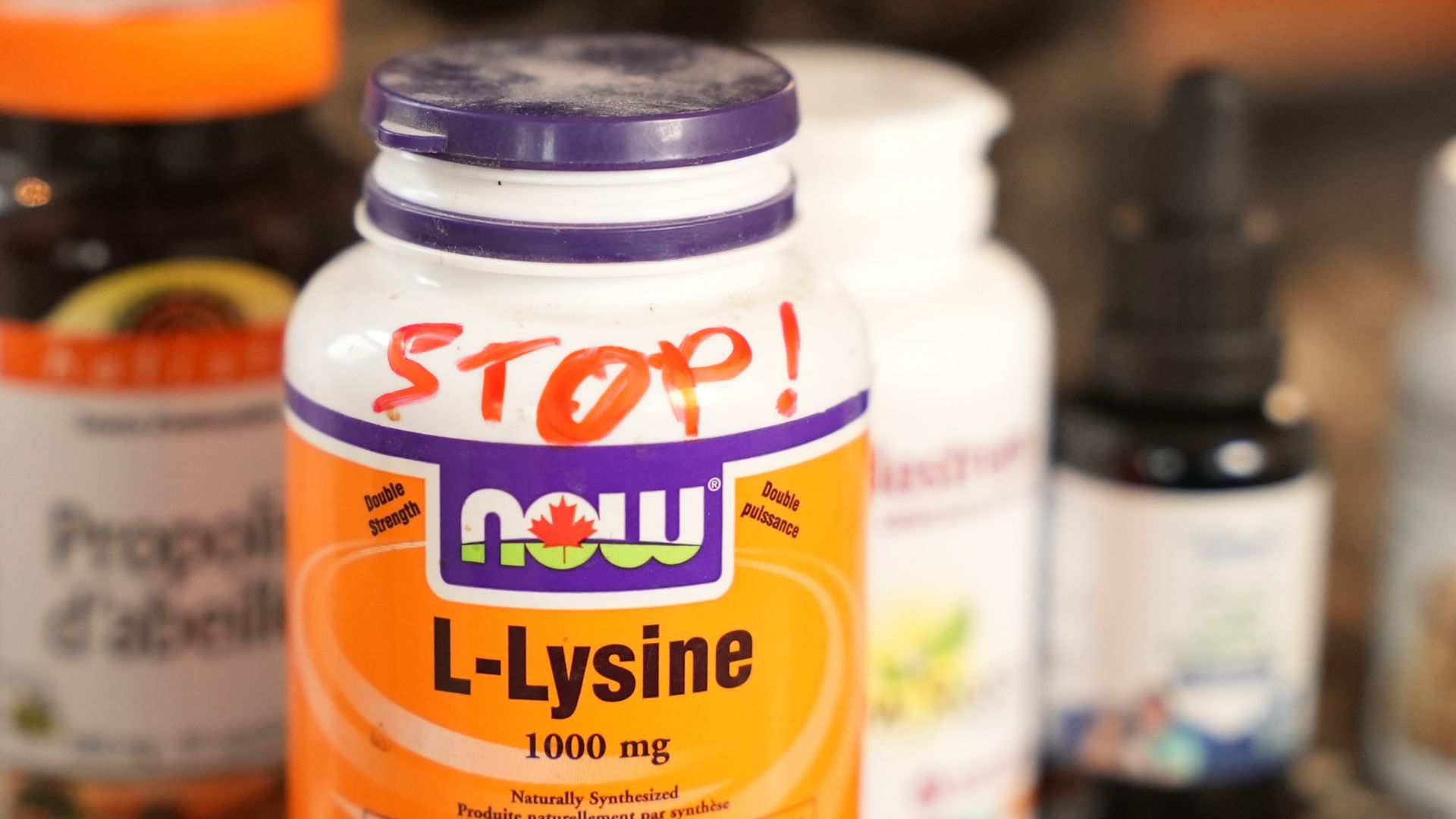
The researchers concluded that L-lysine was ineffective at either preventing or treating feline herpesvirus infections.
Some studies even reported:
-
Increased viral shedding
-
More severe clinical symptoms
-
Worsening signs in cats receiving lysine supplementation
These findings give me several reasons to reconsider recommending L-lysine, particularly at higher supplemental amounts.
Why Arginine Is Important for Your Cat’s Health
Arginine is an essential amino acid that plays several important roles in your cat’s body.
These include:
-
Supporting the urea cycle
-
Helping the body process waste products from protein breakdown
-
Supporting nitric oxide production
-
Maintaining normal blood vessel function
-
Supporting cardiovascular health
When I think about the number of older cats living with chronic kidney disease (CKD) and high blood pressure, I certainly do not want to unnecessarily interfere with an essential amino acid.
Previous research has suggested that commonly recommended amounts of supplemental lysine may not cause clinically significant changes in arginine availability. However, the possibility of interfering with arginine is another reason I question the use of high-dose lysine supplementation.
When a supplement has not demonstrated clear benefits for a particular condition, I would rather focus on other options.
How Can You Help a Cat With Herpesvirus at Home?
Before discussing any specific supplements, I want to emphasize something that can make a significant difference: good supportive care.
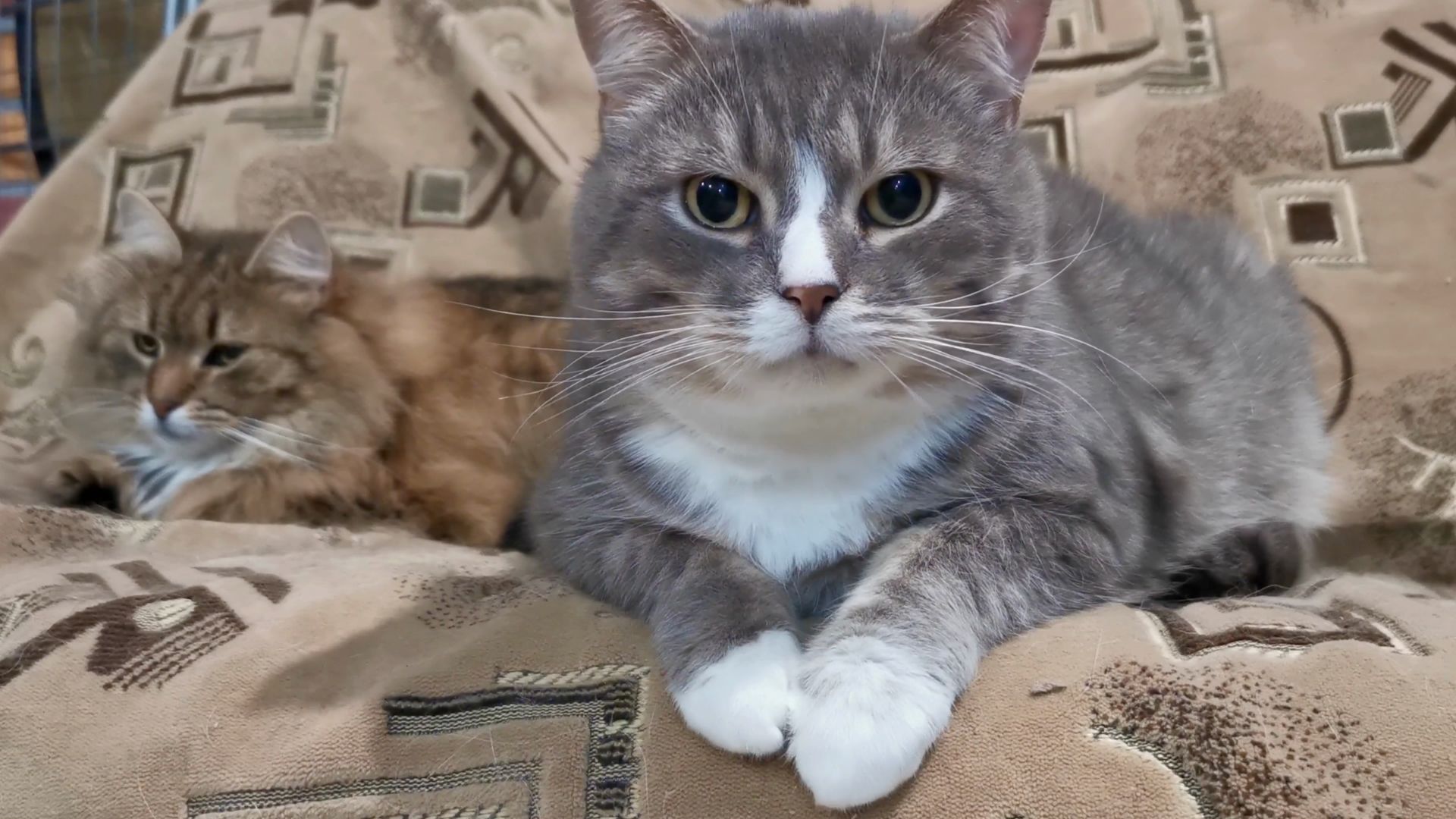
When your cat is experiencing an upper respiratory infection, keeping them comfortable and encouraging them to eat should be priorities.
1. Offer Warm, High-Protein Canned Food
Cats with respiratory infections may struggle to smell their food because of nasal congestion.
I recommend offering a tasty, high-quality, high-protein canned food.
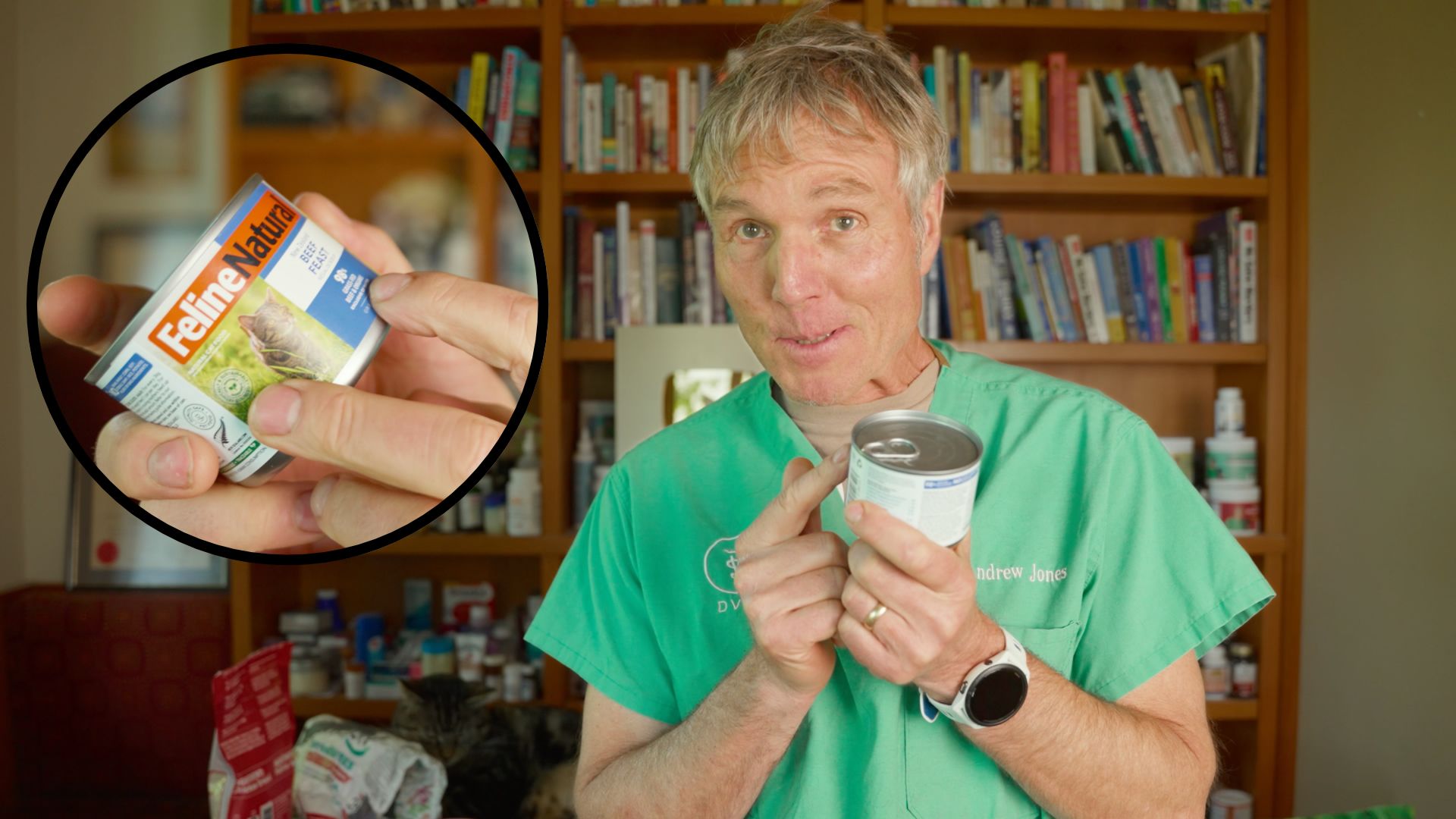
You can make it more appealing by:
-
Gently warming the food.
-
Adding a little warm water.
-
Offering food with an appealing smell.
-
Encouraging your cat to continue eating.
Think of it as the feline equivalent of a comforting bowl of chicken soup.
2. Use a Humidifier
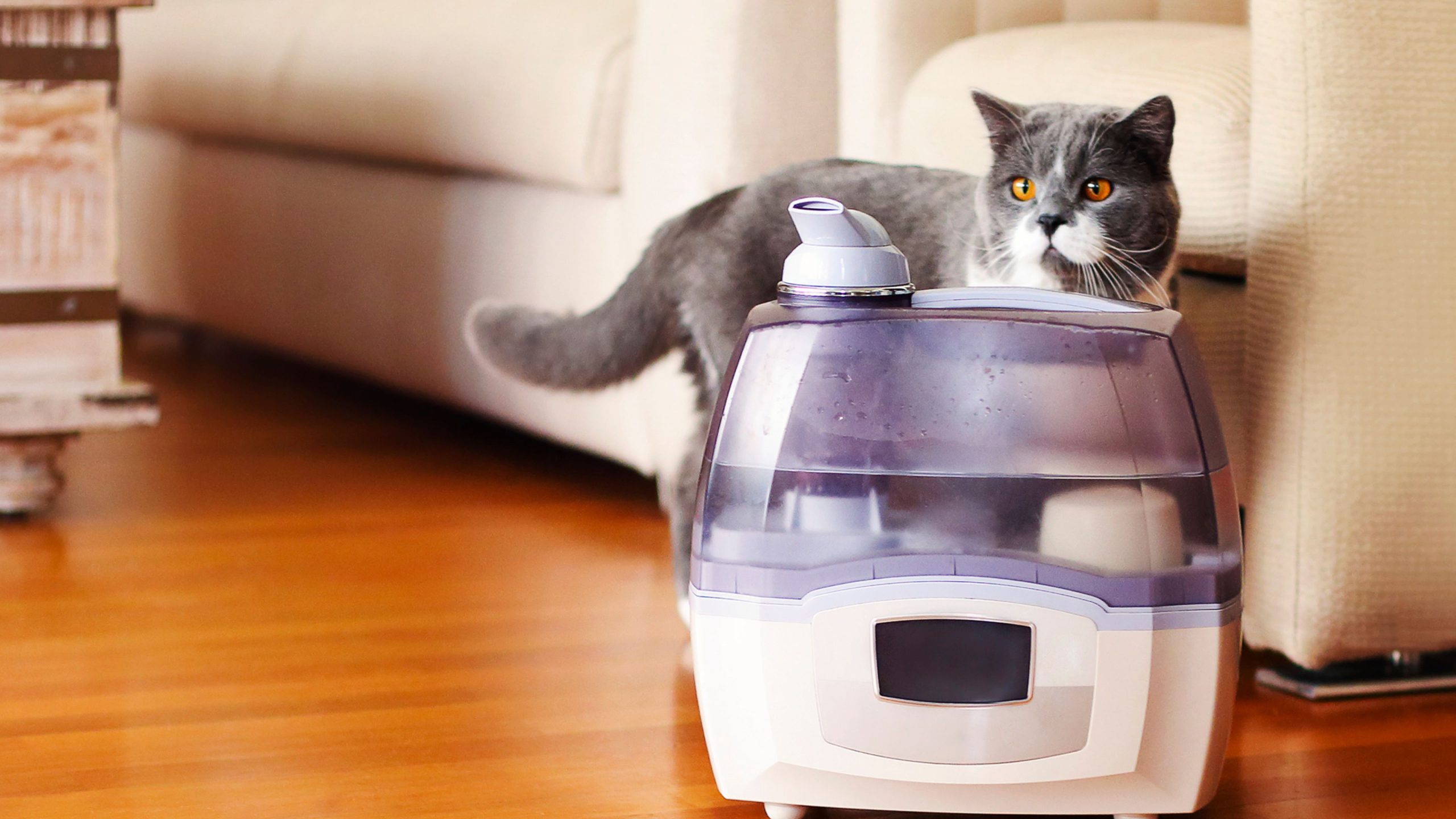
Additional humidity may help loosen nasal secretions and make your cat more comfortable when their sinuses are congested.
Using a humidifier in the room where your cat spends most of their time is a simple option to consider.
3. Keep Your Cat’s Eyes and Nose Clean
Gently wipe away discharge from around your cat’s eyes and nostrils.
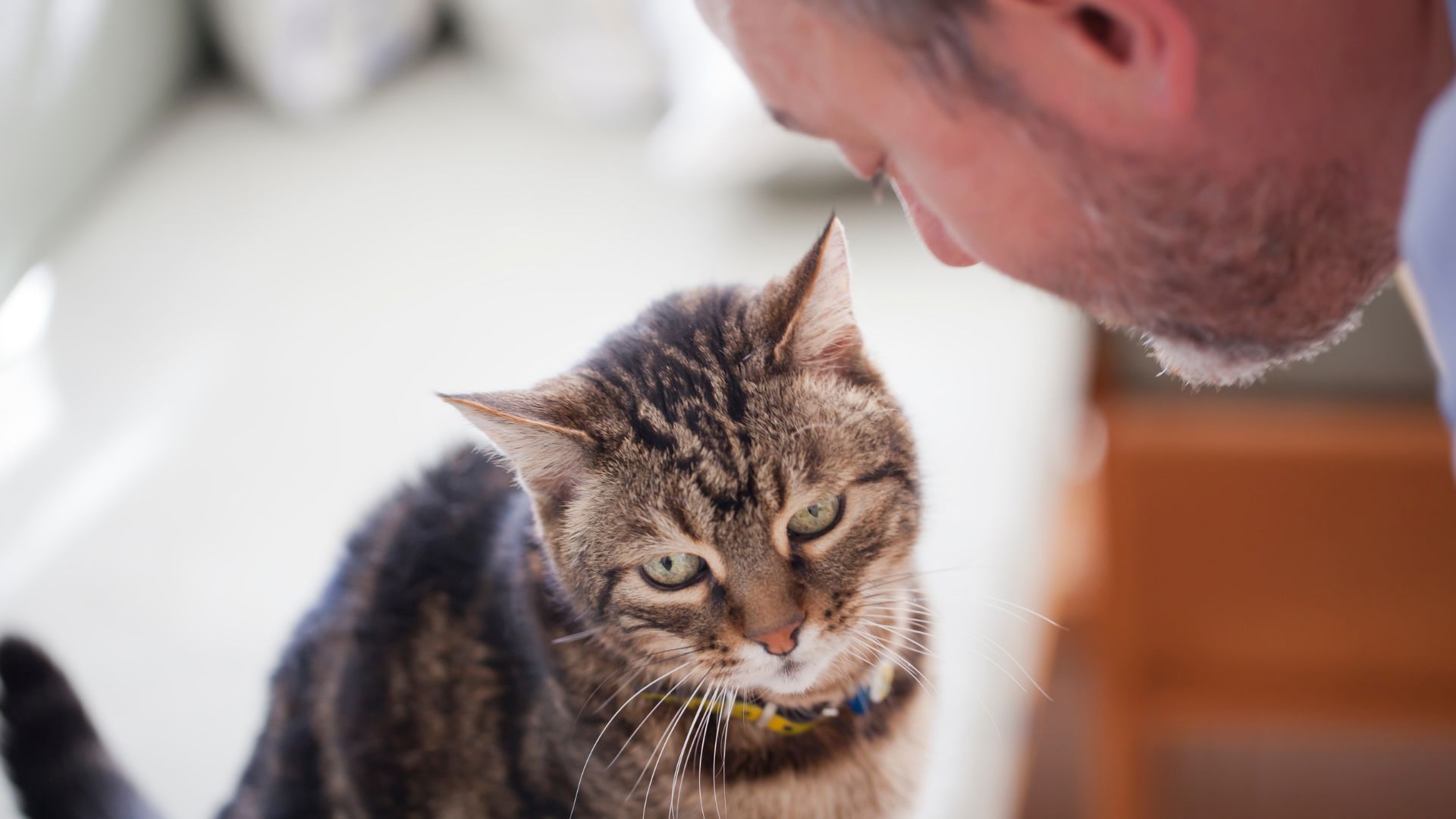
Imagine having the flu and not being able to wipe your own nose or clean your eyes. You would probably feel pretty miserable, too.
A little extra care can make your cat much more comfortable.
If your cat stops eating, has difficulty breathing, or develops painful or closed eyes, seek veterinary care promptly.
5 Natural Alternatives to L-Lysine for Cats With Herpesvirus
There are several supplements I would consider for cats experiencing recurring feline herpesvirus infections.
Some have research supporting their antiviral or immune-supportive properties, while others may help support intestinal health or reduce stress.
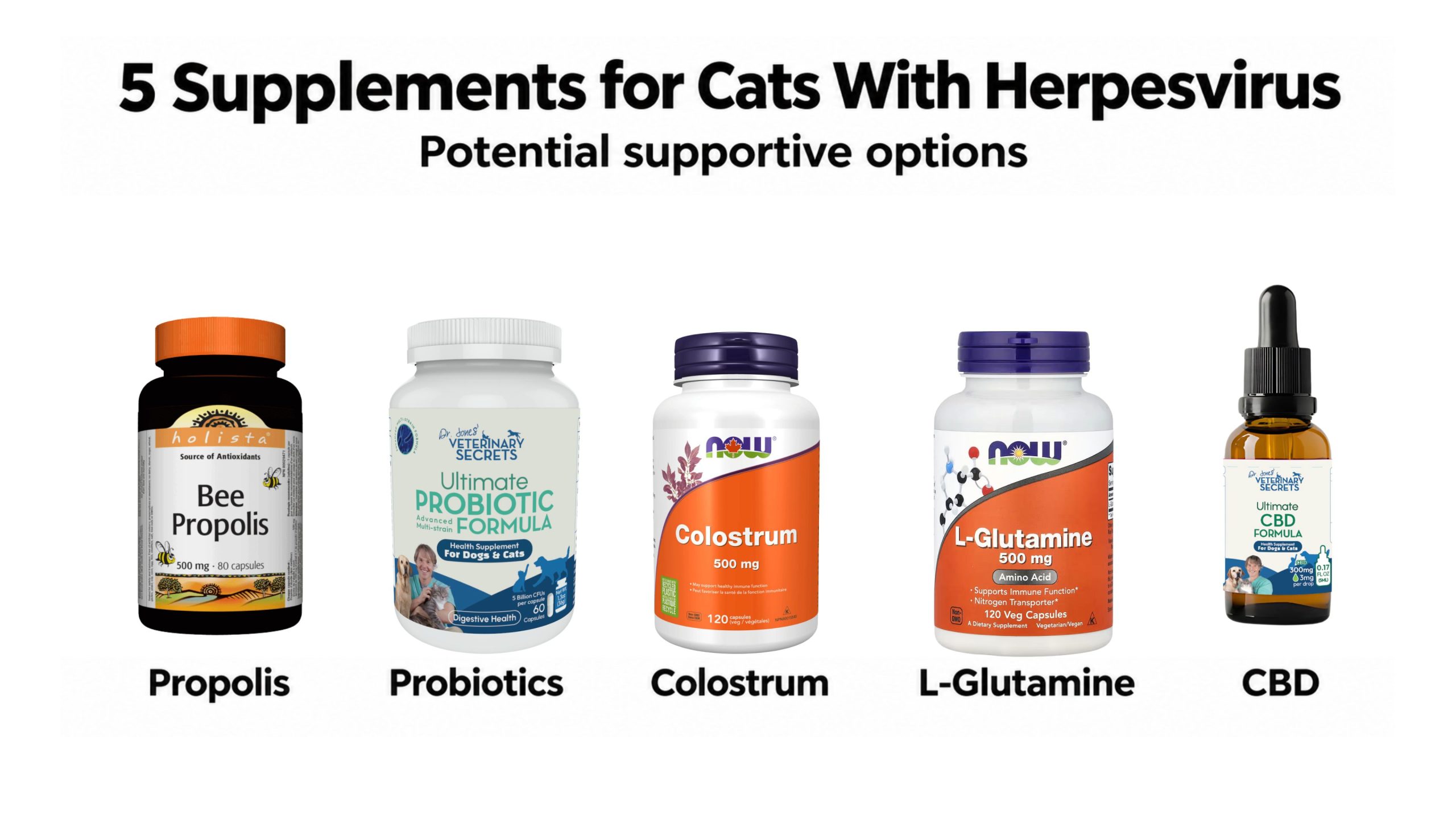
Here is why I find them worth discussing.
1. Propolis
Propolis, also known as bee glue, is a natural substance produced by honeybees to reinforce and protect their hives.
It has been studied for several medicinal properties, including:
-
Antibacterial activity
-
Antiviral activity
-
Anti-inflammatory properties
Research in people with herpes-related cold sores has shown promising results with topical propolis, including faster resolution of cold sores.
We do not yet have specific clinical studies evaluating propolis for feline herpesvirus in cats.
However, based on its potential antiviral properties, it is one of the supplements I would consider discussing for a cat with recurring herpesvirus symptoms.
Suggested Propolis Dosage for Cats
My suggested amount is approximately:
-
100 mg per 10 pounds of body weight
-
Twice daily
-
For 10 to 14 days
The capsule can be opened and its contents mixed into your cat’s canned food, if your veterinarian considers it appropriate.
2. Probiotics
A significant portion of the immune system is associated with the intestinal tract. This is one reason I regularly discuss the connection between gut health and immune health.
There is also some interesting clinical research involving probiotics and feline herpesvirus.
One study examined the probiotic strain Enterococcus faecium in cats with chronic feline herpesvirus infection. The cats receiving the probiotic showed some improvement.
For a cat experiencing recurring feline herpesvirus symptoms, I would consider a good-quality, multi-strain probiotic formula containing Enterococcus faecium.
Dr. Jones’ Ultimate Probiotic Formula
My Ultimate Probiotic Formula includes Enterococcus faecium along with other beneficial probiotic strains.
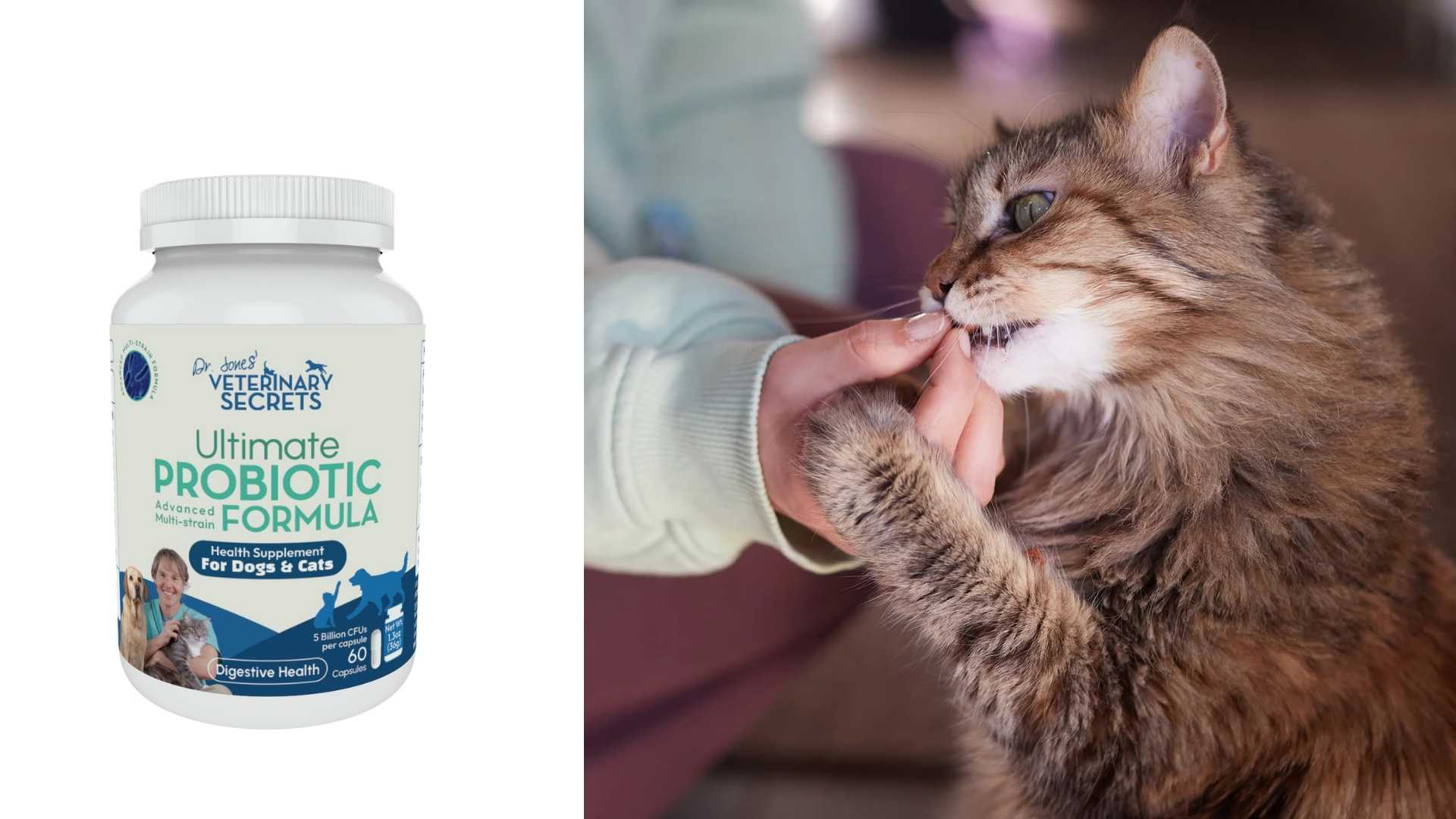
Supporting the intestinal environment may help support a healthier immune response, which is particularly relevant for cats dealing with recurring infections.
3. Colostrum
Colostrum is the first milk produced by a mother after giving birth. It is rich in nutrients that support immune and intestinal health.
Some of its key components include:
-
Immunoglobulins
-
Lactoferrin
-
Peptides
-
Growth factors
Lactoferrin has demonstrated antiviral properties in laboratory research, while other components of colostrum may help support intestinal health.
Colostrum is also something I have considered for pets with chronic intestinal inflammation, including those with inflammatory bowel disease (IBD).
What interests me about colostrum is its potential to support both intestinal function and the immune system.
Suggested Colostrum Dosage for Cats
-
Regular supplementation: 100 mg per 10 pounds of body weight daily.
-
During an active infection: Up to 200 mg per 10 pounds of body weight daily, subject to veterinary guidance.
These are suggested supplemental amounts rather than clinically established feline herpesvirus treatment doses.
4. L-Glutamine
L-glutamine is another amino acid that plays an important role in immune and intestinal health.
It provides a fuel source for rapidly dividing immune cells and helps support the normal function of lymphocytes.
It may also help support the intestinal barrier and the repair of damaged intestinal cells.
These two potential benefits are particularly interesting:
-
Support for normal immune cell function
-
Support for intestinal barrier health and repair
L-glutamine has been used in cats with inflammatory bowel disease. However, there is no specific clinical research demonstrating its effectiveness for cats with feline herpesvirus.
If a cat had recurring herpesvirus symptoms and had not responded to some of the other supportive options, L-glutamine is something I would consider discussing.
Suggested L-Glutamine Dosage for Cats
My suggested supplemental range is approximately 250 to 500 mg per cat daily.
Using a 1,000 mg capsule:
| Purpose | Suggested Daily Amount | Capsule Amount |
|---|---|---|
| Longer-term support | 250 mg | ¼ capsule |
| During an active infection | 500 mg | ½ capsule |
The capsule contents can be mixed into your cat’s food.
5. CBD (Cannabidiol)
CBD, also known as cannabidiol, is a non-intoxicating compound derived from the cannabis plant.
It has been studied for various potential medicinal properties, including anti-inflammatory effects.
My primary interest in CBD for cats with recurring feline herpesvirus is its potential role in managing stress, discomfort, and inflammation.
Stress is a significant trigger for herpesvirus flare-ups. Much like people who develop cold sores during stressful periods, cats can experience recurring respiratory symptoms when they are anxious or stressed.
CBD has been helpful for some cats experiencing anxiety. However, this does not establish it as a proven antiviral treatment for feline herpesvirus.
Suggested CBD Dosage for Cats
The amount I would consider discussing with a veterinarian for an average-sized cat is:
-
3 mg of CBD per dose
-
Twice daily
It may be mixed into your cat’s food if they are reluctant to take it orally.
CBD products and concentrations vary, so veterinary guidance is particularly important before using them in cats.
Which L-Lysine Alternative Would I Consider First?
If I had to choose just one supplement alongside good supportive home care, propolis would be high on my list because of its potential antiviral properties.
A quality multi-strain probiotic containing Enterococcus faecium is another option I find particularly interesting because it has been studied in cats with chronic feline herpesvirus.
Here is how I would compare the five supplements.
| Supplement | Primary Reason to Consider It |
|---|---|
| Propolis | Potential antiviral and anti-inflammatory properties |
| Probiotics | Intestinal and immune support, with feline herpesvirus research |
| Colostrum | Immune support and intestinal health |
| L-glutamine | Immune cell function and intestinal barrier support |
| CBD | Potential stress and discomfort management |
Not every cat needs every supplement. I would focus on supportive care first and consider which additional option is most appropriate for the individual cat.
How Can You Reduce Feline Herpesvirus Flare-Ups?
Managing stress is one of the most practical things you can do for a cat with recurring herpesvirus infections.
Take a look around your home and consider whether anything might be contributing to your cat’s anxiety.
Some simple ways to help include:
-
Providing a quiet, private, easily accessible litter box.
-
Preventing dogs from chasing your cat around the house.
-
Reducing stressful encounters with other cats.
-
Limiting exposure to unfamiliar cats outside windows if they cause anxiety.
-
Providing enough mental stimulation.
-
Creating a comfortable environment where your cat feels secure.
A cat that feels comfortable and secure may be less likely to experience stress-related herpesvirus flare-ups.
My Final Thoughts
For years, I regularly recommended L-lysine for cats with recurring upper respiratory infections.
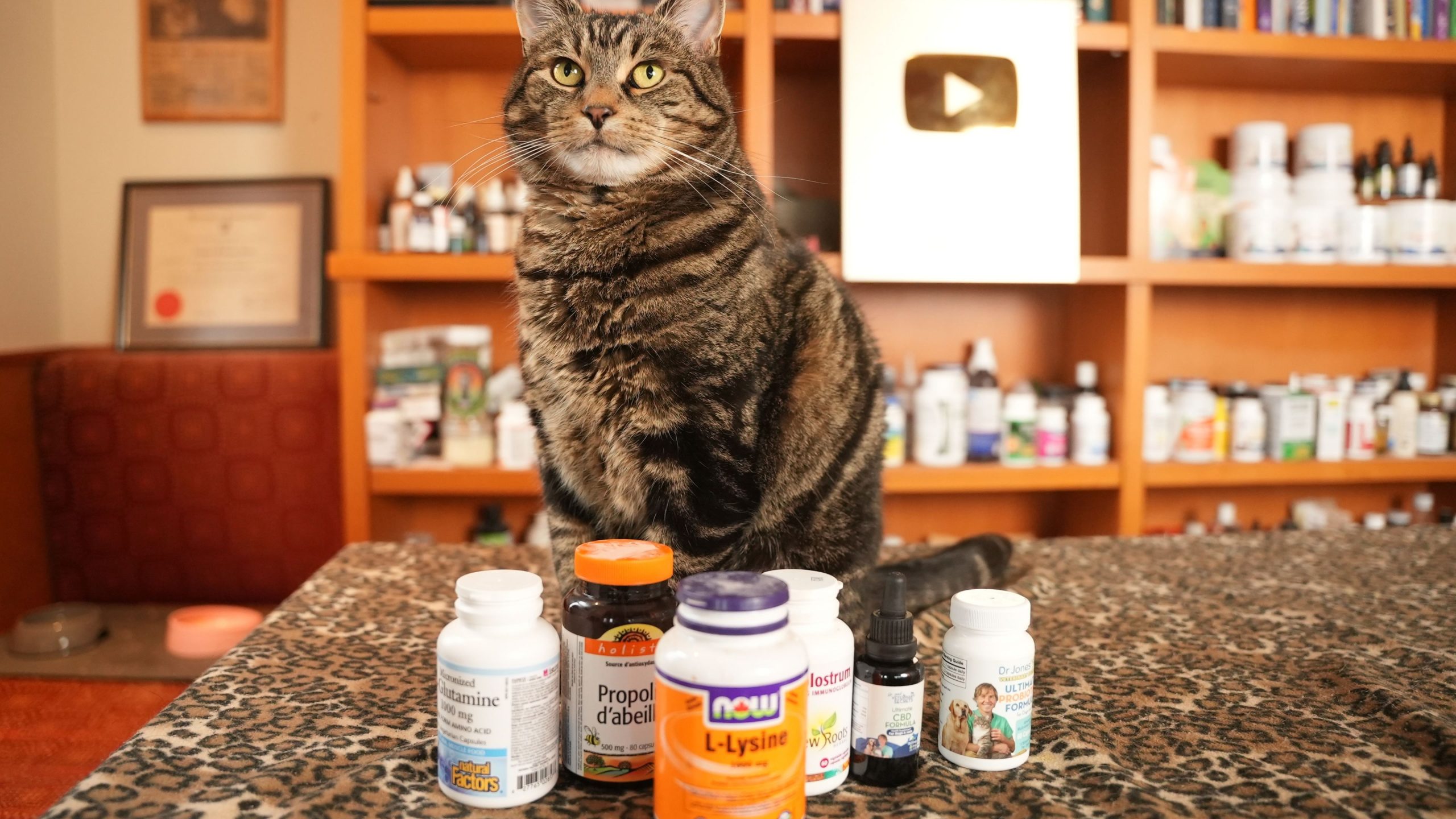
But when research shows that something is not working, I think we need to be willing to reconsider what we are doing.
If your cat has recurring feline herpesvirus infections and L-lysine has not been helping, there may be a good reason for that.
Start with the basics. Keep your cat eating, provide additional humidity, clean their eyes and nose, and do what you can to reduce stress.
Then consider whether a supplement such as propolis, probiotics, colostrum, or L-glutamine may be appropriate for your cat.
Sometimes, a warm meal, a comfortable home, and a little extra attention are just as important as what is in the supplement bottle.
Click To Get A Free Copy of My E-Book!

P.S. If you have been giving your cat L-lysine for months and they are STILL getting recurring bouts of the cat flu, it may be time to reconsider.
I would be looking at good supportive home care, a quality probiotic containing Enterococcus faecium, and potentially some of the other supplements we discussed.
And don’t underestimate the importance of STRESS. My own cat Cleo taught me that lesson years ago!



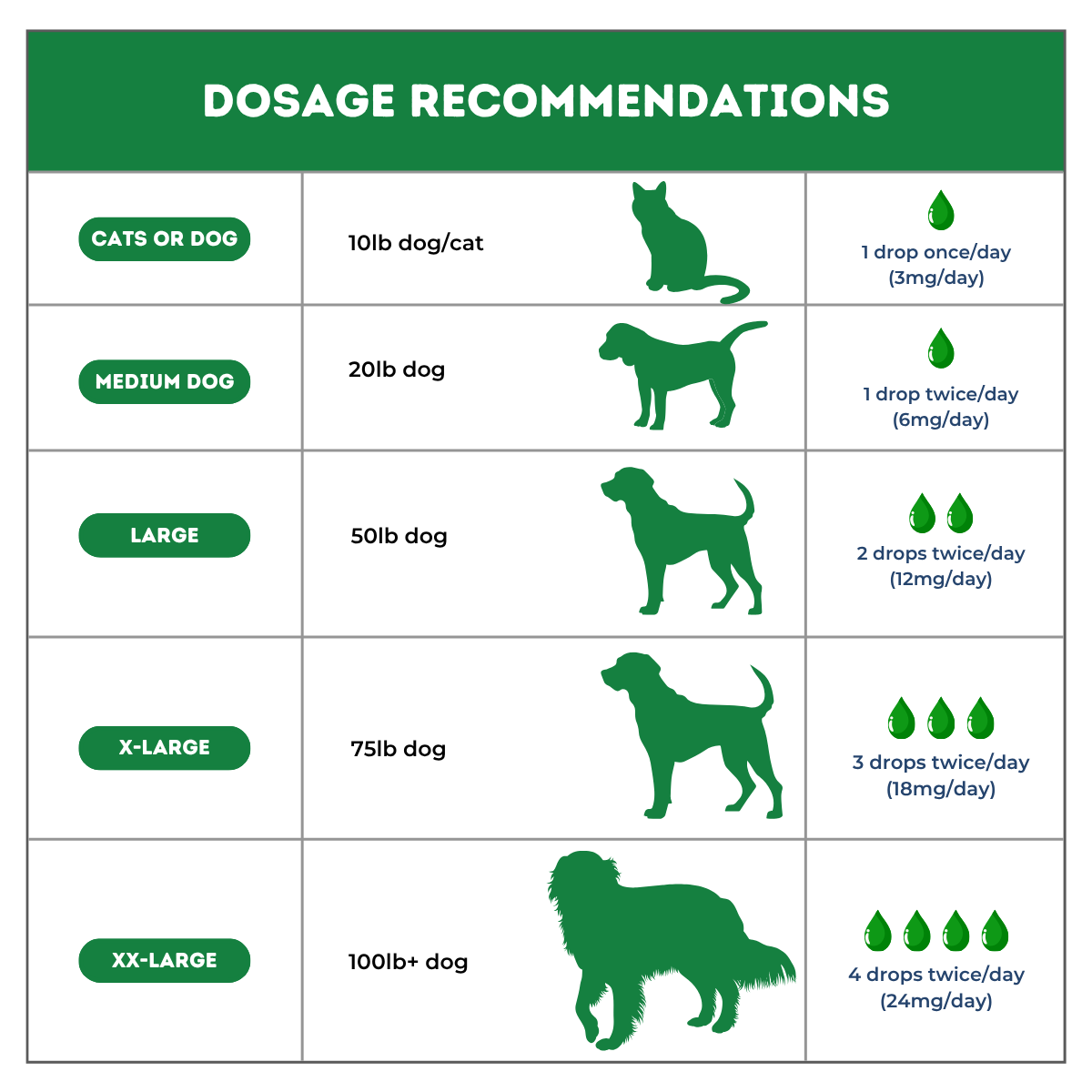

Feline Herpesvirus: Supplement Dosage Reference Table
Here is a summary of the supplemental amounts I discussed above.
| Supplement | Suggested Amount | Frequency |
|---|---|---|
| Propolis | 100 mg per 10 lbs | Twice daily for 10–14 days |
| Probiotics | Follow product-specific guidance | According to product directions |
| Colostrum | 100 mg per 10 lbs | Daily |
| Colostrum during active infection | 200 mg per 10 lbs | Daily |
| L-glutamine for longer-term support | 250 mg per cat | Daily |
| L-glutamine during active infection | 500 mg per cat | Daily |
| CBD | 3 mg per average-sized cat | Twice daily |