My Regrets About Feeding Kibble (And What I Feed Now)

What This New Dog Food Study Revealed
A brand new investigation just came out, and honestly, it stopped me in my tracks.
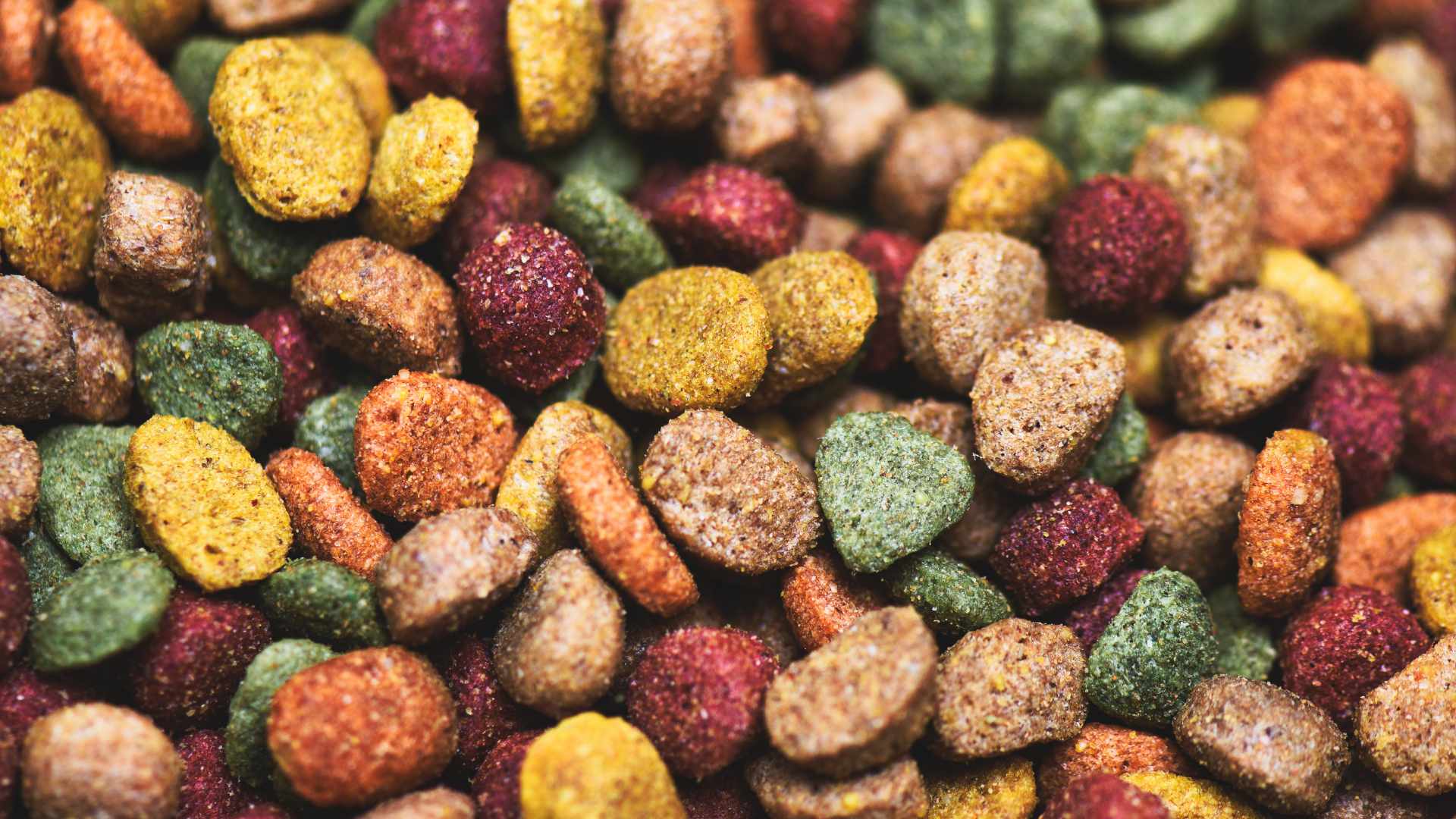
It was conducted by the Clean Label Project and covered by CNN. They tested commercial dog foods and found alarming levels of heavy metals, plastic toxins, and acrylamide. And the highest levels were found in one category.
Kibble.
I fed kibble for years. Good quality kibble. Or at least what I believed was good quality. But if I knew then what I know now, I would have done things differently.
Let me explain.
What the Clean Label Project Found
Heavy Metals in Dog Food
The Clean Label Project tested commercial pet foods in a federally certified lab. They ran over 11,000 tests across different brands and formats.
They measured:
-
Lead
-
Mercury
-
Cadmium
-
Arsenic
-
BPA and plastic toxins
-
Pesticides
-
Acrylamide
What they found was concerning.
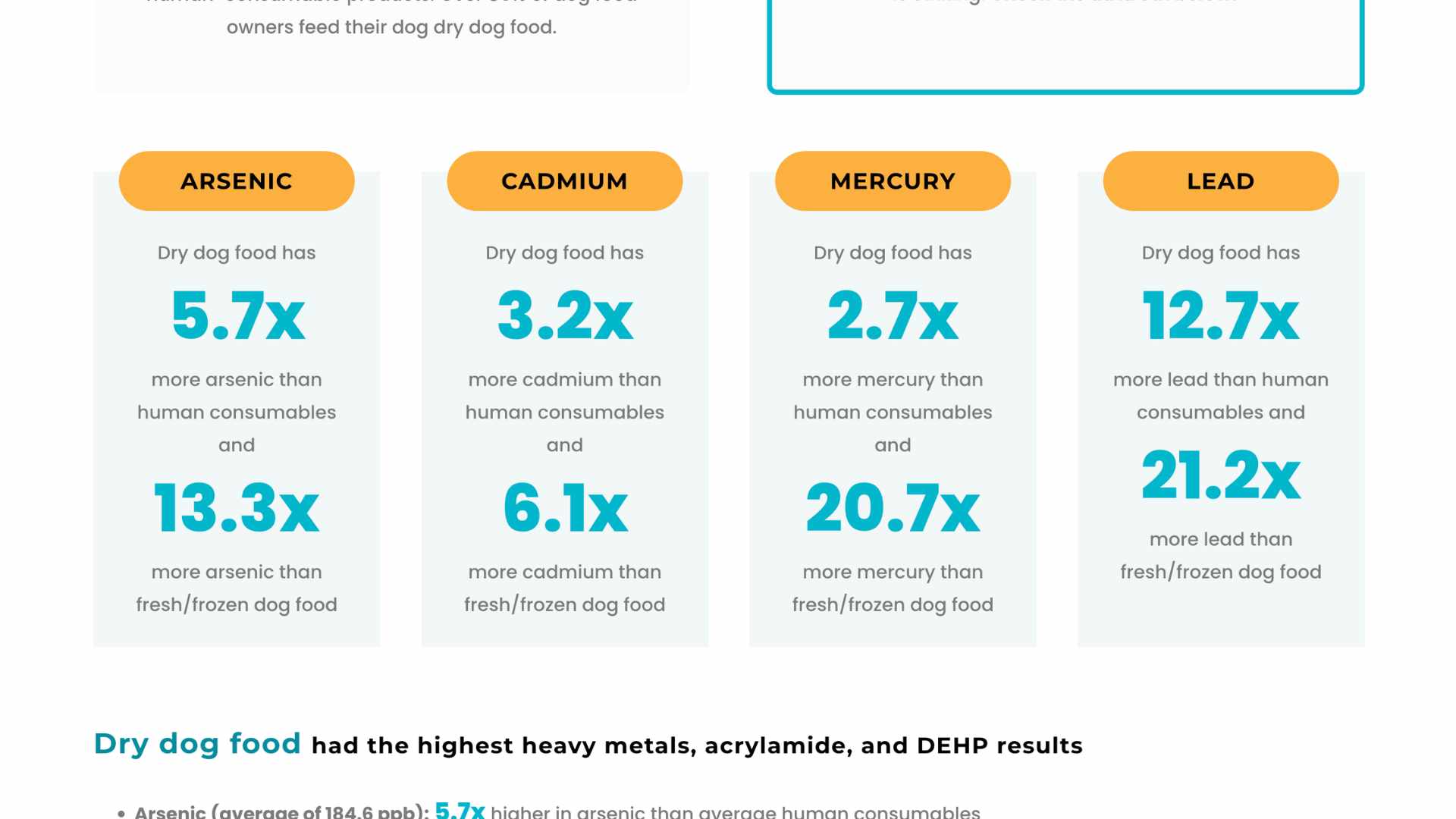
Dry dog food contained three to thirteen times more contaminants than human foods tested over the past decade.
Research from Dr. Joseph Wakshlag at Cornell also found that dogs may consume three to seven times more heavy metals daily than people.
Three to seven times more.
Which Dog Foods Had the Highest Contamination?
The Worst Offender
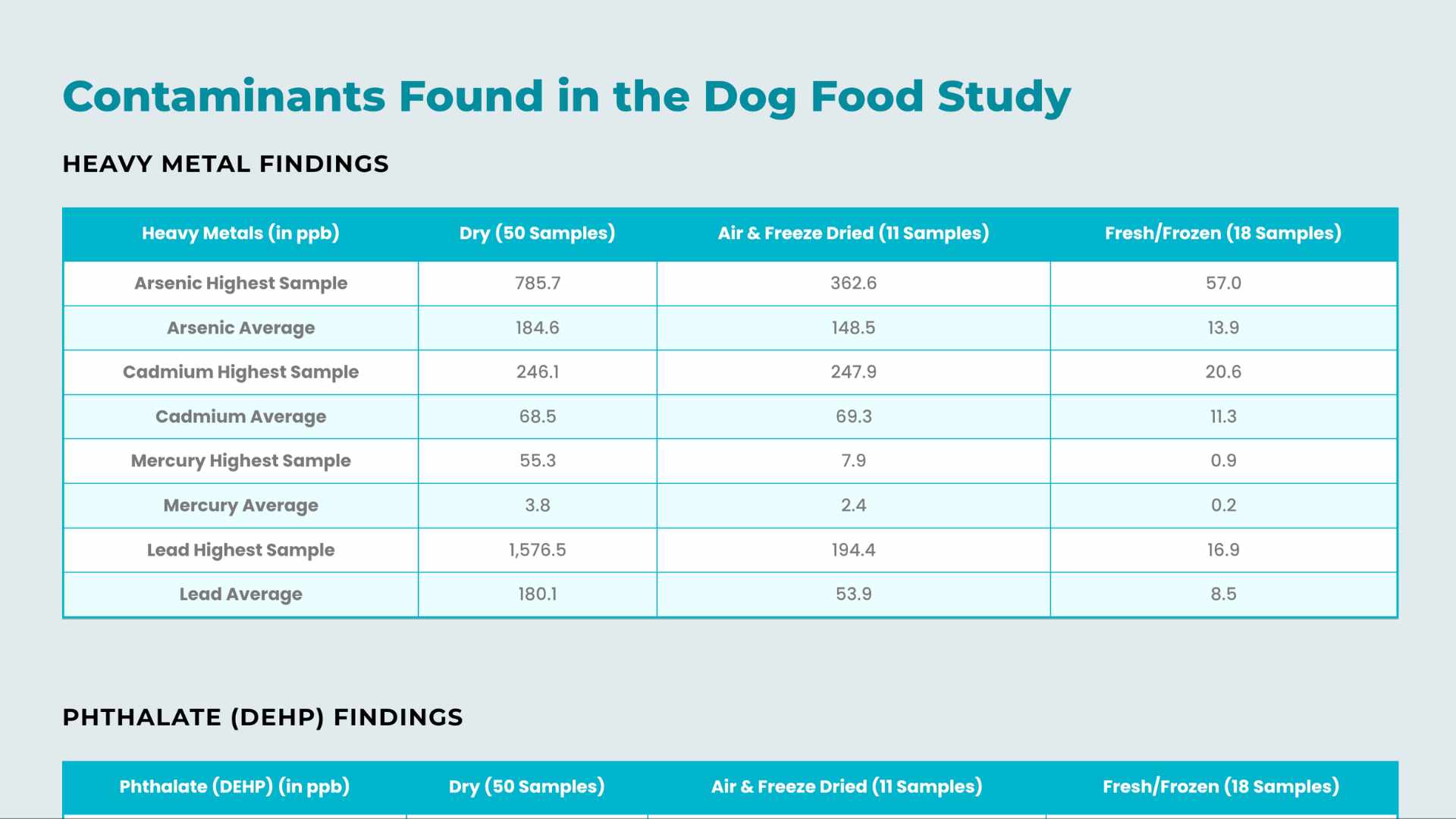
Kibble had the highest overall levels of:
-
Lead
-
Mercury
-
Arsenic
-
Cadmium
-
Acrylamide
-
BPA
Some numbers were staggering.
Kibble had up to:
-
20 to 21 times more lead and mercury
-
13 times more arsenic
-
6 times more cadmium
-
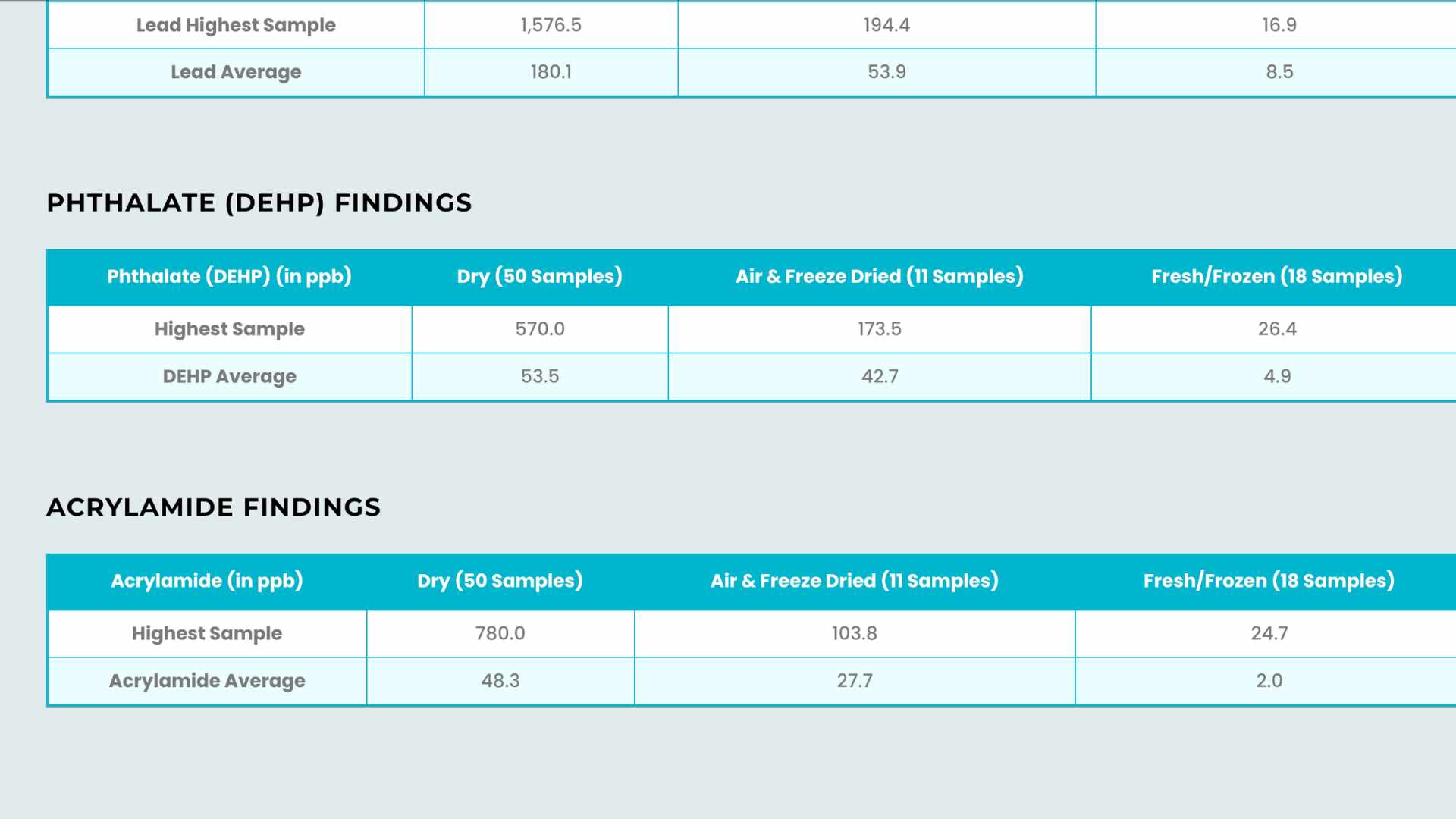
25 times more acrylamide than gently cooked frozen foods
Freeze-dried foods ranked second.
Fresh and frozen foods had much lower levels.
Homemade diets made with clean ingredients are likely to have a far lower toxic load.
Why This Matters for Your Dog
Heavy Metals Accumulate
Heavy metals accumulate in organs, especially the liver.
Lead and cadmium are linked to cancer.
We already know cancer is one of the leading causes of death in dogs.
Is it a stretch to connect chronic exposure to rising disease rates? I do not think so.
Acrylamide and High Heat Processing
Acrylamide forms when food is processed at high temperatures. Think French fries. Think extruded kibble.
It is classified as likely carcinogenic to people. It has caused cancer in animal studies.
Kibble had dramatically higher levels than fresh food.
Plastics and BPA
Dry dog food contained the highest levels of BPA.
BPA is linked to:
-
Type 2 diabetes
-
Heart disease
-
Cancer
-
Early death
More BPA usually means more microplastics. Microplastics are now being linked to brain dysfunction and cognitive decline.
We see more dogs with cognitive dysfunction than ever.
It makes you think.
The Big Picture
About 85 percent of dogs eat kibble as their primary diet.
Most dogs eat the same food every single day, often for years.
A previous Clean Label Project study found:
-
Over 80 percent of dog foods exceeded EPA safe levels for mercury
-
100 percent exceeded EPA safe levels for lead
The EPA says there is no safe level of lead for people.
So why are we comfortable with it in dog food?

My Personal Regret
Most of my dogs were fed primarily kibble.
Toward the end of Tula’s life, I started incorporating fresh food, homemade meals, and frozen options. I reduced the amount of kibble.
But if I knew then what I know now, my next dog will not be raised on kibble.
Not as the main diet.
What You Can Do
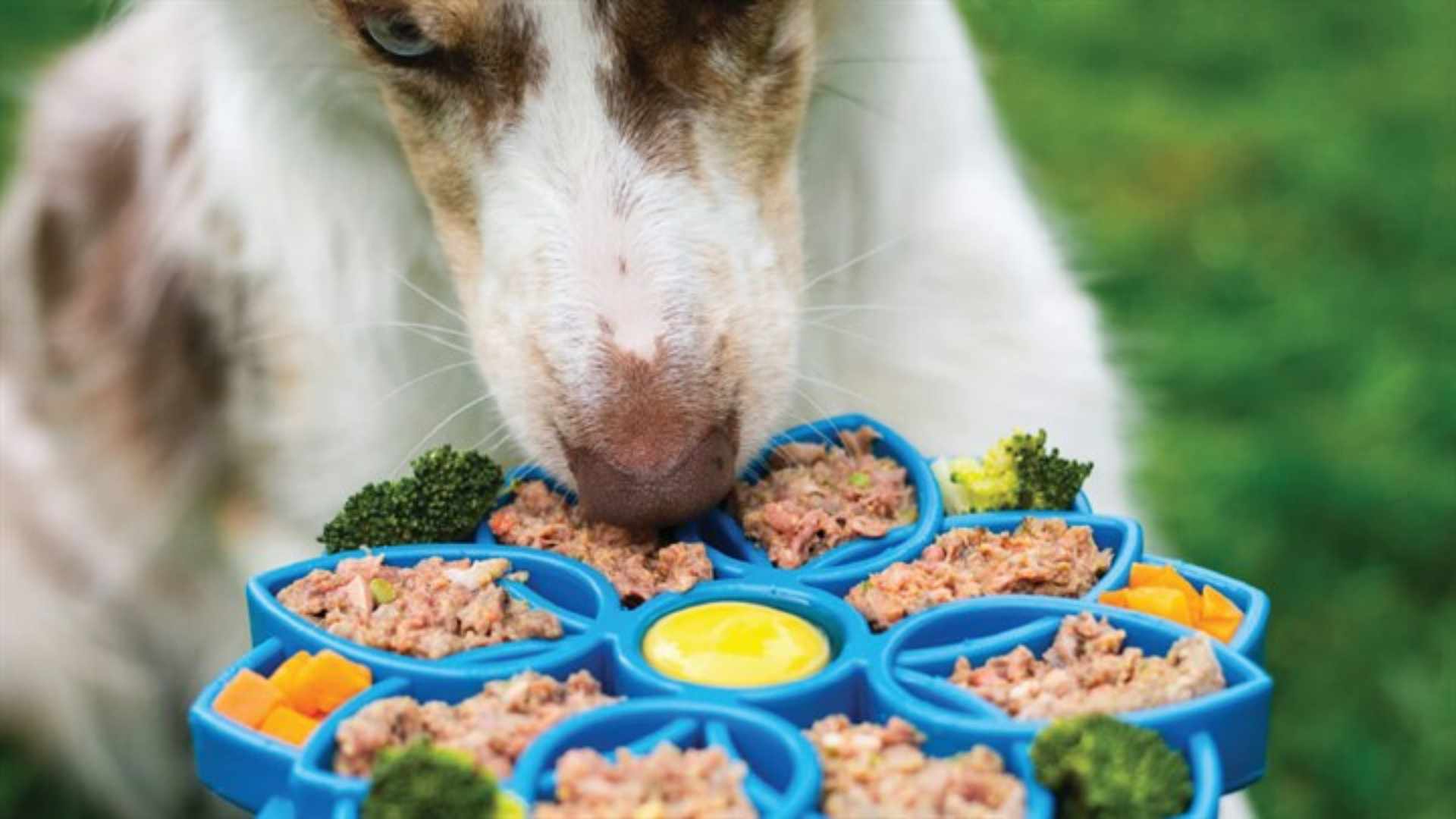
1. Feed Less Kibble
Even high quality kibble is still ultra processed and dry. Contaminants are more concentrated.
Reducing kibble lowers exposure.
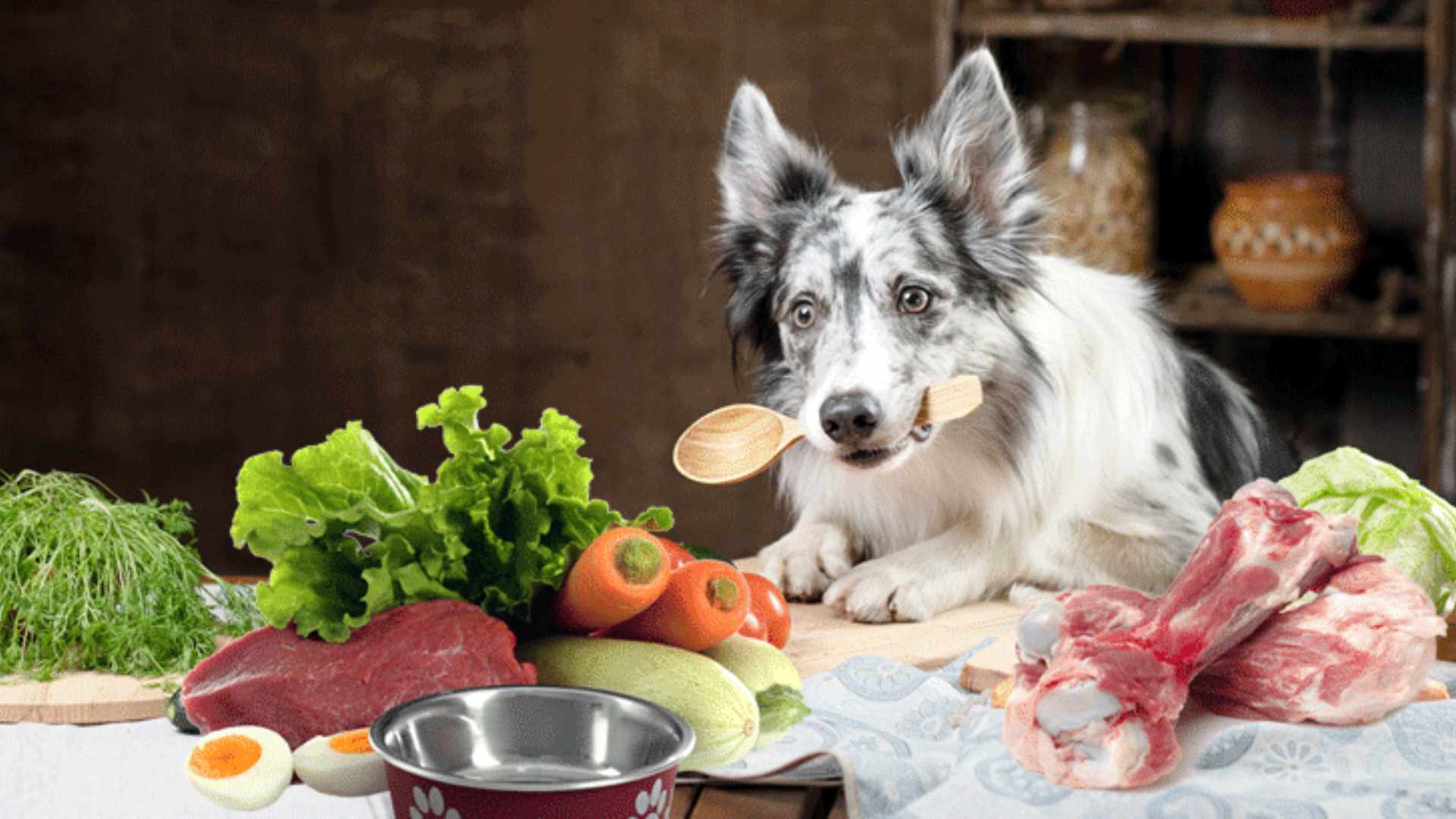
2. Add Fresh Food
Even replacing part of the bowl with gently cooked, frozen, or home prepared food makes a difference.
Lower contaminant load. More moisture. Better nutrient profile.
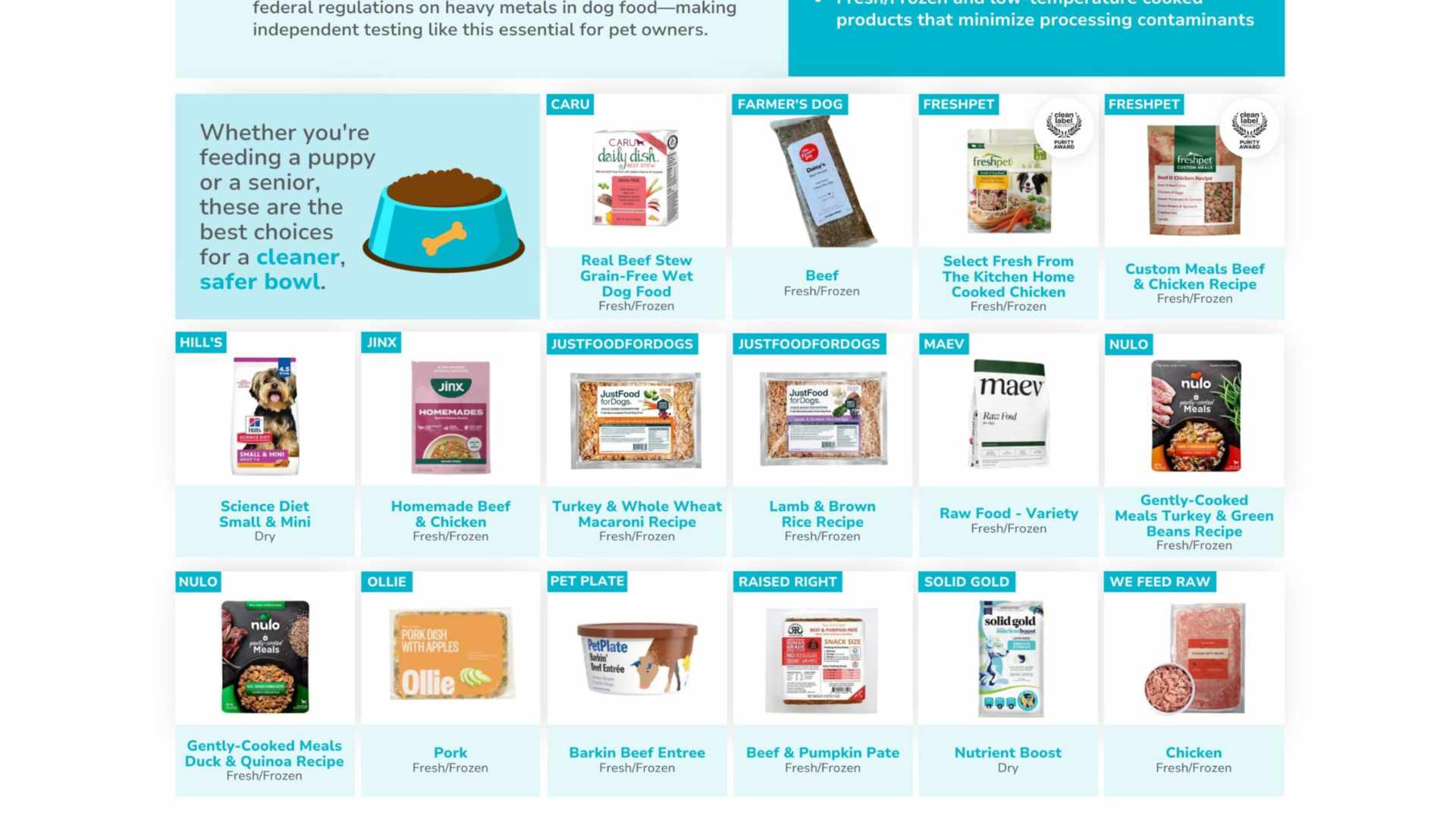
3. Choose Brands That Test
If you feed kibble, look for companies that:
-
Test for heavy metals
-
Test for pesticides
-
Test for BPA
-
Publish results
Transparency matters.
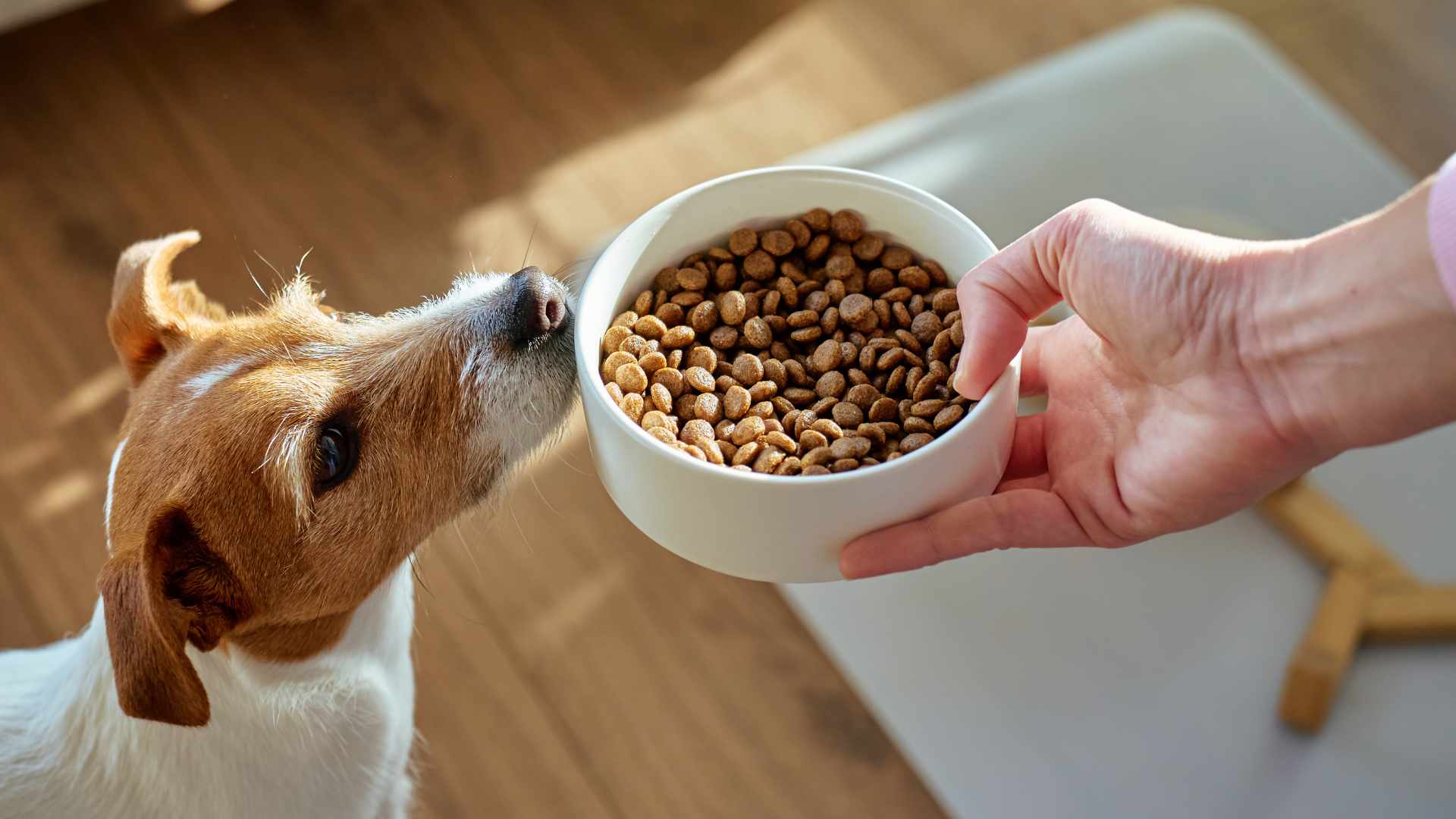
4. Think Long Term
Chronic exposure to heavy metals, acrylamide, and plastic toxins may help explain:
-
High cancer rates
-
Rising autoimmune disease
-
Chronic liver and kidney problems
-
Cognitive decline
Reducing your dog’s toxic load is one of the most powerful long term health decisions you can make.
My Bottom Line
This study shocked me.
It confirmed what many of us suspected. Highly processed kibble concentrates contaminants.
If you can afford it, shift toward fresher options. Even partial change is meaningful.
Feed less of the dry, ultra processed food. Feed more real food.
Your dog eats what you put in the bowl.
And now you know what may be in it.
Click To Get A Free Copy of My E-Book!