What is the Joe Tippens Cancer Protocol?

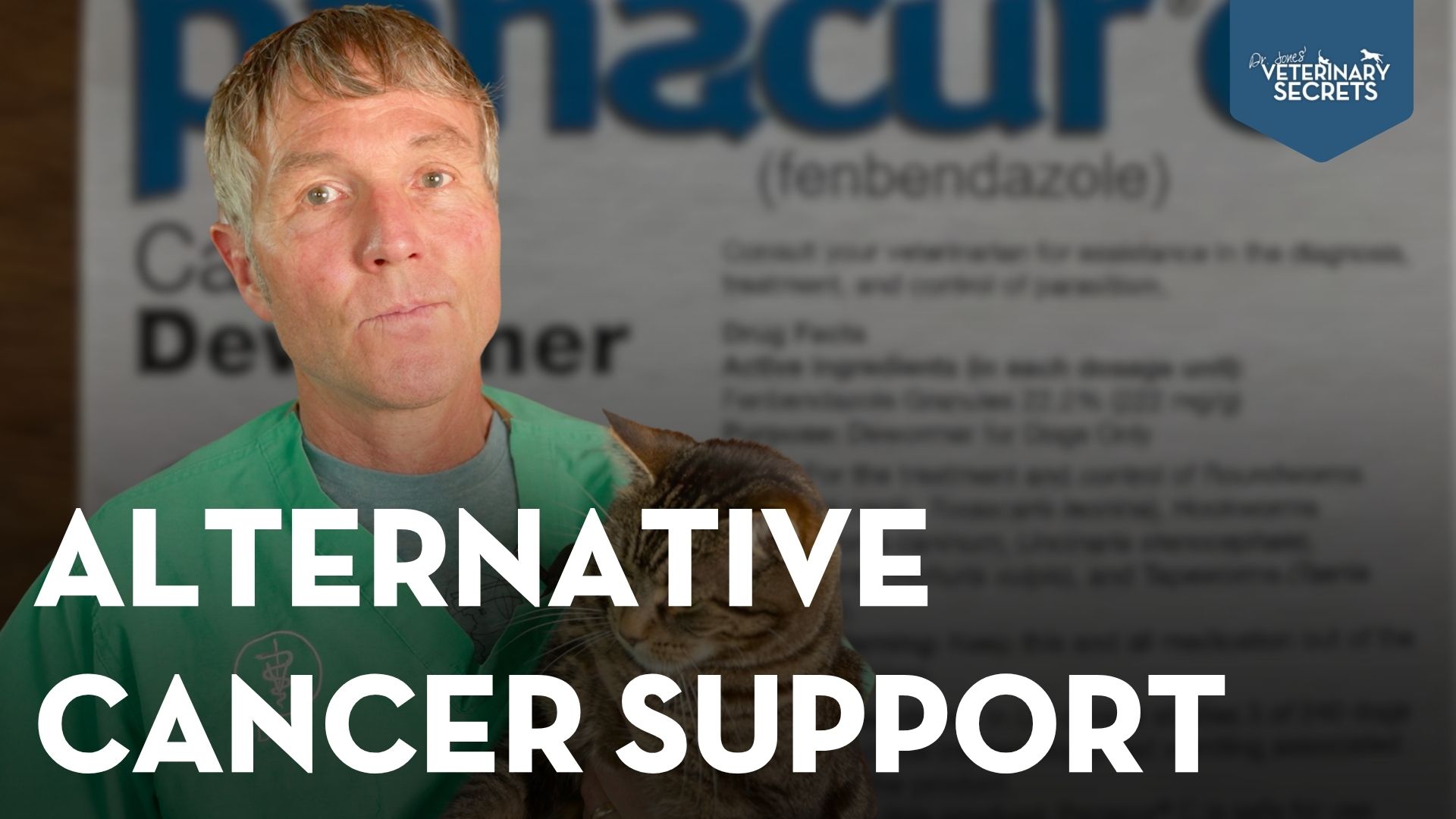
What Is the Joe Tippens Cancer Protocol?
The Joe Tippens Cancer Protocol is an alternative cancer protocol that became known after Joe Tippens used fenbendazole, a common animal dewormer, along with other ingredients such as curcumin and CBD oil.
Many people first hear about this protocol after a cancer diagnosis, either for themselves, a family member, or even a beloved pet.
Cancer is affecting far too many dogs and cats.
I can relate to that personally, having had three of my own pets die of cancer.
Prevention and treatment can be very difficult. But this protocol has become one of the more talked-about alternative cancer approaches, especially because it includes ingredients many pet parents recognize, such as fenbendazole, curcumin, and CBD.
Let me be very clear.
I am not saying this is a cure for cancer.
If you or someone you love has cancer, consult your physician before starting any new medication or treatment plan.
If your dog or cat has cancer, work with your veterinarian.
But I do think pet parents should understand what this protocol is, what ingredients are involved, and why many people are asking about it.
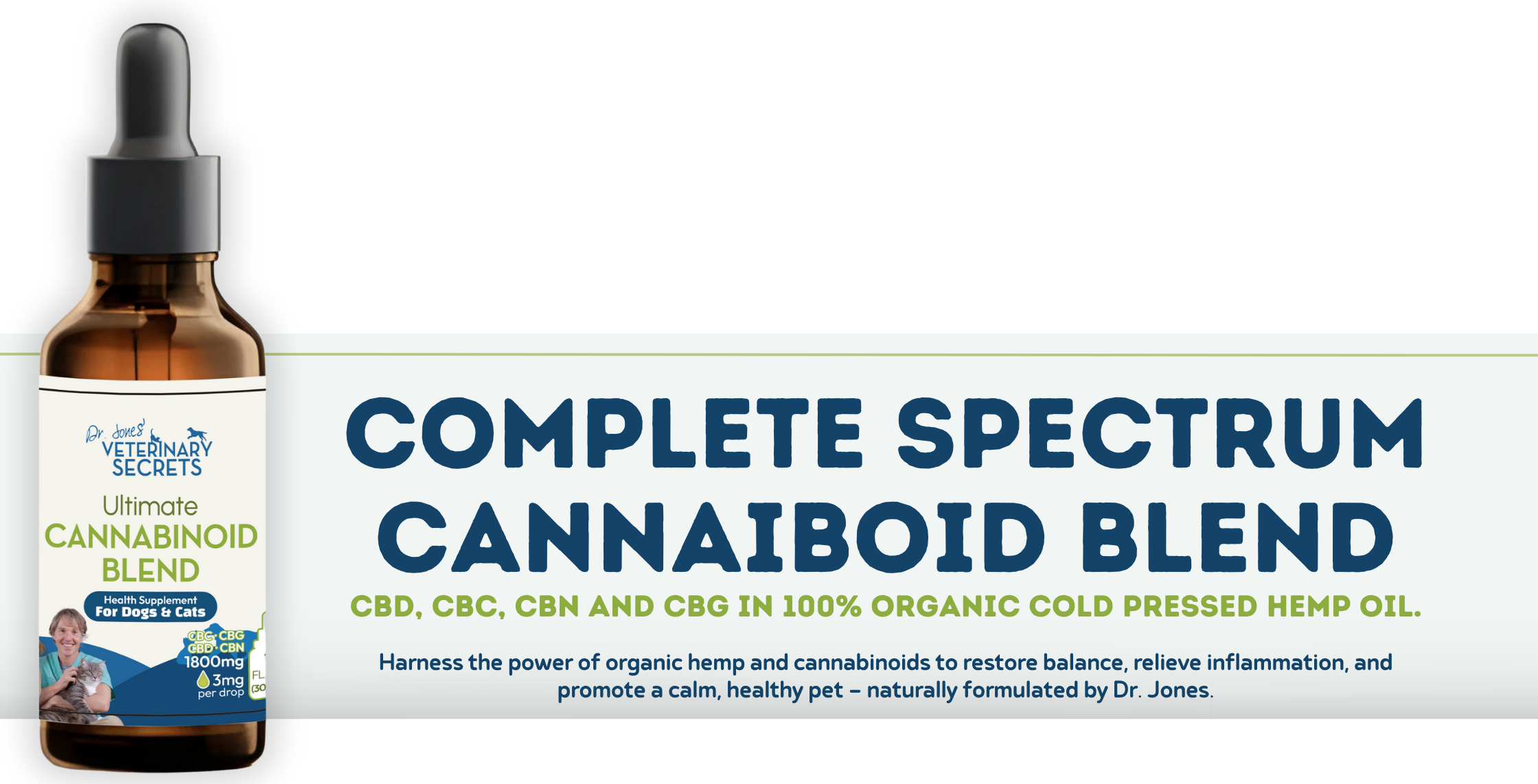
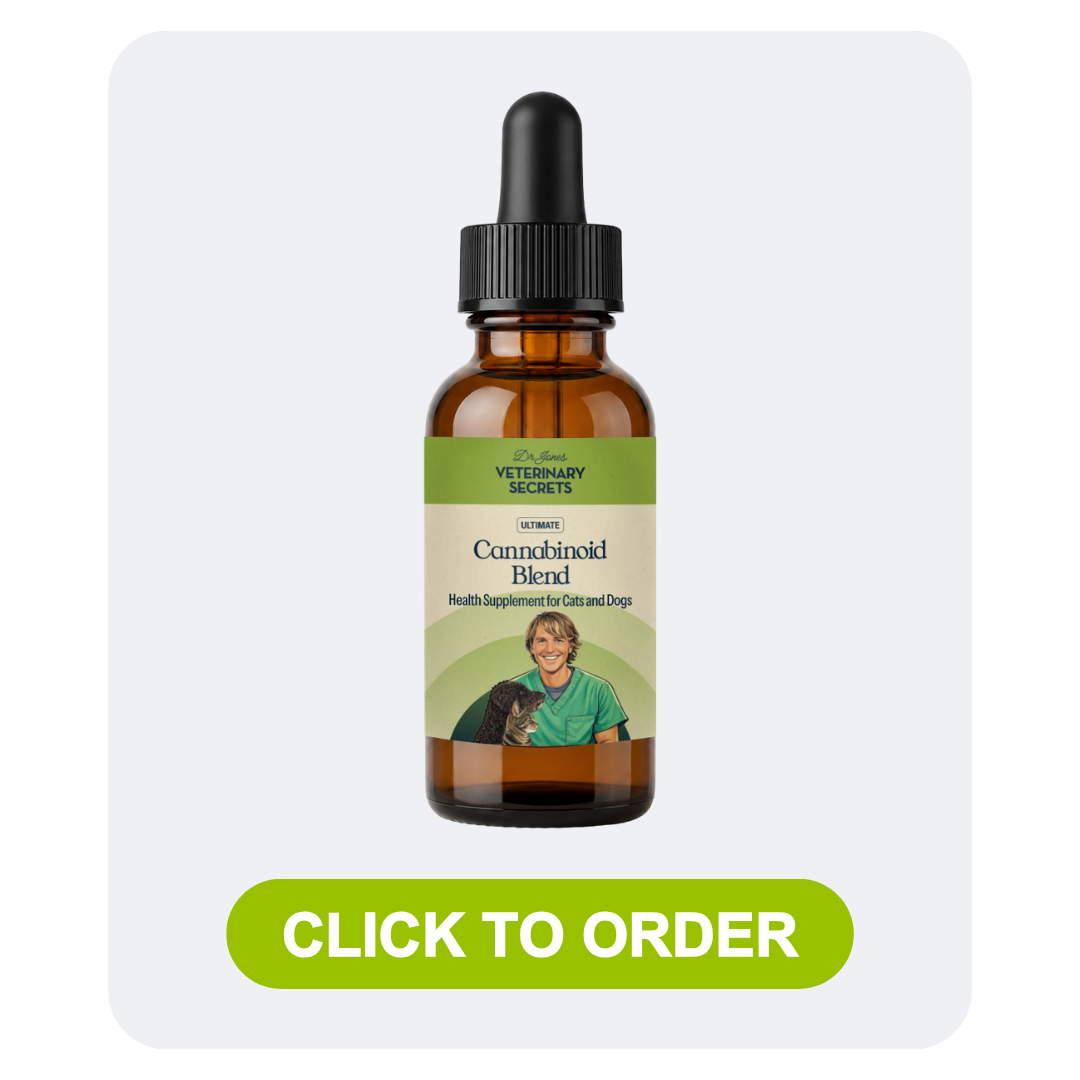
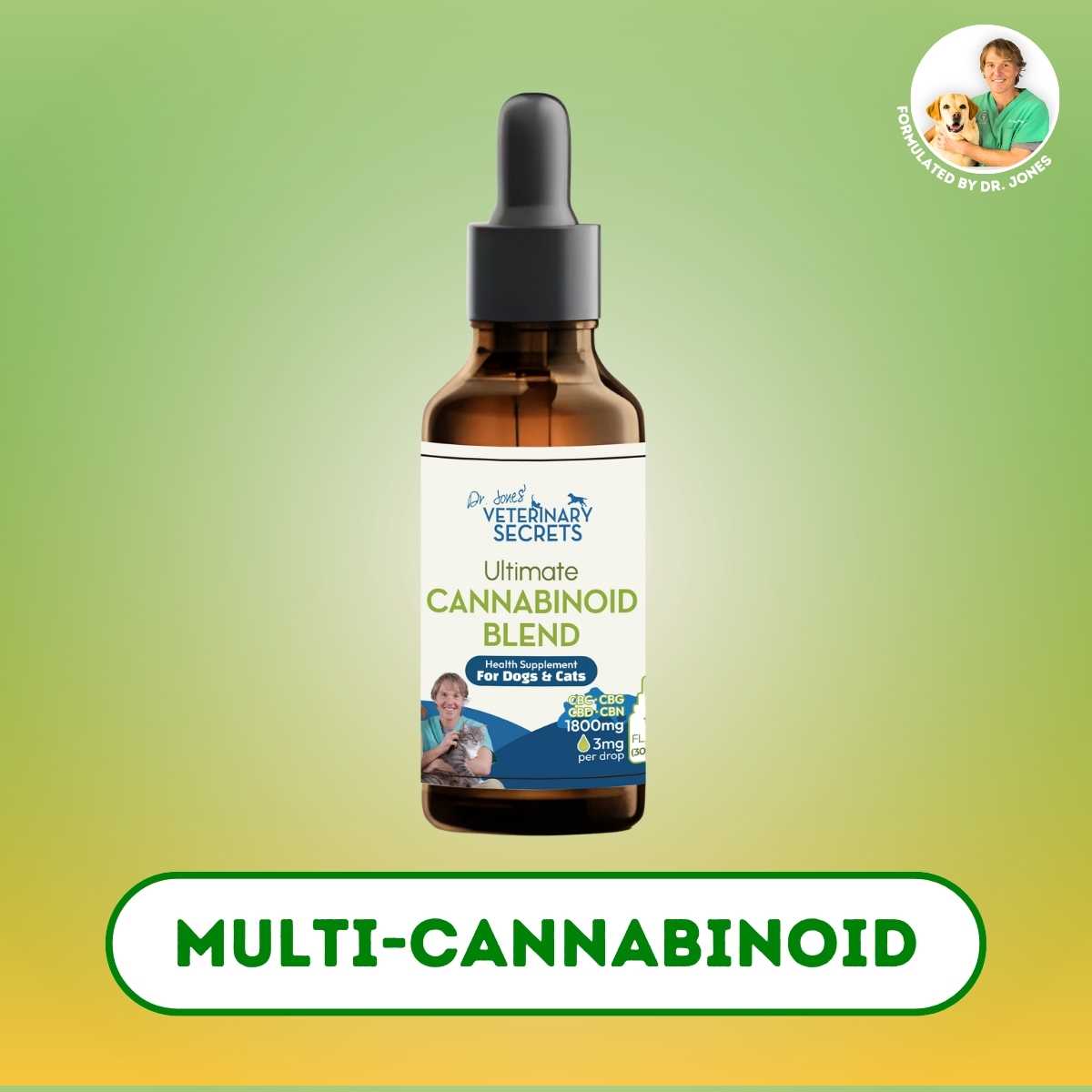
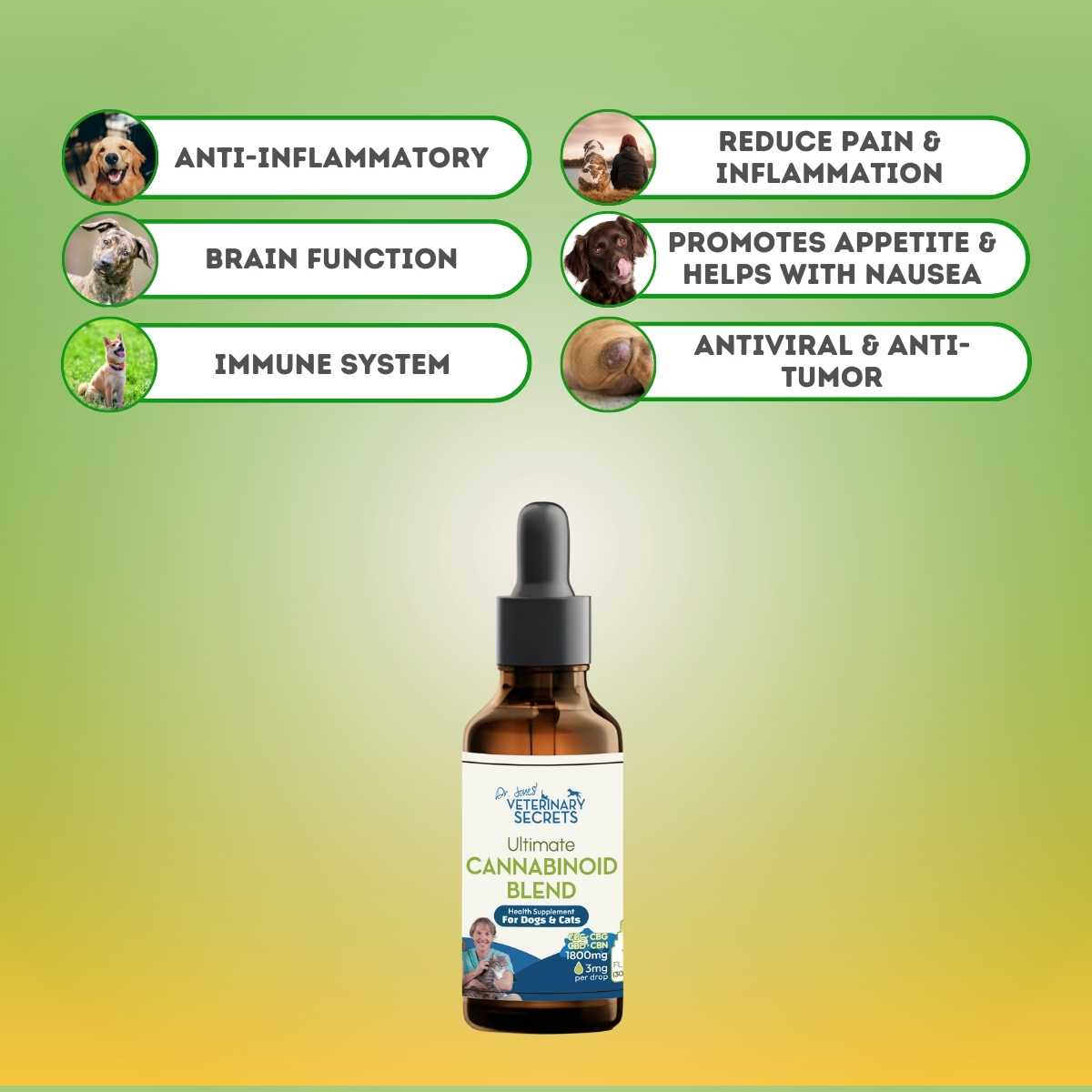
Dr. Jones’ Ultimate Cannabinoid Blend for Dogs and Cats

Why Are Pet Parents Talking About This Protocol?
Pet cancer is common.
It is painful.
It is expensive.
And it is emotionally brutal.
When you have watched a dog or cat go through cancer, you start asking different questions.
You ask:
- What else may help?
- What can support the immune system?
- What can support comfort?
- Are there natural options?
- Are there lower-cost options?
- Is there anything I should know about?
That is why the Joe Tippens Protocol gets attention.
It includes ingredients that are already familiar in the pet world, especially fenbendazole and CBD.
The Story Behind the Joe Tippens Protocol
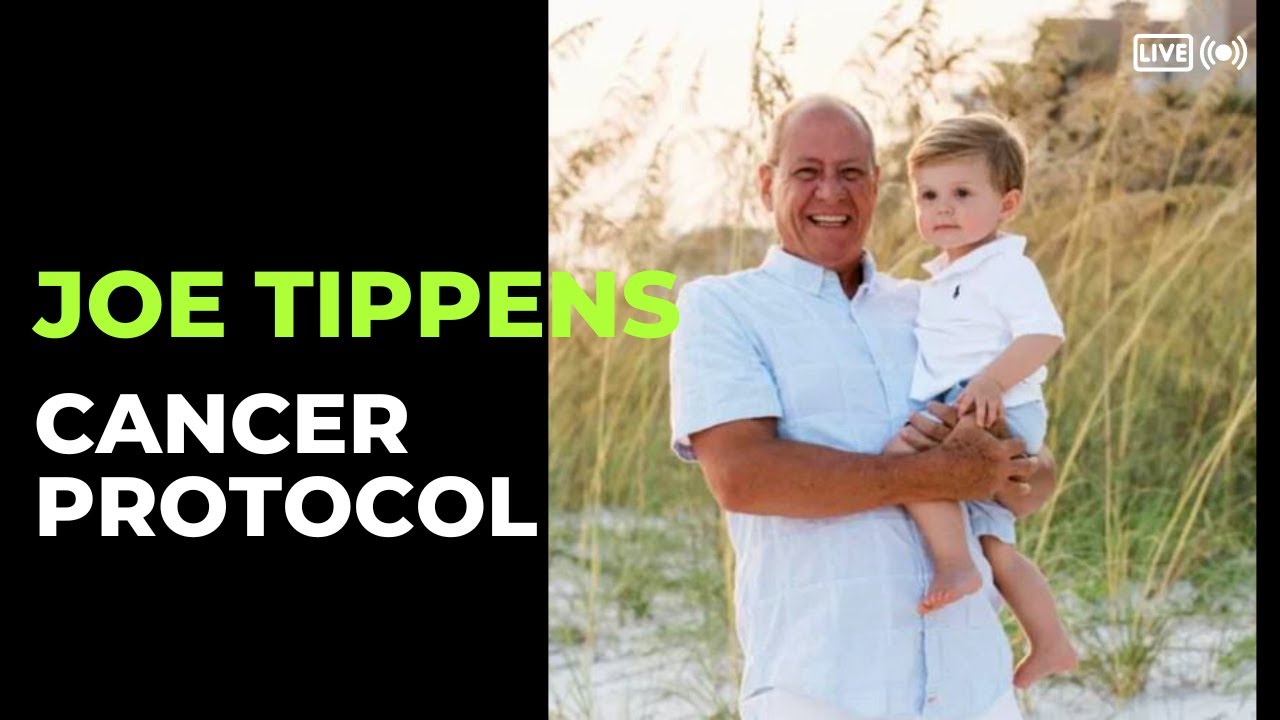
Joe Tippens developed the protocol after hearing a story about a scientist at Merck Animal Health who had been doing cancer research in mice.
The story goes that the research involved injecting different types of cancers into different parts of mice.
Through trial and error, the scientists reportedly found that fenbendazole, a product in the canine line, was highly effective in killing different cancers in the mice.
Later, the scientist was diagnosed with stage 4 brain cancer and was given a poor prognosis of only three months to live.
She reportedly decided to try fenbendazole.
After six weeks, she showed a clean scan.
Joe Tippens had been diagnosed with small cell lung cancer. The cancer later spread to his neck, right lung, stomach, liver, bladder, pancreas, and tailbone.
Like the scientist in the story, Joe was told he had only three months to live.
In 2017, after hearing the story about fenbendazole, Joe decided to try it himself.
He also added other ingredients, including:
- Curcumin
- CBD oil
That became known as the Joe Tippens Cancer Protocol.
What Ingredients Are in the Joe Tippens Cancer Protocol?
The main ingredients discussed are:
| Ingredient | Main Role Discussed |
|---|---|
| Fenbendazole | Animal dewormer, also being discussed for possible cancer applications |
| Curcumin | Anti-inflammatory, antioxidant, and possible cancer support option |
| Full Spectrum CBD Oil | Supports the endocannabinoid system and may offer therapeutic benefits |
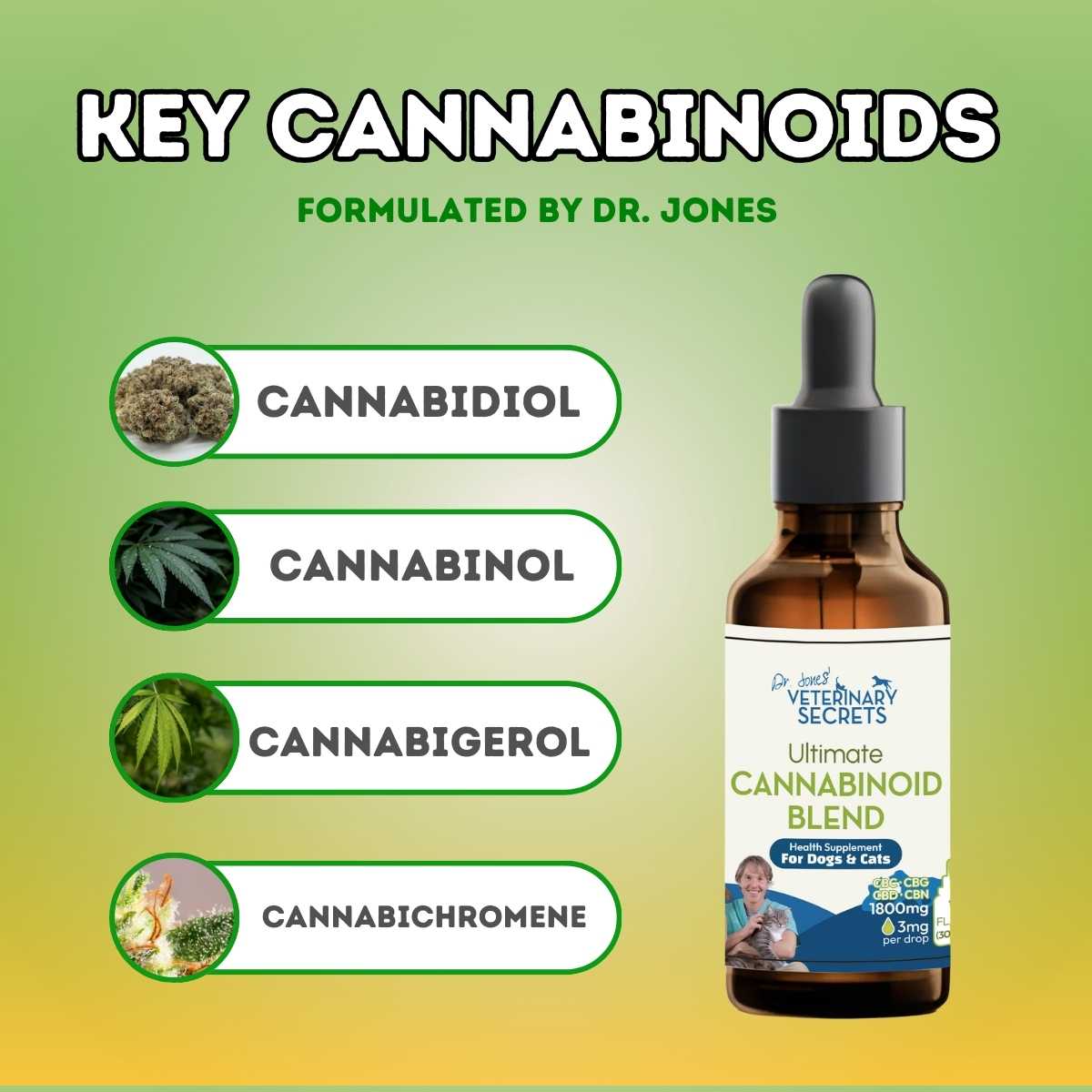
| Other cannabinoids | CBC, CBG, and CBN are included in Dr. Jones’ Ultimate Cannabinoid Blend |
1. Fenbendazole, Also Known as Panacur
Fenbendazole is a drug many animal owners know.
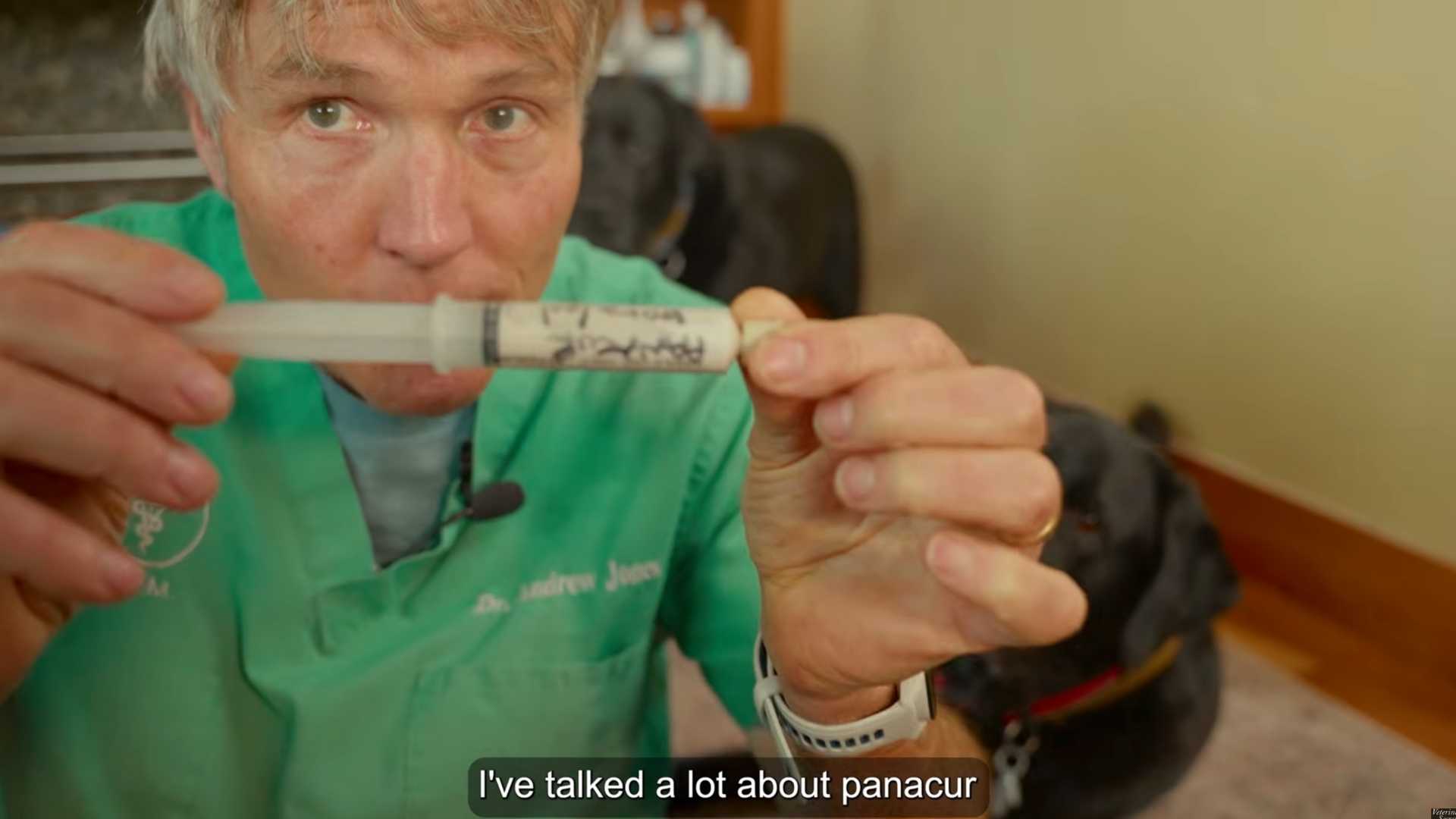
It is commonly used to treat parasites and worms in animals, including:
- Roundworms
- Hookworms
- Whipworms
- Some tapeworms
Joe Tippens used fenbendazole as part of his cancer protocol.
How Fenbendazole May Work
Fenbendazole belongs to a class of drugs called benzimidazoles.
These are microtubule-destabilizing agents.
Other benzimidazoles mentioned include:
- Albendazole
- Parbendazole
- Mebendazole
- Flubendazole
These have been discussed for promising results in humans.
One study discussed fenbendazole as a drug that has been safely used as an anti-parasitic in different animal species and could potentially be repurposed for human malignancies.
Another study mentioned that repurposing veterinary drugs with promising results for human use may reduce the time and cost needed to develop new drugs.
The findings described included:
- Microtubule disruption
- p53 stabilization
- Interference with glucose metabolism
- Preferential elimination of cancer cells in vitro and in vivo
That is why fenbendazole has received so much attention.
Fenbendazole Dose in the Joe Tippens Protocol
The Joe Tippens Protocol suggests:
| Use | Dose Mentioned |
|---|---|
| Human Joe Tippens Protocol dose | 222 mg per day |
| Panacur C equivalent | 1 gram of Panacur C |
| Frequency | 7 days a week |
| How to take | With food |
Again, this is not me telling anyone to start a human cancer protocol.
If this is for a person, speak with your physician.
Panacur for Pets
For pets, there are no clear established low-dose regimens for cancer.
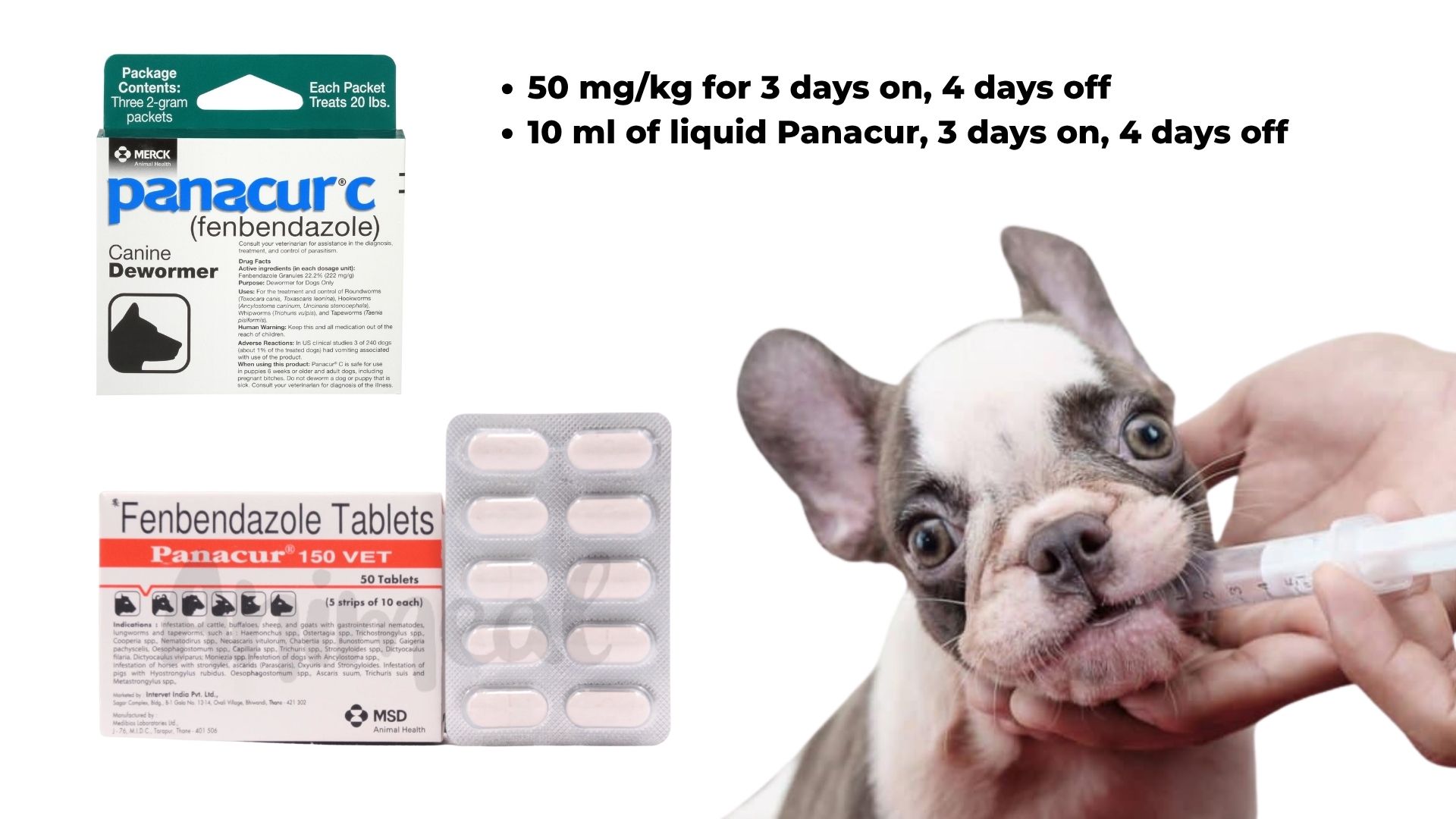
My suggested pet dose discussed here is:
50 mg/kg for 3 days on, 4 days off
Example Dose for a 50 lb Dog
A 50 lb dog weighs about 22 kg.
At 50 mg/kg, that dog would get:
1,000 mg per day
Or about:
10 ml of liquid Panacur
Used on a schedule of:
3 days on, 4 days off
This is the dose I would be looking at if I were considering Panacur as part of a broader cancer support protocol for a dog.
2. Curcumin
Curcumin is the main active ingredient in turmeric.
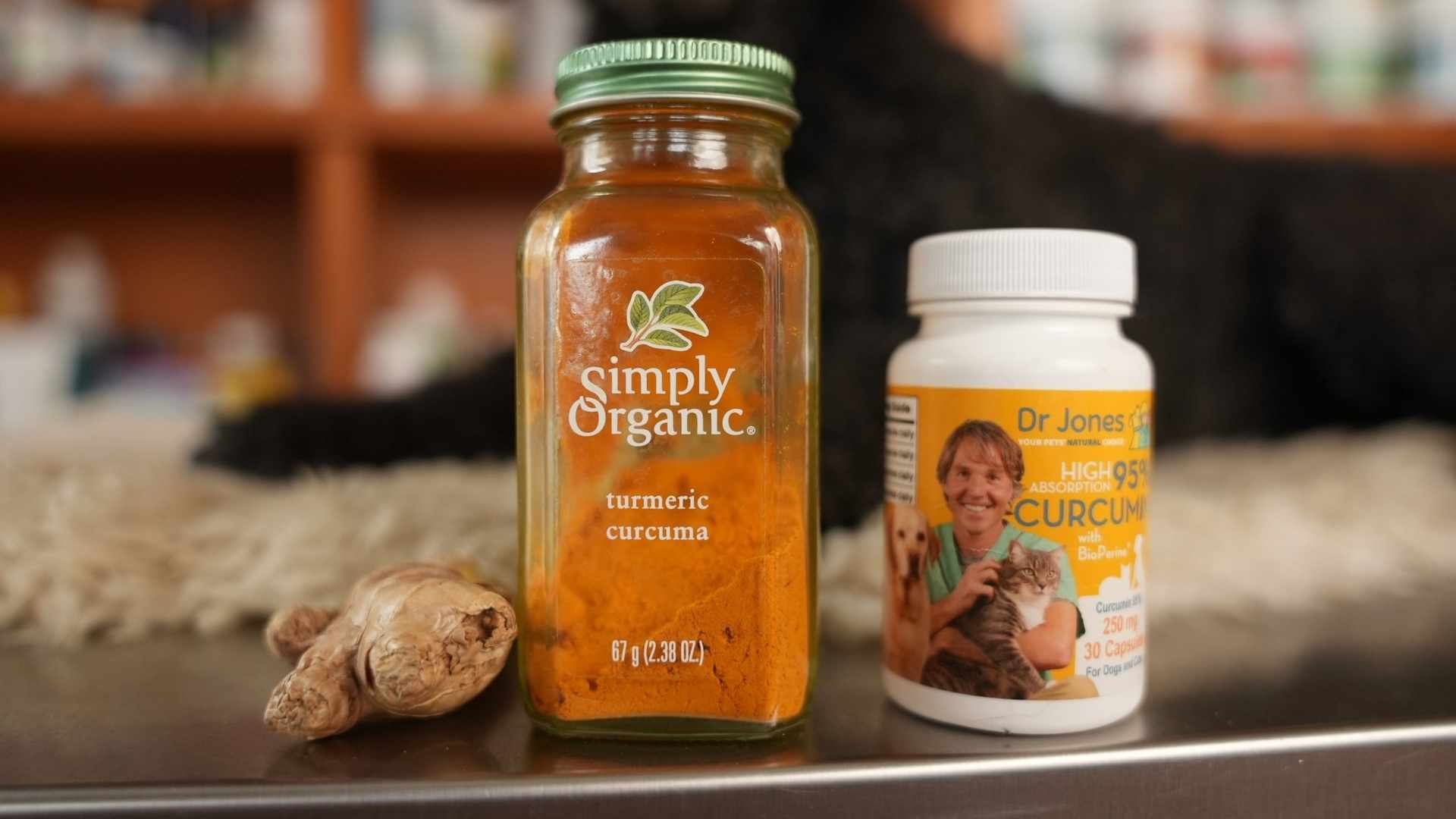
Turmeric is a spice native to Southeast Asia and has been used for medicinal purposes for more than 4,000 years.
Curcumin is believed to have antioxidant properties.
It may help decrease:
- Swelling
- Inflammation
It is also discussed for support with:
- Arthritis
- Eye health
- Kidney health
- Possible cancer support
A 2019 study discussed curcumin’s anticarcinogenic activity in the gastrointestinal tract, including therapeutic effects on different human GI cancers such as esophageal, gastric, small intestinal, and large intestinal cancer.
Why Bioavailable Curcumin Matters
Curcumin is poorly absorbed during digestion.
That means if you are going to use curcumin, you want a bioavailable form.
Otherwise, you may be giving curcumin, but your pet may not be absorbing enough to get the desired effect.
That is like buying a very nice supplement and then having your dog’s gut politely wave goodbye as it passes through.
Absorption matters.
Curcumin Dose in the Joe Tippens Protocol
The Joe Tippens Protocol recommends:
| Use | Dose Mentioned |
|---|---|
| Bioavailable curcumin | 600 mg |
| Pill amount | 2 pills per day |
| Frequency | 7 days a week |
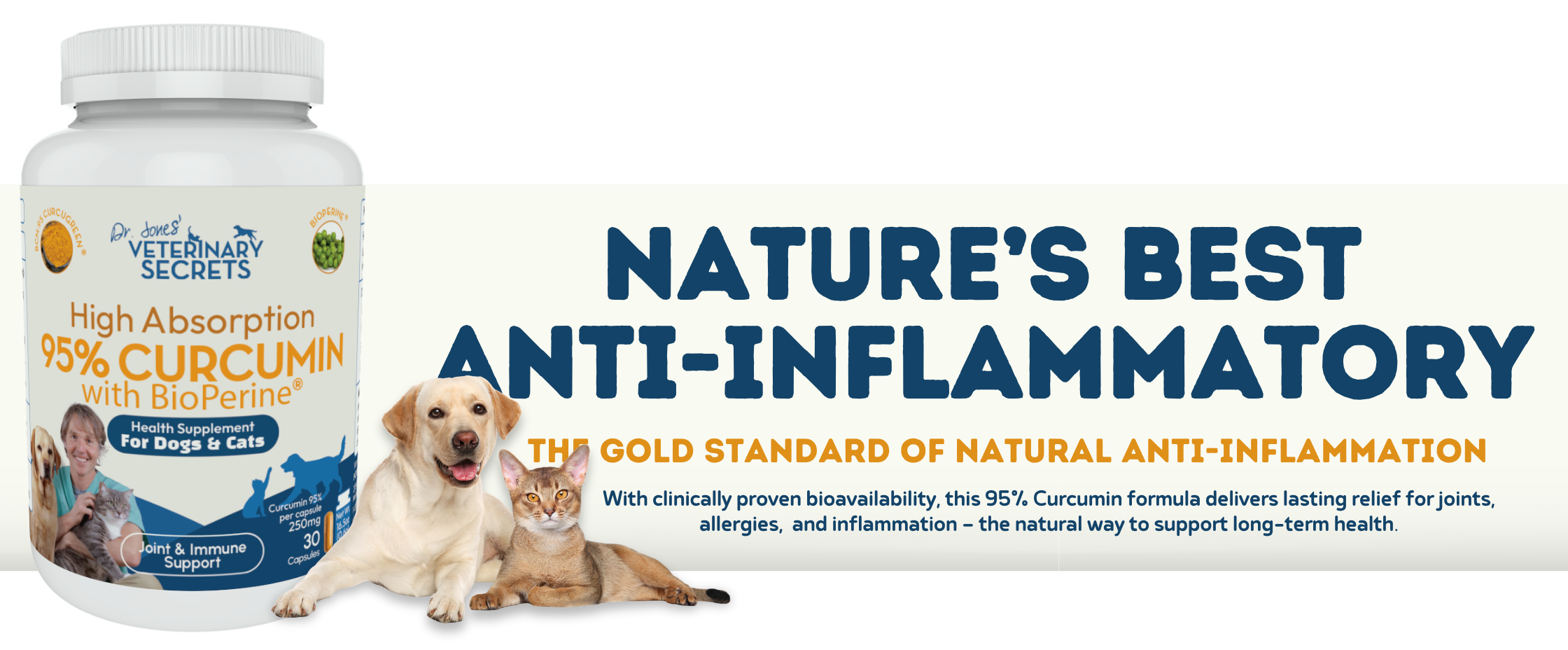
95% Curcumin for Pets
For dogs and cats, I suggest:
50 to 100 mg per 10 lbs of body weight daily
A bioavailable option discussed is:
Dr. Jones’ High Absorption 95% Curcumin for Dogs and Cats
Standard Dog Dose
For a 50 lb dog:
One 250 mg capsule twice daily
Curcumin may be especially worth considering when inflammation is part of the disease picture.
And with cancer, inflammation is often part of the discussion.
3. Full Spectrum CBD Oil
CBD stands for cannabidiol.
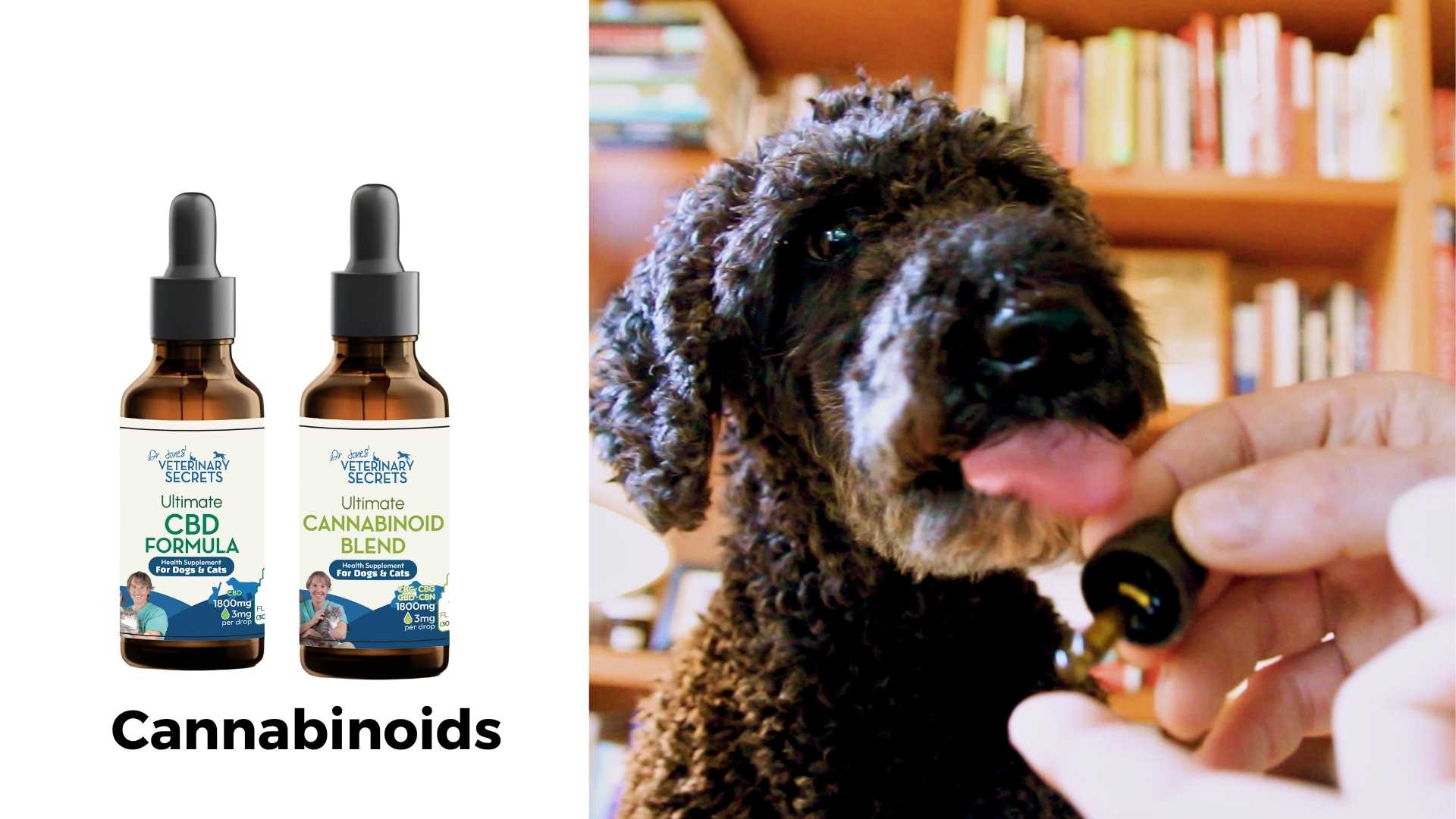
It is one of more than 100 cannabinoids that can be extracted from hemp.
CBD is found in the flowers and leaves of hemp plants.
CBD acts on the body’s endocannabinoid system.
More specifically, CBD is a phytocannabinoid, meaning it comes from a plant.
Cannabinoids do not have to come from inside the body to affect the endocannabinoid system.
Because plant cannabinoids can have a similar molecular makeup to endocannabinoids, they can interact with the endocannabinoid system and alter activity.
That is why CBD may have therapeutic benefits.
Why Full Spectrum CBD Matters
Full Spectrum CBD oil is an important part of the Joe Tippens Cancer Protocol.
But I would not choose just any CBD oil.
Quality matters.
Look for CBD oil that is:
- Made from USDA-certified organic hemp
- Free of pesticides
- Supported by current certificates of authentication, or COAs
If a company cannot show current COAs, I would be cautious.
With CBD, what is on the label should match what is in the bottle.
A radical idea, I know.
CBD Dose in the Joe Tippens Protocol
The Joe Tippens Protocol recommends:
| Use | Dose Mentioned |
|---|---|
| CBD oil | 25 mg |
| How taken | Sublingually, under the tongue |
| Frequency | 7 days a week |
CBD for Pets
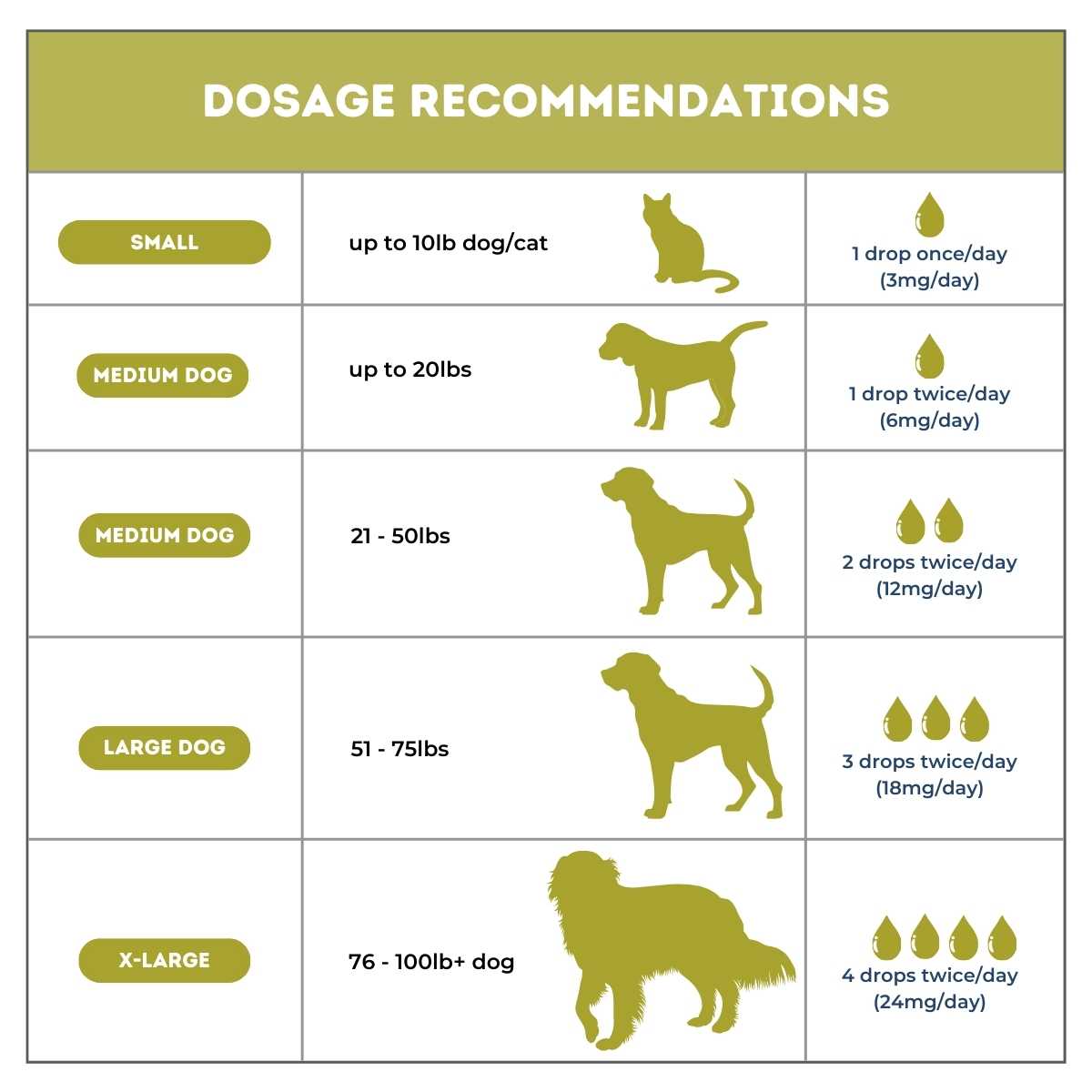
For dogs and cats, I suggest a minimum dose of:
3 mg per 10 lbs of body weight twice daily
Example for a 50 lb Dog
For a 50 lb dog, this would be:
5 drops twice daily of Dr. Jones’ Ultimate CBD for Dogs and Cats
CBD is also included in:
Dr. Jones’ Ultimate Cannabinoid Blend
This blend includes CBD along with other cannabinoids that may support immune function.
What Other Cannabinoids Are Included?
Dr. Jones’ Ultimate Cannabinoid Blend includes:
- CBD
- CBC
- CBG
- CBN
These are other medicinal cannabinoids.
They may be especially beneficial in helping support the immune system when the body is dealing with serious disease.
Cancer is serious.
The immune system matters.
That is one of the reasons I would be looking closely at cannabinoid support.
Dr. Jones’ Ultimate Cannabinoid Blend
Dr. Jones’ Ultimate Cannabinoid Blend is discussed as a cannabinoid product for dogs and cats.
It contains:
| Cannabinoid | Why It Matters |
|---|---|
| CBD | Main cannabinoid discussed for endocannabinoid support |
| CBC | Additional medicinal cannabinoid |
| CBG | Additional medicinal cannabinoid |
| CBN | Additional medicinal cannabinoid |
The product is described as immune-supportive and especially worth considering for dogs and cats dealing with serious disease.
Joe Tippens Protocol Ingredients and Pet Dose Summary
| Ingredient | Human Protocol Dose Mentioned | Pet Dose Mentioned |
|---|---|---|
| Fenbendazole | 222 mg per day, or 1 gram Panacur C, 7 days a week with food | 50 mg/kg, 3 days on and 4 days off |
| Panacur example | 1 gram Panacur C daily | 50 lb dog: 1,000 mg per day, or 10 ml liquid Panacur |
| Curcumin | 600 mg, or 2 pills daily, 7 days a week | 50 to 100 mg per 10 lbs daily |
| 95% Curcumin example | Bioavailable curcumin recommended | 50 lb dog: one 250 mg capsule twice daily |
| CBD oil | 25 mg sublingually daily, 7 days a week | Minimum 3 mg per 10 lbs twice daily |
| Ultimate CBD example | Full Spectrum CBD oil | 50 lb dog: 5 drops twice daily |
Is the Joe Tippens Protocol a Cure for Cancer?
No.
I do not endorse the Joe Tippens Cancer Protocol as a cure for cancer.
Cancer is complicated.
Different cancers behave differently.
A lymphoma is not the same as a mast cell tumor.
Hemangiosarcoma is not the same as bladder cancer.
A cat with intestinal cancer is not the same as a dog with a splenic mass.
So no, there is no one simple protocol that I would call a guaranteed cure.
But if one of my own dogs or cats were to get cancer again, I would be looking at this protocol, and likely a few other ingredients based on the type of cancer.
That is my honest answer.
Why I Would Consider This Protocol for My Own Pets
I have lost three of my own pets to cancer.
So this is not theoretical for me.
If I were dealing with cancer again in one of my dogs or cats, I would be looking at:
- Fenbendazole
- Bioavailable curcumin
- CBD
- Other cannabinoids
- Immune support
- The specific cancer type
- The pet’s comfort
- The pet’s appetite
- The pet’s quality of life
I would not look at one ingredient alone.
I would look at the whole animal.
That is how I think about cancer support.
Step-by-Step: What to Do if You Are Considering This for Your Pet
Step 1: Know the Diagnosis
Start with the actual cancer diagnosis.
Ask:
- What type of cancer is it?
- Where is it located?
- Has it spread?
- What stage is it?
- What are the conventional options?
- What is the expected outcome?
Do not treat “cancer” as one single thing.
It is not.
Step 2: Understand the Protocol
The core ingredients discussed are:
- Fenbendazole
- Curcumin
- CBD oil
For pets, I would also consider the broader cannabinoid support from Dr. Jones’ Ultimate Cannabinoid Blend.
Step 3: Use Proper Dosing
Do not guess.
The pet doses discussed are:
- Fenbendazole: 50 mg/kg, 3 days on and 4 days off
- Curcumin: 50 to 100 mg per 10 lbs daily
- 95% Curcumin: 50 lb dog, one 250 mg capsule twice daily
- CBD: minimum 3 mg per 10 lbs twice daily
- 50 lb dog CBD example: 5 drops twice daily
Step 4: Choose Quality Products
For CBD, look for:
- Organic hemp
- No pesticides
- Current COAs
- Full Spectrum support when appropriate
For curcumin, look for a bioavailable form.
For fenbendazole, use the correct form and dose.
Step 5: Watch the Whole Pet
Monitor:
- Appetite
- Energy
- Pain
- Weight
- Breathing
- Mobility
- Hydration
- Tumor size if visible
- Vomiting or diarrhea
- Overall comfort
- Quality of life
The goal is not just more time.
The goal is better time.
When Should You Call Your Veterinarian?
Call your veterinarian if your dog or cat has:
- A new lump or mass
- A growing lump
- Weight loss
- Loss of appetite
- Vomiting
- Diarrhea
- Trouble breathing
- Bleeding
- Pale gums
- Collapse
- Severe weakness
- Pain
- Swollen abdomen
- Sudden behavior change
- Known cancer that is worsening
- Side effects from any remedy or supplement
If your pet has cancer, your veterinarian should know what you are giving.
That includes supplements, CBD, curcumin, and fenbendazole.
It all matters.
What Is My Take on the Joe Tippens Protocol?
I think pet parents should know about it.
I think the ingredients are worth discussing.
I think CBD and other cannabinoids are especially interesting for dogs and cats with serious disease.
I think curcumin can be very useful when inflammation is involved.
I think fenbendazole is one of the most talked-about pieces of this protocol, and the pet dose I would consider is 50 mg/kg for 3 days on and 4 days off.
But I do not think anyone should call this a guaranteed cure.
That is not honest.
Cancer is too serious for that.
Final Thoughts
The Joe Tippens Cancer Protocol is an alternative cancer protocol built around fenbendazole, curcumin, and CBD oil.
Joe Tippens used it after being diagnosed with small cell lung cancer that had spread to several areas of his body.
The protocol became known because fenbendazole, an animal dewormer, was at the center of the story.
For pets, I would not treat this as a magic answer.
But I would not ignore it either.
If one of my own dogs or cats were to get cancer again, I would be looking at this protocol, and I would likely add other ingredients based on the specific type of cancer.
I would definitely consider cannabinoid support, especially Dr. Jones’ Ultimate Cannabinoid Blend, because it contains CBD along with CBC, CBG, and CBN.
Cancer is hard.
There are no easy guarantees.
But there are thoughtful ways to support the body, support the immune system, and support comfort.
That is where I would start.
Click to Get A Free Copy of My E-Book!

P.S. If one of my dogs or cats were to get cancer again, I would be using this protocol, and likely a few other ingredients based on the type of cancer.
P.P.S. I would definitely be using cannabinoid products, especially Dr. Jones’ Ultimate Cannabinoid Blend.
It contains CBD, along with other medicinal cannabinoids including CBC, CBG, and CBN, which can be especially beneficial to help support the immune system when fighting serious disease.

My 55 lb, 14 yr old female Boxer mix was diagnosed with a Chemodectoma. It is touching her bronchial tube and causing her to cough. That is her only symptom. The cough is terrible. Please advise as to what your protocol would be. I greatly appreciate it.
With a chemodectoma pressing on the bronchial tube, that cough deserves careful attention, especially since breathing can become affected. We’d want to focus first on keeping her comfortable and supporting her quality of life. For cancer support, we discuss options such as CBD, bioavailable curcumin and fenbendazole, but there isn’t a proven natural cure, and the right approach depends on her individual diagnosis and overall health.