Dog Cancer Breakthrough? Ivermectin + Metformin Study Explained

What the New Research Is Showing and What You Need to Know
Most people, and likely yourself, have been told not to consider ivermectin for cancer.
That it does not work.
That it is just hype.
But the science is starting to shift. There are now some early studies worth paying attention to.
In this article, I want to walk you through what we are seeing, how this works, and what to be aware of if you are considering it.
Dr. Jones’ Ultimate CBD Formula for Dogs and Cats


Why Researchers Are Looking at Ivermectin for Cancer
One of the biggest areas of research right now is something called drug repurposing.
These are older drugs that were approved for one purpose, but may have other benefits.
Ivermectin is a well known antiparasitic drug. It has been used safely in dogs for years.
But researchers have also found that it may affect certain cellular pathways involved in cancer.
A New Study: Ivermectin and Metformin
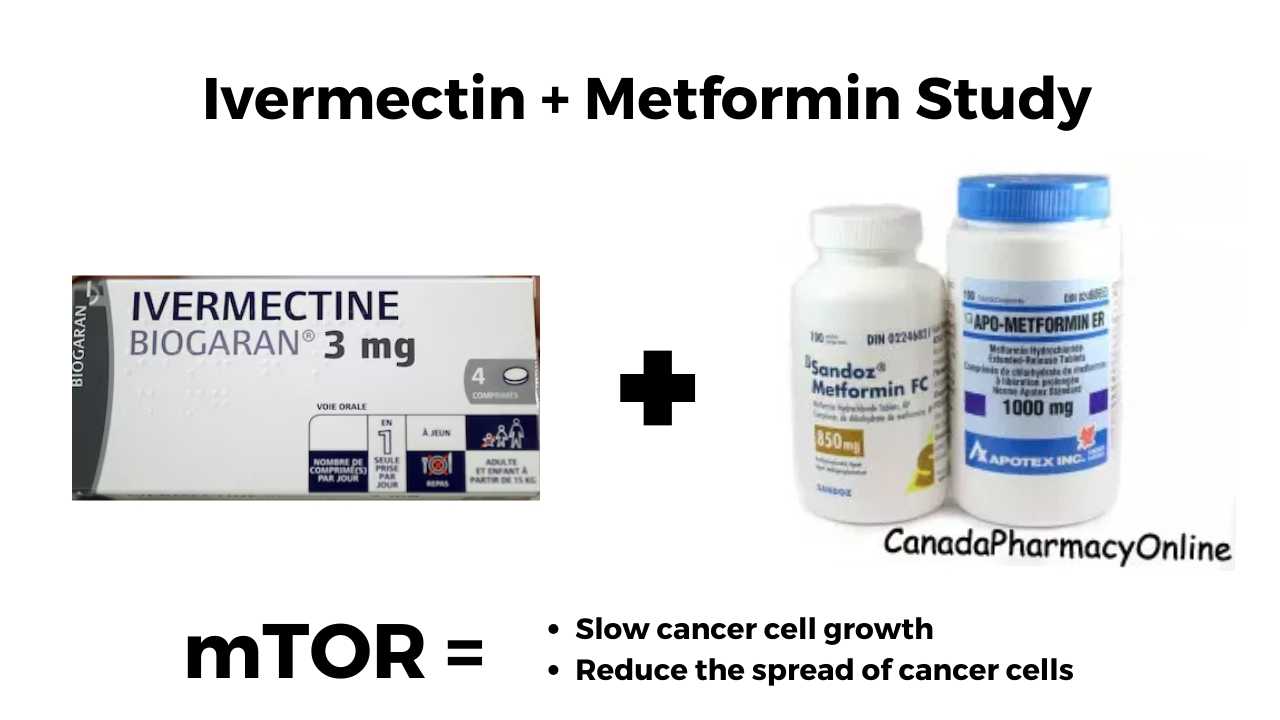
There is a recent study looking at the combination of:
-
Ivermectin
-
Metformin
The study examined canine breast cancer cells in a lab setting.
Both drugs were shown to:
-
Slow cancer cell growth
-
Reduce the spread of cancer cells
When combined, the effect was stronger.
Researchers believe this is due to their effect on a pathway called mTOR.
Why the mTOR Pathway Matters
The mTOR pathway plays a key role in cell growth and metabolism.
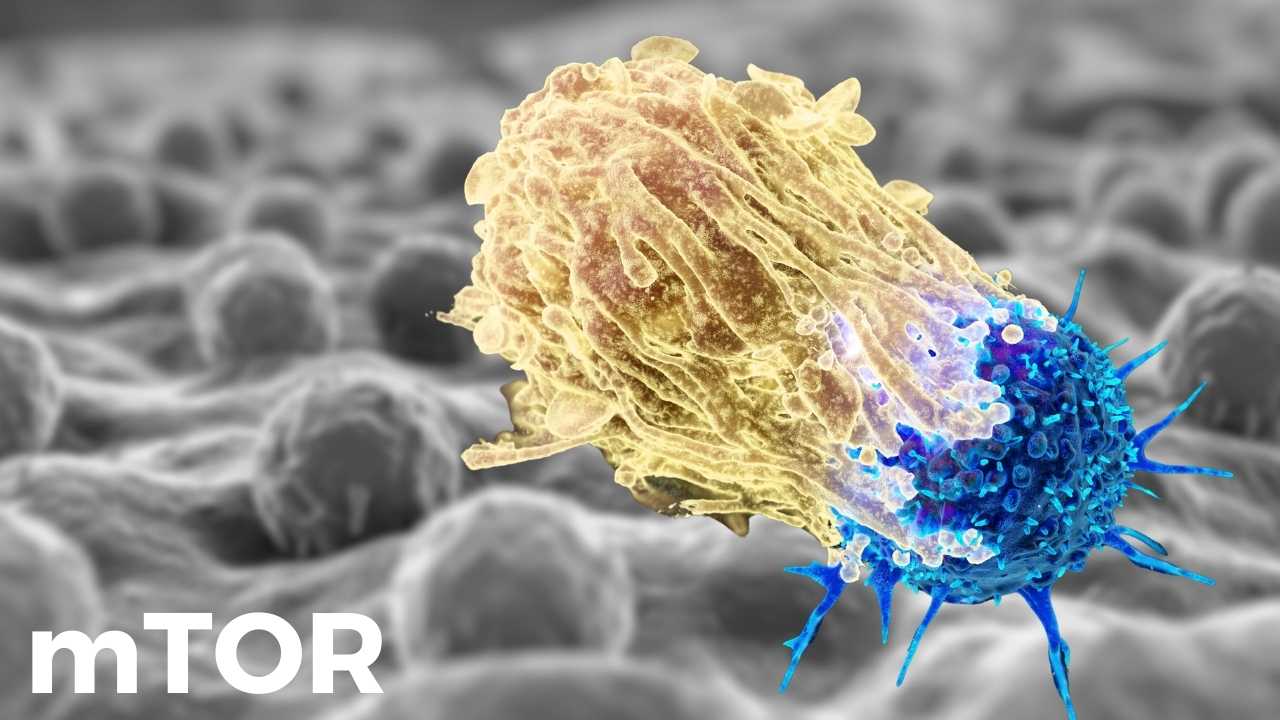
In cancer, this pathway is often overactive.
That means cells keep growing without control.
If you can slow down or block this pathway, you may be able to:
-
Reduce tumor growth
-
Slow disease progression
Both ivermectin and metformin appear to influence this pathway.
What About Real World Use?
At this stage, most of the research is still pre clinical.
That means it has been done in labs and not yet widely tested in dogs with cancer.
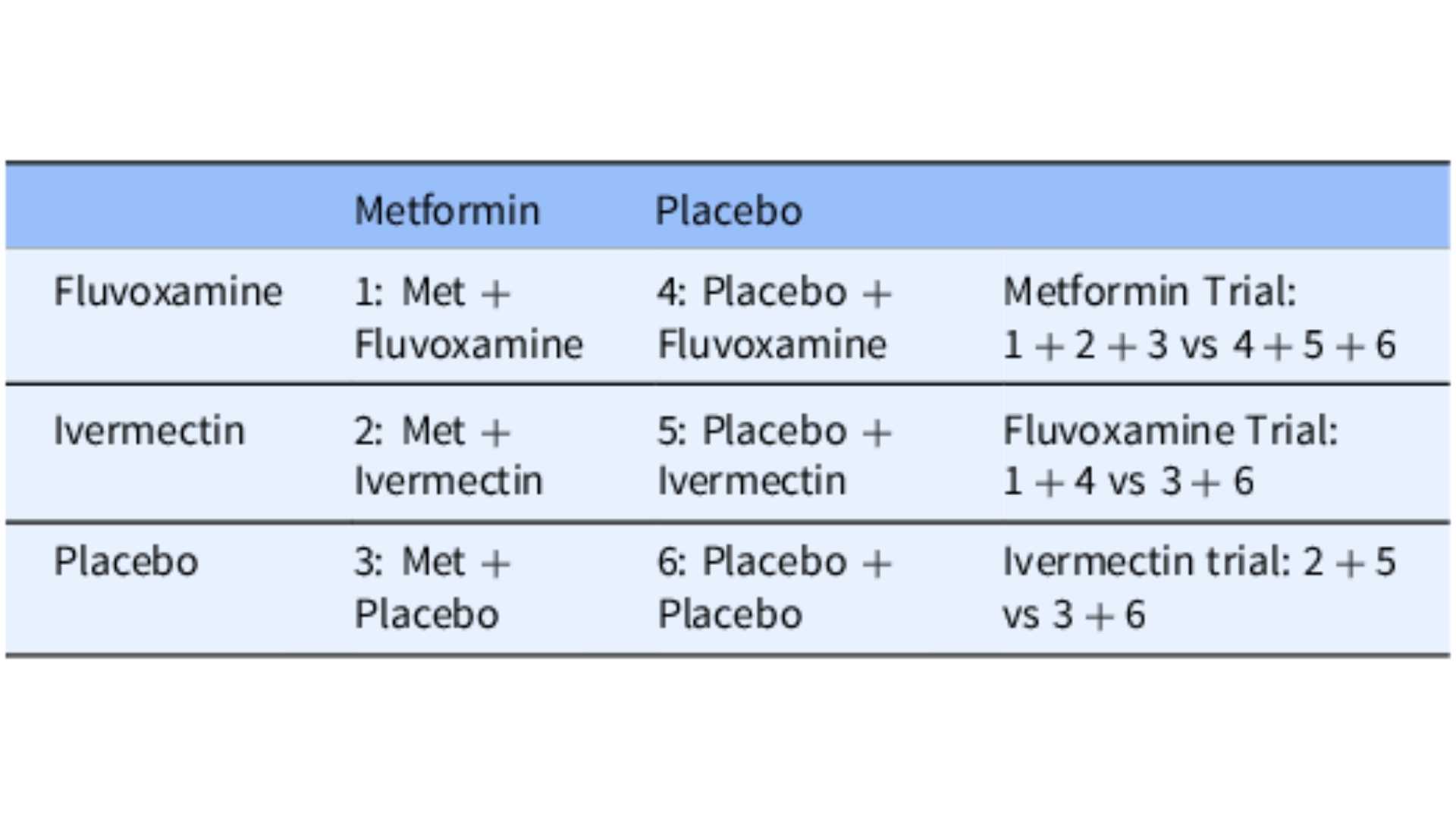
However, there are ongoing human clinical trials.
One example is a study using ivermectin alongside chemotherapy for triple negative breast cancer, a form that is difficult to treat.

This tells us that researchers are taking this seriously.
Why There Is So Much Skepticism
There are a few reasons why ivermectin is often dismissed.
-
Many studies are still early stage
-
There have been exaggerated claims in the past
-
People associate it with internet hype
But now we are seeing more structured research and clinical interest.
That changes the conversation.
Safety Considerations in Dogs
Ivermectin is not safe for all dogs.
Some breeds have a genetic mutation called MDR1 deficiency, which affects how they process the drug.
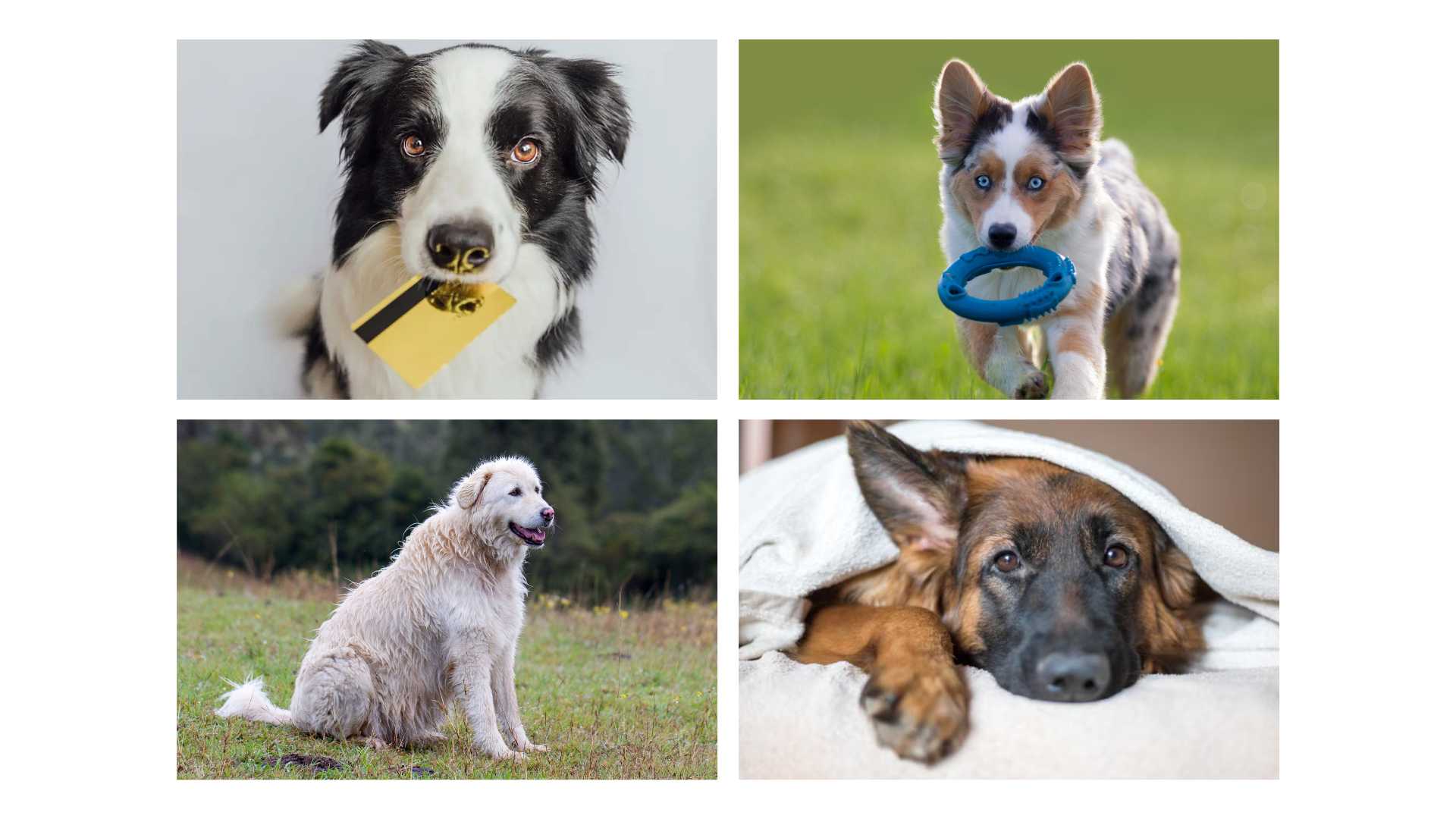
Breeds at higher risk include:
-
Collies
-
Australian Shepherds
-
Sheepdogs
-
Some related breeds
In these dogs, ivermectin can be toxic.
Testing is available and should be considered before use.
What About Dosage?
There are currently no established veterinary cancer protocols using ivermectin.
This is NOT something to try on your own.
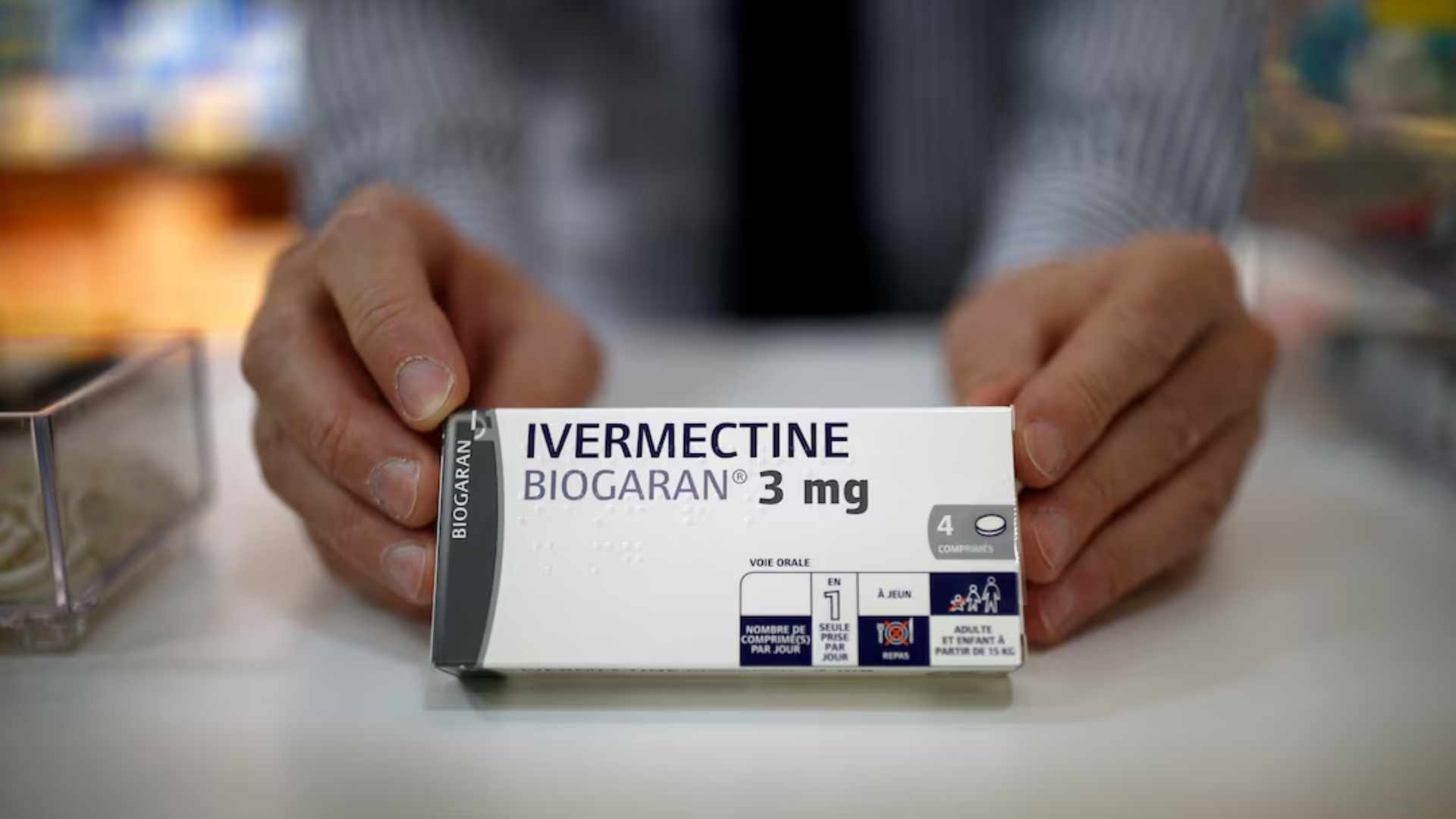
Any use must be done with guidance from your veterinarian.
That said, I will share what is being explored in research so you understand the context.
In human studies, ivermectin is often given in cycles:
-
3 days on
-
4 days off
Doses used in cancer research are higher than typical parasite treatments.
For example, one reference dose discussed is:
-
500 micrograms per kilogram
Metformin is also being explored alongside ivermectin.
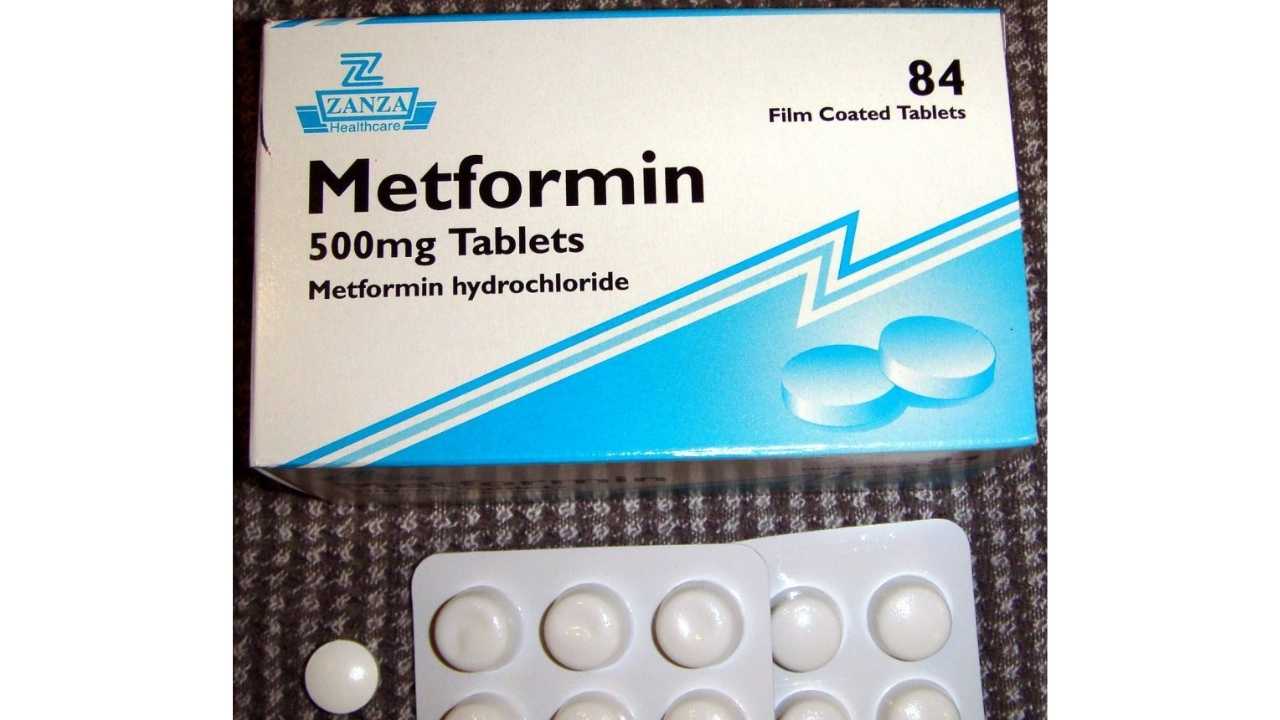
A commonly discussed amount in dogs is:
-
5 mg per kilogram, twice daily
These are not standard veterinary recommendations. They are reference points from research and must be interpreted carefully.
Is This a Cure for Cancer?
No.
This is not a cure.
But it may be another tool to consider, especially for cancers where current treatment options are limited.
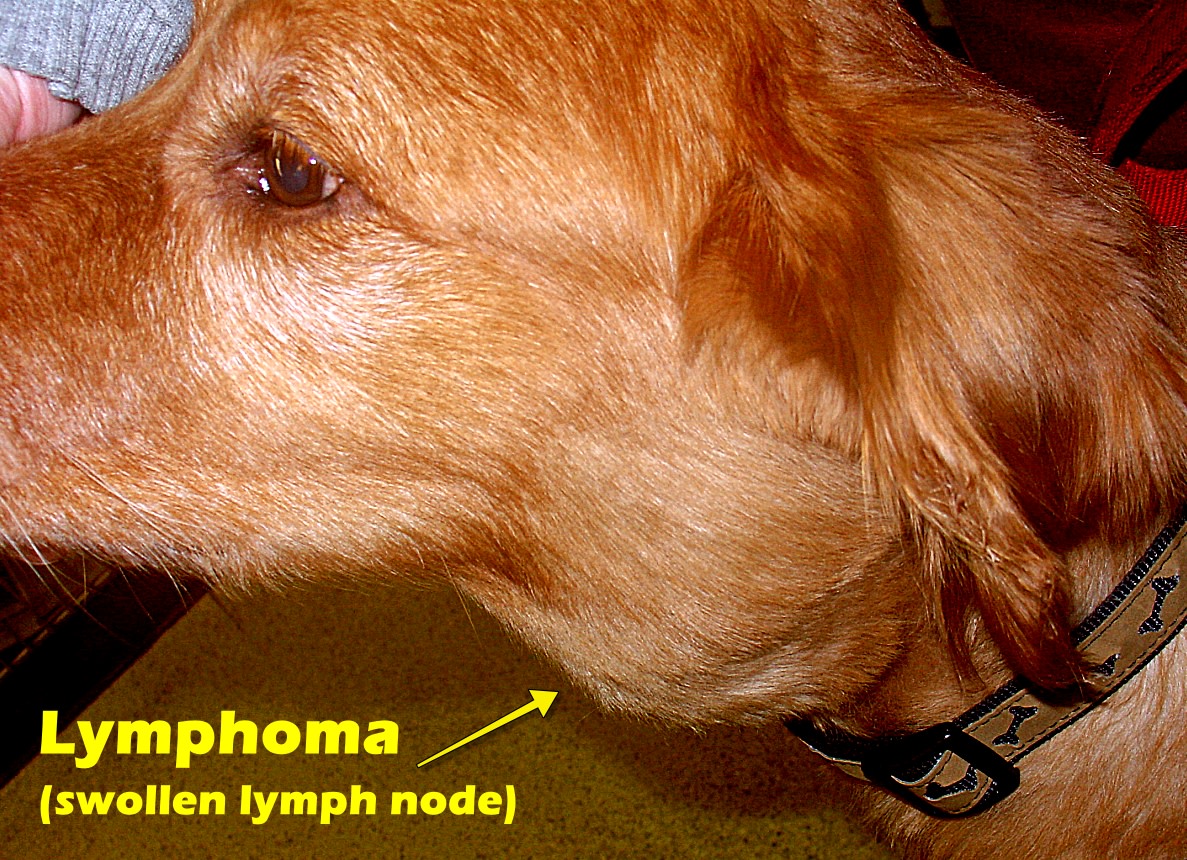
Many cancers in dogs, such as:
-
Lymphoma
-
Osteosarcoma
still have poor long term outcomes.
That is why research like this matters.
Where Metformin Fits In
Metformin is a drug widely used in people for blood sugar control.
It is now being studied for its role in:
-
Slowing abnormal cell growth
-
Supporting cellular repair
-
Targeting aging cells
It also appears to affect the same mTOR pathway.
That is why combining it with ivermectin is being explored.
Final Thoughts
The idea of using ivermectin for cancer is still evolving.
The early research is promising, but it is not definitive.
What matters most is this:
-
The science is moving forward
-
There are new approaches being explored
-
You should have informed discussions with your veterinarian
If your dog has cancer, it may be worth bringing this topic up and reviewing the available research together.
Click To Get A Free Copy of My E-Book!




What is the proper dosage and schedule for my 70 pound, 9.5 year old german shepherd. She was diagnosed with cancer. I have safeguard deowrmer for goats 125ml. Since ivermectin can be dangerous for a german shepherd.
You are right to be cautious with ivermectin in shepherd type breeds. Some dogs can have a sensitivity that leads to neurologic toxicity, especially at higher doses. Dr. Jones does not recommend guessing or experimenting with ivermectin dosing at home.
Now for the fenbendazole you have. The standard veterinary dose is about 50 mg per kg once daily for 3 days. That is the approved deworming dose.
For your 70 lb dog, that works out to roughly:
about 1 gram of granules per 10 lb, so around 7 grams daily for 3 days if you were using the canine packets.
Now here’s the important part;
Using fenbendazole or ivermectin for cancer is considered off label and experimental. There is no universally accepted, proven dosing protocol for cancer, and that is where a lot of confusion comes in.
What Dr. Jones recommends, keeping things safe and practical
Start with fenbendazole alone first
Use a conservative dose based on known safe ranges
Monitor appetite, stool, energy closely
Add one thing at a time, not multiple new drugs together
And with ivermectin
He would only consider it after MDR1 testing is confirmed normal, and ideally with veterinary guidance.