Why Your Dog May Be Gaining Weight? Hypothyroidism in Dogs


Why Your Dog May Be Gaining Weight, Low on Energy, and Getting Repeated Skin Infections
Are you struggling to help your dog lose weight?
Does your dog seem tired all the time?
Maybe you are also seeing repeated skin infections or coat problems.
These can be signs of hypothyroidism, a common hormone disorder in dogs.
Many dogs with hypothyroidism need medication. But there are also natural ways to support thyroid health that can be used alongside conventional treatment.
Let’s go through what hypothyroidism is, what causes it, the common signs, and some natural options that may help support your dog.
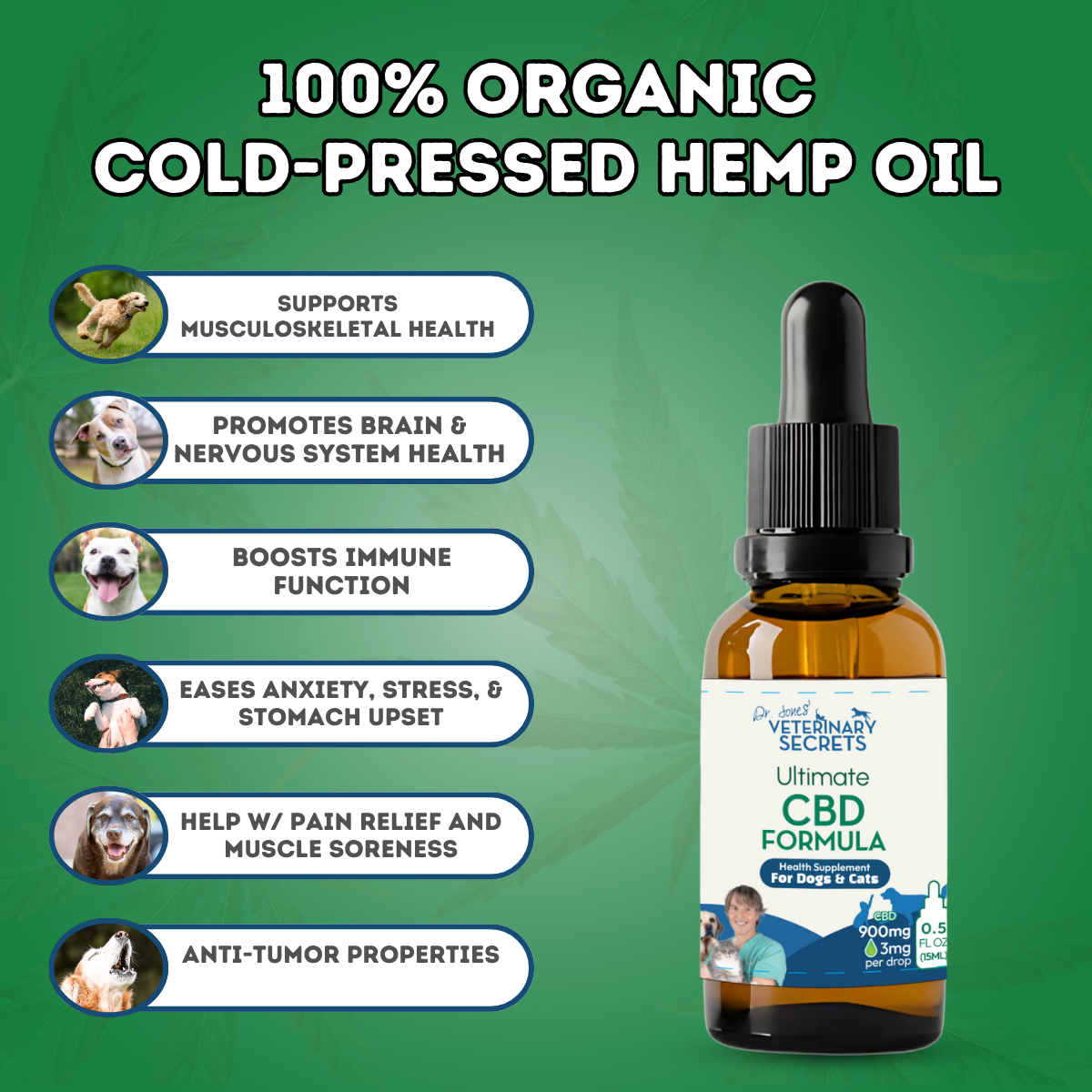
Dr. Jones’ Ultimate CBD Formula for Dogs and Cats

What Is Hypothyroidism in Dogs?
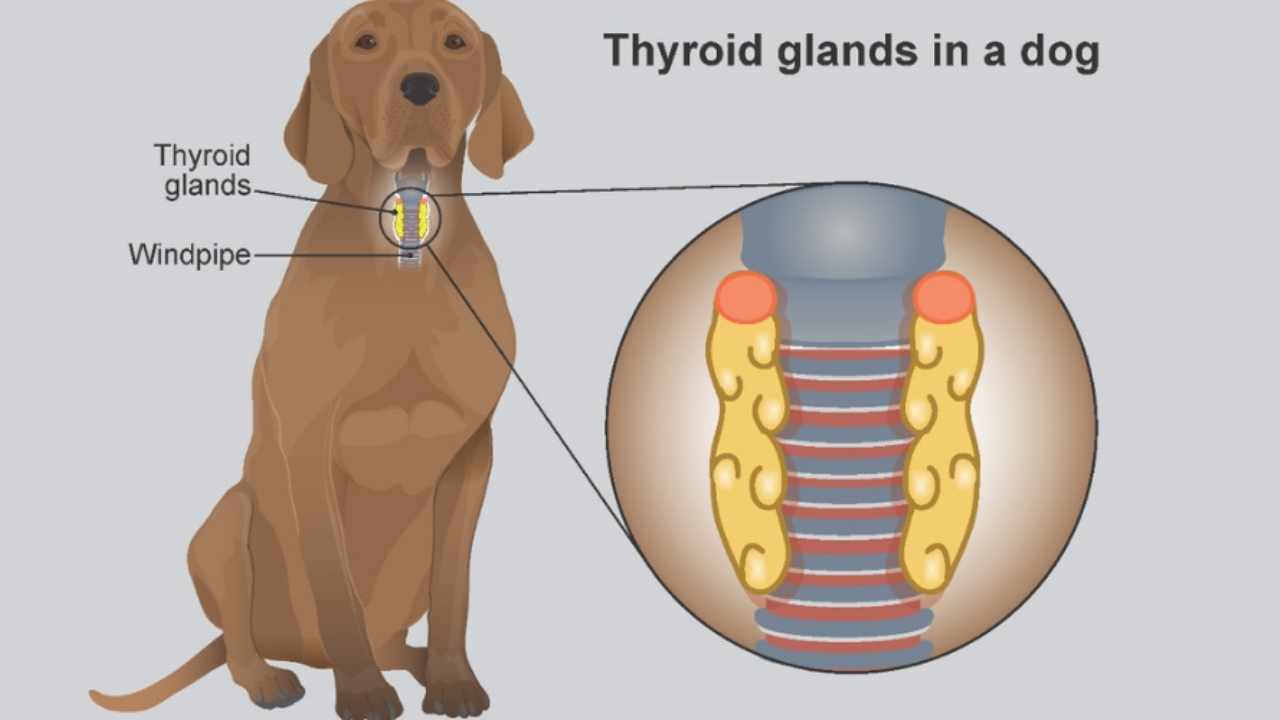
Hypothyroidism occurs when your dog’s thyroid gland does not produce enough thyroid hormone.
These hormones regulate metabolism. When levels are low, your dog’s metabolism slows down.
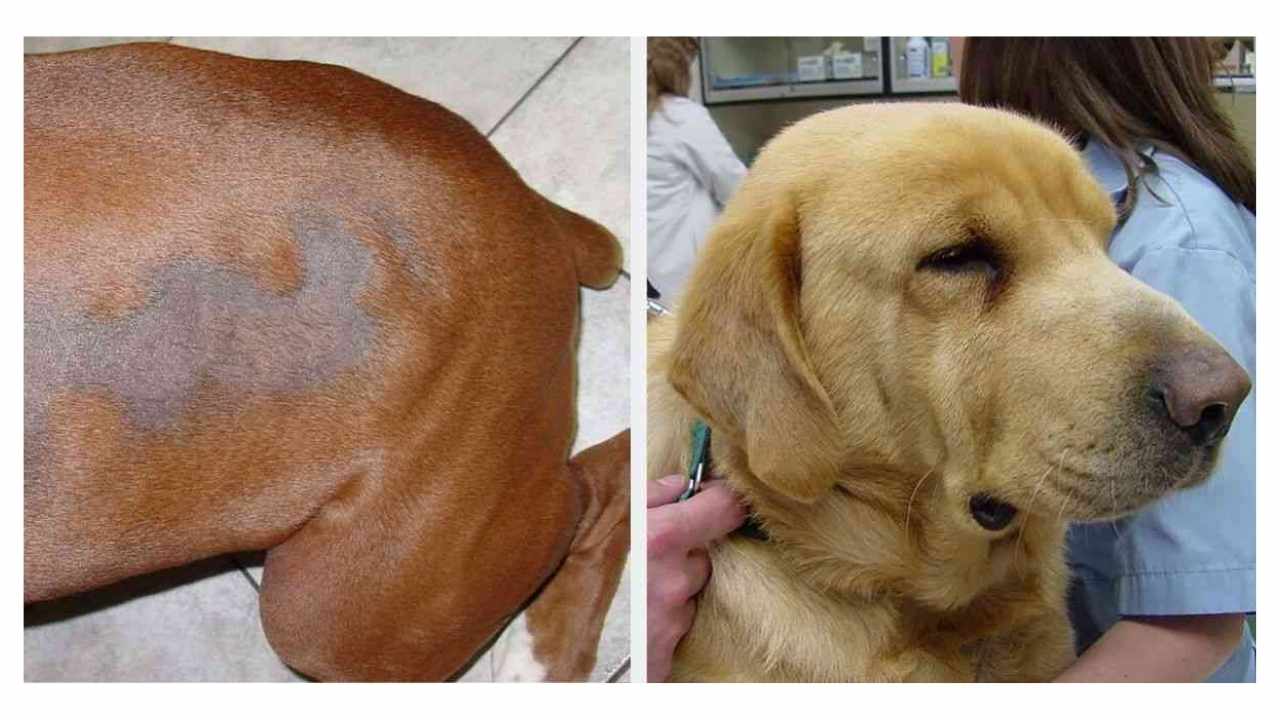
This can lead to weight gain, fatigue, and a number of skin problems.
What Causes Hypothyroidism?
The most common cause is autoimmune thyroiditis.
This means the immune system attacks the thyroid gland, gradually damaging it and reducing hormone production.
Several factors have been suggested as possible contributors, including:
-
Commercial dog food diets
-
Vaccines
-
Lawn chemicals
-
Environmental toxins
-
Phthalates found in some dog toys
-
PCBs
-
Heavy metals
-
Early spay and neuter
These factors may contribute to immune dysfunction in some dogs.
Common Signs of Hypothyroidism
Dogs with low thyroid hormone often show a variety of symptoms.

Some of the most common include:
-
Weight gain without increased appetite
-
Lethargy and low energy
-
Lack of interest in exercise
-
Cold intolerance
-
Elevated cholesterol
-
Anemia
Skin and coat changes are also very common.
You may notice:
-
Dry, dull coat
-
Excessive shedding and flaking
-
Thin coat or hair loss
-
Darkened skin pigmentation
-
Repeated skin infections
-
Frequent ear infections
-
Hair that fails to regrow after clipping
Getting a Proper Diagnosis
Before starting treatment, it is important to confirm the diagnosis.
Hypothyroidism is actually one of the most over diagnosed diseases in dogs.
If your dog is sick for another reason, thyroid hormone levels may appear low even though the thyroid gland is functioning normally.
Certain medications can also affect thyroid test results.
For example:
-
Steroids
-
Topical ear medications containing steroids
These can temporarily lower thyroid hormone levels in blood tests.
Testing should ideally be done when your dog is otherwise healthy and showing classic signs such as weight gain, lethargy, and skin changes.
Discuss proper testing options with your veterinarian before starting treatment.
Thyroid Hormone Medication
For many dogs, thyroid hormone supplementation is still the most effective treatment.
This medication replaces the hormone the thyroid gland is no longer producing.
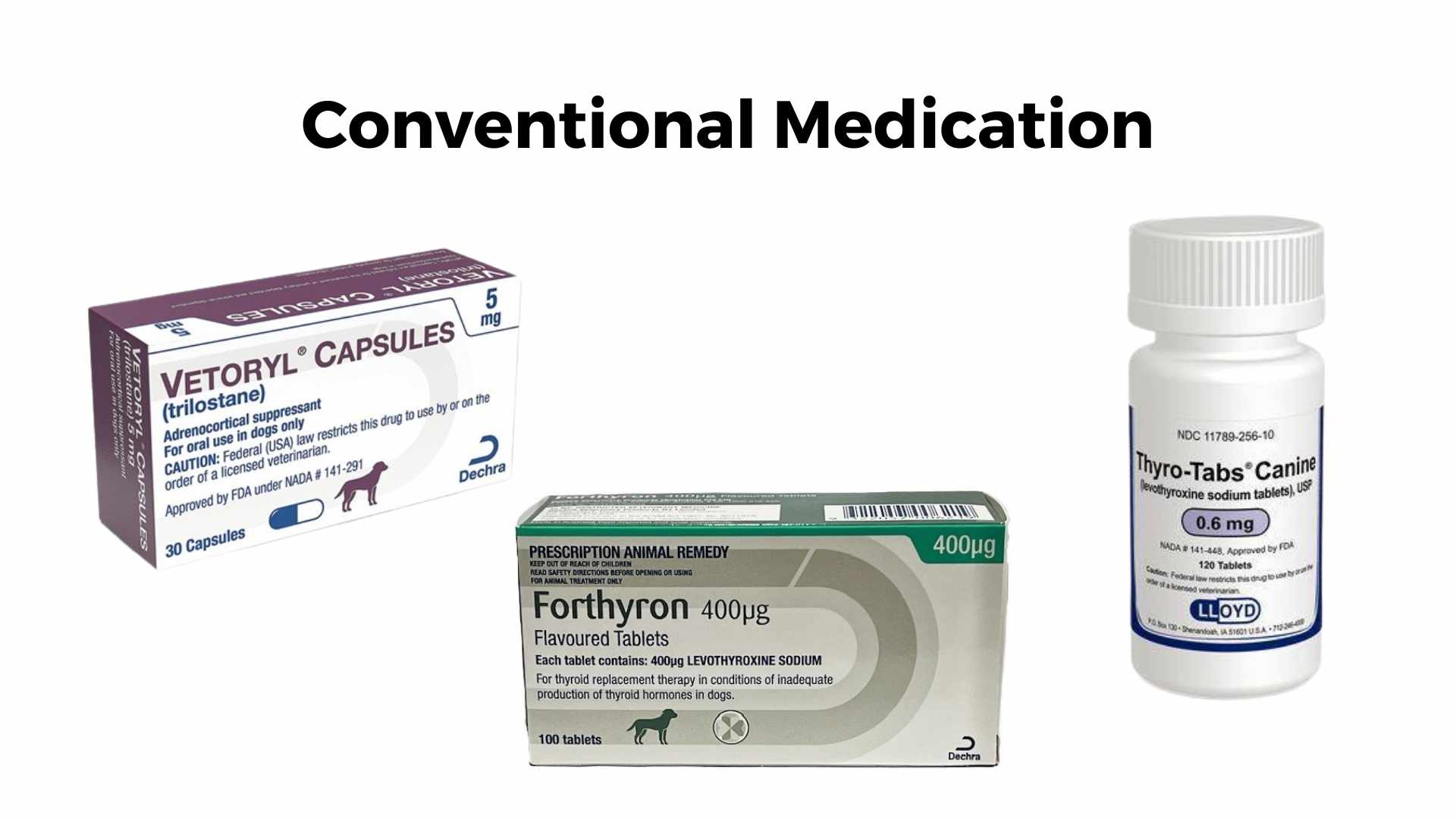
The medication is generally safe and effective.
However, it must be given daily and usually for life.
Even if medication is needed, adding supportive nutrients may still help improve overall thyroid health.

Omega 3 Fatty Acids
Omega 3 fatty acids may help reduce immune related damage to the thyroid gland.
A typical dose is:
1000 mg per 10 pounds of body weight daily
Krill oil or fish oil are common sources.
Zinc
Zinc is an important mineral involved in thyroid hormone production.
People with hypothyroidism often benefit from zinc supplementation, and similar benefits may apply to dogs.
Typical dog dose:
25 mg per 50 pounds of body weight daily
For example, a 50 pound dog could receive half of a 50 mg capsule once daily.
Selenium
Selenium is another essential nutrient involved in thyroid hormone metabolism.
Studies show selenium supplementation can help support thyroid hormone production.
Typical dog dose:
1 to 2 micrograms per pound of body weight daily
Ashwagandha
Ashwagandha is a well known herbal remedy sometimes called Indian ginseng.
It has been used in traditional medicine for thousands of years.
Ashwagandha is considered an adaptogenic herb, meaning it helps the body regulate hormone production.
It may help support thyroid hormone balance.
Typical dose for dogs:
400 mg per 50 pounds of body weight daily
For example, a 50 pound dog would receive one 400 mg capsule per day.
Supporting Autoimmune Thyroid Disease
Because most cases of hypothyroidism are linked to autoimmune disease, supporting the immune system may help.
Some compounds that may assist include:
-
Flavonoids such as EGCG and quercetin
-
Cannabinoids such as CBD
CBD has research supporting its role as an immune modulator.
Many dog parents find it helpful when used alongside standard treatment for hypothyroidism.
CBD may also help reduce inflammation and provide natural pain relief.
CBD Support for Dogs
A concentrated CBD extract may help support immune balance in dogs with autoimmune conditions.
One option is Dr. Jones’ Ultimate CBD for Dogs and Cats, which is a whole plant hemp extract in hemp seed oil.
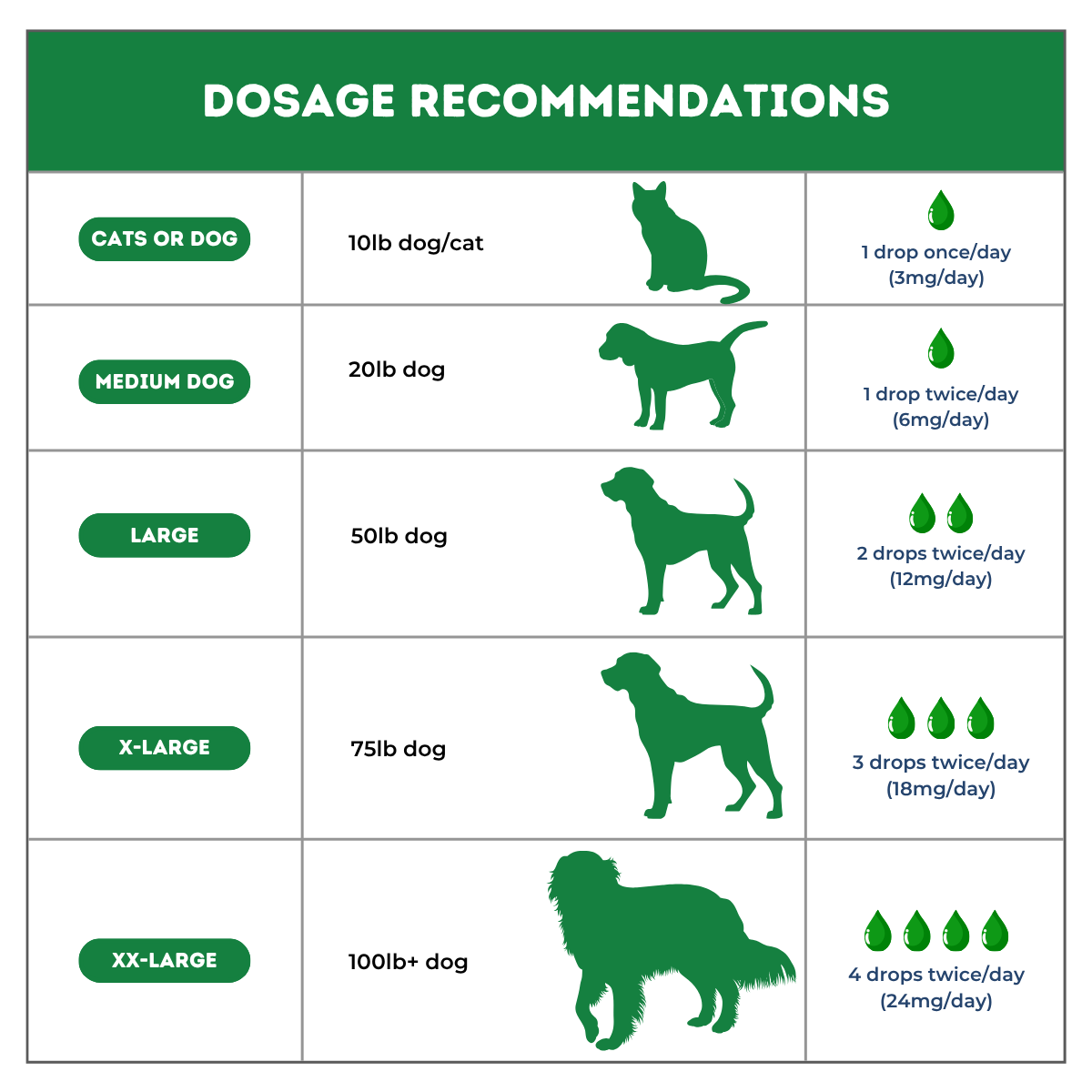
The concentration is approximately 3 mg per drop.
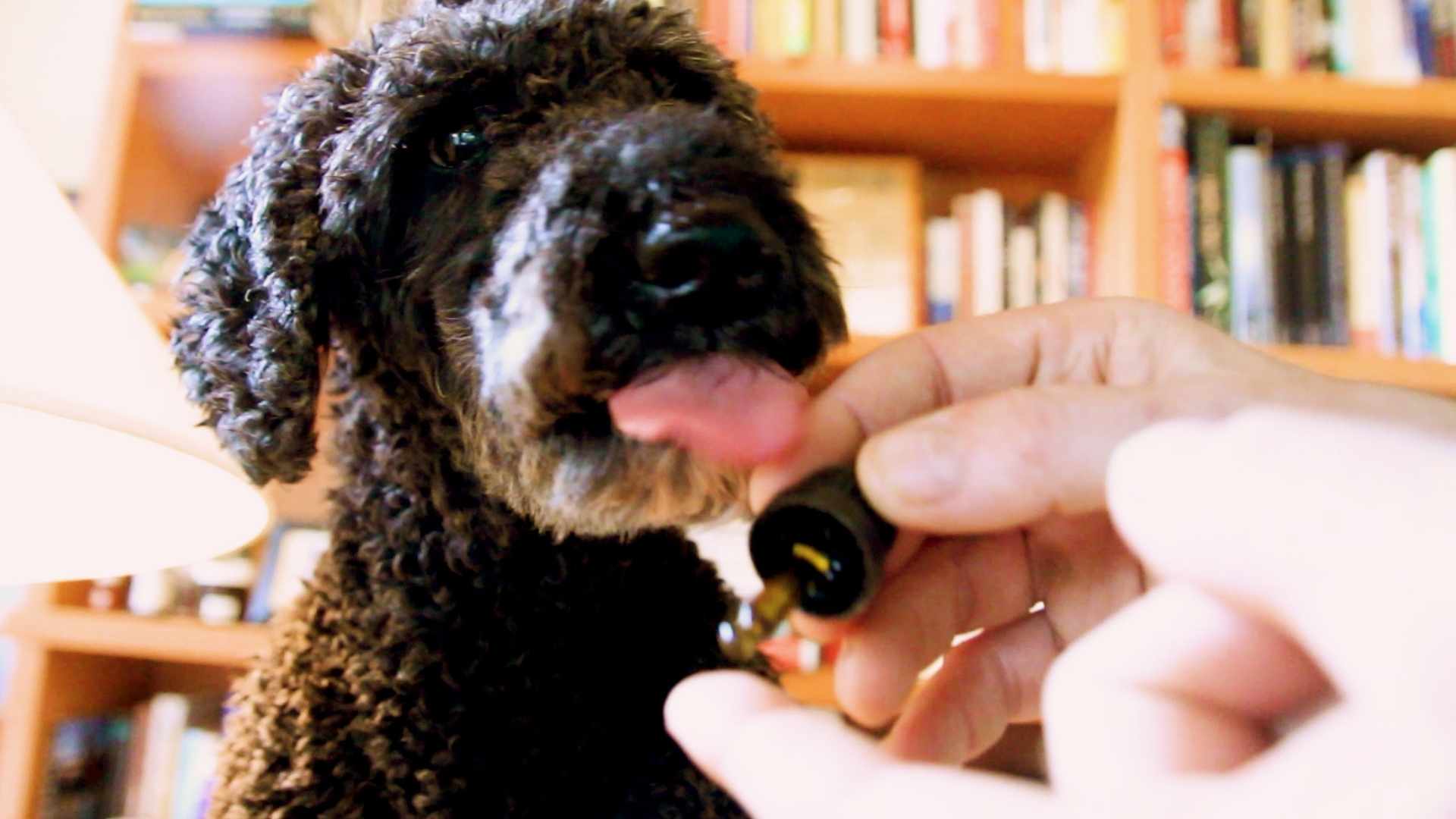
A typical starting amount is:
1 drop twice daily for a 10 pound dog or cat
This type of dosing allows you to adjust amounts depending on your dog’s size and response.
I have also used it for Tula during periods of lameness, and even personally during bouts of dental pain.
Final Thoughts
If your dog is showing signs such as weight gain, low energy, or recurring skin infections, hypothyroidism may be a possibility.
The first step is proper testing.
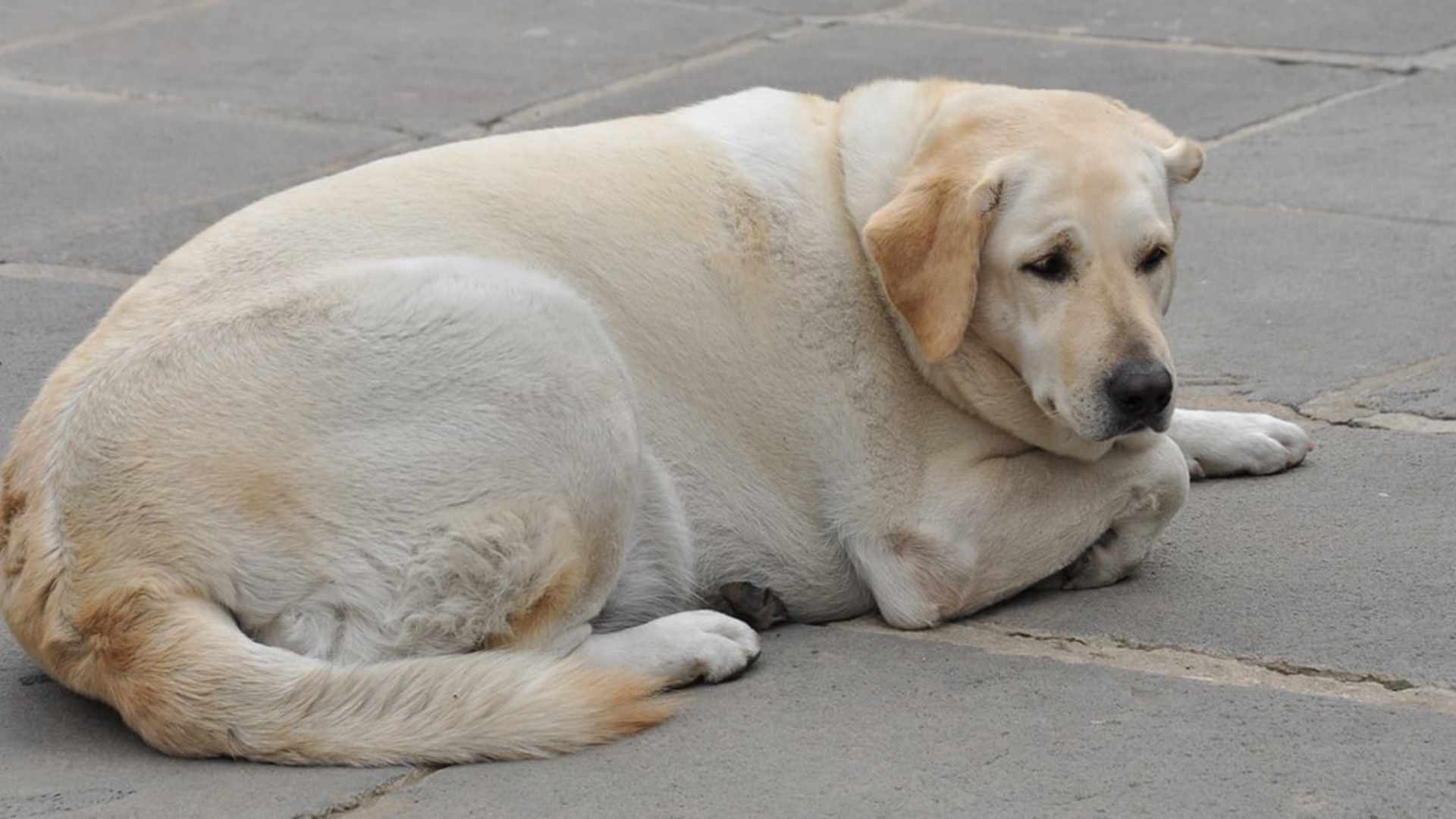
If hypothyroidism is confirmed, thyroid medication is often required. But adding supportive nutrients may help improve overall thyroid function and immune balance.
Supplements such as omega 3 fatty acids, zinc, selenium, ashwagandha, and CBD may provide additional support.
After a few months of treatment and nutritional support, your veterinarian may be able to recheck thyroid levels and adjust medication if needed.
Click To Get A Free Copy of My E-Book!