Hot Spot on Your Dog? Do This First

What Should You Do First for a Dog Hot Spot?
If your dog has a hot spot, the first thing to do is clip or trim the hair around the sore area, then clean it well with an antiseptic scrub.
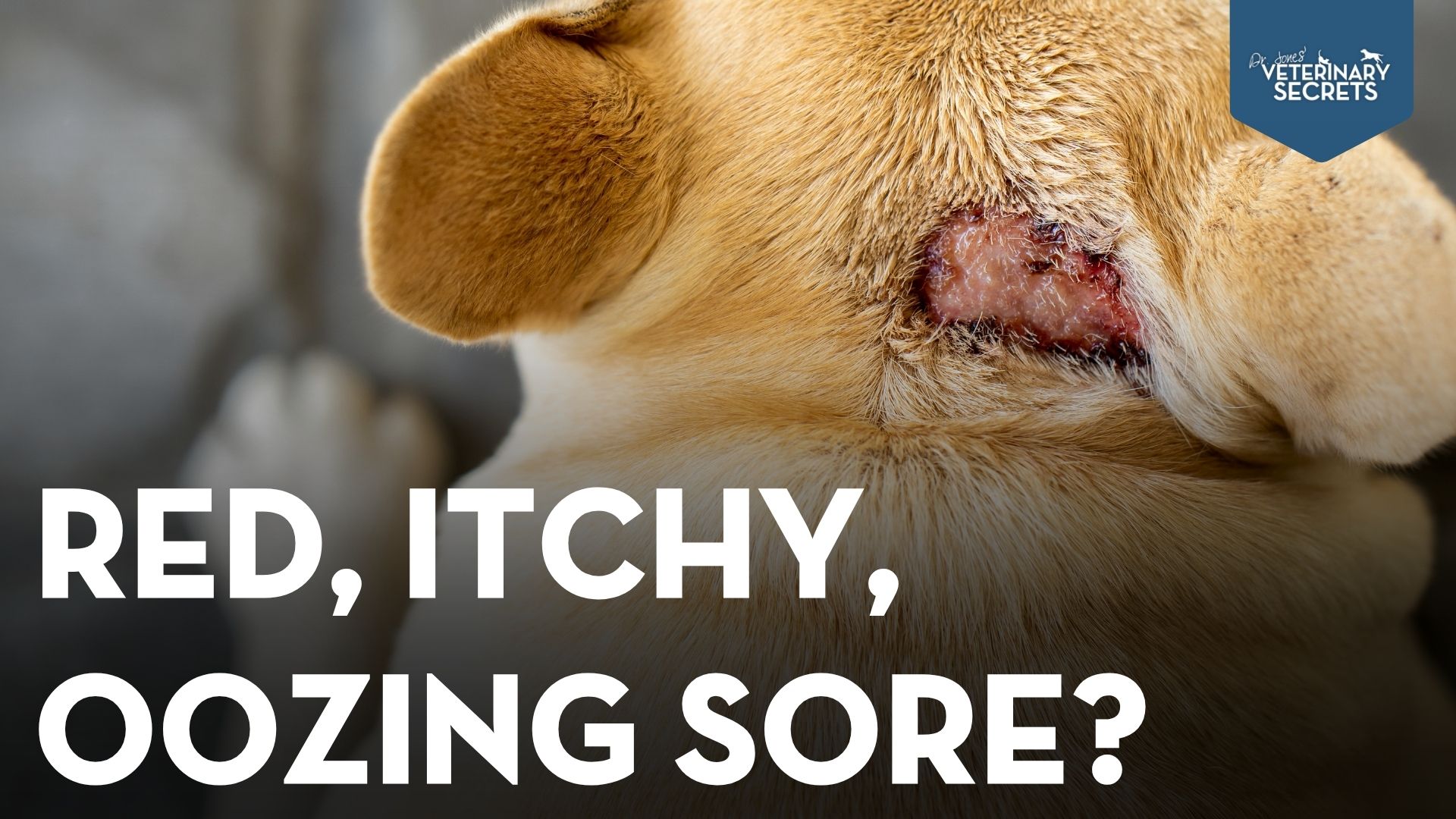
A hot spot is also called acute moist dermatitis. It is a bacterial infection of the hair follicles that often appears as a red, oozing, sore, smelly patch of skin.
Hot spots can show up fast.
Your dog goes swimming.
Maybe he gets a small scratch on his face.
Then suddenly, almost within hours or by the next day, he is scratching, rubbing, and you are staring at a red, angry, wet skin sore thinking, “Well, that escalated.”
The good news is that many hot spots respond well to topical treatment at home.
But you need to start correctly.
Clip.
Clean.
Then treat.
That order matters.
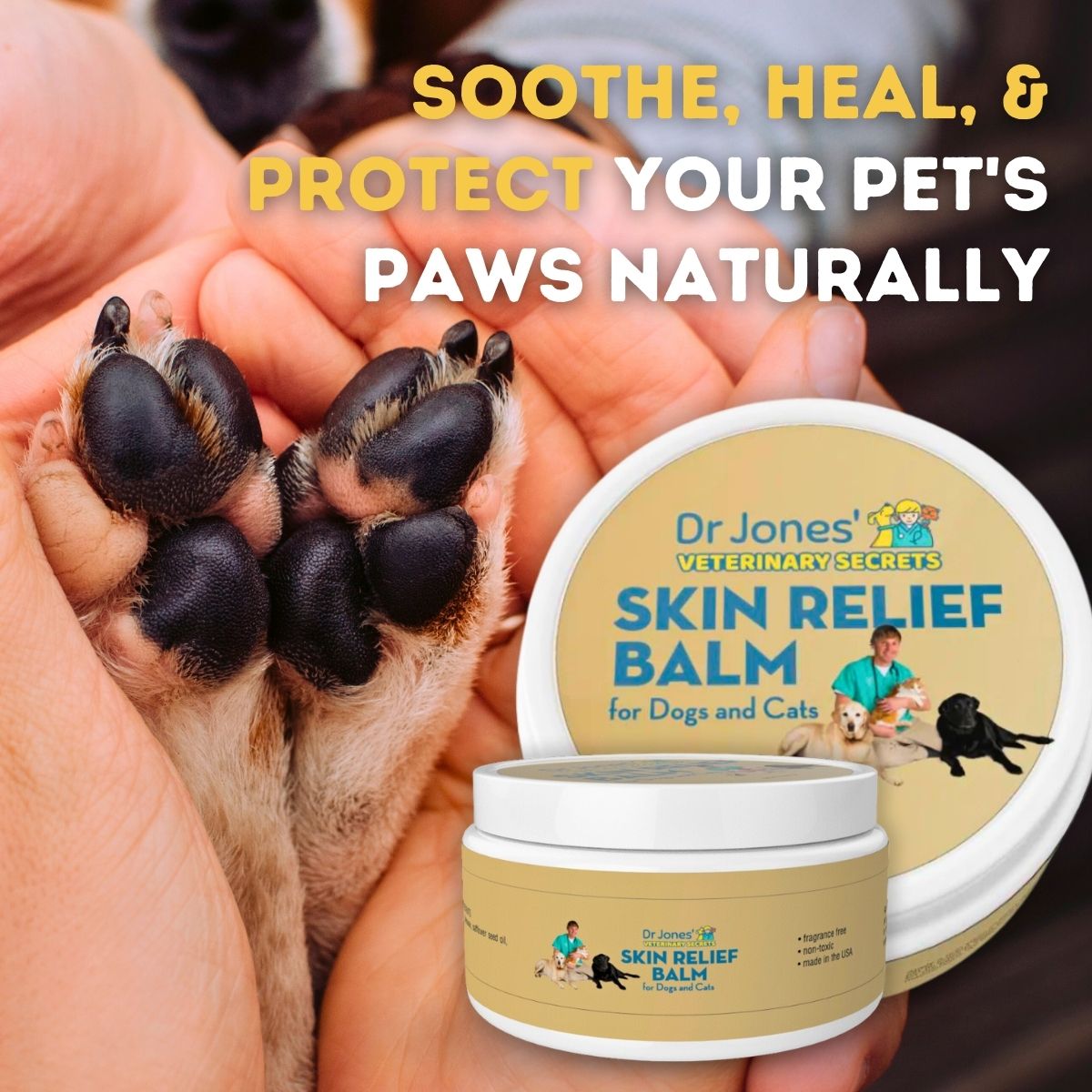
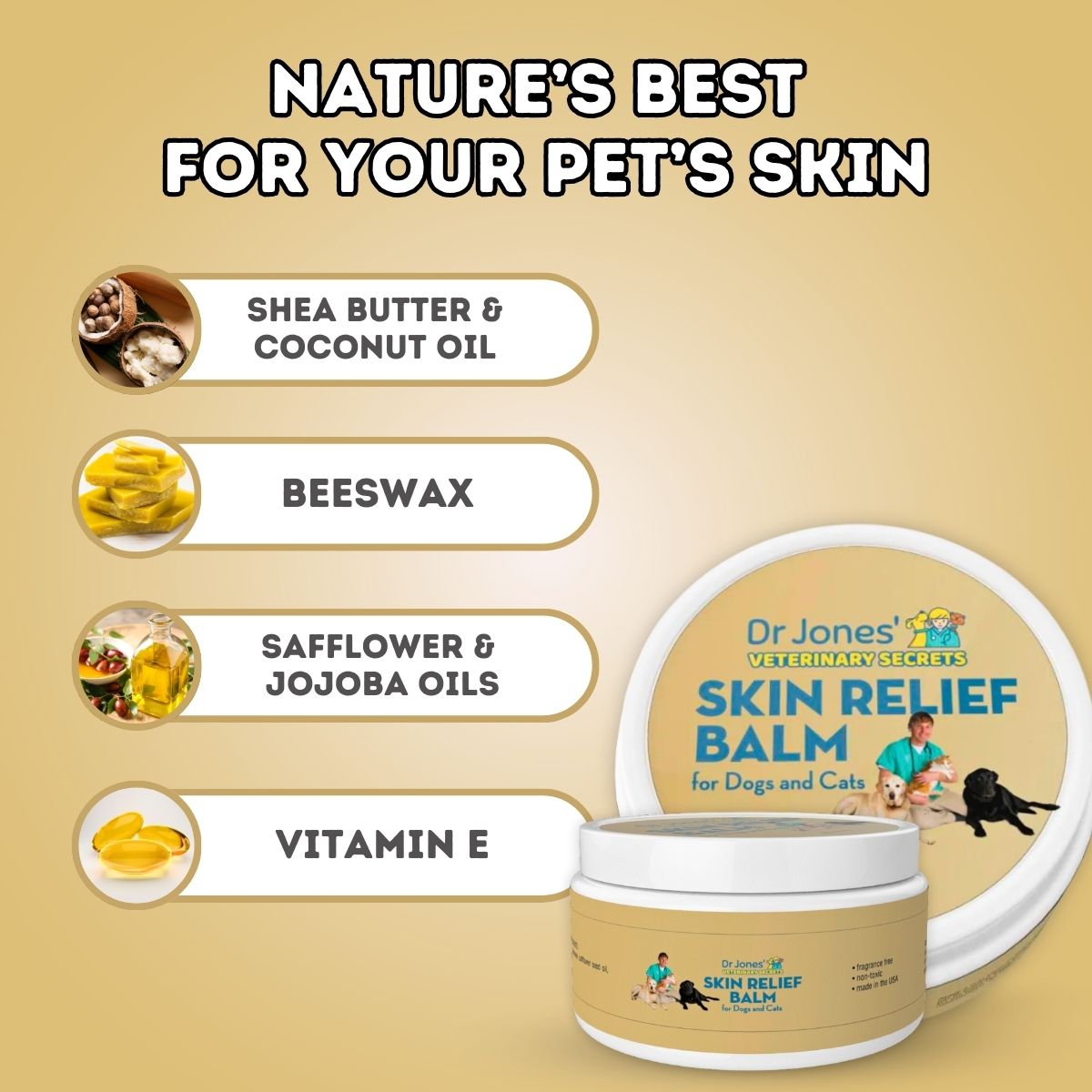
Dr. Jones’ Skin Relief Balm for Dogs and Cats
What Is a Hot Spot on a Dog?
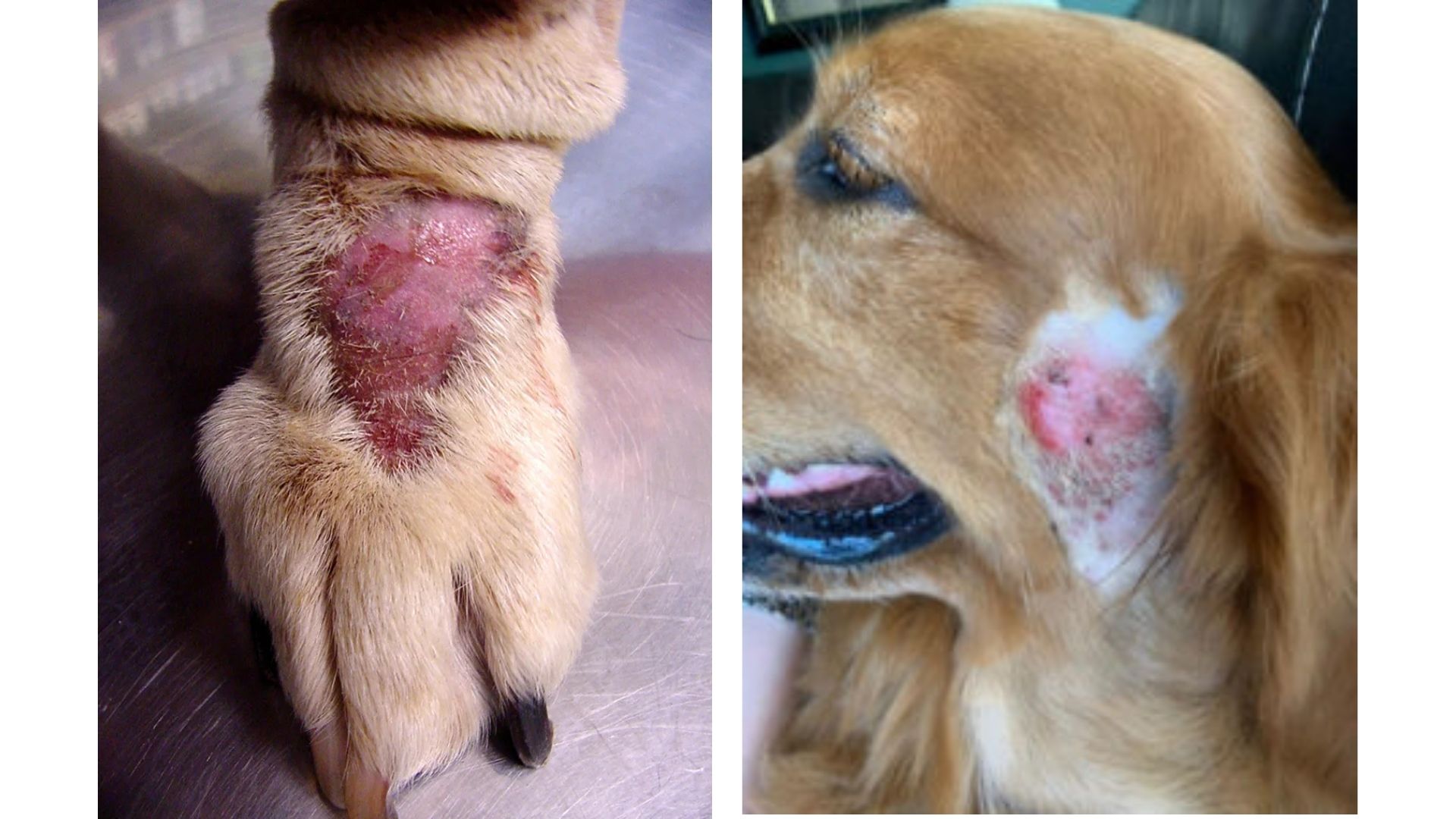
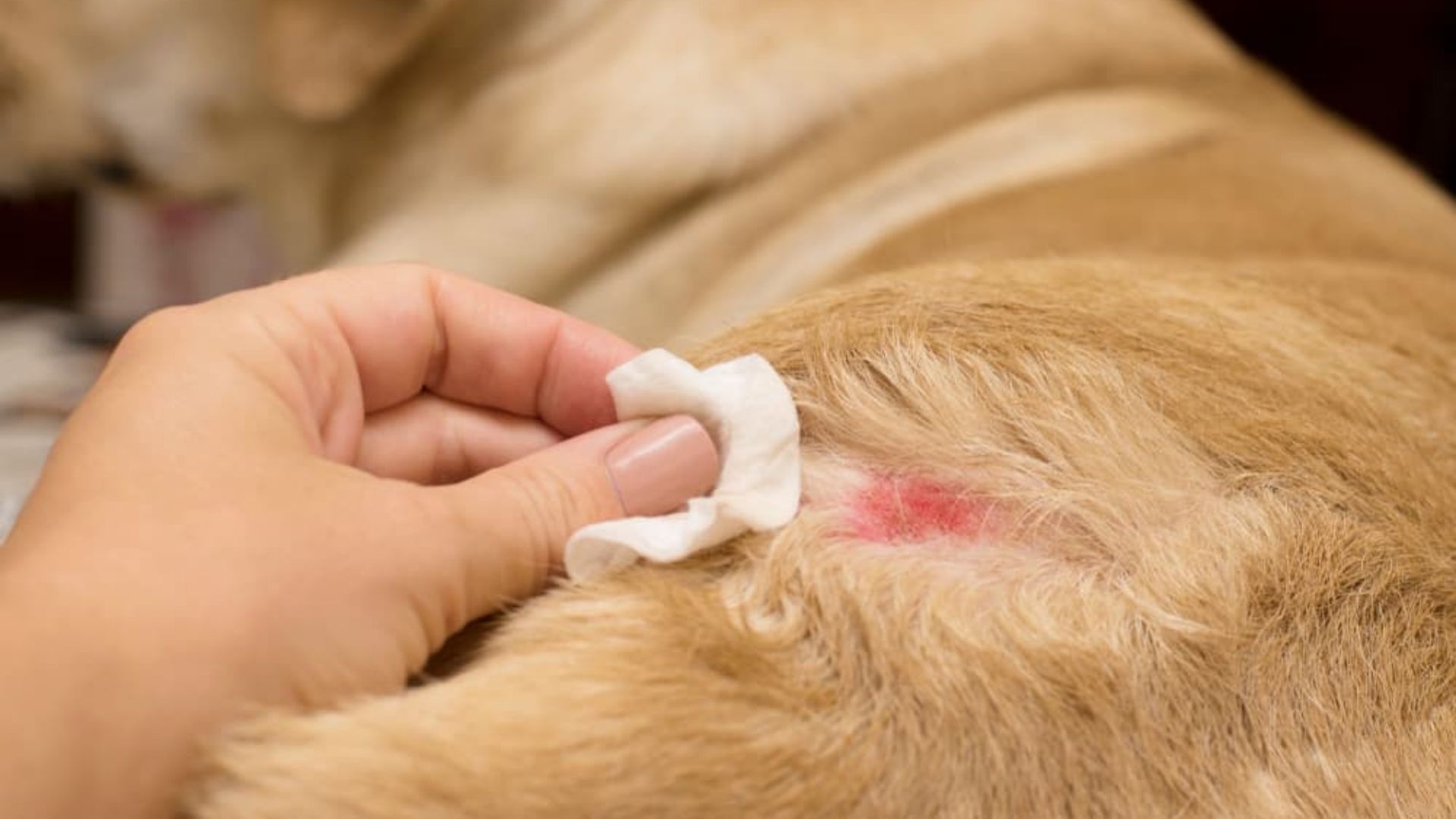
A hot spot is a red, moist, inflamed skin infection.
The proper name is:
Acute moist dermatitis
It is often a bacterial infection involving the hair follicles.
A typical hot spot may look like:
- A red oozing patch of skin
- A wet-looking sore
- An inflamed area under the hair
- A tender, painful skin lesion
- A sore that smells bad
- A spot your dog keeps scratching or rubbing
The face is a common area, especially around or under the ear.
Hot spots can also appear on other parts of the body, especially where moisture, scratches, allergies, or irritation are involved.
What Causes Hot Spots in Dogs?
Hot spots often start when the skin is irritated, scratched, wet, or inflamed.
A classic example is a dog that goes for a swim, gets a small scratch, and then begins scratching or rubbing the area.
That moisture and irritation can allow bacteria to grow quickly in the hair follicles.
Common triggers may include:
- Swimming
- Moisture trapped near the skin
- Scratches or small skin injuries
- Matted hair
- Fleas
- Ticks
- Environmental allergies
- Food allergies
- Repeated itching and scratching
Once your dog starts scratching, the area gets more inflamed.
The more inflamed it gets, the more your dog scratches.
A lovely little cycle.
Except no one enjoys it.
Especially your dog.
What Does a Hot Spot Look Like?
A hot spot is usually not just a tiny surface scrape.
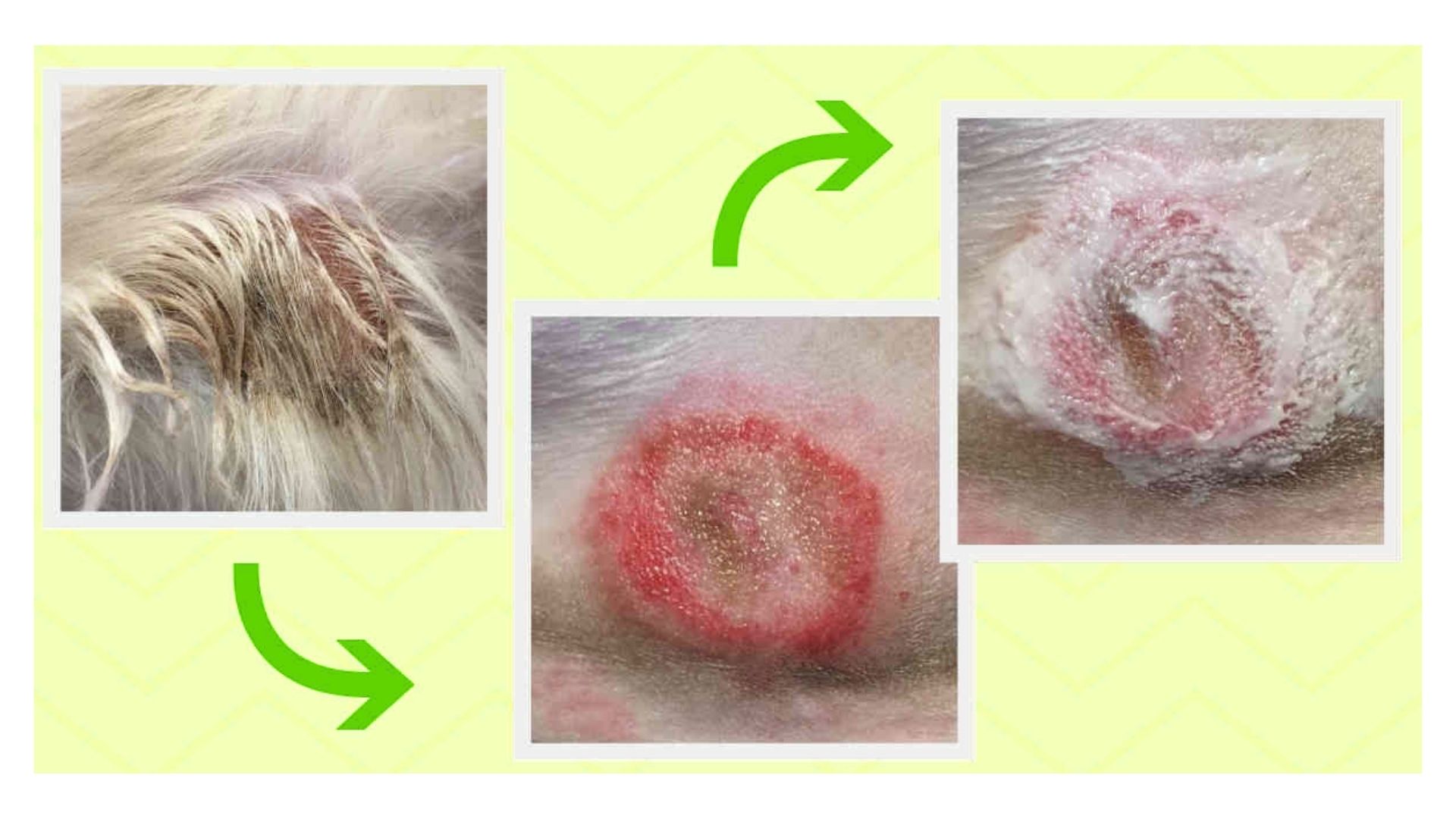
It is typically:
- Red
- Oozing
- Inflamed
- Moist
- Sore
- Tender to touch
- Sometimes smelly
- Often rapidly worsening
Your dog may pull away when you touch it because it hurts.
And fair enough.
If someone poked my red, infected skin sore, I would also have opinions.
Is Every Red Skin Infection a Hot Spot?
No.
Not every skin infection that looks like a hot spot is actually a simple hot spot.
Some dogs have deeper infections, especially when the area is on the face or under the ear.
In some cases, there may also be fungi infecting the hair follicles or skin.
These cases may not respond well to topical home remedies.
Some dogs may need:
- Systemic medication
- A systemic antibiotic
- A topical antifungal
- A systemic anti-inflammatory
- Veterinary care
Fortunately, most simple hot spots respond well to topical treatment.
But if it is not improving, do not keep guessing.
Step 1: Clip or Trim the Hair Around the Hot Spot
The first real treatment step is clipping or trimming the hair around the hot spot.
The bacteria are thriving within the hair follicles.
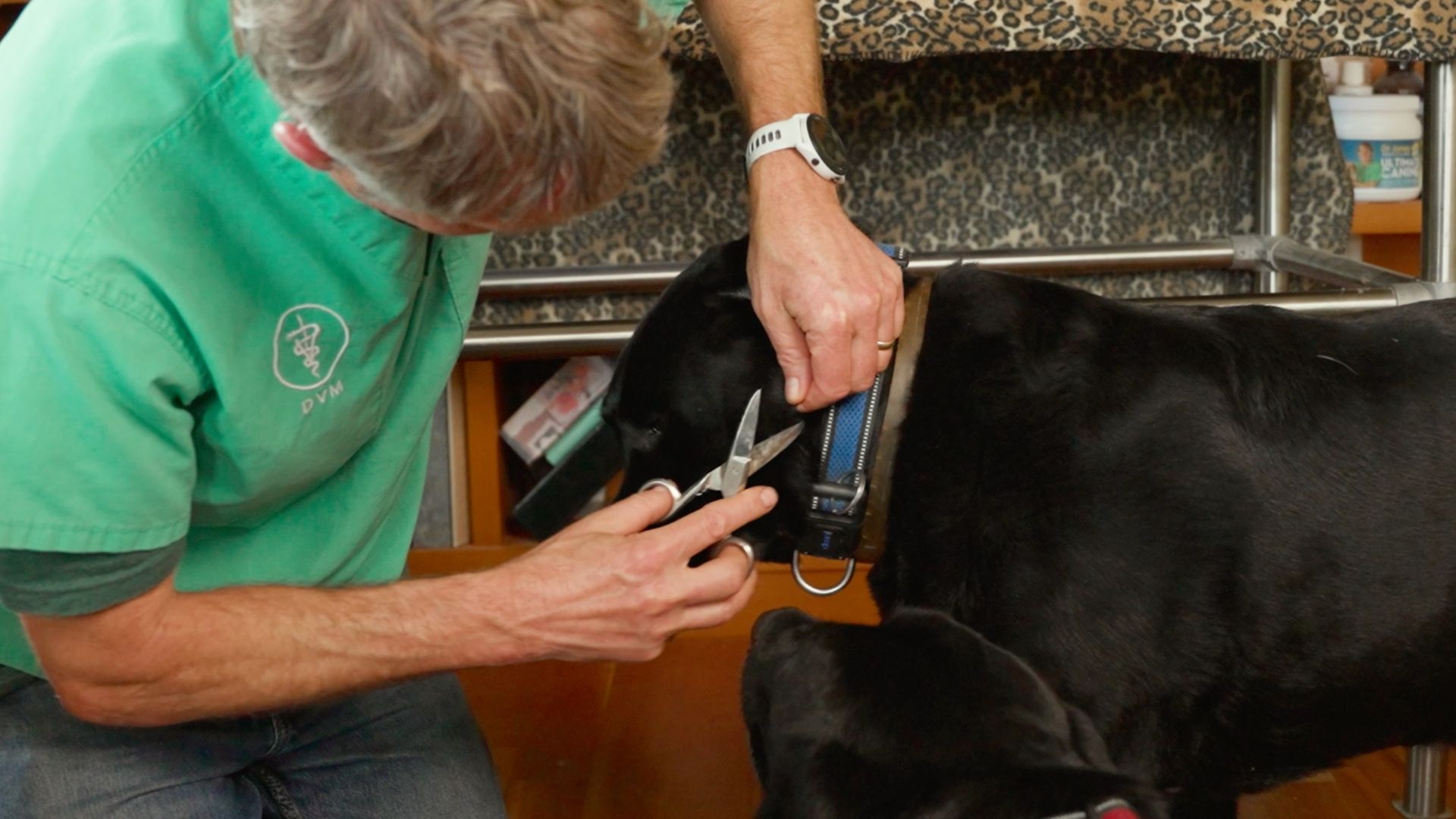
If the hair stays matted, wet, and stuck over the sore, the hot spot can keep spreading.
And yes, the hair will grow back.
Your dog may look slightly patchy for a while.
That is okay.
Patchy is better than infected.
How to Trim the Hair Safely
Use clippers if you have them.
If you do not have clippers, use blunt scissors.
Trim carefully around the entire hot spot.
You want to remove hair until you reach skin that looks:
- Healthy
- Normal
- Not red
- Not inflamed
- Not wet or oozing
Be careful not to cut the skin.
That sounds obvious, but dogs do not exactly sit still and say, “Wonderful technique, carry on.”
Go slowly.
Step 2: Clean the Hot Spot With an Antiseptic Scrub
After clipping the hair, the next step is cleaning.
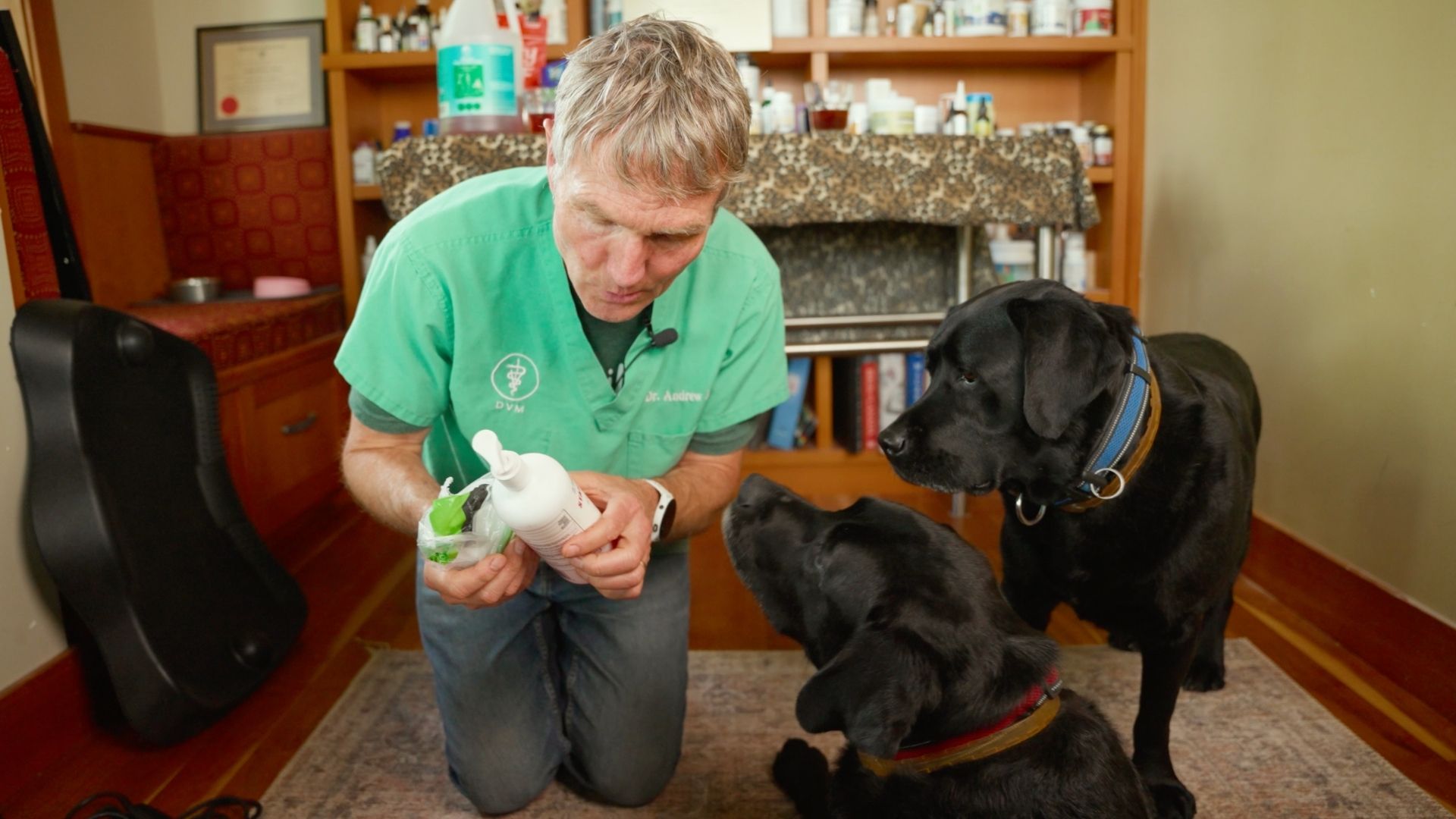
You need to scrub away:
- Surface bacteria
- Debris
- Inflammation
- Moist discharge
- White cells
- Crusty material
Cleaning helps topical treatments work much better.
If you put a remedy on top of hair, pus, moisture, and debris, it will not work nearly as well.
Option 1: Chlorhexidine Scrub
One good option is chlorhexidine.
Chlorhexidine is commonly used as a surgical scrub.
It does a good job cleaning the skin and removing surface bacteria.
You can usually pick it up at a pharmacy.
To use it:
- Apply diluted chlorhexidine to gauze.
- Gently scrub the clipped hot spot area.
- Clean the entire surface well.
- Wipe away debris.
- Let the area dry.
Use it carefully and avoid getting it into the eyes.
Option 2: DIY Black Tea and Castile Soap Scrub
You can also make your own antiseptic-style scrub.
This uses:
- Concentrated black tea
- Natural castile soap
Black tea can help as part of the cleansing process, and castile soap helps scrub away debris and bacteria.
Castile soap is an oil-based soap often made from coconut oil, olive oil, and other oils.
DIY Hot Spot Scrub Recipe
| Ingredient | Amount |
|---|---|
| Concentrated black tea | 1/2 cup |
| Natural castile soap | Enough to make a gentle scrub |
How to Use It
- Steep black tea until concentrated.
- Let it cool.
- Add natural castile soap.
- Mix well.
- Apply to gauze.
- Scrub the hot spot area thoroughly.
- Rinse or wipe as needed.
- Let the area dry.
Either chlorhexidine or the black tea and castile soap scrub can work well for cleaning.
Step 3: Choose a Topical Hot Spot Treatment
After clipping and cleaning, you can choose a topical remedy.
For hot spots, I am looking for something that can help:
- Dry up excess moisture
- Reduce bacteria
- Help with possible fungal involvement
- Decrease inflammation
- Reduce itching and scratching
Here are the topical options I would consider.
Quick Guide: Dog Hot Spot Remedies
| Remedy | Best For | How Often | How Long |
|---|---|---|---|
| Black tea and aspirin | Many simple hot spots | 4 times daily | 3 to 5 days |
| Hypochlorous acid spray | Mild topical hot spot support | 4 times daily | 5 to 7 days |
| Propolis spray | Bacterial, fungal, and inflamed hot spots | 4 times daily | As needed |
| Witch hazel with aloe | Moist, inflamed hot spots | 4 times daily | As needed |
| Green tea and apple cider vinegar | More stubborn or recurring hot spots | 4 times daily | 3 to 5 days |
| 1% hydrocortisone | Itchy, inflamed areas | Small amount, short term | Ideally 2 days, up to 10 days |
| Oral propolis | Deeper or non-responding hot spots | Daily | 14 to 21 days |
Remedy 1: Black Tea and Aspirin for Hot Spots
This is one of my standby topical remedies.
Black tea helps because it is:
- Antibacterial
- Anti-inflammatory
- Astringent
That means it can help kill surface bacteria, reduce inflammation, and dry up the excess moisture that feeds the hot spot.
Aspirin adds more topical anti-inflammatory support.
Black Tea and Aspirin Recipe
| Ingredient | Amount |
|---|---|
| Concentrated black tea | 1/2 cup |
| Regular strength aspirin | 1 tablet, 325 mg |
How to Make It
- Make 1/2 cup of concentrated black tea.
- Let it cool.
- Add one regular strength aspirin, 325 mg.
- Crush the aspirin thoroughly.
- Dissolve it well into the tea.
- Soak gauze in the mixture.
- Wipe the full hot spot area thoroughly.
How Often to Apply
Apply:
4 times daily
For:
3 to 5 days
I have often found this treatment alone works for at least about 50% of hot spots.
When it works, you should see marked improvement within 3 to 5 days.
Remedy 2: Hypochlorous Acid Spray
Hypochlorous acid is made from ionized salt water.
It is also naturally found in white blood cells, where it helps kill bacteria.
This makes it a very useful topical skin option.
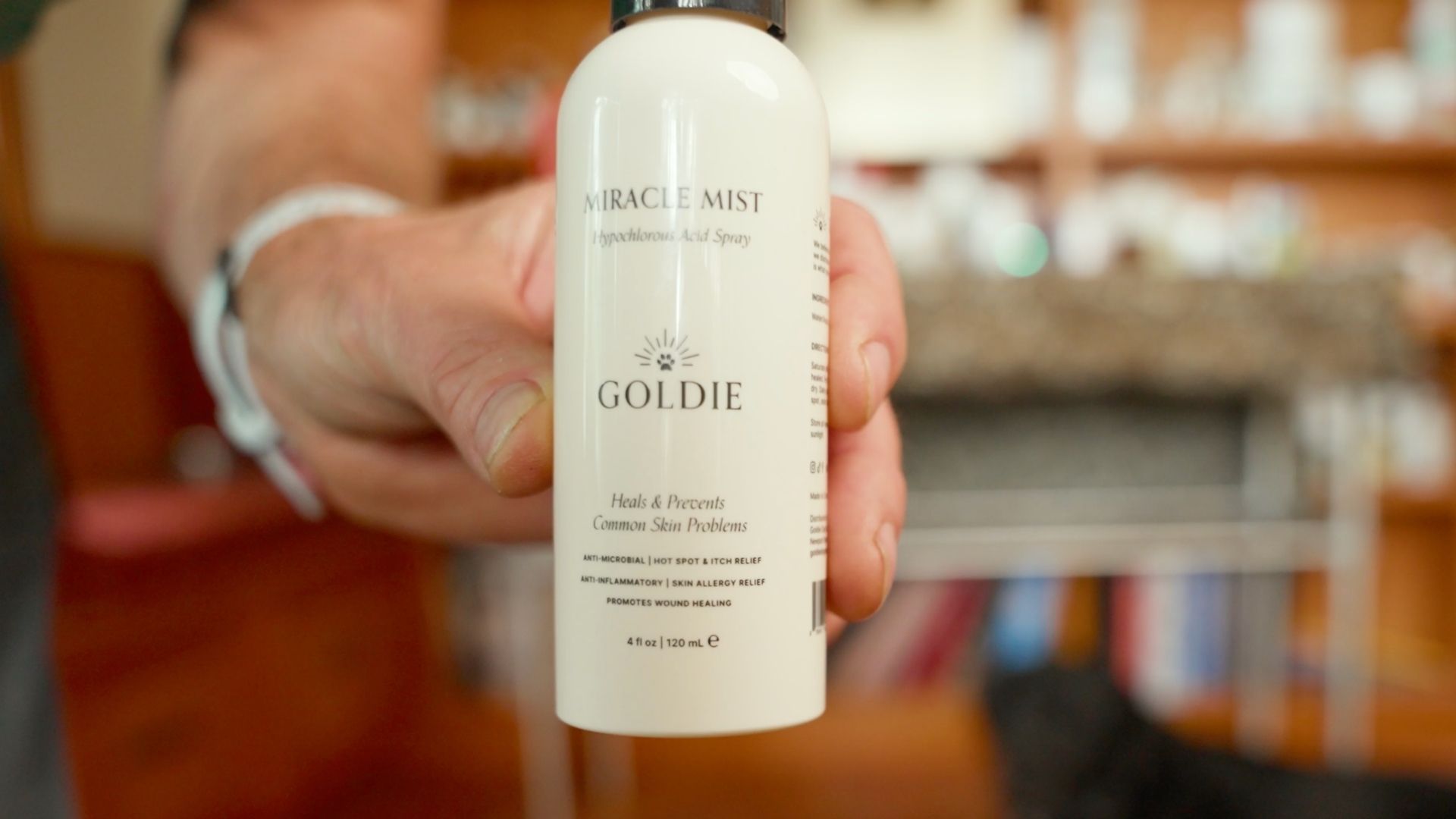
It is:
- Natural
- Non-irritating
- Mild
- Antibacterial
- Easy to spray on the skin
This is a good option if you want something gentle and simple.
How to Use Hypochlorous Acid
Spray it directly onto the hot spot area.
Use:
4 times daily
For:
5 to 7 days
This can work well for mild topical hot spots.
Remedy 3: Propolis Spray for Hot Spots
Propolis comes from honeybees.
It is also known as bee glue.
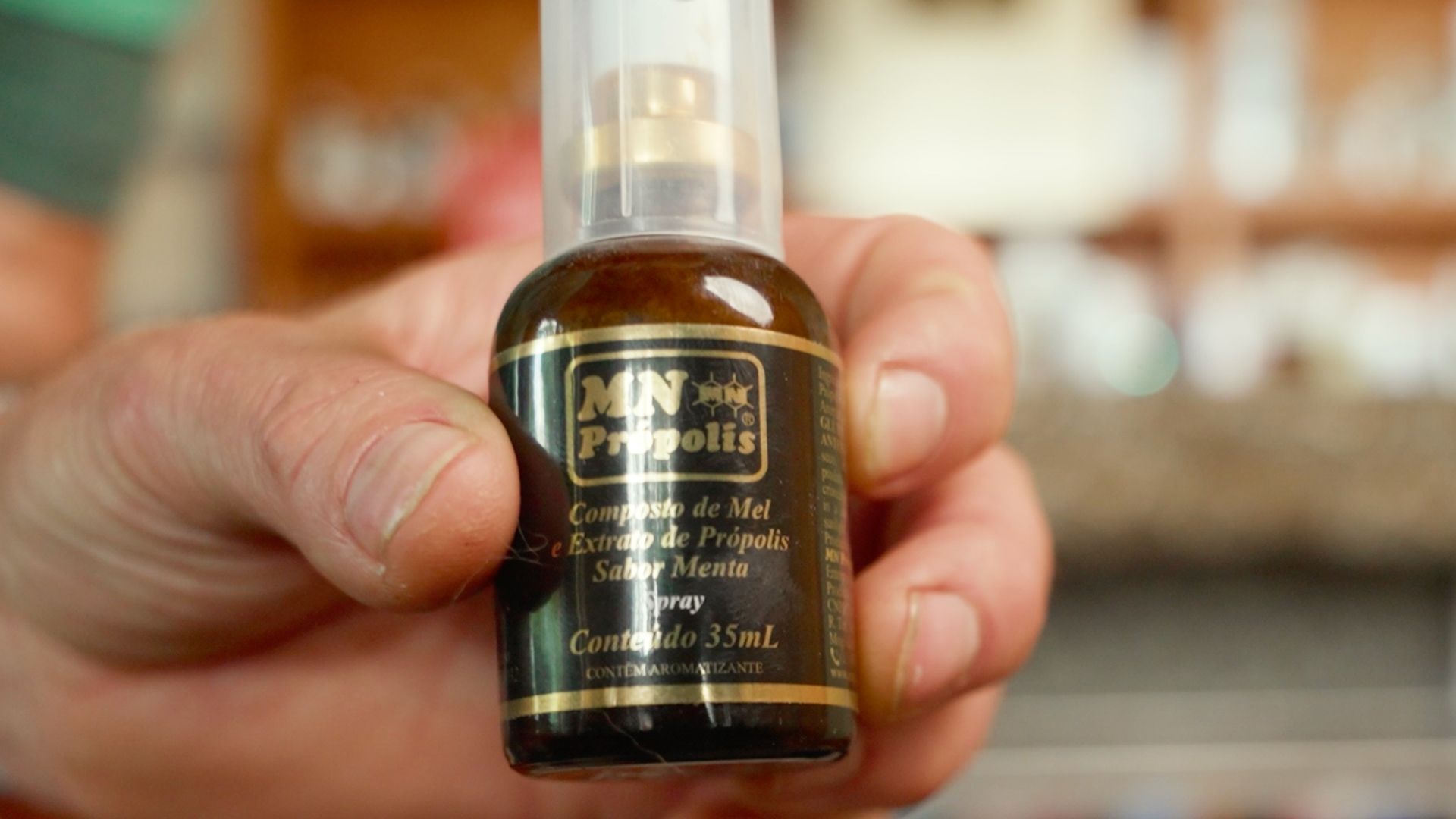
Bees make it to help reinforce their hive.
For dogs with hot spots, propolis can be useful because it has:
- Anti-inflammatory properties
- Antibacterial properties
- Antifungal properties
That covers a lot of what we are trying to address in a hot spot.
Important Propolis Caution
Use a non-alcohol-based propolis spray.
Do not use an alcohol-based spray on an oozing open wound.
That will sting.
A lot.
And your dog will remember your betrayal.
How to Use Propolis Spray
Spray the hot spot area.
Use:
4 times daily
Many dogs respond well to topical propolis alone.
It has a pleasant smell, does not sting when non-alcohol-based, and helps target bacteria, inflammation, and possible fungal involvement.
Remedy 4: Witch Hazel With Aloe
Witch hazel is an old topical remedy.
It has been used for skin problems and can be helpful for hot spots because it is an astringent.
That means it can help dry up excess fluid.
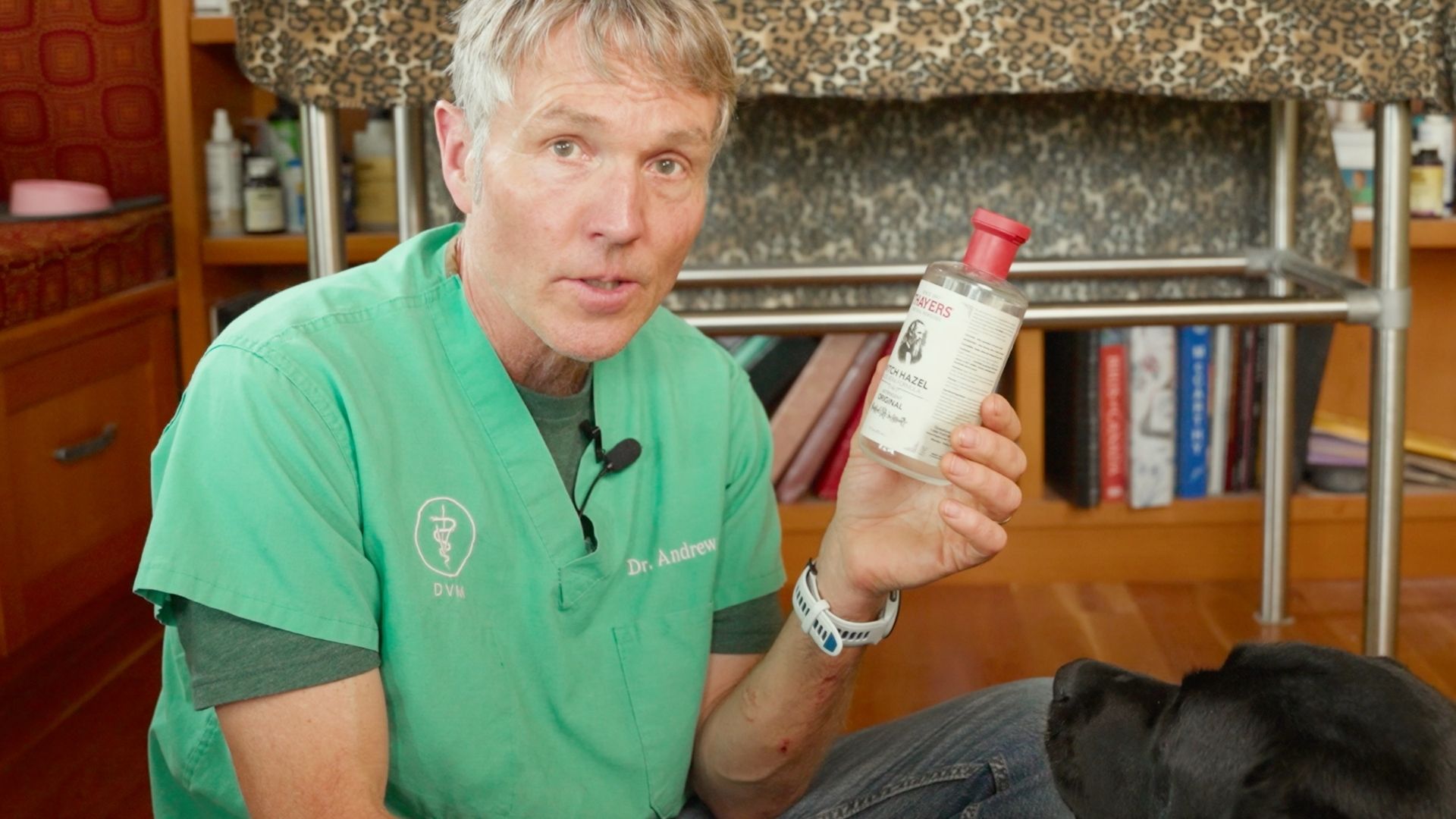
Witch hazel may also have anti-inflammatory properties.
When combined with aloe, it becomes a good topical option for inflammation and skin comfort.
Important Witch Hazel Caution
Use water-based witch hazel.
Avoid alcohol-based witch hazel.
Alcohol on an open, oozing hot spot can sting badly.
That is not the kind of drama we are trying to create.
How to Use Witch Hazel With Aloe
- Soak gauze with witch hazel and aloe.
- Wipe the hot spot area well.
- Cover the full affected area.
- Let it dry.
Use:
4 times daily
This can help many dogs with moist, inflamed hot spots.
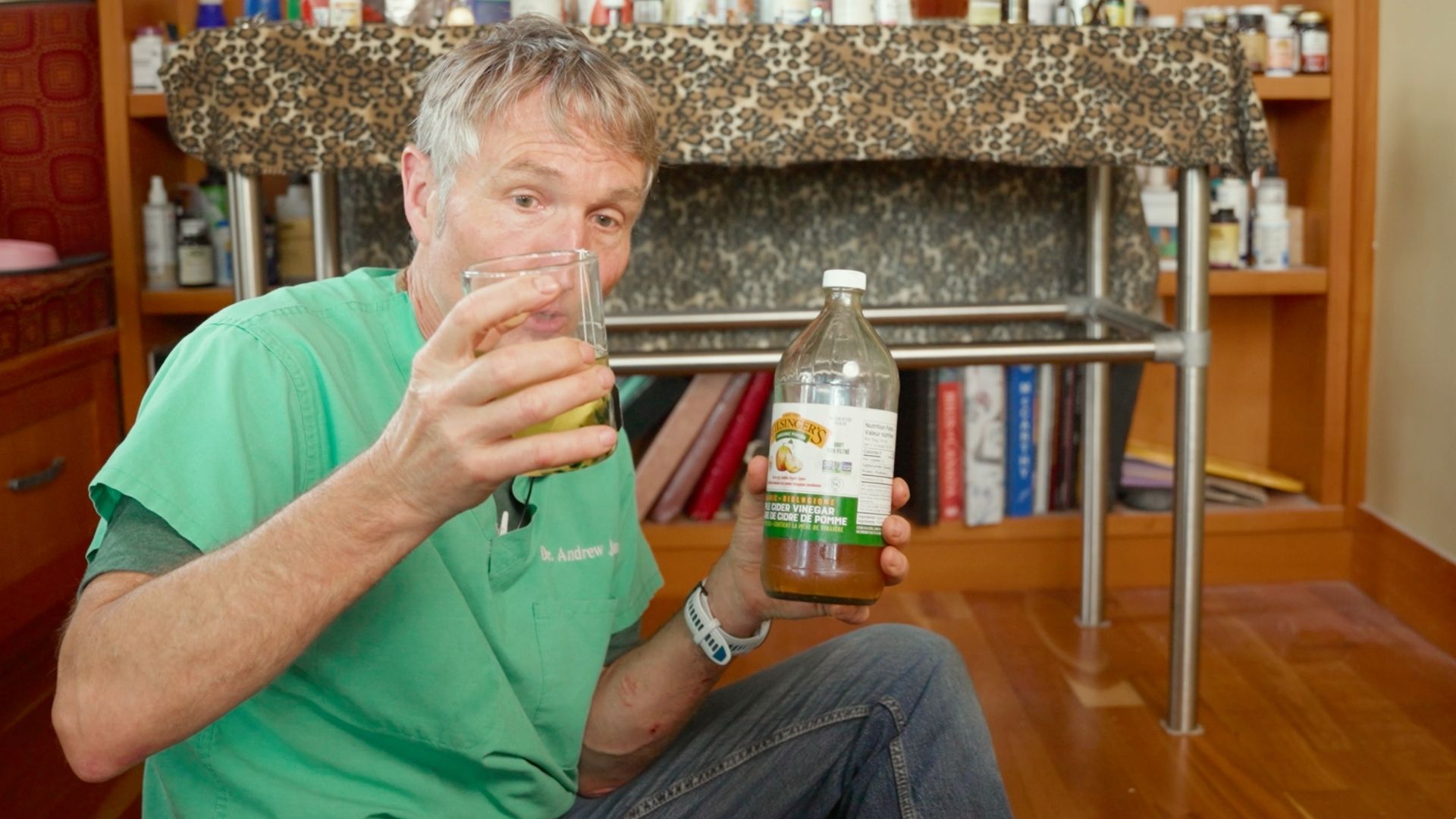
Remedy 5: Green Tea and Apple Cider Vinegar for Stubborn Hot Spots
This option is one I would reserve more for a hot spot that is not responding well to a couple of the simpler topical treatments.
If your dog has not responded to black tea and aspirin, then you may be dealing with a more serious infection, possibly resistant bacteria or a secondary fungal infection.
Ideally, see your veterinarian.
But if that is not possible right away, this is one treatment option to consider.
Why Green Tea Helps
Green tea is:
- Antibacterial
- Anti-inflammatory
- A good topical option
Why Apple Cider Vinegar Helps
Apple cider vinegar, or ACV, is:
- Antibacterial
- Antifungal
- Anti-inflammatory
ACV may be especially useful when there is possible fungal involvement or more resistant bacteria.
Green Tea and ACV Recipe
| Ingredient | Amount |
|---|---|
| Concentrated green tea | 1 cup |
| Apple cider vinegar | 2 tablespoons |
How to Apply It
- Mix 1 cup of concentrated green tea with 2 tablespoons of apple cider vinegar.
- Soak gauze in the mixture.
- Lightly dab it over the hot spot first.
- Make sure it is not too sore for your dog.
- If tolerated, apply it more thoroughly.
- Repeat 4 times daily.
How Often to Apply
Apply:
4 times daily
For:
3 to 5 days
Often, if this is going to help, you should see marked improvement within 3 to 5 days.
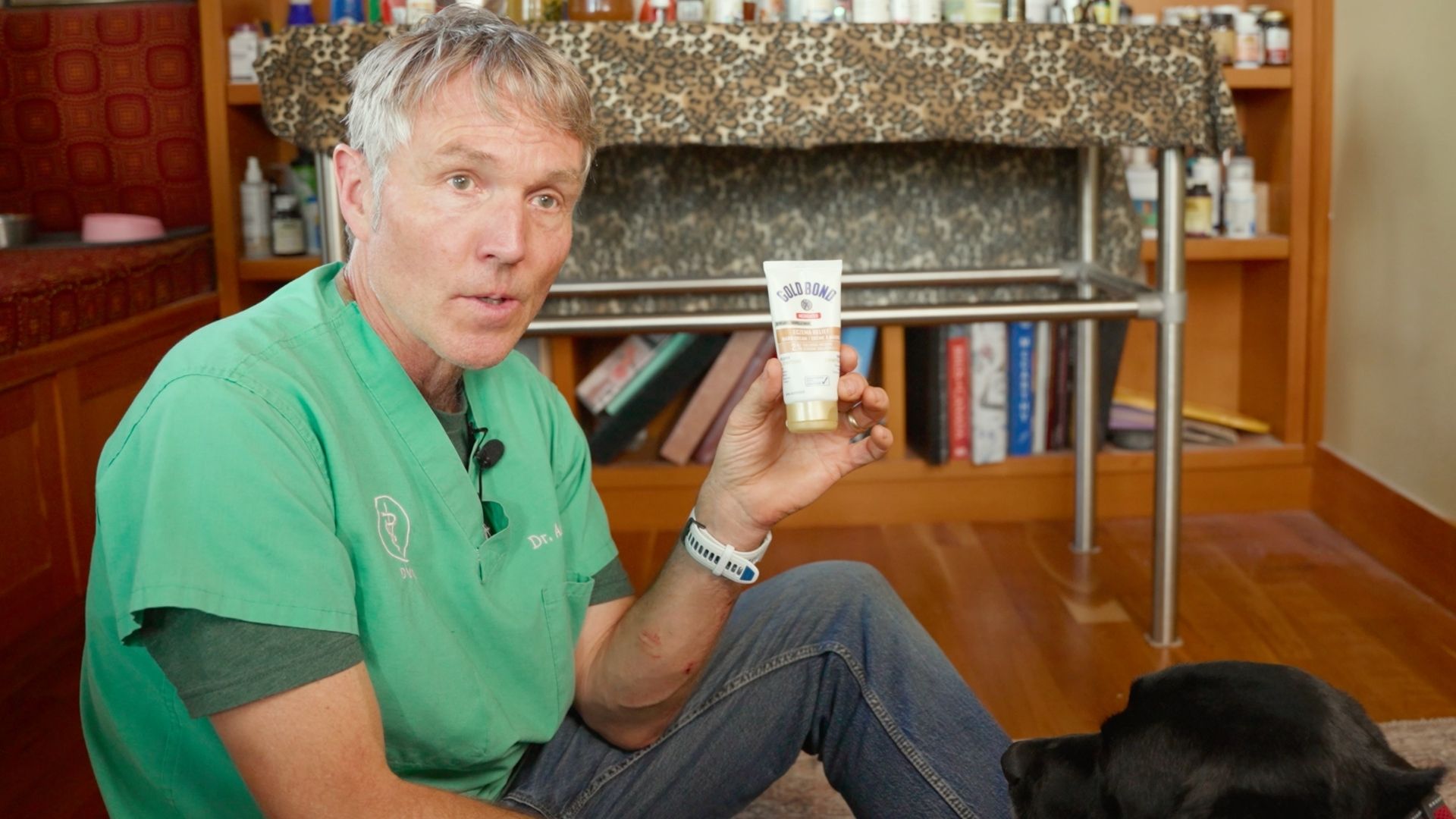
Remedy 6: 1% Hydrocortisone for Itchy, Inflamed Hot Spots
If your dog is not responding because he keeps scratching, rubbing, and irritating the area, then you may consider adding a gentle topical corticosteroid.
One option is:
1% hydrocortisone
This can help reduce surface inflammation and itching.
The goal is to stop your dog from scratching long enough for the hot spot to heal.
How to Use Hydrocortisone
After using one of the topical treatments, you can apply a small amount of 1% hydrocortisone over the area.
Use only a small amount.
Use it for the shortest time needed.
How Long to Use It
A small amount for up to:
10 days
Can be okay.
But even 2 days may be helpful.
The shorter the time you can use steroids, the better.
Topical steroids can be absorbed and have systemic effects. They may also increase the risk of bacterial growth.
So this is not something I would use casually or forever.
Remedy 7: Oral Propolis for Deeper or Non-Responding Hot Spots
If your dog is not responding to topical treatment, or you suspect a deeper infection, oral propolis may be worth considering.
Propolis is also known as bee glue.
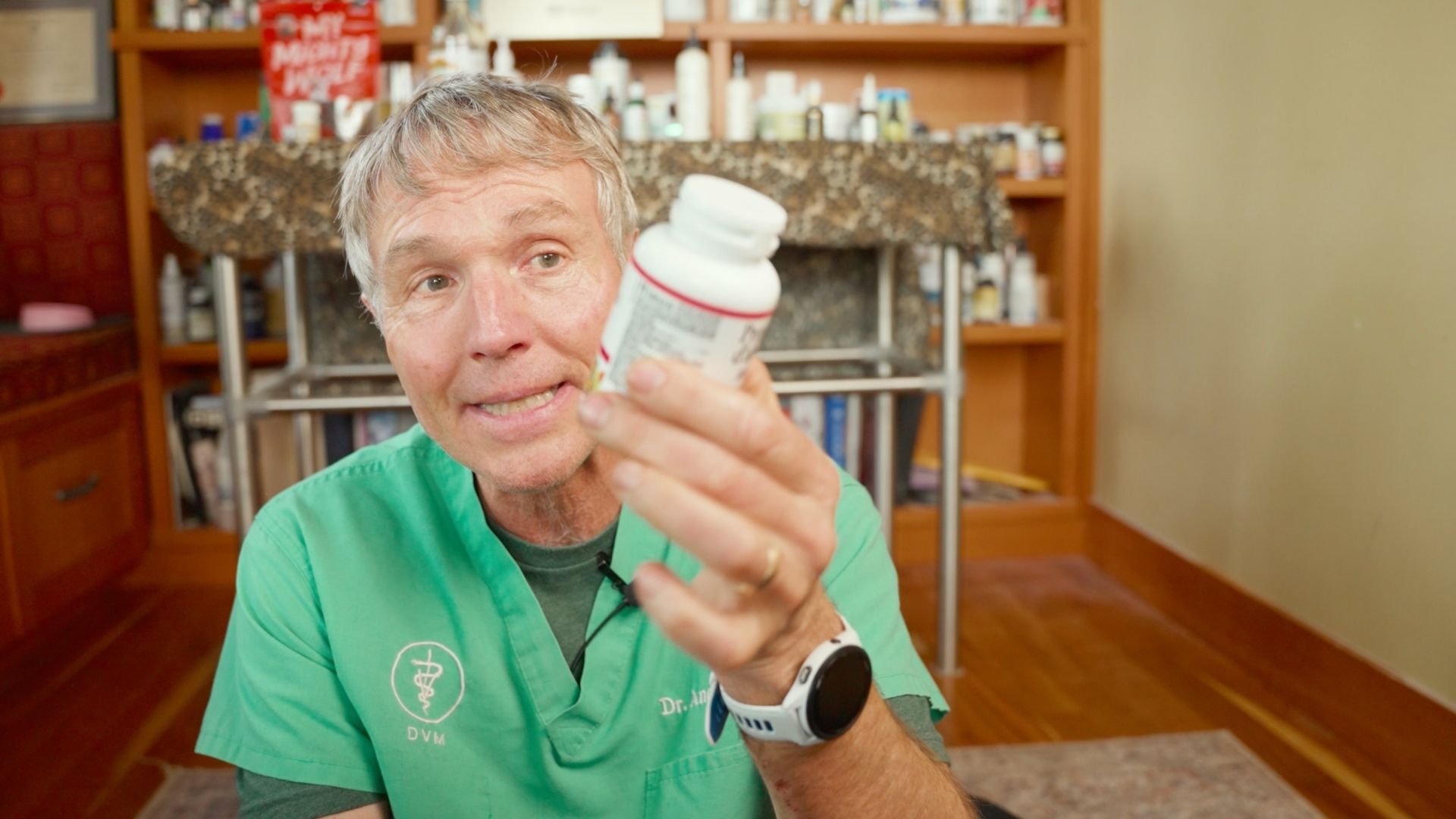
It has antibacterial properties and is generally very safe, with few side effects reported.
This is not my first step.
My first step is always:
Clip.
Clean.
Disinfect.
Topical treatment.
But for a dog not responding topically, oral propolis may be a useful bonus option.
Oral Propolis Dose
Give:
100 mg per 10 lbs of body weight daily
For large dogs around 80 lbs, I would be inclined to give:
One 500 mg capsule twice daily
Use for:
14 to 21 days
Hot Spot Remedy Dosage and Use Table
| Remedy | Amount | Frequency | Duration |
|---|---|---|---|
| Black tea and aspirin | 1/2 cup black tea plus 325 mg aspirin | 4 times daily | 3 to 5 days |
| Hypochlorous acid spray | Spray affected area | 4 times daily | 5 to 7 days |
| Propolis spray | Spray affected area | 4 times daily | As needed |
| Witch hazel with aloe | Apply with soaked gauze | 4 times daily | As needed |
| Green tea and ACV | 1 cup green tea plus 2 tbsp ACV | 4 times daily | 3 to 5 days |
| Hydrocortisone | Small amount of 1% cream | Short term | Ideally 2 days, up to 10 days |
| Oral propolis | 100 mg per 10 lbs | Daily | 14 to 21 days |
| Oral propolis for 80 lb dog | 500 mg capsule | Twice daily | 14 to 21 days |
Which Hot Spot Remedy Should You Choose First?
If I were dealing with a simple hot spot, I would start with the basics.
Best First Steps
- Clip or trim the hair.
- Clean the area well.
- Use chlorhexidine or a DIY scrub.
- Start with black tea and aspirin, hypochlorous acid, propolis spray, or witch hazel with aloe.
- Apply consistently.
For many dogs, that is enough.
If the hot spot is more stubborn, then I would consider green tea with apple cider vinegar.
If scratching is preventing healing, a short course of 1% hydrocortisone may help calm the inflammation.
If the hot spot is deeper or not responding, oral propolis may be considered, but I would also be thinking strongly about veterinary care.
How Can You Prevent Recurring Hot Spots?
If your dog gets recurring hot spots, prevention is where the real work begins.
1. Groom Your Dog Regularly
Regular grooming helps prevent mats and trapped moisture.
Comb your dog often, especially during summer.
This also gives you a chance to find small skin lesions before they become big infected hot spots.
2. Check for Fleas and Ticks
External parasites can trigger itching and scratching.
During grooming, check for:
- Fleas
- Ticks
- Small scratches
- Matted hair
- Early skin irritation
A daily check is especially helpful in summer.
It is also a great time to catch ticks early, before they have been attached long enough to spread disease organisms.
3. Dry Your Dog After Swimming
If your dog swims, dry him thoroughly afterward.
Do not let moisture sit on the skin for a long time.
Moisture trapped near the skin can trigger hot spots, especially if your dog has thick hair or mats.
Labs, I love you.
But you are often wet.
And proud of it.
4. Look for Underlying Causes
Recurring hot spots usually have a reason.
Possible underlying causes include:
- Fleas
- Ticks
- Environmental allergies
- Food allergies
- Ongoing itching
- Moisture trapped in the coat
If your dog has repeated itching and scratching, you need to look deeper.
5. Consider a Food Trial
If food allergy may be involved, consider a proper food trial.
That means feeding a unique protein your dog has never had before for at least:
8 weeks
One example mentioned is:
Fish and sweet potato
During the trial, avoid extra treats or other proteins.
The whole point is to keep the diet simple enough to know whether food is contributing.
Supplements for Dogs With Recurring Hot Spots
For dogs with recurring hot spots, especially those linked to allergies, I would start with two key supplements:
- Omega-3 fatty acids
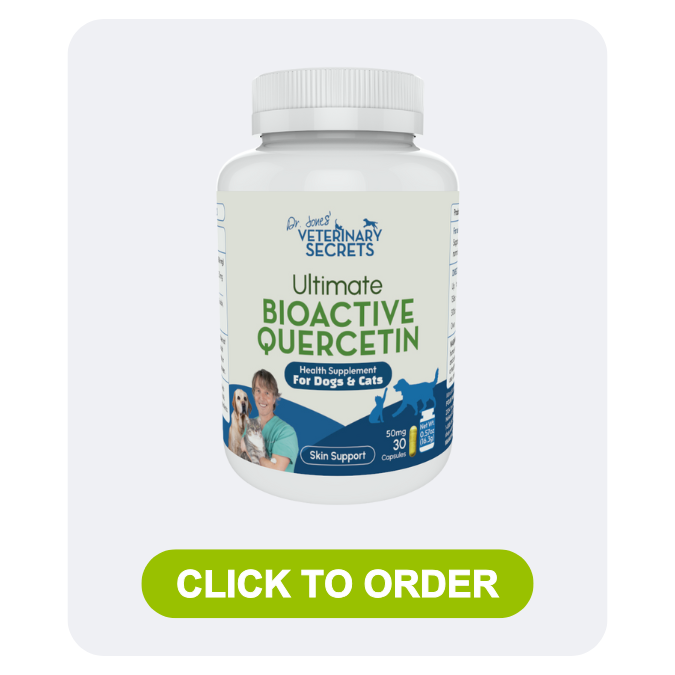
- Bioactive quercetin
These may help reduce inflammation and support healthier skin.
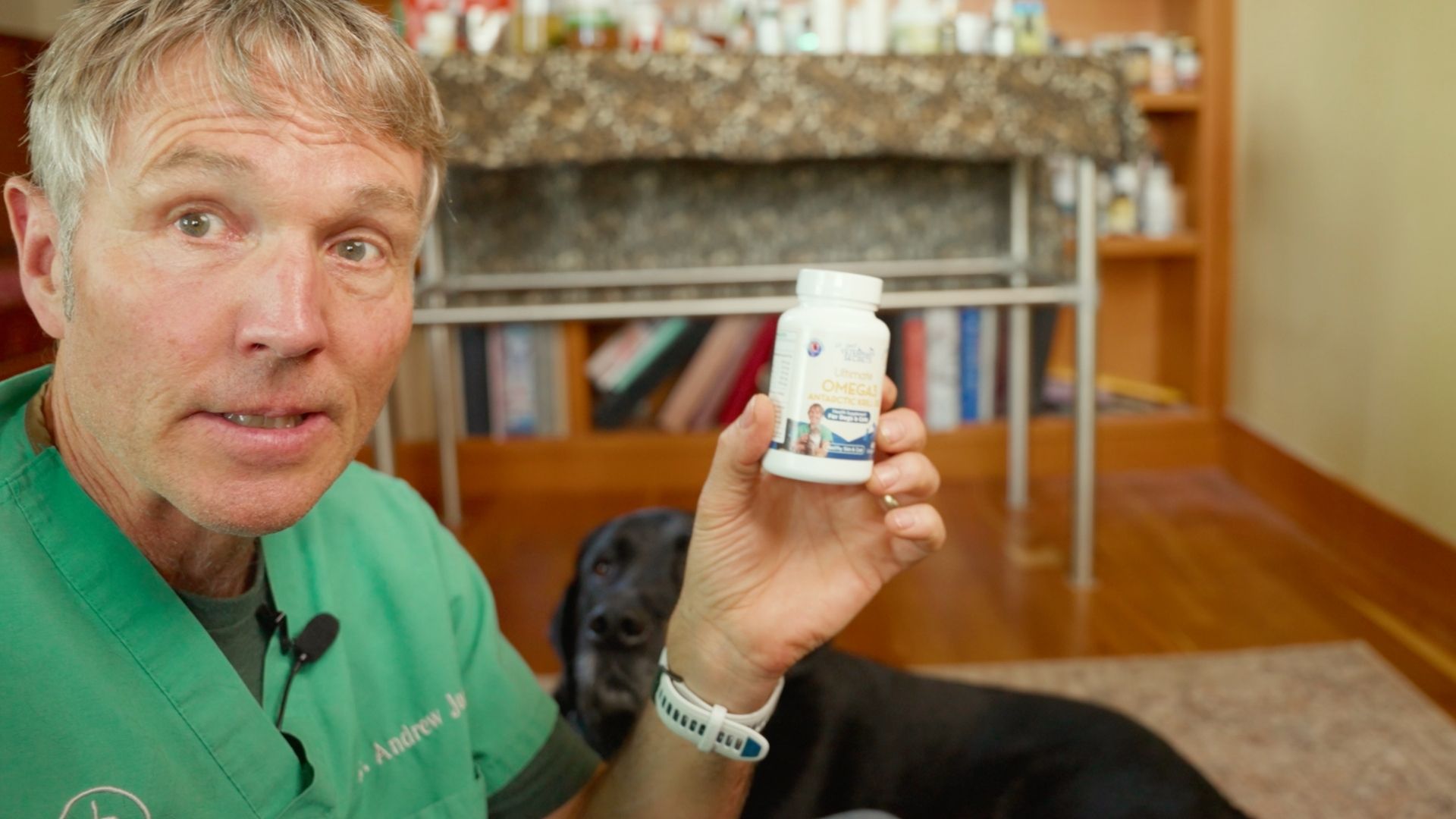
Omega-3 Fatty Acids for Skin and Hot Spot Prevention
A good quality omega-3 fatty acid supplement can be very helpful for skin disease and may help prevent recurring hot spots.
Omega-3s help support healthier skin and reduce inflammation.
If the skin is healthier and less inflamed, your dog may be less likely to scratch himself into another hot spot.
Omega-3 Dose
Give:
500 mg per 25 lbs of body weight daily
For larger dogs like Angus and Murdoch, around 80 lbs, I would be looking at:
750 to 1,000 mg of omega-3s daily
You want high enough doses to make a difference.
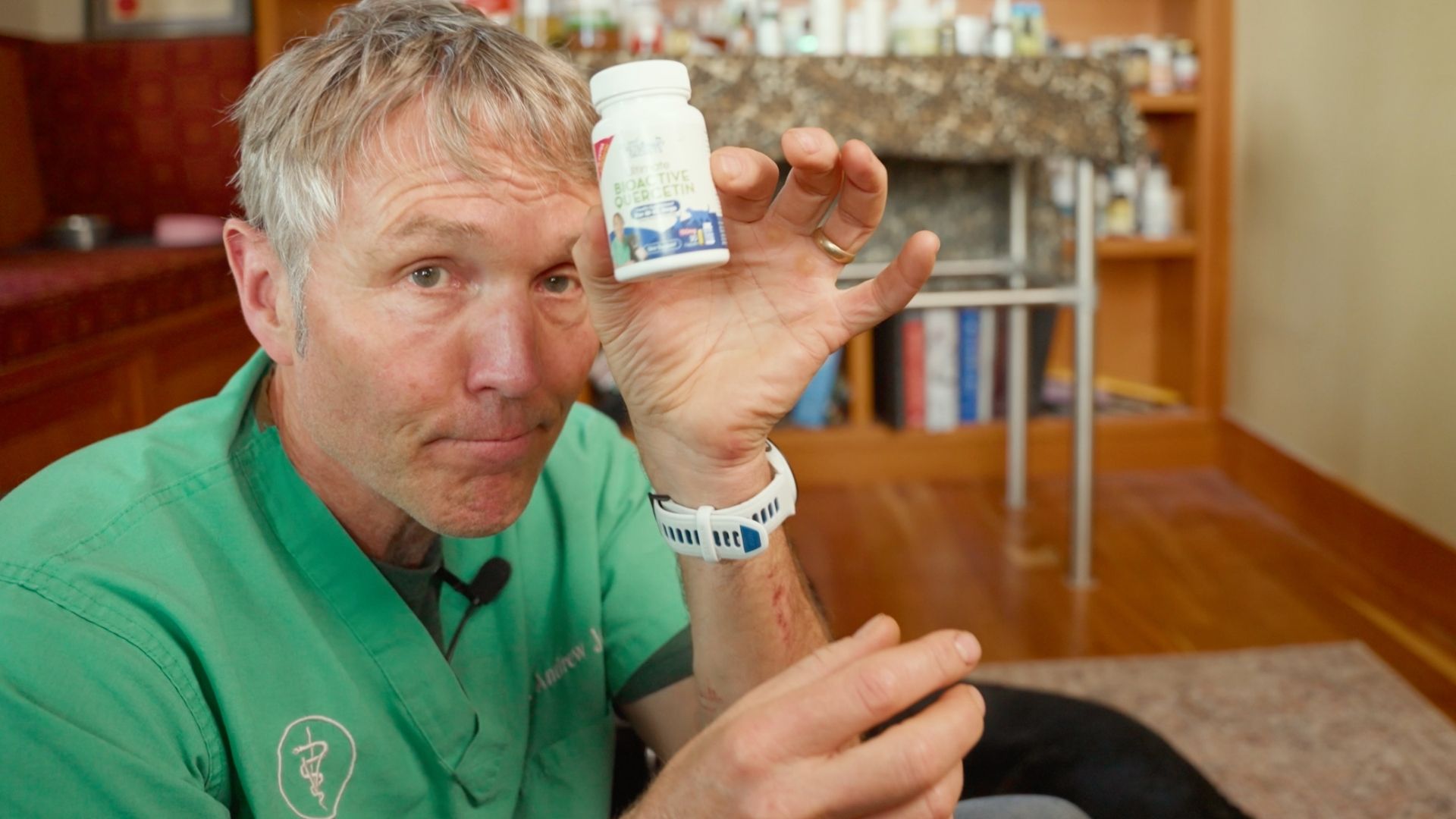
Bioactive Quercetin for Environmental Allergies
Bioactive quercetin is a natural antihistamine and anti-inflammatory.
Quercetin is a flavonoid found in foods such as:
- Kale
- Apple
- Onion
- Black tea
- Green tea
In supplement form, it can provide allergy-protective properties.
The bioactive form discussed comes from a whole plant extract from the flower of the Sophora japonica plant.
It can be especially helpful for dogs with environmental allergies, including those allergies that lead to recurrent hot spots.
Bioactive Quercetin Dose
Give:
50 mg per 15 lbs of body weight daily
For larger dogs like Angus and Murdoch, I would consider:
About 150 mg twice daily
Especially if allergies are leading to recurrent hot spots.
Prevention Support Dosage Table
| Support Option | Dose Mentioned | Best Used For |
|---|---|---|
| Omega-3 fatty acids | 500 mg per 25 lbs daily | Skin disease, inflammation, recurring hot spots |
| Omega-3s for 80 lb dog | 750 to 1,000 mg daily | Larger dogs needing higher skin support |
| Bioactive quercetin | 50 mg per 15 lbs daily | Environmental allergies and recurring hot spots |
| Bioactive quercetin for large dogs | About 150 mg twice daily | Allergy-related hot spots |
| Food trial | Unique protein for 8 weeks | Suspected food allergy |
| Oral propolis | 100 mg per 10 lbs daily | Deeper or non-responding hot spots |
Step-by-Step: What I Would Do for a Dog Hot Spot
Step 1: Confirm It Looks Like a Hot Spot
Look for:
- Red skin
- Oozing
- Moisture
- Tenderness
- Odor
- Scratching or rubbing
If it looks deep, severe, or unusual, call your veterinarian.
Step 2: Clip the Hair
Trim the hair around the hot spot.
Clip until the surrounding skin looks healthy and normal.
Do not leave matted or wet hair covering the sore.
Step 3: Clean the Area
Use chlorhexidine or a black tea and castile soap scrub.
Clean thoroughly.
Remove debris, bacteria, moisture, and discharge.
Step 4: Choose One Topical Treatment
Pick one:
- Black tea and aspirin
- Hypochlorous acid spray
- Non-alcohol propolis spray
- Water-based witch hazel with aloe
- Green tea and apple cider vinegar for more stubborn cases
Use consistently.
Step 5: Stop the Scratching
If your dog keeps scratching, consider a small amount of 1% hydrocortisone for the shortest time needed.
Stopping the scratching can help the skin finally heal.
Step 6: Watch for Improvement
Many simple hot spots should show marked improvement within:
3 to 5 days
If there is no improvement, reassess.
Step 7: Prevent the Next One
For recurring hot spots, look at:
- Grooming
- Drying after swimming
- Flea and tick control
- Environmental allergies
- Food allergies
- Omega-3 fatty acids
- Bioactive quercetin
The best hot spot treatment is the one you do not need because you prevented the next flare-up.
Some veterinarians report that up to 25 to 30% of these cases may be deeper infections that require systemic treatment.
That can include antibiotics, anti-inflammatory medication, or other care.
So yes, try the sensible topical steps when appropriate.
But do not ignore a hot spot that is not improving.
Final Thoughts
If your dog has a hot spot, do this first:
Clip the hair.
Clean the area.
Then treat topically.
A hot spot is acute moist dermatitis, usually a bacterial infection of the hair follicles. It often looks red, moist, oozing, tender, and smelly.
For many dogs, topical care can work very well.

I would consider options such as black tea and aspirin, hypochlorous acid, propolis spray, witch hazel with aloe, or green tea and apple cider vinegar.
If your dog keeps scratching, a small amount of 1% hydrocortisone for a short time may help reduce inflammation.
For recurring hot spots, prevention matters.
Groom regularly.
Dry your dog after swimming.
Check for fleas and ticks.
Consider allergies.
Use omega-3 fatty acids and bioactive quercetin when allergy-related inflammation is part of the problem.
And if the hot spot is deep, painful, spreading, or not improving, see your veterinarian.
Simple steps can help many dogs.
But the right diagnosis still matters.
Click To Get A Free Copy of My E-Book!

P.S. The first thing I would do for a dog with a hot spot is clip the hair and clean the skin well.
If you skip that step, the bacteria, moisture, and debris are still sitting there.
Not ideal.
P.P.S. For many simple hot spots, black tea and aspirin applied four times daily for 3 to 5 days can make a big difference.
Hypochlorous acid, non-alcohol propolis spray, and witch hazel with aloe are also good topical options.
P.P.P.S. If your dog keeps getting hot spots, look deeper.
Moisture, mats, fleas, ticks, environmental allergies, and food allergies can all be part of the problem.
For ongoing support, I would especially look at omega-3 fatty acids and bioactive quercetin.