Heartworm: Is Medication Needed And How To Prevent It Naturally
My NEW book, Veterinary Secrets is now available, and if you order it in the next week, you’ll also get 7 extremely valuable bonuses: 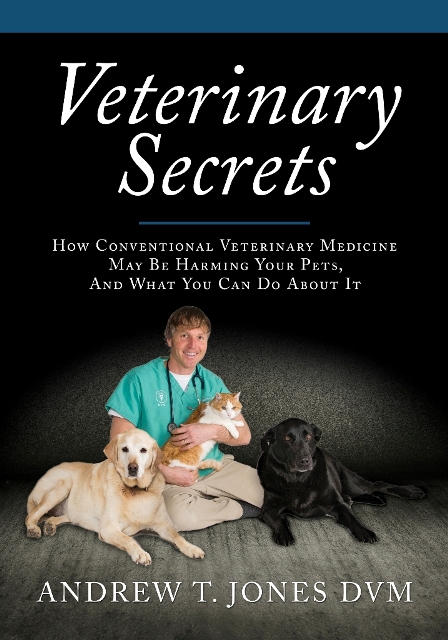
1.Healing Your Pet Naturally Workshop, Volumes 1, 2 and 3: 3 Videos covering my Live ‘How to Heal Your Pet Naturally’ Workshop (5+ Hours of Training Videos – mp4 downloads) ($197 Value)
2.Veterinary Secrets Video Jumpstart (Introduction to Healing Your Pets At Home): This covers what to do first, How to use herbs, homeopathy, acupressure and massage ($29 value)
3.All the Digital Editions of Veterinary Secrets (a $38.06 collection of the Kindle, Nook, iPad, and PDF formats)
4.Home Recipes for Dogs and Cats e-Book: 50 Page book of home diets (Veterinary Recommended) for dogs and cats (Kindle, Nook, iPad, and PDF formats, $20 value)
5.The At-Home Pet Health Exam Video: This video shows you how to properly examine your dog or cat at home determining what is wrong with your pet ($97 value)
6.Dog and Cat CPR Video: This is a complete video showing you exactly how to perform CPR, Rescue breathing, relief for choking with the Heimlich ($47 Value)
7.New Veterinary Secrets Webinar Video: This video covers new safe, natural and effective at home remedies for allergies, arthritis, cancer, urinary tract disease, kidney disease, liver disease, diabetes and more ($29 Value)
Total Value of ALL Bonuses: $457.06
This offer is only valid through the end of the day Monday, August 18 at MIDNIGHT PST. At that point, this offer goes away FOREVER.
Get your copy and bonuses at http://www.veterinarysecrets.com
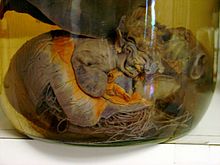
Heartworm disease in dogs- it’s a potentially very serious disease, which sounds very ominous. What could be worse than a parasitic disease of the heart? One of the more common questions I was asked by pet owners was whether or not their dog really needed to be on a conventional preventive medication. More often than not, most clients are told only one thing: to give their dog a monthly Heartworm preventive. In this article I’ll explain exactly what is heartworm, the causes of heartworm, determining if your dog needs to be on a preventive heartworm medication, and the holistic options available to prevent heartworm in pets.
Heartworm (Dirofilaria immitis) is a parasitic worm which infects mostly dogs. Although all internal parasites can be harmful to your pet, heartworm infestation is serious and can be cause death. The worm mainly affects the lung arteries, and clinical signs are associated with damage to the lungs, and then the heart.
Heartworm is spread by mosquitoes. Not all mosquitoes carry heartworm, but when an infected mosquito bites your pet, it can transfer larvae to the animal’s tissues. The worms require development in the mosquito at a temperatures above 27 °C (80 °F) ; below 14 °C (57 °F), development cannot occur, and the cycle will be halted. If the temperature is warm enough, and the heartworm larvae progresses to being infective, they can infect another dog. These larvae then migrate through the body, until they reach the animal’s heart and lungs. There the adult worms will grow. They can grow to 70 -110 cm long and cause a great deal of damage to the heart and lungs.
Dogs show no sign of infection with heartworm during the first 6 months. The first signs include a cough, especially after exercise. As the disease advances, signs can include fainting, pronounced coughing, syncope, crackles in the lungs, general weakness, and heart failure. In serious cases of heartworm disease, it can lead to sudden death.
Most (certainly not all) holistic veterinarians consider the use of pharmaceutical preventatives to be less harmful than a heartworm infection. What you need to be aware of is the incidence of Heartworm in your area, and whether or not your pet really is at risk of Heartworm disease. For example in Canada, Heartworm is difficult to acquire, and usually not fatal; far less than the dire warnings and marketing claims of the Heartworm preventive companies. For heartworm to be transmitted to your pet, you need the correct temperature for a long enough period of time, the right climate, and the correct species and sex of mosquito.
Holistic heartworm prevention options include many common sense natural health suggestions to keep your dog’s immune system healthy, along with preventing mosquito bites. First avoid unnecessary vaccines- keep your dog’s immune system healthy. Avoid repeated uses of steroids, or conventional antibiotics. Provide excellent nutrition by feeding quality natural brands of dog food, home diets and raw food. Ensure that the diet includes certain neutraceuticals that help prime the immune response; essential fatty acids in adequate levels, probiotics, and consider the use of colostrum. Practice excellent mosquito control, for this is the insect that spreads heartworm. I have had some great success with a natural mosquito repellent using cedarwood oil. Use natural alternatives when possible – this can mean using nosodes and herbal supplements, while also having your dog tested for heartworm. This is better under the guidance of a holistic veterinarian.
My thoughts on conventional use of monthly heartworm preventives are this: If you are in a high risk area, use the conventional preventives, but for as short duration as possible- ie when the conditions really exist to transmit the disease. Use the lowest effective dose of the preventives; you can also follow up the conventional meds with liver supportive products such as milk thistle and Vitamin E. If you live in an area with little to no risk of heartworm, consider no use of conventional medication.
You should now have a better understanding of what heartworm is in dogs, and how it is spread from dog to dog. Now you know the clinical signs of heartworm infection, plus are able to determine whether or not your dog needs heartworm preventives based on the incidence in your area. Lastly you can use some of the suggested holistic modalities to prevent heartworm, avoiding the potential side effects of the conventional heartworm drugs.
Heal Your Pet At Home!
Best Wishes,
Dr Andrew Jones
Do you use cedar oil on the dogs or or put on the lawn? for fleas and mosquito?
We use cedarwood oil as a natural mosquito repellent on the dogs, not as a lawn treatment. Just be sure it’s properly diluted and used safely around pets.
What is your opinion of ingested garlic as an anti-parasite agent, immune system booster, and/or mosquito deterrent? My last vet recommended 1 clove per day for my 65 lb. dog. I’ve been pretty lazy about doing this, but I’ve been trying to get more of a routine going lately. I’m thinking fresh garlic is the most potent, rather than pre-chopped or powder which would be more convenient. I’ve found that crushing the garlic with a fork in the dish he’s going to eat out of, then mixing it with ground meat, is the least hassle and doesn’t waste the garlic. Garlic presses just tend to make a mess in the press that then you have to clean up.
My previous vet also said he only ever really saw heartworm in immuno-compromised dogs, thus the “general dietary health, avoid the toxic chemicals” as above. This was in Raleigh, NC, which is certainly hot and humid enough in the summer for people to pronounce gloom and doom about heartworm. Plus he got super bit up in the mountains around Asheville, NC, where it was probably warm enough as well. I tested him regularly for 2 years for heartworm, always came up blank, now I don’t bother anymore. I think the conventional vets are full of it and are just in the pocket of big pharma.
While it has some interesting natural properties, it isn’t a proven heartworm or parasite preventive, and too much can be harmful to dogs. A healthy immune system is important, but for heartworm, mosquito control and regular testing still matter.
My little pom has been diagnosed with Cushing’s disease and requires the maximum dosage of medication to control the cortisol level. He has lost most of his hair. I have just started him on your powdered supplement. Do you have any other suggestions?
Thank you
Cushing’s can definitely cause hair loss, especially when cortisol is difficult to control. Since he’s on a high dose of medication, we’d keep working closely with your veterinarian and focus on good nutrition, omega 3s, and gentle supportive care alongside his treatment. Give the supplement some time to work too.
Pet owners should also pay regard to the times of day mosquitoes are most active~ ie. early morning and evening. I tie citronella bracelets ( the ones used for camping) to their collars!
Timing matters too. Mosquitoes can be pesky little opportunists, so reducing exposure during peak activity is a smart part of the prevention plan.
I do not believe everyone’s pet should be on conventional heart worm medicine, that is Vets in the pharmaceutical companies pockets as was stated before!. Since there are definite areas where this parasite lives that those who live there should be checked routinely for your pets safety and always go to a Veterinarian that practices both types of medicines, (regular and holistic)from there, treat the Canine Companions like family. Feed them well, lots of hugs and pray they have a long happy life.
The key is knowing your local risk, testing appropriately, preventing mosquito bites, and making an informed choice with a veterinarian you trust. Most importantly, give those furry family members plenty of love and belly rubs!
i wonder how much milk thistle should a 80 lb dog and a 55 lb dog take,
The dose depends on the strength of the milk thistle or silymarin product, so we would not dose it by weight alone. For an 80 lb or 55 lb dog, check the amount of active silymarin on the label and ideally use a veterinary formulated product. If you tell us the exact product and strength, we can help you work out the amount.
How can I find out the incidence of heart worm desease in my area. San German, Puerto Rico?.
The best way to check local incidence is through your local vet or Puerto Rico’s veterinary disease data. We’d also recommend testing your dog regularly and focusing on good mosquito control. Prevention is always easier than treating heartworm disease!
Dr. Jones,
Thank you so much for all the wonderful information you post on your website!!!
Your holistic postings have been so helpful with our babies!
You have truly been a blessing….
We’re thrilled to hear the information has been helpful for your babies. Helping pet parents feel more confident caring for their furry family members is exactly why we do what we do. Give them an extra belly rub from us!
What about cats? We live in Florida and all our cats are indoors. However, at least one of them is heartworm positive. (We have 21 and can’t afford to test them all at once). Mever gave them preventative although the dogs get it regularly. Allopathic medicine has NO treatment for heartworm in cats. I do work with a holistic vet who uses homeopathy and herbals, although my cats don’t LIKE herbals (but the dogs love Standard Process -products) My regular vet says that all you need for heartworm to be transmitted is a mosquito bite. Obviously even with screens you can’t always eep the little buggers out! Last year there was a local woman who became infected with heartworm!
Yes, cats can absolutely get heartworm, and indoor cats are still at risk since mosquitoes can get inside. Florida is a higher risk area, so prevention and mosquito control are important. With 21 cats, we’d work with your vet to prioritize testing and prevention. And yes, cats can be very opinionated about herbals!
I want to know holistic ways of treating a dog that is diagnosed with Hearworms. I was using a couple of herbal products on a dog that was dropped off in my neighborhood and choose me to take care of him. One product killed the wolfbachia, the bacteria that lives in the heartworm. On this he went from heavy to light in his recent test. But so much damage had been done to the lungs in the time before he got to me that he didn’t make it. On four separate occasions since Christmas he coughed up huge amounts of blood. He was only 2 years old.
Here in Tennessee we have lots of dogs that get heartworms and have no home. I’m thinking of finding one and treating him holistically but want to find a vet that will guide me along.
Heartworm can cause serious, lasting damage to the lungs and heart, especially when it’s advanced. In a high risk area like Tennessee, we’d be very cautious about trying to treat an active infection with herbs alone. A holistic vet can help you combine natural support with proven treatment, while also focusing on mosquito control and prevention.
how about cats ? do cats get heartworm? and if so how do you no they hav it, and how to cure it ??
It’s spread by mosquitoes, and cats can be harder to diagnose because they may show few or nonspecific signs. There is no approved medication that safely cures adult heartworms in cats, so prevention and mosquito control are especially important. A vet can help assess the risk in your area and the best prevention plan.
Brandon J please note that there is a component of garlic and onions that is poisonous to dogs and it has a cumulative effect. Please don’t give your dogs either. I learned the hard way and no one informed me beforehand. I had to euthanize my dog
You’re right that onions and garlic can be toxic to dogs, especially in larger or concentrated amounts and with repeated exposure. The dose matters, so we always recommend avoiding them rather than taking chances. Thanks for sharing your experience and helping other pet parents learn from it.