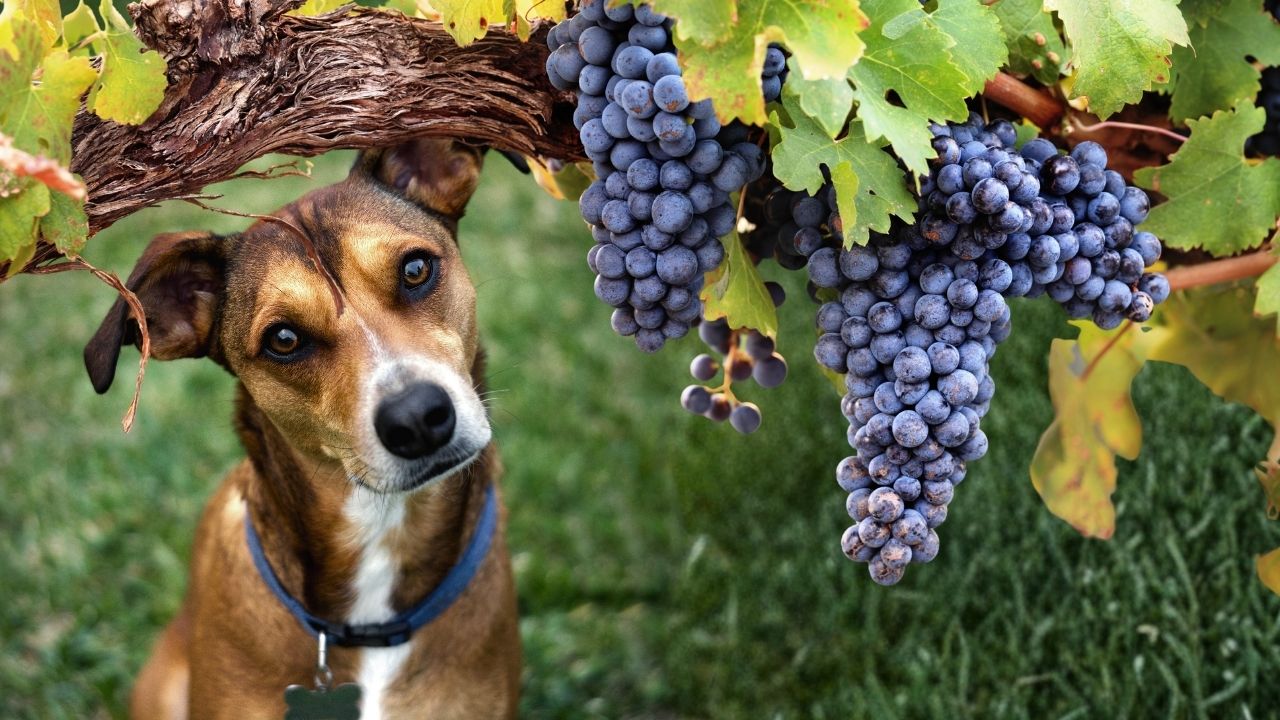
Dog Ate Grapes or Raisins? Signs, Vomiting Protocol, and Vet Timeline


What I Do If My Dog Eats Grapes and How to Act Fast
Grapes and raisins can be highly toxic to dogs.
Yes, even small amounts can lead to kidney failure. That makes them a big no for your dog.
But here is the confusing part.
Most dogs do not develop kidney failure and may seem completely fine after eating them.
Still, I never take that chance.
Because when toxicity does happen, it can be severe and even life threatening.
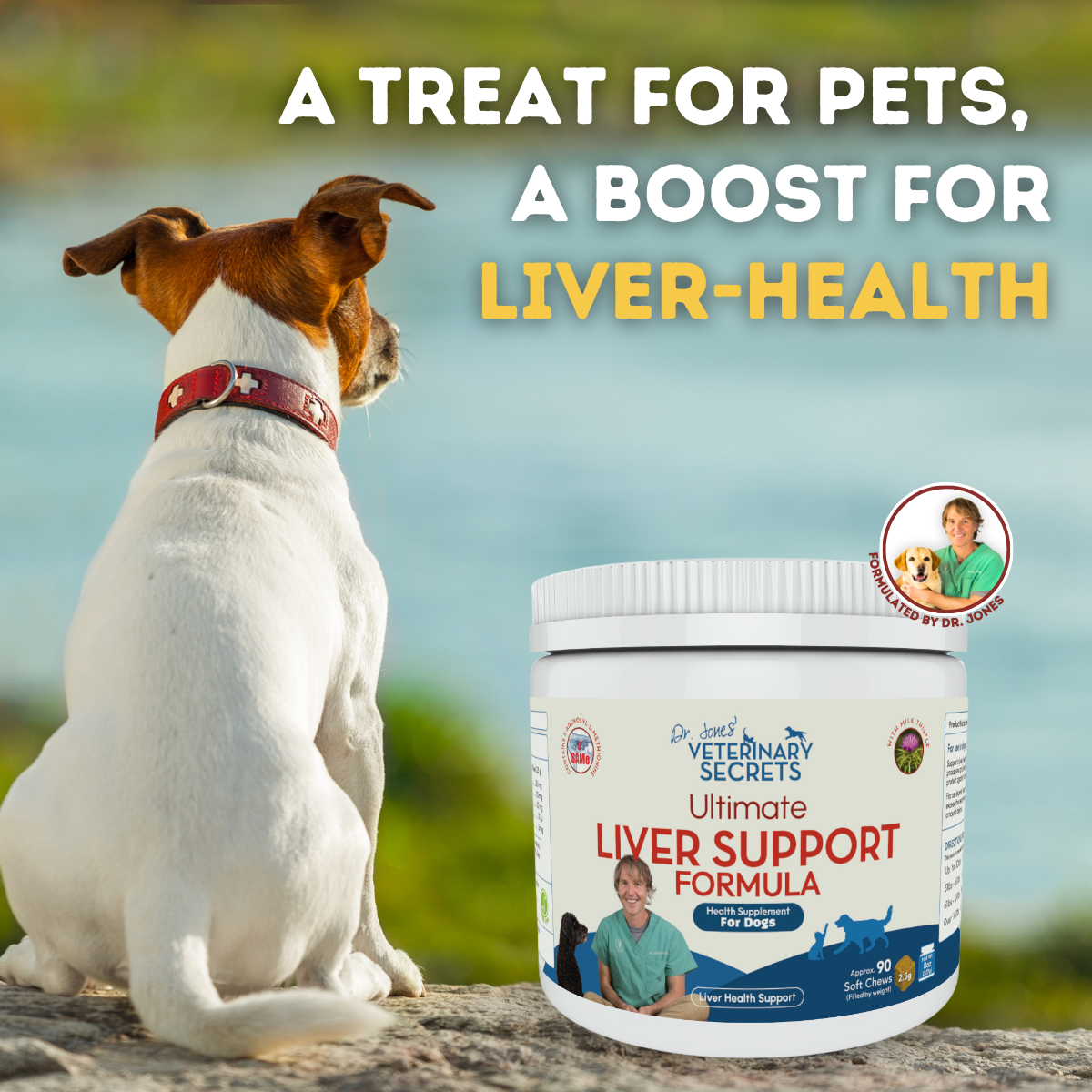
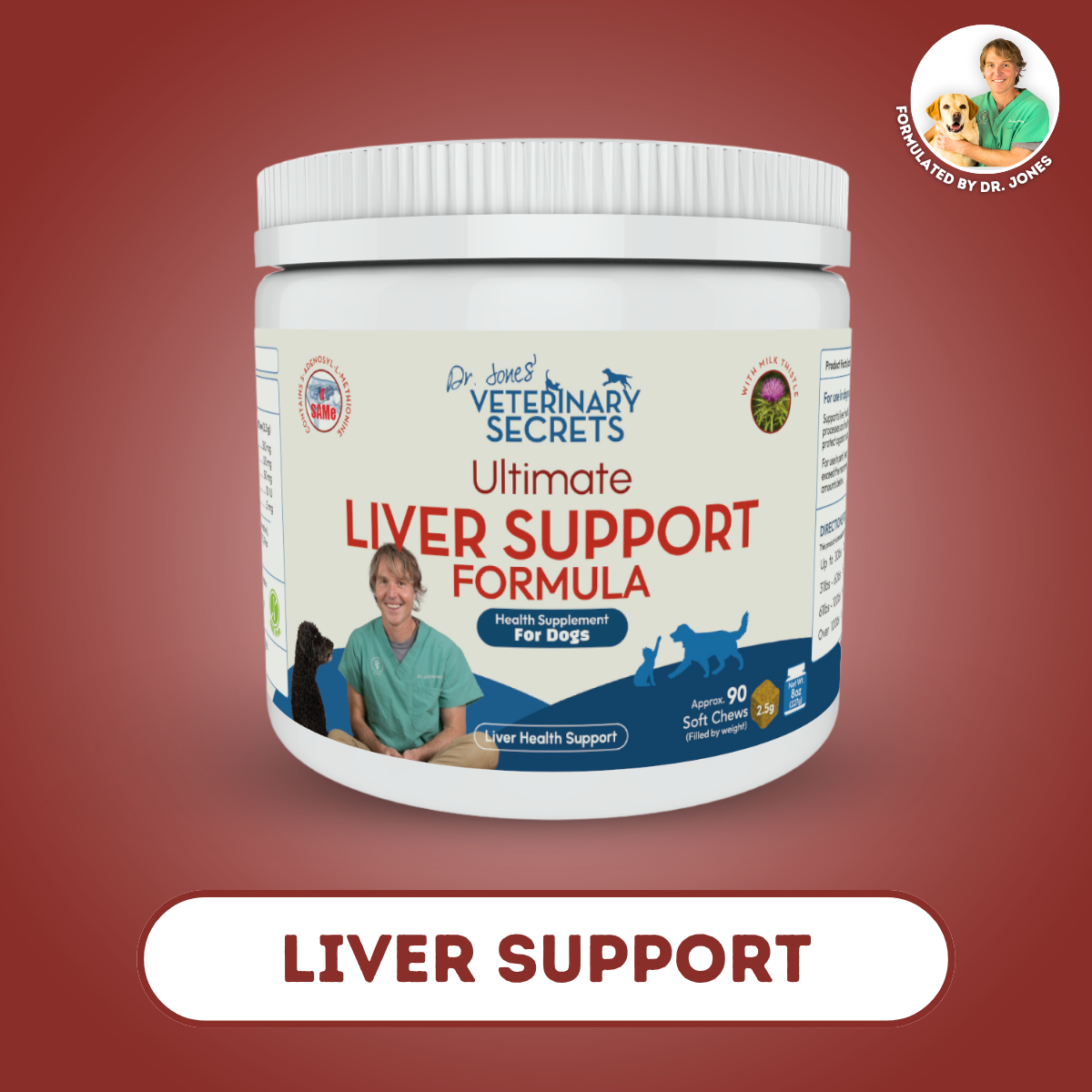
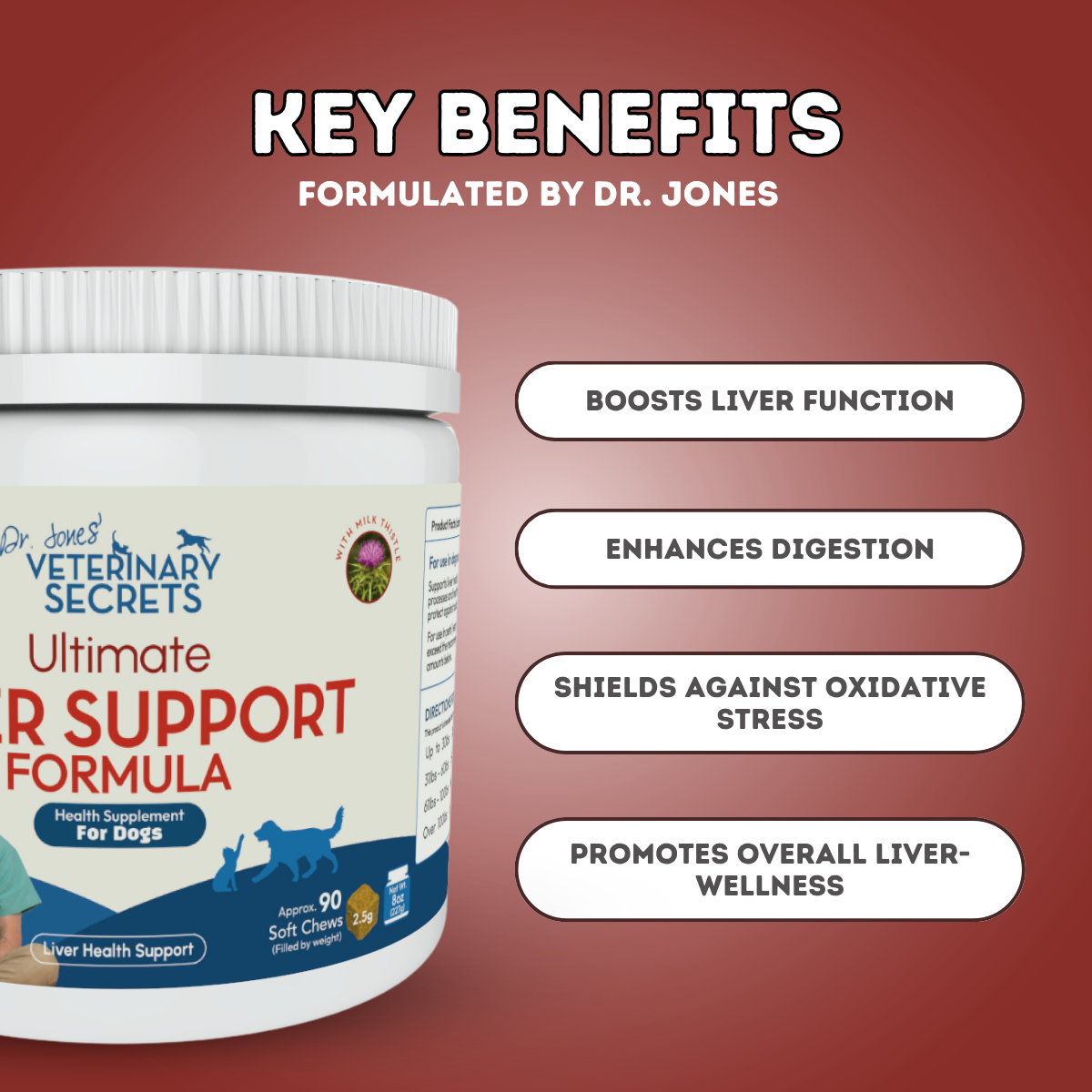
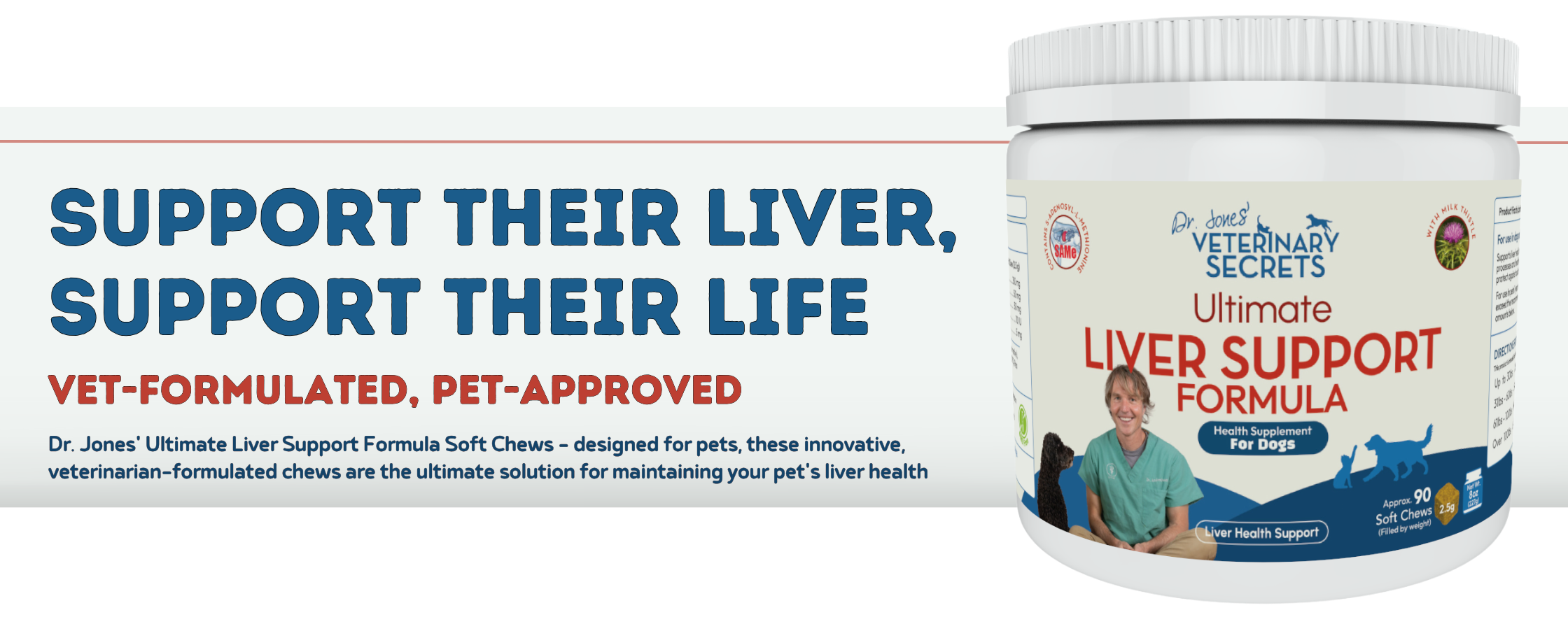
Dr. Jones’ Ultimate Liver Support Formula Soft Chews


Why I Take Grape Toxicity Seriously
In many toxins dogs are exposed to, the liver helps remove harmful substances.
That is one reason I also focus on supporting liver health, especially after any toxin exposure.
I saw this firsthand with my dog Tula. She had very high liver enzymes, and they improved with proper support.
My Dog Ate a Grape. What Should I Do?

Are Grapes Always Dangerous?
In some dogs, grapes and raisins are highly toxic.
In others, there may be no reaction at all.
The problem is we cannot predict which dog will be affected.
So I always treat it as a potential emergency.
Common Signs of Grape Toxicity
If your dog eats grapes or raisins, watch closely for these signs:

Early signs
- Vomiting or diarrhea within 1 to 2 hours
- Loss of appetite
Behavioral changes
- Lethargy or weakness
- Unusual quietness
Physical symptoms
- Abdominal pain
- Dehydration
- Foul breath
Serious warning signs
- Decreased or no urine
- Oral ulcers
- Tremors or seizures
- Coma in severe cases
The biggest red flag
If your dog vomits or has diarrhea shortly after eating grapes, this is a strong sign of toxicity.
Get to a veterinarian as soon as possible.
Why Are Grapes Toxic to Dogs?
The exact toxic substance in grapes is still unknown.
Both seeded and seedless grapes can be dangerous.
Even peeled grapes are not safe.
Since there is no way to know which dogs will react, I always assume the risk is real.
Emergency Treatment at Home
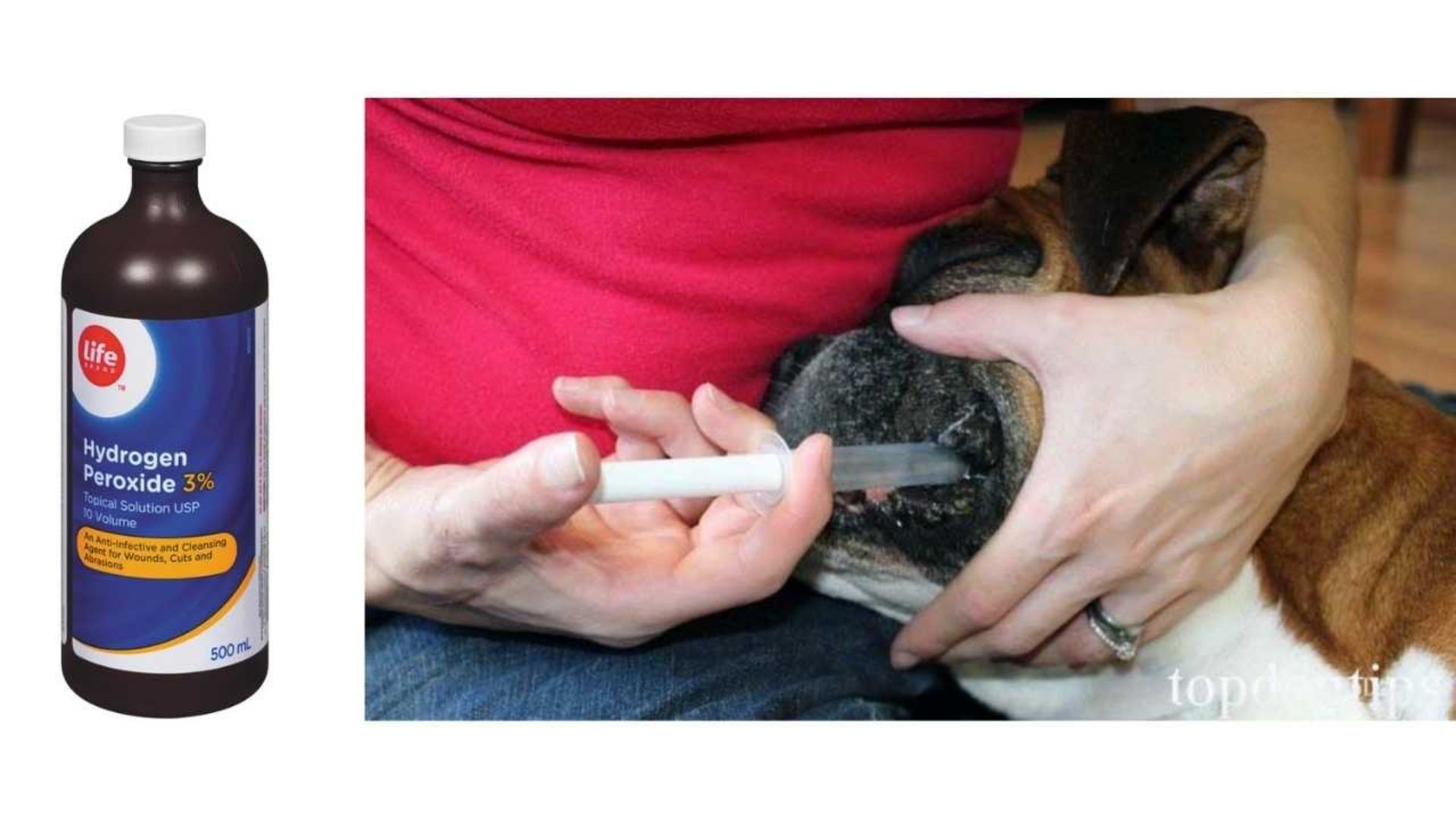
1. Induce Vomiting if Safe
If your dog ate grapes within the last 2 hours, this is the first step.
Only do this if your dog is:
- Alert
- Breathing normally
- Not in severe distress
Do not induce vomiting if your dog is struggling to breathe, unresponsive, or you are unsure what was eaten.
How I do it
- Use 3% hydrogen peroxide
- Give 1 teaspoon per 10 pounds of body weight
- Maximum dose 45 ml
If your dog does not vomit within 10 minutes, you can repeat once.
Do not try more than twice.
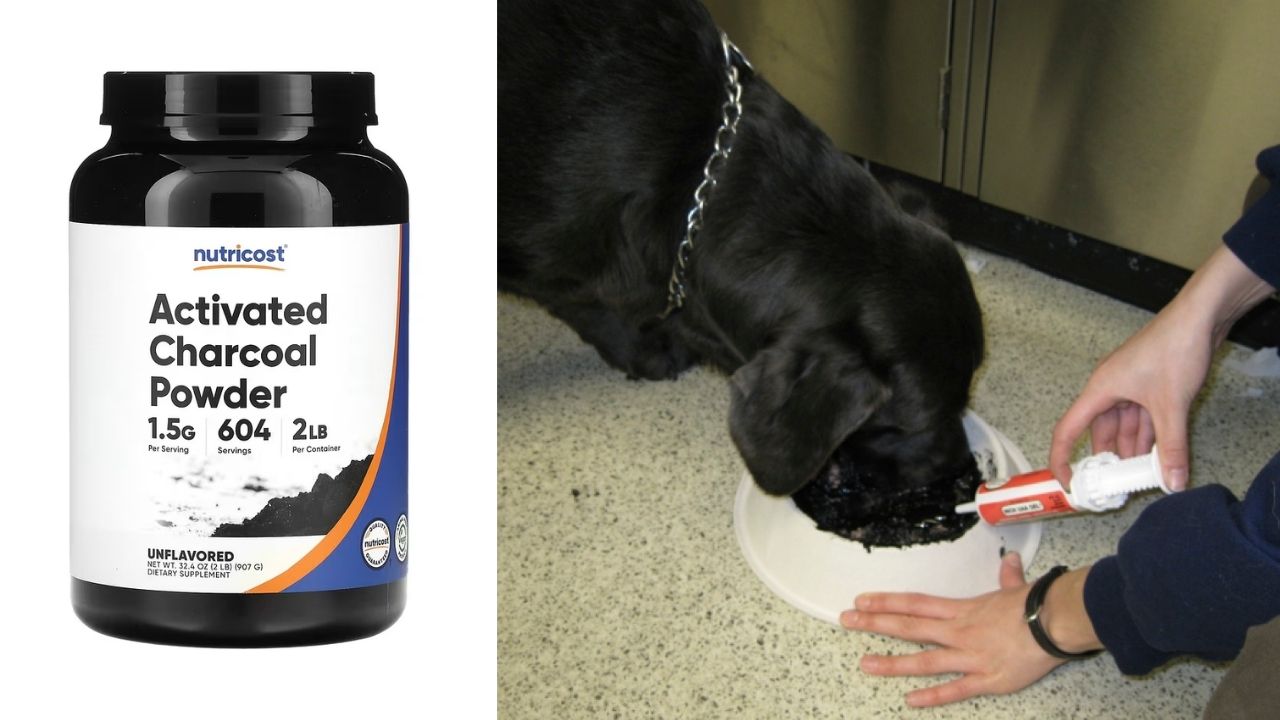
2. Give Activated Charcoal
After vomiting, I give activated charcoal to help bind any remaining toxin.
- Minimum dose 500 mg per 10 lbs
- Higher veterinary dose up to 2500 mg
Even smaller amounts can still be helpful.
If your dog does not vomit, go straight to the vet.
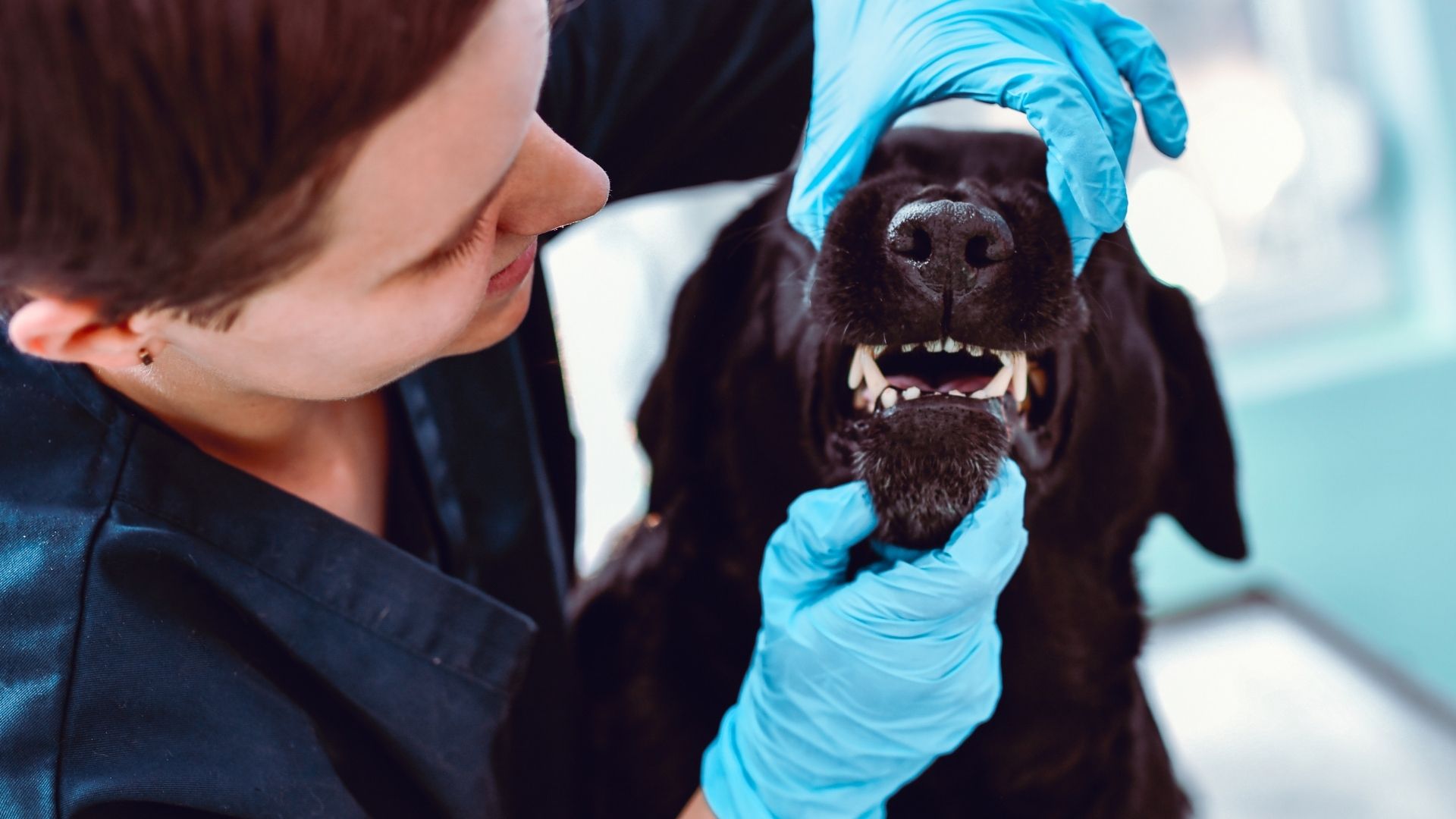
3. Seek Veterinary Care
If your dog shows symptoms, especially vomiting early on, get veterinary help right away.
What Your Vet May Do
At the clinic, treatment may include:
- Inducing vomiting if not done
- Flushing the stomach
- Giving activated charcoal
- Starting IV fluids
- Monitoring kidney function with blood tests
Severe cases
If kidney failure develops, more advanced care like dialysis may be needed.
What I Would Do With My Own Dog
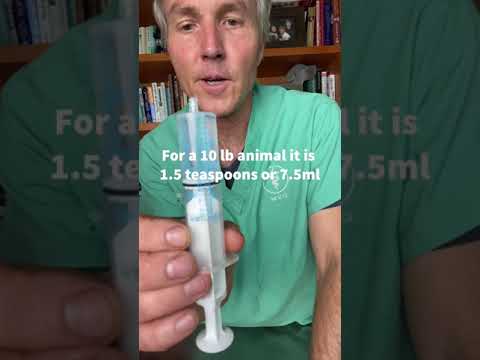
If Tula ate a grape, I would act quickly.
- Induce vomiting with hydrogen peroxide
- Repeat once if needed
- Follow with activated charcoal
Chances are she might be fine.
But the problem is not knowing.
That is why I act fast.
Supporting Recovery
After any toxin exposure, I also focus on liver support.
The liver plays a key role in detoxifying the body.
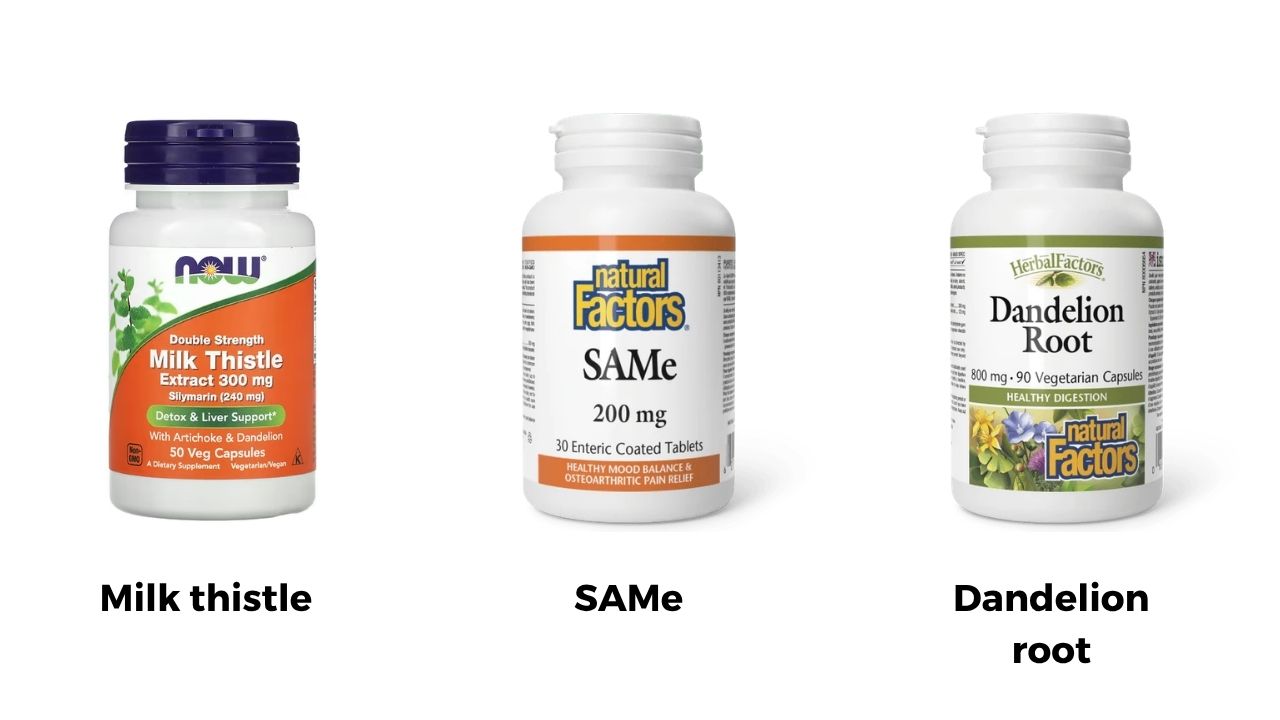
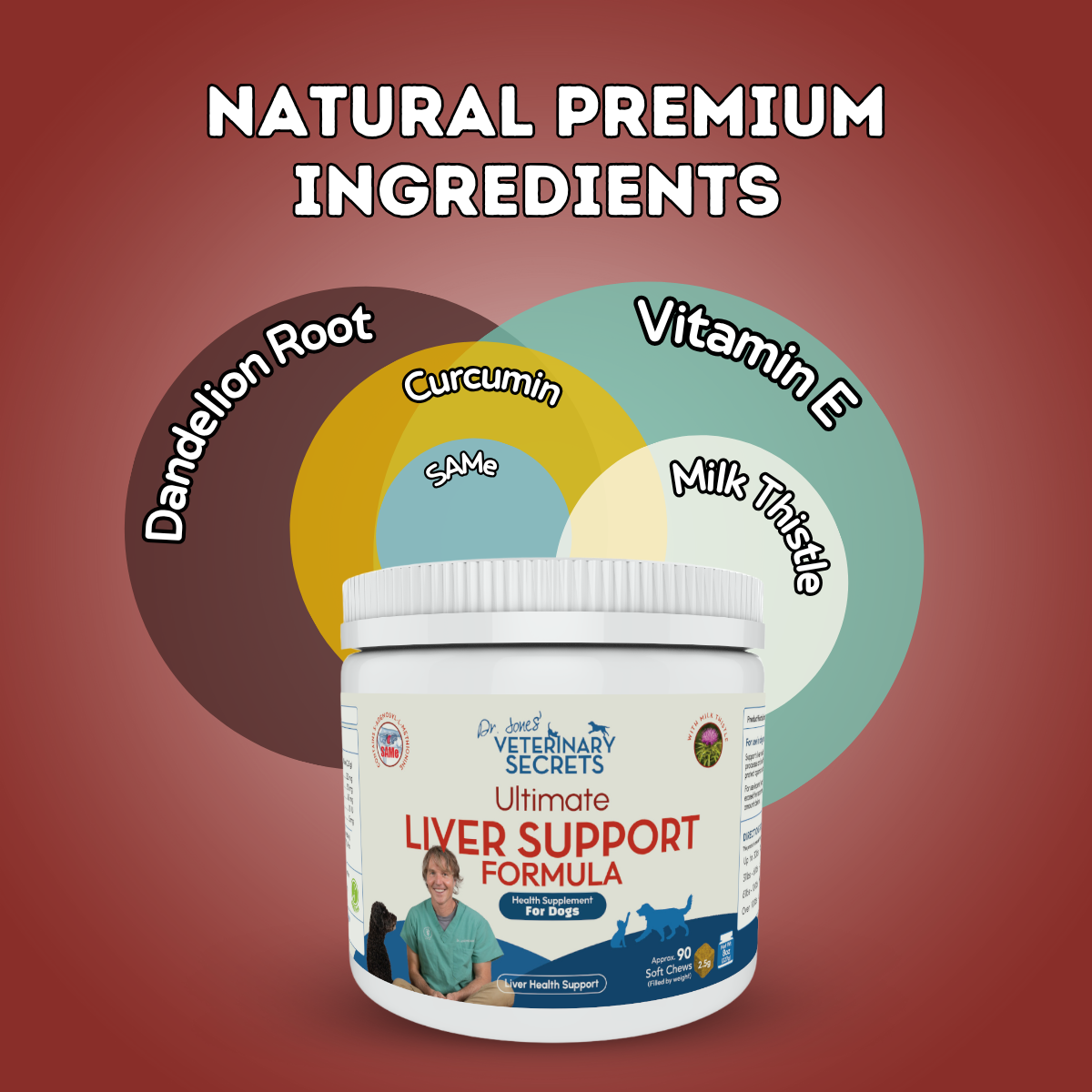
I look for ingredients like:
- Milk thistle
- SAMe
- Dandelion root
These can help support recovery and overall liver function.
Final Thoughts
Grapes and raisins are one of those foods that can go either way.
Some dogs are fine.
Some are not.
Because we cannot predict the outcome, I always treat it seriously.
Act quickly, monitor closely, and when in doubt, get help.
Click To Get A Free Copy of My E-Book!

P.S. Have hydrogen peroxide and activated charcoal on hand. It can make a big difference in an emergency.
P.P.S. Supporting your dog’s liver after toxin exposure is something I always consider. It can help them recover and stay healthier long term.