Foods That Your Dog Should Never Eat
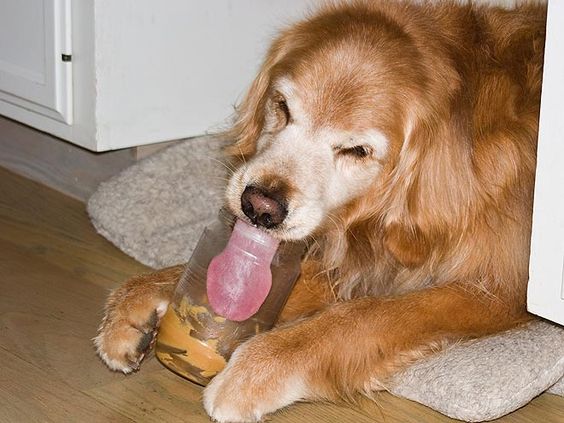
The following is a list of foods to avoid feeding your dog.
Avocado: Avocado leaves, fruit, seeds and bark contain a toxic principle known as Persin. The Guatemalan variety is most toxic – but all have toxic potential. They cause vomiting/diarrhea – primarily gastrointestinal distress.
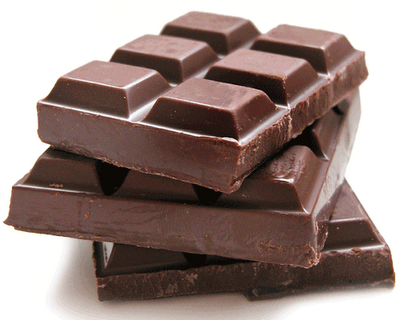
Chocolate (all forms): Chocolate contains theobromine, a compound that is a cardiac stimulant and a diuretic. The toxic dose is 2 baking squares for a 10lb dog. Regular chocolate bars have little real chocolate and are seldom toxic.
Coffee (all forms): Coffee contains dangerous components called xanthines, which cause nervous system or urinary system damage and heart muscle stimulation
Fatty foods: The primary concern here is severe gastrointestinal upset- and in some cases Pancreatitis.This can be fatal in some pets- and it is ALMOST always triggered by a High Fat Meal, such as gravy or bacon.
Macadamia nuts: Macadamia nuts contain an unknown toxin, which can affect the digestive and nervous systems and muscles of dogs. This has lead to paralysis. A small number of nuts and even the butter can cause this.
Moldy or spoiled foods: Many molds contain a type of toxin called an Aflatoxin. This is thought to be a common cause of “compost toxicity”. Signs include GI (Vomiting/Diarrhea), muscle tremors, in-coordination, elevated temperature, excessive salivation, and liver damage. Avoid feeding ANYTHING moldy to your dog or cat.
Onions, onion powder: Onions contain the toxic ingredient thiosulphate.Pets affected by onion toxicity will develop anemia. 1 Onion can cause this. Fortunately ALL dogs recover once they are stopped from ingesting onions.
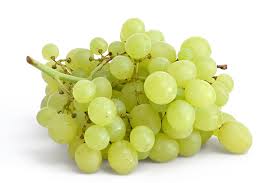
Raisins and grapes: As few as 6 grapes and raisins have caused acute kidney failure in some dogs.The toxic ingredient is not yet known.There is no treatement. AVOID feeding ANY grapes or raisins to your dogs.
Yeast dough: The yeast dough/uncooked bread dough will rise in your pet’s stomach causing severe gastrointestinal distress (vomiting/diarrhea), bloating, and signs of alcohol toxicity.
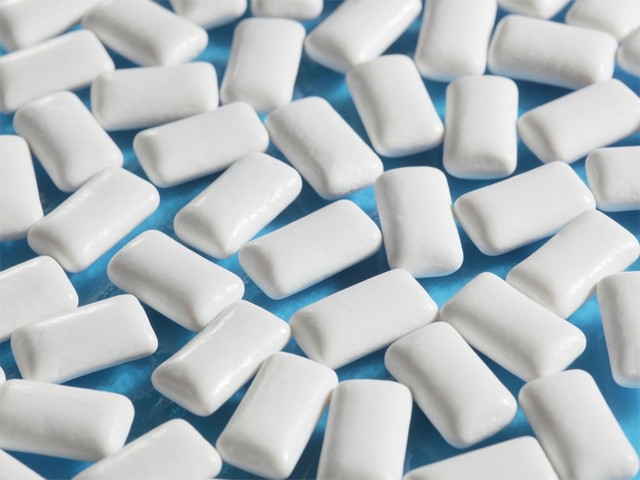
Xylitol: Xylitol is a artificial sweeter found in “SUGAR FREE” Products, such as gum, candy etc. Signs relate to a sudden drop in glucose (blood sugar), in-coordination, collapse and seizures. Avoid feeding any gum/candy to your pets.
Apples, Apricots, Cherries, Peaches and Plums (stems, seeds, and leaves): While the fruit is fine for your pet to eat, ingestion of large amounts of stems, seeds and leaves of these fruits can be toxic. They contain a cyanide type compound and signs of toxicity include apprehension, dilated pupils, difficulty breathing, hyperventilation and shock. Note – it’s the seeds and stems that contain the toxic component, not the fruit itself.
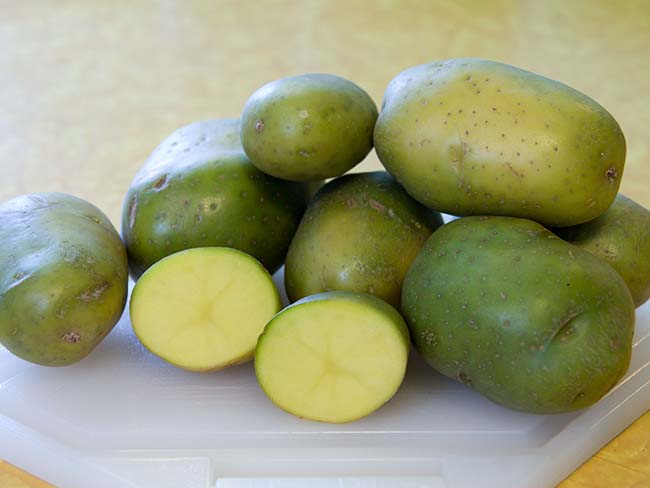
Potato peelings and green looking potatoes: Potatoes and other Solanum species, including the tomato, are members of the nightshade family of plants. These plants contain solanine and other toxic alkaloids which, if eaten in large enough amounts, can produce drooling, severe gastrointestinal upset, including vomiting and diarrhea, loss of appetite, drowsiness, central nervous system depression, confusion, behavioral changes, weakness, dilated pupils and slowed heart rate.
Nutmeg: High levels of nutmeg can be toxic, even fatal. The toxic component is unknown. Signs of toxicity include tremors, seizures, nervous system abnormalities or death.
Tomato leaves & stems (green parts): The green parts of the tomato plant are considered toxic because they contain solanine, which has the potential to produce significant gastrointestinal and central nervous system effects.
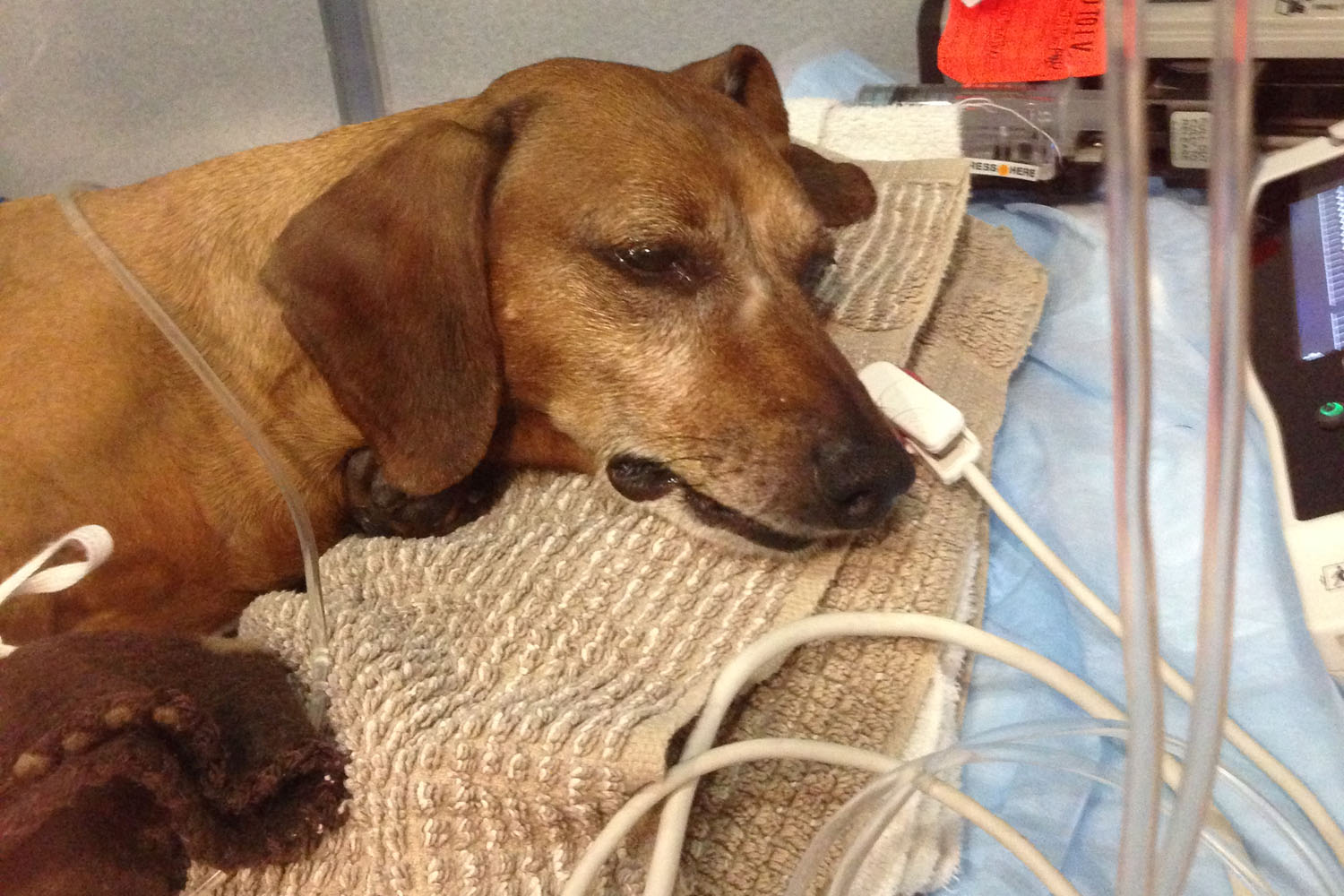
WHAT to do IF your pet has eaten any of these toxic foods:
TO YOUR VETERINARIAN. If your pet is showing signs of ingesting a poison, it is important that your veterinarian examines her and treated appropriately. Some toxins can progress and lead to severe seizures. If you suspect antifreeze poisoning, it must be treated within 4-6 hours, before irreversible kidney damage occurs.
PURGE THE POISON. In most cases of poisoning, getting your pet to vomit is the most important thing that you can do. DO NOT INDUCE VOMITING if something caustic has been consumed (such as drain cleaner or bleach). To induce vomiting, give hydrogen peroxide at 1 teaspoon per 10 lbs of body weight. If your pet doesn’t vomit in 10 minutes, repeat again. NEVER do more than 2 treatments of peroxide. You can also try salt: dilute 1 teaspoon of salt in a tablespoon of water per every 10lbs of body weight.
NEUTRALIZE THE TOXIN. If a caustic substance has been ingested, DO NOT INDUCE VOMITING, rather give something to neutralize it. An alkaline toxin such as drain cleaner is neutralized by something acidic such as vinegar: give 1 tsp per 10 lbs of body weight. An acidic toxin, such as battery acid, is best neutralized with something alkaline such as Milk of Magnesia: give 1 tsp per 10lbs of body weight.
DELAY ABSORPTION. Activated charcoal is readily available at most pharmacies. It delays absorption of any toxin by binding to the toxic compound in the stomach. The easiest way is to give the capsule form. For those garbage-eating dogs (such as my own dog) it is a good idea to have hydrogen peroxide and activated charcoal always on hand.
TOPICAL TOXINS. If your pet is having a reaction to something on the skin, such as flea medications, or oil on the skin, then you want to remove it as soon as possible. Dish soap works well – lather it up, then rinse your pet thoroughly. Thick tarry substances that you can’t wash off can be first covered in flour, as the flour absorbs some of the oil, then washed off with dish soap.
PREVENTION. Ensure medications are always out of mouth’s reach. Become familiar with toxic plants (visit http://www.aspca.org/toxicplants for a complete list) and remove those from your house, if your pet is a plant-eater. Keep your compost covered.
Best wishes,
Dr. Andrew J
P.S. My FREE Dog Health and Nutrition Webinar is happening soon!
You’ll learn:
-WHAT Dog Food is BEST to Feed
-WHAT Foods to AVOID
-HOW to heal your dog at home with Food and Natural Remedies
It’s here:
http://www.thedogsupplement.com/webinar
So dogs can’t eat raw meat? Really? I thought they’d been doing that for millions of years.
See Dr. Jones’ other blog on raw diets:
https://veterinarysecrets.com/raw-food-is-and-the-whoopivick-news/
all of this “advice” calls for some common sense. it’s not rocket science.
Absolutely! A little common sense goes a long way. The key is knowing that some everyday foods—like grapes, xylitol, and chocolate—can be surprisingly dangerous for dogs. A little awareness can prevent a big emergency.
my mongrel dog now 6 years old will not eat shop bought dog foods ( canned or packeted ) i feed him on (Boiled lams hearts-ox liver)fried sausages-biscuits
Sounds like your pup knows what he likes! If he’s healthy and thriving, that’s great, but I’d go easy on the fried sausages, as they’re often high in fat and salt, which can increase the risk of digestive upset or pancreatitis. Boiled meats are a better choice, and just be sure his overall diet is balanced for the long term.
Can’t eat bones? What bollocks.Perhaps the good doctor should actually own a dog and watch it pursue its natural tendencies before he offers his ‘wisdom’. Two of my dogs will eat human excrement with relish if they find it before I can stop them, most of them will eat long-dead carrion by choice, all of them love bones including chicken bones, and the older and more disgusting the better. Can cause obesity’, might lead to heart attacks; get a life.
Dogs certainly have strong natural instincts, and they’ll happily eat things we’d never consider! That said, just because they’ll eat something doesn’t always mean it’s safe. Cooked bones—especially cooked chicken bones—can splinter and increase the risk of choking or injury to the digestive tract. Raw meaty bones are a different discussion, but they still require careful supervision and choosing the right size. Keeping our pups safe is always the goal.
While many items on this chart are clearly what does not belong on a dog’s or cat’s diet, I disagree about bones or raw meat. We have actually been encouraged by our holistic veterinarian (after about 3 thousand dollars worth of visits and tests, and 4 conventional “specialists” failed to reach correct diagnosis!) to feed raw. Our 3 GSDs are healthier now, and our senior citizen 11 y/o cat seems to love it, too and I have personally seen him devour a freshly killed raw mouse (he’s a hunter at heart) with gusto.
This chart has some good points about chocolate, caffeine, nuts, raisins, fruit stones, etc., but if you read who published it, it is NOT dr. Jones! It’s “HellaWella” and, on their website, they list some of their sources: CBS, USDA, Foodsafety.gov – not exactly an unbiased sources might I add.
The advise in this chart should be taken with a hefty pinch of common sense.
Thanks for sharing your experience! Every pet is different, and I’m glad your dogs and cat are doing well. A carefully prepared raw diet can work for some pets, but it does need to be balanced and handled safely to reduce the risk of nutritional deficiencies and food-borne bacteria. As for bones, raw meaty bones are different from cooked bones—it’s cooked bones that I recommend avoiding because they can splinter. Common sense and an individualized approach are always key!
I live in a rural area and I have 14 dogs. We grow some grapes, my dogs eat grapes every year, a lots of grapes, the eat aldo lots or row meat for they kill rabbits and other small animal. All of then are very healthy, never had any illness and the yungest is 12 years old.
That’s wonderful to hear your dogs are doing so well! It also shows that individual dogs can respond differently. That said, grapes are one of those foods we still recommend avoiding because some dogs can develop sudden, severe kidney injury from even small amounts, while others may appear unaffected. Raw prey is a separate topic, but it also comes with potential risks. I’m glad your pack is thriving—here’s to many more healthy years together!
What do you meat with ‘moderation?’ every thing that I said is the truth
Thanks for sharing your experience! I don’t doubt that’s been true for your dogs. The challenge is that not every dog responds the same way. For example, some dogs can eat grapes without obvious problems, while others can become seriously ill from just a few. That’s why I recommend erring on the side of caution—it’s about keeping all dogs as safe as possible.
Great info. I have marked it in bold for future reference. I love my Sunny and care about his food. Just switched to a healthier pet food option too.
That’s great to hear! A healthy diet is one of the best investments you can make in Sunny’s long-term health. Wishing you both many happy, healthy years together!
According to the list you should not give them garlic, but on their page about flea prevention they tell you to give them garlic daily????
https://veterinarysecrets.com/how-to-get-rid-of-fleas-naturally/
Good question, Larry! It’s all about the dose. Large amounts of garlic can be toxic to dogs, but small, carefully measured amounts have been used by some holistic veterinarians. If you choose to use garlic, it should be done cautiously, and it’s best to avoid it in cats. Thanks for pointing that out!
meat and bones are dogs’ staple diet FFS
maybe some lapdogs etc might have been messed up so much by human interference that they cannot handle it any more, if so, shame on humans says I. Not convinced by this ‘expert’ opinion,eg; no mention of mushrooms which can mess a dog up real quick. Plus if your dog is shedding hair a couple of raw eggs with shell smushed up in their food can really help!
Thanks for sharing your thoughts! Dogs do naturally enjoy chewing bones, but it’s important to distinguish between raw meaty bones and cooked bones—it’s cooked bones that I recommend avoiding because they can splinter and cause serious injuries. And you’re absolutely right about wild mushrooms—many species can be highly toxic to dogs, so they’re definitely best avoided. As for eggs, they can be a healthy addition for many dogs when fed appropriately as part of a balanced diet
My husband and I are deer hunters. My dogs have had LOTS of raw meat. But, I have found that about an hour after eating the raw meat, they start acting like they don’t feel good, and about an hour after that, they have diarehha. So I’m guessing that they have tummy cramps after eating the raw meat. So, my dogs still get the pleasure of eating the raw meat but I limit what they can have. I also let them have bones, raw or cooked, but only the biggest, thickest bones. However I do carefully supervise them. When they start to chew off splinters, the bone quickly hits the trash can. You wouldn’t want your dog to swallow splinters…would you?
Thanks for sharing your experience! It sounds like you’ve found what works best for your dogs. Diarrhea after raw meat can happen, especially if they eat a large amount or if the meat is particularly rich. And I agree—supervision is key with any bone. If a bone starts splintering or breaking into sharp pieces, it’s time to take it away. Keeping our pups safe while letting them enjoy a special treat is always the goal!
I think you clearly need to review this page, as there doesn’t seem to be anything left for dogs to eat except cucumber sandwiches?? Really does make me wonder about the advice on the rest of your site. Will have to double check everything else I thought sounded ok too.
Fair point! It can look like a long list of “don’ts,” but the goal isn’t to scare anyone—it’s to highlight foods that are known to pose risks. The good news is there are still plenty of healthy options for dogs, including balanced fresh foods, quality commercial diets, and appropriate treats. Thanks for keeping me on my toes—I always appreciate thoughtful feedback!
Thank you for all your tips, my pug licks his paws like it was a bone to her. I will defenetely try all your tips ,thank you.
You’re very welcome! Paw licking is often linked to allergies, irritation, or even a yeast overgrowth, so I hope these tips help your little pug find some relief. Give them a gentle paw hug from me, and let us know how they do!
Hmmm! I think it’s about time this internet vet made his own comment on these comments.
Fair point! I do read the comments, and I appreciate hearing different perspectives. My goal isn’t to say “never” to everything—it’s to help pet owners avoid the foods and situations that have been shown to cause problems. Healthy debate is always welcome, and we’re all here because we want the same thing: healthier, happier pets.
As for Raw or Cooked meat and bones I have fed my dogs for years on these products. Purchased dog food is just a supplement they eat if they want a snack. All my dogs have lived to old age well into the teens. The vet and others have commented on what great teeth and coats they have. Dogs are descendents of the wold and raw meat is a natural food to them. Our man made food is what we think they should eat rather than what their natural food is.
Thanks for sharing your experience! I’m glad your dogs have done so well over the years. Fresh food can absolutely be part of a healthy diet when it’s balanced. The main distinction I’d make is between raw meaty bones, which some owners choose to feed carefully, and cooked bones, which I don’t recommend because they can splinter and cause injury. Every dog is an individual, so the goal is always to find the safest, healthiest diet that works for them.
oops that should read descendents of the wolf not wold
No worries! I knew you meant wolf, not wold. Thanks for the correction—and thanks for sharing your thoughts!
The first picture you have on here is a dog eating peanutbutter, but there wasn’t anything said that I could see about that. Is it ok for them to eat it? Because we don’t give our dogs chocolate but we have gotten peanutbutter cookies and have given them a couple of those since they can’t eat the chocolate. They don’t get them very often though. I haven’t seen any reply from you back to any of these peoples that have posted what they think or what they feed their dogs. Personally we don’t feed our dogs chicken bones because they splinter so easily; we will rib bones or pork chop bones but that is very rarely.
Good question! Plain peanut butter is generally fine in moderation, but always check the label to make sure it doesn’t contain xylitol (or birch sugar), which is extremely toxic to dogs. And I agree with you on cooked chicken bones—they’re best avoided because they can splinter.