Fever in Dogs and Cats: Home Care, and When to See the Vet

What You Can Do at Home and When to Get Help
Being sick is not fun. I can personally attest to that.
Night sweats. No energy. Sore throat. That heavy, awful feeling when your body is clearly fighting something.
When your dog or cat has a fever, they are experiencing something very similar. They may feel weak, achy, tired, and just plain miserable.
Unfortunately, there are very few safe options we can give pets to help lower a fever, especially cats. That is why I want you to understand what a fever means, what you can safely do at home, and when you need to call your veterinarian.





Fever in pets: signs and temperature guide
Signs of Fever in Dogs and Cats
The main sign of fever is an above-normal body temperature.
A normal dog temperature is around 101°F or 38°C.
A normal cat temperature is around 102°F or 38.5°C.
If your pet’s temperature is 103.5°F or 39.5°C or higher, that is considered a fever.
You may also notice:
- Lower energy
- Decreased appetite
- Hot ears
- Excessive panting indoors
- Shivering
- Faster heart rate
- Acting withdrawn or uncomfortable
These are much the same signs people experience when we have a fever.
What Causes Fever in Pets?
A fever is usually the body’s response to infection or inflammation.
The most common causes include:
- Viral infections
- Bacterial infections
- Bite wounds or abscesses
- Respiratory infections
- Urinary tract infections
- Skin infections
One of the most common causes I saw was bite wounds, especially in cats. If your dog or cat has a fever, carefully check their body for punctures, swelling, or painful areas.
Step One: Take Their Temperature
Do not guess.
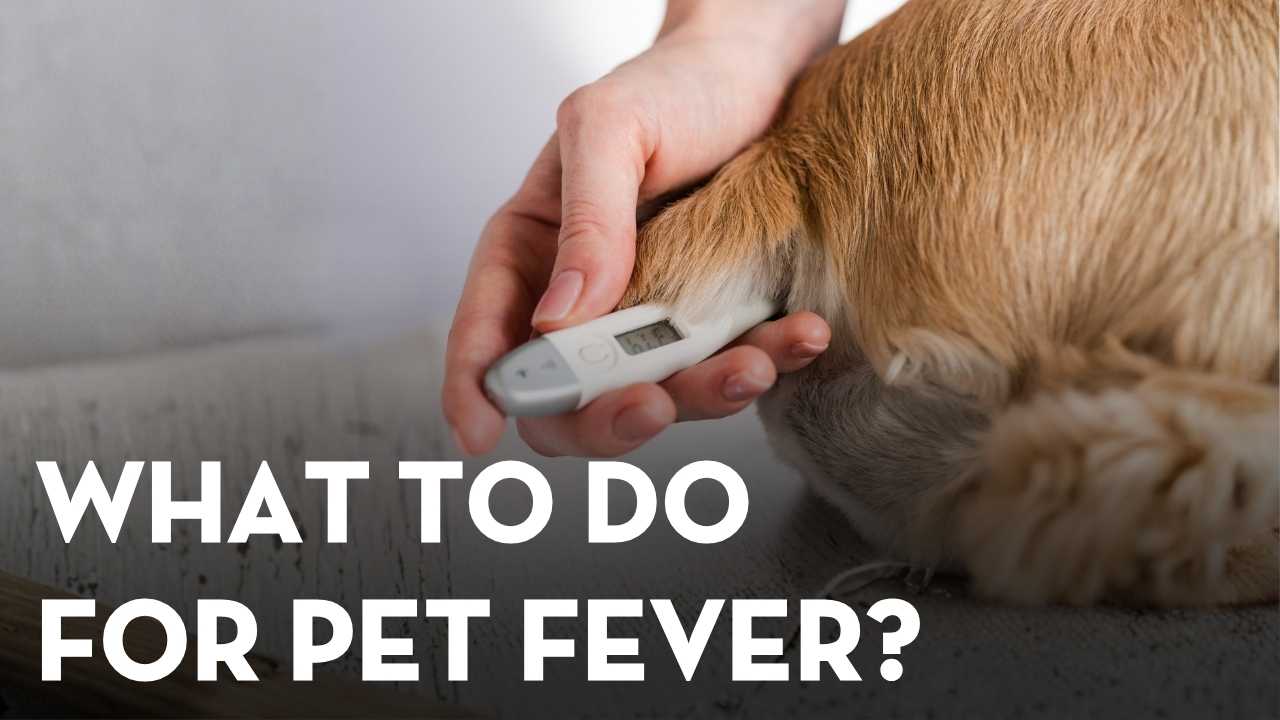
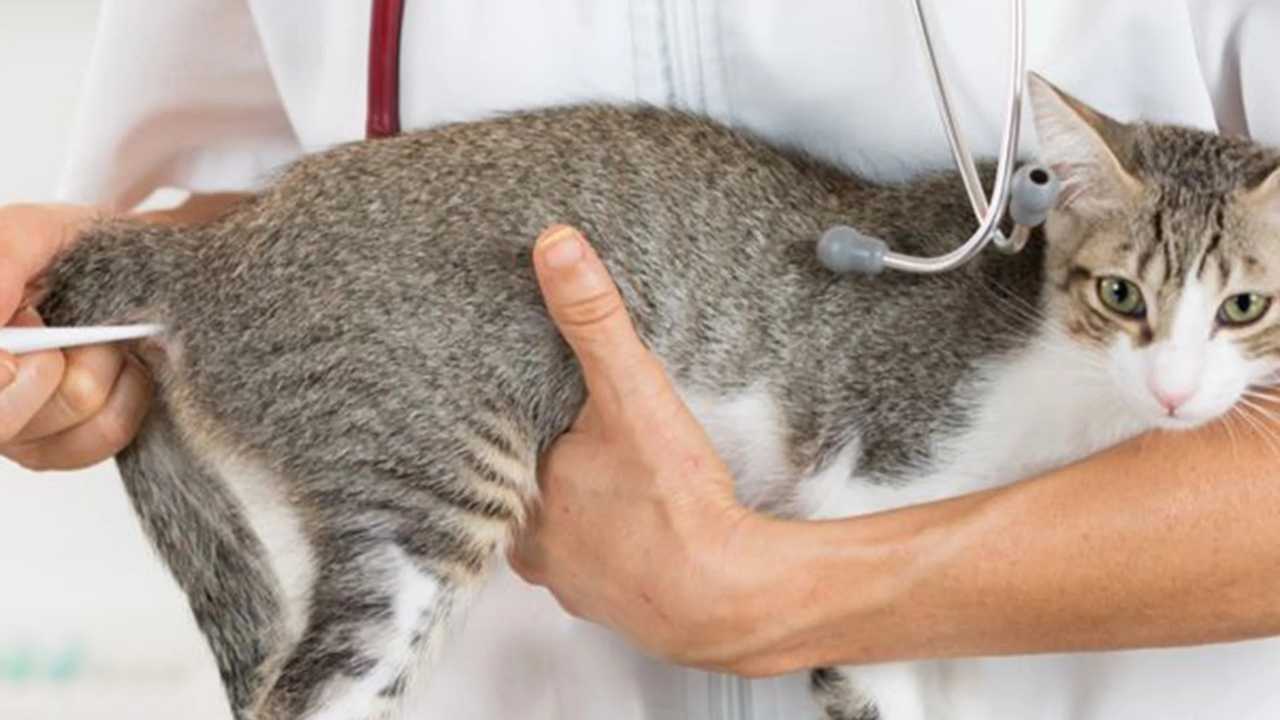
Use a digital thermometer rectally to confirm whether your pet truly has a fever.
If the temperature is elevated but your pet is still drinking, you can start supportive care while monitoring closely.
If the fever lasts more than 24 hours, or your pet is not drinking, call your veterinarian.
Keep Your Pet Hydrated
Dehydration is one of the biggest concerns with fever.
Offer fresh water in multiple places around the house. If your pet refuses to drink, you can gently offer water with an eyedropper, syringe, or turkey baster into the side of the mouth.

You can also try:
- Low sodium chicken broth
- Beef broth
- Tuna juice
- Pedialyte for electrolyte support
Give whatever works to keep fluids going in.
Cool Compresses
If your pet will tolerate it, apply a cool damp cloth to the belly or inner thighs.
These areas have exposed skin and can help with gentle cooling.
Do not use ice baths. Do not overcool. The goal is comfort and gradual support.
Medicine Cabinet Warning
Aspirin can sometimes be used in dogs to help reduce fever, but only in specific situations.
The dose is typically one 325 mg tablet per 40 pounds of body weight every 12 hours.
But do not use aspirin if your dog is on an NSAID, corticosteroid, or has liver or kidney disease.
And most importantly:
Never give aspirin to cats.
Cats are extremely sensitive to many medications, and aspirin can be dangerous.
Herbal Options for Fever and Infection Support
There are several natural remedies I consider when fever is linked to infection.
Echinacea, Myrrh, and Sage

These herbs have antimicrobial properties and may help support the immune response.
A common tincture dose is about one drop per pound twice daily.
Elderberry and Honey

This can be helpful for viral infections and coughs. Honey also has natural antibacterial properties.
A simple option is elderberry concentrate mixed with honey.
Olive Leaf Extract

Olive leaf extract has antibacterial and antiviral properties. It has been studied against pathogens such as E. coli and salmonella.
A typical dose range is 1 to 5 mg per pound twice daily, starting low to avoid vomiting or diarrhea.
Propolis
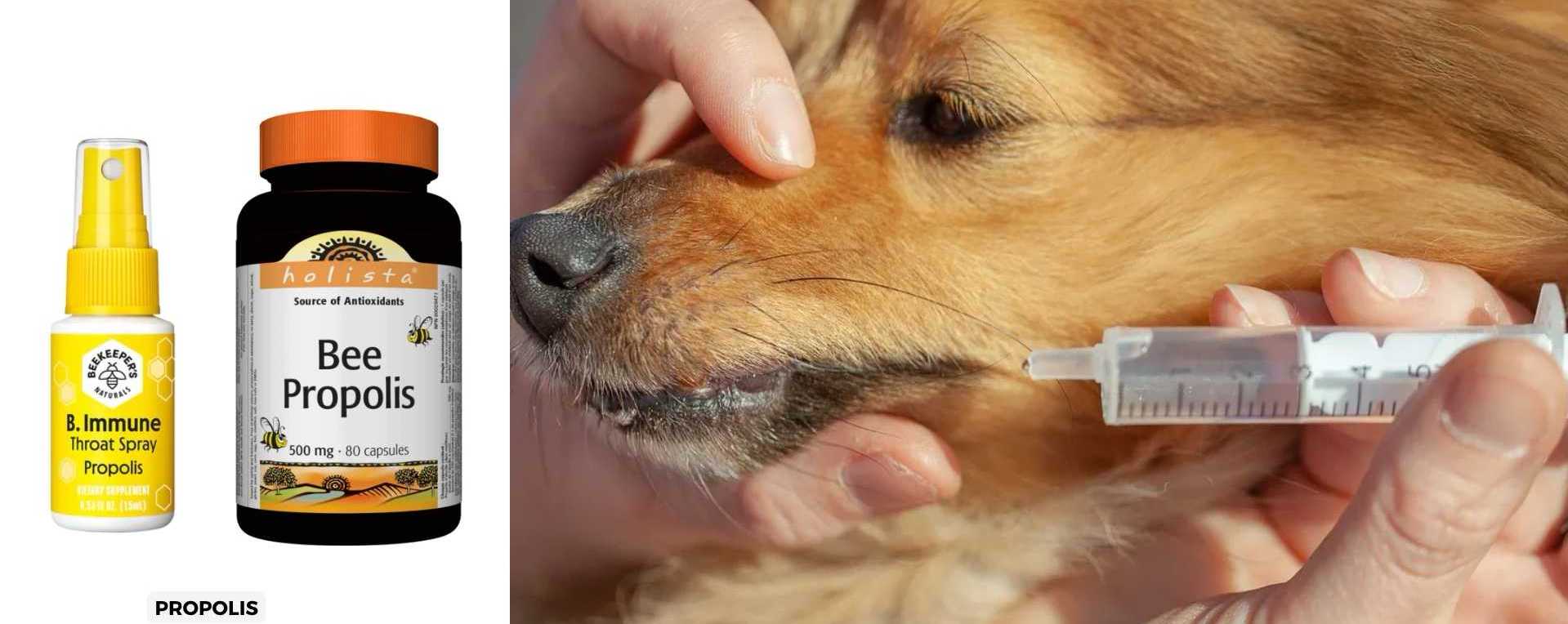
Propolis, also known as bee glue, is one of my favorite natural remedies.
It has antibacterial, antiviral, and anti-inflammatory properties, and it usually tastes pleasant.
A typical dose is 100 mg per 10 pounds daily.
Licorice Root

Licorice root has broad antiviral and anti-inflammatory effects. It may slow viral replication, reduce inflammation, and support the immune system.
A typical tincture dose is 1/4 ml per 20 pounds twice daily.
My Anti-Viral Cough and Fever Support Mix
When my wife and son were sick and coughing, I used a simple combination of:
- Elderberry concentrate
- Licorice root tincture
- Propolis
- Honey
This is the same type of natural support I think about when the body is fighting a viral infection.
Homeopathic Options
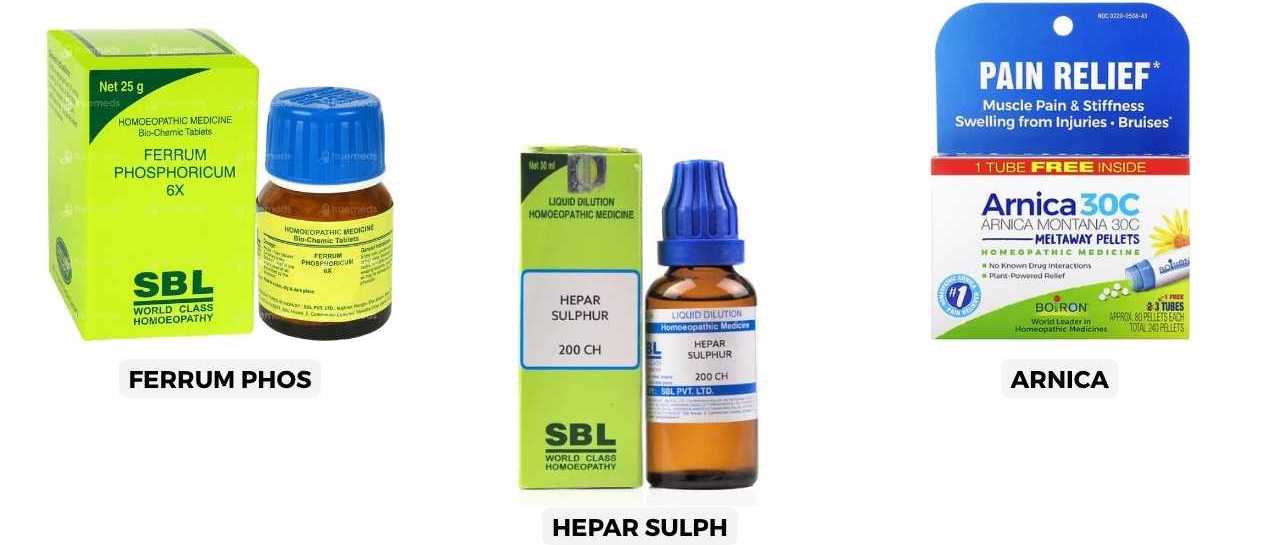
Some pet parents also use homeopathic remedies for fever support.
Ferrum Phos
For fever without many other clear symptoms.
Dose: 30C every 4 hours for 2 to 3 days
Hepar Sulph
Often used when infection or abscess is suspected.
Dose: 30C every 6 hours for 3 days
Arnica
Helpful for aches and soreness that can come with fever.
Dose: 30C every 4 to 6 hours
CBD for Fever and Inflammation
CBD, or cannabidiol, is one of the few over-the-counter options I consider safe for both dogs and cats.
Research suggests CBD may help with fever caused by pathogens, likely through its anti-inflammatory effects.
It is also calming, well tolerated, and generally has very few side effects when dosed appropriately.
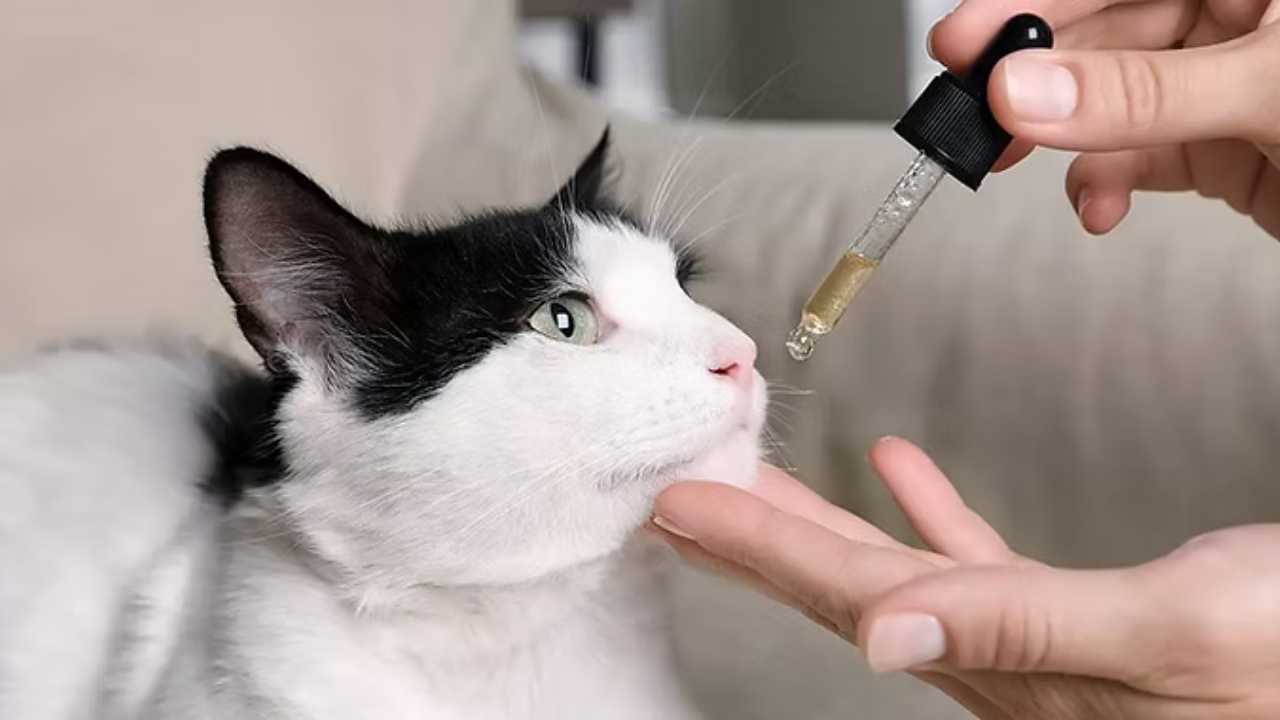
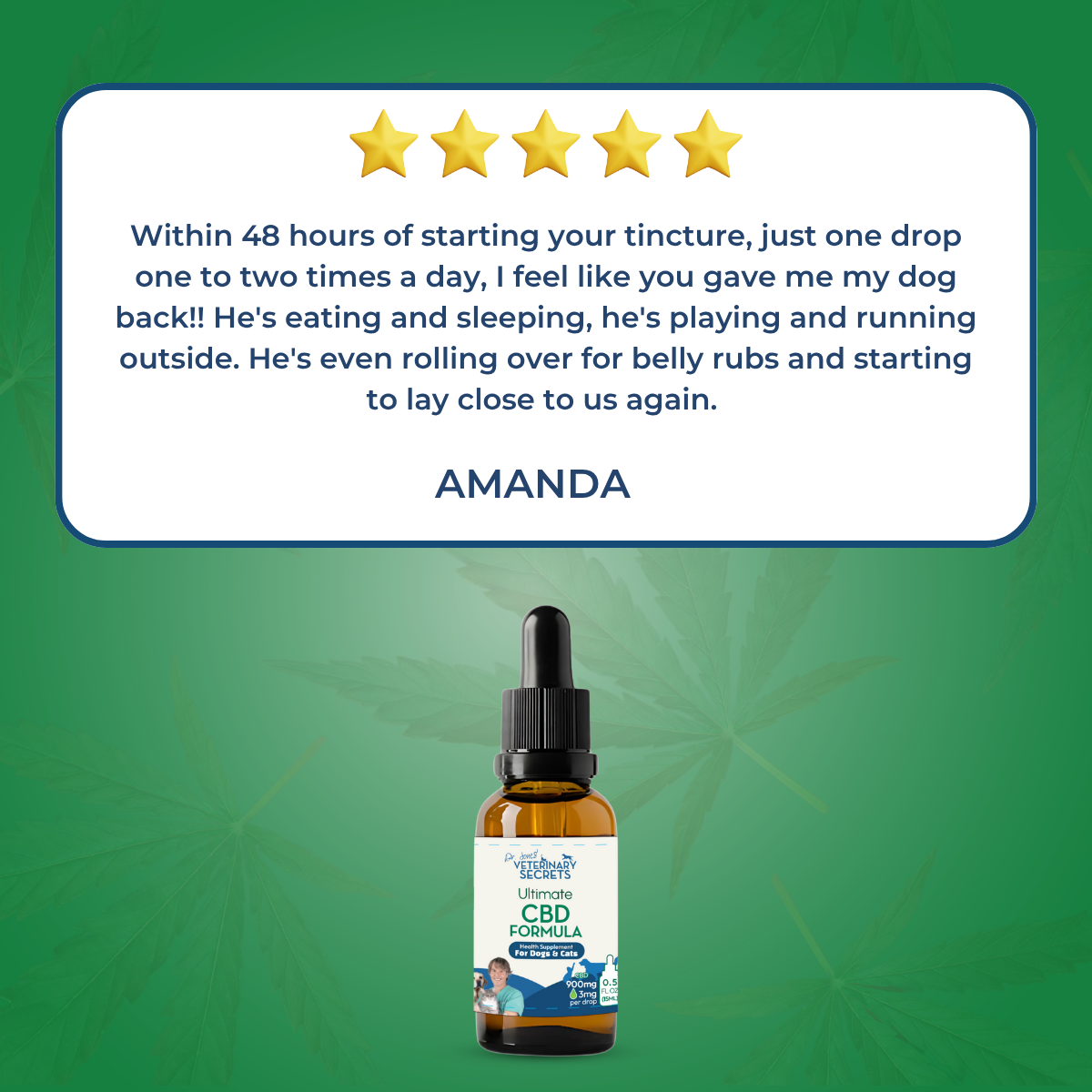
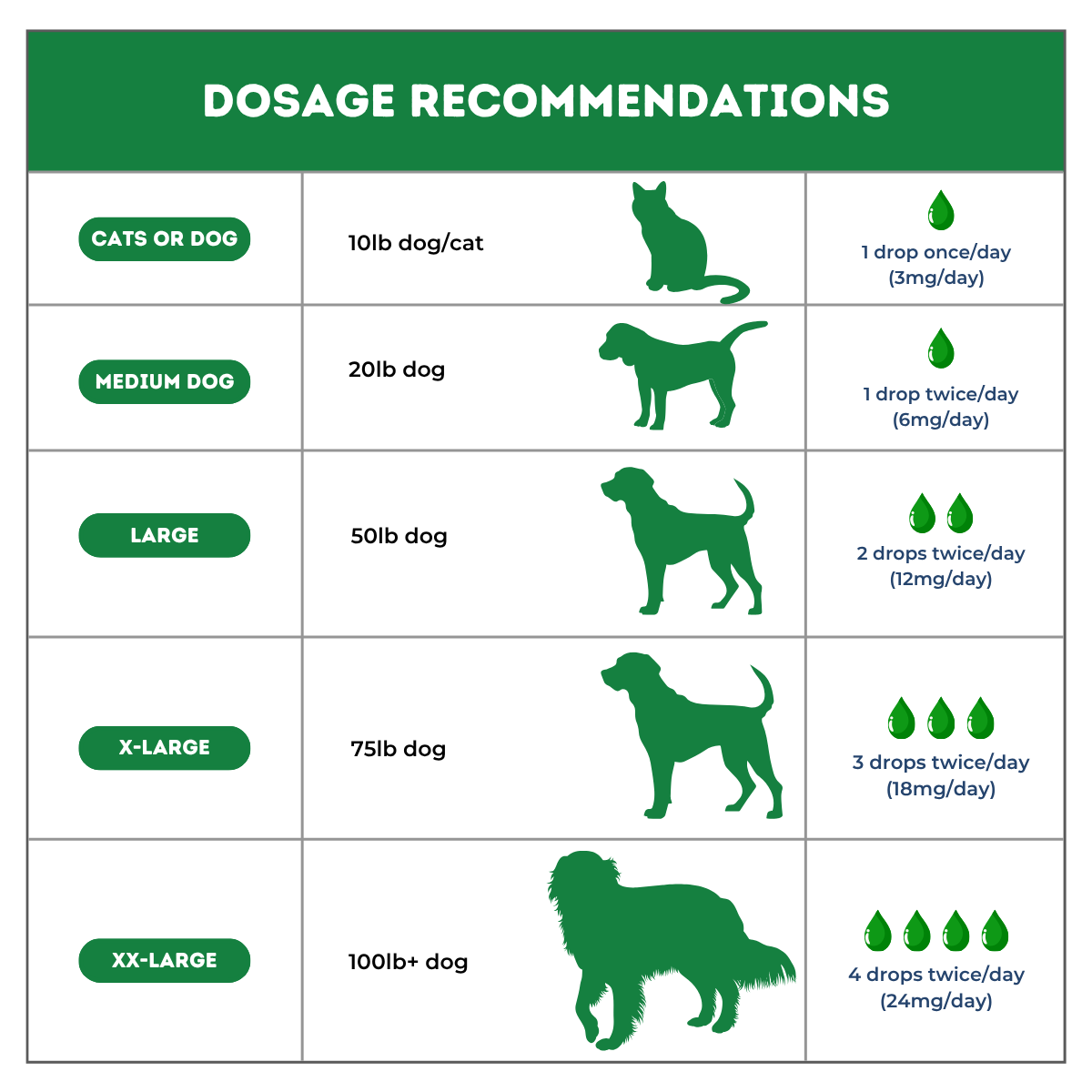
A typical dose of Dr. Jones’ ULTIMATE CBD for Dogs and Cats is:
3 mg per 10 pounds once to twice daily
This is especially important for cats, because they cannot safely be given aspirin, and I would be very cautious with conventional anti-inflammatories such as Metacam.
When to Call Your Veterinarian
Call your veterinarian if:
- Fever lasts more than 24 hours
- Your pet refuses water
- Your pet is weak or collapsing
- Breathing is abnormal
- There is vomiting or diarrhea
- You find a wound or abscess
- Your cat has a fever and is not eating
Fever is not the disease itself. It is a sign that something else is going on.
Final Thoughts
Fever means your pet’s body is fighting something.

Your job is to monitor, support hydration, keep them comfortable, and know when it is time to get help.
For home support, I like having safe options available, especially CBD, propolis, licorice root, elderberry, honey, and olive leaf extract.
I recently felt like a virus was coming on while I was training for a marathon. I used propolis, licorice root, elderberry, honey, and CBD. The illness never fully developed, and I went on to run the marathon and qualify for Boston.
So yes, I take immune support seriously.
Click To Get A Free Copy of My E-Book!

P.S. If your dog or cat gets a fever, do not panic, but do take it seriously. Take their temperature, keep them hydrated, and watch closely.
P.P.S. CBD is one of the few safer fever-support options for both dogs and cats. It is especially useful to have on hand because cats cannot be given aspirin.
Dr Jones’ ULTIMATE CBD for Dogs and Cats