New Studies Reveal Why Early Spay and Neuter Can Harm Your Dog’s Health

New Studies on Spay and Neuter: Why Timing Truly Matters
You really need to think twice about when, or even if, you spay or neuter your dog.
Over the last decade, new research has completely changed how we understand spay and neuter, especially when it comes to long-term health. Today I want to walk you through what the studies are showing, why timing matters so much, and what alternative options now exist.
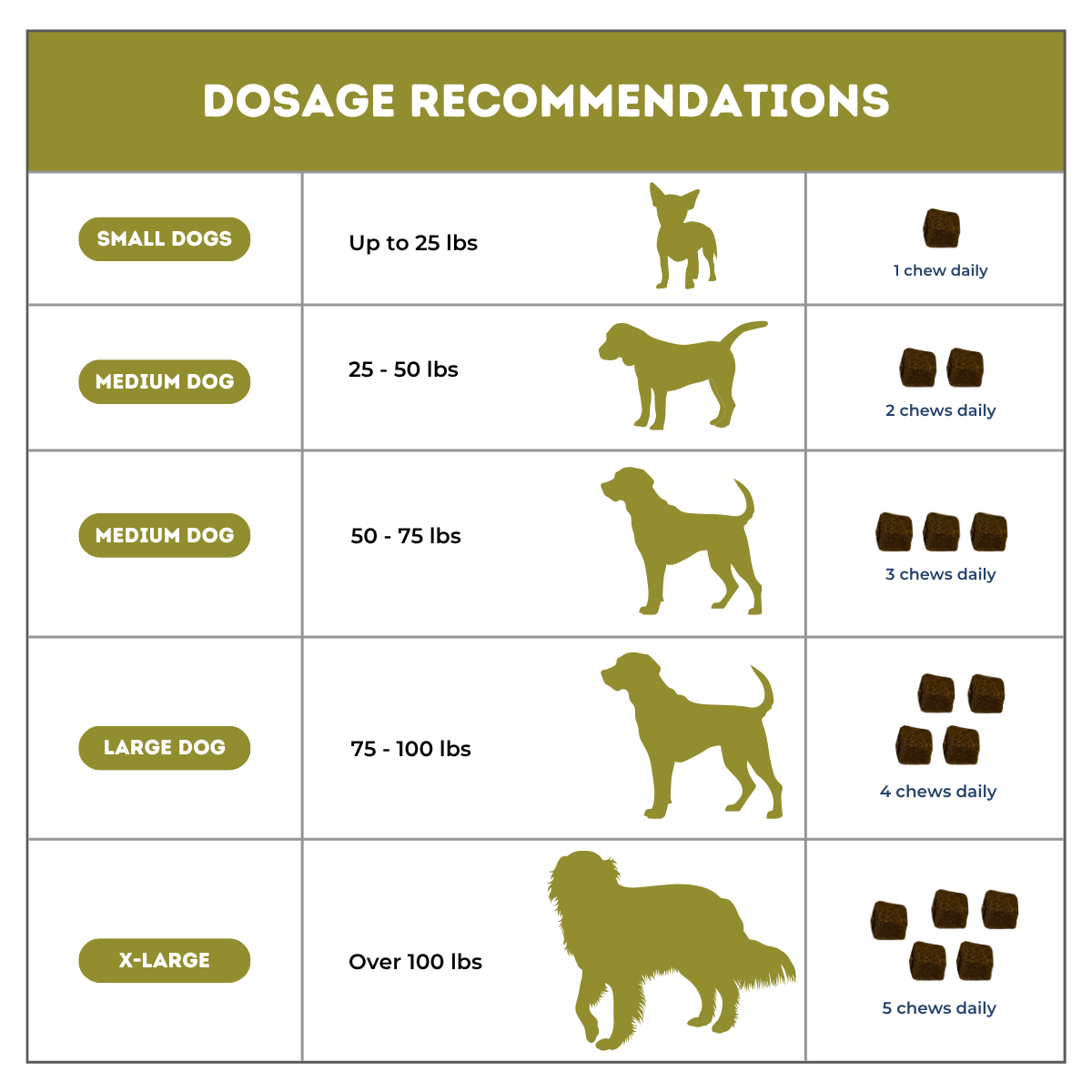
Dr. Jones’ Undenatured Type 2 Collagen Joint Care Chews for Dogs




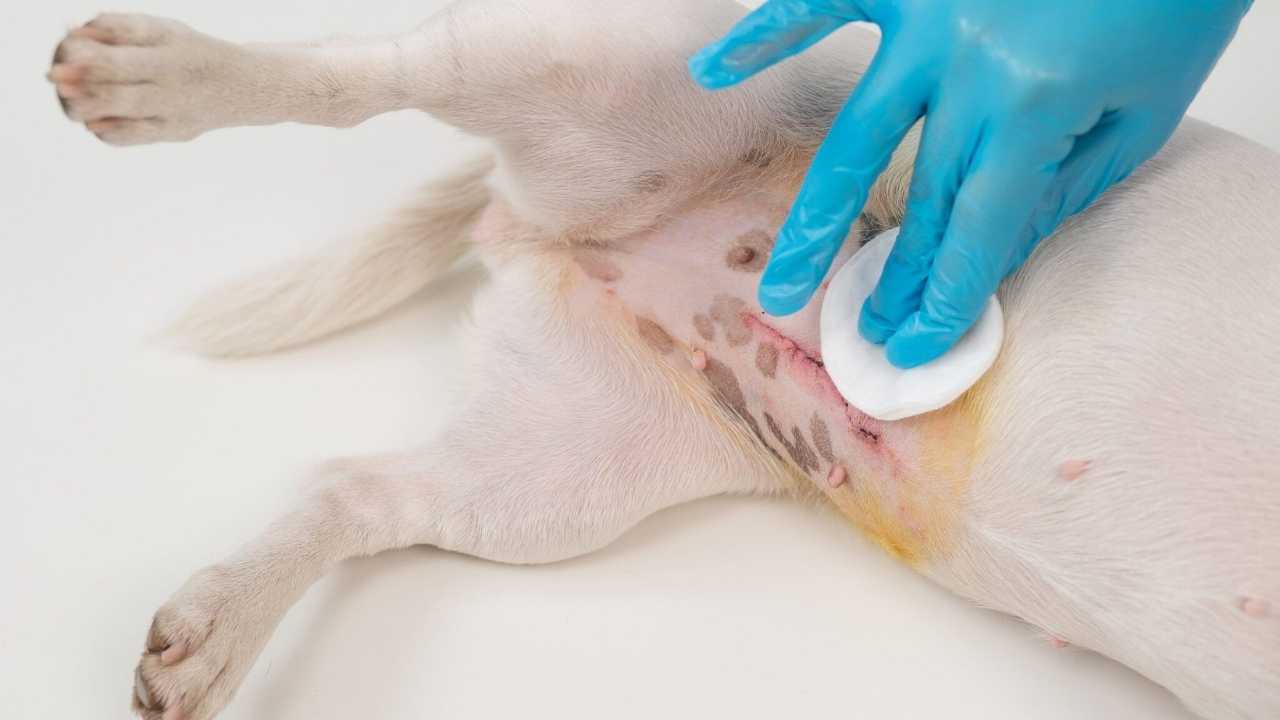
What Happens During Spay and Neuter
When a female dog is spayed, the ovaries are removed. That eliminates estrogen and all of its positive health effects.
When a male dog is neutered, the testicles are removed. That eliminates testosterone and all of its positive health effects.
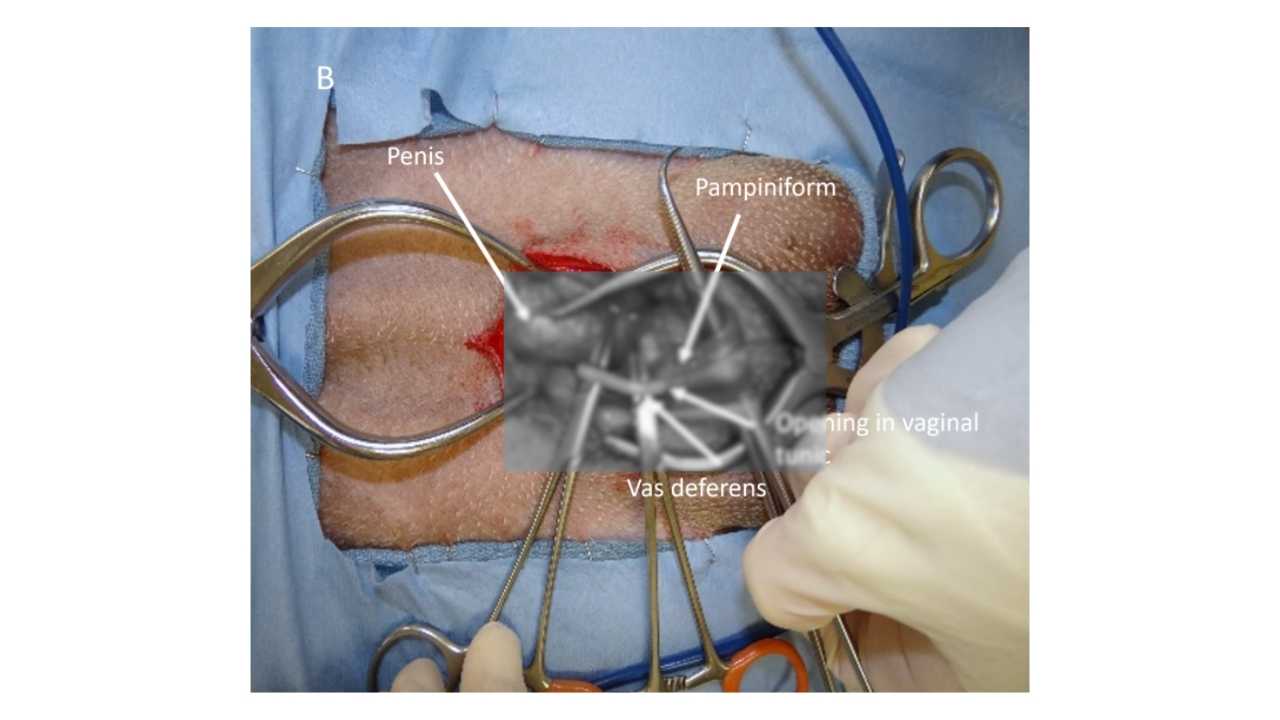
These hormones are not just about reproduction. They play a major role in bone development, joint strength, immune balance, metabolism, and brain health.
What the Research Is Showing
Over the last 10 to 15 years, multiple studies have linked early spay and neuter to serious health problems.

These include:
-
Increased risk of ACL tears
-
Hip dysplasia and joint disorders
-
Higher rates of certain cancers
-
Obesity
-
Urinary incontinence
-
Hypothyroidism and diabetes
-
Immune-mediated disease
-
Behavioral changes including fear and aggression
-
Cognitive decline later in life
Golden Retriever Studies

A 2013 study from the University of California Davis looked at Golden Retrievers. Dogs that were spayed or neutered had a much higher risk of:
-
ACL injuries
-
Hip dysplasia
-
Lymphoma
-
Hemangiosarcoma
-
Mast cell tumors
A follow-up study showed a two-fold increase in bone cancer in dogs that were spayed or neutered.
Another study found spayed female dogs had an eleven-times higher risk of developing brain tumors.
The ACL Injury Connection
A large study published in 2025 examined over 20,000 dogs and focused on ACL injuries.
The findings were very clear.
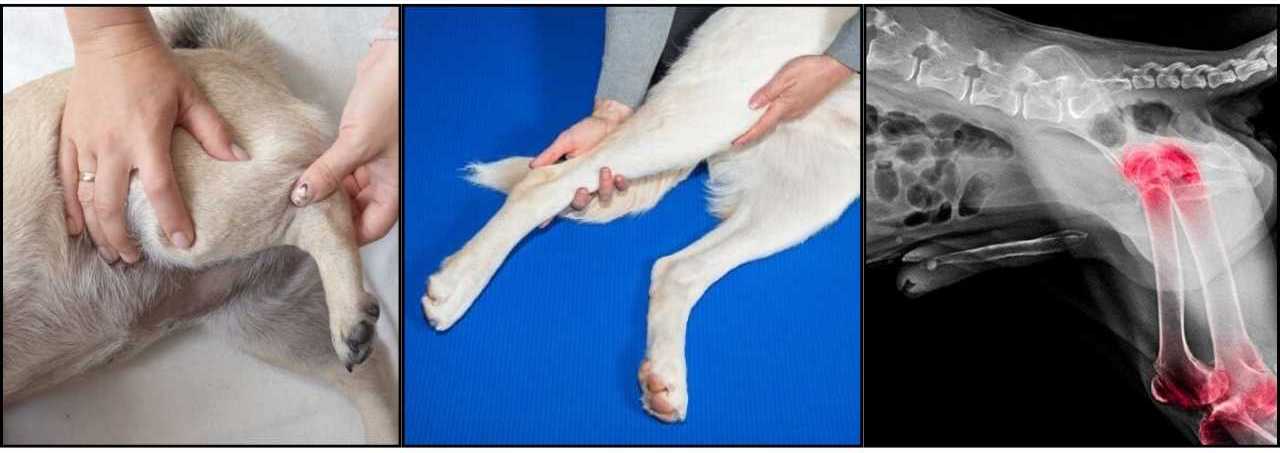
Female dogs left intact until around three years of age had almost no risk of ACL rupture.
Male dogs left intact until close to two years had a dramatically reduced risk.
Additional studies in 2022 and 2024 confirmed that early spay and neuter significantly increases the risk of ligament tears.
Forty years ago, ACL injuries were uncommon. Today, they are everywhere. Timing plays a major role.
Why Is This Happening?
Research from Oregon State University suggests the issue may involve luteinizing hormone, or LH.
In intact dogs, estrogen and testosterone naturally regulate LH through a feedback system. When those sex hormones are removed, LH levels rise unchecked.
It is believed that chronically elevated LH disrupts multiple body systems. This may explain the increased risk of joint disease, cancer, immune disorders, and metabolic problems.
If Your Dog Is Already Spayed or Neutered
If your dog was altered early, it does not mean problems are guaranteed.
Tula was spayed very young, long before I adopted her. She is now over fifteen years old and has done remarkably well. I feel fortunate.
Still, for dogs at higher risk, especially certain breeds, there are new options worth knowing about.
Alternative Options to Traditional Spay and Neuter
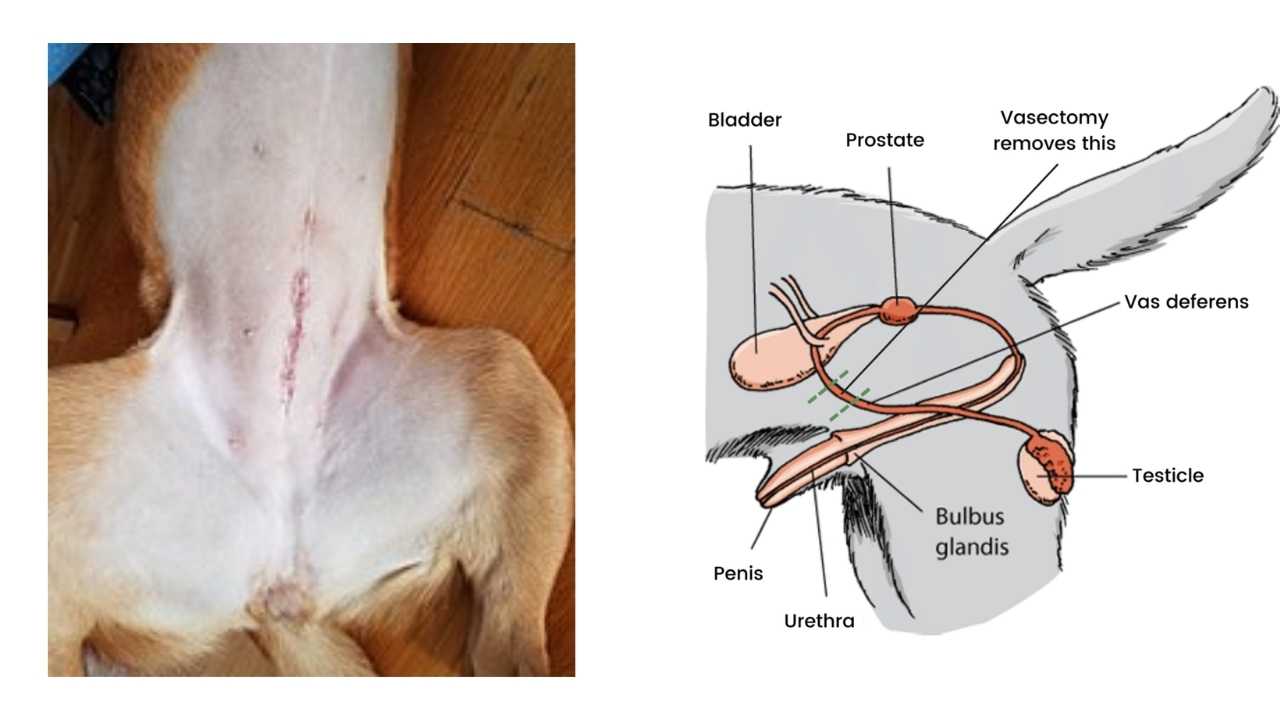
A vasectomy removes the vas deferens but leaves the testicles intact. Testosterone production continues.
This can preserve joint strength, muscle mass, and long-term health while still preventing reproduction.
Ovary-Sparing Surgery for Female Dogs
This involves removing the uterus and cervix while leaving the ovaries intact.
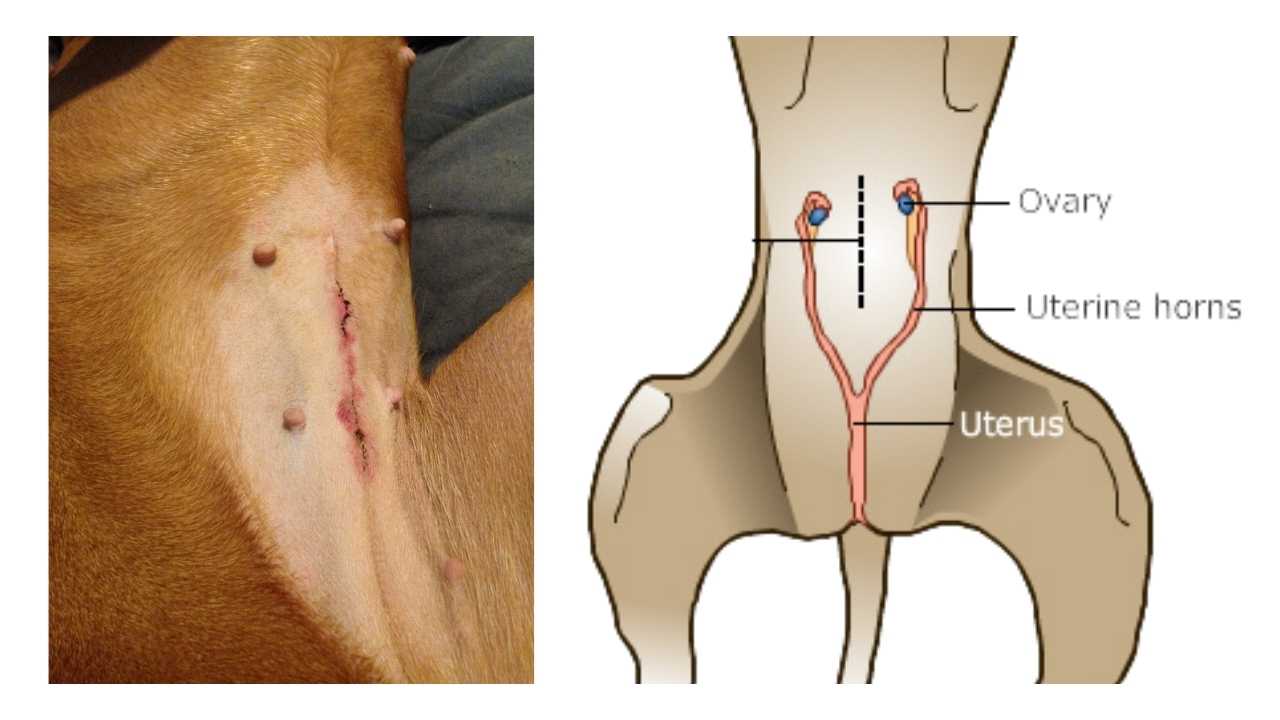
Estrogen continues to be produced, which helps protect bones, joints, and overall health.
These procedures are not complex and more practitioners are now offering them.
Delaying Spay and Neuter Still Helps
If alternative procedures are not available, delaying surgery makes a big difference.
For most dogs, waiting until at least two years of age significantly reduces health risks.

This is an emerging area of research and it is important.
Foundations such as the Parsemus Foundation are studying hormone replacement therapy for dogs that were spayed or neutered early.
Protocols being evaluated include:
-
Testosterone injections for male dogs
-
Oral estrogen for female dogs
-
Monitoring LH levels to guide dosing
The goal is to restore hormonal balance safely and reduce disease risk.
This approach mirrors what has been done in human medicine for decades.
Why This Conversation Matters
In people, no one would suggest neutering men to treat prostate issues. Alternatives exist.
It is time we applied the same logic to dogs.
By rethinking timing, choosing hormone-sparing options, or delaying surgery, we can dramatically improve long-term health.

Final Thoughts
Spay and neuter decisions should not be automatic. Timing matters. Hormones matter.
With better information and better options, we can help our dogs live healthier, longer lives.
Get A Free Copy of My E-Book!









My 4months pup is booked to get spayed in Feb. Vet said she’s a “smaller breed” so spaying earlier will be better as the bone development hormone won’t do much for her and the outcome to spaying before first heat outweighs the con, which is cancer.
Is this correct? Especially with this new research.
Thank you for reaching out with your question. Dr. Jones has prepared a helpful blog titled “To Snip or Not to Snip? What Vets Wish You Knew Before Spaying or Neutering Your Pet,” which discusses recent research and provides insight into the potential long-term effects of early spaying, including considerations around growth, hormones, and overall health.
You can review the full article using the link below:
https://veterinarysecrets.com/should-you-spay-neuter-pet/
We hope this information helps you make a more informed decision for your puppy. Please let us know if you have any other questions.